California Feels Familiar Until It Doesn't
Canada and California share a language, a coastline, and plenty of cultural overlap. Yet Canadian visitors quickly encounter differences involving weather, driving, dining, prices, and everyday etiquette. Some are convenient, while others require a little adjustment.
Sunshine Does Not Guarantee Warmth
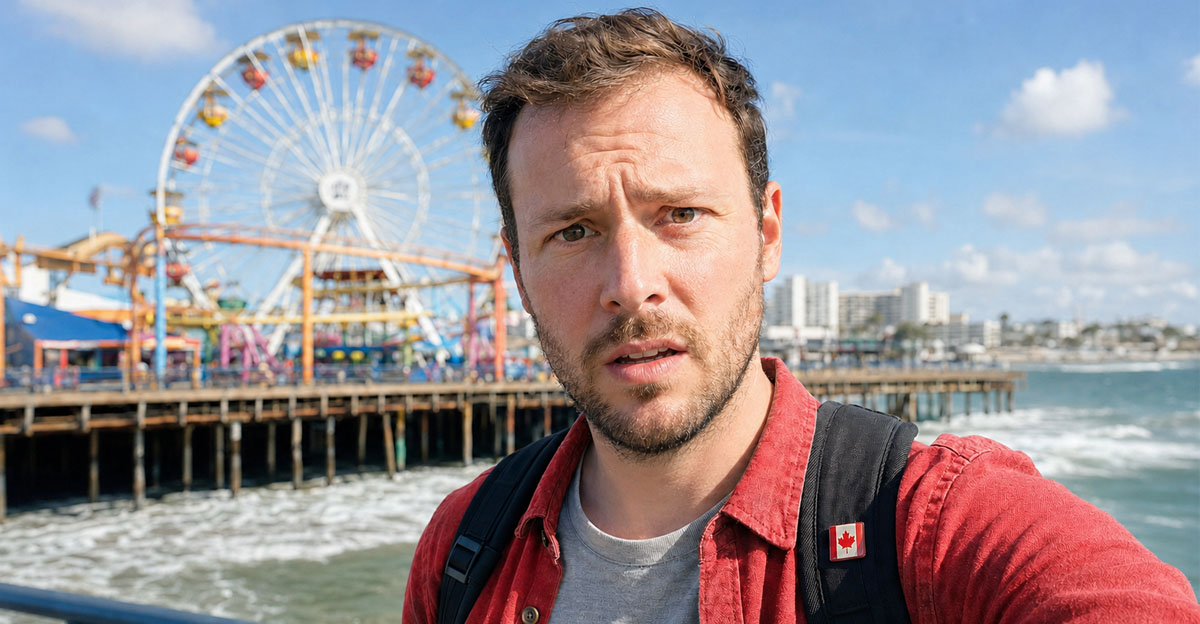
California’s sunny reputation can encourage Canadians to leave their jackets at the hotel. Coastal areas are often much cooler than inland communities, particularly after sunset. Dressing in layers is usually smarter than trusting the blue sky.

Summer Can Be Fog Season
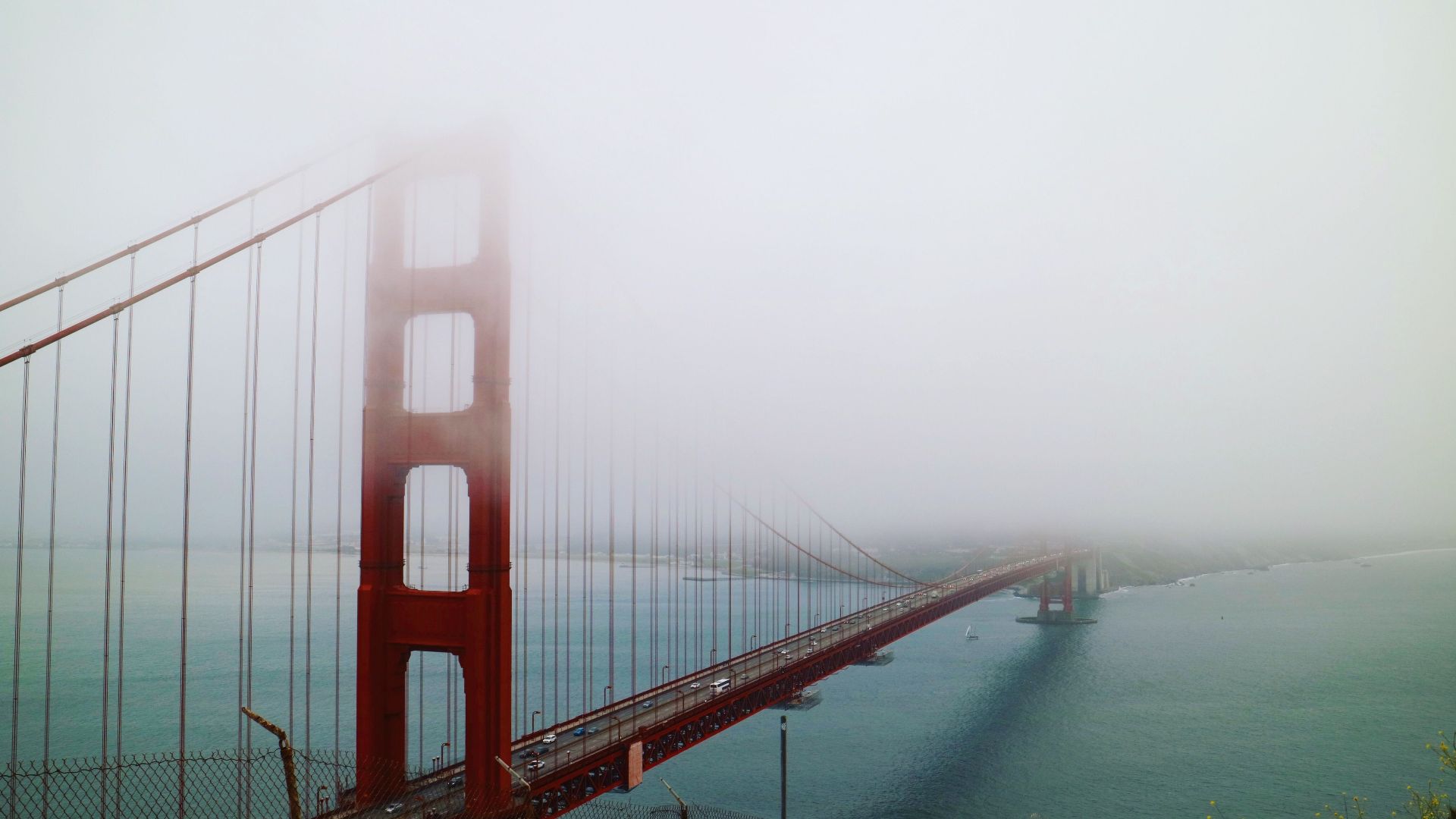
Canadians may expect July and August to bring California’s clearest coastal weather. However, summer fog frequently blankets the coast from Monterey northward, especially around San Francisco. September and October can actually produce sunnier days in parts of Northern California.
The Pacific Is Surprisingly Cold
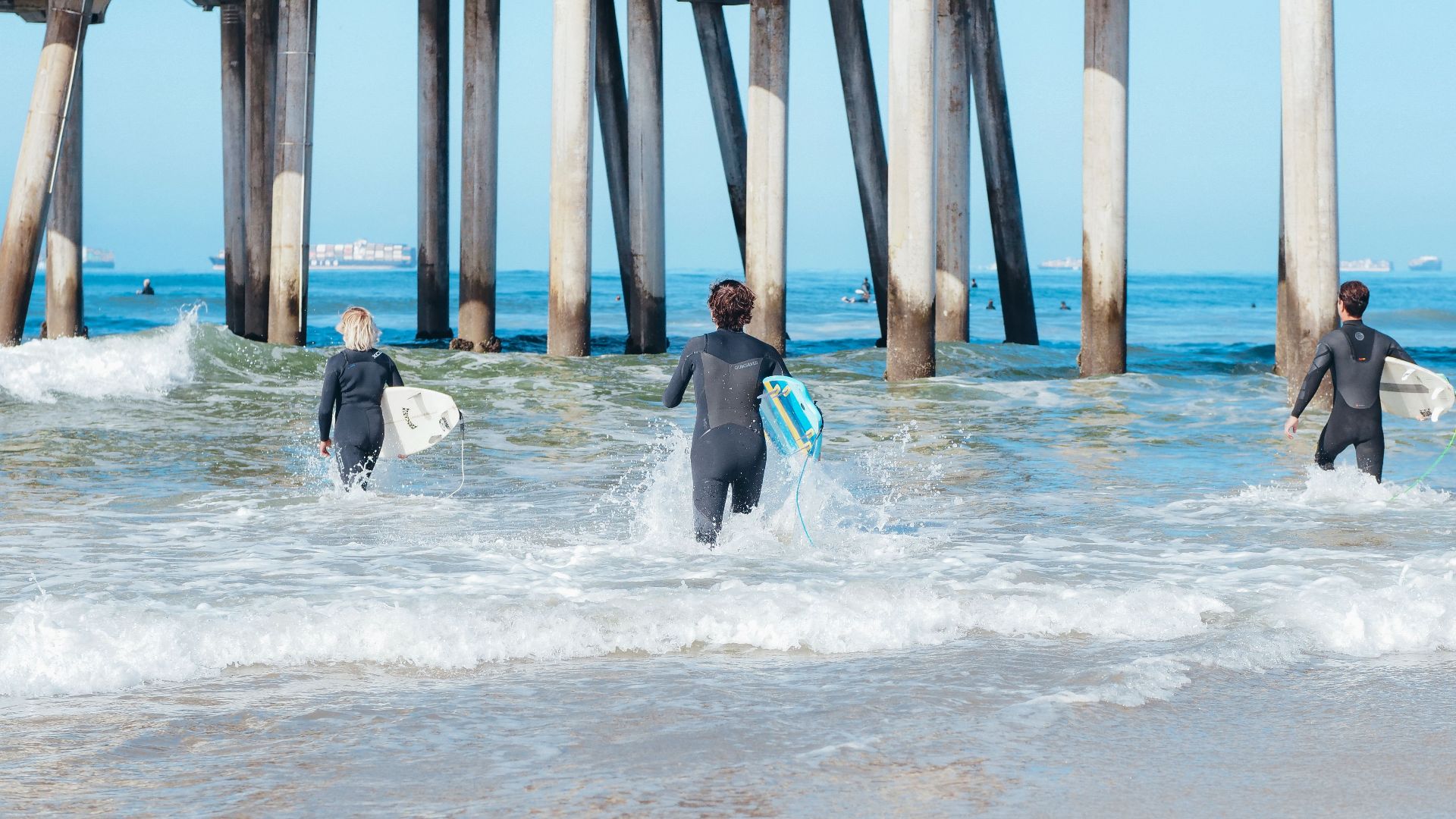
California’s beaches may look tropical, but much of the Pacific water is decidedly chilly. Cold currents, strong surf, sudden drop-offs, and rip currents make many beaches better for walking than casual swimming. Visitors should check local warnings and choose lifeguard-protected areas whenever possible.
Snow And Desert Can Share One Vacation
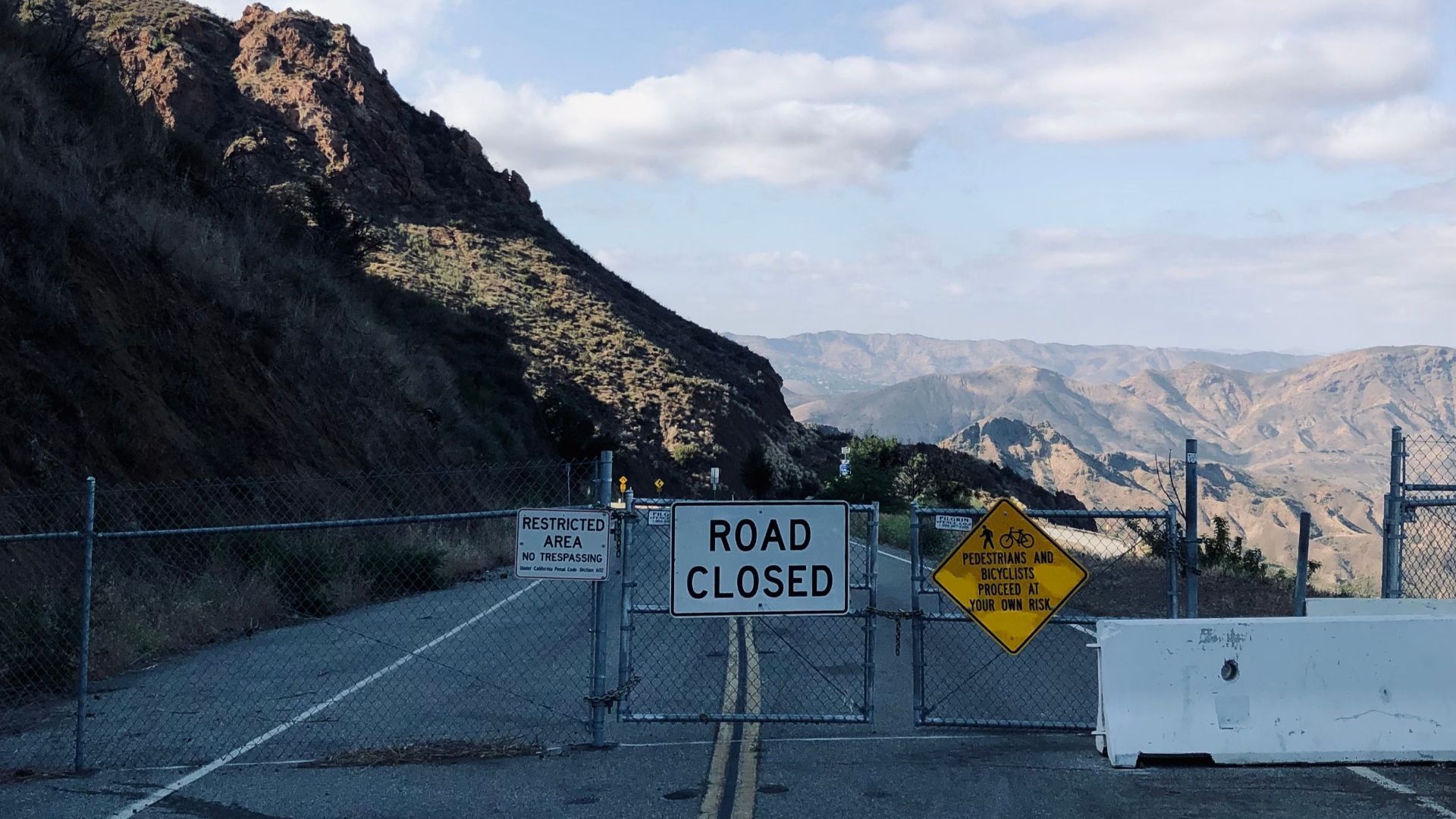
California contains far more climatic variety than its beach-and-palm-tree image suggests. Travelers can encounter scorching desert, cool redwood forest, snowy mountains, and foggy coastline within one state. Higher Sierra Nevada roads may remain closed until summer because of snow.
The Distances Are Easy To Underestimate
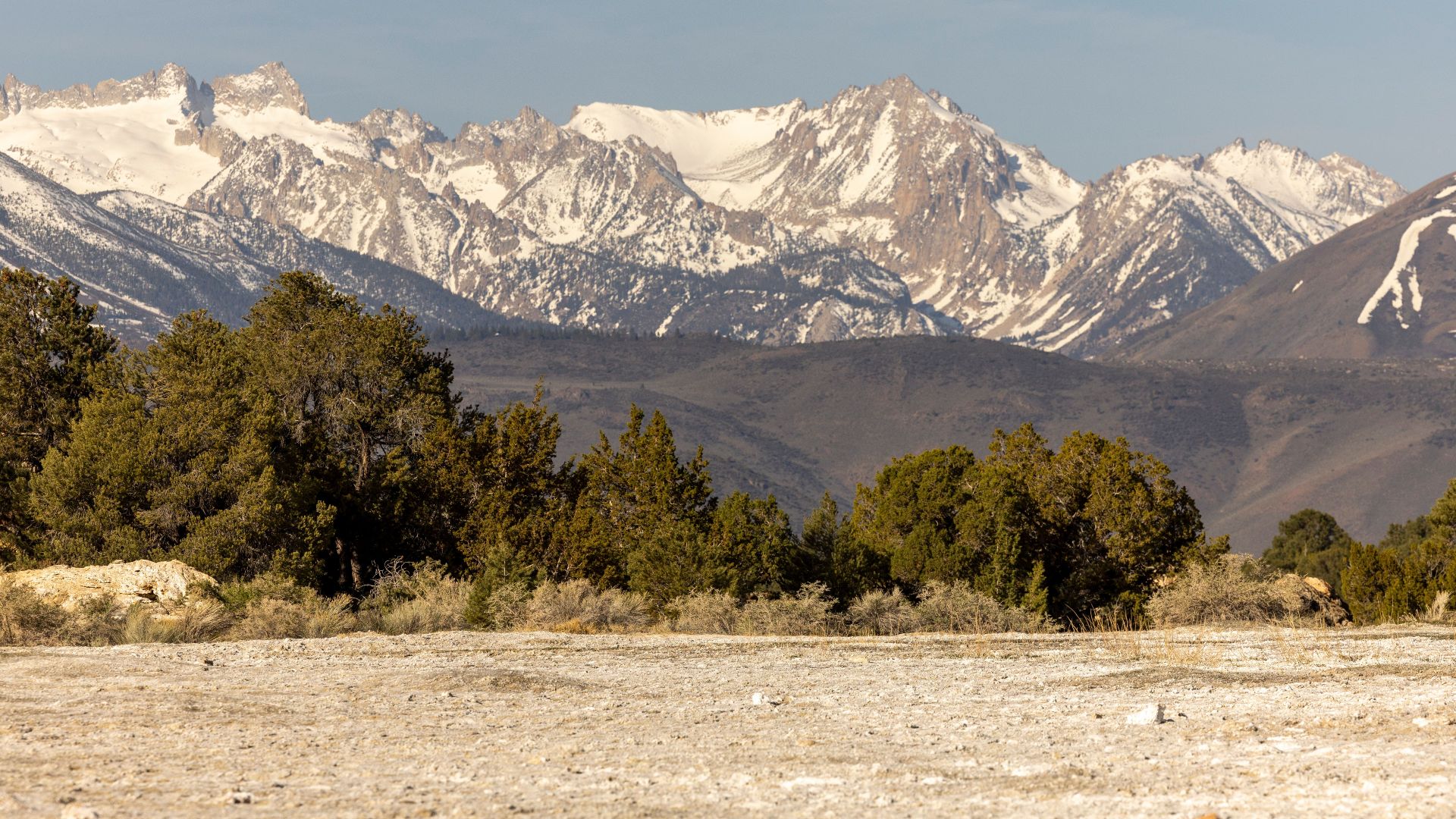
Los Angeles, San Francisco, Yosemite, and San Diego may appear conveniently grouped on a vacation map. In reality, driving between California’s major destinations can consume much of a day. Even a direct Los Angeles-to-Bay Area road trip covers roughly 400 miles.
Traffic Changes The Meaning Of Nearby
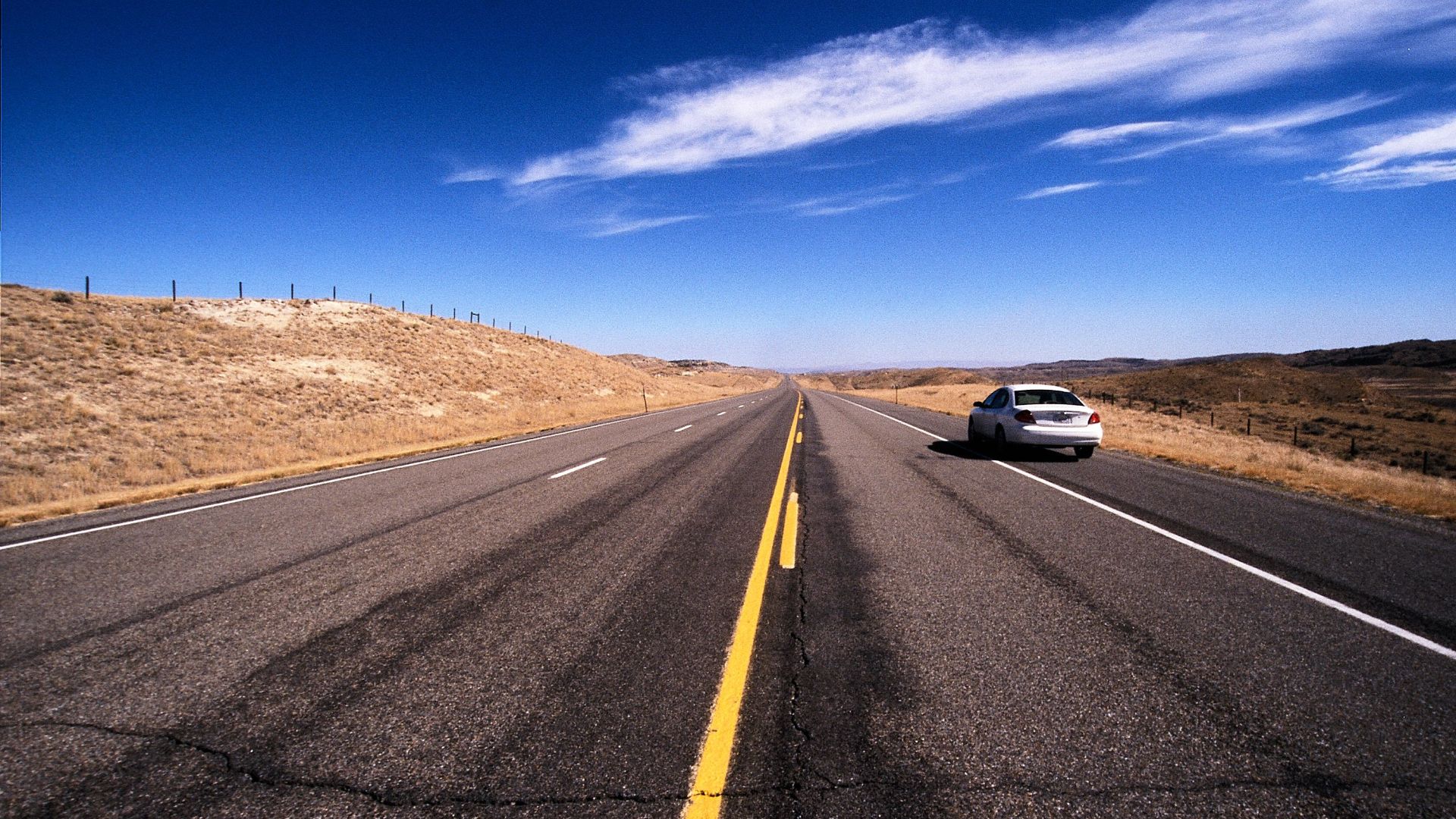
A California destination can be geographically close and still require a long drive. Congestion, collisions, construction, and limited parking make travel times unpredictable around major cities. Locals often describe distance in minutes rather than miles for that reason.
Cars Still Shape The Experience
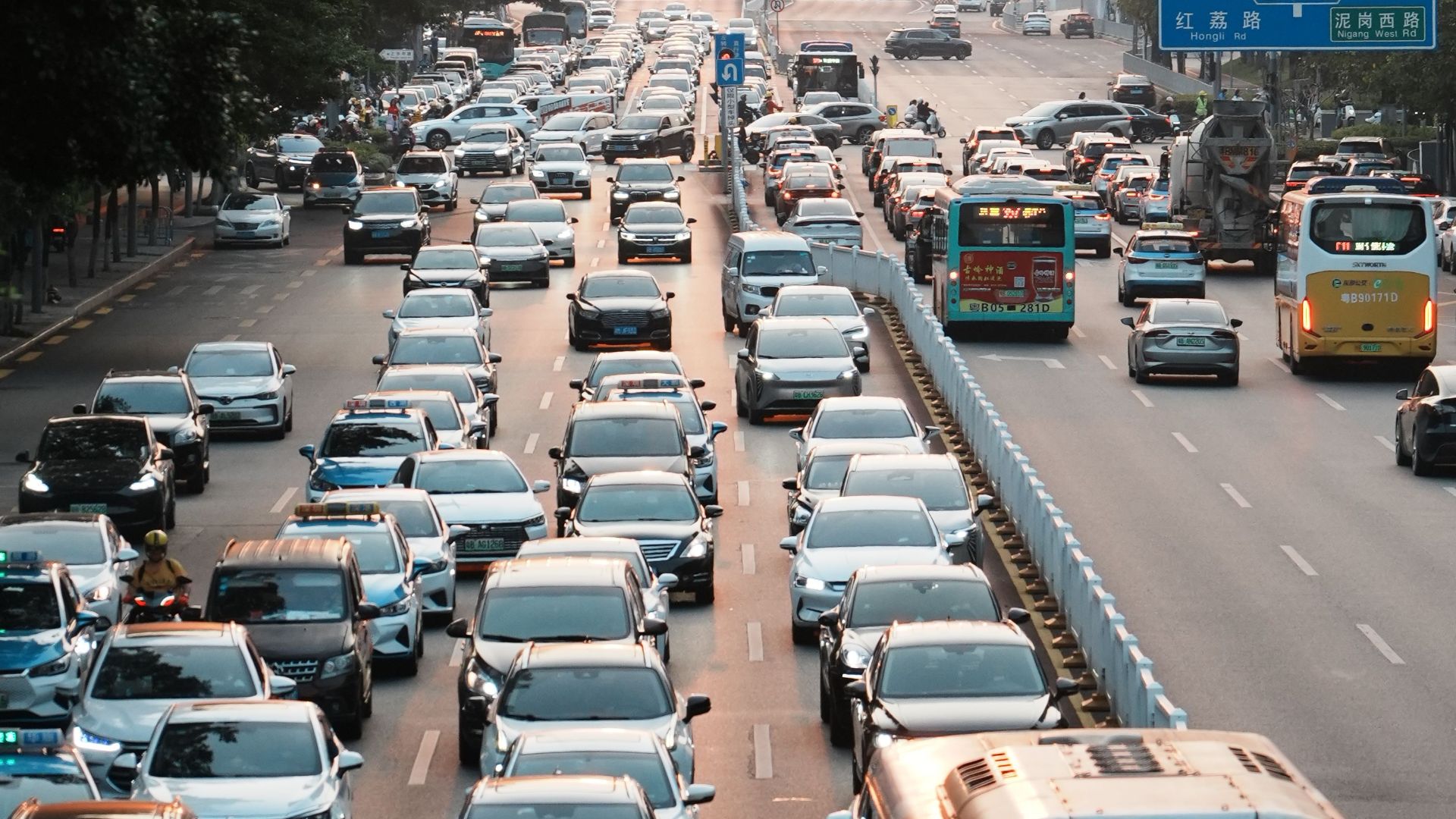
Walkable neighborhoods and useful transit systems exist, but many California itineraries remain easiest with a car. Los Angeles Metro offers rail and bus service with fare caps and free transfers within two hours. Reaching beaches, trailheads, suburbs, and scattered attractions can still require careful transportation planning.

Right Turns On Red Require Attention
California generally permits drivers to turn right at a red light after making a complete stop, unless a sign prohibits it. Drivers must yield to pedestrians, cyclists, and vehicles with the right of way. Canadian visitors should also remember that local signs and intersection restrictions always take priority.
Motorcycles May Pass Between Cars
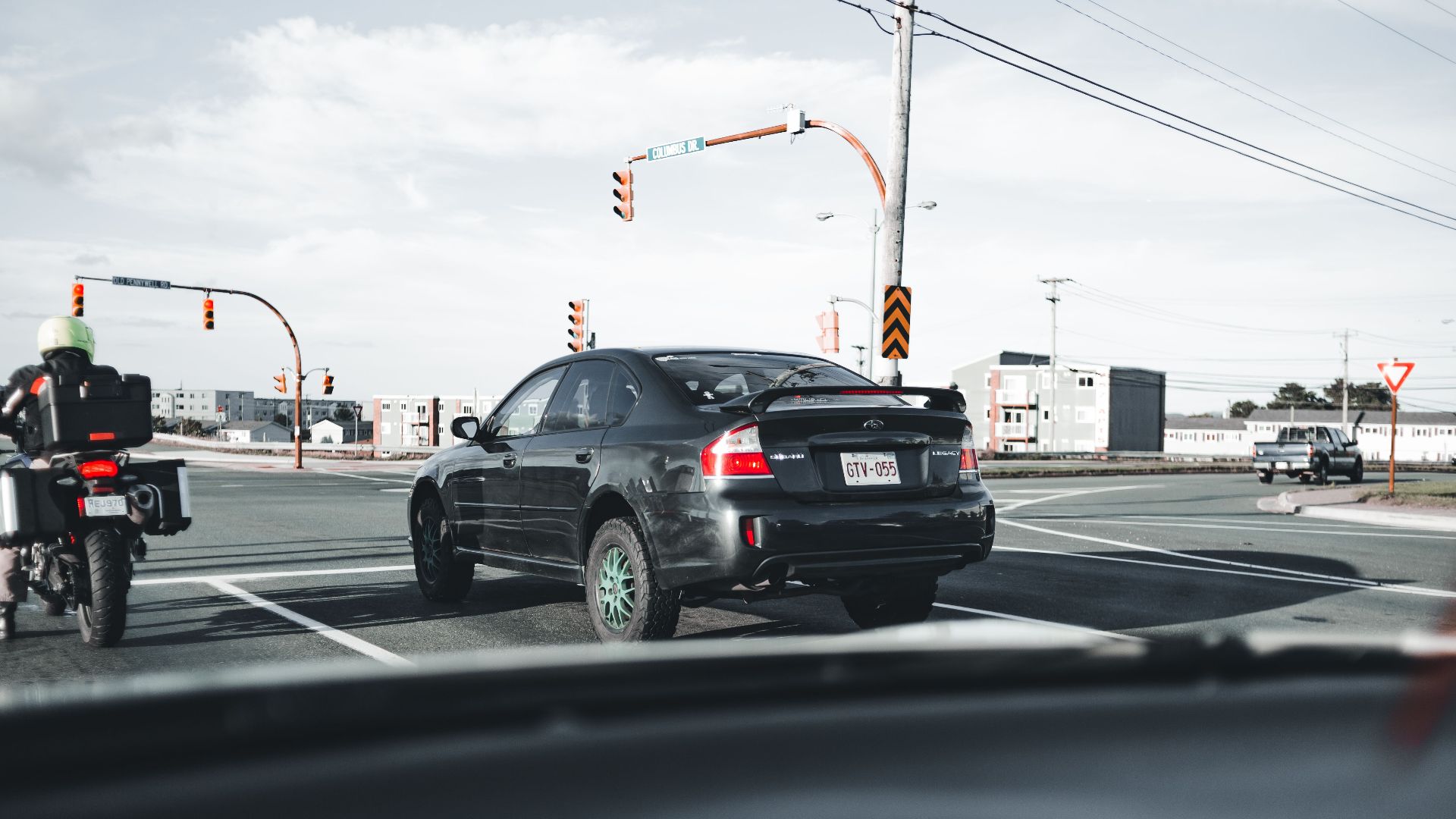
Lane splitting allows motorcyclists to travel between rows of stopped or moving traffic in California. The maneuver can startle Canadians who are not accustomed to seeing a motorcycle appear beside them in congestion. Drivers should check mirrors carefully and avoid deliberately blocking riders.

Road Signs Speak A Different Language
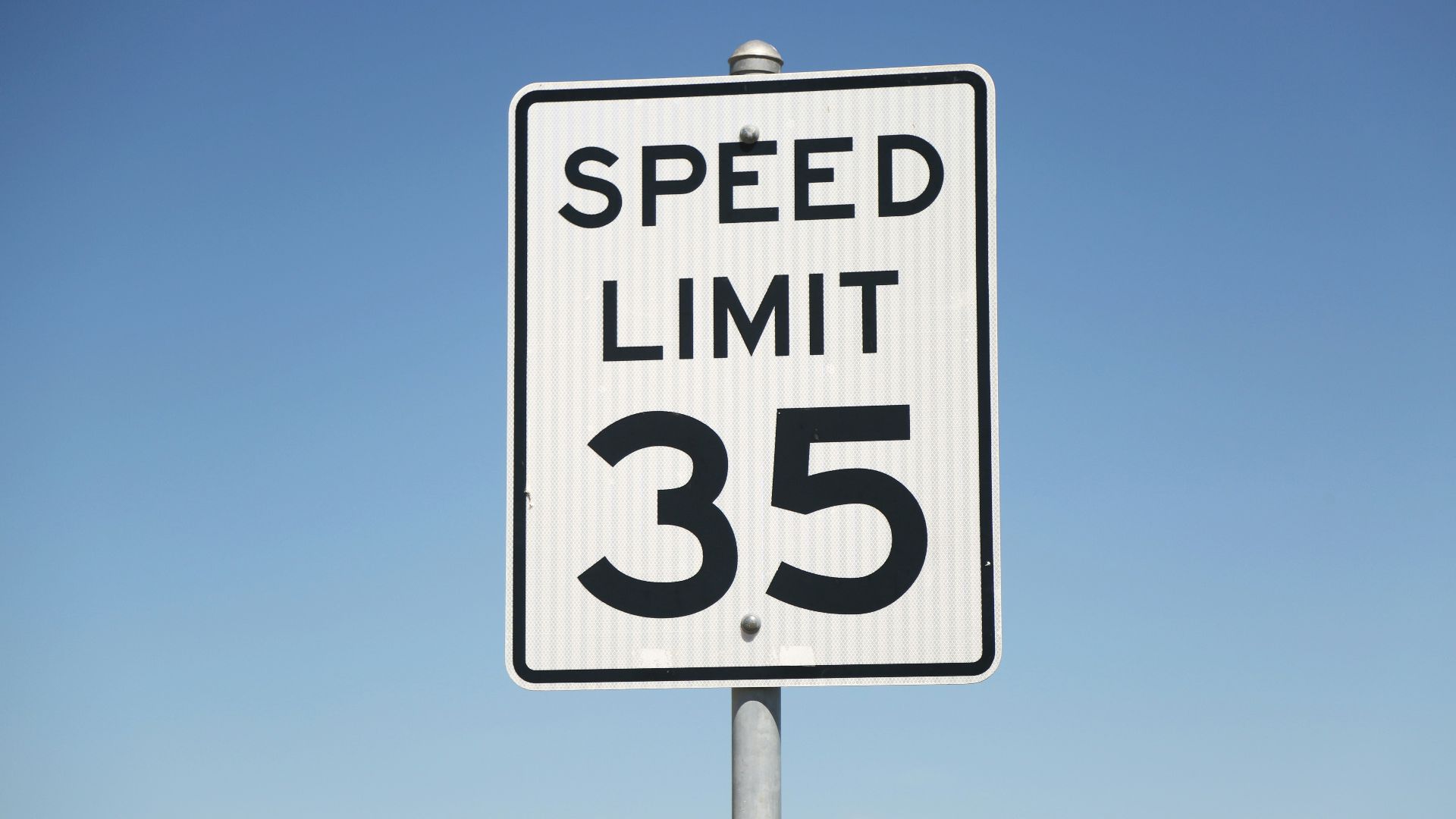
Distances and speed limits are posted in miles rather than kilometers. Fuel is sold by the US gallon, which is smaller than the old Canadian imperial gallon. Temperatures also appear in Fahrenheit, so a forecast of 86 degrees means a hot 30°C day.
The Sticker Price Is Not The Final Price
Government sales tax can still be added at checkout instead of appearing in the displayed price. California’s statewide base sales tax rate is 7.25 percent, and local district taxes can raise the total. Canadians should therefore expect the register price to exceed the shelf price in many stores.

The Currency Conversion Adds Up Quickly
Every menu price, parking fee, and fuel purchase is charged in US dollars. A Canadian credit card may also impose a foreign-transaction fee, depending on the card agreement. Checking the exchange rate before travelling makes California’s real cost easier to judge.

Tipping Appears Almost Everywhere
Canadian travelers already understand restaurant tipping, but California payment screens can make the custom feel more pervasive. Suggested gratuities frequently appear at cafés, bars, takeout counters, and other quick-service businesses. Tips remain voluntary unless a clearly disclosed mandatory charge applies.

Restaurant Portions Can Become Tomorrow’s Lunch
Many California restaurants serve portions large enough to share or take away. Free refills are also common for fountain soft drinks at casual establishments, although policies vary. Asking for a takeout container is routine and does not attract much attention.
 Ambitious Studio* | Rick Barrett, Unsplash
Mexican Food Is Part Of Daily Life
Mexican cuisine in California extends far beyond familiar combination plates. Regional tacos, burritos, tamales, seafood dishes, and salsas vary noticeably between cities and communities. The state’s large Hispanic and Latino population has profoundly shaped its everyday food culture.

Fresh Produce Gets Serious Attention
California’s agricultural output helps put abundant fruit, vegetables, nuts, and wine on local menus. Farmers’ markets operate in communities ranging from small inland towns to major coastal cities. Seasonal ingredients often receive top billing rather than appearing as an afterthought.

Alcohol Is Sold In Unexpected Places
Depending on its license, a California supermarket or neighborhood store may sell beer, wine, and distilled spirits. That can surprise visitors from Canadian provinces where government-run or specialized retailers play a larger role. Customers must be at least 21 to purchase alcoholic beverages.

Provincial Health Coverage Is Not Enough
Canadian public health insurance may cover little or none of the cost of medical treatment in the United States. The Government of Canada recommends obtaining travel insurance before leaving the country. Visitors should confirm coverage for medical evacuation, existing conditions, and planned activities.

Wildfire Awareness Is Part Of Travel Planning
Dry vegetation, heat, wind, and drought can create serious wildfire conditions. Fires may close highways, affect air quality, or force communities to evacuate with little notice. Travelers should monitor official alerts rather than relying entirely on an itinerary prepared weeks earlier.
Earthquake Alerts Are A Real Thing
Earthquakes can occur throughout California, although most visitors will not experience a damaging one. The state operates an early-warning system that can provide brief notice before shaking reaches some locations. The recommended response is to drop, cover, and hold on.

Water Conservation Is Highly Visible
Canadians accustomed to greener summer landscapes may notice dry hills, drought-tolerant gardens, and limited ornamental lawns. California promotes water-efficient landscaping as part of its broader conservation strategy. Brown vegetation does not necessarily mean that a property or park has been neglected.

Parking Curbs Have Their Own Code
Painted curbs communicate rules that visitors need to understand before leaving a rental car. Red generally means no stopping, blue indicates disabled parking, and green usually permits parking for a limited time. Street-cleaning schedules and permit restrictions can add another layer of confusion.

Popular Nature Often Requires Planning
California’s wilderness feels enormous, but its most famous parks and campgrounds can become extremely busy. Many state park campgrounds fill as much as six months ahead. Yosemite will not use a season-long entrance reservation system in 2026, but officials still recommend early planning for weekends and holidays.
California Sounds More Multilingual
Spanish is woven into California’s place names, food, architecture, and everyday conversation. Census data indicates that more than four in ten residents aged five and older speak a language other than English at home. Visitors may also hear Mandarin, Cantonese, Tagalog, Korean, Vietnamese, Armenian, and many other languages.

The Differences Make The Trip Better
California feels accessible enough that Canadians can settle in quickly, yet distinctive enough to keep producing surprises. A little preparation for its roads, weather, prices, natural hazards, and local rules prevents most problems. Once those differences become familiar, the state becomes much easier to explore.

You May Also Like:
Things Canadians Miss Most When They Travel To The United States
Things Canadians Notice Immediately When They Visit Florida
Retirees Shared The Small Towns They'd Move To In A Heartbeat—Would You Live In Any Of Them?