Small Town Retirement Has Big Appeal
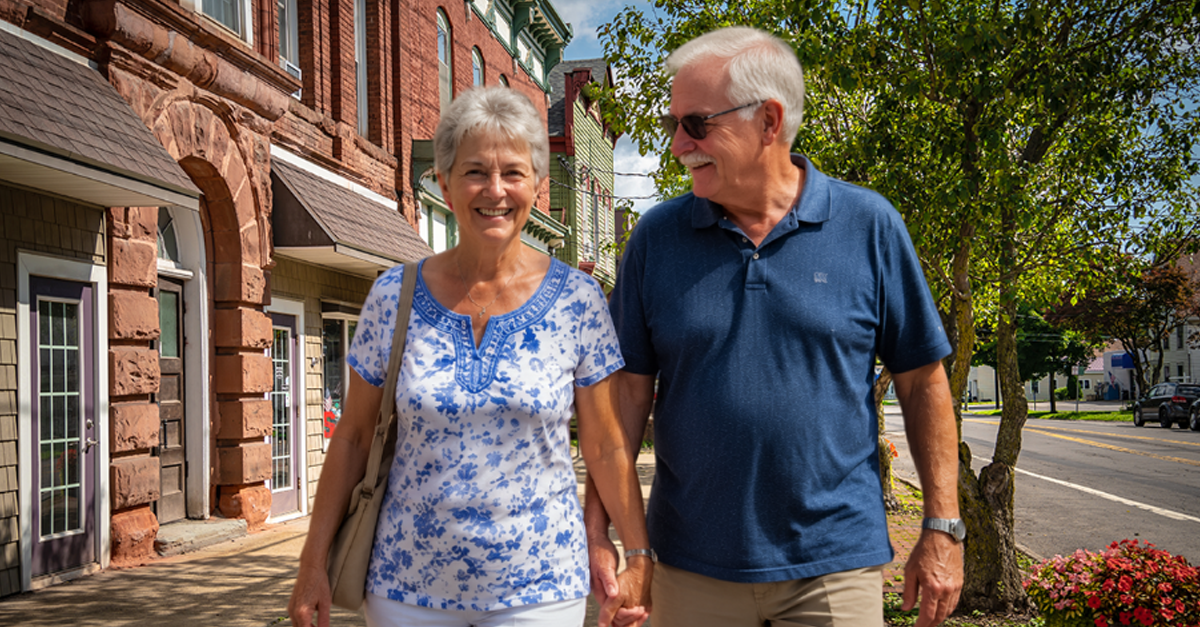
Retirement does not have to mean moving into a sprawling resort community or settling beside a crowded beach. Many retirees are drawn to smaller American towns with welcoming downtowns, outdoor recreation, cultural attractions, and a slower daily rhythm. These destinations show how different that dream can look from one region to another.
Belfast, Maine
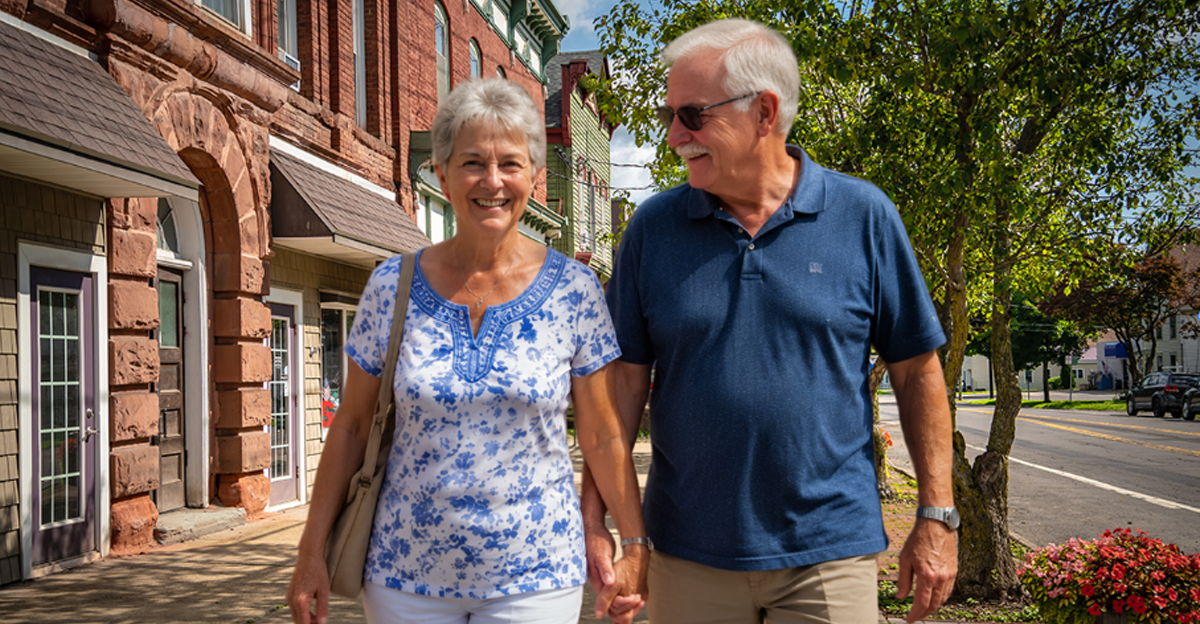
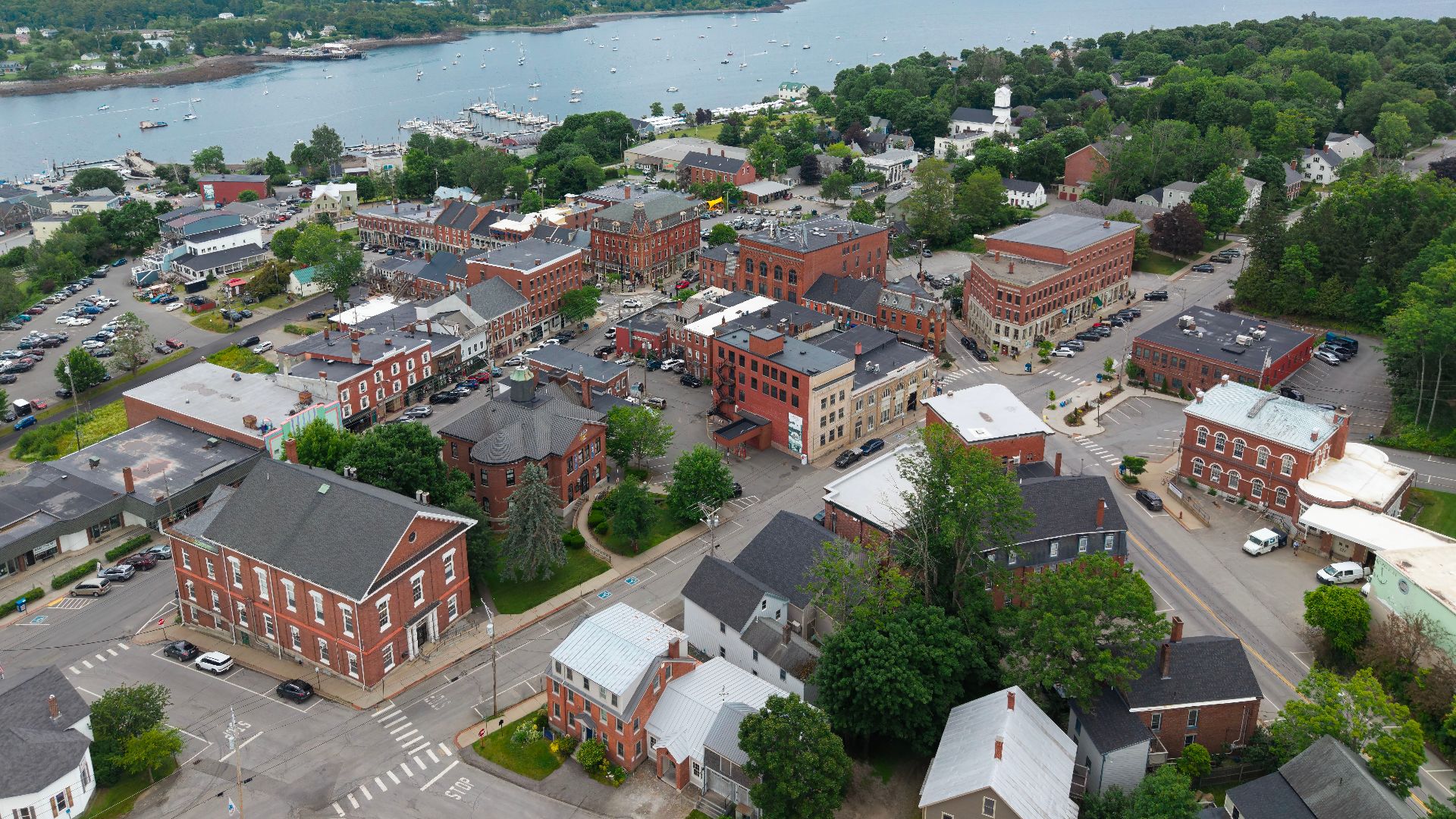
Belfast combines a working waterfront with a lively arts community on Maine’s scenic Midcoast. Its compact downtown is filled with independent restaurants, shops, galleries, historic buildings, and frequent community events. Retirees who enjoy cool summers, coastal walks, and four distinct seasons may quickly feel at home here.
 Quintin Soloviev, Wikimedia Commons
Peterborough, New Hampshire
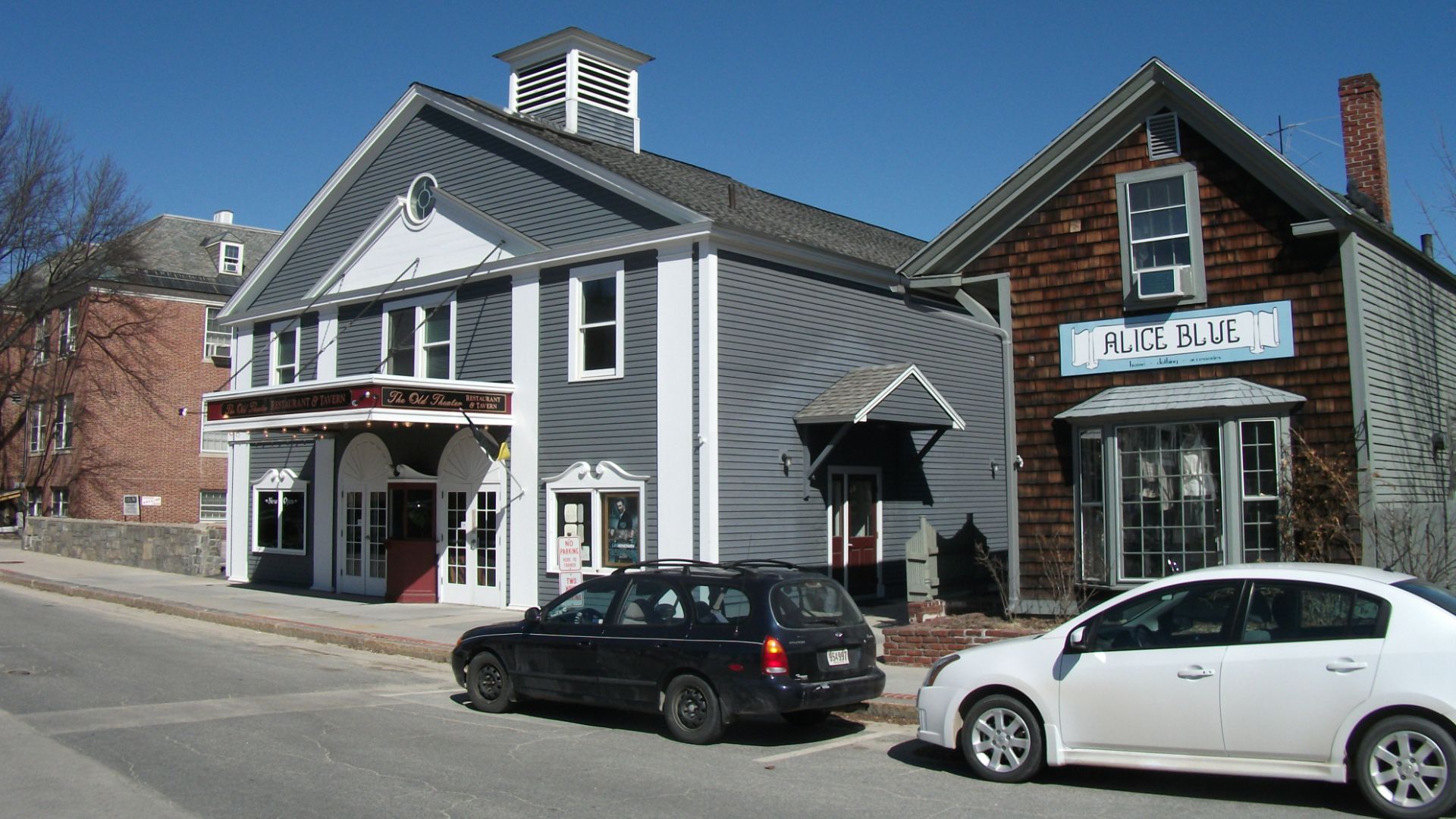
Peterborough sits in the Monadnock Region, surrounded by forests, rolling hills, and classic New England scenery. The town has a strong creative identity shaped partly by nearby MacDowell, one of the country’s oldest artist residency programs. Local performances, historic attractions, and access to outdoor recreation keep this peaceful community from feeling isolated.
Lewisburg, West Virginia
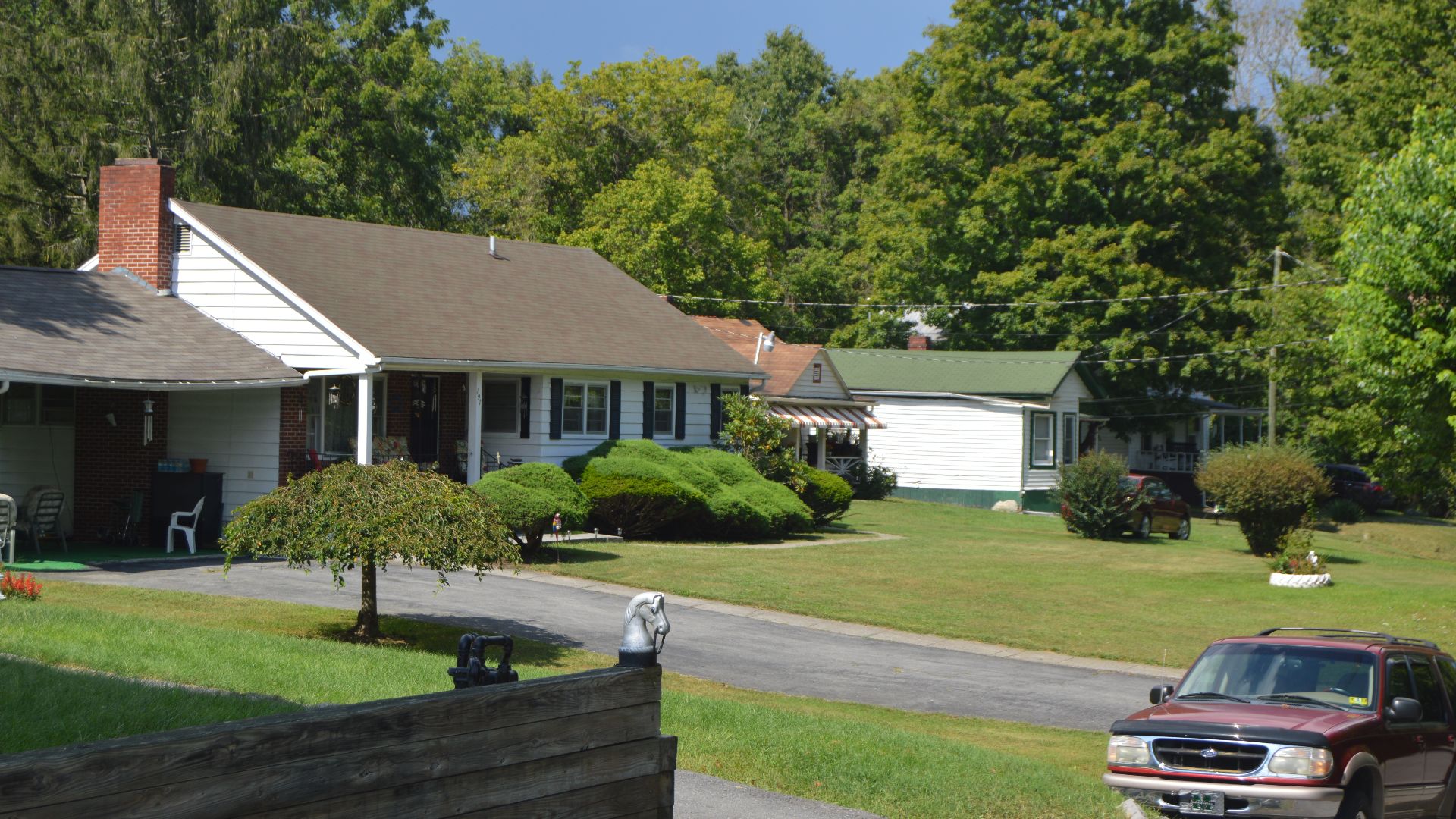
Lewisburg offers mountain scenery without sacrificing restaurants, shops, galleries, or live entertainment. Its historic downtown contains sidewalk cafés, antique stores, boutiques, and cultural venues, including Carnegie Hall and Greenbrier Valley Theatre. The nearby Greenbrier River Trail gives cyclists and walkers a scenic route through the surrounding countryside.
Abingdon, Virginia
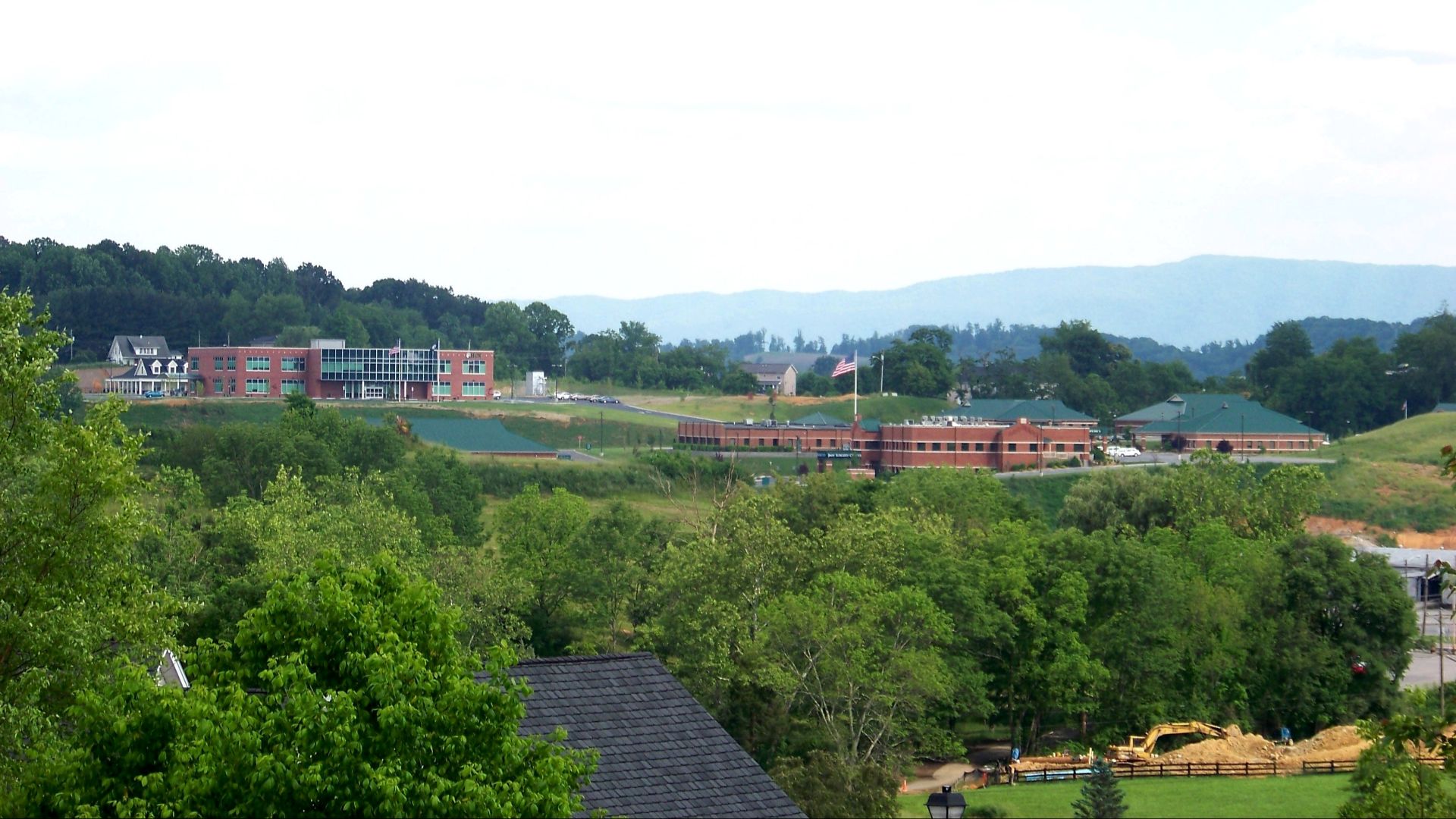
Abingdon blends Appalachian history, theatrical culture, and easy access to the outdoors. The historic district includes locally owned restaurants and shops, while the Barter Theatre has presented professional productions for generations. The Virginia Creeper Trail begins in town and extends for more than 34 miles through farmland, forests, and mountain communities.
Brevard, North Carolina
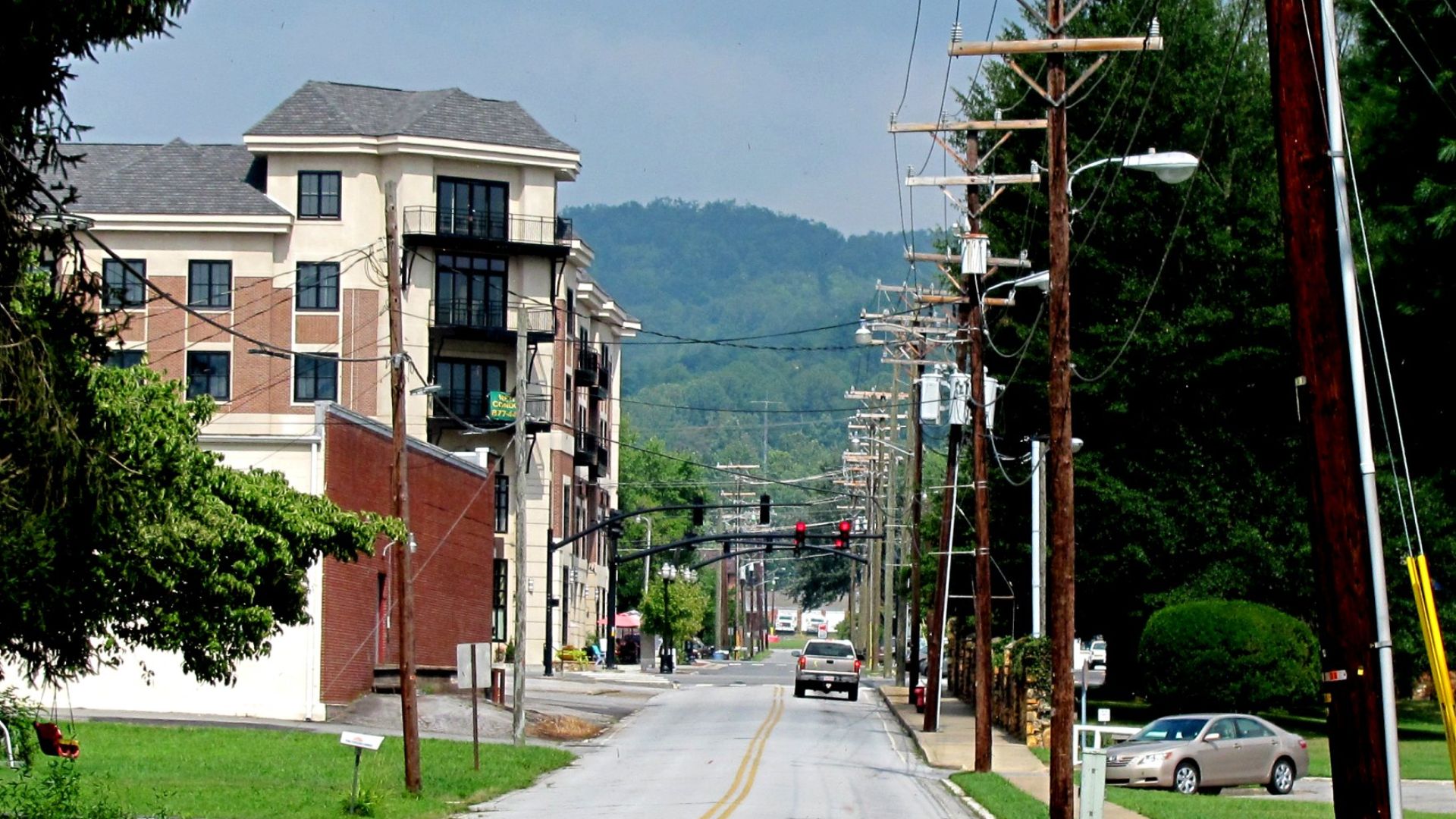
Brevard is a small Blue Ridge Mountain town surrounded by forests, rivers, trails, and hundreds of waterfalls. Downtown offers cafés, galleries, boutiques, live music, and a noticeably active community atmosphere. It could suit retirees who want regular access to nature without abandoning restaurants, festivals, and cultural events.
Beaufort, South Carolina
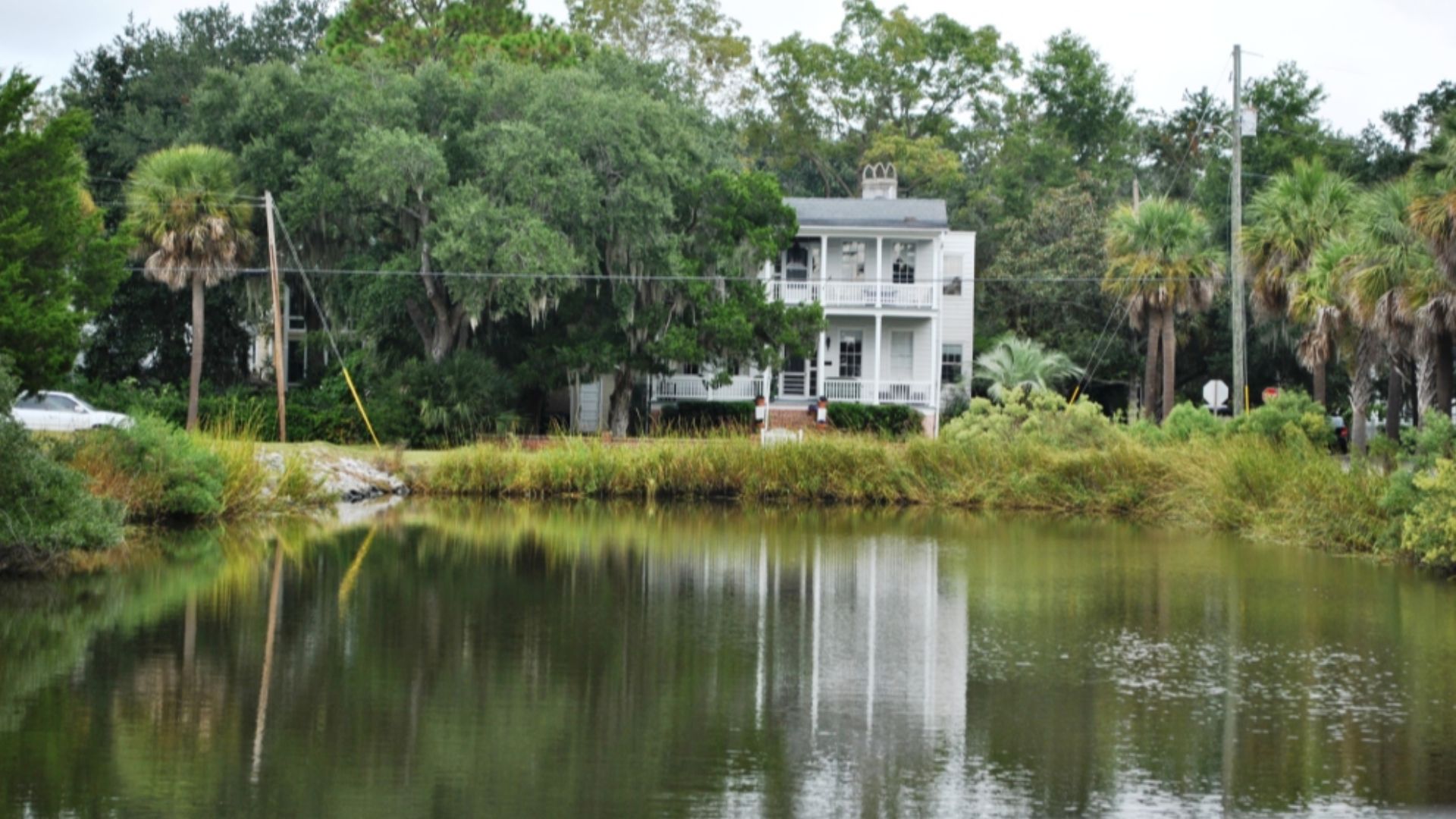
Beaufort attracts people with moss-draped trees, historic homes, salt marshes, and a scenic riverfront. Much of its downtown is protected as a National Historic Landmark district, making an ordinary walk feel like an architectural tour. Warm weather and water-based recreation are major advantages, although summer humidity and storm risks deserve serious consideration.
 Elisa.rolle, Wikimedia Commons
Berea, Kentucky
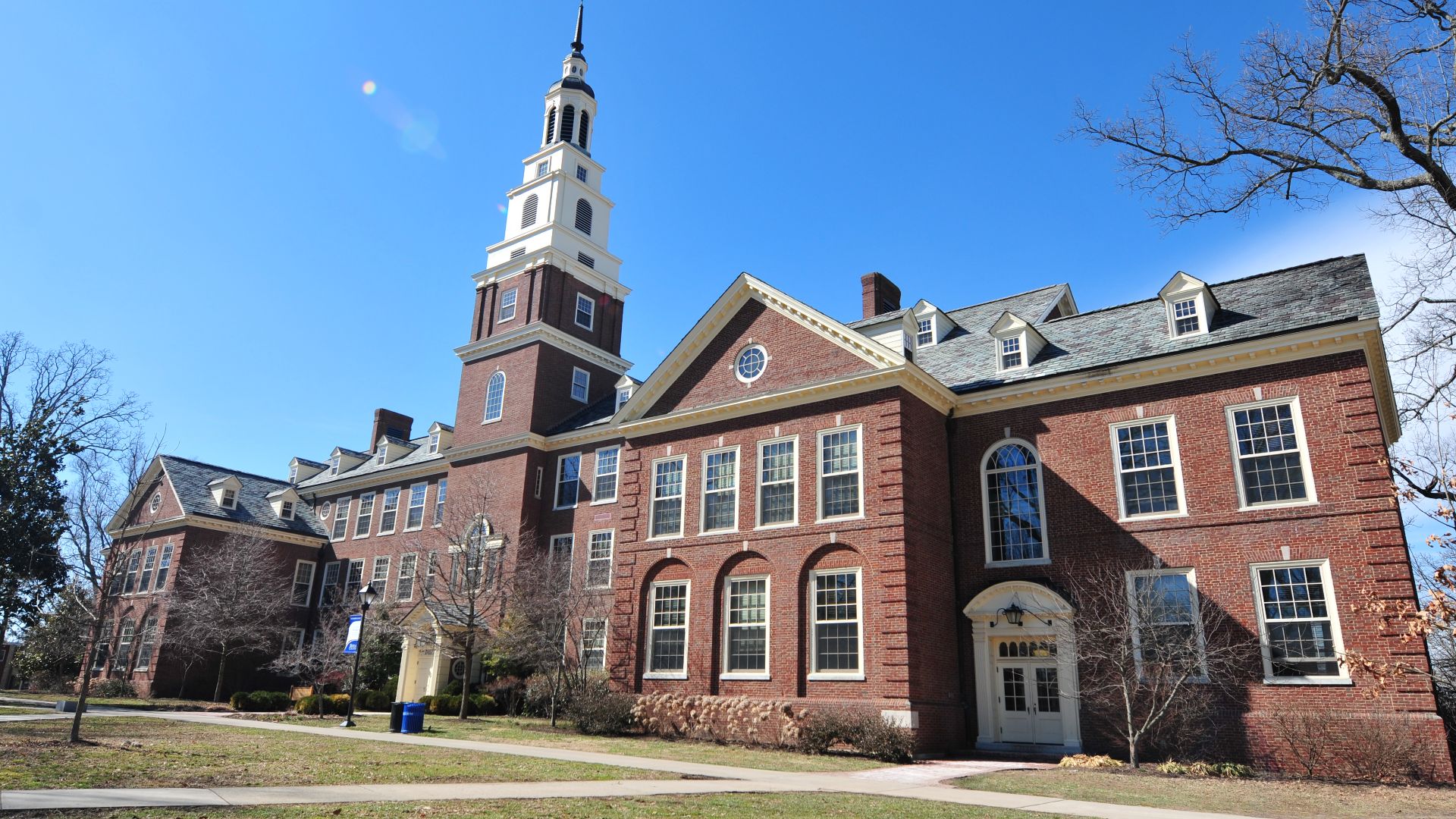
Berea is known for Appalachian crafts, working artists, galleries, and the historic campus of Berea College. Visitors can watch artisans create pottery, jewelry, textiles, woodwork, glass, and other handmade pieces. Retirees seeking a creative community may appreciate that the arts here remain part of daily life rather than simply a tourist attraction.
 IMCBerea College, Wikimedia Commons
Bellevue, Kentucky
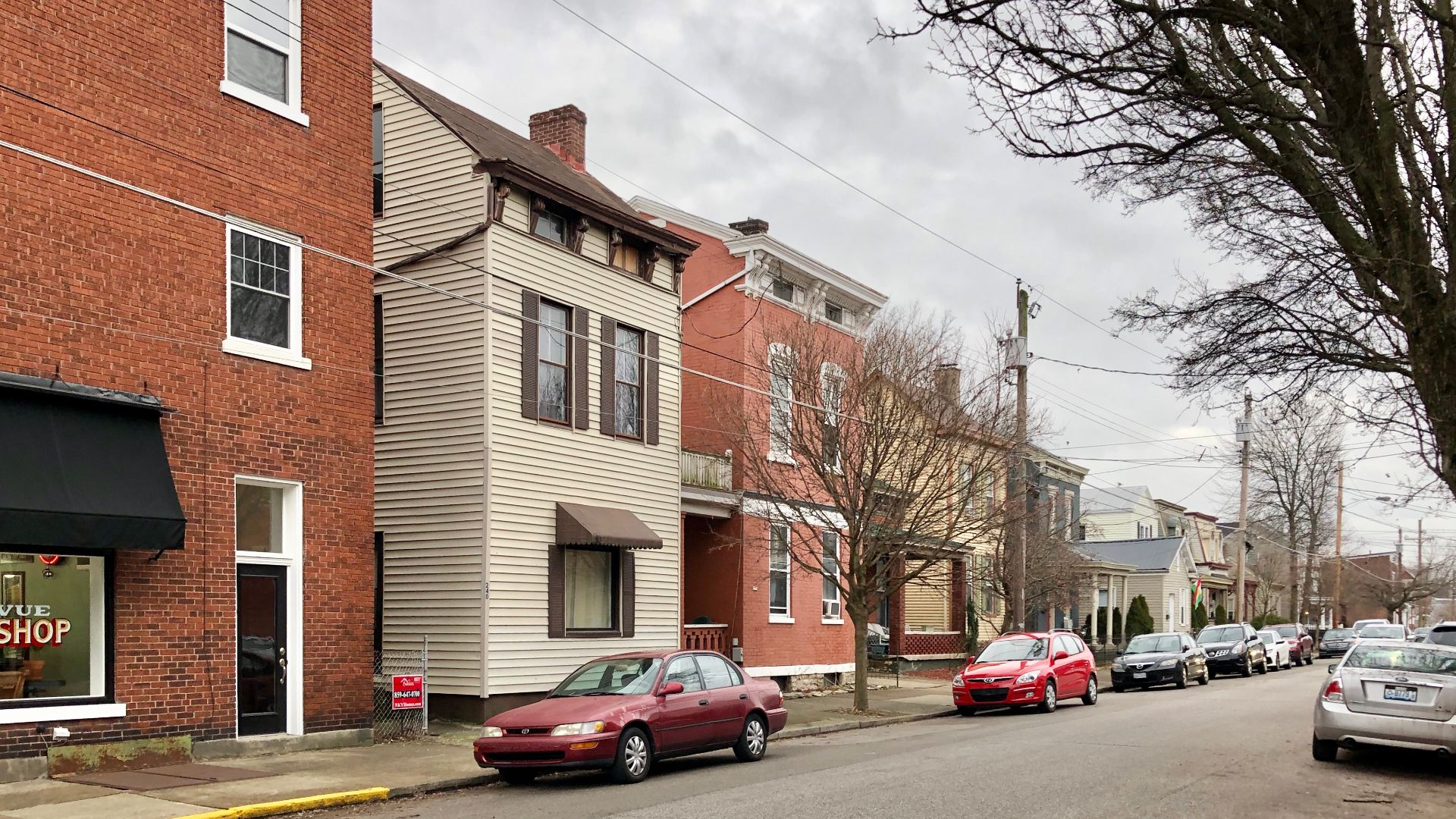
Bellevue offers the atmosphere of a historic Ohio River town while sitting only minutes from Cincinnati. Fairfield Avenue serves as its traditional commercial center, with restaurants, small businesses, events, and older architecture. This combination could appeal to retirees who want a close-knit neighborhood without giving up access to big-city hospitals, museums, and entertainment.
Fredericksburg, Texas
Fredericksburg combines German heritage, Texas Hill Country landscapes, wineries, museums, restaurants, and a popular Main Street. The surrounding region is filled with vineyards, scenic roads, orchards, and outdoor destinations such as Enchanted Rock. Its popularity has increased traffic and housing pressure, so prospective residents should experience both busy weekends and quieter weekdays.
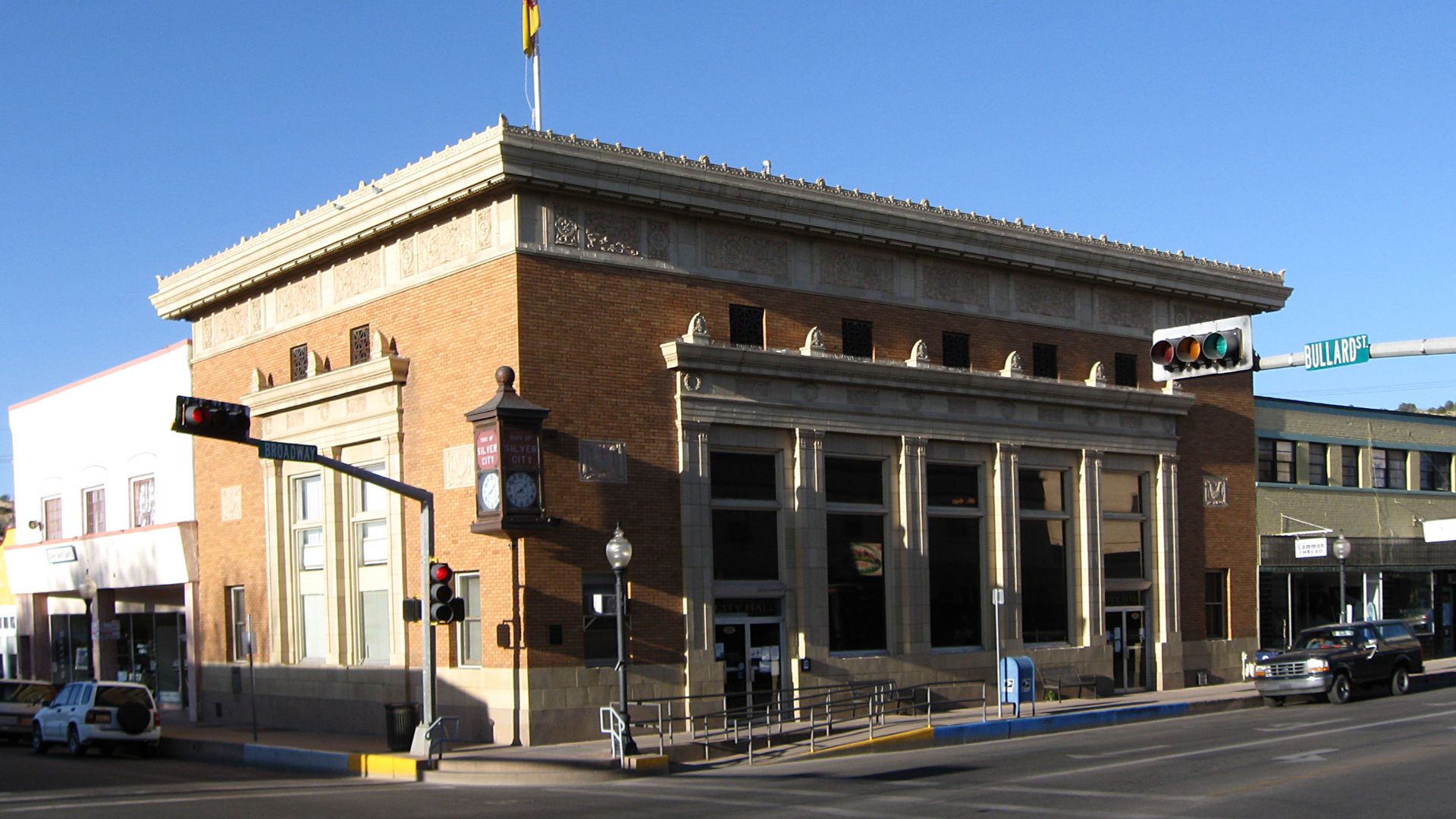
Silver City, New Mexico
Silver City sits at nearly 6,000 feet in the foothills of the Gila National Forest. The town combines a historic downtown and active arts scene with access to millions of acres of forests and wilderness. Retirees drawn to high-desert landscapes may enjoy the sunshine and outdoor freedom, although specialist medical care can require travel.
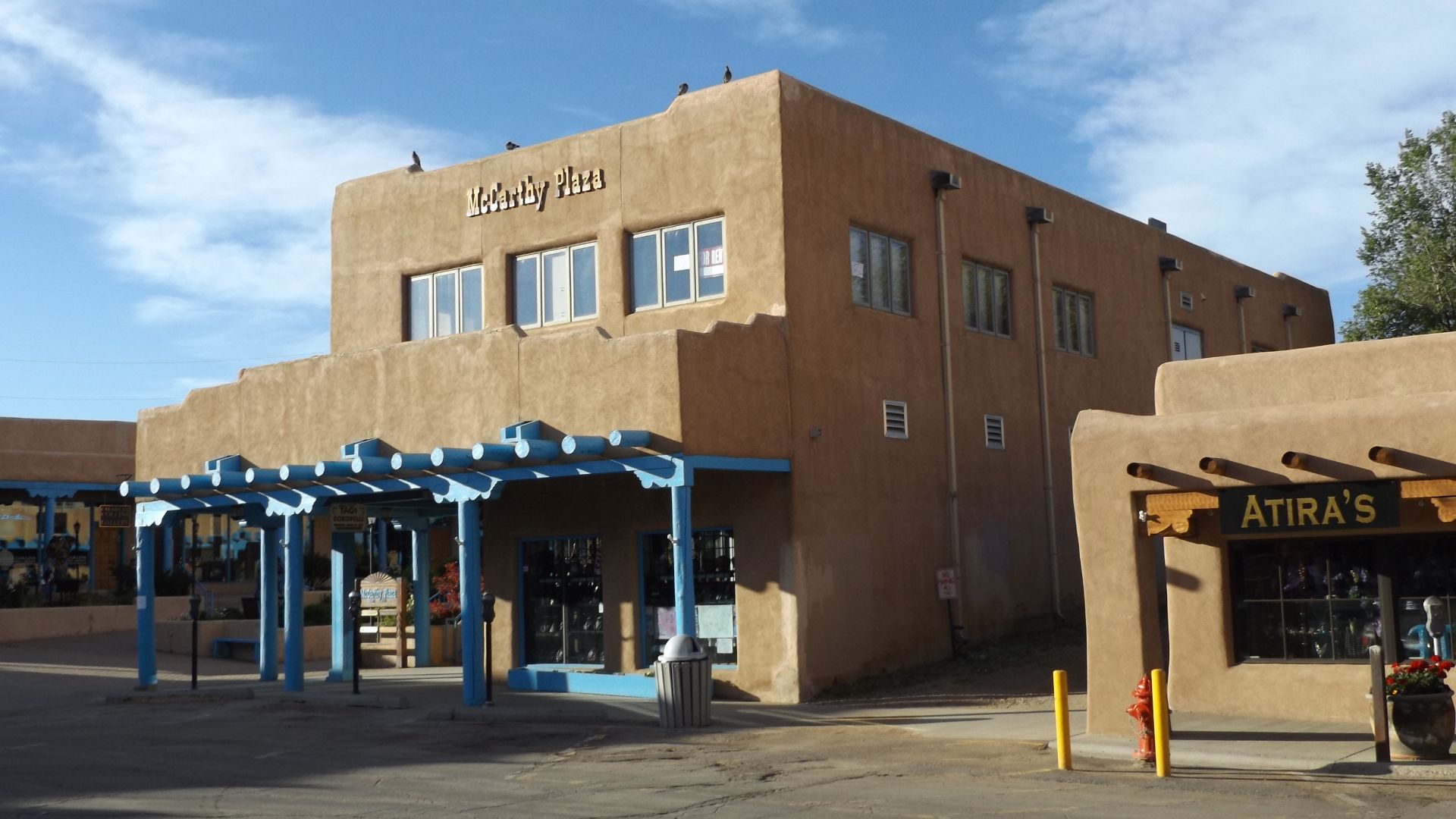
Taos, New Mexico
Taos has attracted artists, outdoor enthusiasts, and independent-minded residents for generations. Its galleries, adobe architecture, mountain scenery, Indigenous history, and distinctive regional culture make it unlike most American retirement towns. Housing costs and seasonal tourism may be challenging, but the creative atmosphere remains a powerful draw.
Sequim, Washington
Sequim lies on the Olympic Peninsula in a relatively dry area protected by the Olympic Mountains’ rain shadow. Lavender farms, a lively downtown, nearby beaches, and access to the Olympic Discovery Trail encourage an outdoorsy lifestyle. The town also works well as a base for exploring Olympic National Park, Port Angeles, and the northern peninsula.
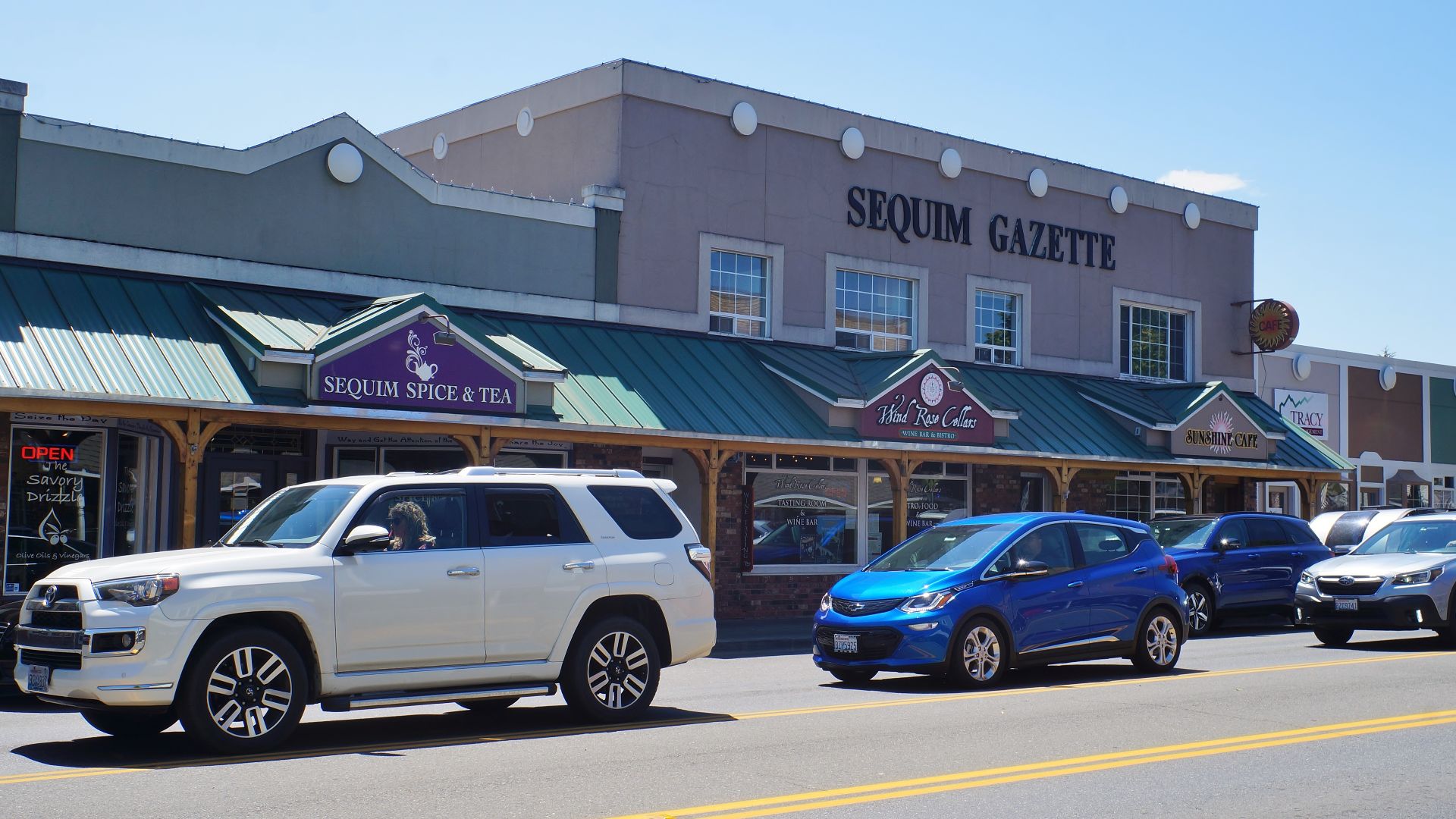 SounderBruce, Wikimedia Commons
Port Townsend, Washington
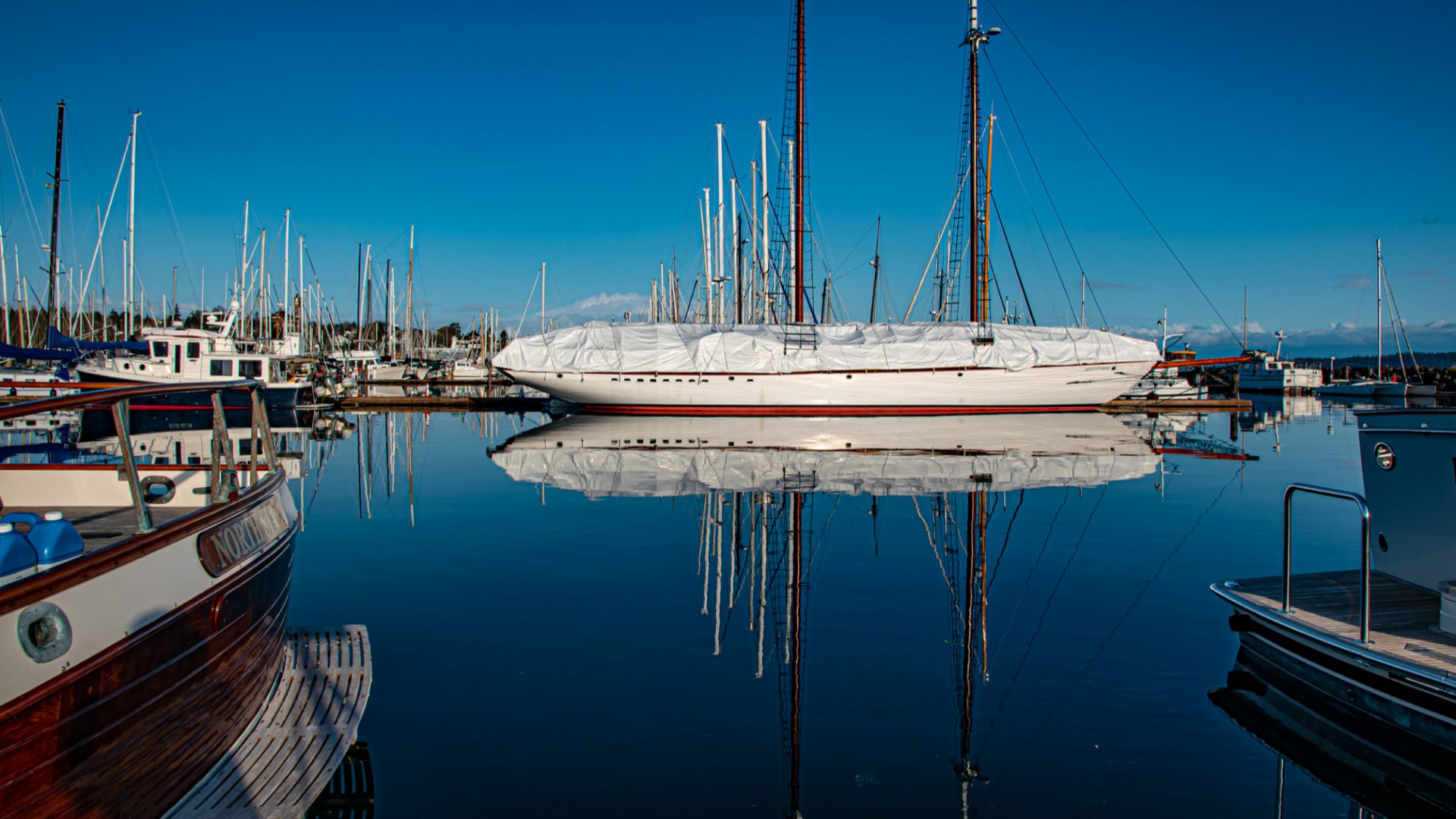
Port Townsend is a Victorian seaport with a strong maritime tradition and an unusually active cultural calendar. Beaches, trails, restaurants, festivals, galleries, workshops, and historic neighborhoods provide plenty to do throughout the year. Its remote peninsula location feels peaceful, although residents must plan for ferry travel and longer trips to major urban services.
 Patrick J Morrissey, Wikimedia Commons
Florence, Oregon
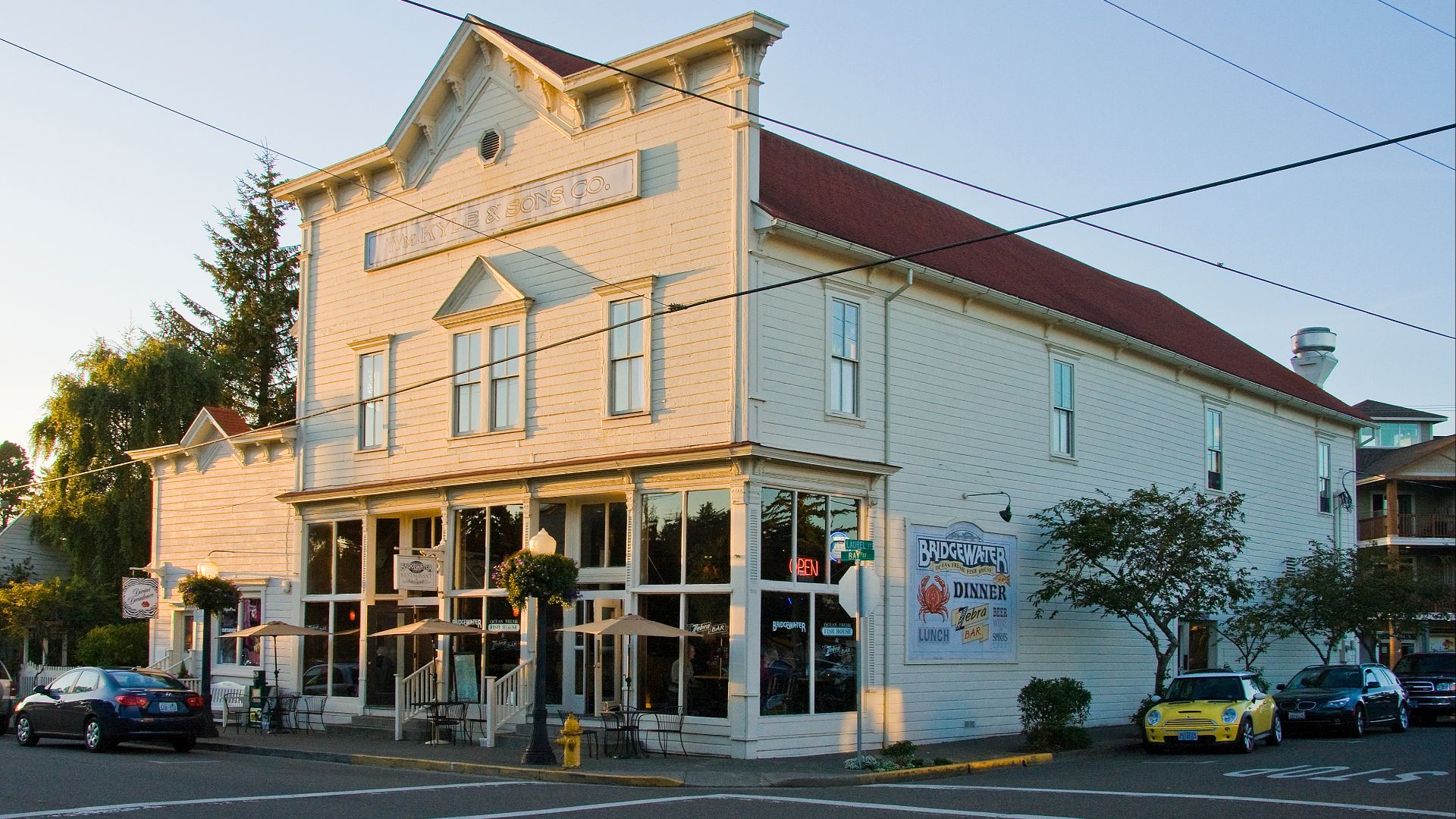
Florence sits where the Siuslaw River meets Oregon’s rugged central coast. Its historic Old Town contains restaurants, shops, and riverfront views, while nearby dunes, lakes, beaches, and forests expand the recreational options. Retirees considering the Oregon coast should be comfortable with frequent rain, wind, and cool temperatures.
Sandpoint, Idaho
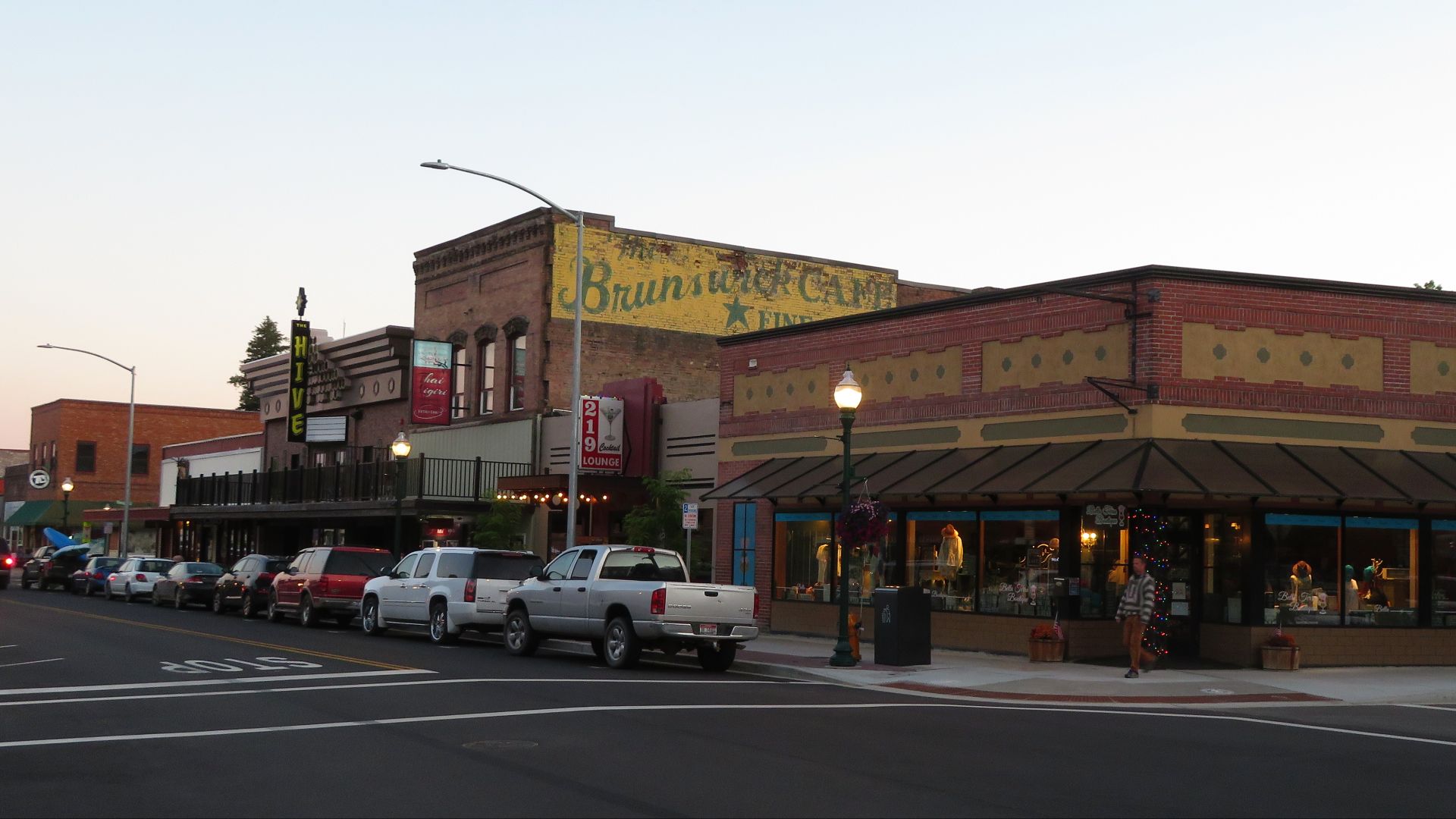
Sandpoint occupies a striking location beside Lake Pend Oreille and beneath the Selkirk Mountains. Boating, hiking, skiing, concerts, restaurants, and a walkable downtown give the community year-round energy. Its increasing popularity has made housing less affordable, but the scenery continues to attract retirees who prioritize outdoor adventure.
 Ken Lund from Reno, Nevada, USA, Wikimedia Commons
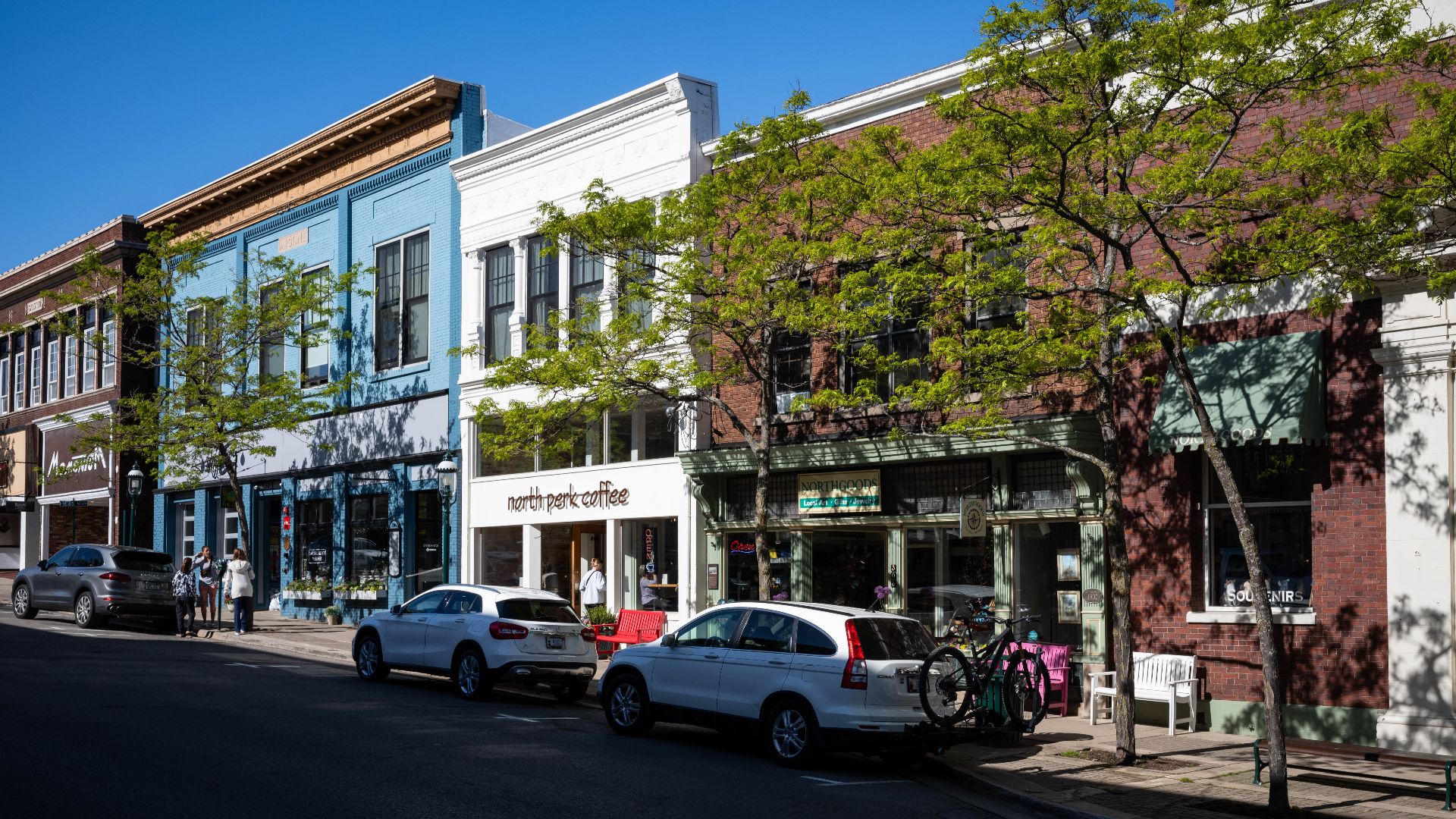
Petoskey, Michigan
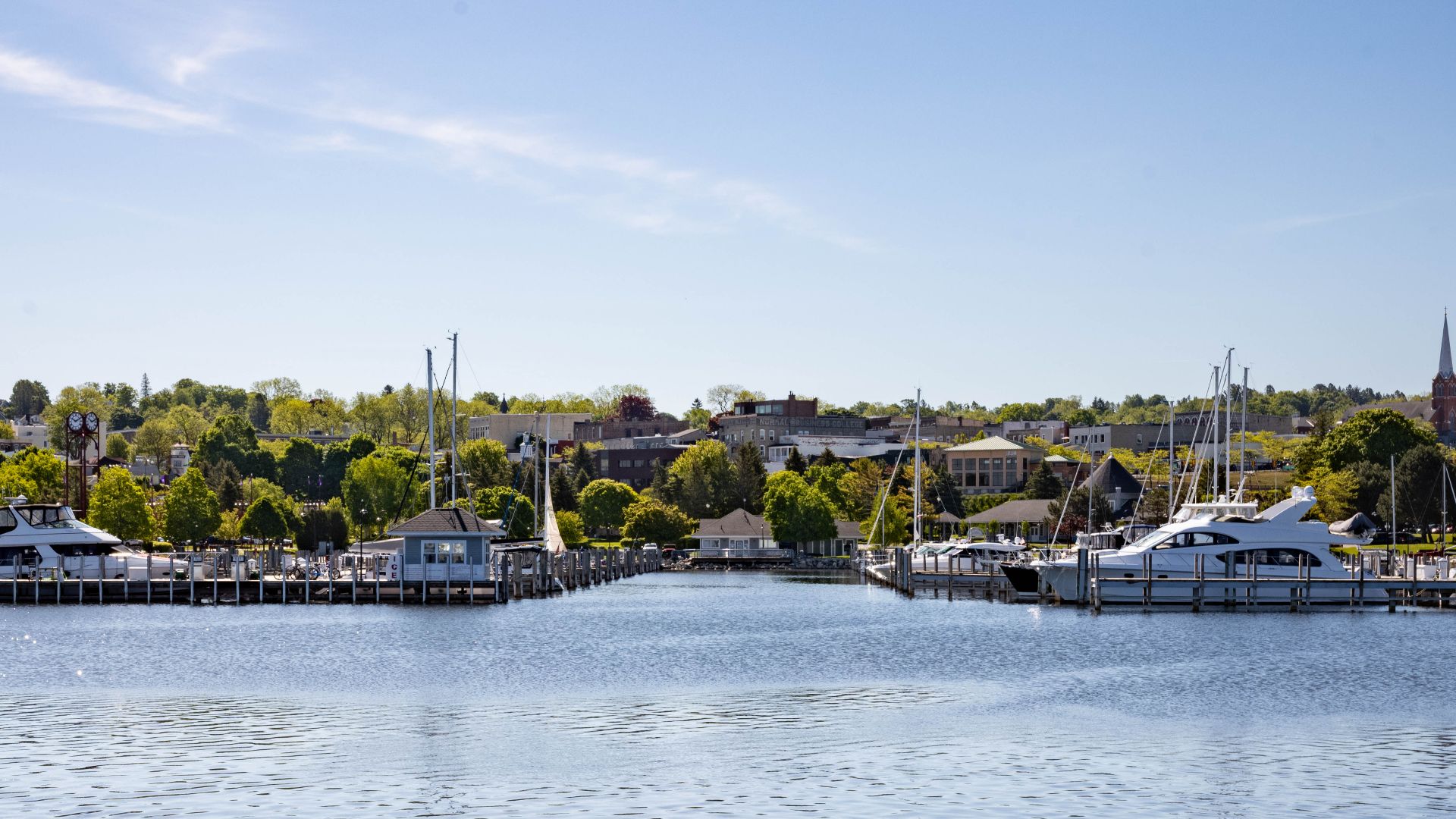
Petoskey overlooks Little Traverse Bay in northern Michigan and serves as a hub for several nearby waterfront communities. The region offers beaches, cycling routes, golf courses, historic architecture, and dramatic sunsets over Lake Michigan. Summers are beautiful and active, while snowy winters require preparation and a genuine tolerance for cold weather.
Decorah, Iowa
Decorah is a scenic northeastern Iowa town shaped by limestone bluffs, wooded trails, and Norwegian-American heritage. Its downtown includes independent businesses, restaurants, museums, and the campus of Luther College. The surrounding countryside offers cycling, fishing, paddling, and hiking in a landscape that feels very different from stereotypically flat Iowa.
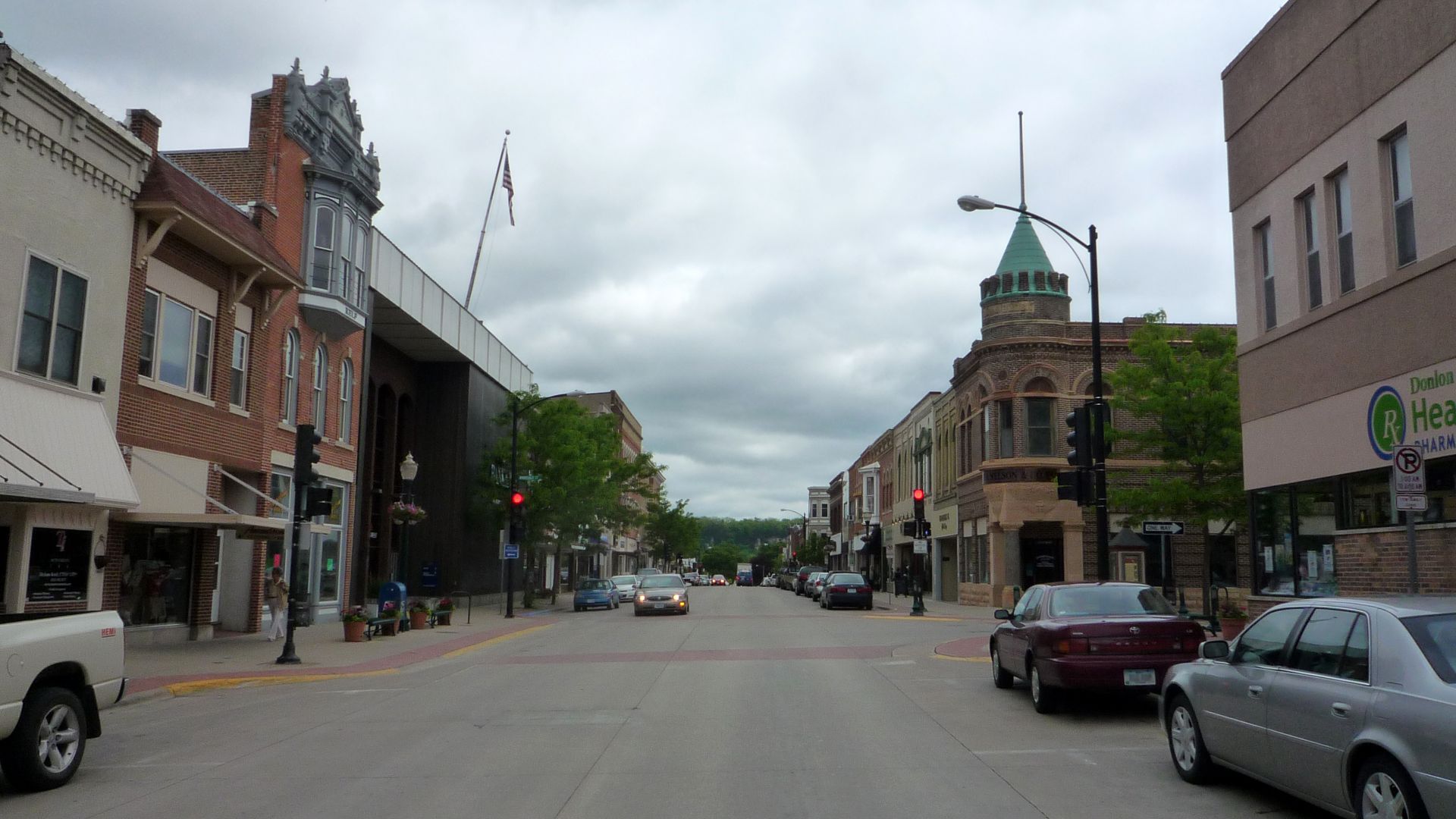 Bobak Ha'Eri, Wikimedia Commons
Galena, Illinois
Galena is known for its steep streets, preserved 19th-century buildings, boutiques, restaurants, and surrounding hills. The historic downtown attracts visitors throughout the year, yet the town retains a strong residential identity beyond its busiest blocks. Retirees can enjoy history and scenery, although winter weather and tourist traffic should factor into the decision.
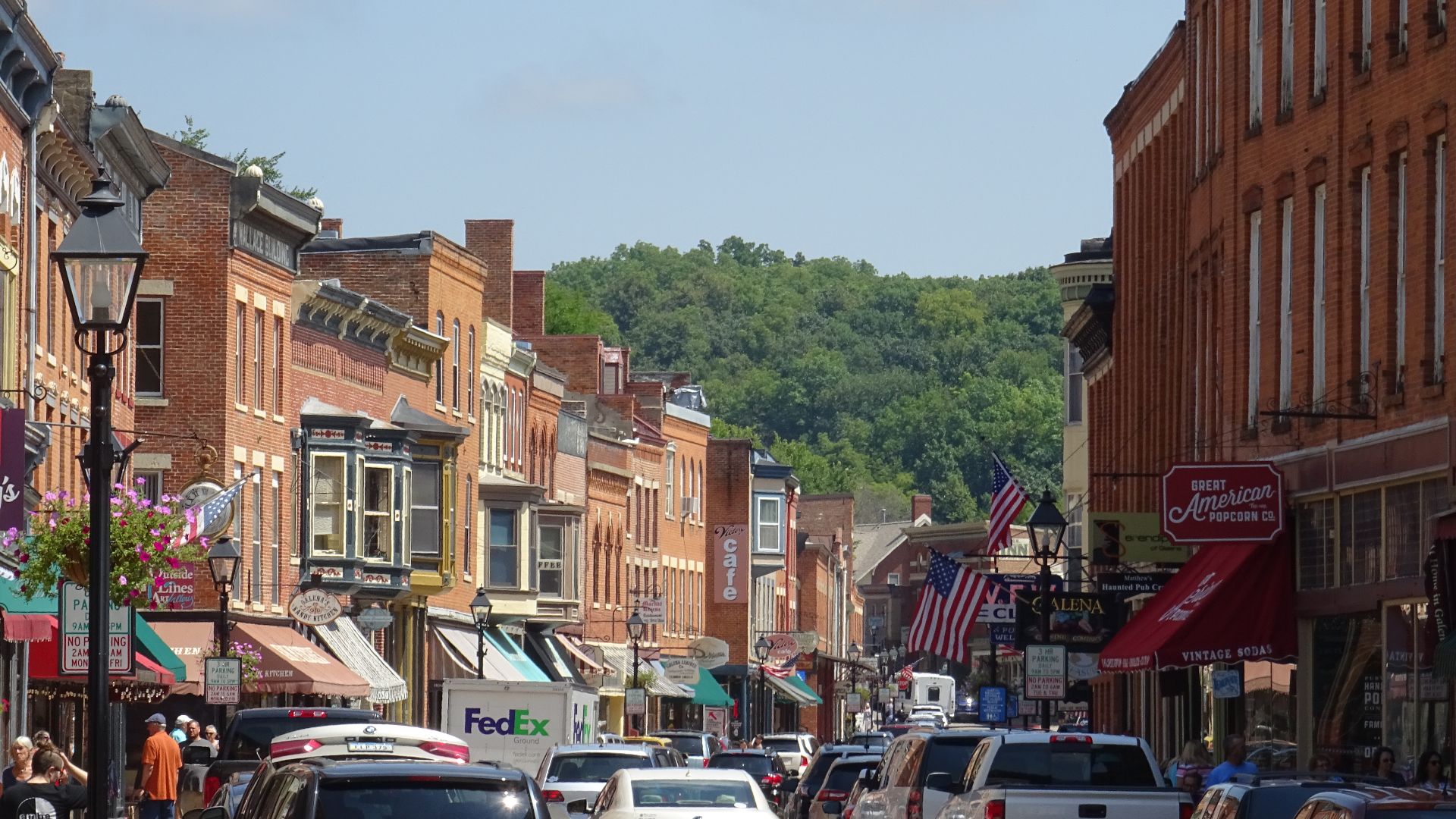 Julien.scavini, Wikimedia Commons
Mason City, Iowa
Mason City combines Midwestern affordability with architecture, music, public art, and an active downtown. The community celebrates its connection to Meredith Willson, who wrote The Music Man, and contains important Prairie School architecture. Walking trails, festivals, cultural events, and regional health services make it more practical than its modest size might suggest.
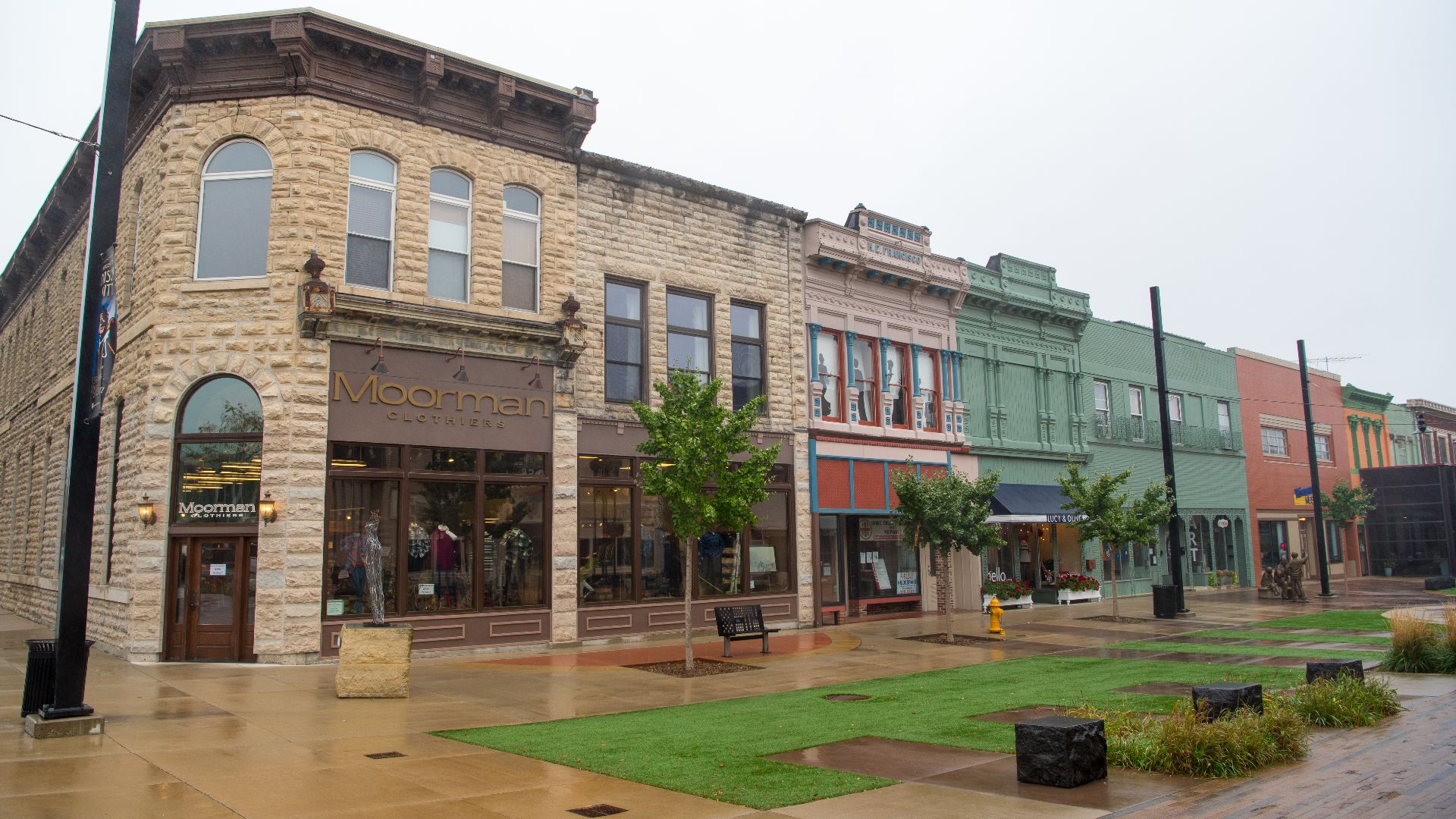
Lindsborg, Kansas
Lindsborg proudly preserves its Swedish heritage through public art, festivals, architecture, shops, and restaurants. Bethany College contributes performances and educational events, while nearby Coronado Heights offers wide views across central Kansas. The town could appeal to retirees who value tradition, local participation, and a calm pace of life.
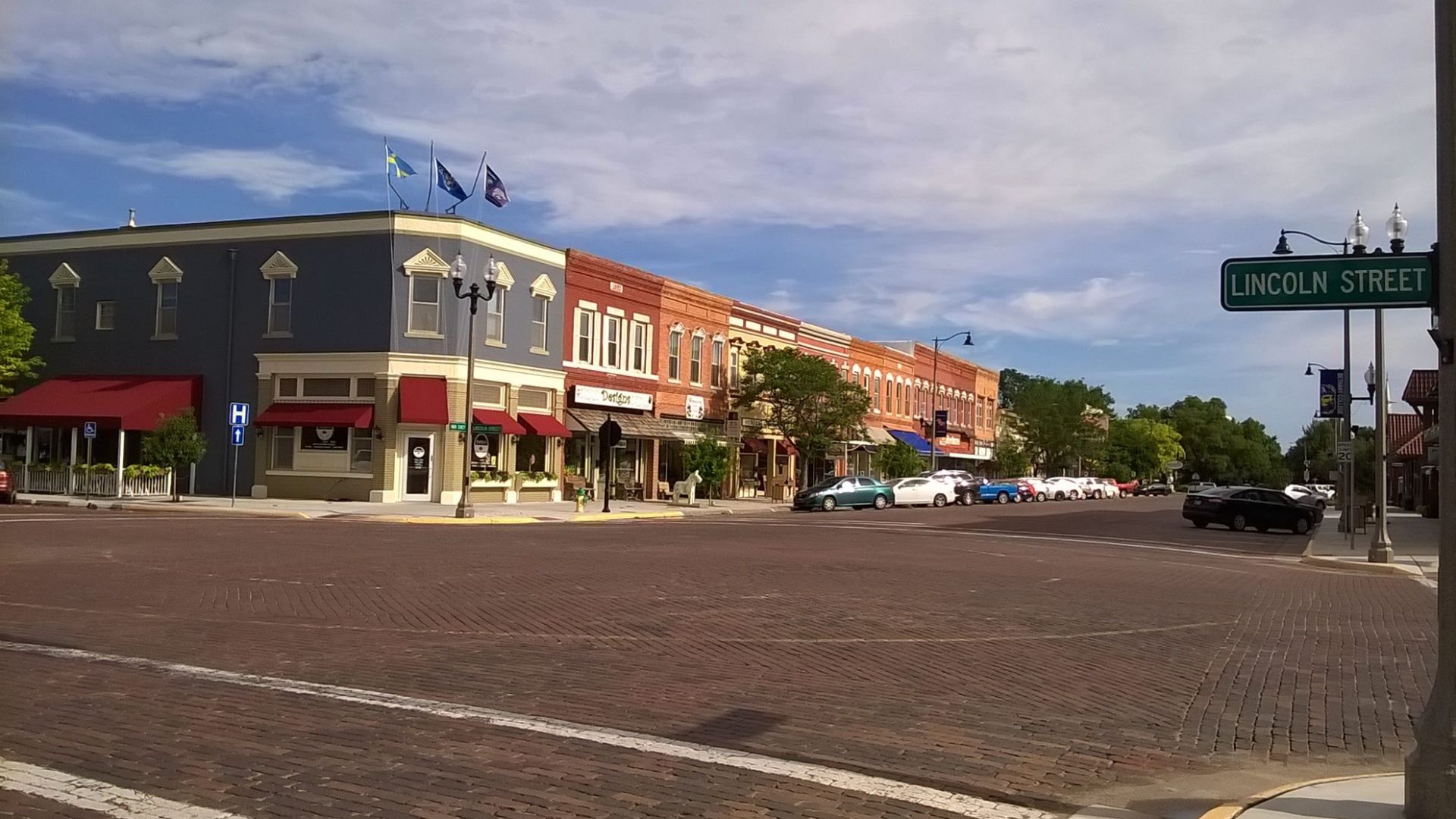 Indy beetle, Wikimedia Commons
Petoskey Or Peterborough?
The variety of towns on this list shows why there is no universal retirement destination. Some retirees want beaches and boating, while others would gladly exchange the coast for mountains, galleries, trails, or snowy winters. The best choice depends less on rankings than on how a place supports your personal routine.
Healthcare Can Change The Decision
An attractive downtown cannot compensate for poor access to the medical services you regularly need. Retirees should investigate local hospitals, specialist availability, emergency response, pharmacies, rehabilitation services, and transportation to larger medical centers. These practical details often matter more after moving than they did during a vacation.

Visit Like A Resident
Spend several weeks in a town before buying a home or signing a long lease. Shop for groceries, drive to medical facilities, test local internet service, attend community events, and explore neighborhoods after dark. Visiting during the least appealing season can reveal much more than arriving during a festival or perfect autumn weekend.

Would You Make The Move?
The most appealing small towns offer more than pretty streets and inexpensive houses. They provide ways to stay active, meet people, pursue interests, and handle everyday needs without constant inconvenience. The real question is not which town looks best in photographs, but which one would still feel right after the excitement of moving fades.
You May Also Like:
25 Most Underrated National Parks In America—Ranked By Travelers
The Most Beautiful Small Towns In America, Ranked By Travelers
Car Camping vs. Tent Camping—Which Is Right for You?
Sources: 1, 2, 3, 4, 5, 6, 7, 8, 9, 10, 11, 12, 13, 14, 15, 16, 17, 18, 19, 20, 21, 22, 23, 24, 25