The Choice Starts With Your Travel Style
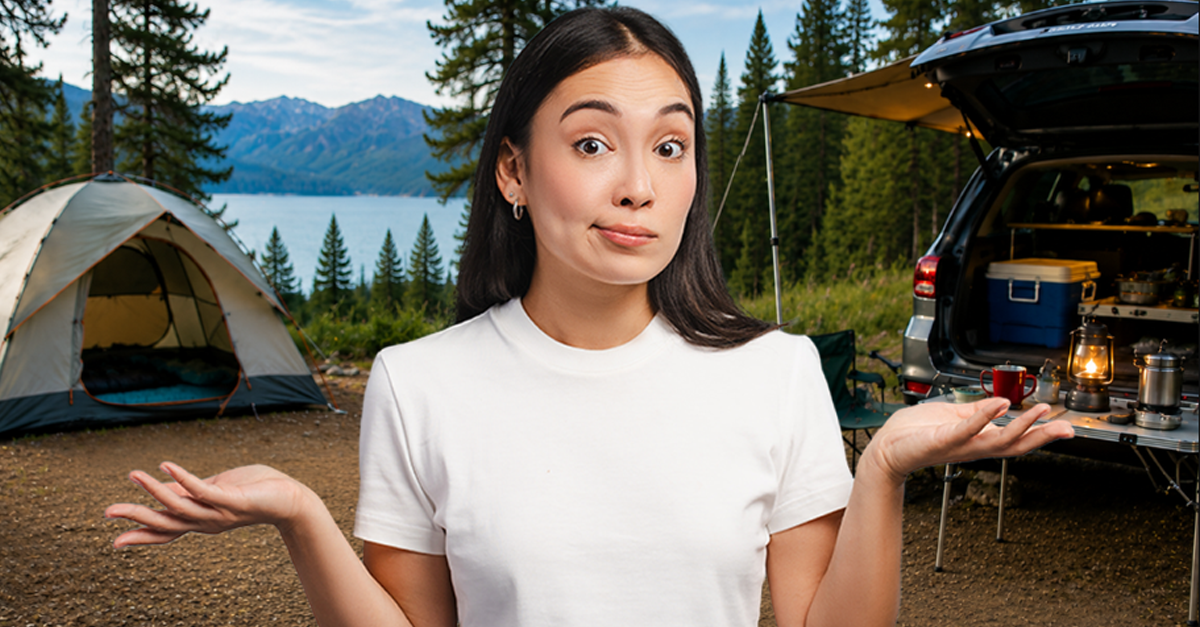
Camping sounds simple until you start packing. Some travelers want comfort, coolers, and an easy escape plan, while others want quiet, simplicity, and a deeper outdoor feel. Car camping and tent camping can both be great, but they suit different personalities, budgets, and trip goals.
Car Camping Keeps Things Convenient
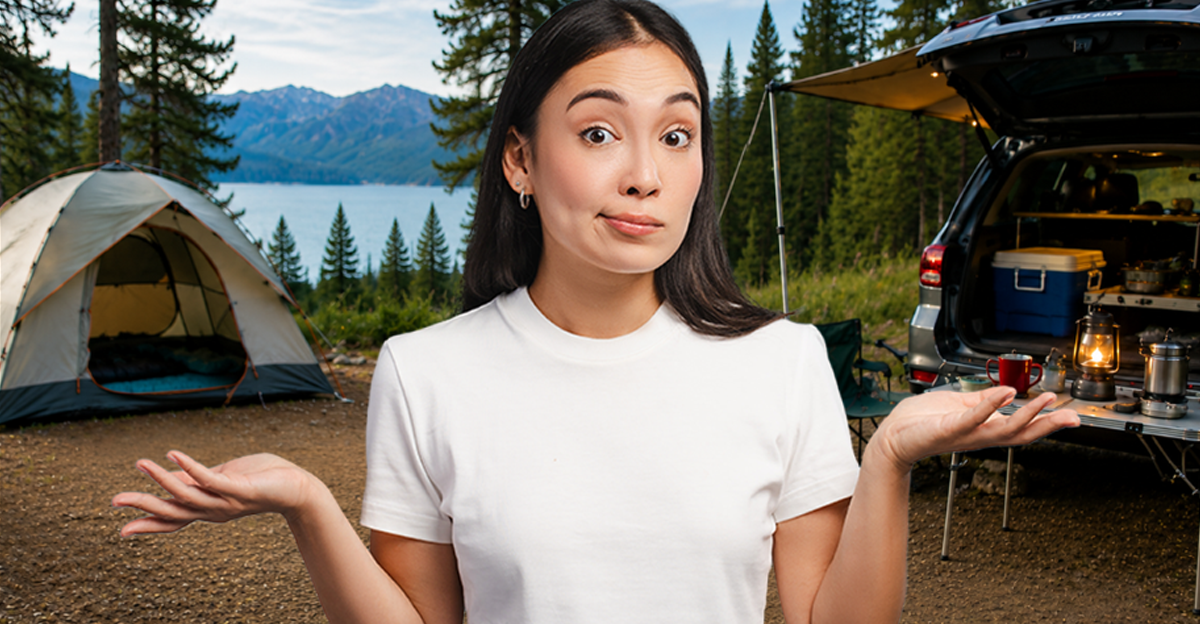
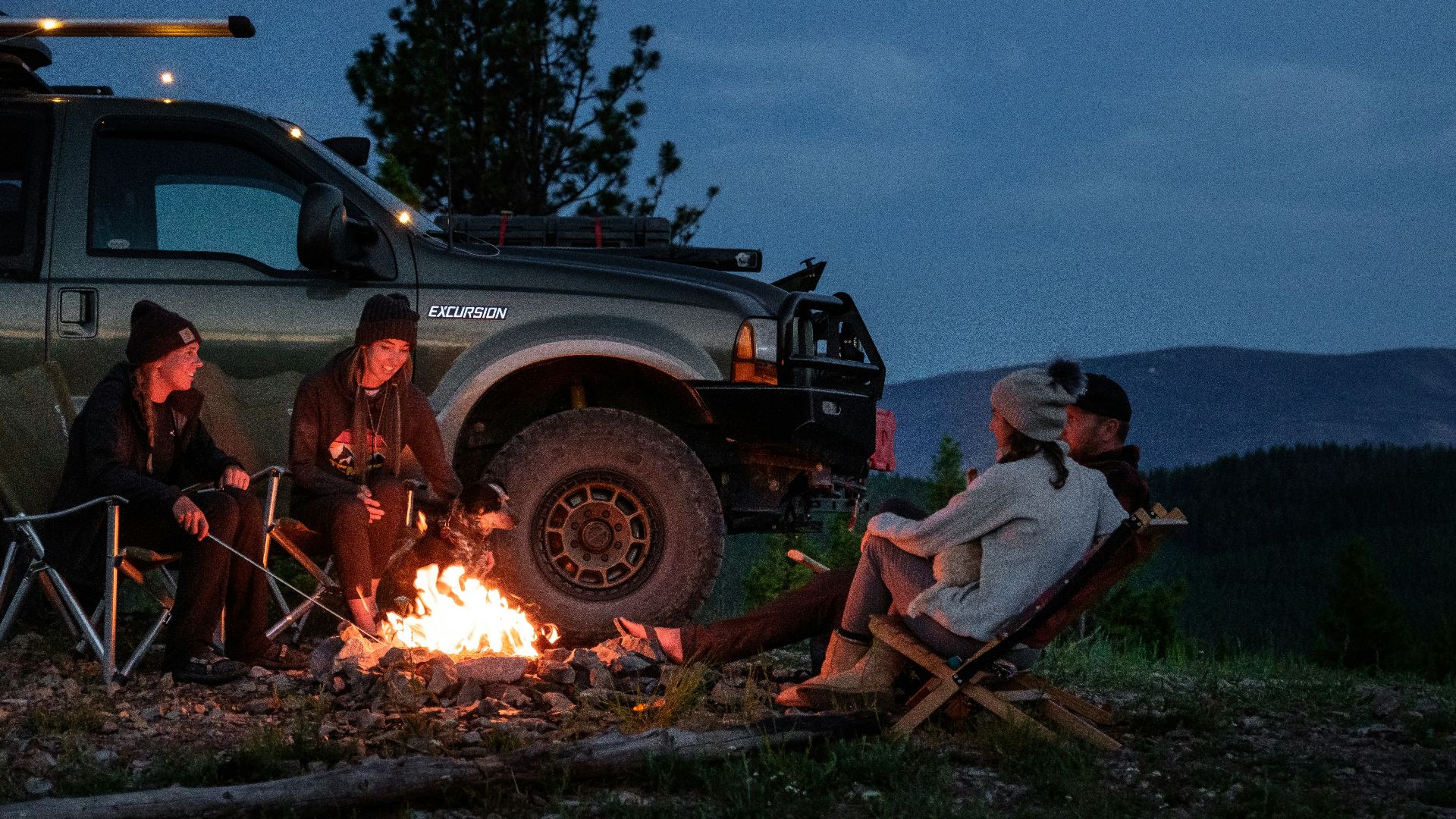
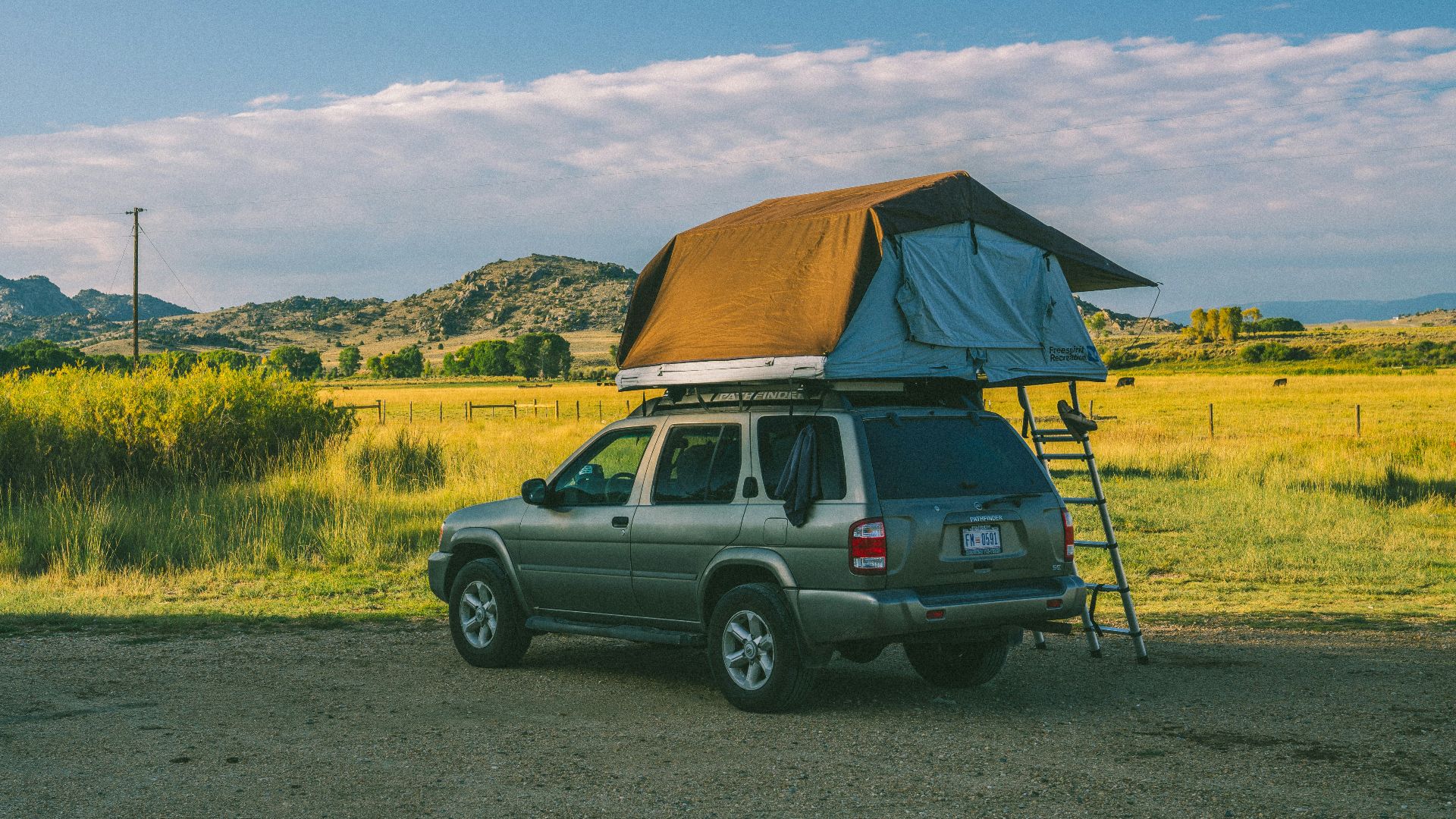
Car camping usually means sleeping in or near your vehicle at a drive-up campsite. You can bring heavier gear, extra food, real pillows, and backup clothes without worrying about carrying everything far. That makes it especially appealing for beginners, families, and anyone who wants nature without giving up too much comfort.
Tent Camping Feels More Traditional
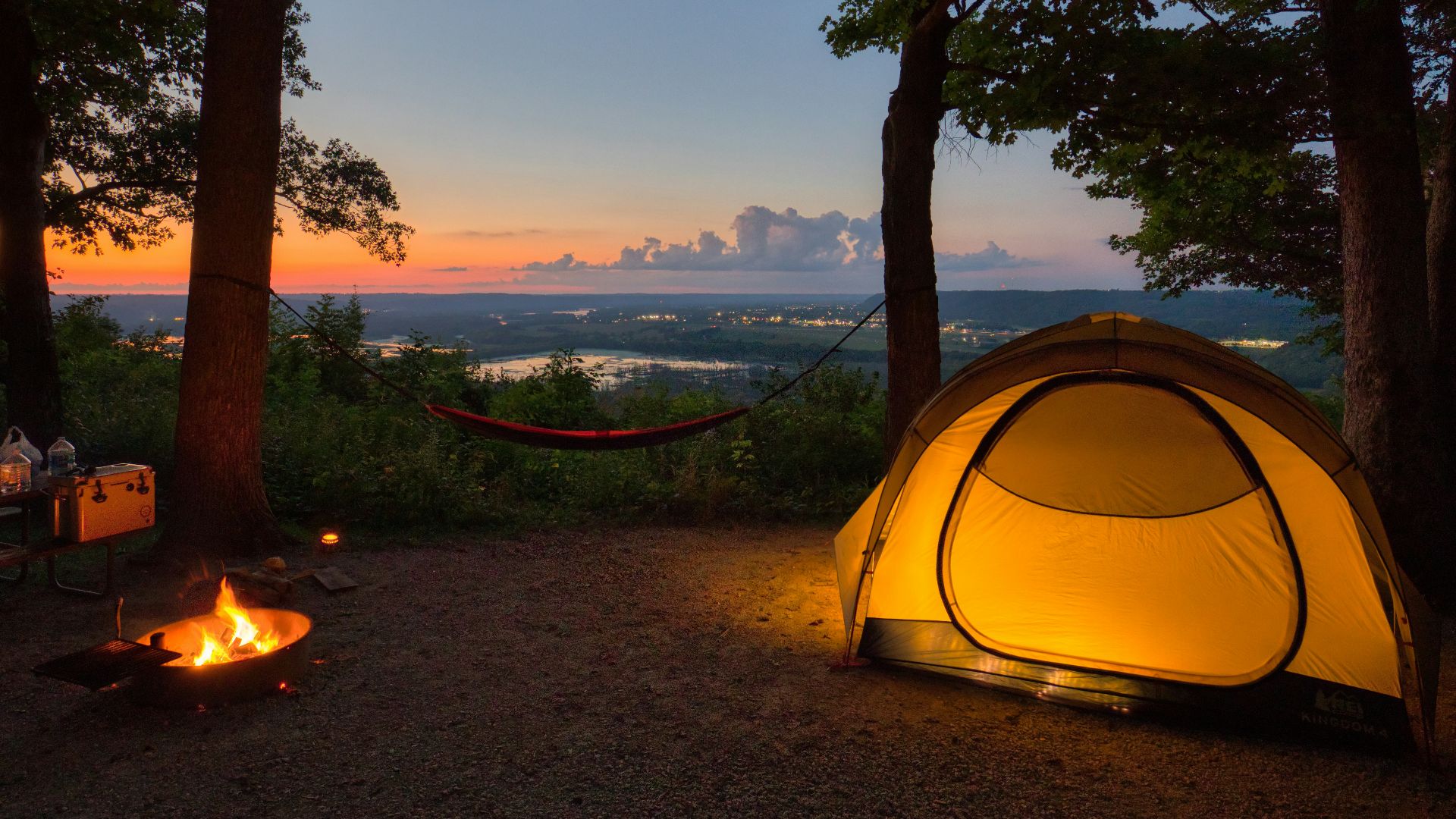
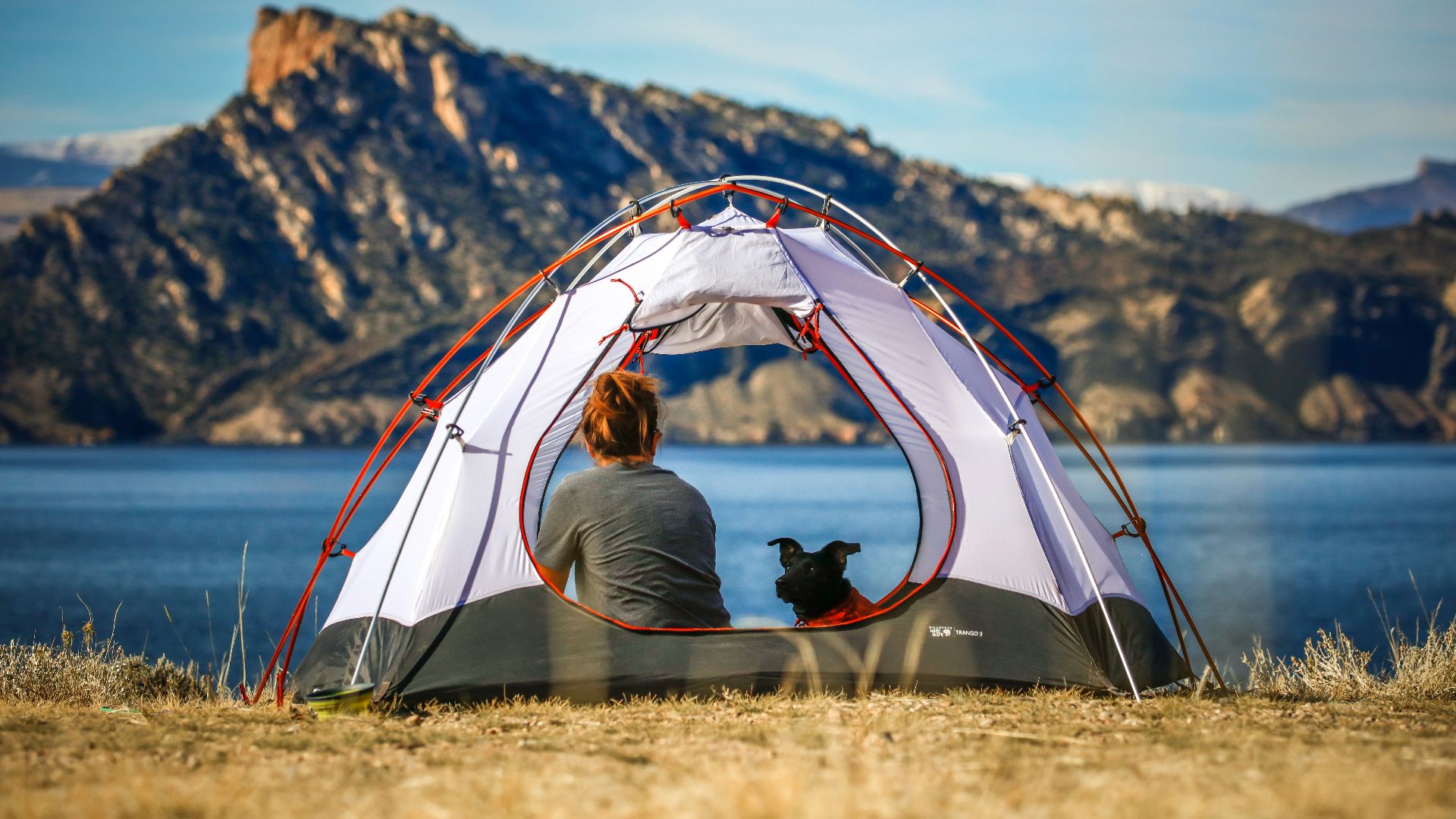
Tent camping usually centers the experience around your shelter rather than your vehicle. You may still pitch your tent at a campground, but the focus is on sleeping outdoors and keeping your setup simple. For many campers, that closer connection to the landscape is the whole point.
The Two Styles Can Overlap
Car camping and tent camping are not always opposites. Many people drive to a campsite, unload a tent, and sleep beside the car. The real difference is whether your vehicle is part of your comfort system or just the way you got there.
Car Camping Is Easier or Beginners
If you are new to camping, car camping gives you more room for mistakes. Forgot a warmer layer, packed too much food, or brought a bulky chair? Your car can handle it. That flexibility makes the first trip feel less intimidating.
Tent Camping Rewards Better Planning
Tent camping asks you to think harder about weight, weather, sleep setup, and storage. You need a reliable tent, a sleeping pad, a temperature-appropriate sleeping bag, and a way to keep food organized. Once you get the system right, it can feel freeing rather than limiting.
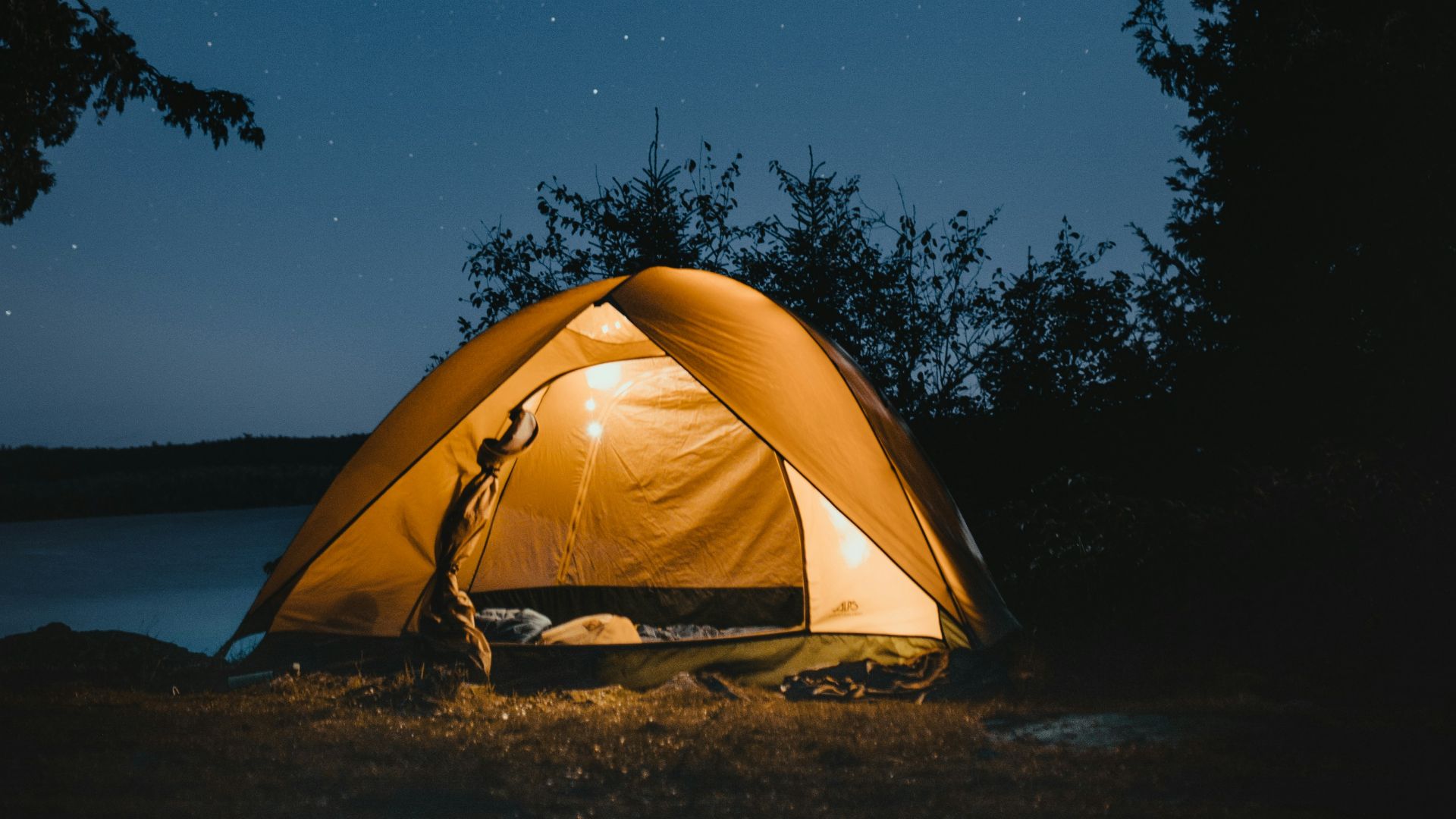
Comfort Is Car Camping’s Biggest Advantage
Car camping lets you bring thicker sleeping pads, larger tents, camp tables, and better cooking gear. Car camping allows campers to be more generous with weight and size compared with backpacking. That extra comfort can make a huge difference on chilly nights or longer weekends.
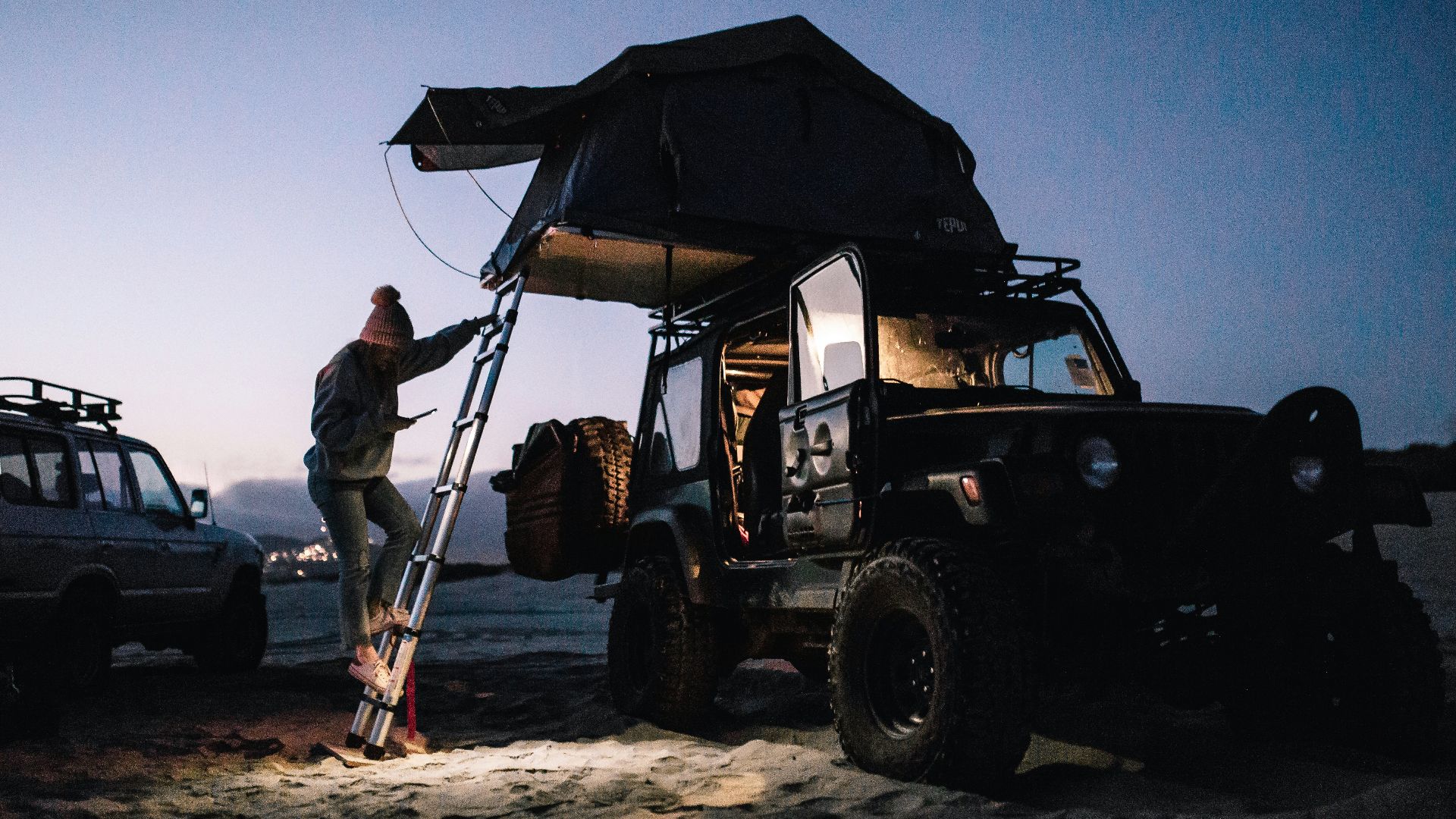
Tent Camping Keeps Things Simpler
Tent camping can be cheaper and more minimalist if you already own the basics. You do not need a vehicle-friendly mattress, elaborate kitchen box, or big cooler to enjoy a night outside. A simpler setup also means less time packing and unpacking.
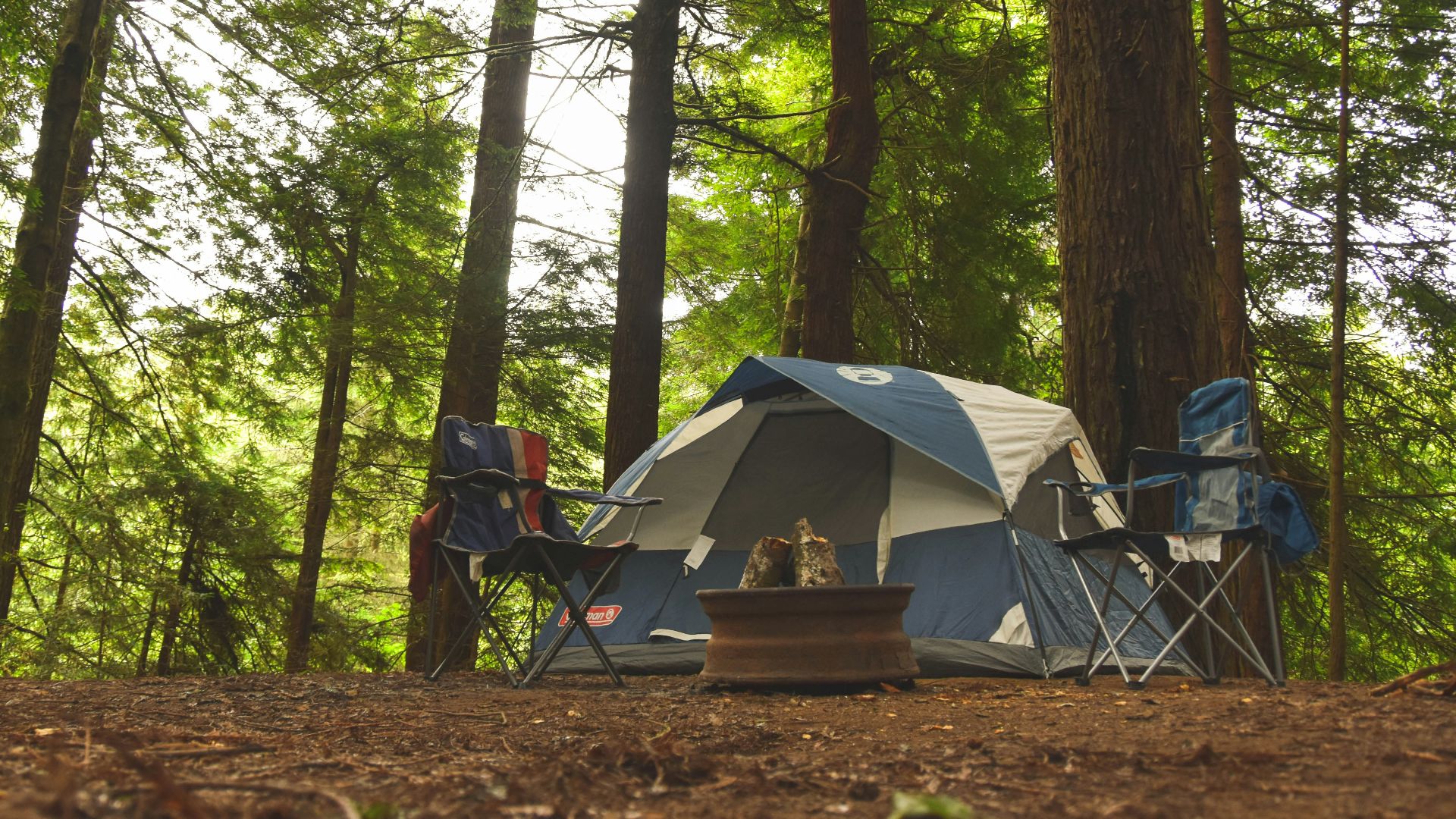
Weather Can Change The Decision
Bad weather can make car camping feel much easier. You can retreat to the vehicle, protect gear quickly, and store wet items away from your sleeping area. Tent camping is still safe with the right equipment, but it requires more attention to site choice, rainfly setup, and ground protection.
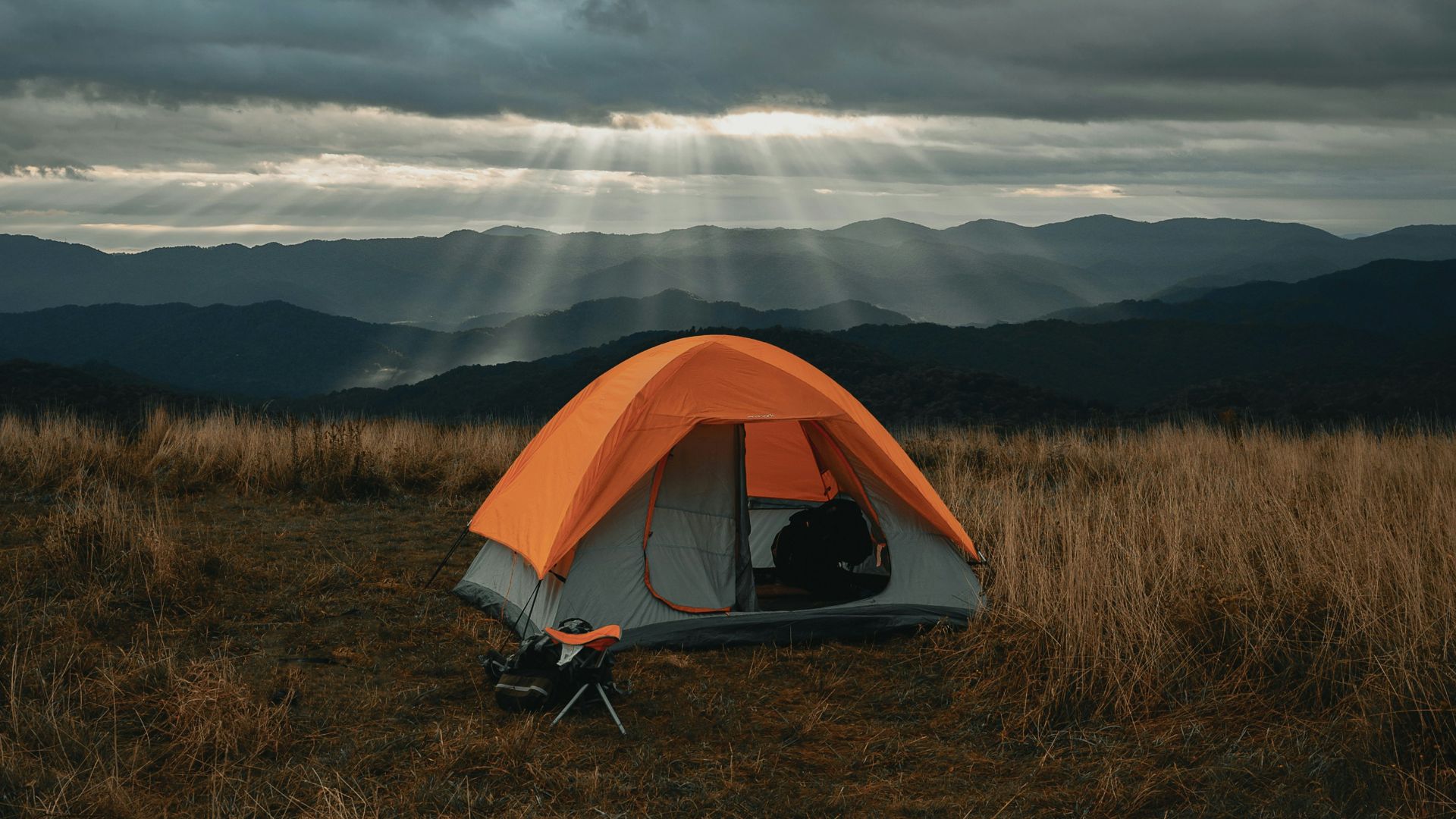
Your Campsite Matters More Than You Think
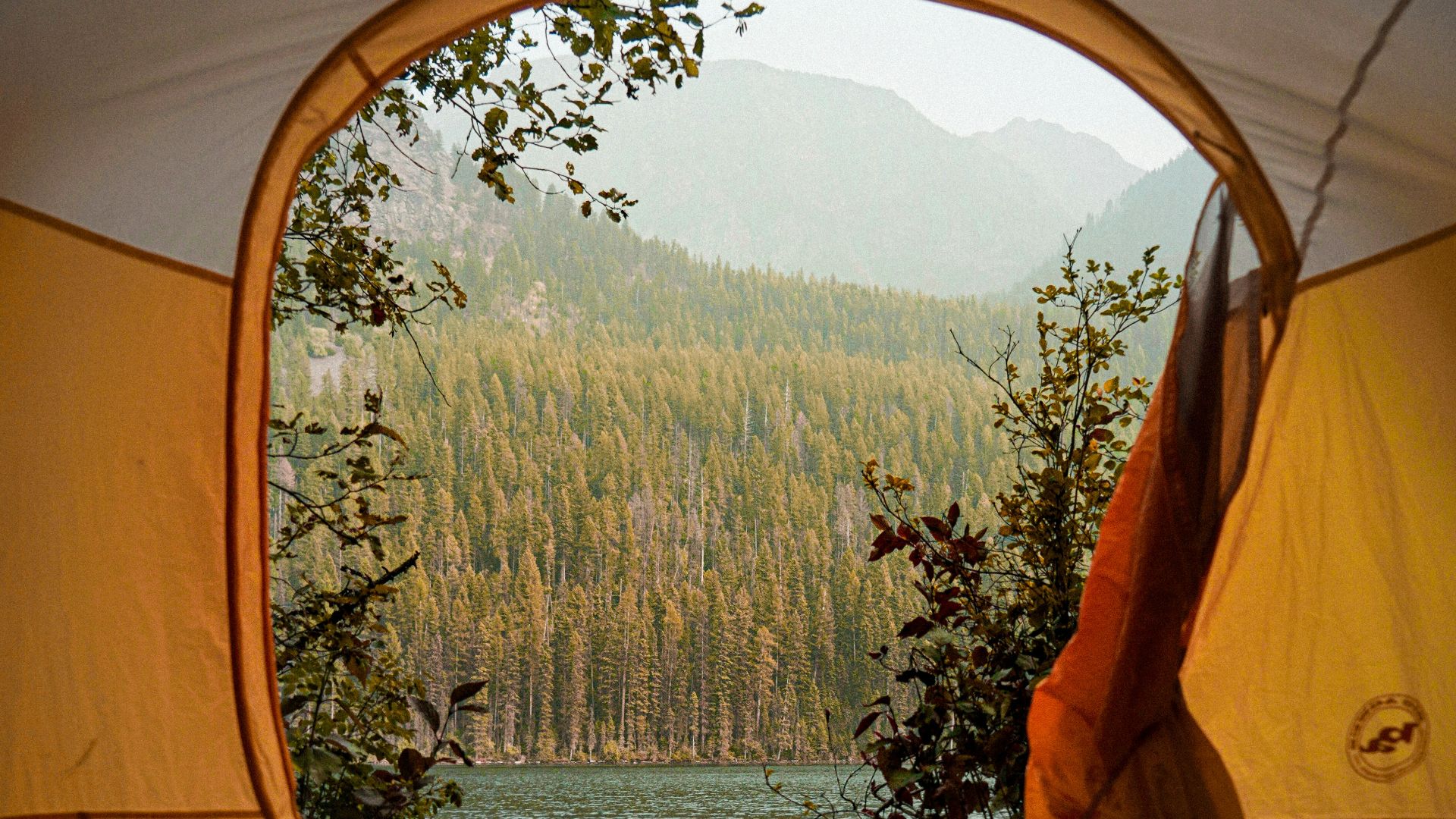
A drive-up campground site is ideal for car camping because your gear stays close. A walk-in site may feel quieter and more scenic, but it makes heavy gear less practical. Before booking, check whether the site allows vehicles at the campsite or only in a nearby parking area.
Reservations Can Shape Your Options
Many national park campgrounds require reservations through Recreation.gov. Recreation.gov also lists federal campsites across national parks, national forests, and other public lands. If you want a drive-up site during peak season, booking early can make the difference between a great weekend and no campsite at all.
Car Camping Works Well For Families
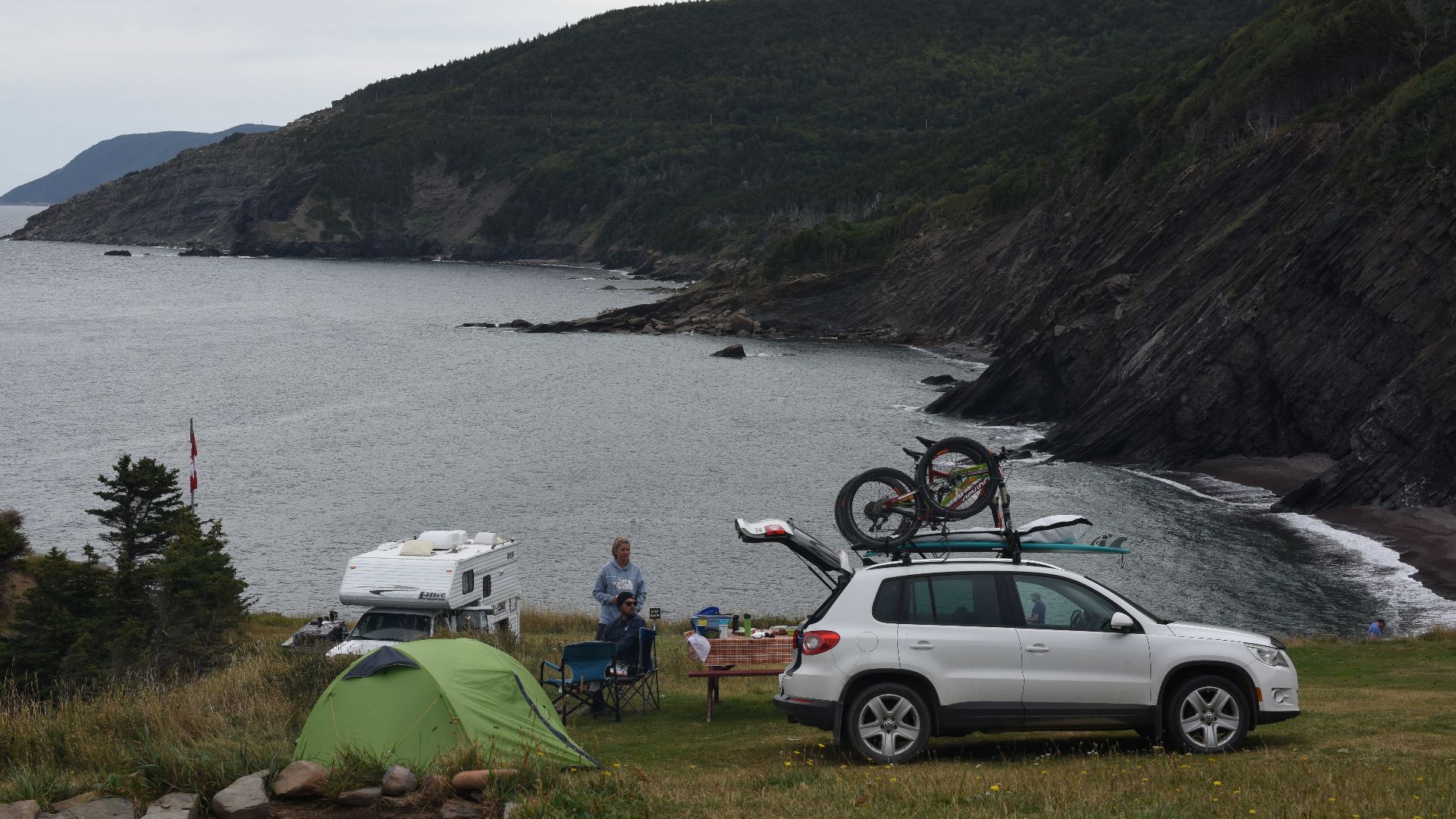
Families often benefit from the extra storage and flexibility of car camping. Kids may need spare clothes, snacks, toys, blankets, and quick access to supplies. Having the vehicle nearby can make the trip feel more relaxed for everyone.
 Chris Hunkeler from Carlsbad, California, USA, Wikimedia Commons
Tent Camping Works Well For Quiet Escapes
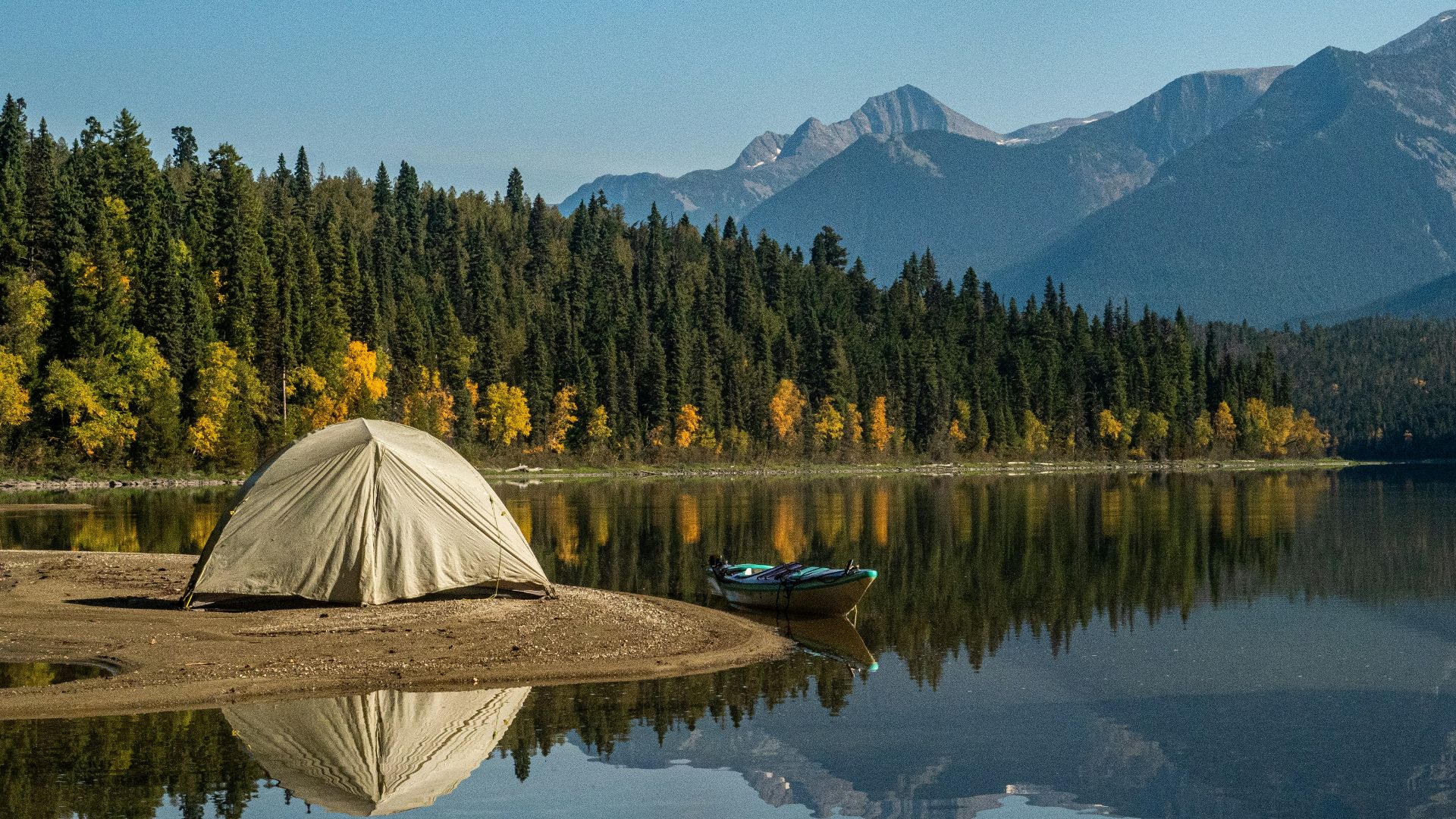
Tent camping can be better when you want fewer distractions. Without the car as the center of camp, the experience often feels more focused on sounds, views, and simple routines. It is a good fit for travelers who want to unplug and slow down.
Cooking Is Easier With A Car Nearby
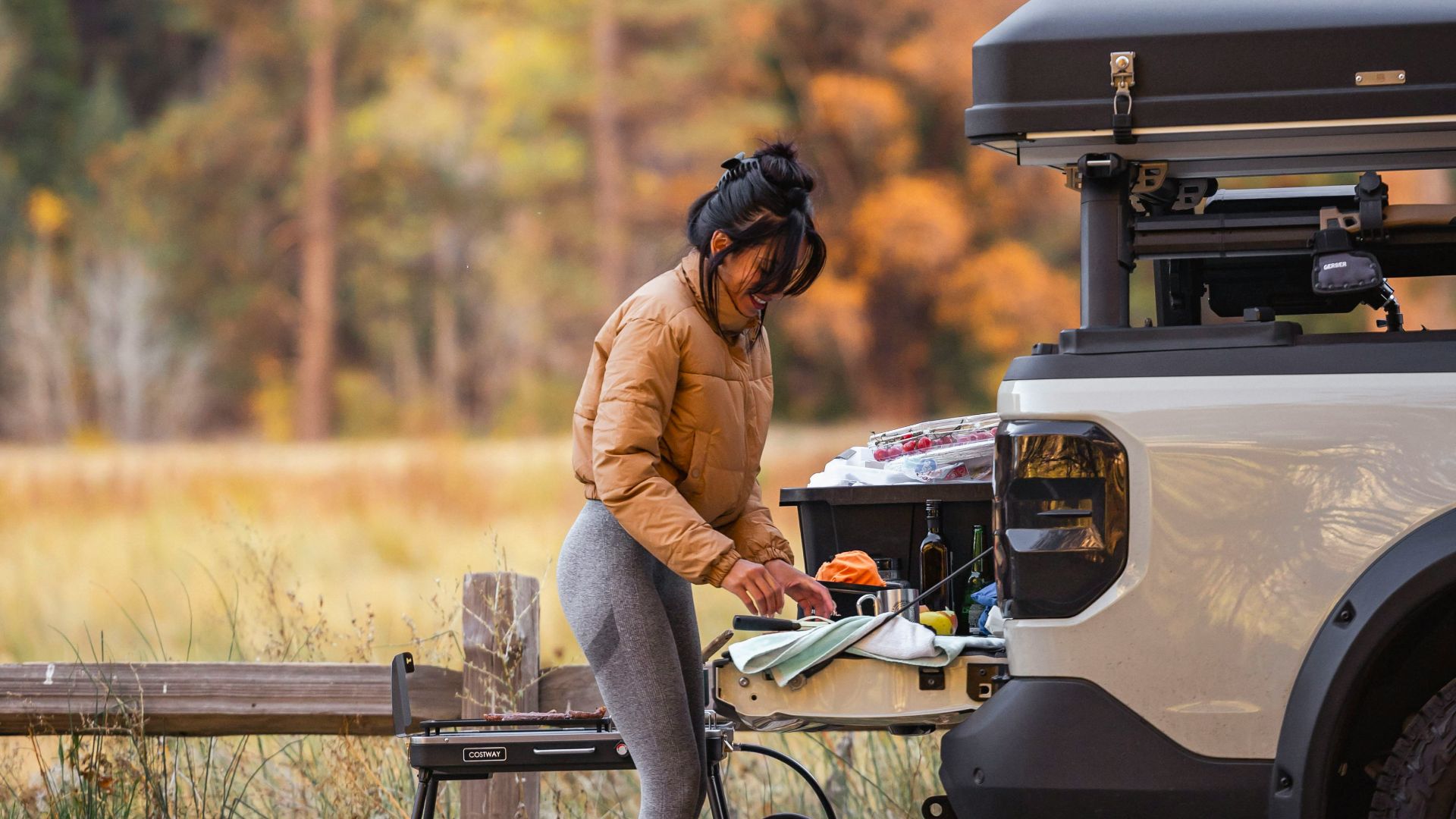
Car camping makes camp cooking more comfortable because you can bring a cooler, stove, table, utensils, and a proper cleanup bin. The National Park Service recommends coolers and food containers for frontcountry camping. That setup makes it easier to cook real meals instead of relying only on snacks.
Food Storage Still Matters
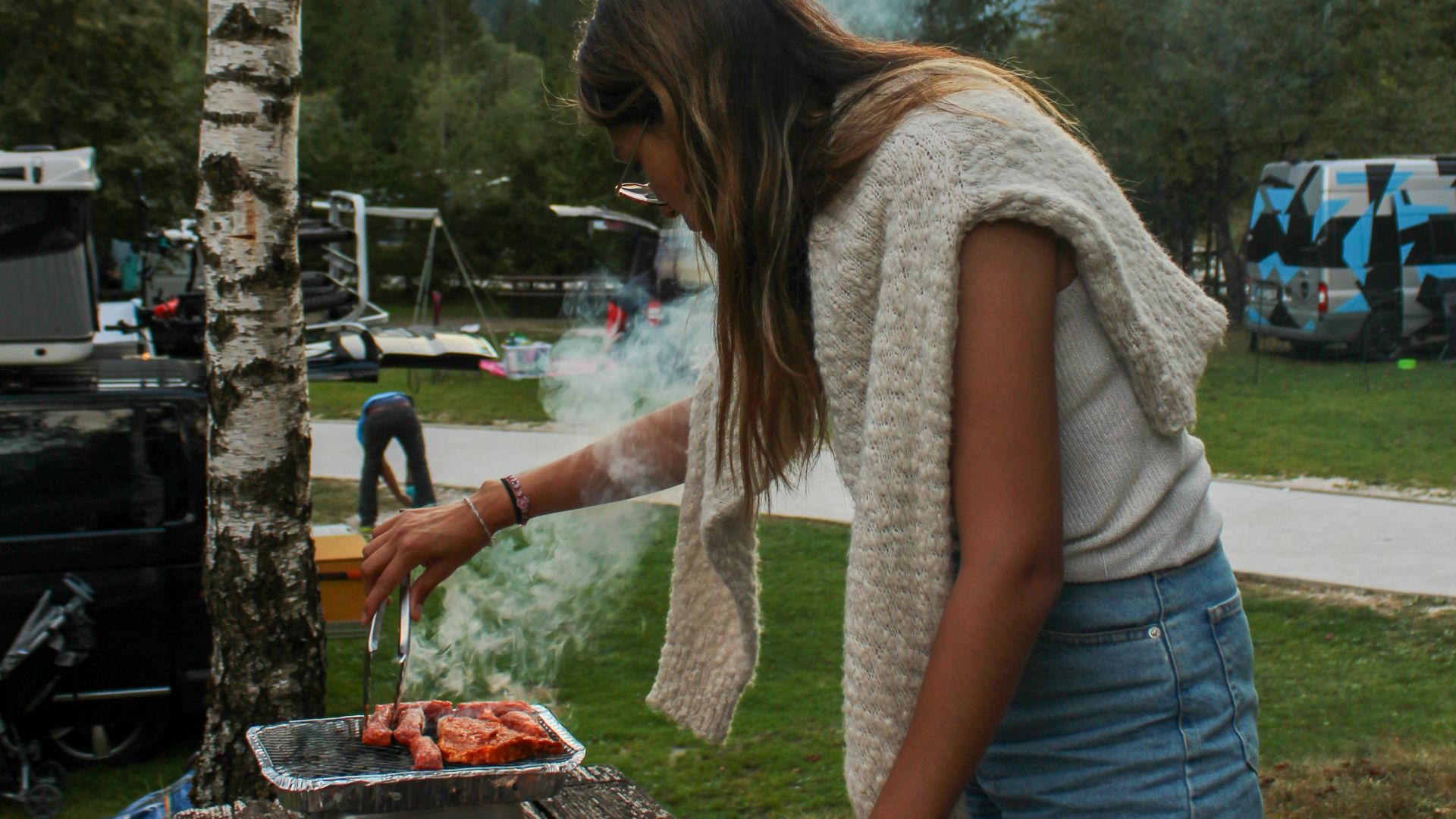
A nearby car does not mean food can be handled carelessly. The National Park Service says food rules vary by park, and some areas require lockers or bear-resistant storage. In bear country, scented items, trash, and food should always be stored according to local rules.
Tent Campers Need A Cleaner System
Tent campers should keep food and scented items away from the sleeping area. Depending on the location, that may mean using a food locker, bear canister, or approved hanging method. Keeping a clean camp protects both people and wildlife.

Safety Rules Apply To Both
Both styles require basic outdoor judgment. The National Park Service recommends checking park alerts, wildlife activity, weather hazards, fire rules, and equipment before and during a camping trip. A campsite may feel controlled, but conditions can still change quickly outdoors.
Never Cook Inside Your Sleeping Space
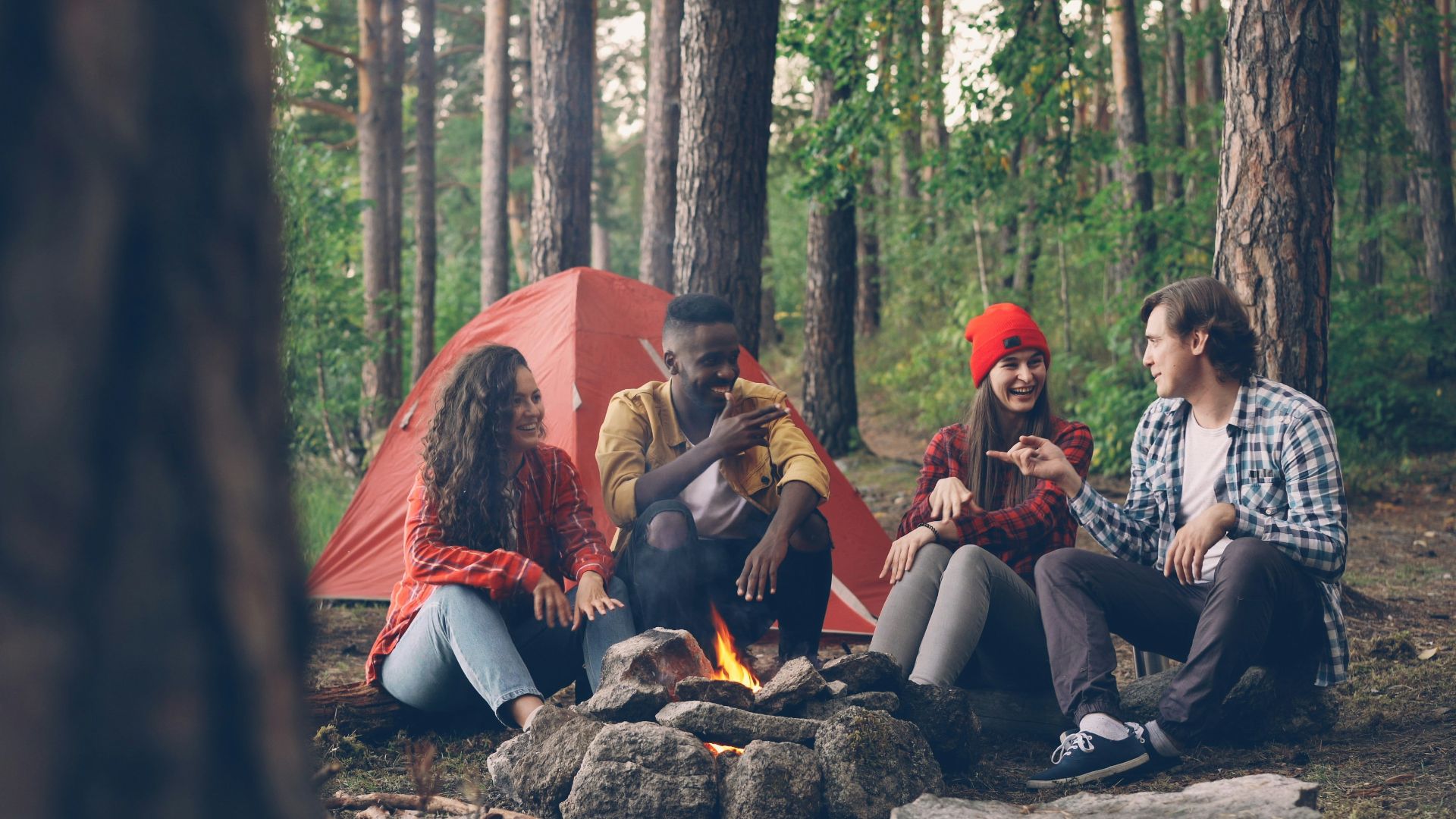
Carbon monoxide is a serious risk with camping equipment. Carbon monoxide is odorless and colorless, and safety agencies warn against using fuel-burning stoves, grills, heaters, or lanterns inside tents, vehicles, campers, or enclosed spaces. Cook outside in a ventilated area and keep sleeping areas clear.
Campfires Are Not Always Allowed
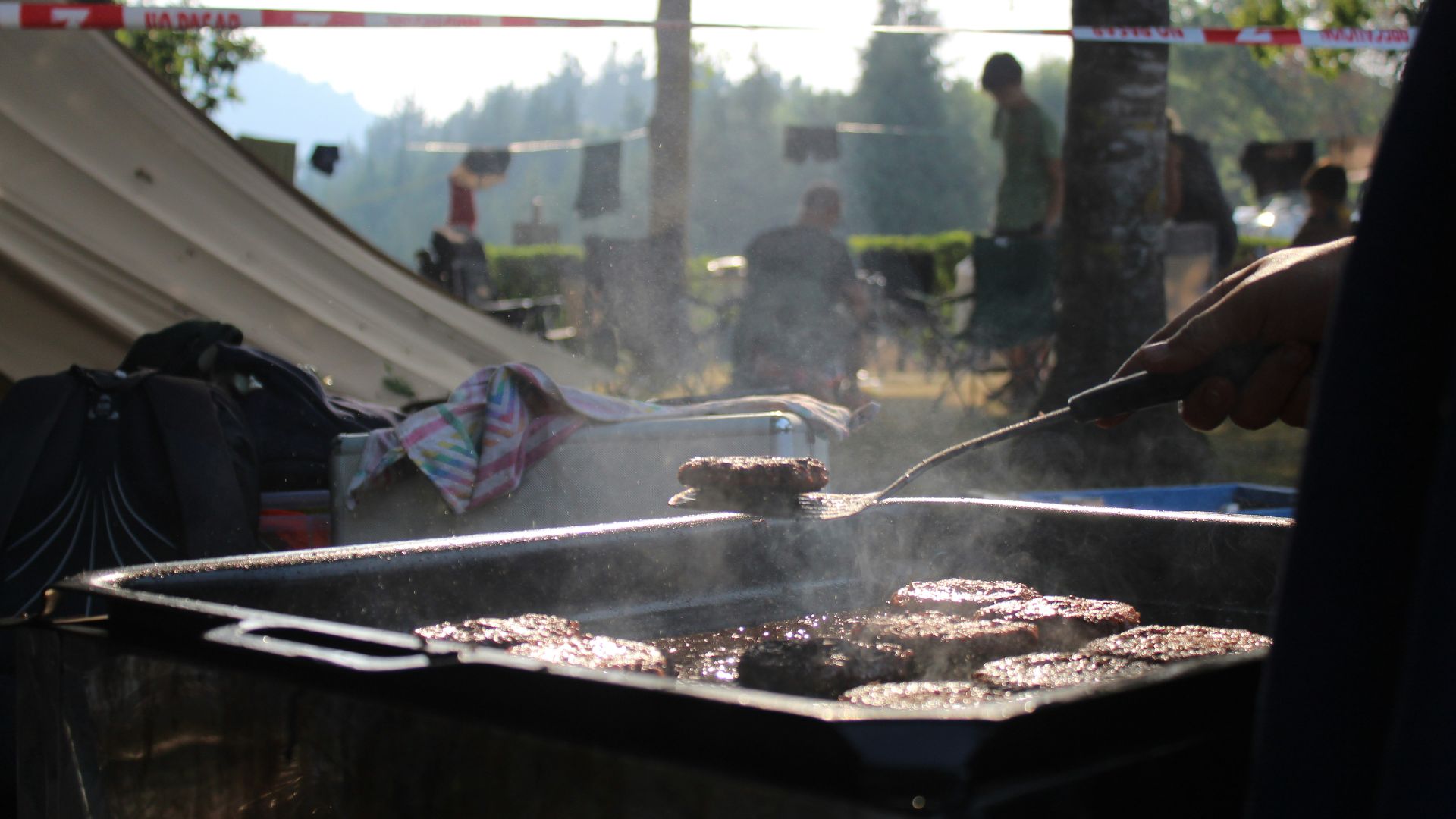
Campfires depend on local rules, weather, and fire danger. The U.S. Forest Service recommends checking restrictions before camping and using alternatives during high fire danger. Even when fires are allowed, campers should use existing fire rings where available and fully extinguish flames before leaving.
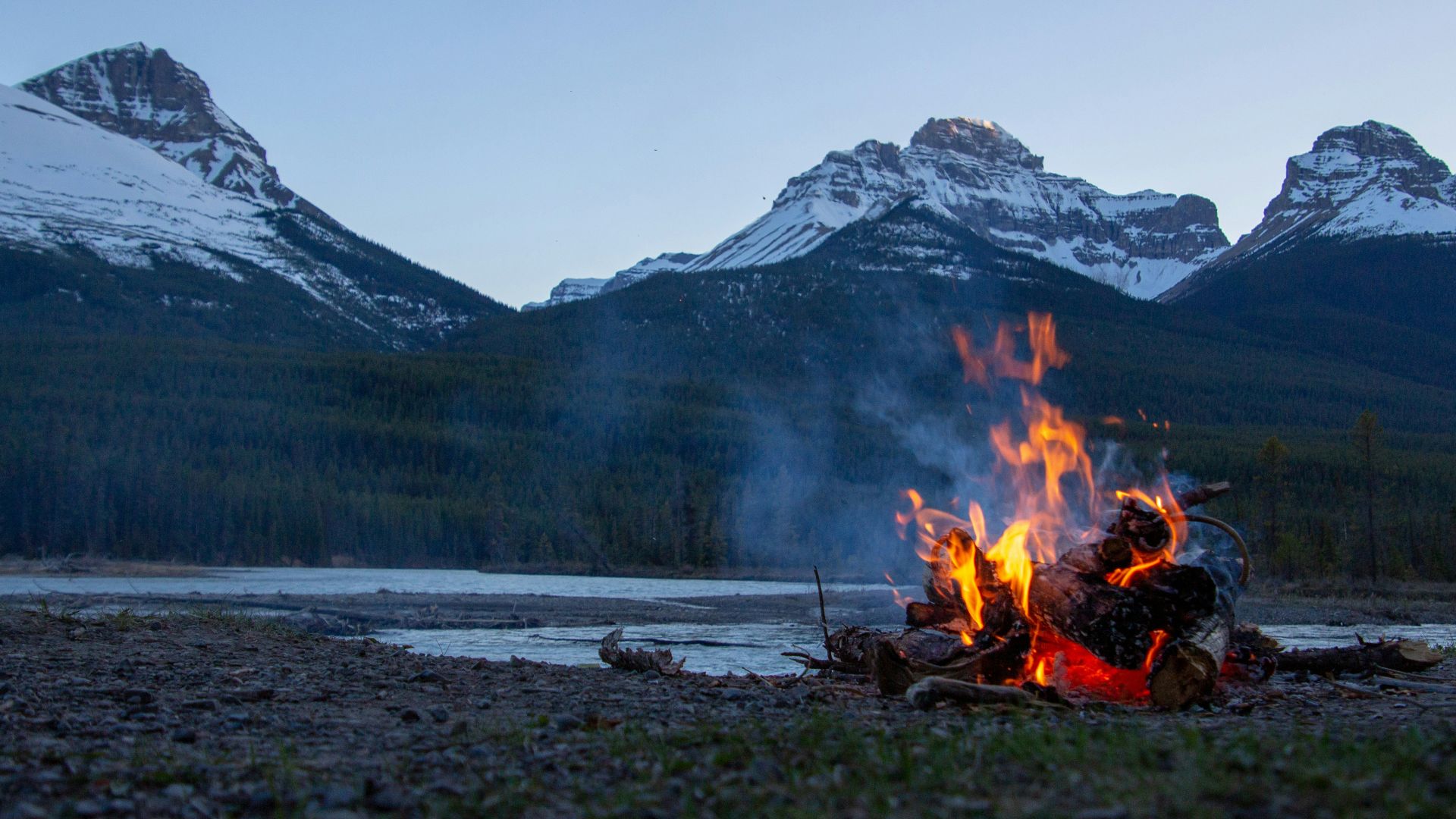
Tent Camping Can Feel More Immersive
Sleeping in a tent often makes the night feel more memorable. You hear the wind, notice the temperature shift, and wake up closer to the morning light. For some travelers, that slight discomfort is part of the charm.
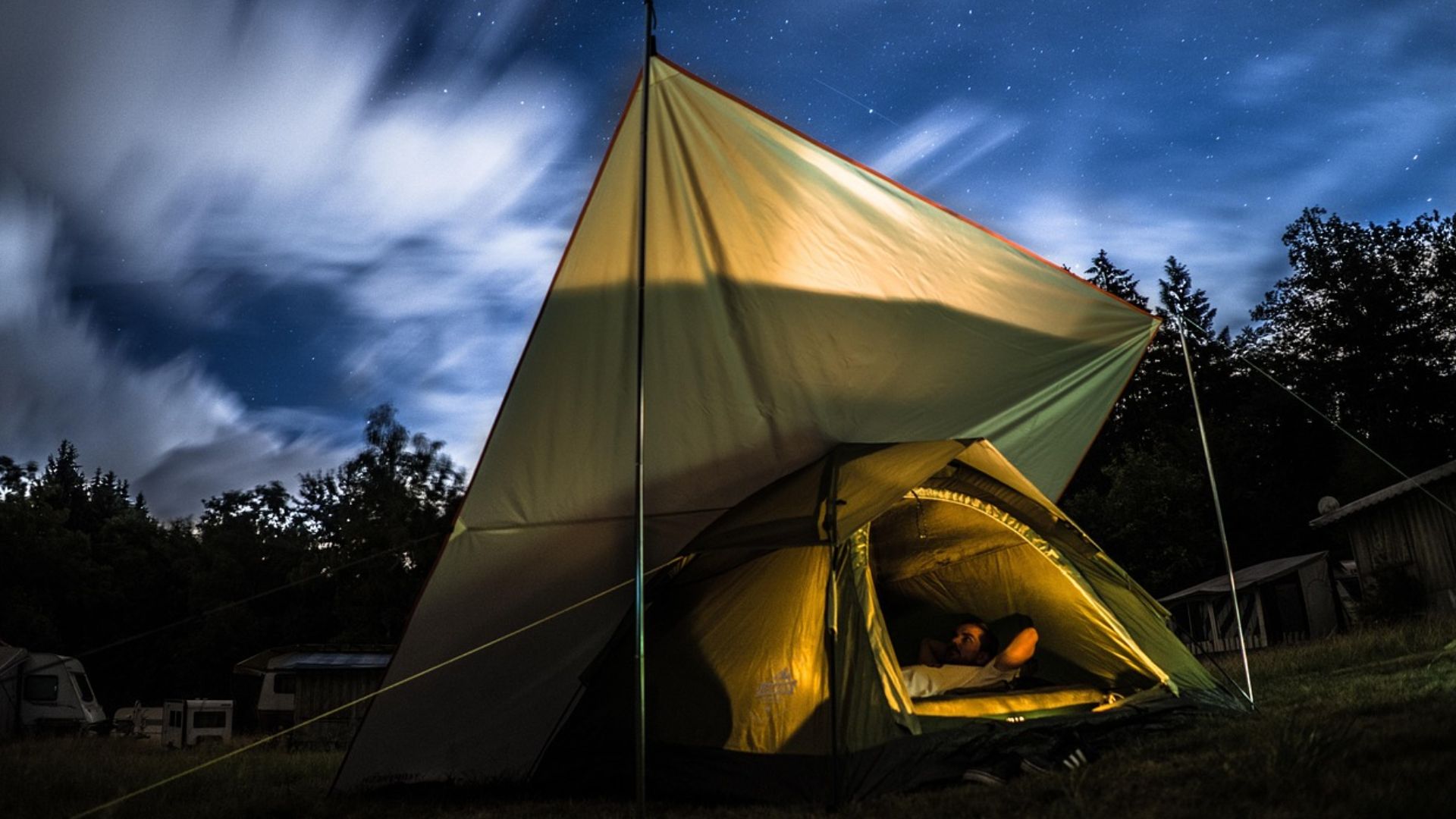
Car Camping Can Extend The Season
Car camping can make cooler-weather trips more manageable. You can bring warmer bedding, extra layers, hot drinks, and shelter from wind or rain. That does not replace proper safety planning, but it can make shoulder-season camping more comfortable.
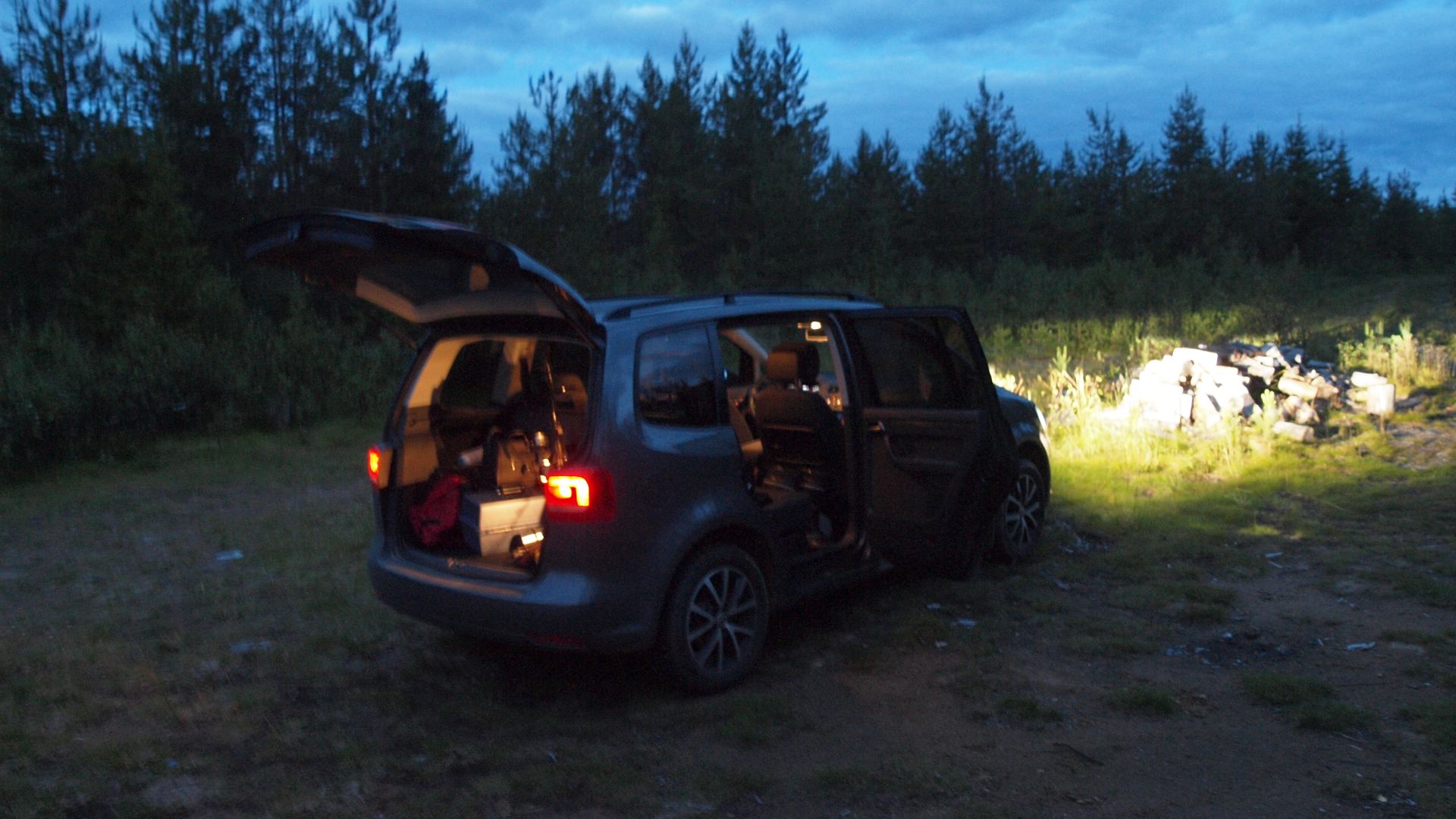
Tent Camping Is Better For Remote Trips
If your goal is to reach quieter places, tent camping usually wins. A tent can go where cars cannot, especially at walk-in, backcountry, or wilderness sites. That freedom comes with more responsibility, including navigation, water planning, and food storage.
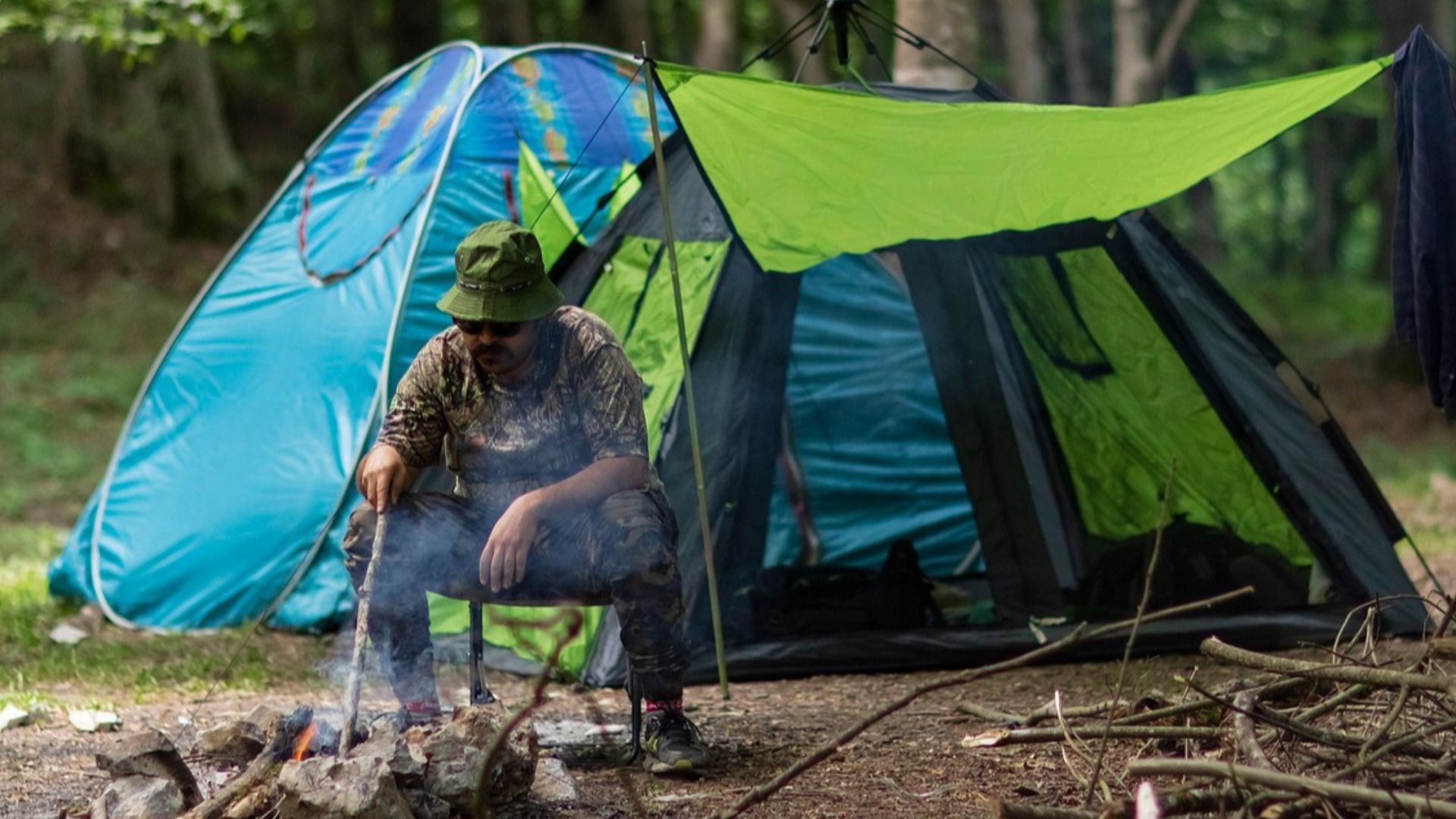
Car Camping Can Cost More Than Expected
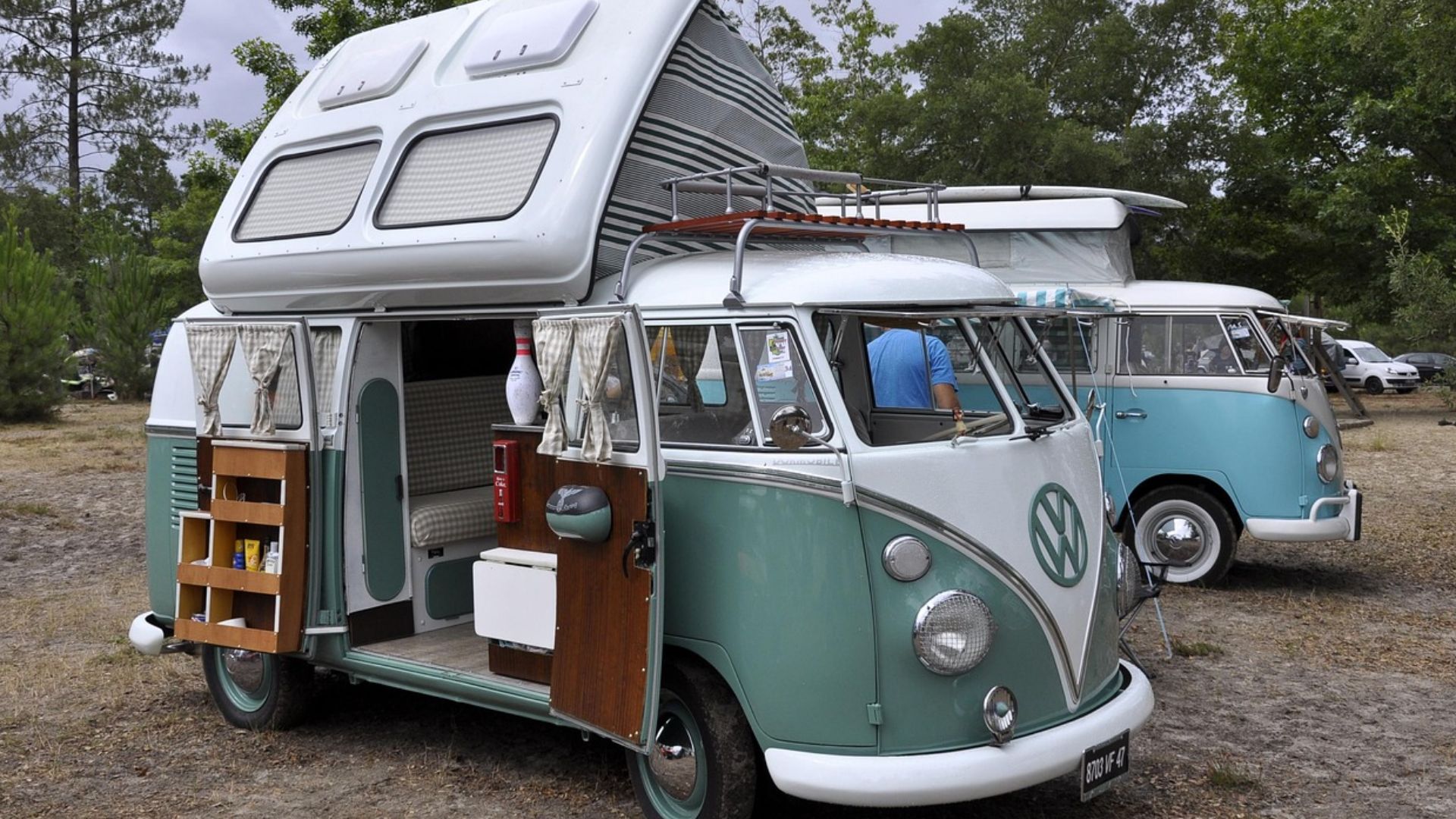
Car camping may tempt you to buy more gear because space is less limited. Bigger tents, camp kitchens, storage bins, mattresses, and coolers can add up quickly. The good news is that you can start simple and upgrade only after learning what you actually use.
Tent Camping Can Stay Budget-Friendly
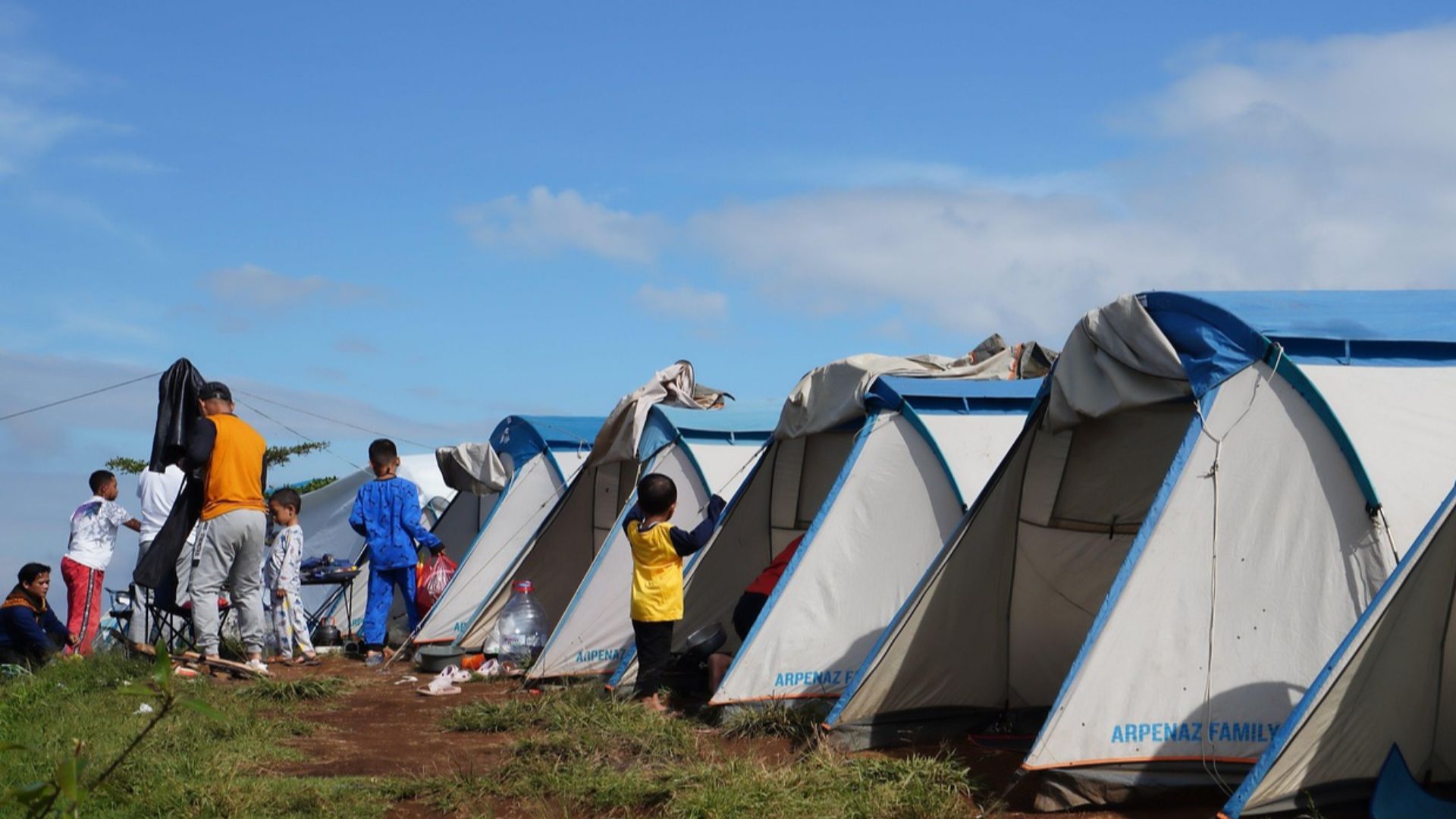
Tent camping can remain affordable if you focus on essentials. A solid tent, sleeping bag, sleeping pad, headlamp, and cooking basics are enough for many short trips. Renting or borrowing gear before buying can help you avoid expensive mistakes.
Leave No Trace Still Applies
Both camping styles should follow low-impact habits. Leave No Trace recommends camping on durable surfaces, using established sites when possible, and keeping campsites at least 200 feet from lakes and streams in undeveloped areas. Good camping should leave the next visitor with the same experience you found.
Choose Car Camping If You Want Comfort
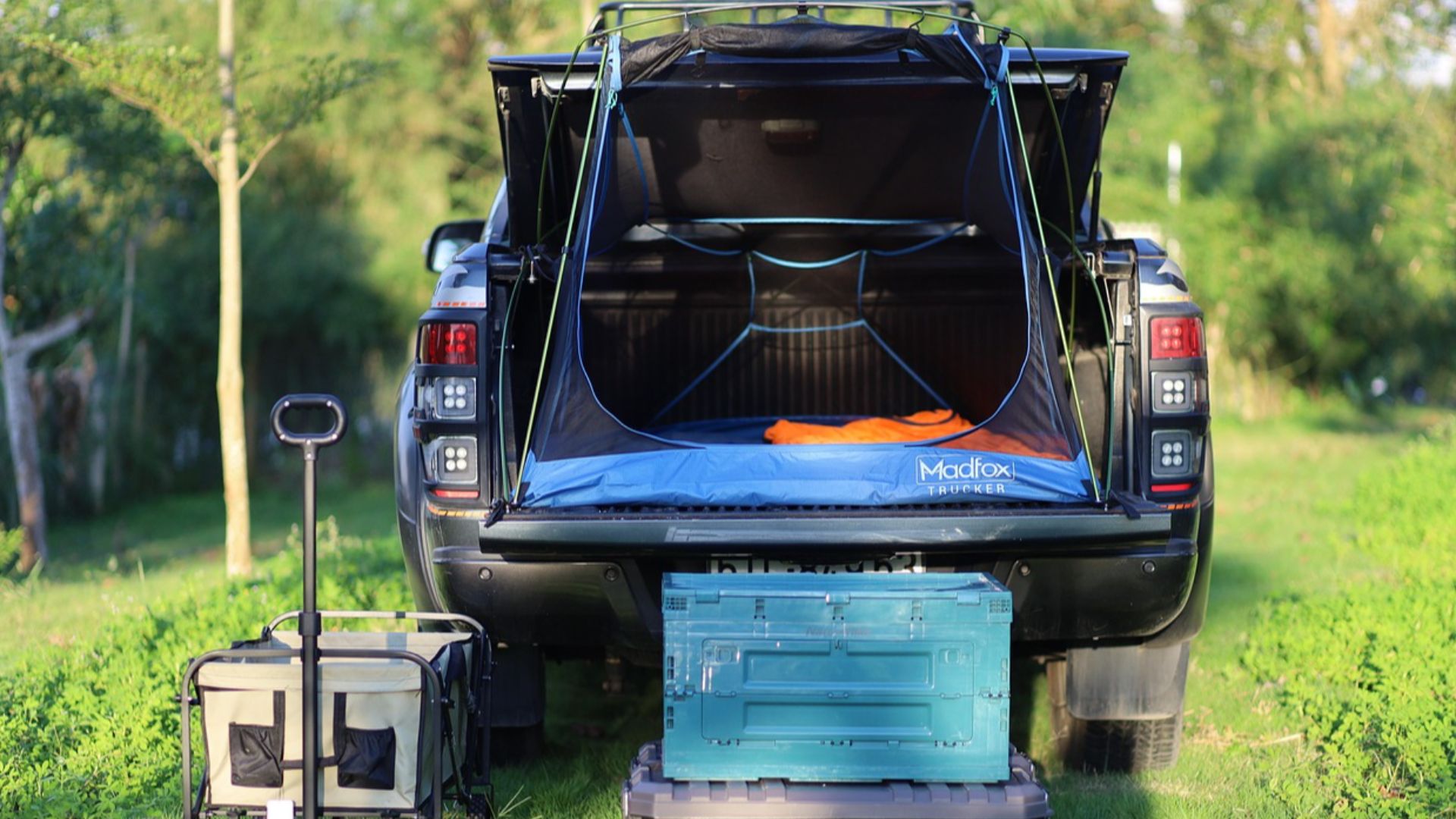
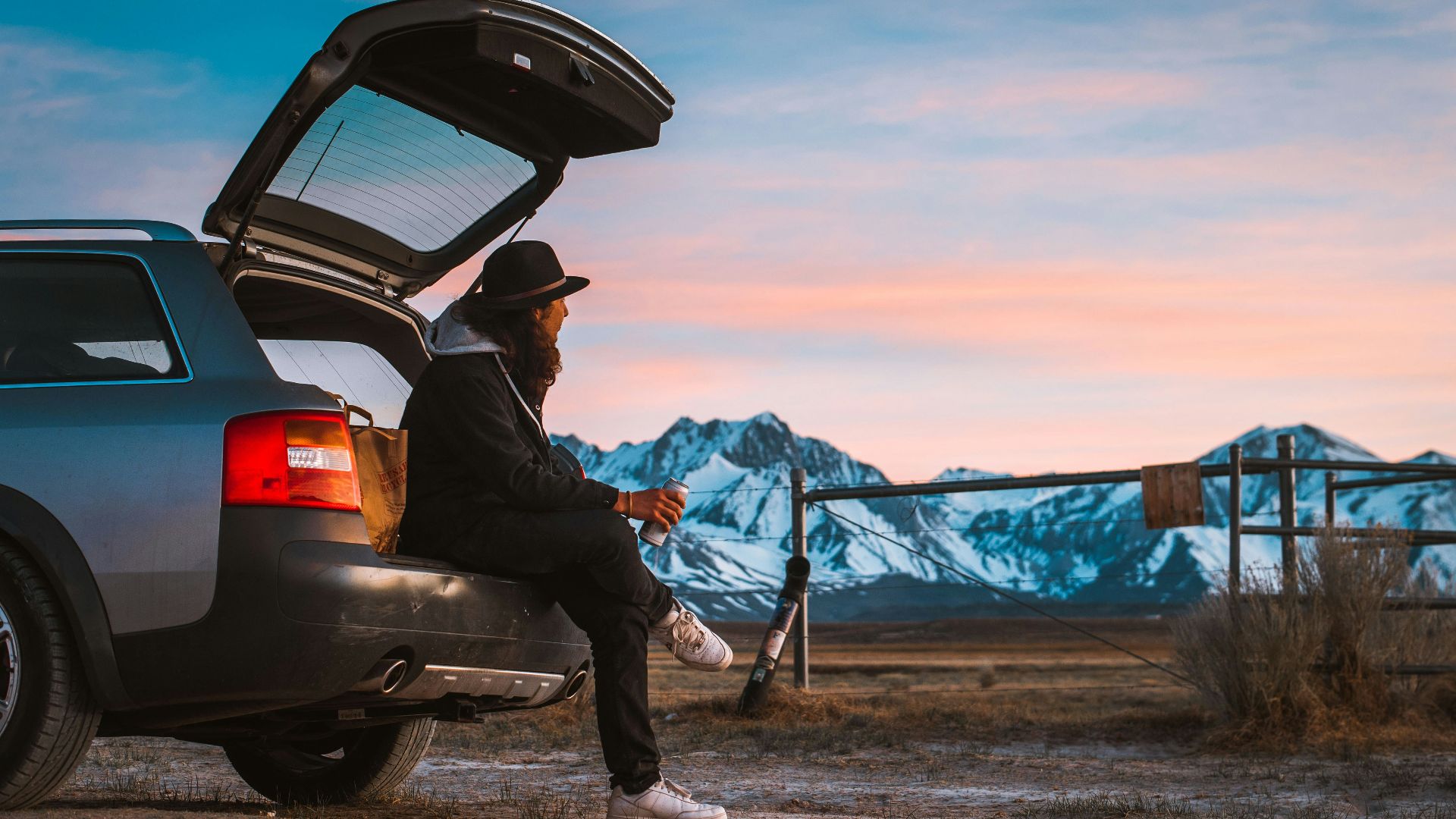
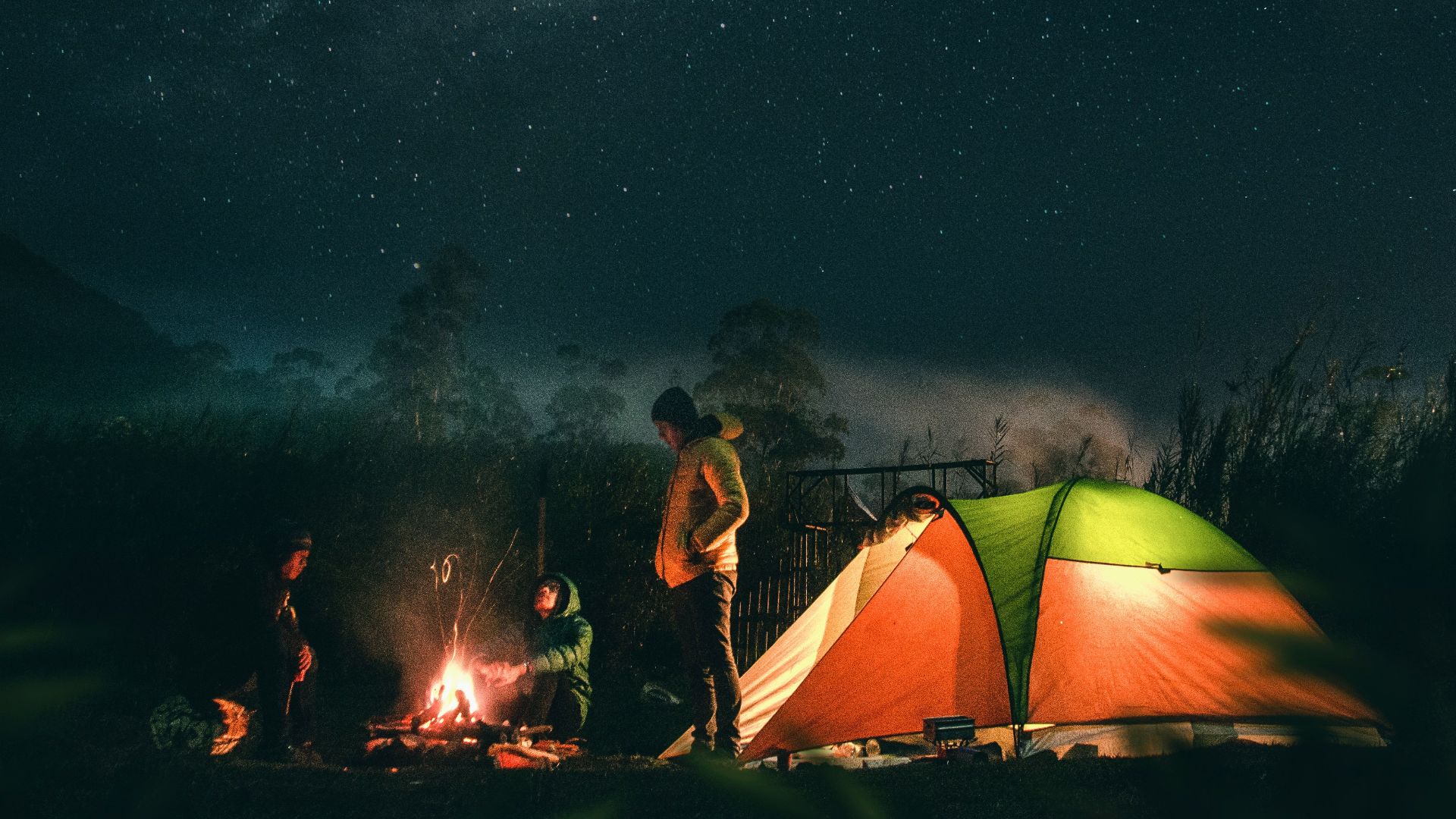
Car camping is the better choice if you value convenience, easy meals, backup supplies, and a softer landing. It is also a strong option for first-timers, families, and travelers who want to test camping without going too far outside their comfort zone. You still get fresh air, campfires when allowed, and a night under the stars.
 Robson Hatsukami Morgan, Unsplash
Choose Tent Camping If You Want Simplicity
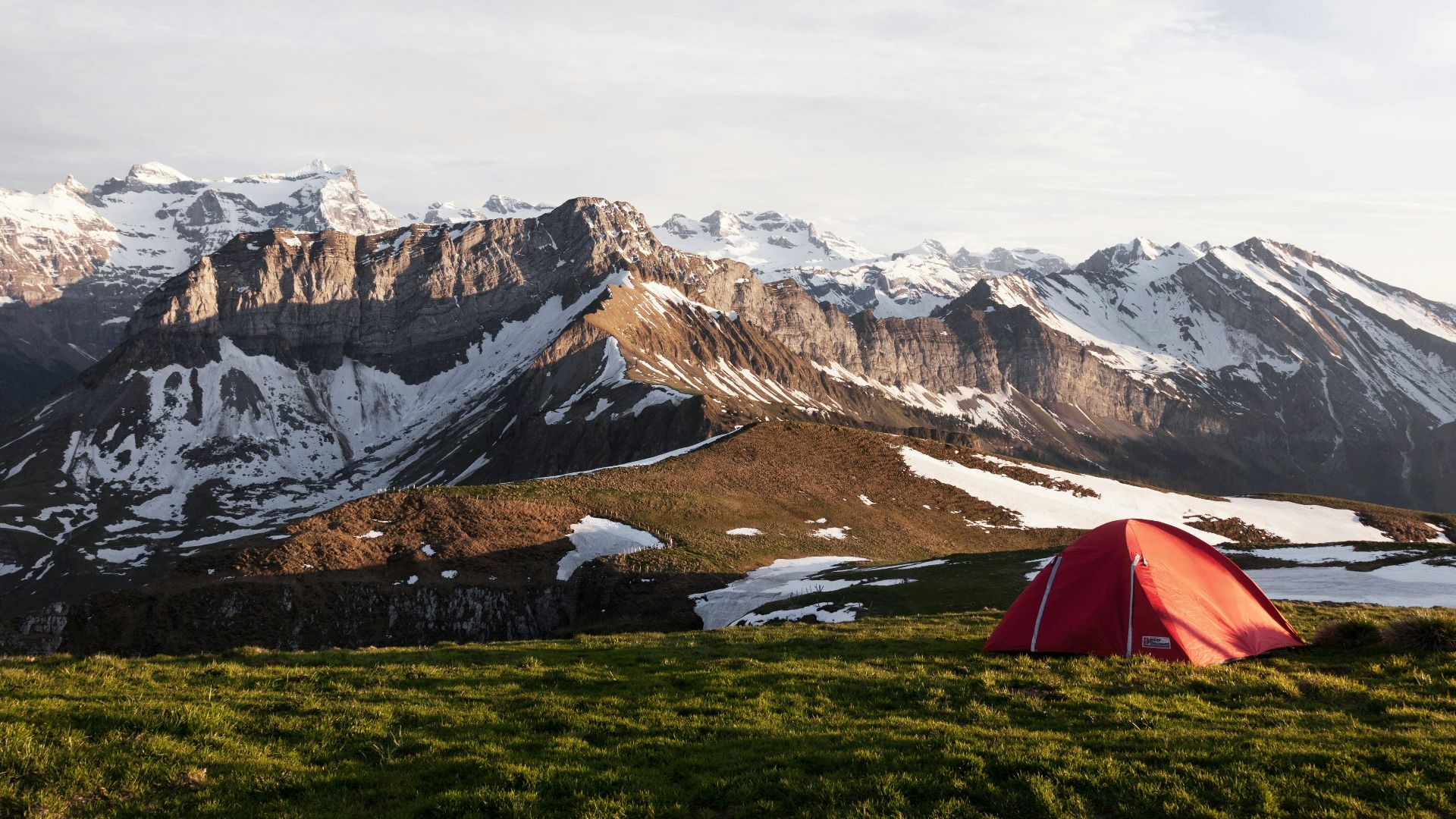
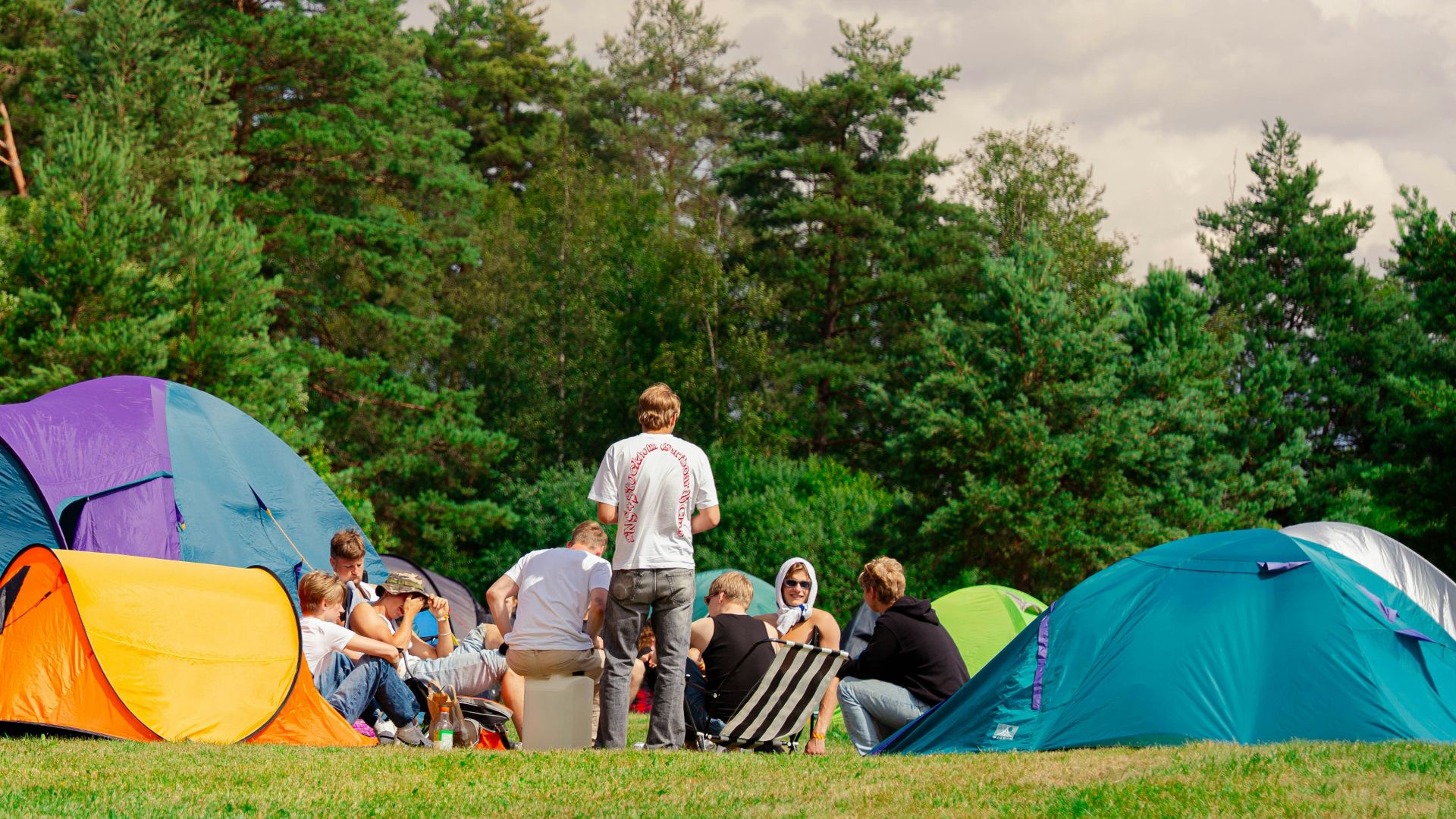
Tent camping is the better choice if you want a quieter, lighter, more traditional outdoor experience. It works well for people who enjoy simple routines and do not mind trading convenience for atmosphere. The reward is a stronger sense of being part of the landscape.
The Best Choice Is The One You Will Enjoy
There is no single winner between car camping and tent camping. The right choice depends on your comfort level, your gear, your destination, and the kind of trip you want. Start with the version that feels realistic, then adjust as your confidence grows.
You May Also Like:
The Best States For Off-Beat Winter Camping—Ranked According To Travelers
America's Most Dangerous Camping Destinations