Florida Feels Different Almost Immediately
Canadians have been escaping to Florida for generations, but familiarity does not eliminate the surprises. The weather, roads, wildlife, food, and daily routines can feel distinctly different from life north of the border. Some changes are delightful, while others require a little adjustment.
The Humidity Hits Hard
Florida’s temperature may not look extreme on paper, but the humidity can make the air feel much heavier. Visitors often notice the difference as soon as they leave the airport or step outside their hotel. Even a short walk can feel surprisingly tiring during the warmer months.
Summer Rain Arrives With Little Warning
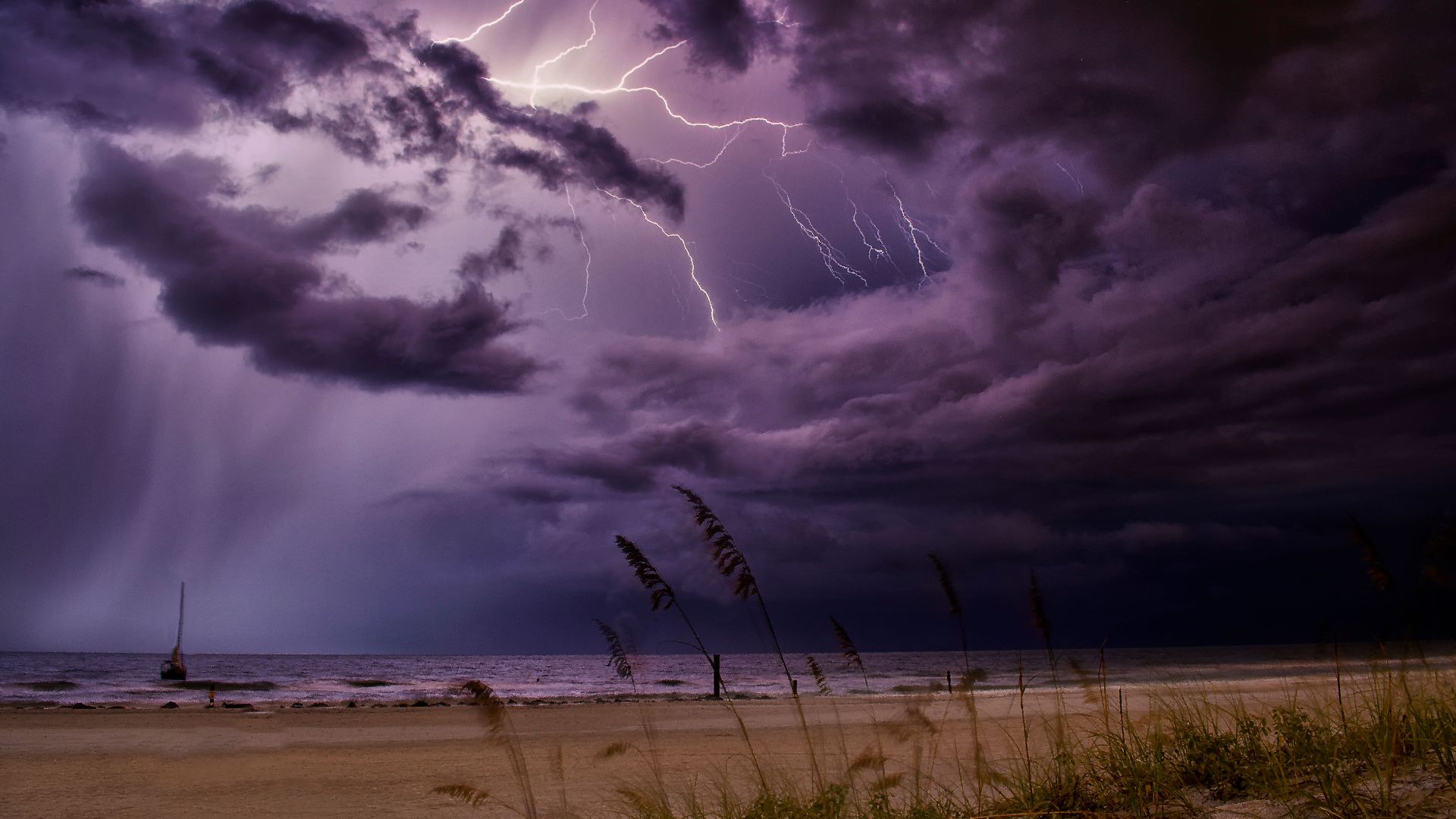
A sunny Florida afternoon can turn dark within minutes. Summer thunderstorms commonly develop as sea breezes from the Atlantic Ocean and Gulf of Mexico move inland. The rain can be intense, but it often passes quickly enough for outdoor plans to resume.

Lightning Is Taken Very Seriously
Florida experiences frequent lightning, particularly during the summer thunderstorm season. Beaches, golf courses, pools, and outdoor attractions may close temporarily when lightning is detected nearby. Canadians accustomed to waiting out ordinary rain may be surprised by how quickly people seek shelter.
Air Conditioning Feels Almost Arctic
Florida businesses often keep their interiors considerably cooler than the outdoor temperature. Restaurants, stores, hotels, and cinemas can feel chilly after spending time in the heat. Carrying a light sweater suddenly makes sense, even when the temperature outside is above 90°F.

Palm Trees Become Ordinary
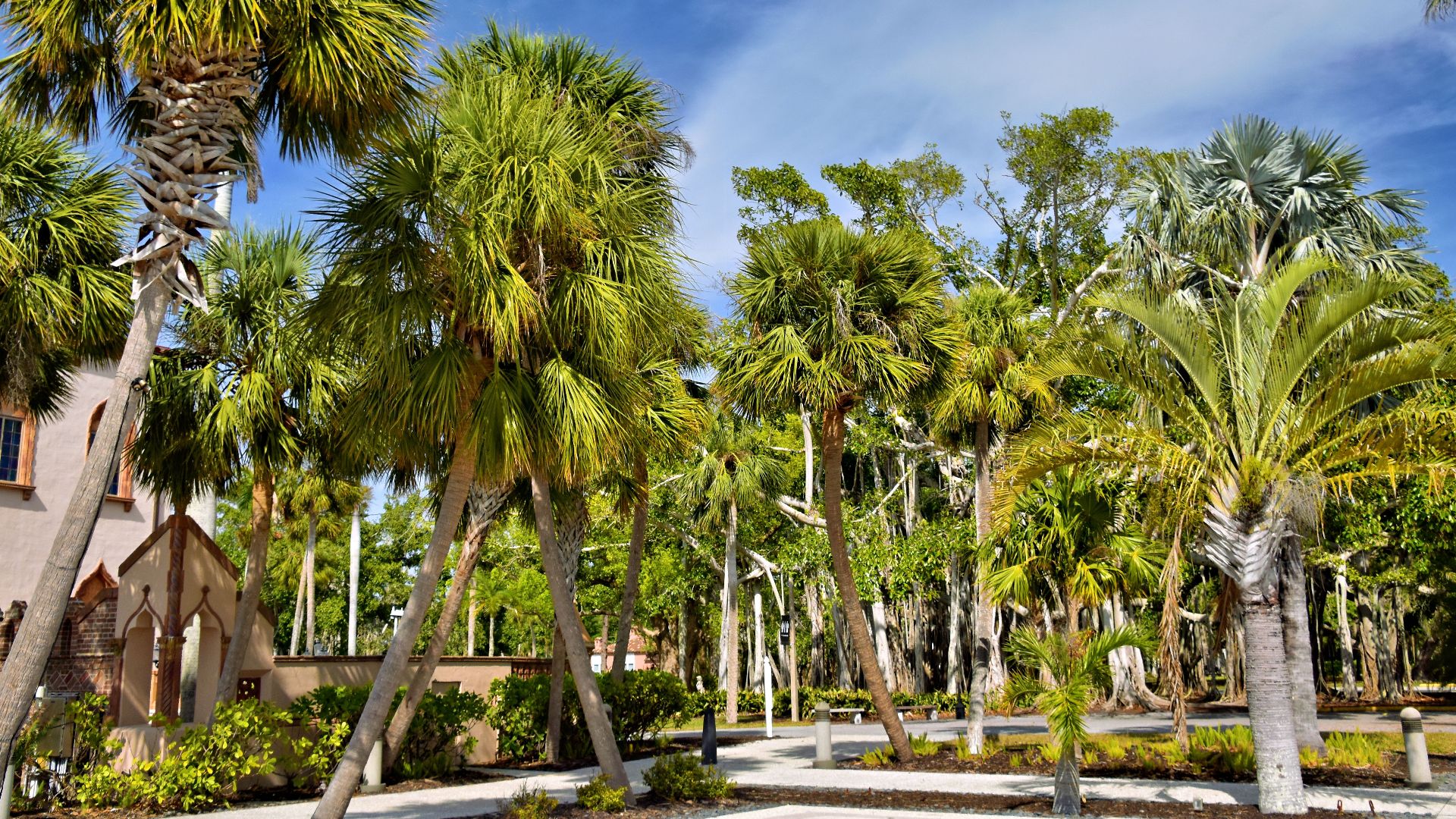
Palm trees initially make every road and parking lot feel like a vacation postcard. After several days, Canadians may notice that they appear almost everywhere, including beside pharmacies, supermarkets, and suburban offices. They are not all native to Florida, but they remain one of the state’s most recognizable sights.
The Landscape Is Surprisingly Flat
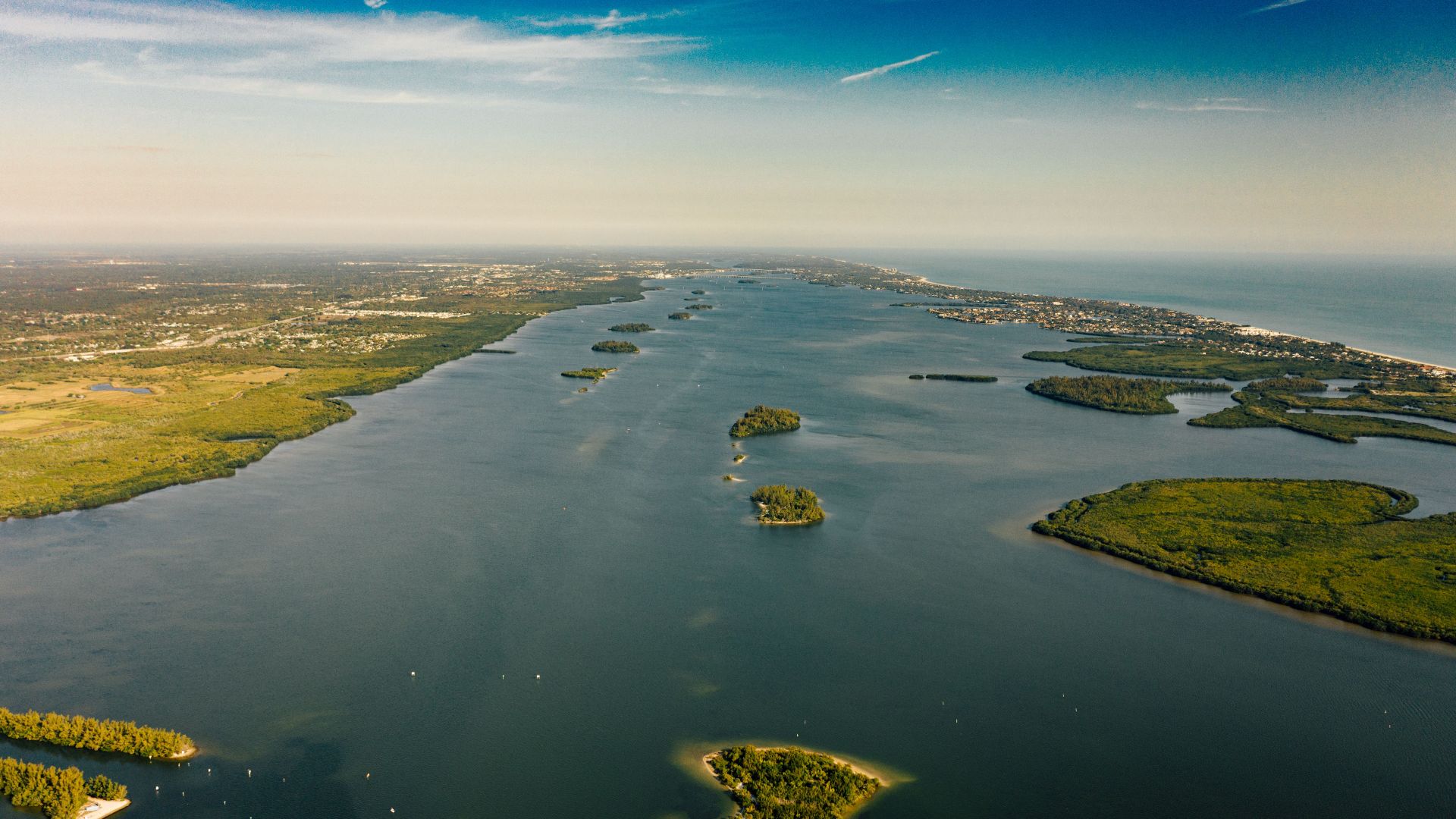
Visitors expecting dramatic coastal scenery may be struck by Florida’s remarkably level terrain. Much of the state has very little elevation, and long highways can stretch across flat wetlands, farmland, and suburban development. Even small hills can seem unusual in some regions.
Water Appears Everywhere
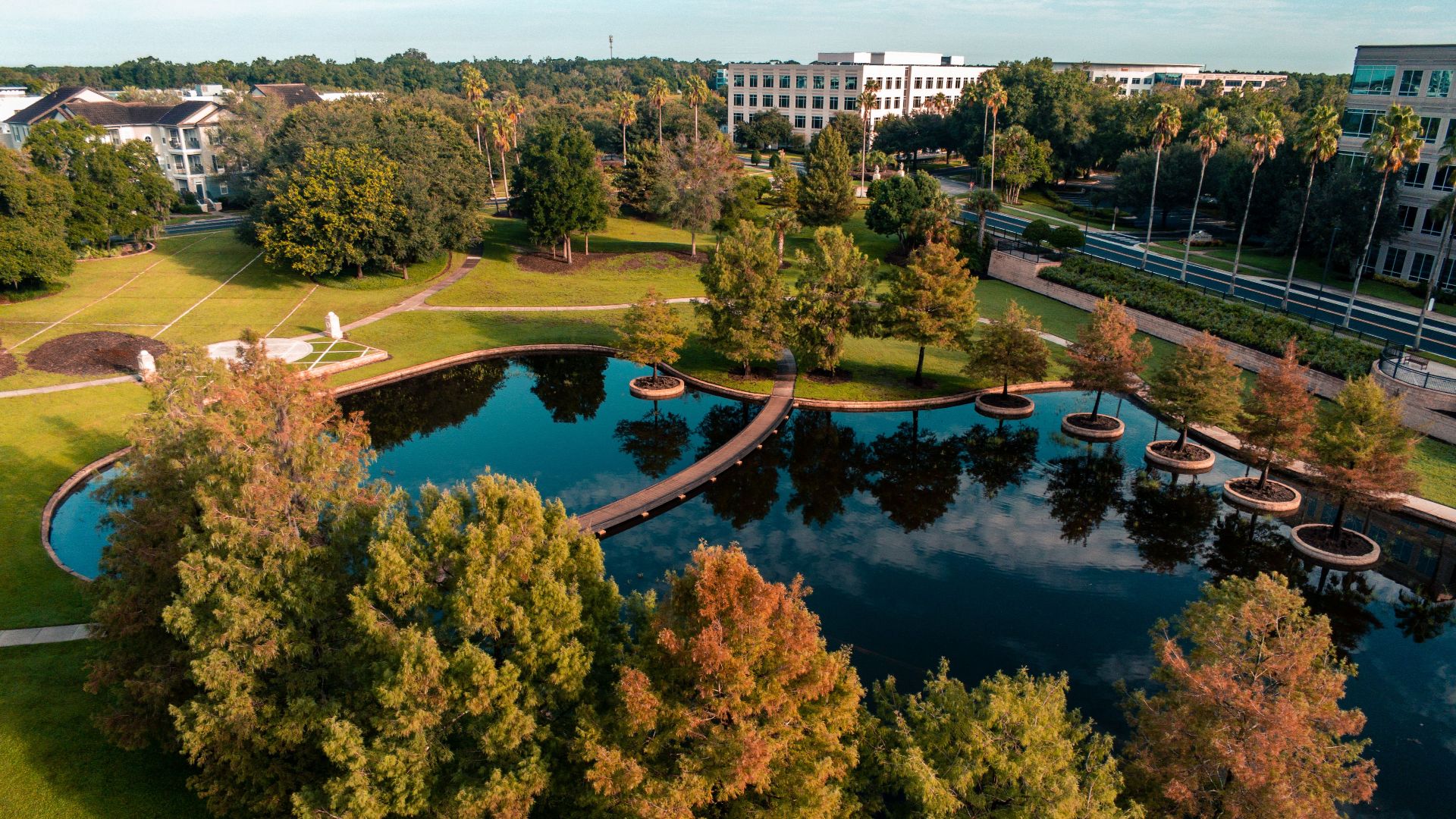
Florida contains thousands of lakes, ponds, canals, rivers, wetlands, and springs. Retention ponds are especially common beside highways, shopping centers, and residential neighborhoods. Canadians quickly learn that almost any body of water could also provide habitat for wildlife.
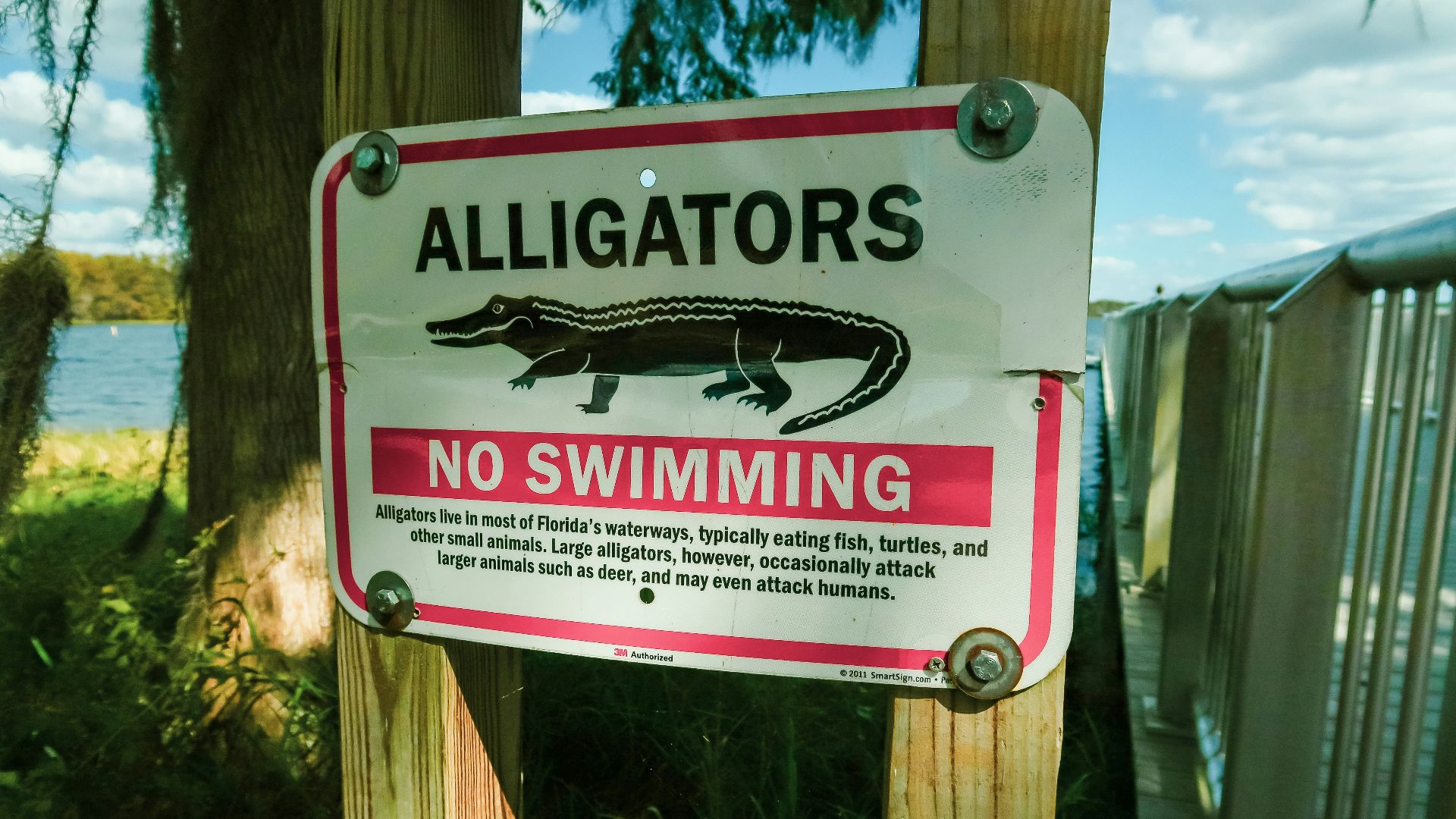
Alligator Warnings Are Not Decorative
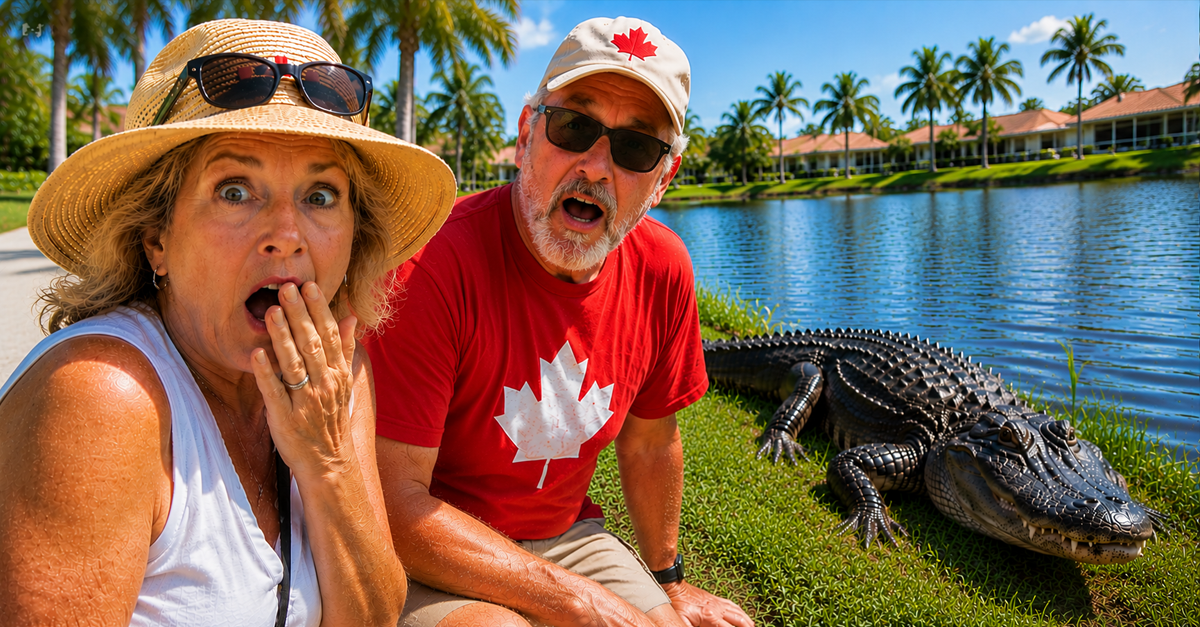
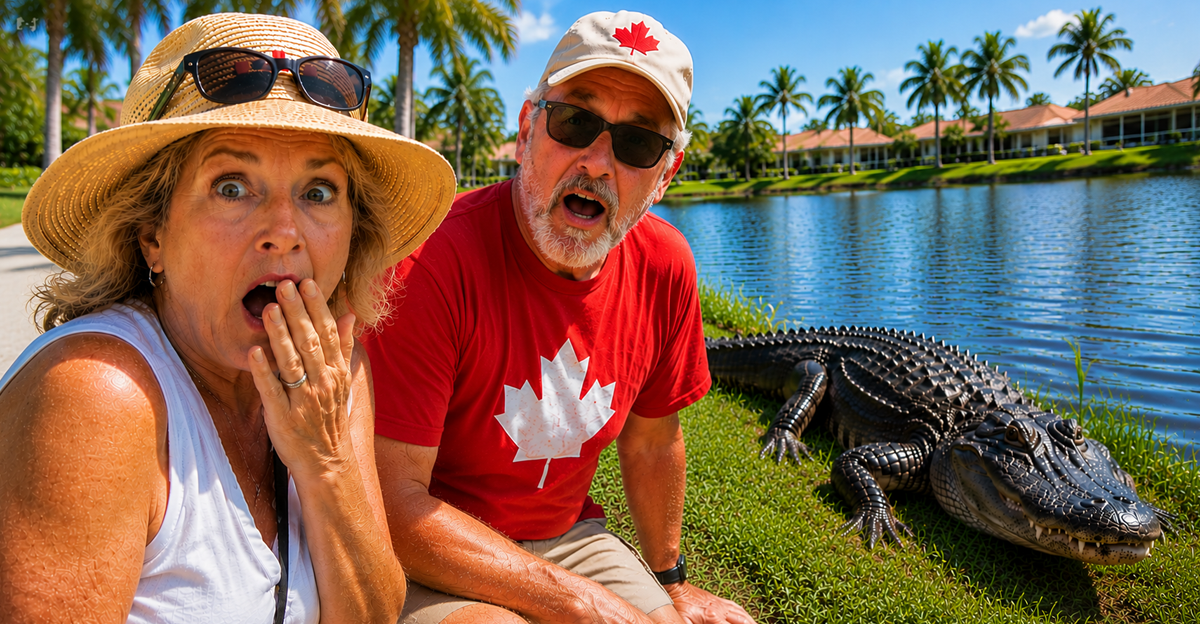
Signs warning about alligators can appear beside ponds in parks, resorts, golf courses, and subdivisions. The Florida Fish and Wildlife Conservation Commission advises people to keep their distance and never feed an alligator. Visitors should also keep pets away from the water’s edge, especially around dawn and dusk.
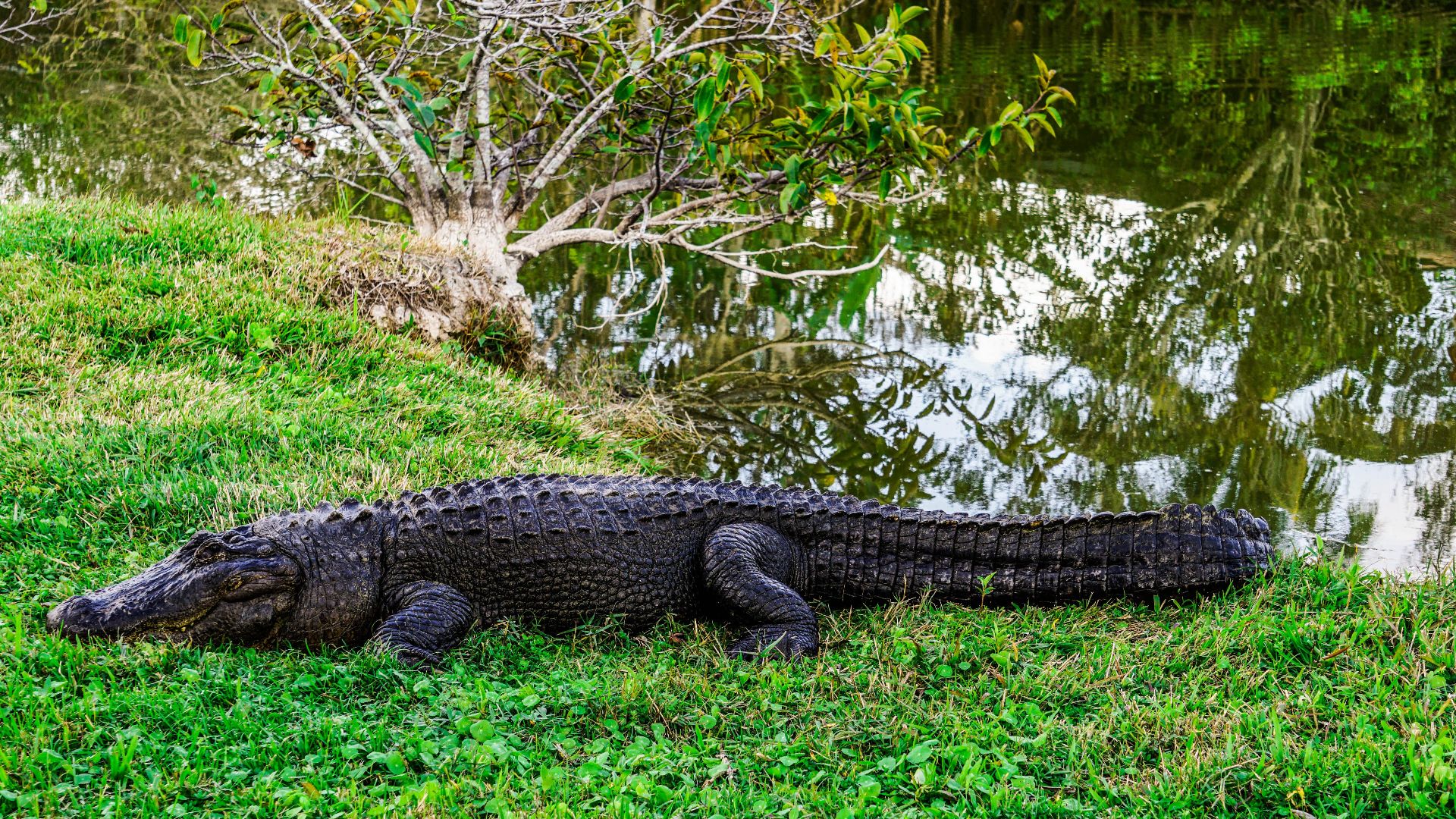
Locals Rarely Panic About Alligators
Canadians may stop immediately when they see an alligator, while nearby Floridians often remain remarkably calm. That does not mean residents ignore the danger. They generally understand that leaving the animal alone and maintaining a safe distance are the best responses.
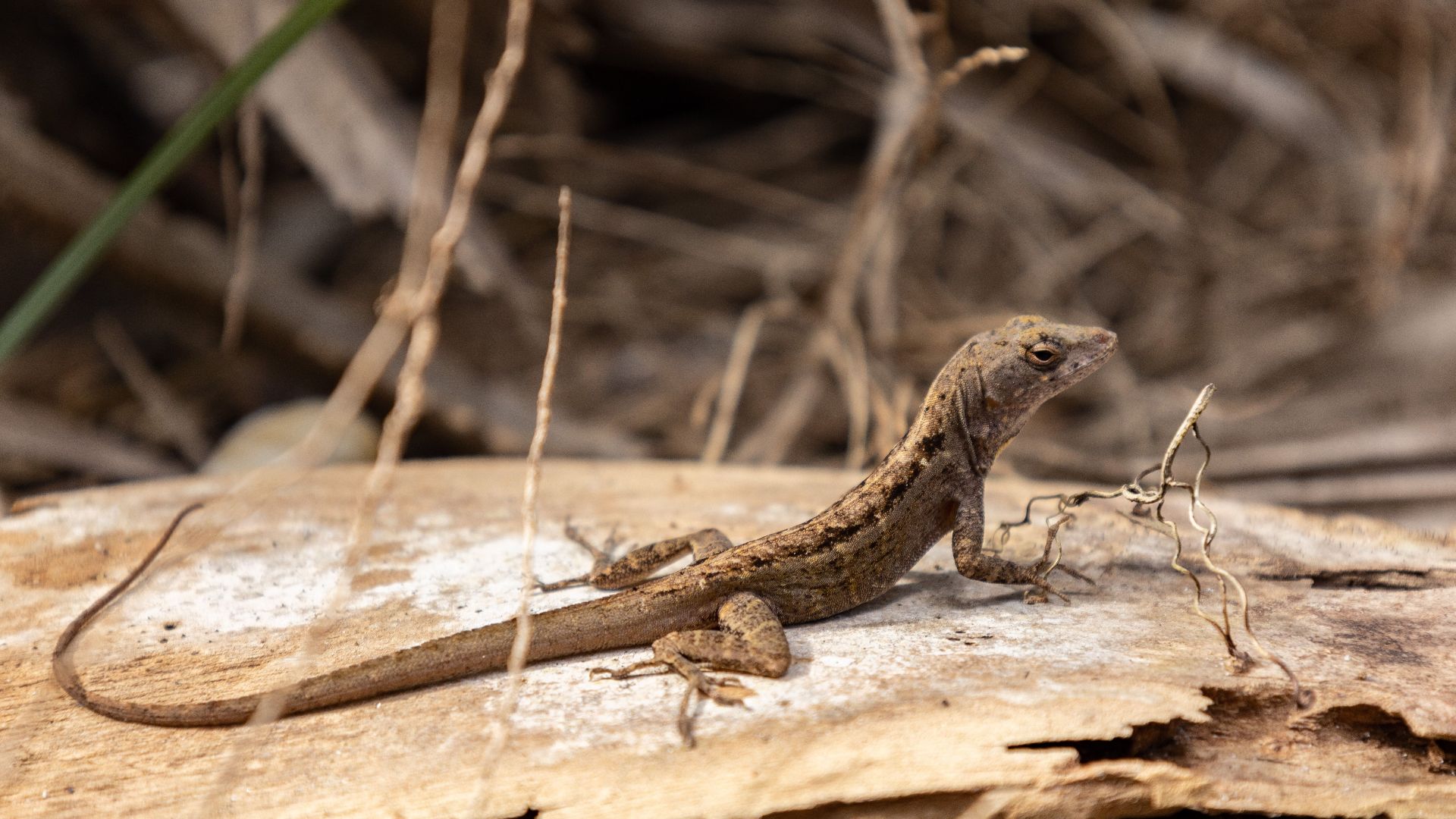
Lizards Scatter Across Every Sidewalk
Small lizards are a common sight throughout much of Florida, particularly in the southern part of the state. Anoles and geckos can be seen climbing walls, crossing paths, and hiding in landscaping. Their sudden movements can startle visitors who are not used to sharing patios with reptiles.
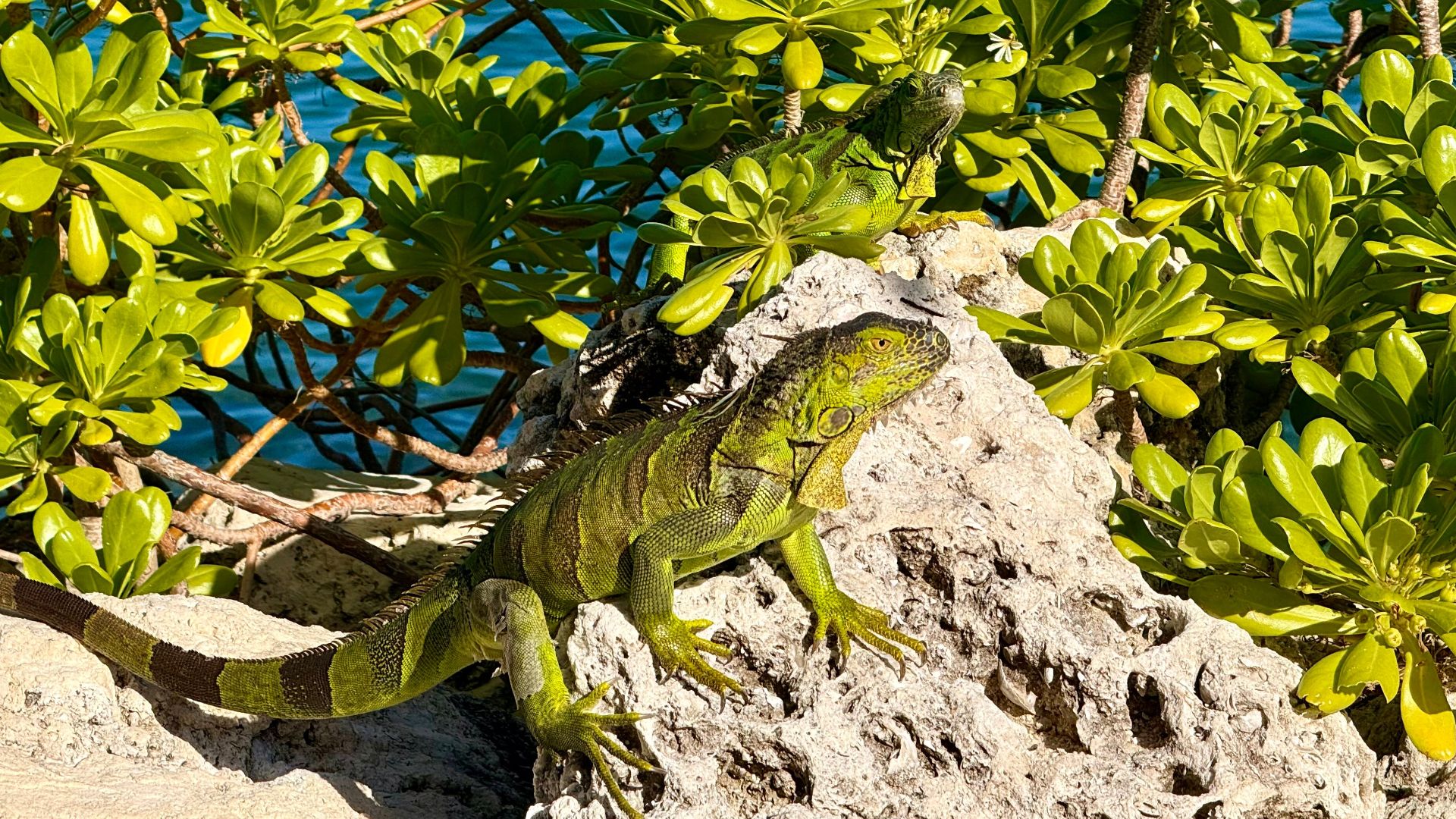
Iguanas Can Look Almost Prehistoric
Large green iguanas have established populations in South Florida, although they are not native to the state. They can appear along canals, sidewalks, seawalls, and golf courses. Their size surprises many Canadians who expect Florida’s urban reptiles to be much smaller.
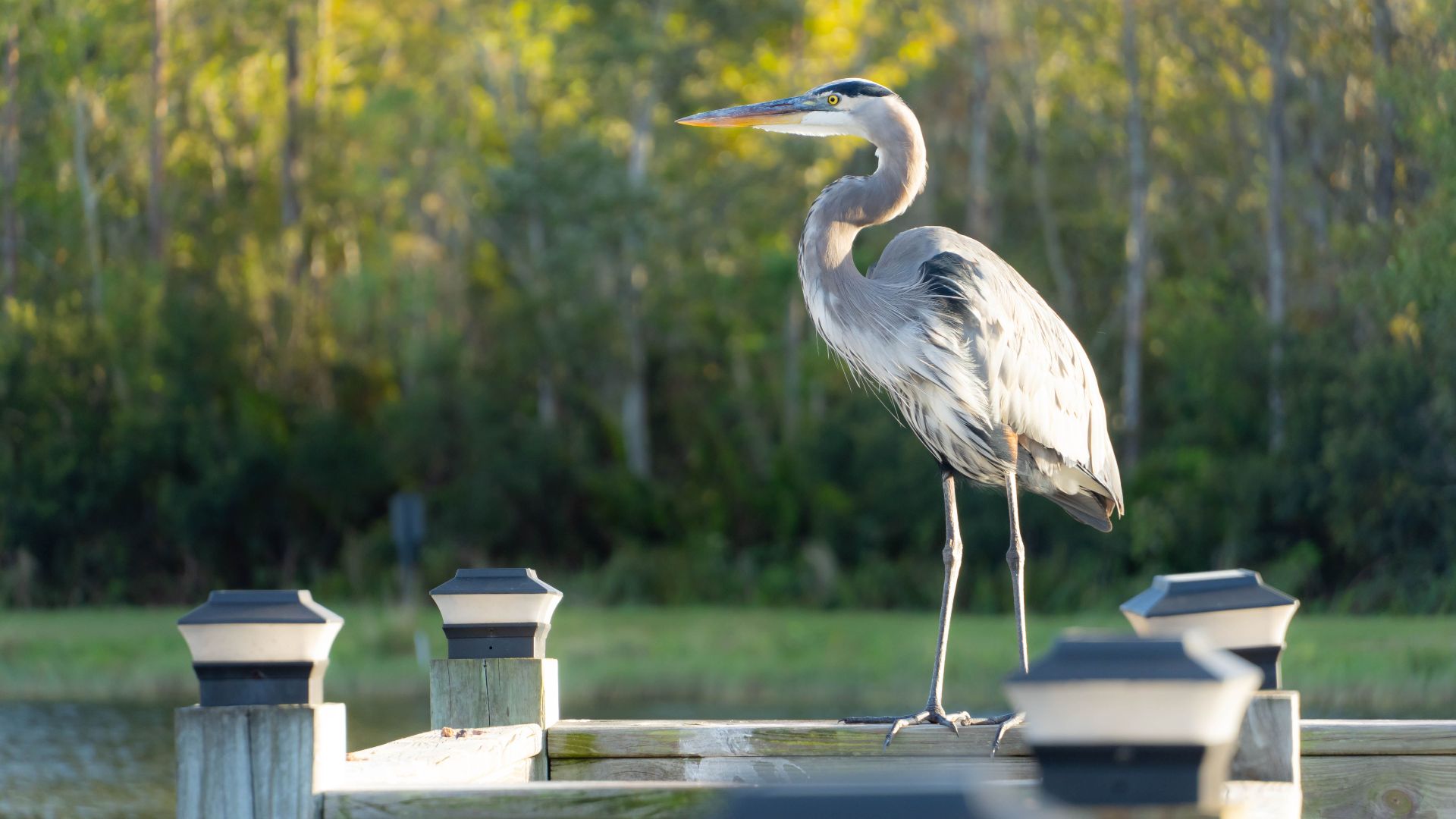
Birds Seem Bigger And Bolder
Florida’s wetlands support herons, egrets, ibises, pelicans, sandhill cranes, and many other noticeable birds. Some walk calmly through parking lots or gather beside busy roads. Visitors soon realize that striking wildlife is not limited to remote preserves.
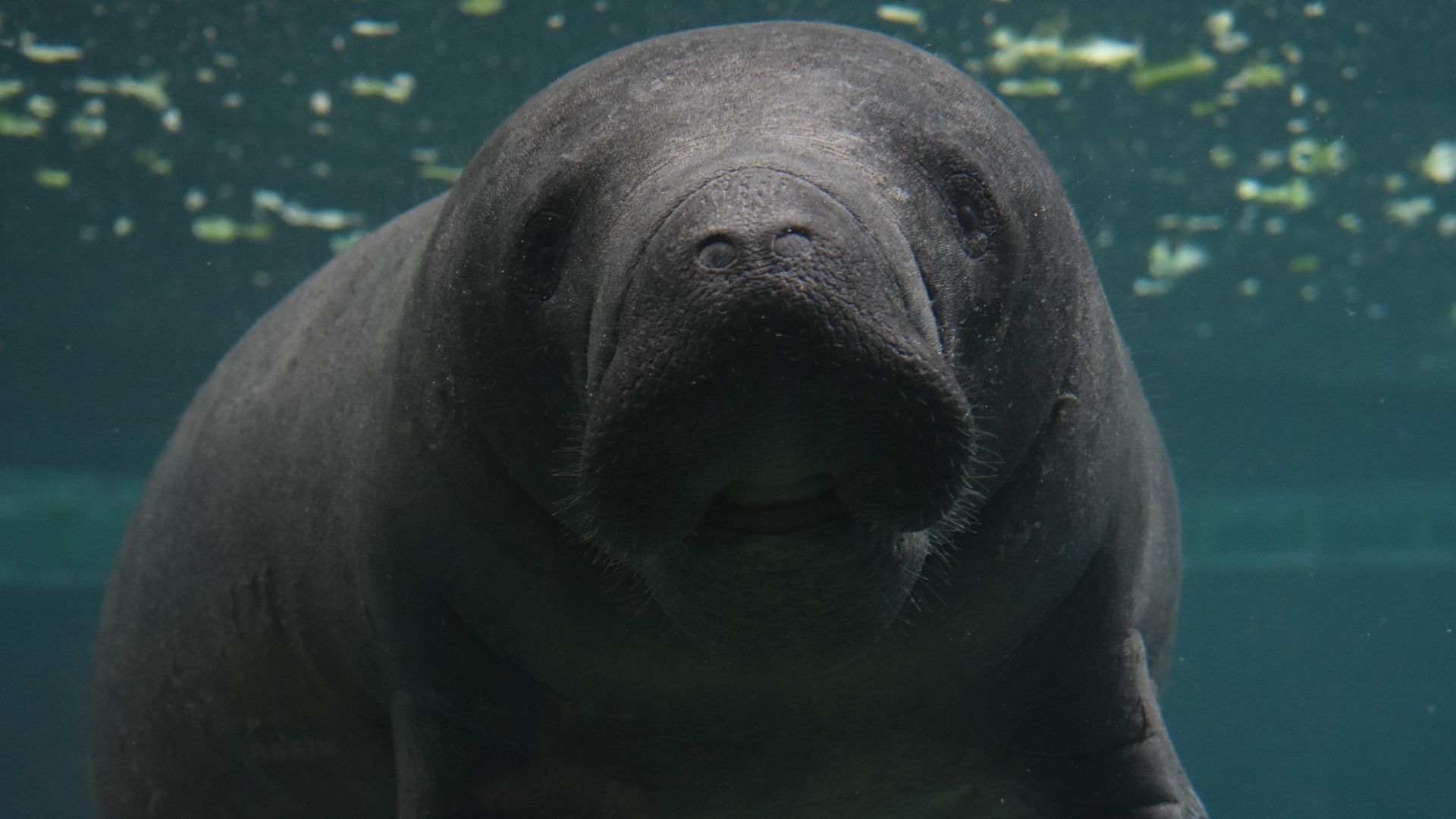
Manatees Feel Like Local Celebrities
Manatees inhabit Florida’s coastal waters, rivers, canals, and springs. During colder weather, they often gather around warm-water locations because they are vulnerable to prolonged exposure to cold water. Boaters must follow posted speed restrictions in areas where manatees are present.
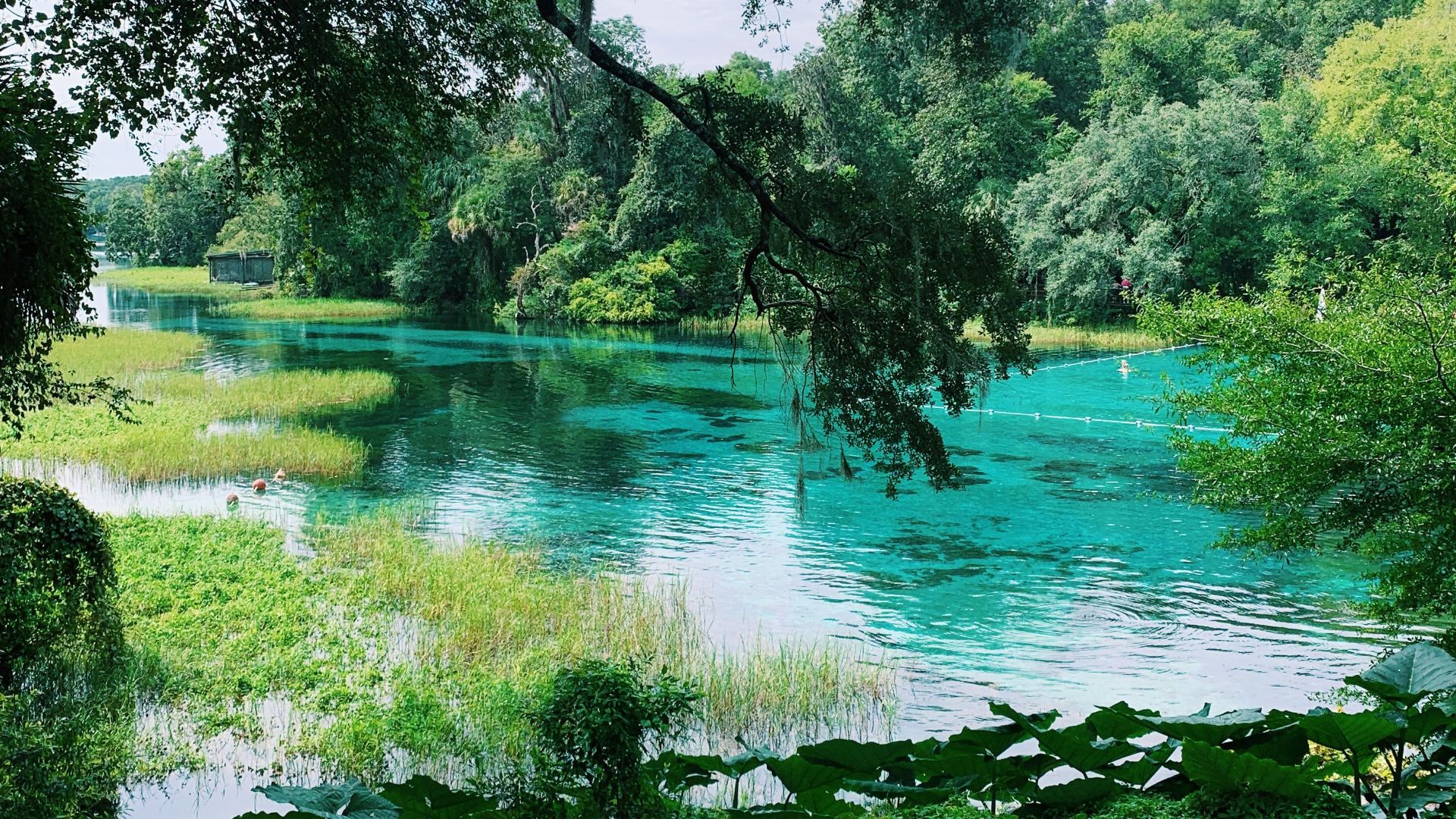
The Freshwater Springs Look Unreal
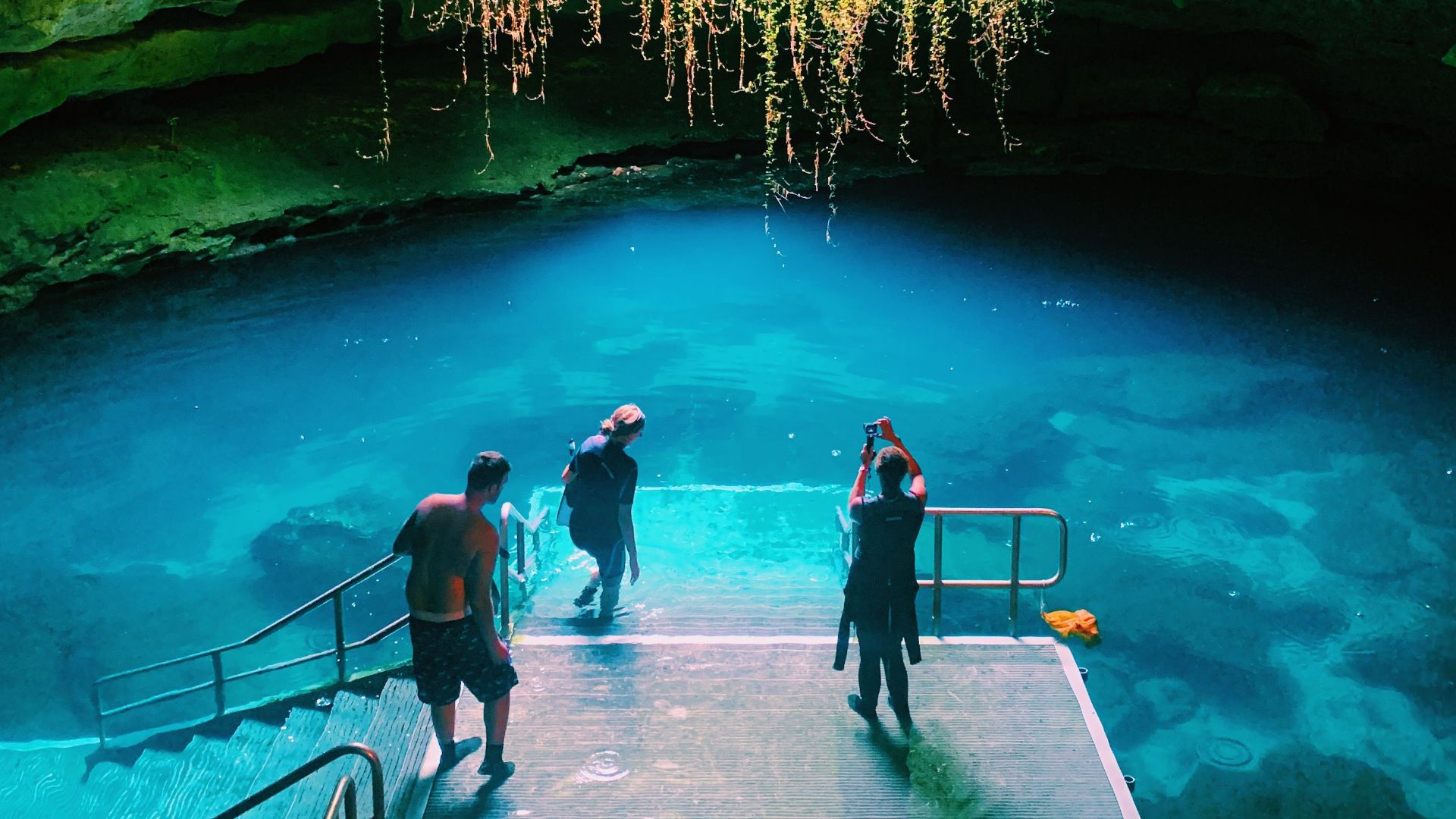
Florida’s natural springs can be astonishingly clear, with water that appears turquoise or deep blue. Many remain near 72°F, or approximately 22°C, throughout the year. Swimming or tubing in them can feel refreshing after a hot afternoon, although the water may initially seem cold.
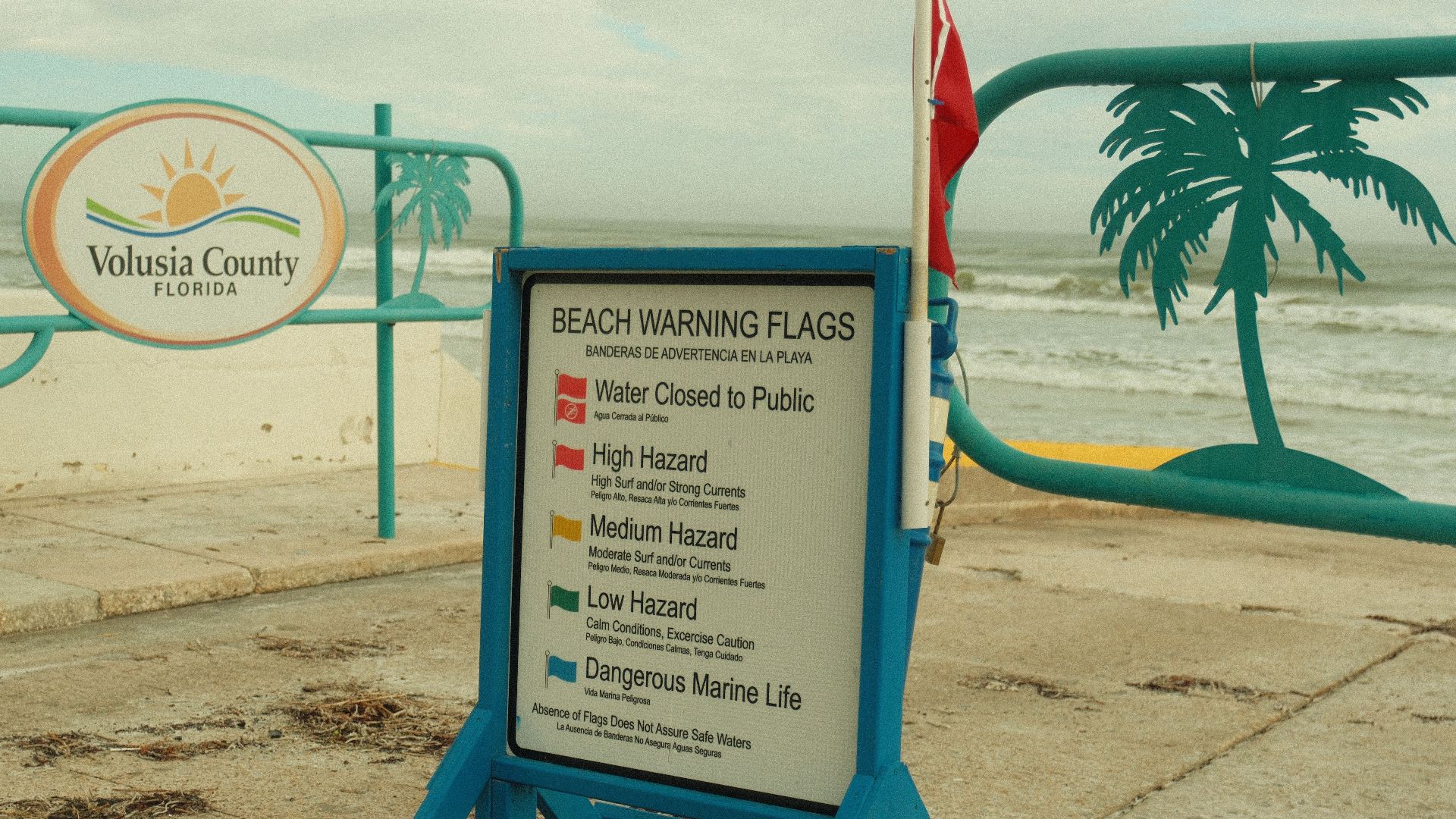
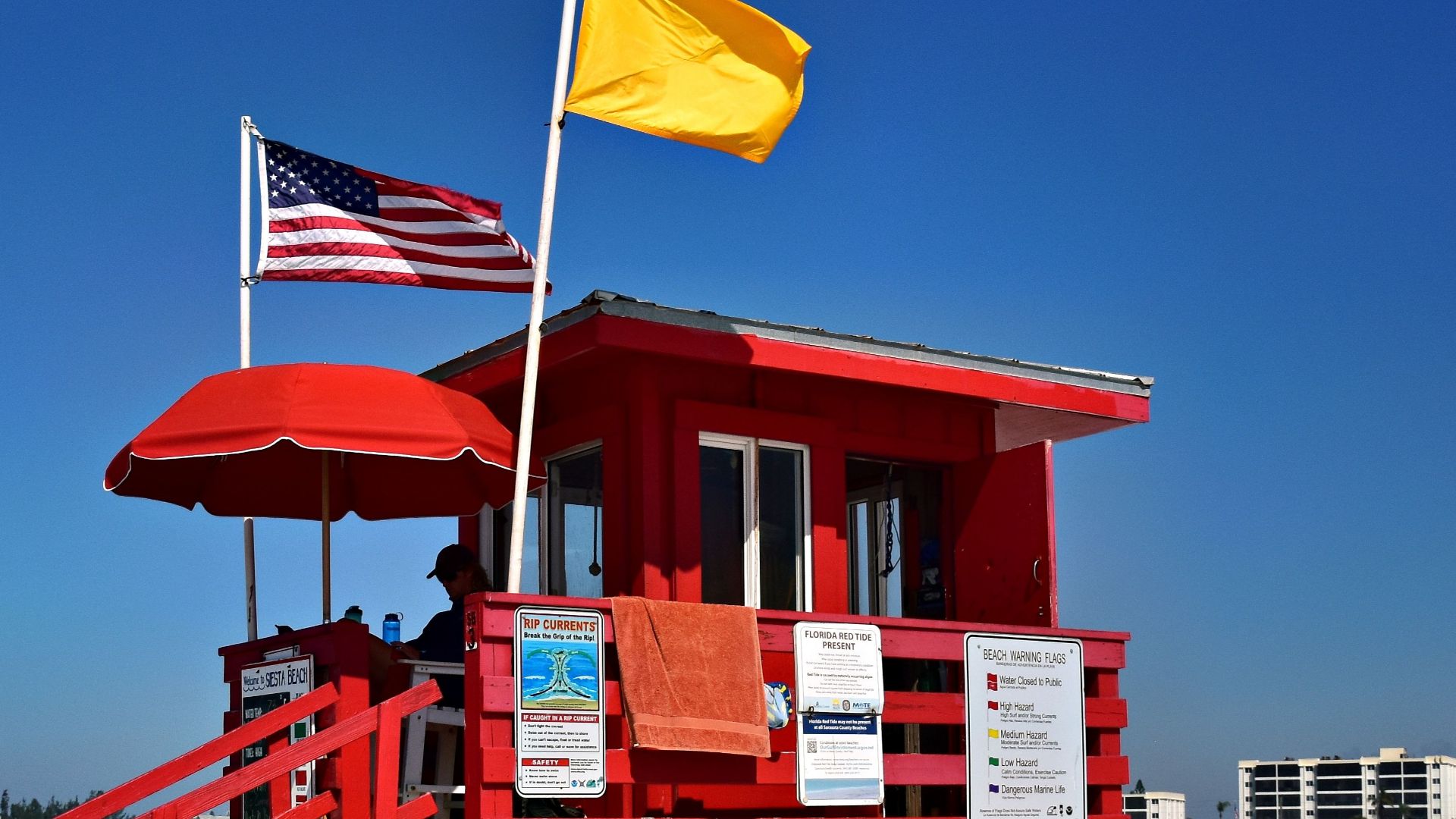
Beach Flags Matter
Many Florida beaches use colored flags to communicate water conditions. Green generally indicates lower hazards, yellow means moderate hazards, and red warns of dangerous surf or currents. Purple flags indicate dangerous marine life, while double red flags mean the water is closed to the public.
Calm Water Can Still Be Dangerous
A beach can look inviting while rip currents are present beneath the surface. The National Weather Service recommends checking local forecasts, swimming near lifeguards, and never assuming calm weather means safe water. Visitors should follow posted warnings rather than judging conditions by appearance alone.
Sea Turtle Rules Affect Beach Life
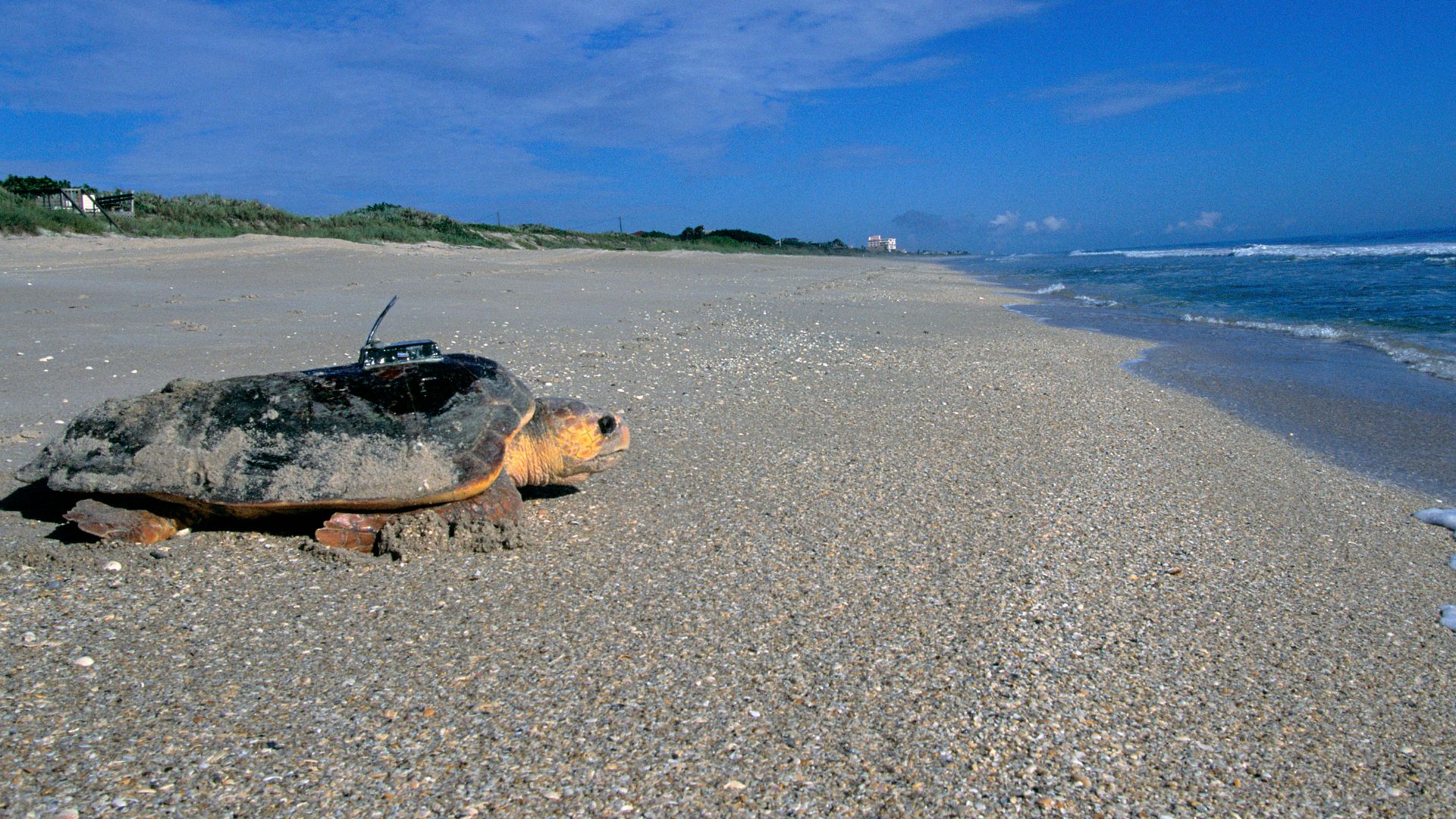
Florida’s beaches provide important nesting habitat for several sea turtle species. Coastal communities may restrict bright lights, beach furniture, and nighttime activity during nesting season. Visitors are commonly asked to fill holes, remove equipment, and avoid disturbing marked nests.
The Ocean Changes From Coast To Coast
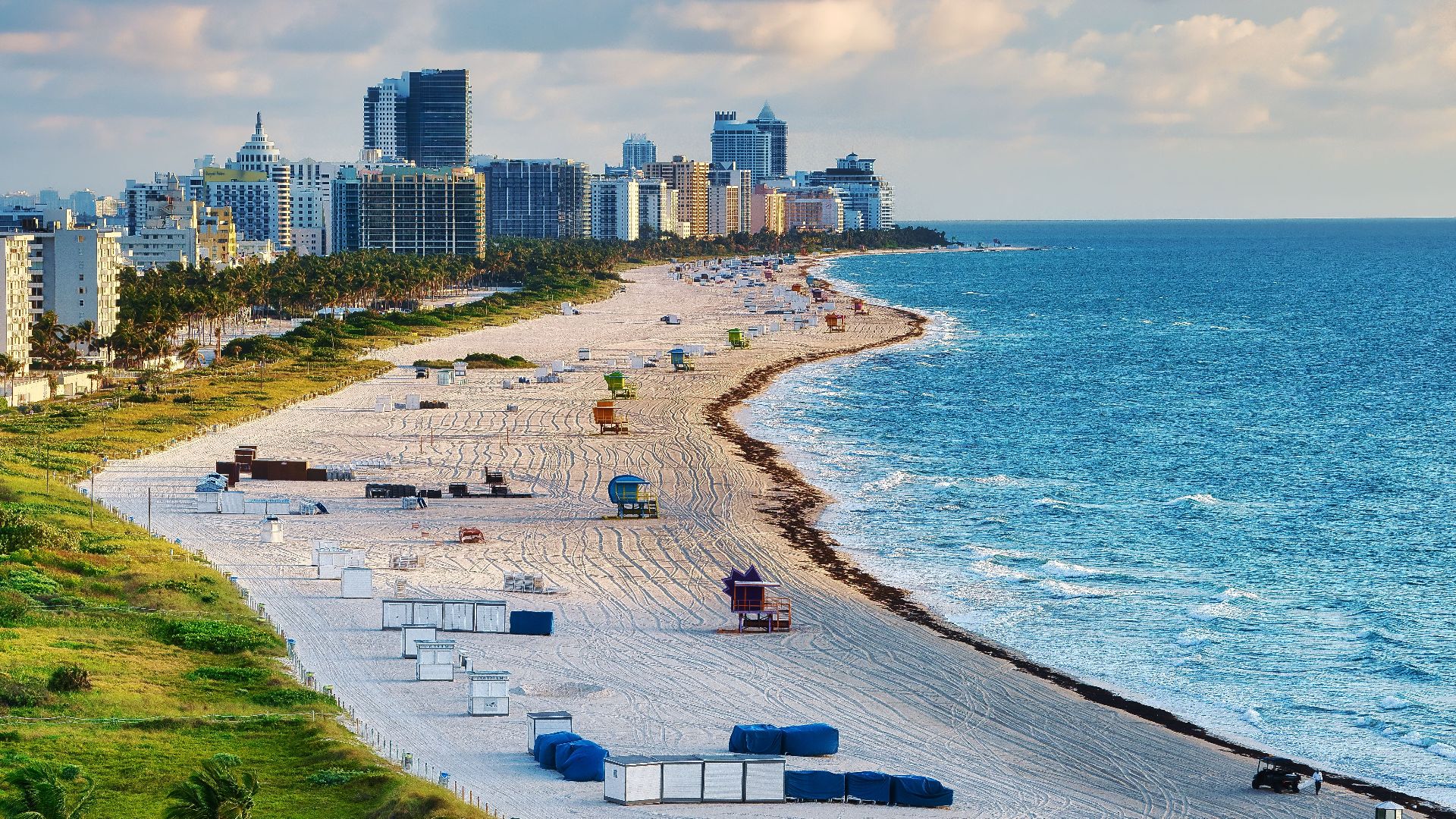
Florida’s Atlantic coast often feels different from its Gulf Coast. Atlantic beaches can experience stronger waves, while many Gulf beaches are known for calmer water and pale sand. Conditions vary by location and weather, but driving across the state can produce a noticeably different beach experience.
Toll Roads Appear Everywhere
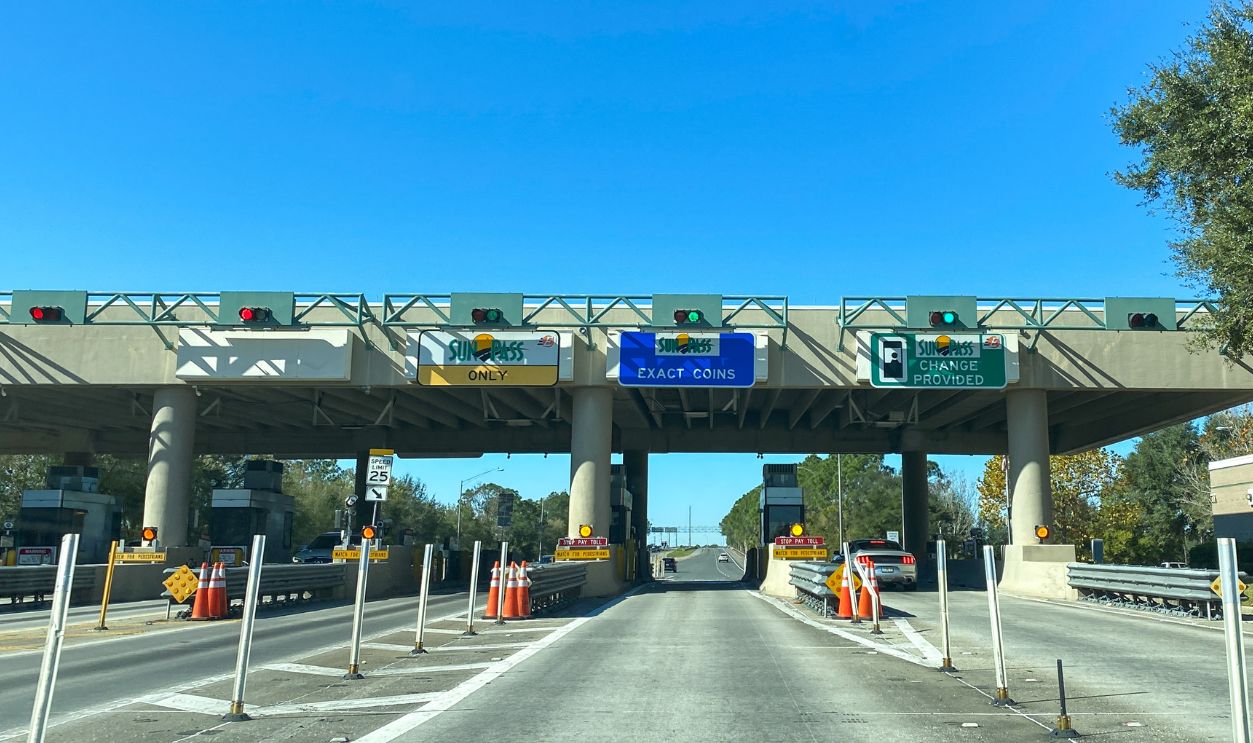
Drivers around Orlando, Miami, and other parts of Florida frequently encounter toll roads. Many routes use electronic systems rather than traditional booths that accept cash. Rental-car customers should understand their agency’s toll program because additional administrative fees may apply.
The Highways Can Feel Enormous
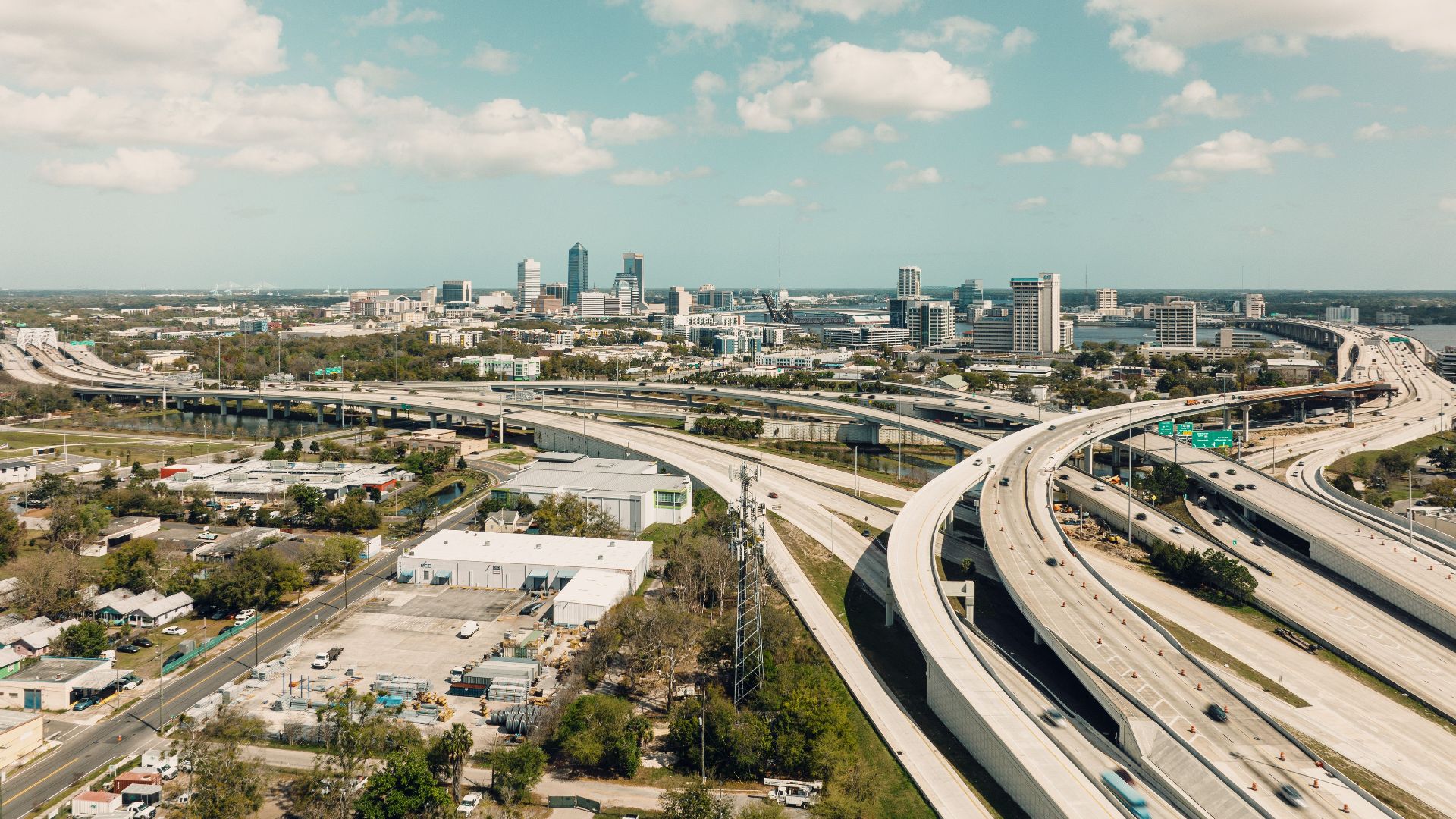
Florida’s multilane interstates and urban expressways can seem intimidating to Canadians visiting from smaller communities. Traffic may move quickly, exits can appear on either side, and several lanes may split in different directions. Knowing the route before entering a major interchange can prevent stressful last-minute changes.
Drivers Must Move Over
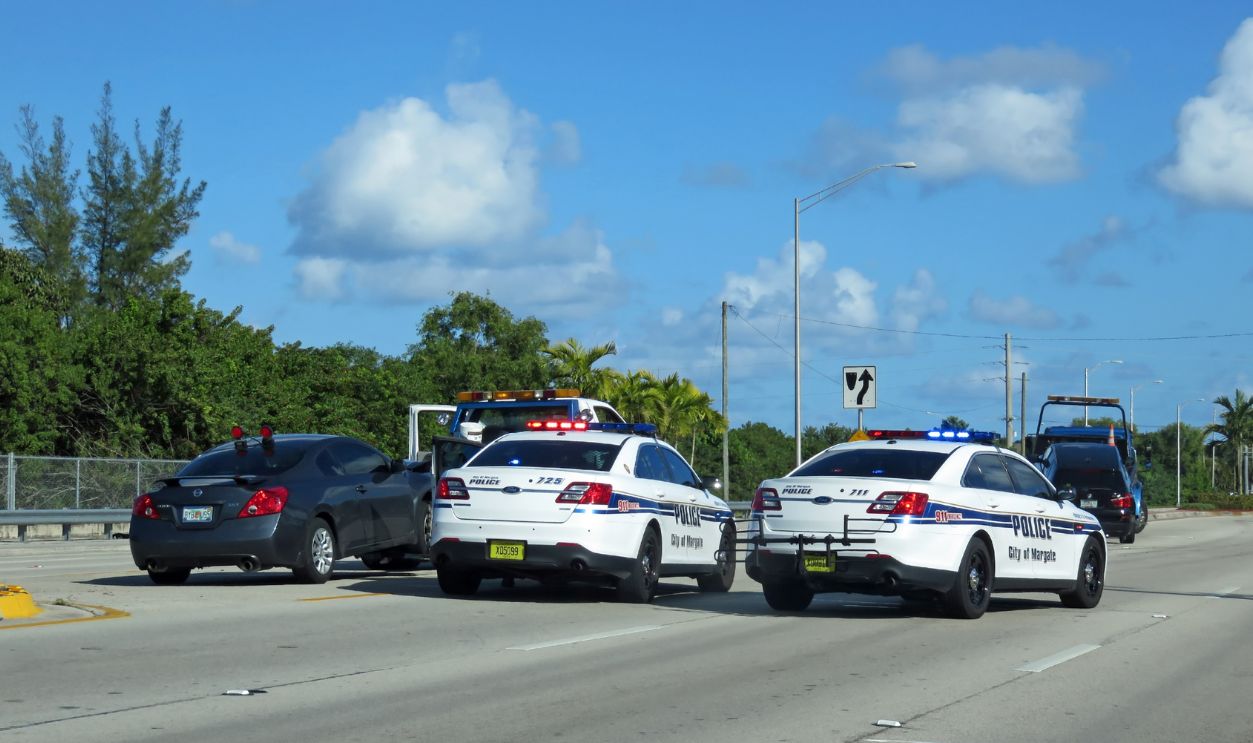
Florida law requires motorists to move over for certain stopped vehicles when it is safe to do so. When changing lanes is not possible, drivers must slow down according to the posted limit and current rules. The law covers emergency vehicles and several other types of stopped vehicles displaying warning lights.
Right Turns On Red Are Common
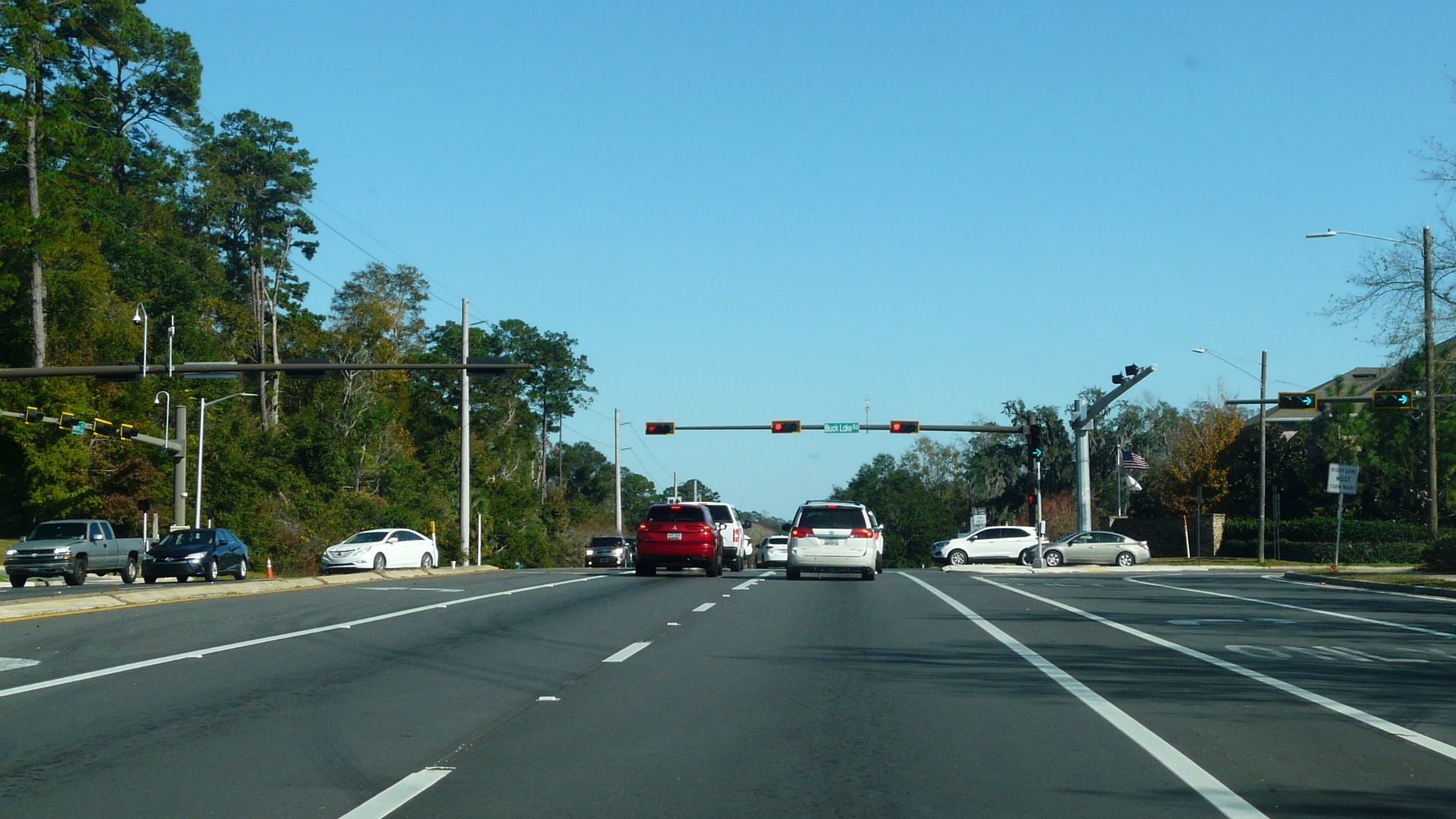
Drivers may generally turn right at a red light after stopping, unless a sign prohibits it. They must yield to pedestrians and traffic that has the right of way. Canadians will recognize the rule from many provinces, but Florida drivers may expect the turn to happen quickly.
 The Bushranger, Wikimedia Commons
Publix Becomes Part Of The Vacation
Publix supermarkets are deeply woven into everyday life across Florida. Canadian visitors often hear locals praise the chain’s bakery, prepared foods, and made-to-order submarine sandwiches. A routine grocery stop can become an unexpectedly memorable part of the trip.
 Nielsoncaetanosalmeron, Wikimedia Commons
Portions Can Be Surprisingly Large
Restaurant servings are often bigger than many Canadian visitors expect. Entrées may arrive with multiple side dishes, free refills, or enough food for another meal. Sharing a dish or requesting a takeout container is completely normal.

Sales Tax Appears At The Register
Displayed prices in Florida generally do not include sales tax. Canadians are familiar with this practice, but the final total can still vary because Florida permits counties to add discretionary sales surtaxes to the state rate. The amount charged may therefore differ between destinations.

Hurricane Season Shapes Travel Plans
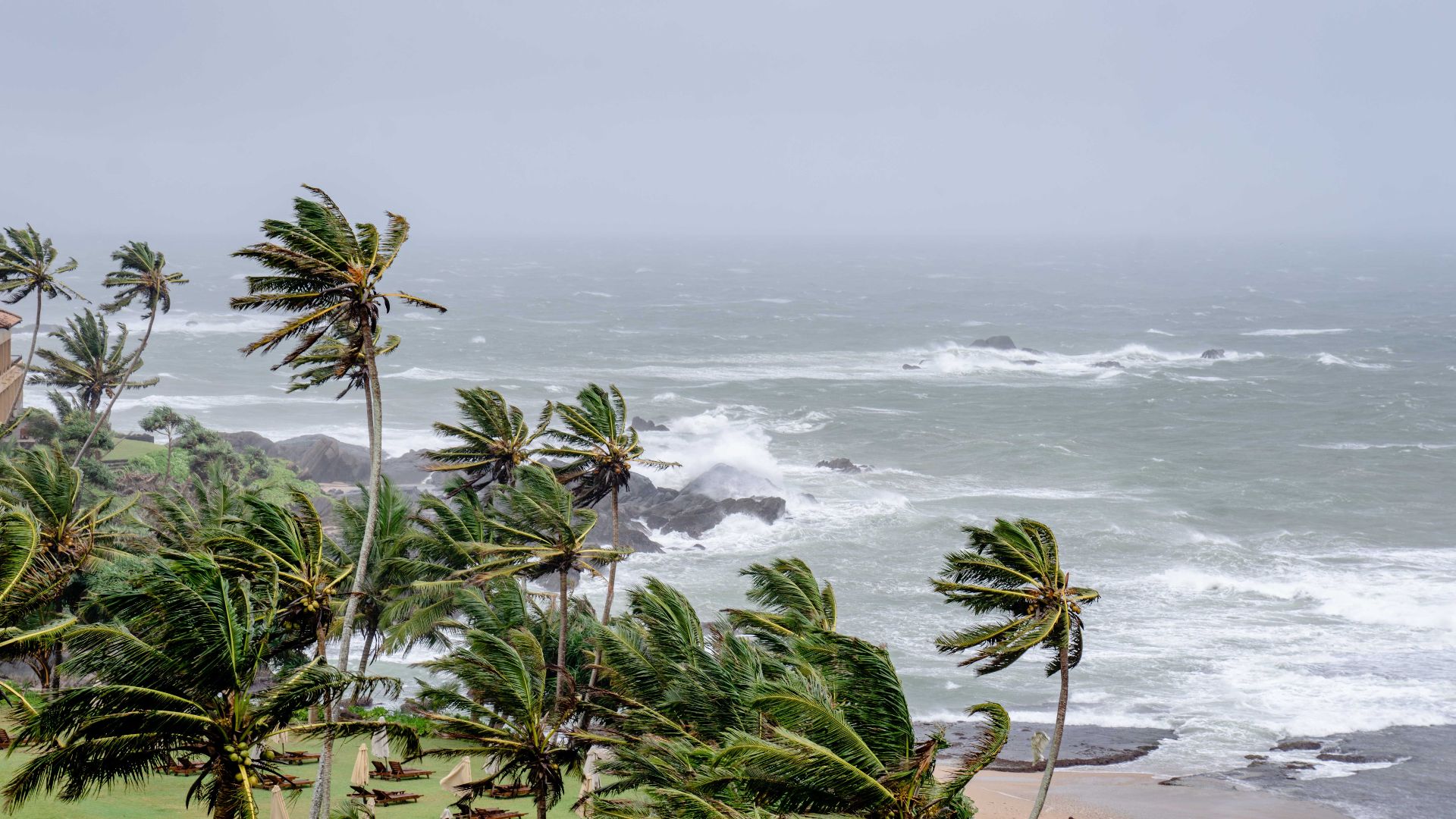
The Atlantic hurricane season officially runs from June 1 through November 30, with the greatest activity typically occurring from mid-August through mid-October. Travelers during this period should monitor forecasts and understand airline, hotel, cruise, and insurance policies. Most trips proceed normally, but flexibility is valuable.
Florida Is More Than Theme Parks And Beaches
Canadians may arrive expecting resorts, highways, and crowded attractions, then discover historic towns, vast wetlands, springs, forests, and quiet barrier islands. Northern Florida can feel culturally and geographically different from Miami or the Keys. The state’s variety is often its biggest surprise.
Some Differences Quickly Become Familiar
By the end of the trip, sudden rain, toll roads, lizards, oversized meals, and aggressive air conditioning may no longer seem unusual. Florida has its own rhythms, and visitors tend to adapt quickly. The real question is how many of these details you noticed during your first visit.
 Eden, Janine and Jim, Wikimedia Commons
You May Also Like:
Canadians Ranked The U.S. Road Trips They'd Most Like To Take—Which One Would You Choose?
Things Canadians Notice Immediately When They Visit Small-Town America