Crossing Into A Different Kind Of America
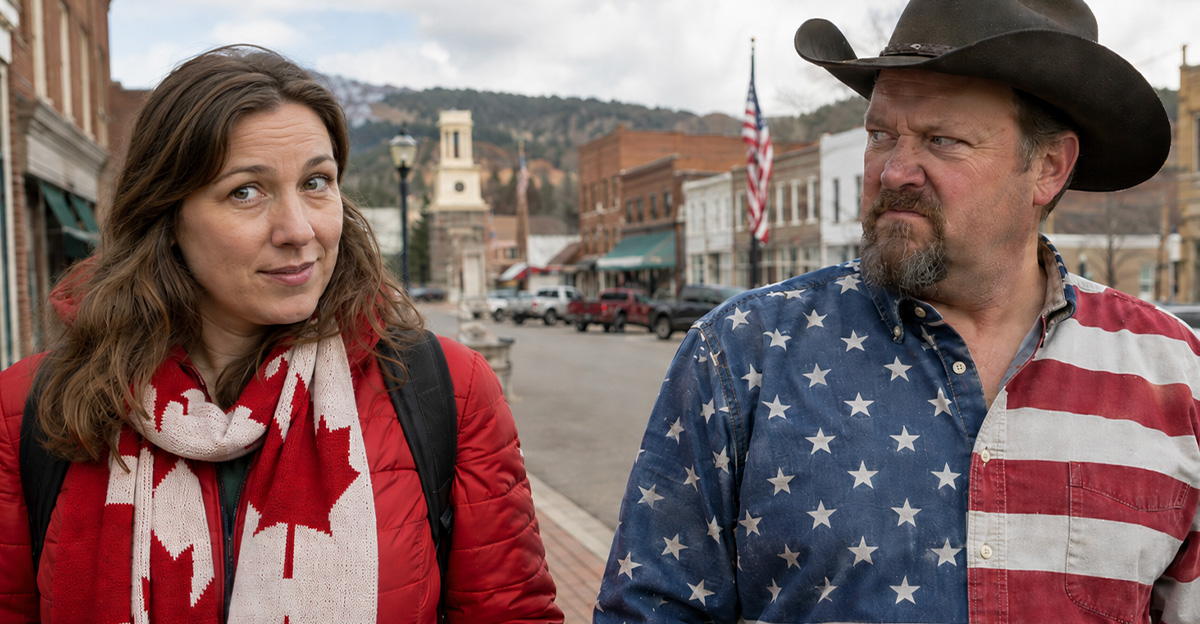
Visiting a small American town can feel surprisingly familiar to Canadians, at least at first. The roads, houses, and local diners may look recognizable, but the little differences soon start piling up. Before long, you realize you are definitely not in Saskatchewan, Ontario, or Nova Scotia anymore.
The Flags Are Absolutely Everywhere
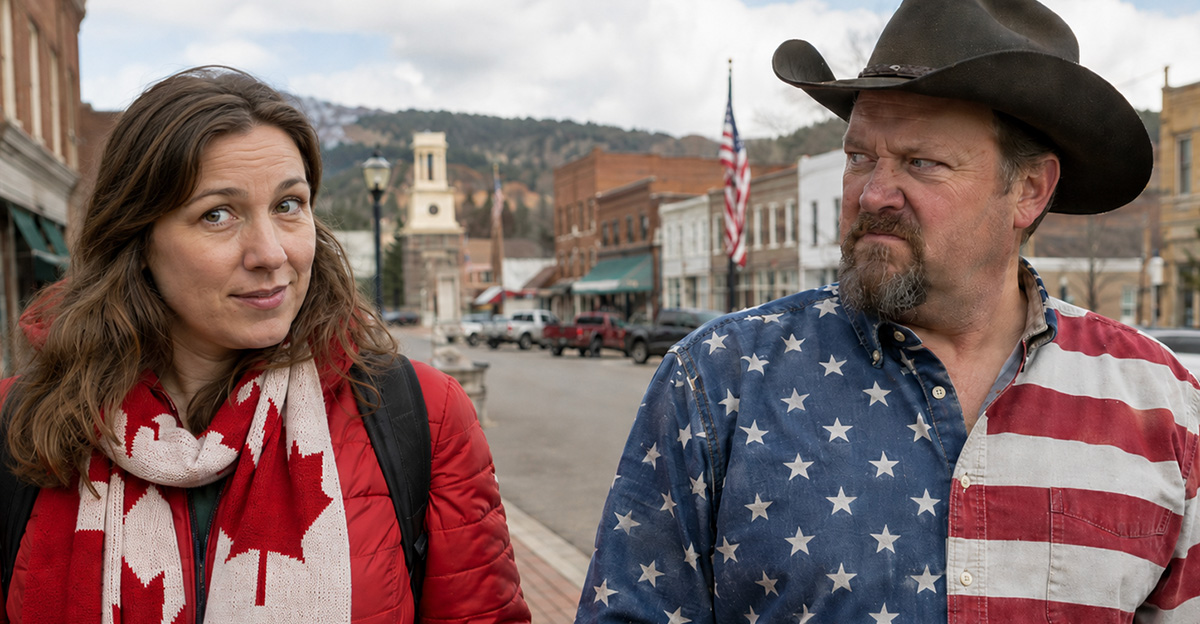
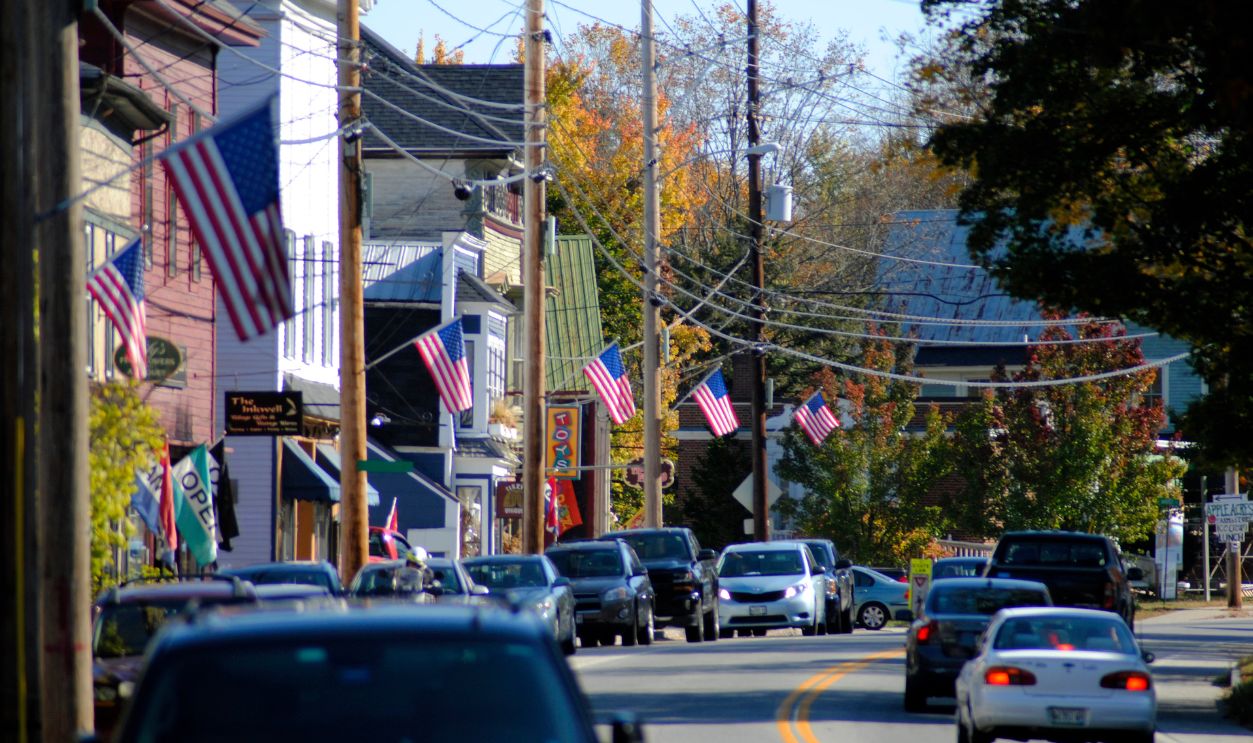
Canadians are used to seeing maple leaf flags outside government buildings and around Canada Day. In small-town America, the Stars and Stripes may appear on porches, barns, pickup trucks, storefronts, mailboxes, and even lawn chairs. You will rarely forget which country you are visiting.
Front Porches Are Still Social Spaces
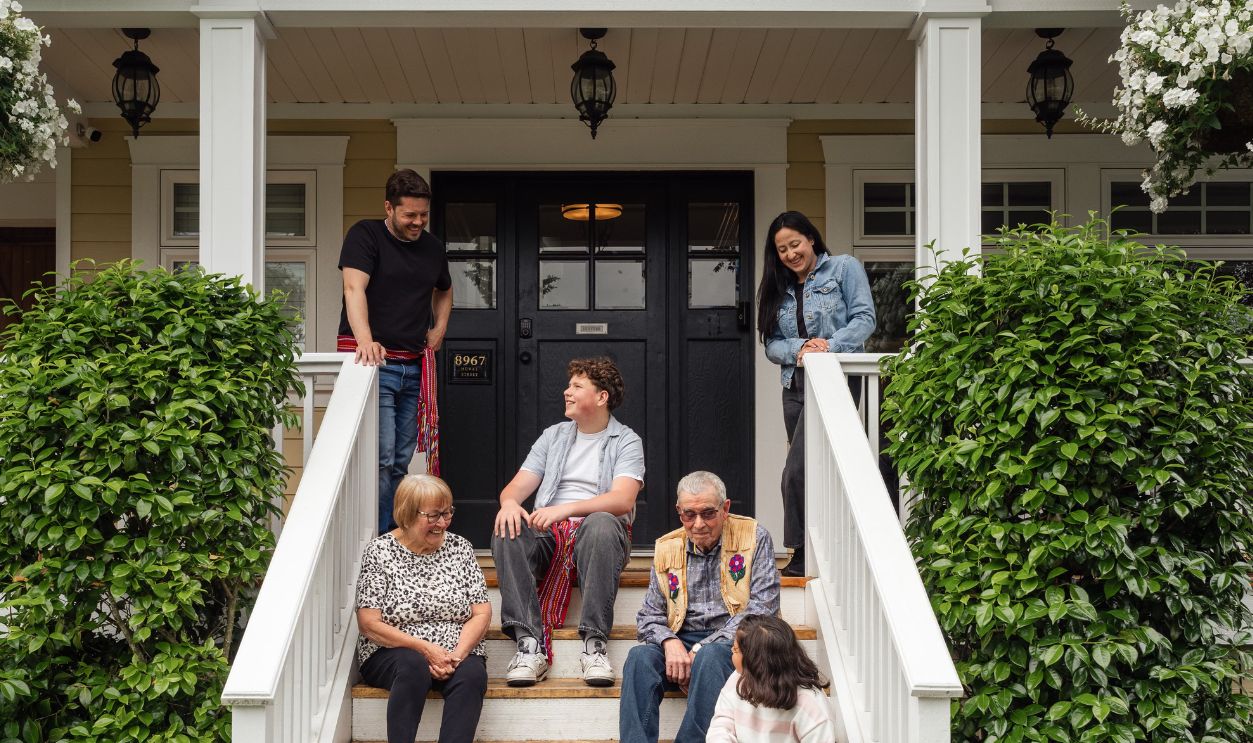
In many small American towns, the front porch is not just decorative. People actually sit there, wave at passing cars, talk to neighbors, and watch the world go by. Canadians from busy cities may find this wonderfully old-fashioned, while rural visitors will probably feel right at home.
Strangers Start Conversations Without Warning
A Canadian waiting in line for coffee may suddenly learn where the person ahead of them went to school, what their cousin does for work, and why the local football coach should be fired. Small-town Americans can be remarkably open, turning a routine errand into a full conversation.

The Portions Can Be Enormous
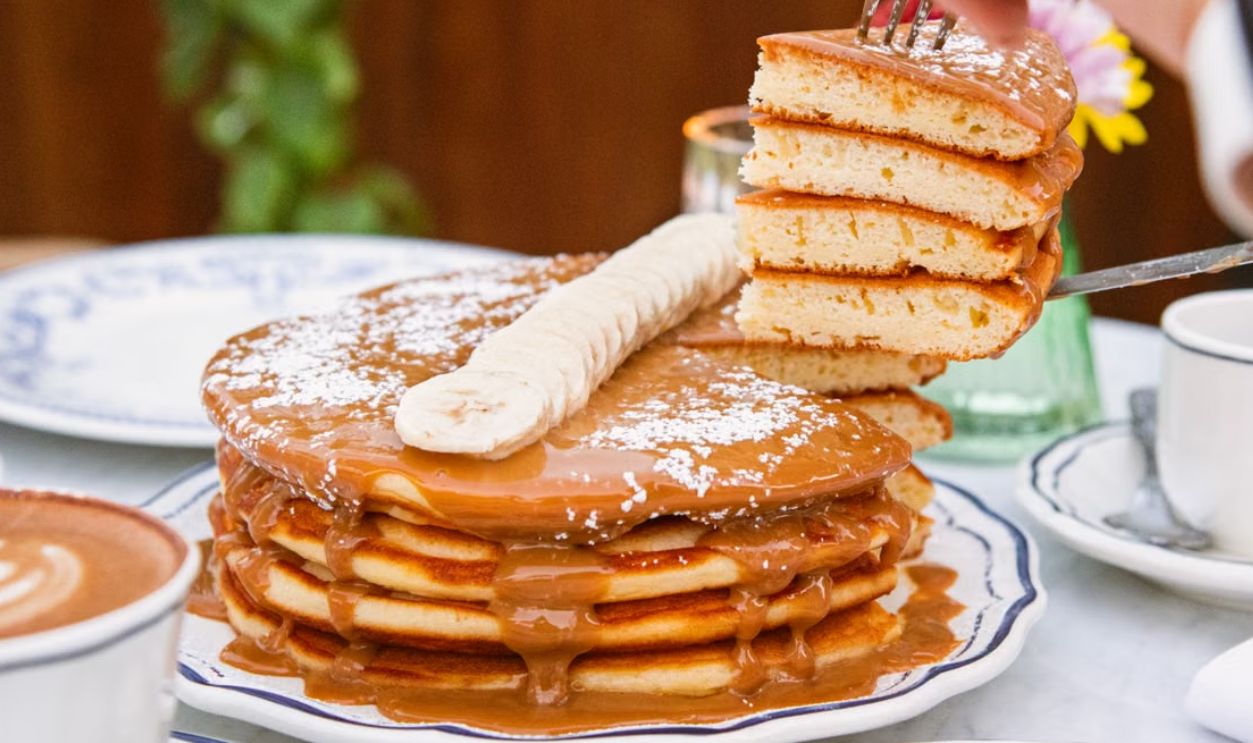
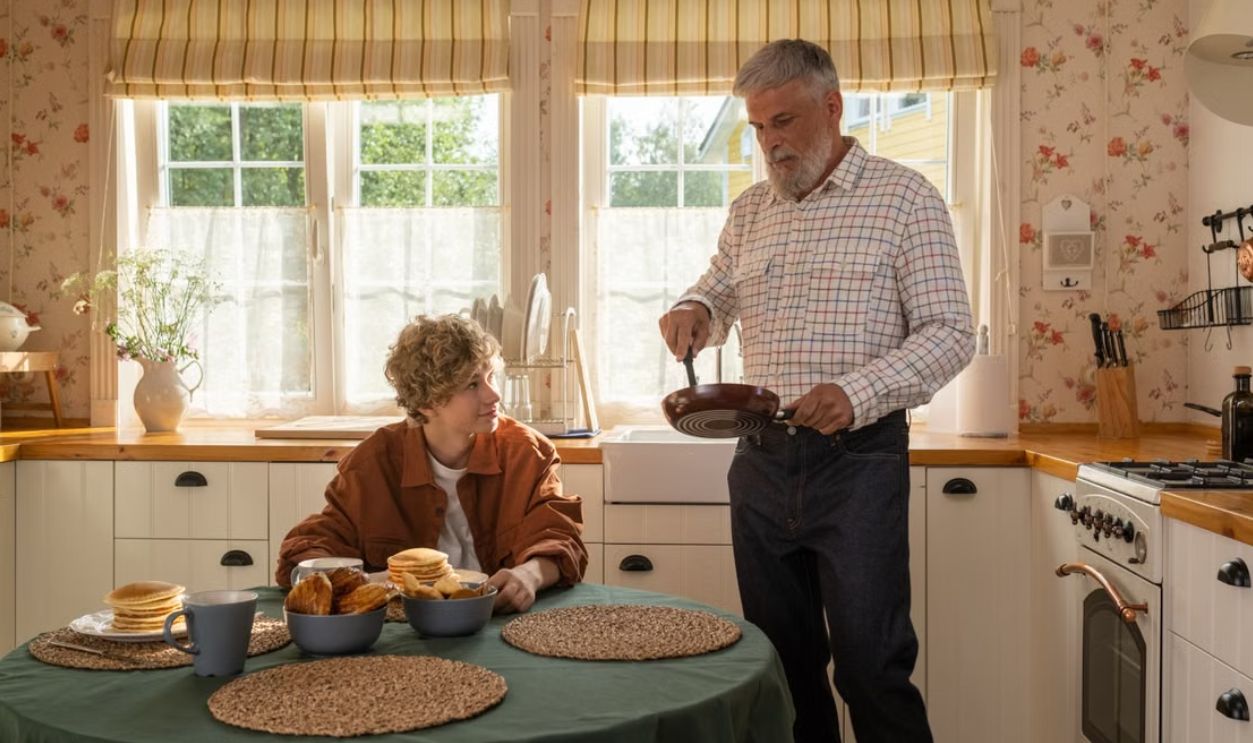
Canadians have certainly seen large restaurant meals, but small-town American diners often take generosity to another level. Pancakes arrive hanging over the edge of the plate, sandwiches are stacked sky-high, and “a side of fries” looks large enough to feed an entire road-tripping family.
Sweet Tea Is Very, Very Sweet
Order iced tea in parts of the United States and you may receive something closer to liquid candy. Sweet tea is especially common in the South, where it can contain an impressive amount of sugar. Canadians expecting ordinary unsweetened iced tea may need a moment to recover.

Biscuits Are Not What Canadians Expect
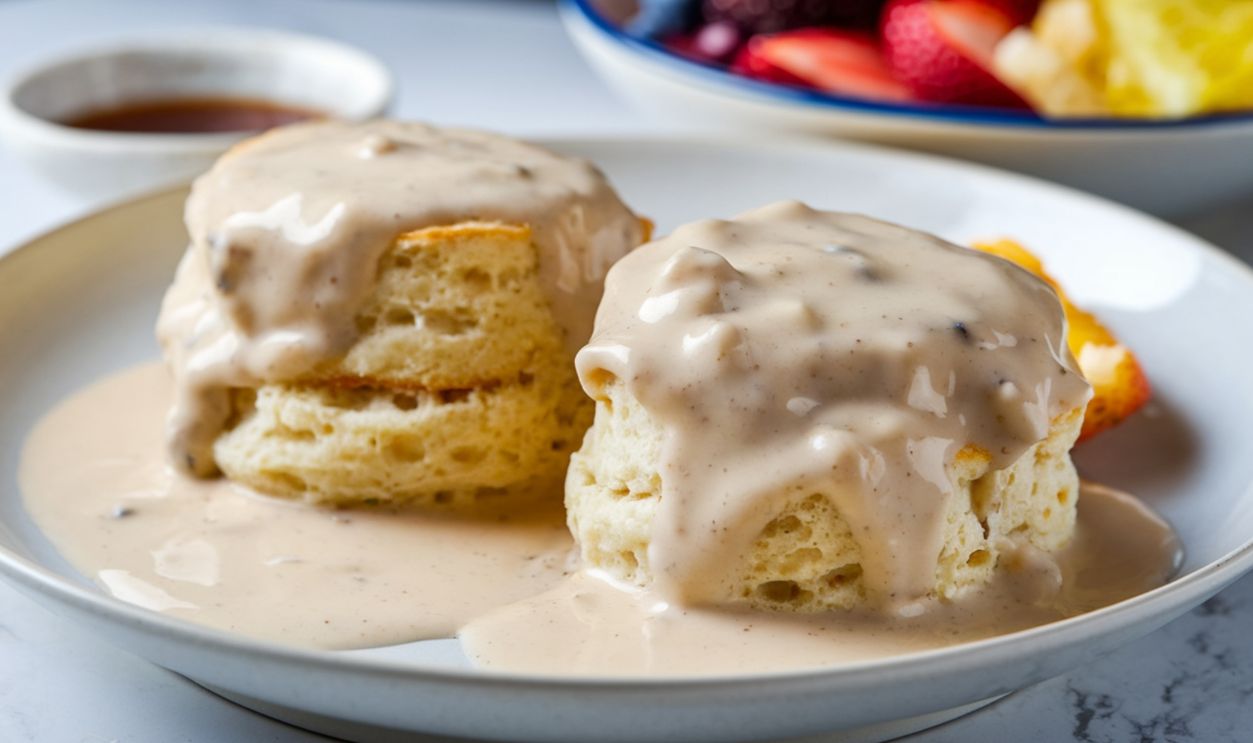
Ask for a biscuit in Canada and you might picture something sweet, crisp, or suitable for dipping in tea. In America, a biscuit is usually a soft, buttery bread served with breakfast or dinner. Add sausage gravy, and Canadians discover one of small-town America’s most comforting creations.
Everything Revolves Around The High School
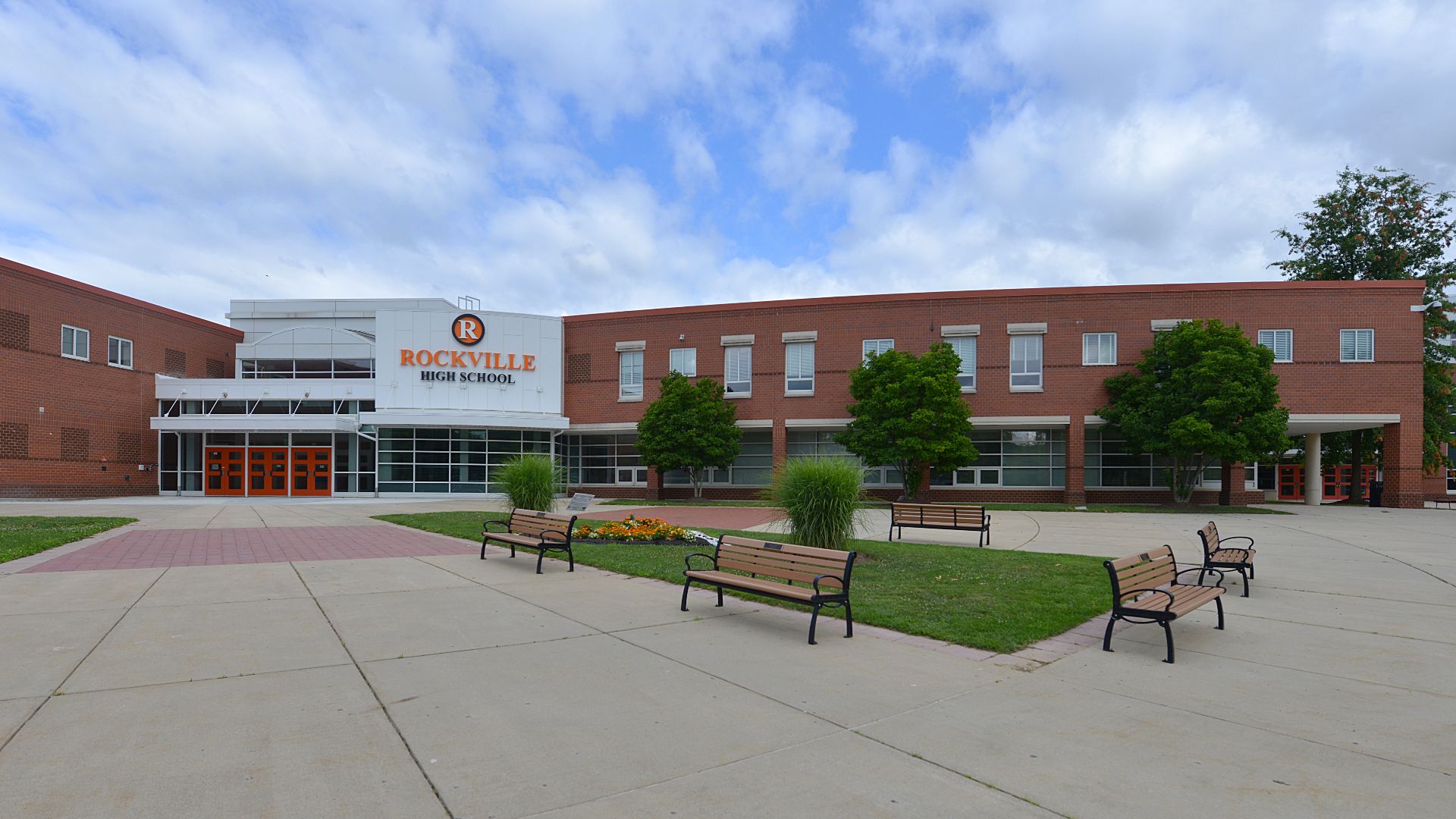
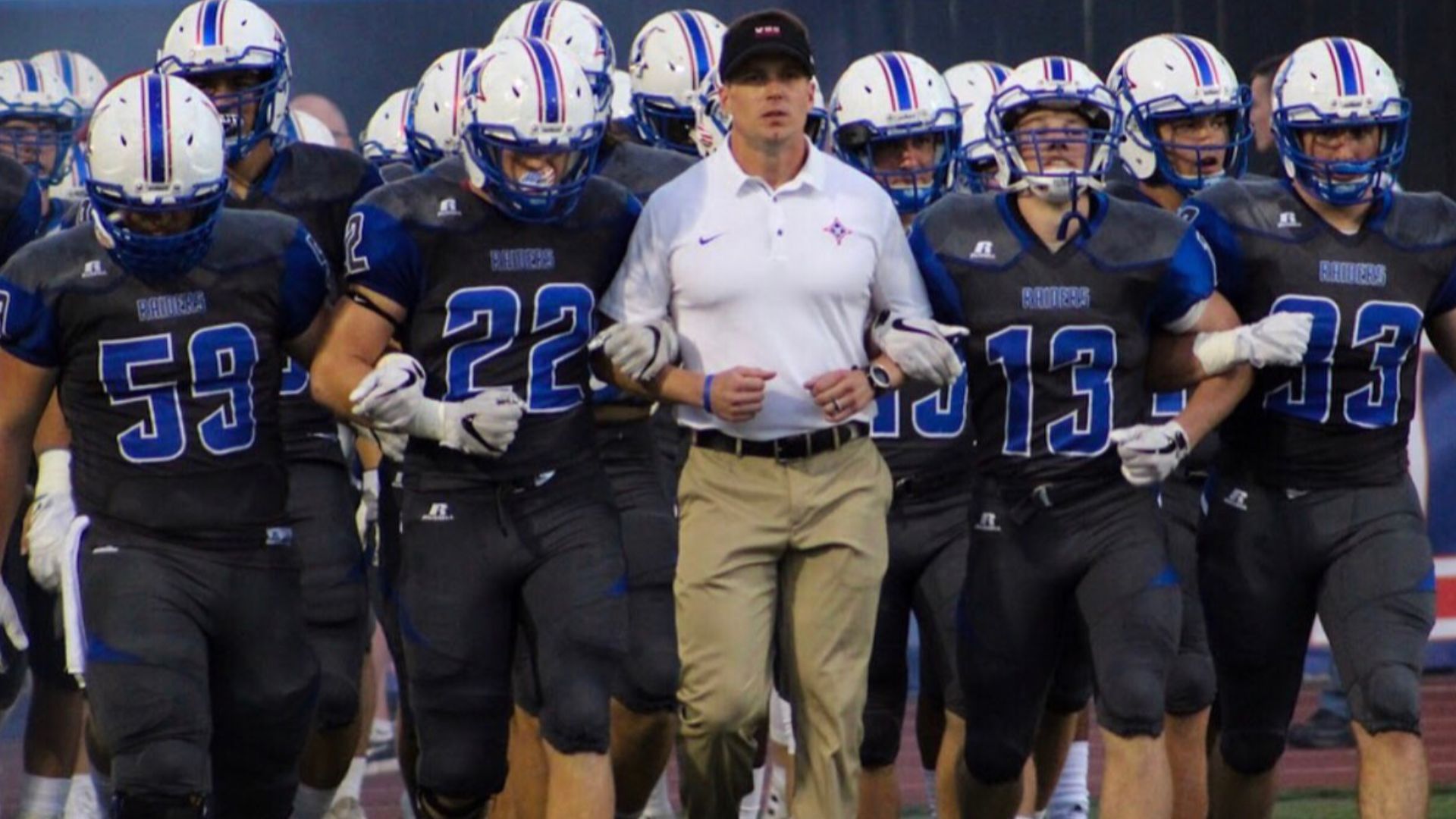
In many small communities, the local high school is far more than a place for classes. It is a major source of identity, pride, gossip, and entertainment. Football games, basketball tournaments, marching bands, and graduation ceremonies can feel like town-wide events rather than school activities.
 G. Edward Johnson, Wikimedia Commons
Friday Night Football Is Serious Business
Canadians understand hockey loyalty, but small-town American football culture can still be startling. On Friday evenings, shops may close early, stadium lights dominate the skyline, and nearly everyone seems to know the players. The local team’s season can shape the mood of the entire community.
Pickup Trucks Outnumber Almost Everything
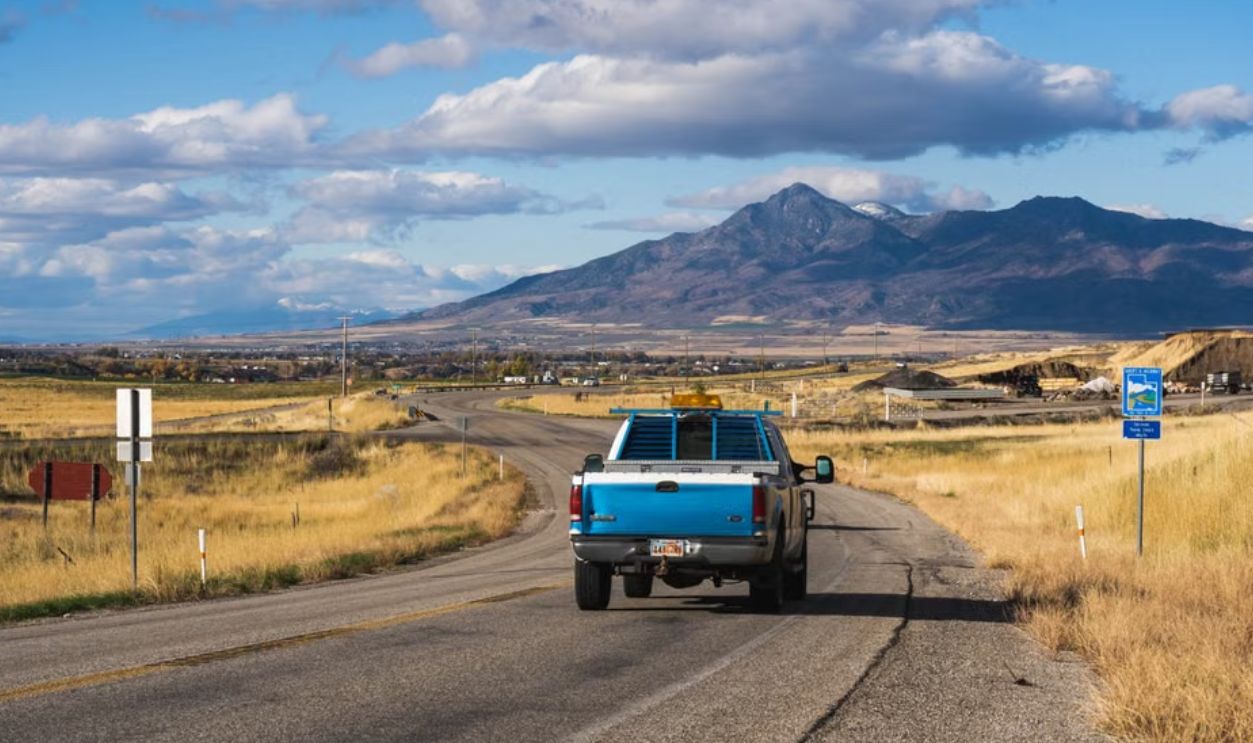
Pickup trucks are hardly rare in Canada, especially outside major cities. Still, Canadians may notice just how dominant they are in rural America. Trucks serve as family vehicles, workhorses, status symbols, grocery haulers, and occasional mobile billboards covered in stickers expressing very strong opinions.
The Church Signs Are Hard To Miss
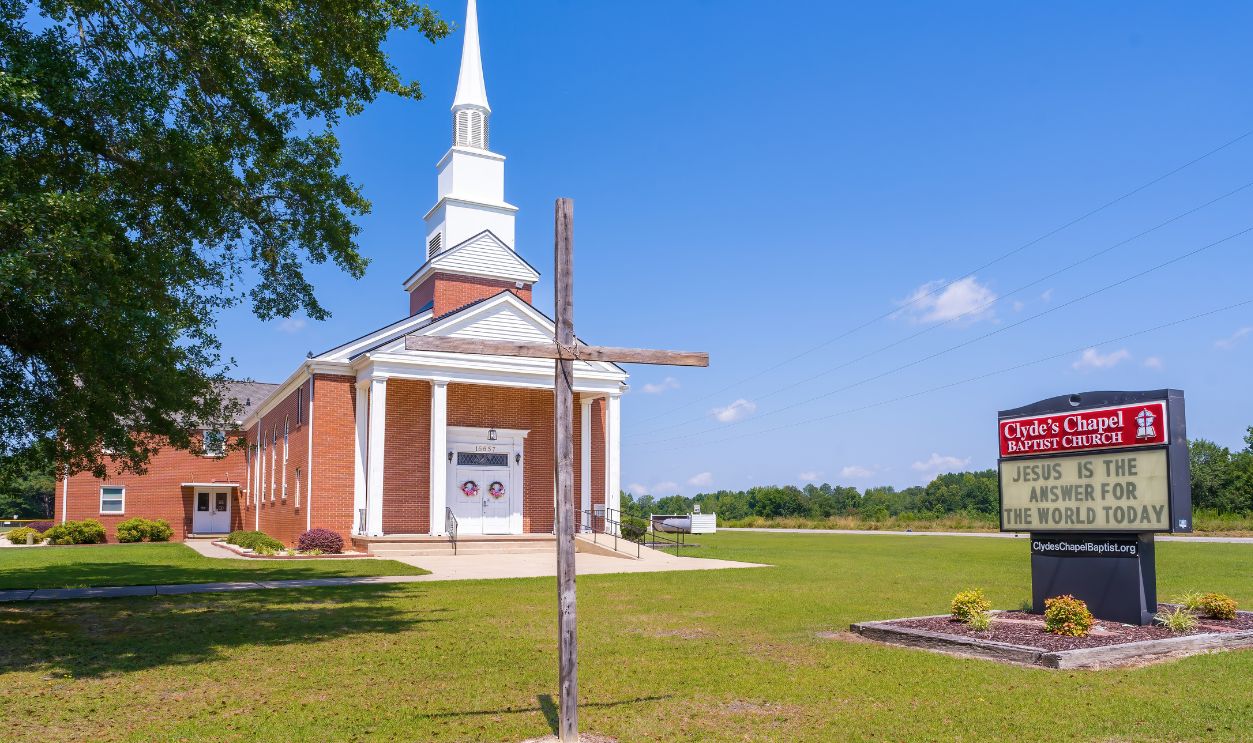
Small-town America often has an impressive number of churches, sometimes with several along the same road. Their roadside signs may advertise Sunday services, community suppers, Bible camps, or playful religious jokes. Even visitors who are not religious may enjoy reading the changing messages.
Restaurants Close Earlier Than Expected
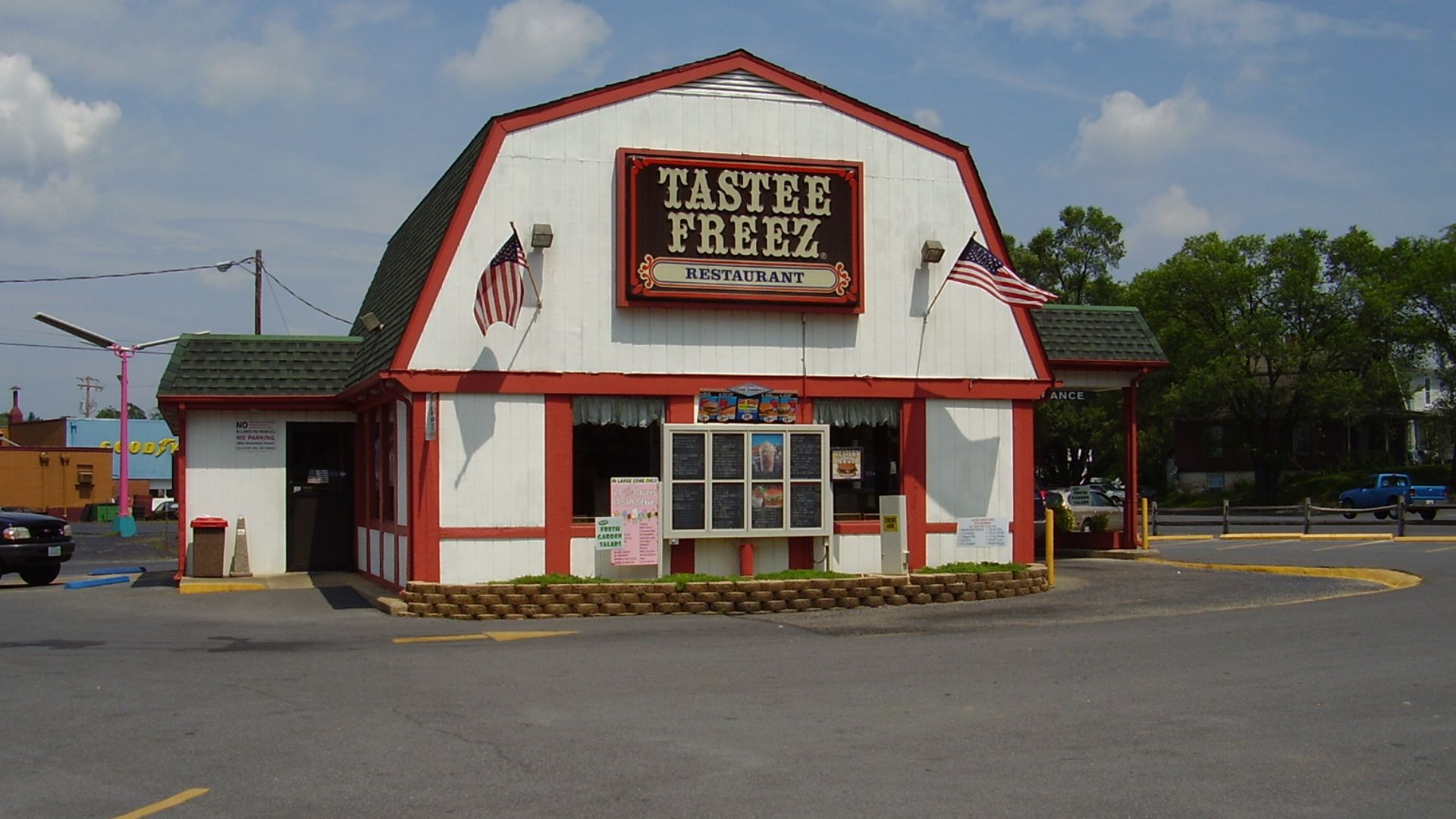
Canadians accustomed to late-night dining in Toronto, Vancouver, or Montreal may be surprised when a small-town restaurant turns off its lights at 8 p.m. In some communities, finding dinner after dark requires careful planning, especially if the nearest fast-food restaurant is several exits away.
 AuthenticEccentric, Wikimedia Commons
Coffee Refills Keep Coming
In a classic American diner, your coffee cup may never be allowed to sit empty. Servers often appear with the pot before you even realize you need more. Canadians used to paying for each carefully prepared drink may admire the endless refill system, even if the coffee is fairly basic.

Everyone Seems To Know Everyone
Walk into a local café and the server may greet every customer by name, ask about their mother, and remember their usual order. Canadians visiting from smaller communities will recognize the pattern immediately. Those from large cities may wonder whether they have accidentally wandered into a family reunion.

Local Accents Change Quickly
Drive a few hours through the United States and the accents can change dramatically. Canadians may hear Southern drawls, Midwestern vowels, Appalachian expressions, or New England speech patterns. Even familiar words can sound completely different, making ordinary conversations more entertaining than expected.
The Grocery Stores Sell Unexpected Things
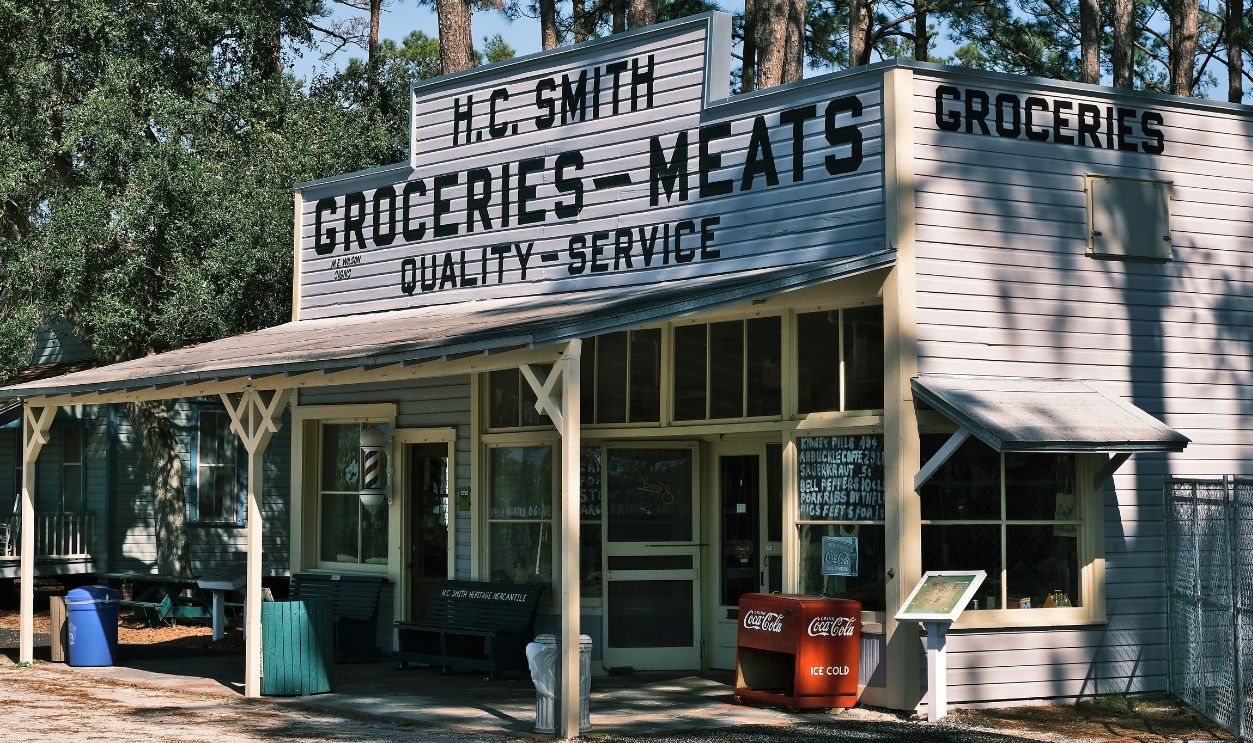
Small-town grocery stores often carry more than food. Canadians may find fishing bait, hunting supplies, hardware, greeting cards, medicine, local souvenirs, and possibly a small café under one roof. The selection can feel wonderfully practical, especially when the next major shopping center is far away.
Guns May Be More Visible
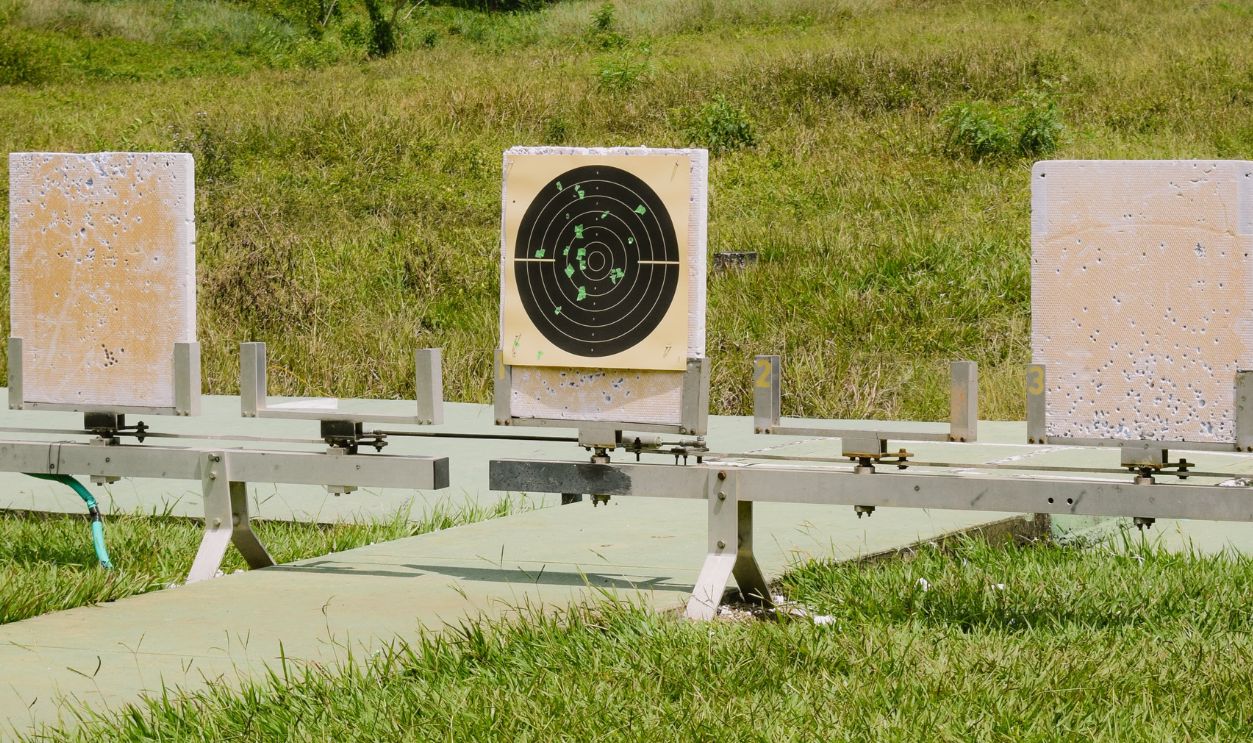
For many Canadians, one of the most noticeable differences is the open presence of firearms and hunting culture. Gun shops, shooting ranges, hunting advertisements, and firearm-related signs may be common. The experience can feel unfamiliar, even to Canadians who grew up around hunters.
Gas Stations Are Community Hubs
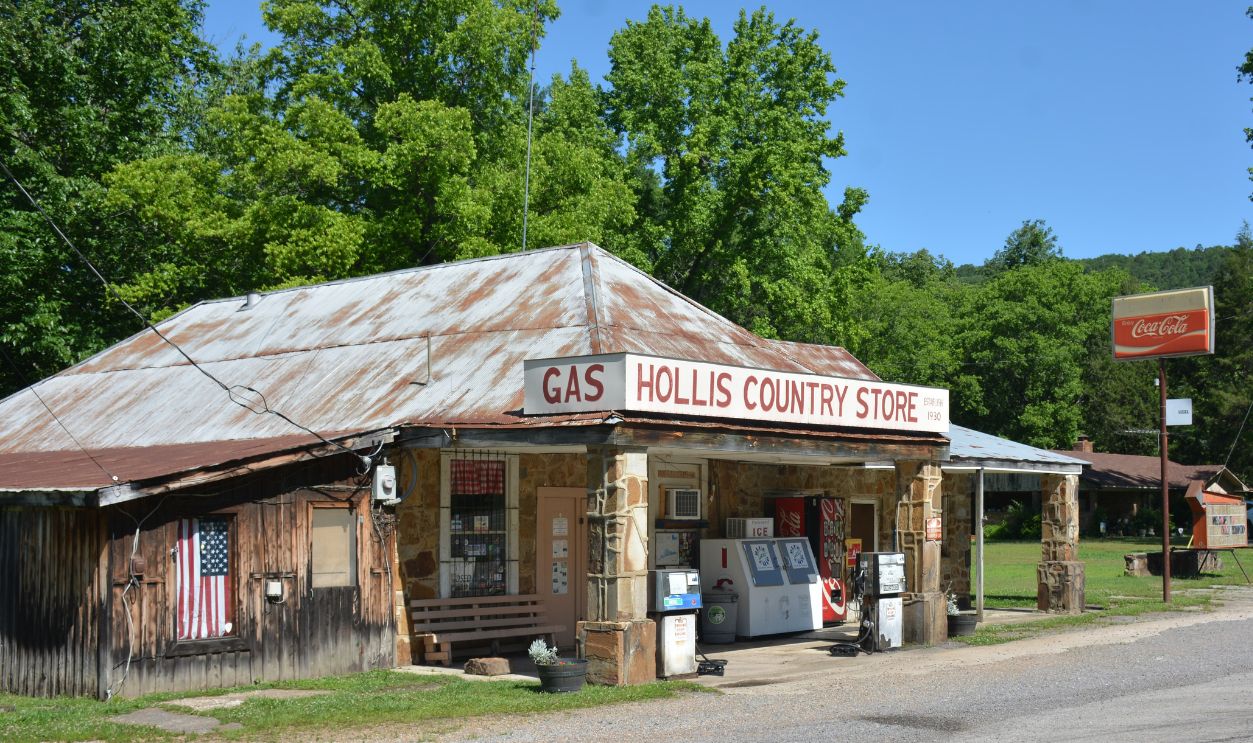
In small-town America, a gas station may also be the best place to buy breakfast, hear local news, get directions, and learn who is renovating the old house near the courthouse. Some sell surprisingly good fried chicken, barbecue, pizza, or homemade desserts alongside windshield washer fluid.
Town Squares Still Matter
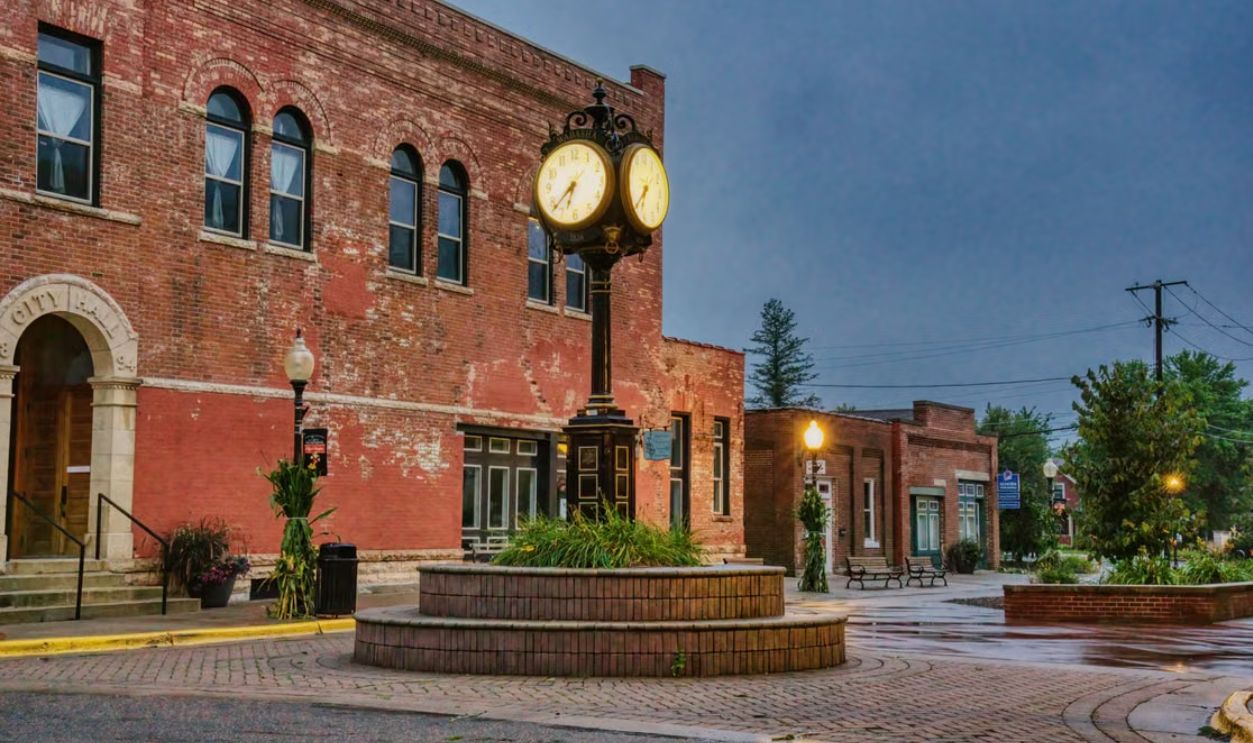
Many small American communities are built around a traditional town square or courthouse. These central spaces may feature benches, statues, local shops, and seasonal decorations. Canadians often notice how strongly the town’s identity is tied to this one historic block.
Political Signs Stick Around
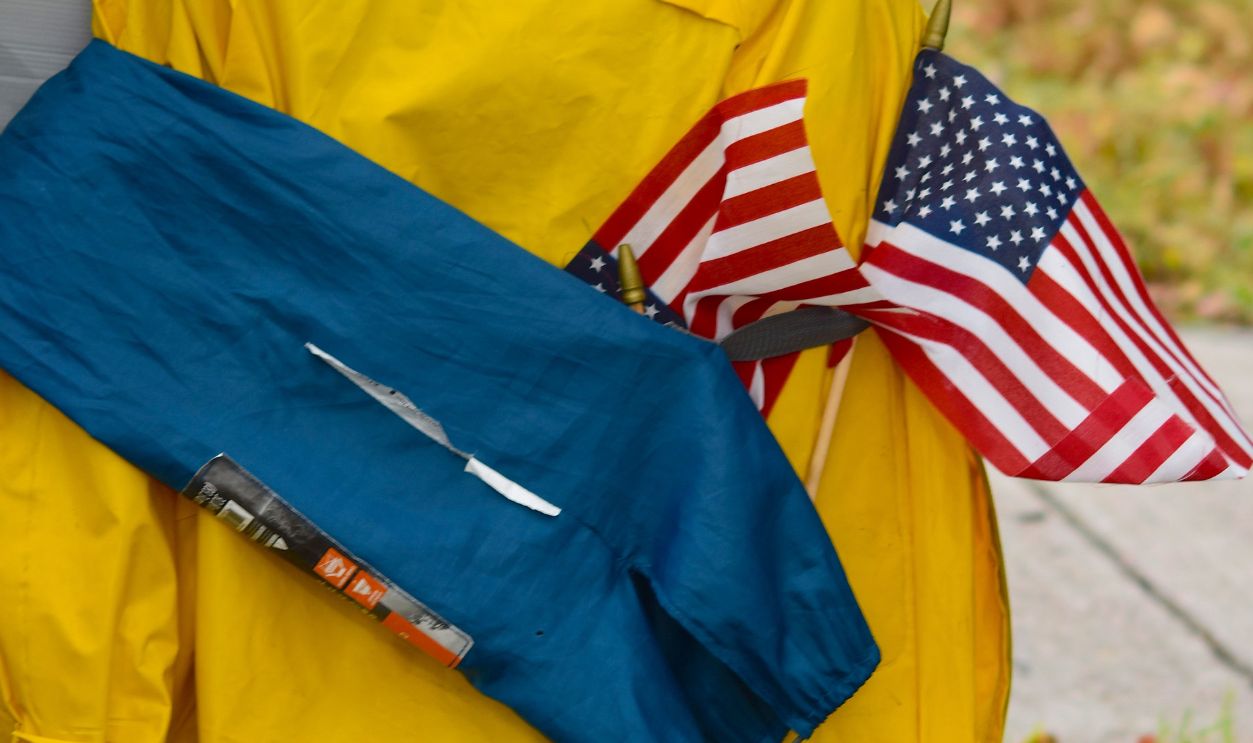
Campaign signs do not always disappear after election day. Canadians may see political flags, bumper stickers, banners, and yard signs displayed months or even years later. Politics can be presented as part of someone’s personal identity, right alongside their favorite sports team or truck brand.
People Give Directions Using Landmarks
Forget street numbers. A local may tell you to turn where the old Dairy Queen used to be, drive past the Johnson farm, and stop before the church with the blue roof. Canadians quickly learn that these directions make perfect sense to residents and absolutely no sense to visitors.

The Pace Of Life Feels Slower
Small-town America often operates at a gentler pace. People linger over breakfast, chat in parking lots, and rarely seem desperate to rush through every interaction. Canadians on vacation may find the rhythm refreshing, although anyone in a hurry could struggle with a ten-minute conversation at the checkout.
The Local History Is Taken Personally
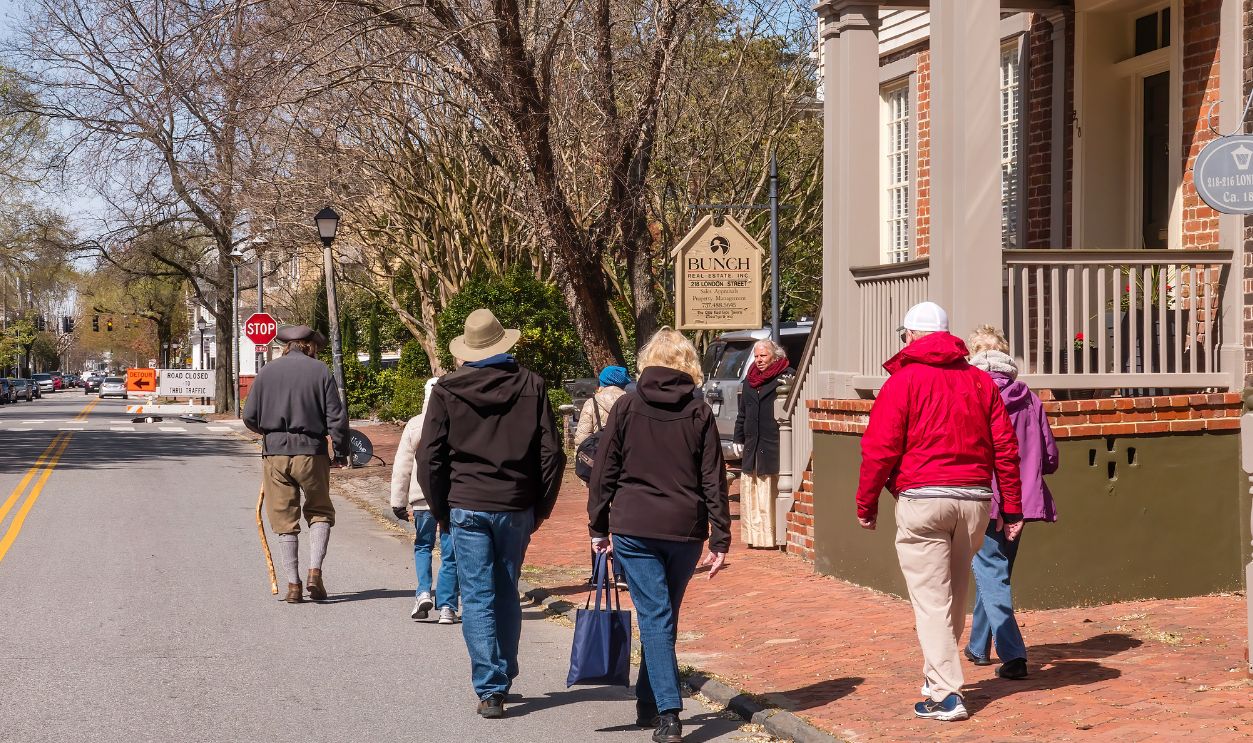
A small museum, historical marker, or faded photograph can reveal how deeply residents care about their town’s story. Canadians may hear detailed accounts of old factories, famous visitors, local disasters, or championship teams. In these places, history is not abstract. It belongs to someone’s grandparents.
County Fairs Feel Like Major Events
Agricultural fairs remain important across Canada, but American county fairs have their own unmistakable energy. Expect livestock competitions, pie contests, carnival rides, fried food, tractor displays, and plenty of local pride. For a few days, the fairgrounds may become the busiest place for miles.

Convenience Stores Have Their Own Food Cultures
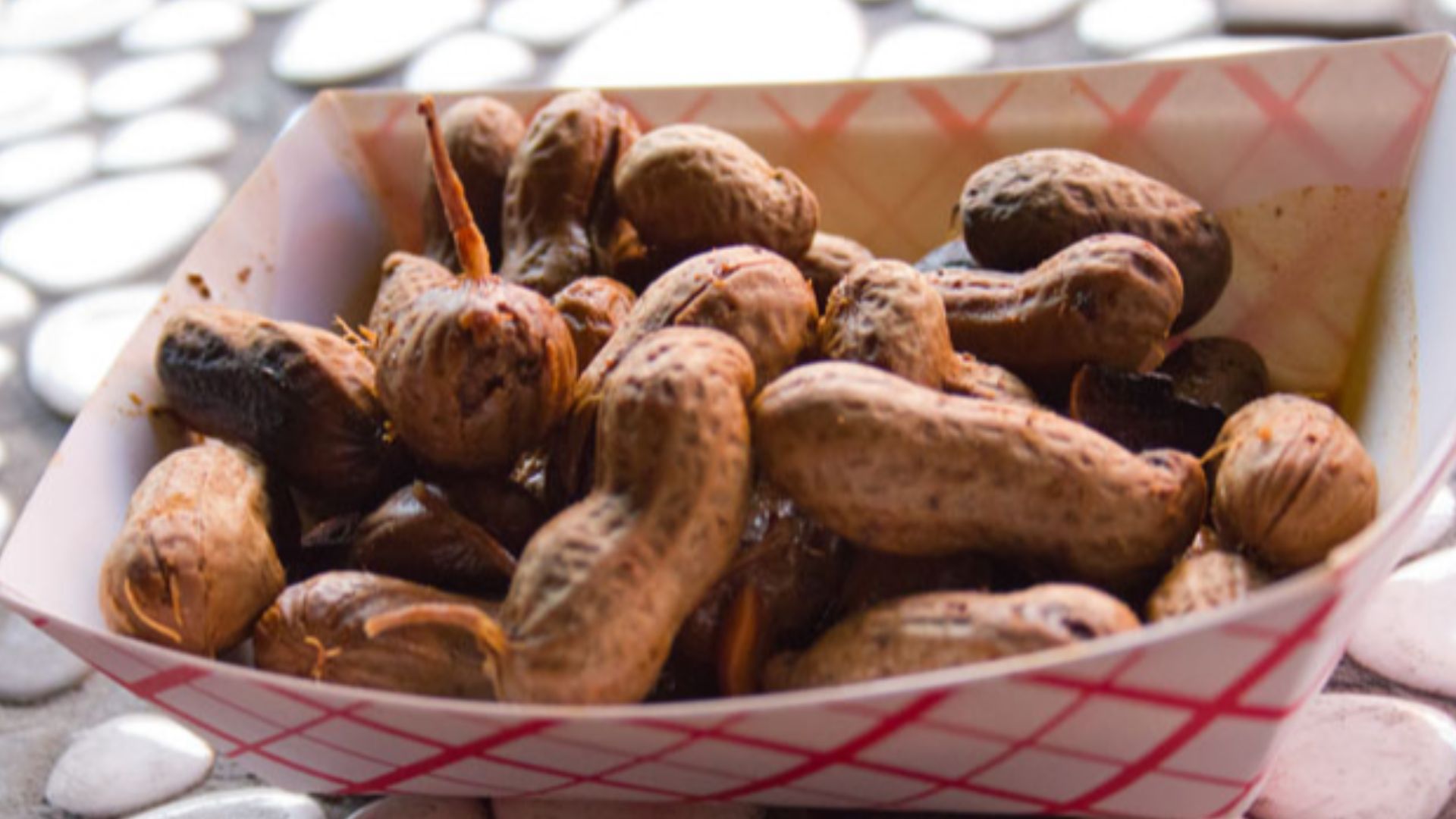
Canadians may enter a roadside store expecting chips and bottled water, only to discover regional specialties people genuinely rave about. Depending on the area, that could mean breakfast tacos, fried catfish, barbecue sandwiches, boiled peanuts, or biscuits served before sunrise.
Friendliness Does Not Always Mean Formality
Small-town Americans may be extremely welcoming while skipping polite formalities. Someone might call you “honey,” tease you about your accent, and ask personal questions within minutes. Canadians sometimes find the approach bold, but it is usually meant as warmth rather than rudeness.
Small-Town America Feels Familiar And Different
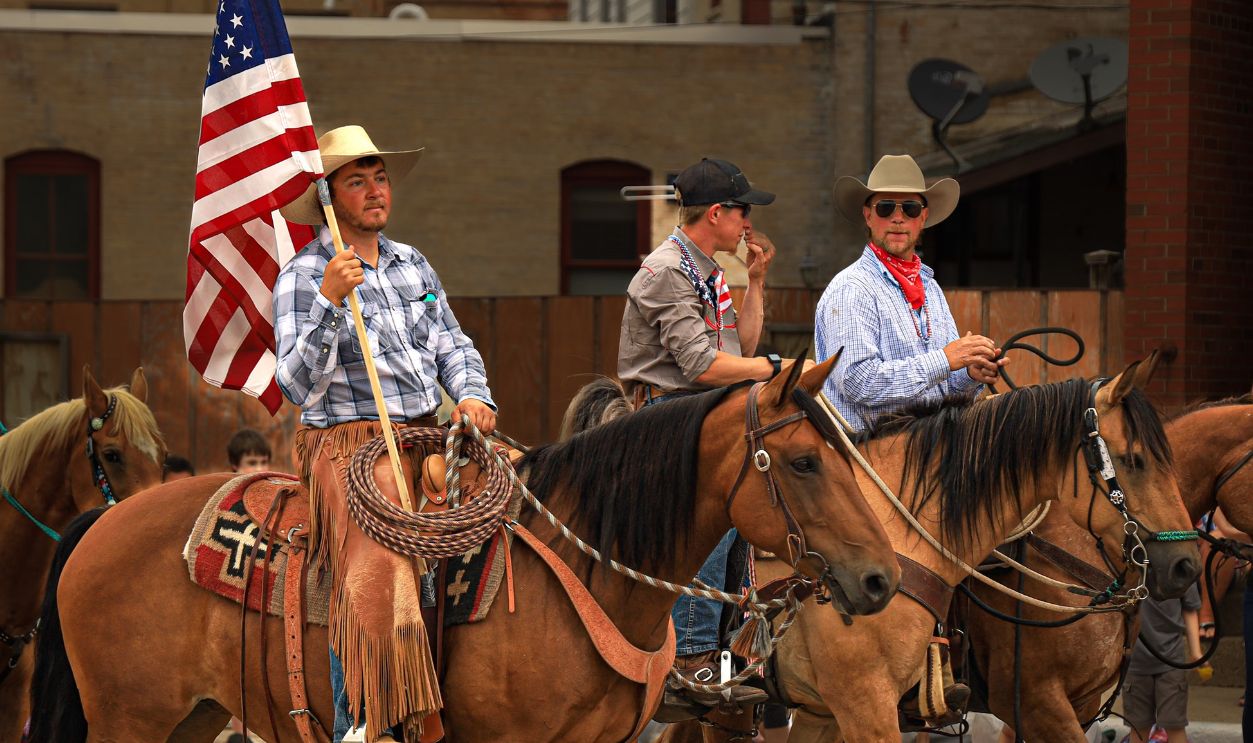
For Canadians, the charm of small-town America comes from recognizing so much while still being surprised. The friendliness, local pride, food, traditions, and slower pace can make even a short road trip memorable. You may cross the border expecting similarities and return home talking about all the differences.
You May Also Like:
Airlines Baby Boomers Thought Would Last Forever—Now No One Born After 2000 Has Even Heard Of Them