The Skies Used To Look Very Different
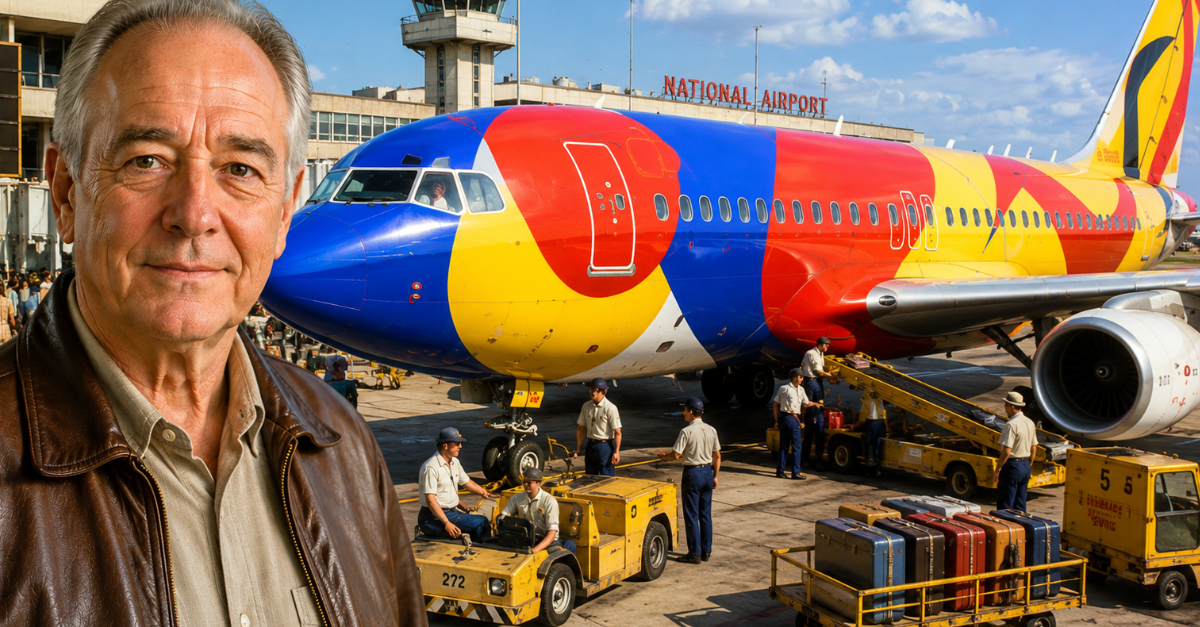
If you walked through a major American airport in the 70s or 80s, you saw airline names that felt permanent. Their logos were everywhere. Their commercials ran constantly. Millions of people flew them every year. It was hard to imagine any of them ever disappearing.
But that's exactly what happened.
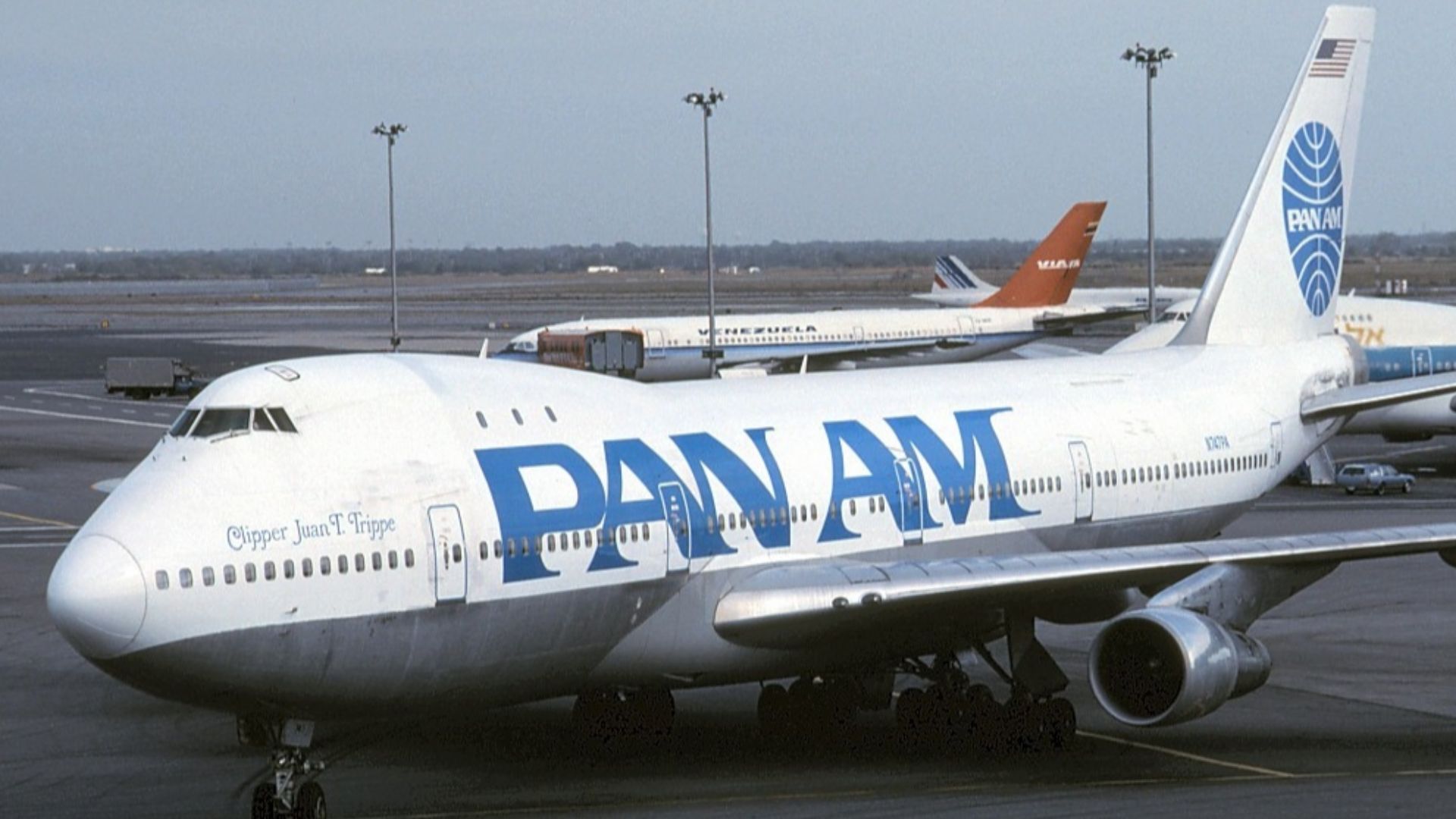
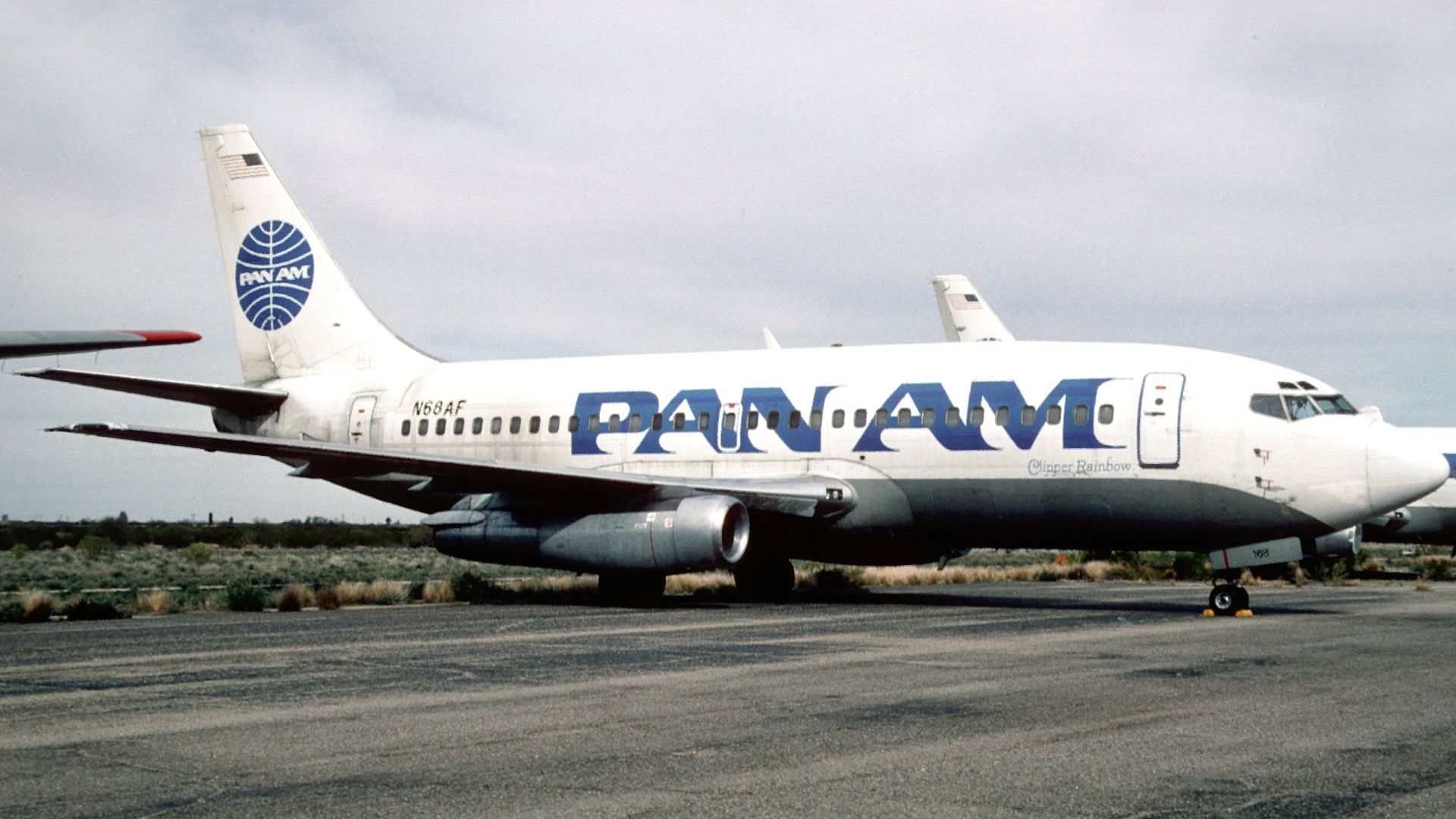
Pan Am
For many Baby Boomers, Pan American World Airways wasn't just another airline—it was the airline. That blue globe logo represented the glamour of the Jet Age. Flying Pan Am meant international adventure, first-class service, and a feeling that the world had suddenly become much smaller.
By 1991, decades of financial struggles, rising fuel costs, and fierce competition finally caught up with the legendary carrier. Pan Am shut down that December, leaving behind one of the most recognizable brands aviation has ever known.
 Sunil Gupta, Wikimedia Commons
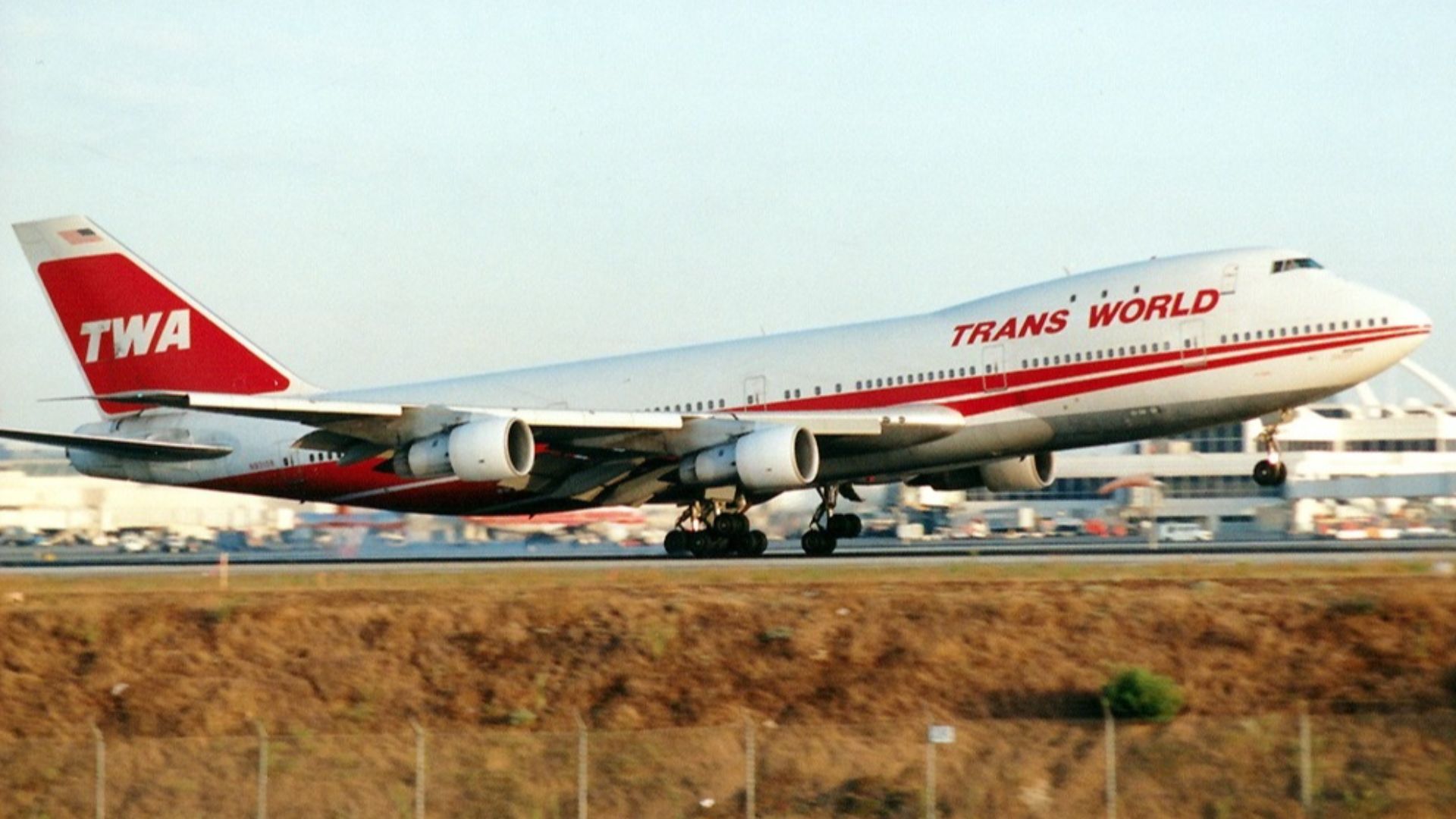
TWA
Trans World Airlines spent decades alongside Pan Am as one of America's most famous airlines. It carried celebrities, business travelers, vacationers, and millions of ordinary families who simply wanted to get somewhere.
Years of financial trouble eventually proved too much. TWA filed for bankruptcy and was absorbed by American Airlines in 2001, ending one of the most recognizable names in aviation history.
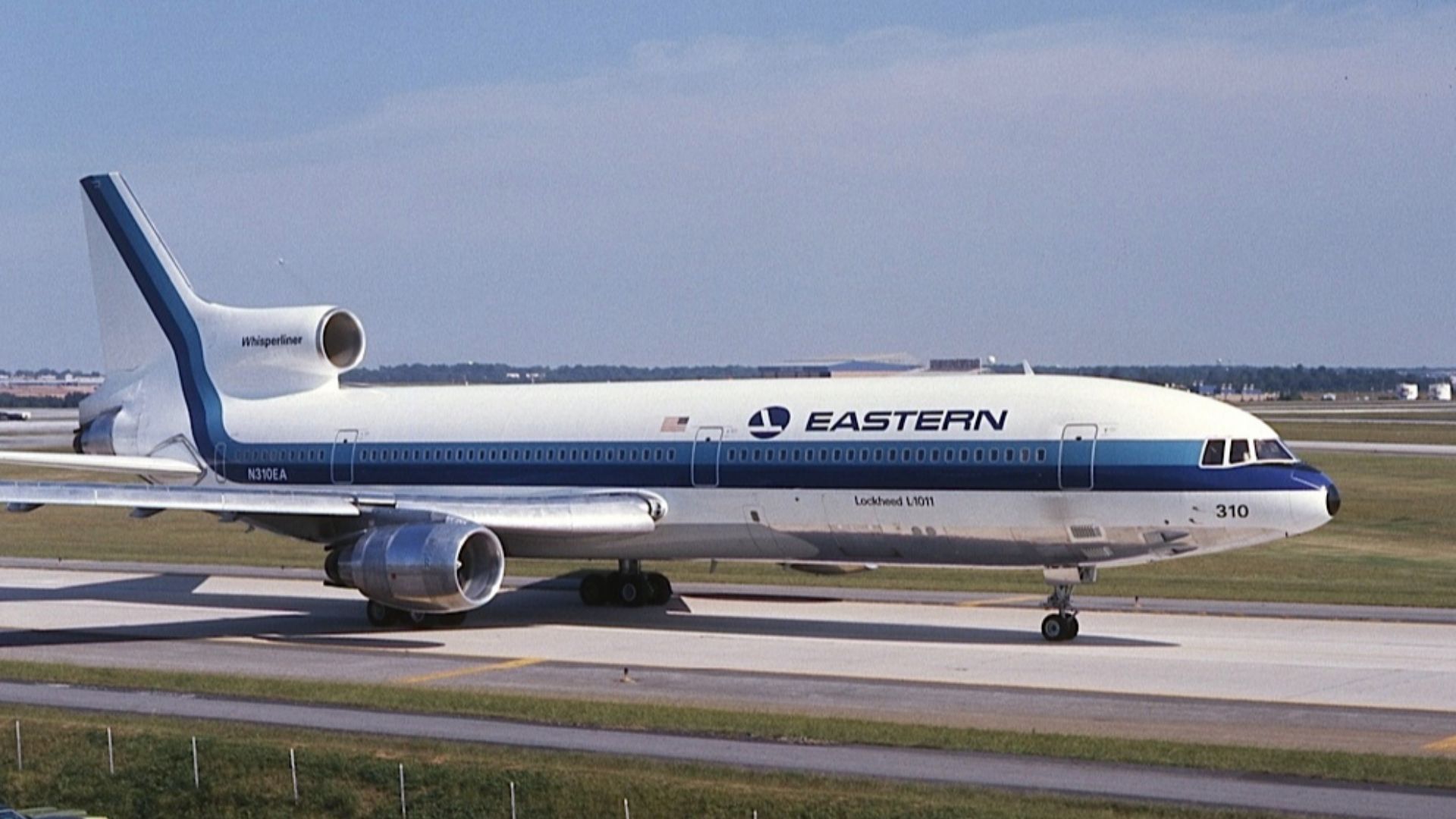
Eastern Air Lines
There was a time when Eastern practically owned the East Coast. If you regularly flew between New York, Atlanta, Miami, Boston, or dozens of cities in between, chances are you spent time on an Eastern jet.
Labor disputes, mounting debt, and bankruptcy eventually grounded the airline for good. Eastern ceased operations in January 1991 after more than 60 years in the air.
 Jerry Stanick - Jon Proctor collection, Wikimedia Commons
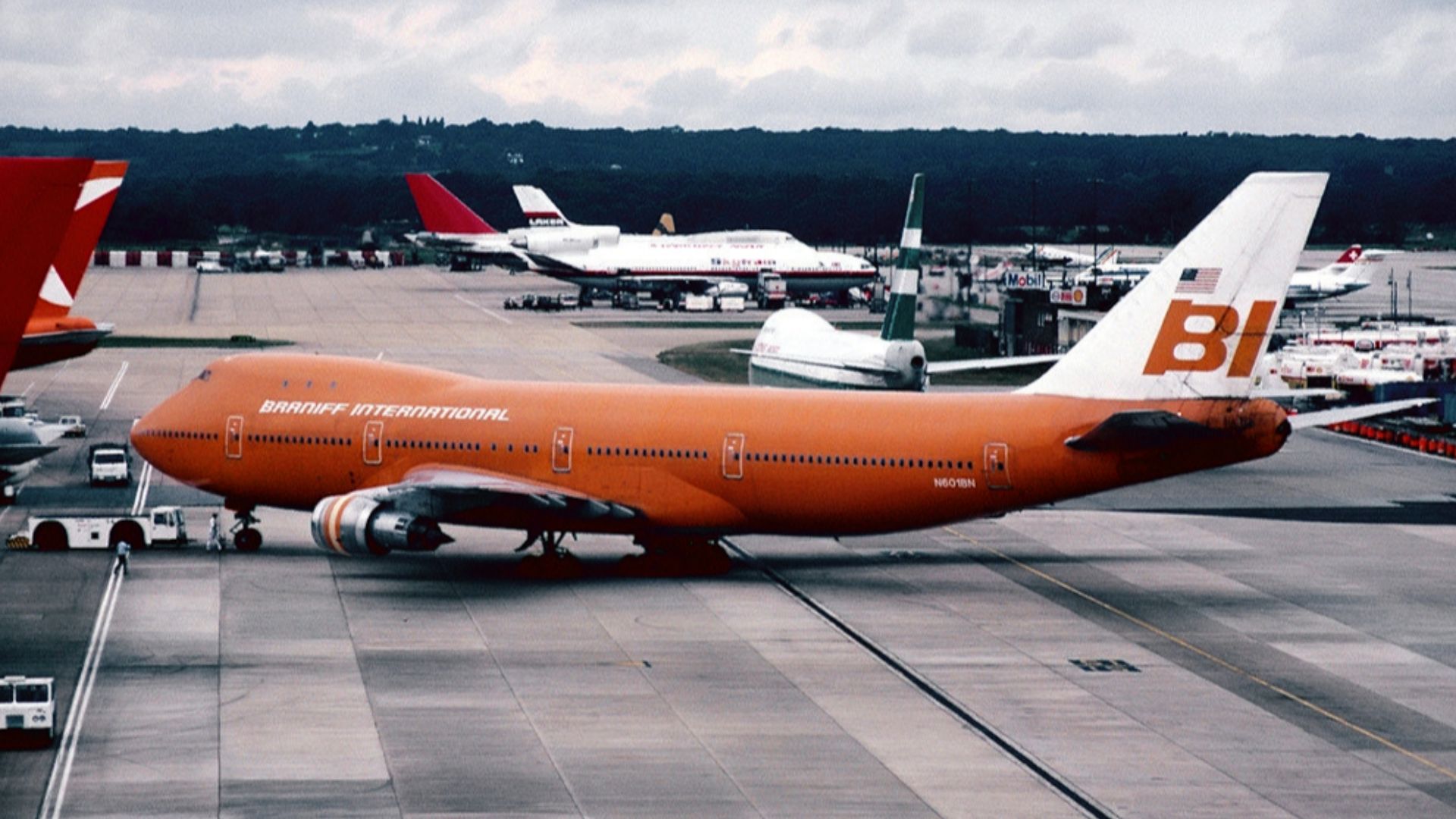
Braniff International
If Pan Am represented elegance, Braniff represented personality. Its brightly painted airplanes, colorful interiors, and designer uniforms made it almost impossible to confuse with any other airline.
Unfortunately, aggressive expansion after deregulation stretched the company too far. Braniff stopped flying in 1982, proving that even the most recognizable brands aren't always the safest businesses.
Northwest Airlines
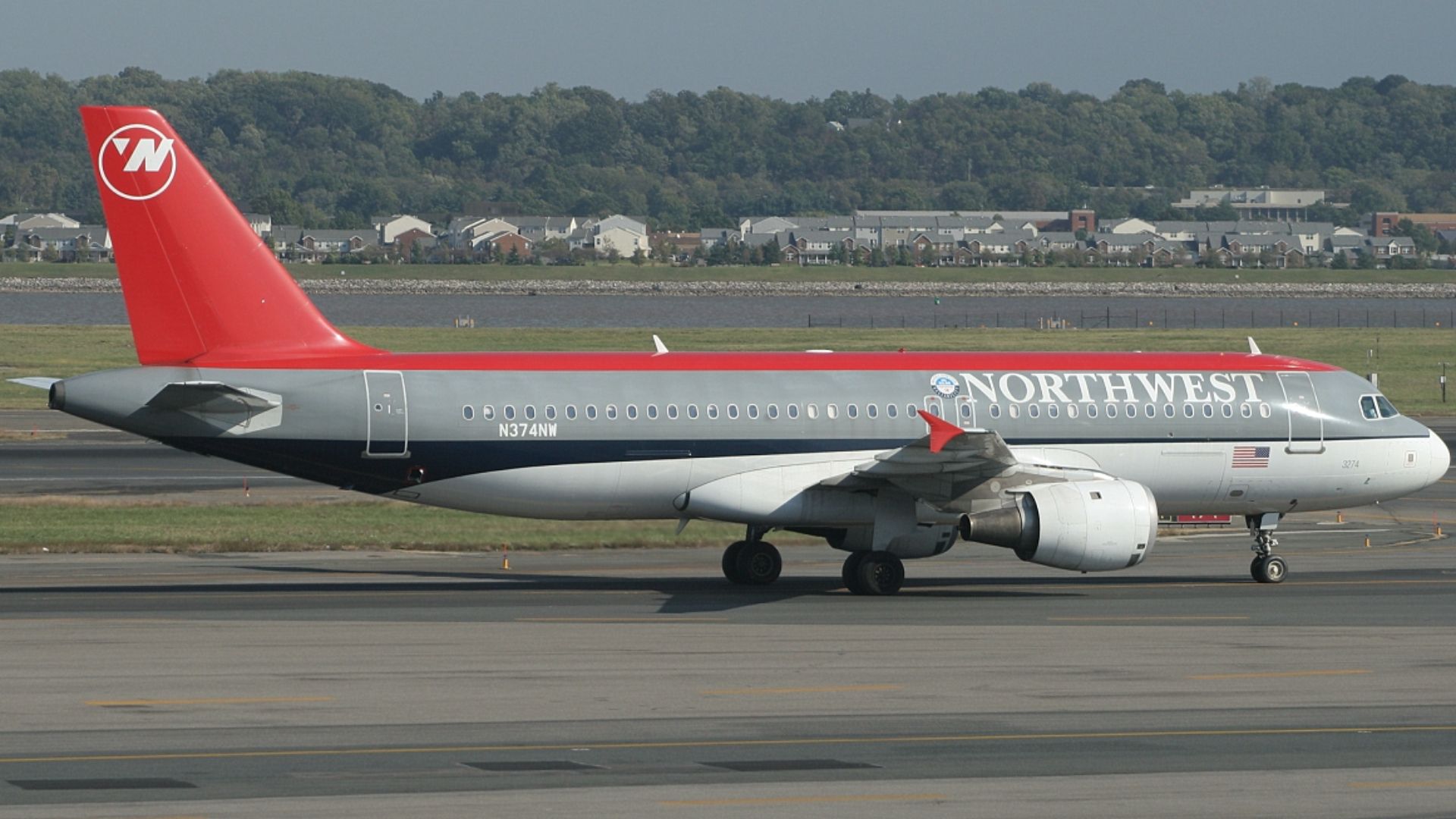
Northwest became one of America's largest airlines, especially for travelers throughout the Midwest and across the Pacific. For millions of passengers, it simply felt like part of the landscape.
The airline didn't collapse. Instead, Delta merged with Northwest in 2008 and gradually retired the Northwest brand by 2010. The routes survived. The name didn't.
 Rosedale7175, Wikimedia Commons
Continental Airlines
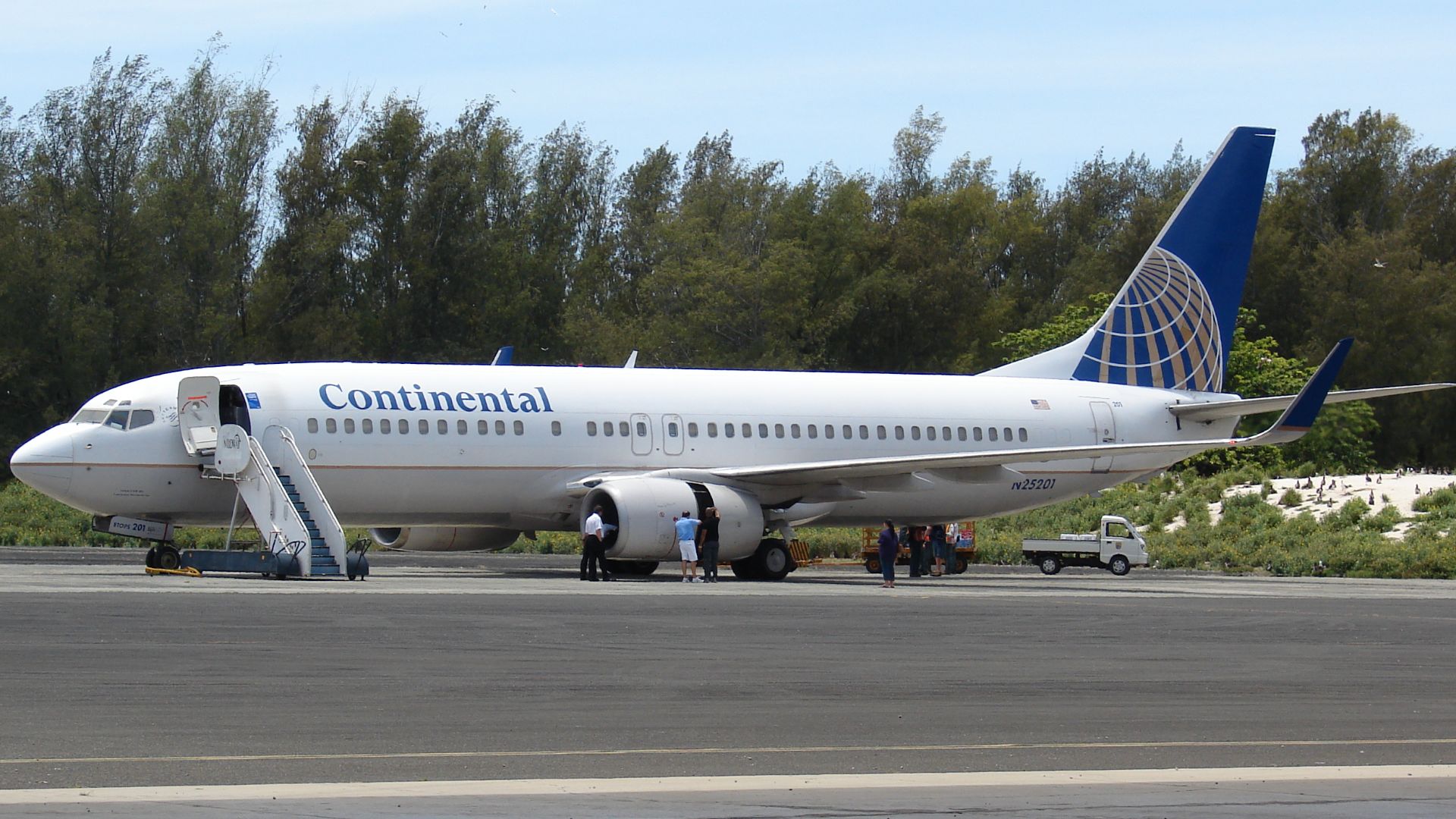
Continental spent decades reinventing itself. It survived multiple bankruptcies, rebuilt its reputation, and eventually became one of America's strongest international airlines.
Then another merger reshaped the industry. Continental combined with United in 2010, and by 2012 the Continental name had quietly disappeared from airports around the world.
 Forest & Kim Starr, Wikimedia Commons
PSA
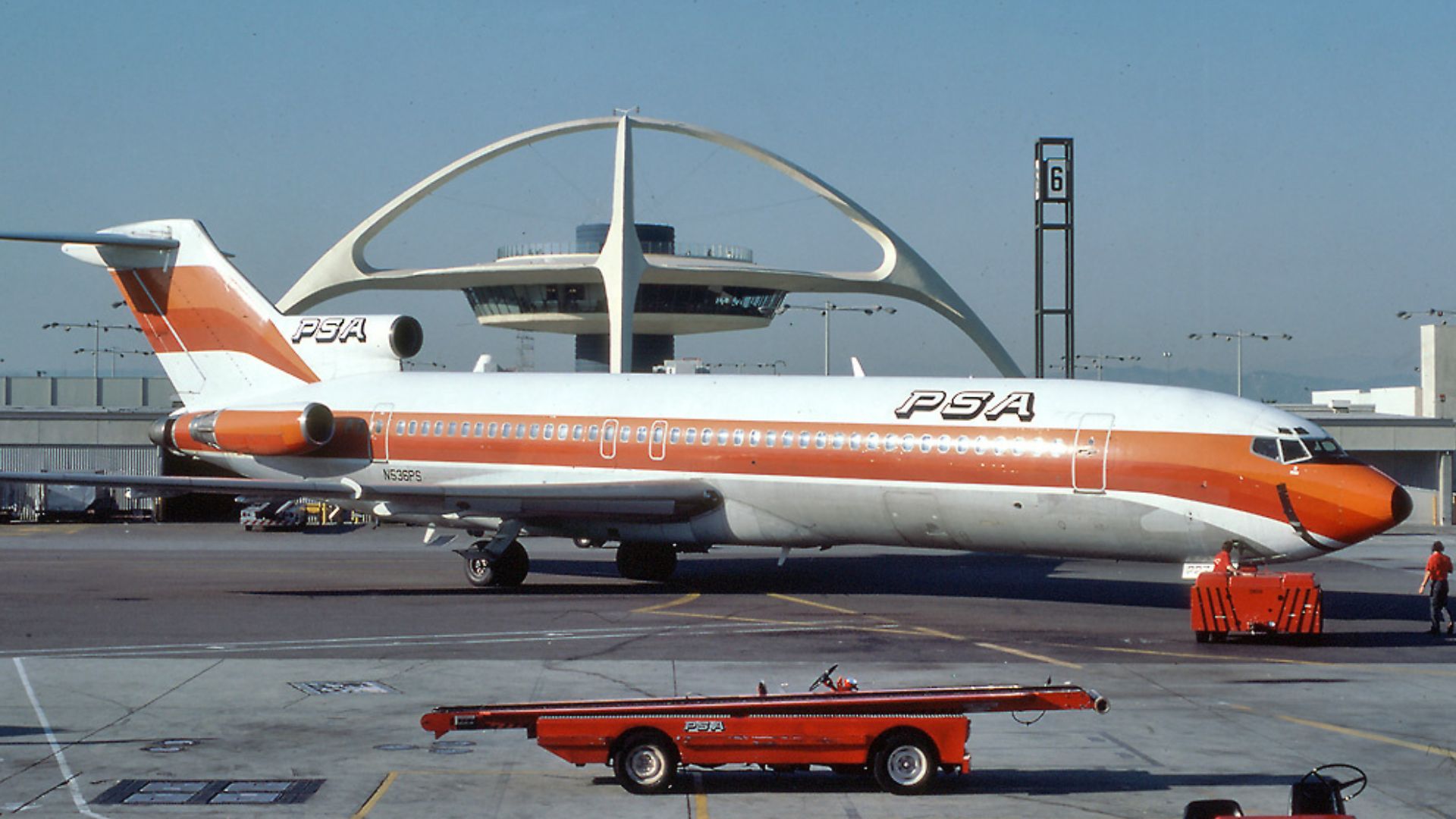
If you grew up in California, you probably remember PSA's famous smiling airplanes. They looked friendly before passengers had even stepped onboard, which is a level of optimism modern airline branding rarely attempts anymore.
USAir acquired PSA in the late 1980s, and the airline was fully integrated by 1988. Those smiling jets now live mostly in old photographs and aviation museums.
 Richard Silagi, Wikimedia Commons
Piedmont Airlines
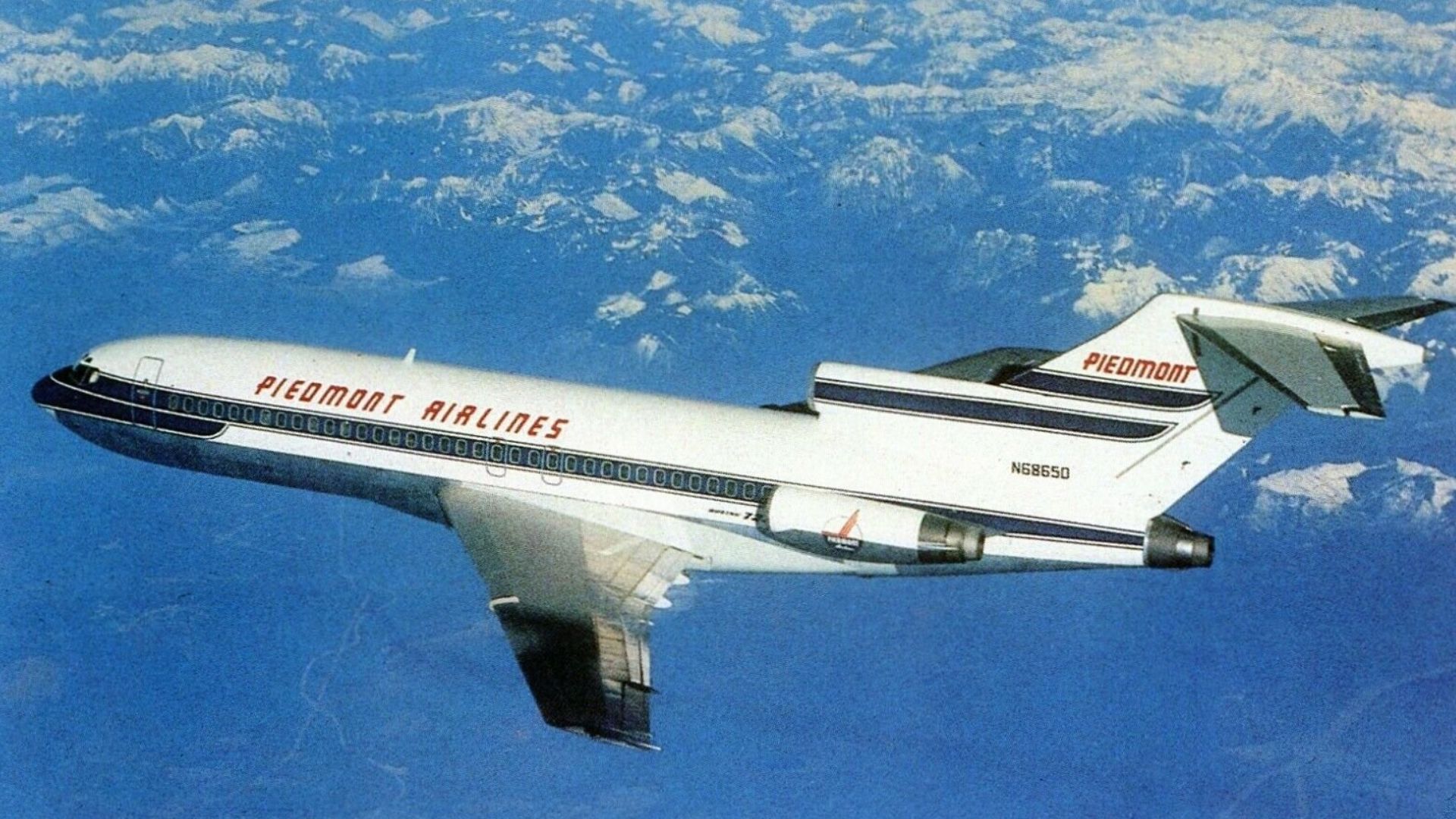
The original Piedmont Airlines wasn't the regional carrier some travelers recognize today. It was a respected airline throughout the South and East Coast with an outstanding reputation for customer service.
USAir acquired Piedmont in 1989. While the name still exists today on a completely different regional airline, it's not the Piedmont most Baby Boomers remember.
National Airlines
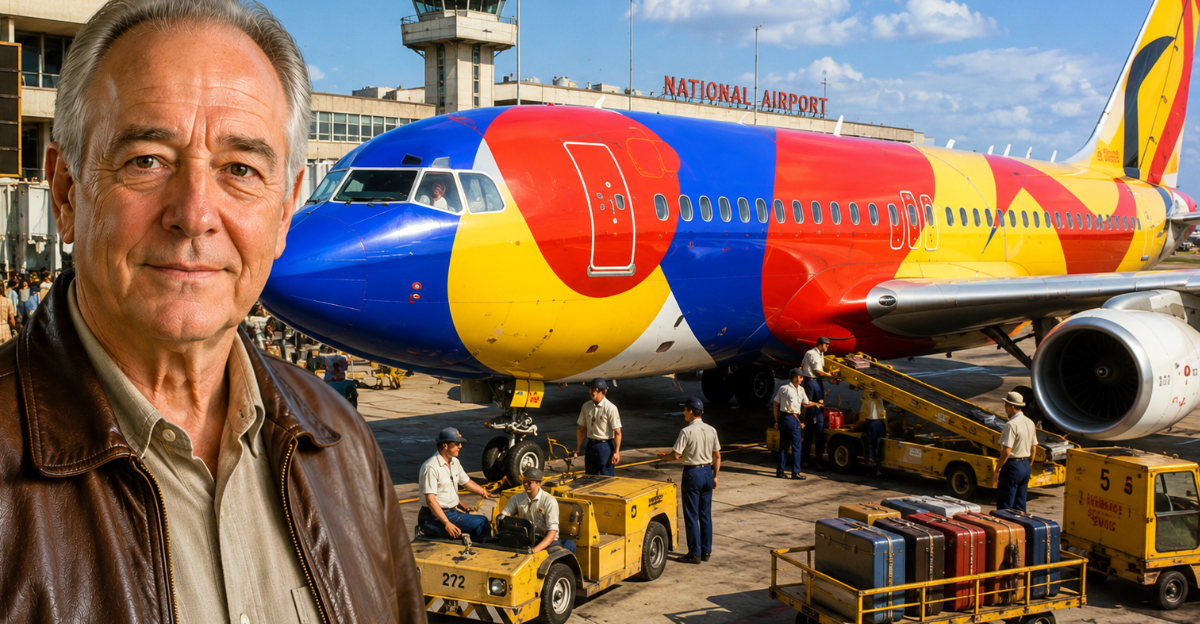
National proudly called itself 'The Sunshine Airline,' and it became especially popular with travelers heading to Florida, Las Vegas, and other vacation destinations.
Pan Am purchased National in 1980 to strengthen its domestic network. Ironically, the expensive acquisition later became one of the many factors that contributed to Pan Am's own financial decline.
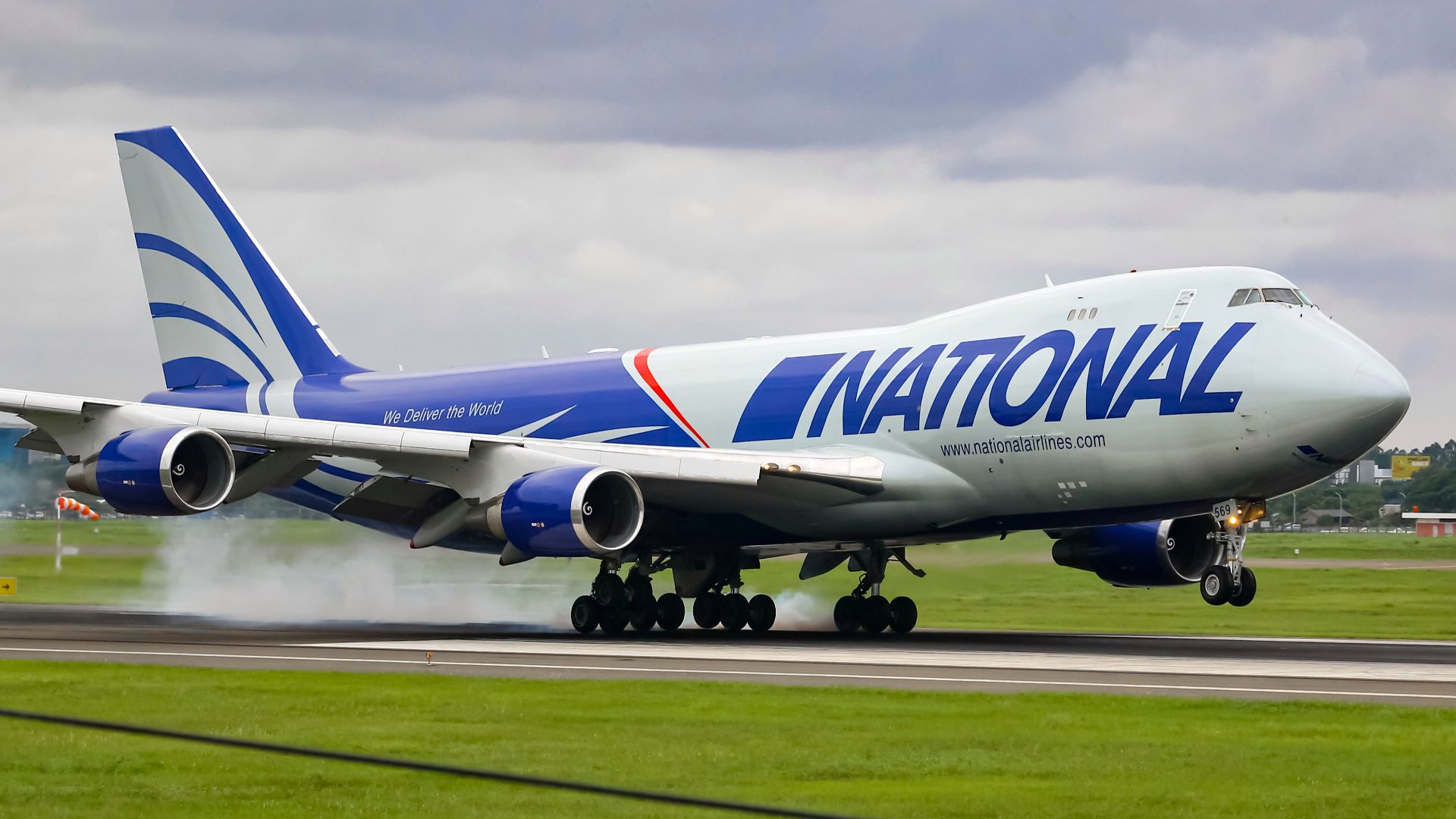 Frostedcave, Wikimedia Commons
Ozark Air Lines
Ozark never had the worldwide reputation of Pan Am or TWA, but throughout the Midwest it built an incredibly loyal following. Friendly service and dependable schedules earned it plenty of repeat customers.
TWA acquired Ozark in 1986, quietly bringing another beloved regional airline to an end.
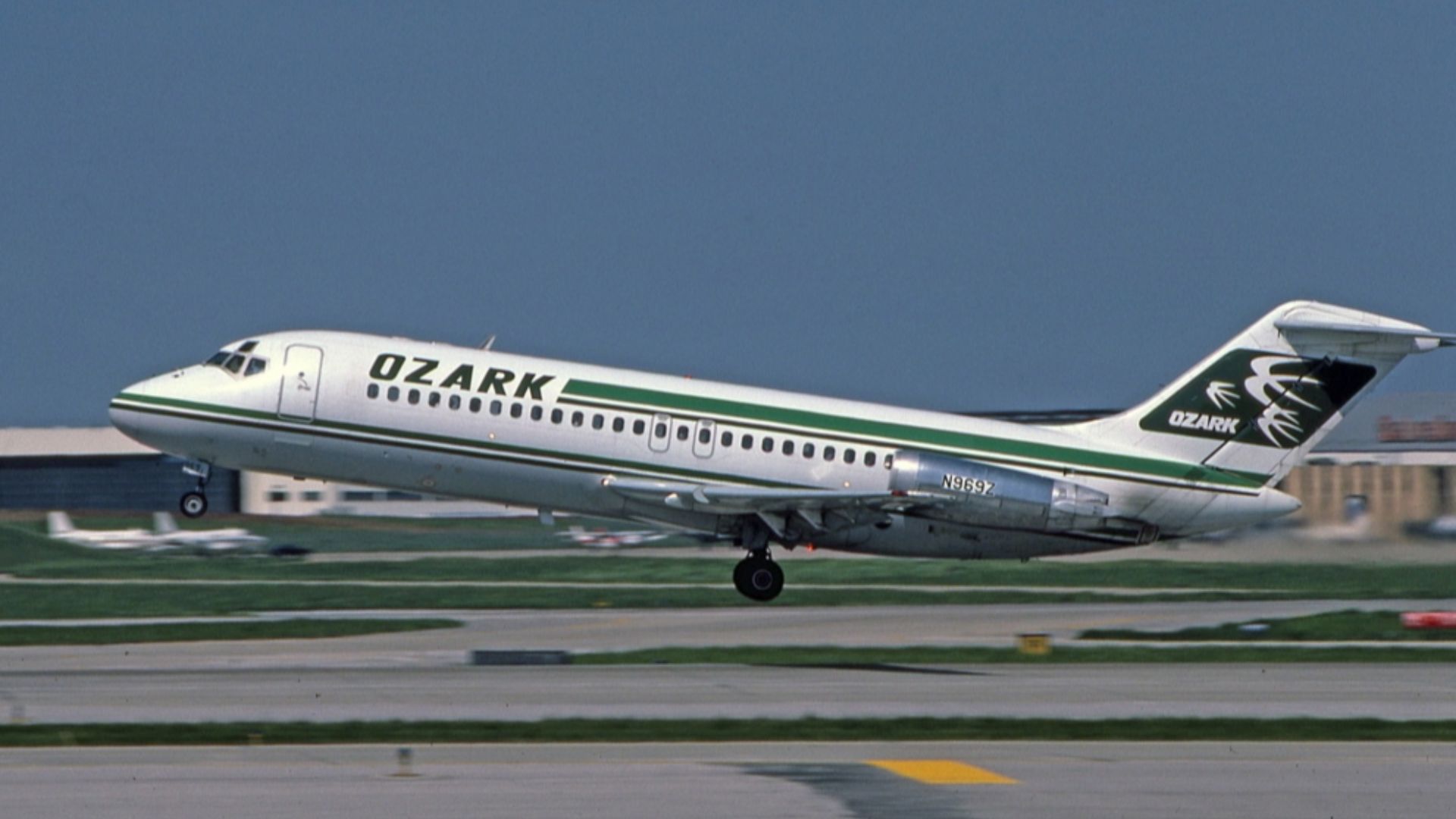 Jon Proctor, Wikimedia Commons
Hughes Airwest
With its bright yellow airplanes and connection to billionaire Howard Hughes, Hughes Airwest stood out almost everywhere it flew. Spotting one at an airport was difficult to forget.
Republic Airlines purchased Hughes Airwest in 1980, and before long those distinctive yellow jets disappeared from American skies.
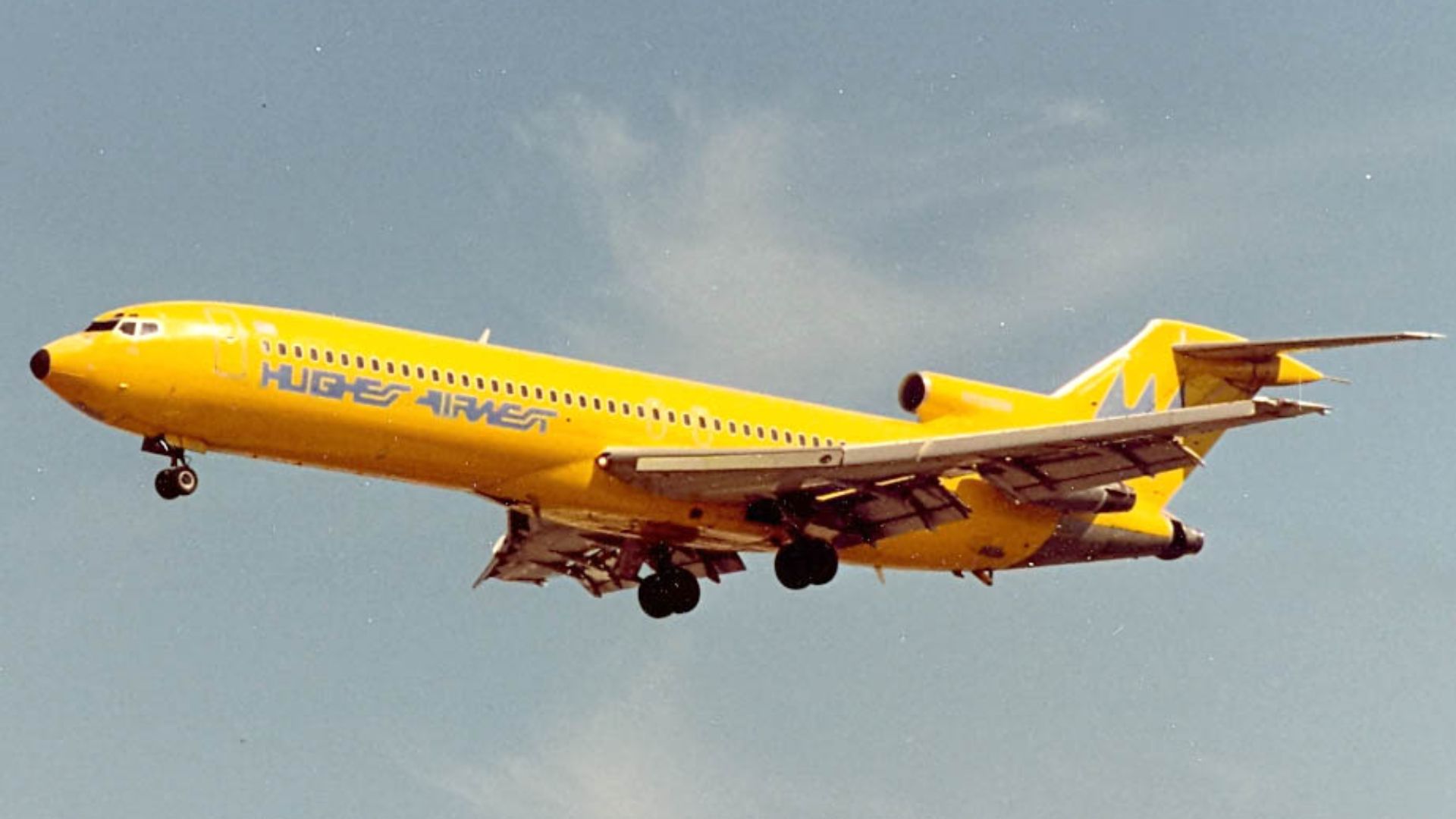 Bill Larkins, Wikimedia Commons
Republic Airlines
The original Republic Airlines was created in 1979 through the merger of North Central Airlines and Southern Airways. It quickly became a major force throughout the Midwest and looked poised for a long future.
Northwest acquired Republic in 1986. Years later, Northwest itself disappeared into Delta—a reminder that in the airline business, even the winners don't always stay around forever.
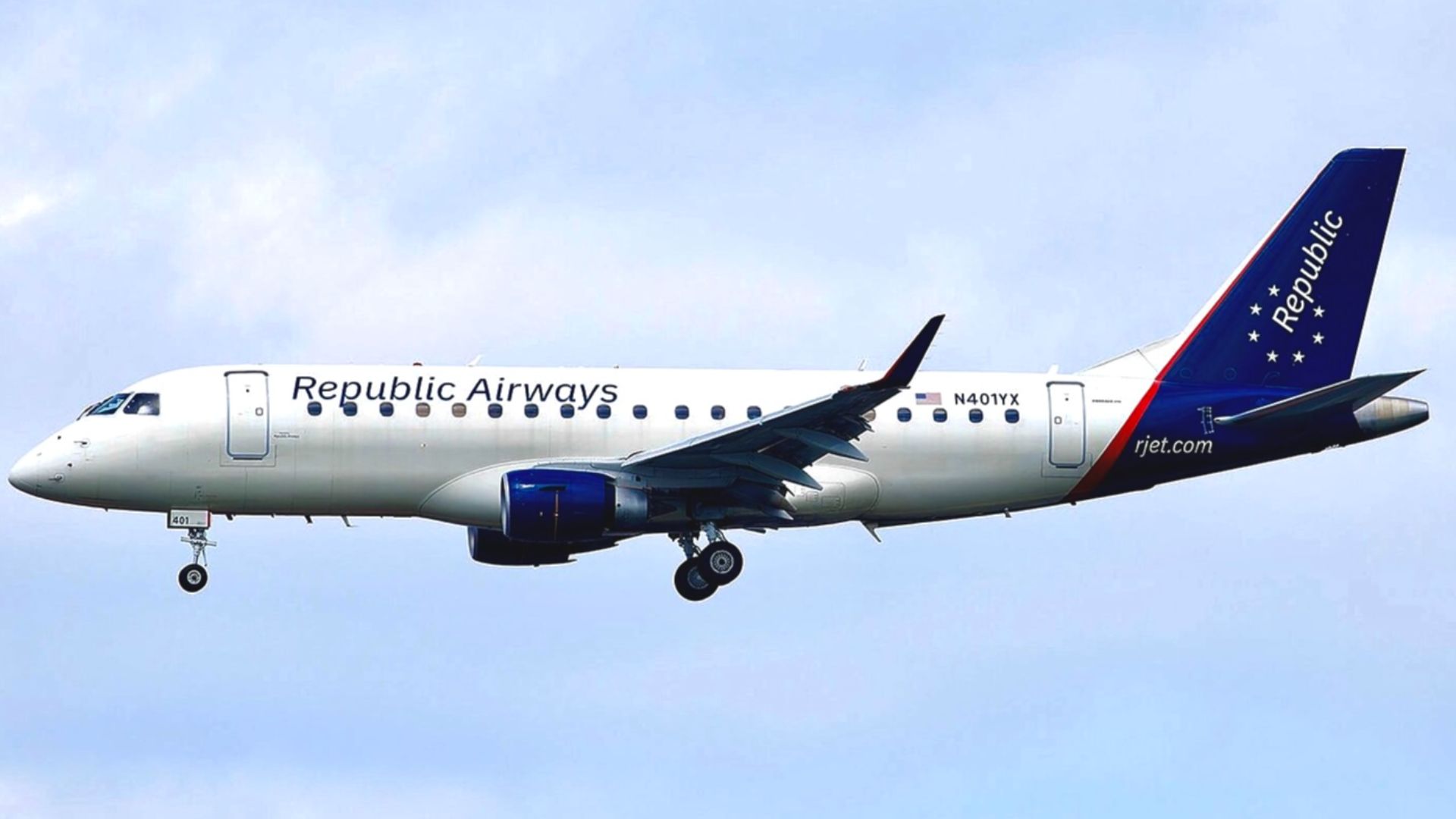 AVA Navigate, Wikimedia Commons
People Express
People Express proved you didn't need to be one of the giant legacy airlines to completely shake up the industry. Its unbelievably cheap fares turned it into one of America's fastest-growing airlines almost overnight. For a brief moment, it looked like the future of flying had arrived.
Unfortunately, growing too fast can be just as dangerous as not growing at all. After buying Frontier Airlines, the company found itself buried in debt. Texas Air Corporation acquired People Express in 1986, and its operations were folded into Continental the following year.
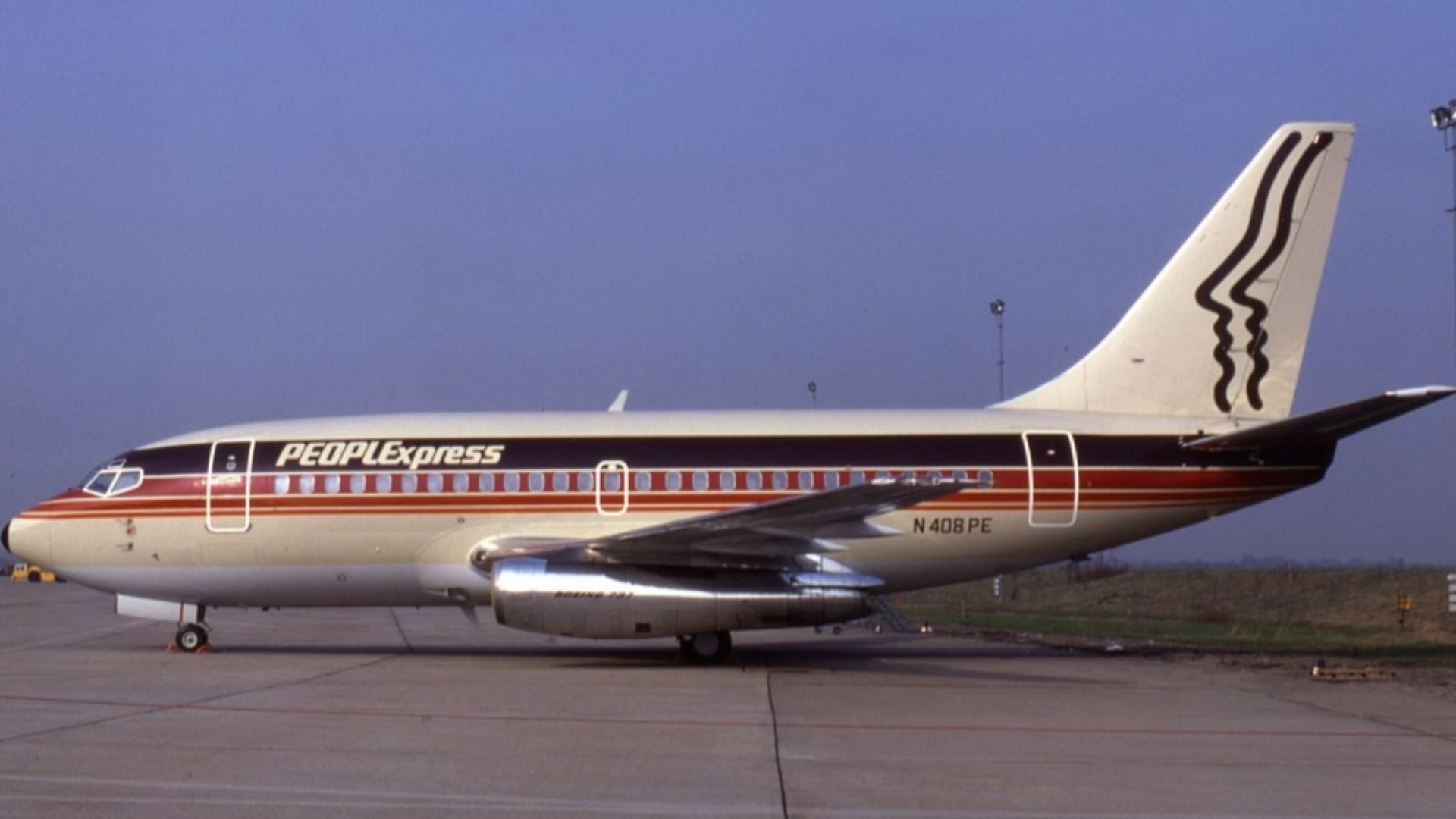 Clinton H. Groves, Wikimedia Commons
America West Airlines
America West was one of deregulation's biggest success stories. Based in Phoenix, it expanded rapidly during the 80s and became a familiar sight throughout the western United States.
In 2005, America West merged with the bankrupt US Airways. The combined company kept the better-known US Airways name, even though America West's management team ended up running the airline. By 2007, the America West name had disappeared.
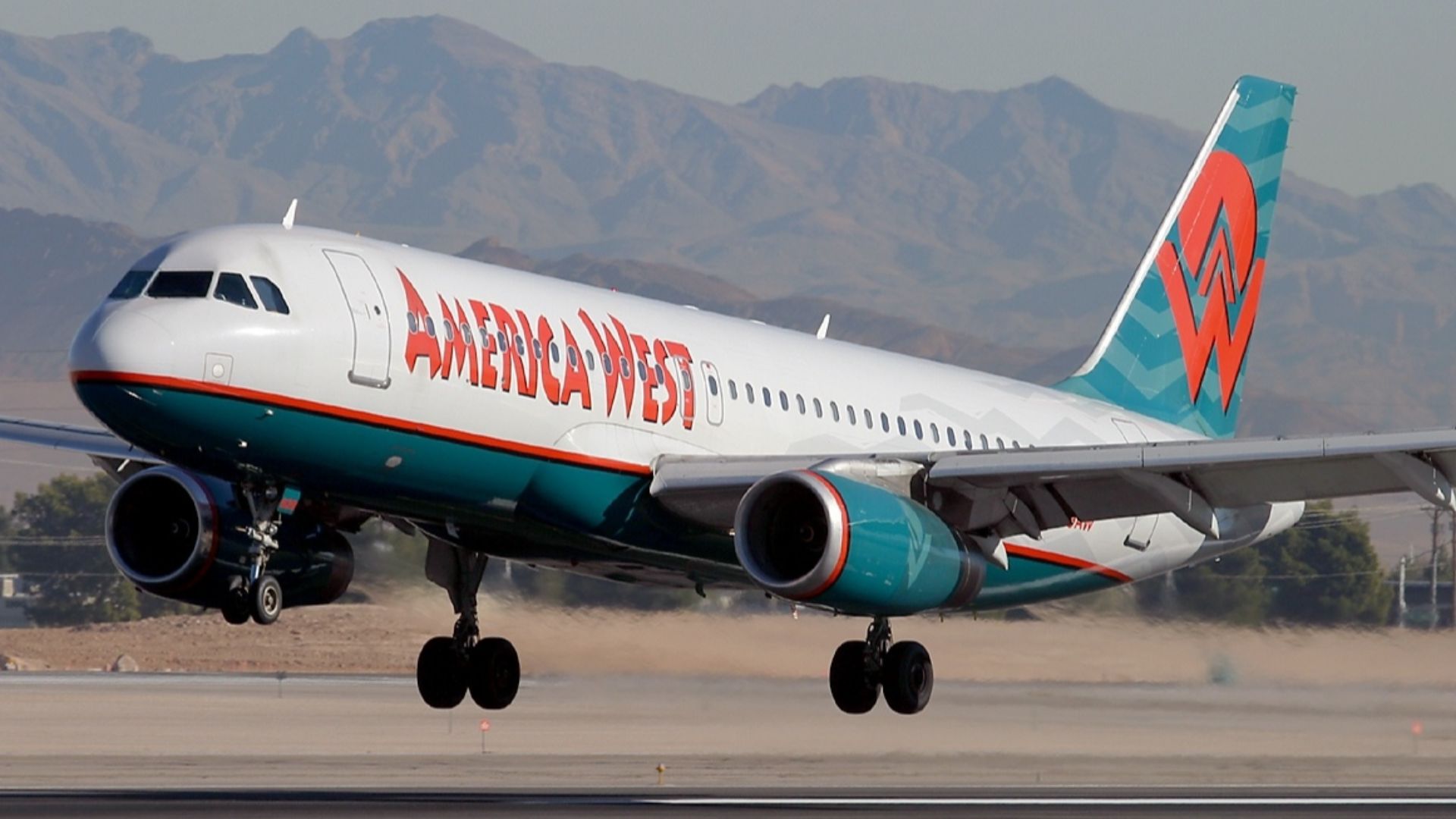 Konstantin von Wedelstaedt, Wikimedia Commons
AirCal
If you spent much time flying around California during the 70s or 80s, chances are you boarded an AirCal flight. It specialized in short trips between Los Angeles, San Francisco, Orange County, and San Diego, making business travel remarkably convenient.
American Airlines purchased AirCal in 1987. Most passengers barely noticed the transition, but another familiar airline quietly disappeared from departure boards.
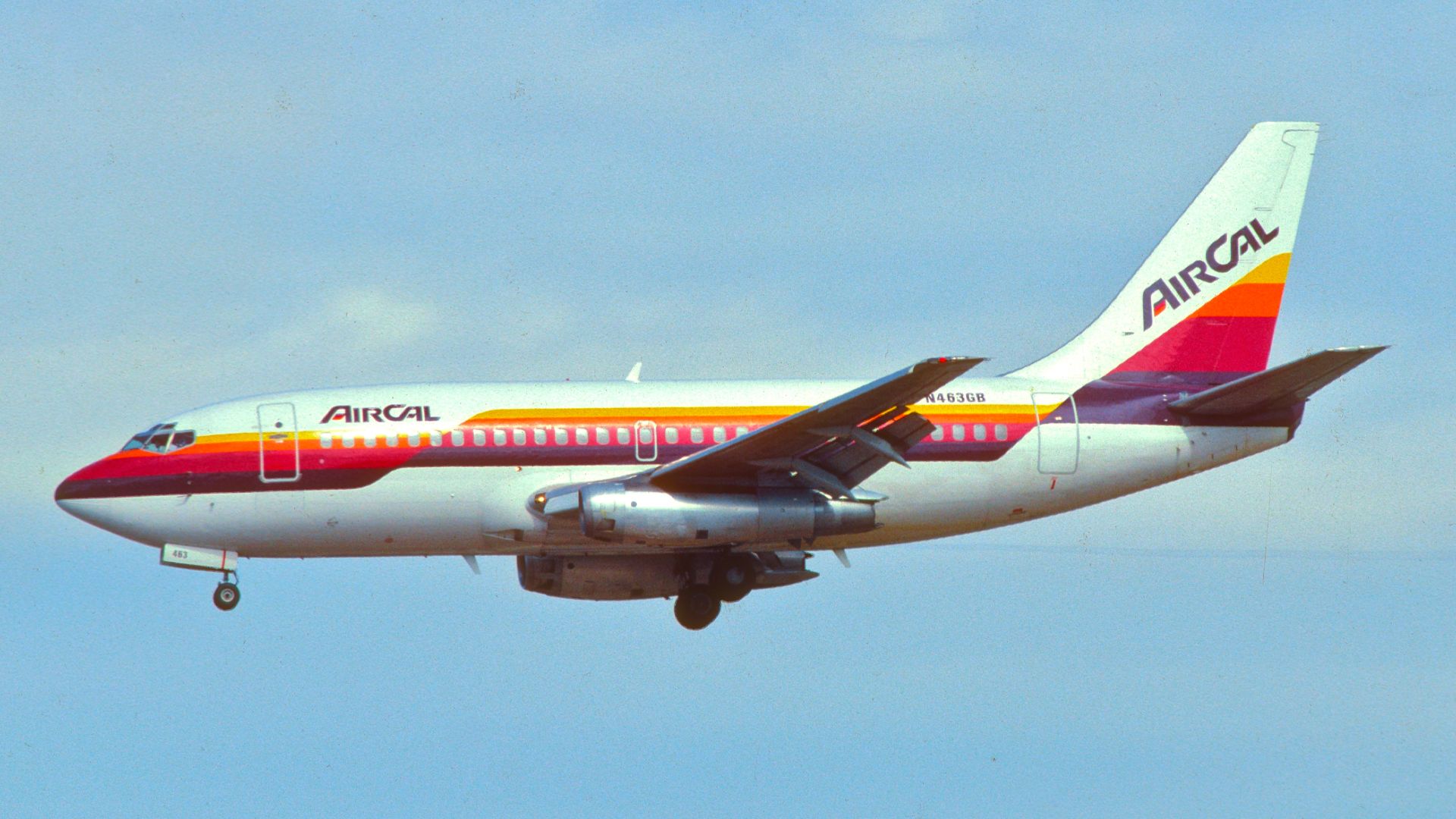 Aero Icarus from Zurich, Switzerland, Wikimedia Commons
ATA Airlines
ATA grew into one of America's largest charter airlines before expanding into scheduled passenger service. Vacation travelers, military personnel, college sports teams, and tour groups all became familiar with its blue-and-white logo.
After entering bankruptcy twice during the 2000s, ATA abruptly shut down in April 2008, ending the run of one of the country's biggest charter carriers.
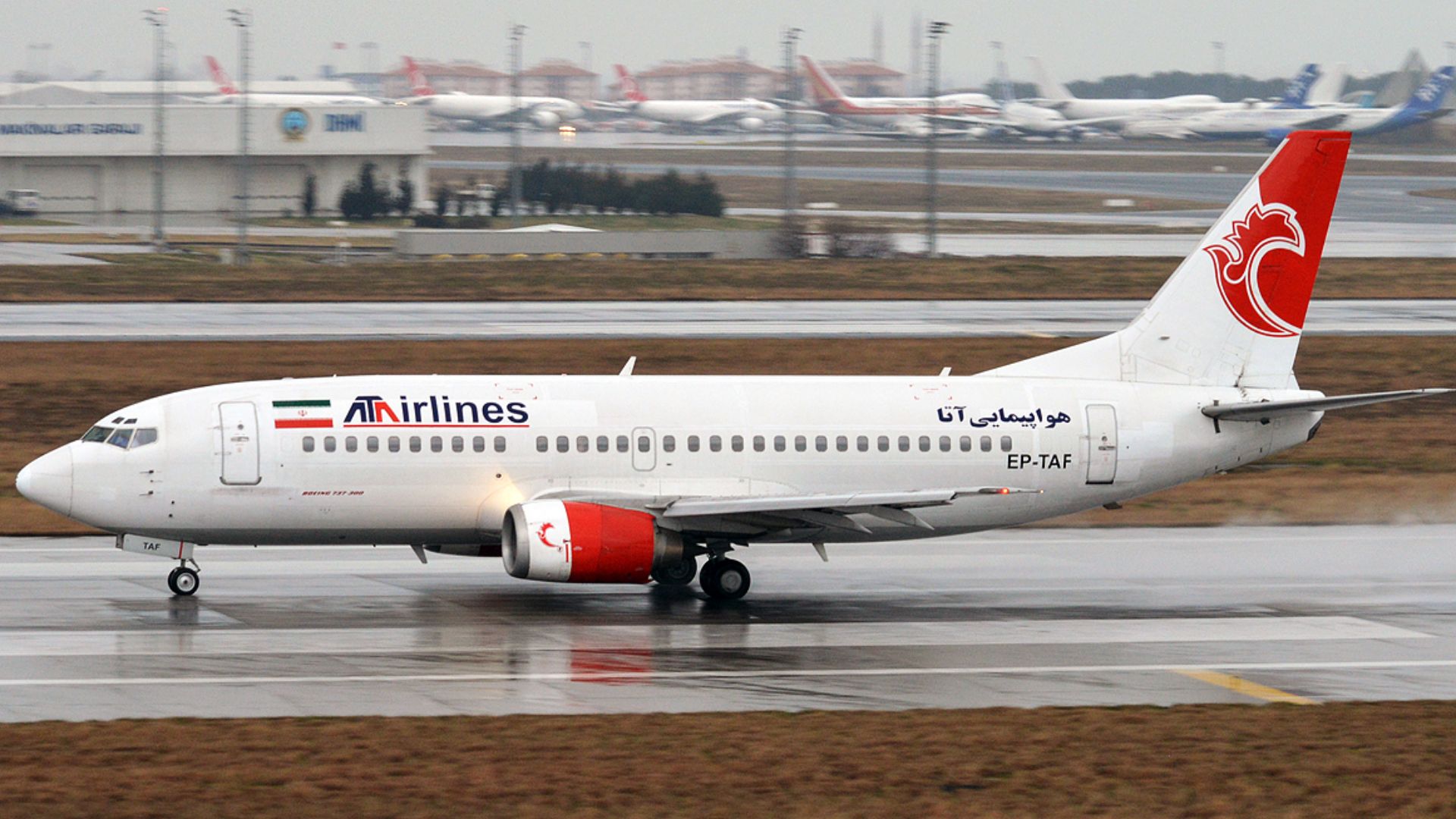 Anna Zvereva from Tallinn, Estonia, Wikimedia Commons
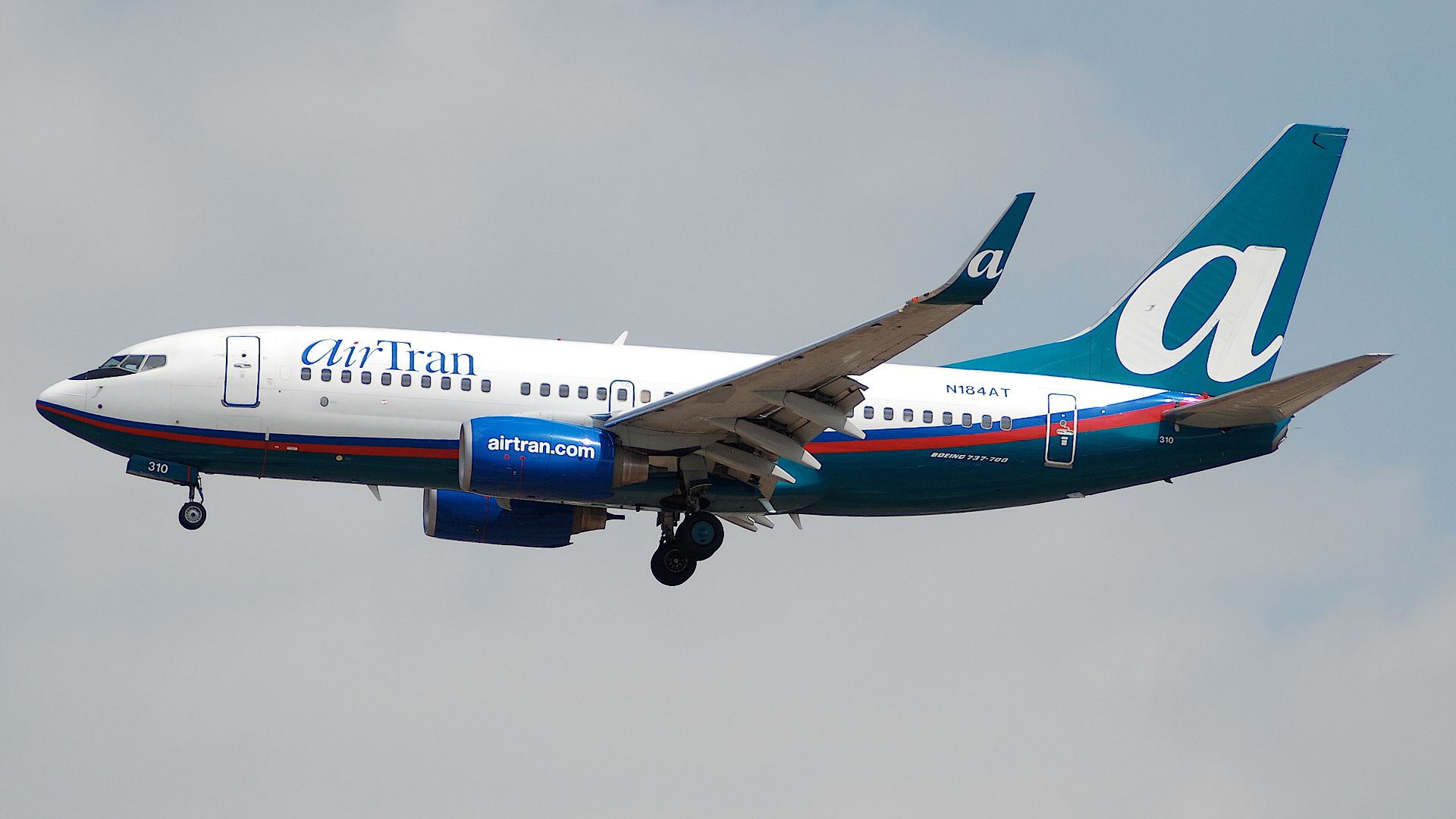
AirTran Airways
AirTran helped make affordable flying more common long before today's ultra-low-cost airlines became household names. Competitive fares and an expanding route network earned it a loyal following across the country.
Southwest Airlines purchased AirTran in 2011 and completed the integration in 2014. Southwest kept the routes, but the AirTran name quietly disappeared.
 Aero Icarus from Zurich, Switzerland, Wikimedia Commons
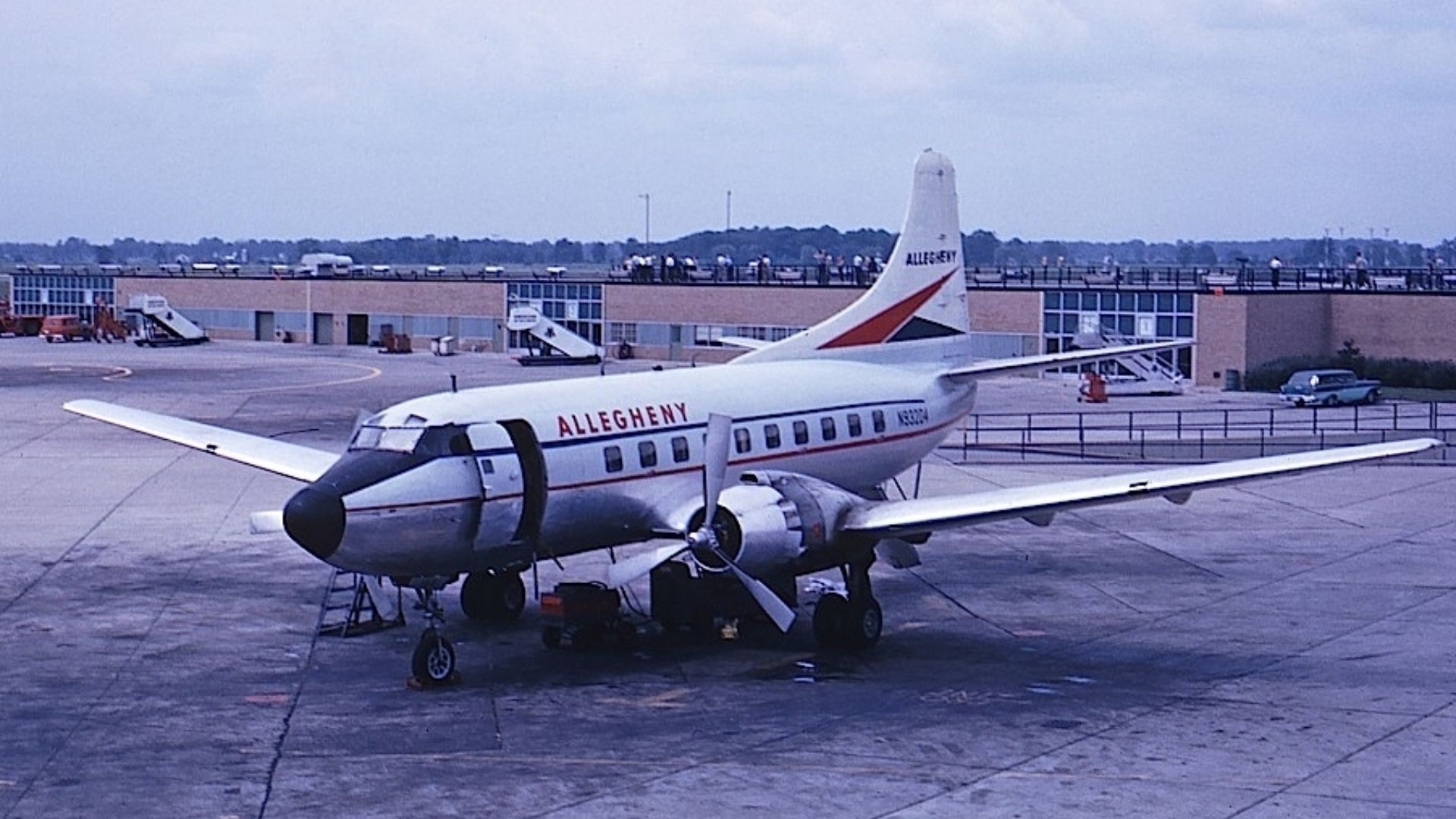
Allegheny Airlines
Long before US Airways existed, Allegheny Airlines connected dozens of communities across the eastern United States. It became one of the country's best-known regional carriers and helped build what would eventually become a much larger airline.
In 1979, the company simply changed its name to USAir. It wasn't a bankruptcy or merger, but it was still the end of a name many Baby Boomers remembered seeing at airports.
 Jon Proctor, Wikimedia Commons
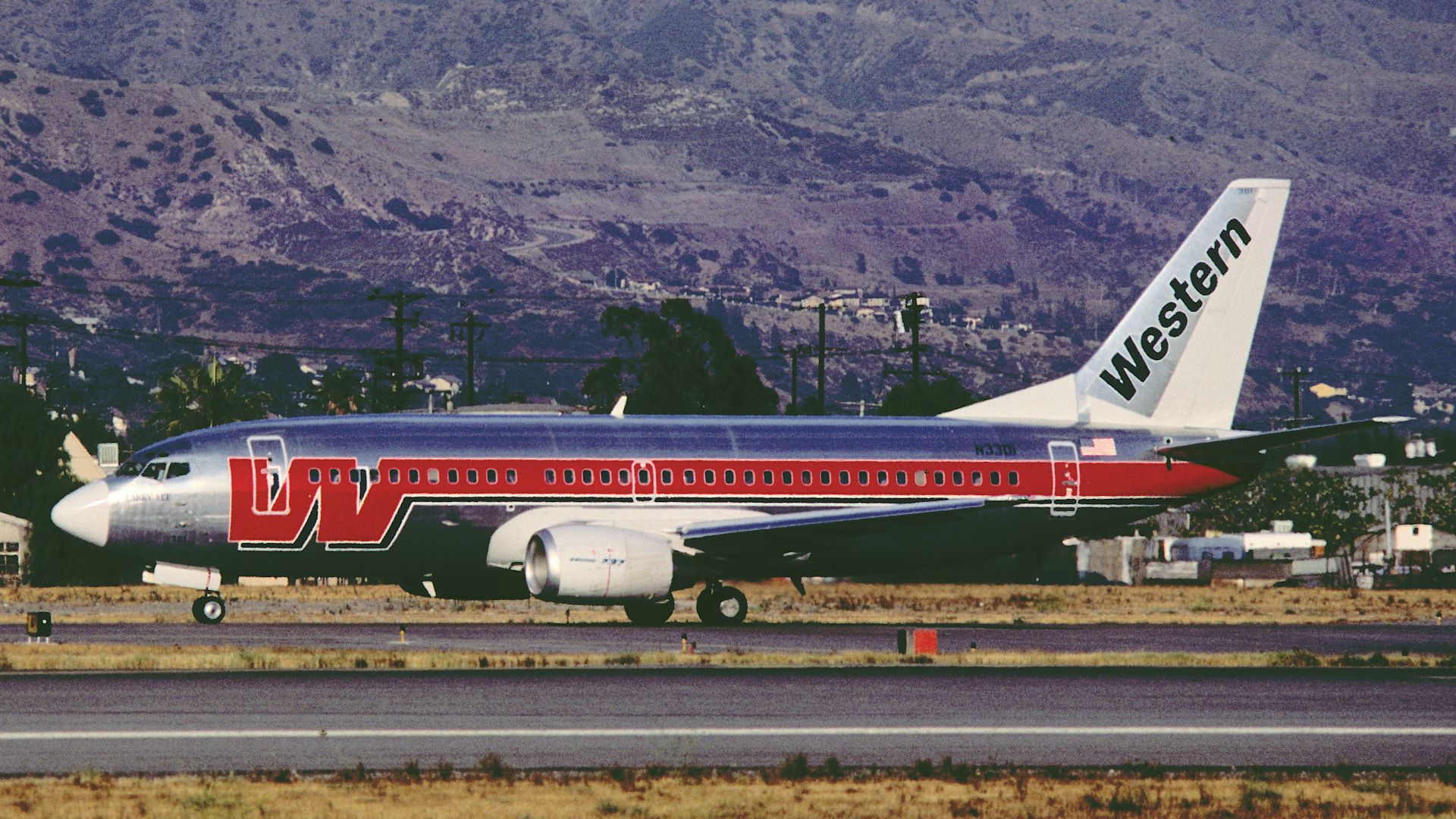
Western Airlines
Western proudly called itself 'The Only Way To Fly' and spent decades serving destinations throughout the western United States, Canada, Mexico, and Hawaii. It became one of the country's best-known airlines without ever quite reaching Pan Am's worldwide fame.
Delta acquired Western in 1987, bringing another long-running airline name to an end.
 Aero Icarus from Zurich, Switzerland, Wikimedia Commons
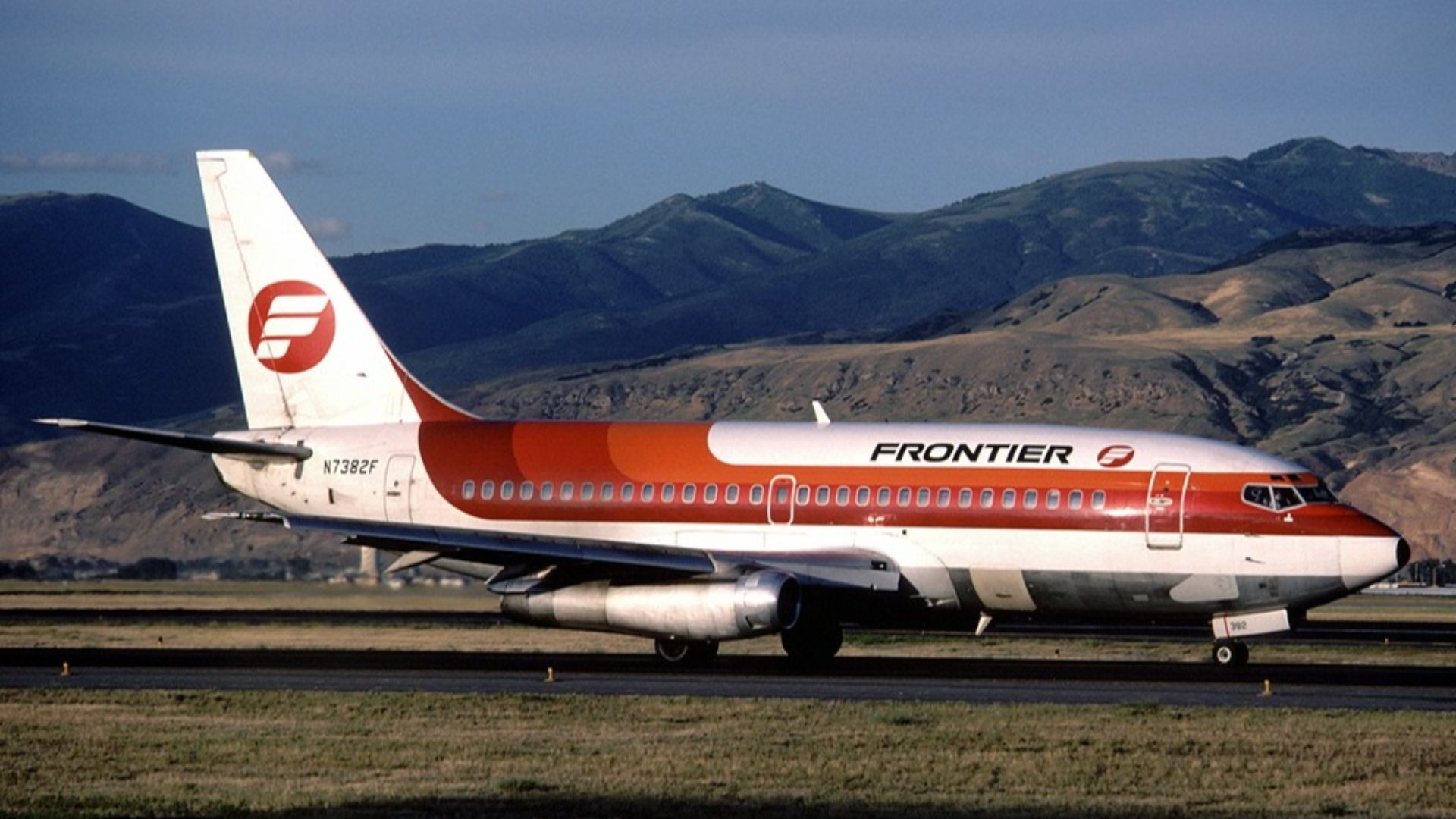
Frontier Airlines (Original)
Today's Frontier Airlines isn't the one most Baby Boomers remember.
The original Frontier flew from 1950 until filing for bankruptcy in 1986. People Express acquired its assets, ending the original airline's history. The Frontier flying today was founded in 1994 and later acquired the Frontier name, making it an entirely different airline despite sharing the same logo and branding.
 Eduard Marmet, Wikimedia Commons
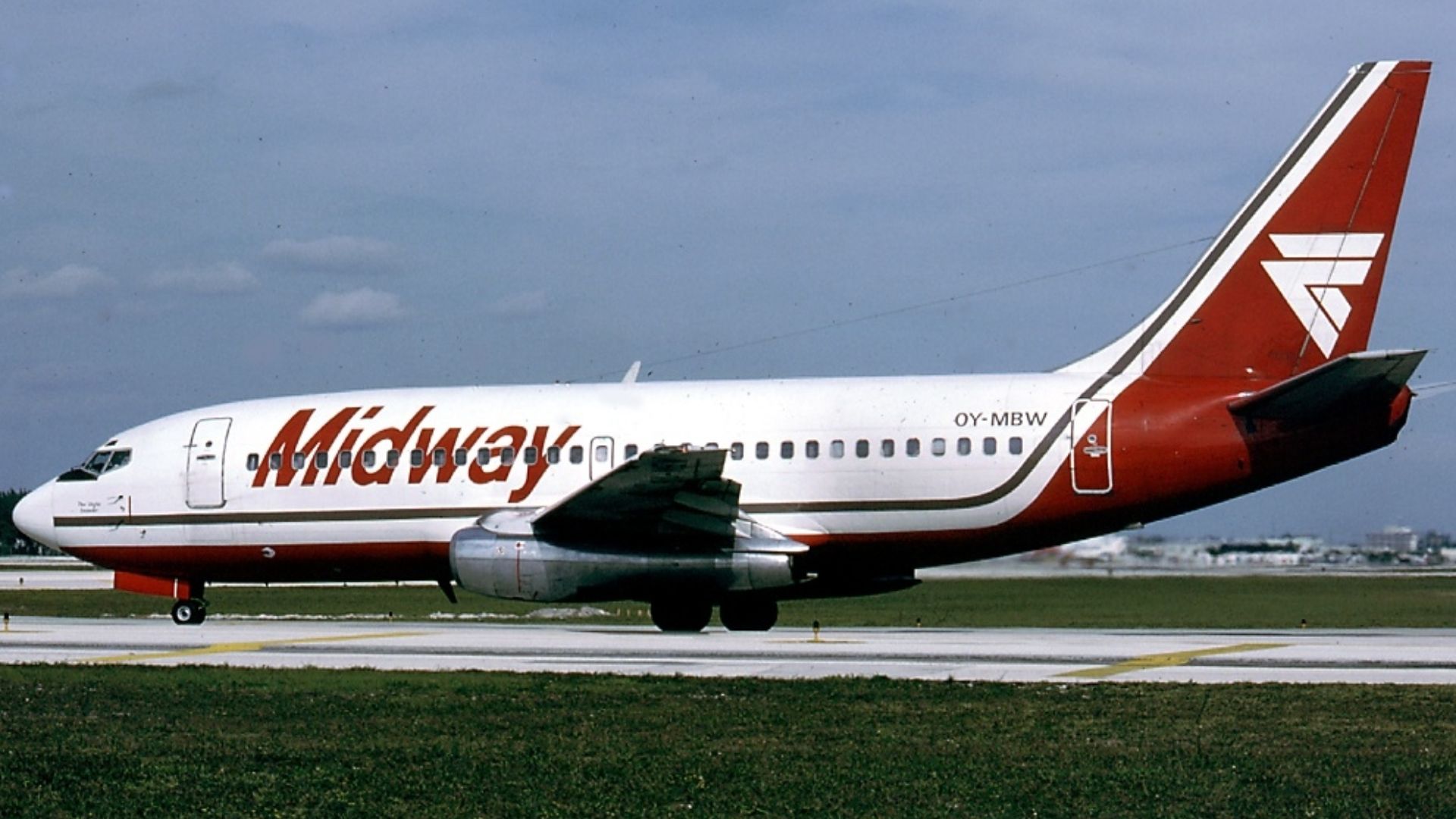
Midway Airlines
Midway Airlines launched in 1979 and helped bring Chicago's Midway Airport back to life after years of decline. For a while, it looked like one of deregulation's biggest winners.
Financial problems eventually caught up with the airline, and it ceased operations in 1991. Other airlines later reused the Midway name, but the original carrier was gone.
 Guido Allieri - Italy, Wikimedia Commons
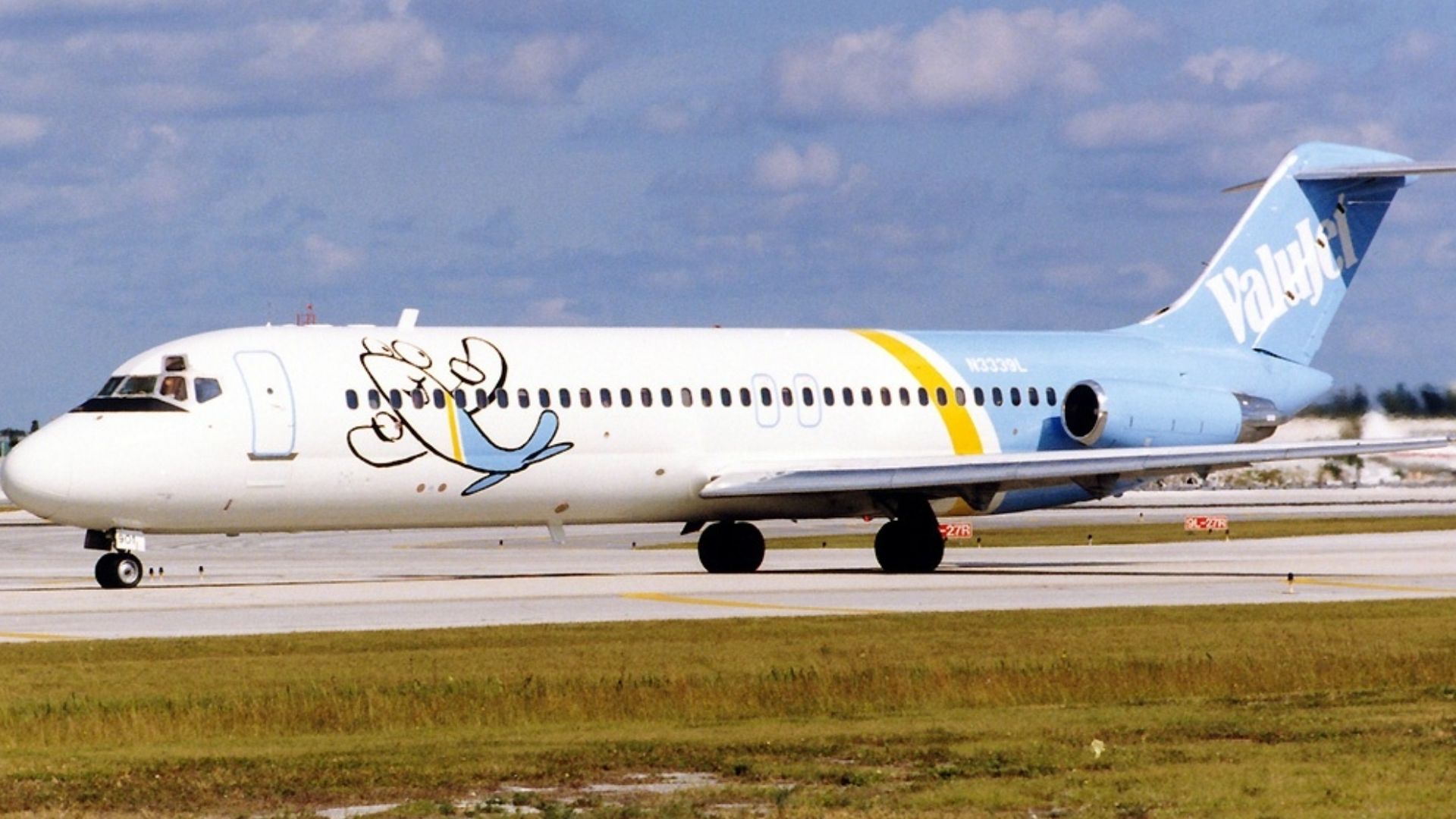
ValuJet
ValuJet became one of America's fastest-growing airlines by offering fares that seemed almost too good to be true. Then tragedy struck. In 1996, ValuJet Flight 592 crashed into the Florida Everglades after a cargo hold fire caused by improperly shipped chemical oxygen generators.
Although the airline survived, its reputation never truly recovered. After acquiring the smaller AirTran Airways in 1997, the company adopted the AirTran name, bringing the short-lived ValuJet brand to an end.
The Boarding Passes Became Souvenirs
There was a time when choosing an airline felt almost like choosing a favorite baseball team. Every carrier had its own personality, service, advertising, and loyal passengers who insisted theirs was the best.
Baby Boomers still remember when airports were filled with names like Pan Am, TWA, Eastern, Braniff, and dozens of others that once seemed destined to last forever. Today, they survive mostly in old boarding passes, vintage luggage tags, and memories.
 Aero Icarus from Zurich, Switzerland, Wikimedia Commons
You Might Also Like: