The Family Split Nobody Sees Coming
You book together, check in together, and then an airline says your family is being moved onto separate flights. It sounds extreme, but overbooking and last-minute rebooking can put families in exactly that spot. Airlines really will do it to you, but the big question is what legal protections do you have when it happens.
Why It Happens
Airlines regularly sell more tickets than there are seats because some travelers do not show up. In the United States, that practice is legal and is specifically covered by the U.S. Department of Transportation. When more passengers show up than expected, airlines usually ask for volunteers first and then may deny boarding involuntarily.
Overbooking Is Legal
The Department of Transportation says overbooking is legal and common. Federal rules are focused less on stopping it and more on what airlines must do when passengers get bumped. That includes compensation rules and written notices when denied boarding happens involuntarily.
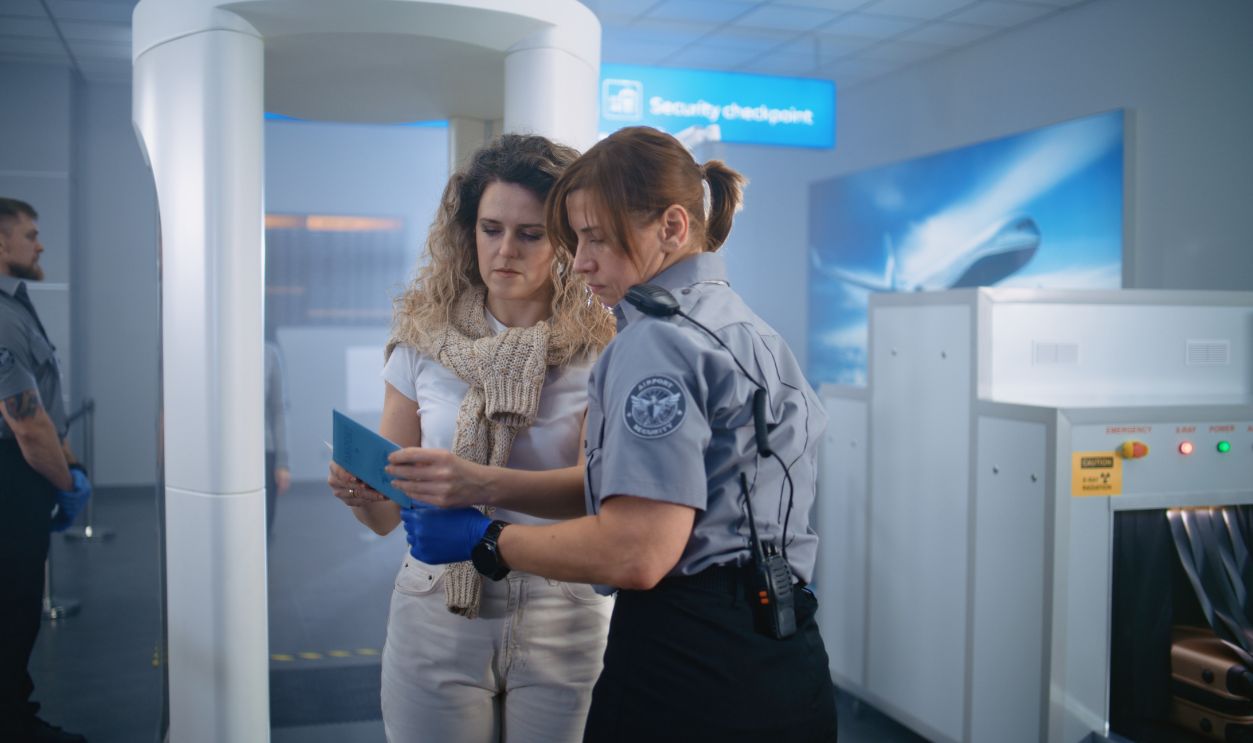 Frame Stock Footage, Shutterstock
Families Do Not Have A Broad Federal Guarantee
There is no sweeping U.S. law that says an airline can never split up a family during rebooking after an oversold flight. That is the hard part many travelers only learn when something goes wrong. The protections are uneven, and they often depend on the child’s age, the airline, and whether the problem involves seat assignments or a full flight disruption.
A Major Rule Change Landed In 2024
In July 2024, the Department of Transportation announced a final rule requiring airlines to seat children 13 and under next to an accompanying adult at no extra charge when adjacent seats are available at booking. The rule applies to U.S. airlines and foreign airlines flying to, from, or within the United States. It was a big step, but it is mainly about family seating fees and seat assignment practices, not a total ban on splitting up families after travel disruptions.
What The New Family Seating Rule Says
Under the 2024 DOT rule, airlines must seat a child 13 or younger next to an accompanying adult if adjacent seats are available in the same class of service. If those seats are not available, the airline must let the family switch to another flight with adjacent seats at no extra charge, if one is available. If that still cannot be done, the rule says the airline must offer a refund or free standby options.
It Still Does Not Prevent Every Split
The family seating rule helps a lot, but it does not mean every family stays on the exact same flight in every disruption. If a flight is oversold and no adjacent seats are left, the airline may look at other flights and other operational options. In a crunch, an airline might still suggest moving different family members onto different itineraries, especially if the adults agree or if older children are involved.
Age Matters A Lot
The strongest recent federal protection specifically covers children 13 and under. For teenagers older than 13, the law is much less clear. That means a family traveling with a 14-year-old may not get the same treatment as a family traveling with a 10-year-old.
Airlines Also Have To Follow Their Own Contracts
Beyond federal rules, every airline has a contract of carriage that explains how it handles delays, cancellations, denied boarding, and rebooking. Those contracts often give the airline a lot of room to make decisions during disruptions. They can also include promises about putting passengers on the next available flight or offering certain remedies.
 WestportWiki, Wikimedia Commons
Denied Boarding And Rebooking Are Different
If you are involuntarily denied boarding because a flight is oversold, compensation rules may apply under DOT regulations. If the airline instead puts you on another flight and you still arrive within a certain time window, what you are owed can change. The details depend on how late you arrive and whether the airline treats the situation as involuntary denied boarding under federal rules.

How Compensation Usually Works
According to the DOT, passengers bumped involuntarily from oversold flights may be entitled to cash compensation unless an exception applies. The amount usually depends on the one-way fare and how much later the passenger arrives because of the bump. Airlines also must provide a written statement explaining those rights.

There Are Important Exceptions
The DOT says compensation is not always required. For example, smaller aircraft with fewer than 30 seats can be treated differently, and passengers may lose eligibility if the airline arranges substitute transportation that arrives within a limited delay window. So a family could be split across flights and still hear the airline argue that compensation is limited or not owed for every traveler.

Family Seating Complaints Helped Force Action
The DOT said family seating complaints were among the most common consumer issues it received. In 2022, the department launched a family seating dashboard showing which airlines guaranteed family seating without extra fees. That public pressure helped pave the way for the stronger final rule announced in 2024.

The Dashboard Changed The Debate
The family seating dashboard did more than generate headlines. It gave travelers an easy way to compare airline promises before booking. It also showed how inconsistent airline policies were before the federal rule took shape.

What Airlines Promise On Paper
Many major airlines now say they try to seat young children next to an accompanying adult at no extra charge. But trying and guaranteeing are not the same thing, especially during overbooking or other disruptions. When a flight is full, those policy promises can slam into the reality of limited seats.
If Your Kids Are Young, Speak Up Quickly
If an airline tries to seat a child 13 or under away from an accompanying adult, point to the DOT family seating rule right away. Ask the gate agent to note whether adjacent seats were available and whether another no-fee rebooking option exists. The sooner you raise the issue, the better the chance the airline can fix it before the flight closes.
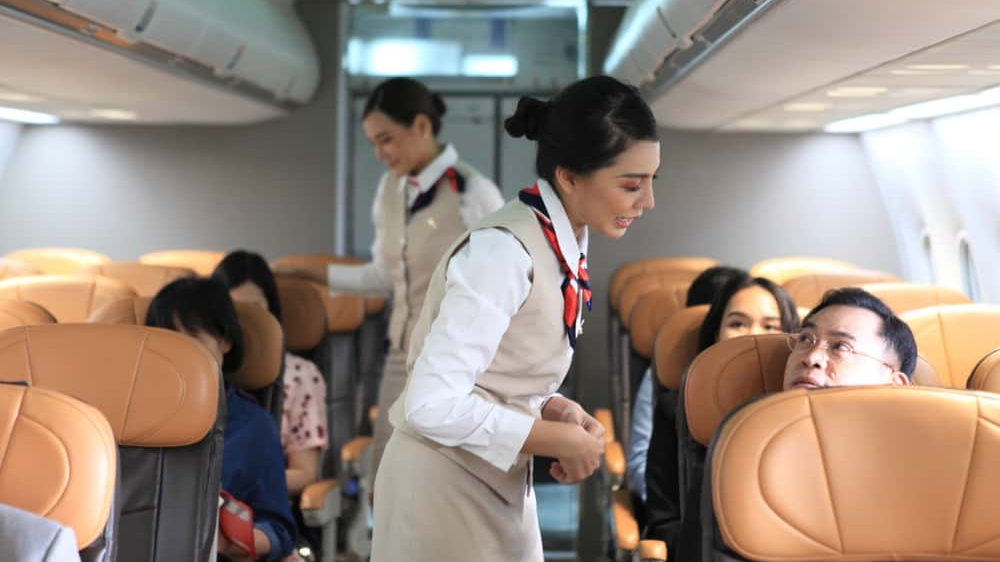
If The Airline Wants To Split Your Group
Ask one direct question: is the airline offering this voluntarily, or is it involuntarily denying boarding to part of the family? That distinction matters because denied boarding rules may trigger compensation and written notice requirements. It also pushes the airline to be clear about your rights instead of treating the split like a casual workaround.
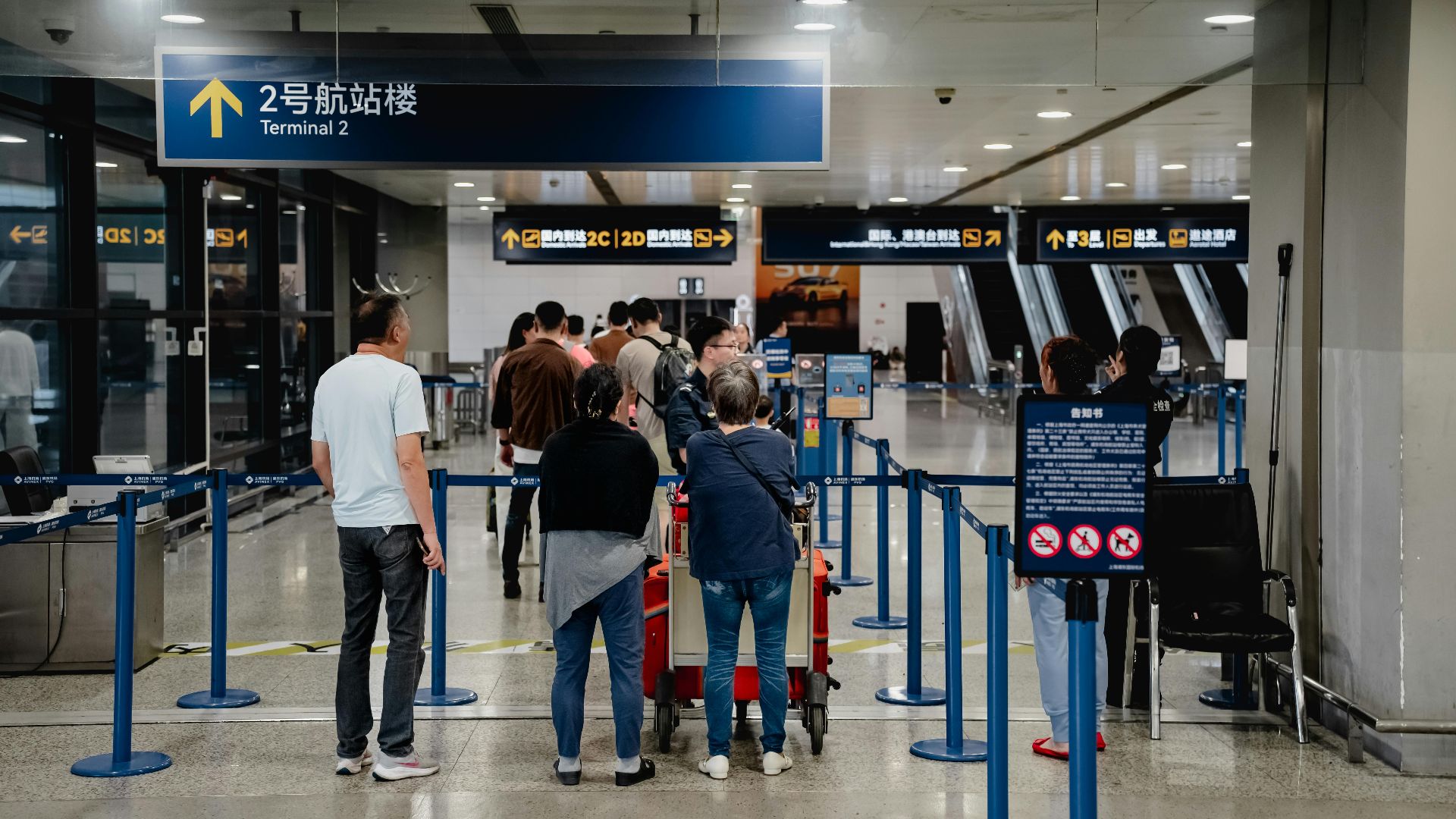
Do Not Volunteer Away Your Rights
In the stress of the gate area, families sometimes accept vouchers or rebooking offers without realizing what they are giving up. If you volunteer to take a later flight, the airline may not owe the involuntary denied boarding compensation federal law would otherwise require. Read anything they hand you before agreeing, and ask whether cash is available instead of a voucher.
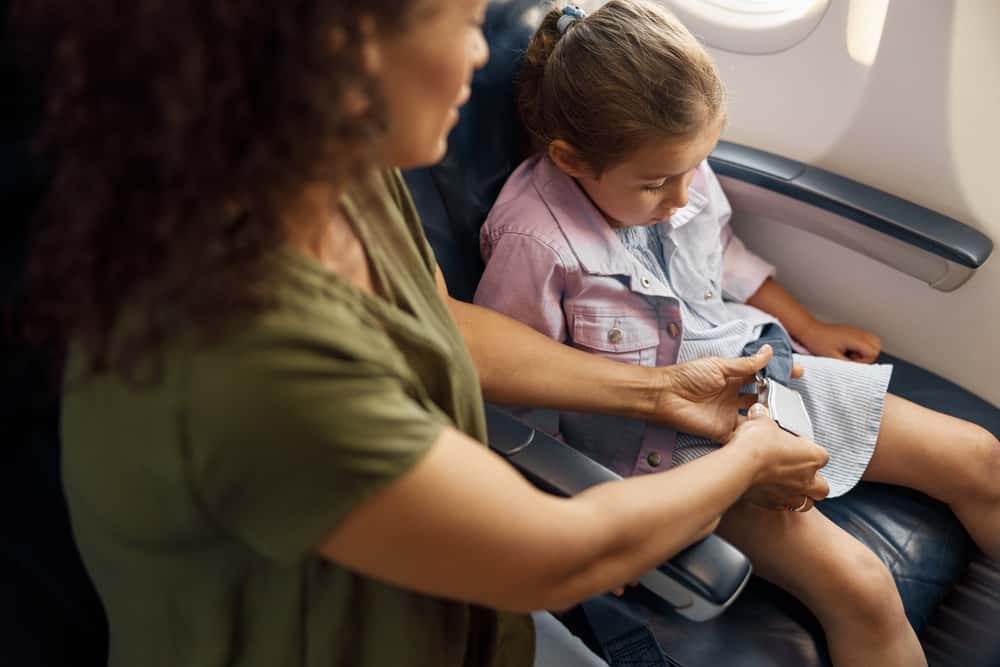
 Monkey Business Images, Shuttestock
Document Everything
Take screenshots of your original booking, boarding passes, seat assignments, and any app alerts showing the change. Write down the names of gate agents if you can and note the time you were told your family would be separated. If you later seek a refund, compensation, or file a complaint, those details can matter a lot.
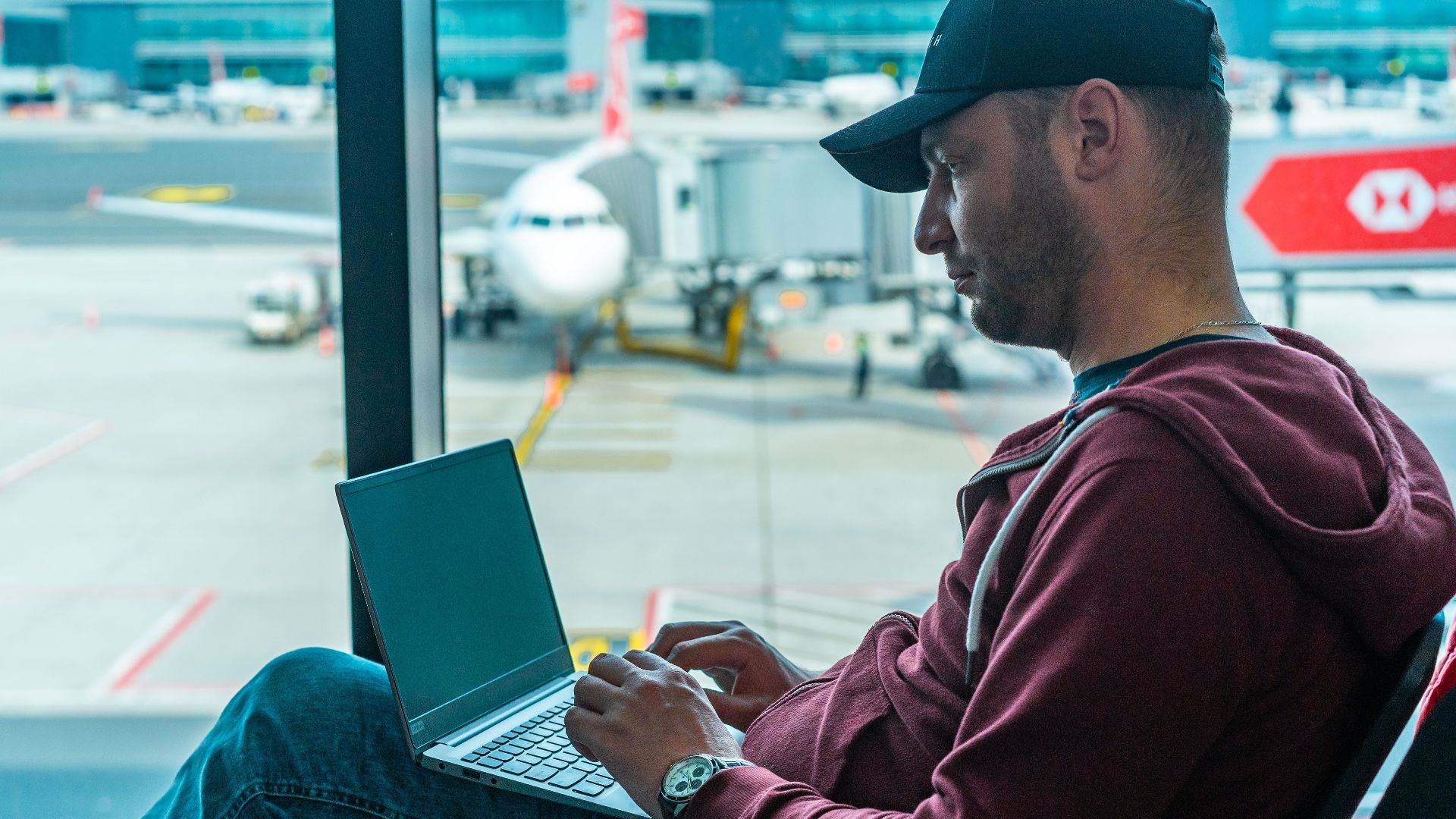
Ask For The Next Available Flight Together
If staying together matters more than arriving as early as possible, say that plainly. Under the DOT family seating rule, if adjacent seats are unavailable on the original flight, another flight with family seating may be the right fix when one is available. Keep the focus on a shared itinerary instead of letting the system split your reservation automatically.
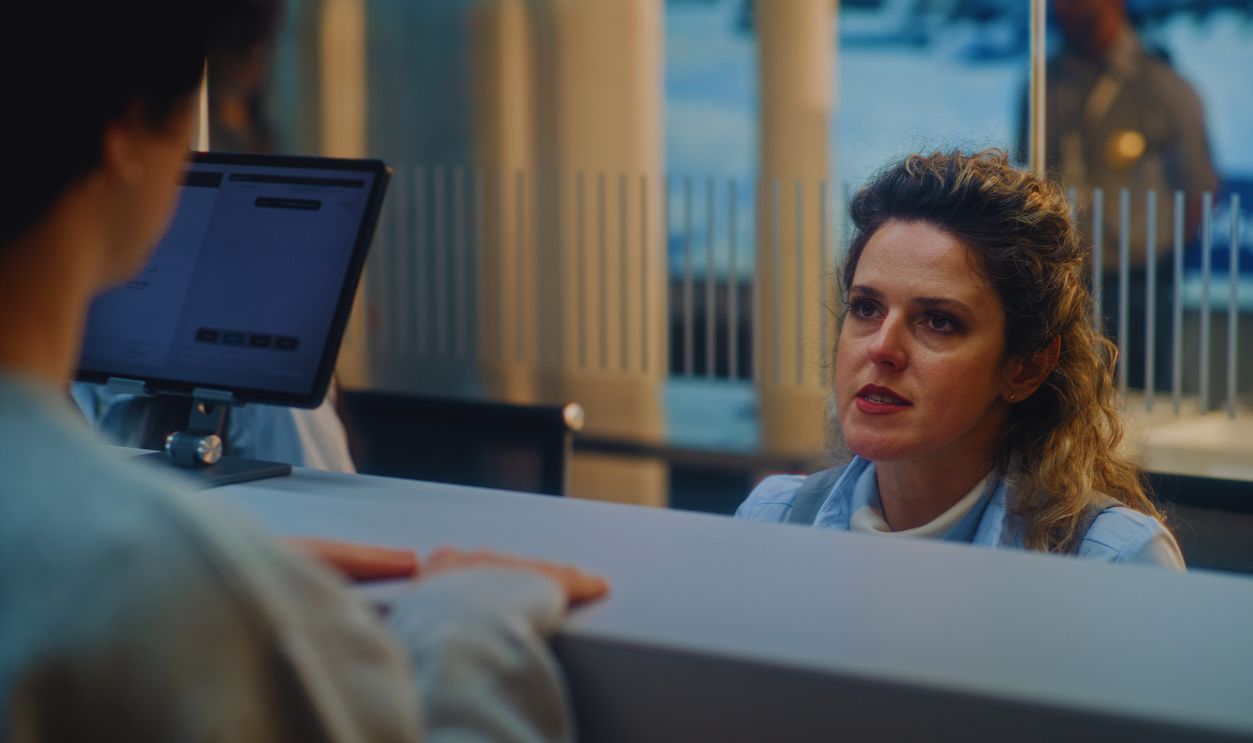 Frame Stock Footage, Shutterstock
Your Refund Rights May Be Stronger Than You Think
If the airline cannot provide the transportation you bought, you may have a right to a refund, especially if you turn down a significantly changed itinerary. The DOT has repeatedly said passengers are entitled to refunds when an airline cancels or significantly changes a flight and the passenger does not accept the alternative. That can give families leverage if the only option on the table is an unacceptable split.
 CBP Photography, Wikimedia Commons
Do Not Walk Away Without Paperwork
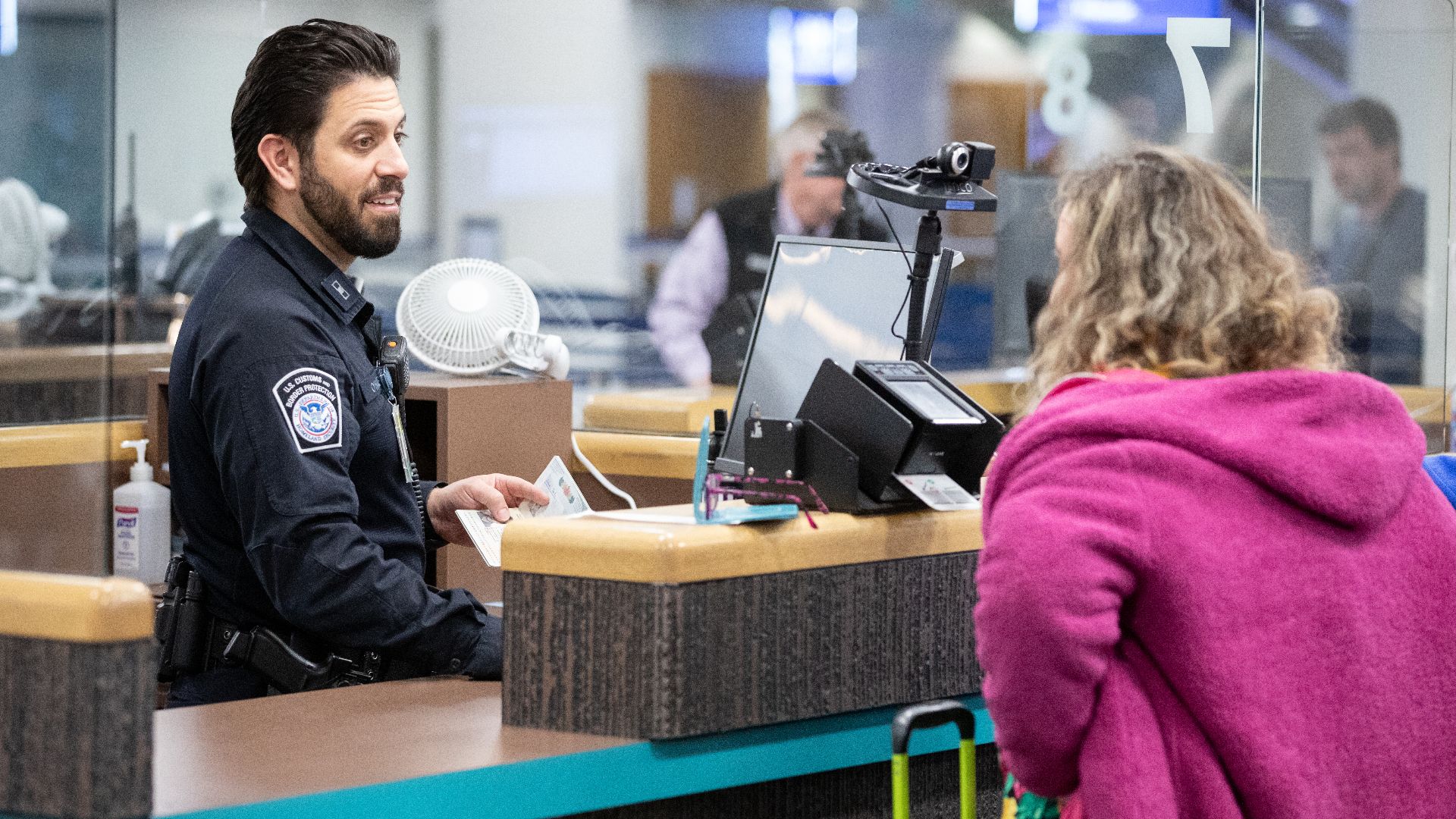
Before you leave the desk or gate, ask for written confirmation of what happened. If you were involuntarily bumped, request the written denied boarding notice required by federal rules. If you accepted a new itinerary, ask for a receipt or email showing the rebooking and any compensation the airline promised.

When To File A Complaint
If the airline split up your family in a way that seems inconsistent with DOT family seating rules or denied boarding rules, file a complaint with the Department of Transportation. The DOT sends complaints to airlines and uses them to track patterns and possible enforcement issues. You should also file a written complaint with the airline to create a record.
Europe Uses A Different Rulebook
If your trip involves the European Union or an EU carrier, passenger rights may look different under EU261 and related rules. Those rules are better known for compensation tied to delays and cancellations than for family seating, but they can still affect rebooking obligations. Always check which legal system applies to your specific trip.

The Practical Answer Families Need
Yes, an airline may be able to split up a family during overbooking chaos, but it is not open season. In the United States, younger children now have stronger protections because of the DOT’s 2024 family seating rule, and involuntary denied boarding rules may add compensation rights. Your best move is to know the age cutoff, demand a clear explanation, and push for a same-flight or same-itinerary solution before agreeing to anything.
The Bottom Line Before You Book
Choose airlines with strong family seating policies, avoid booking family members on separate reservations, and check in as early as possible. If overbooking trouble hits, do not assume the first option offered is the only one. A calm, informed traveler usually has a better shot at keeping the family together and getting whatever compensation the rules require.
 Frame Stock Footage, Shutterstock