
The Family Argument Almost Every Traveler Knows
If your father says budget airlines are fine because “all planes are the same,” he isn't totally wrong—but he's definitely not right, either. Commercial jets have to meet strict safety rules, whether the ticket is cheap or expensive. But flying today is about much more than the aircraft itself, and that is where the gap between budget and full-service airlines becomes very real.

The Plane Itself Is Usually Not the Problem
In the United States, airlines operate under Federal Aviation Administration oversight, and in Europe carriers must meet European Union Aviation Safety Agency rules. A low-cost airline cannot just ignore maintenance or pilot standards. On basic safety regulation, your father is leaning on a real point, but it does not tell the whole story.

Air Safety Has Improved Dramatically Over Time
The International Air Transport Association said in its 2023 safety report, released in 2024, that there were no hull losses or fatal accidents involving jet aircraft among its member airlines in 2023. That is a strong reminder of how safe commercial flying has become. It also helps explain why arguments about budget airlines are usually less about crashes and more about everything around the flight.

Low-Cost Carriers Changed Travel Forever
The budget-airline boom did not happen by chance. Southwest Airlines helped pioneer the low-cost model in the United States after its 1971 launch, while Ryanair and easyJet pushed that model hard across Europe in the 1990s. The formula was simple: lower fares, faster turnarounds, more fees, and fewer extras.
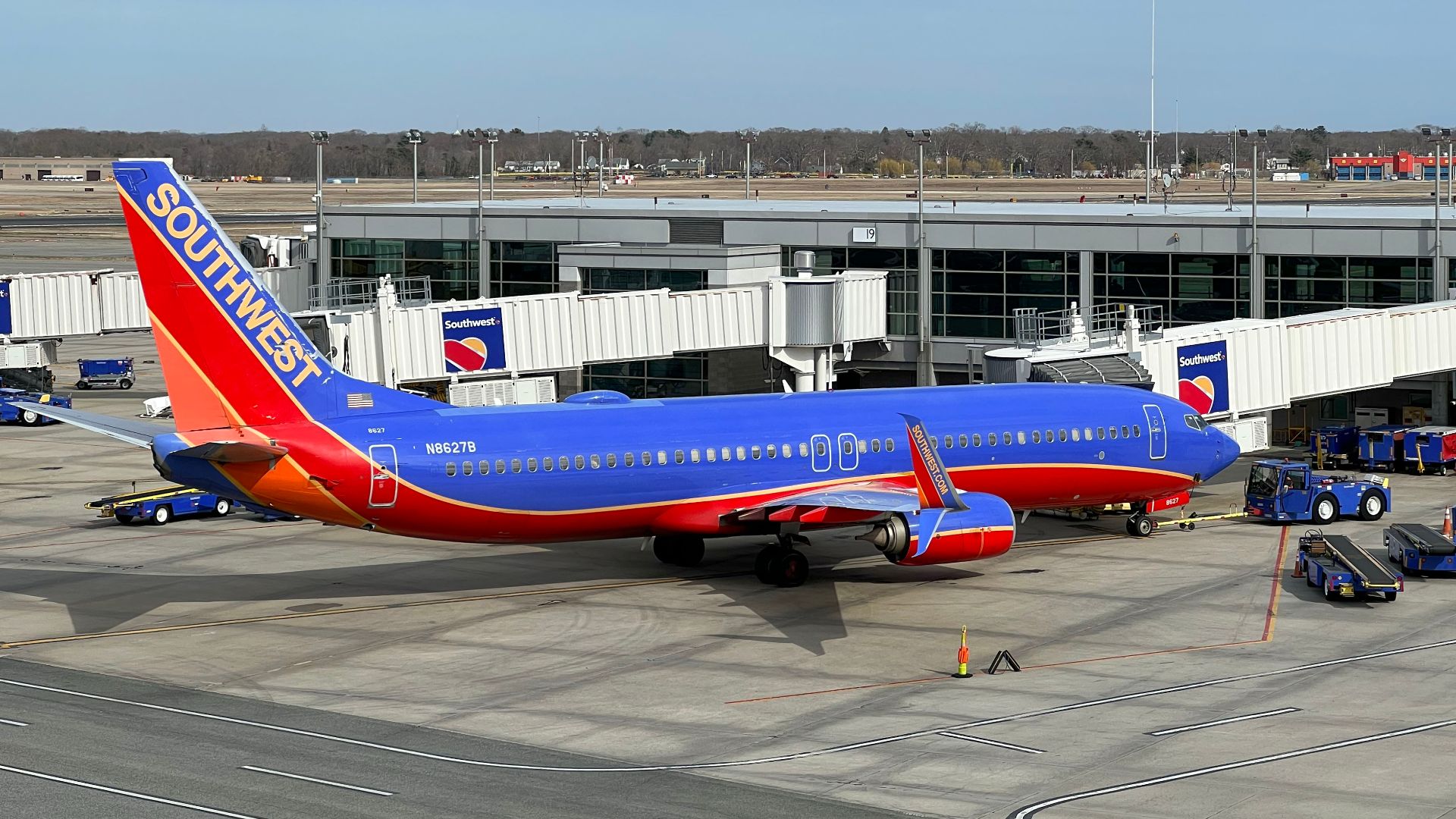 Quintin Soloviev, Wikimedia Commons
What “All Planes Are the Same” Gets Wrong
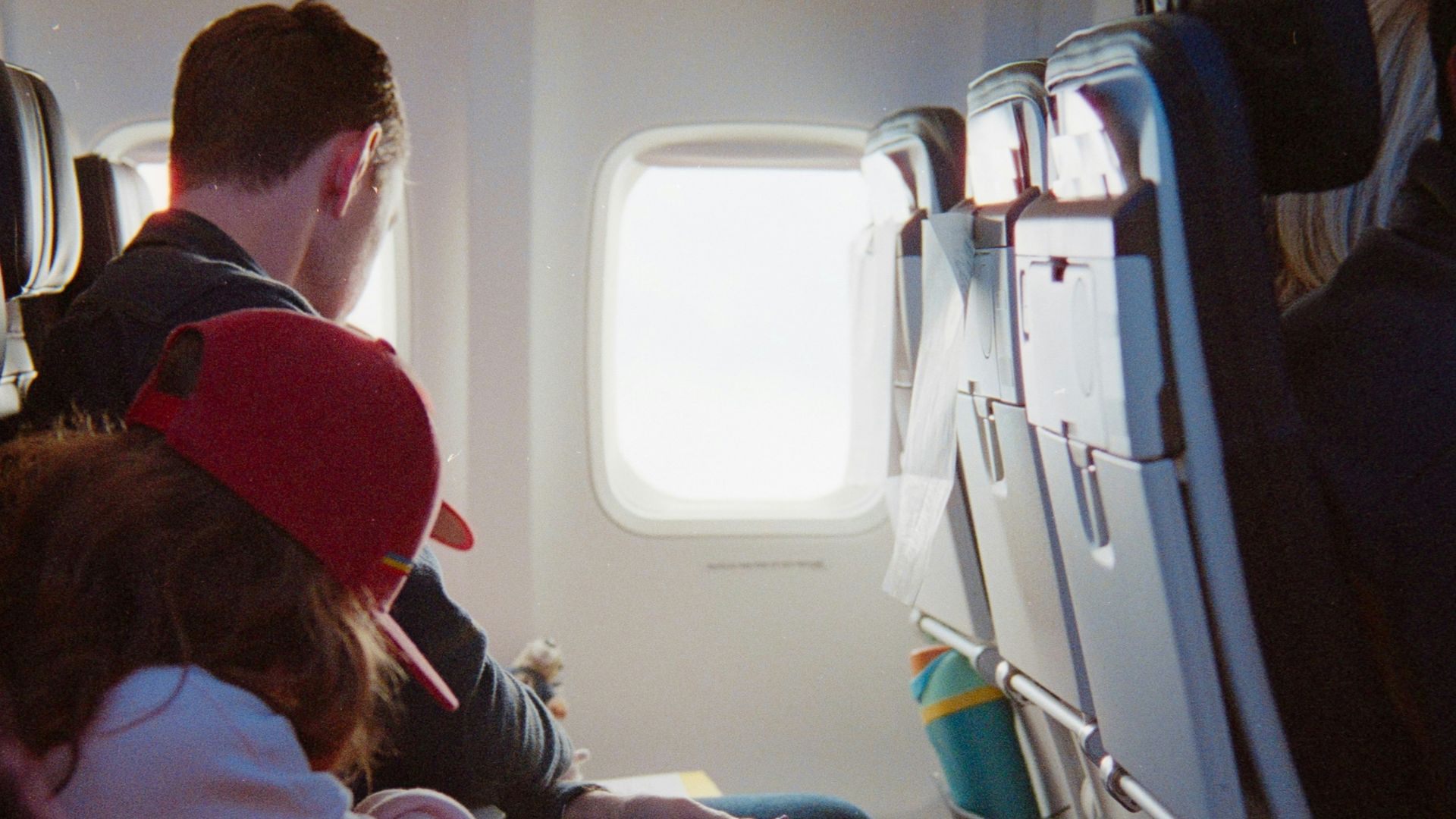
Two travelers can sit on the same aircraft type and have totally different trips. One airline may include a cabin bag, seat selection, and flexible rebooking, while another charges for almost everything. The aircraft may be similar, but the ticket and the support behind it can be very different.
Fees Are Where Cheap Fares Get Expensive
Budget carriers often grab attention with the first number you see on the screen. Then come baggage charges, seat fees, priority boarding, and change penalties. The U.S. Department of Transportation’s dashboard on airline fees exists for a reason, because those add-ons can seriously change the real cost of a trip.
Baggage Rules Can Make or Break the Deal
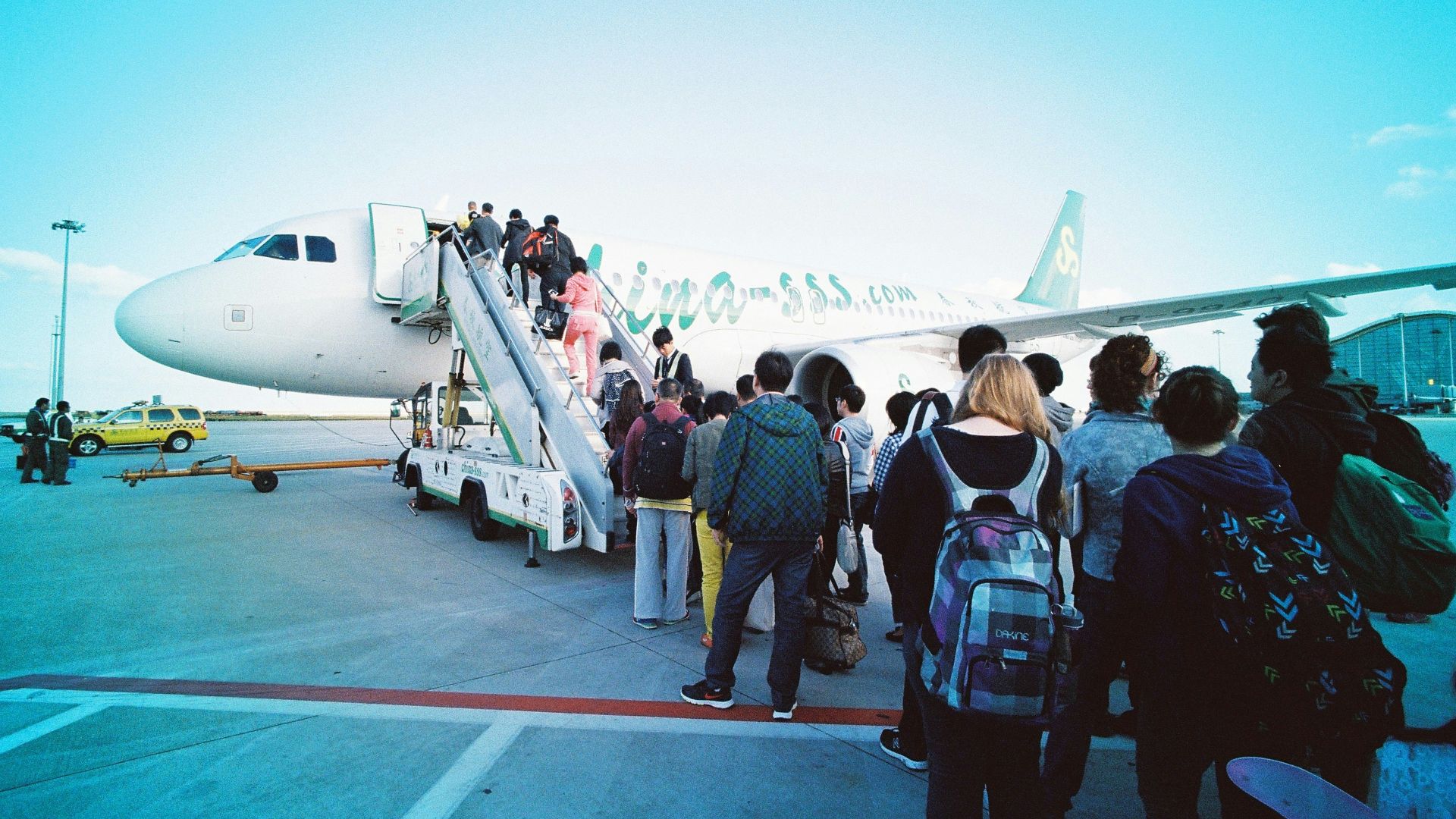
A small backpack can be free on one fare and count as a paid carry-on on another. Ryanair, easyJet, Spirit, and Frontier have all built parts of their business around tightly enforced baggage rules. If you do not check the size and weight limits before you leave home, the airport can turn into an expensive lesson.

Seat Size Is Not Your Imagination
The Federal Aviation Administration says airlines have reduced seat dimensions over time, and seating density has increased. That matters on any airline, but low-cost carriers often pack in more seats to keep costs down. So no, your knees are not being dramatic, and your father may be comparing today’s flights with a version of air travel that no longer exists.
Delays Feel Worse When There Is Less Cushion
Many low-cost airlines run lean schedules with quick aircraft turnarounds. That keeps fares low when the day goes smoothly. But when weather, air traffic congestion, or a technical issue hits, there may be less room in the system to recover, which can make disruptions harder to handle.
The Pandemic Changed the Experience of Flying
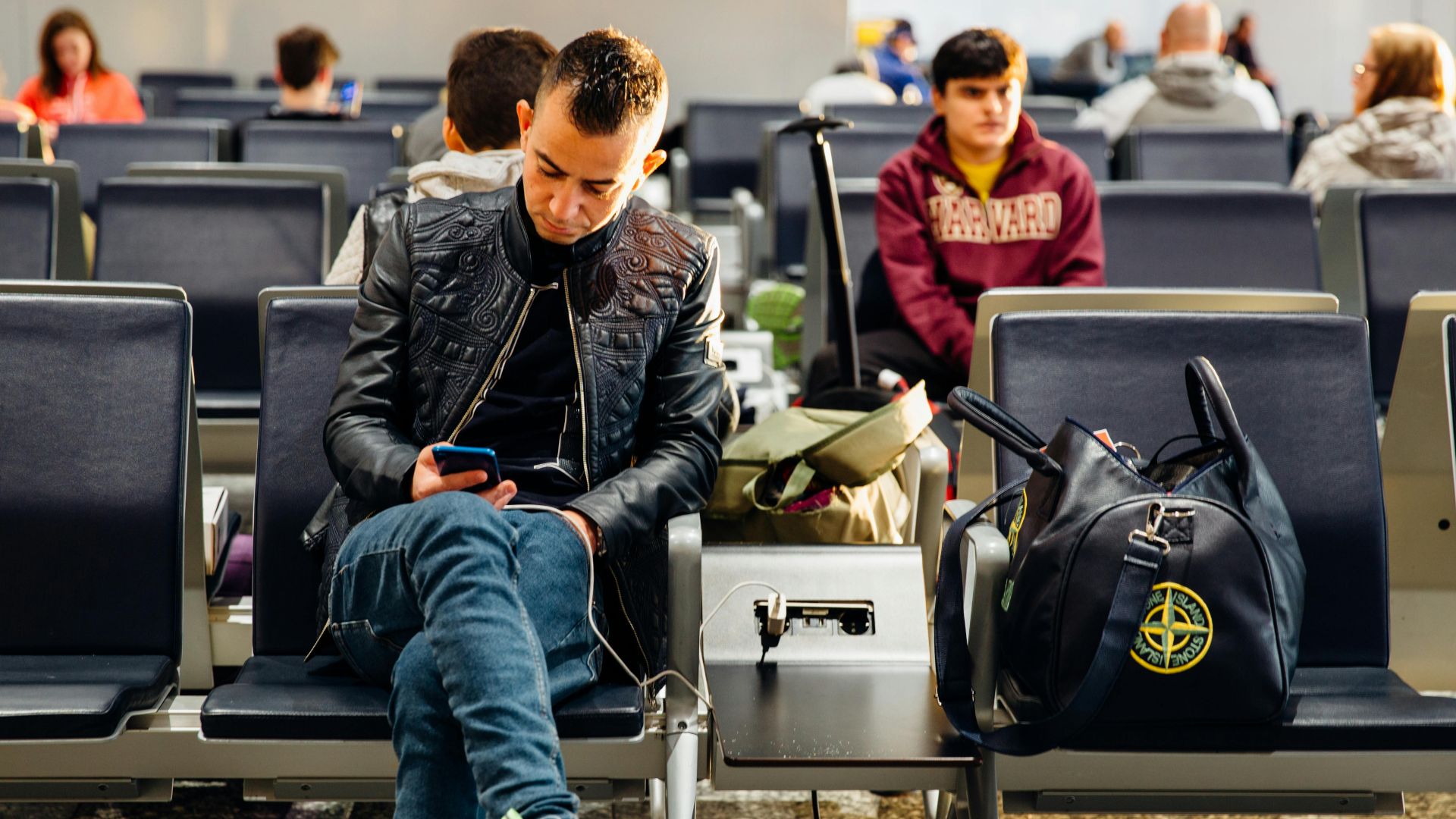
Air travel is still dealing with aftershocks from the pandemic. Airlines cut staff, retired aircraft, and rebuilt networks unevenly after 2020. Since demand came back faster than some systems recovered, travelers have seen crowded airports, strained operations, and less room for error.
Pilot Shortages Became a Real Industry Issue
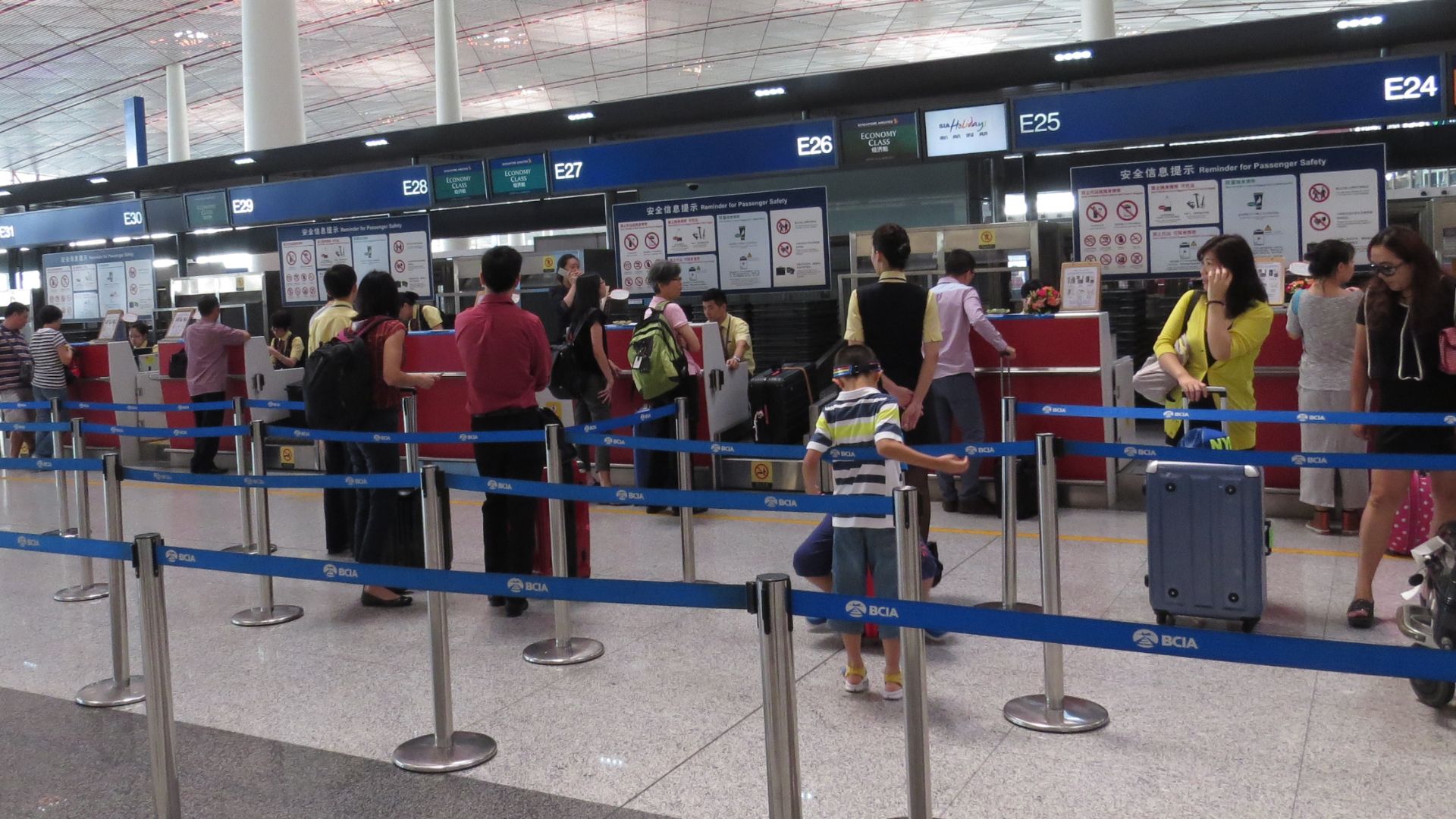
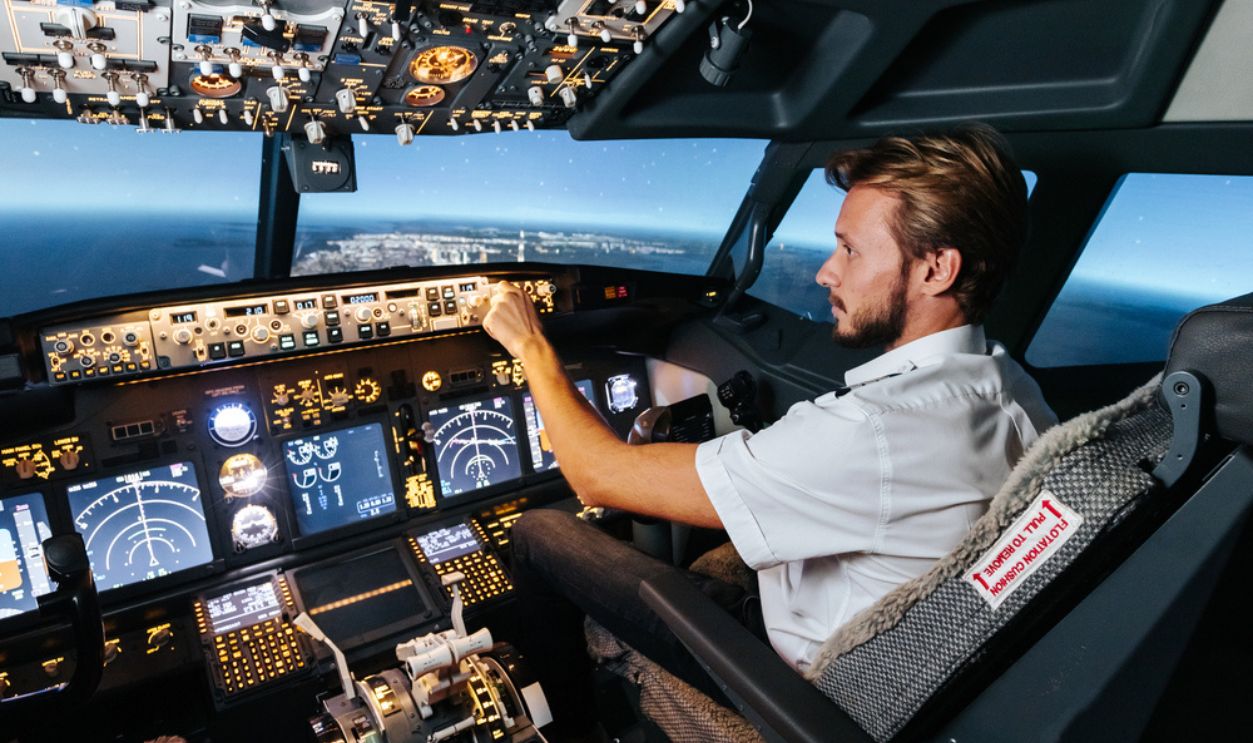
The U.S. Government Accountability Office reported in 2024 that regional airlines, flight schools, and repair stations have faced workforce challenges, including shortages of pilots and mechanics. That does not mean low-cost airlines are unsafe. It does mean the wider system is under pressure, which can affect schedules, service, and reliability.
 Maksim Denisenko, Shutterstock
Mechanic and Staffing Pressures Matter Too
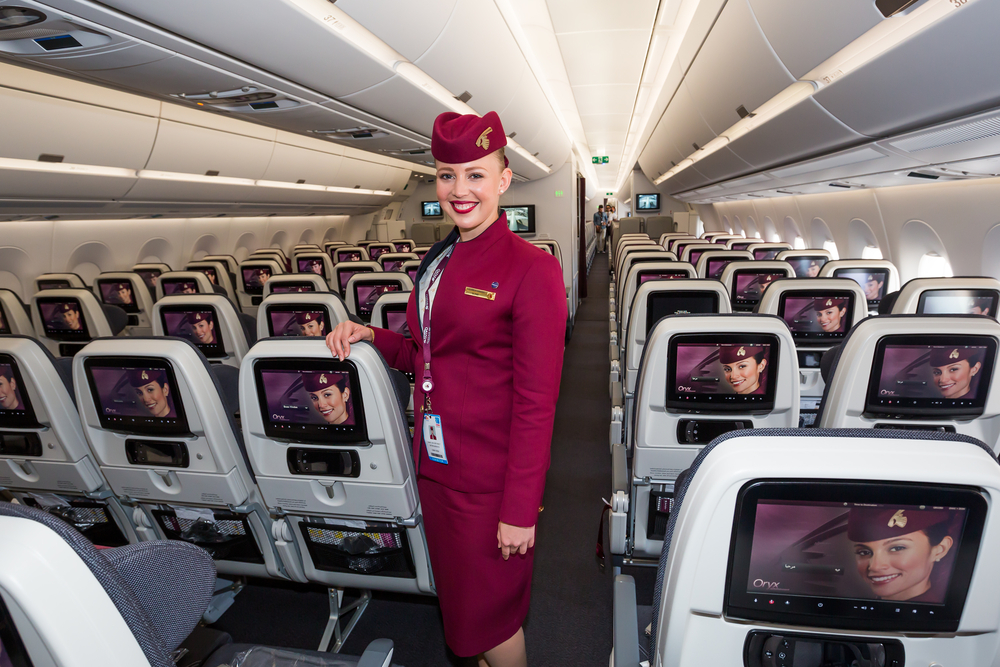
Modern travel depends on more than pilots. Mechanics, cabin crew, dispatchers, and airport workers all shape whether a trip runs smoothly. When staffing is tight, even a small problem can snowball into delays, missed connections, and fewer options for stranded passengers.
Connections Are Riskier on Bare-Bones Tickets
This is where your father’s logic can really start to fall apart. A cheap fare on a separate ticket can become a mess if the first flight is late and the second airline does not owe you protection. Traditional network carriers often offer through-ticketing and rebooking options that can be worth real money when something goes wrong.

Airports Are Part of the Budget Equation
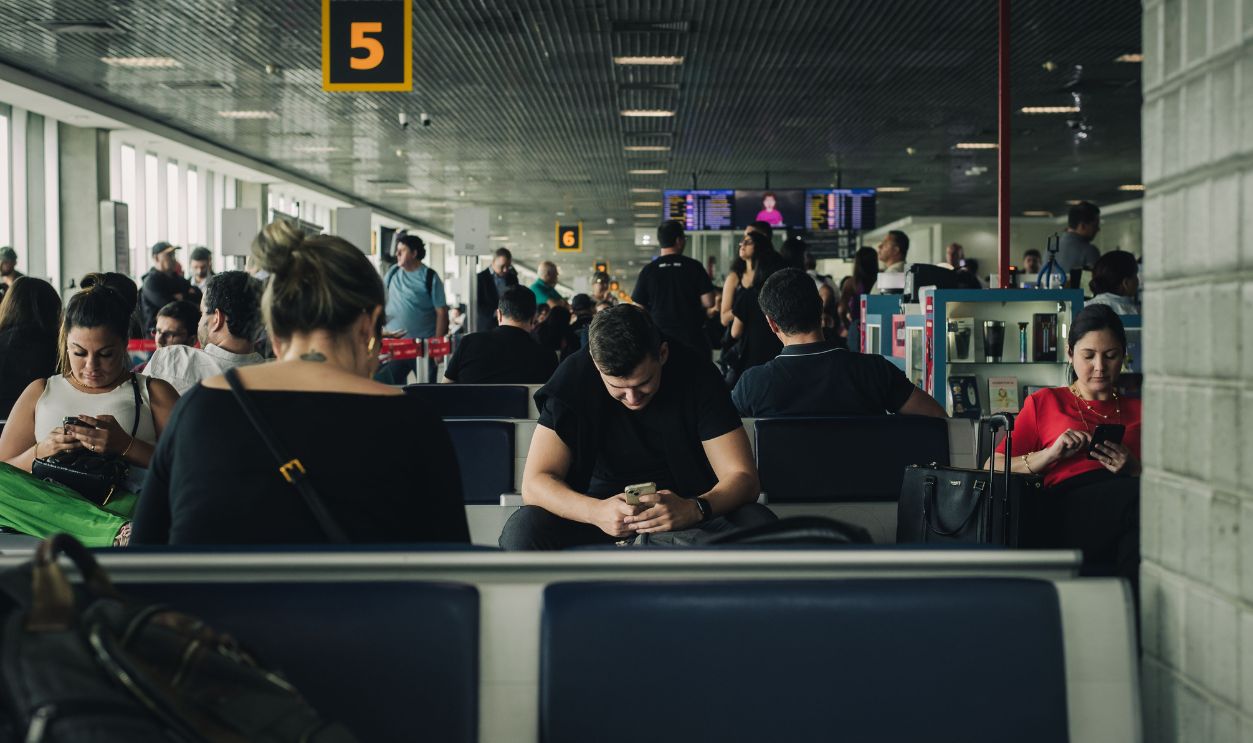
Low-cost airlines often use secondary airports or less convenient terminals to cut costs. That can be a smart trade if the airport is close to your destination and ground transport is cheap. But if you end up paying extra for a long bus ride, an early taxi, or an overnight stay, the cheap flight may not look so smart anymore.
Europe’s Delay Rules Changed the Conversation
European Union air passenger rights, commonly known through EU261 rules, give travelers compensation and care rights in many disruption cases. Those protections apply based on the route and airline circumstances, not on whether the carrier is low-cost or full-service. In practice, though, getting help quickly can still feel very different from one airline to another.

The United States Has Different Consumer Protections
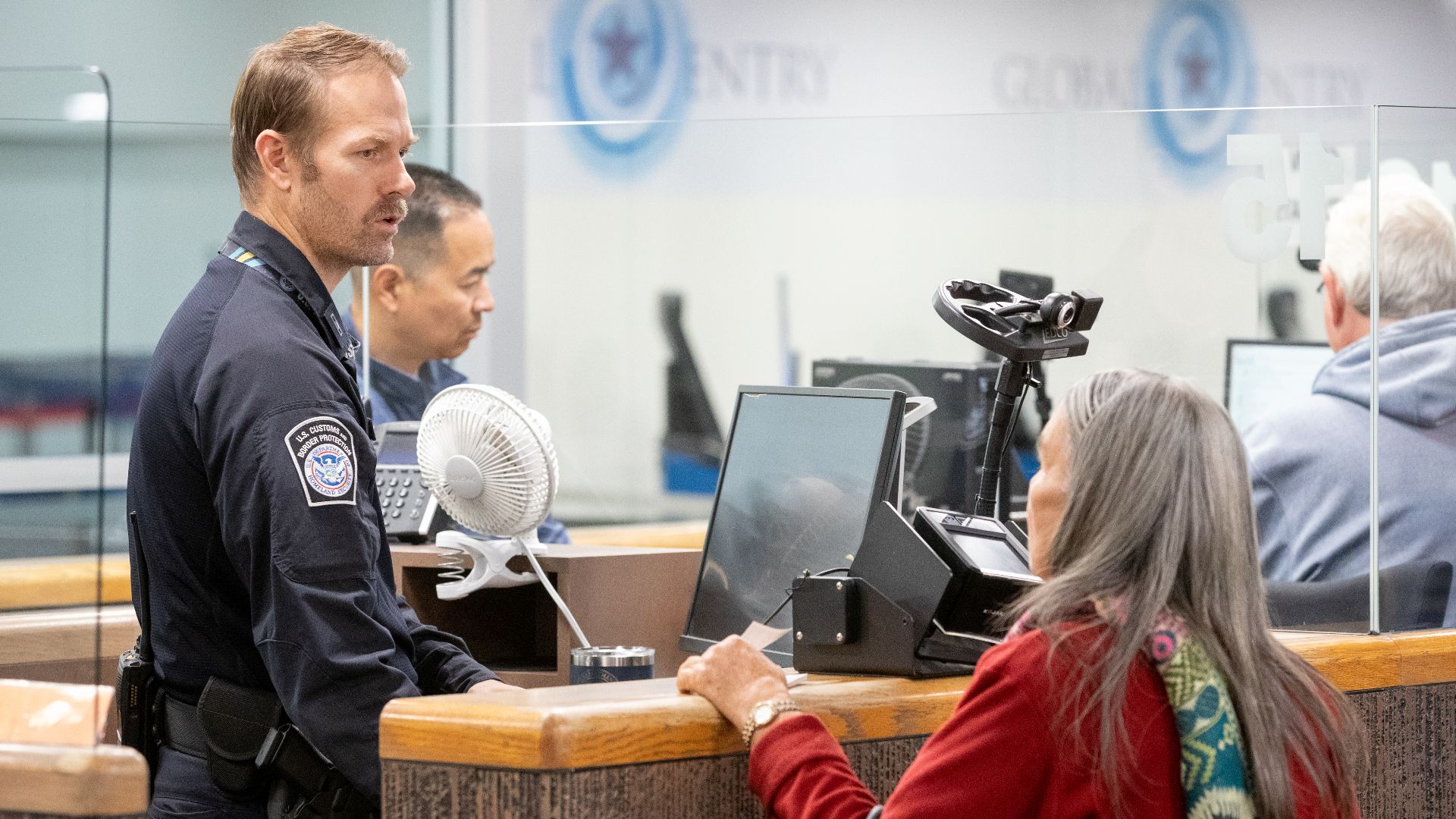
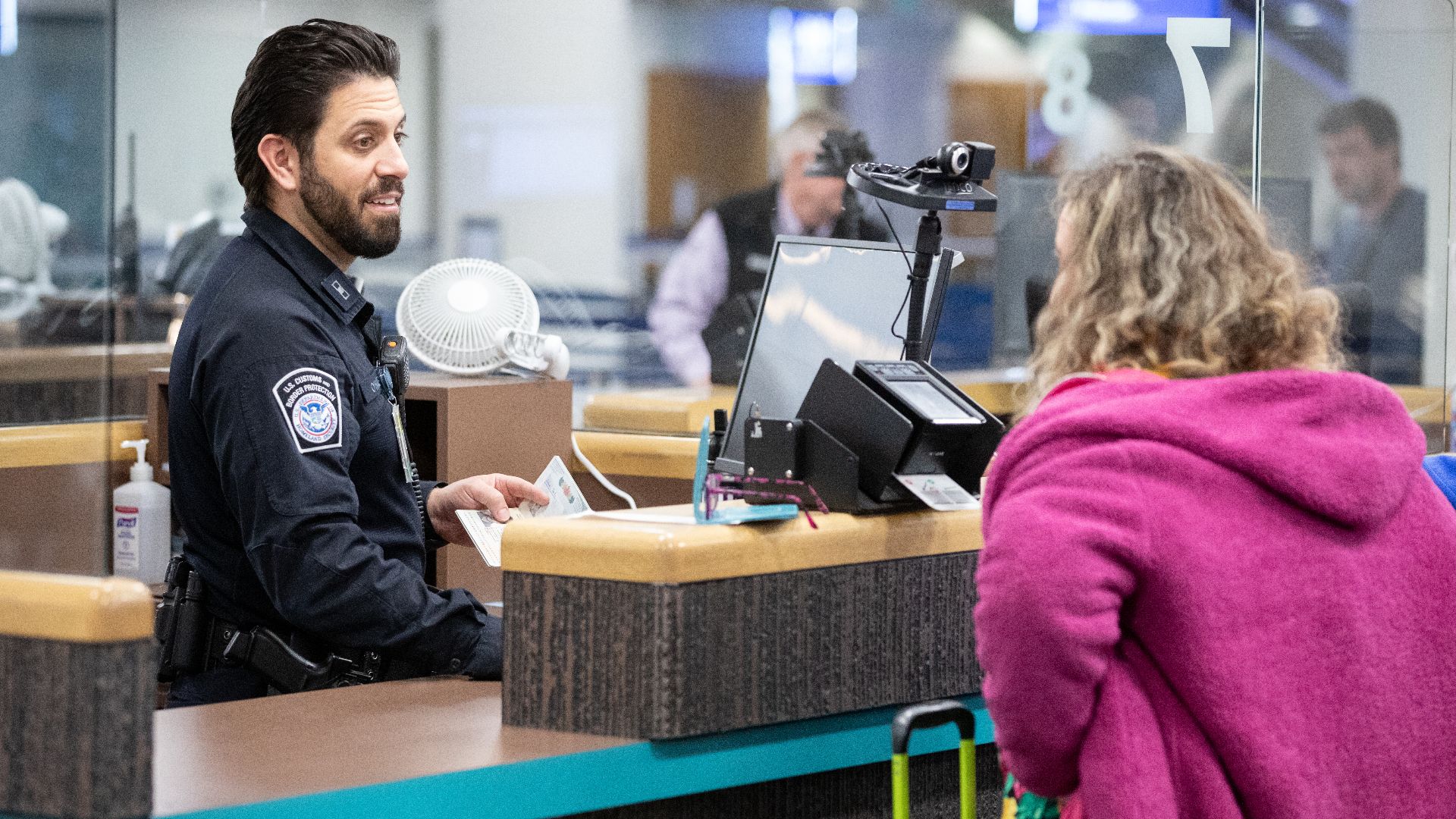
In the U.S., the Department of Transportation requires refunds in certain situations and has expanded public tools that explain airline obligations during disruptions. But there is no blanket U.S. compensation system that matches the European model for delays. That means travelers often need to rely more on fare rules, travel insurance, and credit card protections.
 CBP Photography, Wikimedia Commons
Customer Service Is Part of the Product
Your father may be comparing aircraft while ignoring support. During travel disruptions, the real value of an airline often shows up in rebooking speed, hotel help, call-center access, and how many later flights it can offer. A cheap fare can feel great when everything works and very lonely when it does not.

Not All Budget Airlines Are the Same Either
It is also unfair to lump every low-cost carrier together. Some have stronger reliability, bigger networks, or clearer baggage policies than others. Smart travelers compare the specific airline, route, airport, and fare class instead of assuming every budget brand offers the same deal.
 CBP Photography, Wikimedia Commons
Fleet Type Does Affect Comfort
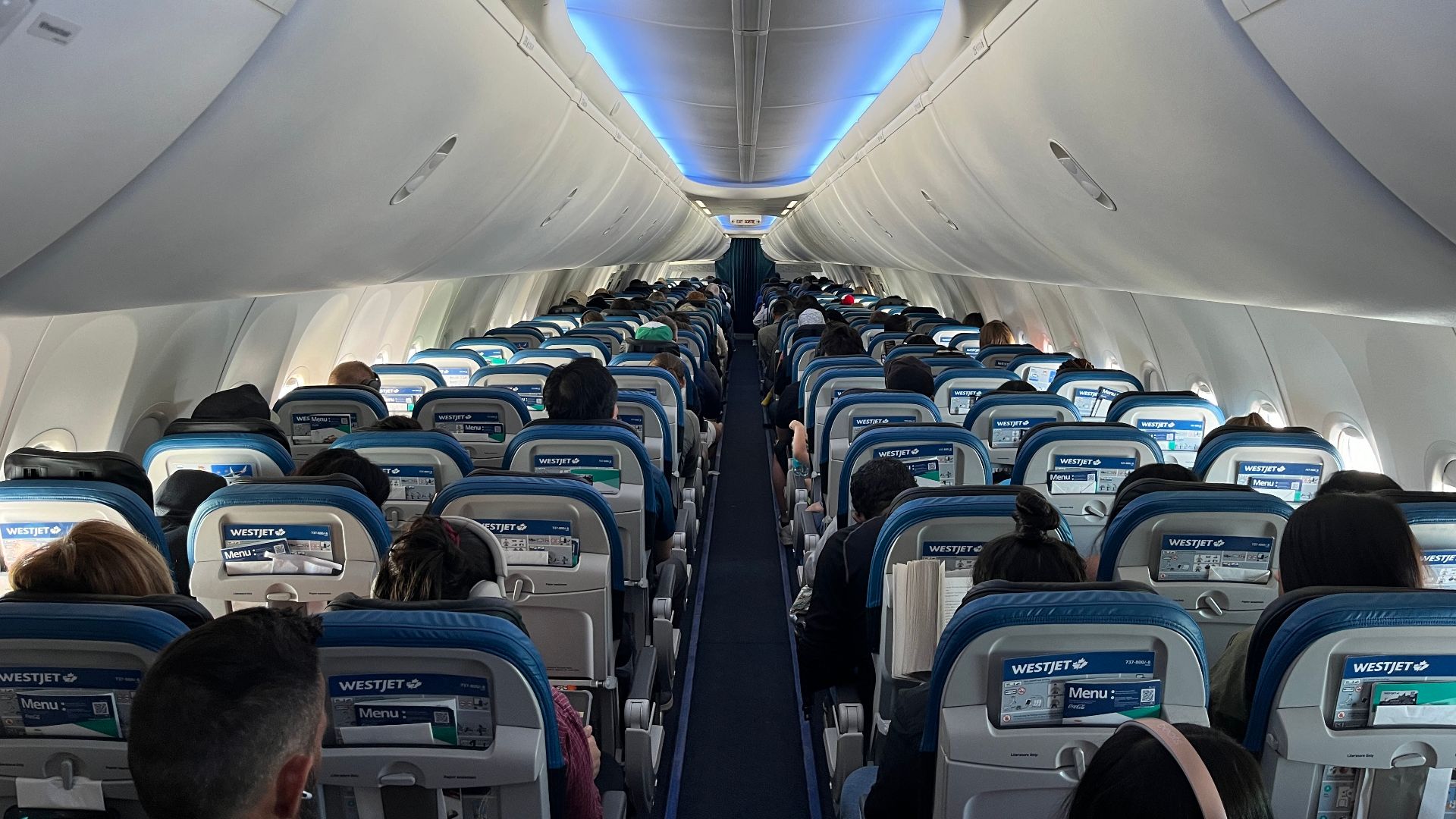
Even if airlines use similar aircraft families like the Boeing 737 or Airbus A320, cabin layouts vary. Seat pitch, recline, lavatory placement, and onboard extras can differ by airline and even by subfleet. So “the same plane” can still mean very different legroom, noise levels, and storage space.
 Troutfarm27, Wikimedia Commons
Ultra-Low Fares Depend on Unbundling
The business model is straightforward. Airlines strip the product down to the basics, then let travelers pay only for what they need. That can work brilliantly for a short city break with one small bag, but it is less appealing for families, nervous travelers, or anyone who wants flexibility.

Families Often Pay More Than They Expect
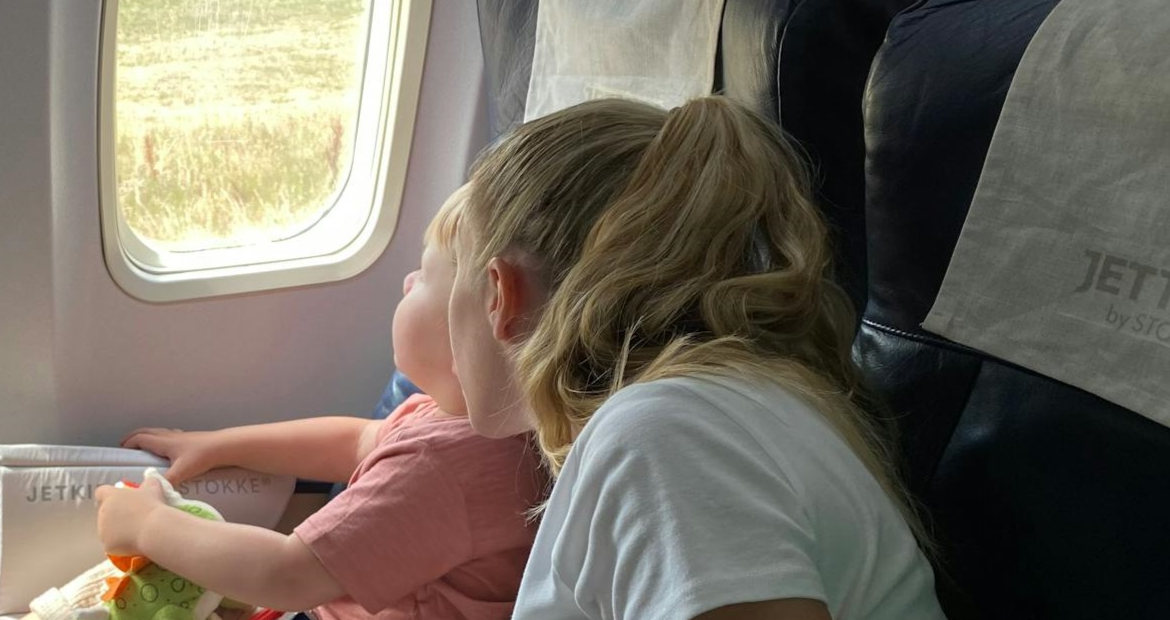
A solo traveler can sometimes beat the system beautifully on a budget airline. A family traveling with checked bags, seat assignments, snacks, and a stroller has a much harder time doing that. Once you price the whole trip instead of the headline fare, a traditional airline can start to look surprisingly competitive.
Business Travelers Value Flexibility for a Reason
There is a reason many frequent travelers care less about the cheapest fare than casual travelers do. Same-day changes, alliance benefits, lounge access, and easier rebooking can save time and stress. In modern travel, predictability is part of the value.
 M Stocker, www.shutterstock.com
Environmental Claims Need a Careful Look
Some low-cost airlines argue that newer fleets and high seat density can improve fuel efficiency per passenger. There is truth to that in many cases, especially with newer narrowbody aircraft. But sustainability is not simple, because total emissions also depend on distance flown, load factors, and how often very cheap fares encourage extra trips.
Safety Rankings Should Be Read Carefully
Every year, headlines appear naming the “safest” or “most dangerous” airlines. Travelers should be careful with those lists because methods vary and sensational wording can confuse people. Official regulators and industry safety reporting are more reliable than viral rankings built for clicks.

So Is Dad Ignoring Modern Travel
Yes, if he means the whole experience is identical as long as the plane gets off the ground. He is not wrong that commercial aviation is highly regulated and broadly very safe. He is wrong if he ignores fees, disruption handling, airport choice, baggage limits, and the cost of things going wrong.

The Best Way to Settle the Debate
Compare the total trip cost, not just the base fare. Check baggage rules, airport location, schedule padding, rebooking options, and whether the ticket is separate or protected on one itinerary. The smartest flyer is not the one who automatically avoids budget airlines or swears by them, but the one who reads the fine print before handing over a credit card.