Rural America Defies Easy Expectations
European visitors who know the United States through New York, Los Angeles, or television may find rural America especially surprising. Daily life often revolves around long drives, spacious properties, small communities, and traditions that vary considerably by region. Europe is hardly one culture, but these differences commonly stand out to visitors from across the Atlantic.
 Kues, Shutterstock; Jbreach, Shutterstock
The Distances Feel Almost Unreal
A short-looking route on a map can require several hours behind the wheel. Stores, attractions, and neighboring towns may be separated by distances that would cross multiple borders in parts of Europe. Visitors quickly learn to check travel times instead of judging a journey by the number of stops along the way.
A Car Is Often Essential
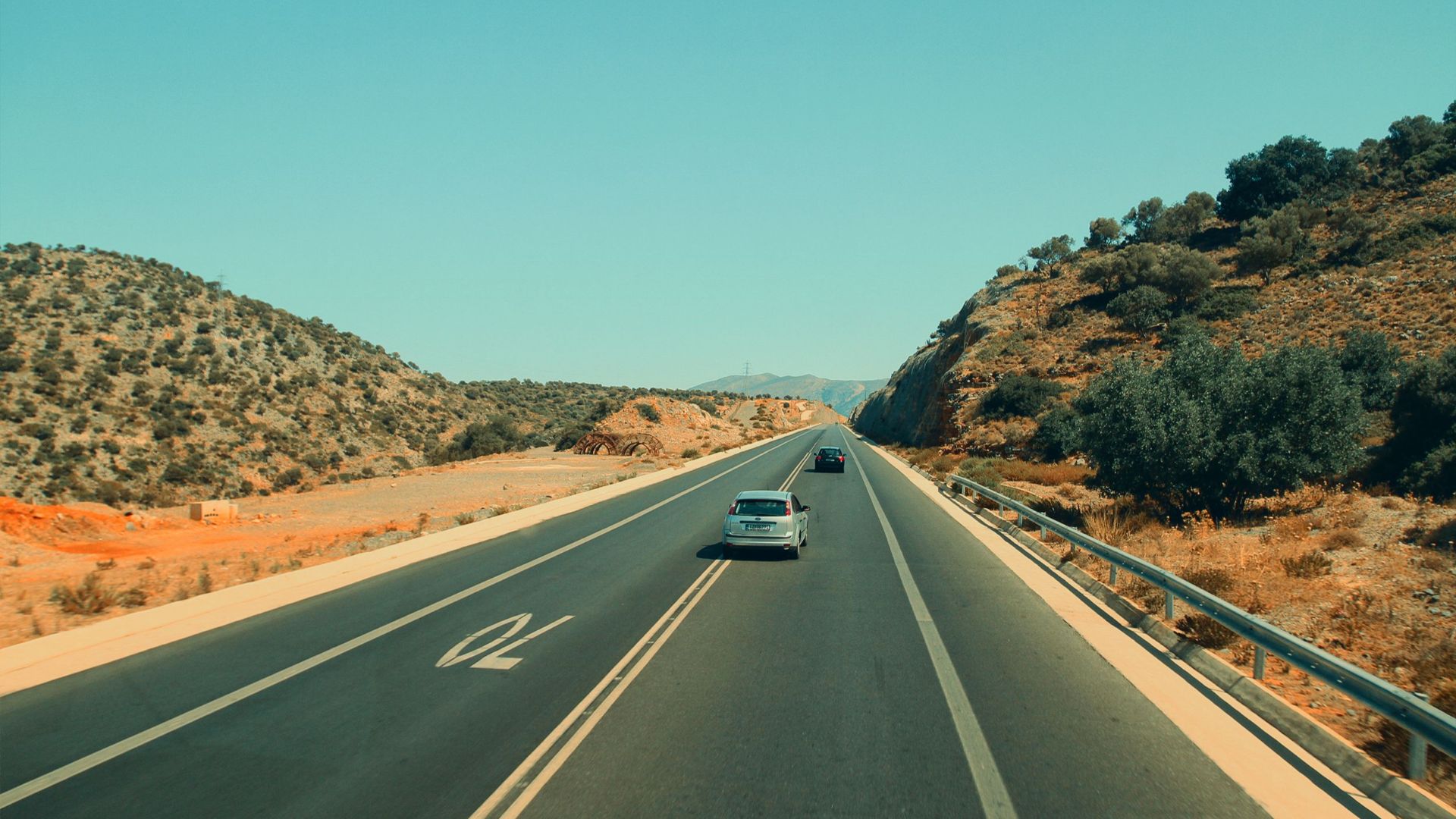
Many rural communities have little or no conventional public transportation. Walking between destinations may also be impractical because businesses are widely dispersed and some roads lack sidewalks. Renting a car is often necessary rather than simply convenient.
The Roads Can Feel Enormous
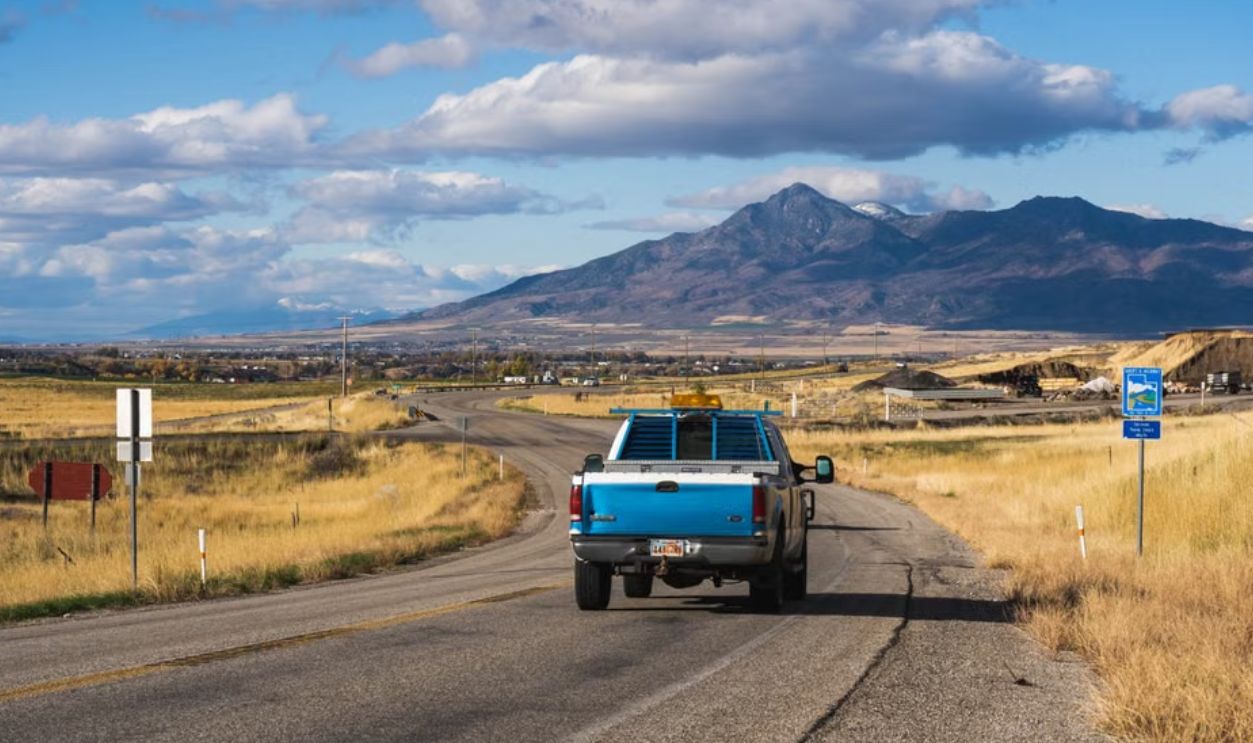
Rural America contains everything from narrow mountain routes to broad highways cutting across open plains. Long straight sections can extend toward the horizon with few buildings or junctions in sight. Even experienced European drivers may underestimate how tiring these seemingly simple roads can become.
Pickup Trucks Are Everywhere
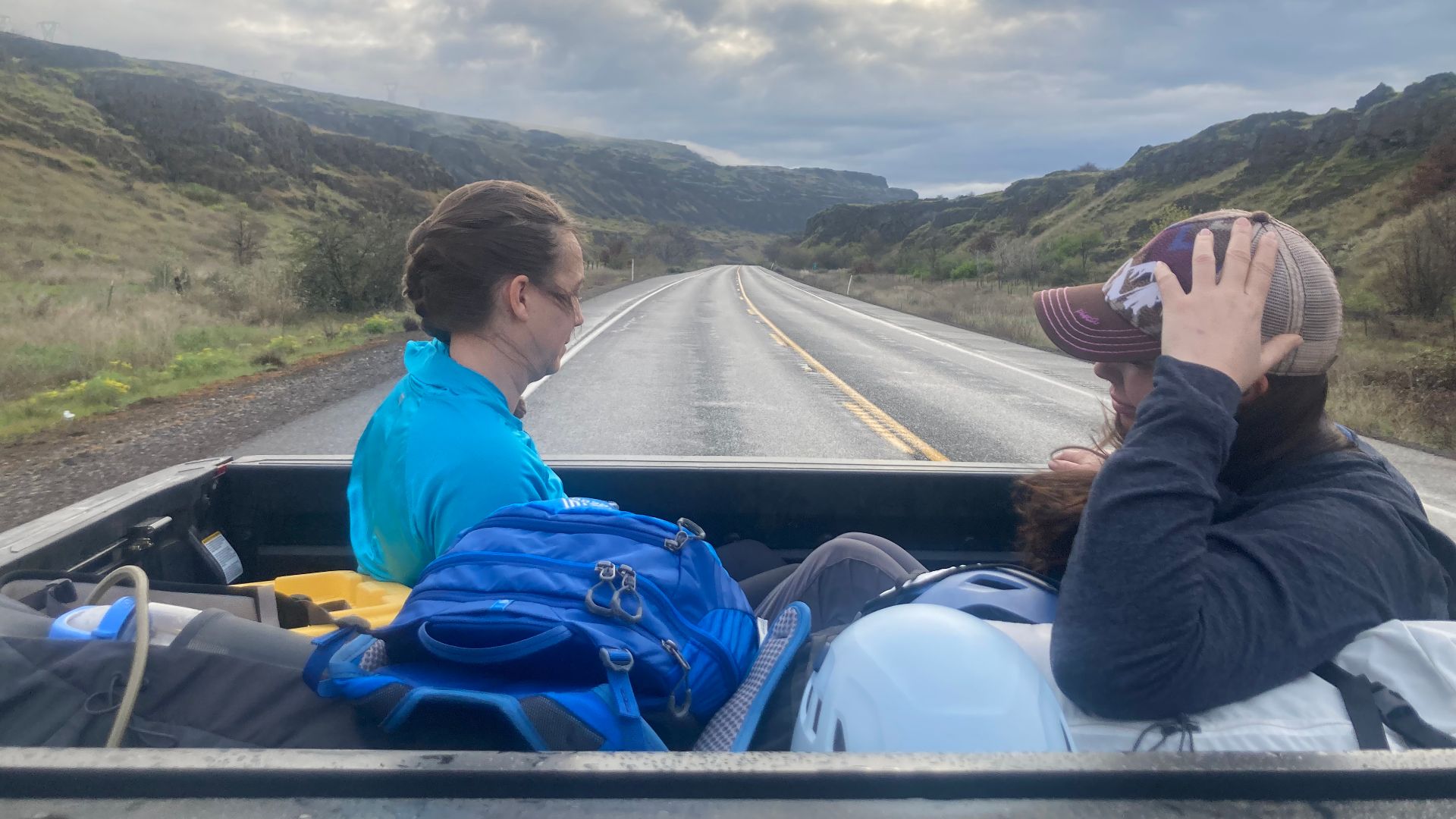
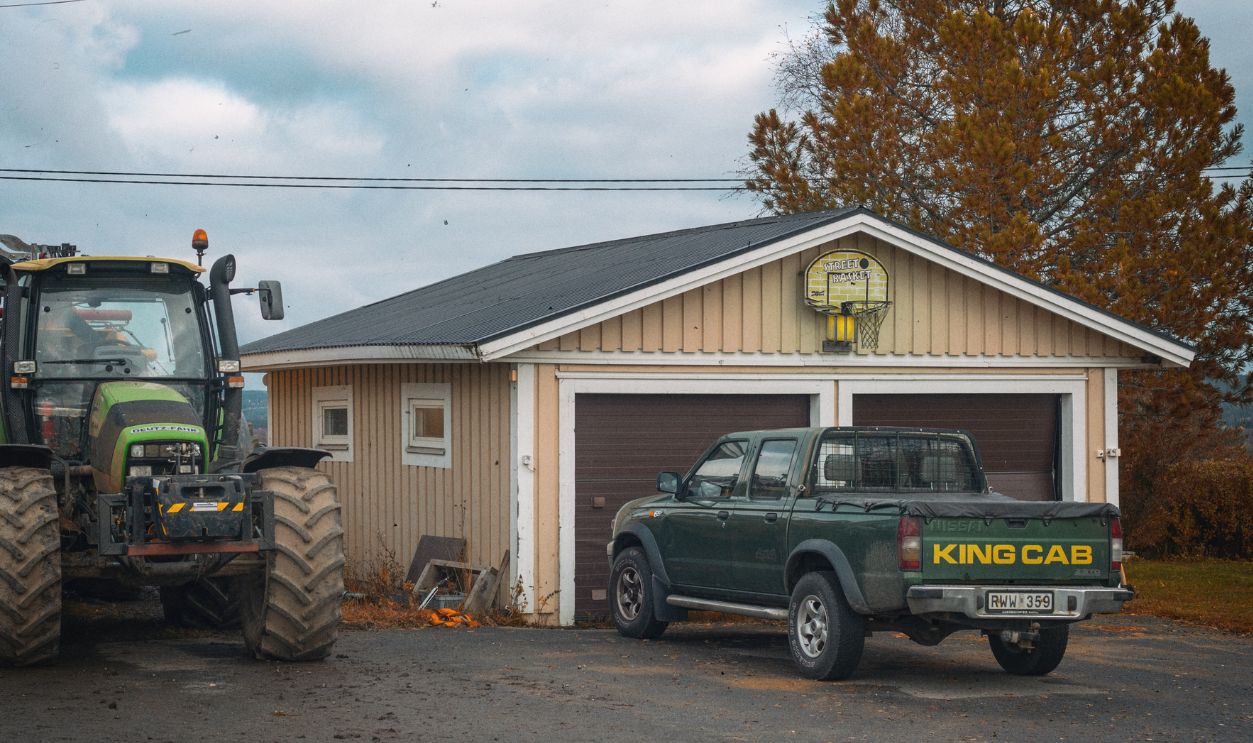
Pickup trucks are everyday working vehicles in farming, construction, forestry, and other rural industries. They are also popular personal vehicles, so visitors may see them outside restaurants, schools, churches, and grocery stores. Their size can be striking to Europeans accustomed to smaller cars and tighter streets.
Gas Stations Double As Community Hubs
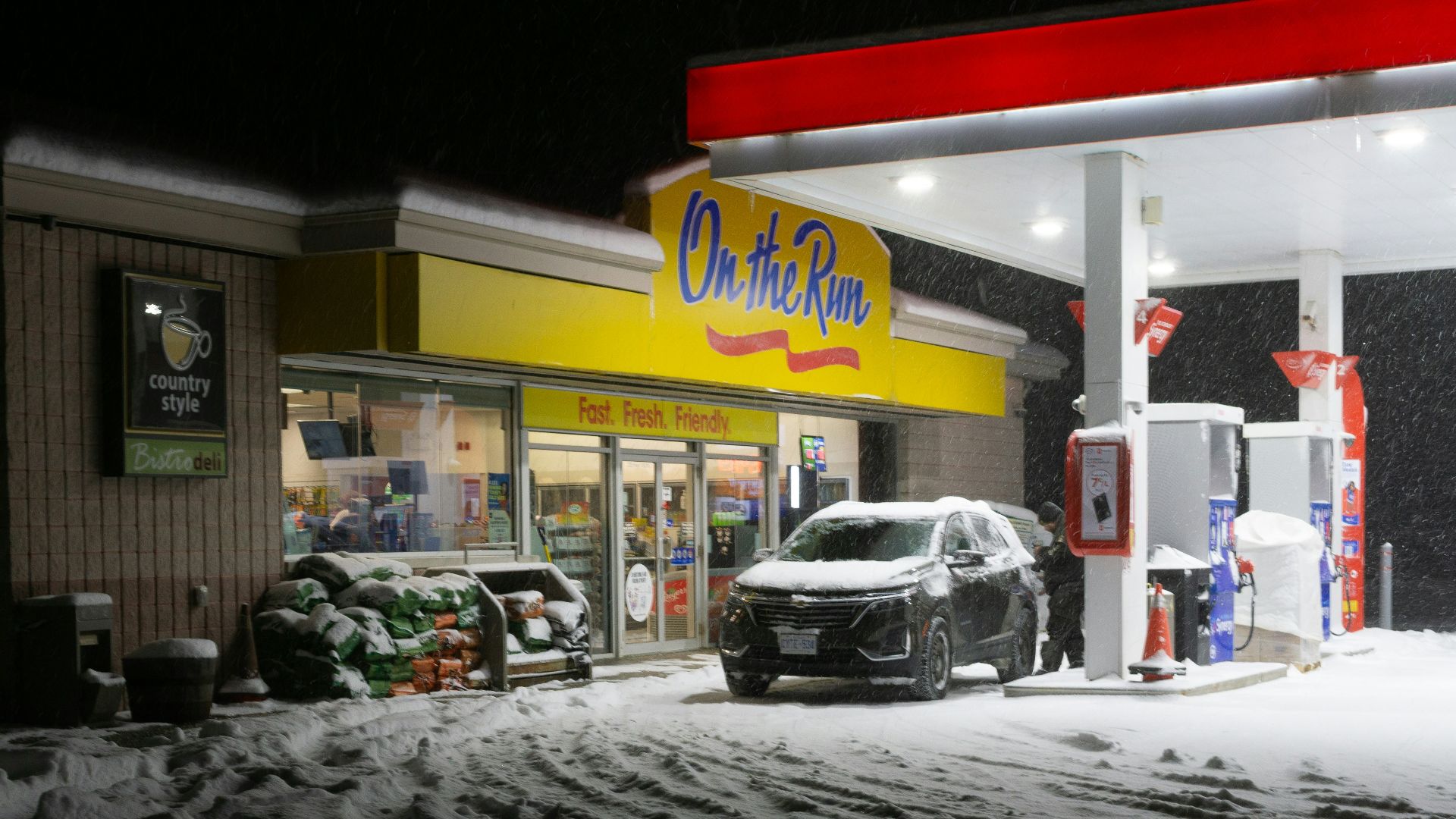
In isolated areas, a gas station may also contain a convenience store, deli counter, café, bait shop, or small grocery section. Locals stop for fuel, coffee, meals, and conversations about community news. Travelers should refill early because the next station may be much farther away than expected.
Towns May Close Earlier Than Expected
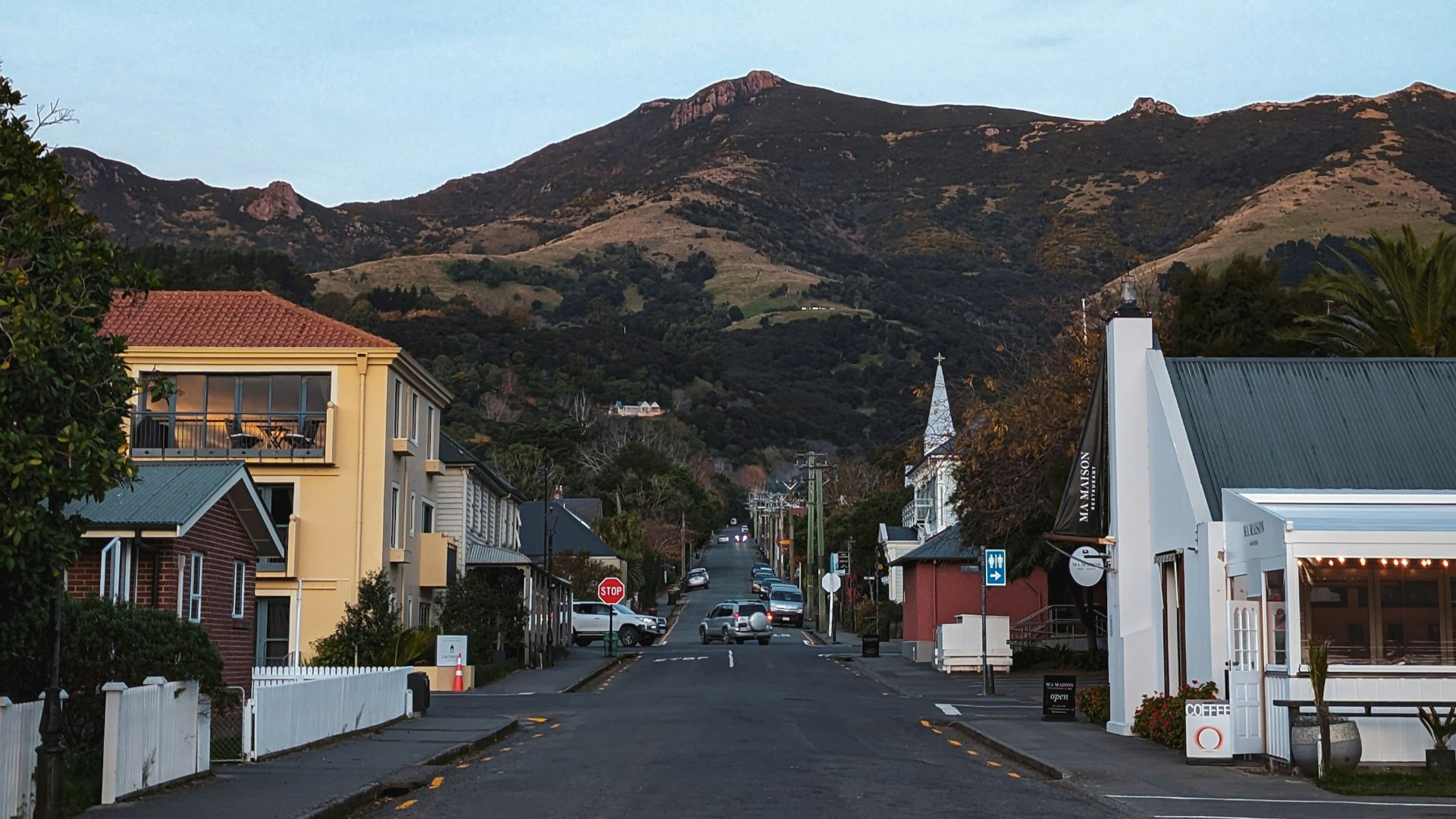
A rural downtown can become extremely quiet after dinner, particularly outside the summer tourism season. Independently owned shops often keep shorter hours than urban chains, while some restaurants close on particular weekdays. Checking opening times beforehand can prevent an evening built around a kitchen that closed at seven.
Public Transportation May Barely Exist
Regional buses and passenger trains serve some small communities, but coverage and frequency vary widely. A route that appears possible online may operate only on certain days or require advance booking. Visitors planning without a car should confirm every connection before arriving.
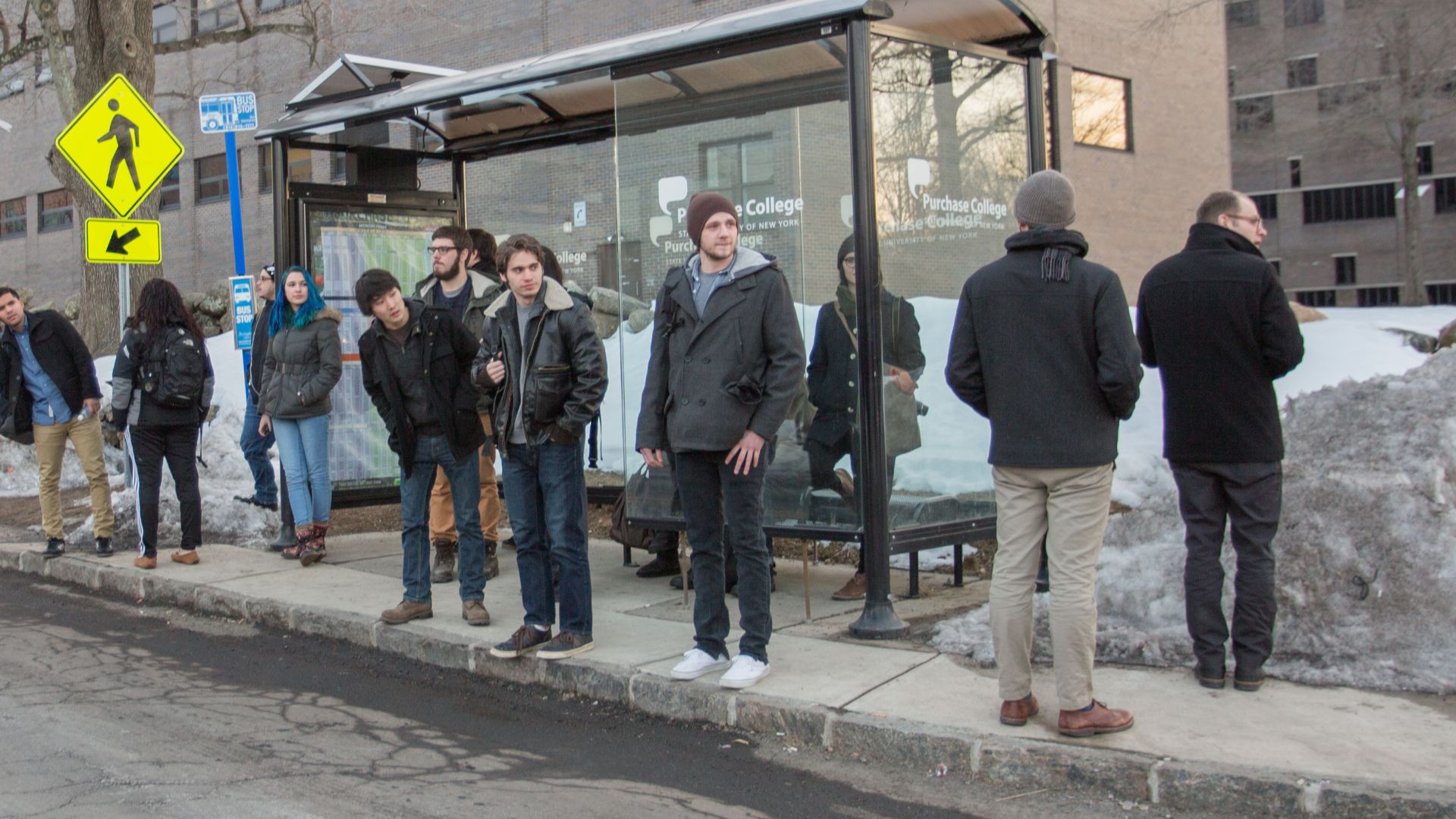
Strangers Start Conversations
Cashiers, servers, and people waiting in line may ask where a visitor is from or how the trip is going. This friendliness can feel unusually personal to Europeans from cultures where conversations with strangers are less common. Most of the time, it is simply ordinary small-town politeness.
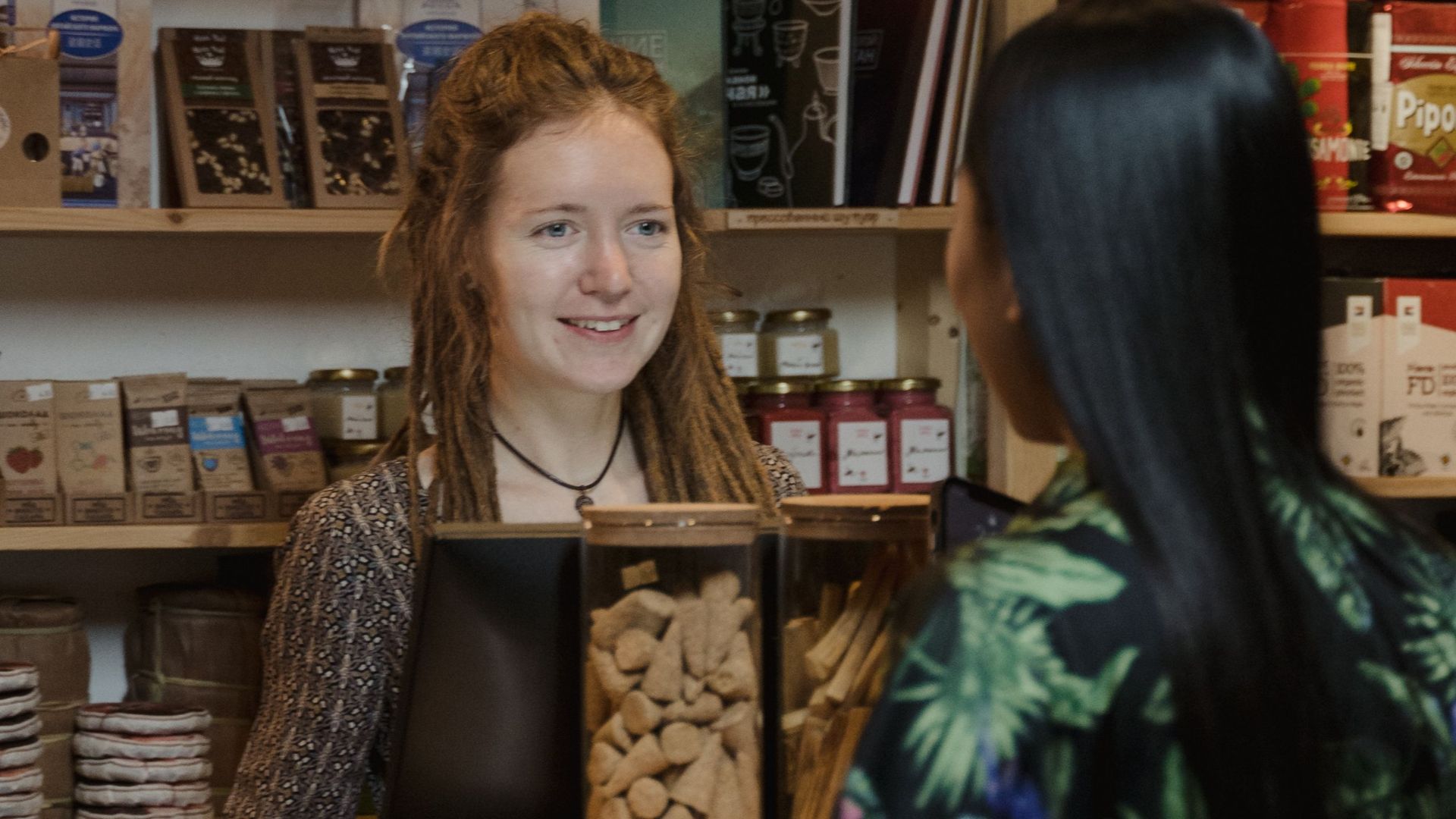
Drivers Wave At One Another
On quiet roads, motorists sometimes raise a few fingers from the steering wheel when another vehicle passes. Walkers, farmers, and homeowners may offer a similar wave to passing cars. Visitors do not need to know the person to return the gesture.
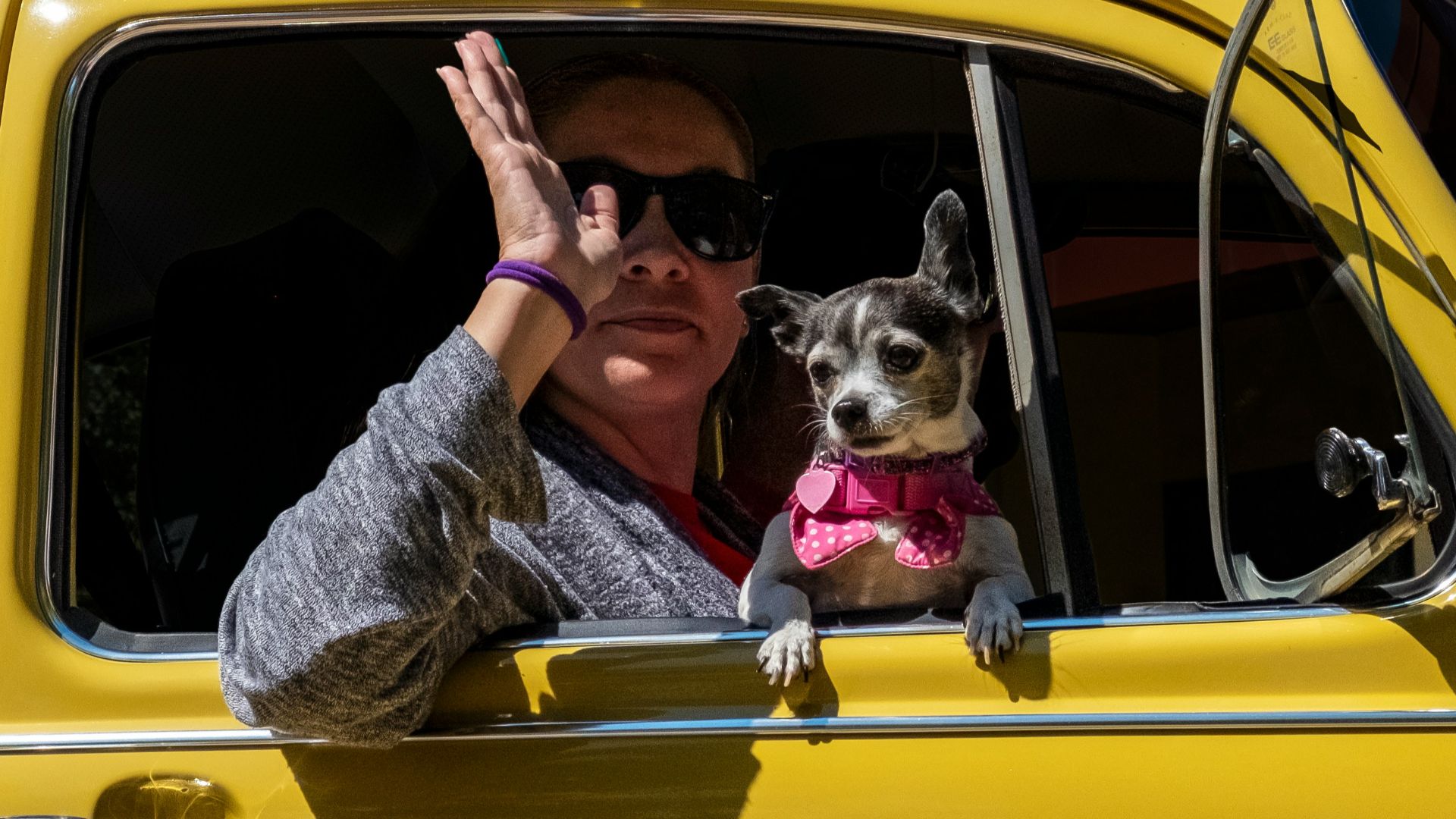
American Flags Are Highly Visible
Flags frequently appear outside homes, farms, businesses, schools, fire stations, and government buildings. Some communities also line their main streets with flags around national holidays. The everyday visibility of patriotic symbols can feel much stronger than it does in many European countries.
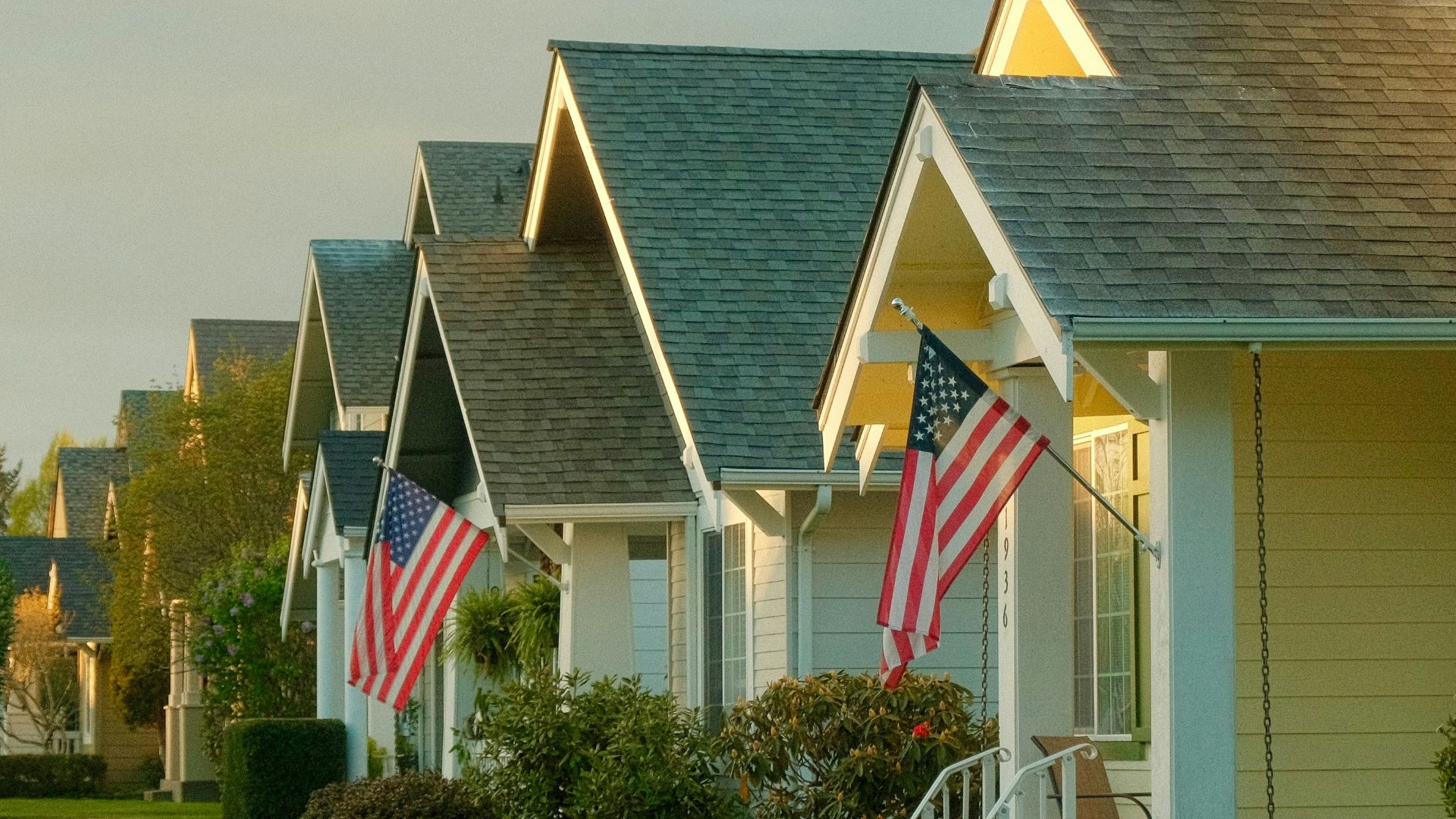
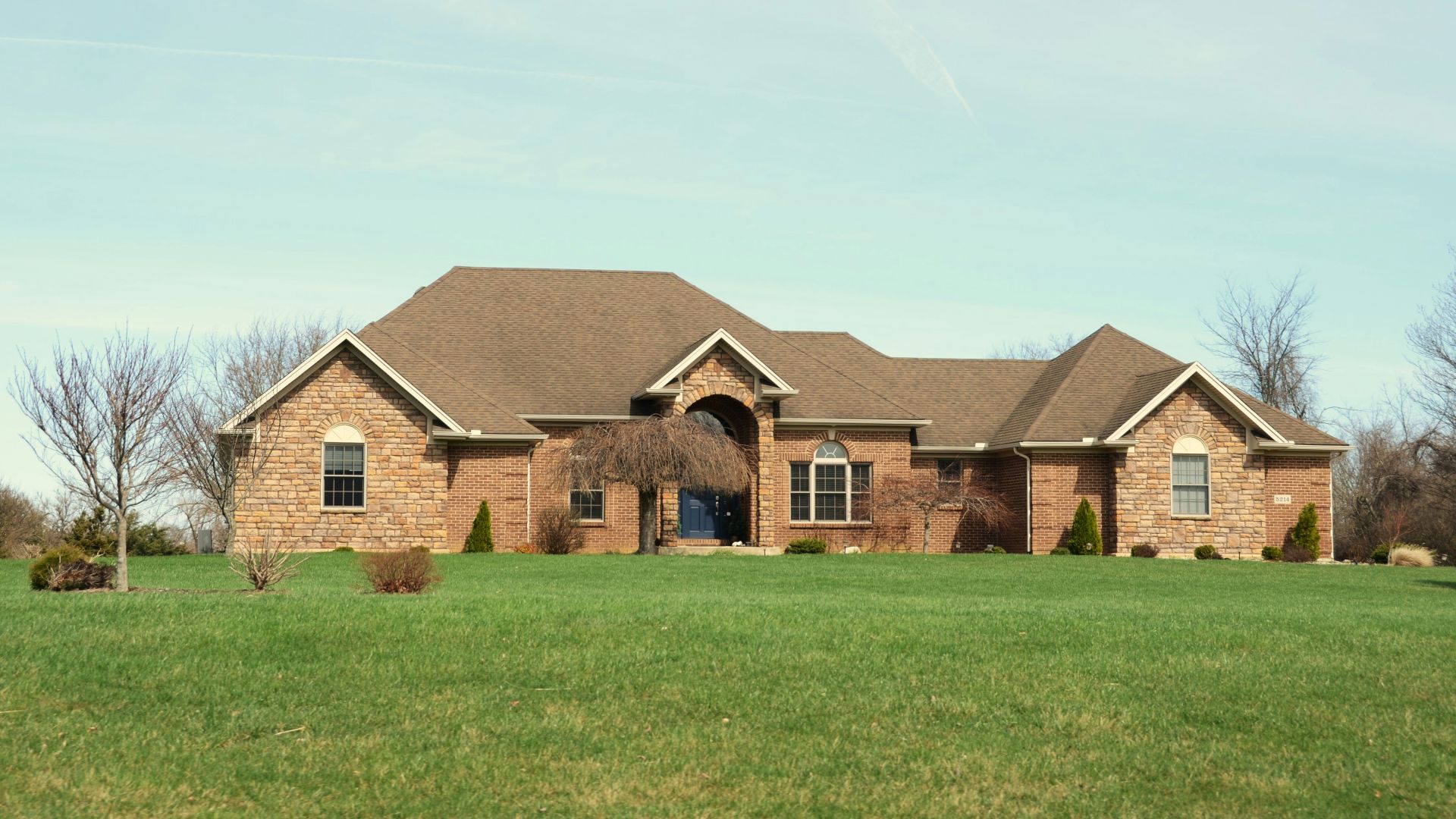
Homes Have A Surprising Amount Of Space
Rural houses commonly sit on larger lots than homes in densely populated European towns. Front lawns may stretch well back from the road, while barns, workshops, garages, and sheds occupy the rest of the property. The absence of close neighbors can make even a modest home feel remarkably secluded.
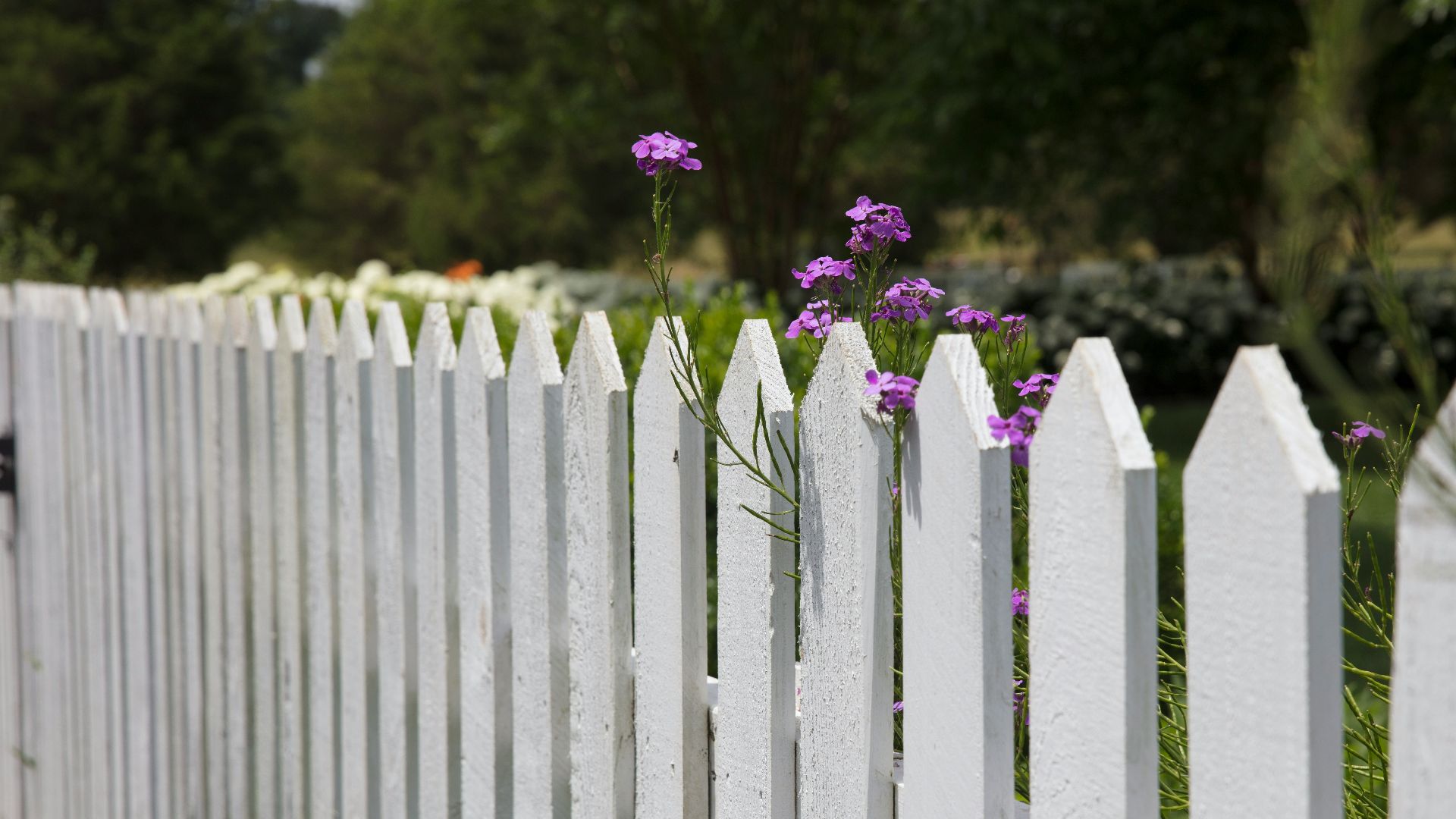
Fences Are Not Always About Privacy
Some European visitors expect residential properties to be enclosed by walls, hedges, or substantial fences. In rural America, front yards often flow directly toward the roadside with no privacy barrier at all. Where fences do appear, they may be intended to contain livestock rather than screen the house.
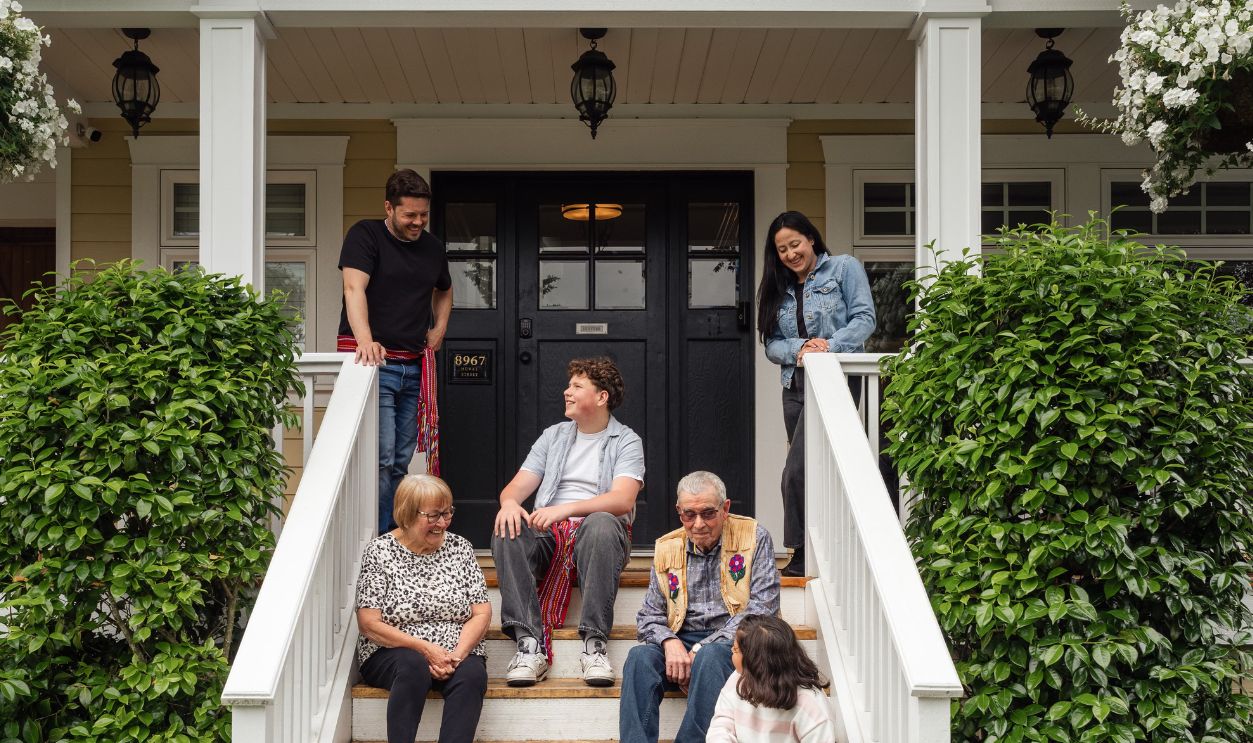
Porches Really Are Part Of Daily Life
The large front porch is not merely a movie set decoration. Porches provide shade, shelter, and a comfortable place to talk, eat, or watch activity along the road. In many communities, they also create a relaxed space between the private home and the wider neighborhood.
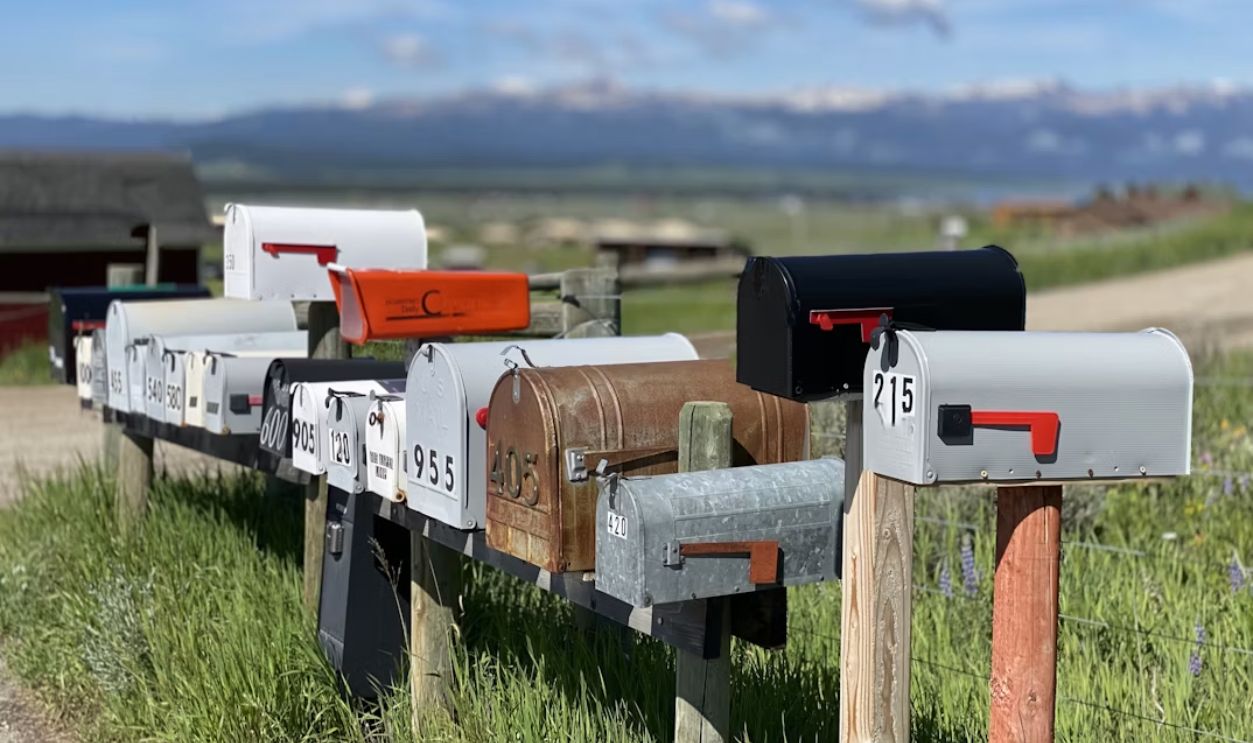
Roadside Mailboxes Form Long Lines
The United States Postal Service delivers to approved rural mailboxes placed along roads or grouped at convenient locations. Residents may drive from their houses to collect the mail, especially on large properties. Rows of boxes at the end of an otherwise empty road can look distinctly American.
Yellow School Buses Are Real
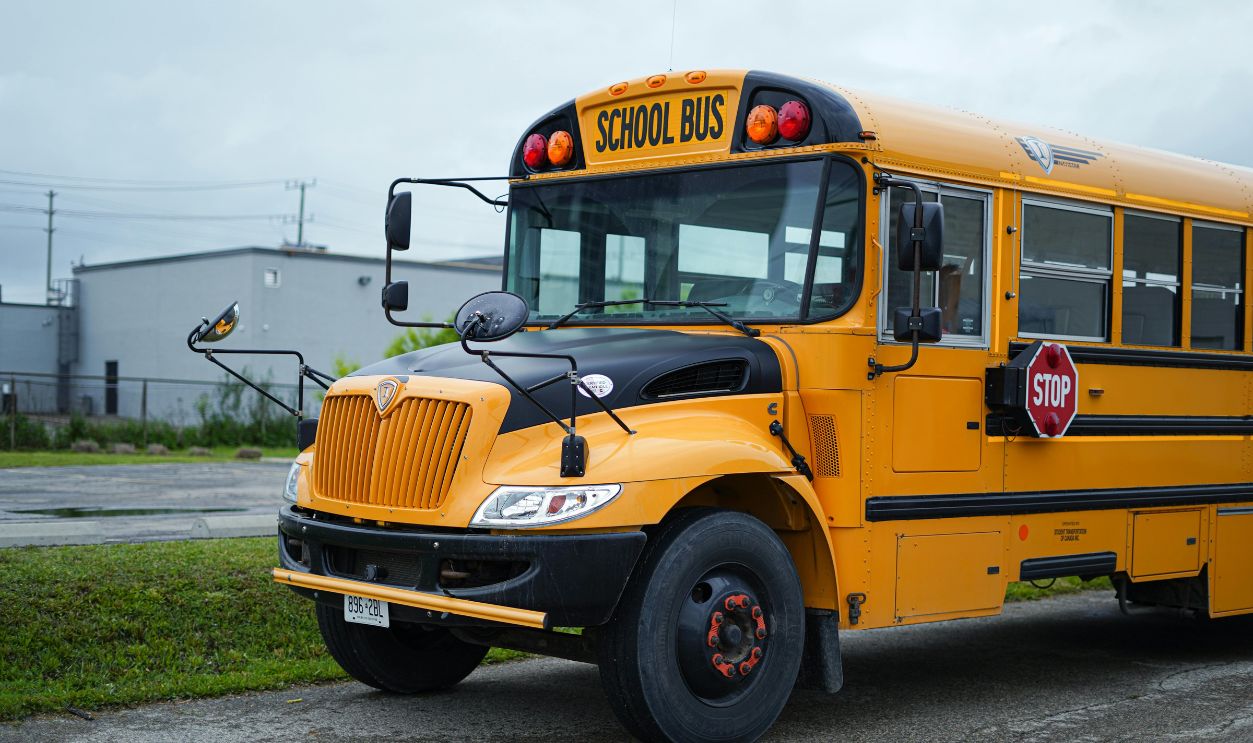
The familiar yellow school bus is a genuine fixture of rural mornings and afternoons. Routes can cover extensive areas as they collect children from widely scattered homes. Drivers must follow state laws when buses stop to load or unload passengers, so international visitors should study the local rules.
Diners Serve Serious Portions
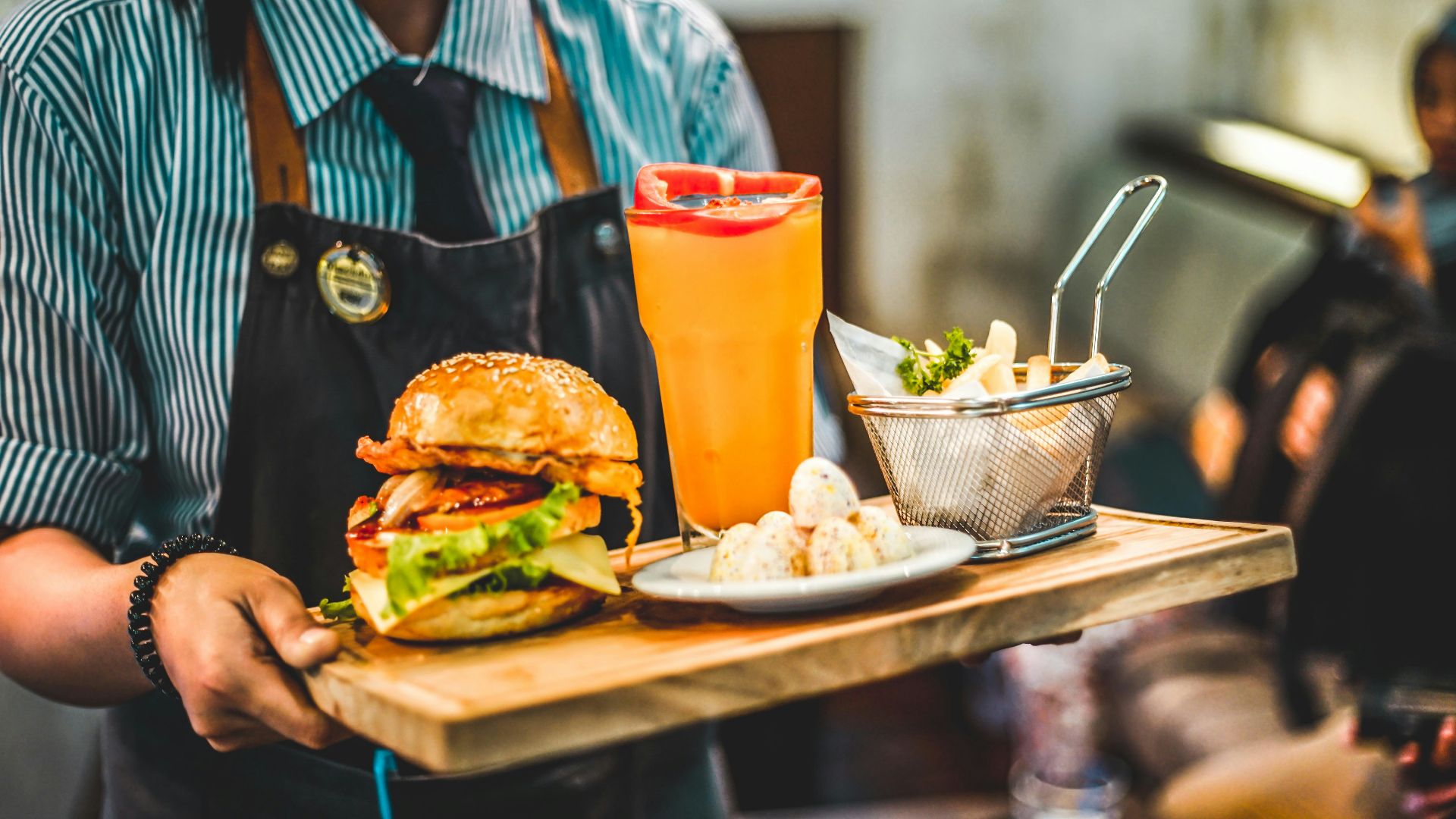
Small-town diners often specialize in substantial breakfasts, sandwiches, burgers, pies, and regional comfort food. A single plate may hold more food than some European visitors expect from one meal. Asking for a takeaway box is completely normal and does not imply that the food was disliked.
Coffee Refills Can Keep Coming
Many traditional diners offer complimentary refills of drip coffee, although the practice is not universal. Servers may top up a cup without waiting for a formal request. Visitors who have finished should place a hand near the cup or politely decline before another round arrives.

Tipping Requires Some Adjustment
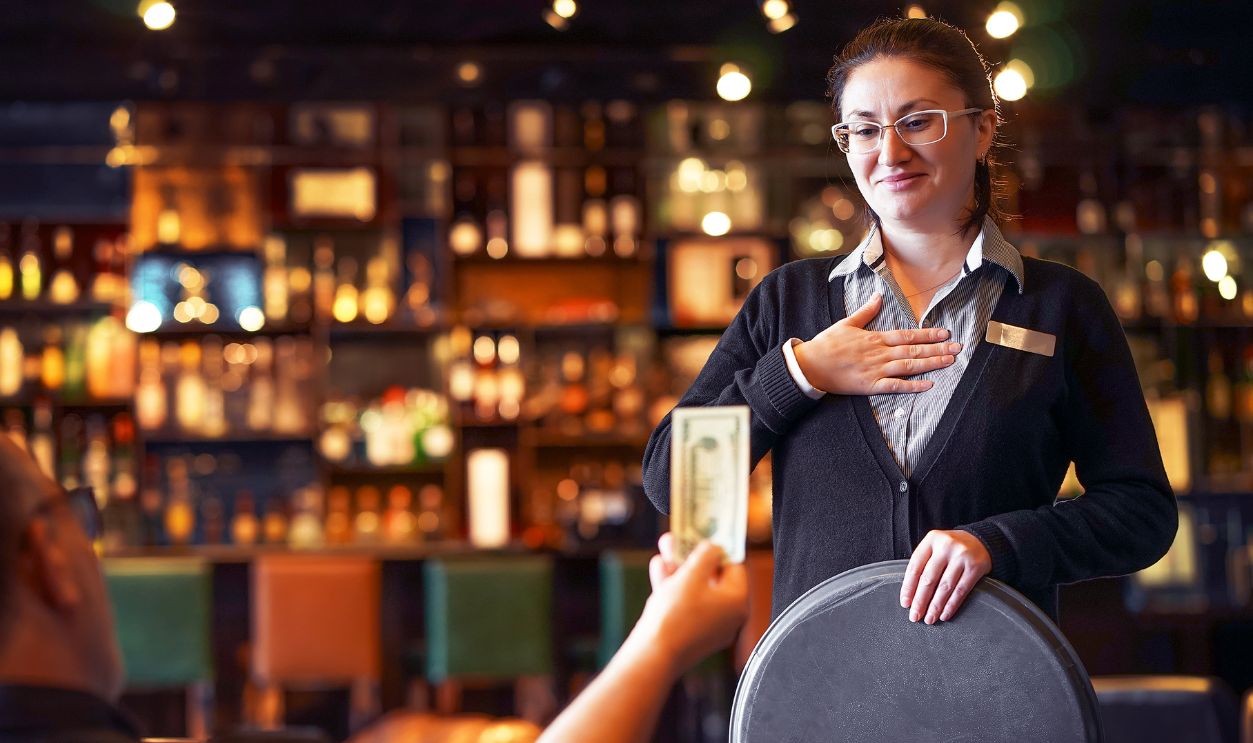
Table-service restaurants generally expect customers to leave a tip, and tips form an established part of income for many American service workers. Suggested percentages may appear on the receipt or payment screen. Visitors should check whether a gratuity has already been added before leaving anything extra.
The Price Tag May Not Be Final
Sales taxes are imposed by many states and municipalities, with rates and exemptions differing by location and type of purchase. The tax is commonly added when the customer pays rather than included in the displayed price. A shelf marked $10 can therefore produce a total above $10 at the register.

Miles And Fahrenheit Take Practice
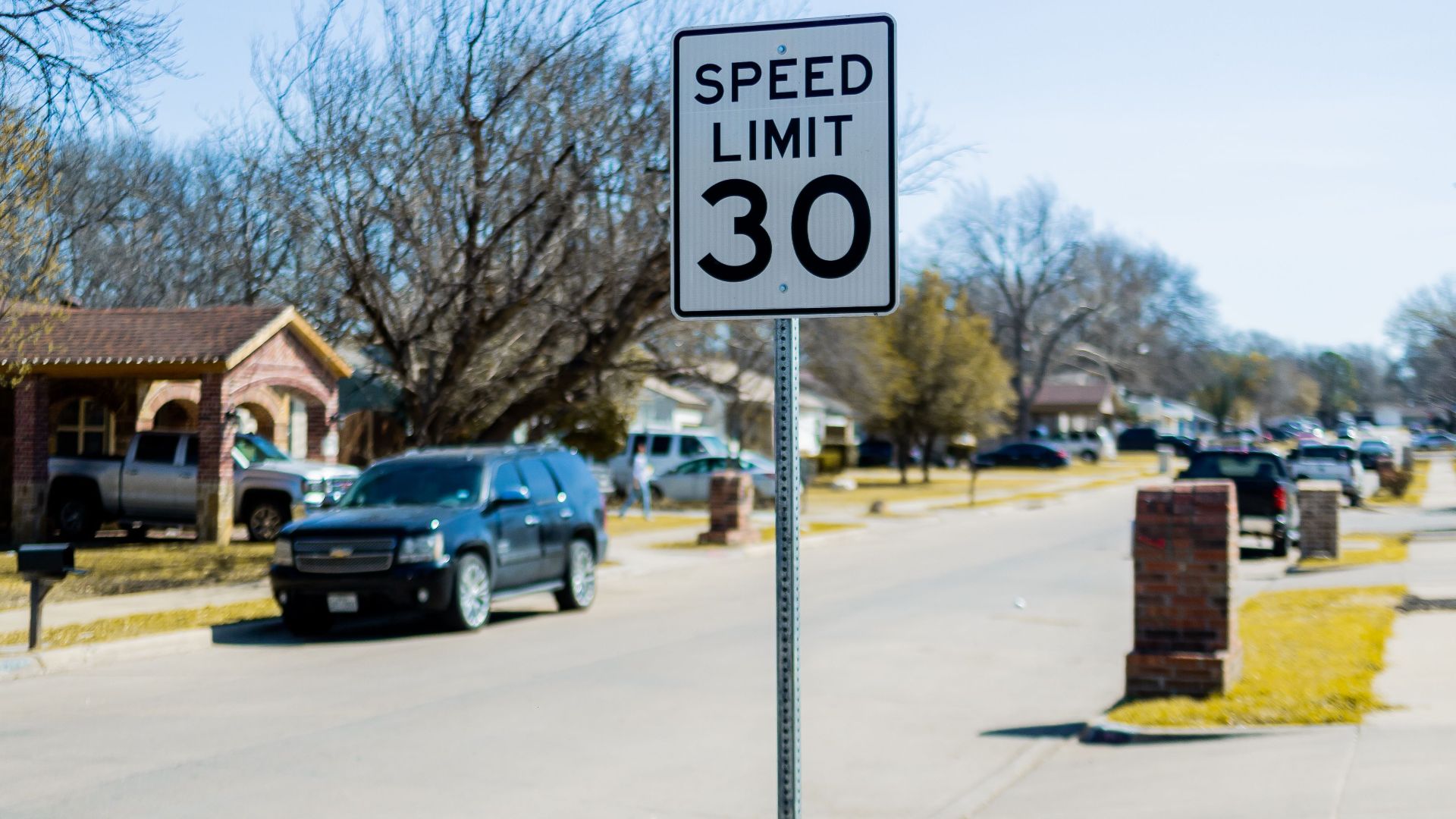
Road signs show miles, speed limits use miles per hour, and weather forecasts report temperatures in Fahrenheit. Fuel is sold by the gallon, while food and body weight are commonly discussed in ounces and pounds. Keeping a conversion app handy can make the first few days much easier.
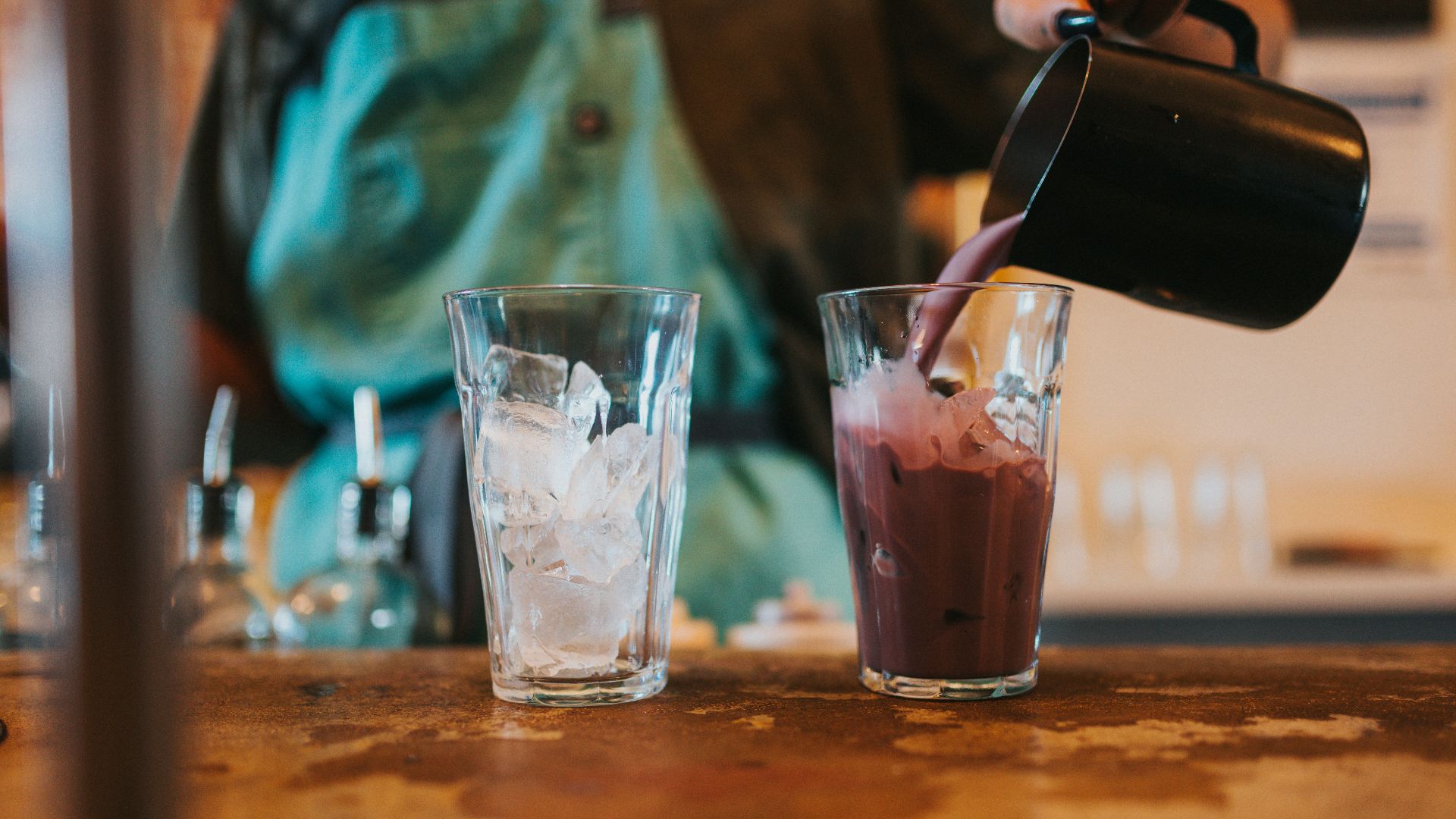
Drinks Arrive Packed With Ice
Restaurants commonly serve soft drinks and water in large glasses filled generously with ice. Free tap water and complimentary soft-drink refills are also widespread, although individual businesses set their own policies. Visitors who prefer less ice can simply request it when ordering.
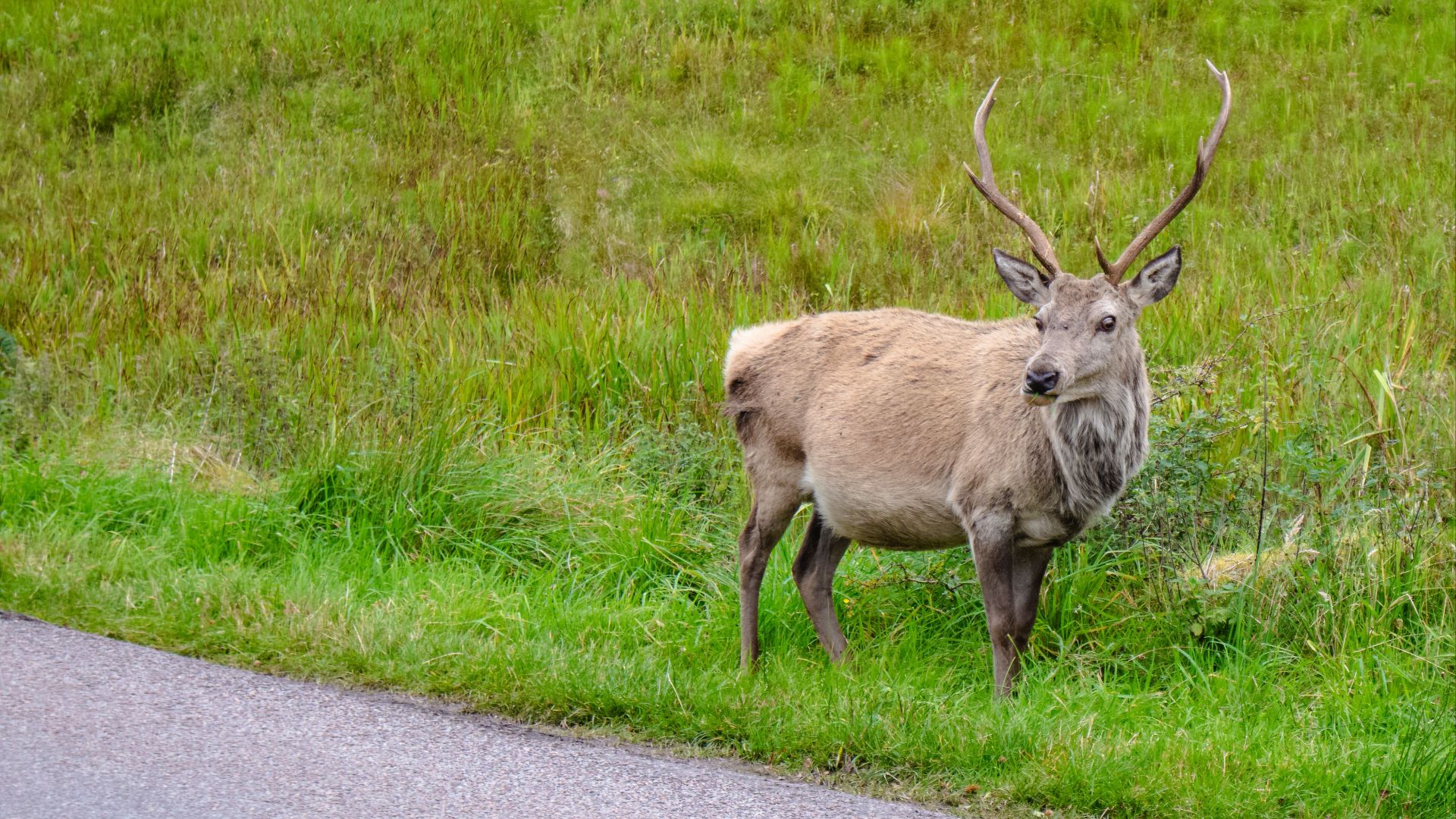
Wildlife Feels Surprisingly Close
Deer, raccoons, coyotes, wild turkeys, and other animals frequently enter roadsides and settled areas. In bear country, food storage and safe-distance rules must be taken seriously. Visitors should never approach wildlife for photographs, even when an animal appears calm.
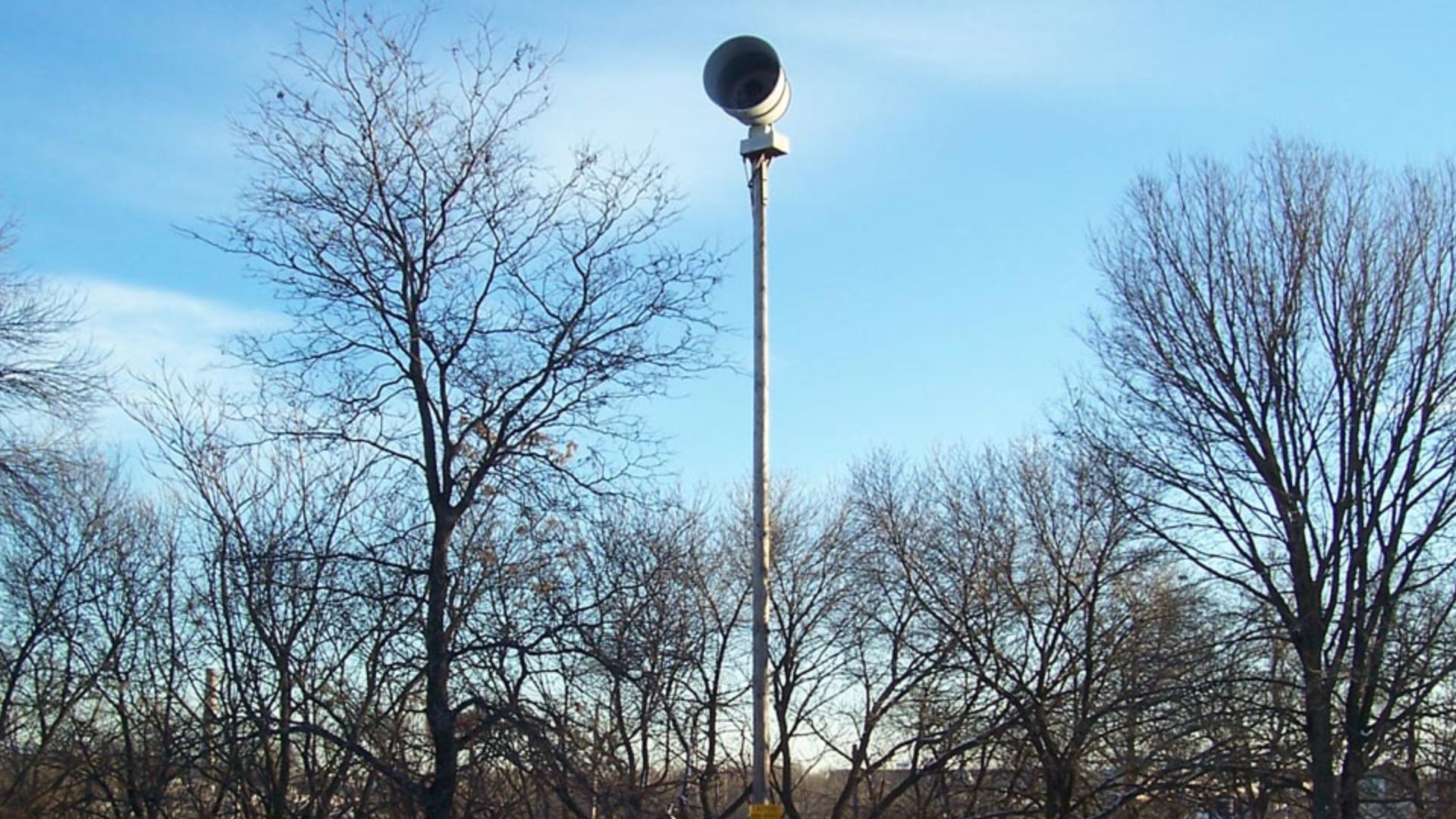
Severe Weather Has Its Own Rituals
Some communities use outdoor warning sirens when dangerous weather is approaching. These systems are intended primarily to alert people outdoors, not to provide complete information inside buildings. Travelers should enable phone alerts, monitor forecasts, and ask their accommodation where to shelter.
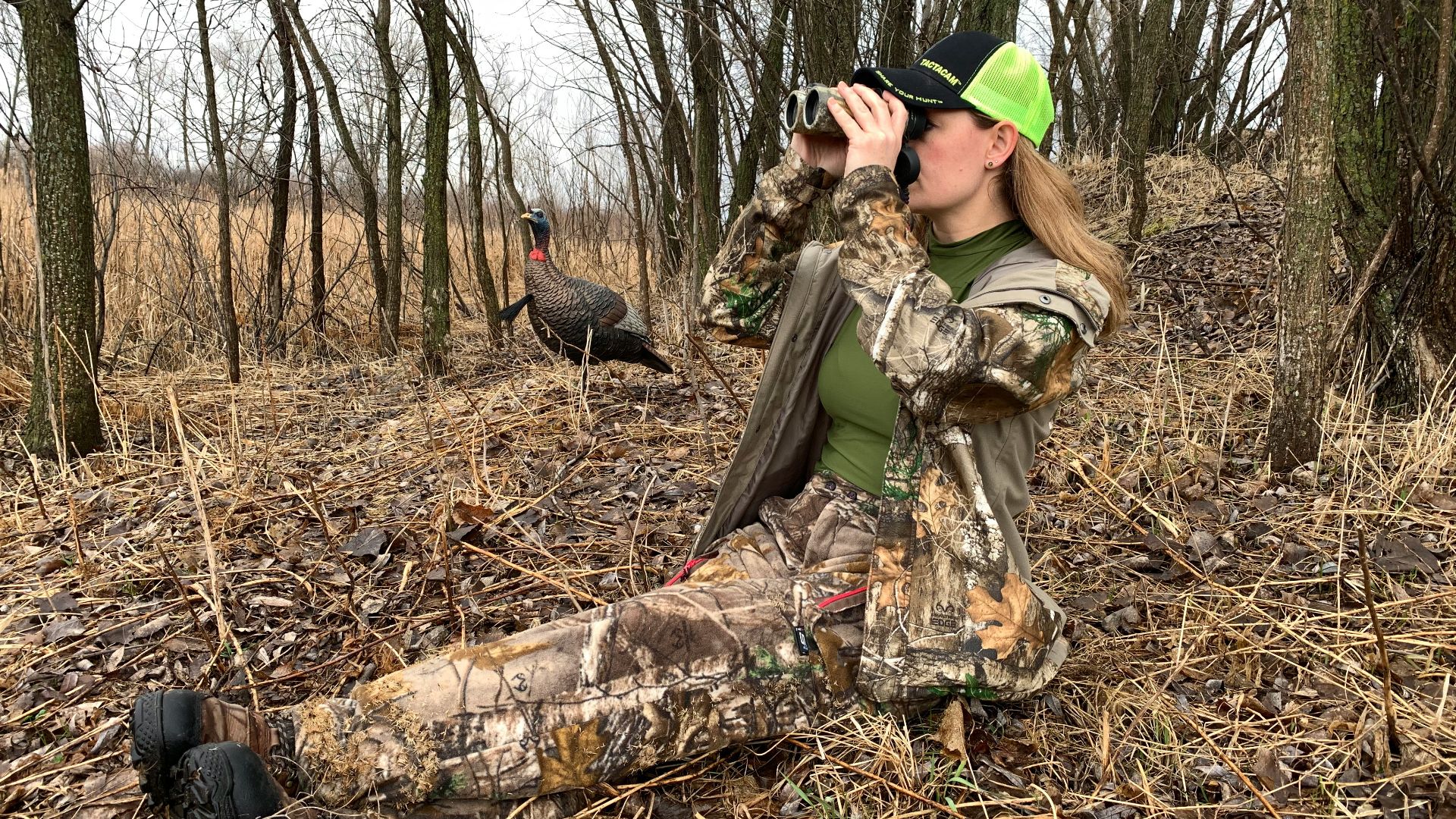
Hunting Culture Is Highly Visible
Hunting is an established recreational and wildlife-management activity in many rural regions. Visitors may notice camouflage clothing, gun shops, deer-processing businesses, or vehicles carrying hunting equipment during open seasons. Anyone hiking should check local conditions and consider wearing highly visible clothing where recommended.
Churches And School Sports Bring Towns Together
Churches, high-school gyms, and football fields often function as gathering places well beyond their primary purposes. Games, fundraisers, festivals, and community meals can attract a significant share of a small town. Visitors may be surprised by how much local identity surrounds a school team or annual event.
 Derrick Mealiffe, Wikimedia Commons
Rural America Rewards Preparation
The biggest adjustment is realizing that rural America cannot be explored like a compact European destination. A reliable vehicle, a full fuel tank, confirmed opening hours, and awareness of local weather can prevent most problems. Once visitors adapt to the scale and slower rhythm, these communities often reveal a welcoming side of the country that major cities cannot provide.
You May Also Like:
American Vacation Expectations That Surprise Tourists From Overseas—Which Ones Shock You Most?
Things Canadians Find Surprisingly Different When They Visit California