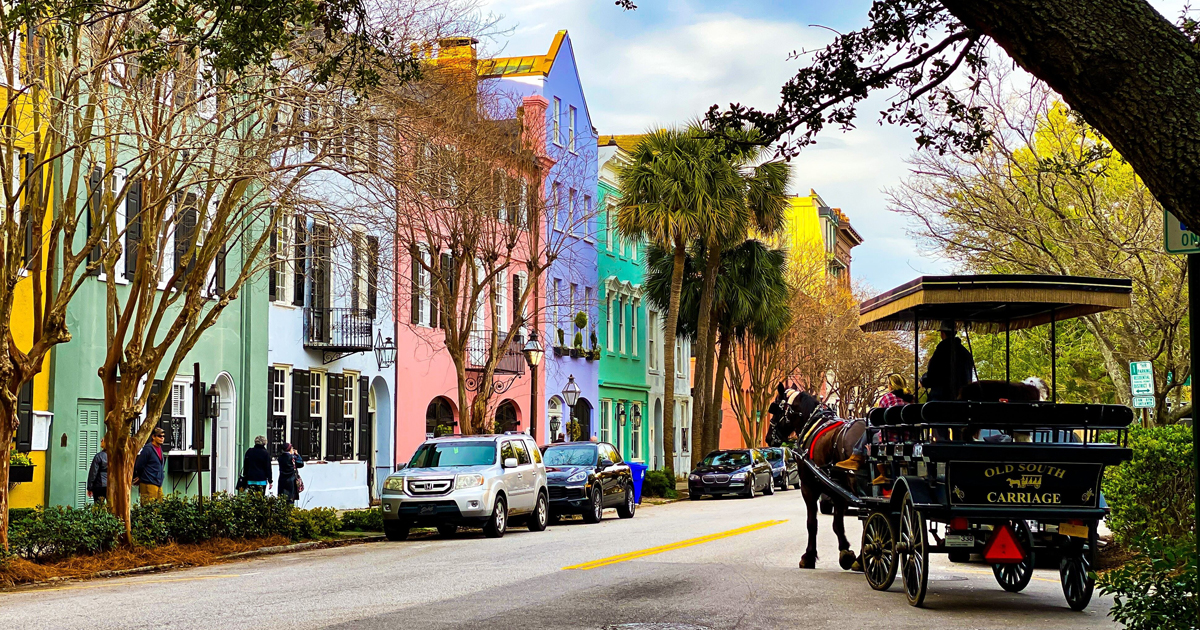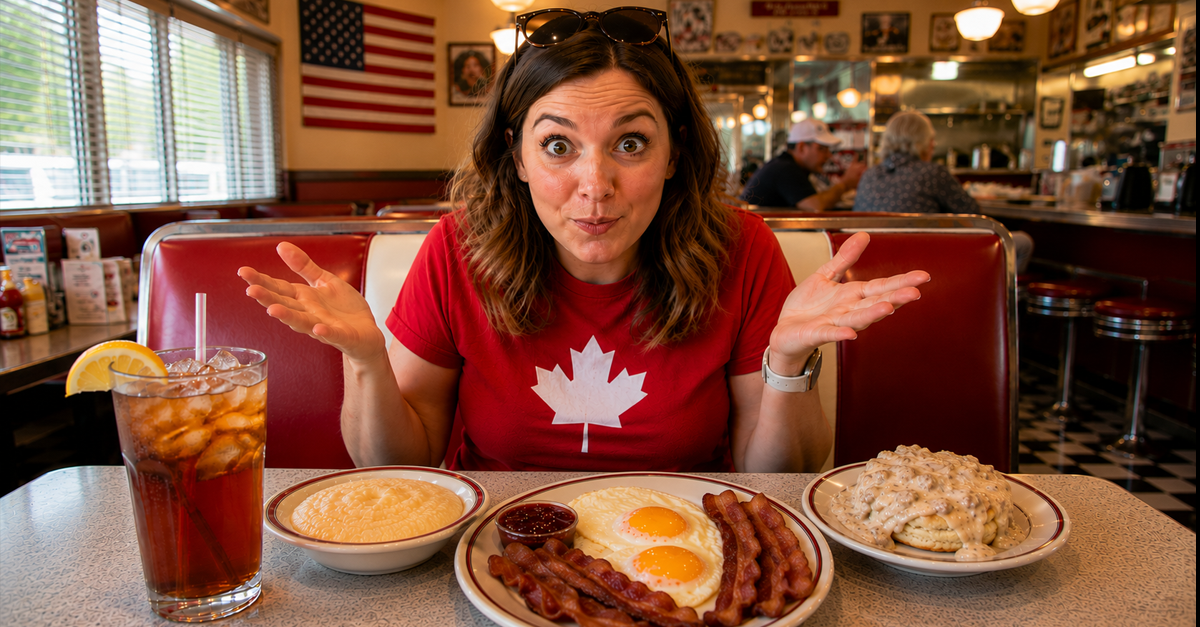
The South Is Full Of Surprises
Canadians often head south expecting sunshine, barbecue, and famous Southern hospitality. What they find is a region packed with unexpected customs, unforgettable food, and plenty of surprises that challenge their assumptions. Here are the surprises that catch many Canadians off guard.
The Humidity Can Feel Overwhelming
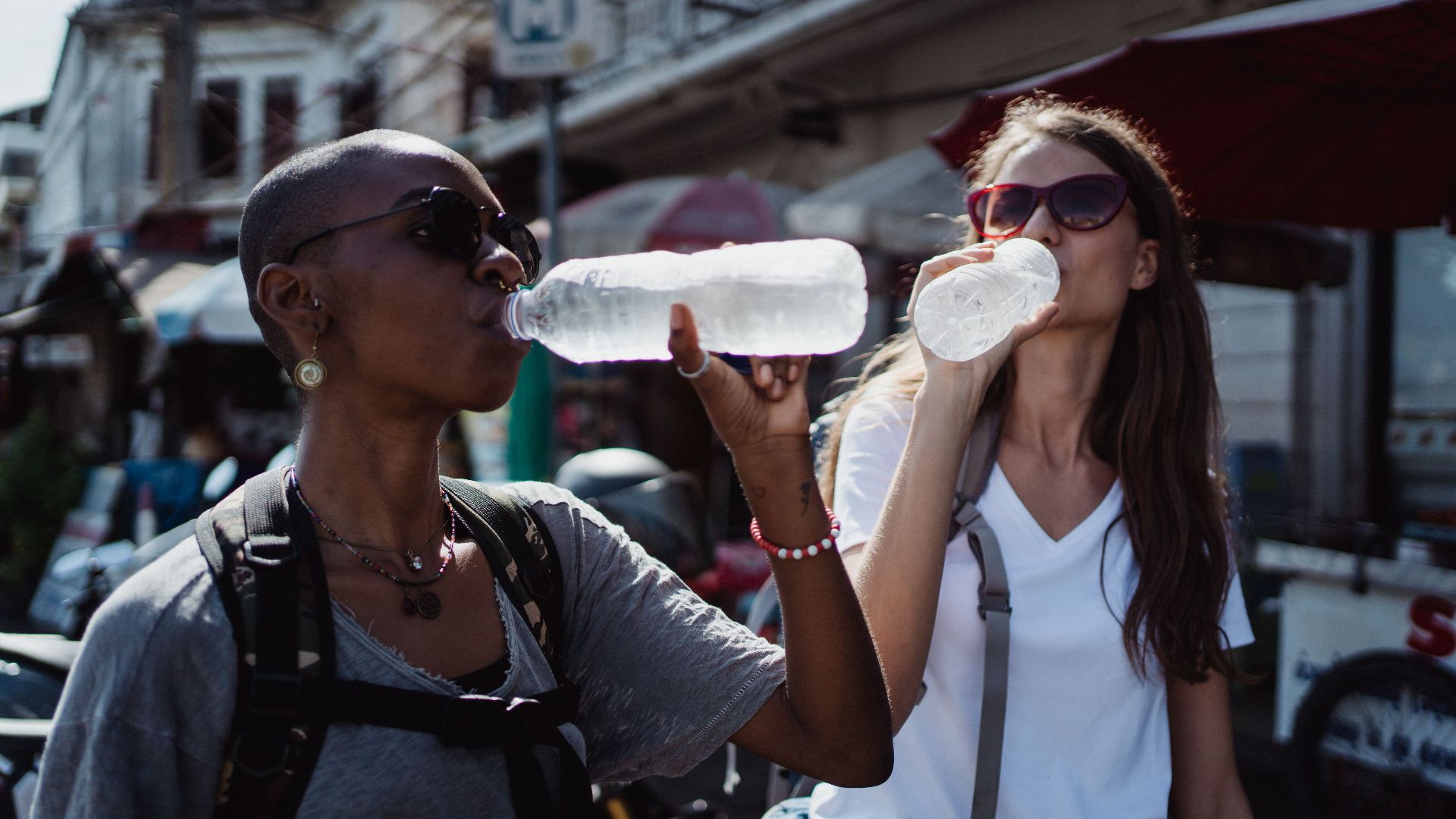
A Canadian summer can become hot, but Southern humidity often makes the temperature feel much higher than the number on the thermometer. Visitors should plan outdoor activities for the morning, carry water, and take heat warnings seriously.
Air Conditioning Is Everywhere
The intensity of the outdoor heat helps explain why Southern buildings can feel surprisingly cold inside. Restaurants, hotels, shops, and museums often run powerful air conditioning throughout the summer. Carrying a light sweater may seem ridiculous in July, but it can make a long meal or museum visit much more comfortable.

People Really Do Start Conversations
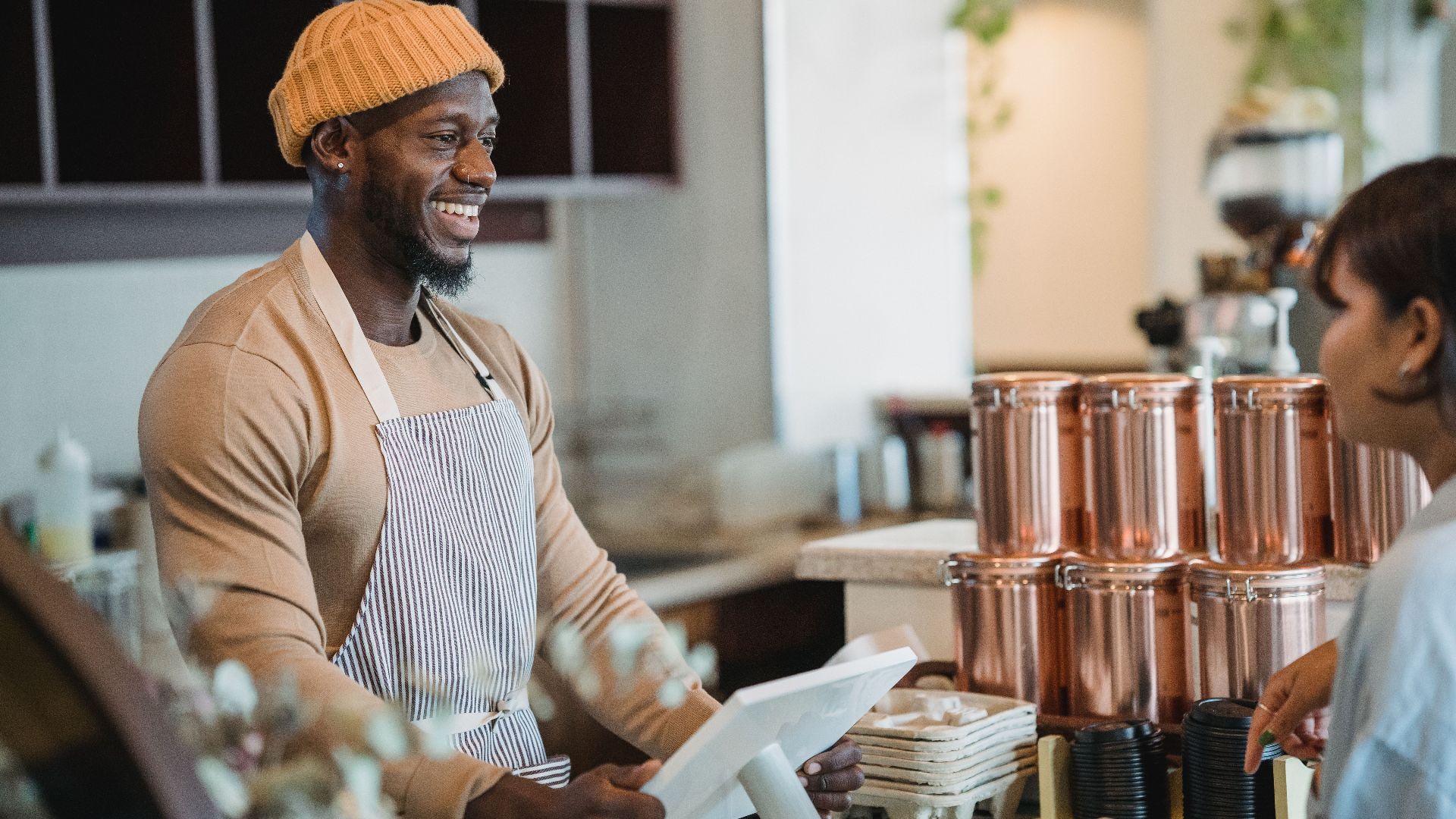
Canadians are generally considered polite, yet many are surprised by how readily Southerners speak with strangers. A cashier may ask where you are from, while someone beside you in line might recommend a restaurant or scenic drive. These exchanges are usually genuine friendliness rather than an attempt to sell something.
“Y’All” Is Extremely Useful
The word “y’all” is not merely a television stereotype. It is a widely used second-person plural pronoun that allows speakers to address a group clearly and efficiently. Canadians may hear it in casual conversations, advertisements, restaurant greetings, and even professional settings.

Accents Change More Than Expected
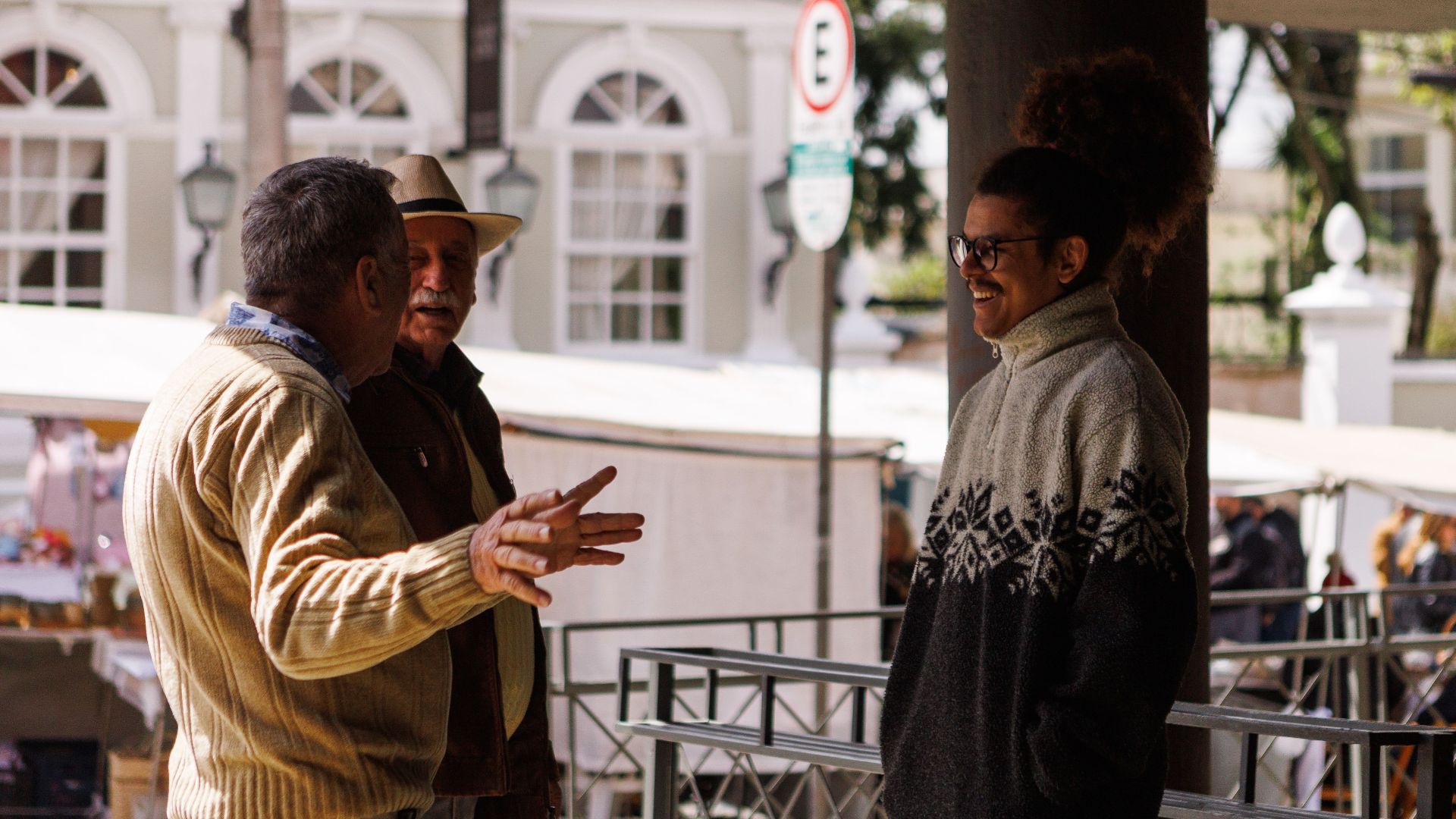
There is no single Southern accent shared across the entire region. Speech in Appalachia can sound very different from the accents heard in coastal South Carolina, New Orleans, eastern Texas, or the Mississippi Delta. Even neighboring communities may have recognizable differences shaped by local history and migration.
Sweet Tea Is Seriously Sweet
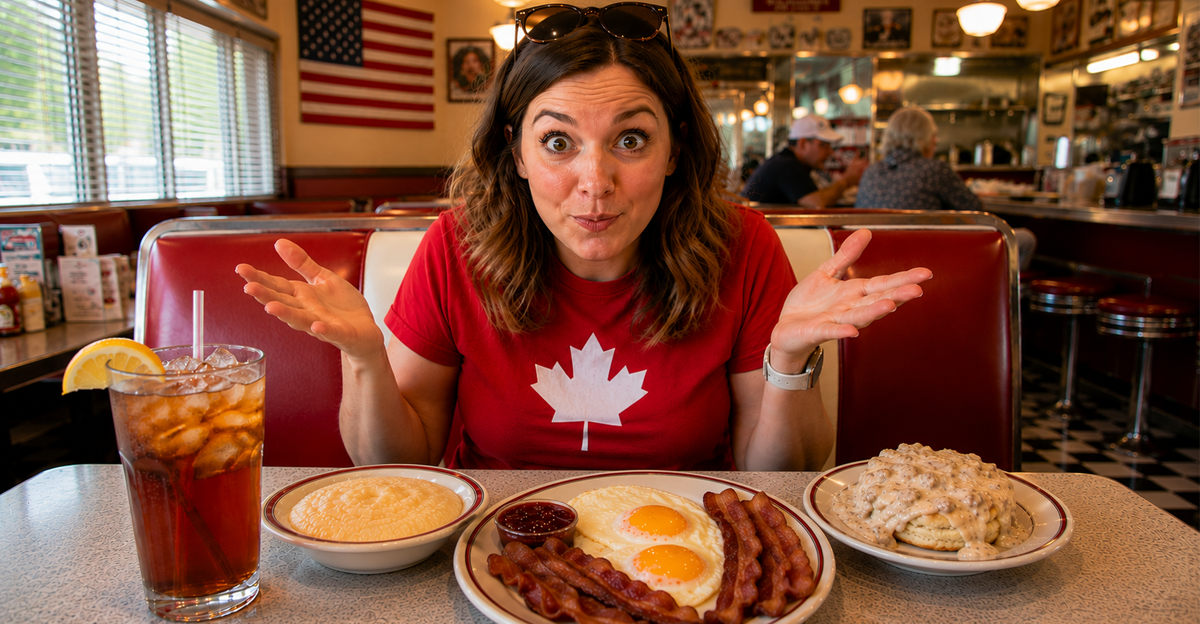
Ordering iced tea without further explanation can produce a much sweeter drink than many Canadians expect. Traditional Southern sweet tea is commonly prepared by adding sugar while the tea is still hot and then serving it over ice. Diners that offer both versions may ask whether you want sweet or unsweet tea.

Ice Comes In Abundance
Cold drinks in the South are often packed with ice, especially during the hottest months. Restaurants may refill soft drinks and iced tea before the glass is completely empty. Visitors who prefer less ice can ask for a drink with “light ice” when ordering.

Restaurant Portions Can Be Enormous
Large portions are not unique to the South, but they are common at casual restaurants throughout the region. A single entrée may arrive with several side dishes, bread, and enough food for another meal. Taking leftovers back to the hotel is normal, although travelers without refrigeration may want to order more carefully.

Biscuits Are Not Cookies
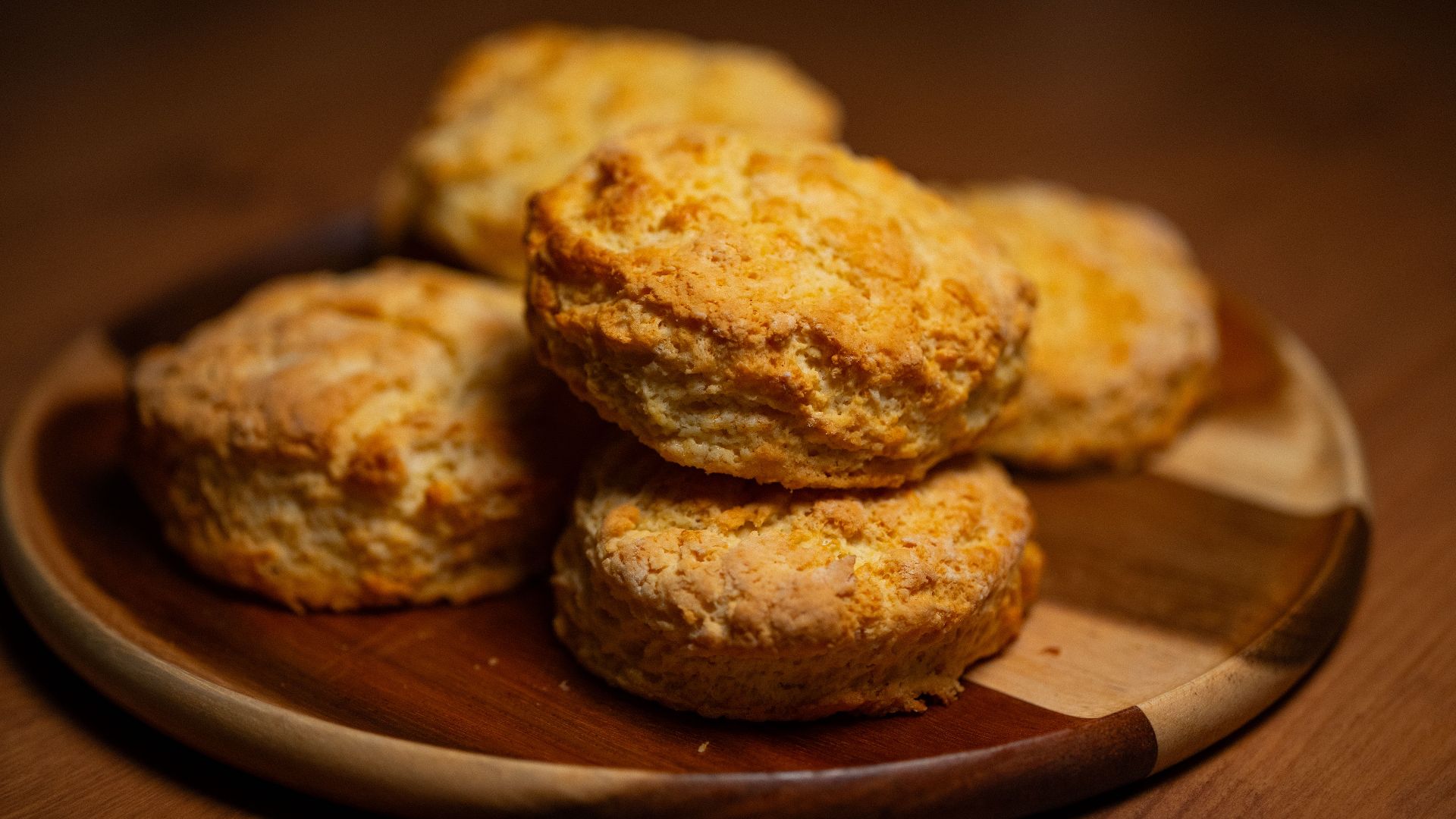
A Southern biscuit is a soft, flaky quick bread rather than the sweet cookie many Canadians associate with the word. Biscuits may be served with butter, jam, fried chicken, eggs, or sausage gravy. They appear at breakfast restaurants, roadside diners, and fast-food chains across much of the region.
Gravy Can Be White
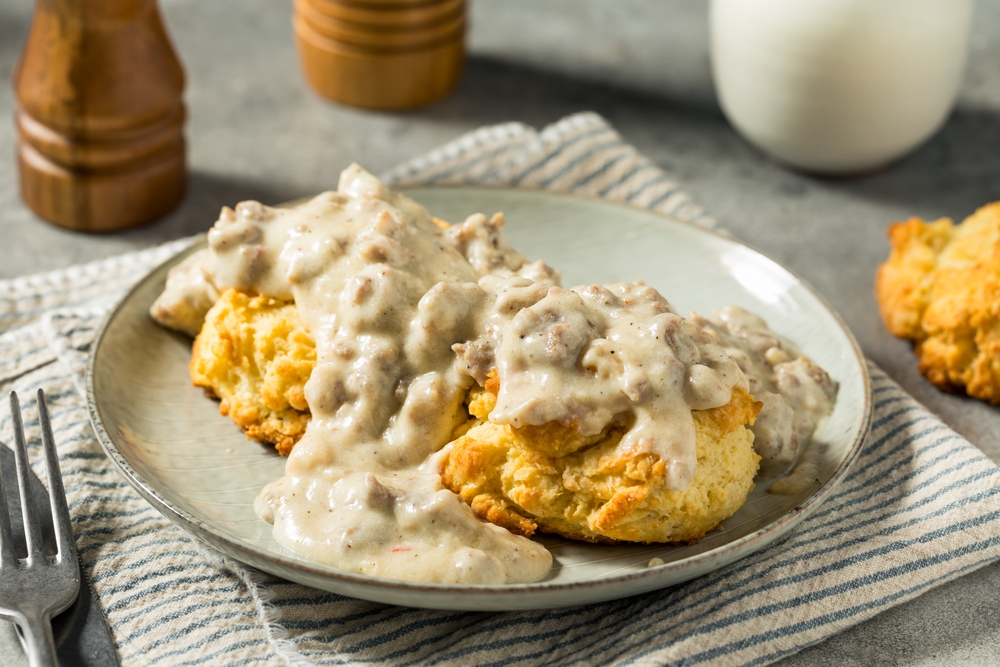
Canadians accustomed to brown gravy may be startled by the pale, creamy gravy served over biscuits. Sausage gravy is generally made using milk, flour, fat, seasoning, and pieces of breakfast sausage. It is rich, filling, and firmly associated with Southern breakfast cooking.
Barbecue Is A Regional Identity
In the South, barbecue usually refers to meat cooked slowly with smoke rather than anything grilled quickly in a backyard. Styles vary considerably, including Texas brisket, pulled pork in the Carolinas, ribs in Memphis, and mustard-based sauces in parts of South Carolina. Asking locals where to eat can quickly become a passionate conversation.
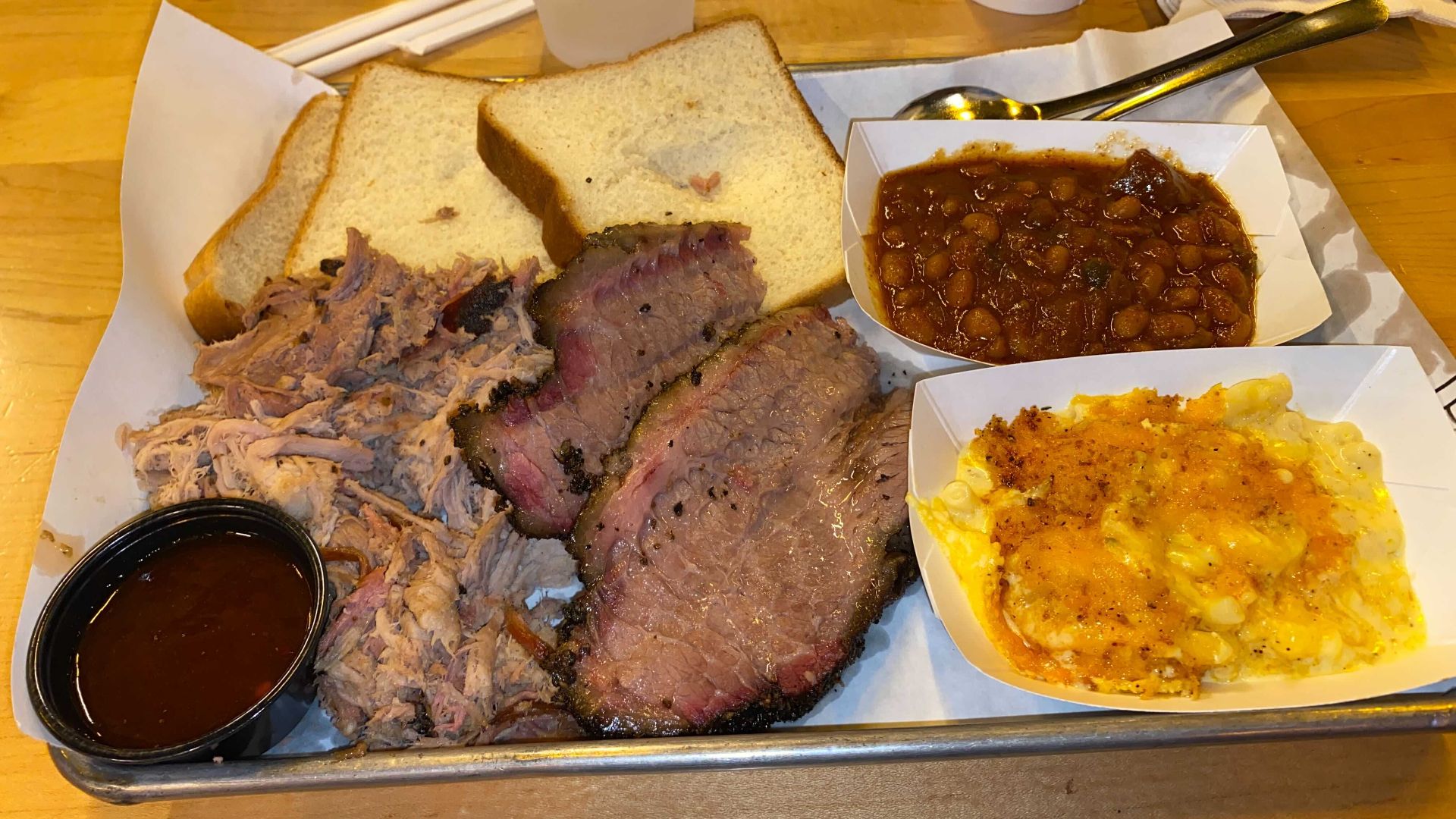 Gatorfan252525, Wikimedia Commons
Side Dishes Matter Almost As Much
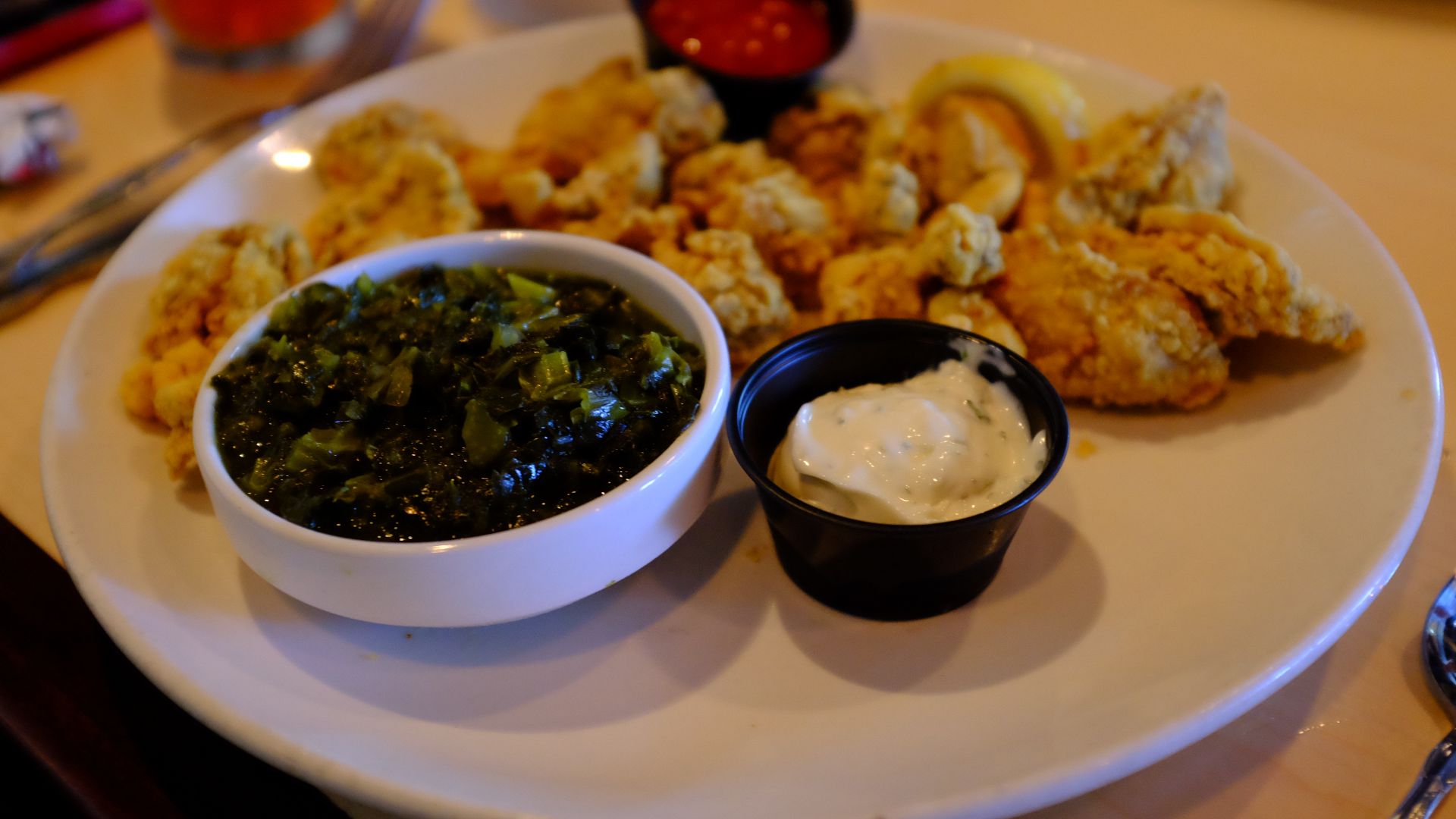
At many Southern restaurants, choosing the sides is an important part of ordering. Menus may include collard greens, macaroni and cheese, black-eyed peas, fried okra, cornbread, grits, or green beans cooked with smoked meat. The selection reflects African, European, Indigenous, and Caribbean influences on Southern foodways.
Gas Stations Can Serve Excellent Food
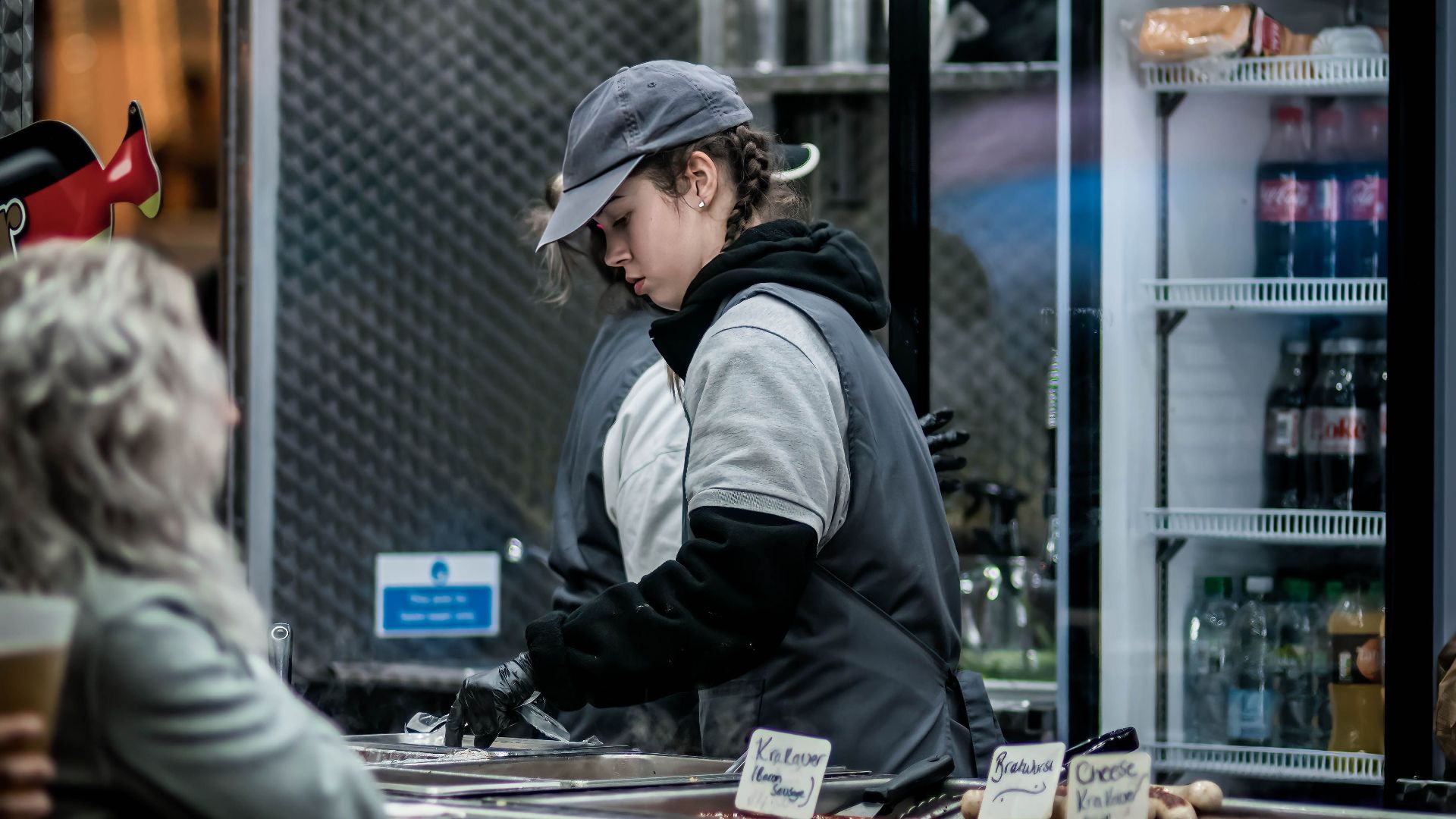
A fuel stop may contain far more than packaged snacks and coffee. Some Southern gas stations and convenience stores are known locally for fried chicken, barbecue, breakfast biscuits, tacos, or regional specialties. A busy parking lot around lunchtime can be a useful sign that the food has a loyal following.
Everything Seems To Have A Drive-Through
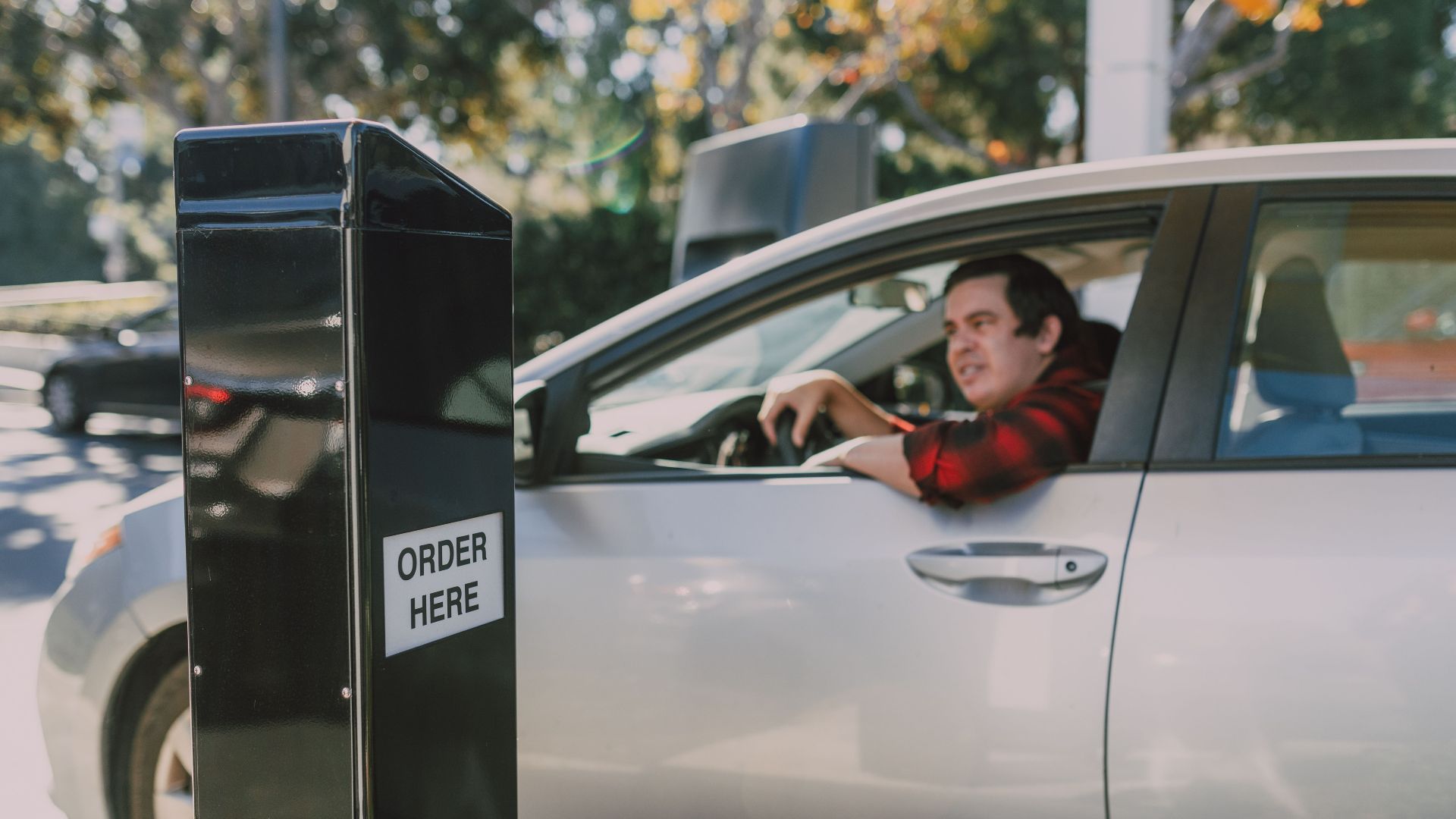
Canadians expect drive-through lanes at coffee shops and fast-food restaurants. In parts of the South, they may also encounter drive-through pharmacies, banks, liquor retailers, convenience stores, and other businesses. The prevalence of these services reflects a region where daily life is often built around driving.
Distances Are Larger Than They Look
A map can make several Southern cities appear reasonably close together, but the drives may still take hours. Public transportation between smaller destinations is often limited, and attractions may be widely dispersed outside major urban centers. A rental car is frequently the most practical way to explore beyond downtown areas.
Traffic Can Transform Quickly
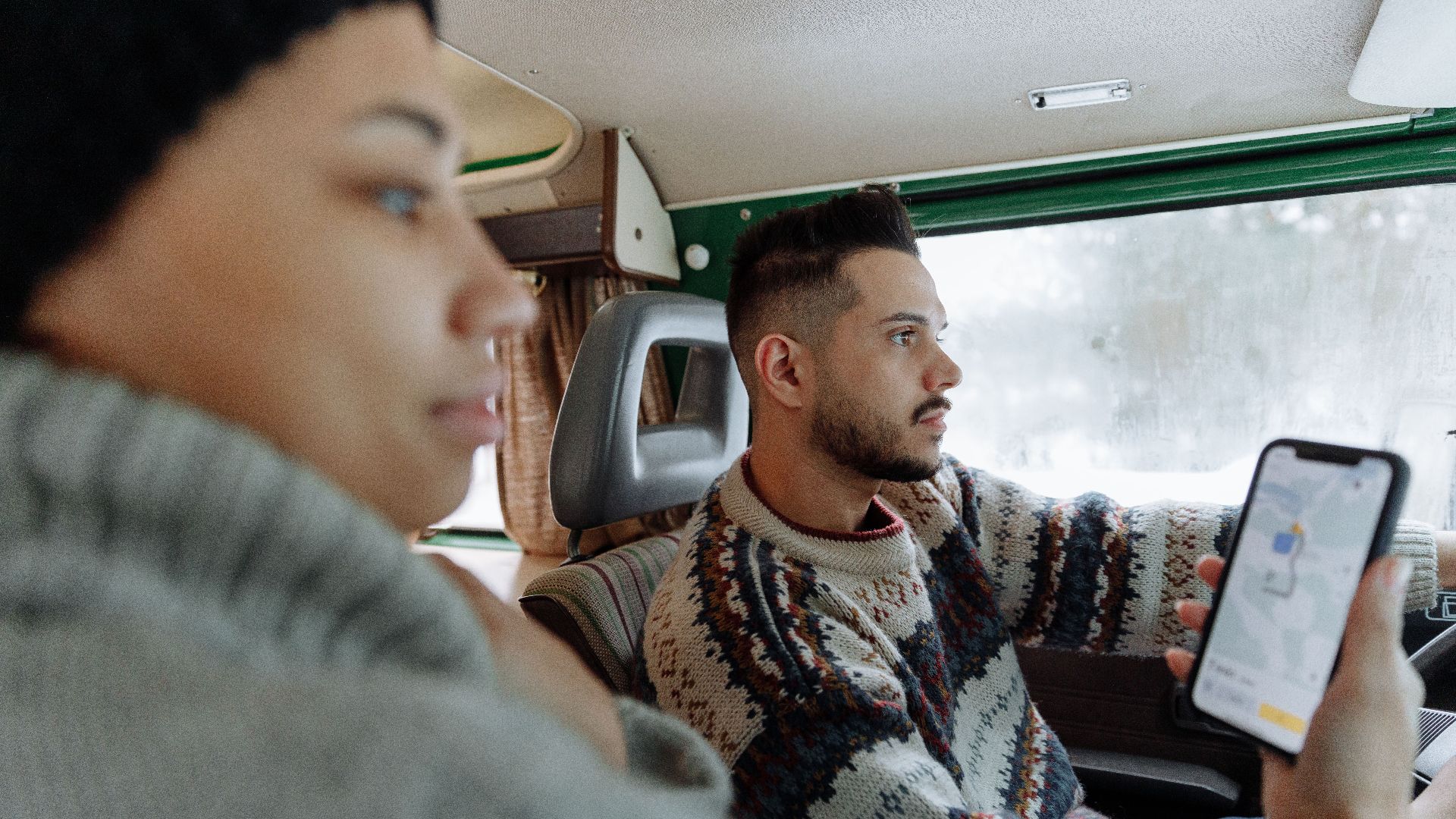
Southern road trips may involve quiet rural highways one moment and dense metropolitan traffic the next. Atlanta, Houston, Dallas, Nashville, and other growing cities can experience serious congestion. Travelers should avoid assuming that a short distance automatically means a short journey.

Roadside Advertising Is Hard To Miss
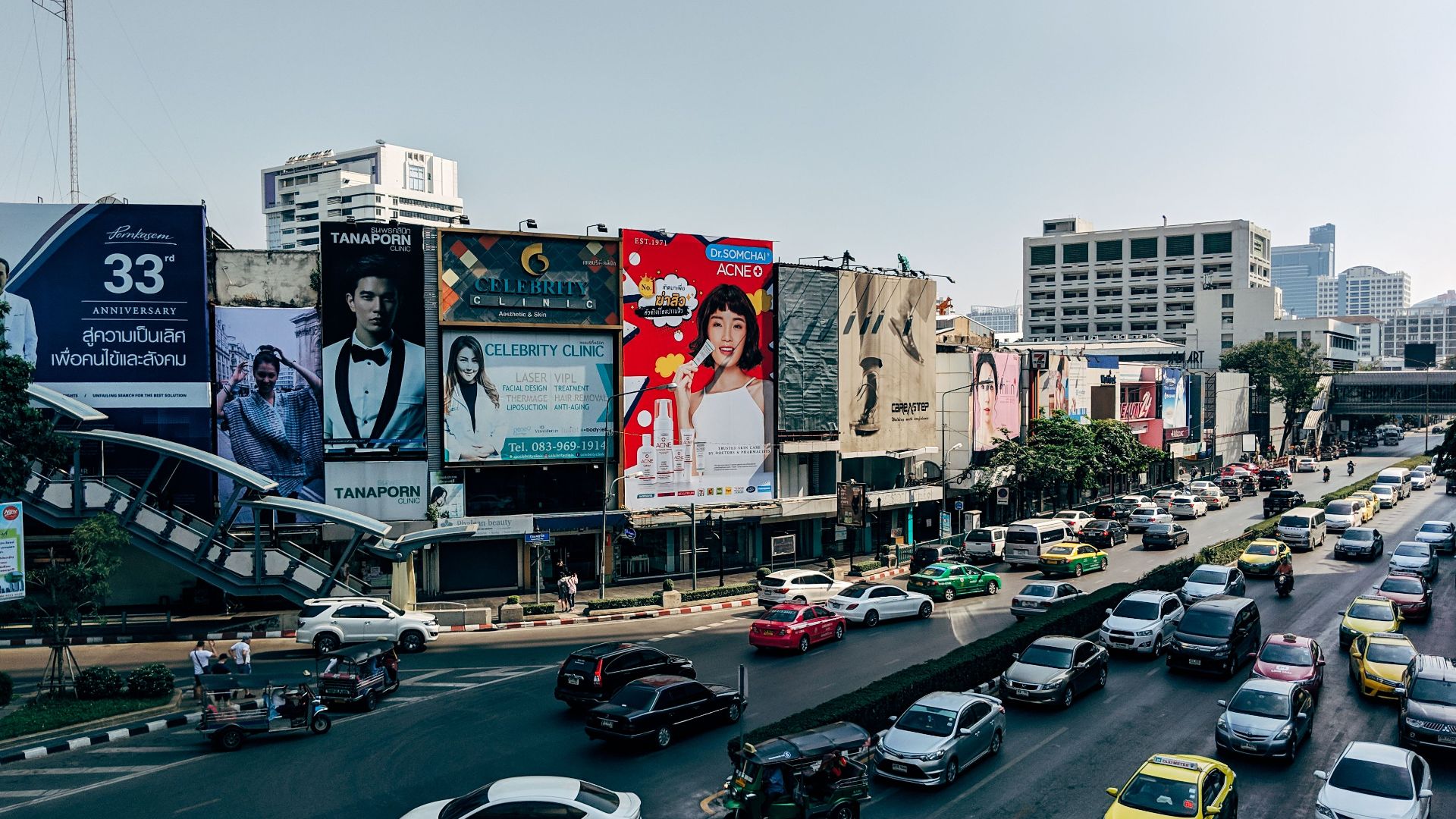
Large billboards line many Southern interstates, promoting restaurants, attractions, lawyers, churches, and fireworks stores. Some campaigns begin dozens of miles before the advertised exit. Canadians accustomed to stricter sign controls in certain provinces may find the visual clutter surprising.
College Football Feels Enormous
College football is more than a campus activity in many Southern communities. Major games can shape weekend travel, hotel prices, restaurant crowds, and local conversation. Stadiums at prominent universities regularly accommodate tens of thousands of fans, while tailgating may begin hours before kickoff.

Church Life Is Highly Visible
The South contains considerable religious diversity, but Christianity remains especially visible in many communities. Visitors may notice numerous churches, religious billboards, faith-based radio stations, and businesses that close or shorten their hours on Sundays. Religion can also play an important role in local social networks and charitable work.
Sunday Schedules Can Be Different
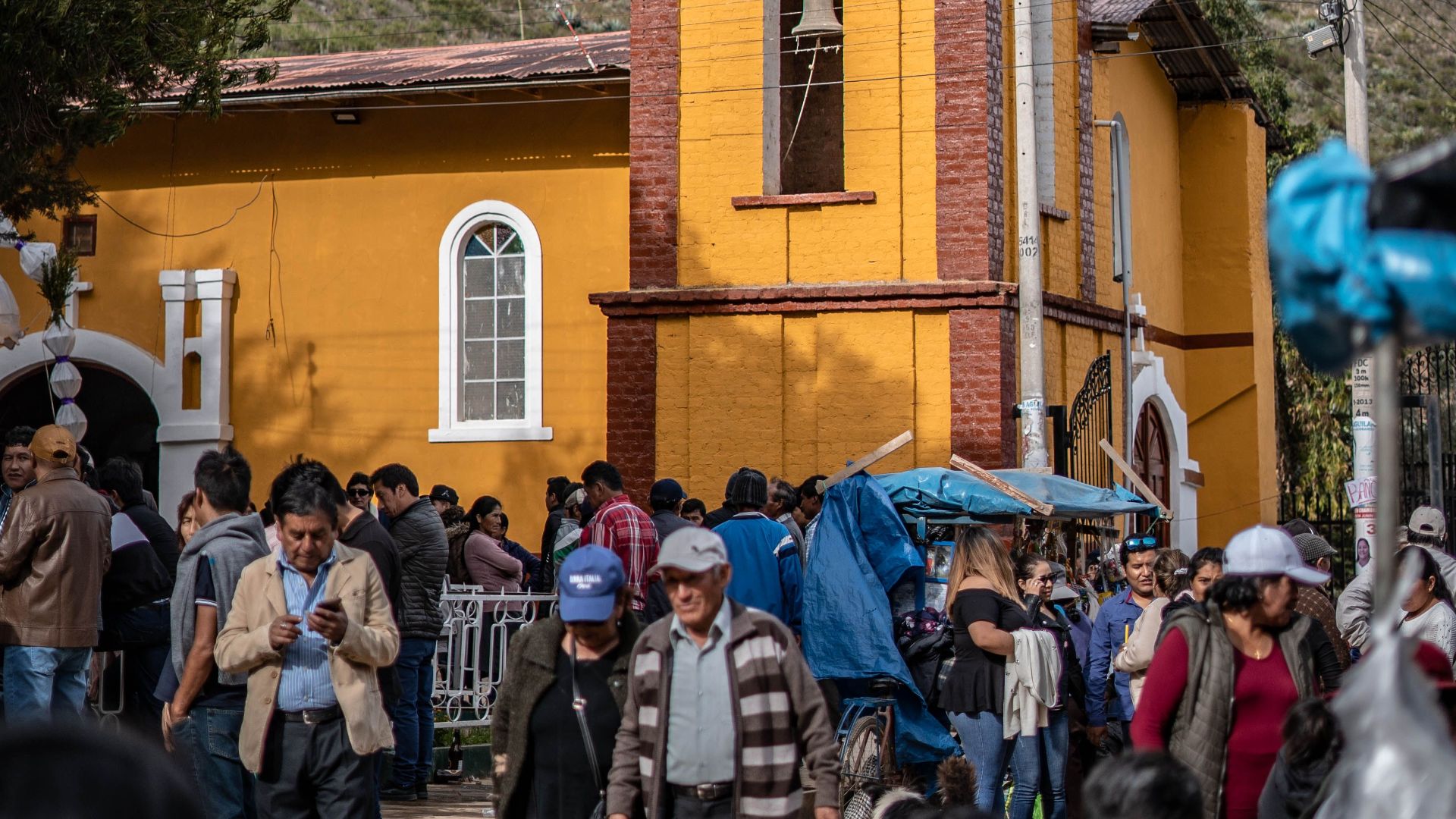
Some independent shops and restaurants open later or remain closed on Sundays, particularly outside major tourist districts. Alcohol sales may also be restricted by local or state rules during certain hours. Checking schedules before making a special trip can prevent an unnecessary drive.
Alcohol Rules Change By Location
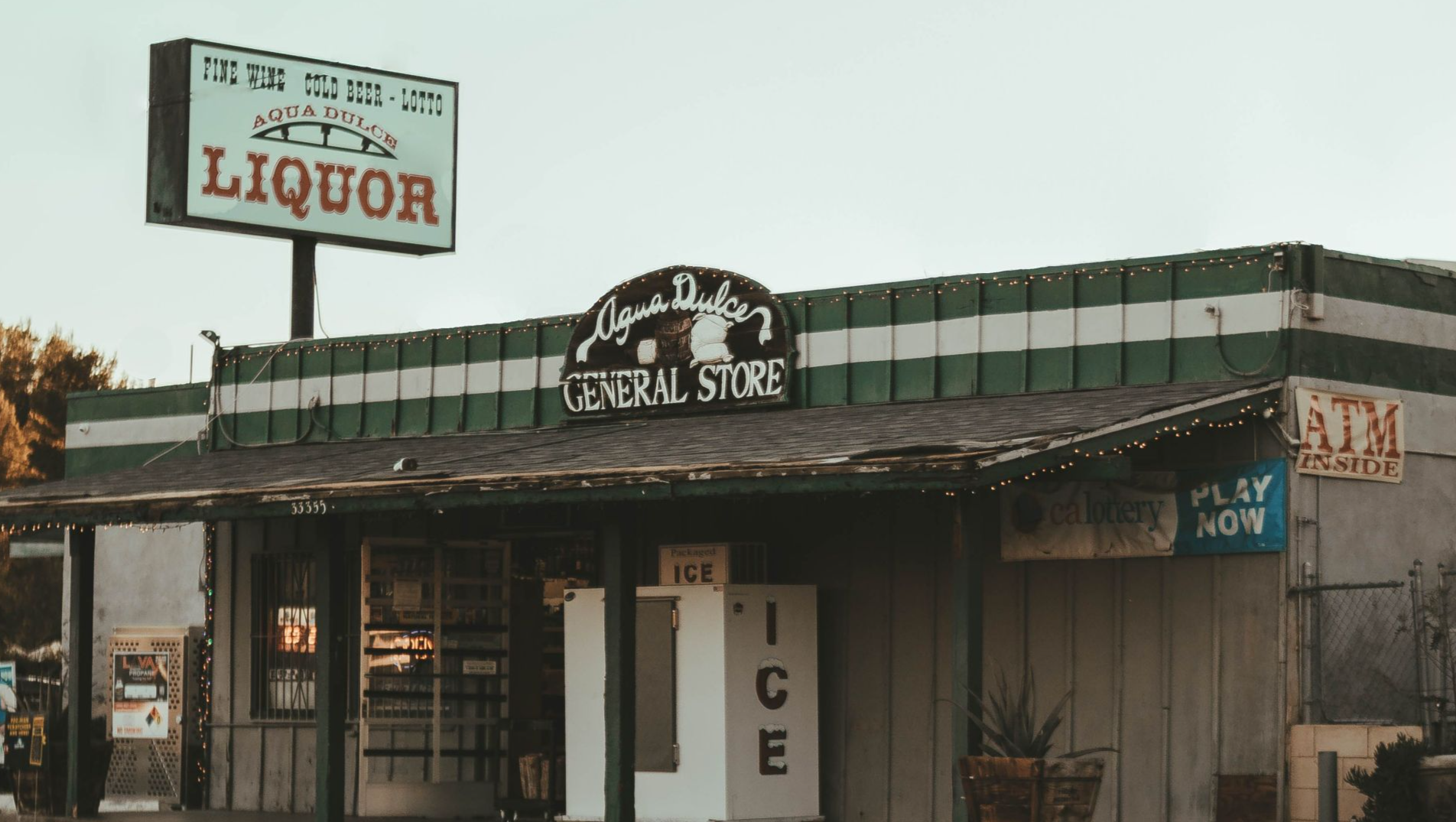
Alcohol laws vary significantly between Southern states, counties, and municipalities. Some jurisdictions permit broad retail sales, while others restrict Sunday purchases or prohibit certain categories of alcohol. A county may also be “dry,” even when a nearby city allows sales.
The Sales Tax Appears At Checkout
Canadian shoppers are familiar with taxes being added at the register, but the amount in the United States can vary by state and locality. Cities and counties may add their own sales taxes to the state rate. The final total can therefore differ between two communities that are only a short drive apart.
Tipping Requires More Attention
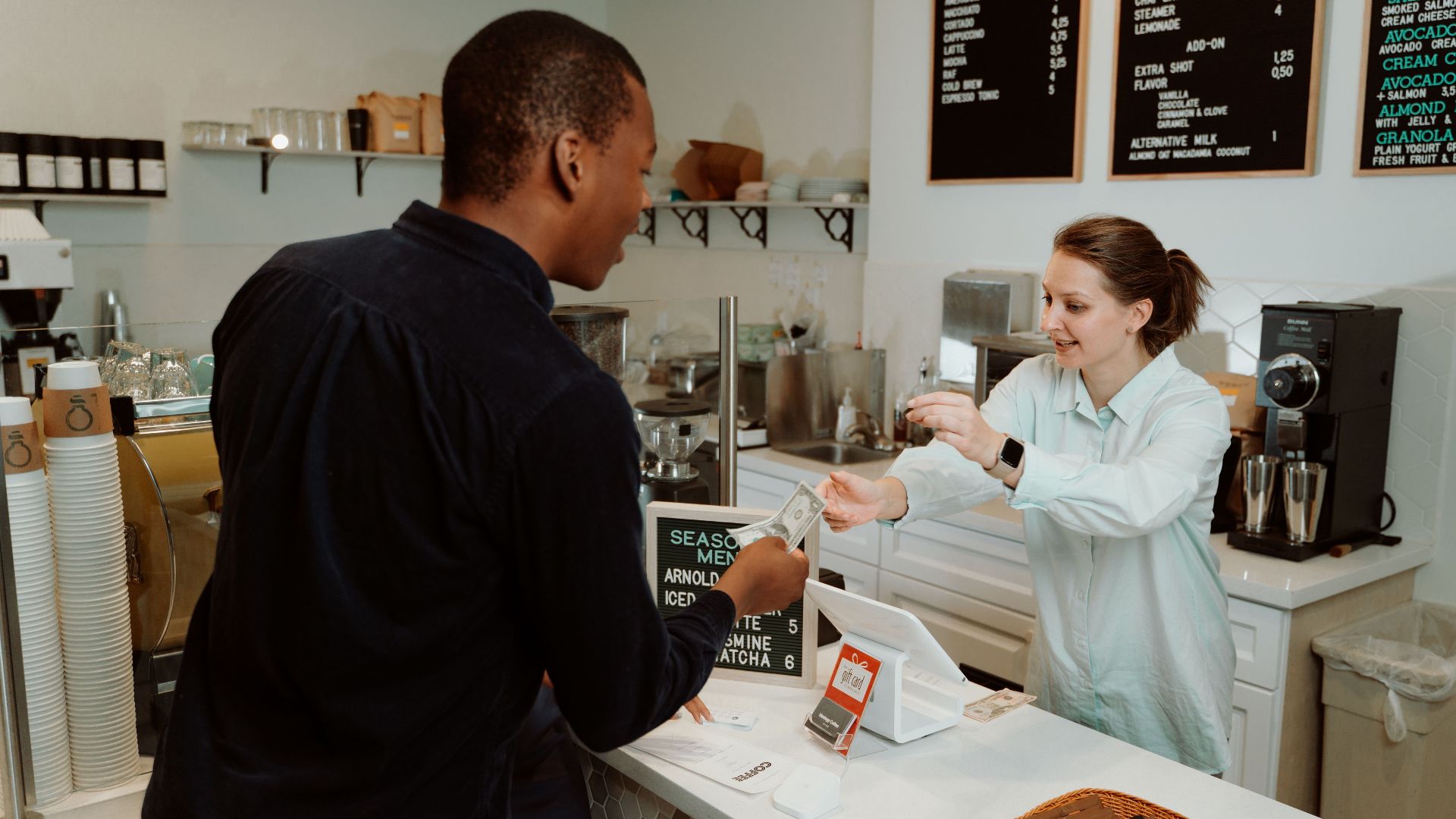
Tipping practices in American restaurants are generally more prominent than many Canadians expect. Federal law allows qualifying employers to count a portion of tips toward the wages of tipped workers, although state rules differ. Visitors should examine bills for automatic gratuities before adding another tip.

The Landscapes Are Remarkably Varied
The phrase “American South” may suggest a single flat, humid landscape, but the region includes far more. Visitors can find Appalachian mountains, Gulf Coast beaches, cypress wetlands, pine forests, desert areas in Texas, and barrier islands along the Atlantic. A trip combining several states can feel like travelling through multiple geographic regions.

History Is Close To The Surface
Historic markers, battlefields, plantations, civil rights landmarks, Indigenous sites, and preserved neighborhoods appear throughout the South. These places tell stories involving achievement, creativity, displacement, segregation, enslavement, and resistance. The strongest historic sites increasingly center the experiences of people whose perspectives were once minimized or excluded.
The South Cannot Be Reduced To A Stereotype
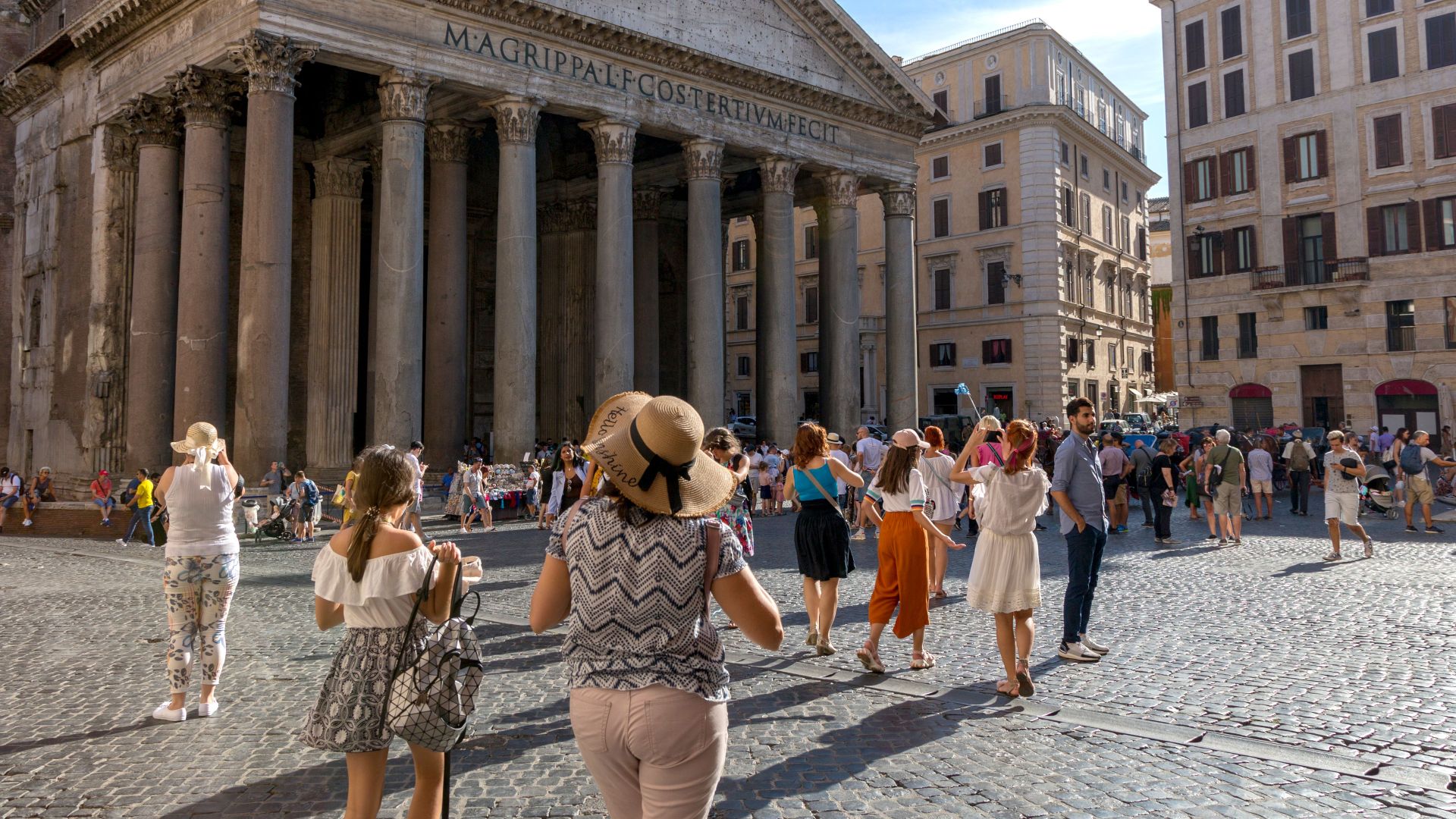
The region includes rural towns, international cities, university communities, industrial centers, beach resorts, and rapidly growing suburbs. It has been shaped by African American, Indigenous, European, Latin American, Caribbean, and Asian communities, among many others. Canadians who arrive with a fixed image of “the South” often leave impressed by how diverse and complicated it actually is.

A Little Preparation Goes A Long Way
The most enjoyable Southern trips balance curiosity with practical planning. Check the weather, driving distances, opening hours, local alcohol rules, and major sports schedules before setting out. Once you understand a few regional customs, the South becomes easier to navigate and much more rewarding to explore.

You May Also Like:
American Vacation Expectations That Surprise Tourists From Overseas—Which Ones Shock You Most?
Things Canadians Notice Immediately When They Visit Florida
Canadians Ranked The U.S. Road Trips They'd Most Like To Take—Which One Would You Choose?