America Plays By Its Own Vacation Rules
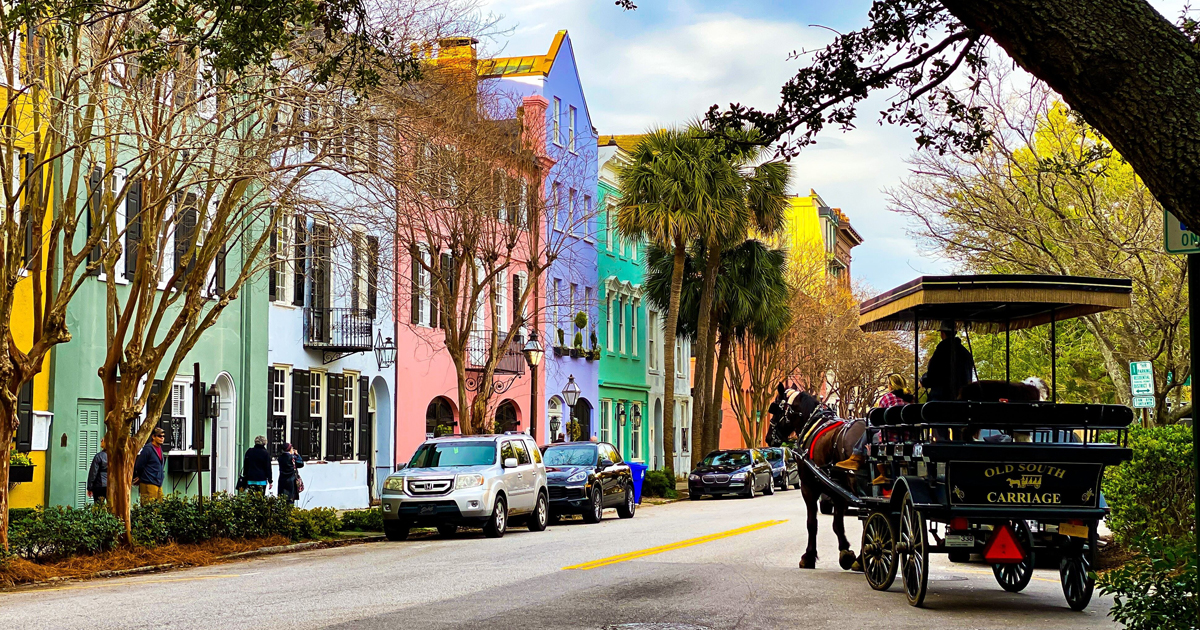
A trip to the United States can feel familiar until the bill arrives, the road trip begins, or someone hands you a drink packed with ice. Many American vacation habits reflect the country’s enormous size, car-centered infrastructure, and service culture. Understanding these expectations can save international visitors money, time, and more than a few awkward moments.
Vacation Time Can Be Surprisingly Limited
Many overseas visitors assume Americans receive a generous annual vacation allowance from their employers. However, federal law does not require private employers to provide paid vacation time, leaving those benefits to agreements between employers and employees. This helps explain why many Americans build trips around weekends, holidays, and relatively short periods away from work.

A Long Weekend Counts As A Vacation
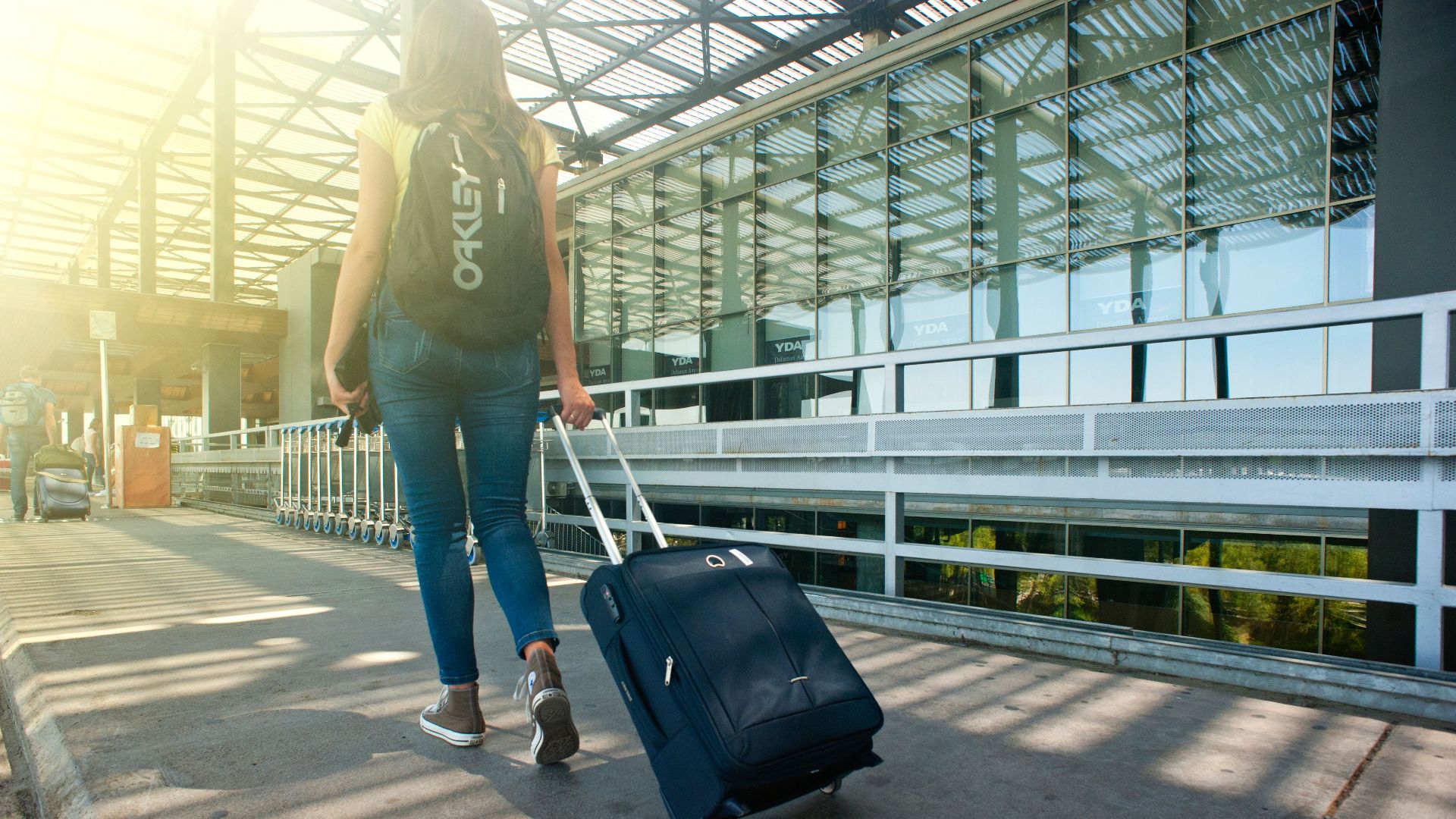
Americans frequently describe three or four days away as a full vacation rather than a simple weekend break. Travelers may fly several hours, rent a car, visit multiple attractions, and return home before the next workweek begins. Visitors from countries with longer annual leave allowances can find this compressed style of travel exhausting.
Road Trips Are Practically A National Tradition
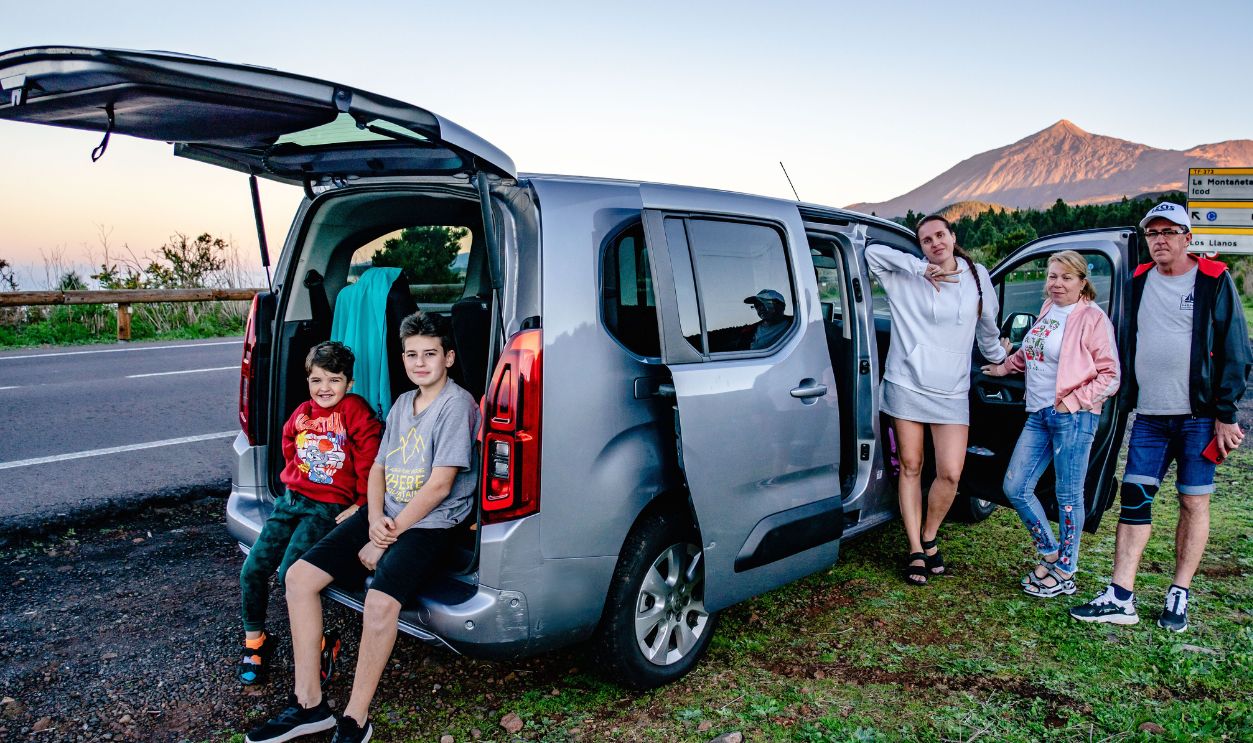
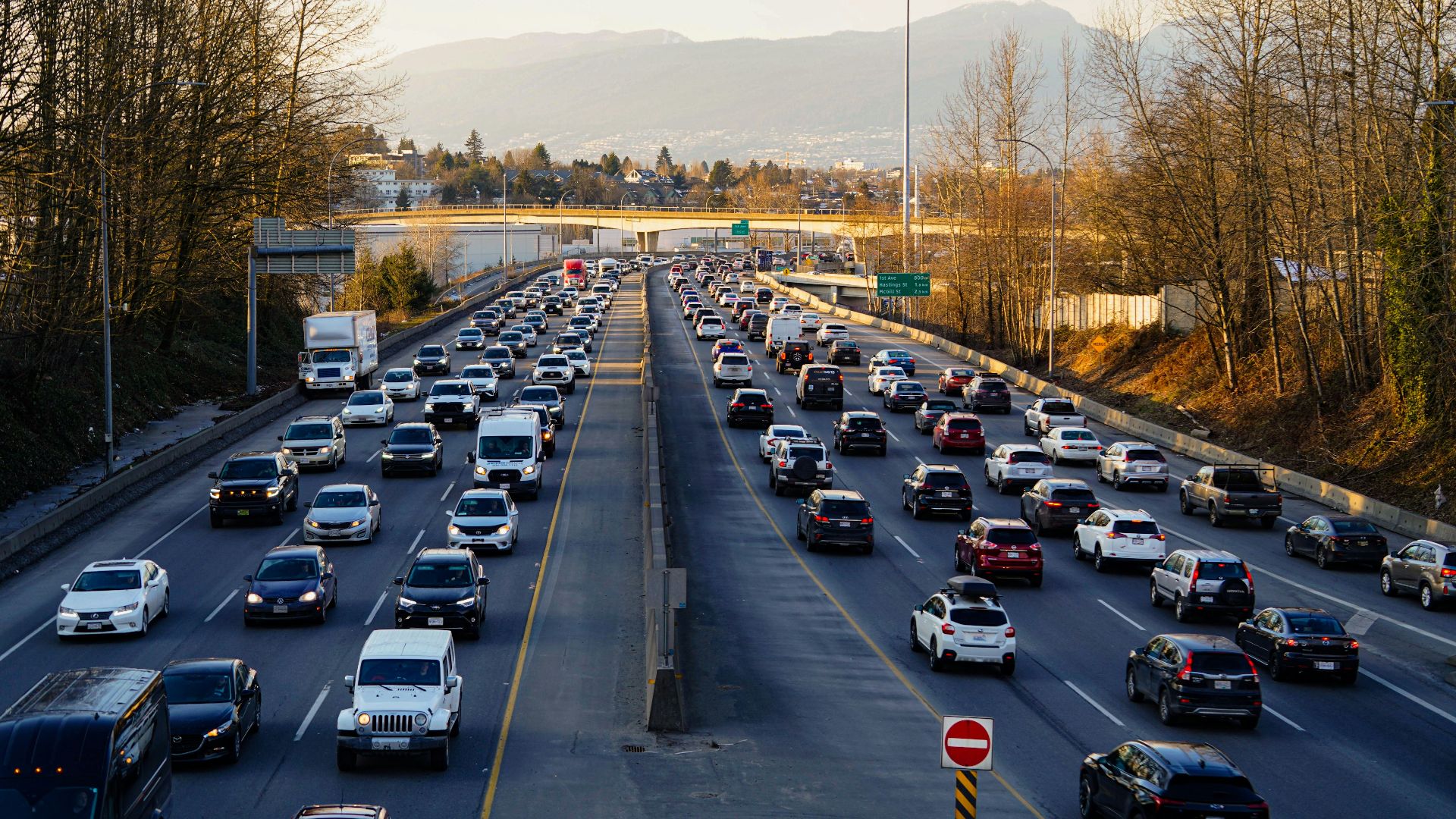
For many Americans, driving is not merely a way to reach a vacation destination. The journey itself is part of the experience, complete with roadside diners, scenic highways, unusual attractions, and planned overnight stops. The country’s tourism organizations actively promote road trips as one of the defining ways to explore the United States.
Four Hours Is Considered A Manageable Drive
Overseas tourists are often surprised when Americans describe a destination several hundred miles away as reasonably close. In a country stretching across multiple time zones, a four-hour drive may be treated as an ordinary weekend journey. Visitors should always check actual travel times instead of judging distances by how close two places appear on a map.
Seeing Everything In One Trip Is Impossible
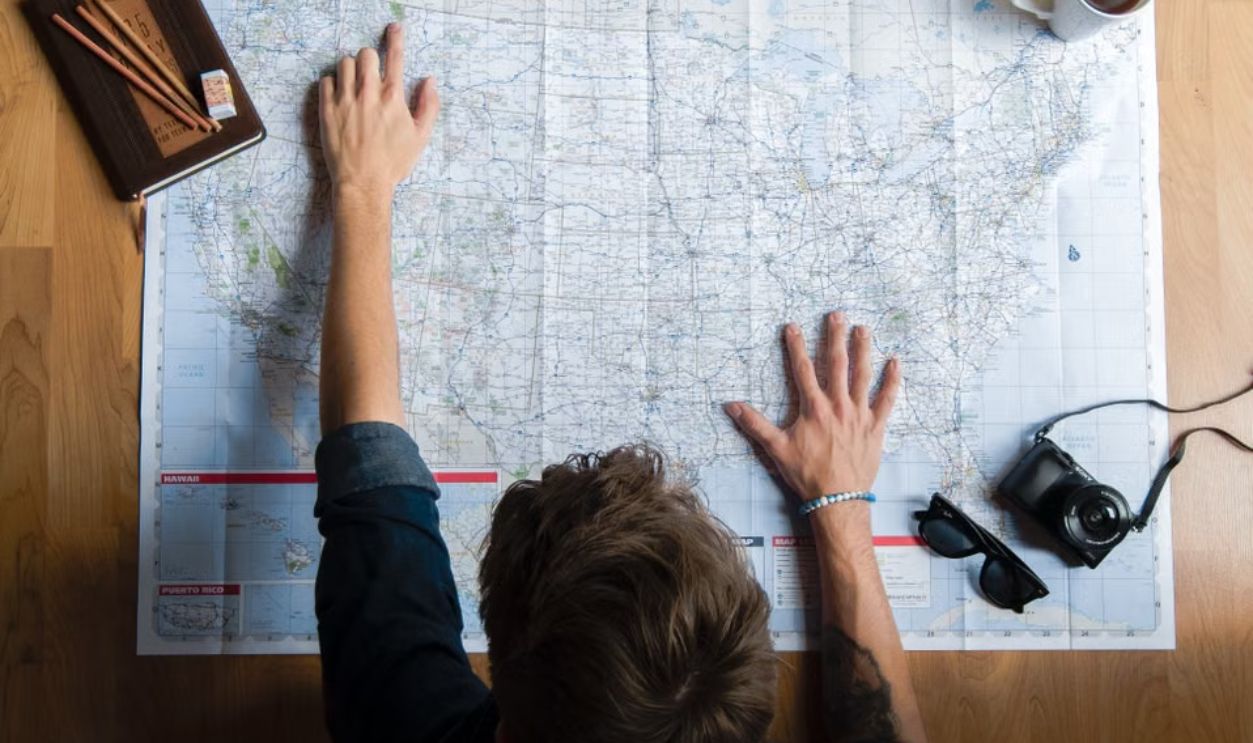
New York, Miami, New Orleans, Las Vegas, Los Angeles, and Yellowstone may all appear on the same dream itinerary. In reality, linking them requires several flights and considerable travel time. The United States is better approached as a collection of regions rather than one destination that can be covered during a short visit.
Renting A Car May Feel Essential
Major cities such as New York, Chicago, Boston, and Washington offer extensive public transportation. Outside large urban centers, however, attractions, restaurants, hotels, and shopping areas can be widely separated. Census data consistently show how strongly everyday American transportation depends on private vehicles, and visitors often discover that vacation travel works the same way.
Driving Requirements Can Change By State
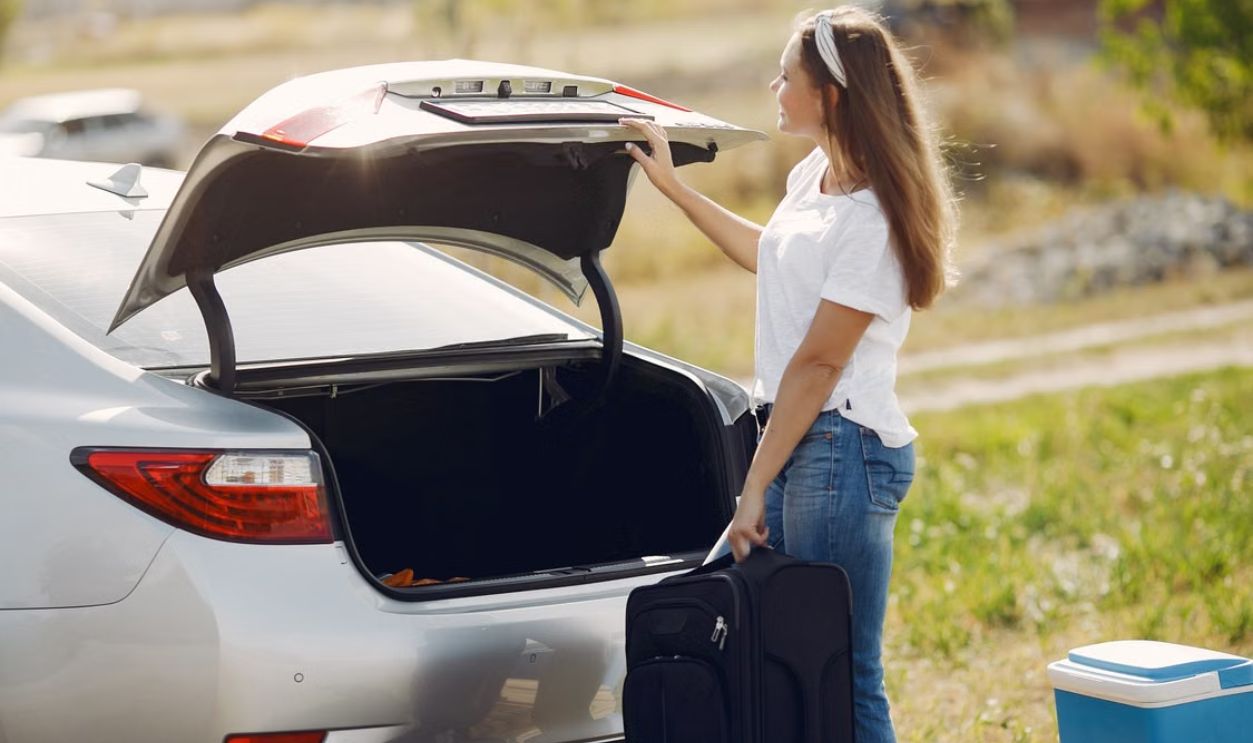
International visitors cannot assume that one set of driving rules applies everywhere. Depending on the states being visited, travelers may need an International Driving Permit along with the license issued by their home country. The permit generally must be obtained before arriving in the United States.
Parking Deserves Its Own Budget
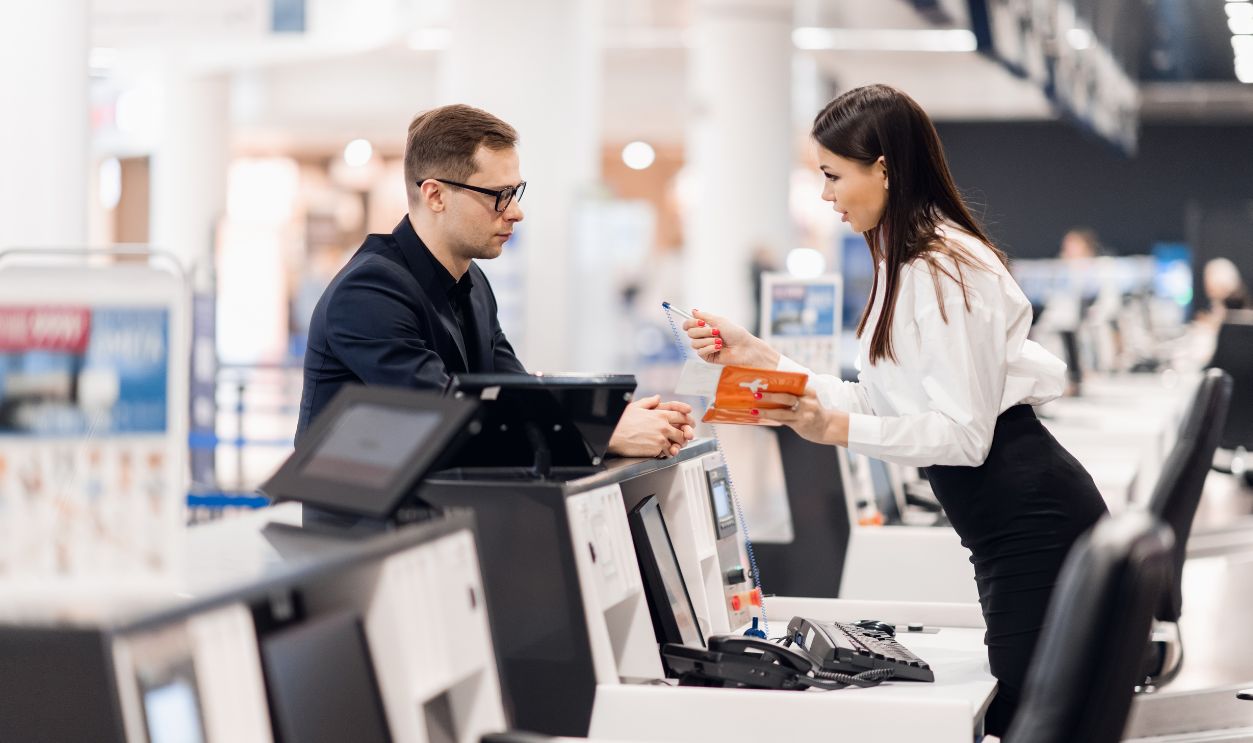
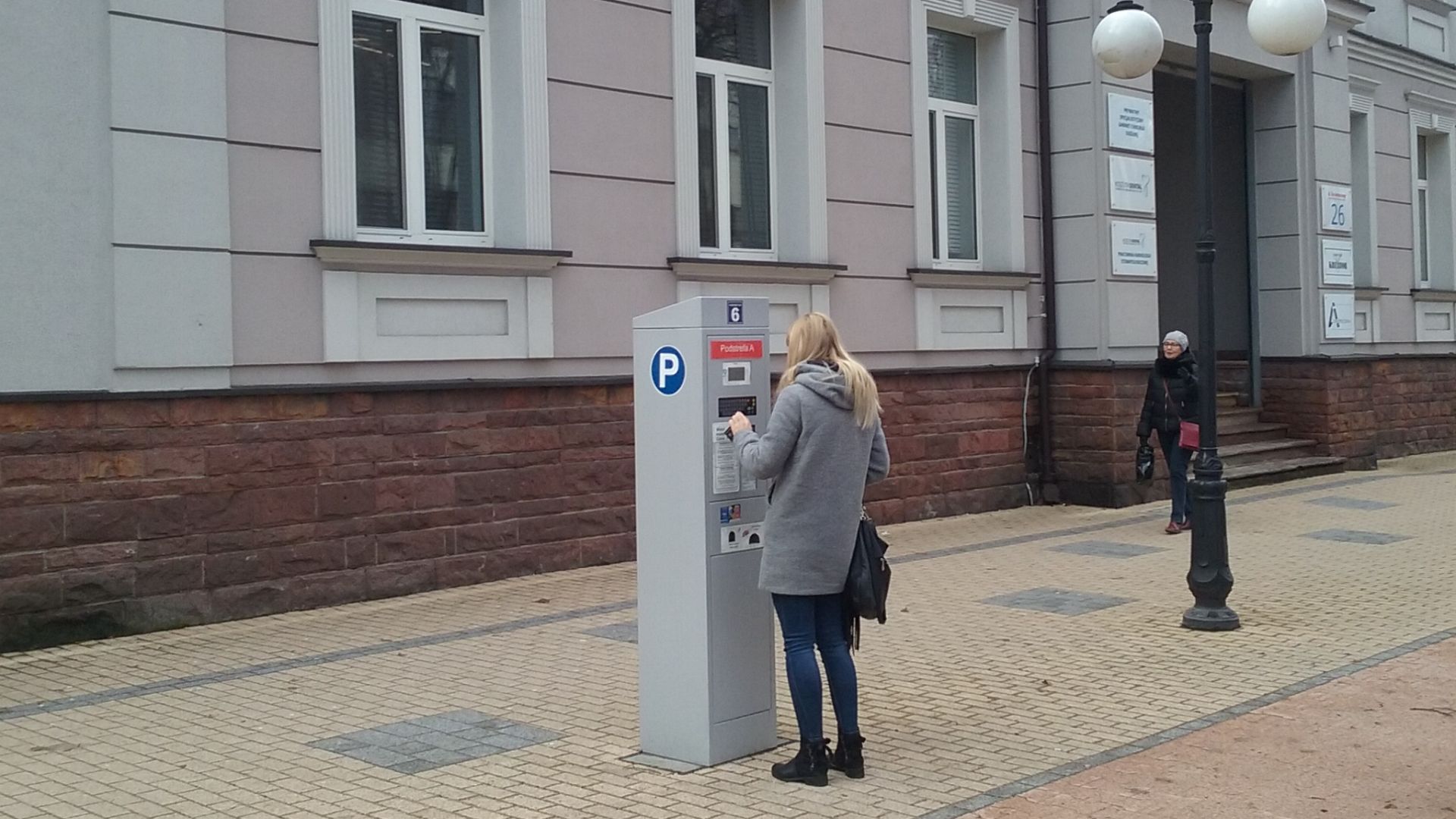
Driving may be convenient, but leaving the vehicle somewhere can become expensive. Hotels in major cities frequently charge separately for overnight parking, while popular attractions may have their own parking fees. Travelers should check parking costs before booking a hotel that initially appears affordable.
Americans Expect To Tip At Restaurants
Restaurant menu prices rarely represent the full amount diners expect to pay. At table-service restaurants, customers generally add a gratuity, with etiquette guidance commonly recommending approximately 15 to 20 percent. Visitors from countries where service is already included can find the calculation confusing or uncomfortable.

Tipping Does Not Stop After Dinner
The expectation may extend to bartenders, taxi drivers, hotel staff, hairdressers, tour guides, and other service workers. The appropriate amount depends on the service, which means travelers cannot rely on one universal percentage. Carrying a small supply of dollar bills can make hotel and transportation tipping easier.

The Price Tag May Not Be The Final Price
In much of the United States, state or local sales taxes are added when customers pay rather than being included in the displayed retail price. Rates and taxable items differ between jurisdictions, so two neighboring cities may produce different totals. International visitors should leave a little extra room in their shopping and dining budgets.

Hotel Prices Require A Careful Look
Travelers have long encountered mandatory resort or destination fees added to advertised hotel rates. Federal rules now require short-term lodging businesses to display the total price, including unavoidable fees, more prominently. Taxes and optional charges may still affect the final payment, so checking the complete booking breakdown remains important.

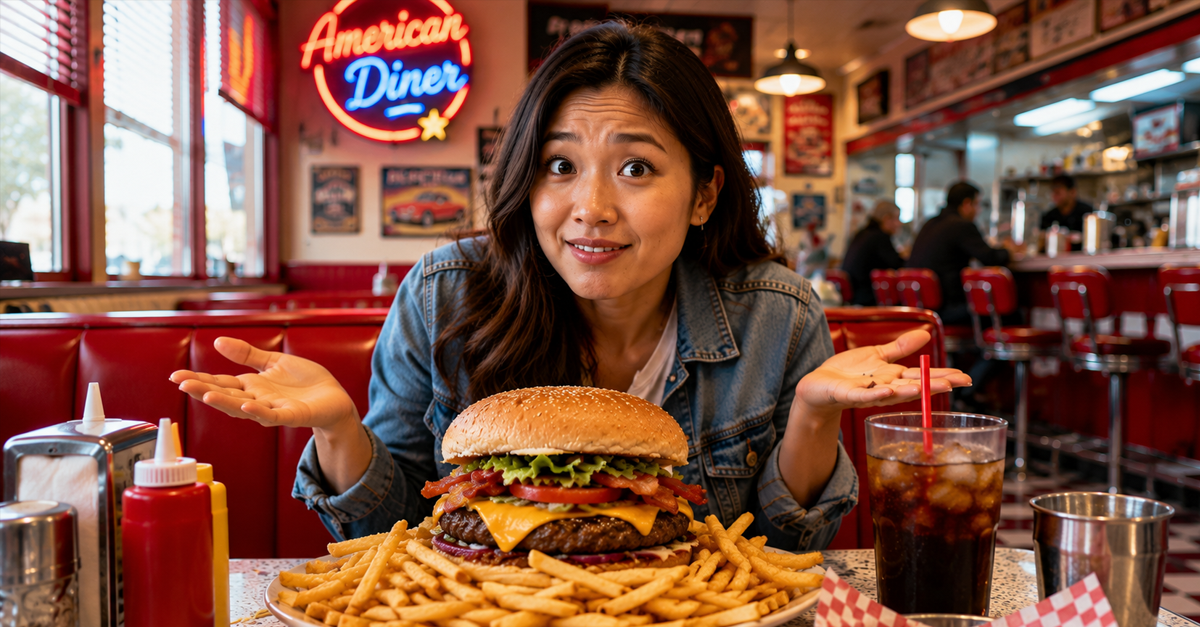
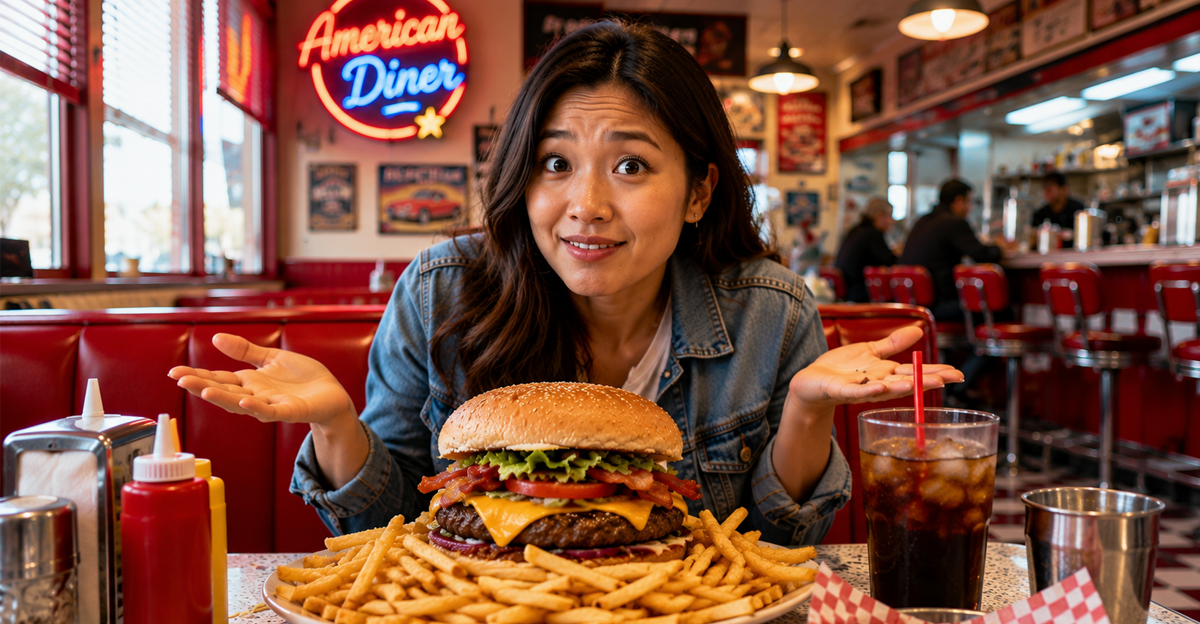
Restaurant Portions Can Be Enormous
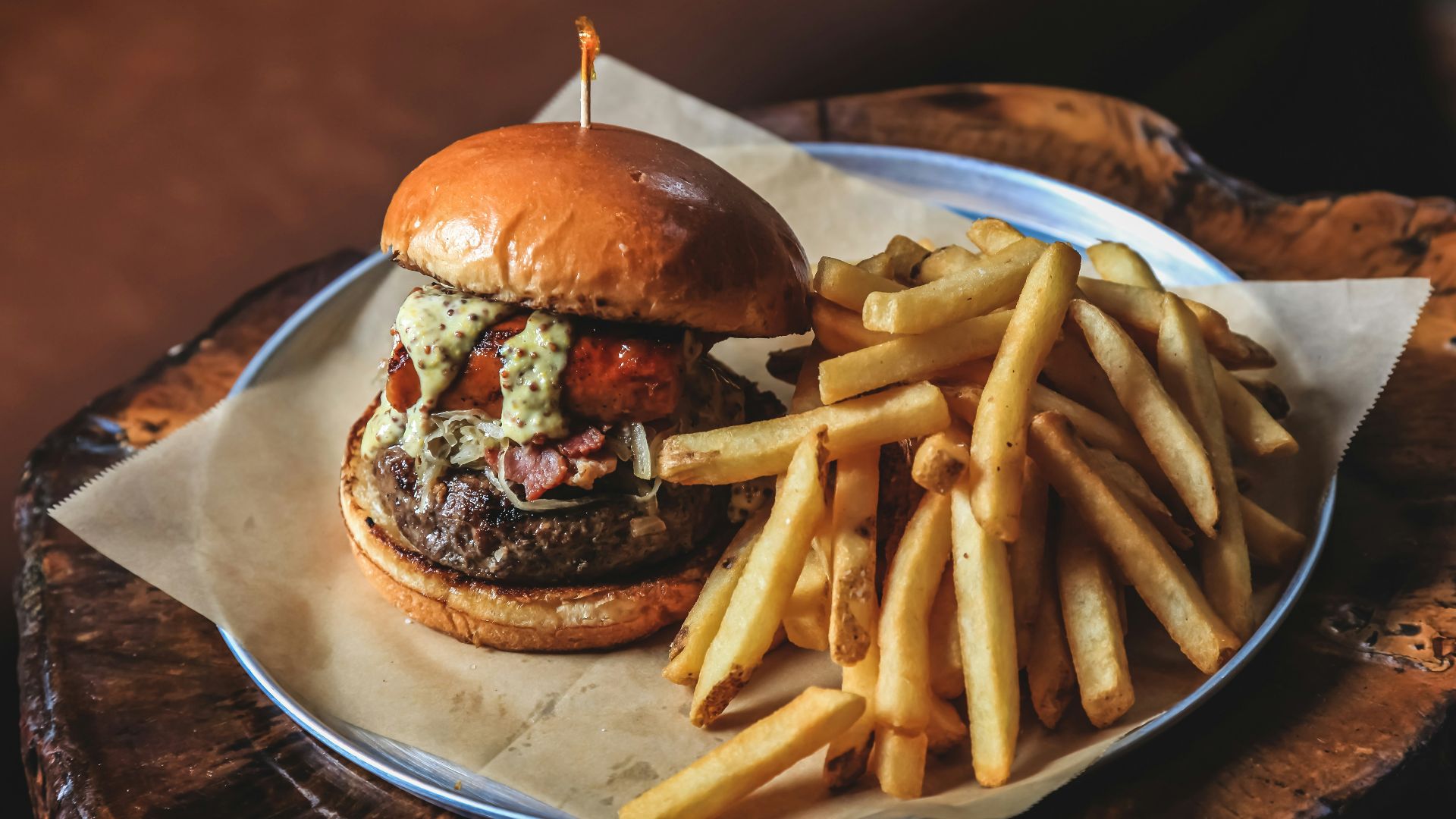
American restaurant servings often appear unusually large to visitors accustomed to smaller individual plates. Entrées may arrive with several side dishes, bread, or enough food for another meal. Finishing everything is not usually expected, particularly at casual restaurants.
Taking Leftovers Home Is Completely Normal
Requesting a container for unfinished food is a standard practice rather than an admission of defeat. Servers may even offer a box before the customer asks. Visitors staying somewhere with a refrigerator and microwave can turn one oversized dinner into an inexpensive lunch.

Drinks Often Arrive Filled With Ice
Ordering water or soda commonly produces a glass containing a generous amount of ice. Free water is routinely offered at many sit-down restaurants, and fountain drinks may come with complimentary refills. Anyone who prefers a warmer or less diluted beverage should ask for light ice or no ice when ordering.

Dinner May Begin Earlier Than Expected
In many American communities, restaurants become busy around 6 or 7 p.m. rather than later in the evening. Families and older diners may eat even earlier, especially outside large cities. Visitors accustomed to beginning dinner at 9 p.m. can discover that some kitchens are already approaching closing time.

Casual Clothing Goes Almost Everywhere
Shorts, sneakers, baseball caps, and athletic clothing are common at tourist attractions and casual restaurants. Even reasonably expensive establishments may have a more relaxed atmosphere than overseas visitors expect. Fine-dining restaurants, theaters, private clubs, and religious sites can still have stricter standards, so checking ahead is sensible.
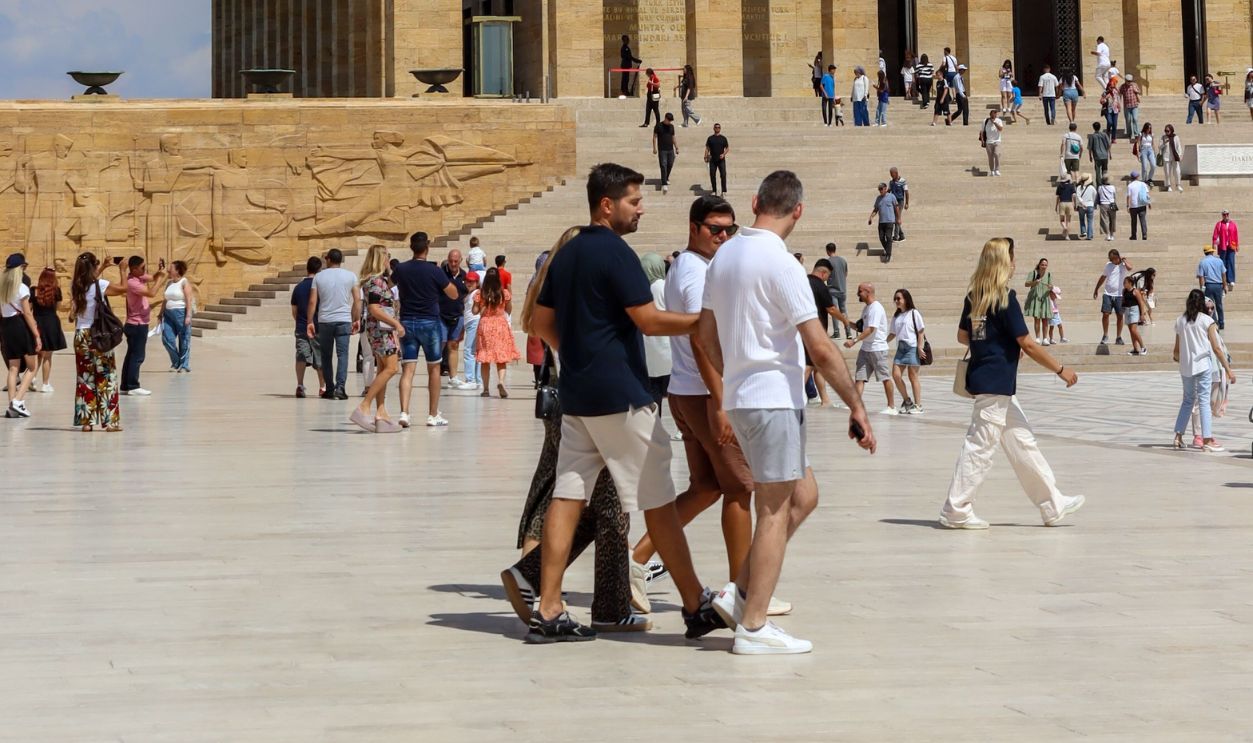
Strangers May Start Talking To You
Americans often make brief conversation while standing in lines, riding elevators, or waiting for coffee. Questions about where someone is from or how their day is going are usually intended as friendly small talk. Visitors should not assume that every cheerful exchange represents a request for friendship or a lengthy conversation.

Customer Service Can Feel Intensely Friendly
Restaurant servers may introduce themselves, check on the table repeatedly, and ask whether everything tastes satisfactory. Hotel employees and retail workers may also use an enthusiastic conversational style. Some visitors appreciate the attention, while others need time to adjust to it.
 AI25.Studio AI GENERATIVE, Pexels
Indoor Temperatures Can Feel Freezing
Powerful air conditioning is common in hotels, restaurants, shopping centers, airports, and museums during warm weather. Visitors can walk in from intense summer heat and immediately wish they had brought a sweater. Carrying a light extra layer is useful even in destinations known for high temperatures.

Convenience Is Part Of The Experience
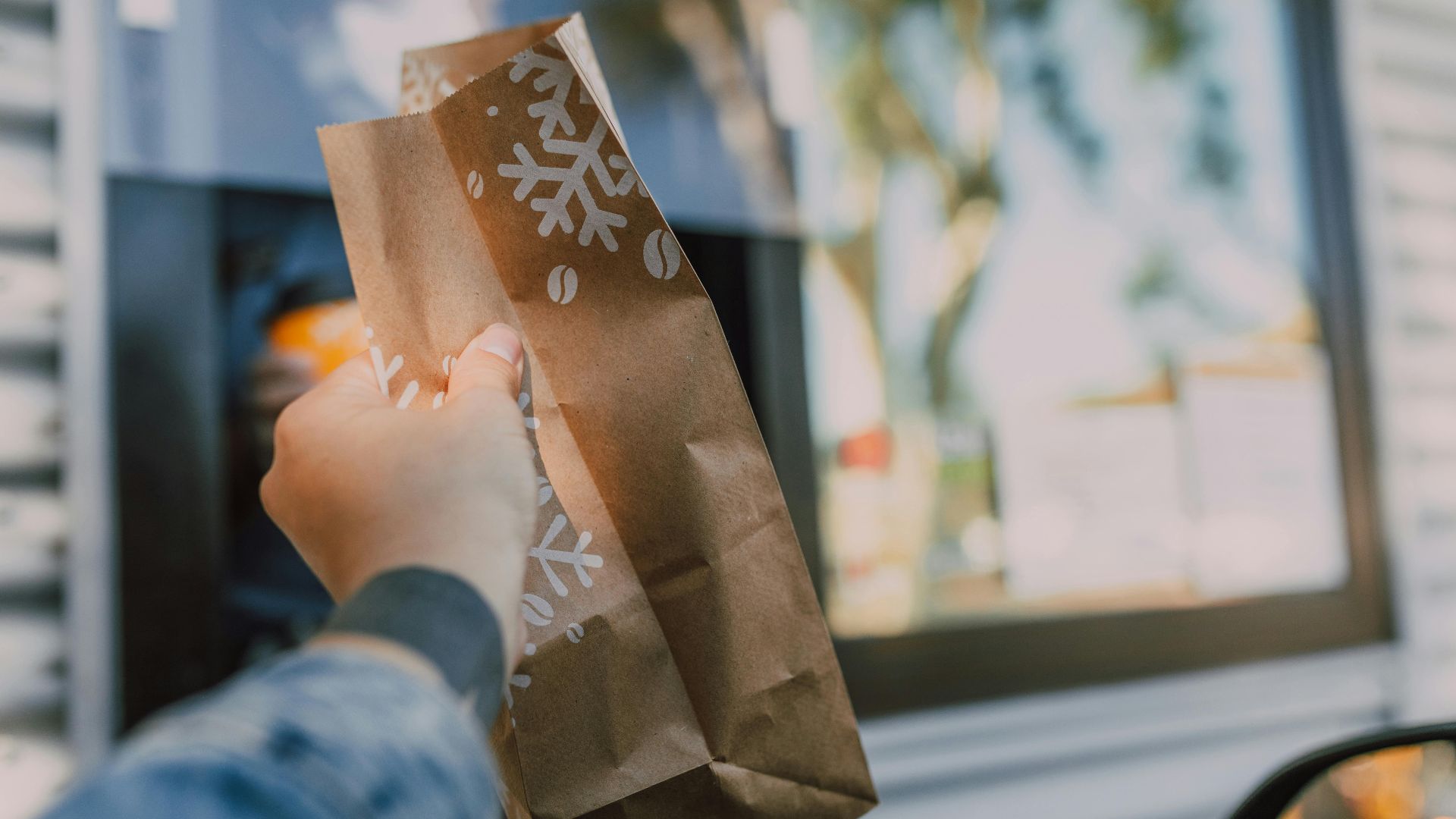
Drive-through restaurants, pharmacies, roadside services, and large convenience stores reflect the importance of automobile travel. Some businesses operate very late, and certain locations remain open around the clock. Availability varies considerably, however, and visitors should not assume every small town offers food or shopping throughout the night.
National Parks Require Serious Planning
America’s national parks may look like open wilderness, but the most popular locations can involve entrance fees, permits, parking restrictions, shuttles, or activity reservations. Requirements differ by park and can change between seasons. The National Park Service recommends researching conditions and creating a backup plan before arriving.

Campsites Can Sell Out Months Ahead
The romantic idea of reaching a national park and casually choosing an empty campsite does not always match reality. Many National Park Service campgrounds accept or require advance reservations through Recreation.gov. At extremely popular destinations, lodging and campsites can fill months before the travel date.

Holiday Weekends Bring Serious Crowds
Memorial Day, Independence Day, and Labor Day often produce heavy traffic at beaches, parks, airports, and highway destinations. Hotels and rental cars can become more expensive as demand rises. Overseas visitors who are unaware of the American calendar may accidentally plan their quiet getaway during one of the busiest weekends of the year.
Airport Security Has Detailed Rules
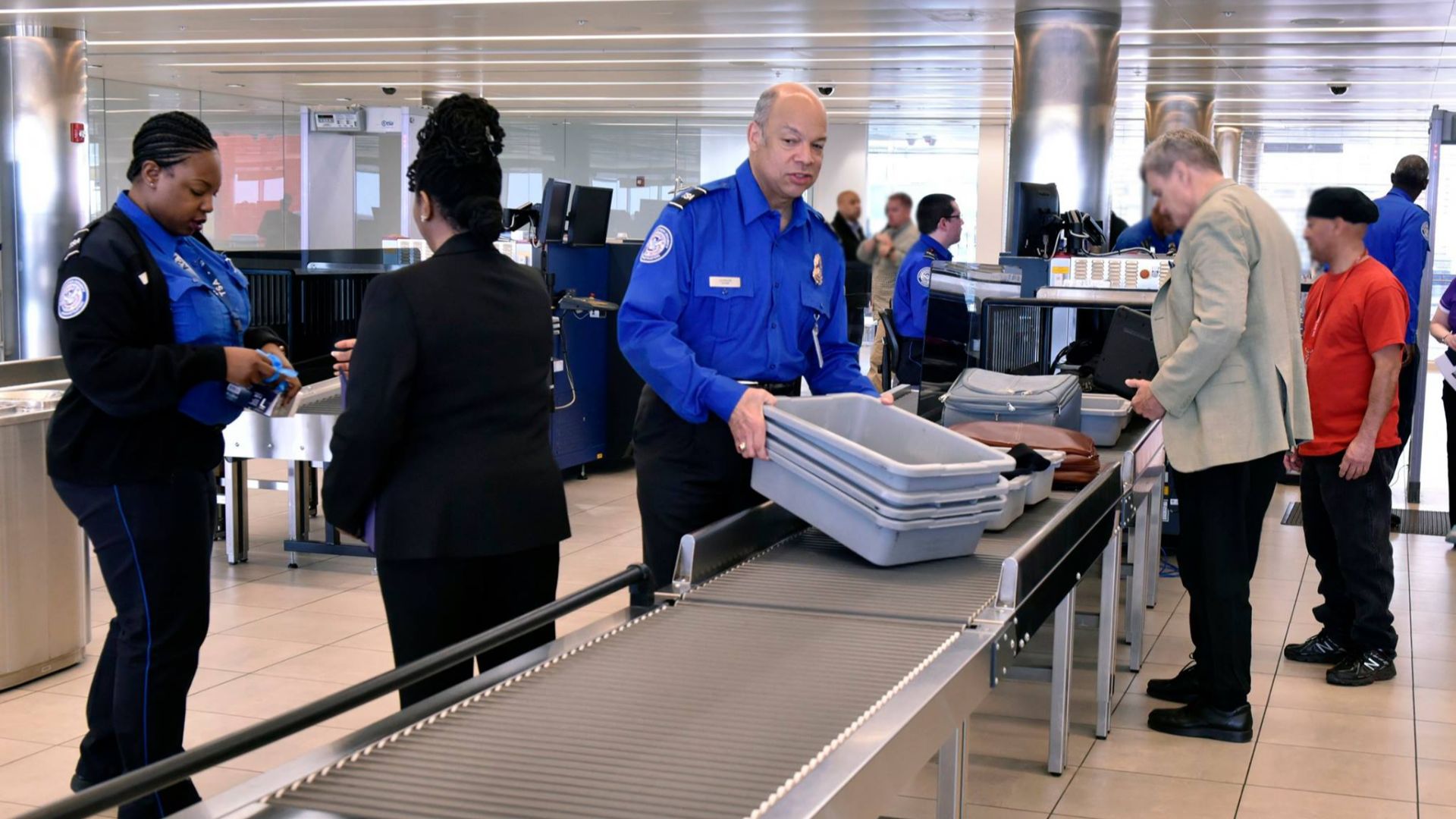
Travelers taking domestic flights encounter Transportation Security Administration procedures at American airports. Standard screening can require passengers to remove selected items and place electronics or liquids separately for inspection. Arriving with time to spare is especially important for visitors unfamiliar with the process.
 U.S. Department of Homeland Security (DHS), Wikimedia Commons
One Vacation Can Cross Several Climates
A single American itinerary might include a humid coastline, a high-altitude national park, an air-conditioned casino, and a cold desert night. Temperatures can change dramatically between regions and elevations, even during the same season. Packing layers is often more useful than packing for one imagined version of American weather.

Flexibility Is The Best American Travel Skill
The United States rewards ambitious travelers, but it also punishes unrealistic schedules. Distances are long, local rules vary, and famous attractions may require more preparation than expected. Tourists who leave room for traffic, weather, crowds, and unexpected roadside stops usually have a much better vacation.
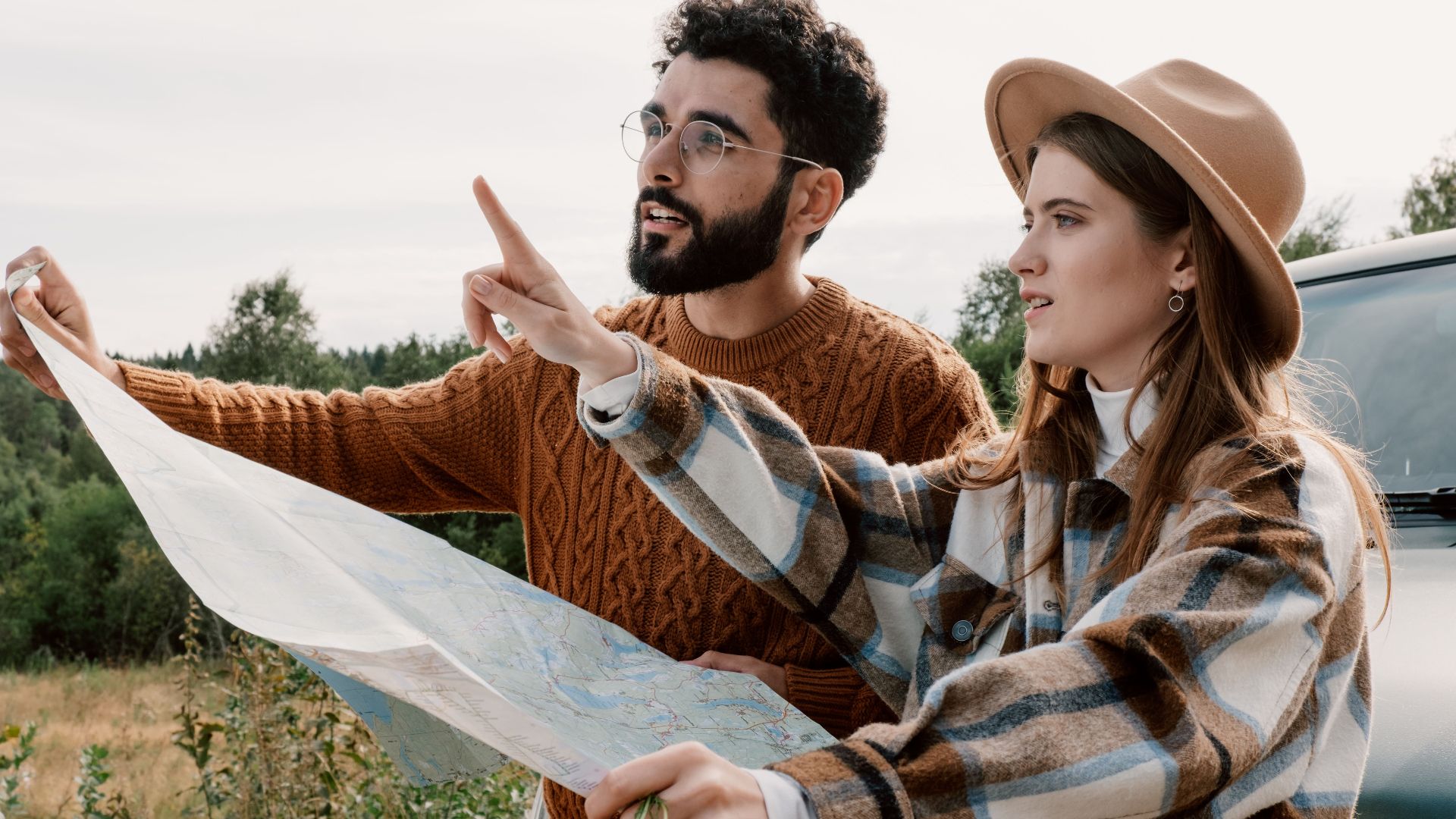
Which Expectations Would Surprise You Most?
Some visitors are shocked by tipping, while others cannot believe that four hours behind the wheel is considered a reasonable journey. The oversized meals, icy restaurants, early dinners, and advance reservations can be equally memorable. American travel makes much more sense once visitors understand that convenience, distance, and limited vacation time shape nearly every decision.
You May Also Like:
25 Most Underrated National Parks In America—Ranked By Travelers
Things Europeans Love About America That Americans Take For Granted
American travelers ranked the friendliest cities in Europe. Which one are you visiting this year?
Sources: 1, 2, 3, 4, 5, 6, 7, 8, 9, 10, 11, 12, 13, 14, 15, 16