Same Food, Completely Different Name
Imagine ordering pancakes in London and getting a chewy oat bar instead. Or asking for jelly and receiving a wobbly dessert instead of something to spread on toast. Americans traveling abroad quickly discover that familiar foods can have surprisingly different names, sometimes with hilarious results.
From everyday vegetables to popular comfort foods, here are the food names that cause some of the biggest mix-ups.
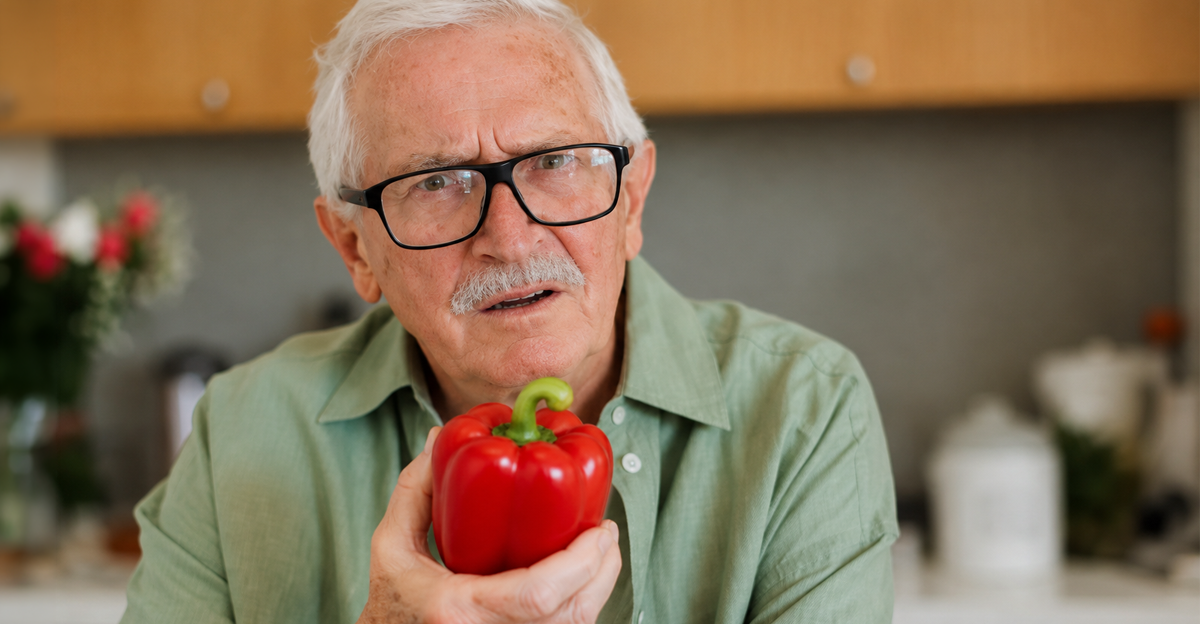
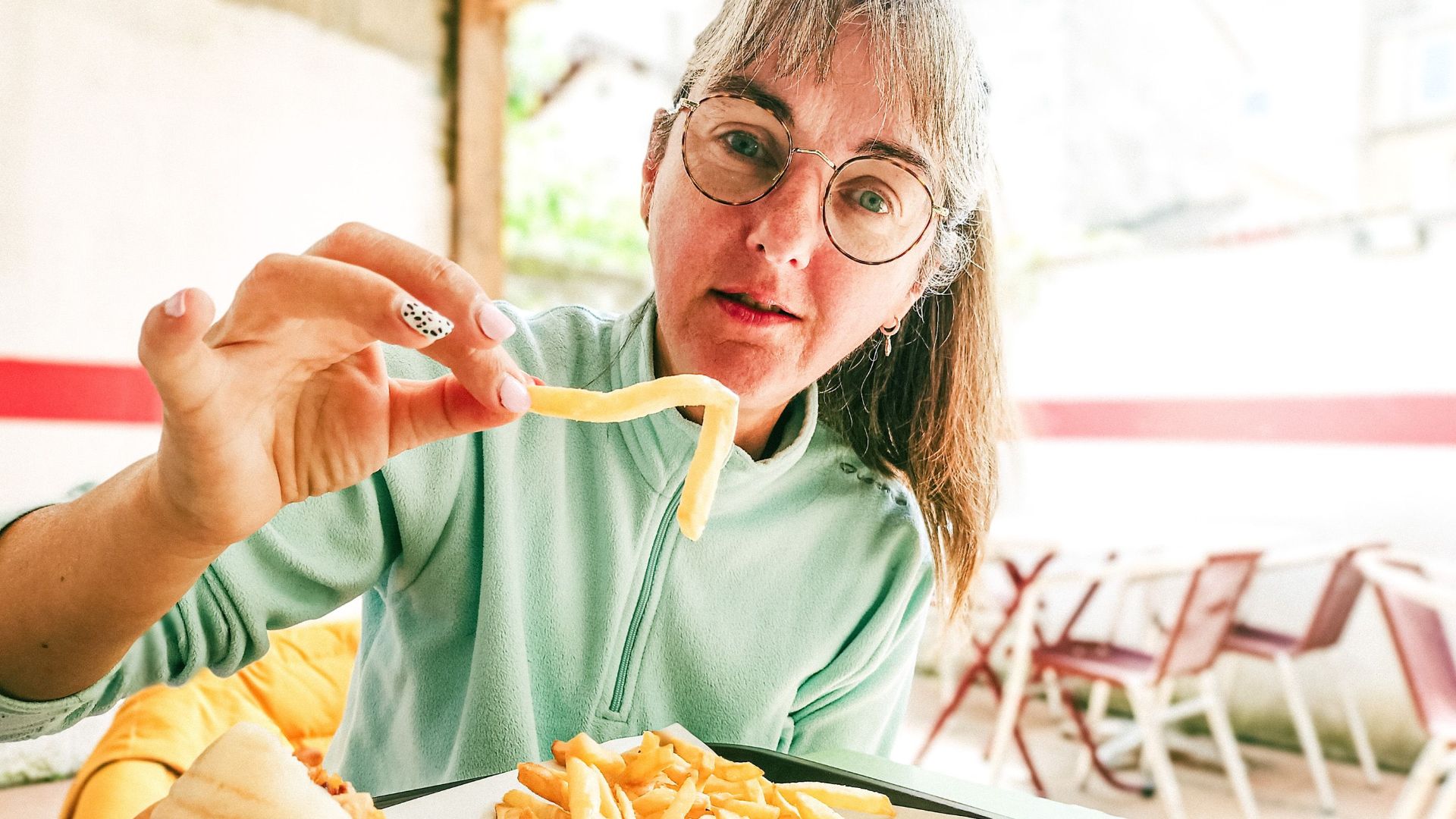
French Fries Become Chips
Ordering French fries in Britain is simple once you know they're commonly called chips. The British version is often thicker than the skinny fries served at American fast-food restaurants, but both are fried potatoes. In Australia and New Zealand, chips is also the familiar name for fries served hot with meals. But potatoes aren't the only everyday food with a different name overseas.
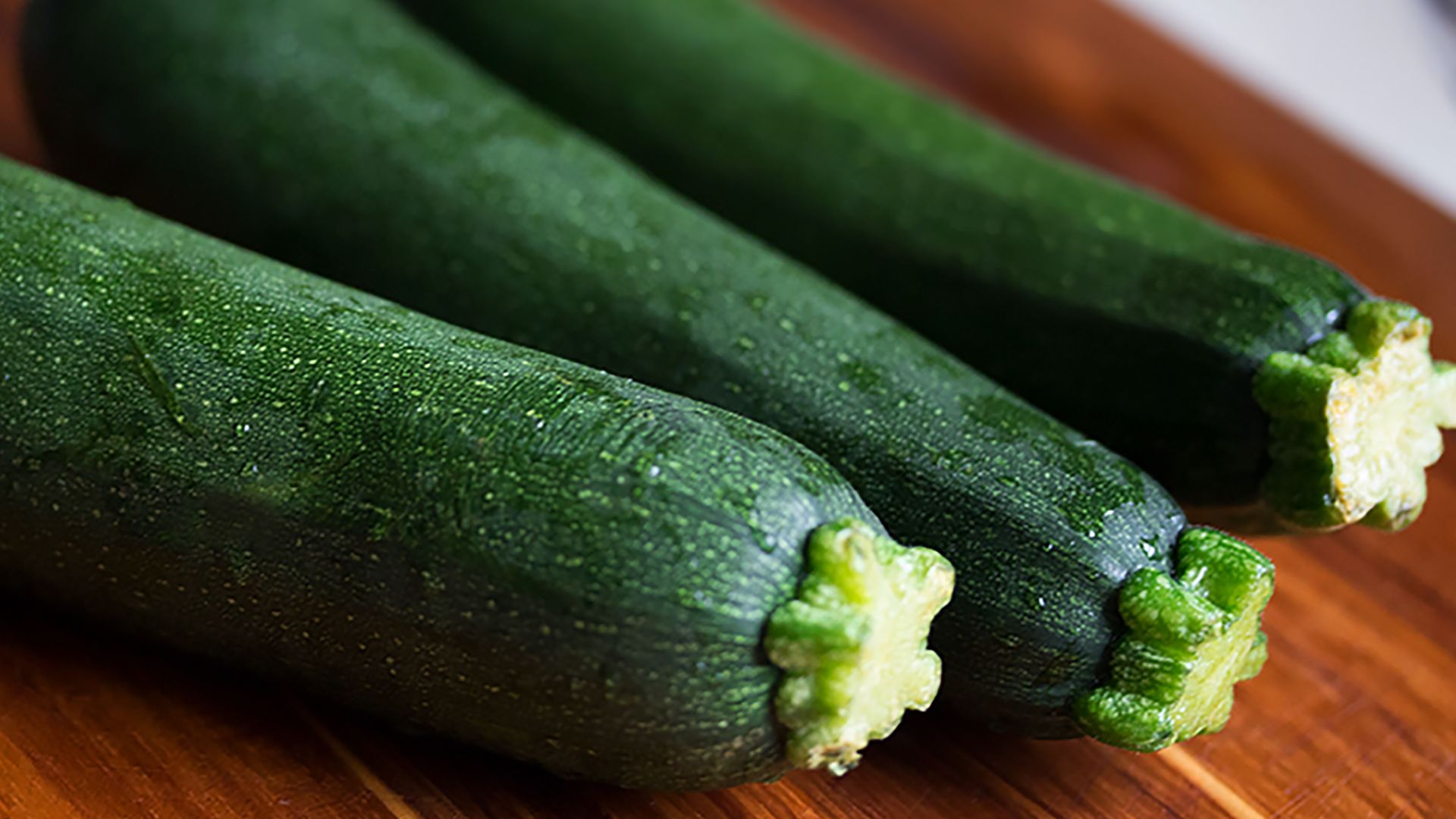
Zucchini Becomes Courgette
Americans know it as zucchini, but walk into a British supermarket and you'll find the same vegetable labeled courgette. The American term comes from Italian, while the British name comes from French. Both refer to the familiar green summer squash used in everything from pasta to grilled vegetable dishes. Australians and New Zealanders also generally call it zucchini, so the British name isn't universal.
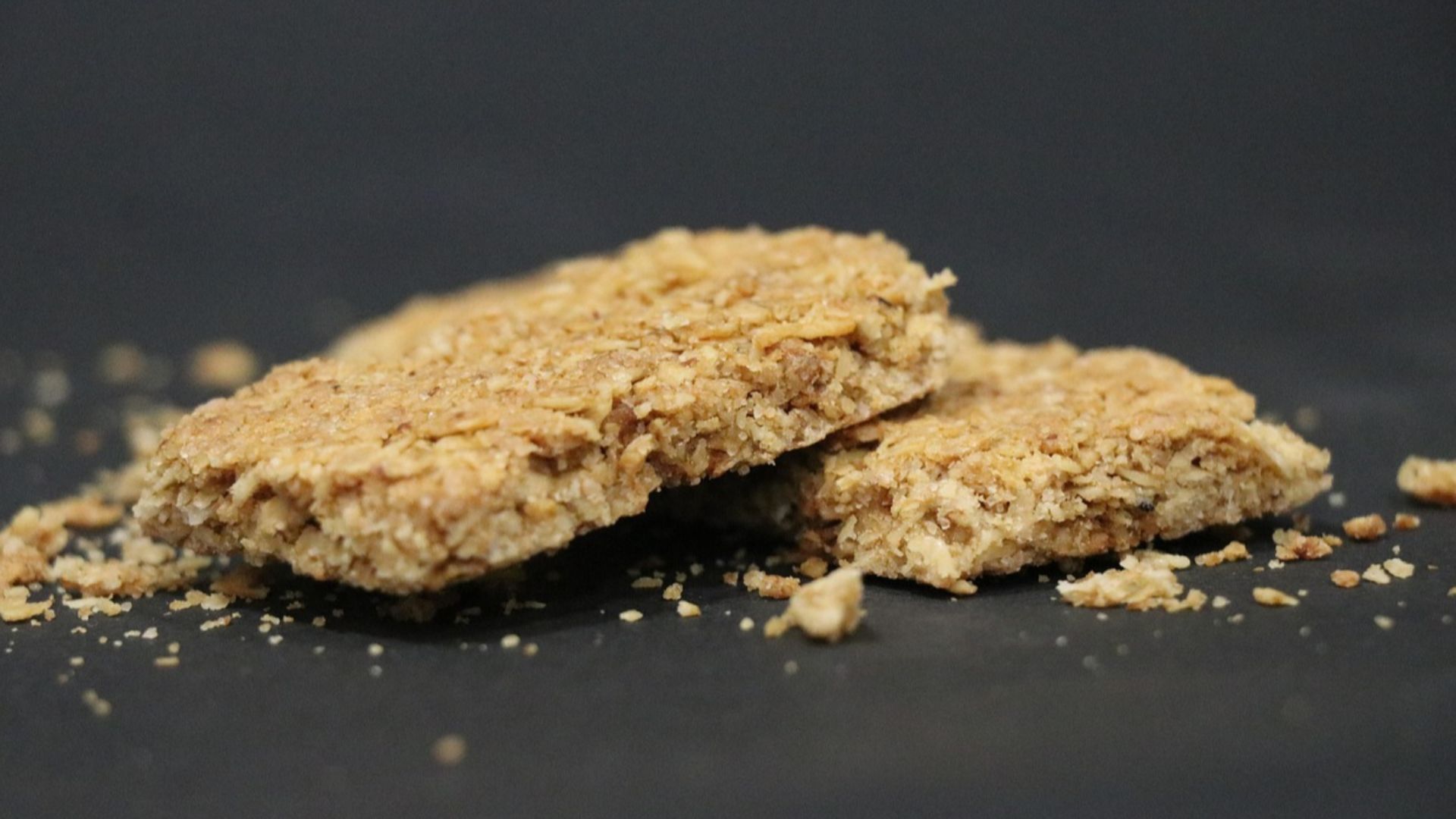
Flapjacks Aren't Always Pancakes
In America, flapjack is another familiar name for a pancake, particularly the fluffy kind served at breakfast. In Britain, however, a flapjack is a sweet baked oat bar, usually made with butter, sugar, and golden syrup. It's much closer to an American oat-based snack bar than a breakfast pancake. Ordering flapjacks in London and expecting a stack covered in maple syrup would be a mistake.
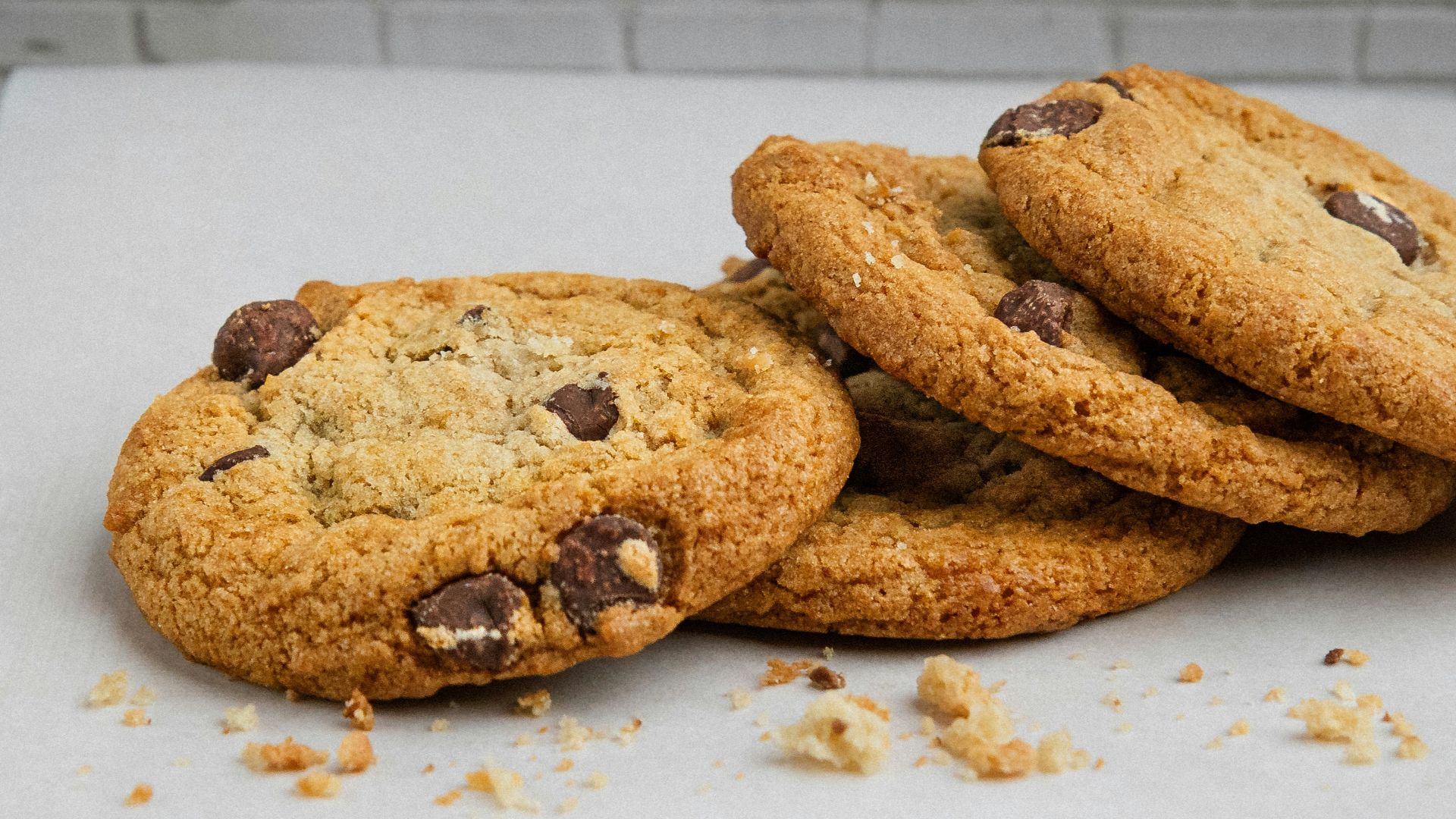
Cookies Become Biscuits
The confusion continues in the cookie aisle, where Americans might find something labeled biscuits. In Britain, cookies are commonly called biscuits, although the word cookie is also used for certain varieties. A British chocolate biscuit might be crunchy rather than soft and chewy. The difference becomes especially confusing when Americans discover what biscuits mean back home isn't what British shoppers have in mind.
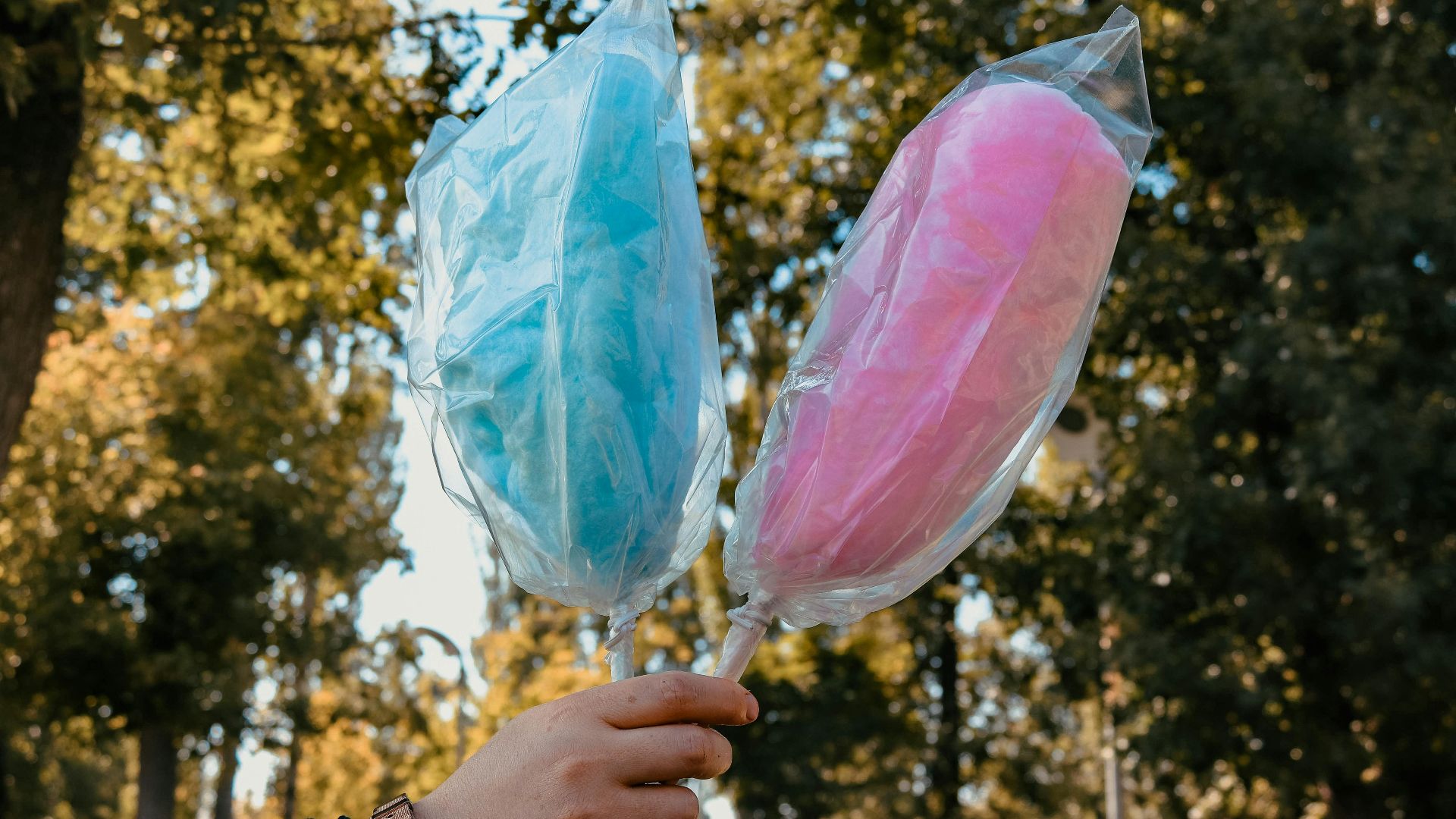
Cotton Candy Becomes Candyfloss
Few carnival foods are more recognizable than a giant cloud of cotton candy. In Britain, the spun-sugar treat is called candyfloss, a name that emphasizes its delicate, threadlike texture. Australians commonly call it fairy floss, making the international naming differences even more entertaining. Despite the different names, all three describe sugar spun into fine strands and gathered into a fluffy treat.
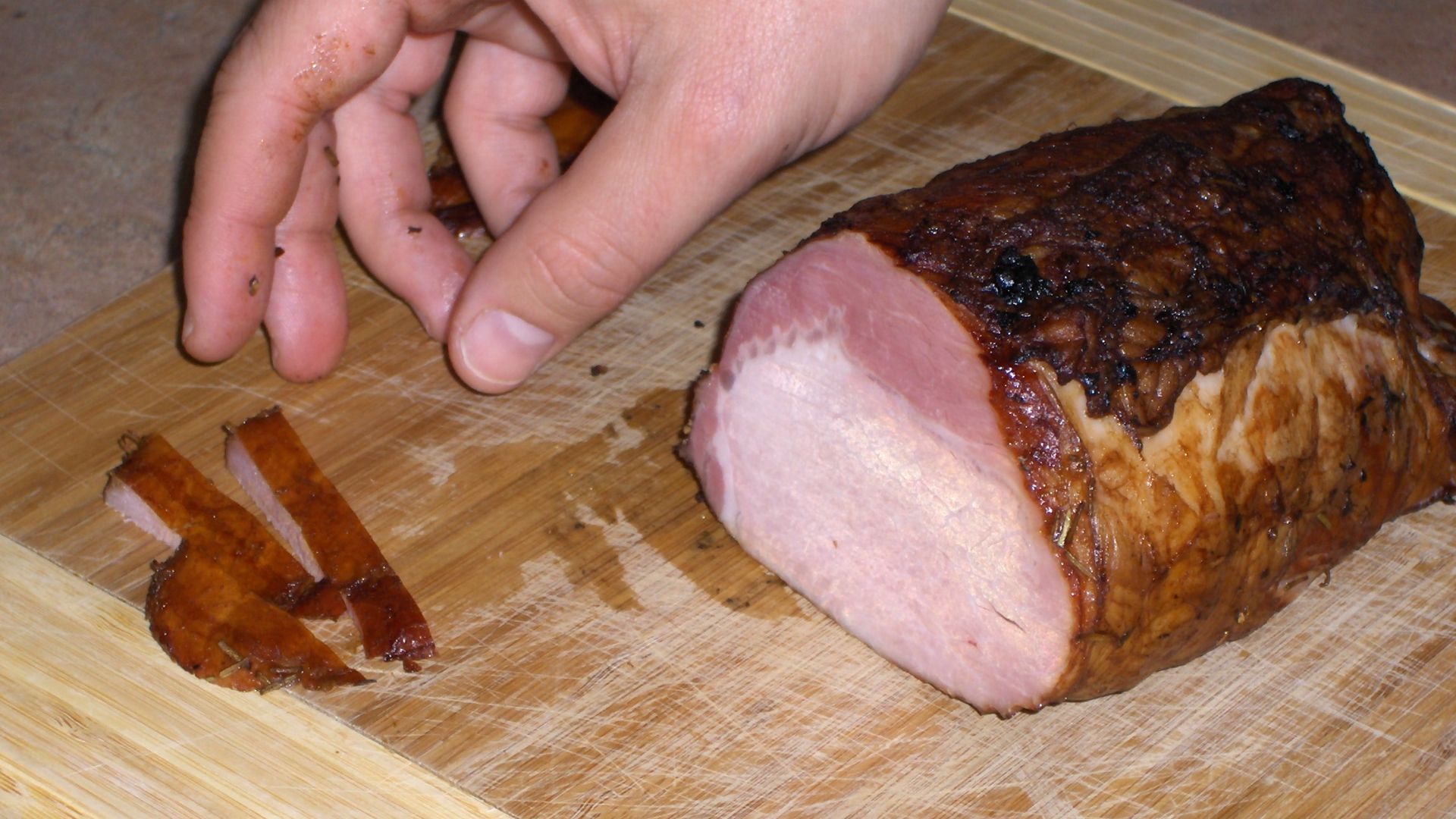
Canadian Bacon Becomes Back Bacon
Americans ordering Canadian bacon might be surprised to learn Canadians don't usually call it that. In Canada, the lean, smoked pork loin is generally called back bacon. Canadians also enjoy peameal bacon, an unsmoked variety rolled in cornmeal that's especially popular in Ontario. Despite their similar names, American Canadian bacon and Canadian peameal bacon aren't quite the same thing.
 john wilbanks, Wikimedia Commons
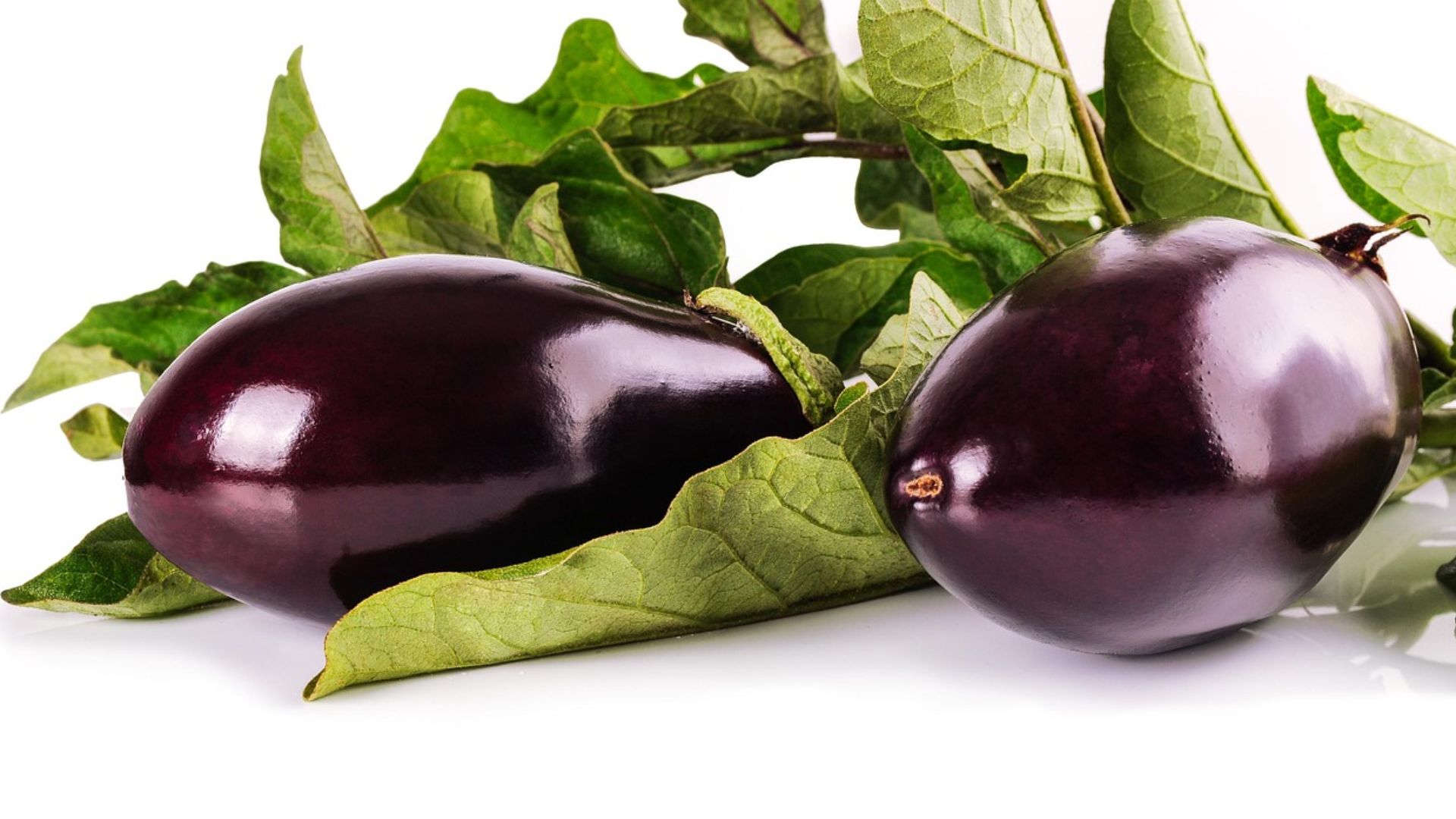
Eggplant Becomes Aubergine
Americans looking for eggplant in a British supermarket might be puzzled by signs advertising aubergines. The British name comes from French, while the American term comes from early varieties with small, white, egg-shaped fruits. Both refer to the same versatile vegetable. Australians, however, generally stick with eggplant, proving that English-speaking countries don't always agree.
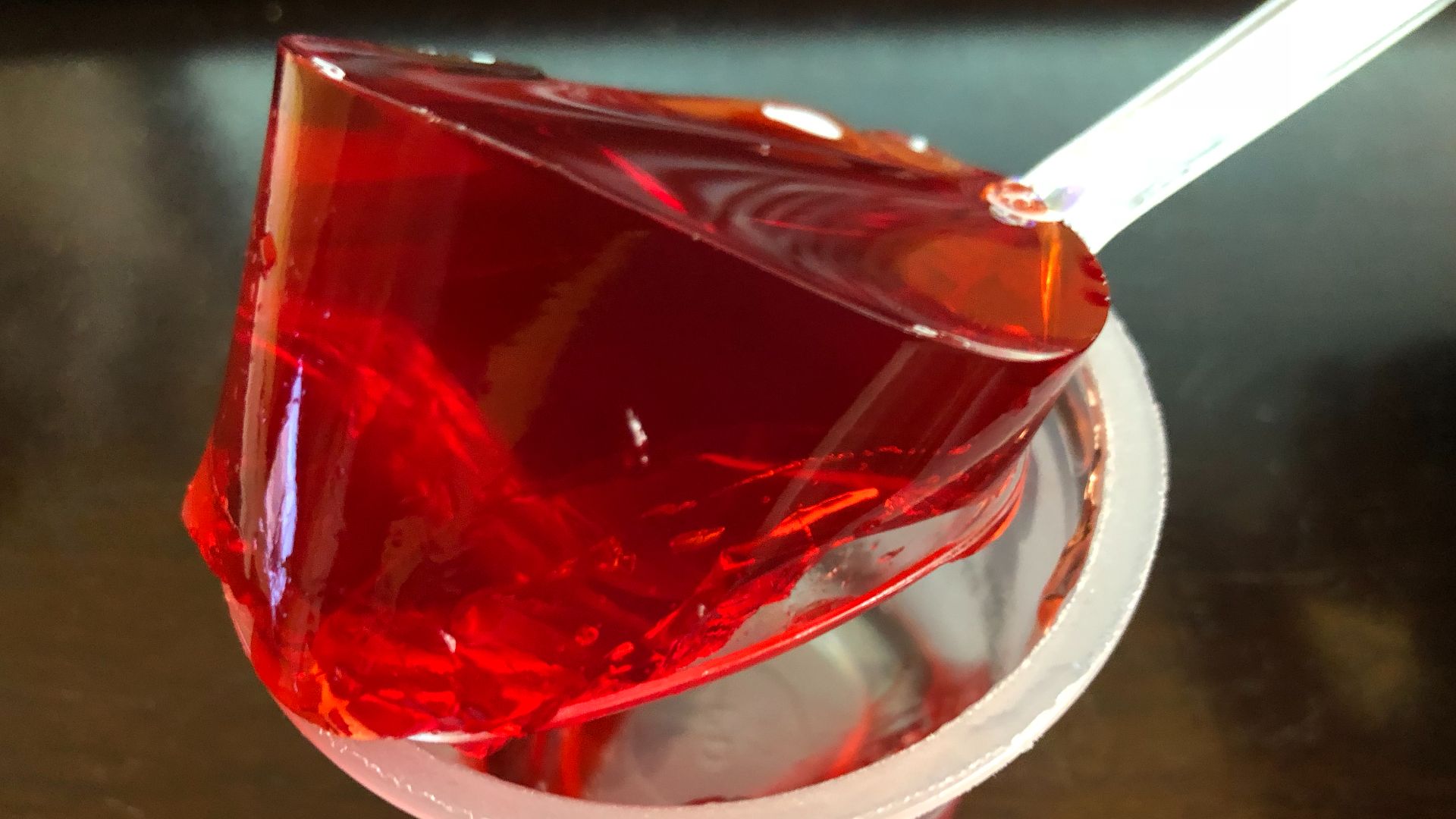
Jell-O Becomes Jelly
Americans recognize Jell-O as a brand of brightly colored gelatin desserts that wobble when served. In Britain, this type of dessert is commonly called jelly, rather than Jell-O. British jelly is often served with ice cream, especially at children's parties. So if a British menu offers jelly and ice cream, don't expect a scoop of strawberry jam.
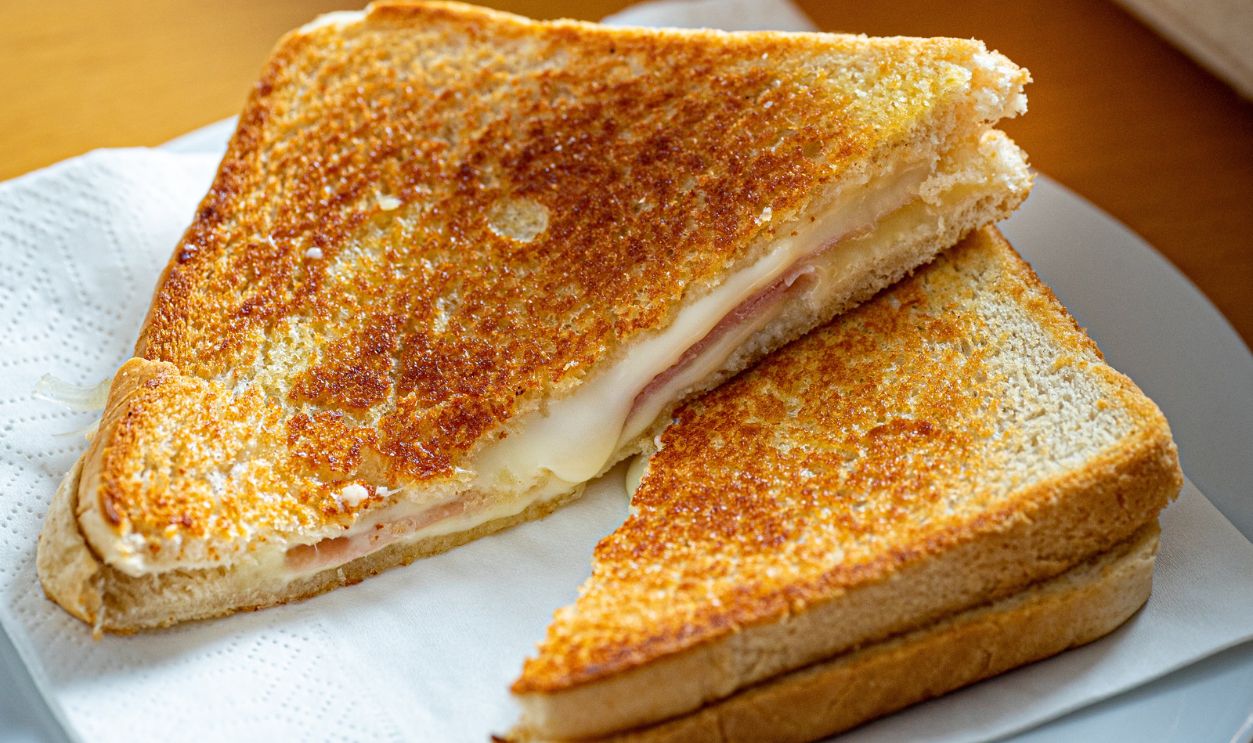
Grilled Cheese Becomes A Cheese Toastie
An American grilled cheese sandwich is one of the simplest comfort foods imaginable. In Britain, a similar melted-cheese sandwich is commonly called a cheese toastie. British cheese toasties can be prepared in sandwich presses, frying pans, or under the grill, although sandwich presses sometimes seal the edges. The result is familiar melted cheese between toasted bread, even if the name sounds completely different.
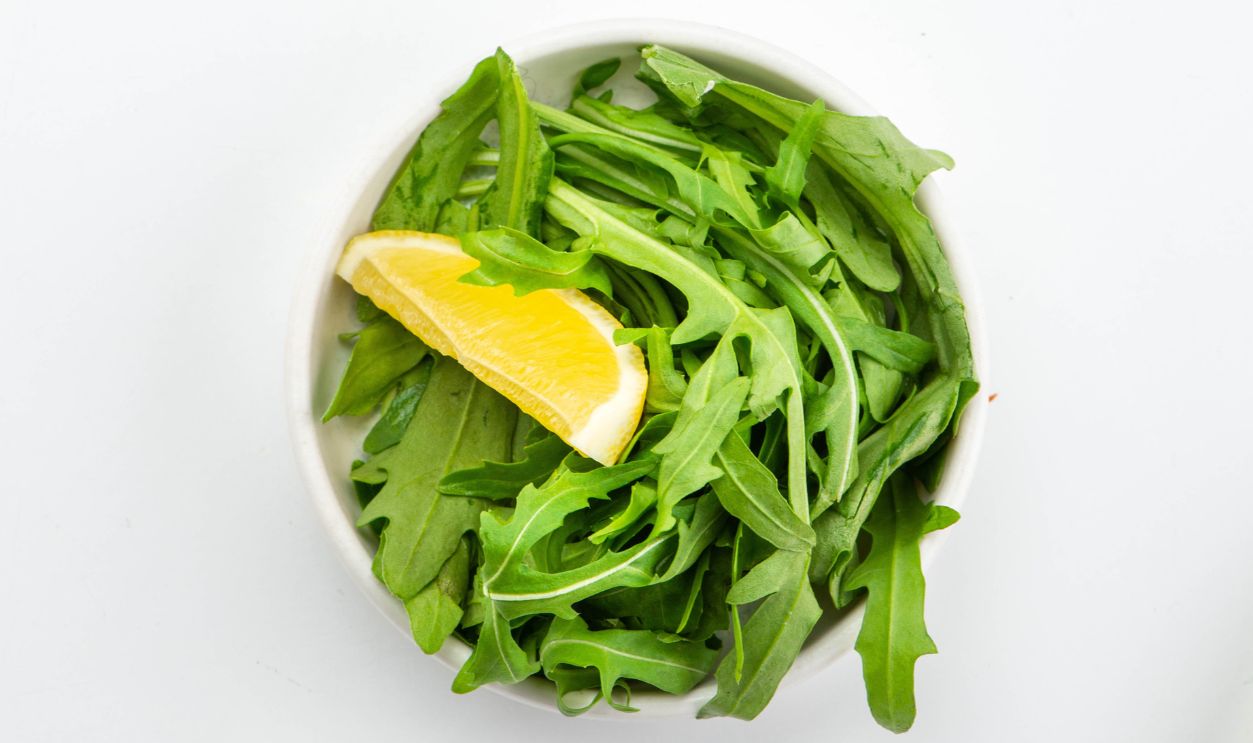
Arugula Becomes Rocket
Americans might order an arugula salad without giving the name a second thought. In Britain and Australia, that same peppery green is usually called rocket. The name has nothing to do with space travel and comes through European names for the plant, including Italian rucola. Whether it's called rocket or arugula, its distinctive sharp flavor remains the same.
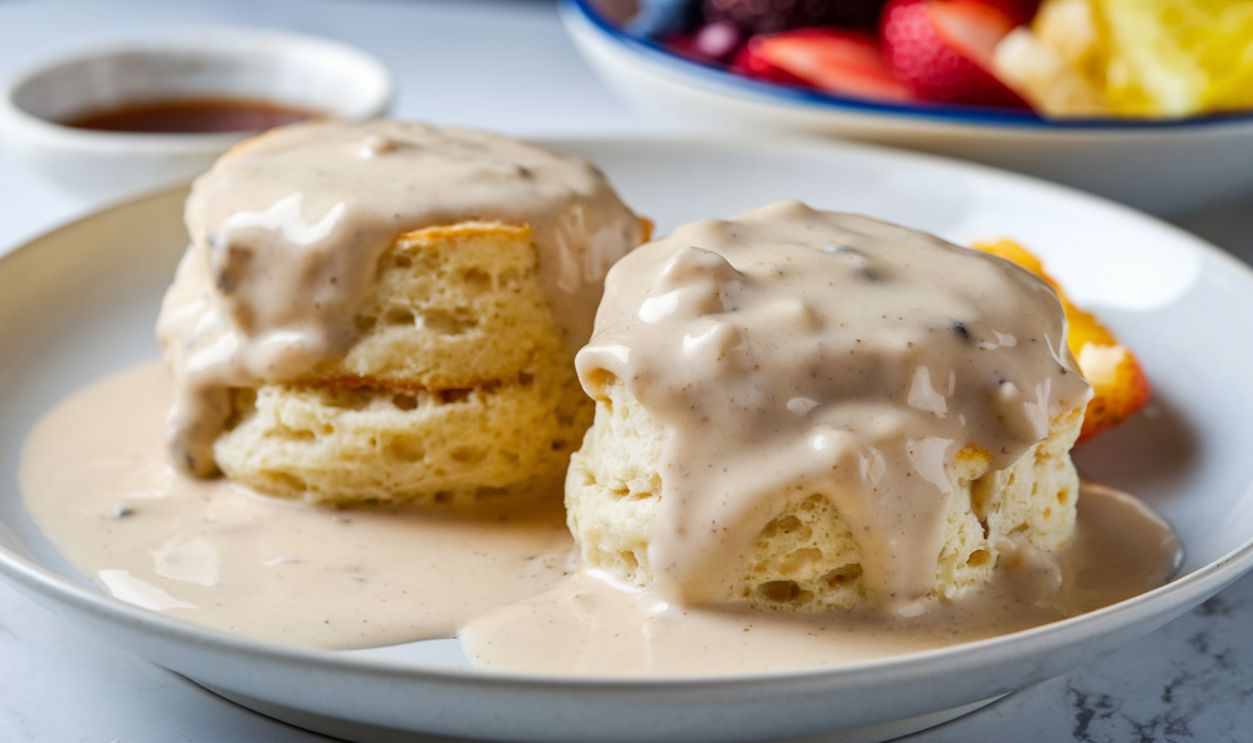
American Biscuits Become Something Else Entirely
Remember those British biscuits that Americans would call cookies? Well, American biscuits are completely different. In the American South, biscuits are soft, fluffy quick breads served with butter, gravy, or breakfast sandwiches. A British scone is the closest familiar comparison, although the recipes and textures aren't identical. Ordering biscuits and gravy in Britain without explanation could lead to considerable confusion.
Popsicles Become Ice Lollies
Americans reach for popsicles on hot summer days, but British children grow up eating ice lollies. Both names describe frozen flavored treats on sticks, usually made with fruit juice, water, or sweetened mixtures. Popsicle originated as a brand name that became widely used in American speech. Australians often use the term icy pole, adding yet another name for essentially the same treat.

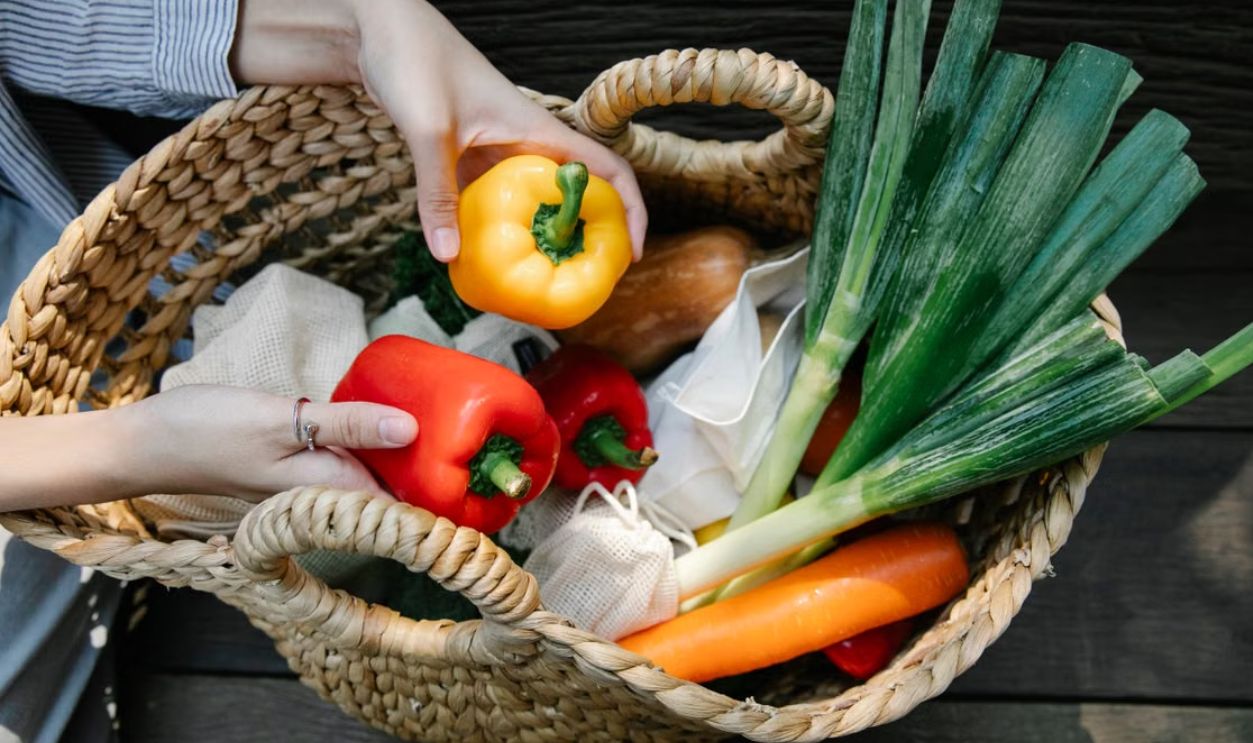
Bell Peppers Become Capsicums
An American looking for bell peppers in Australia might initially struggle to find them. Australians and New Zealanders commonly call these colorful vegetables capsicums, using the name of their botanical genus. Red, yellow, and green capsicums are the same familiar sweet peppers sold in American grocery stores. In Britain, they're generally just called peppers, without the bell.
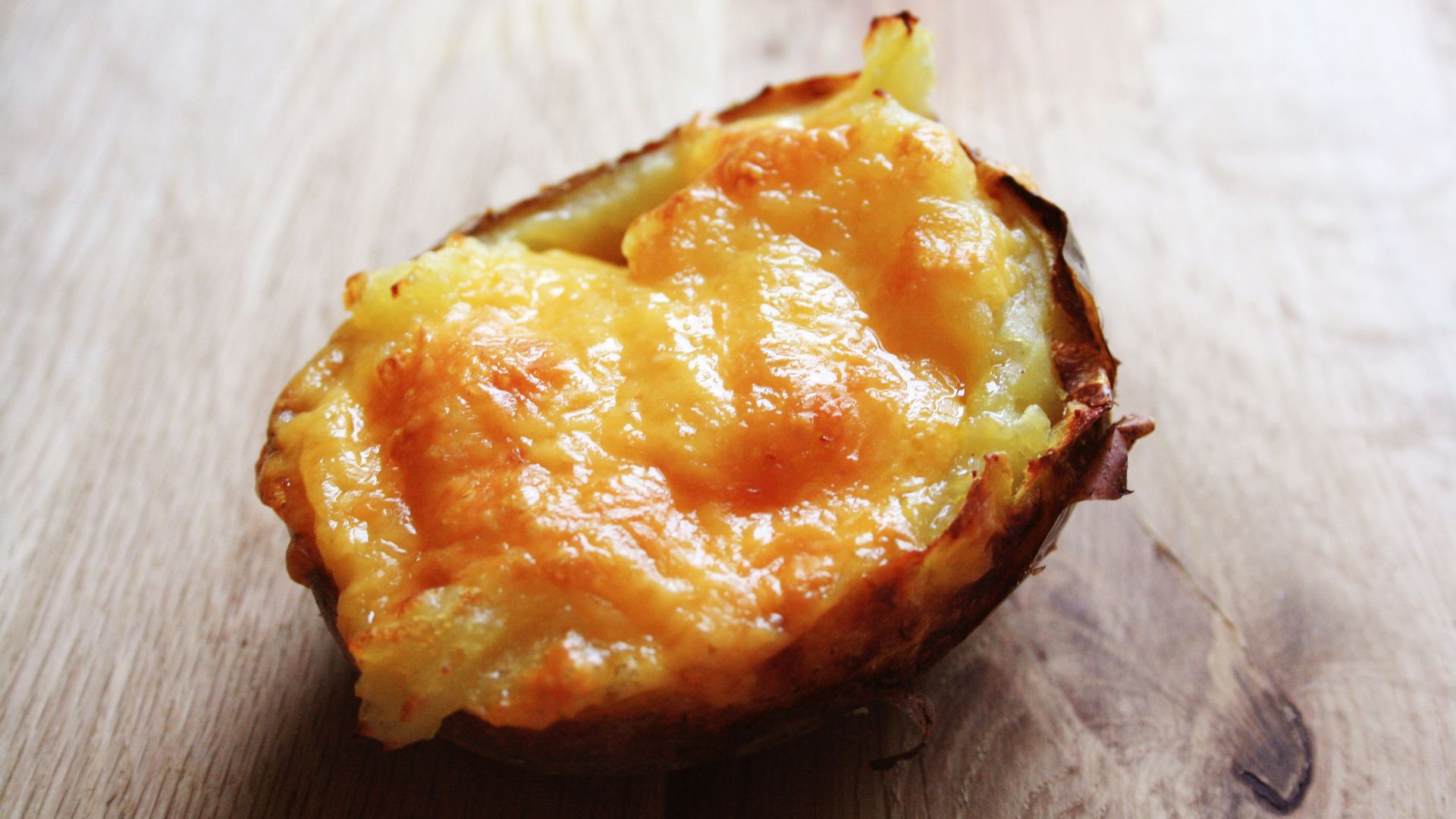
Baked Potatoes Become Jacket Potatoes
Order a jacket potato in Britain, and you'll receive something Americans would immediately recognize as a baked potato. The British name refers to the potato's skin, which forms a jacket around its fluffy interior. British cafés frequently serve them with toppings such as baked beans, cheese, or tuna mayonnaise. The basic dish is identical, although the popular toppings can be surprisingly different.
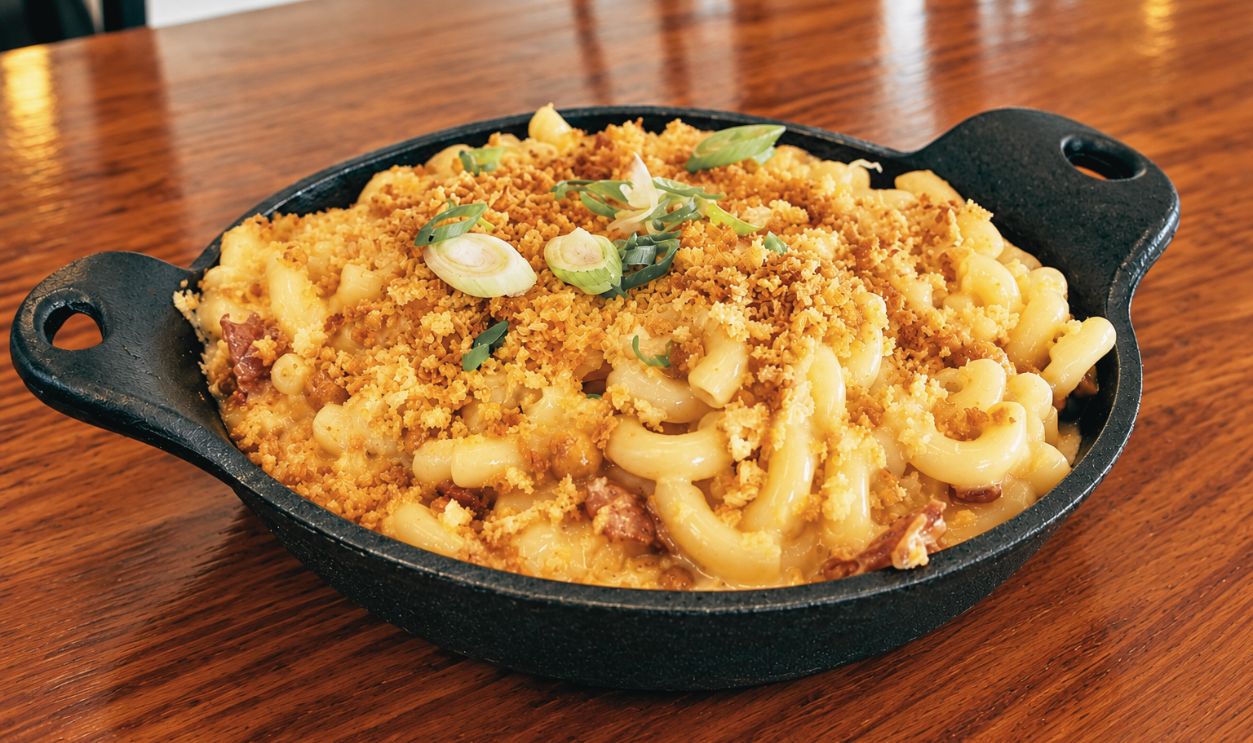
Mac & Cheese Becomes Kraft Dinner
Americans know the famous boxed pasta as Kraft Mac & Cheese, but Canadians have long called it Kraft Dinner, or simply KD. The nickname became so popular that Kraft officially adopted KD branding in Canada in 2015. While Americans generally call the dish mac and cheese, Canadians sometimes use KD to refer specifically to the boxed favorite. It's essentially the same comfort food with a different national identity.
 Bing from Boston, United States, Wikimedia Commons, Enhanced
Shrimp Become Prawns
Americans often order shrimp cocktails, while British menus commonly offer prawn cocktails. Although shrimp and prawns can refer to different groups of crustaceans scientifically, the terms frequently overlap in everyday cooking. In Britain and Australia, prawn is the more familiar culinary term for many of the seafood items Americans call shrimp. The dish may be recognizable even when the menu uses an unfamiliar name.
 Ralph Daily from Birmingham, United States, Wikimedia Commons
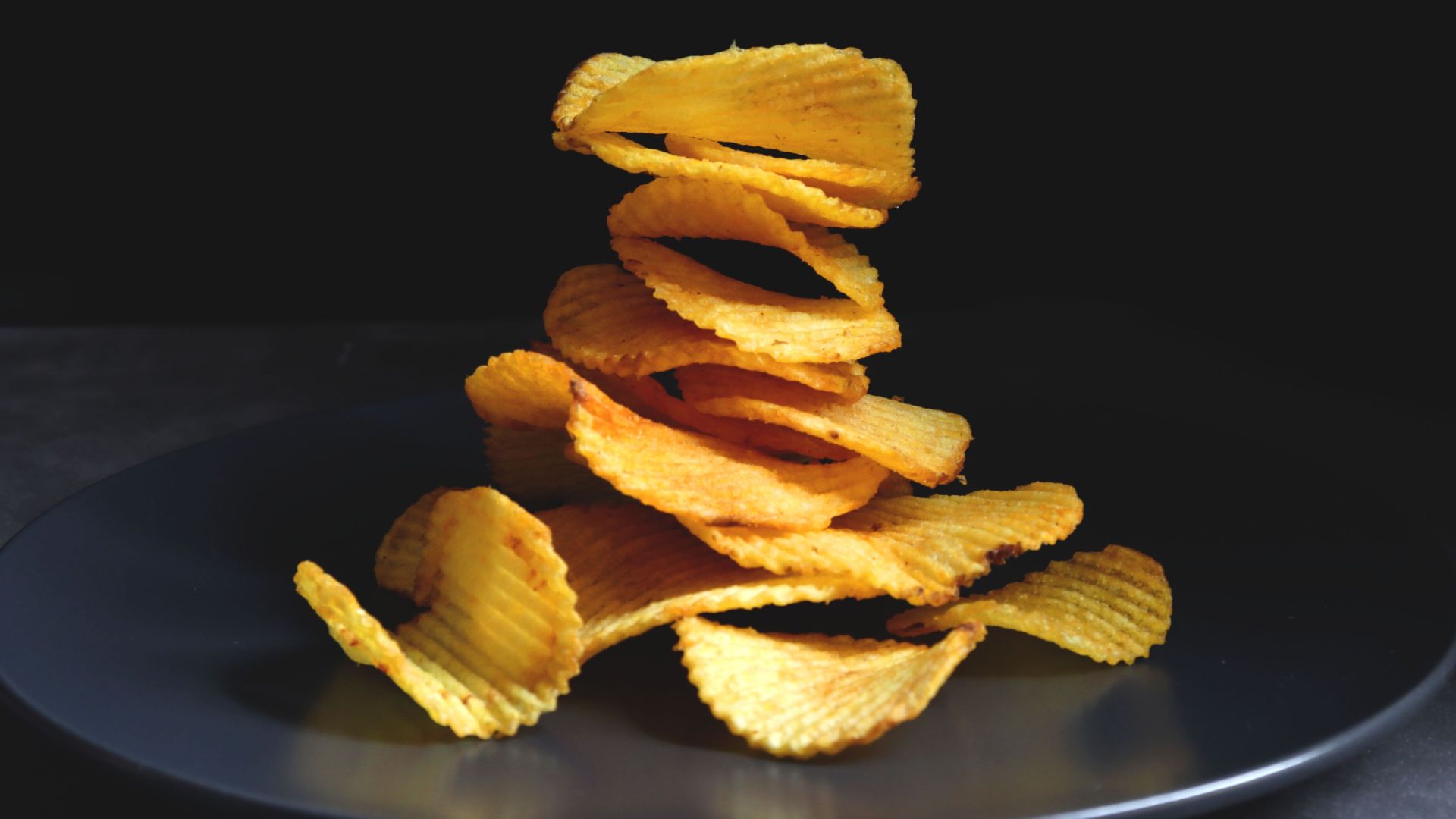
Potato Chips Become Crisps
Earlier, we mentioned that British chips are what Americans call French fries, but that raises another question. What do British shoppers call those thin, crunchy potato slices sold in bags? They're known as crisps, while Australians commonly use chips for both the packaged snack and the hot potato side dish. It's a distinction worth remembering before your next trip to a British supermarket.
Cilantro Becomes Coriander
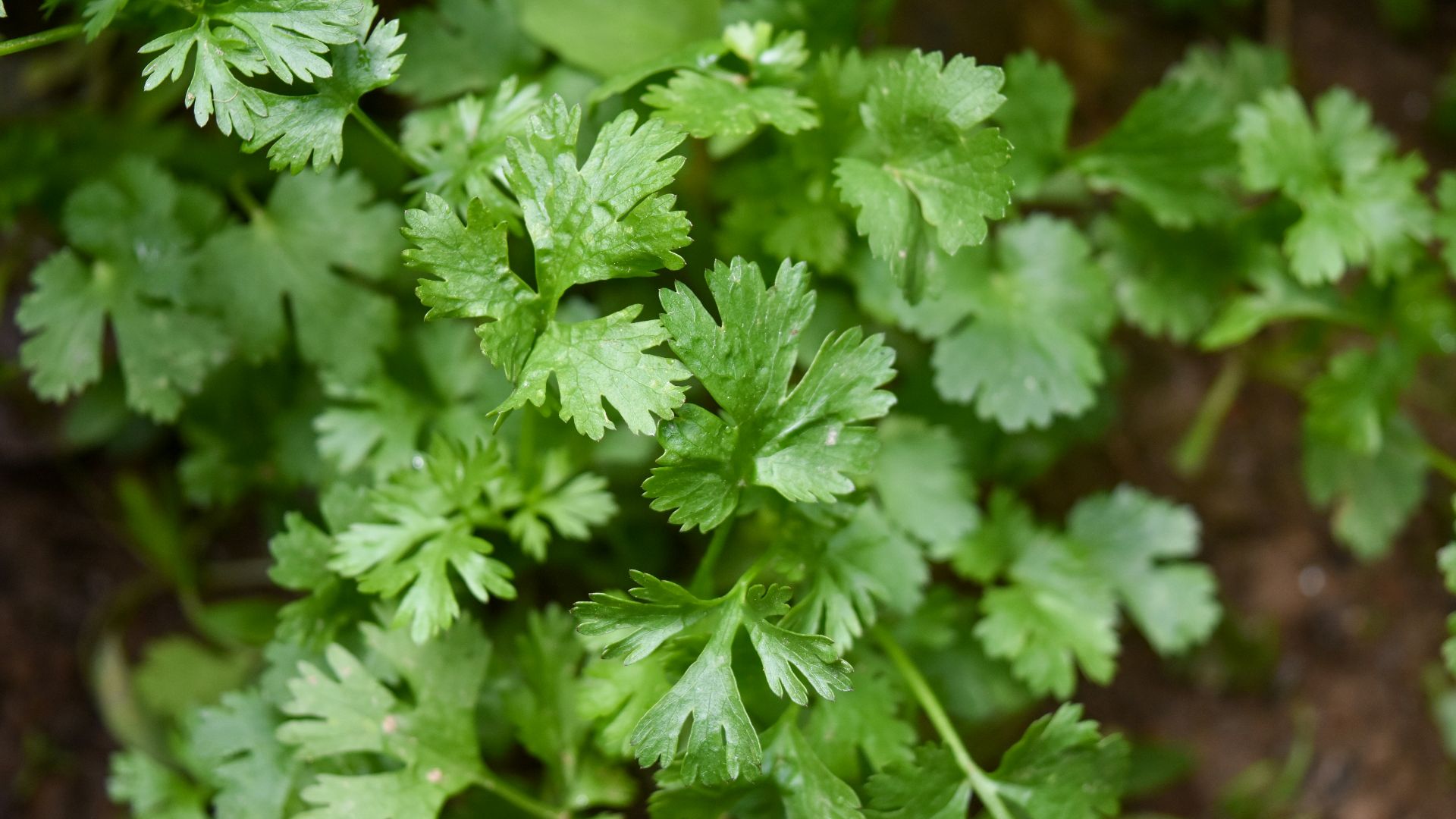
In the United States, cilantro refers to the fresh leaves of the coriander plant, while coriander usually means its dried seeds. British cooks generally call the fresh leaves coriander and specify coriander seeds when they mean the spice. This can create genuine confusion when Americans follow British recipes. Fortunately, both names refer to the same plant, even though its leaves and seeds taste quite different.
French Toast Becomes Eggy Bread
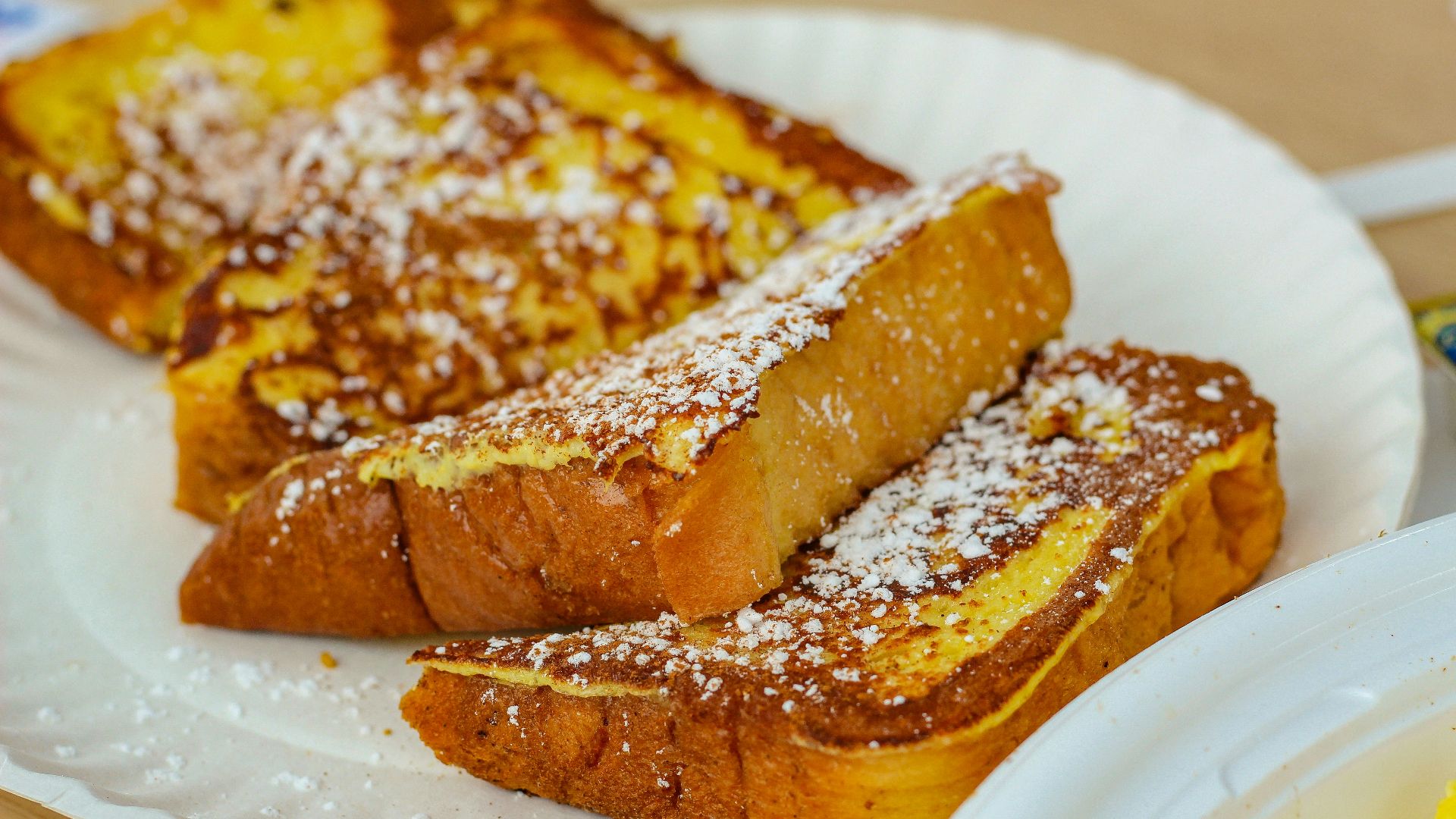
Americans know French toast as bread soaked in beaten eggs and milk, cooked until golden, and often served with syrup. In Britain, a similar dish is sometimes called eggy bread, particularly when it's prepared as a savory food. The name French toast is also widely understood, especially for sweet breakfast versions. An American ordering eggy bread shouldn't necessarily expect powdered sugar and maple syrup on top.
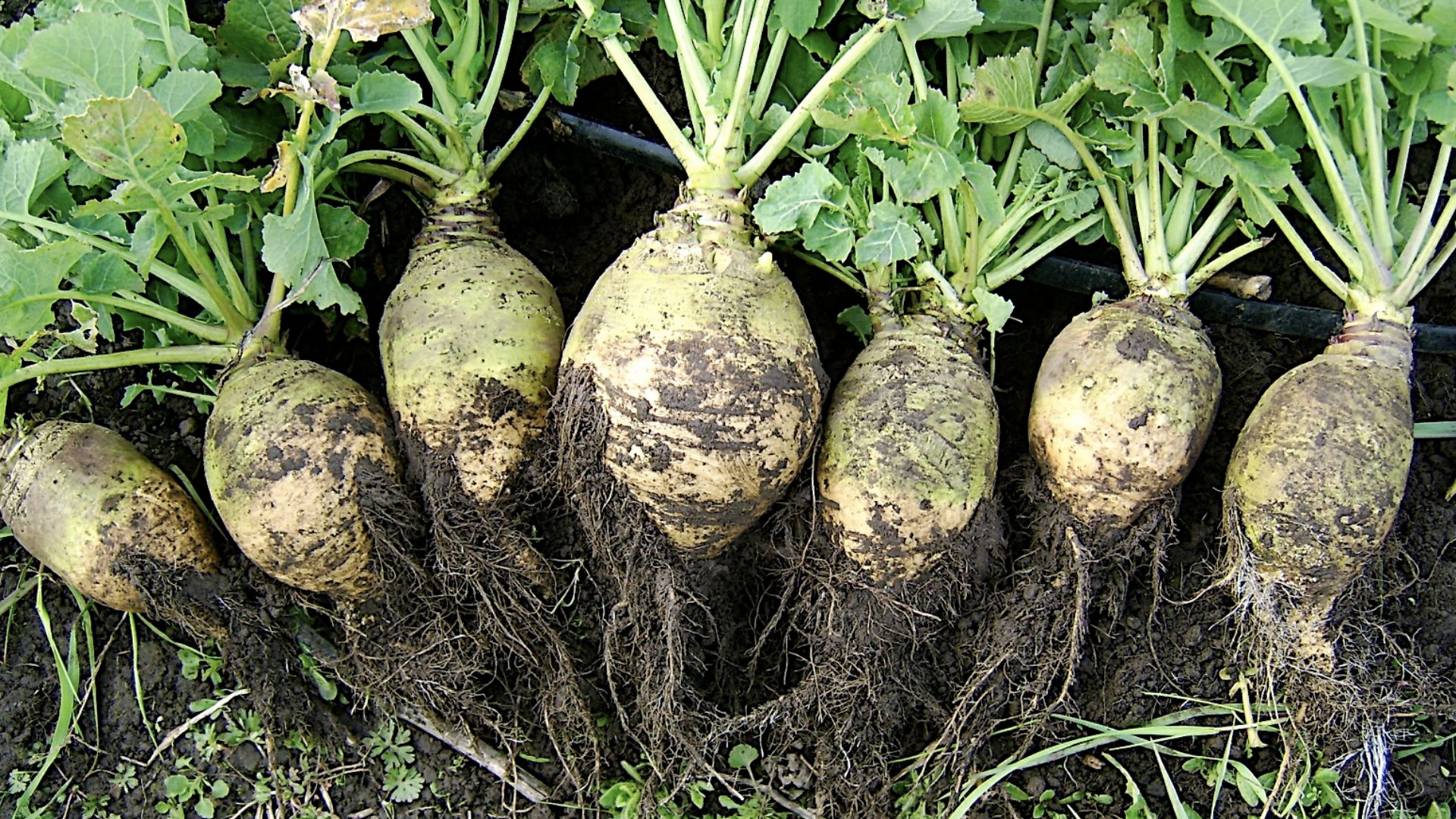
Rutabagas Become Swedes
Rutabagas aren't exactly America's most glamorous vegetables, but at least Americans know what to call them. In Britain, the same root vegetable is generally known as a swede, while Scottish cooks also use the name neep. The vegetable is particularly familiar in traditional Scottish dishes such as neeps and tatties. Travelers expecting a completely different vegetable may be surprised to discover an ordinary rutabaga.
 Picasa user Seedambassadors, Wikimedia Commons
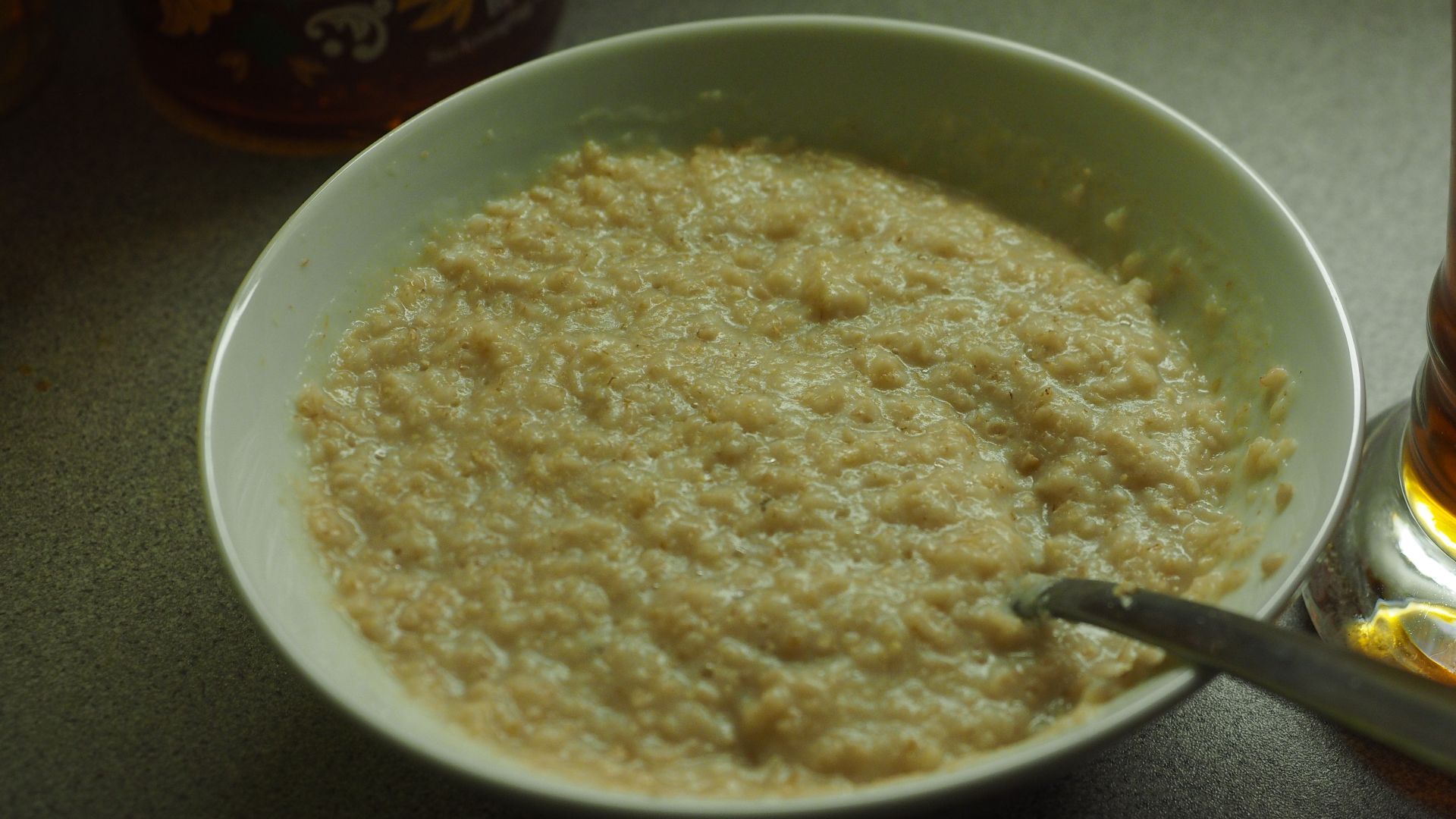
Oatmeal Becomes Porridge
Americans commonly start their mornings with a bowl of oatmeal, while British breakfast menus usually call the equivalent dish porridge. Both typically involve oats cooked in water or milk until soft and creamy. British porridge might be topped with fruit, honey, or other familiar additions. The word porridge can describe other cooked grain dishes too, but oats are the standard breakfast version in Britain.
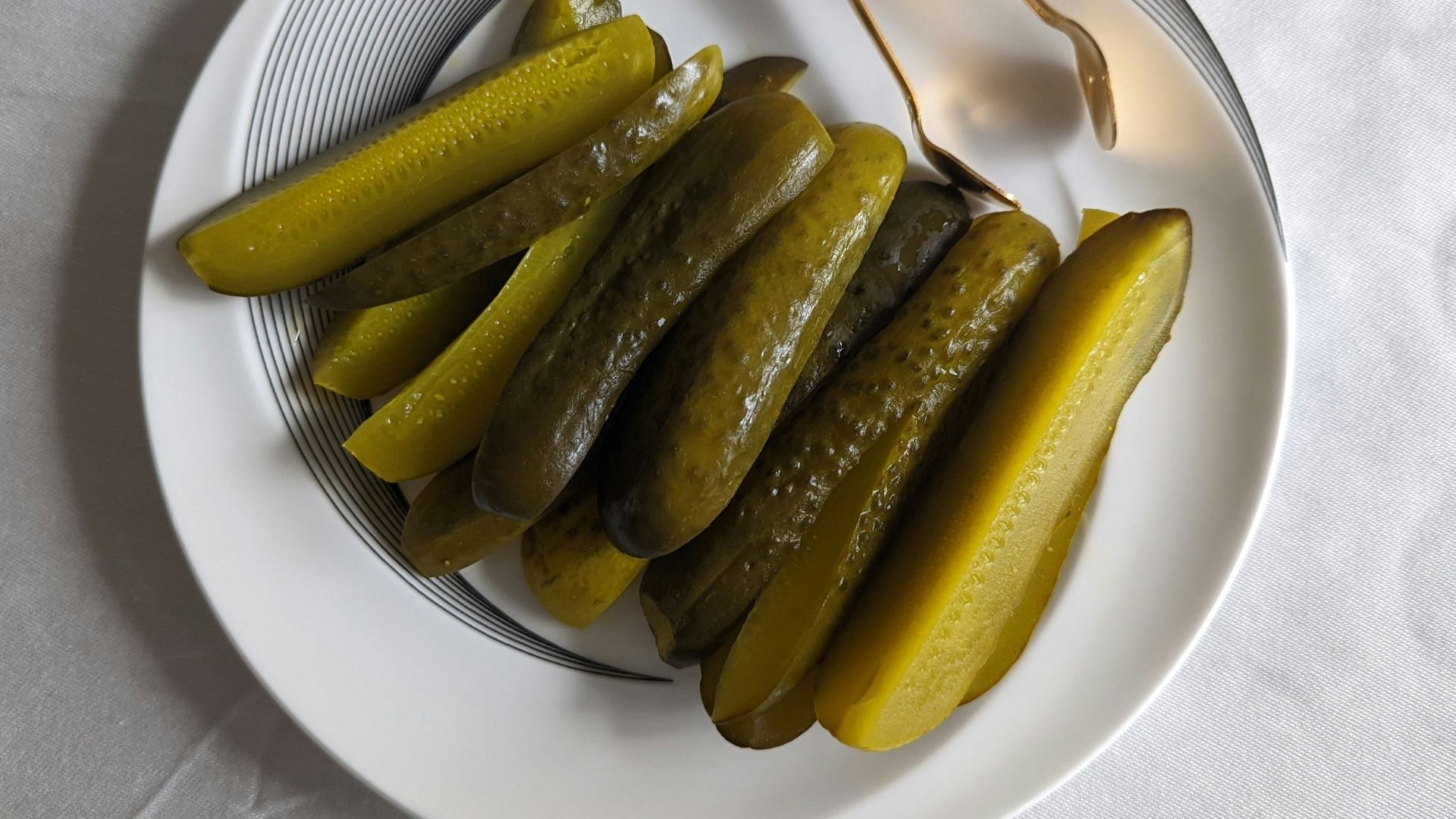
Pickles Become Gherkins
Ask for a pickle in America, and you'll usually receive a cucumber preserved in vinegar or brine. In Britain, smaller pickled cucumbers are called gherkins, particularly when served alongside sandwiches or burgers. The term pickle is also used in Britain, but it can describe other preserved vegetables and chunky condiments. That means asking for pickle with your sandwich might produce something different from an American dill pickle.
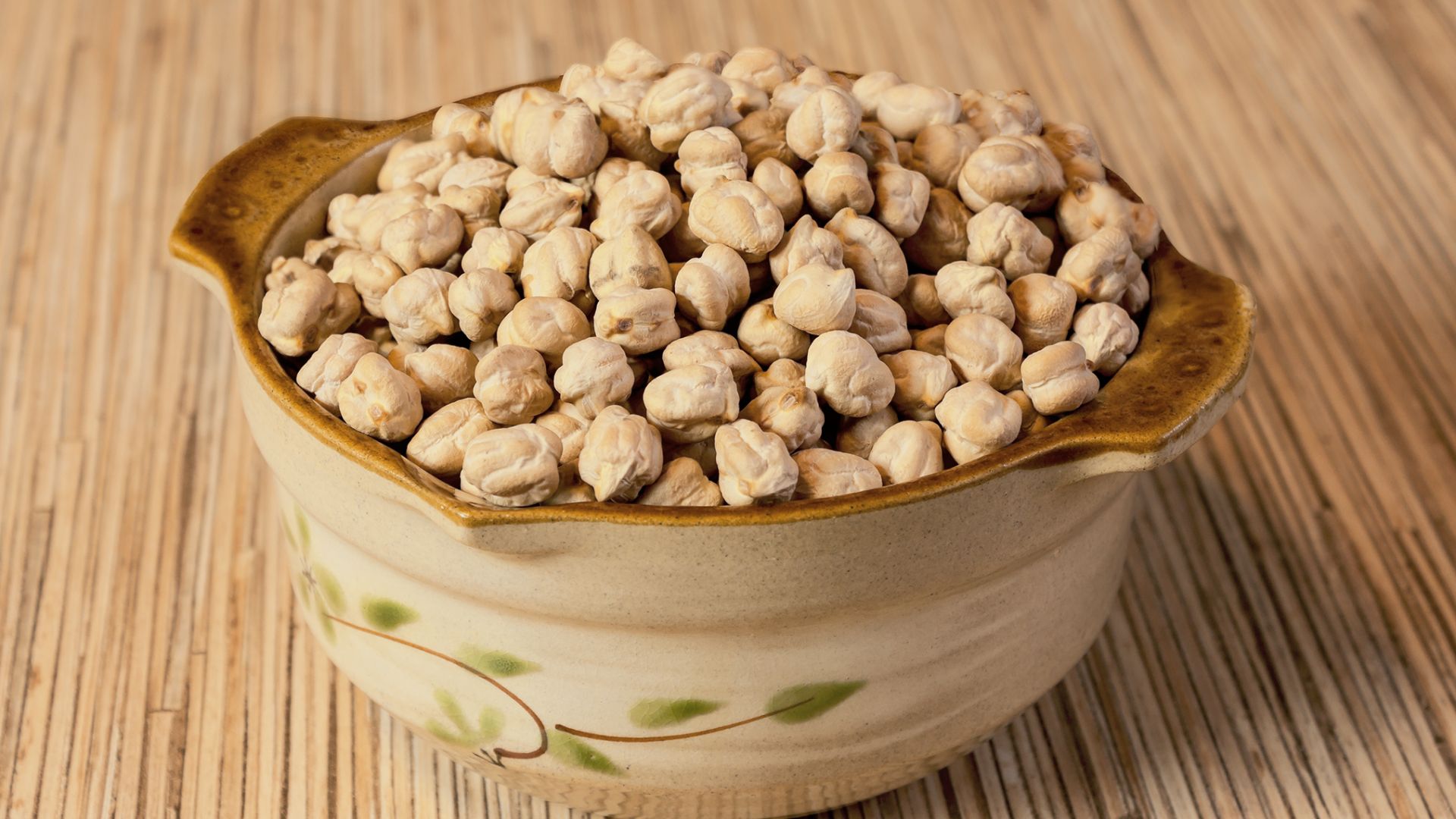
Garbanzo Beans Become Chickpeas
American grocery stores often label these round legumes as garbanzo beans, especially in products associated with Latin American cooking. In Britain, chickpeas is the overwhelmingly familiar name. Both terms are used in the United States, so this particular difference isn't exclusive to international travel. Whether you're making hummus or adding them to a salad, you're buying the same ingredient.
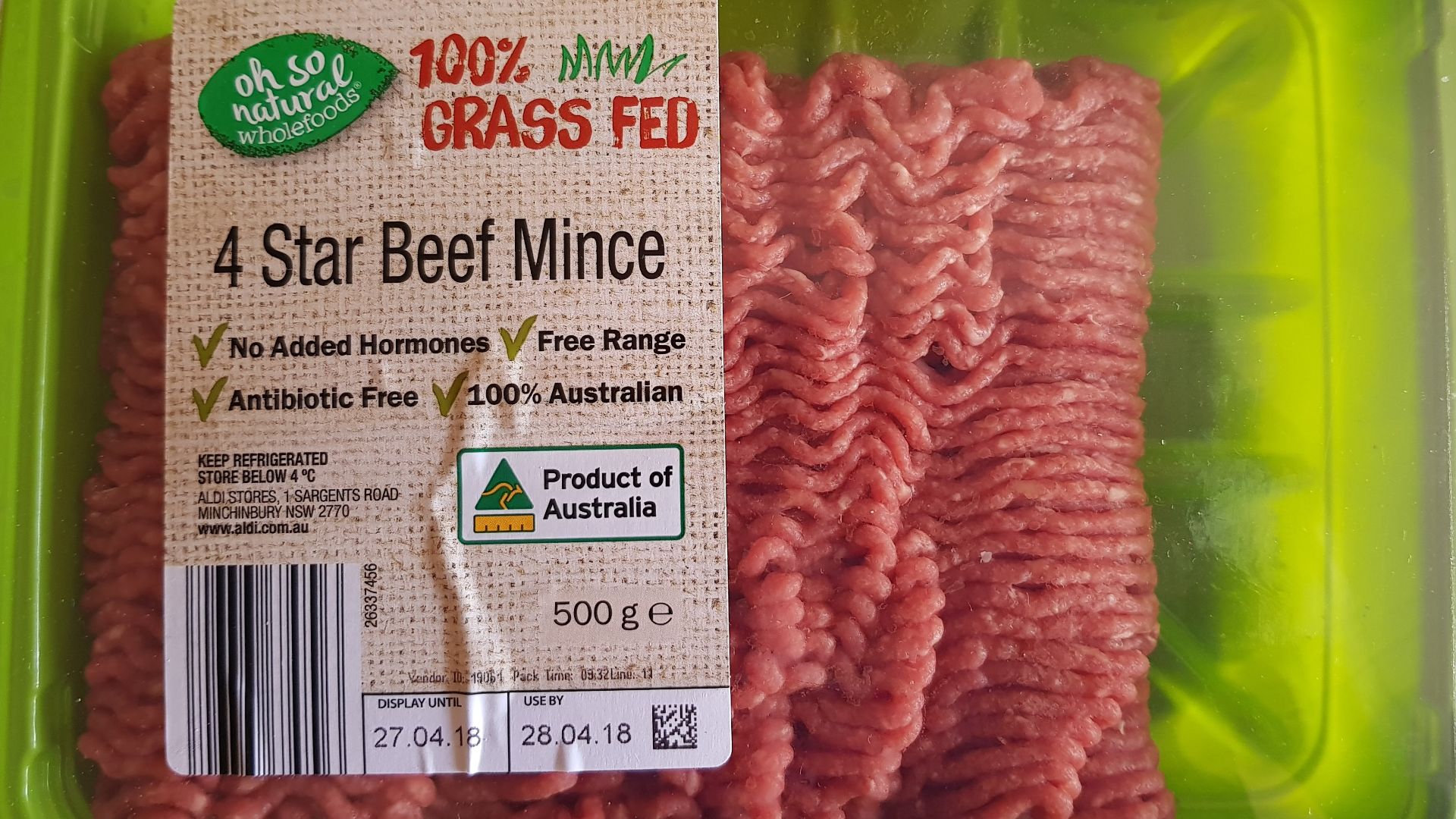
Ground Beef Becomes Mince
An American recipe calling for ground beef might look completely different when rewritten for a British audience. British supermarkets commonly sell the same ingredient as beef mince or minced beef. The term mince can also refer to other ground meats, including lamb, pork, and turkey. This is especially useful to know when shopping for ingredients to make burgers, meatballs, or spaghetti sauce abroad.
 Maksym Kozlenko, Wikimedia Commons
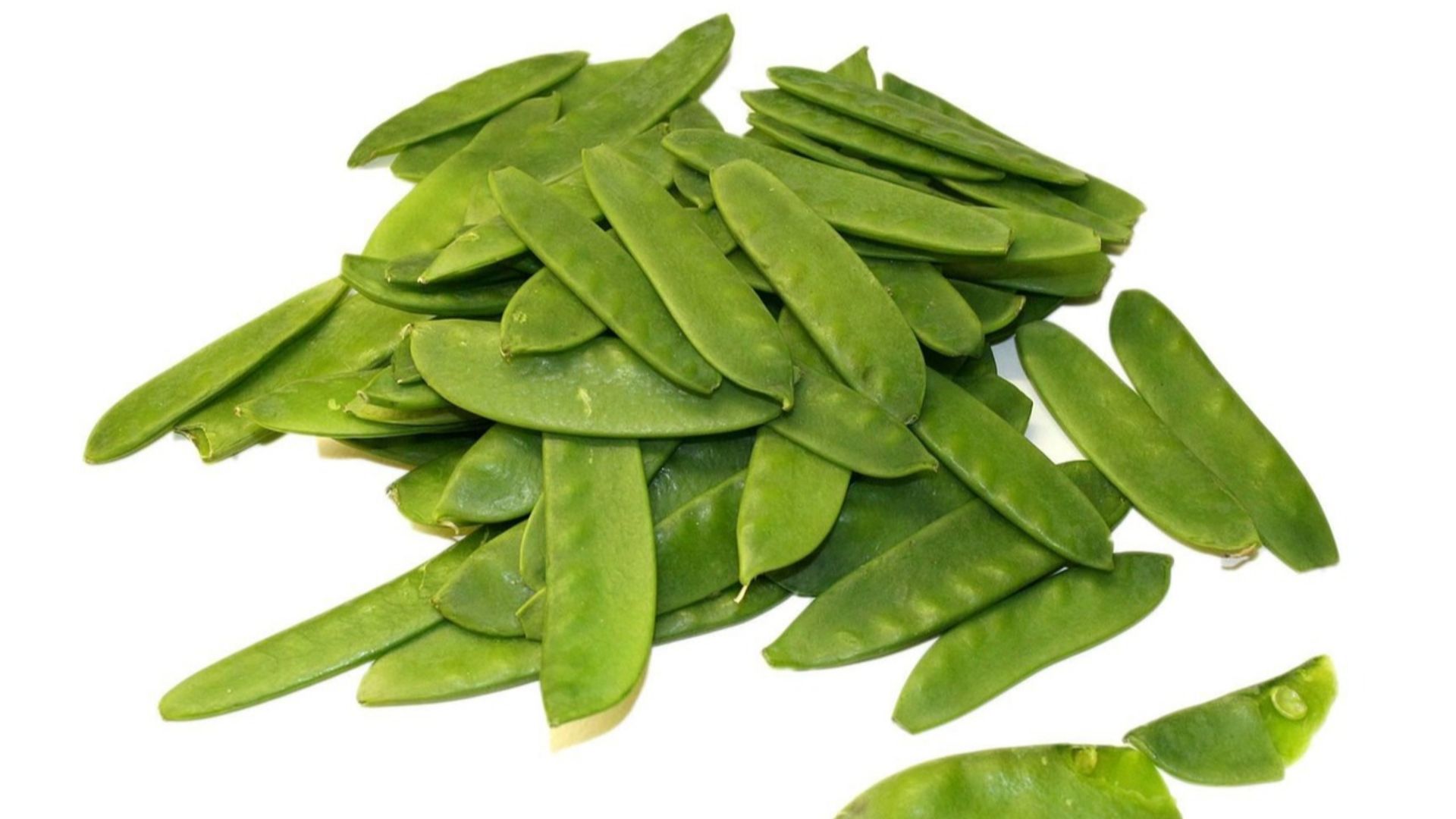
Snow Peas Become Mangetout
Snow peas are a familiar ingredient in American stir-fries, but British recipes often call them mangetout. The name comes from French and means "eat everything," referring to the edible pod. Unlike garden peas that must be shelled, snow peas are eaten whole while their pods are still flat and tender. Don't confuse them with sugar snap peas, which have plumper pods but can also be eaten whole.
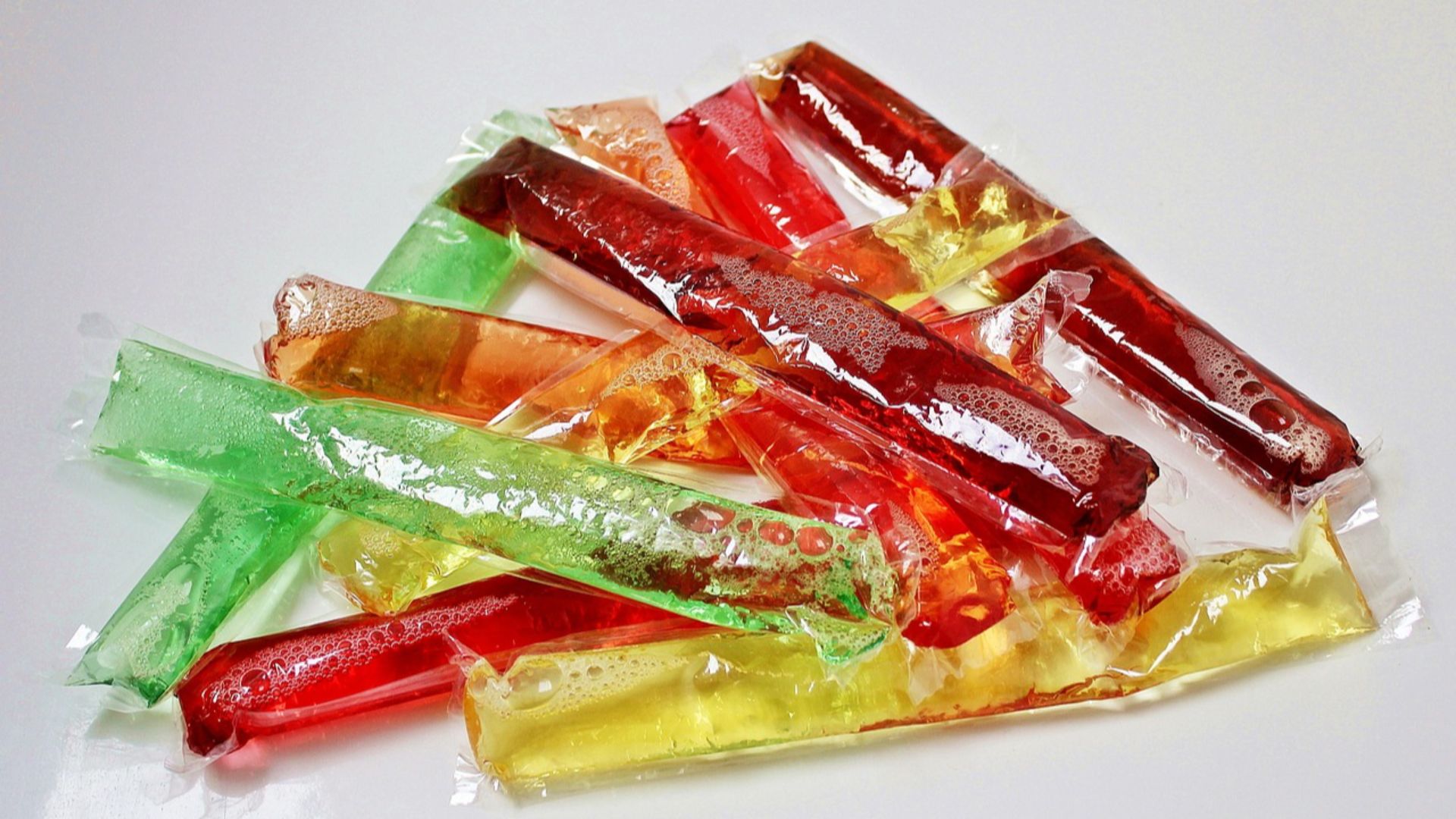
Freeze Pops Become Freezies
Canadians grow up enjoying freezies, those colorful tubes of flavored ice that are a summer staple. In America, the same treats are generally called freeze pops or freezer pops, although regional names vary. Some Americans even call them Otter Pops, after the popular brand. Despite the different names, they're the same frozen treat squeezed straight from a plastic tube.
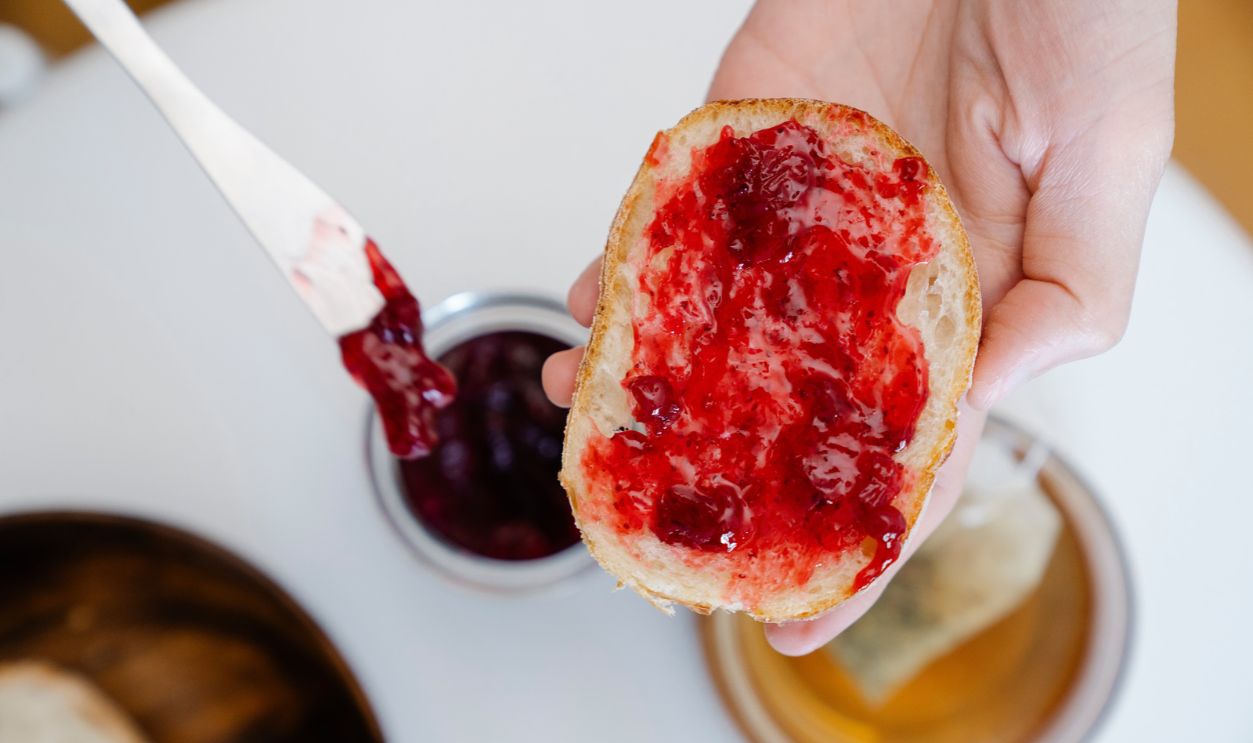
American Jelly Is Usually Called Jam
In America, jelly usually means a smooth fruit spread made from strained juice, while jam contains crushed fruit or pulp. British shoppers generally ask for jam when buying sweet fruit spreads, even though American jelly is technically a smoother, strained product. The two products aren't always identical in texture or preparation. And as we saw earlier, British jelly can also mean the wobbly dessert Americans call Jell-O.
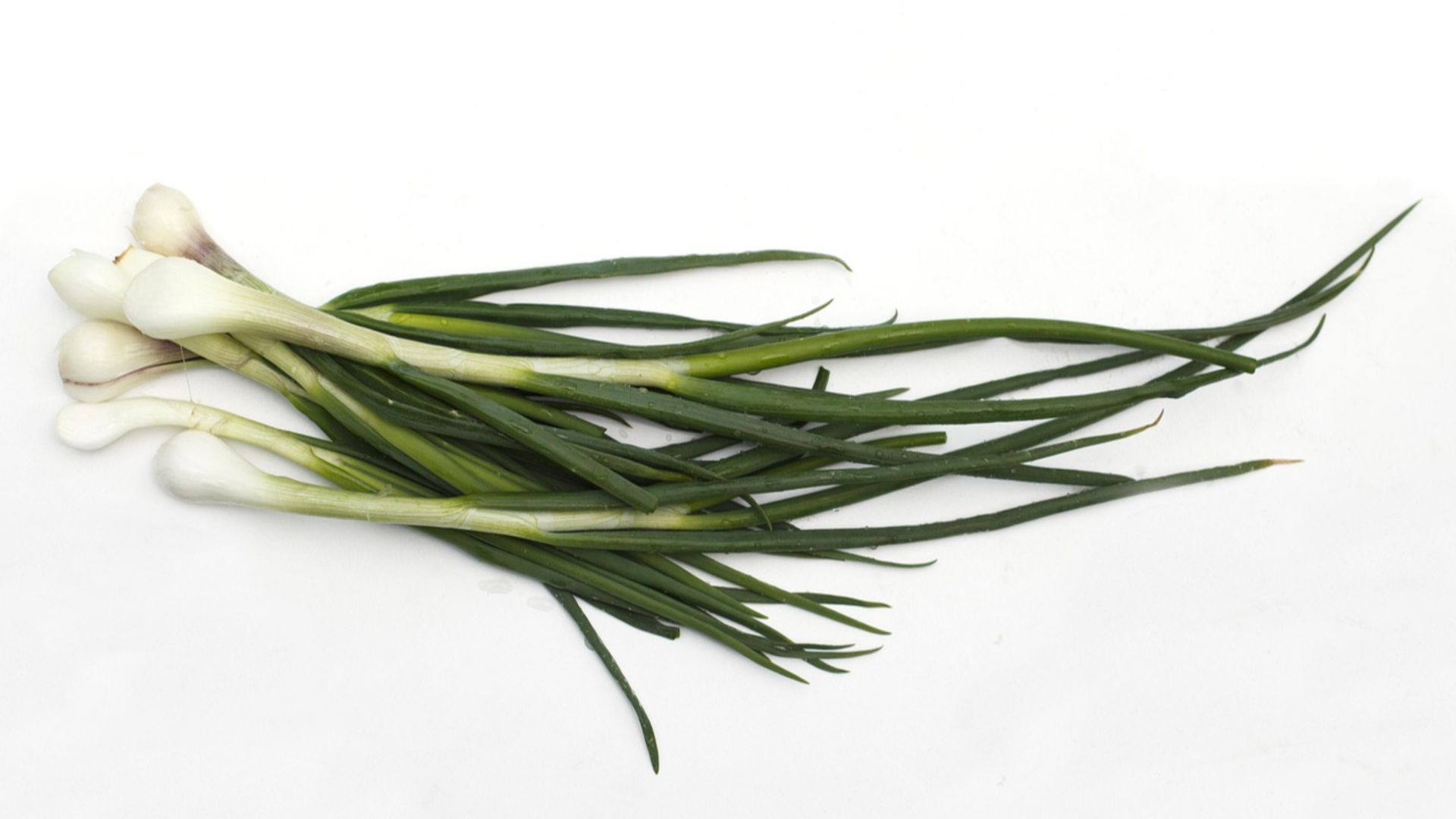
Scallions Become Spring Onions
Scallions, green onions, and spring onions are names that can cause confusion across borders. Americans commonly use scallions or green onions, while British and Australian shoppers prefer spring onions. The terms often describe the same slender onions with green stalks and small white bases. Depending on the country and variety, spring onions may have more developed bulbs than American scallions.
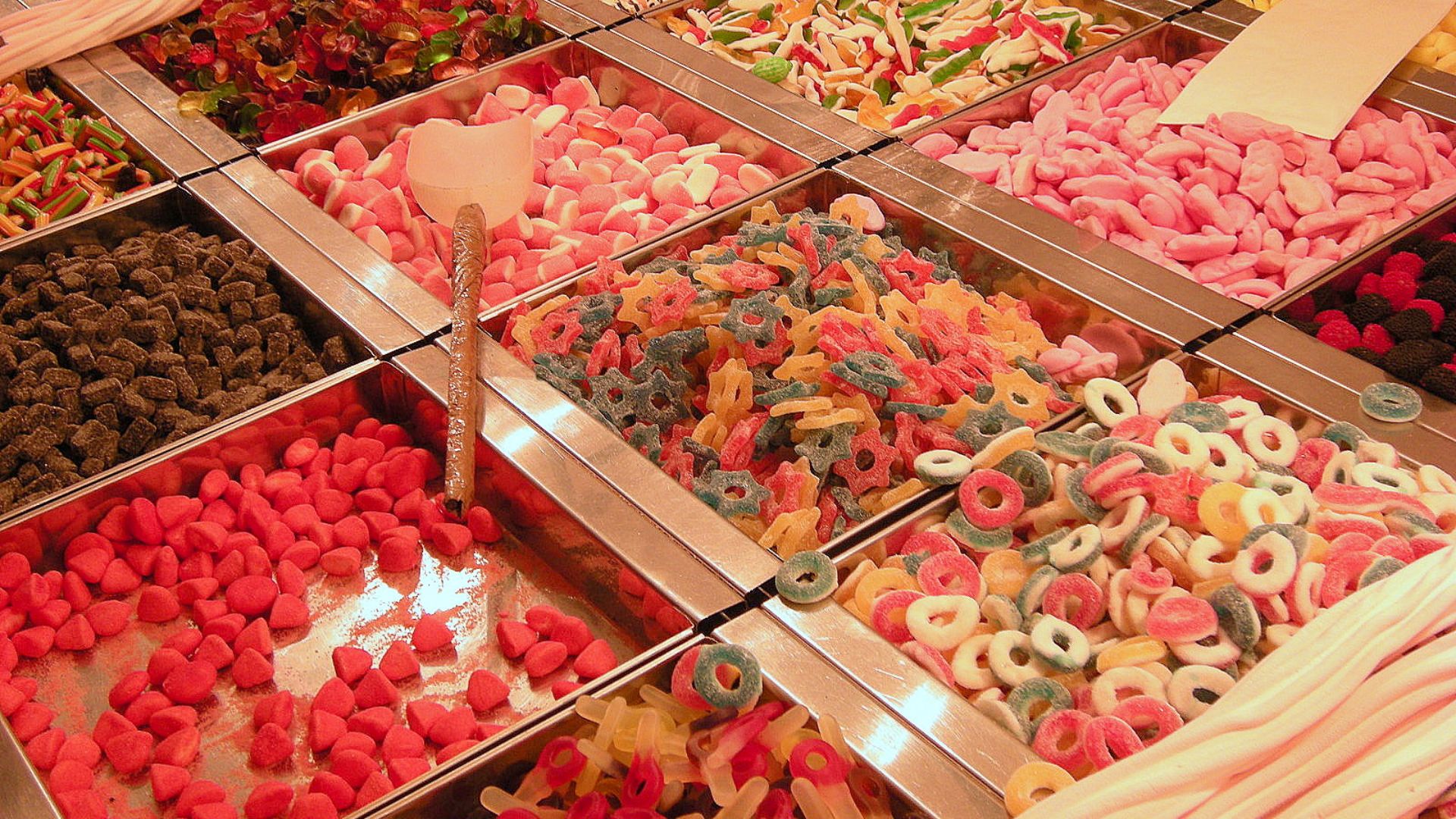
Candy Becomes Sweets
Americans head to the candy aisle when they want gummies, hard candies, or other sugary treats. In Britain, the same general category is called sweets, and stores specializing in them are often called sweet shops. Australians also commonly use the term lollies for candy, even when the treats aren't on sticks. A British request for a bag of sweets is simply an invitation to enjoy some candy.
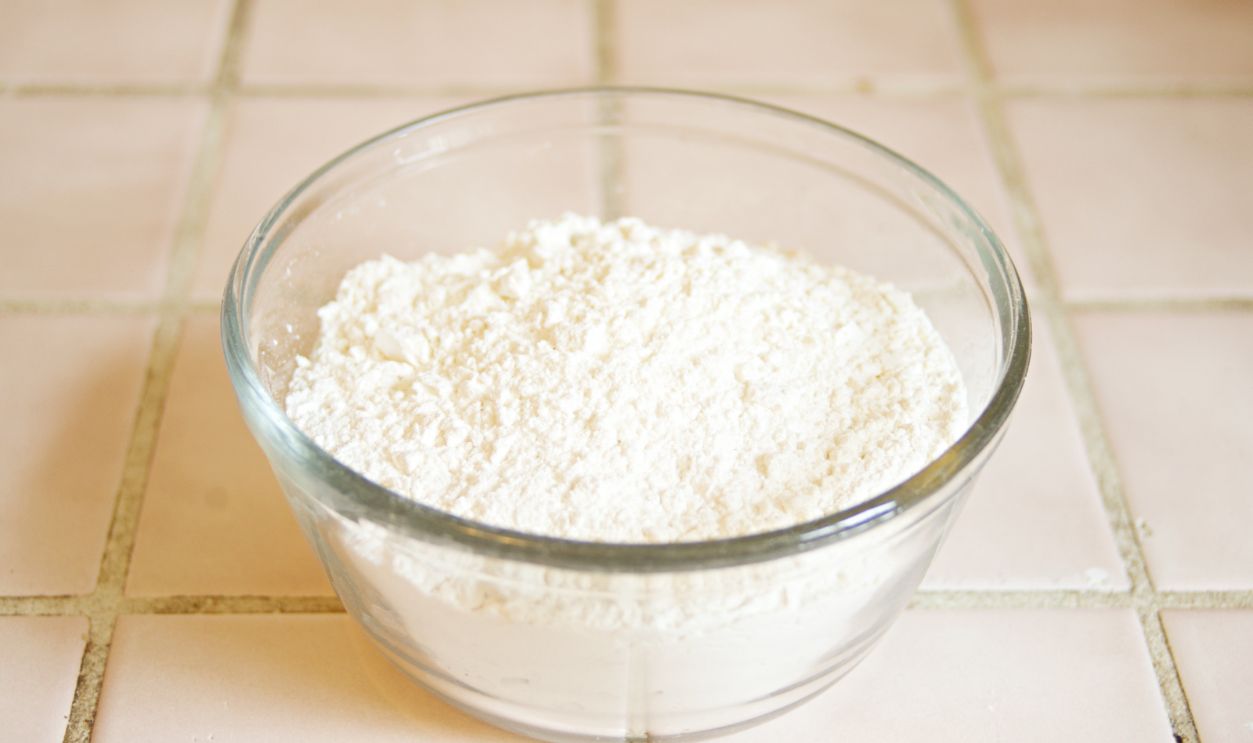
Powdered Sugar Becomes Icing Sugar
American bakers reach for powdered sugar or confectioners' sugar when making frosting and dusting desserts. In Britain, the same finely ground sugar is generally called icing sugar. It's used for similar purposes, including cake decorations, glazes, and buttercream. Australians also commonly use the name icing sugar, so knowing this translation can save some confusion in the baking aisle.
 Page Light Studios, Shutterstock
Cornstarch Becomes Cornflour
American cooks use cornstarch to thicken sauces, soups, and desserts. In Britain and Australia, the equivalent white starch is generally sold as cornflour. The tricky part is that American corn flour refers to a different product made from finely ground whole corn. Confusing the two in a recipe can produce very different results, so this is one name change worth remembering.
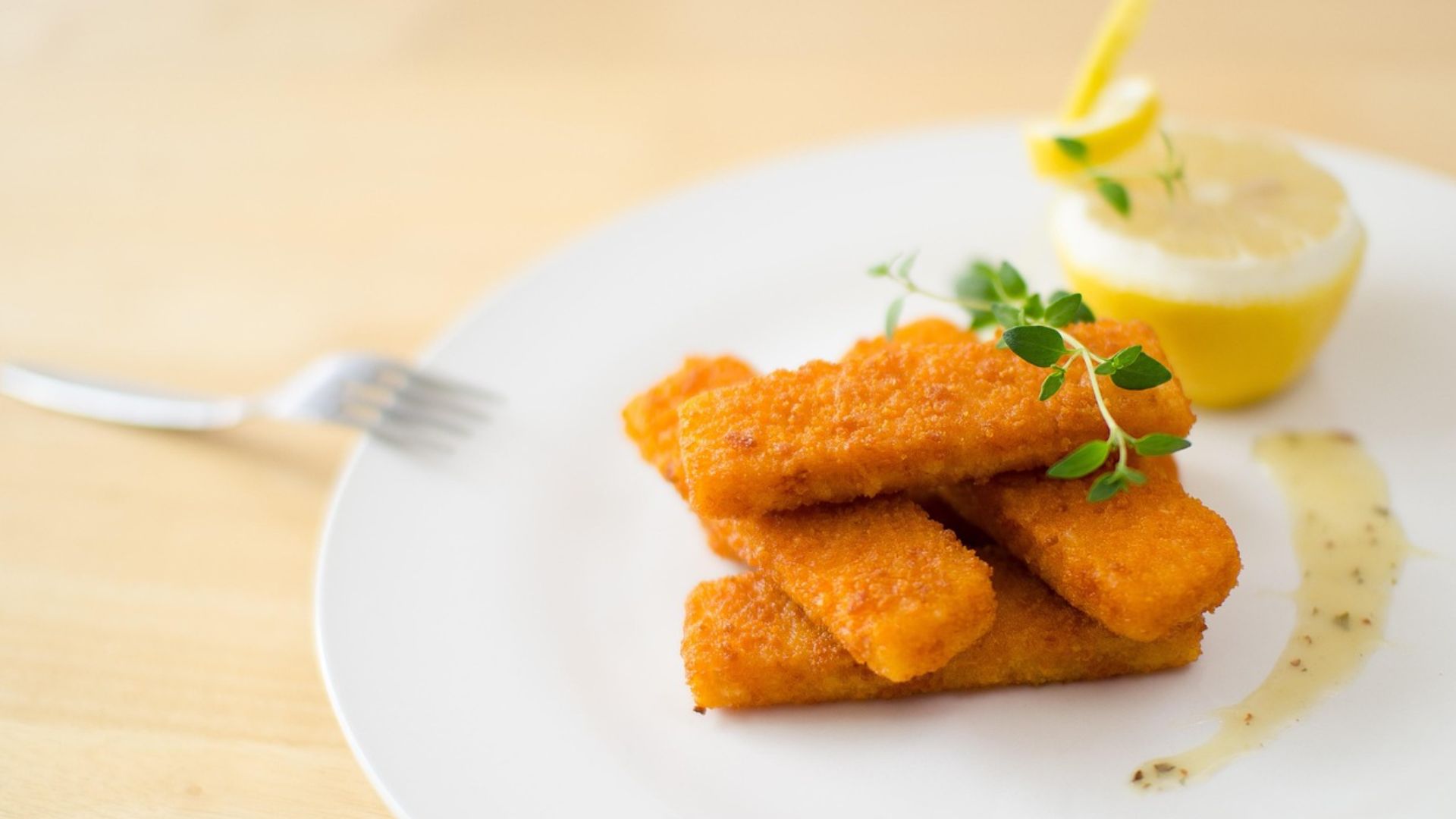
Fish Sticks Become Fish Fingers
American children grow up eating fish sticks, those breaded pieces of fish that go straight from the freezer into the oven. British families call essentially the same product fish fingers, a name that describes their long, narrow shape. They're commonly served with fries, peas, or tucked into sandwiches. The name might sound unusual to Americans, but the familiar frozen food is easy to recognize.
The Names Change, But The Food Is Familiar
From courgettes and aubergines to candyfloss and cheese toasties, international food vocabulary can make familiar meals sound surprisingly foreign. Most of these differences are easy to navigate once you learn a few local terms, although some names refer to foods that aren't quite identical. Checking a menu description or asking a quick question can prevent an unexpected order. And sometimes discovering what another country calls your favorite food is part of the fun of traveling.
You May Also Like:
Regional American Desserts That Sound Completely Made Up—But Locals Have Loved Them For Generations
American Vacation Expectations That Surprise Tourists From Overseas—Which Ones Shock You Most?