Mars Is Stranger Than Fiction
A mysterious rock appears where there was nothing days earlier. Another is covered in spots that might preserve evidence of ancient life. Elsewhere, a rover cracks open a stone and reveals something scientists never expected to find. NASA's Mars rovers have photographed some extraordinary things, and even though many have perfectly natural explanations, others raise questions researchers are still investigating. These are real images from the Red Planet, and the stories behind them are fascinating.
The Mysterious Leopard Spots
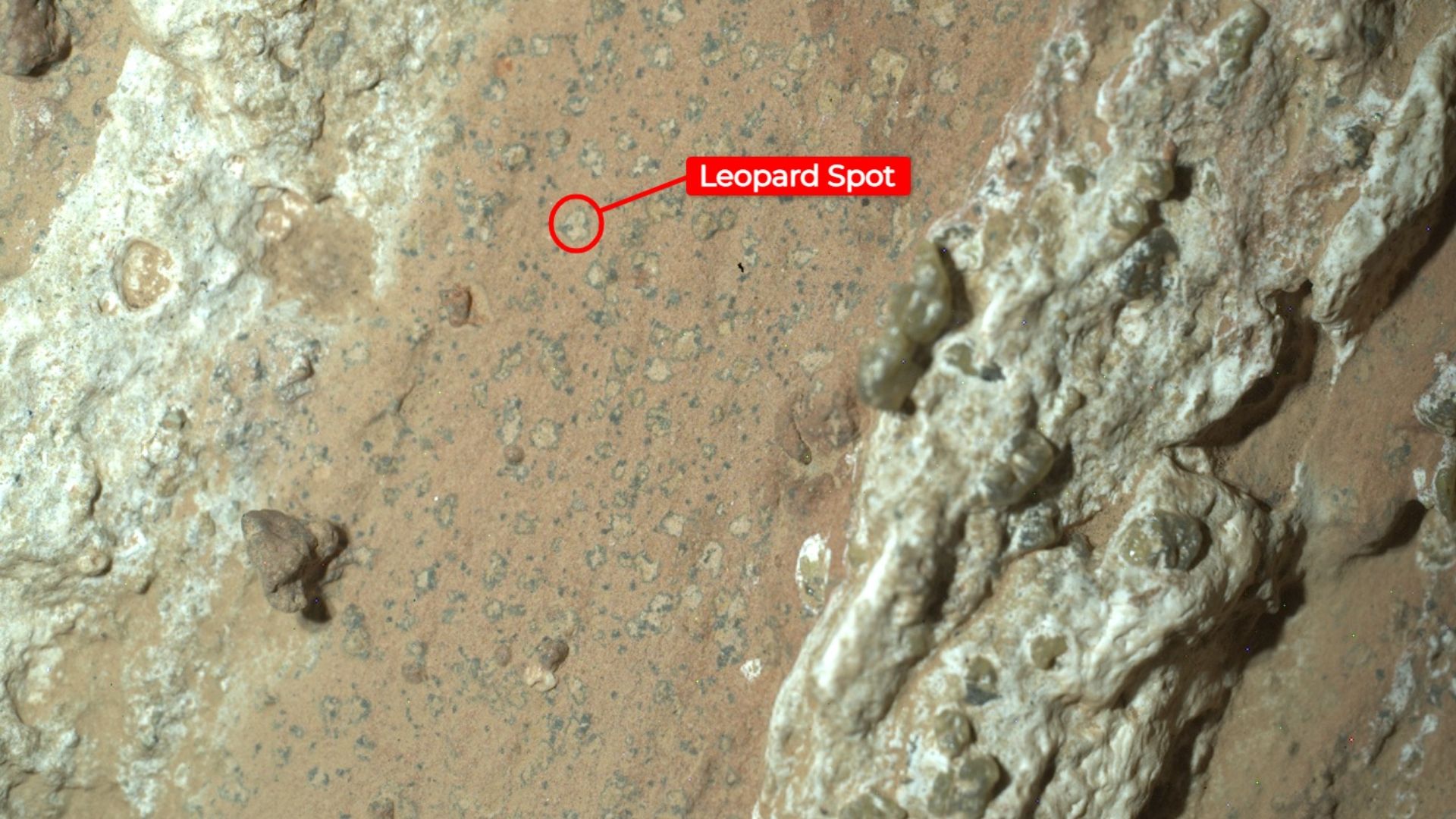
In July 2024, Perseverance photographed strange, dark-ringed spots on a rock nicknamed Cheyava Falls. The markings resemble leopard spots and may have formed through chemical reactions that could have supported ancient microbes. A 2025 scientific assessment strengthened their status as a potential biosignature, but nonbiological explanations remain possible. The rover collected a sample, and determining precisely what produced the markings remains one of the mission's most intriguing scientific questions.
The Rock That Appeared Overnight
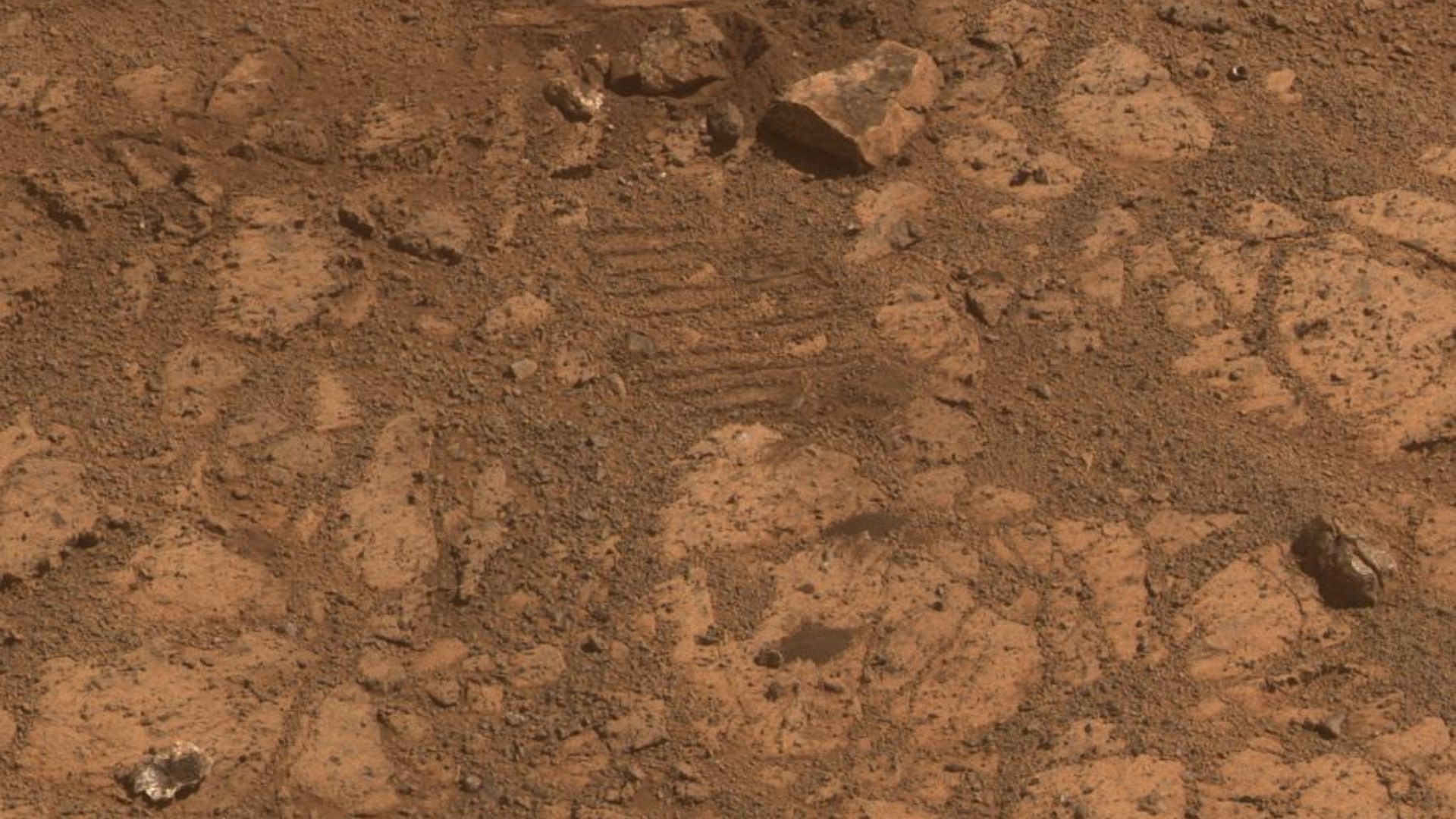
In January 2014, Opportunity photographed a rock that hadn't appeared in an image taken just four Martian days earlier. Its white rim and reddish center earned it the nickname jelly doughnut. The apparent mystery caused a sensation, but NASA eventually identified the culprit: Opportunity itself. One of its wheels had broken a nearby rock and knocked a fragment downhill. The photographs remain an entertaining reminder that a rover can accidentally change the landscape it's studying.
 NASA/JPL-Caltech/Cornell Univ./Arizona State Univ., Wikimedia Commons
The Blueberries Scattered Everywhere
When Opportunity landed in 2004, it discovered countless tiny, round objects scattered across the Martian surface. Scientists nicknamed them blueberries, although they were actually mineral-rich concretions. Analysis revealed substantial amounts of hematite, supporting the conclusion that water had once helped form them. The discovery became important evidence of Mars's wetter past. Their broad origin is understood, but the detailed history of the ancient groundwater that produced these formations remains a subject of geological investigation.
 NASA/JPL-Caltech, Wikimedia Commons
A Flower Made Of Stone
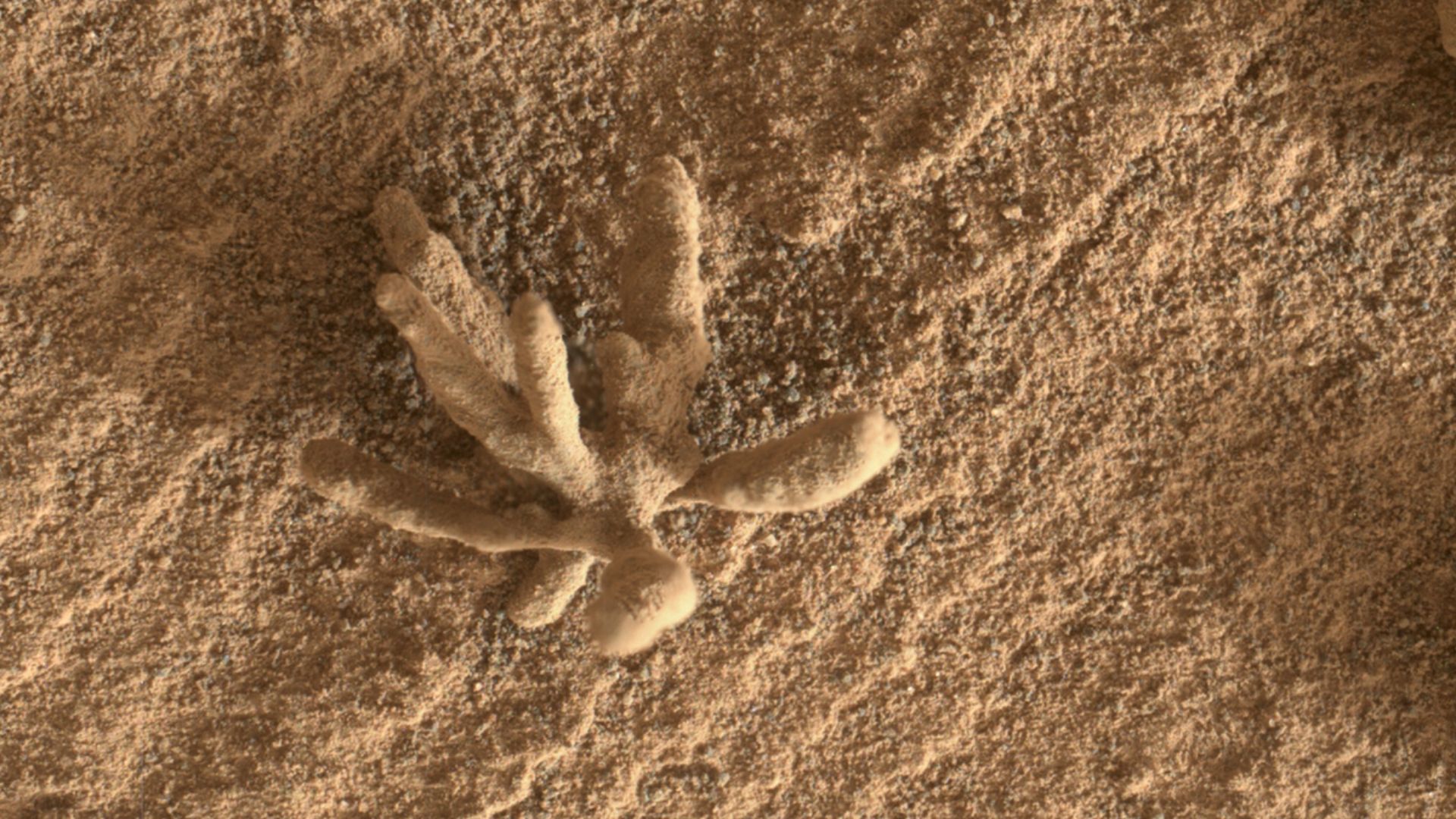
Curiosity photographed what looked like a tiny flower growing from a rock in February 2022. The delicate structure, smaller than a penny, appeared almost biological. But NASA identified it as a mineral formation created when water-bearing fluids moved through ancient rock. The discovery wasn't evidence of Martian vegetation. Instead, its remarkable shape revealed another chapter in the planet's history of liquid water, showing how geological processes can create objects that resemble living things.
 NASA/JPL-Caltech/MSSS, Wikimedia Commons
The Zebra-Striped Stranger
In September 2024, Perseverance discovered a rock with alternating black and white stripes unlike anything the mission had previously encountered. Nicknamed Freya Castle, the roughly eight-inch-wide stone may have formed through igneous or metamorphic processes. Scientists suspect it originated elsewhere and eventually rolled downhill. Its precise composition and original location weren't established from the available observations, leaving researchers eager to find more examples.
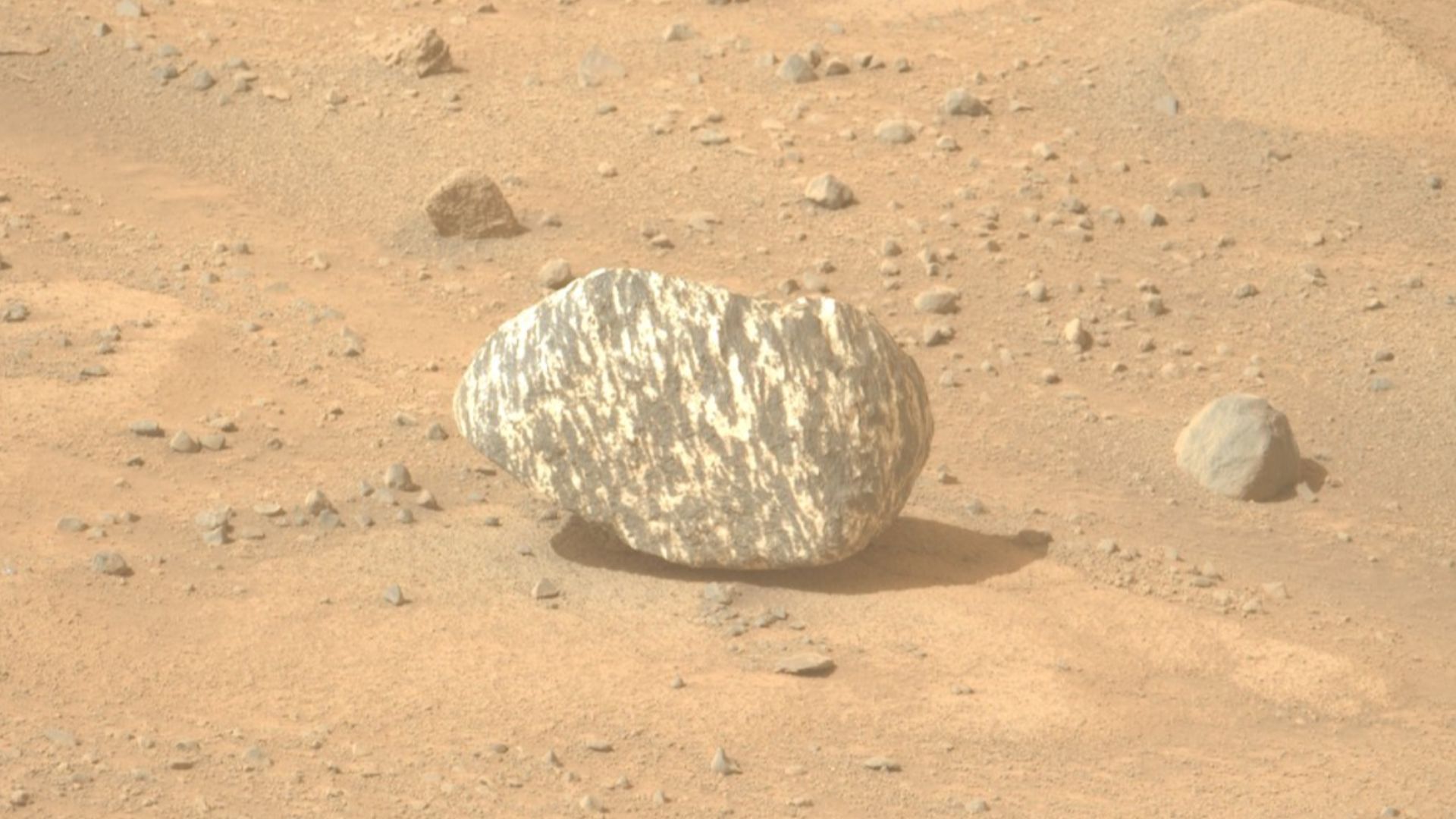 Perseverance Rover, Wikimedia Commons
The Sulfur Nobody Expected
In May 2024, Curiosity accidentally drove over a rock and cracked it open, exposing bright yellow crystals. Scientists identified them as elemental sulfur, the first discovery of pure sulfur on Mars. The mineral itself wasn't mysterious, but finding it in this location was unexpected. Researchers have struggled to explain the conditions that produced the deposits, especially after discovering many similar rocks nearby. Sometimes a rover makes its most surprising discoveries entirely by accident.
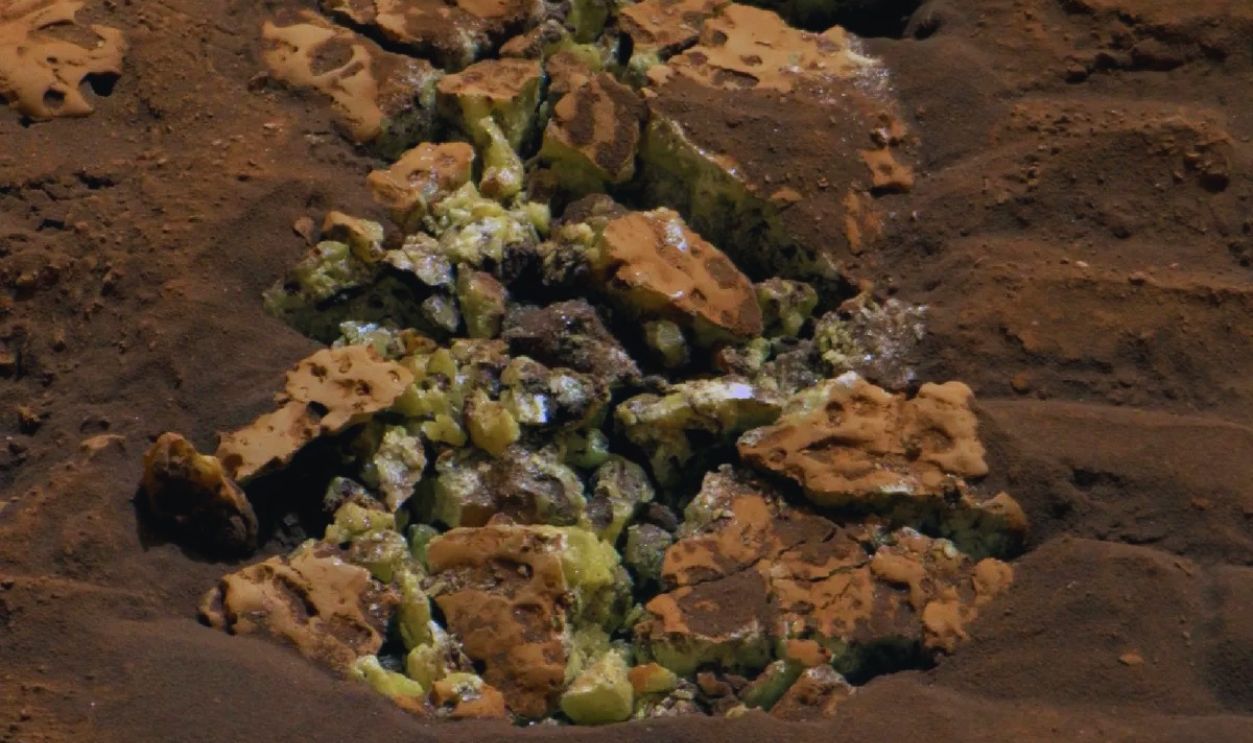 NASA’s Curiosity Mars rover, Wikimedia Commons
A Field Of Ghostly Stones
While climbing Jezero Crater's rim in October 2024, Perseverance encountered an unexpected concentration of bright white rocks near a location called Mist Park. The pale stones stood out dramatically against the darker Martian terrain. NASA's team considered several possibilities for their origins, including unusual rock compositions and material transported from elsewhere. The discovery offered another indication that Jezero's rim contains a more complicated geological history than the surrounding landscape initially suggested.
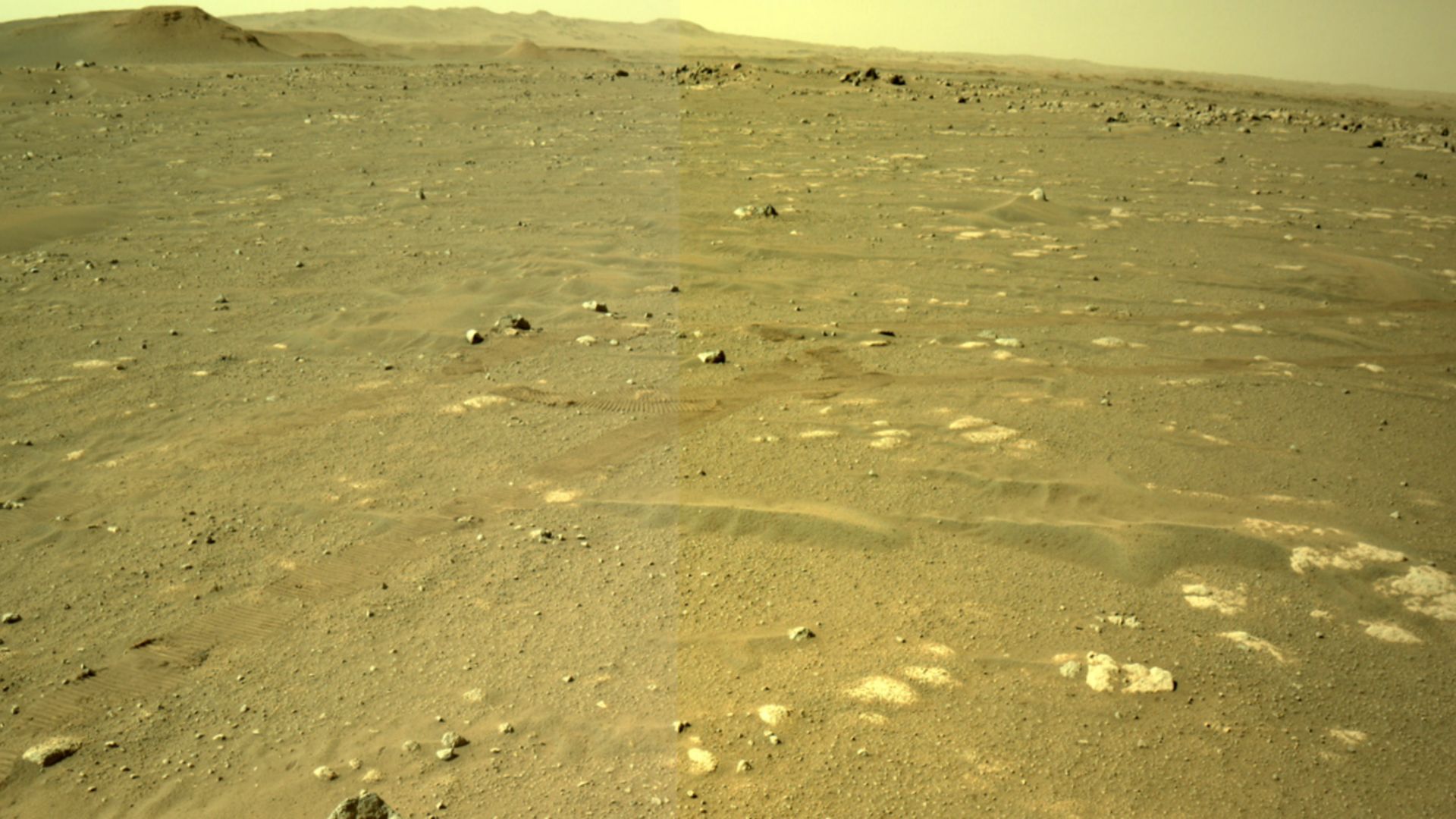 NASA/JPL-Caltech, Wikimedia Commons
The Spheres Beneath Perseverance
More than two decades after Opportunity found its famous blueberries, Perseverance photographed another collection of remarkably round objects in July 2025. These spheres appeared in loose material at Rowsell Hill, adding to discoveries elsewhere around Witch Hazel Hill. Scientists know that several geological processes can produce rounded formations, but determining which created particular Martian examples requires detailed study. The photographs show that Mars's mysterious little spheres aren't confined to one ancient environment.
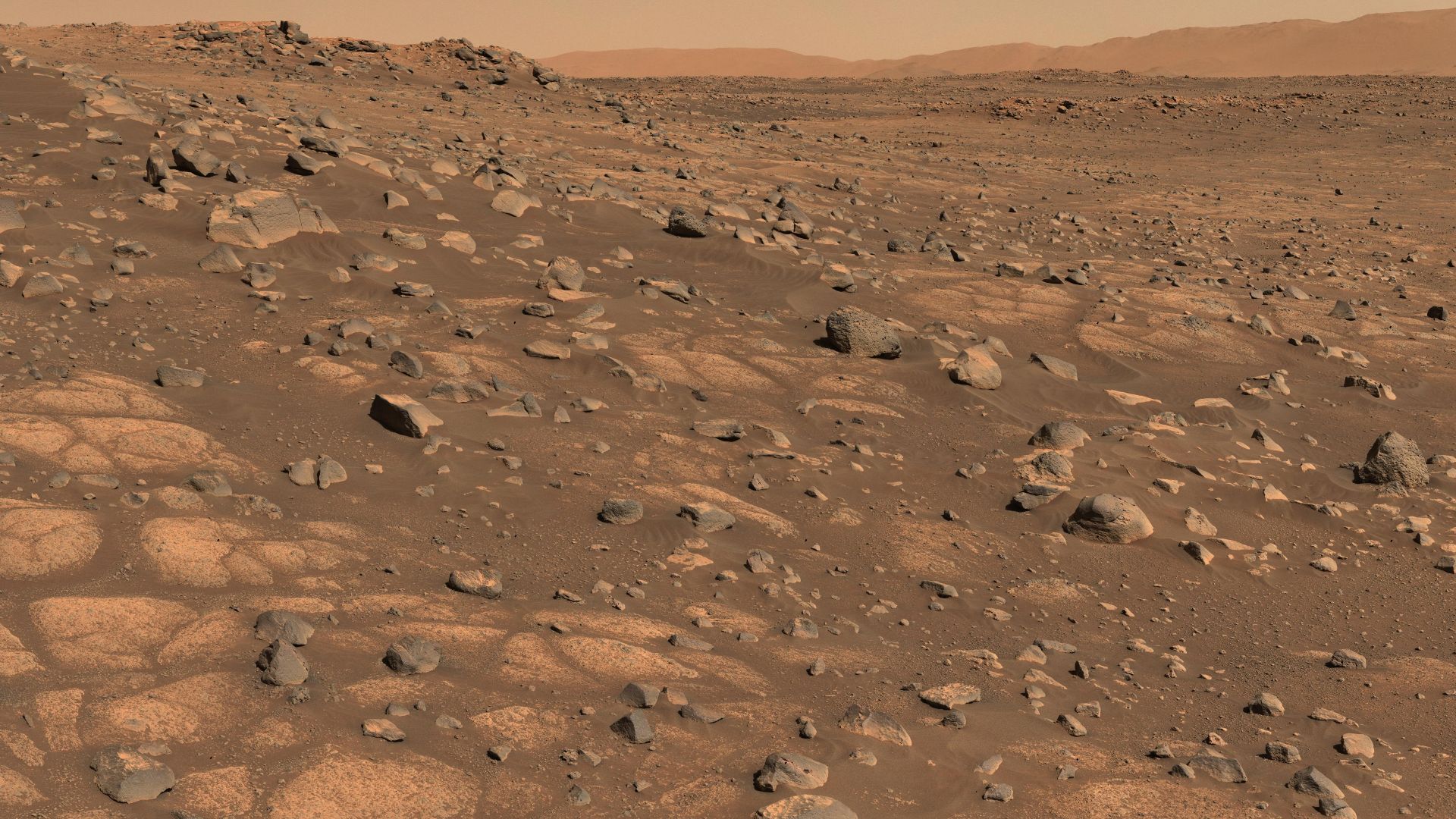 NASA/JPL-Caltech/ASU/MSSS, Wikimedia Commons
The Rocks With Pale Halos
Curiosity photographed unusual rocks in May 2024 whose edges appeared surrounded by pale halos. NASA scientists recognized a possible connection to groundwater moving through fractures and triggering chemical reactions. Similar features on Earth preserve evidence of ancient water circulation. The halos themselves have a plausible geological explanation, but reconstructing exactly when water moved through these Martian rocks, and how long it remained, is a much more difficult challenge.
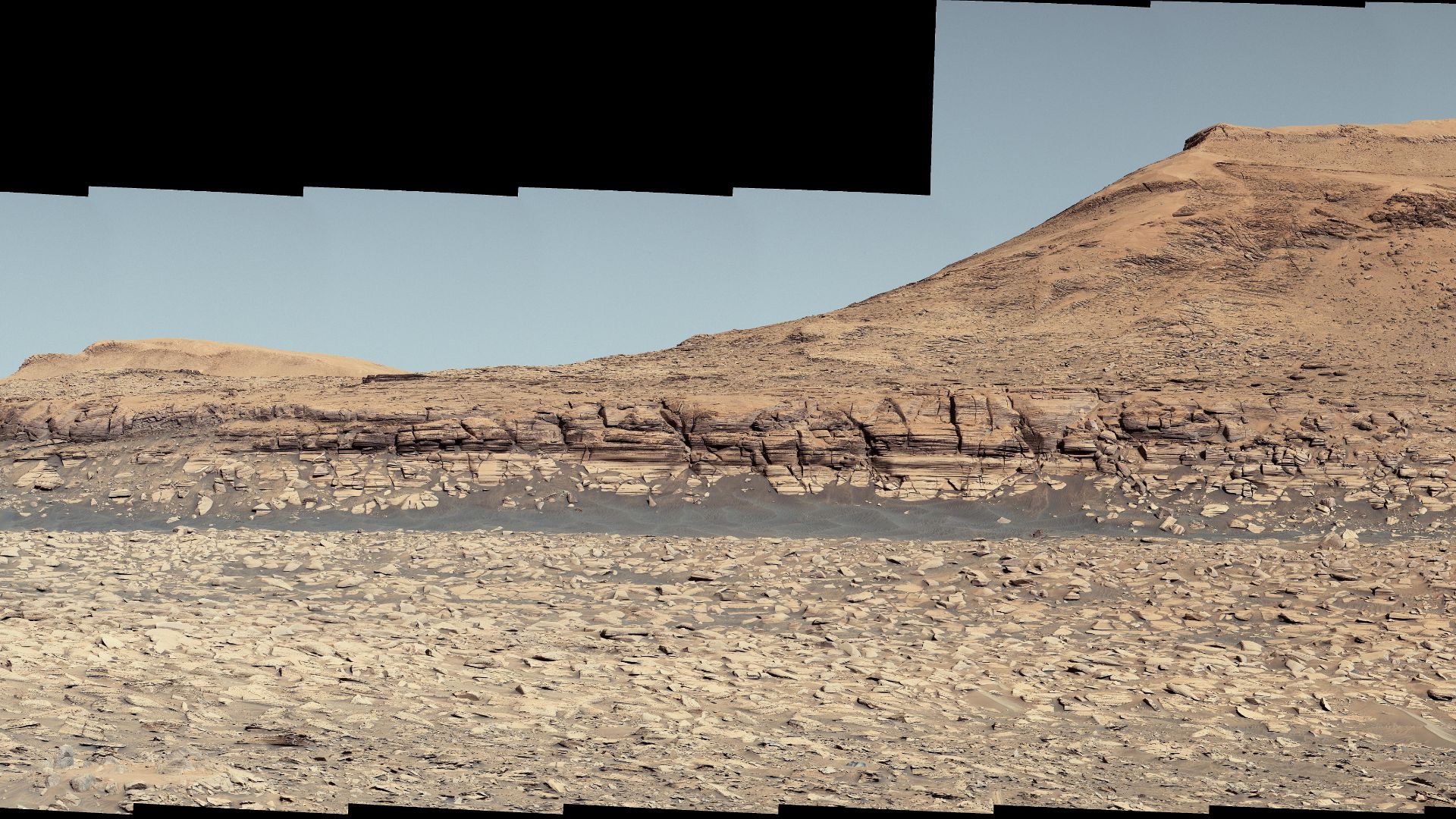 NASA/JPL-Caltech/MSSS, Wikimedia Commons
The Metallic Visitor
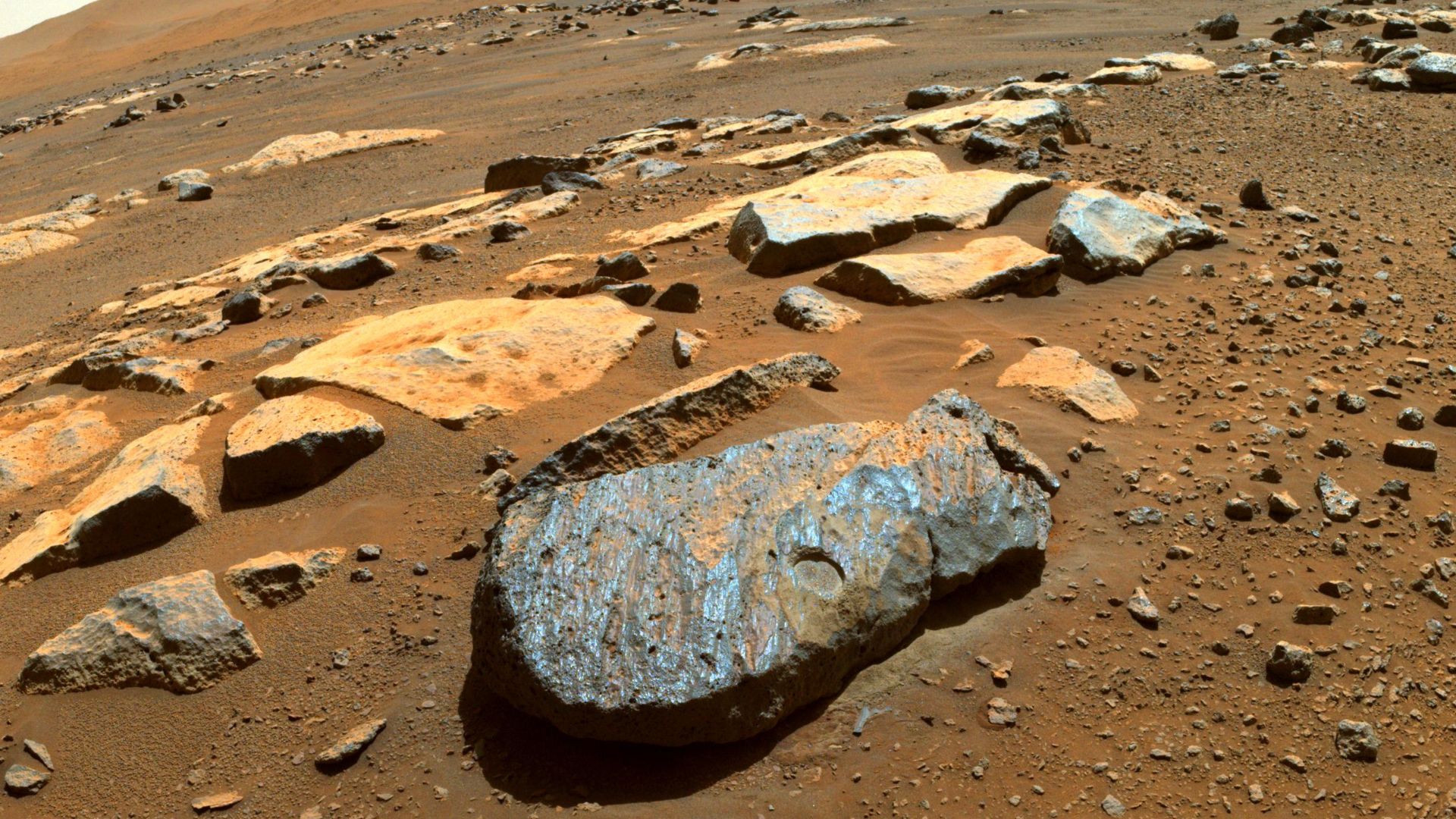
In 2016, Curiosity discovered a dark, metallic-looking object about the size of a golf ball. Named Egg Rock, it initially stood out from the surrounding stones because of its unusual appearance. The rover fired laser pulses at its surface, confirming that it was an iron-nickel meteorite. Its identity is no longer mysterious, but the discovery raised interesting questions about how meteorites survive on Mars and what their condition reveals about the planet's atmosphere and surface history.
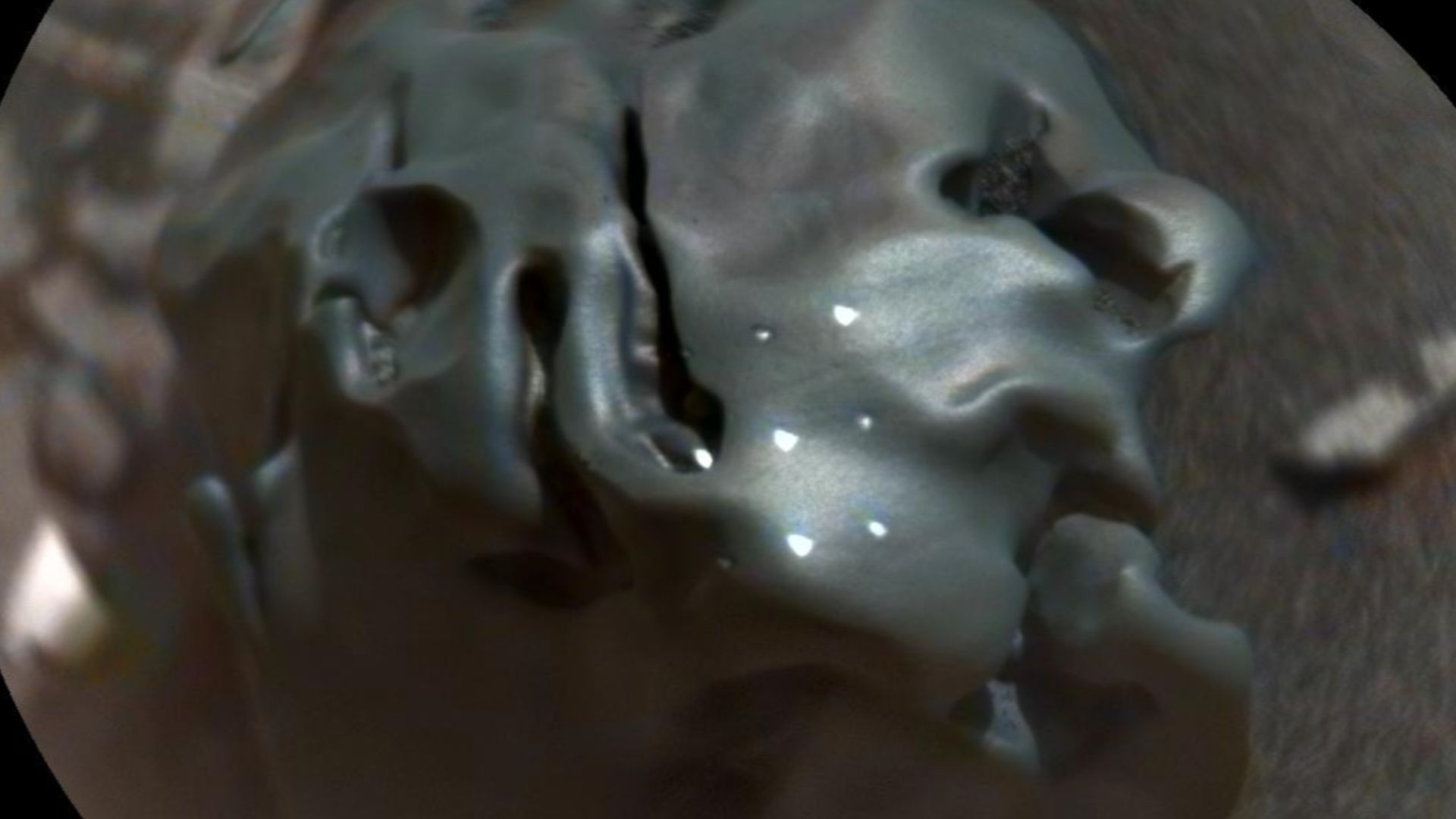 NASA/JPL-Caltech/LANL/CNES/IRAP/LPGNantes/CNRS/IAS/MSSS, Wikimedia Commons
The Giant Meteorite On Mars
Opportunity encountered a much larger metallic visitor in 2009. The rock, named Block Island, measured roughly two feet across and was identified as an iron-nickel meteorite. Its size and condition prompted questions about the atmosphere through which it had fallen and the environment it had experienced since landing. Scientists could identify the object, but reconstructing its complete journey through space and its long residence on the Martian surface remained another matter.
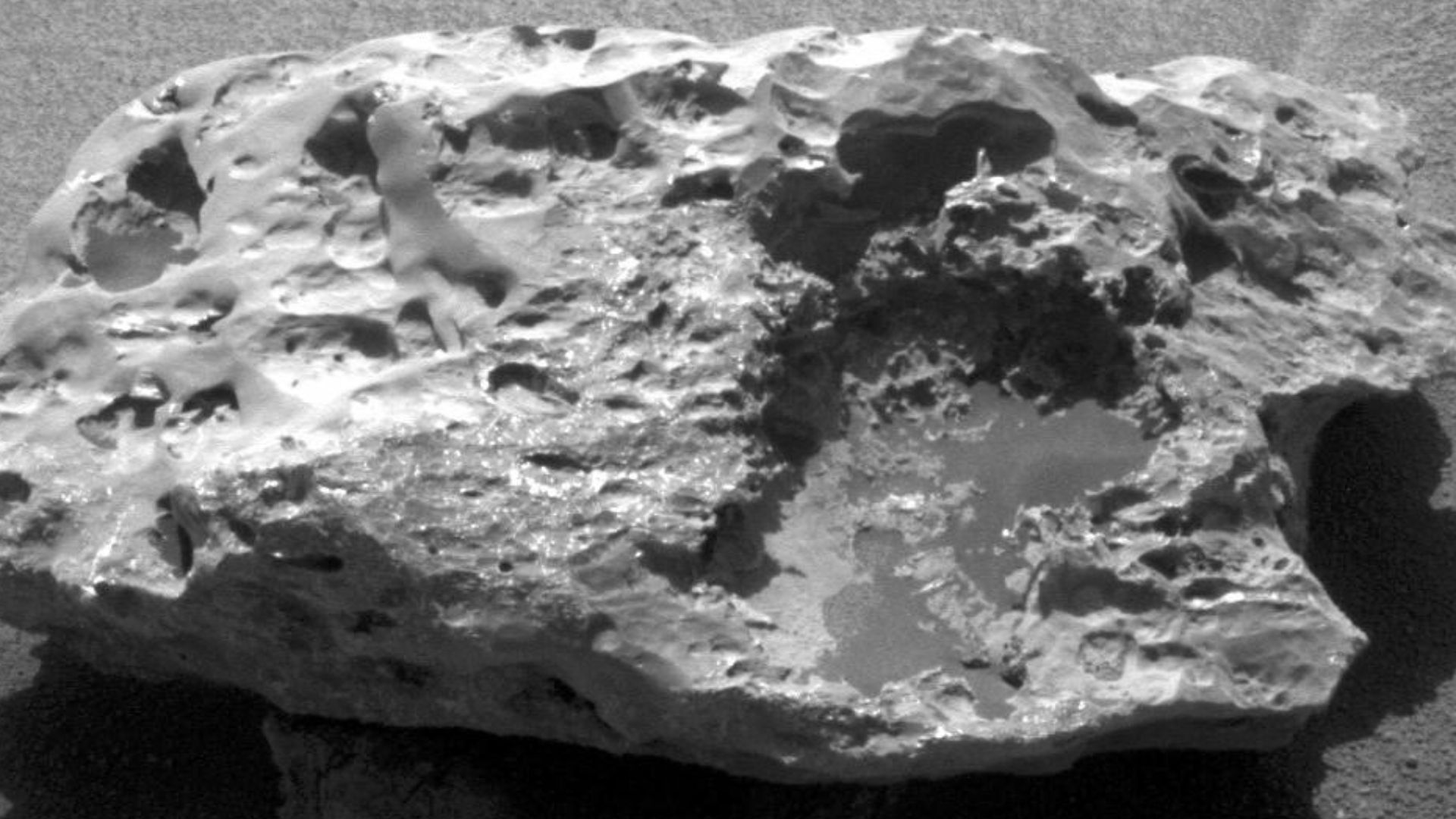 NASA/JPL-Caltech/Cornell University, Wikimedia Commons
The Tiny Martian Mushroom
A photograph from Perseverance's exploration of Hogwallow Flats revealed a tiny formation resembling a mushroom standing on a narrow stalk. NASA scientists explained that a hard mineral concretion had resisted erosion while softer surrounding rock gradually disappeared. The resulting miniature pedestal looked almost deliberately sculpted. Its general formation process is understood, but its precise age and the environmental conditions that originally produced the concretion are less certain.
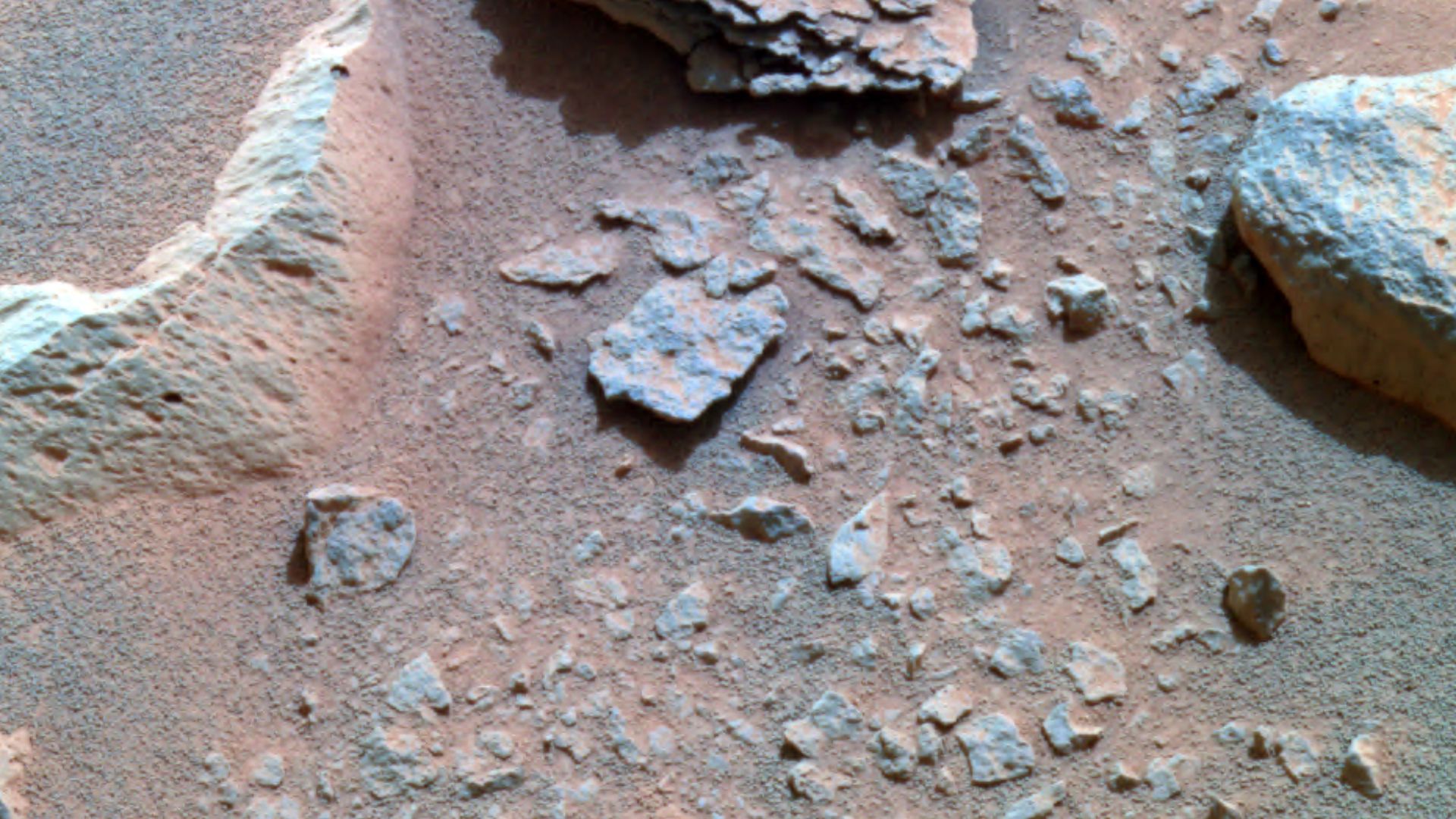 NASA/JPL/Cornell, Wikimedia Commons
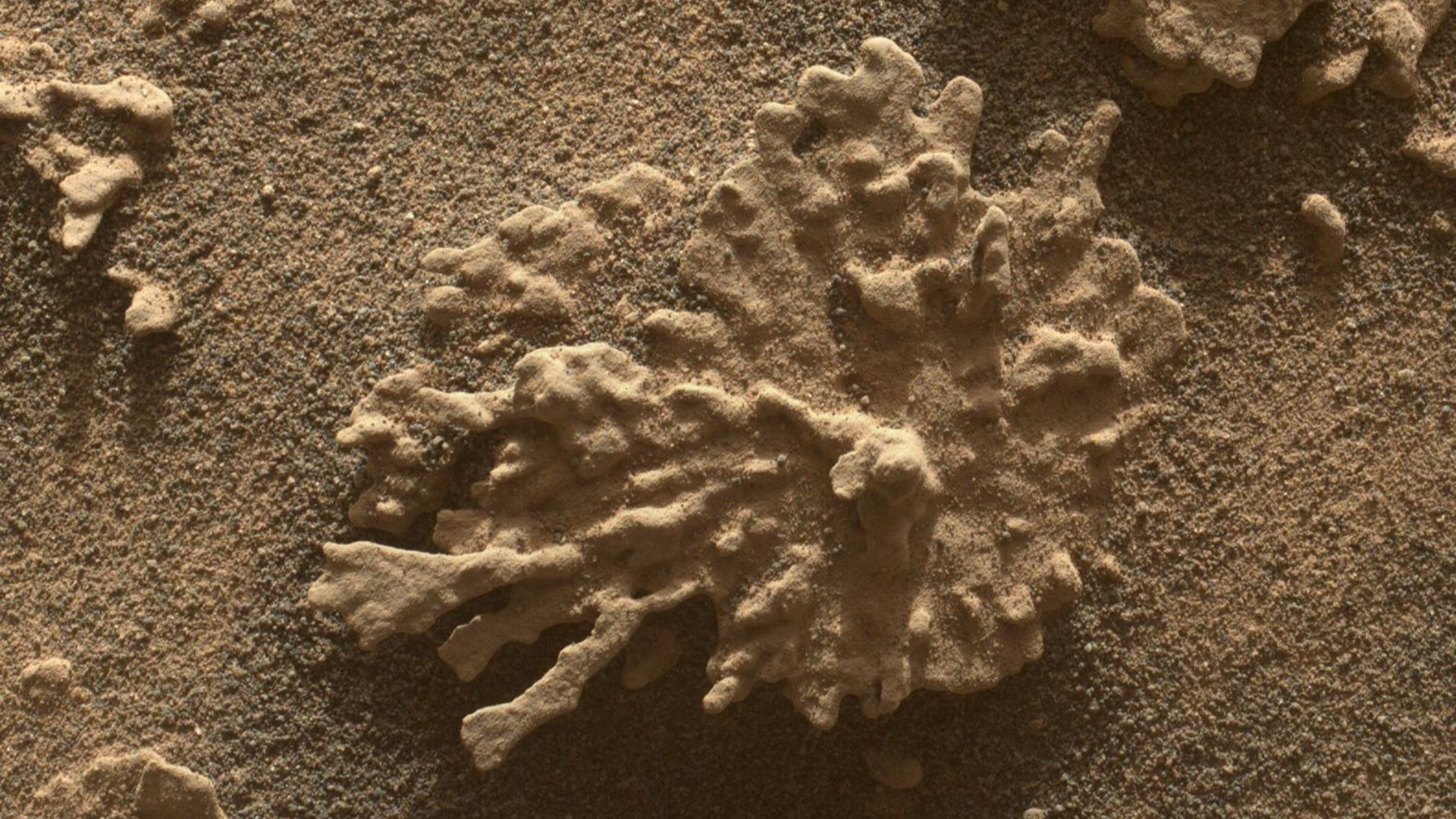
The Rock That Resembles Coral
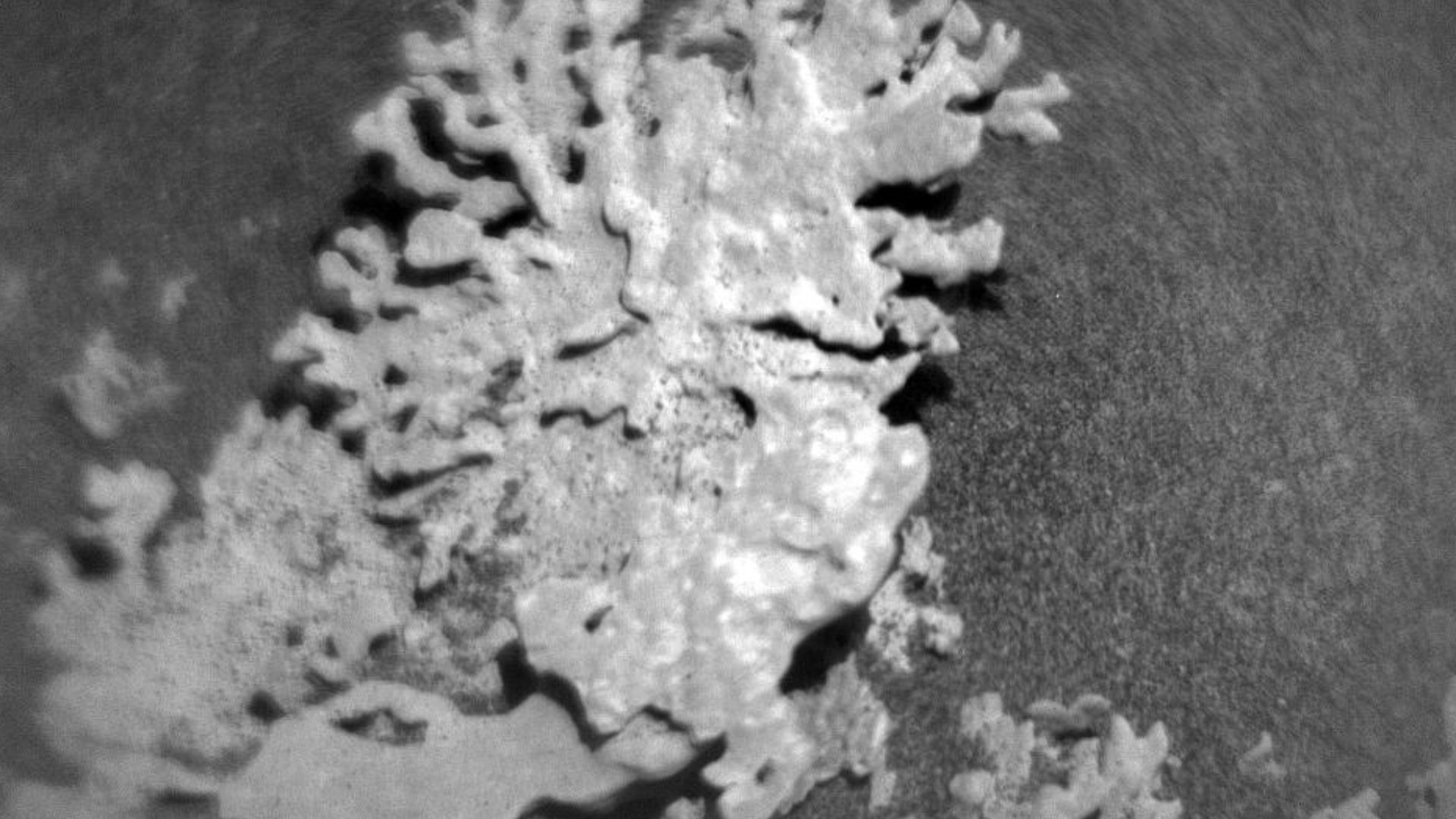
In July 2025, Curiosity photographed a small, branching rock that looked remarkably like a piece of coral. Its intricate shape invited comparisons with marine life, but NASA attributed the appearance to geological processes involving minerals and prolonged wind erosion. Mars has no known coral reefs. Nevertheless, these strange formations provide clues about ancient water and the extraordinary amount of time the planet's surface has spent being sculpted by its environment.
 NASA/JPL-Caltech/MSSS, Wikimedia Commons
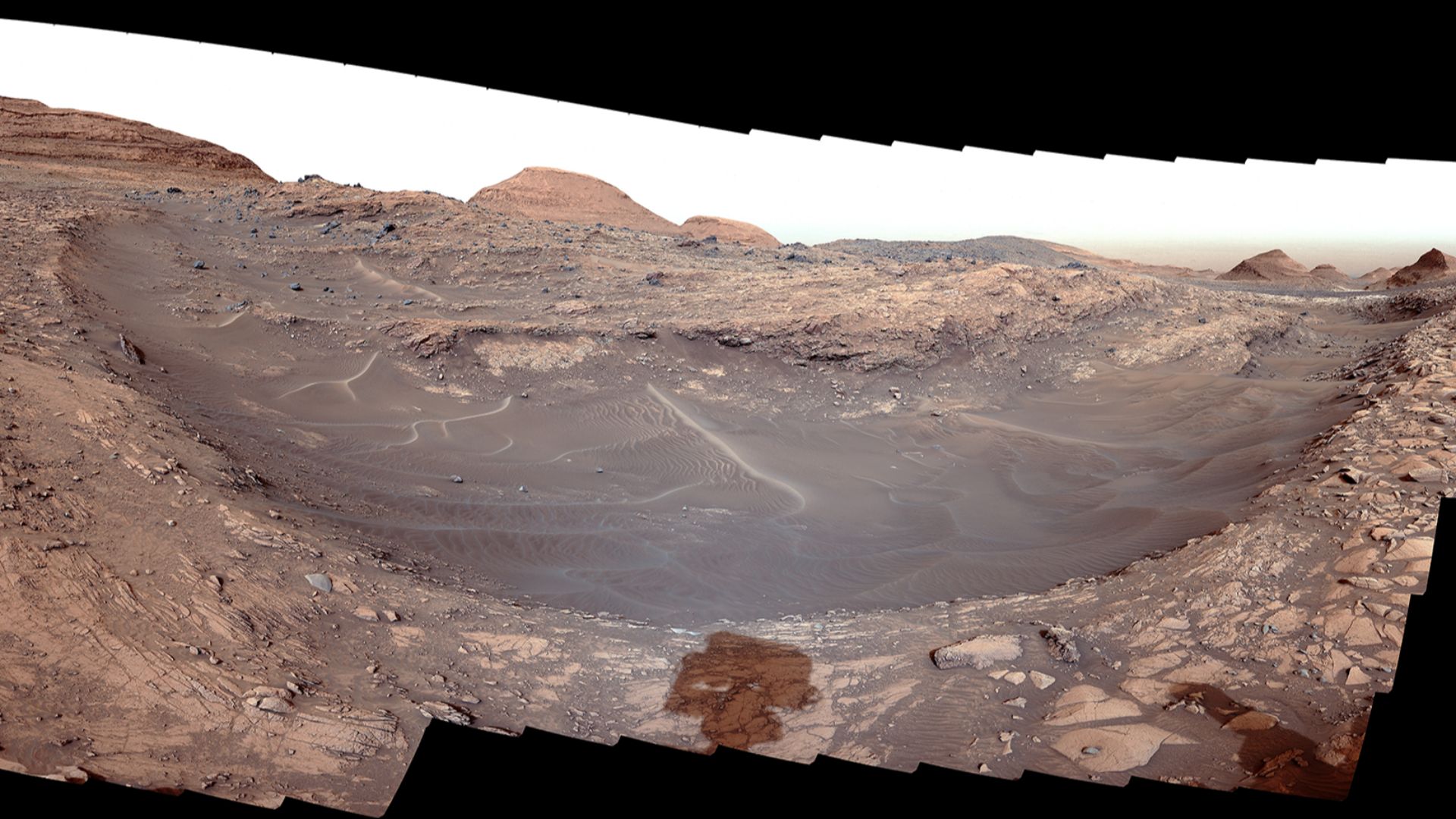
The Mysterious Ancient Channel
Curiosity's images of Gediz Vallis reveal a winding channel cutting through the slopes of Mount Sharp. Scientists believe ancient water and debris flows helped shape the feature, but establishing the precise sequence of events is difficult. Some deposits may have formed much later than the surrounding layers. The photographs are especially valuable because they allow researchers to study evidence of changing environmental conditions across an enormous span of Martian history.
 Credit: NASA/JPL-Caltech/MSSS, Wikimedia Commons
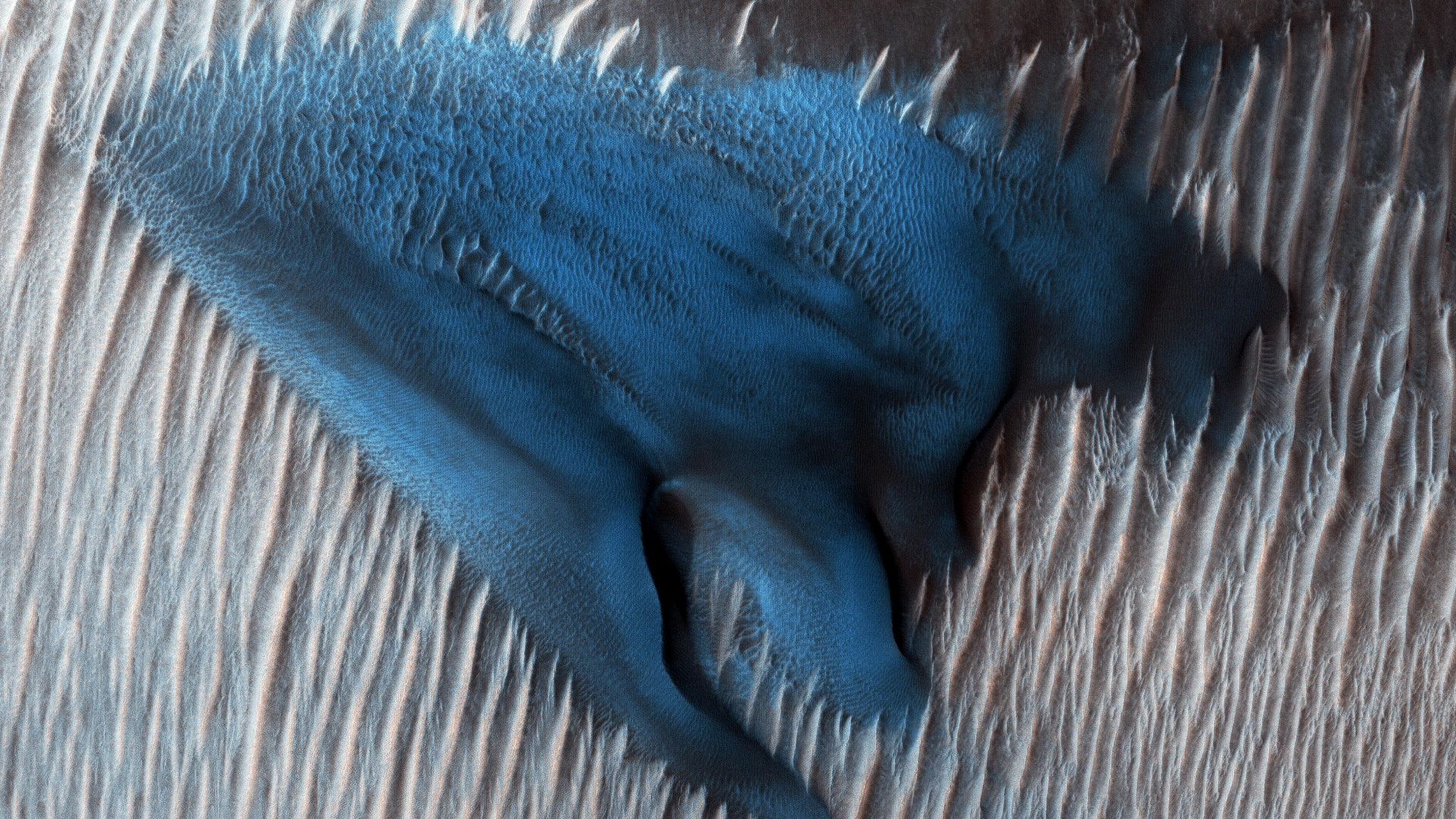
The Dunes That Look Blue
Opportunity photographed a striking dune field inside Endurance Crater in 2004. In one false-color version, parts of the landscape appeared distinctly blue, creating an almost otherworldly effect. The colors weren't evidence of blue Martian sand. They were produced through image processing that emphasized differences in surface materials, including hematite-rich spherules. The images helped scientists study how wind sorts particles across the Martian surface and how dunes develop under conditions very different from Earth's.
 NASA/JPL-Caltech/Univ. of Arizona, Wikimedia Commons
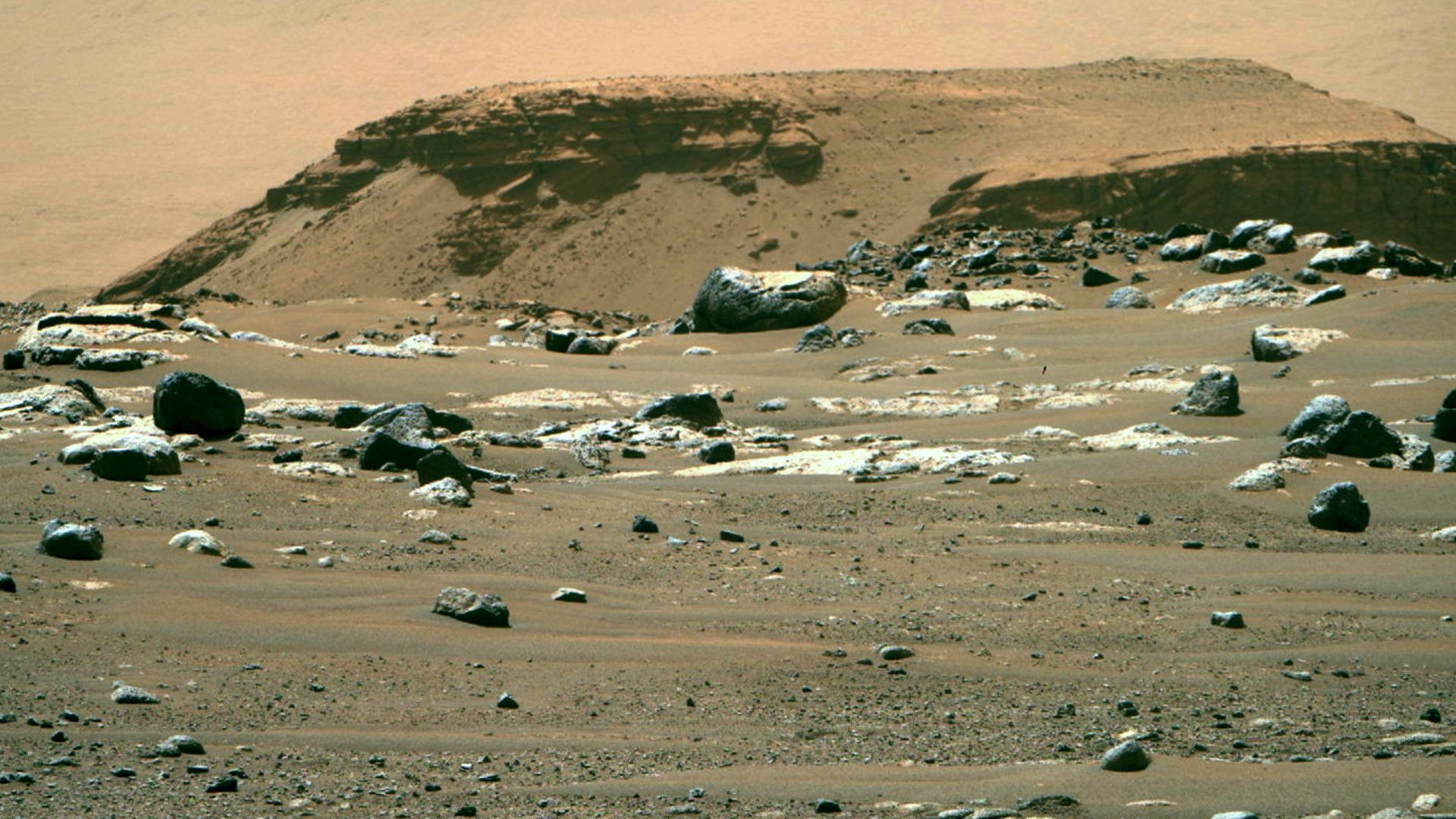
The Light-Colored Rocks Nobody Expected
In August 2026, Perseverance photographed a remarkable concentration of light-colored boulders in an area called Lac de Charmes, beyond Jezero Crater's western rim. Their appearance was striking because dark volcanic rocks dominate much of the surrounding landscape. Researchers began investigating whether these stones could reveal something about deeper or older portions of Mars's crust. Their precise origins were not immediately apparent, making the images a recent example of how Mars continues to surprise scientists.
 NASA/JPL-Caltech/ASU, Wikimedia Commons
The Dust Devil Photobomb
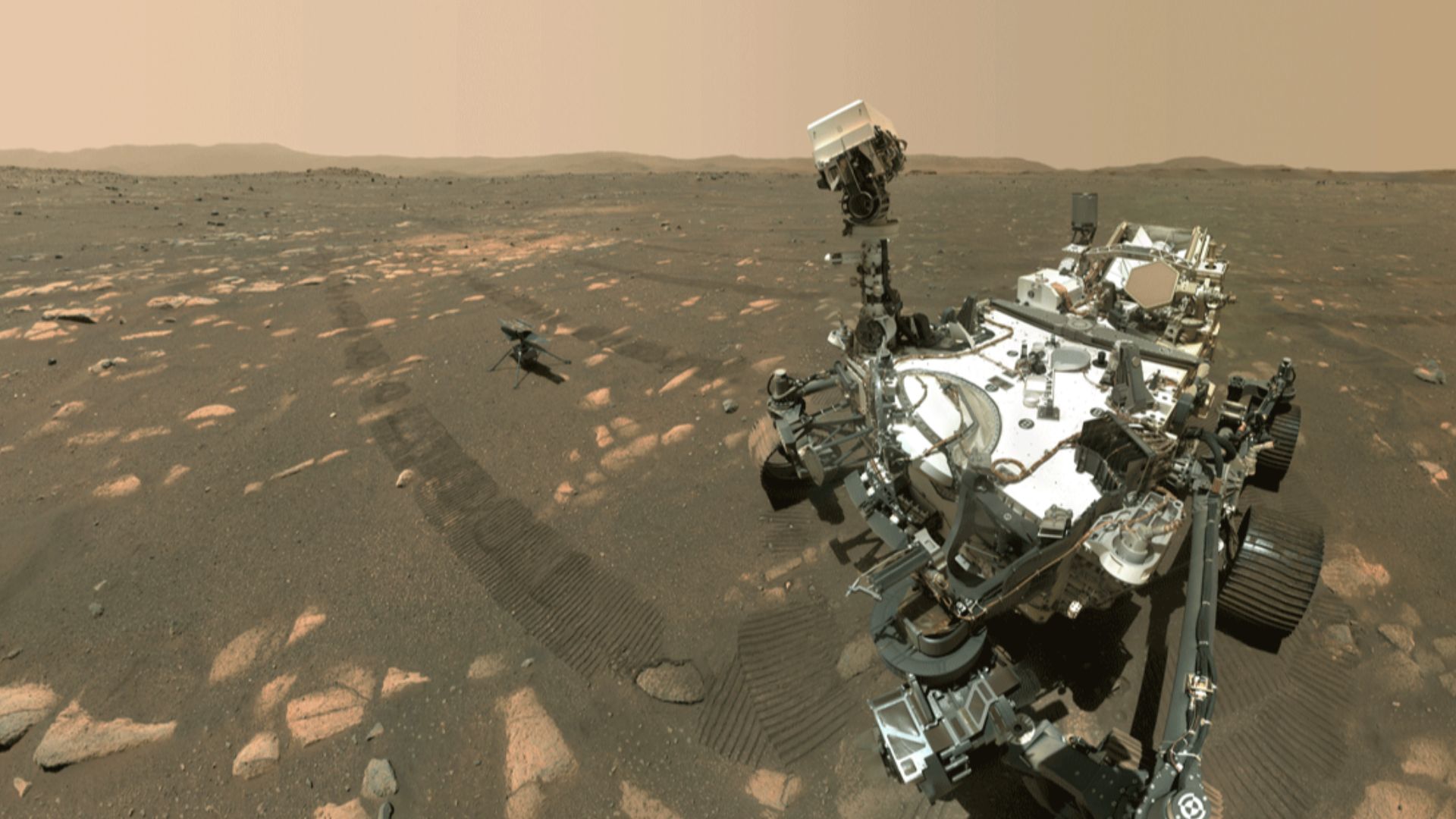
Perseverance was taking a selfie in May 2025 when a dust devil appeared in the background. The swirling column of dust provided a dramatic reminder that Mars has an active atmosphere despite its extremely low pressure. Scientists understand how dust devils form, but predicting exactly where and when individual whirlwinds will appear remains challenging. Their effects on surface dust and the wider Martian environment are important subjects of continuing research.
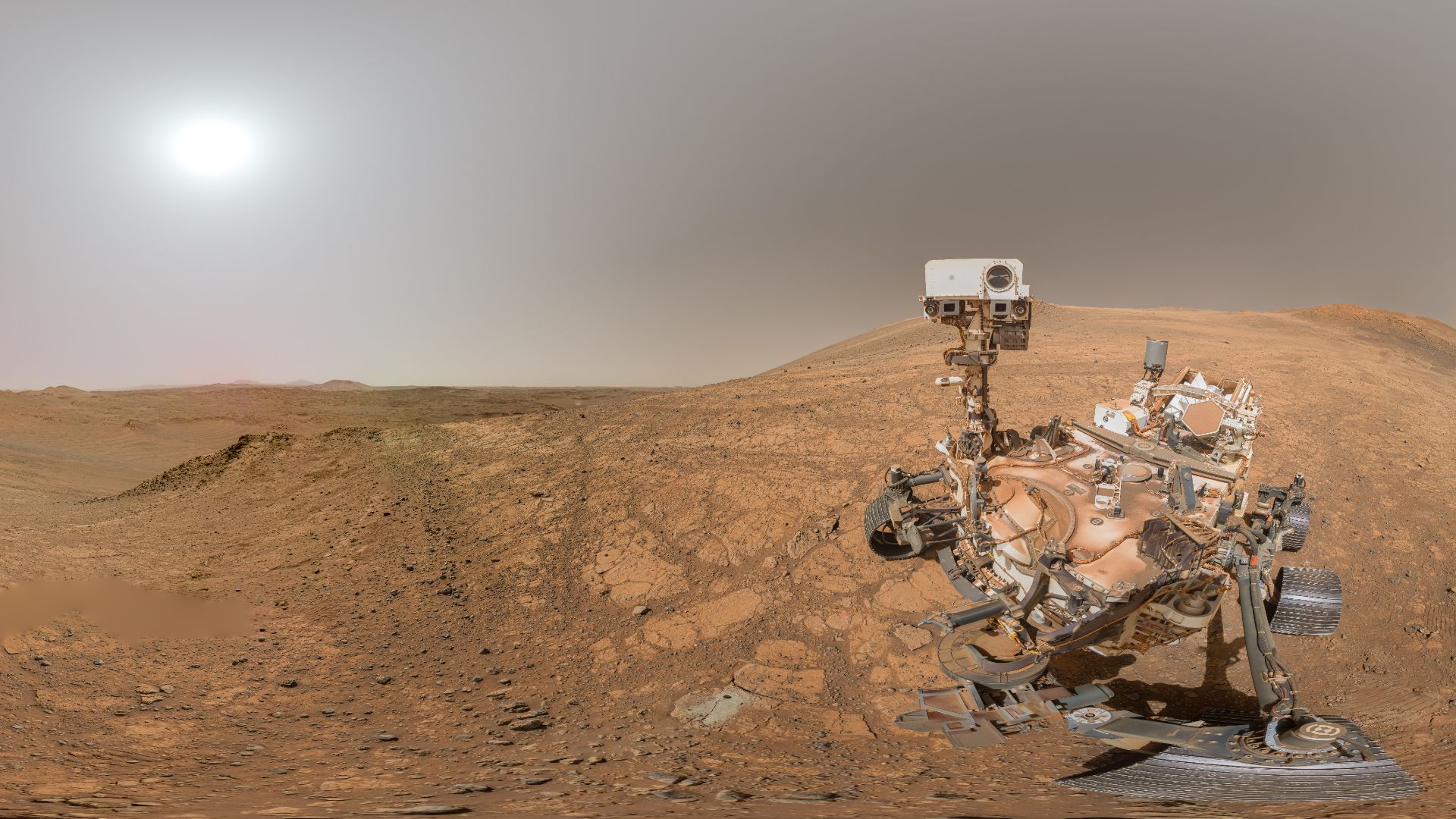 semeion.photo, Wikimedia Commons
The Strange Layered Towers
Curiosity's photographs of a formation nicknamed Fascination Turret show jagged, layered rocks that almost resemble the ruins of an ancient structure. The shapes are natural, produced by geological deposition and erosion. Yet interpreting the sequence of events that created such formations is far from simple. By examining different layers, researchers can investigate changes in sediment, water, and environmental conditions that occurred long before the rover arrived.
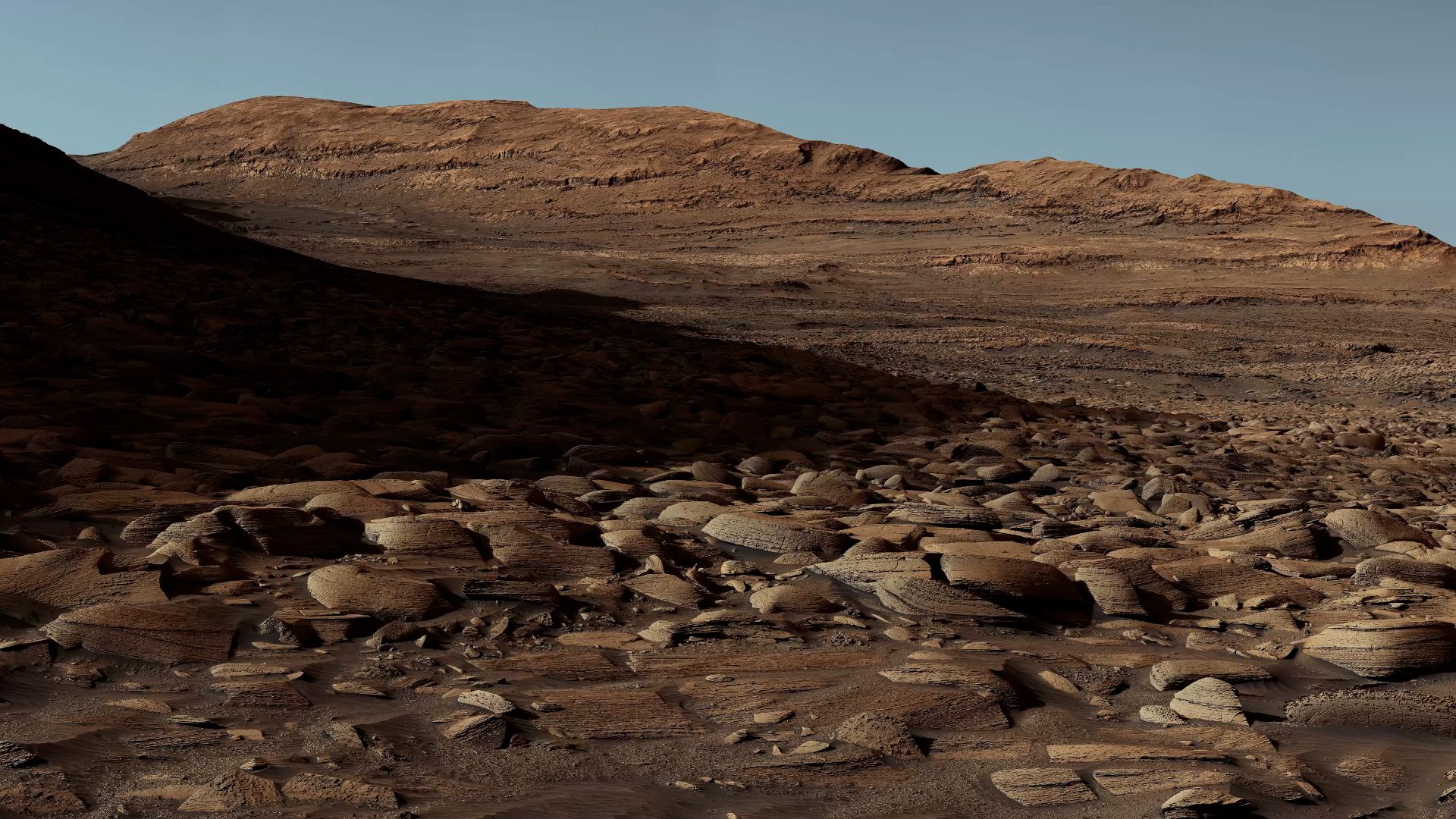 NASA/JPL-Caltech/MSSS, Wikimedia Commons
The Mysterious Rock Patterns
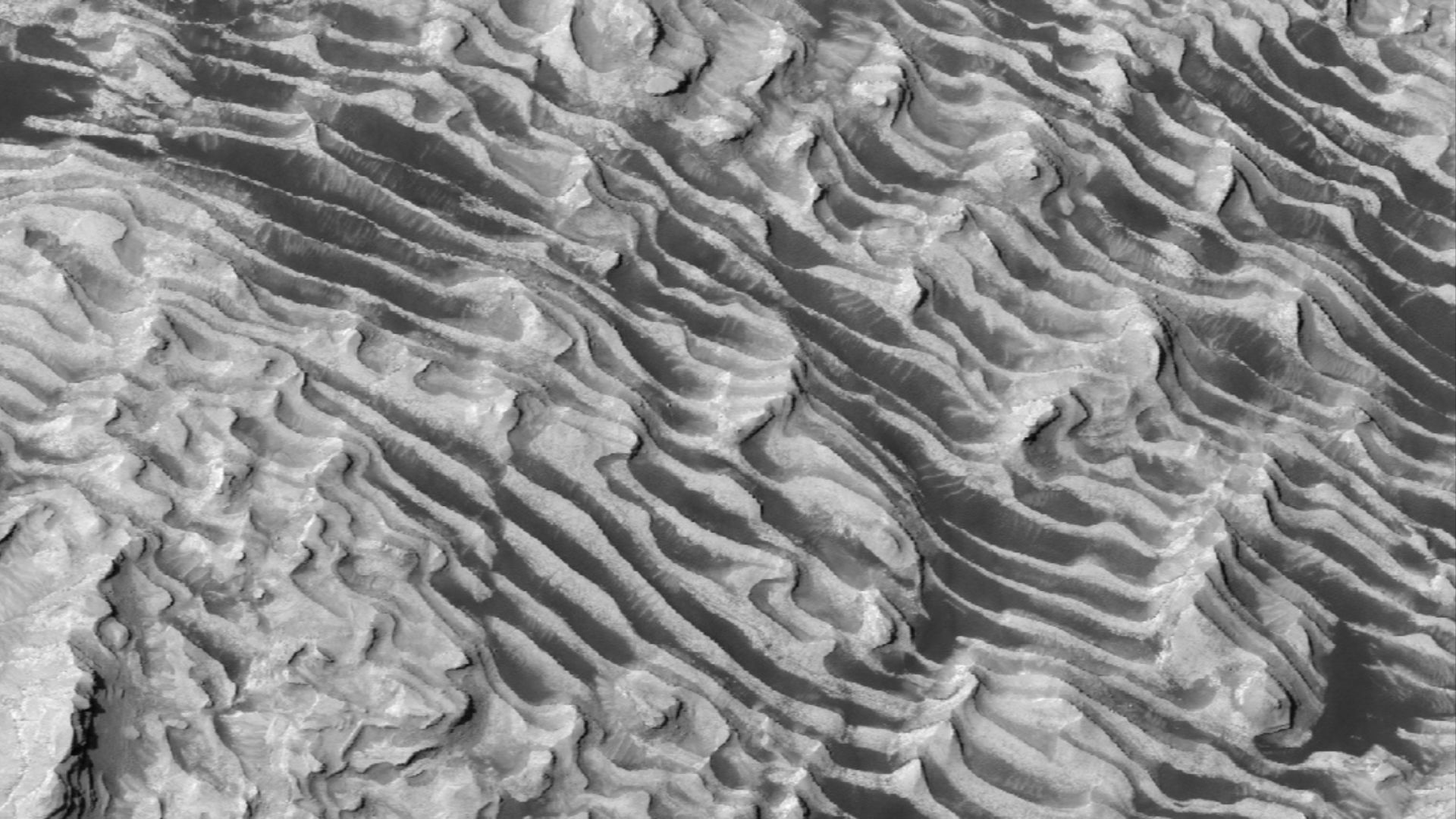
Some of the most intriguing Martian landscapes contain intersecting ridges that form patterns resembling enormous webs or geometric networks. Scientists believe ancient groundwater deposited minerals along fractures, strengthening the rock before erosion exposed the formations. Curiosity has explored terrain associated with these processes, while orbiters have photographed larger examples. The challenge is determining exactly when the groundwater flowed and what the formations reveal about Mars's changing climate.
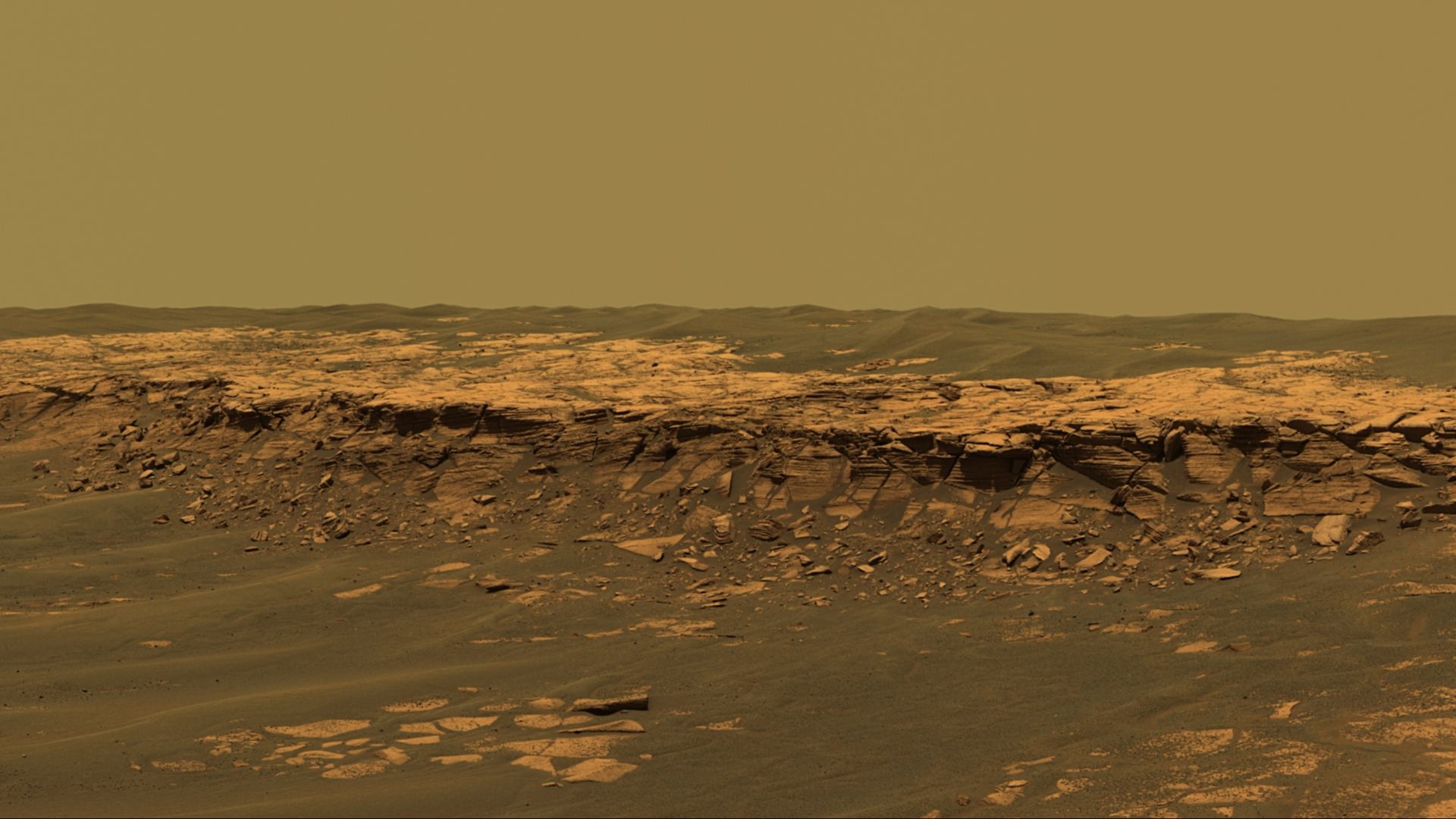 NASA/JPL-Caltech/USGS/Cornell University, Wikimedia Commons
A View Almost 60 Miles Away
In August 2025, Curiosity obtained unusually clear views across Gale Crater, including distant geological features that would normally be difficult to distinguish through atmospheric dust. Its ChemCam instrument photographed a mountain approximately 57 miles away. The images demonstrated the remarkable capabilities of rover cameras, but they also highlighted how much atmospheric conditions influence what scientists can see. Even on a relatively clear day, interpreting distant formations requires careful consideration of perspective, lighting, and image processing.
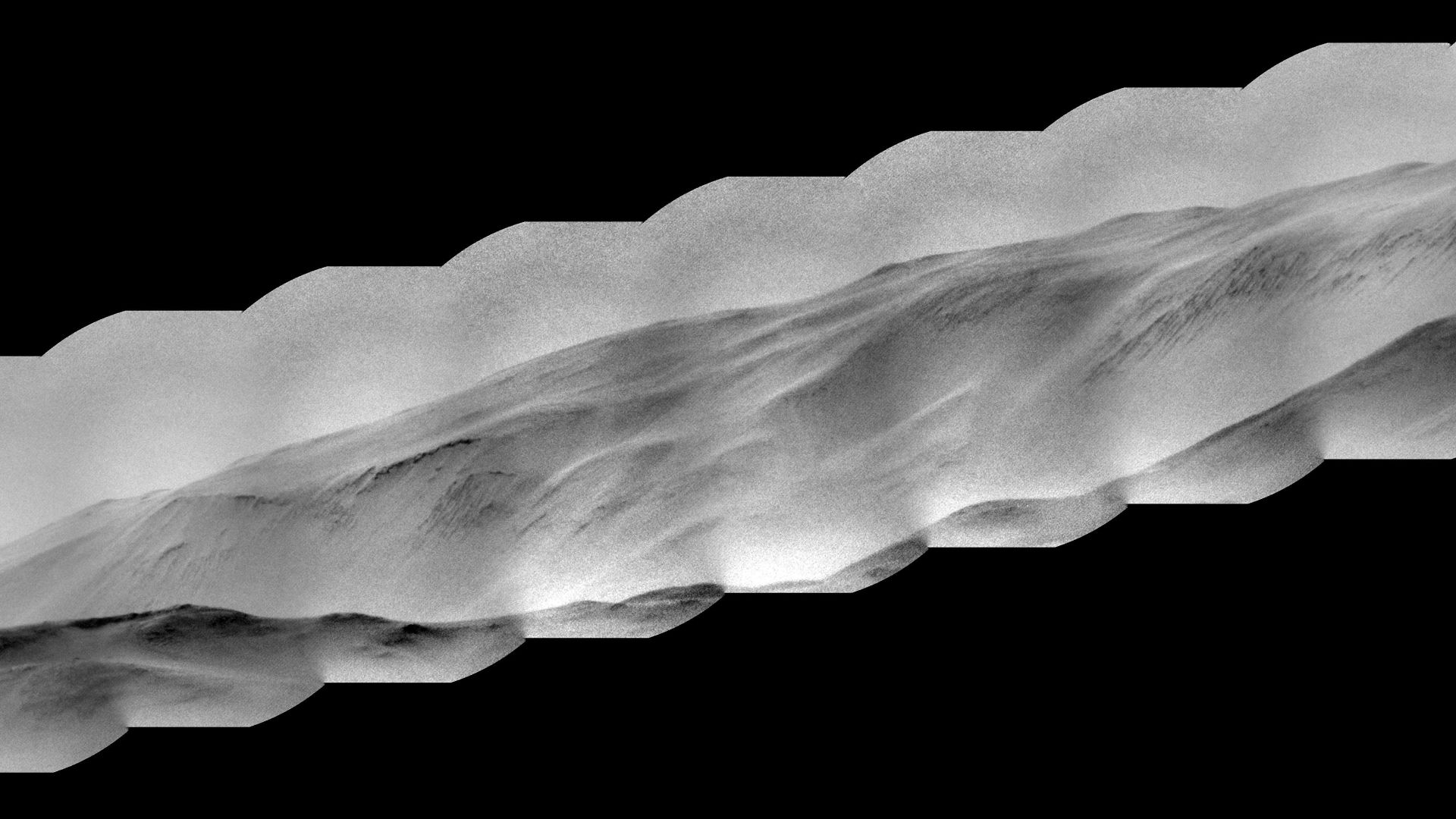 NASA/JPL-Caltech/LANL/CNES/CNRS/IRAP/IAS/LPG, Wikimedia Commons
Why Mars Photographs Look Strange
A photograph taken on Mars isn't necessarily presented exactly as a human standing there would see it. NASA sometimes combines exposures, adjusts white balance, or creates enhanced-color images to emphasize geological differences. These techniques help scientists distinguish materials that might otherwise look nearly identical. However, they can also produce unusual colors and appearances when viewed without context. That's why checking the original image caption is essential before deciding that a photograph shows something inexplicable.
 NASA/JPL-Caltech, Wikimedia Commons
The Cameras Keep Getting Better
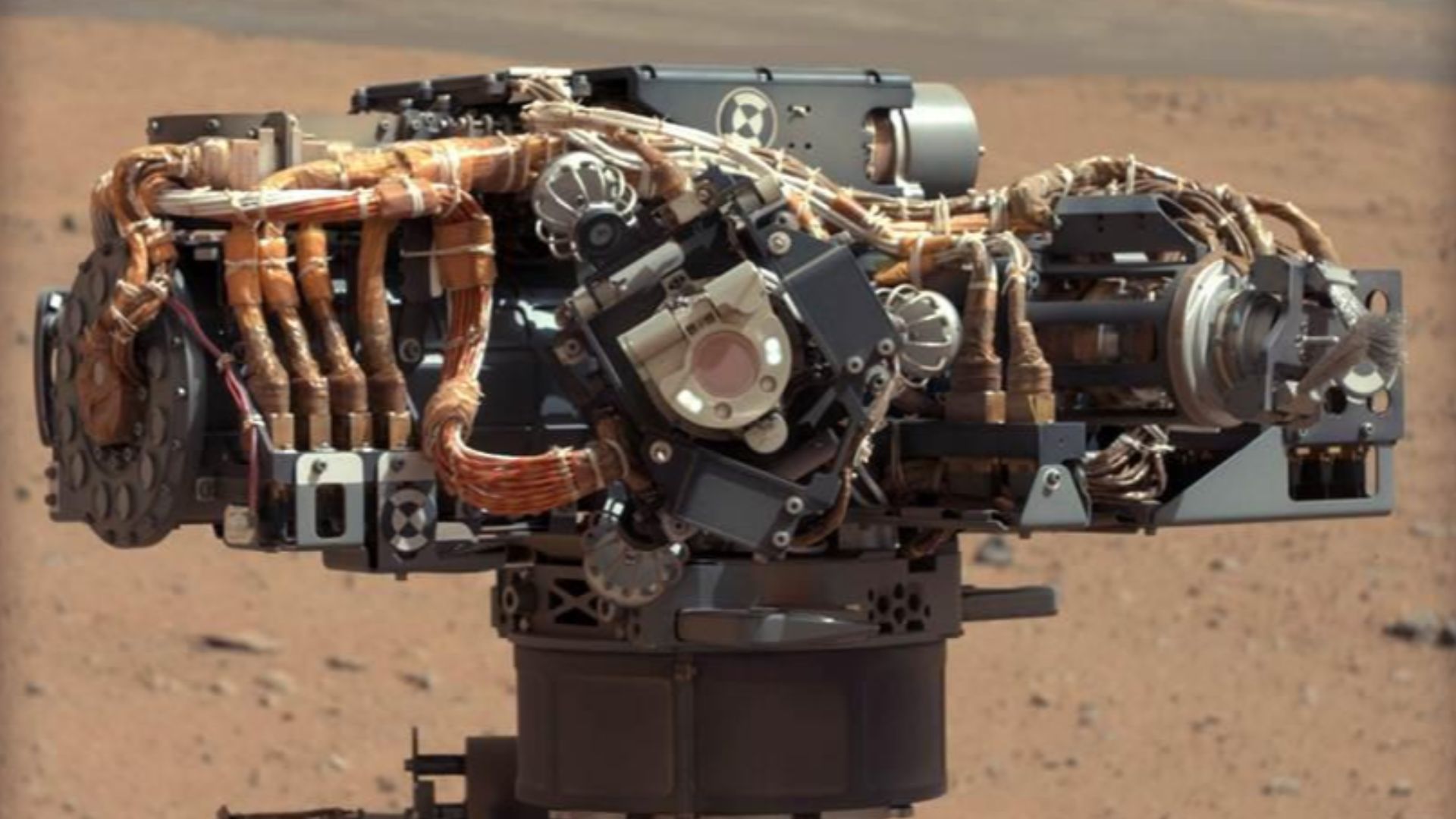
The earliest Mars rovers carried relatively limited imaging systems, but Curiosity and Perseverance introduced major advances. Curiosity's Mastcam and close-up MAHLI camera provide detailed views of distant landscapes and tiny mineral formations. Perseverance's Mastcam-Z adds zoom capability and stereo imaging, while WATSON examines rocks at close range. These instruments have transformed Mars exploration, allowing researchers to investigate objects that earlier missions might have passed without noticing.
 NASA/JPL-Caltech/MSSS, Wikimedia Commons
Mars Makes Photography Difficult
Photographing Mars presents challenges that would frustrate even an experienced photographer on Earth. Dust can obscure distant landscapes, sunlight changes dramatically throughout the day, and shadows can make ordinary rocks appear extraordinary. The planet's thin atmosphere creates unfamiliar lighting conditions, while rover cameras must withstand intense cold, radiation, and blowing dust. Images also have to be transmitted across millions of miles, sometimes requiring considerable time before complete panoramas can be assembled and studied.
Our Brains See Familiar Shapes
Humans have a remarkable tendency to recognize faces, animals, and everyday objects in random patterns. Scientists call this phenomenon pareidolia. On Mars, it helps explain why ordinary rock formations have been compared with flowers, mushrooms, doors, and artificial structures. The resemblance can be fascinating without being evidence of anything unnatural. NASA's photographs are often most interesting when researchers look beyond the familiar shapes and investigate the geological processes responsible for creating them.
 NASA/JPL-Caltech/LANL/CNES/CNRS/IRAP/IAS/LPG, Wikimedia Commons
The Biggest Mystery Remains
After decades of exploration, Mars has surrendered many of its secrets, but its most important question remains unanswered: Did life ever exist there? The leopard-spotted rocks photographed by Perseverance, evidence of ancient groundwater, and discoveries of unexpected minerals all contribute pieces to that puzzle. Some of the strangest-looking photographs have straightforward explanations, while others document genuine scientific mysteries. The next great discovery may already be sitting in a rover's camera archive, waiting for someone to recognize its significance.
 Jim Secosky modified NASA image. NASA/JPL/University of Arizona/Secosky, Wikimedia Commons
You May Also Like:
Actual Photos Of Objects On Mars That Look Like They Should Not Be There
Scientists revealed the strongest evidence yet that life may have existed on Mars.
Strange clues on Mars suggest the planet once had liquid water.
Sources: 1, 2, 3, 4, 5, 6, 7, 8, 9, 10, 11, 12, 13, 14, 15, 16, 17, 18, 19, 20, 21