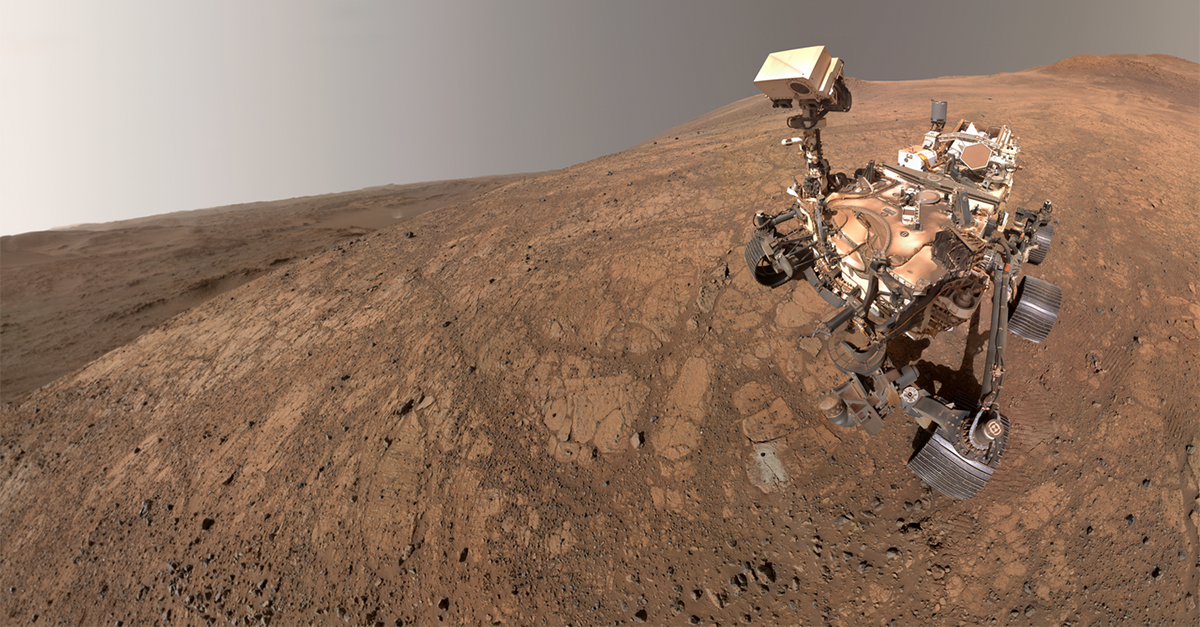
Signs Of Martian Life
Scientists studying a rock sample collected by NASA's Perseverance rover have identified what they describe as the strongest evidence yet that microbial life may once have existed on Mars. While the findings are not considered proof of life, the sample contains intriguing chemical signatures that are attracting the keen interest of researchers around the world.

Meet Perseverance
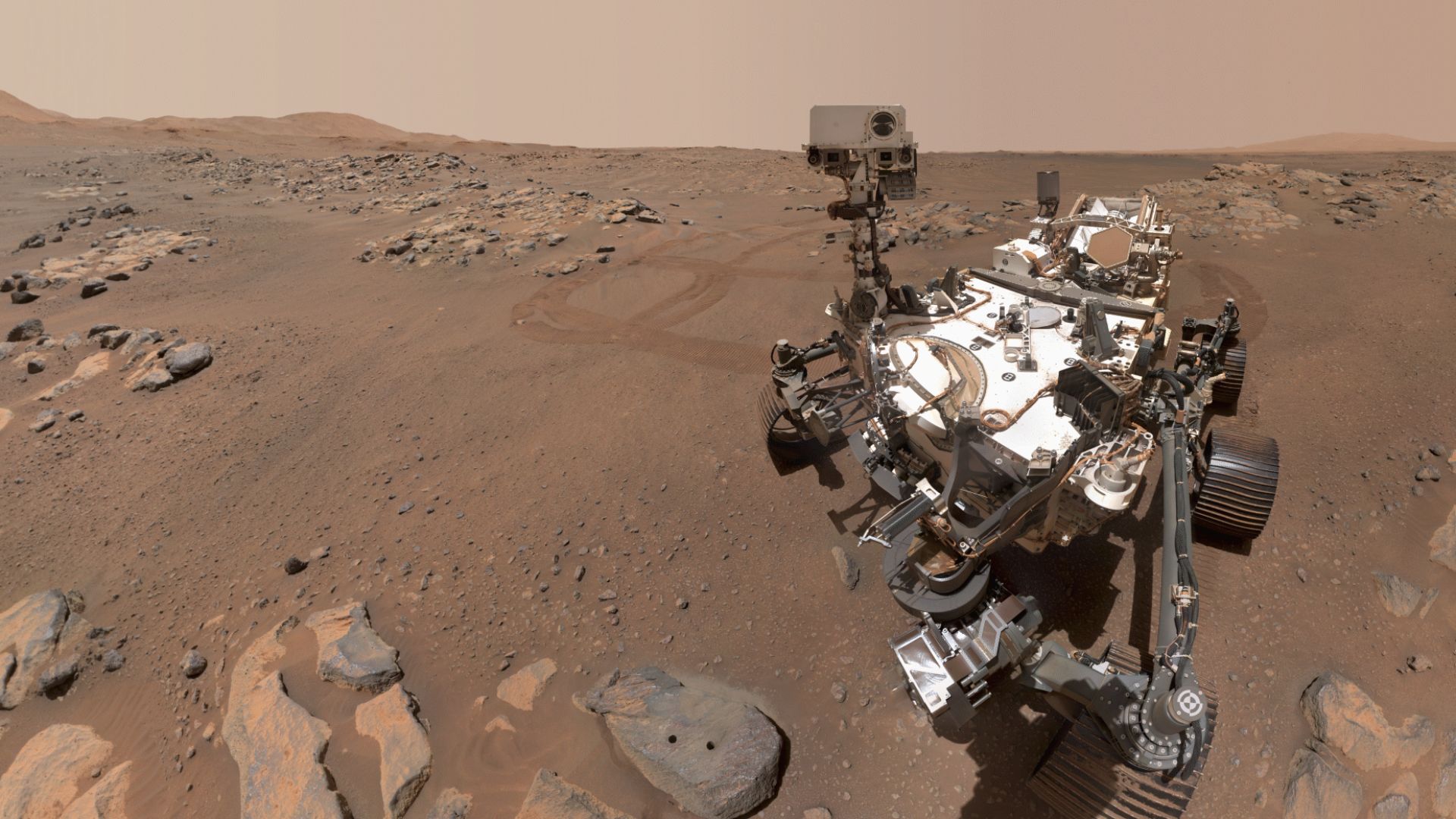
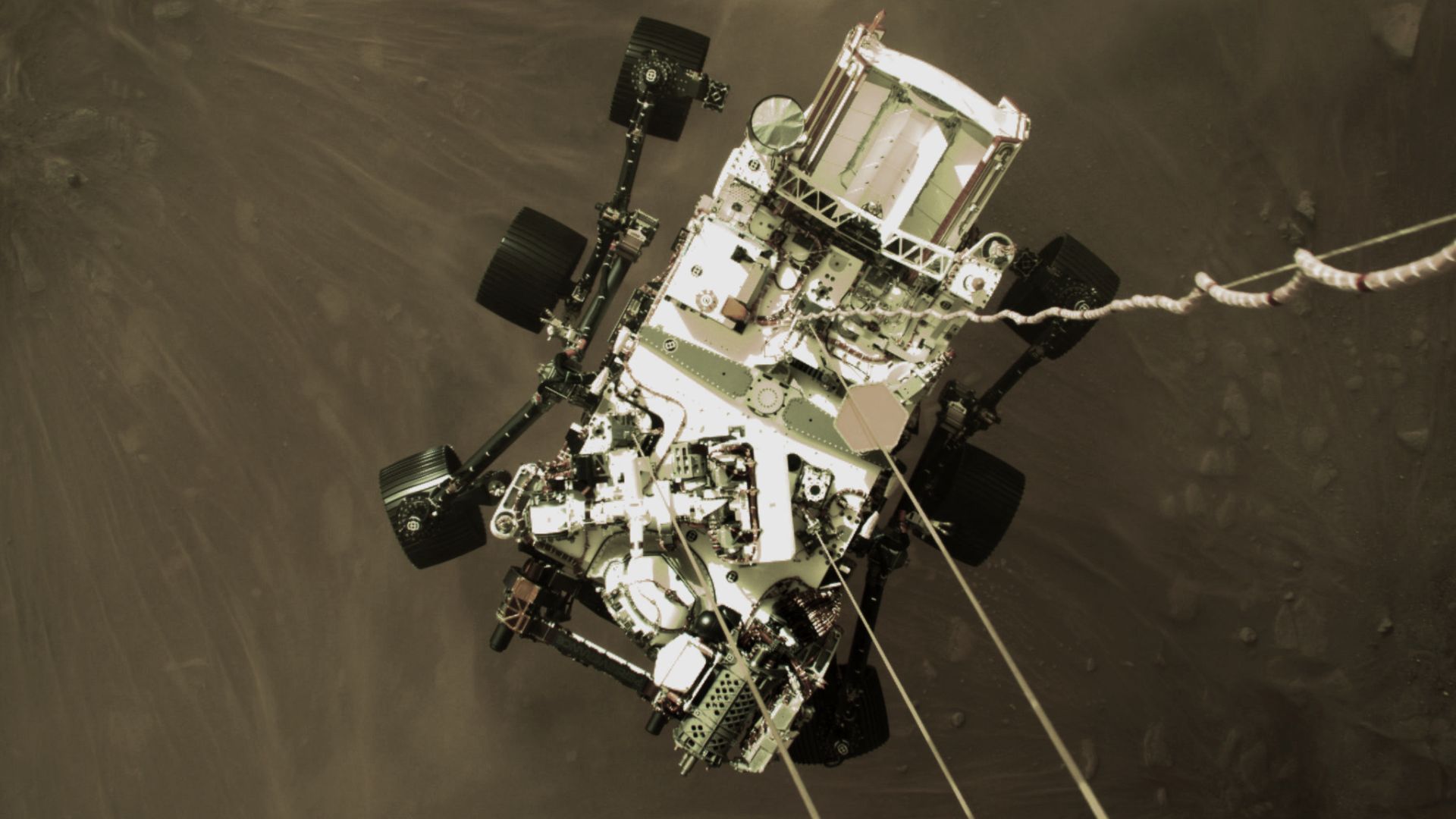
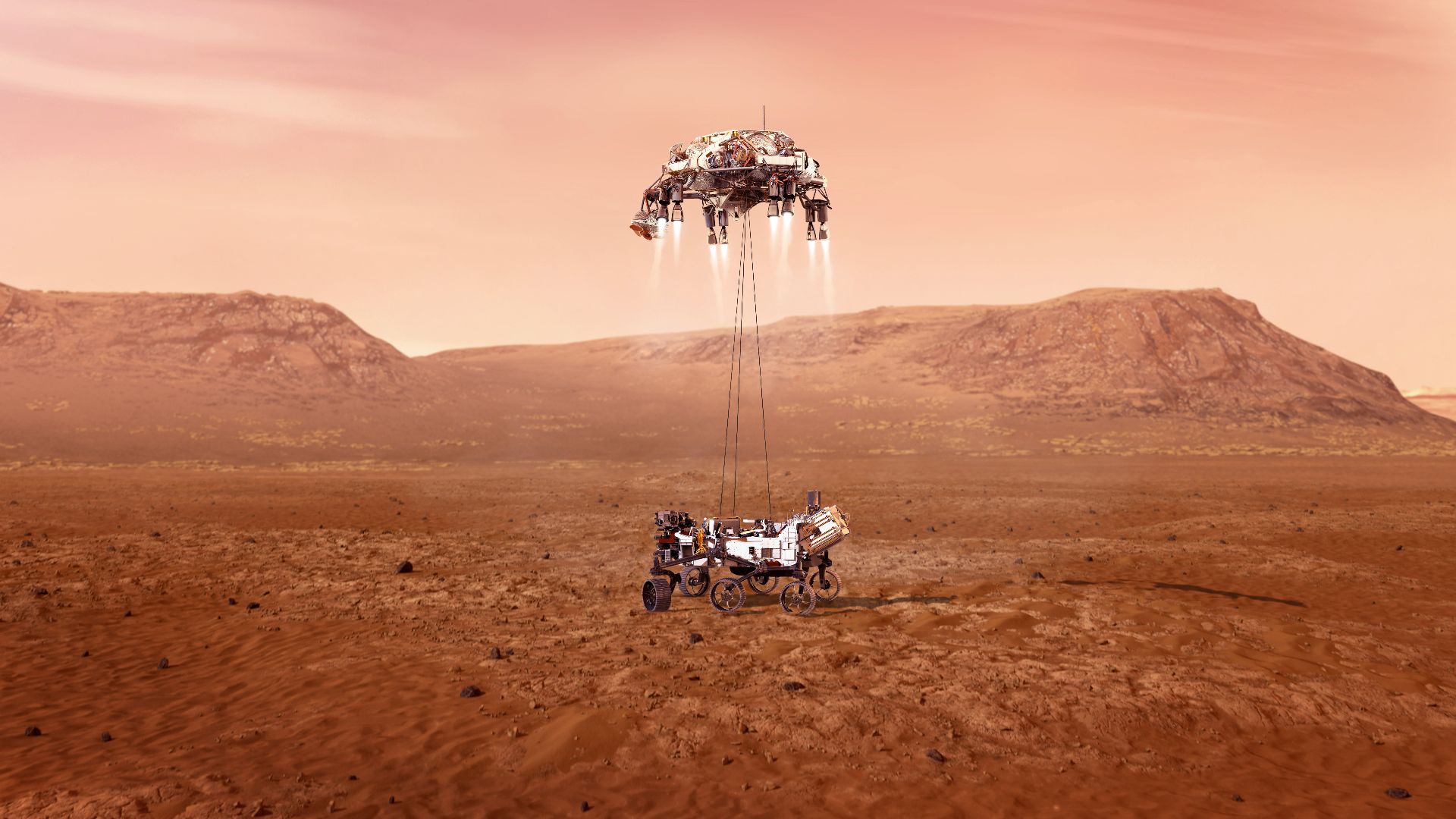
NASA's Perseverance rover landed on Mars in February 2021. Its mission includes studying Martian geology, searching for signs of ancient life, and collecting carefully selected rock samples that may eventually be sent back to Earth for more detailed analysis.
 NASA/JPL-Caltech, Wikimedia Commons
Exploring Jezero Crater
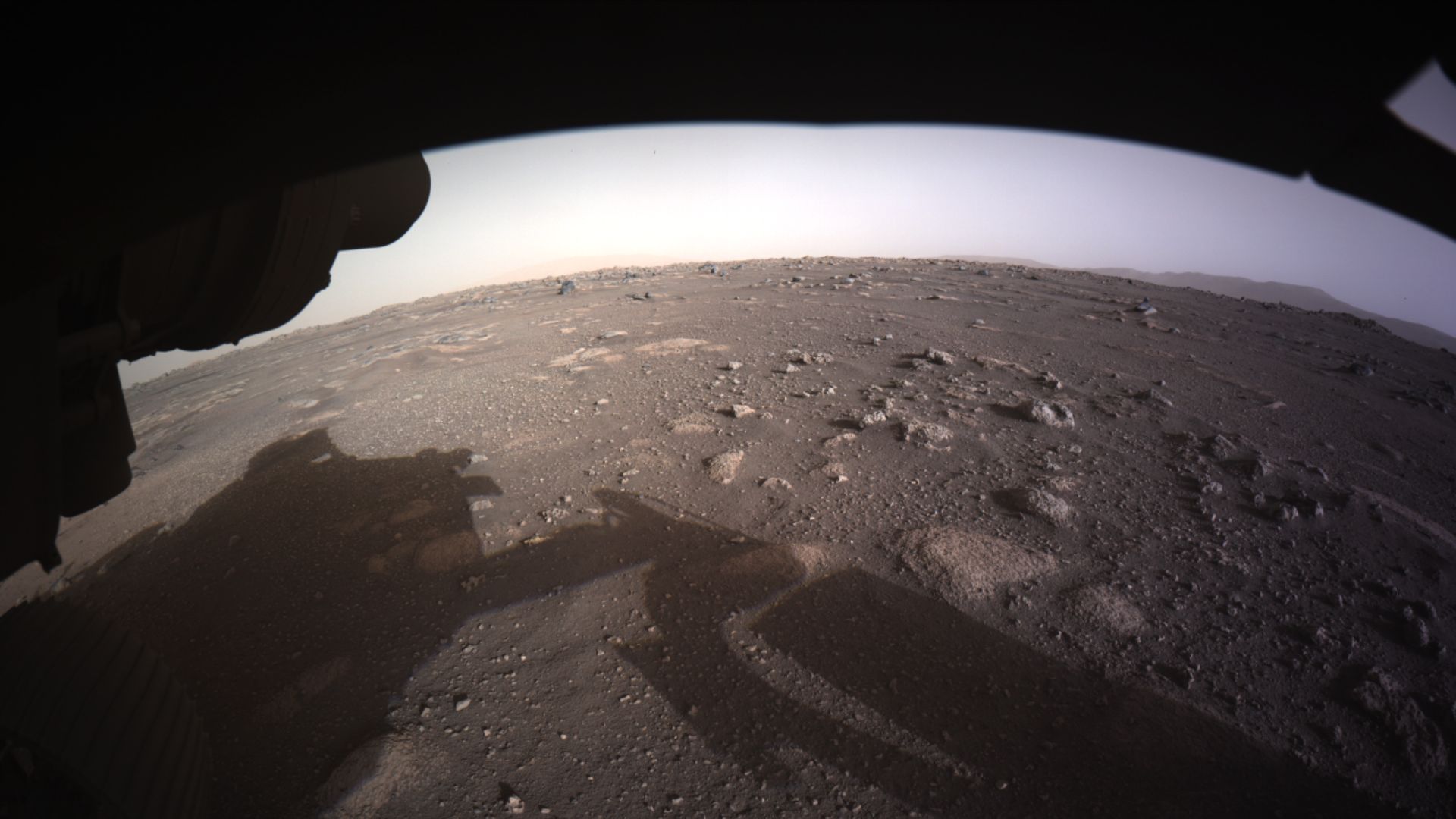
Perseverance has spent its mission exploring Jezero Crater, an ancient impact basin believed to have once contained a lake and river delta. Scientists consider the region one of the most promising places on Mars to search for evidence of past microbial activity.
 NASA/JPL-Caltech, Wikimedia Commons
The Cheyava Falls Sample
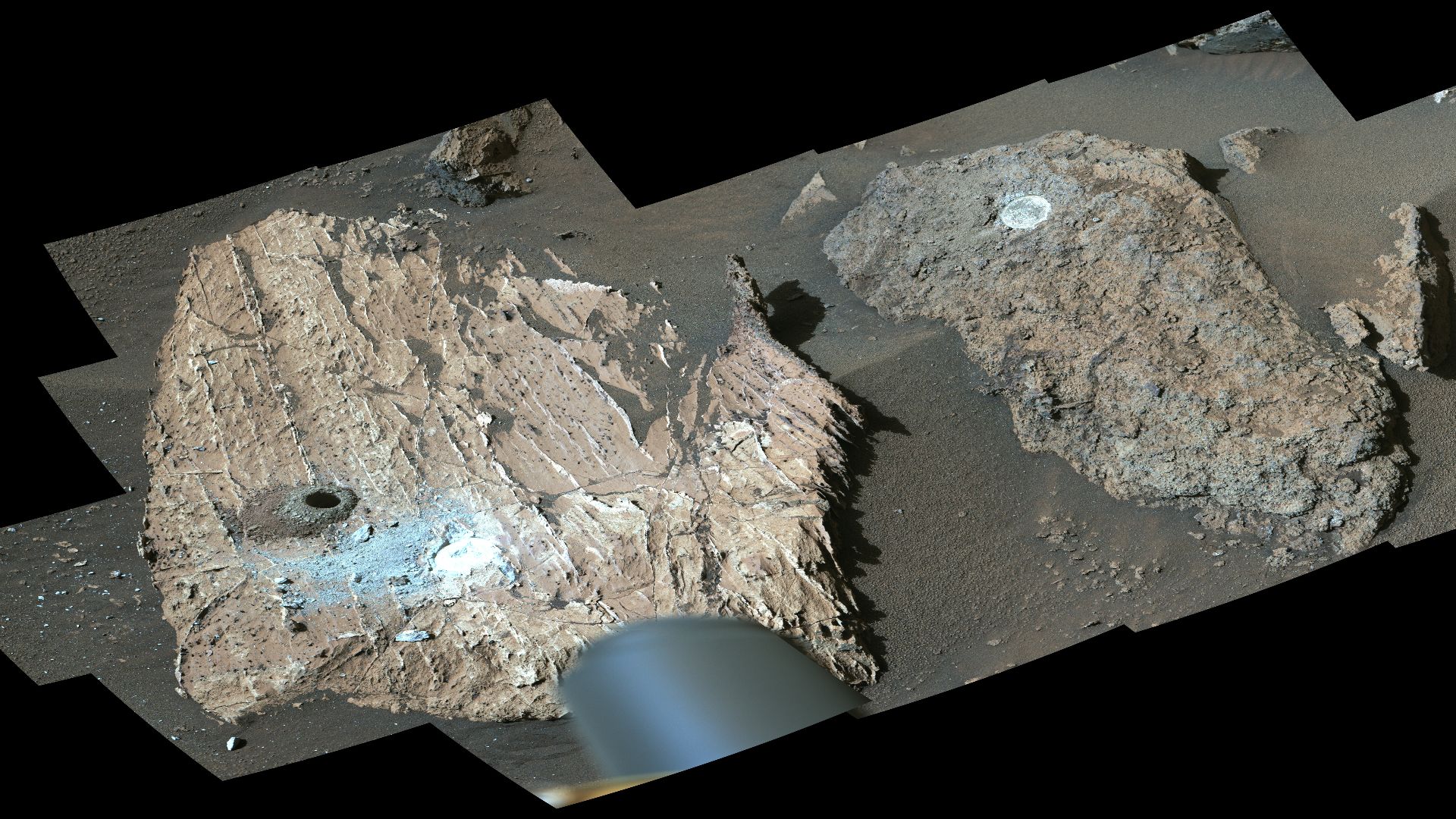
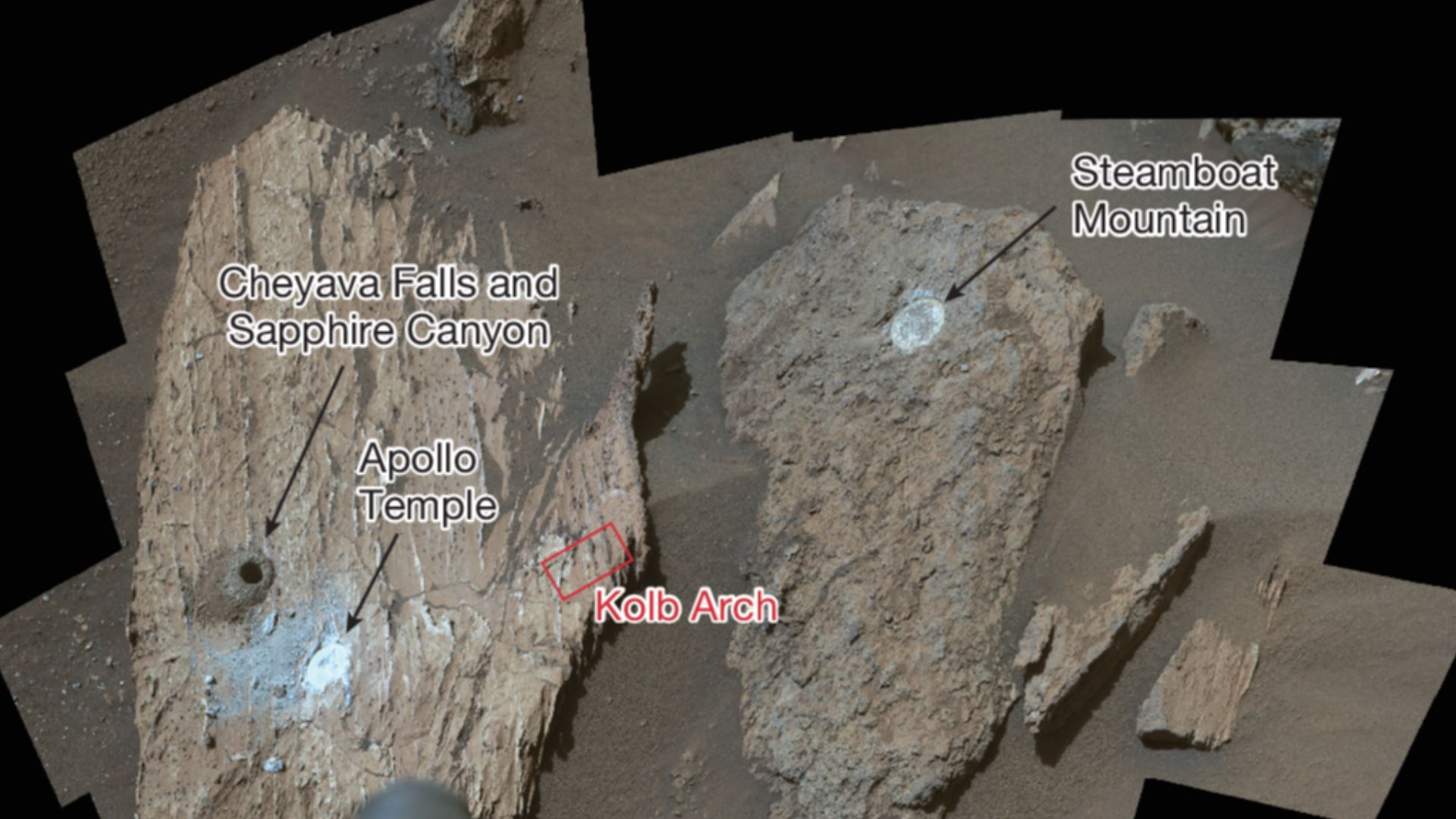
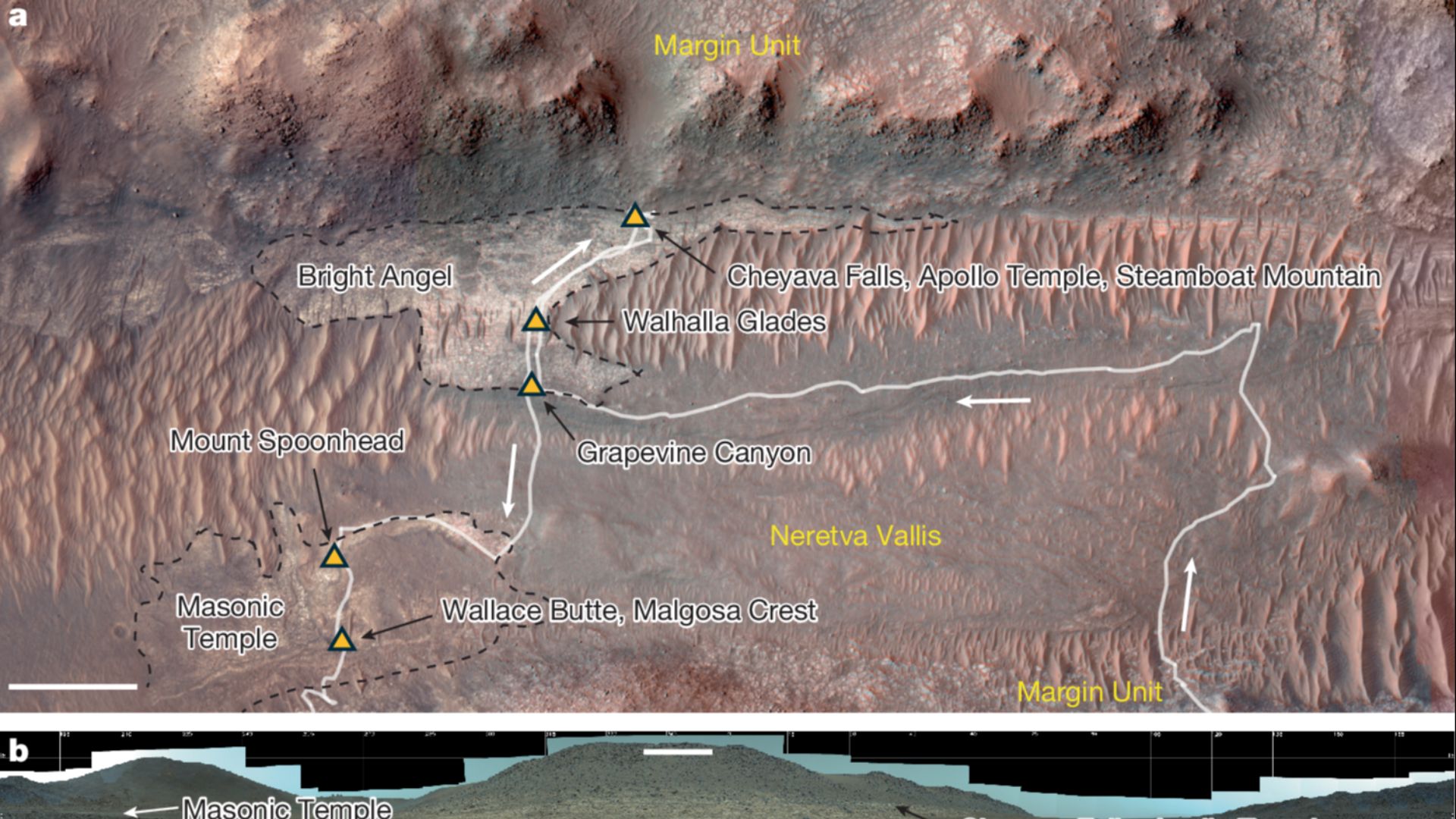
The discovery centers on a rock sample known as Cheyava Falls. Perseverance collected the sample from a vein-filled rock within Jezero Crater. Researchers were immediately interested because of its unusual chemistry and distinctive geological features.
A Curious Rock
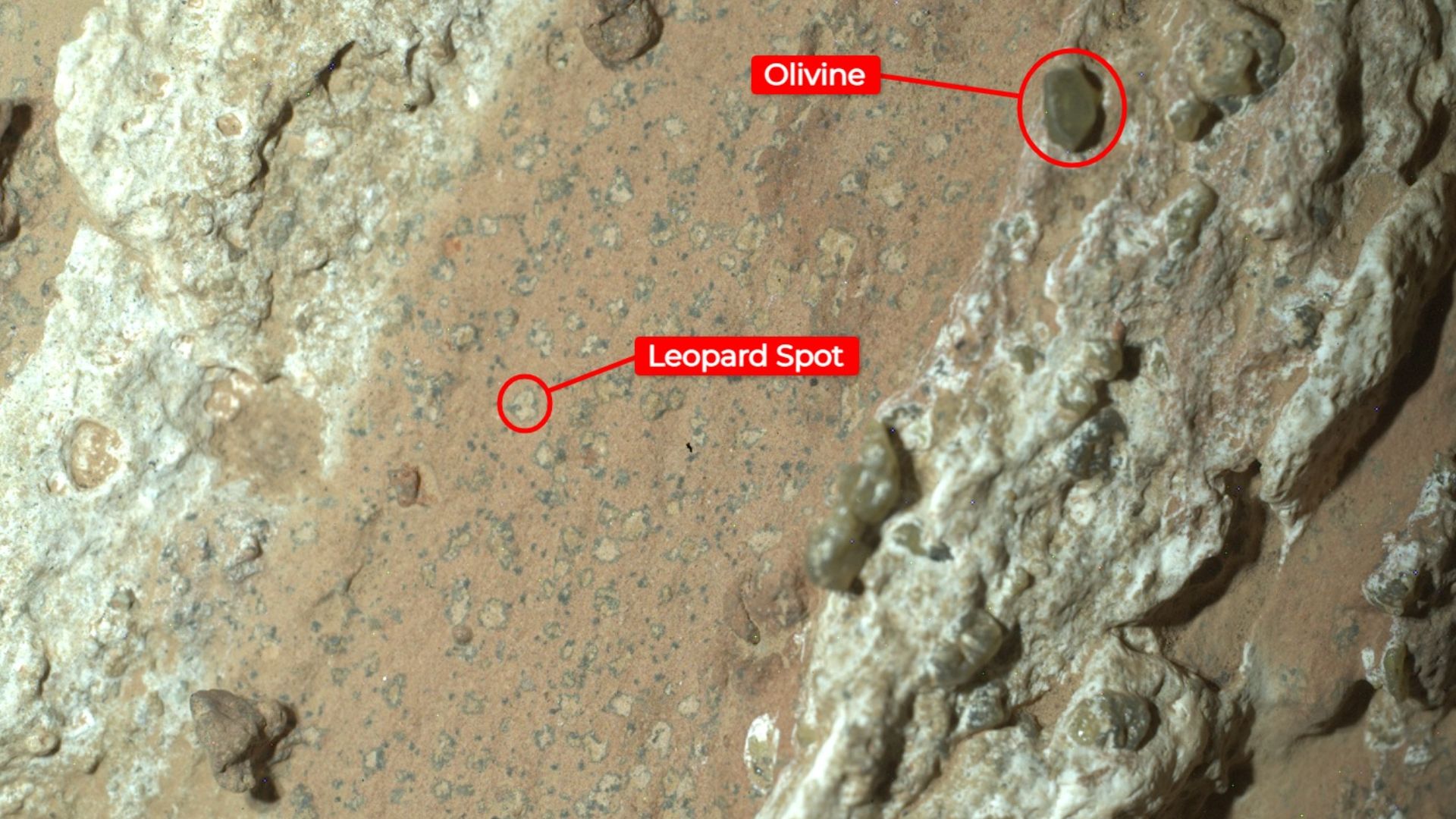
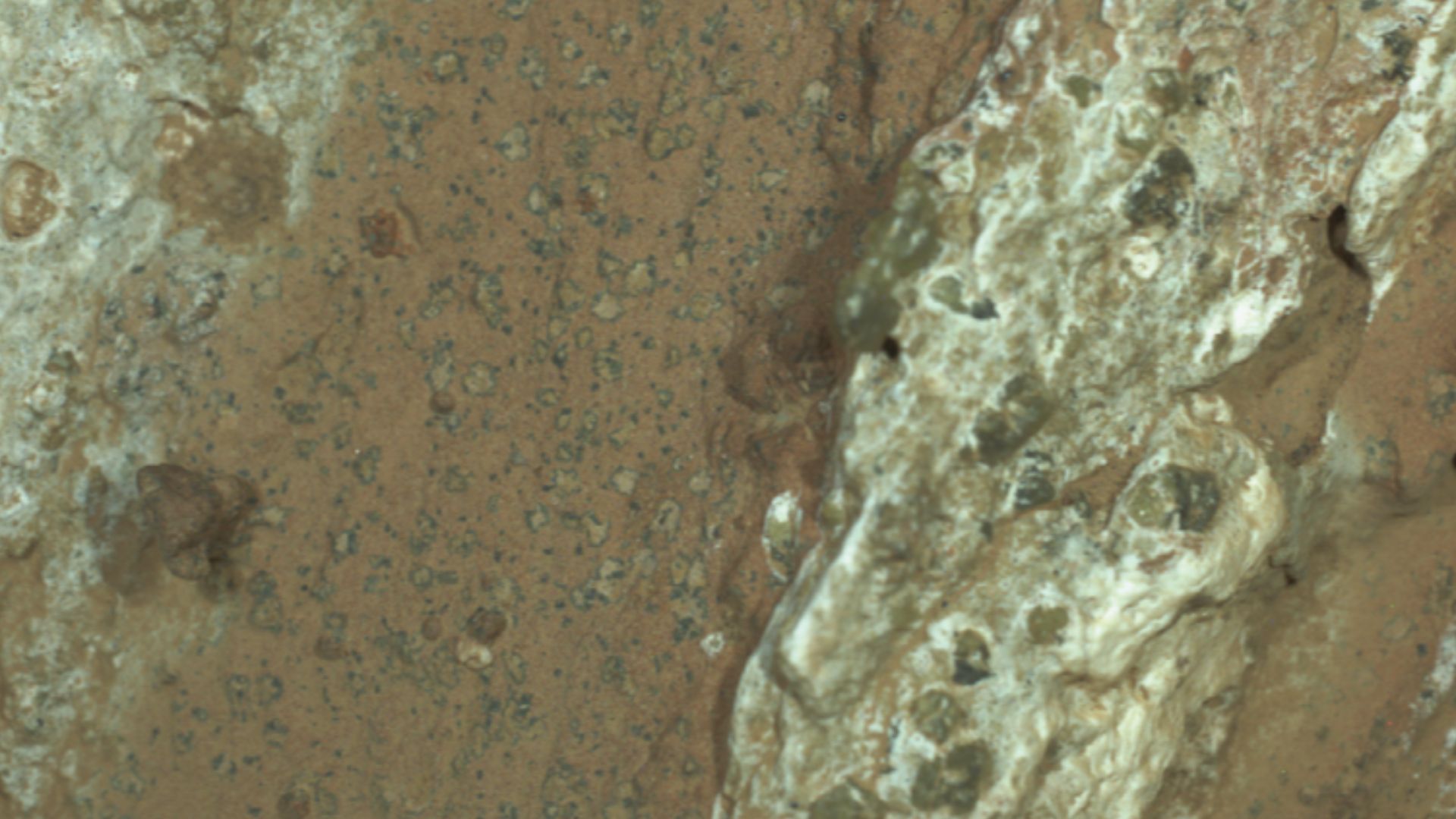
Scientists reported that the rock contains organic compounds and other chemical features associated with biological activity on Earth. The sample also contains structures and mineral patterns that have prompted intense scientific investigation since its collection.
 NASA/JPL-Caltech/ASU/MSSS, Wikimedia Commons
Organic Molecules Found
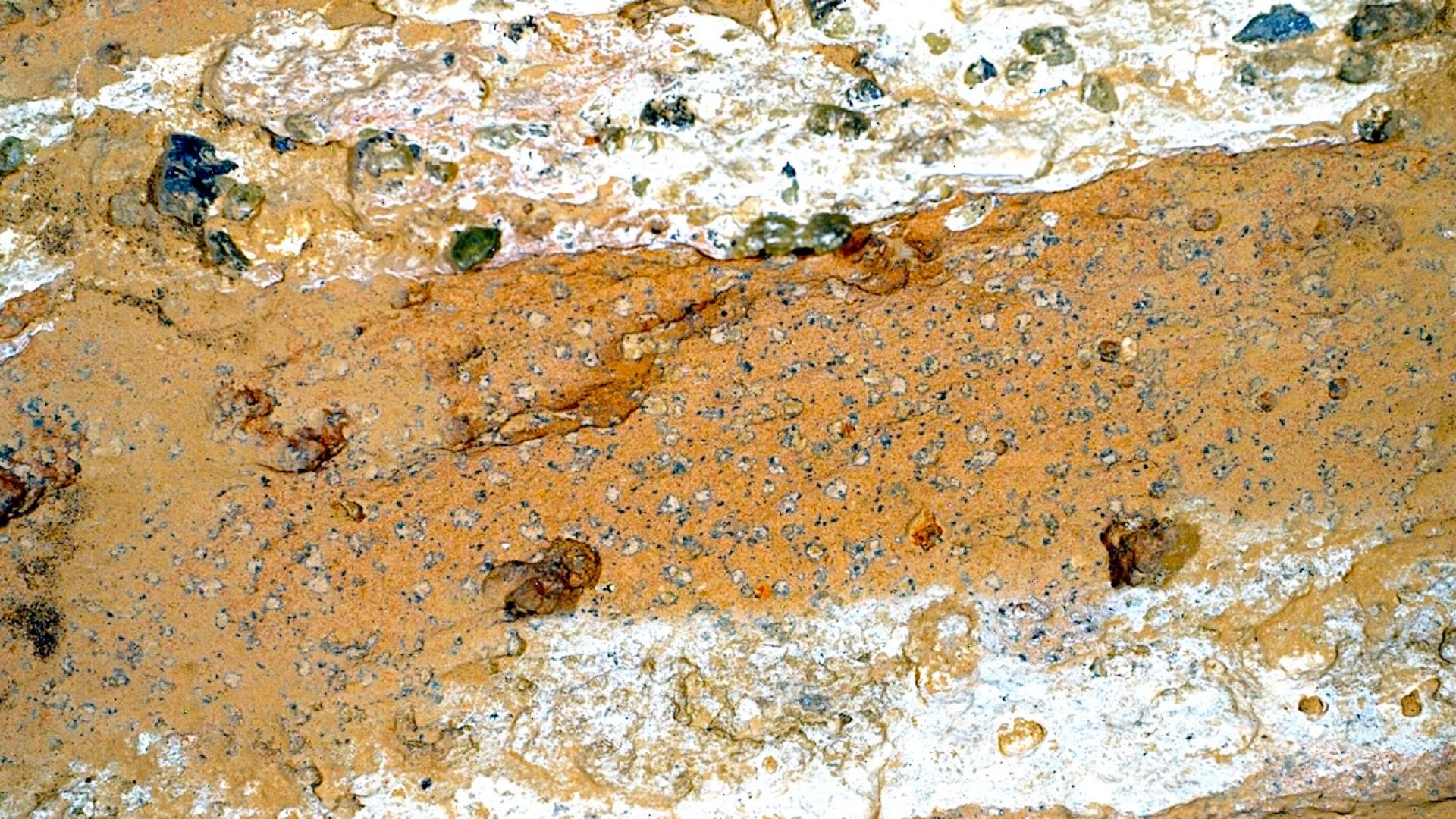
One of the most significant findings involves the presence of organic molecules. These carbon-containing compounds are considered important because life as we know it depends upon carbon chemistry. Their presence alone does not prove life existed, but it increases scientific interest.
 color processing by areo.info, raw data by NASA/JPL-Caltech, Wikimedia Commons
Distinctive Chemical Patterns
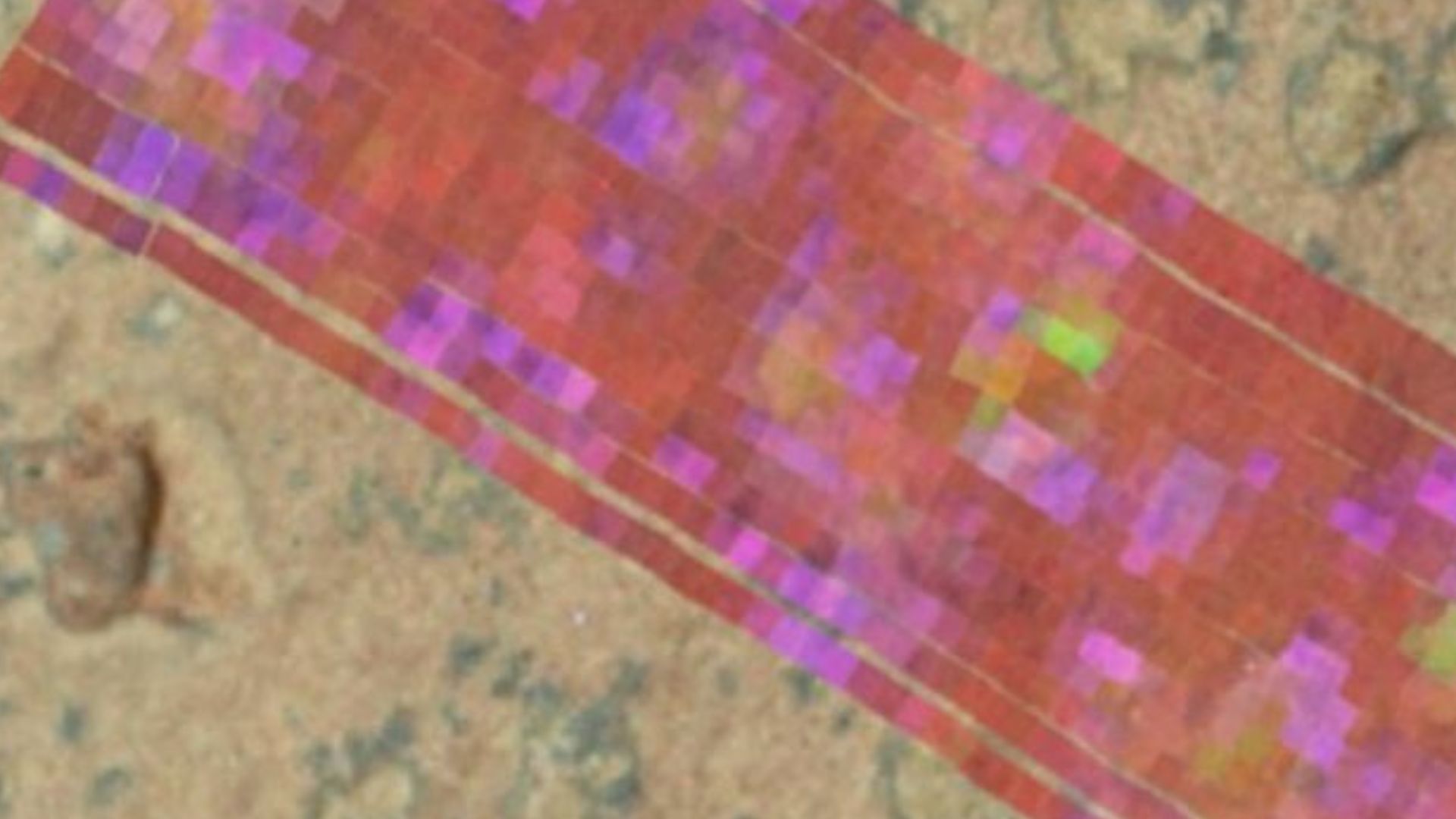
Researchers found chemical patterns within the sample that resemble processes associated with microbial activity on Earth. According to scientists, these patterns are among the most compelling indicators yet observed in a Martian rock sample.
 NASA / JPL-Caltech, Wikimedia Commons
Black Halo Structures
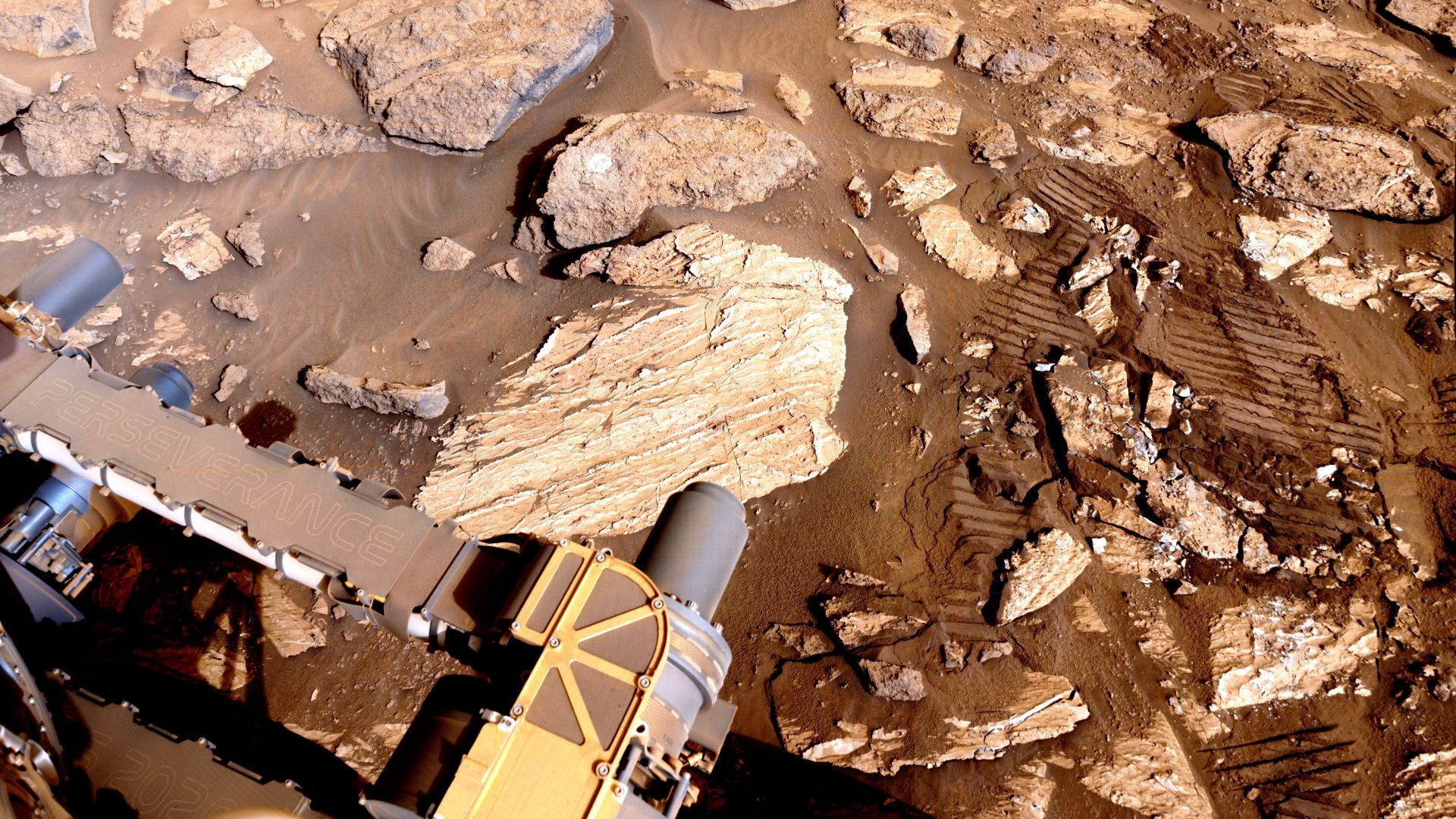
Scientists identified distinctive dark markings and halo-like features within the rock. Similar features on Earth can sometimes be linked to microorganisms interacting with minerals, although researchers emphasize that non-biological explanations remain possible.
 color processing by areo.info, raw data by NASA/JPL-Caltech, Wikimedia Commons
Signs Of Past Reactions
The sample appears to record chemical reactions that occurred long ago when liquid water was present. Understanding those reactions is important because water is considered one of the essential ingredients for life as scientists currently understand it.
 color processing by areo.info, raw data by NASA/JPL-Caltech, Wikimedia Commons
Ancient Martian Environment
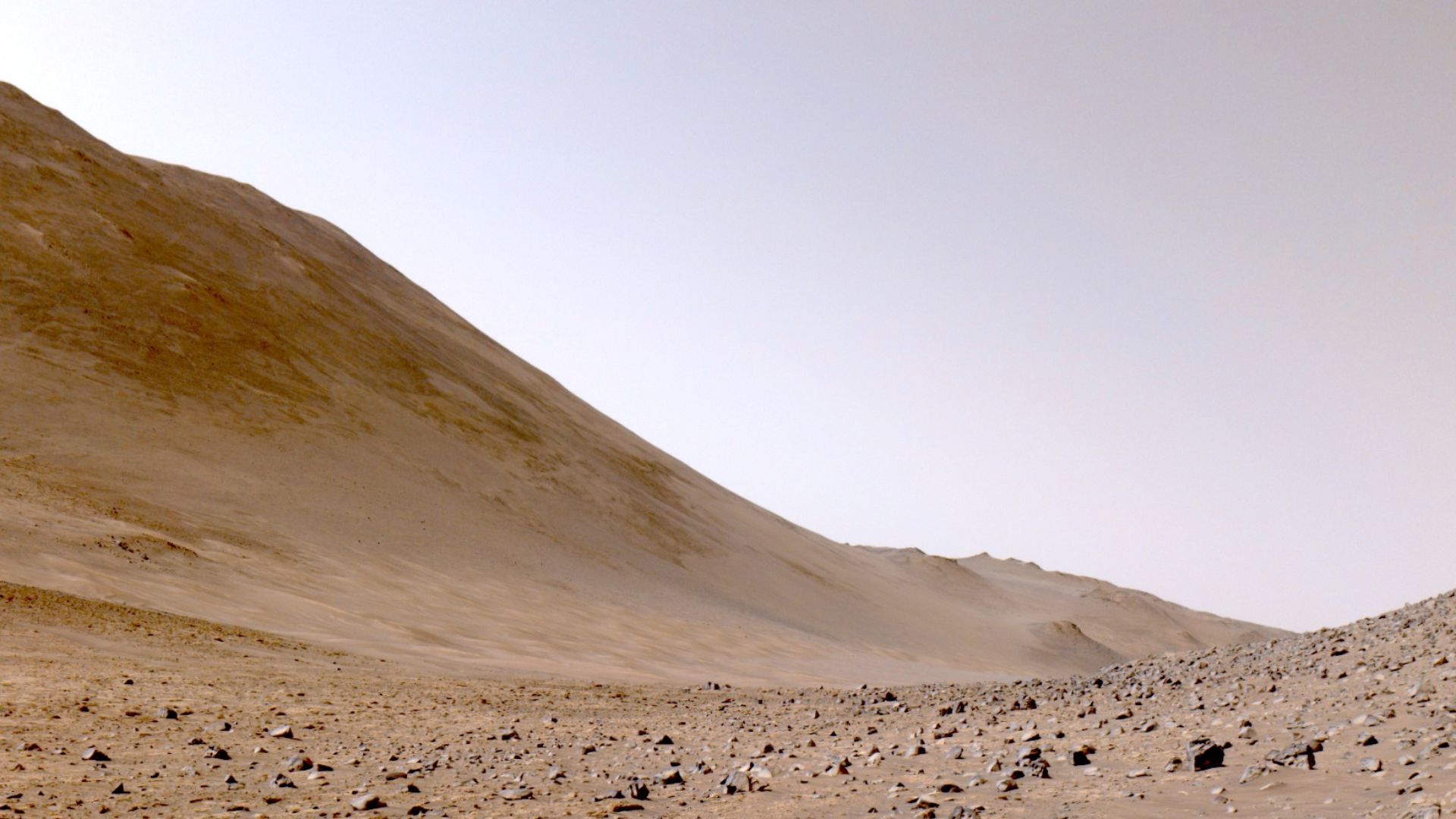
Researchers believe the rock formed in an environment that was once far wetter than Mars is today. The evidence suggests water interacted extensively with minerals in the area, creating conditions that may have been favorable for microbial organisms.
 NASA/JPL-Caltech/ASU/MSSS, Wikimedia Commons
Instruments On Board
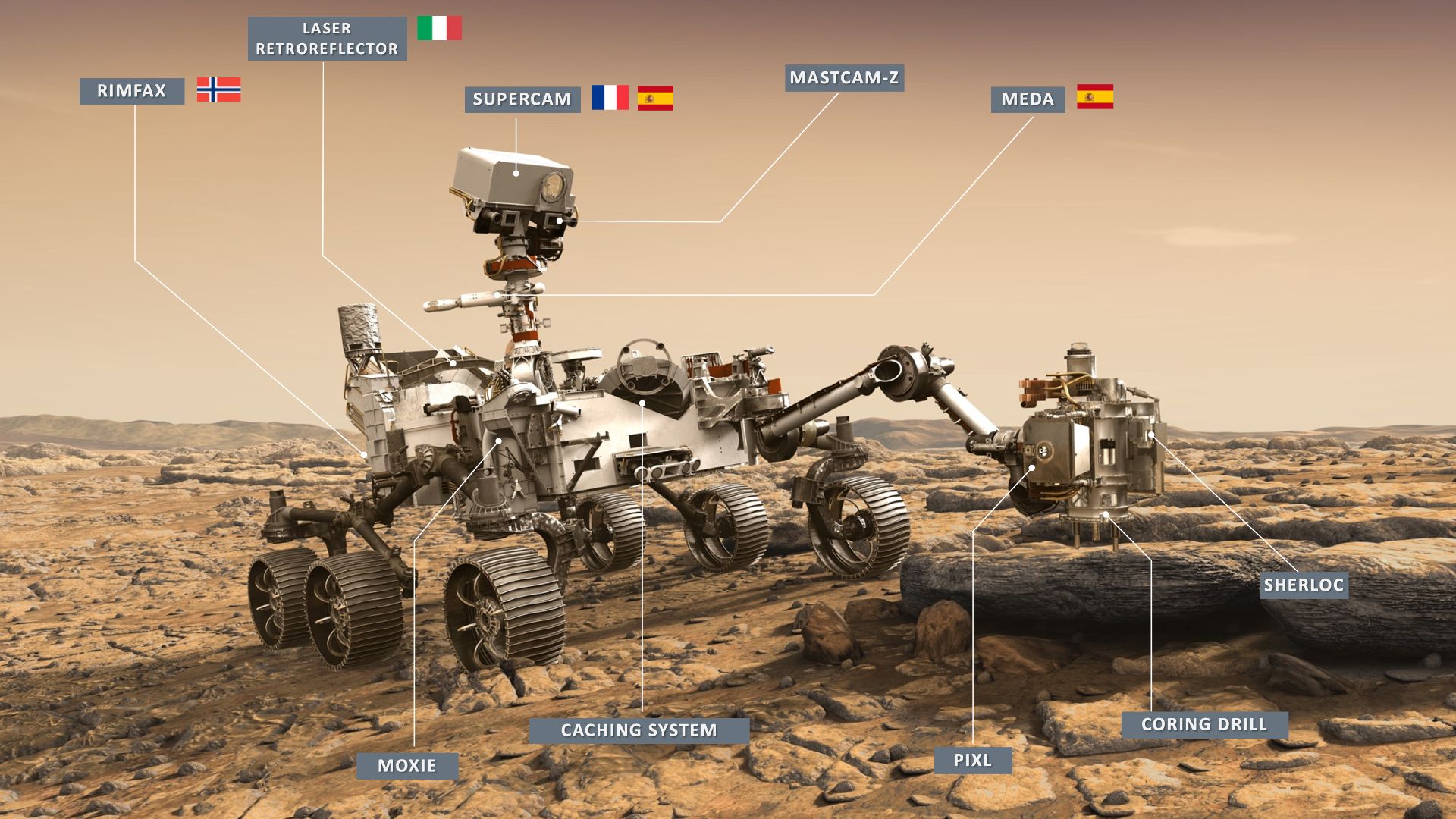
Perseverance carries sophisticated scientific instruments capable of analyzing rocks directly on Mars. These instruments allow scientists to examine chemical compositions, mineral structures, and other features without physically returning the samples to Earth.
Remote Scientific Analysis
Scientists analyze data transmitted by the rover back to Earth. High-resolution imagery, spectroscopic measurements, and chemical readings allow researchers to study samples in extraordinary detail despite the vast distance separating Earth and Mars.
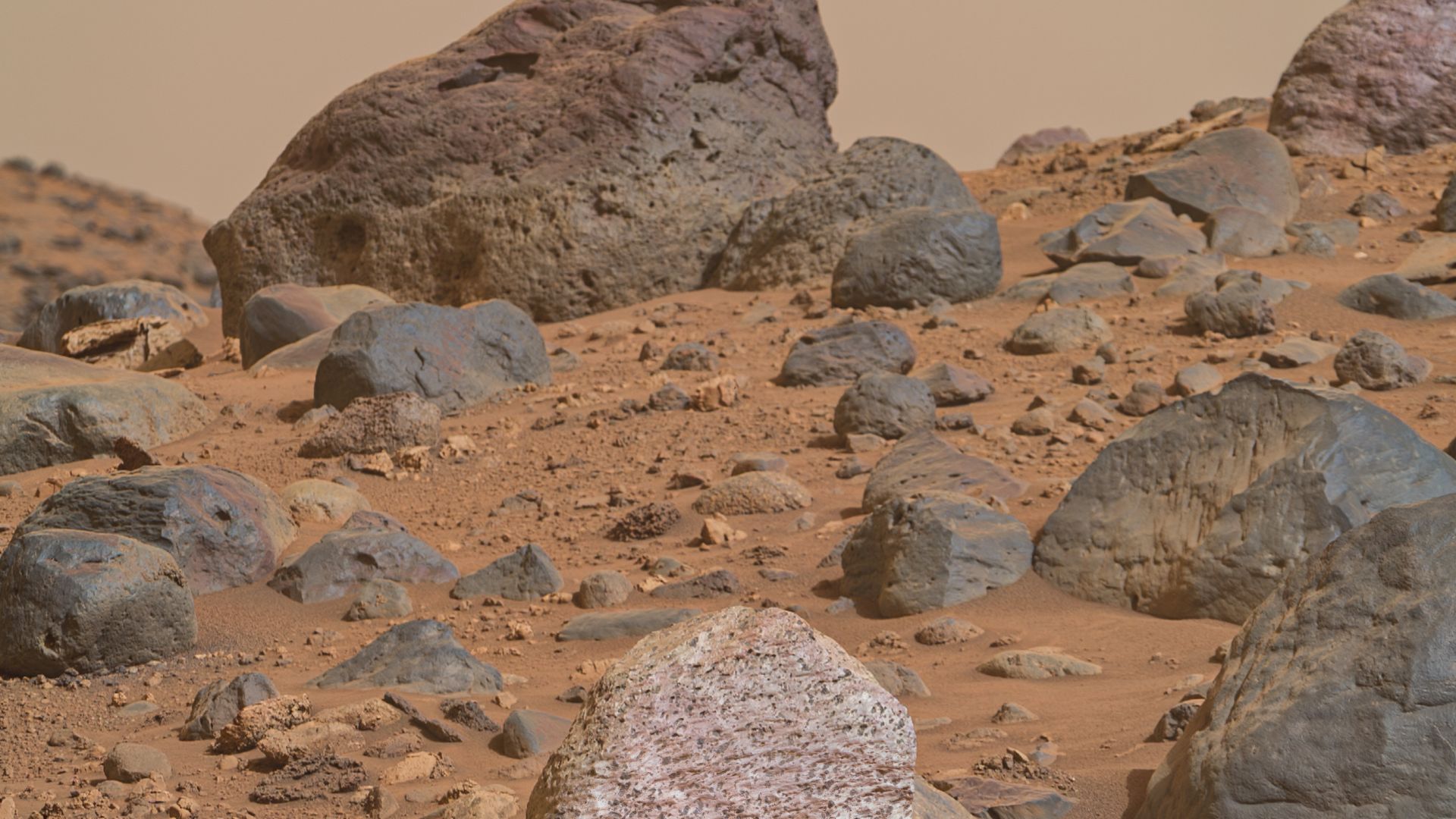
Multiple Data Sources
The conclusions about Cheyava Falls were not based on a single measurement. Instead, scientists combined information from multiple instruments and observations, putting together a more comprehensive picture of the rock's history and composition.
 semeion.photo, Wikimedia Commons
Biological Possibilities
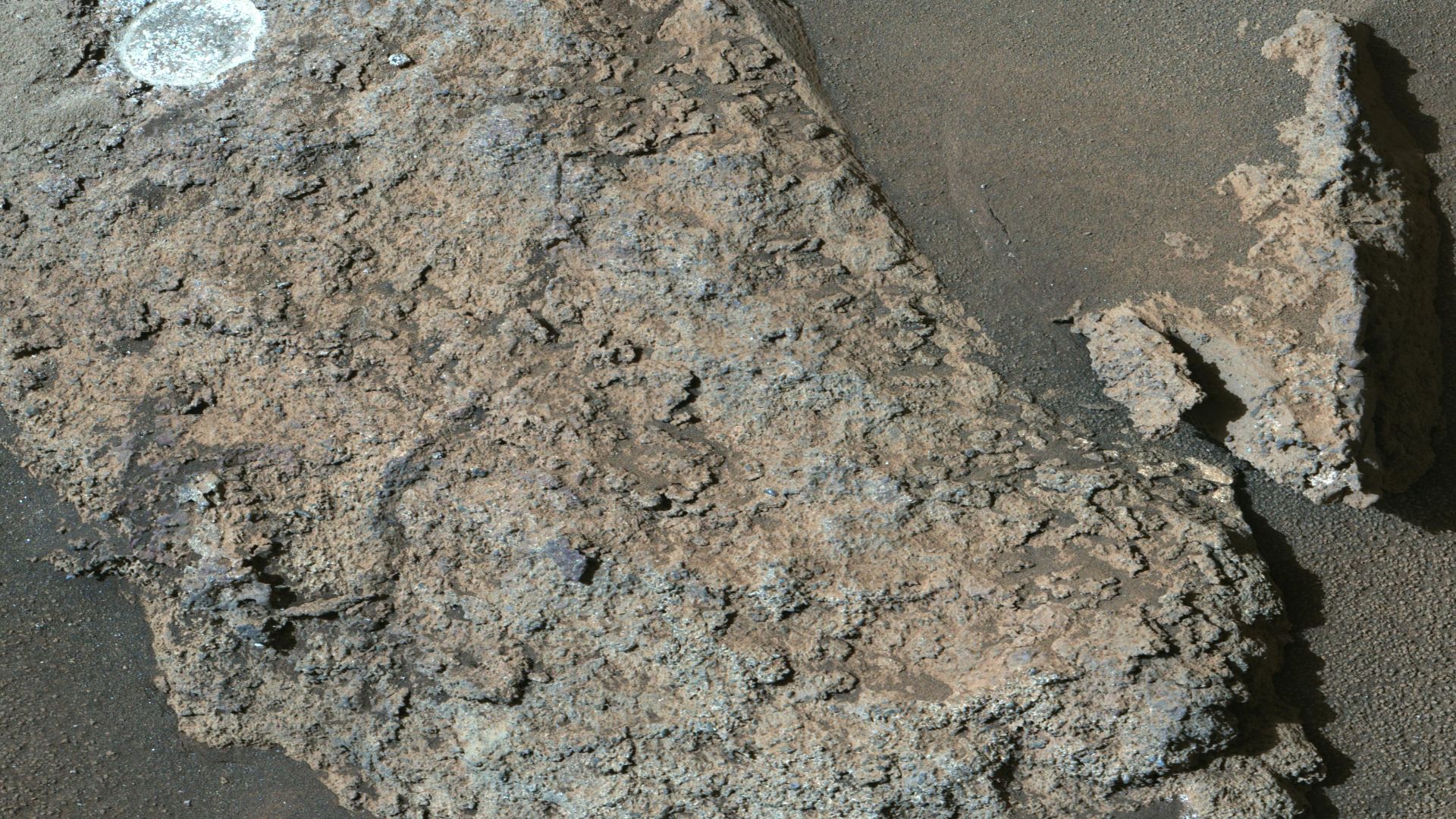
Researchers acknowledge that the findings are consistent with biological processes known on Earth. Certain chemical combinations and mineral arrangements resemble evidence produced by microbial communities in terrestrial environments.
 NASA/JPL-Caltech/ASU/MSSS, Wikimedia Commons
Alternative Explanations Remain
Despite the excitement, scientists stress that non-biological processes could also explain the observations. Geological and chemical reactions unrelated to life can sometimes create patterns that resemble biological signatures.
Scientific Caution
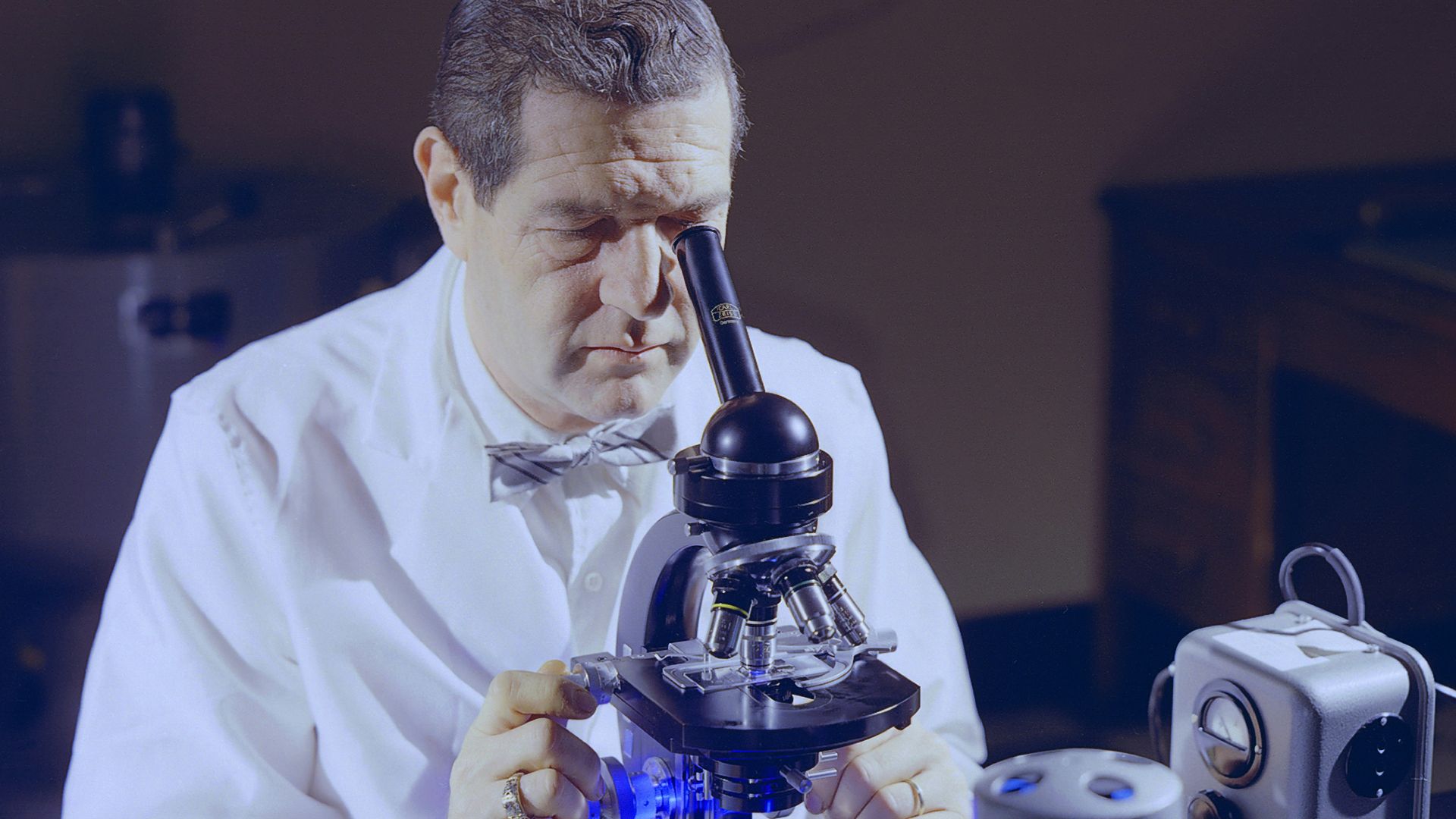
Because extraordinary claims require extraordinary evidence, researchers have been careful not to declare the discovery proof of ancient Martian life. Instead, they describe it as a highly promising clue that deserves further investigation.
 NASA Jet Propulsion Laboratory / NASA/JPL-Caltech, Wikimedia Commons
Why Earth Matters
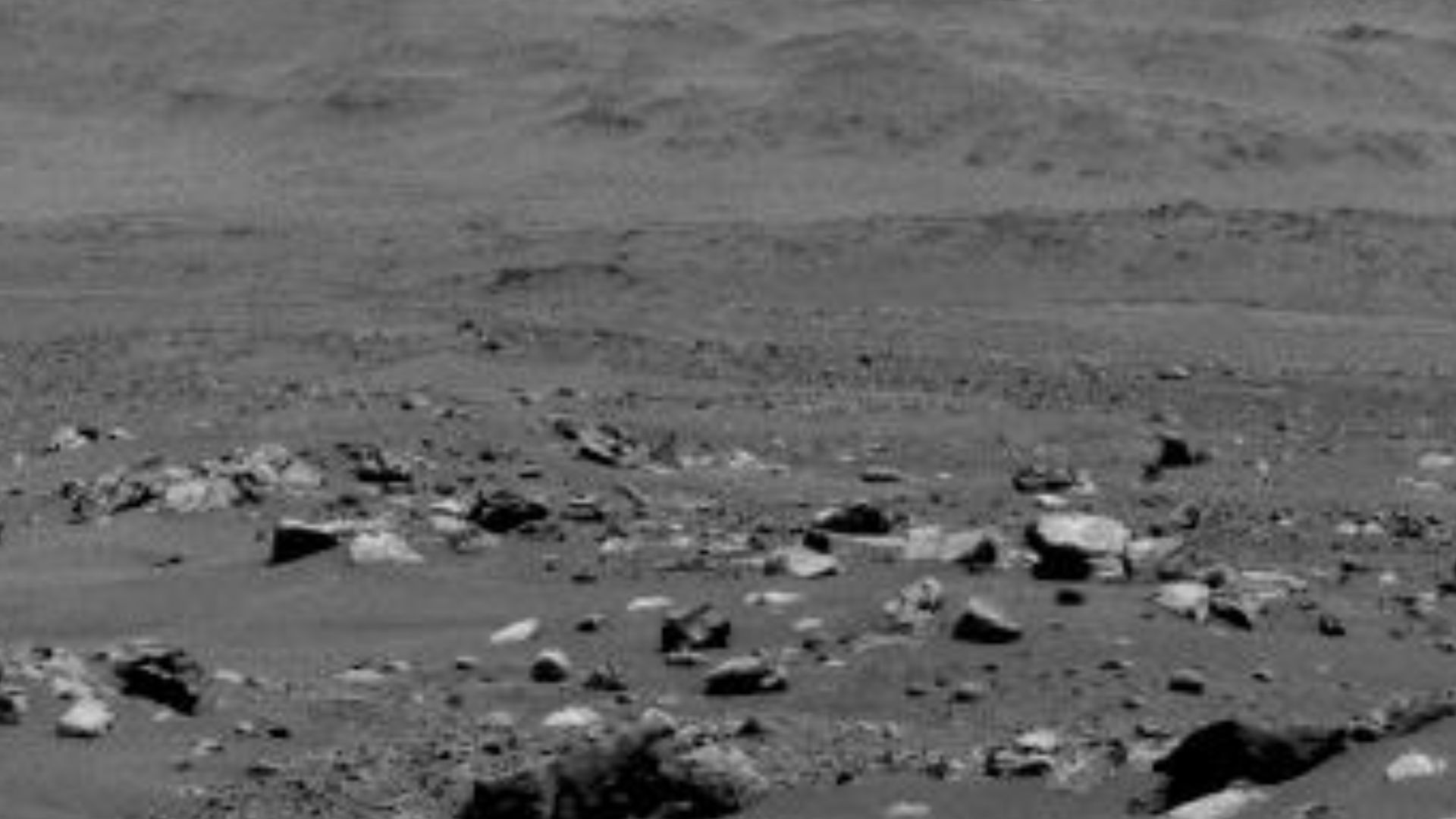
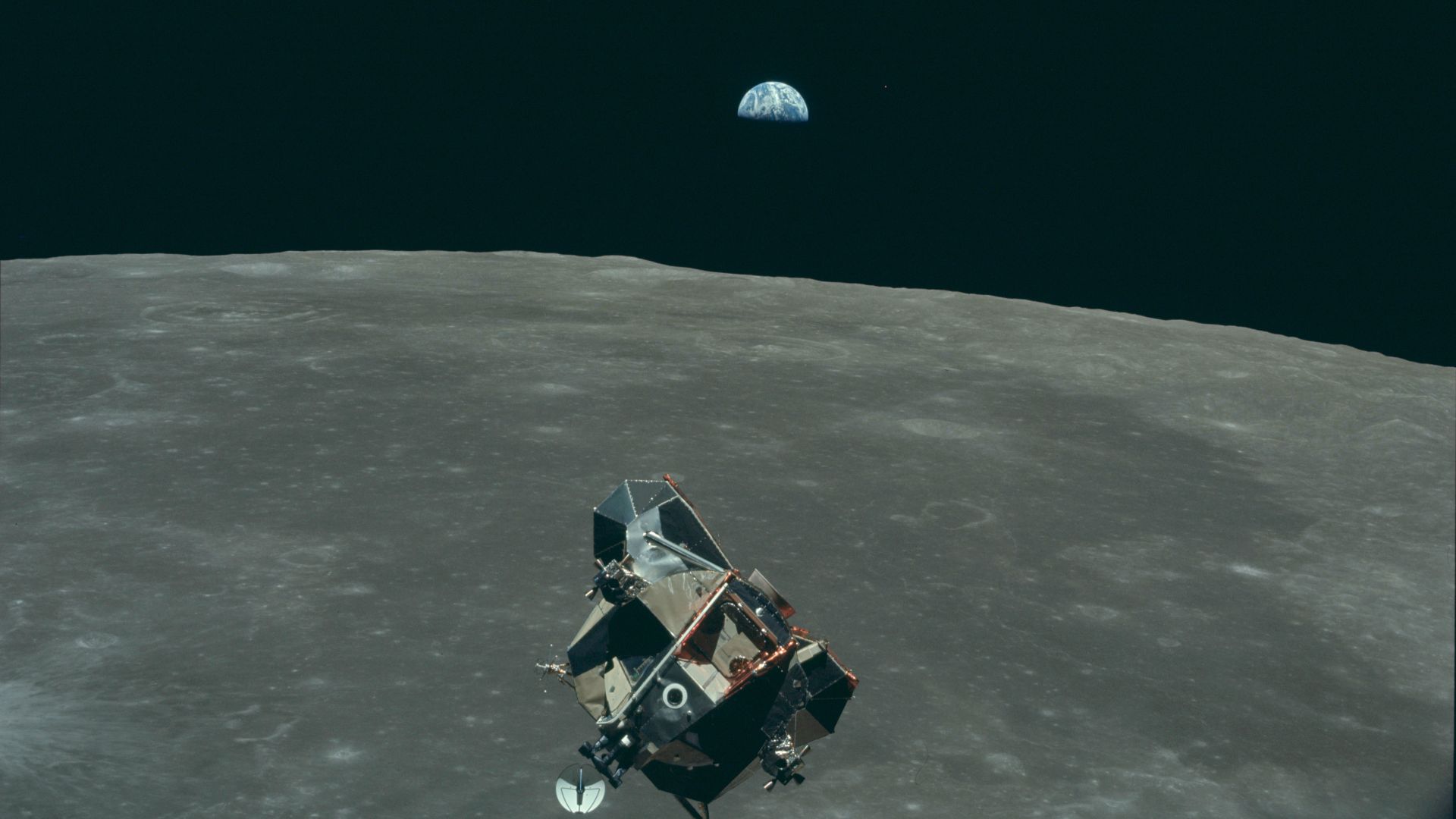
The most important unanswered questions may require laboratories on Earth. Scientists note that many tests necessary to distinguish biological from non-biological origins cannot currently be performed by instruments aboard the rover.
 NASA / Apollo 11, Wikimedia Commons
Awaiting Sample Return
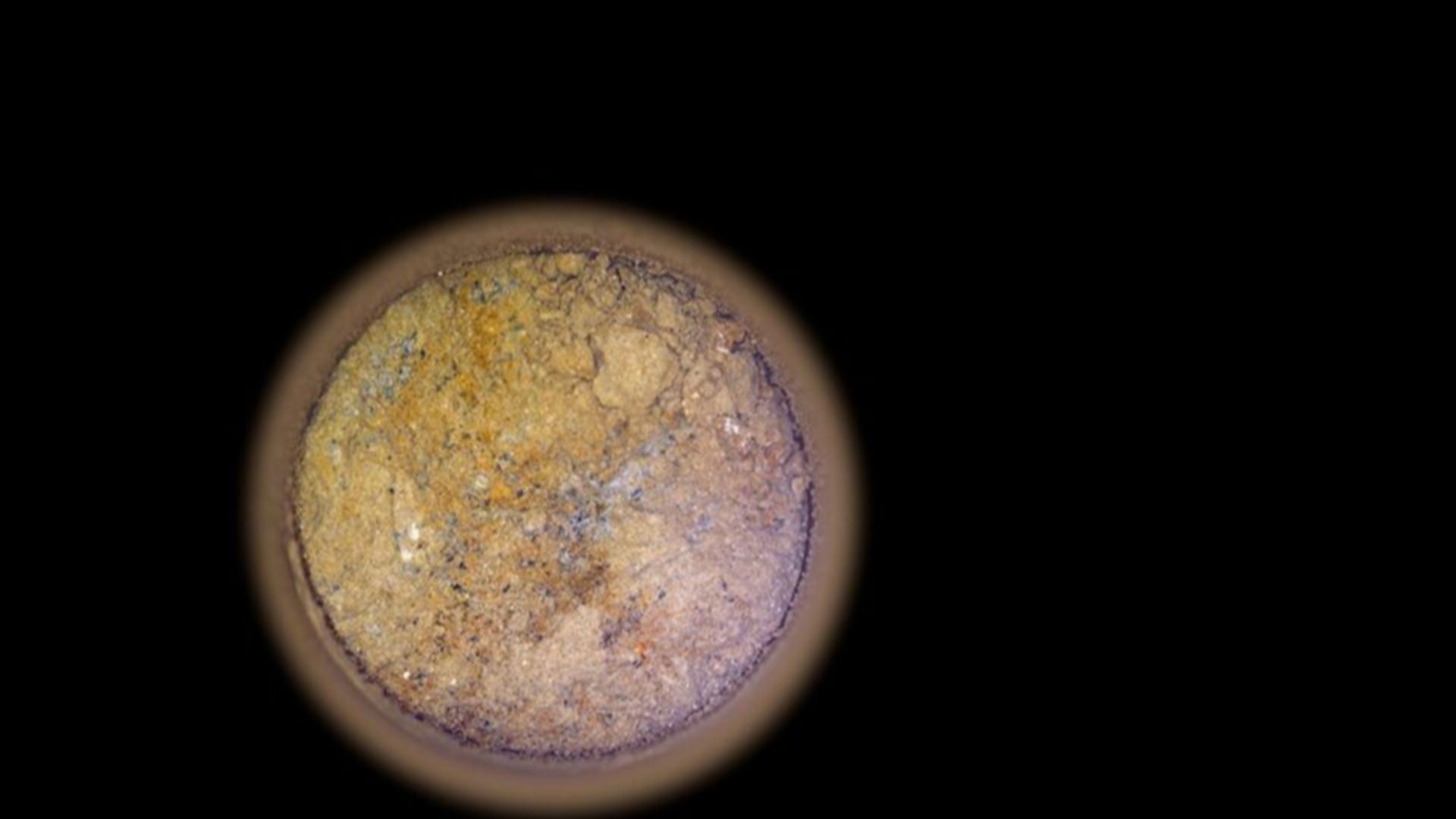
The Cheyava Falls sample is among those that scientists hope may eventually be returned to Earth. Access to advanced laboratory equipment could allow researchers to examine the rock at a level of detail impossible on Mars.
 NASA/JPL-Caltech/ASU/MSSS, Wikimedia Commons
A Long Scientific Process
Even with a future sample return, determining whether life once existed on Mars would likely require years of careful study. Researchers would need to eliminate alternative explanations before reaching any definitive conclusion.
 NASA/JPL-Caltech/ASU/MSSS, Wikimedia Commons
Strongest Evidence Yet
According to the researchers involved, this sample represents the strongest evidence yet discovered by Perseverance for possible ancient microbial activity. The combination of organic molecules, chemical signatures, and geological context makes it particularly compelling.
 NASA / JPL-Caltech, Wikimedia Commons
What Scientists Learned
The discovery demonstrates that Mars once hosted environments far more complex than the dry, cold world seen today. The evidence supports the idea that ancient Mars possessed conditions potentially suitable for microbial life.
Looking Ahead
For now, scientists continue studying data from Perseverance while searching for additional samples that may support or challenge their current interpretations. Piece by piece, rock by rock, each new discovery helps build a clearer picture of Mars's ancient history.
 NASA/JPL-Caltech, Wikimedia Commons
You May Also Like:
NASA researchers detected a mysterious signal from deep space that repeats every 44 minutes.