A Strange Discovery Beneath The Moon
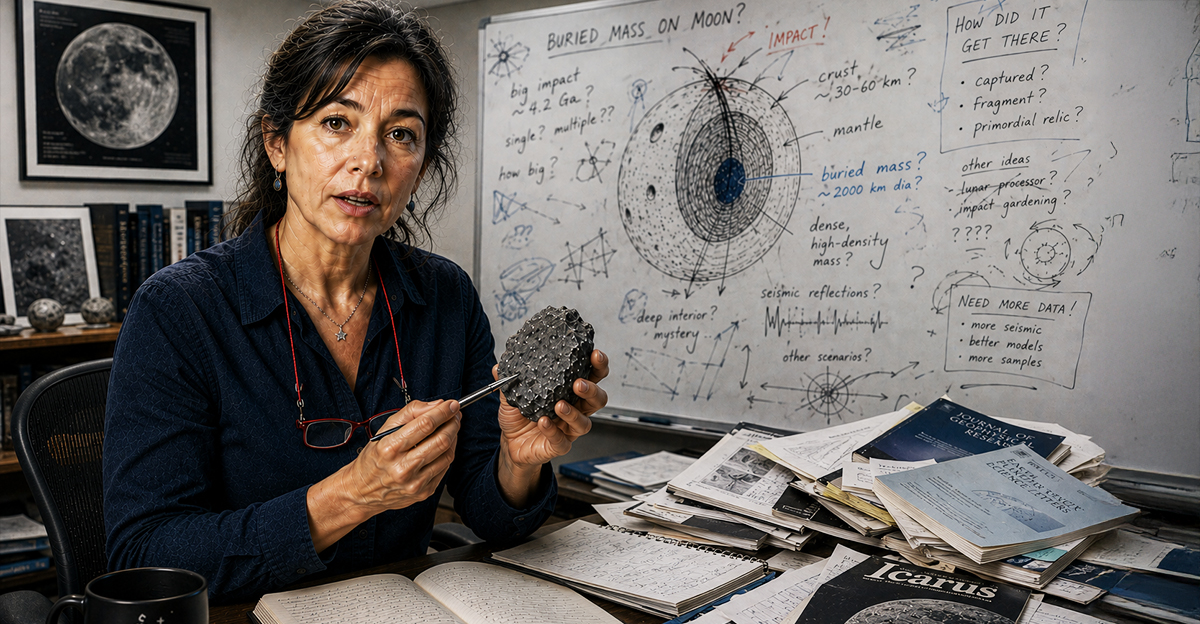
Scientists studying data from China’s lunar missions have uncovered some unusual structures buried deep beneath the far side of the moon. The discovery has set off a round of intense debate because researchers still can’t fully explain how these massive underground formations formed or why they appear so different from surrounding lunar material.
The Moon’s Far Side Is Still Mysterious
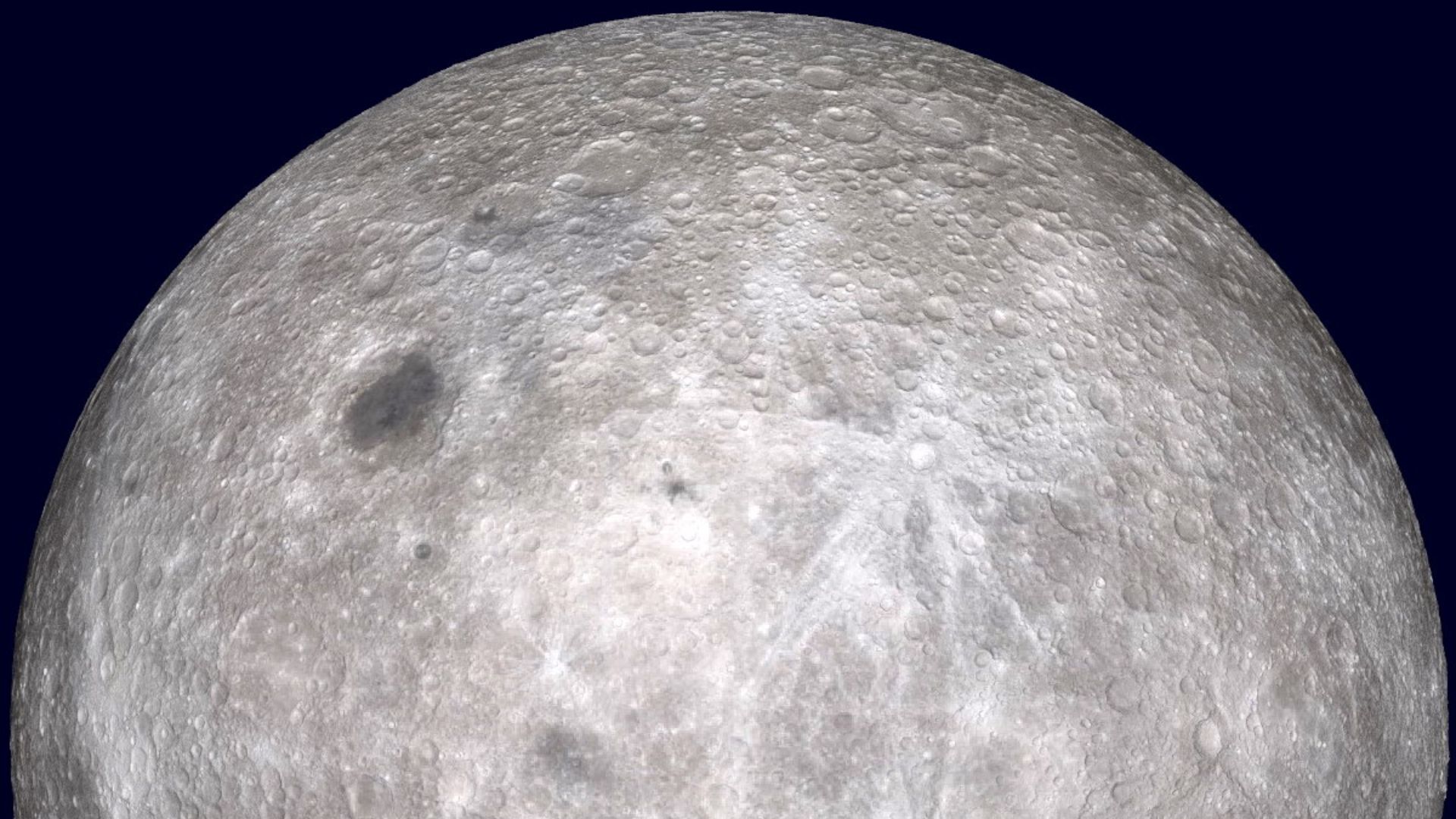
The far side of the moon is often incorrectly called the “dark side,” even though sunlight reaches it regularly. It earned its mysterious reputation because humans never see it from Earth. For decades, this hidden hemisphere was one of the least understood places nearby in space.
China’s Chang’e Missions Changed Everything
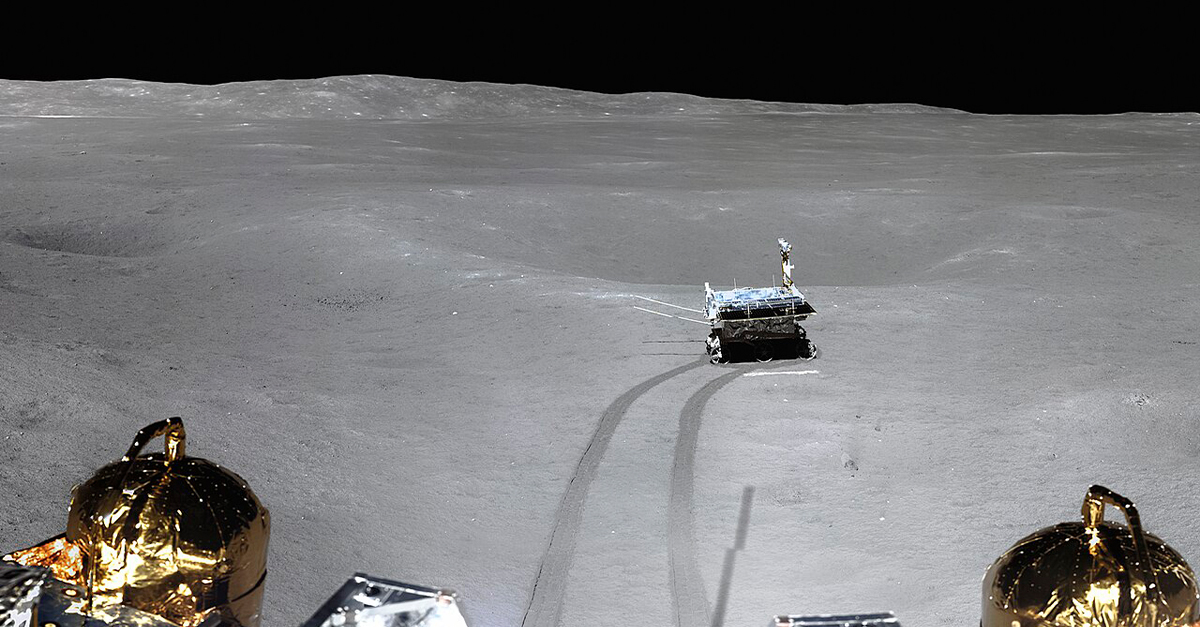
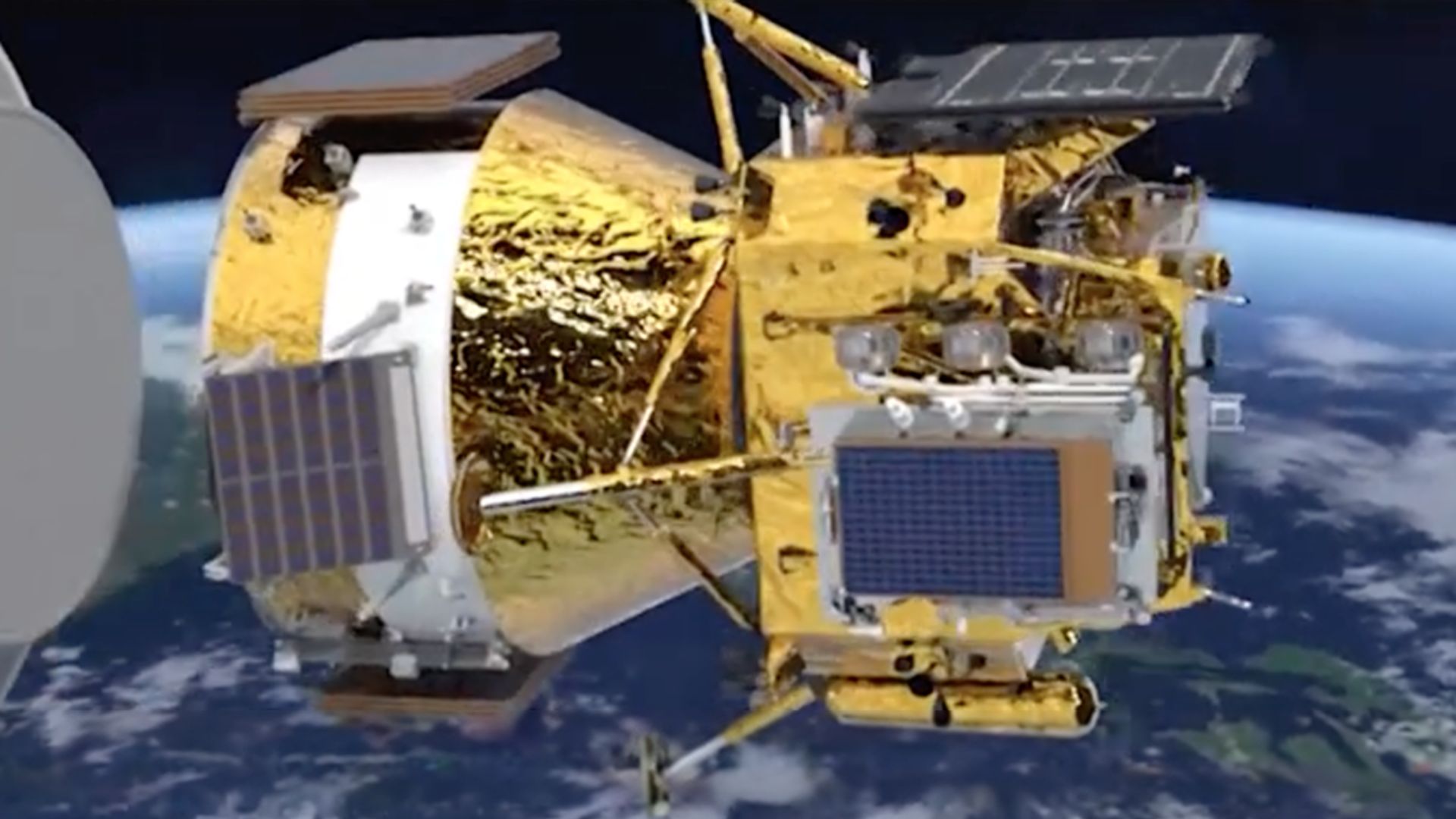
China’s Chang’e lunar missions have dramatically expanded humanity’s understanding of the moon. The Chang’e-4 spacecraft became the first mission ever to land on the moon’s far side in 2019. Since then, Chinese scientists have gathered extraordinary amounts of geological and radar data from the remote region.
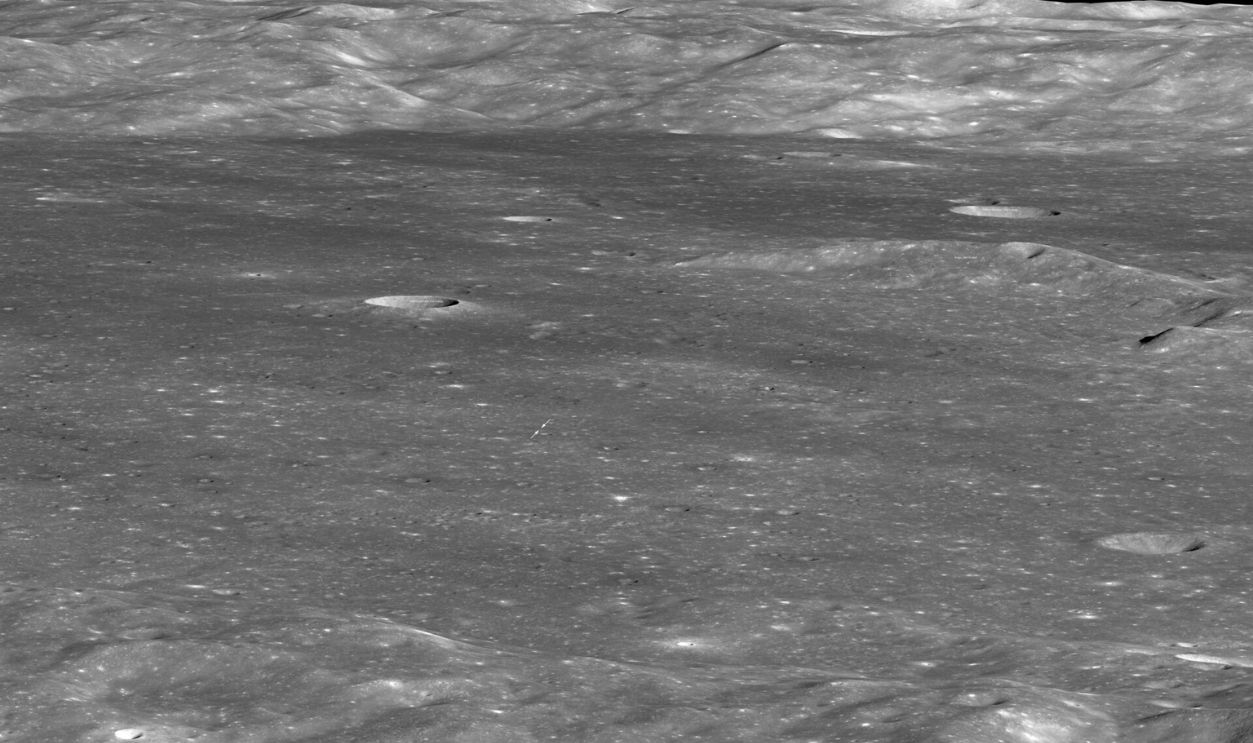 NASA/GSFC/Arizona State University, Wikimedia Commons
The Rover Looked Beneath The Surface
The Yutu-2 rover used ground-penetrating radar to peer far below the moon’s dusty surface. Unlike cameras or surface sensors, the radar system enabled scientists to map buried layers and hidden underground features stretching hundreds of feet below the lunar crust in remarkable detail.
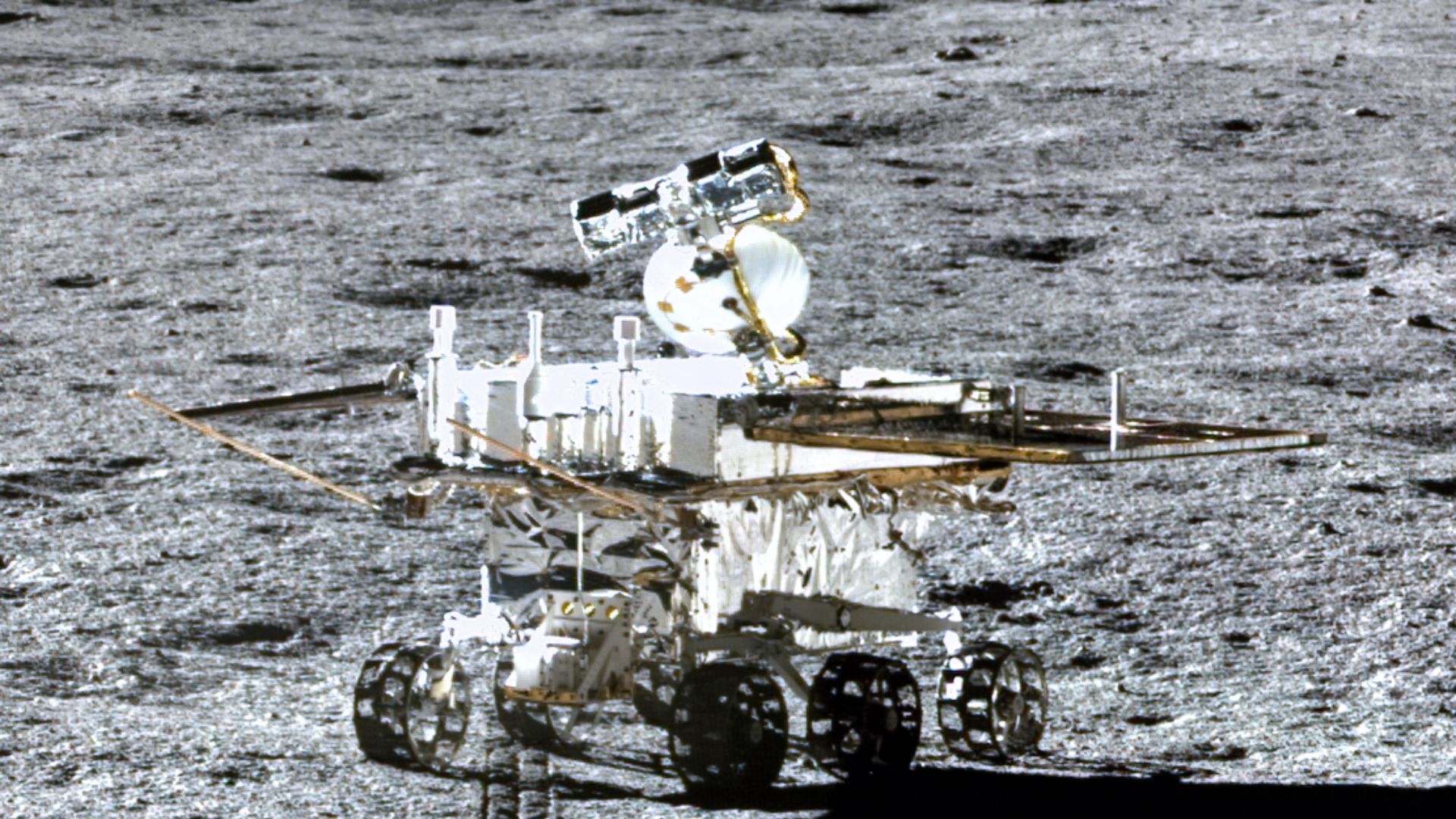 CSNA/Siyu Zhang/Kevin M. Gill, Wikimedia Commons
Scientists Found Layered Underground Structures
Researchers discovered multiple layered structures buried roughly 1,000 feet beneath the surface. These underground formations appear stacked in complex patterns that differ significantly from simple impact debris or ordinary lunar soil deposits. The findings suggest the moon’s ancient history may have been far more cataclysmic than scientists ever dared to believe.
Ancient Lava Flows May Explain Some Layers
One leading theory proposes the structures formed through enormous ancient lava flows. The idea is that billions of years ago, volcanic activity covered parts of the moon with molten rock. As different eruptions occurred over time, the lava may have cooled into separate underground layers visible through radar imaging today.
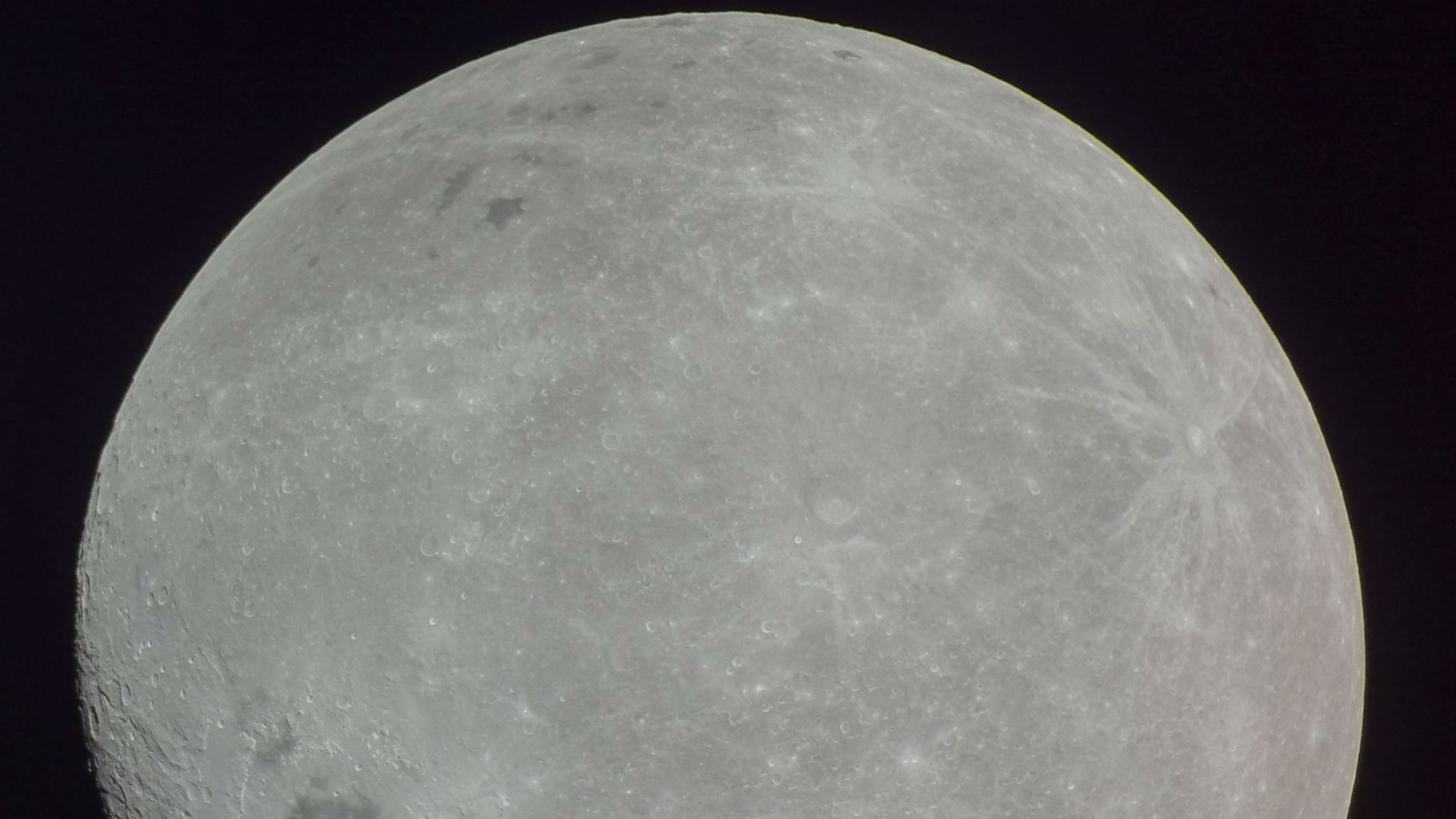
![Historic photo - the first full view of significant quality (cropped frame number 29)[1], of the first series of photos of the far side of the Moon, taken by Luna 3, October 7, 1959.
The dark patches at left include Mare Crisium (on the near side), Mare S](https://www.factinate.com/storage/app/media/splashtravels/2026/5/23/17795433272a1fd3667638d51ff631886ad88d0462b0f06e68.jpg)
The Far Side Is Different From The Near Side
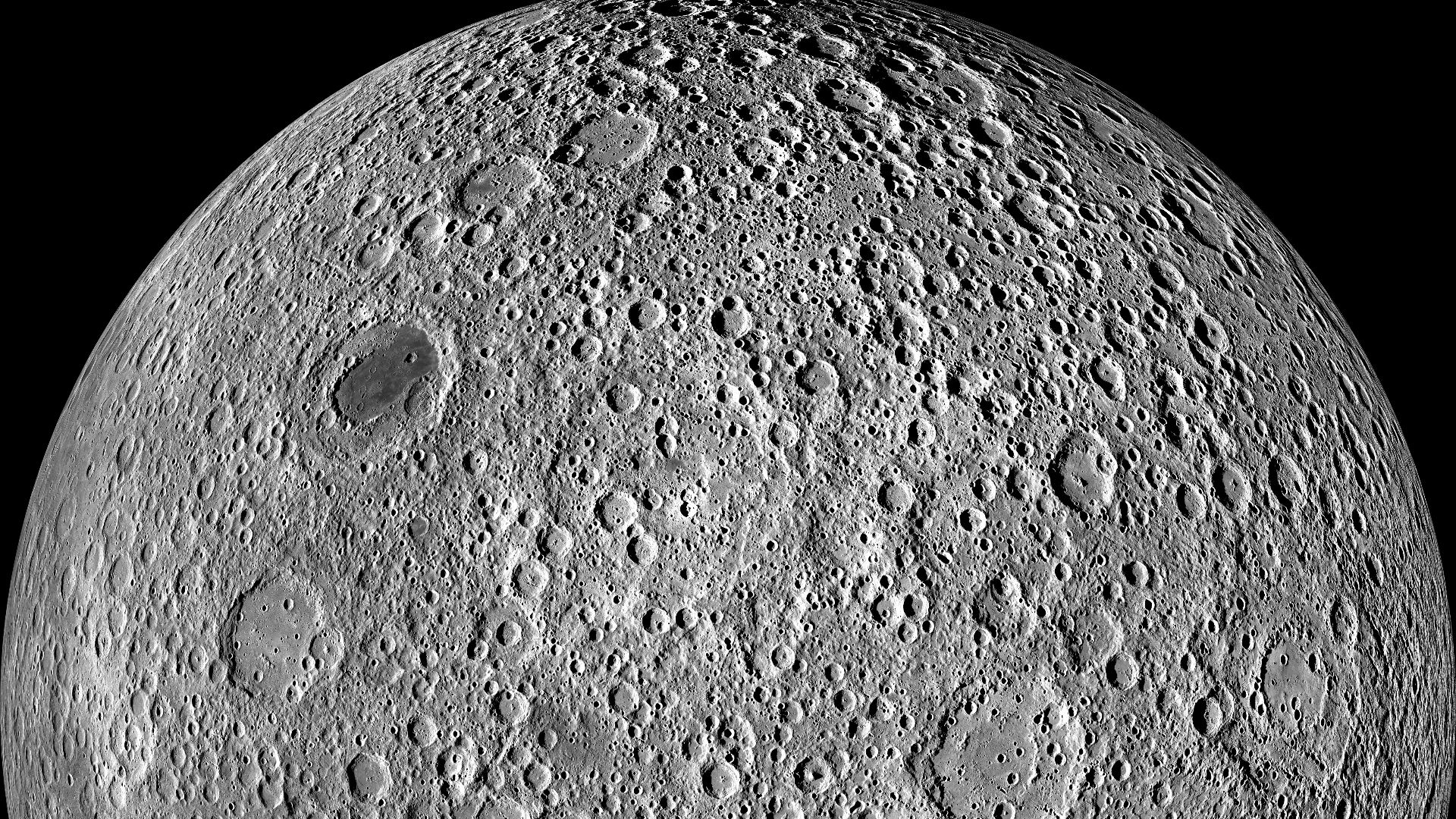
One reason this discovery fascinates scientists is because the moon’s far side is dramatically different from the Earth-facing side. The near side contains large dark volcanic plains called maria, while the far side is rougher, thicker, and heavily cratered. That contrast remains one of lunar science’s biggest mysteries.
A Giant Collision That Reshaped The Moon
Some researchers believe an enormous ancient collision helped create the unusual underground formations. A gigantic asteroid impact early in the Moon’s history may have fractured the crust, altered volcanic activity, and buried material deep below the surface. The moon still carries scars from catastrophic events billions of years ago.
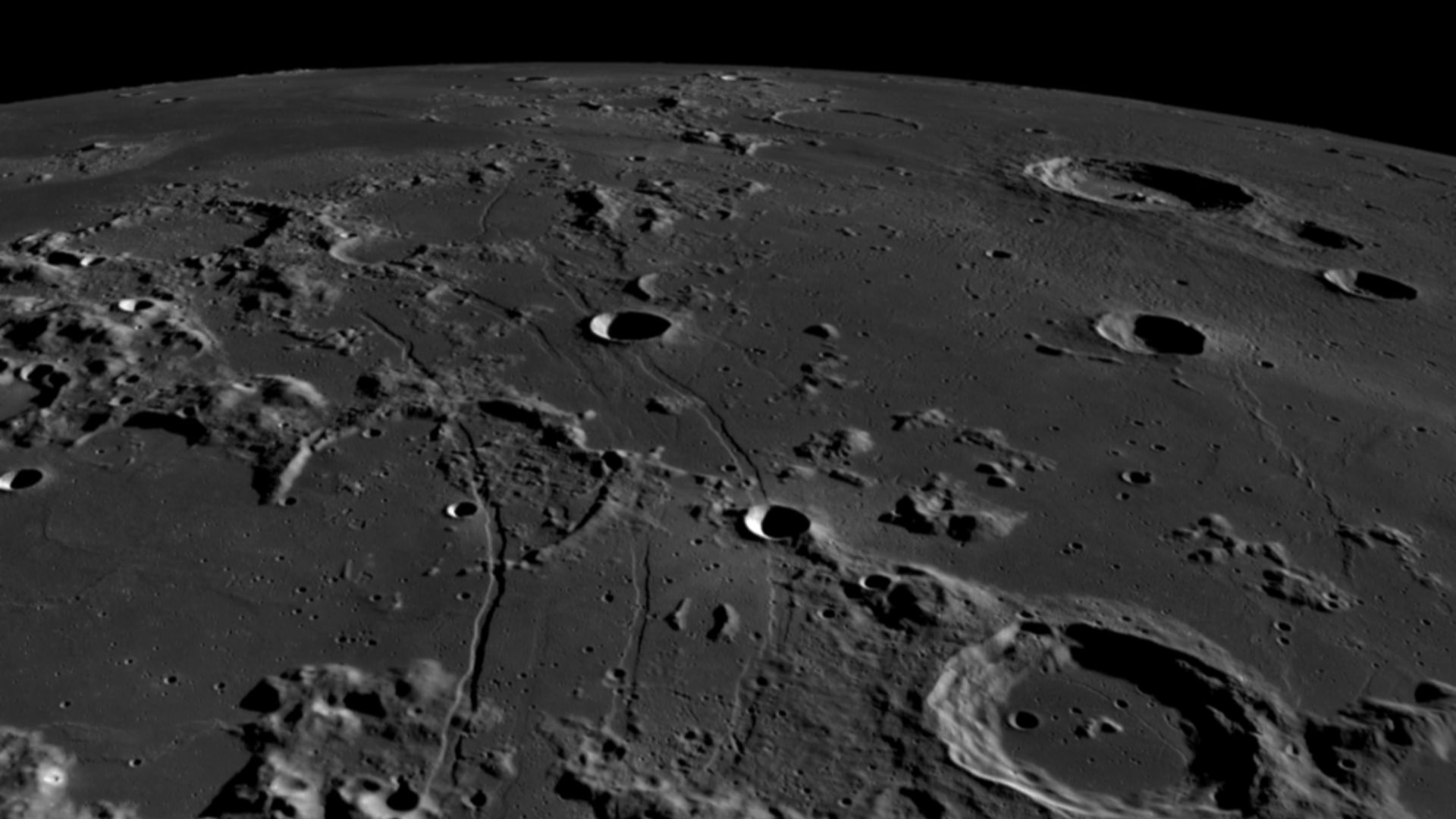 NASA/GSFC/Arizona State University/, Wikimedia Commons
The South Pole-Aitken Basin Looms Nearby
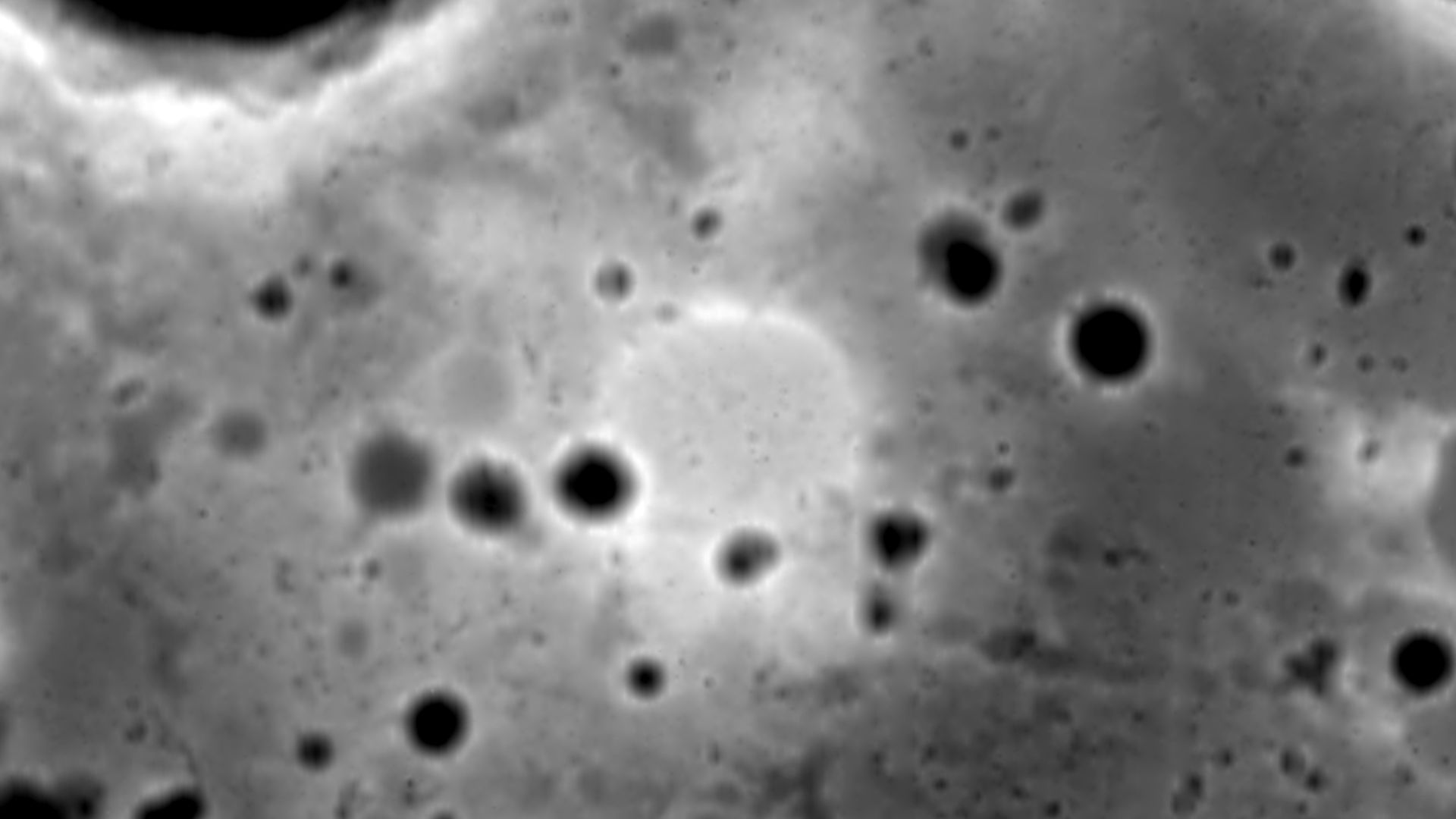
The structures lie within or near the massive South Pole-Aitken Basin, one of the largest known impact craters in the solar system. Stretching more than 1,500 miles wide, the basin formed after an unimaginably powerful collision that may have blasted material from deep inside the moon upward.
Radar Technology Opened A Hidden World
Ground-penetrating radar has revolutionized lunar exploration because it reveals features invisible from orbit. Instead of simply photographing craters and rocks, scientists can now examine buried geological history. The technology effectively allows researchers to “see” below the moon’s surface without having to blast, drill, or excavate directly into it.
 The Charles Machine Works, Wikimedia Commons
Scientists Expected Simpler Results
Researchers initially expected relatively straightforward underground layering caused by volcanic activity and dust accumulation. Instead, they found some surprisingly complicated structures and irregular formations that don’t fit in nice and neat with existing lunar models. That mismatch is why the discovery caused so much scientific excitement and confusion.
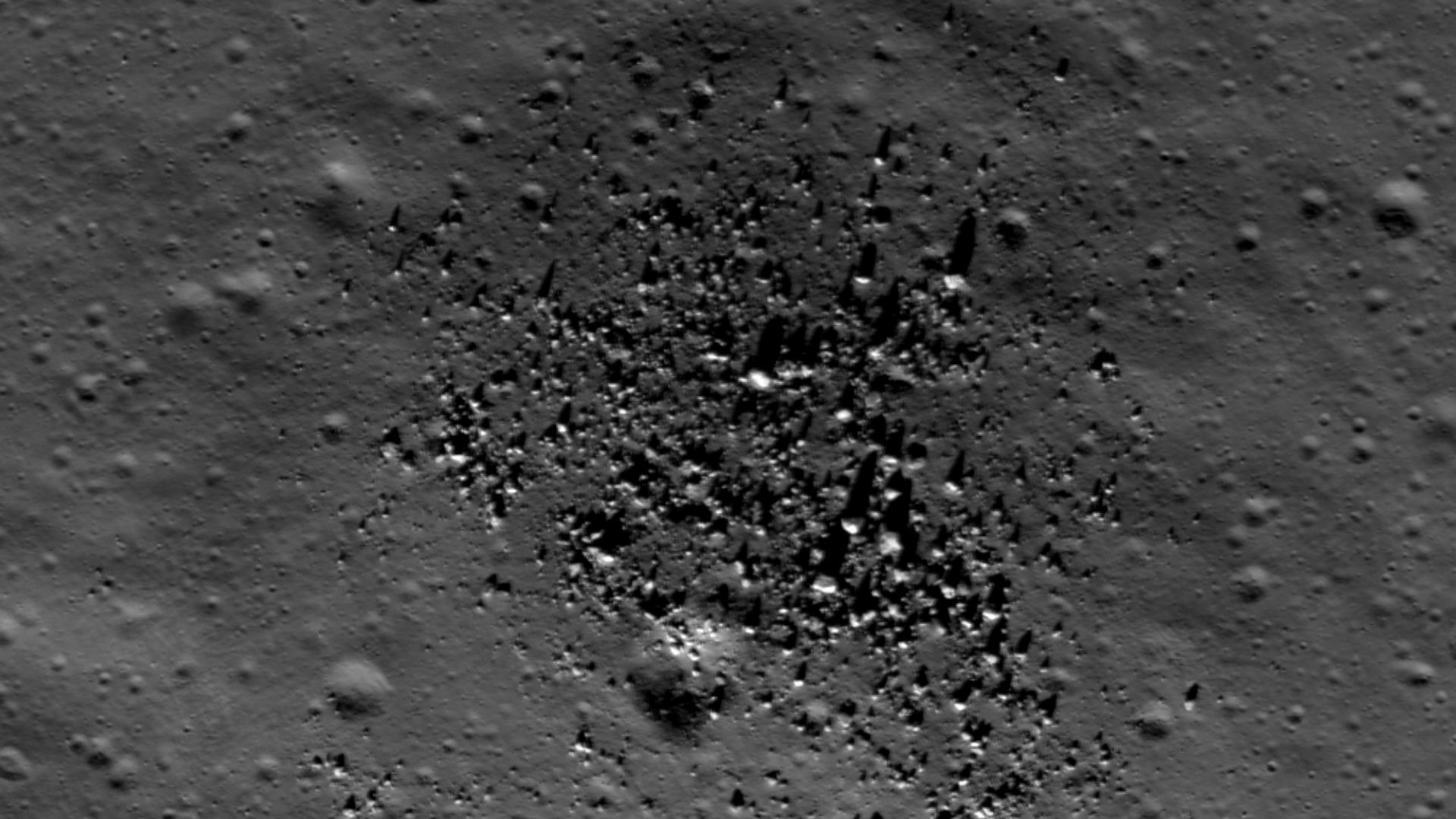 NASA/GSFC/Arizona State University, Wikimedia Commons
Billions Of Years Of History Are Preserved
Unlike Earth, the moon lacks weather, flowing water, and plate tectonics that constantly reshape landscapes. As a result, ancient geological records remain remarkably well preserved beneath the surface. Scientists believe the buried structures may contain clues dating back more than four billion years into solar system history.
Lunar Volcanism Lasted Longer Than Expected
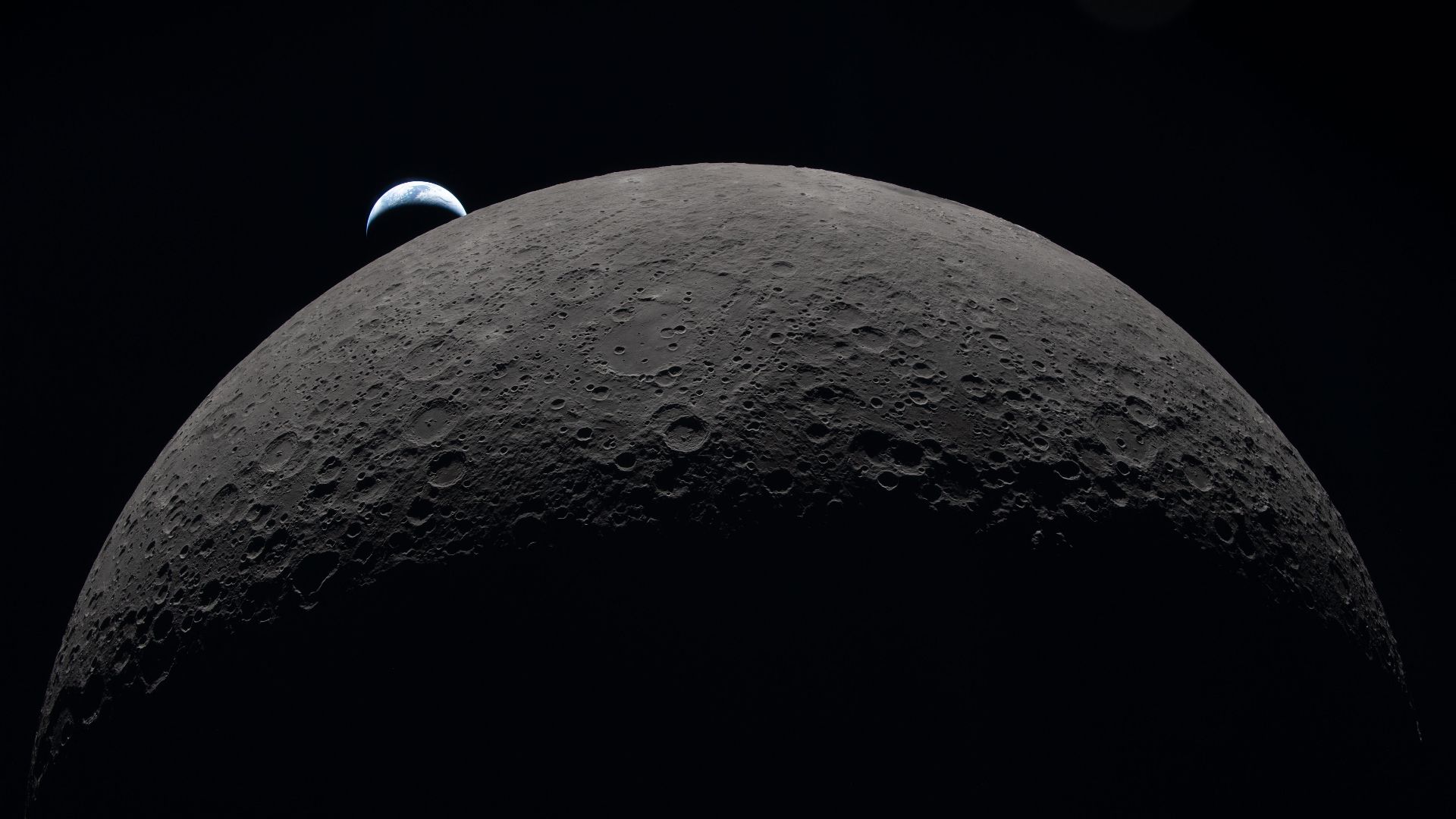
The underground layers may support growing evidence that volcanic activity on the moon lasted far longer than we could’ve imagined. Some scientists now suspect eruptions continued spewing out lava in certain regions hundreds of millions of years later than earlier models predicted, potentially reshaping parts of the far side over and over again through the vast span of time since its formation.
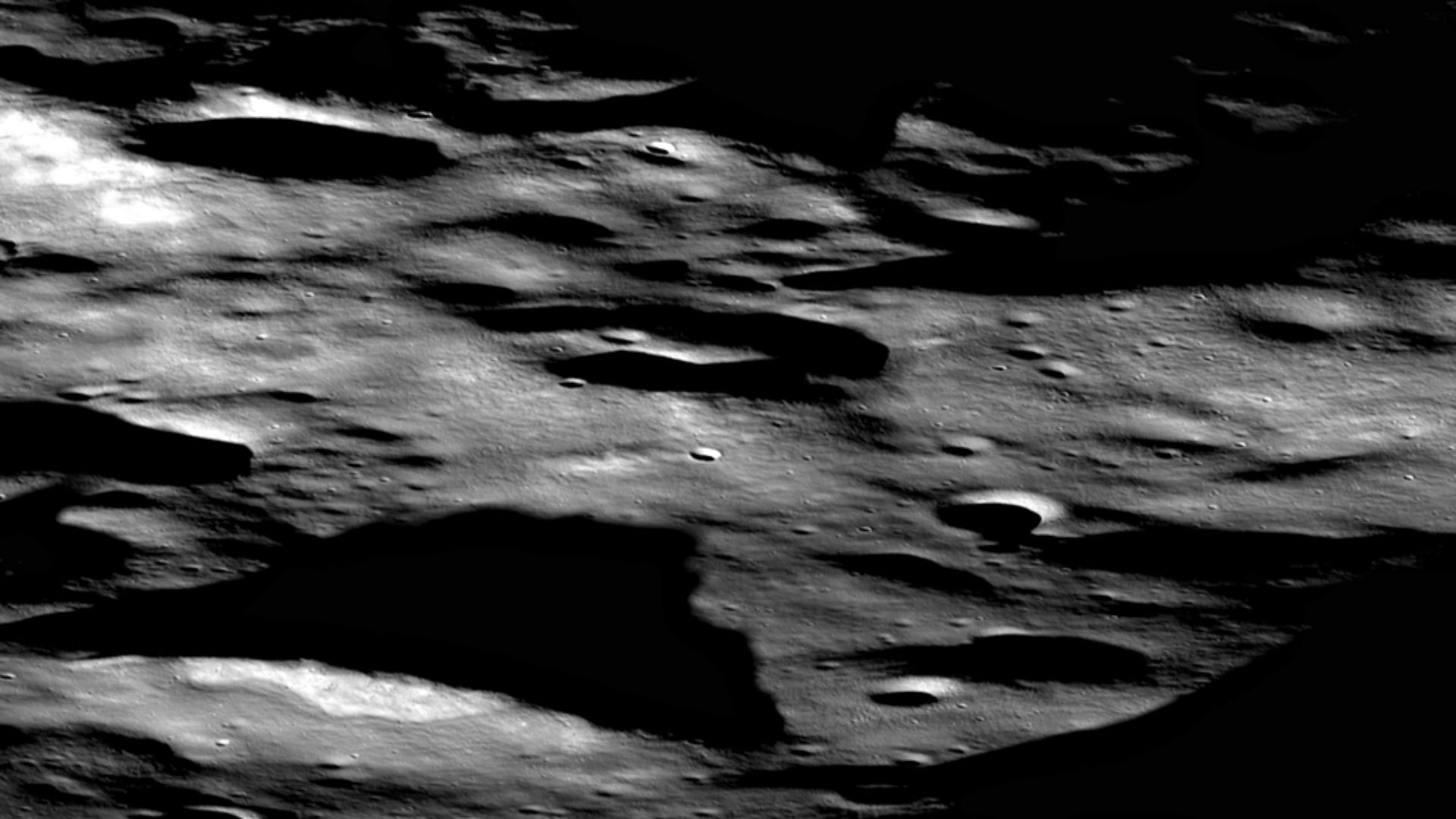 NASA/GSFC/Arizona State University, Wikimedia Commons
The Discovery Raises New Questions
Every major lunar discovery seems to bring even more unanswered questions. Researchers still argue over the precise composition, age, and origin of the buried formations. Some features appear consistent with lava flows, while others remain difficult to explain using current models of lunar geology and impact history.
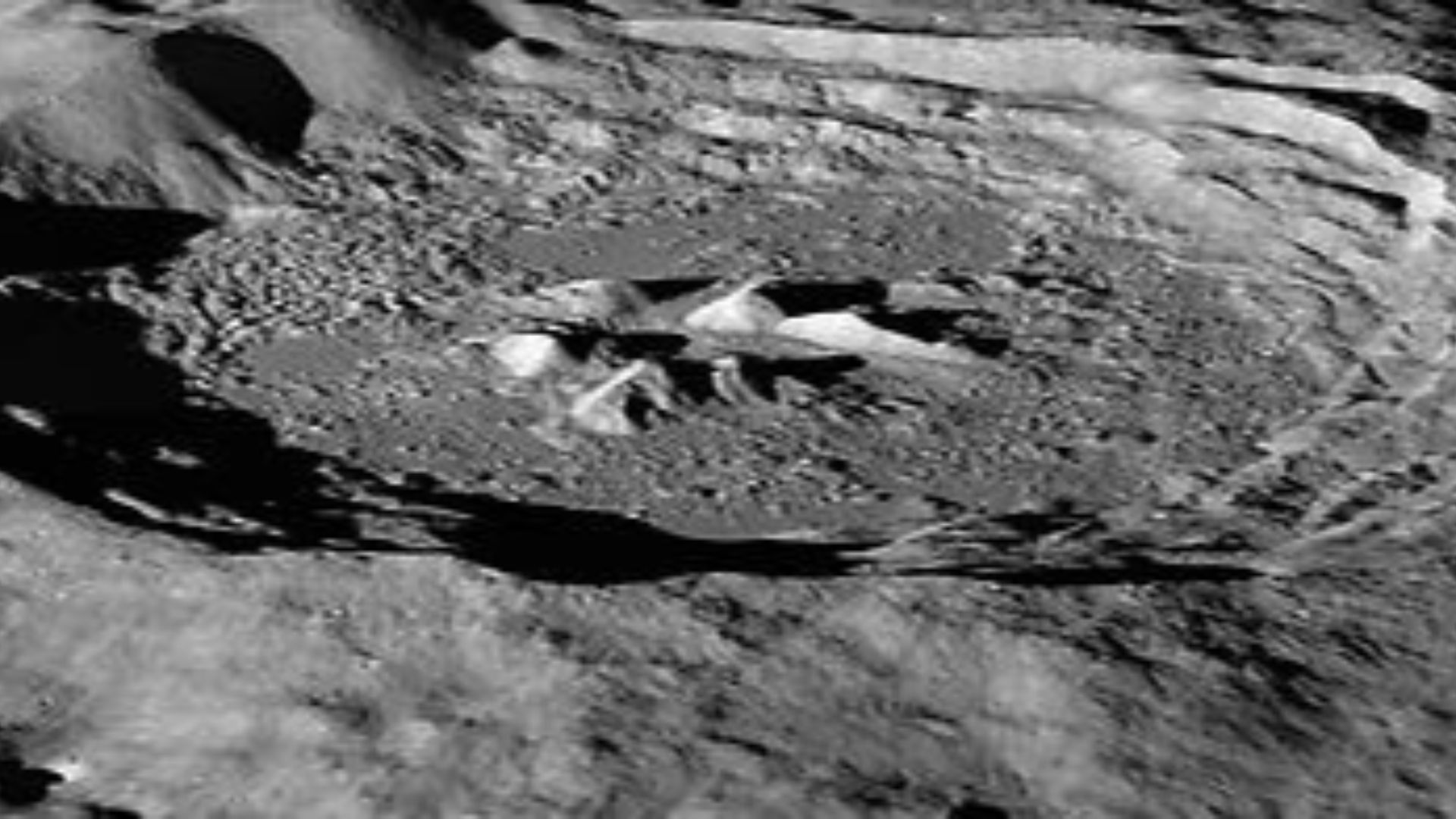 NASA Goddard Space Flight Center from Greenbelt, MD, USA, Wikimedia Commons
The Moon May Have Been More Active
For many years, scientists pictured the moon as a mostly dead and geologically simple world. Recent discoveries challenge that idea. Evidence increasingly suggests the moon experienced prolonged volcanic activity, violent impacts, underground fracturing, and surprisingly dynamic geological changes during its early existence.
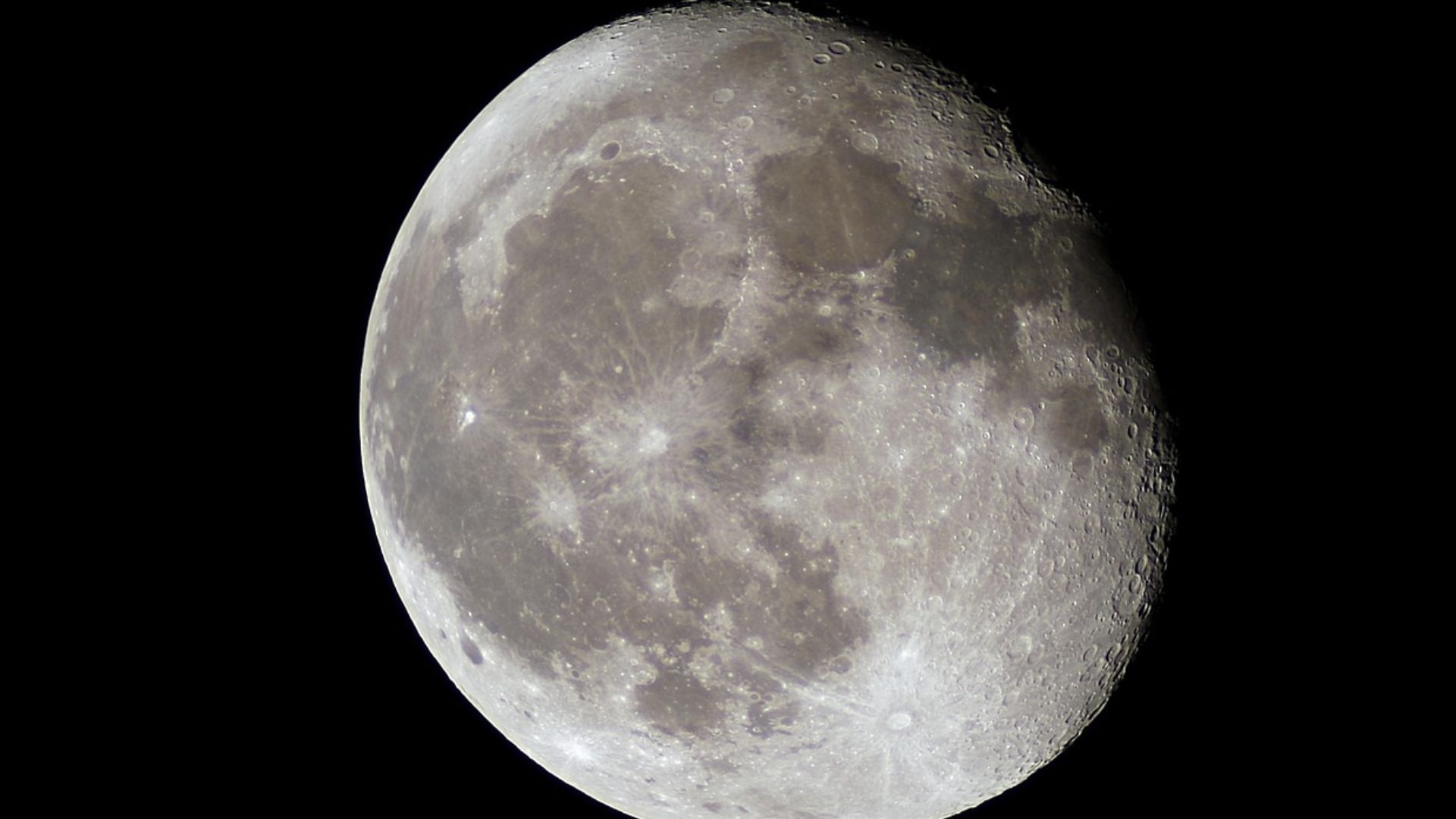
Samples Could Solve The Mystery
Ultimately, scientists may need to get their hands on some physical samples from the underground structures to fully comprehend what is going on here. Radar imaging provides important clues, but direct drilling or future sample-return missions could reveal the exact mineral composition of the buried layers and finally settle debates surrounding their origin.
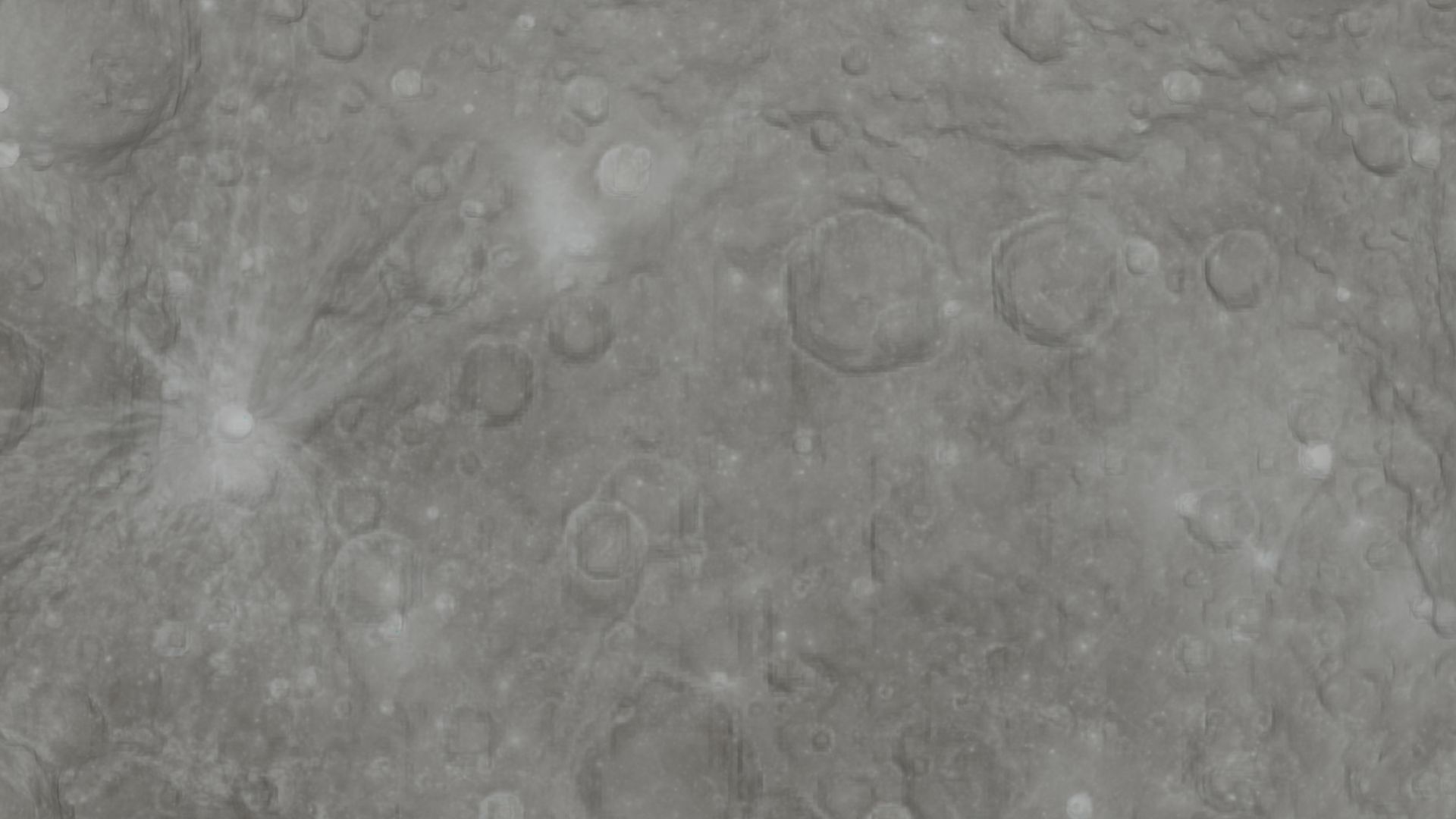
China’s Lunar Program Is Accelerating
China has rapidly become one of the world’s leading lunar exploration powers. Its Chang’e missions have successfully landed rovers, returned moon samples, and mapped previously unexplored regions. Future missions may focus even more heavily on the far side as scientists search for answers beneath the surface.
Future Moon Bases Could Study The Area
Several nations are planning long-term lunar exploration programs, including possible moon bases near the lunar south pole. If humans eventually establish permanent research stations there, scientists could directly investigate the mysterious underground structures using advanced drilling equipment and underground mapping technology.
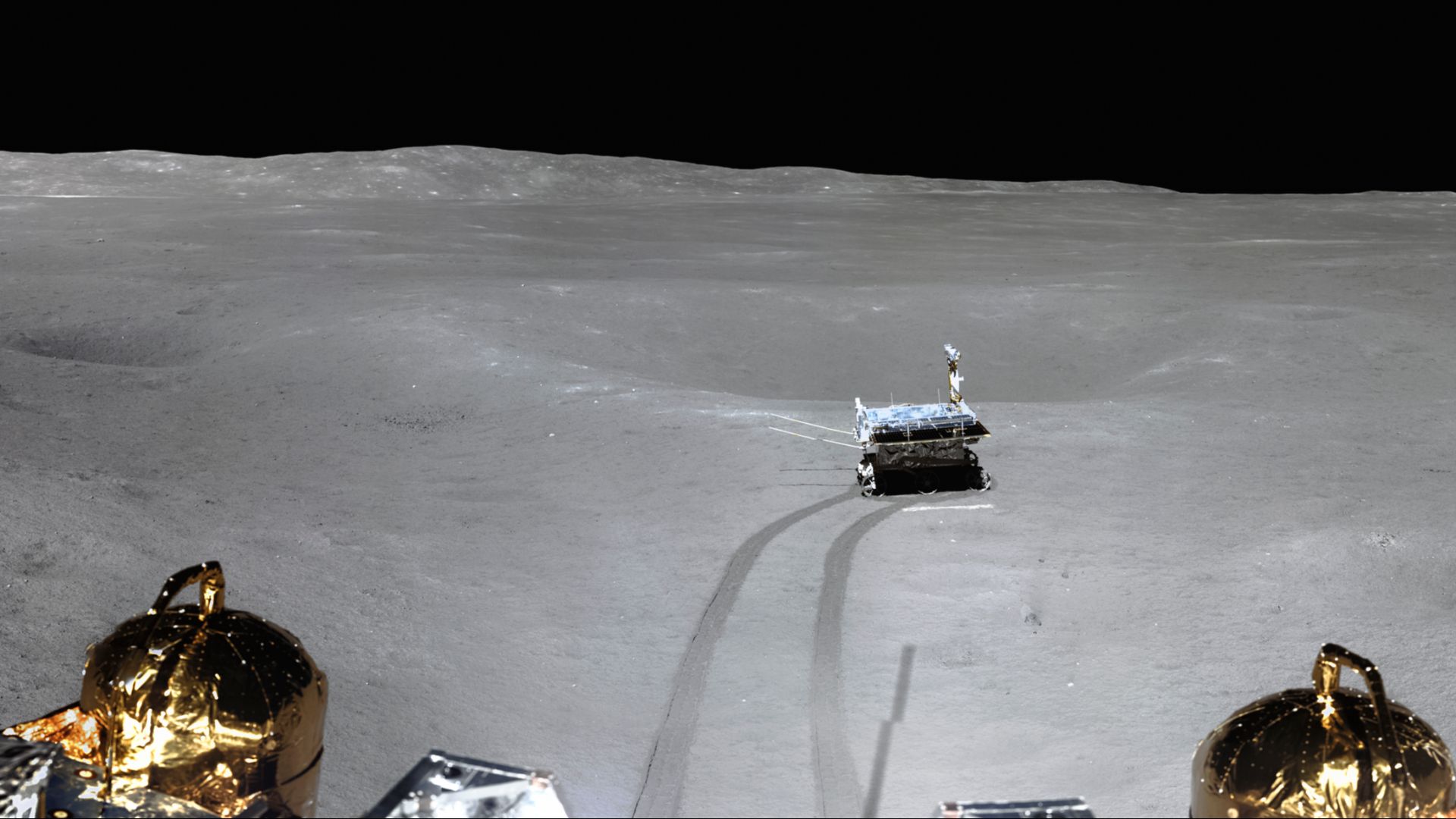
![The Chang’e-4 lander imaged by the Yutu-2 rover on the lunar far side. [1]](https://www.factinate.com/storage/app/media/splashtravels/2026/5/23/17795453853b0f4b4ab0c5ed912f6fe9c703afe419123edccd.png) CSNA/Siyu Zhang/Kevin M. Gill, Wikimedia Commons
CSNA/Siyu Zhang/Kevin M. Gill, Wikimedia Commons
Some Scientists Suspect Mixed Origins
Not every researcher agrees on a single explanation for the formations. Some suspect the underground structures formed through a combination of lava flows, asteroid impacts, and crustal shifting over billions of years. The moon’s complex history may not fit one clean and simple geological process.
Lunar Mysteries Continue To Baffle Experts
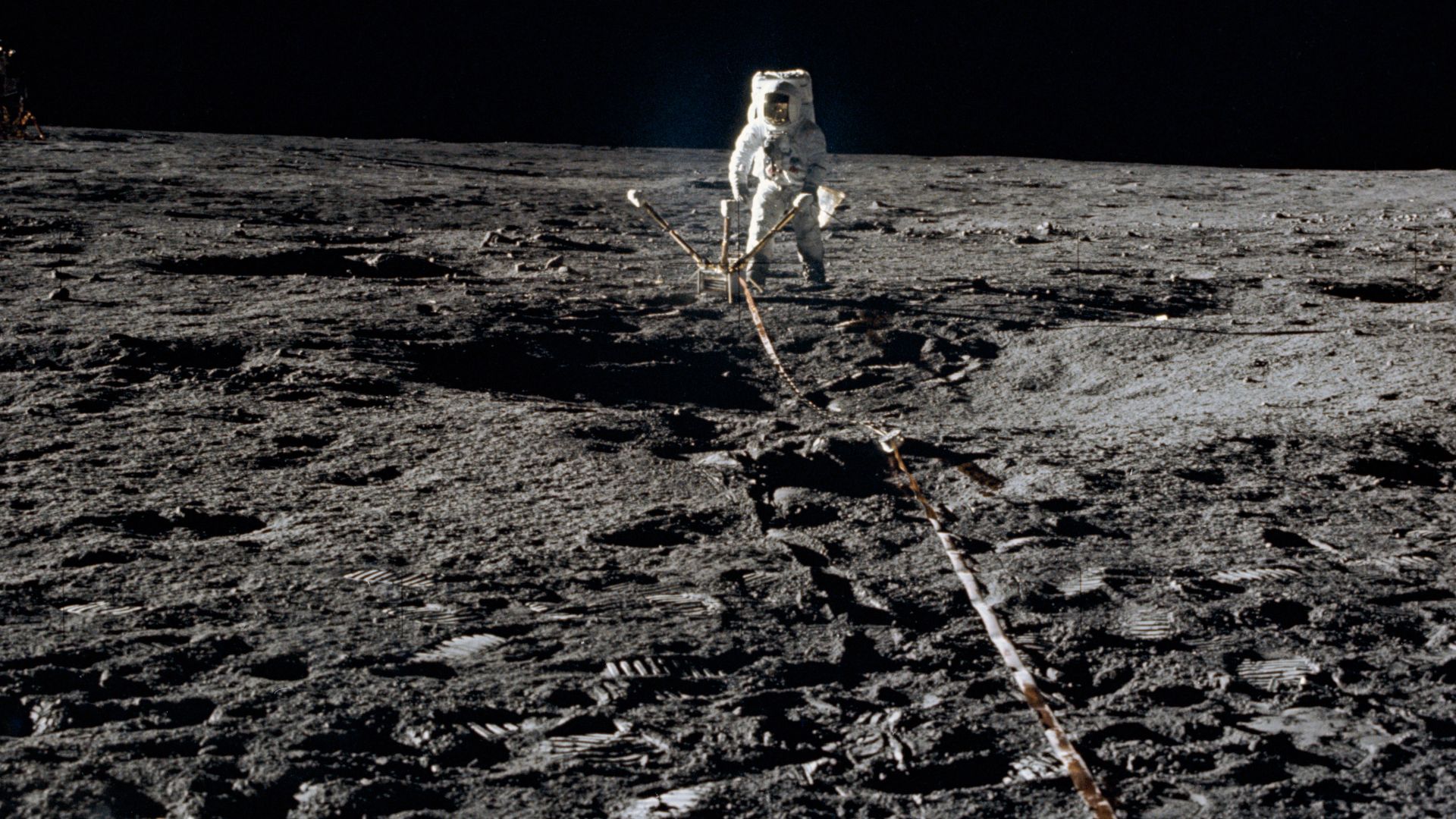
Even after decades of moon exploration, the lunar surface continues to bring unexpected discoveries. Scientists once assumed the moon was largely understood compared with distant planets, yet new technologies keep uncovering strange features, unusual chemistry, and hidden structures buried beneath seemingly familiar terrain.
 NASA Johnson Space Center, Wikimedia Commons
The Far Side Still Holds Countless Secrets
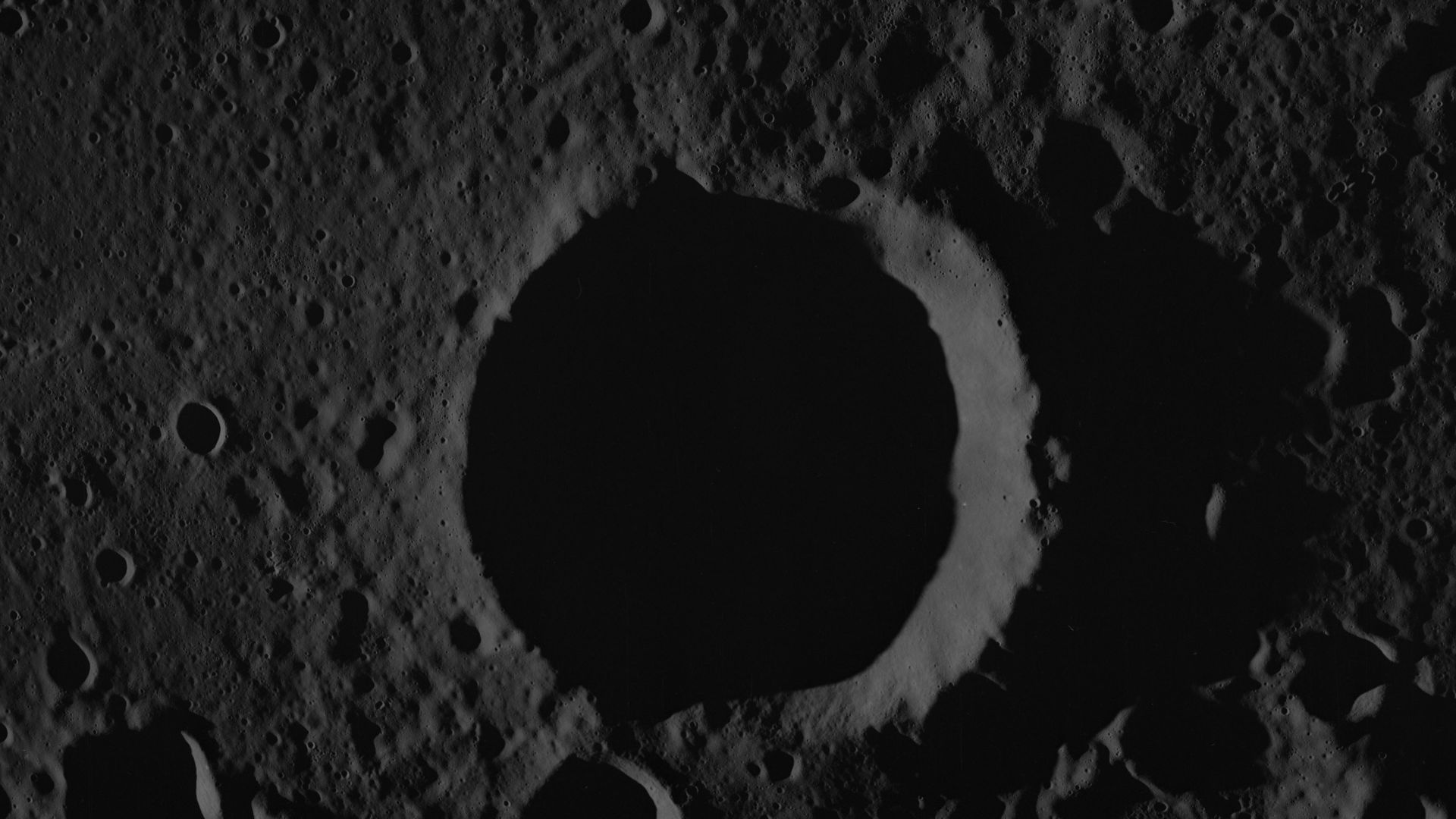
The moon’s hidden hemisphere is one of the most mysterious nearby worlds humans can study directly. Vast regions remain poorly explored, and underground radar surveys have only begun scratching the surface. This was one of the reasons for the recent flyby of the Artemis II spacecraft. Scientists suspect many more discoveries are waiting beneath the ancient crust of the lunar far side.
 Unknown authorUnknown author or not provided, Wikimedia Commons
Humanity’s Closest Neighbor Still Challenges Science
The strange buried structures beneath the moon are final proof that even Earth’s closest celestial neighbor still holds enormous mysteries. Each new discovery forces scientists to toss their old assumptions into the wastebasket, whether it’s about lunar formation, ancient impacts, or volcanic history. The moon may look like a serene, quiet place from Earth, but its buried past tells a far more dramatic story.
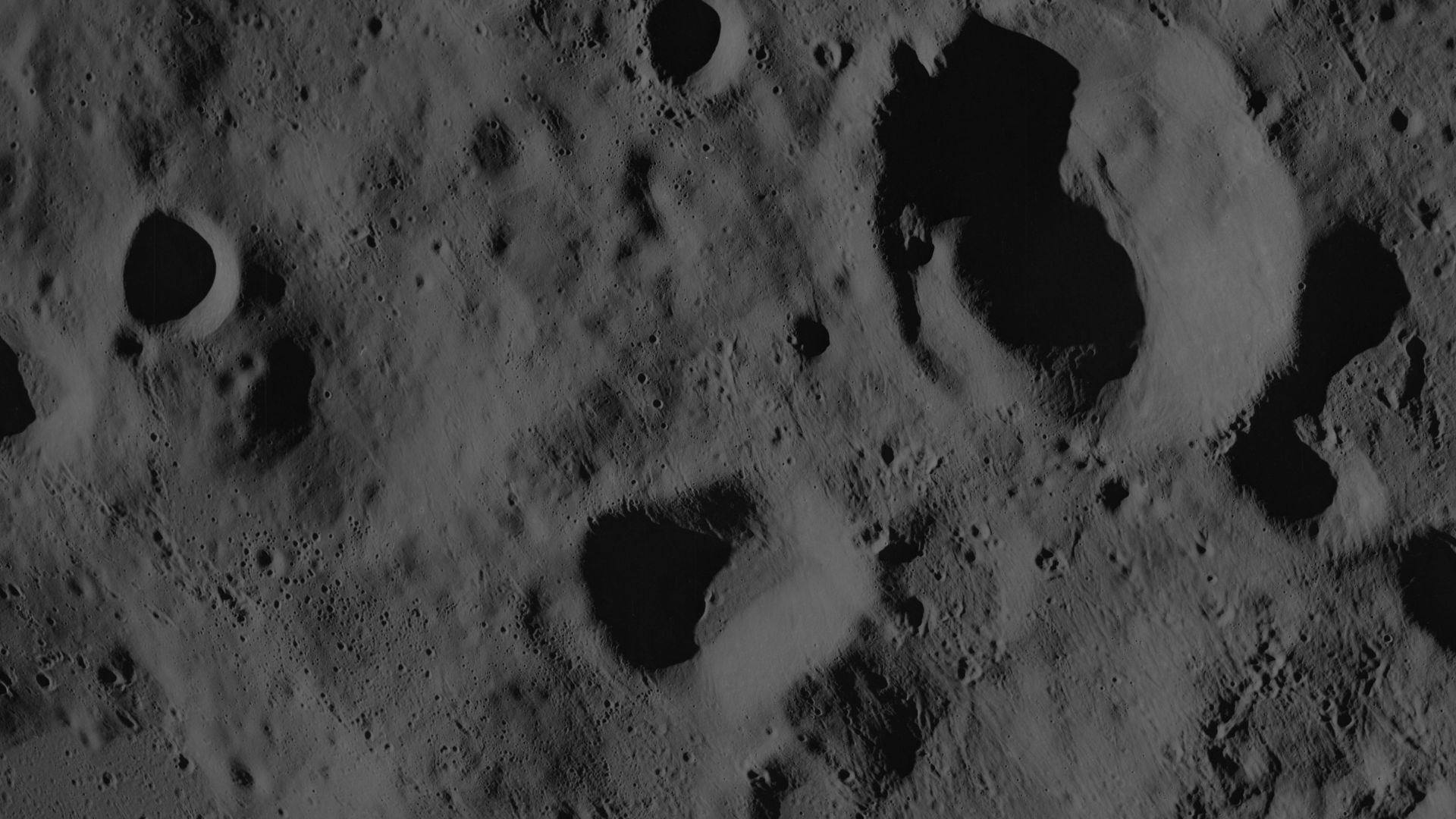 Unknown authorUnknown author or not provided, Wikimedia Commons
You May Also Like:
Three Of The World’s Best Stargazing Destinations
A Harvard scientist claims he has found the exact location of heaven.
Journey Through The Universe With These Stunningly Rare Space Photos