When The Vacation Starts Feeling Like A Shift
You pictured a slow morning, maybe a coffee with a view, and absolutely no alarm clock. Your family pictured museums, monuments, boat tours, food markets, walking tours, and one more “quick stop” that somehow takes three hours. Suddenly, the vacation feels less like a break and more like a group project with sunscreen.

The Dream Was Simple
Most people do not book a vacation hoping to become a human checklist. They imagine breathing easier, sleeping better, eating something delicious, and finally stepping away from the normal routine. But once everyone starts adding must-see attractions, the plan can grow faster than a suitcase stuffed with “just in case” outfits.

Everyone Has A Different Vacation Brain
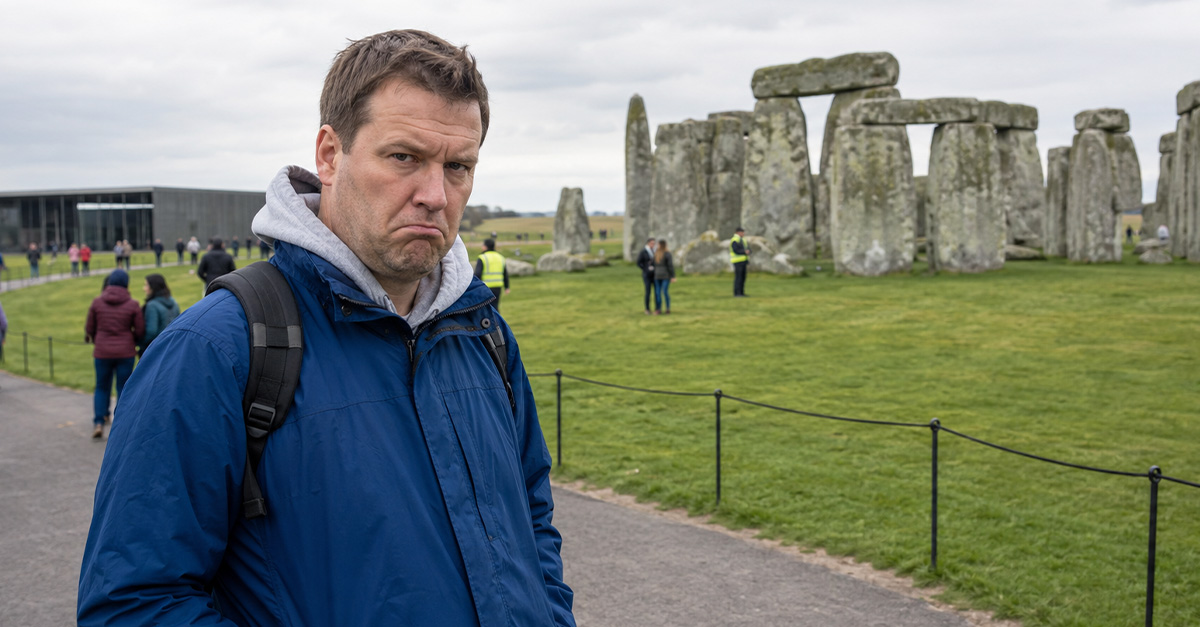
One person sees a famous landmark and thinks, “We may never be here again.” Another person sees the same landmark and thinks, “That line is longer than my will to live.” Neither person is wrong. Some travelers recharge by doing everything. Others recharge by doing almost nothing. Trouble starts when those styles collide.

The Tourist Attraction Trap
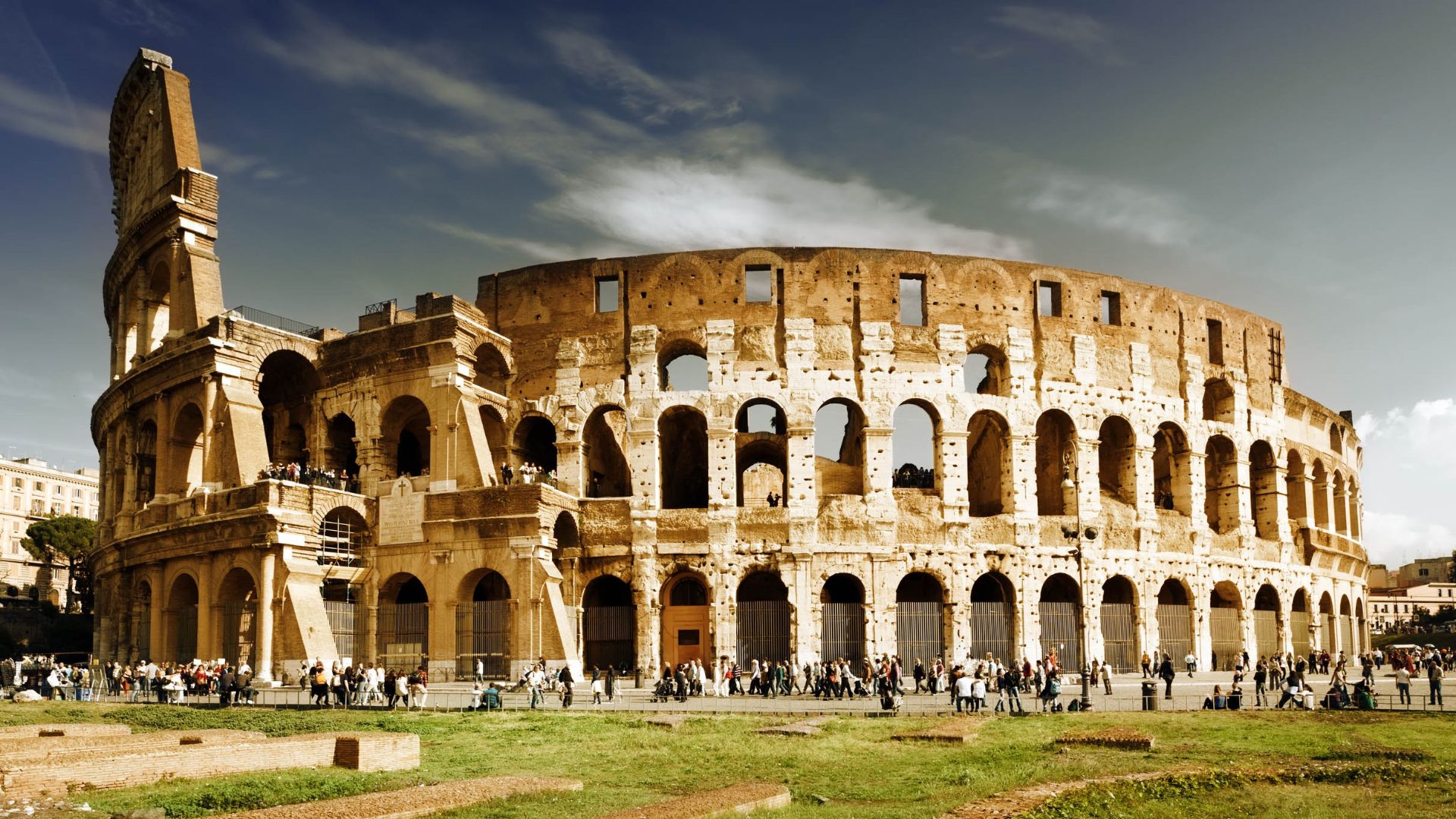
Tourist attractions are popular for a reason. Big sights, famous museums, historic streets, and scenic viewpoints can be genuinely worth visiting. The problem begins when every attraction becomes mandatory. Instead of enjoying the trip, the family starts racing from one place to another, afraid of missing anything while missing the mood completely.
Vacation FOMO Is Real
Vacation fear of missing out can be surprisingly powerful. People think, “We came all this way, so we have to see it.” That sentence has probably ruined more relaxing afternoons than bad weather. It turns travel into a test, where every skipped attraction feels like a failure instead of a choice.
The Schedule Slowly Takes Over
At first, the itinerary seems harmless. Breakfast at 8, museum at 10, lunch at noon, walking tour at 2, sunset viewpoint at 6. Then transportation takes longer, someone gets hungry, someone loses their sunglasses, and suddenly everyone is speed-walking through paradise with the emotional energy of airport security.

Rest Starts Looking Lazy
One of the strangest things about family vacations is how relaxation can start to look suspicious. If one person says, “I might stay at the hotel today,” the group may act like they announced plans to abandon civilization. Rest is not laziness. Rest is one of the main reasons vacations exist.

The Family Dynamic Comes Along
Unfortunately, you do not leave family dynamics at the departure gate. The planner still plans. The peacemaker still smooths things over. The impatient person still checks the time. The person who needs quiet still needs quiet. Travel simply puts everyone together in a smaller space with fewer clean socks.

Group Travel Means Constant Compromise
Traveling with family means sharing rooms, meals, transportation, budgets, and decisions. That is a lot of compromise before anyone even chooses a restaurant. When every day requires group agreement, small choices can feel oddly exhausting. Sometimes the most tiring part of sightseeing is not the walking. It is the negotiating.
The Relaxing Day Becomes A Battle
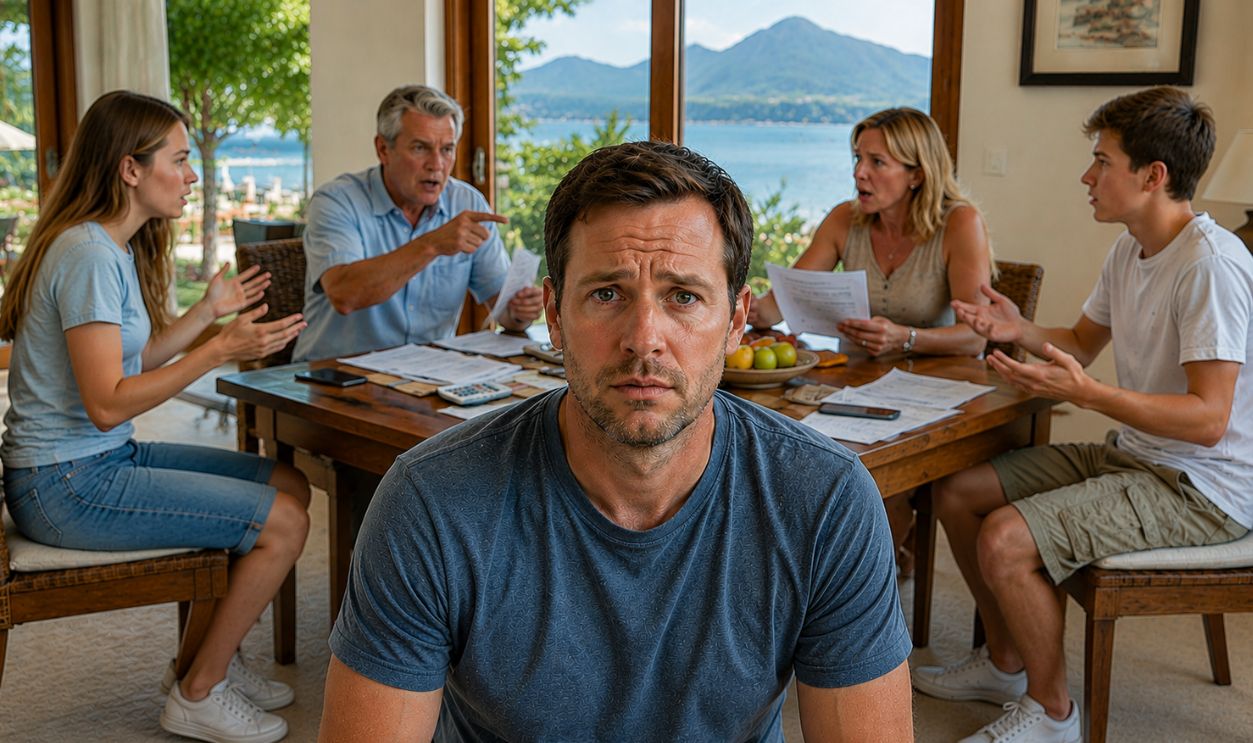
A relaxing day sounds simple until everyone has an opinion about it. One person wants the beach. One wants shopping. One wants a historic site. One wants to “just see one more thing.” Before long, the relaxing day needs a spreadsheet, a meeting, and possibly a neutral mediator wearing flip-flops.

Too Much Togetherness Can Backfire
Family vacations often come with the sweet idea of bonding. That can happen, of course. But nonstop togetherness can also make everyone a little prickly. Even people who love each other deeply may need an hour alone, a quiet lunch, or the freedom to wander without explaining their bladder schedule.

Downtime Is Part Of The Destination
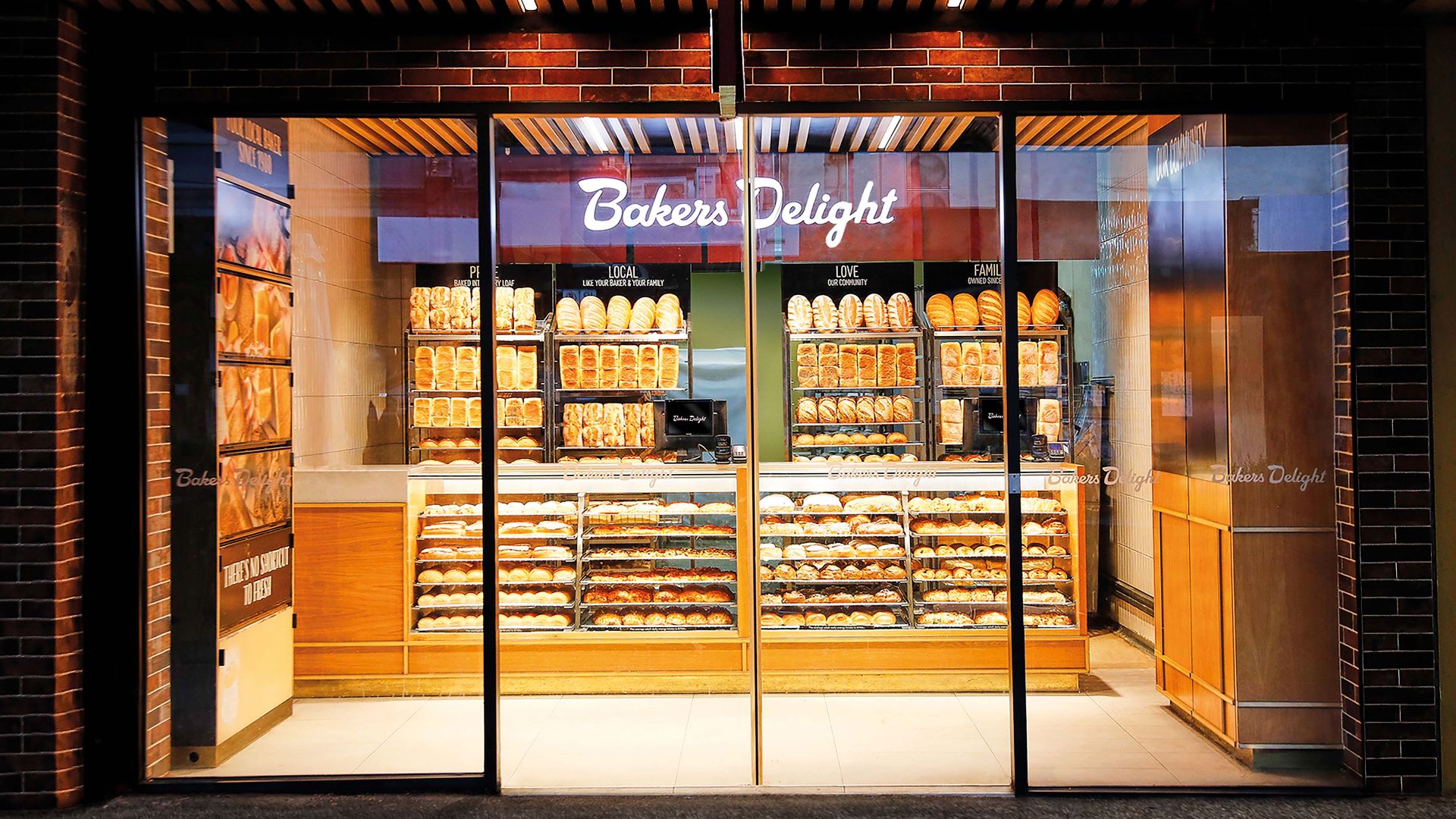
A quiet afternoon is not wasted travel time. It is when you notice the little things: the street music, the shape of the clouds, the local bakery, the way the city sounds after lunch. Sometimes the best vacation memories are not the famous stops. They are the pauses between them.
 Lucilabraga, Wikimedia Commons
Your Body Keeps Score
Vacations can involve early mornings, long walks, unfamiliar beds, heavy meals, heat, crowds, and travel delays. That wears people down. When bodies get tired, tempers shrink. Suddenly, someone snapping over lunch is not really about the sandwich. It is about running on four hours of sleep and museum-floor legs.

Kids And Adults Burn Out Differently
Children may melt down loudly, dramatically, and somewhere inconvenient. Adults often do the same thing, just with tighter smiles and passive-aggressive comments about the schedule. Everyone has limits. A successful family trip pays attention to those limits before the day turns into a scenic argument.

The Itinerary Needs Breathing Room
A good vacation plan should have space in it. Not every hour needs a purpose. In fact, the empty parts are often what save the trip. Leaving room for naps, slow meals, surprises, or simply doing nothing can make the planned activities more enjoyable instead of turning them into chores.

Try The One Big Thing Rule
One helpful approach is choosing one major activity per day. That might be a museum, a tour, a theme park, or a famous landmark. Everything else becomes optional. This keeps the trip from becoming a race and gives everyone room to enjoy the day instead of surviving it.
Split Up Without Guilt
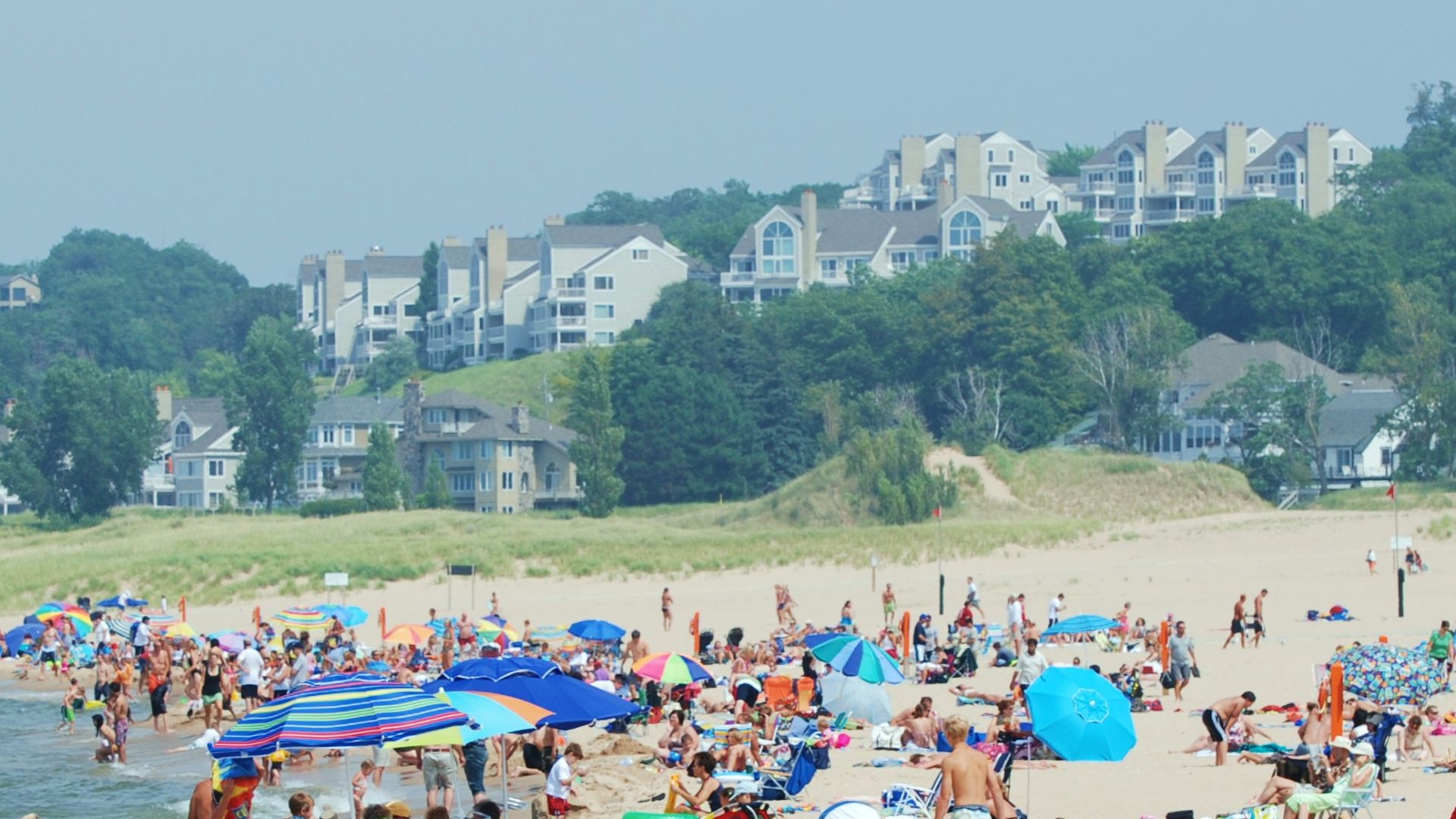
Families do not have to move as one giant travel blob. Some people can visit the fortress while others sit by the pool. Some can shop while others nap. Splitting up for a few hours is not rude. It can be the reason everyone reunites later in a much better mood.
Make Relaxation Official
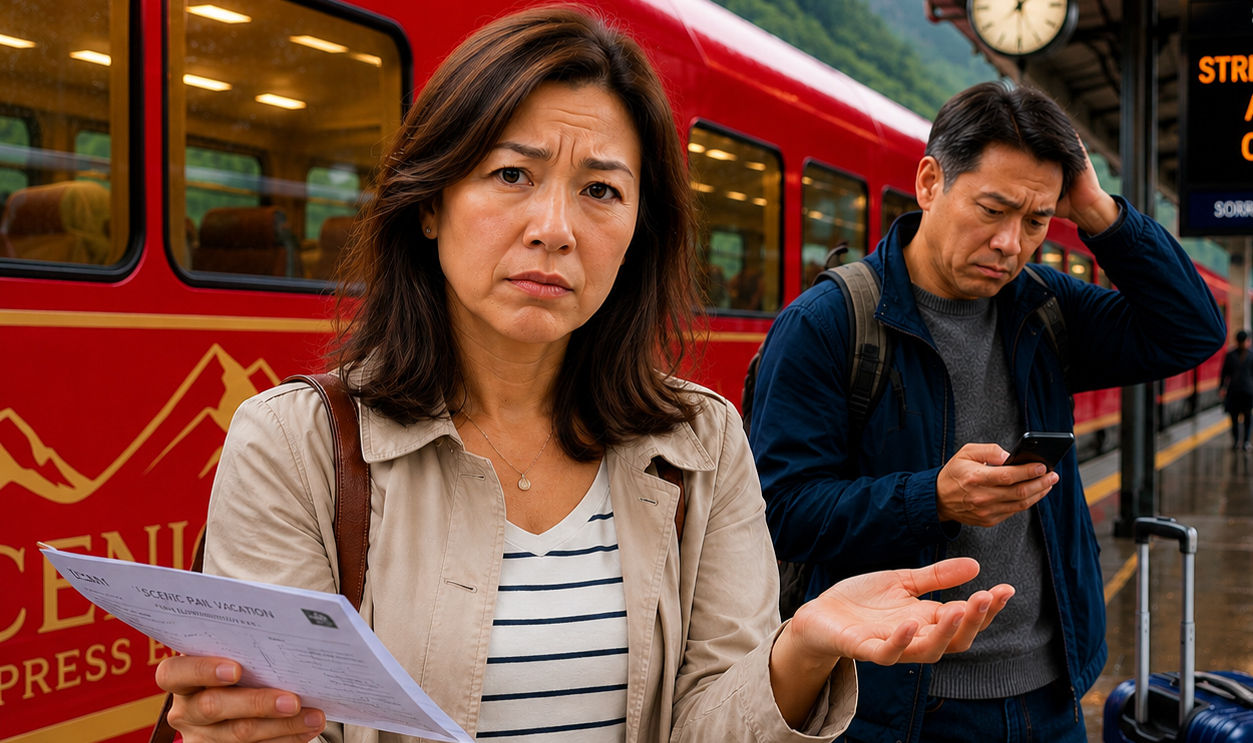
If relaxation is important, put it on the itinerary like anything else. Call it “pool afternoon,” “slow morning,” or “no-plans day.” When downtime is treated as a real plan, it becomes harder for others to overwrite it with “just one quick stop” that requires three buses and emotional stamina.

Speak Up Before You Snap
It is better to say, “I need a slower day tomorrow,” than to explode outside a gift shop while holding a melted ice cream. Be honest early. Most families respond better to a calm request than a dramatic vacation courtroom scene where everyone suddenly becomes an expert witness.

Use Kind But Clear Language
You can say, “I really want everyone to enjoy the trip, but I also need some rest.” That sounds very different from, “You people are ruining my vacation.” The first invites compromise. The second may lead to a silent dinner where everyone aggressively passes the bread basket.

Plan For Different Energy Levels
Not everyone travels with the same battery life. Some people can walk ten miles and still ask what is next. Others need a chair after the hotel lobby. A smart family trip includes both high-energy days and low-energy days, so nobody feels dragged around like a tired suitcase.

Beware The Perfect Vacation Myth
Social media makes vacations look effortless. Nobody posts the part where everyone argues over breakfast, gets lost, or spends $14 on water. The pressure to have a perfect trip can make normal travel stress feel like failure. Real vacations are messy. That does not mean they are bad.

Memories Need Mood, Not Just Location
Seeing famous places is wonderful, but memories are shaped by how people feel. A tired, resentful family standing in front of a famous monument may remember the argument more than the view. A relaxed family eating sandwiches in a park may talk about that lunch for years.

The Best Trips Have Balance
The sweet spot is usually somewhere between adventure and rest. See the special things. Take the photos. Try the local food. But also sleep in once. Sit down without guilt. Let the day unfold sometimes. A vacation should feel like life got lighter, not like your calendar followed you.

It Is Okay To Want Less
Wanting one quiet day does not make you boring, ungrateful, or difficult. It makes you human. Travel is exciting, but it is also tiring. Asking for rest is a reasonable request, especially when the whole point of going away is to return feeling better than when you left.
 Soloviova Liudmyla, Shutterstock
Build A Trip Everyone Can Actually Enjoy
Before the next family vacation, talk about travel styles early. Ask who wants sightseeing, who wants rest, and who needs flexibility. Agree on must-do activities, optional activities, and protected downtime. The best itinerary is not the busiest one. It is the one people can enjoy without quietly plotting escape.

The Real Souvenir Is Sanity
So yes, vacations can absolutely become stressful, especially when everyone treats the trip like a tourist attraction marathon. But they do not have to stay that way. With honest planning, a little independence, and at least one glorious day of doing almost nothing, a family vacation can feel like a vacation again.

You May Also Like:
What did Neanderthals sound like? Scientists think they've finally figured it out.