Not Exactly The Caveman You Were Expecting
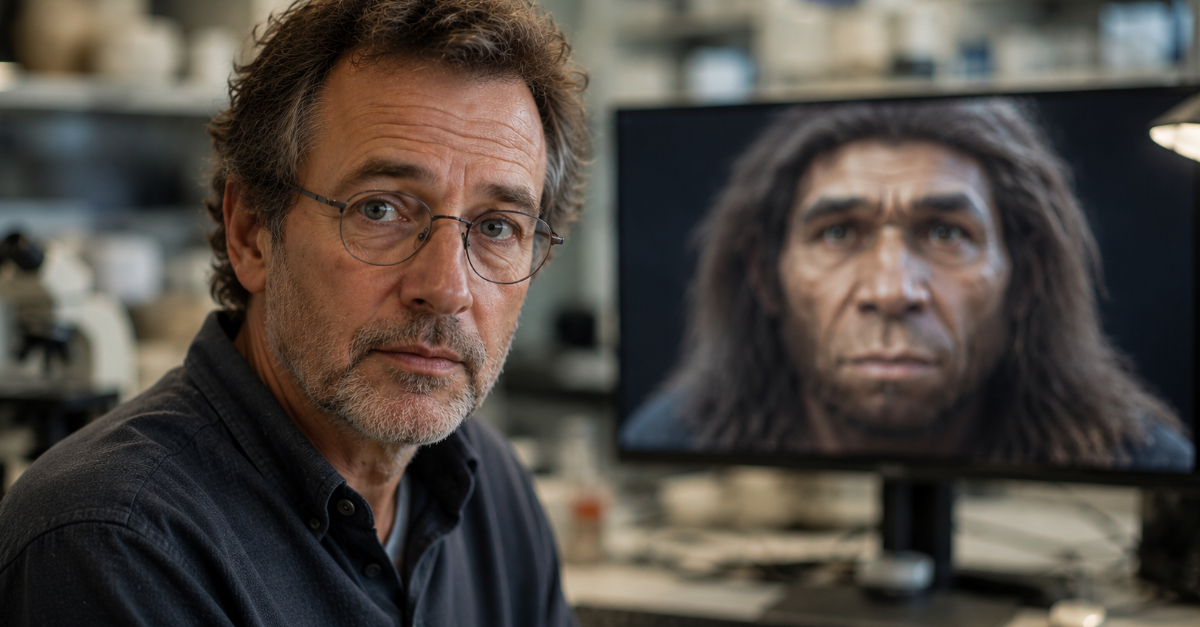
For as long as most of us can remember, Neanderthals have been portrayed as grunting cave dwellers who barely knew how to communicate. But scientists now say we've been imagining them all wrong.
The Old Story Kept Falling Apart
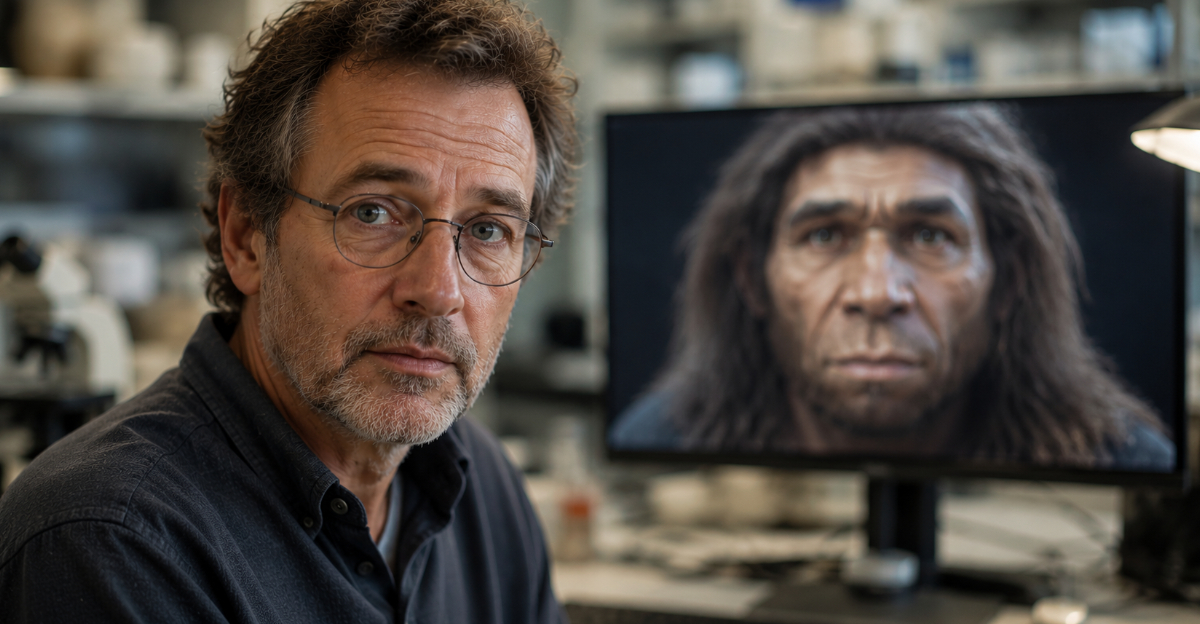
The stereotype was simple: Neanderthals were primitive, unintelligent, and communicated with little more than growls. It made for great movies, but not necessarily great science. As new discoveries piled up over the last few decades, that picture became harder and harder to defend.
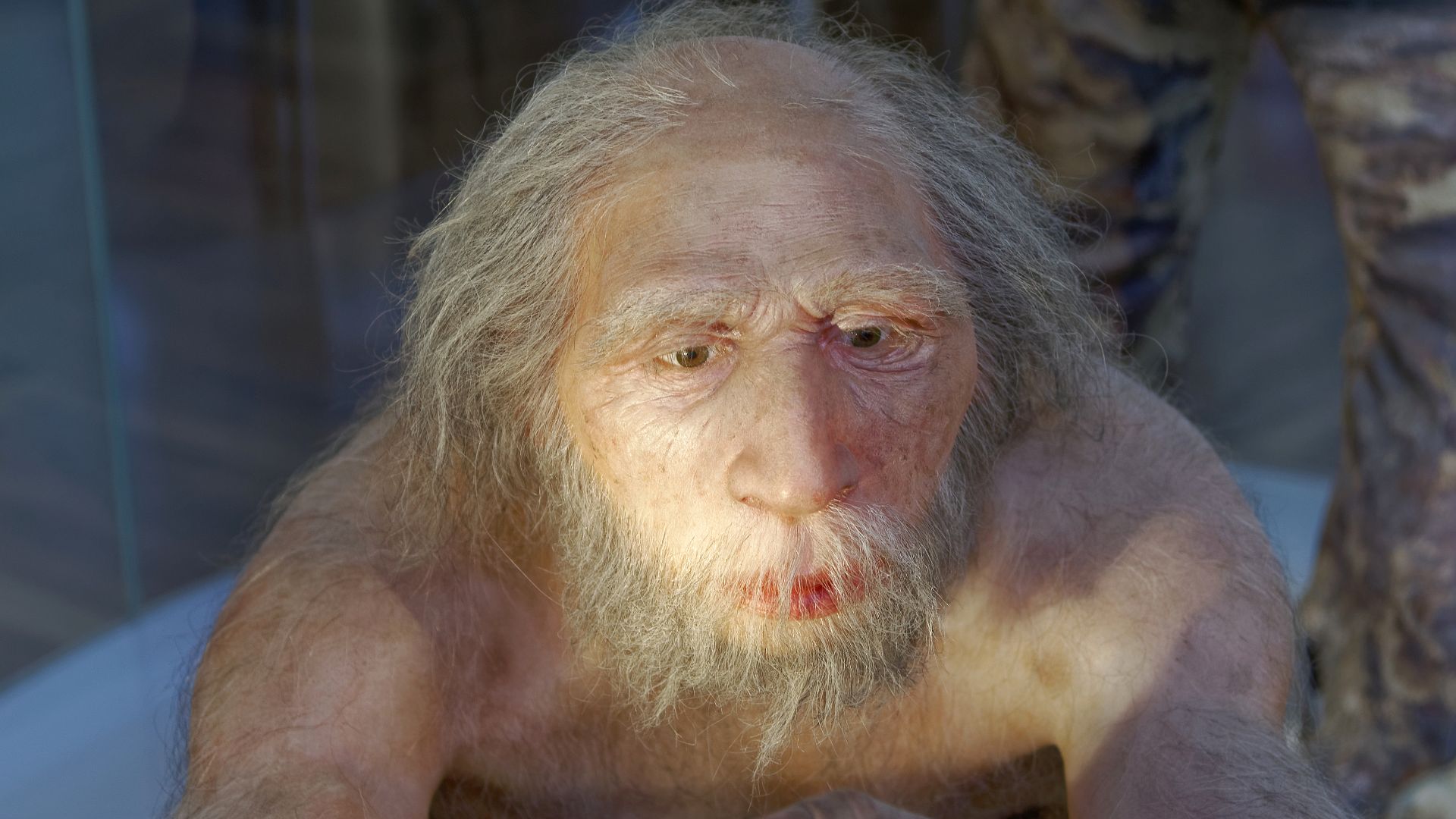 Jakub Halun, Wikimedia Commons
One Question Refused To Go Away
If Neanderthals were smarter than we gave them credit for, could they actually talk? It sounds like an impossible question. After all, voices don't fossilize. So how could anyone know what someone sounded like more than 40,000 years after they disappeared?

The First Clue Was Hiding In Their Bones
Scientists started with the one thing they did have: Neanderthal skeletons. Among them was a tiny horseshoe-shaped bone called the hyoid, which helps support the tongue and muscles used for speech. It turned out to be one of the most important clues scientists have ever found in the search to understand Neanderthal speech.
 National Institute of Allergy and Infectious Diseases, Unsplash
That Tiny Bone Changed The Conversation
The famous Kebara 2 hyoid bone, found in Israel, looked almost identical to one in a modern human. Even more surprising, computer analysis suggested it functioned much the same way. Suddenly, the idea that Neanderthals were limited to simple grunts didn't fit the evidence anymore.
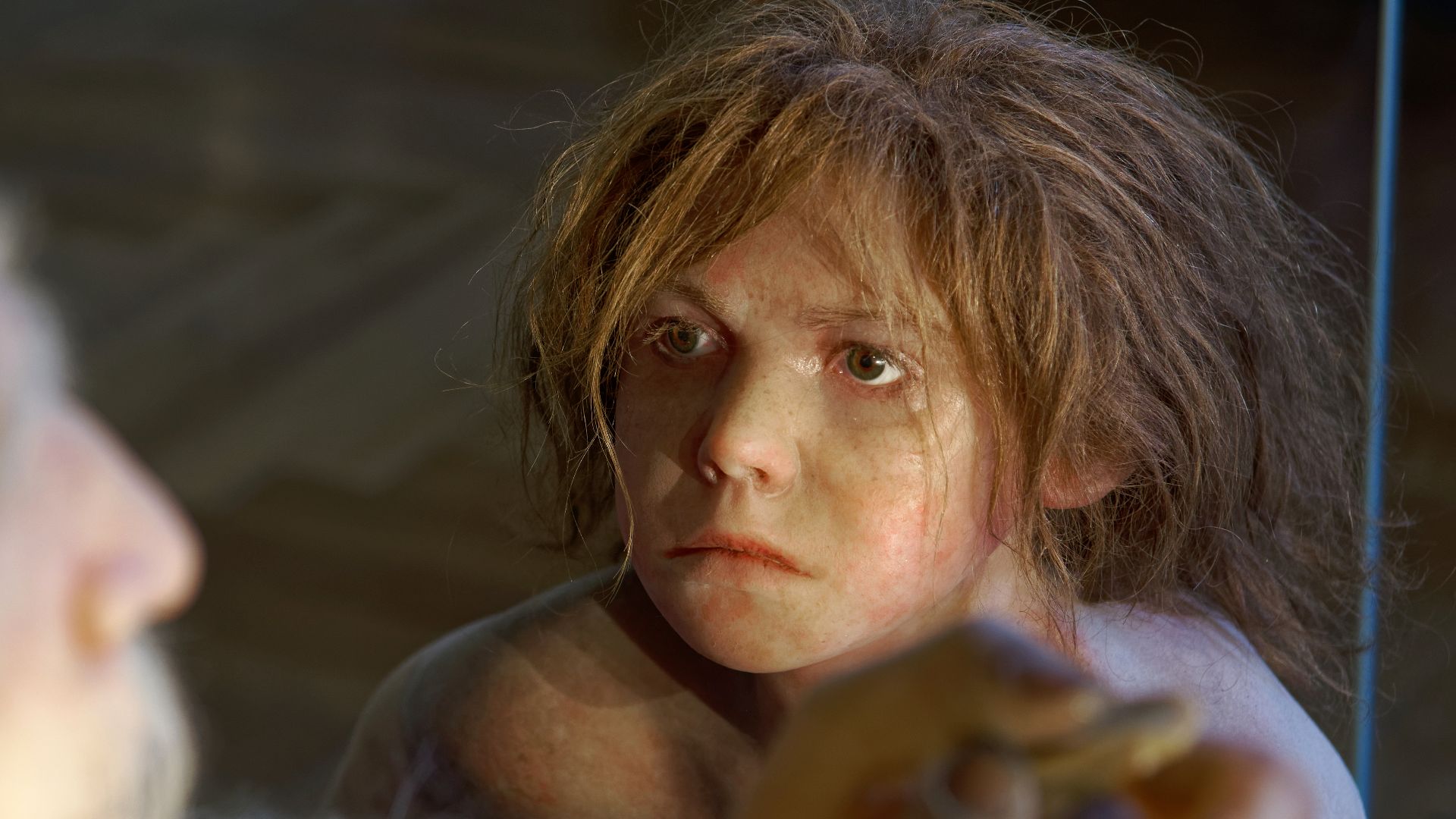 Jakub Halun, Wikimedia Commons
But Scientists Still Weren't Convinced
One fossil wasn't enough to settle a debate this big. Critics argued that having the right anatomy doesn't necessarily mean someone actually used complex speech. So researchers went looking for an entirely different kind of evidence—and it came from an unexpected place.
 National Institute of Allergy and Infectious Diseases, Unsplash
Their Hearing Looked Remarkably Familiar
Using digital reconstructions of the inner ear, scientists found Neanderthals were especially sensitive to many of the same sound frequencies used in modern human speech. Scientists have long argued that species tend to hear the sounds most important to them, making this an intriguing clue that speech played an important role in Neanderthal life.
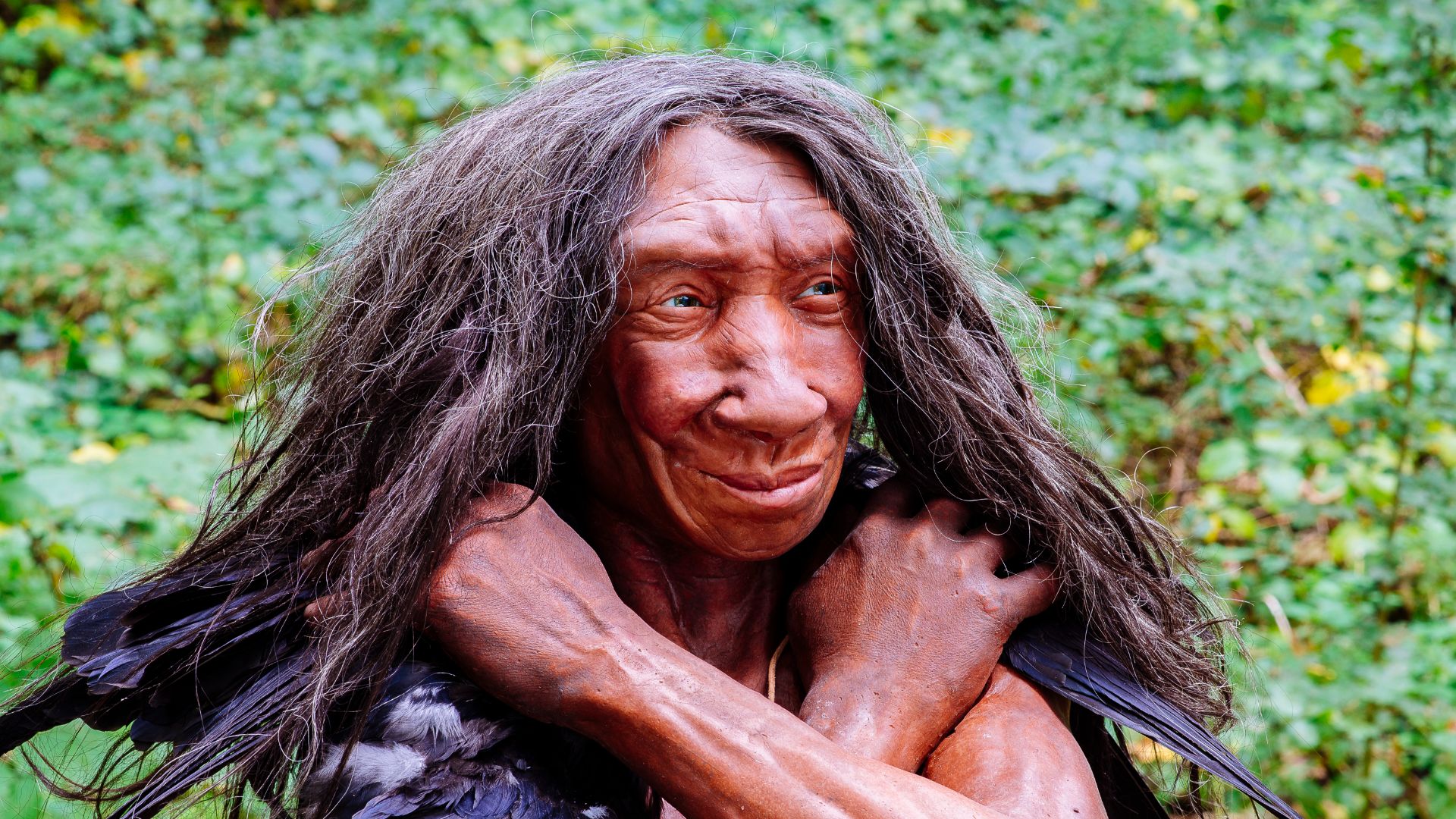 Neanderthal-Museum, Mettmann, Wikimedia Commons
One Tiny Detail Made The Finding Even Stronger
The study also suggested Neanderthals were especially good at hearing consonant-heavy sounds. That matters because consonants carry much of the information in spoken language. If Neanderthals could clearly distinguish those sounds, it becomes much harder to argue they relied only on simple vocal calls.
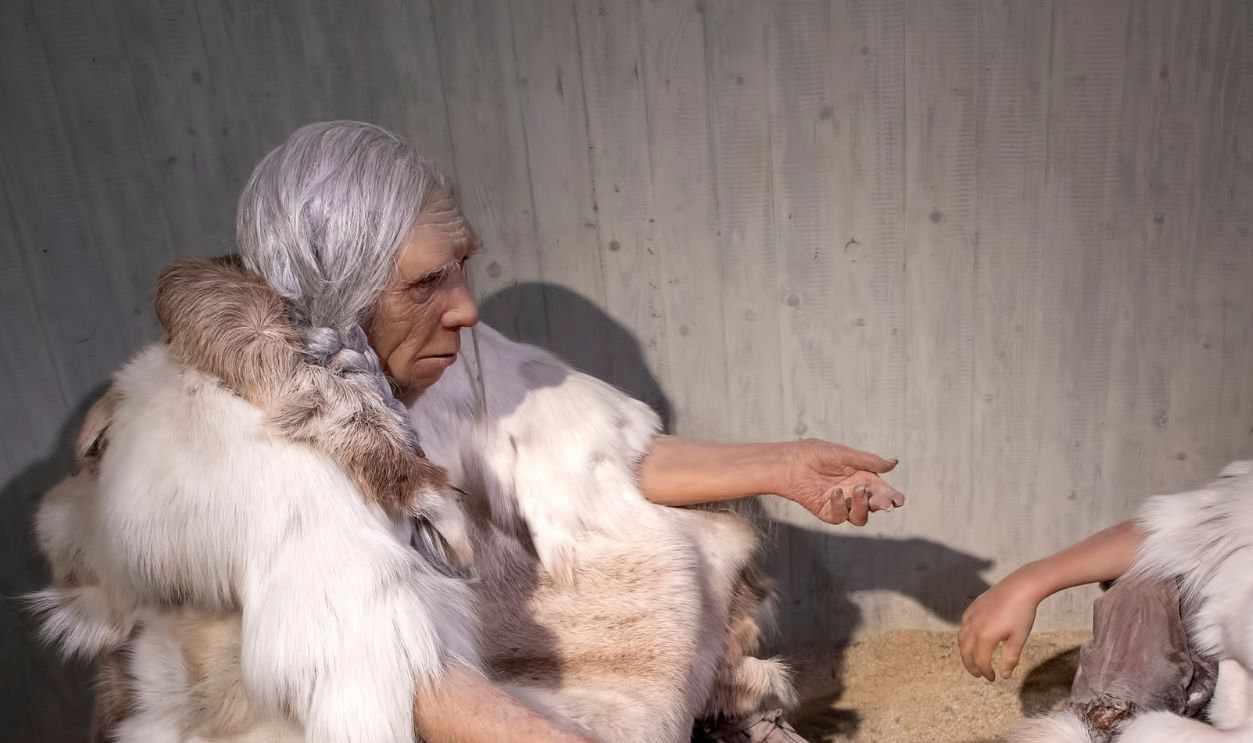
Scientists Actually Thought They Couldn't Say "A"
For years, one influential theory argued Neanderthals couldn't produce some of the vowel sounds modern humans use every day because of differences in their vocal tract. But newer fossils, better scans, and improved computer models have gradually chipped away at that idea, shifting scientific opinion toward much more human-like speech abilities.

Then DNA Entered The Picture
Just when the fossil evidence was becoming convincing, genetics added another piece to the puzzle. Researchers discovered Neanderthals carried the same version of the FOXP2 gene found in living humans. That immediately caught scientists' attention—but not for the reason you might think.

Why One Gene Got Everyone's Attention
FOXP2 is often called the "speech gene," although that's an oversimplification. It doesn't create language by itself, but it plays an important role in the brain's ability to coordinate the movements needed for speech. Finding the same version in Neanderthals made the case for complex vocal communication even stronger.
So...Did They Actually Sound Like Us?
The short answer is...probably more than anyone expected. After combining evidence from fossils, genetics, hearing, and computer models, scientists found strong evidence that Neanderthals had the anatomical and hearing capacity for complex speech-like vocal communication. But that still left one important question.
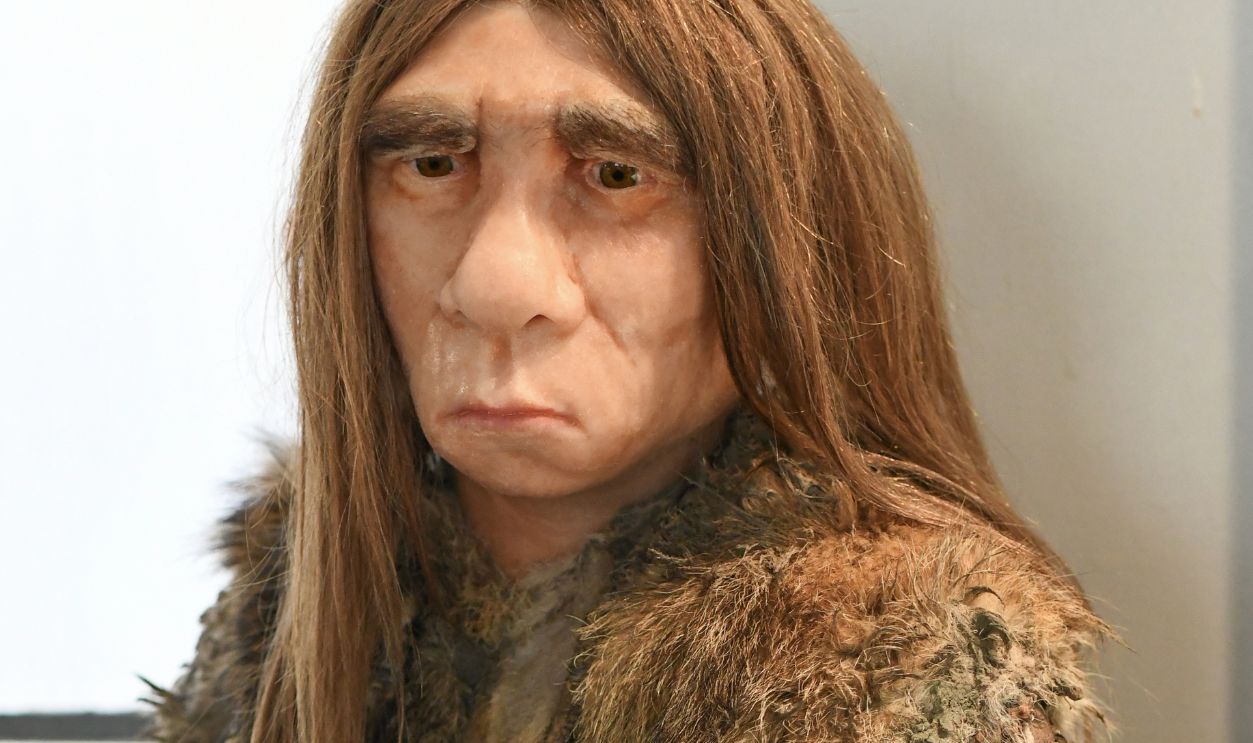
They Still Would've Sounded Different
Researchers don't think Neanderthal voices were identical to ours. Subtle differences in their vocal anatomy may have affected how certain sounds were produced, giving them voices that sounded recognizably human—but still distinctly Neanderthal.

That Answer Created An Even Bigger Mystery
If Neanderthals could speak this well, what were they actually saying? Scientists can't answer that. Voices can be estimated from anatomy, but vocabulary, grammar, and pronunciation disappeared with the last Neanderthals. Even so, their vocal abilities point toward communication that was far more sophisticated than researchers once imagined.
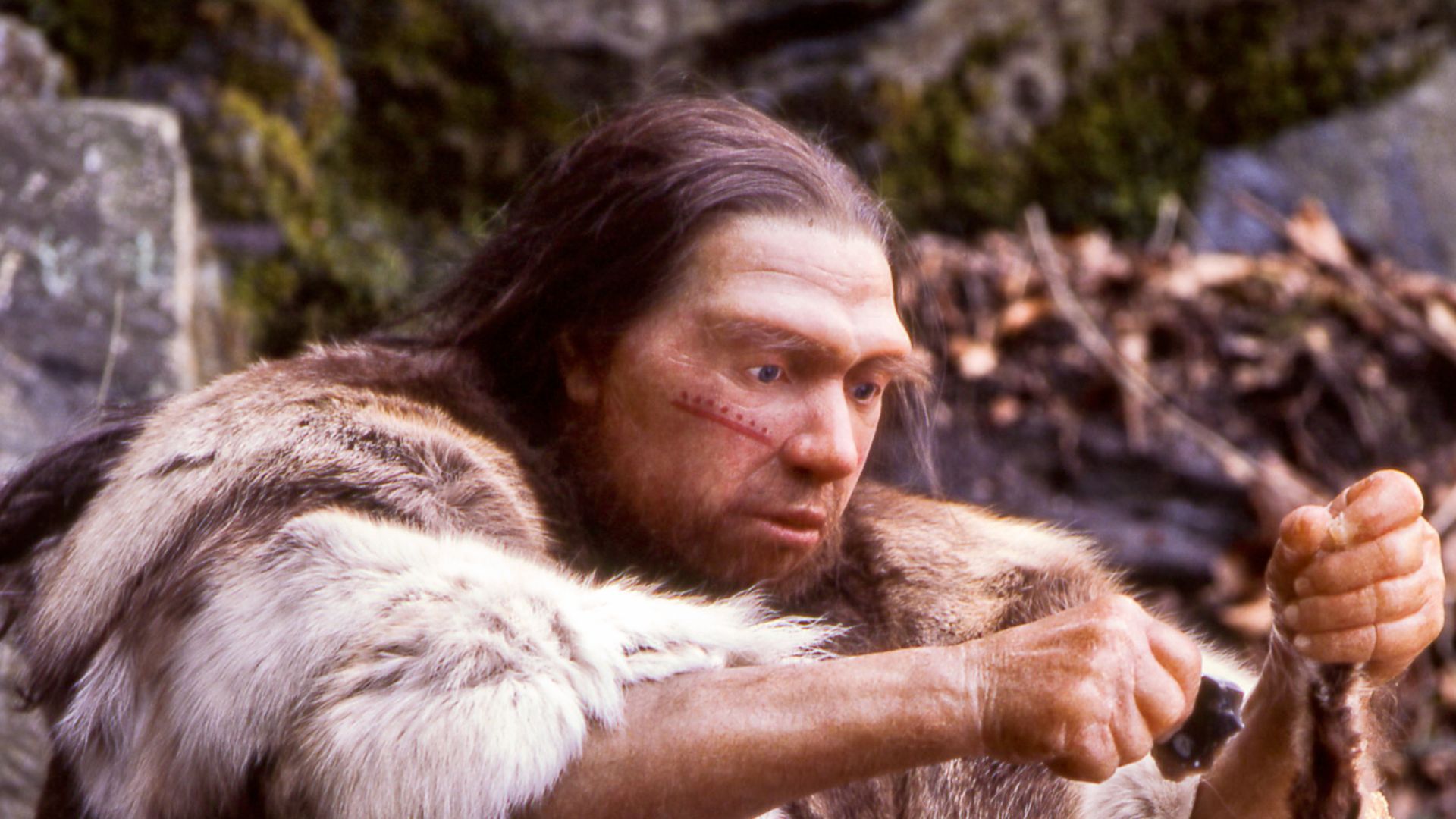 Neanderthal-Museum, Mettmann, Wikimedia Commons
Suddenly, Other Discoveries Made More Sense
If Neanderthals really could communicate this well, a lot of earlier discoveries suddenly looked different. Archaeologists had already found evidence that they planned hunts, shared knowledge, and worked together in surprisingly organized ways. Language would help explain how they pulled all of that off.
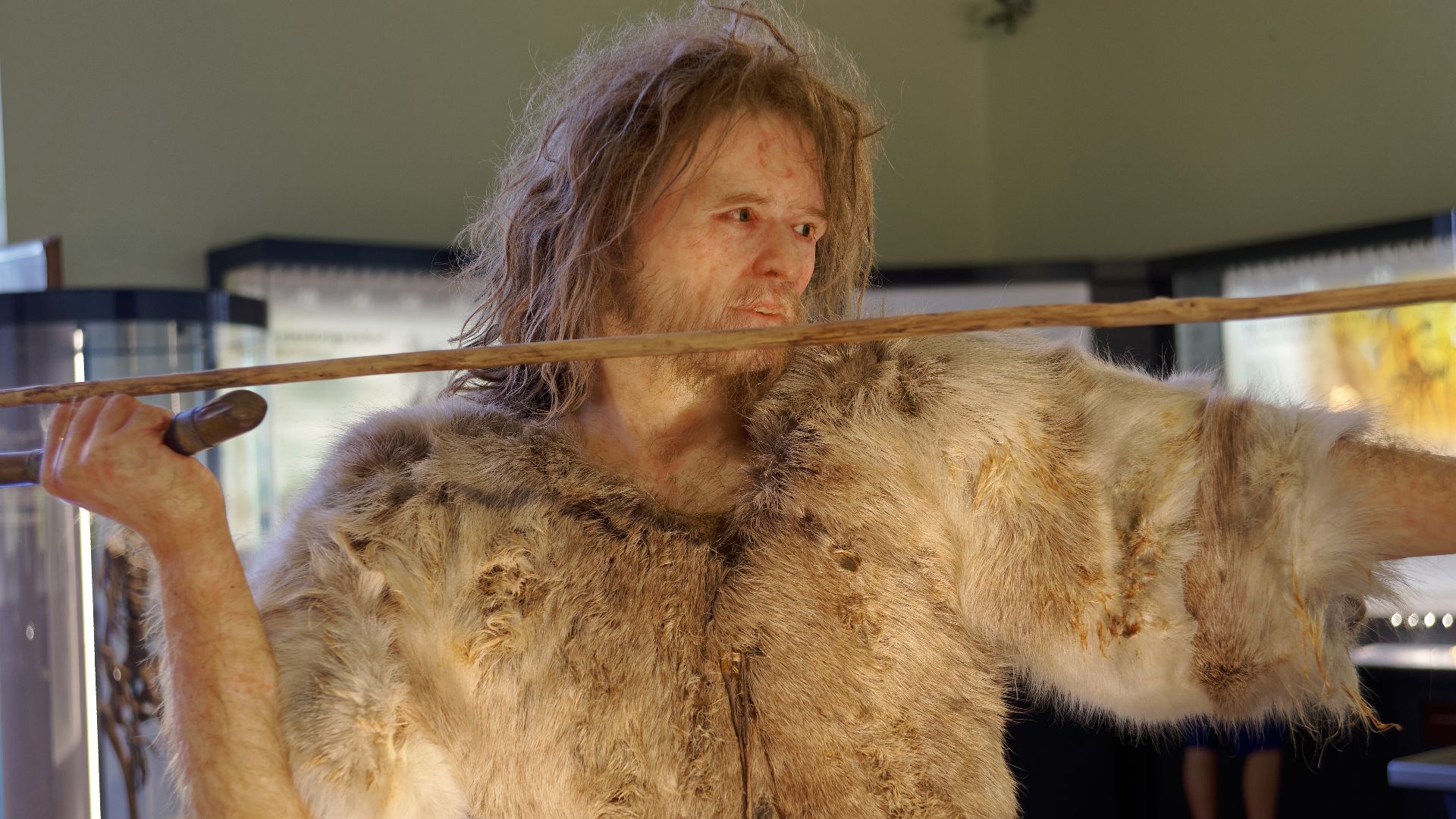 Jakub Halun, Wikimedia Commons
They Were Already Full Of Surprises
Researchers have also found evidence that Neanderthals controlled fire, made specialized stone tools, cared for injured members of their groups, created ornaments, used pigments, made adhesives from birch bark, and may even have buried their dead. None of those discoveries proves language on its own, but together they paint a picture that's very different from the old stereotype.
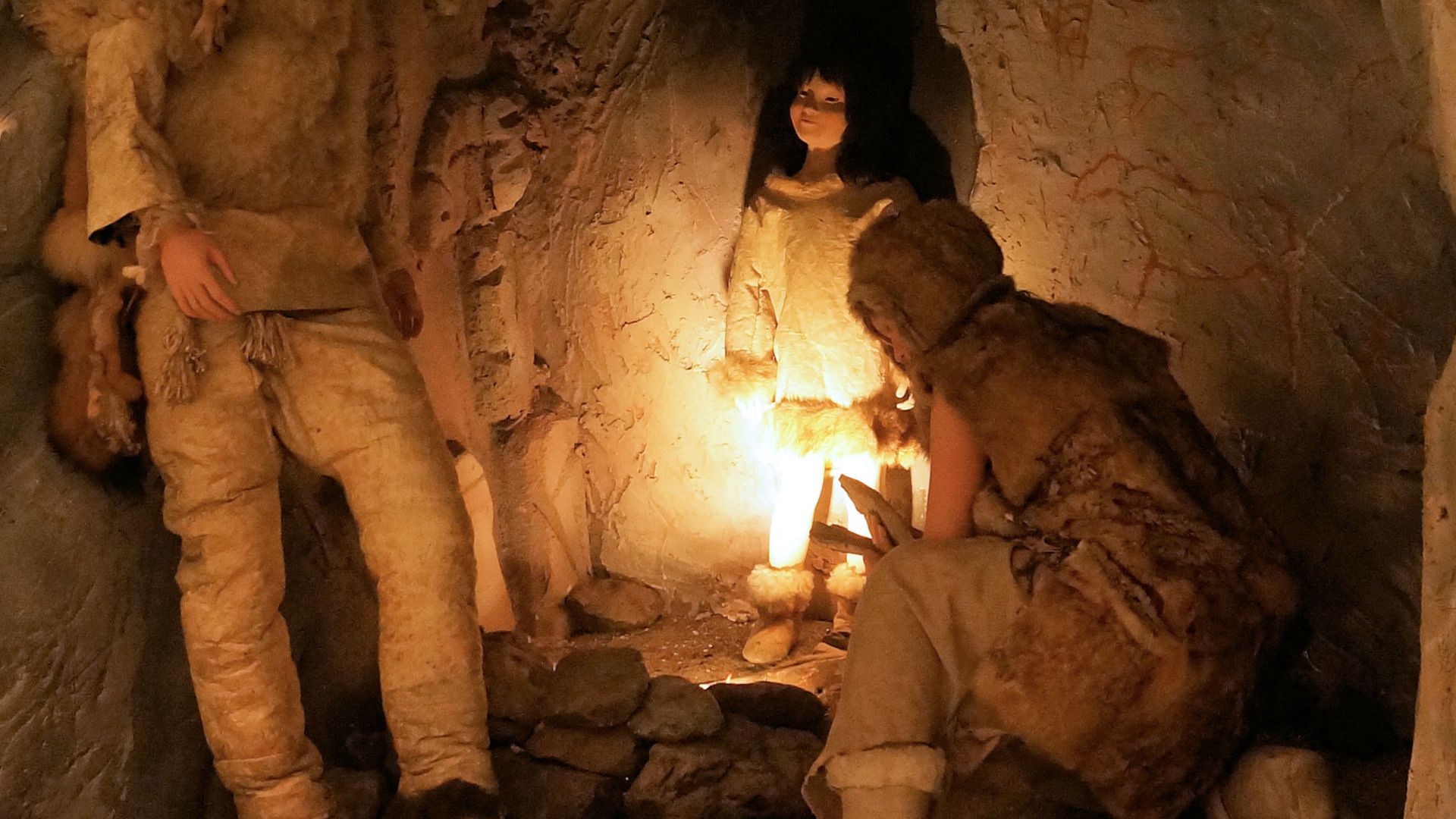
Scientists Still Stop Short Of One Claim
Even with all this evidence, most researchers stop short of saying Neanderthals had language identical to ours. Having the physical ability to produce speech doesn't automatically prove they used complex grammar, storytelling, or abstract conversations the way modern humans do.
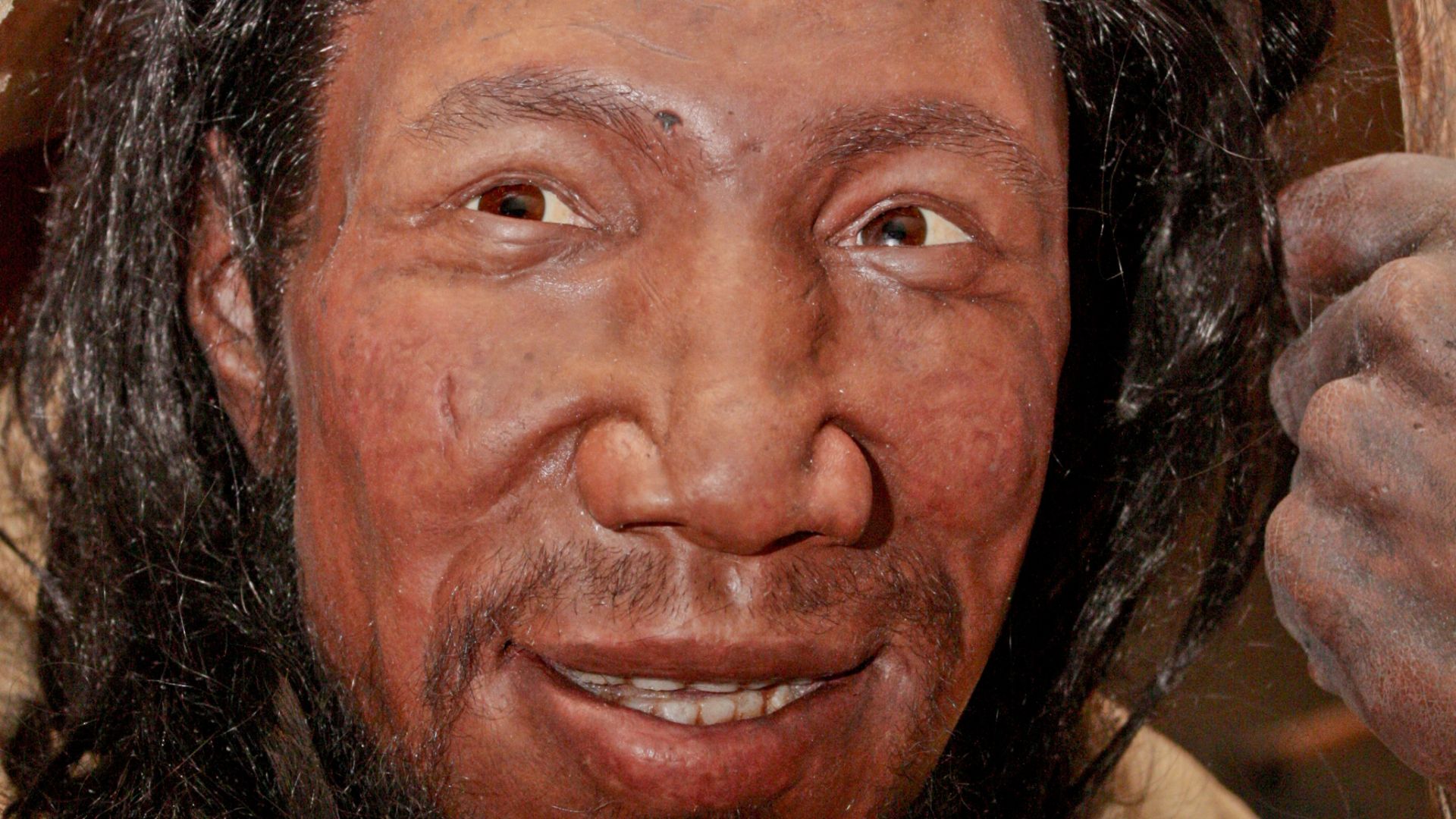 Daniela Hitzemann (photograph), Wikimedia Commons
There Was Another Clue Hiding In Our DNA
Modern humans didn't just meet Neanderthals—they had children together. Today, most people with non-African ancestry still carry around 1 to 2 percent Neanderthal DNA. That tells scientists these groups interacted closely enough to form lasting relationships over thousands of years.

We'll Probably Never Hear A Real Neanderthal Voice
No computer can perfectly recreate a voice that vanished 40,000 years ago, and scientists aren't claiming they've recovered a lost language. What they've reconstructed is something different: the sounds Neanderthals were physically capable of making. It's the closest anyone has ever come to answering a question that once seemed impossible.
 YAKOBCHUK VIACHESLAV, Shutterstock
The Biggest Surprise Wasn't Their Voice
For generations, Neanderthals were treated as humanity's dim-witted cousins. But every new discovery seems to move them a little closer to us. We may never know exactly what words they spoke, but if scientists are right, the next time you picture hearing a Neanderthal talk, it probably won't sound anything like the grunting caveman from the movies.
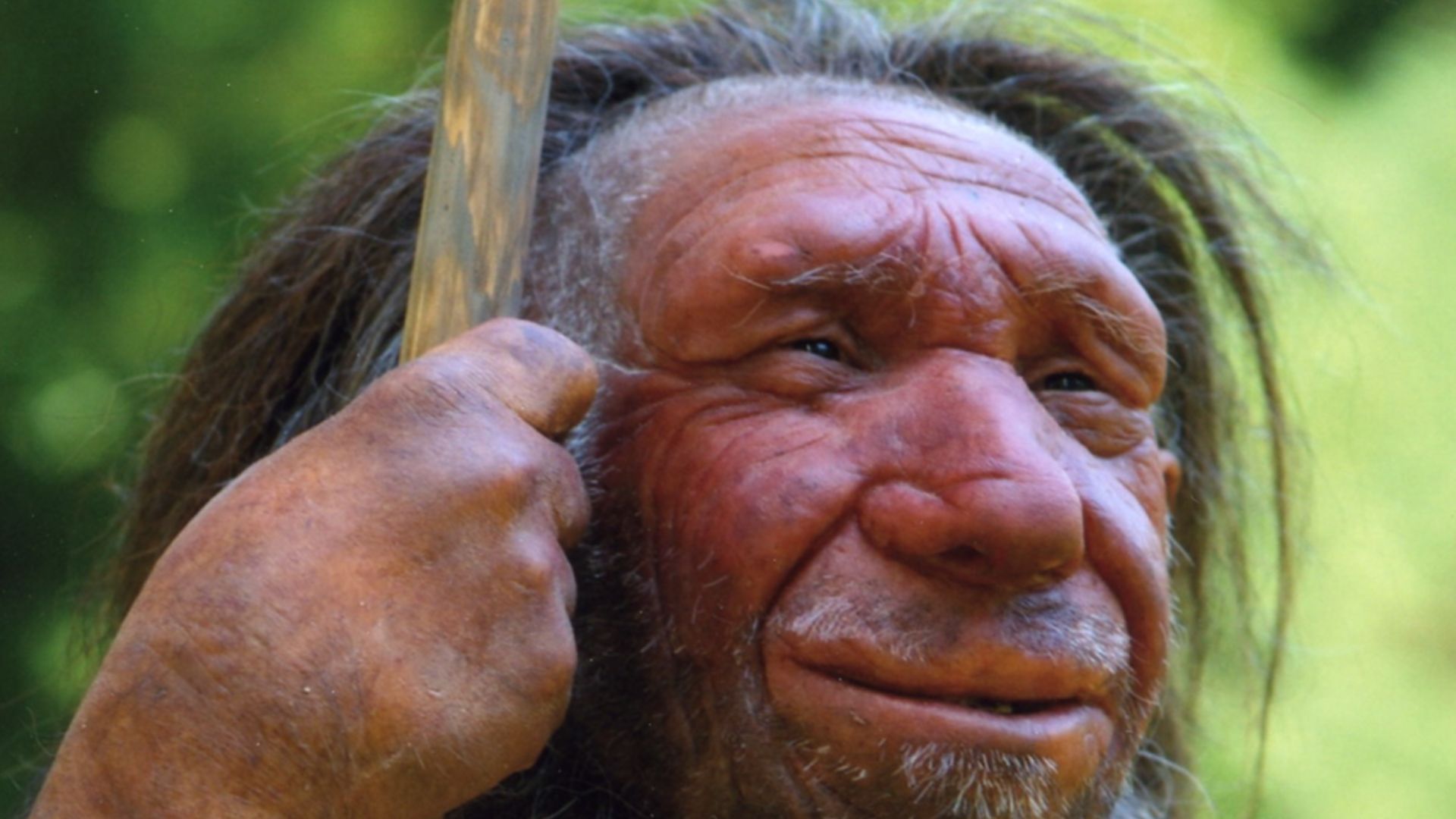 Neanderthal-Museum, Mettmann, Wikimedia Commons
You Might Also Like:
Scientists Just Identified The 30 Places Most Likely To Contain Alien Life—Ranked