
Looking For Company
For decades, scientists have been searching the universe for signs that we aren't alone. The problem—as you might imagine, is that there are a whole lot of places to look.
Recently though, researchers have narrowed the search dramatically, identifying 45 worlds that offer some of the best chances of finding alien life. We ranked the 30 most intriguing candidates.
The closer you get to number one, the more interesting things become.

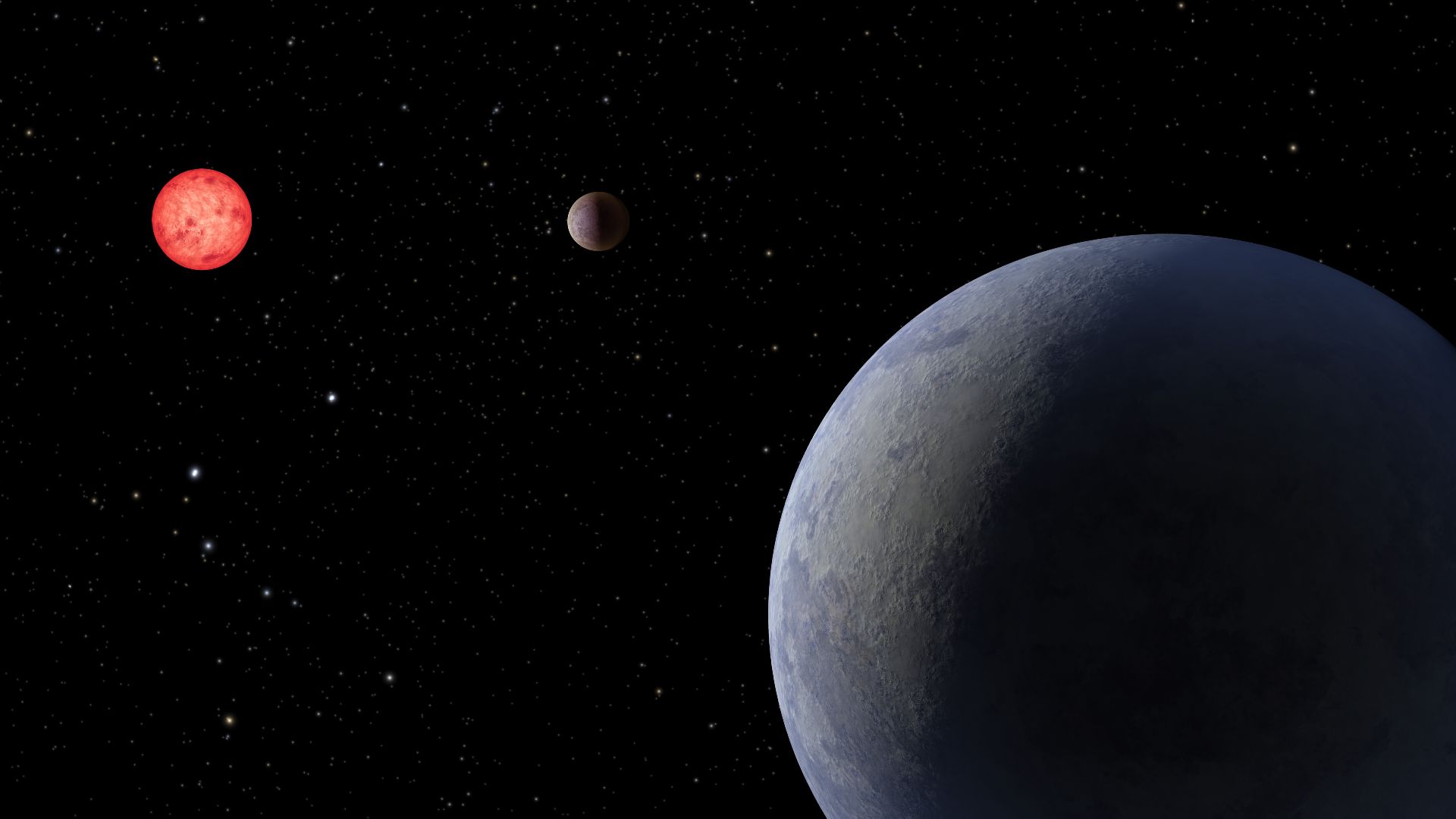
30: LP 890-9 c
This super-Earth orbits a cool red dwarf star about 100 light-years away. Scientists were excited to find it sitting within its star's habitable zone, where temperatures may allow liquid water. While little is known about its atmosphere, its location alone earned it a spot on future observation lists.
 NASA/JPL-Caltech, Wikimedia Commons
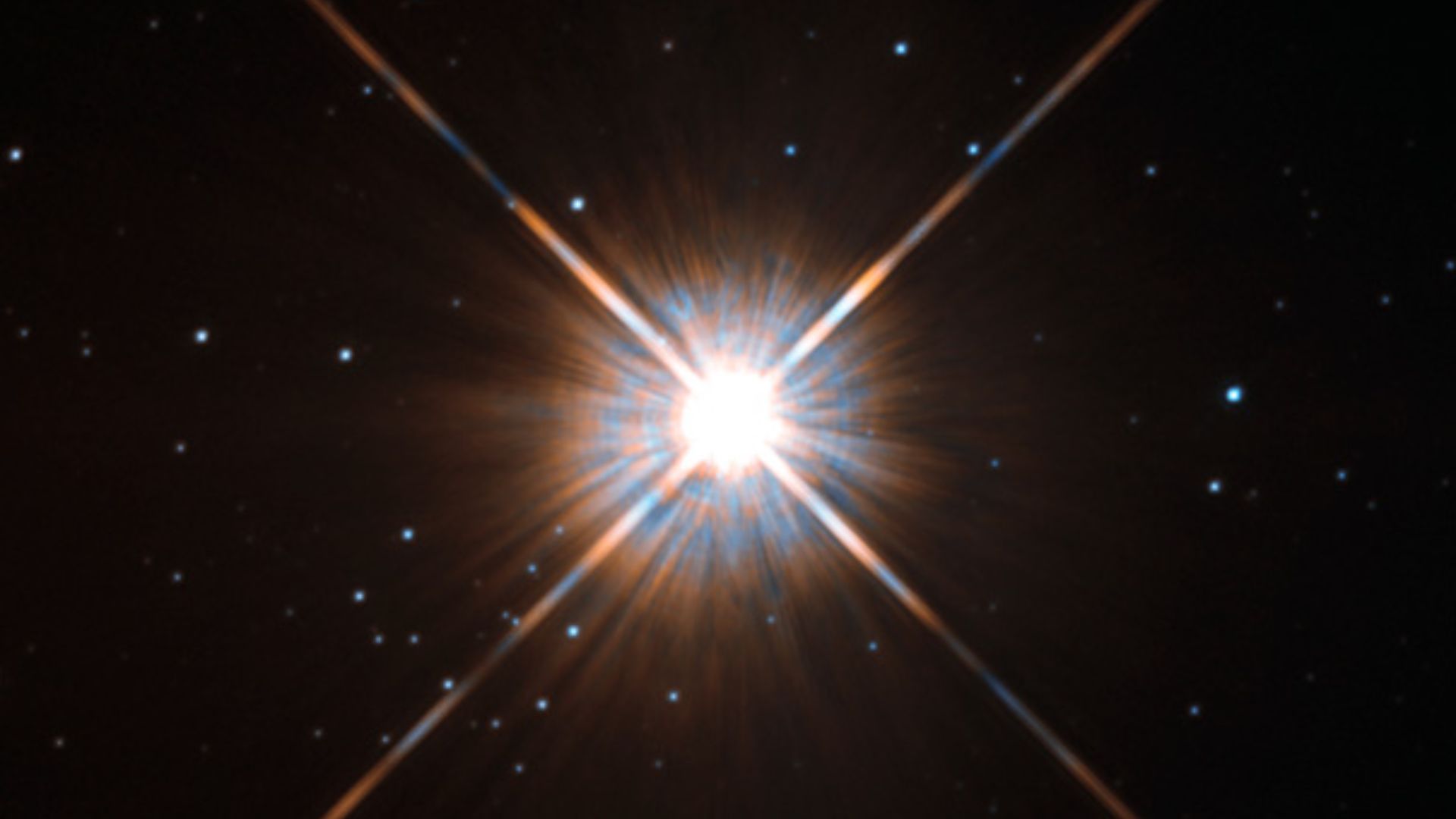
29: Ross 508 b
Ross 508 b spends part of its orbit within the habitable zone, creating a strange environment where conditions may vary dramatically throughout its year. Located roughly 37 light-years away, it remains one of the newer candidates that researchers are eager to study more closely.
 ESA/Hubble & NASA, Wikimedia Commons
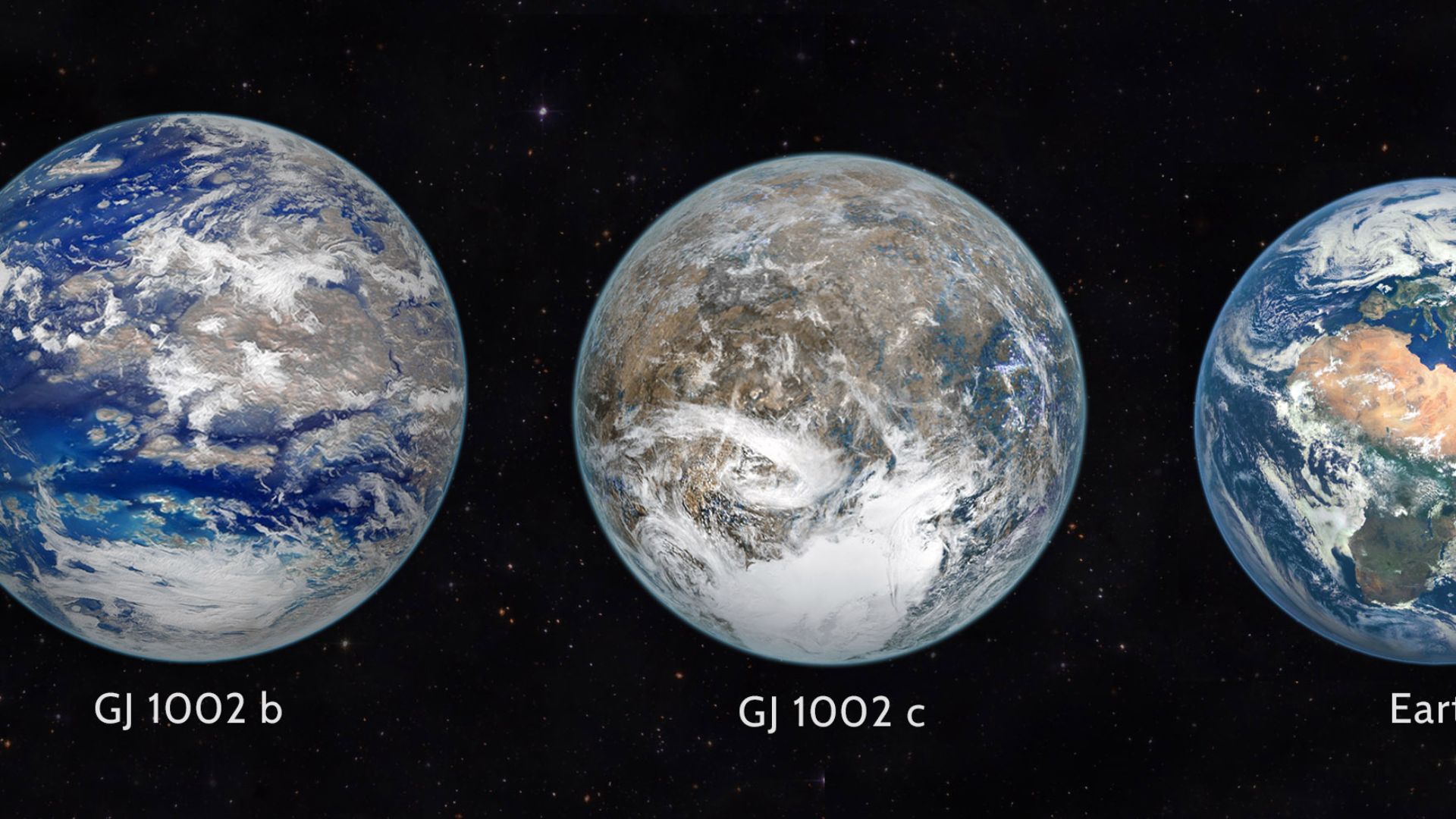
28: GJ 1002 c
One of two potentially habitable planets orbiting the nearby star GJ 1002, this world lies just 16 light-years from Earth. Its proximity makes it especially attractive because future telescopes may be able to analyze its atmosphere in greater detail.
 Martin Vargic / Halcyon Maps Utilizing public domain imagery from NASA, Wikimedia Commons
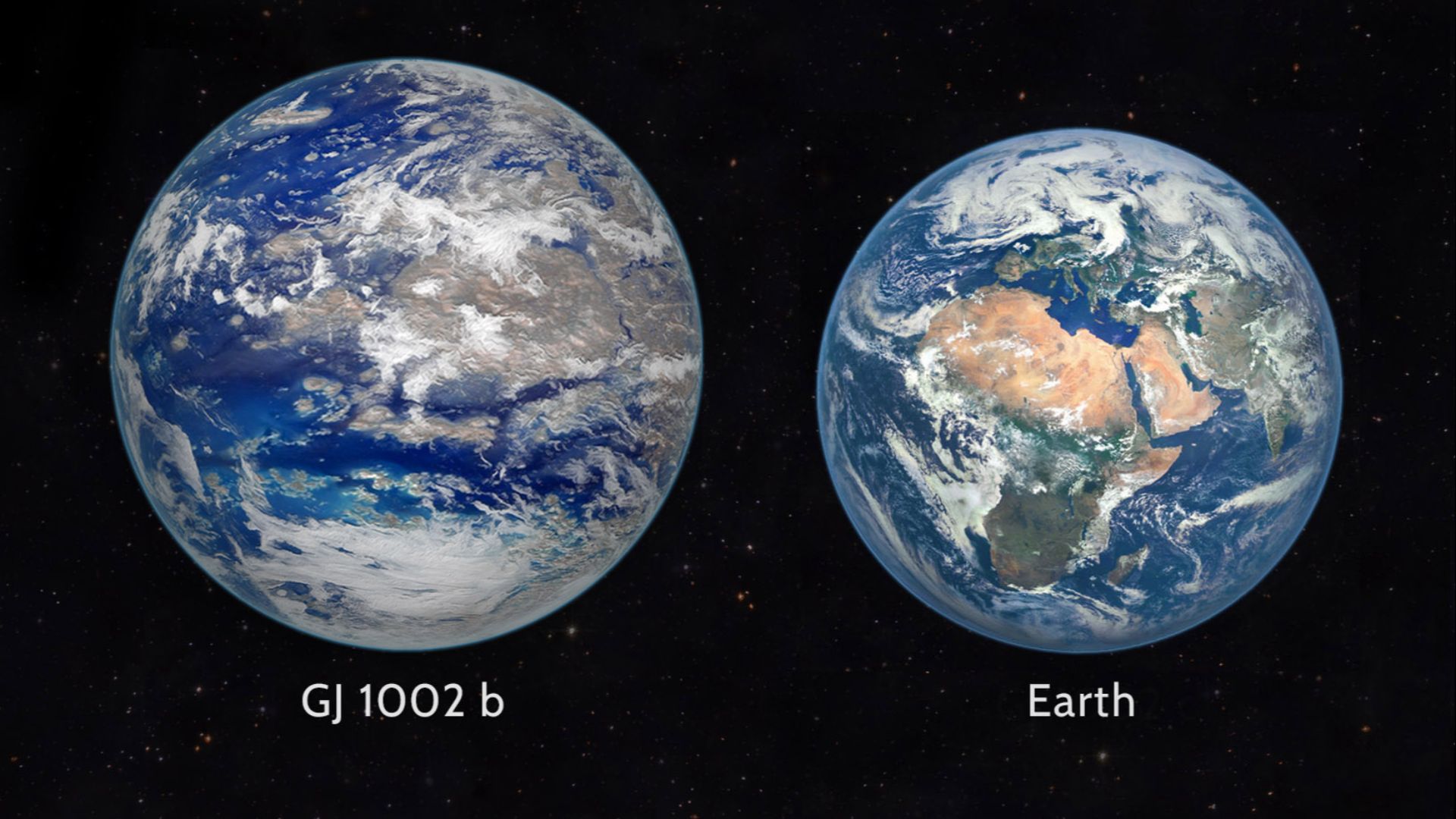
27: GJ 1002 b
The second habitable-zone candidate in the same system ranks slightly higher because it appears to receive stellar energy levels closer to what Earth experiences. Scientists consider the entire GJ 1002 system one of the most promising nearby targets.
 Martin Vargic / Halcyon Maps Utilizing public domain imagery from NASA, Wikimedia Commons
26: TOI-700 e
NASA announced TOI-700 e in 2023, adding another potentially habitable planet to an already fascinating system. The world is roughly Earth-sized and orbits within a region where liquid water could potentially exist on its surface.
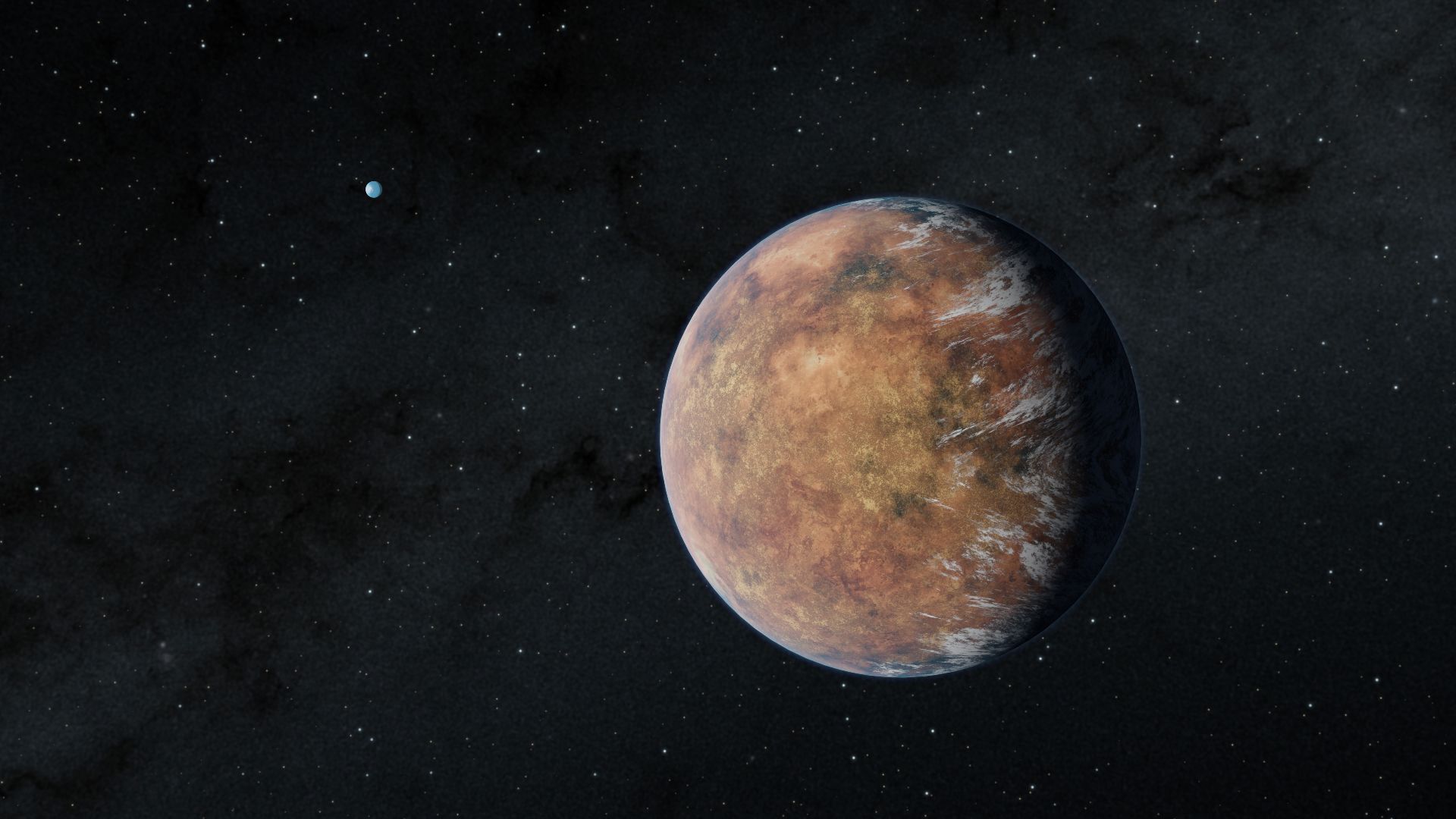 NASA/JPL-Caltech/Robert Hurt, Wikimedia Commons
25: TOI-700 d
This planet was one of the first Earth-sized habitable-zone worlds discovered by NASA's TESS mission. It receives nearly the same amount of stellar energy that Earth receives from the Sun, making it a long-term favorite among researchers.
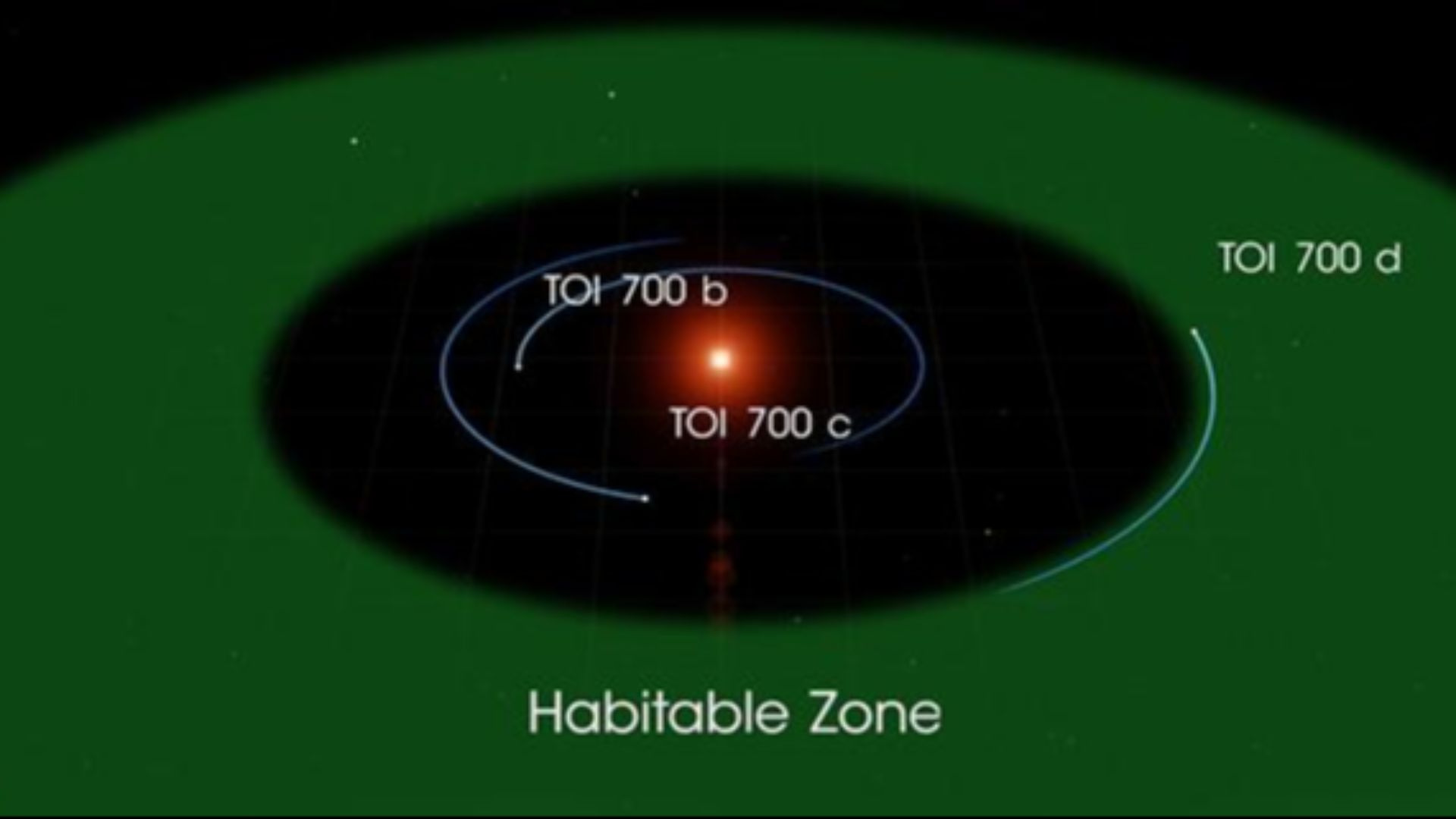 NASA's Goddard Space Flight Center, Wikimedia Commons
24: Kepler-1649 c
Kepler-1649 c attracted attention because it receives about three-quarters as much starlight as Earth. Scientists often describe it as one of the closest Earth analogs discovered by the Kepler mission.
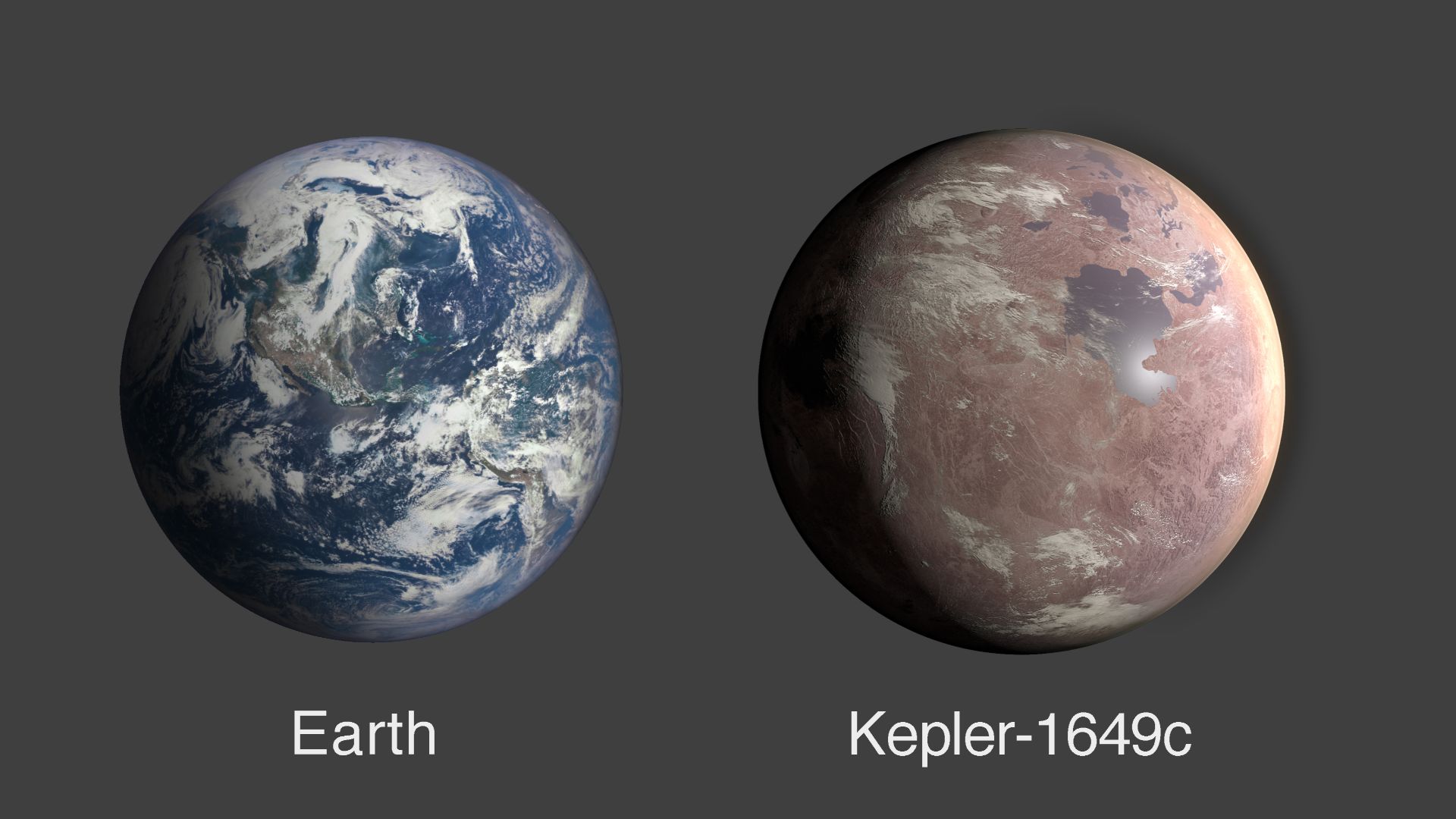 NASA/Ames Research Center/Daniel Rutter, Wikimedia Commons
23: Kepler-62 e
Part of a famous two-planet habitable-zone system, Kepler-62 e may be capable of supporting liquid water if it possesses the right atmosphere. Its discovery helped demonstrate how common potentially habitable worlds may be.
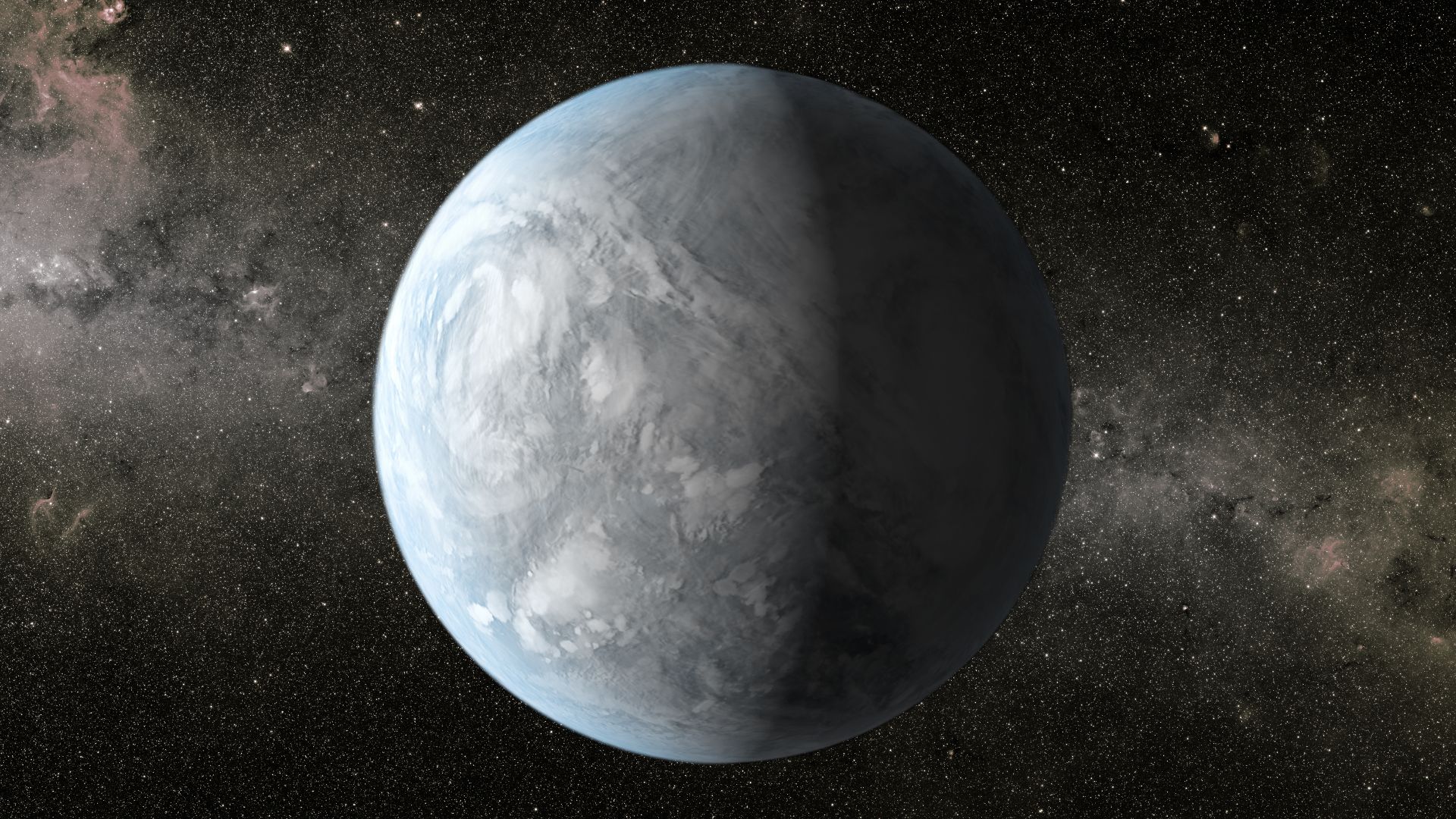 NASA Ames/JPL-Caltech, Wikimedia Commons
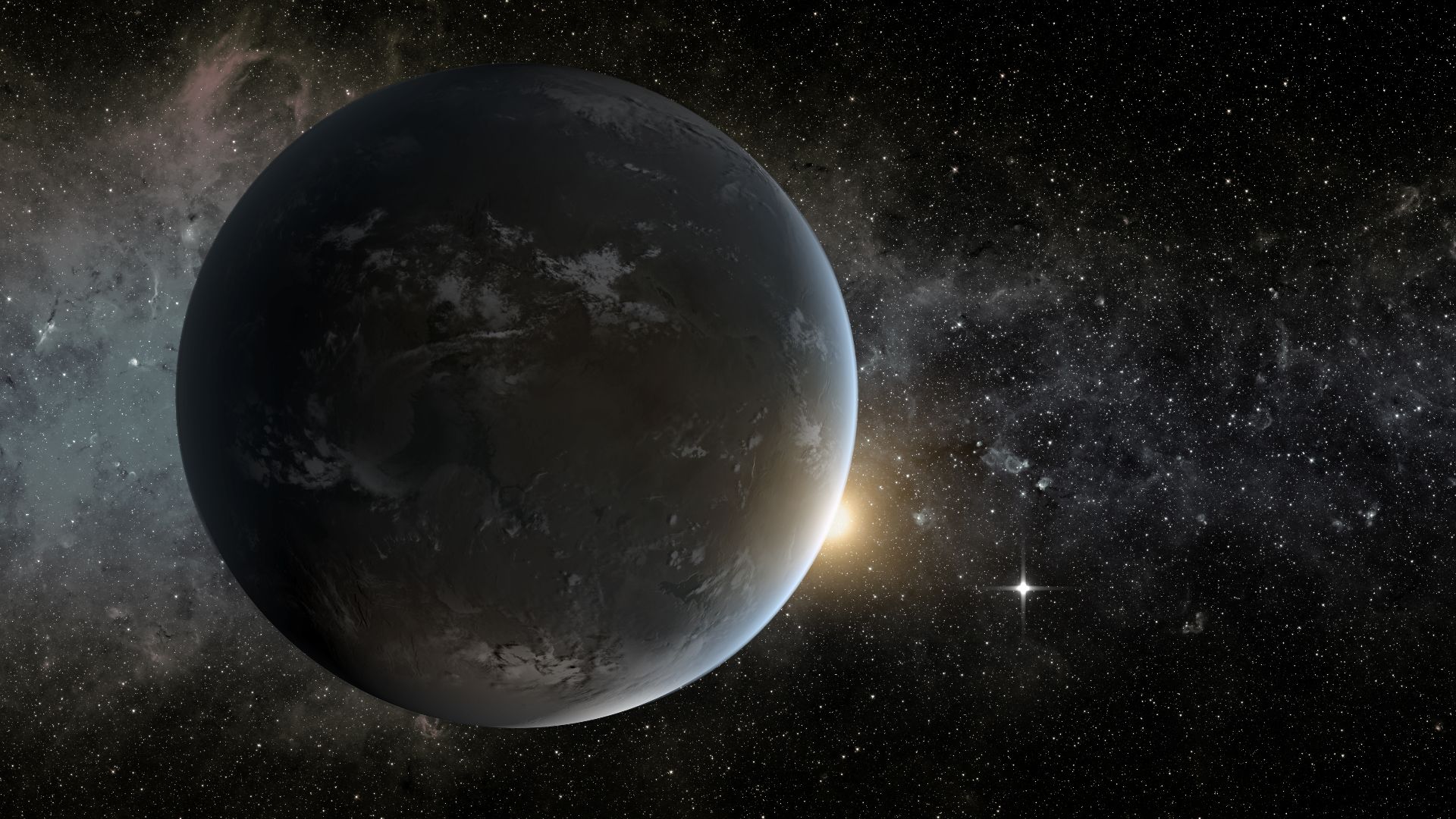
22: Kepler-62 f
Slightly farther from its star than Kepler-62 e, this world has appeared on many habitability shortlists over the years. Some models suggest oceans could exist there under favorable conditions.
 NASA Ames/JPL-Caltech, Wikimedia Commons
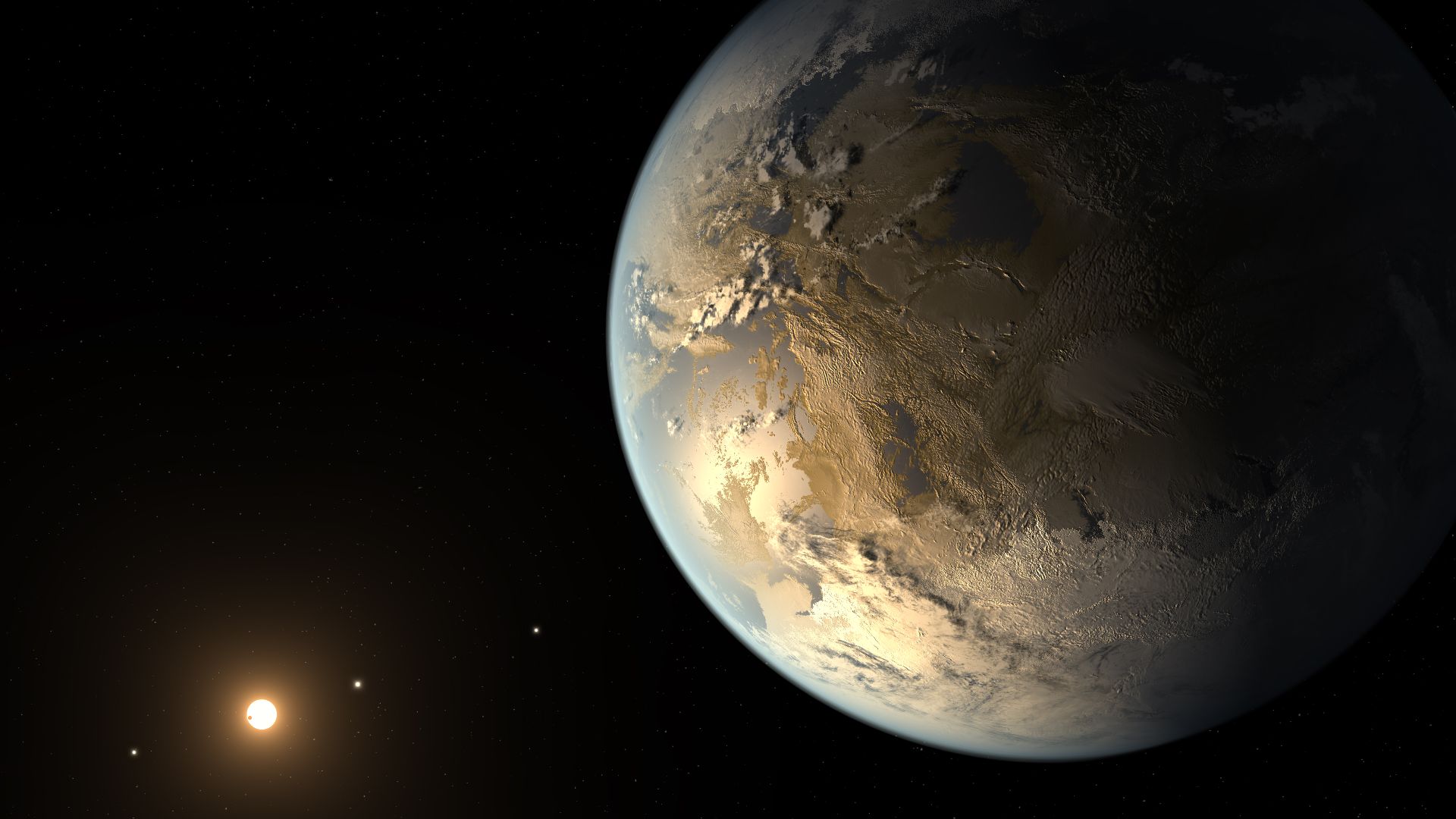
21: Kepler-186 f
When astronomers announced Kepler-186 f in 2014, it became the first Earth-sized planet discovered inside the habitable zone of another star. Located roughly 500 light-years away, the planet remains one of the most important exoplanet discoveries ever made.
 NASA Ames/SETI Institute/JPL-Caltech, Wikimedia Commons
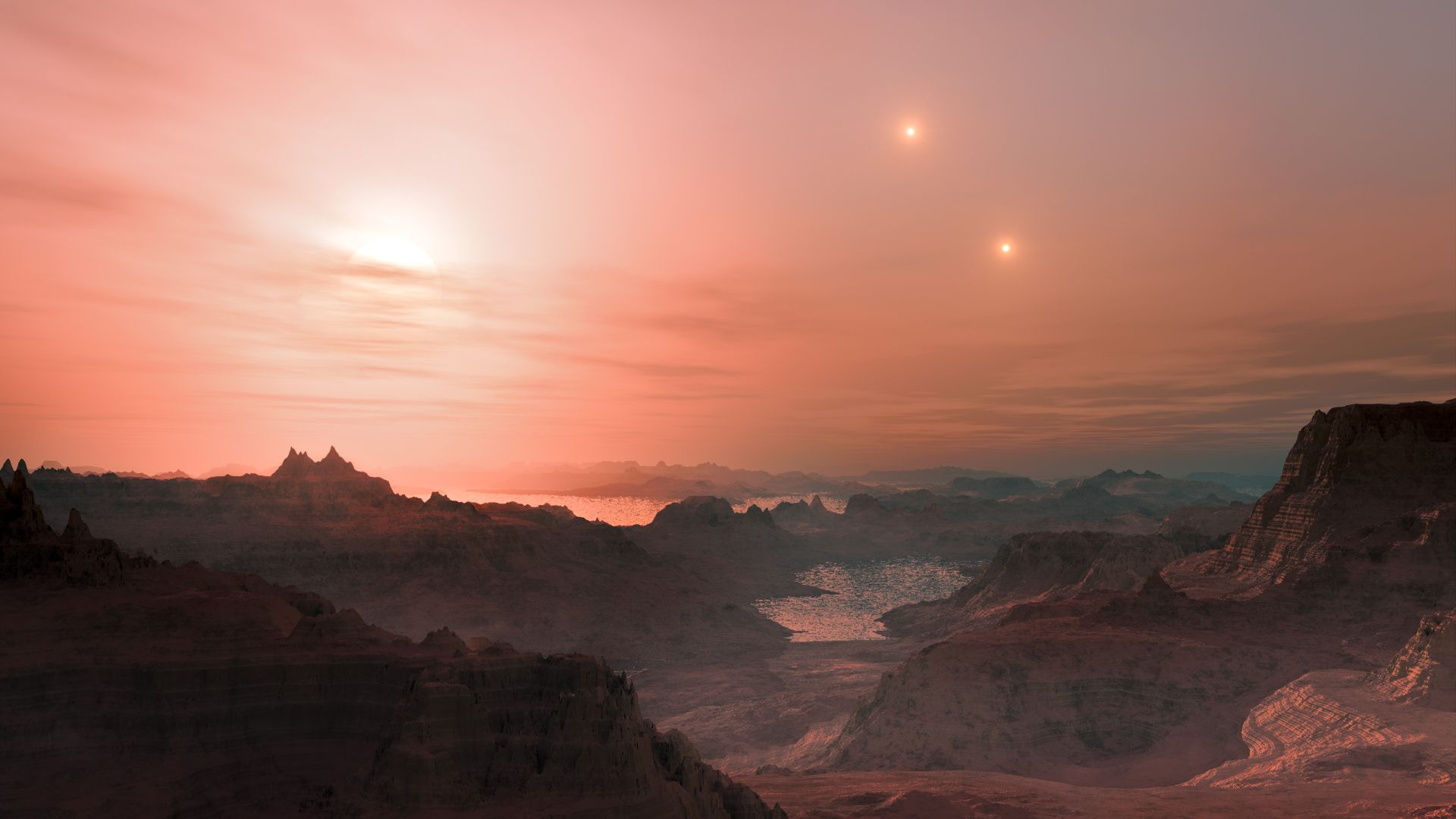
20: Gliese 667 Cc
This super-Earth has long been considered one of the better habitability candidates outside our solar system. Its position within the habitable zone and relatively Earth-like energy levels continue to attract scientific attention.
 ESO/L. Calçada, Wikimedia Commons
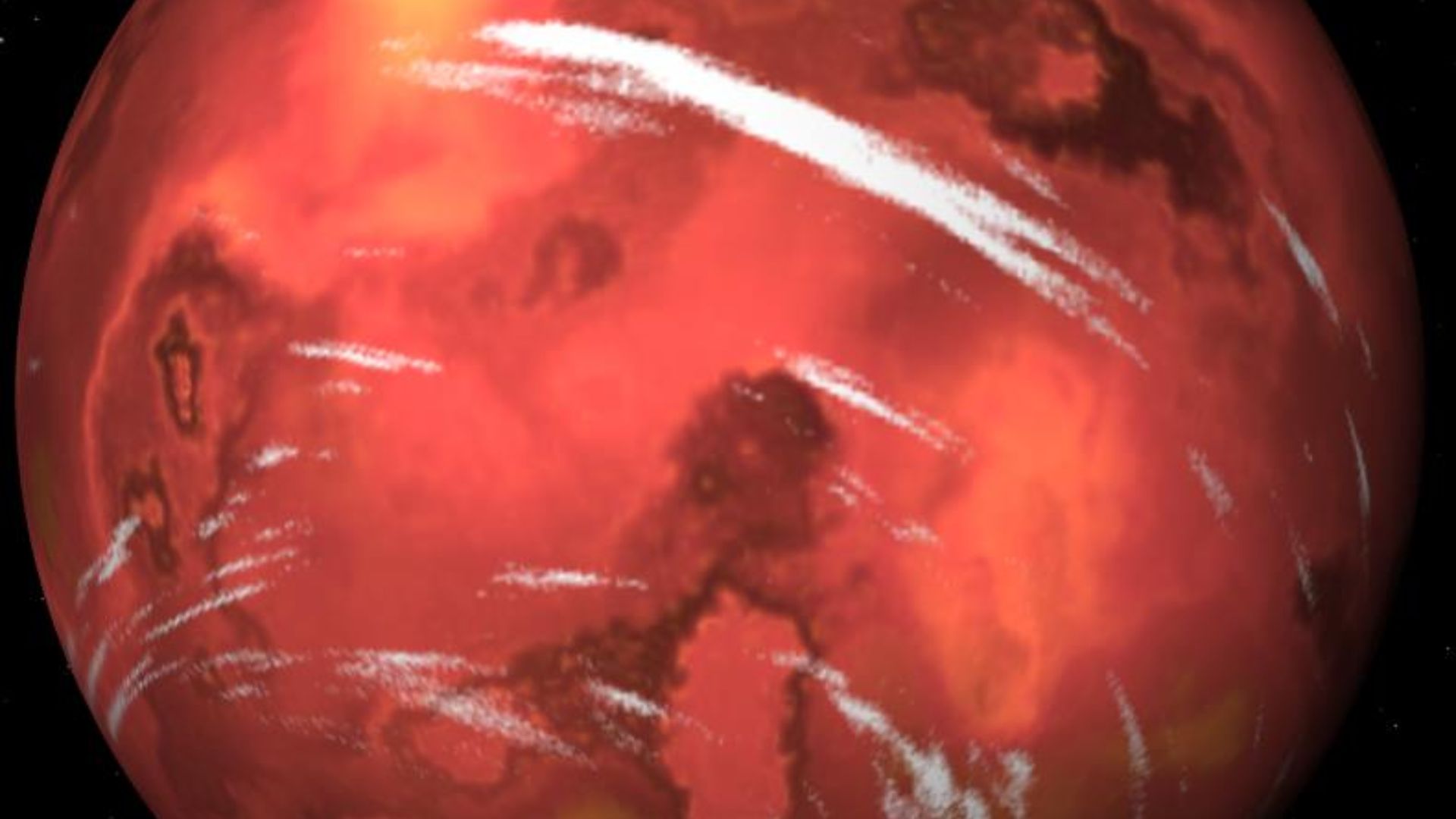
19: Wolf 1069 b
Discovered in 2023, Wolf 1069 b immediately generated excitement because it is relatively nearby and appears capable of supporting liquid water despite orbiting a dim red dwarf star.
18: GJ 273 b
Located about 12 light-years away, GJ 273 b has long attracted interest because of its proximity. In 2017, scientists even transmitted a radio message toward the system as part of a project exploring future interstellar communication possibilities.
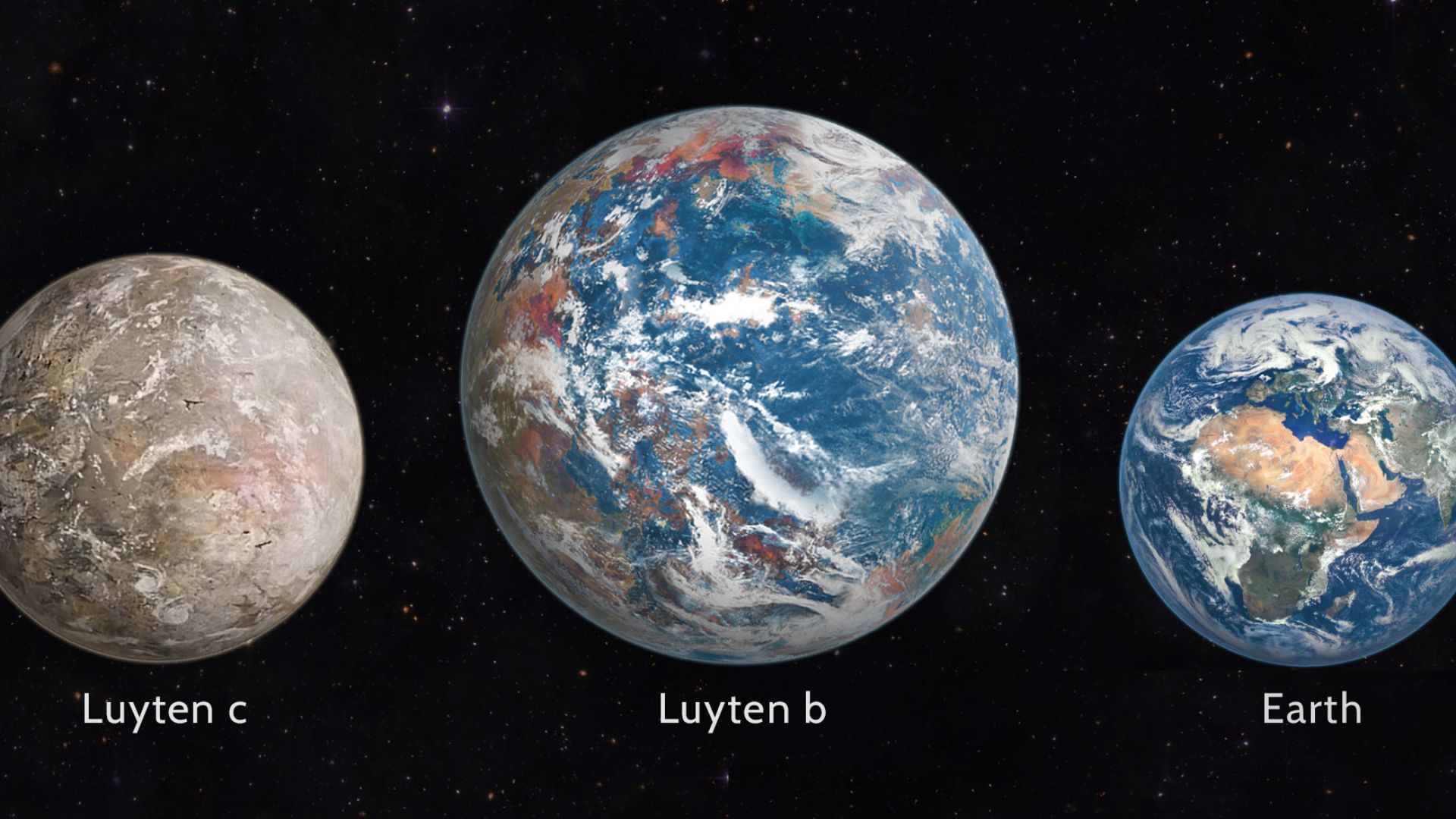 Martin Vargic / Halcyon Maps, Wikimedia Commons
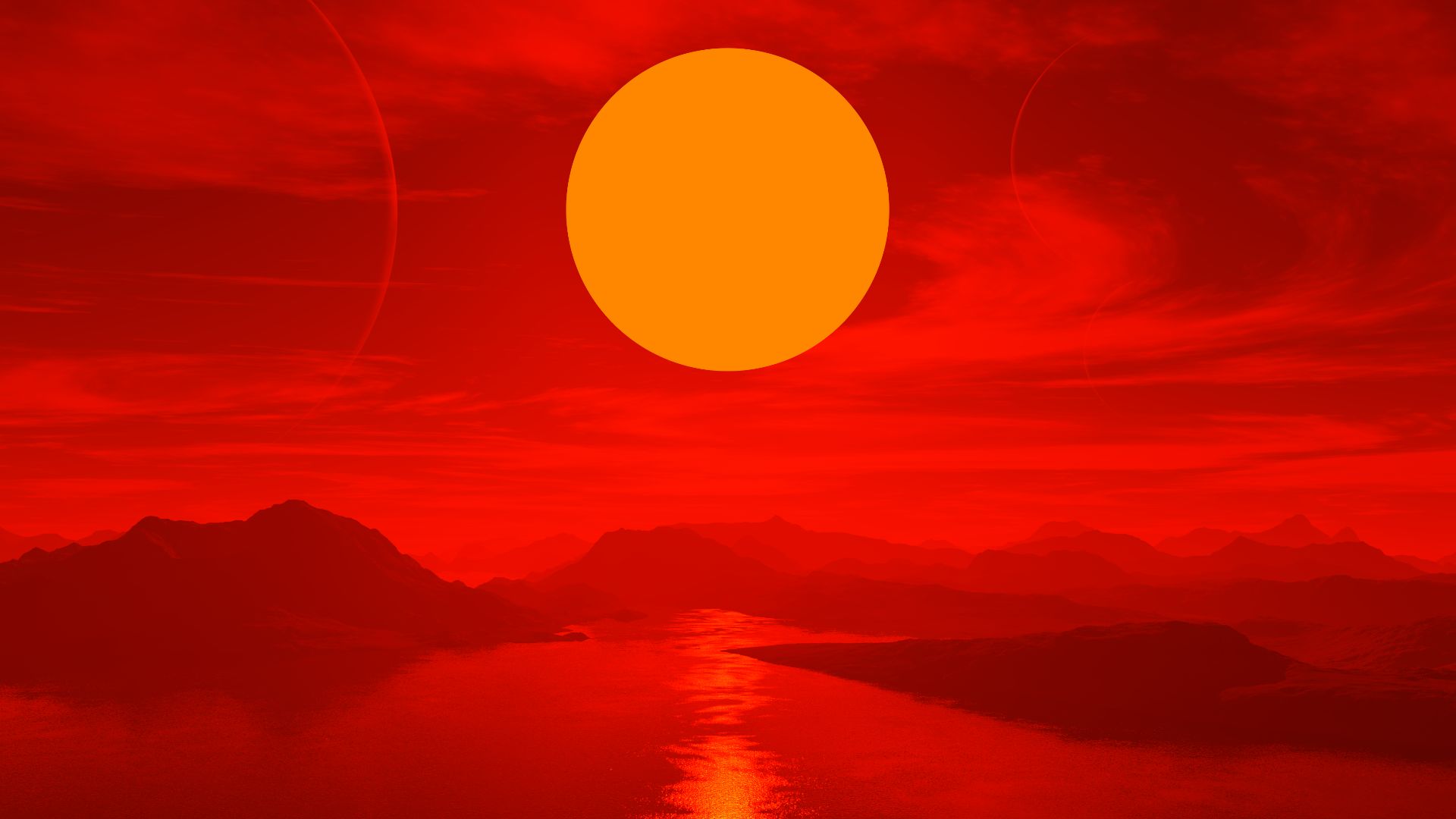
17: Wolf 1061 c
Wolf 1061 c orbits a nearby red dwarf star about 14 light-years away. It spends much of its orbit within the habitable zone and remains one of the closest potentially habitable planets discovered so far.
16: Kepler-1229 b
This rocky super-Earth receives roughly the same amount of stellar energy as Earth. Habitability studies frequently place it among the stronger Earth-like candidates found by the Kepler mission.
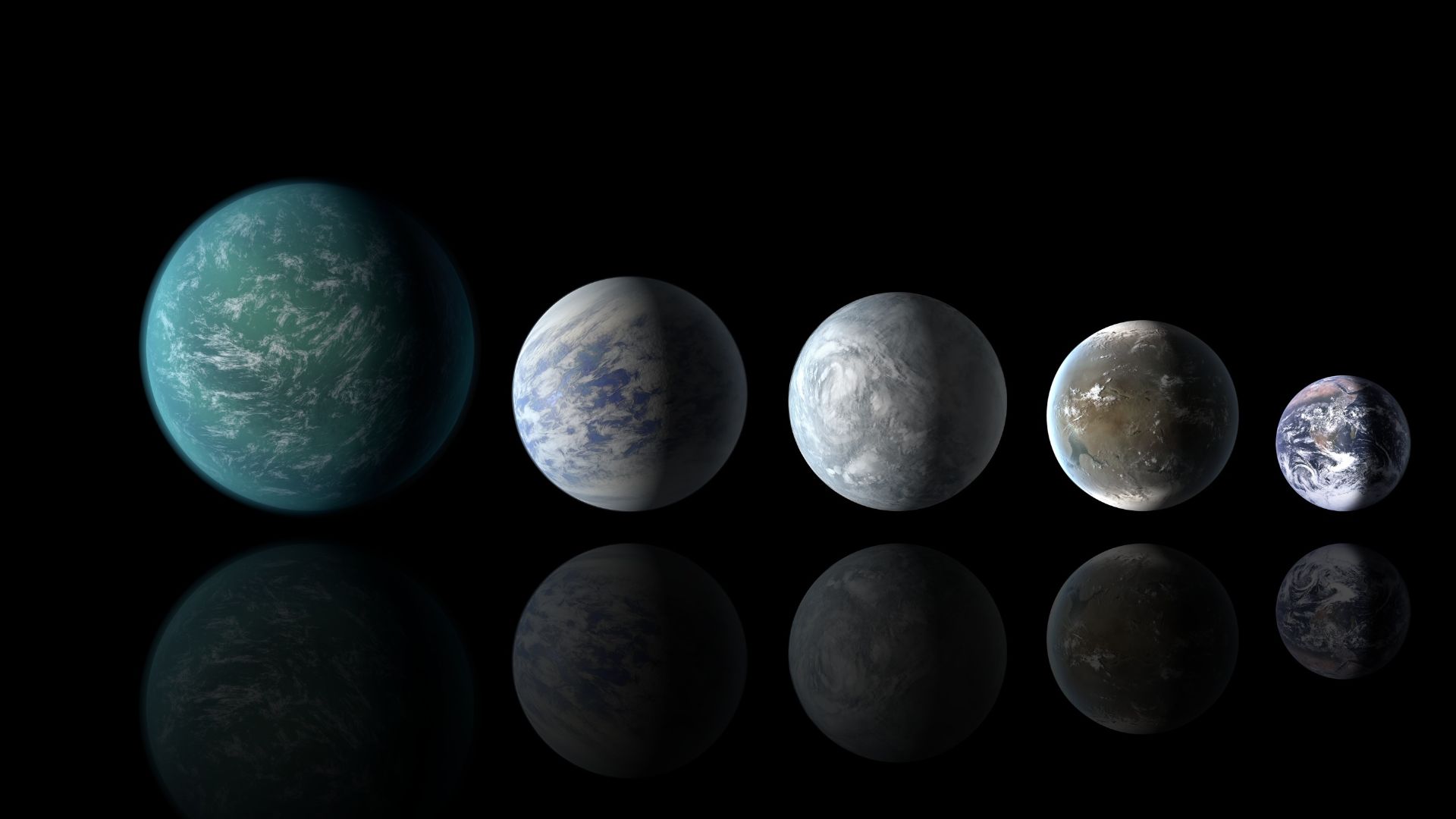 NASA/Ames/JPL-Caltech, Wikimedia Commons
15: Kepler-1652 b
Kepler-1652 b circles a relatively cool star and receives energy levels surprisingly similar to Earth's. Scientists consider it one of the more overlooked but promising habitable-zone worlds.
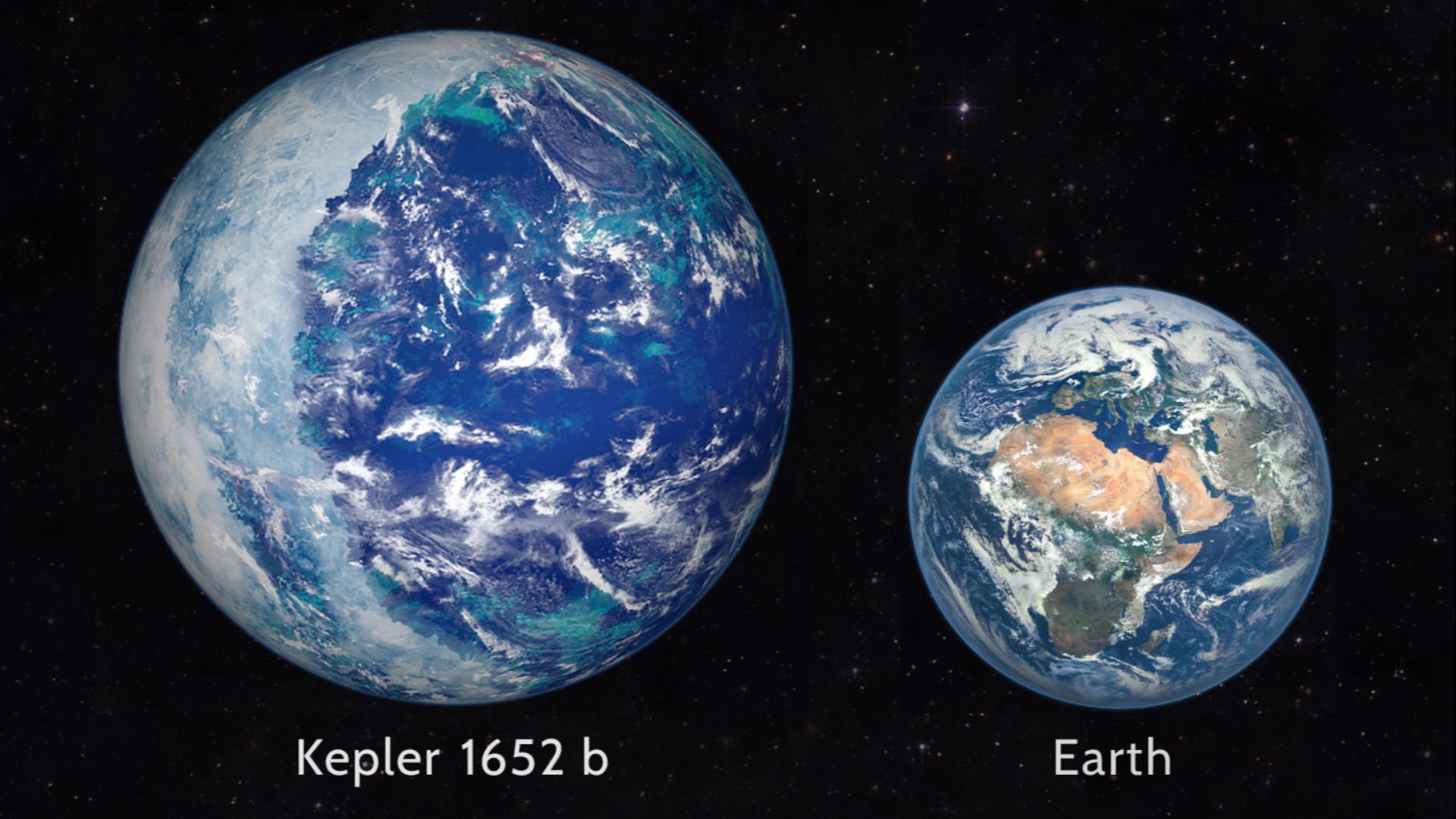 Martin Vargic / Halcyon Maps, Wikimedia Commons
14: Kepler-452 b
Often called 'Earth's cousin' and sometimes nicknamed 'Earth 2.0,' Kepler-452 b orbits a star remarkably similar to our Sun. Its year lasts about 385 Earth days, and although the planet is larger than Earth, its familiar orbit continues to make it one of the most intriguing worlds ever discovered.
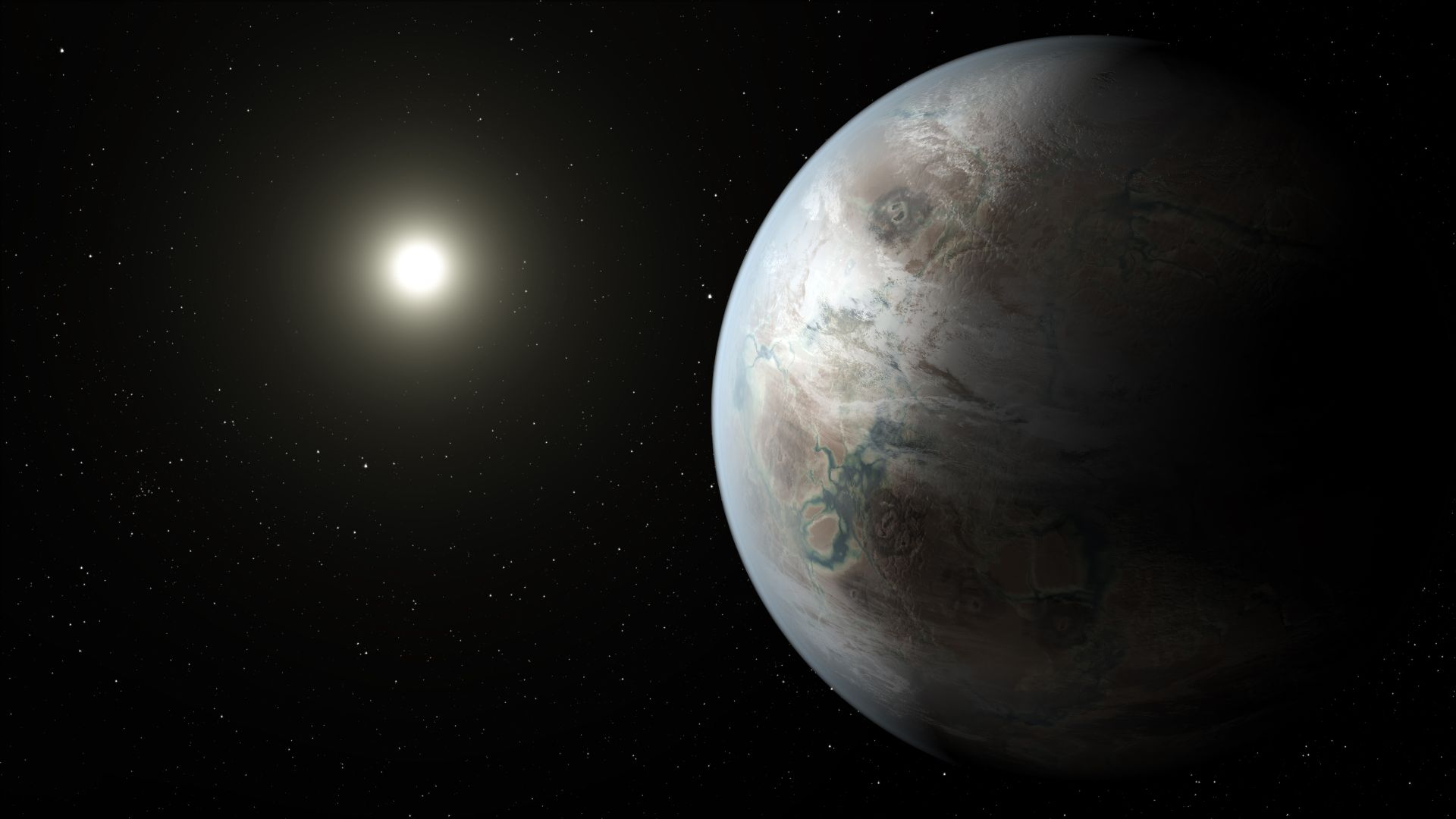 NASA Ames/JPL-Caltech/T. Pyle, Wikimedia Commons
13: Teegarden's Star c
Located about 12.5 light-years away, Teegarden's Star c is one of the nearest potentially habitable worlds known. Although it was only discovered in 2019, it quickly attracted attention because of its Earth-like size and favorable position within the system.
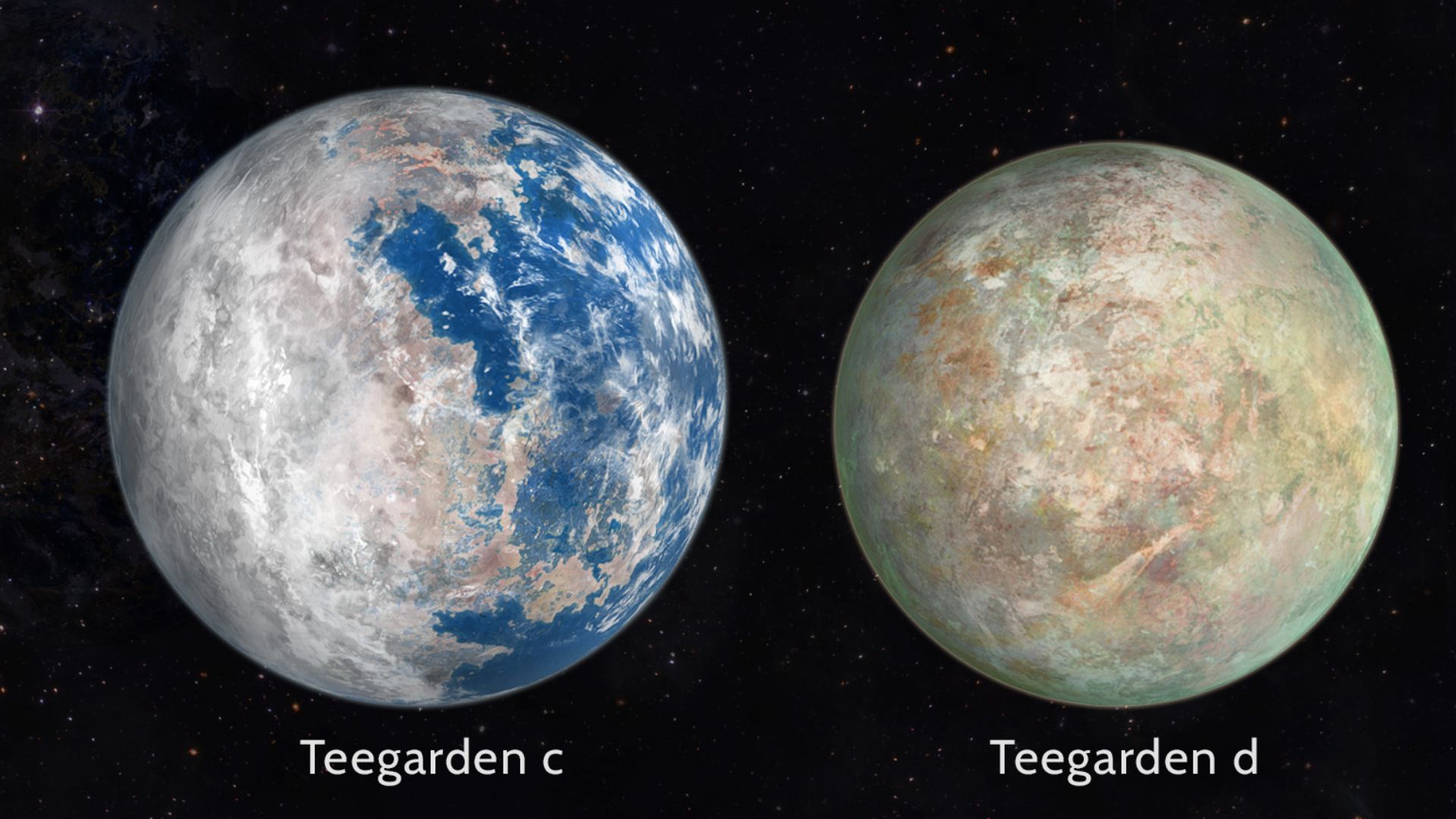 Martin Vargic / Halcyon Maps, Wikimedia Commons
12: TOI-715 b
TOI-715 b has become one of the more exciting recent additions to the habitability discussion. Located about 137 light-years away, this super-Earth orbits within its star's conservative habitable zone, where conditions may be favorable for liquid water. The planet was specifically highlighted by researchers as one of the promising targets for future atmospheric observations.
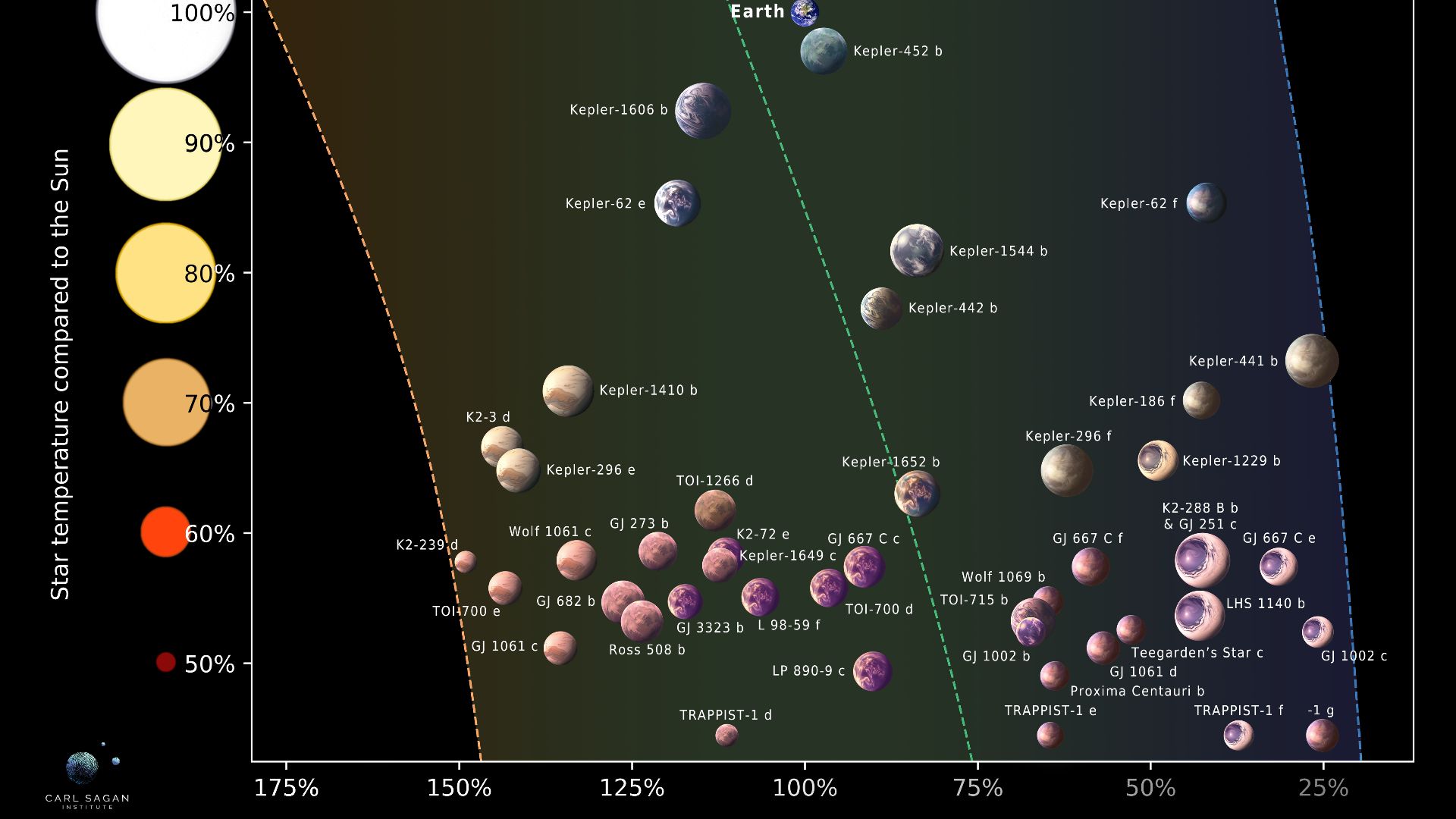
11: K2-3 d
Located about 147 light-years away, K2-3 d is one of the more accessible habitable-zone planets for atmospheric studies. Astronomers have already used major observatories to investigate the possibility of an atmosphere.

10: K2-72 e
K2-72 e resides in a four-planet system and sits within its star's habitable zone. The discovery highlighted how common multi-planet systems may be throughout the galaxy.
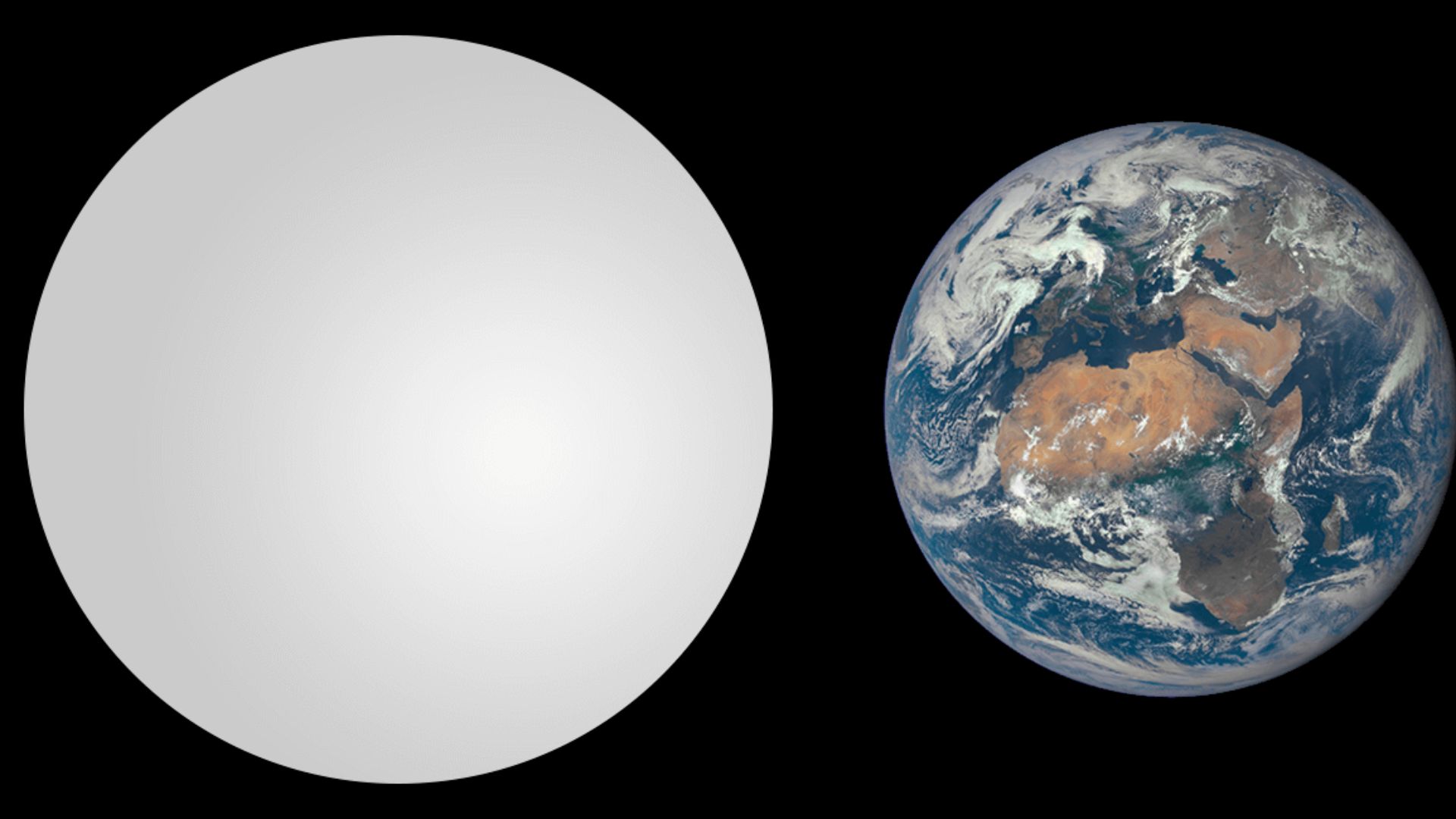
9: TOI-1266 d
One of the newer additions to the habitability discussion, TOI-1266 d occupies a potentially favorable orbit around a nearby red dwarf star. Scientists hope future observations can determine whether it possesses an atmosphere.
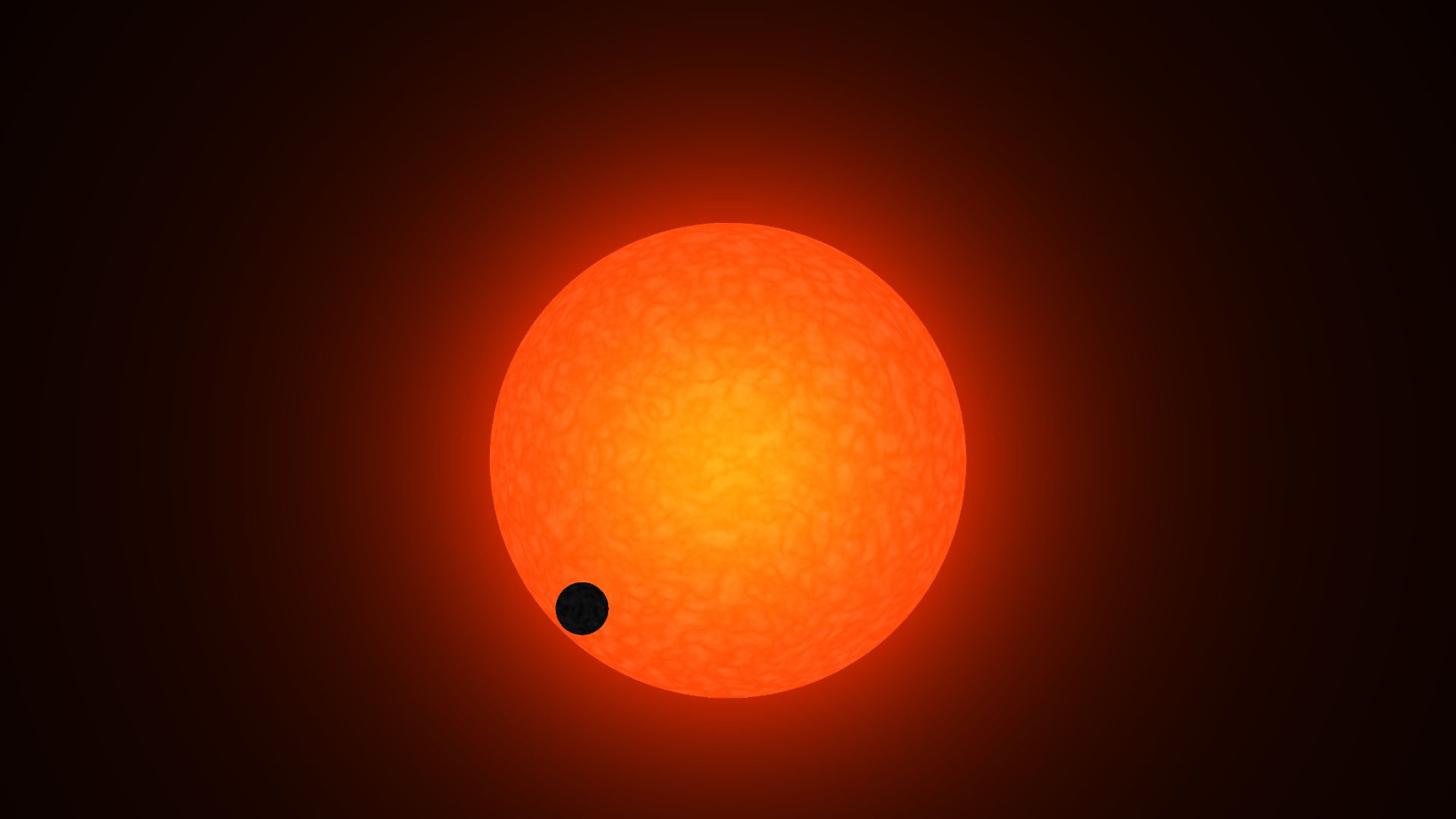
8: GJ 1061 c
This nearby rocky world sits only about 12 light-years away and is one of three known planets orbiting its star. Its closeness makes it an especially attractive target for future telescopes.
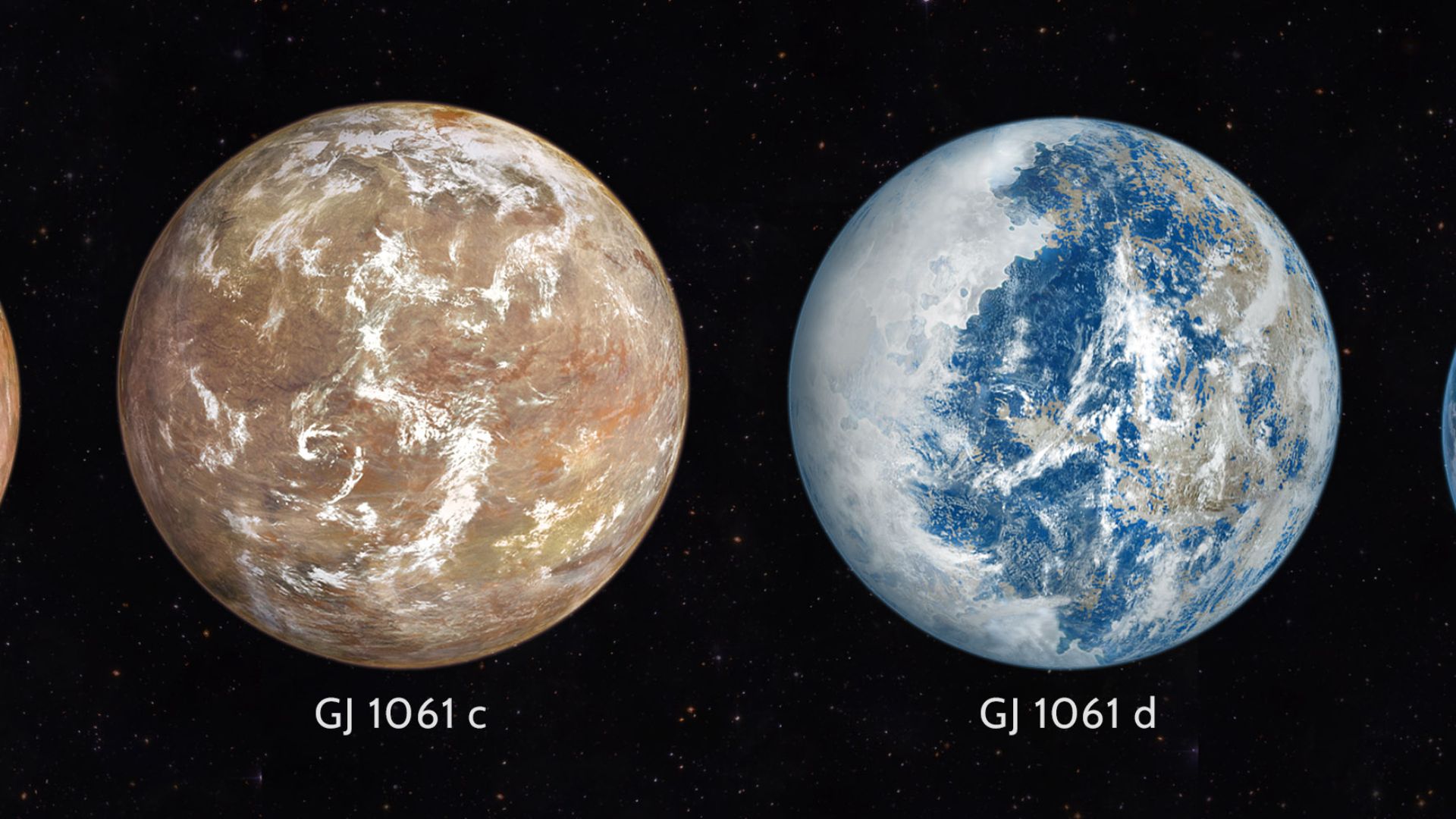 Martin Vargic / Halcyon Maps Utilizing public domain imagery from NASA, Wikimedia Commons
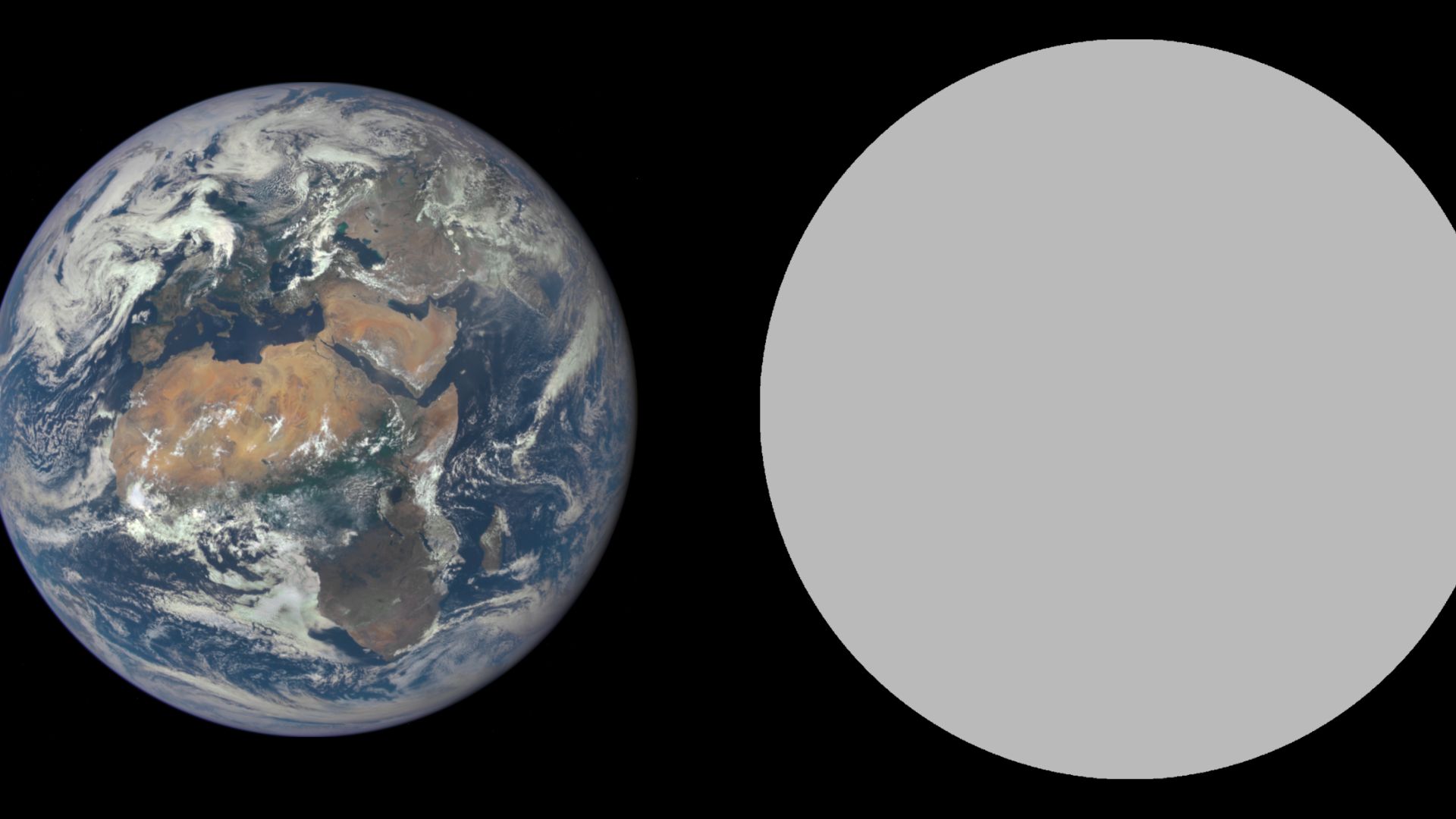
7: TRAPPIST-1 g
The famous TRAPPIST-1 system contains seven Earth-sized planets, but TRAPPIST-1 g stands out as one of the more promising candidates. Its location may allow for temperatures suitable for liquid water.
 SevenSpheres, Wikimedia Commons
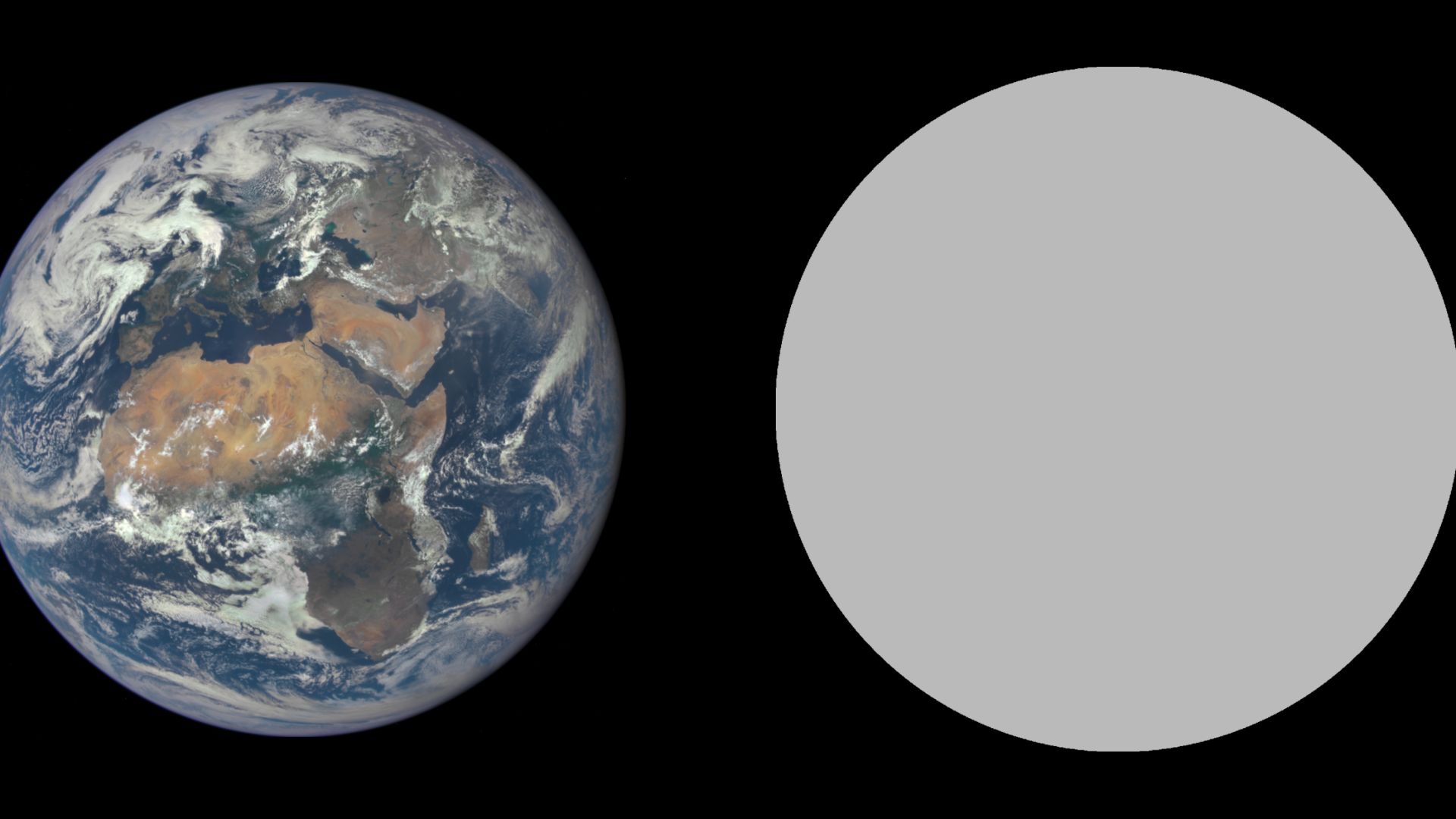
6: TRAPPIST-1 f
Many researchers consider TRAPPIST-1 f one of the strongest worlds in the system. It is similar in size to Earth and sits comfortably within the habitable zone.
 SevenSpheres, Wikimedia Commons
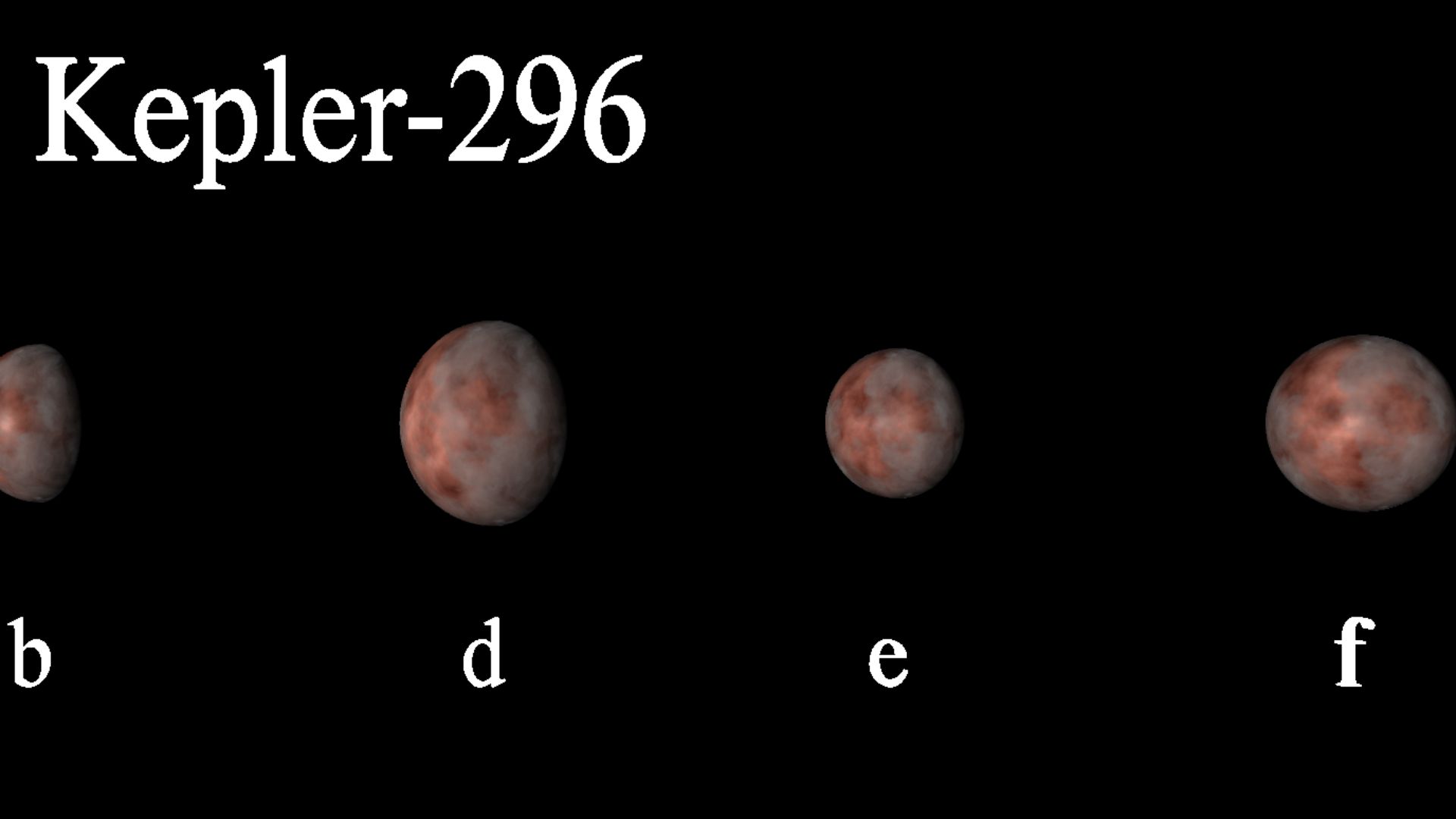
5: Kepler-296 f
Kepler-296 f orbits within the habitable zone of its star and has long been considered one of the stronger Earth-like candidates discovered by the Kepler mission. The planet receives a similar amount of stellar energy to Earth and is part of a fascinating multi-planet system that helped demonstrate how common potentially habitable worlds may be throughout the galaxy.
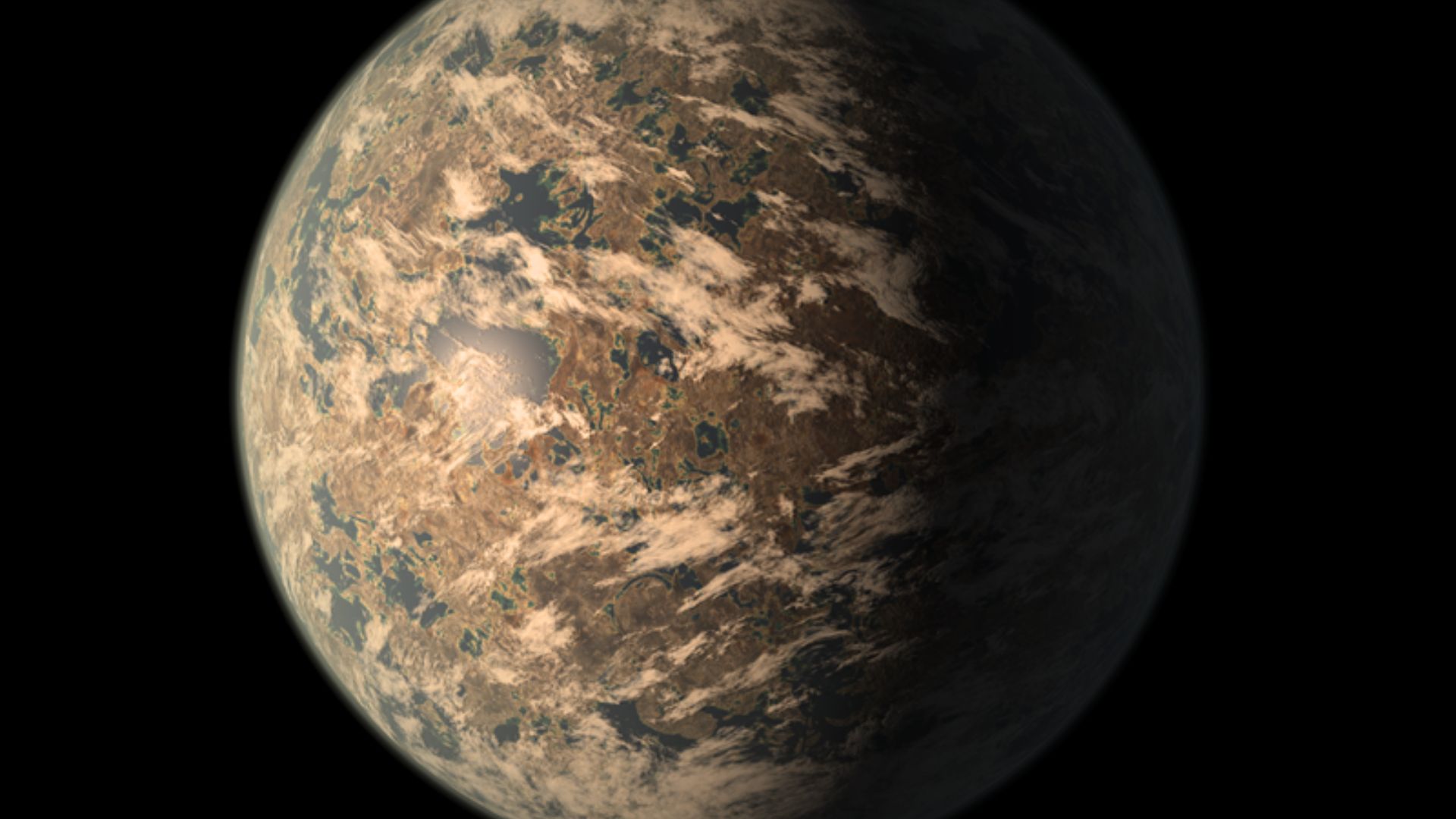
4: TRAPPIST-1 e
Often described as the jewel of the TRAPPIST-1 system, this rocky world has become one of the most studied planets beyond our solar system. It is one of seven Earth-sized planets orbiting the same star, and the entire system fits inside the orbit of Mercury. Its size, density, and location make it one of the strongest Earth analogs known.
 NASA/JPL-Caltech, Wikimedia Commons
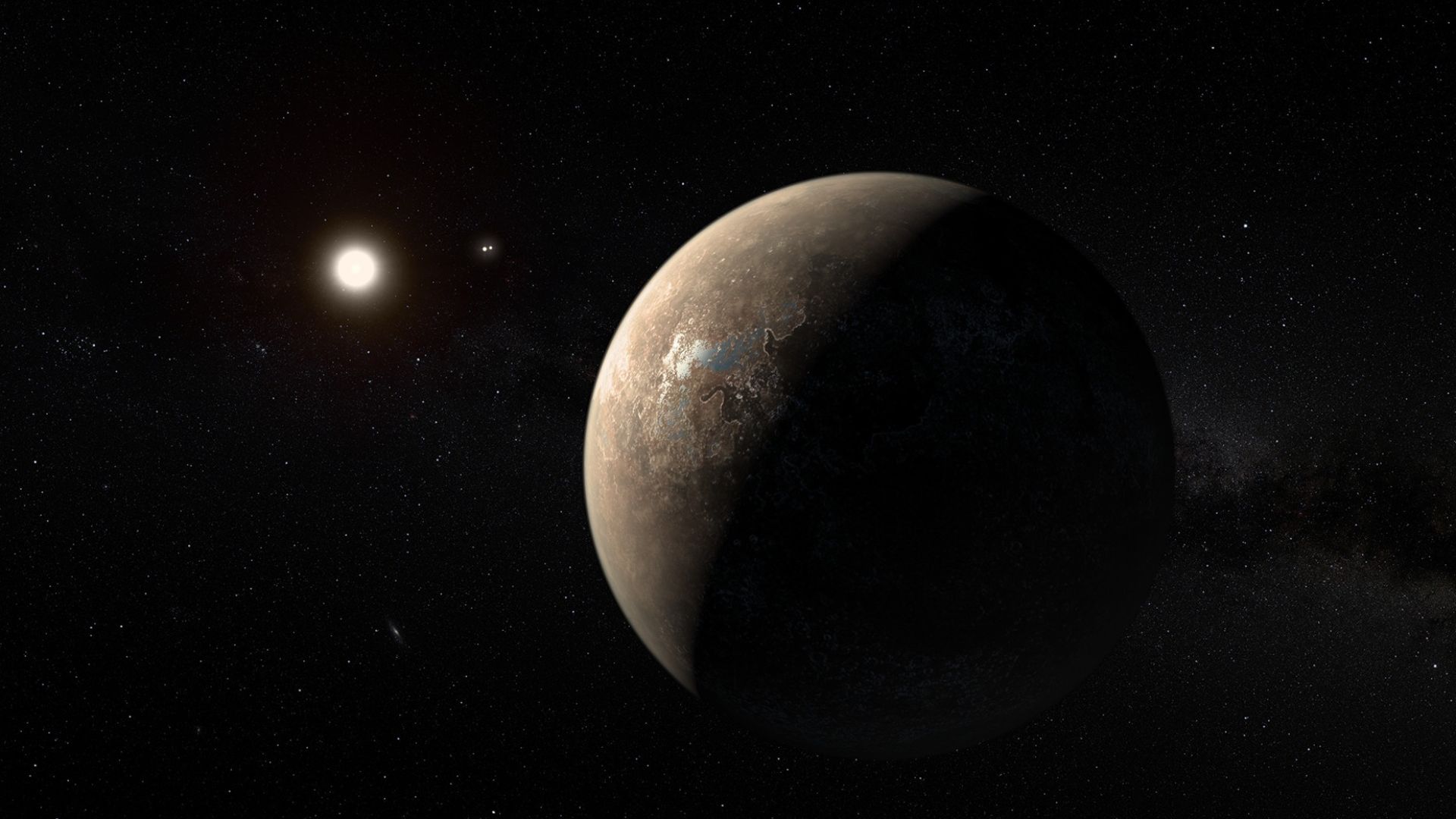
3: Proxima Centauri b
Discovered in 2016, Proxima Centauri b remains the closest potentially habitable exoplanet ever found at just over four light-years from Earth. The planet completes an orbit every 11.2 days and receives about 65% as much stellar energy as Earth. The biggest question is whether powerful flares from its host star have stripped away its atmosphere over time.
 ESO/M. Kornmesser, Wikimedia Commons
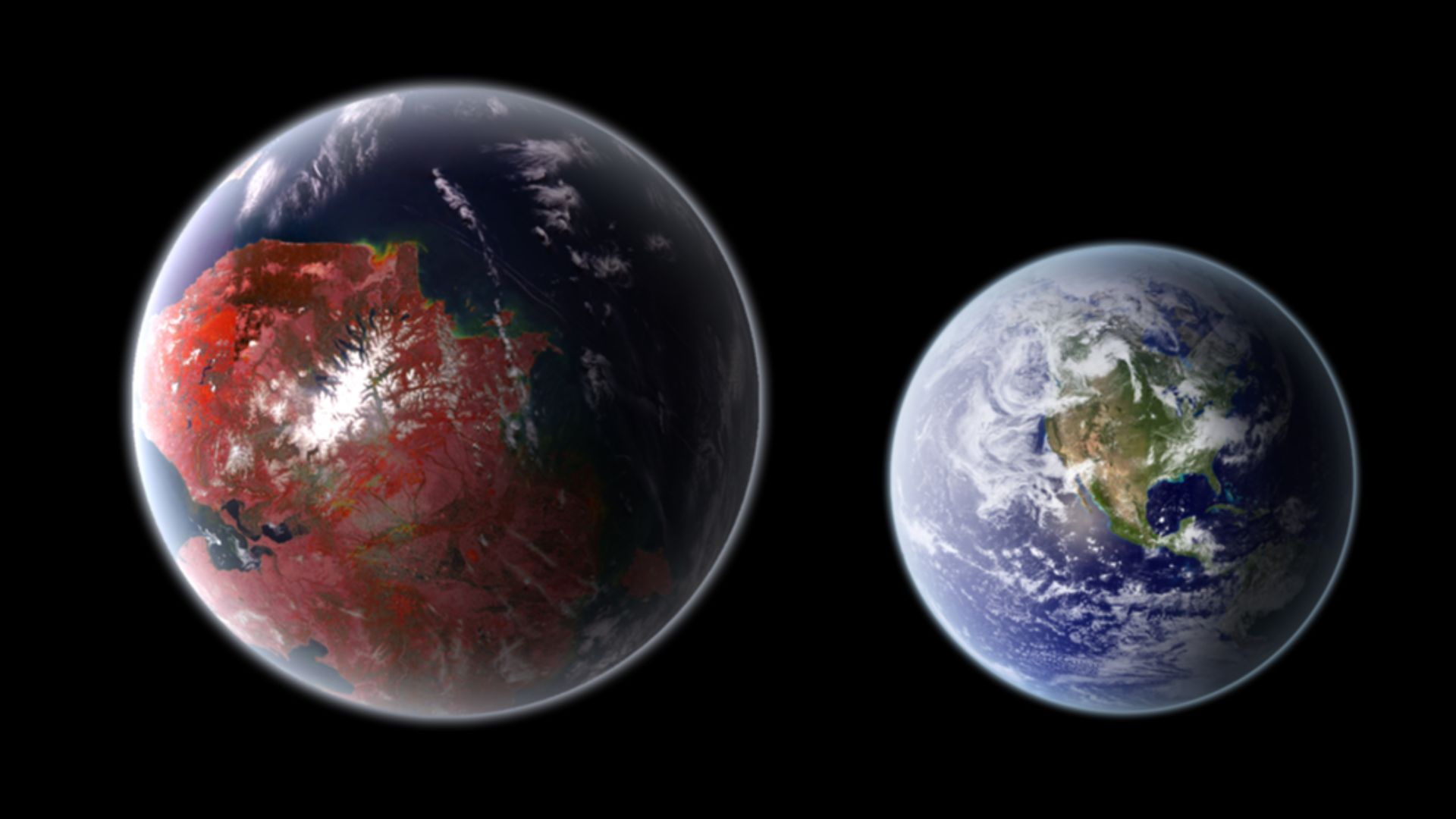
2: Kepler-442 b
Many habitability analyses place Kepler-442 b among the strongest known exoplanet candidates. Located about 1,200 light-years away, it is about 1.34 times Earth's radius and receives roughly 70% of the sunlight Earth receives from the Sun. A widely cited 2015 habitability study gave it one of the highest scores ever assigned to a potentially life-friendly world.
 Ph03nix1986, Wikimedia Commons
1: LHS 1140 b
Recent studies have elevated LHS 1140 b into the top tier of habitability candidates. Located about 48 light-years away, the planet is roughly 1.7 times Earth's radius and about 5.6 times Earth's mass. Researchers have suggested it could be an ocean world, with some models estimating water may account for 10% to 20% of its total mass. Among known exoplanets, few currently generate more excitement in the search for life.
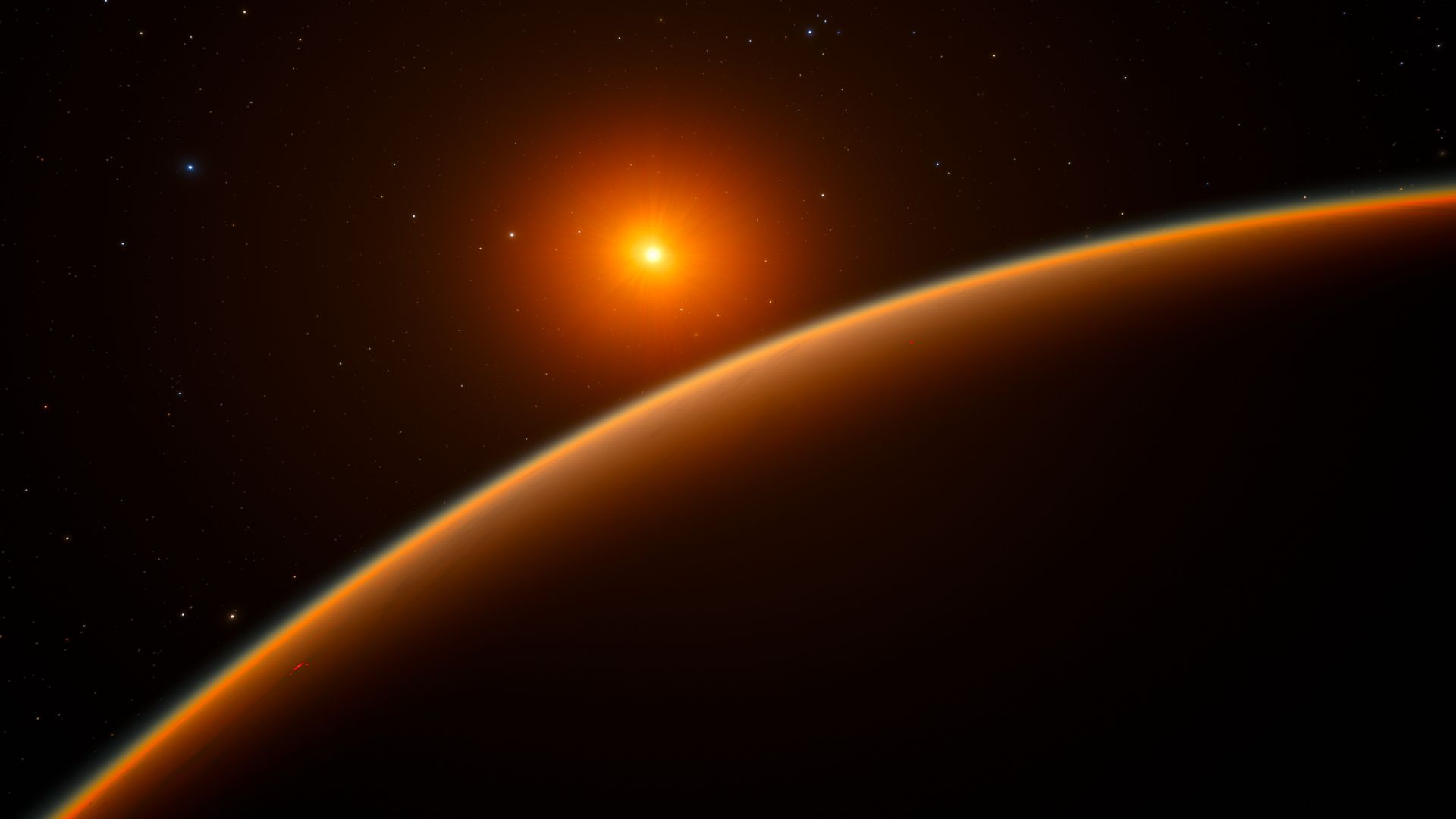 ESO/spaceengine.org, Wikimedia Commons
You Might Also Like: