When Ancient Objects Went Seriously Off Course
Ancient people did not have airplanes, container ships, or next-day delivery. Somehow, their belongings still travelled astonishing distances. Archaeologists have uncovered objects made thousands of miles away from where they were eventually buried, lost, or treasured, revealing a prehistoric world that was far more connected than it sometimes gets credit for.
The Buddha That Ended Up In Sweden
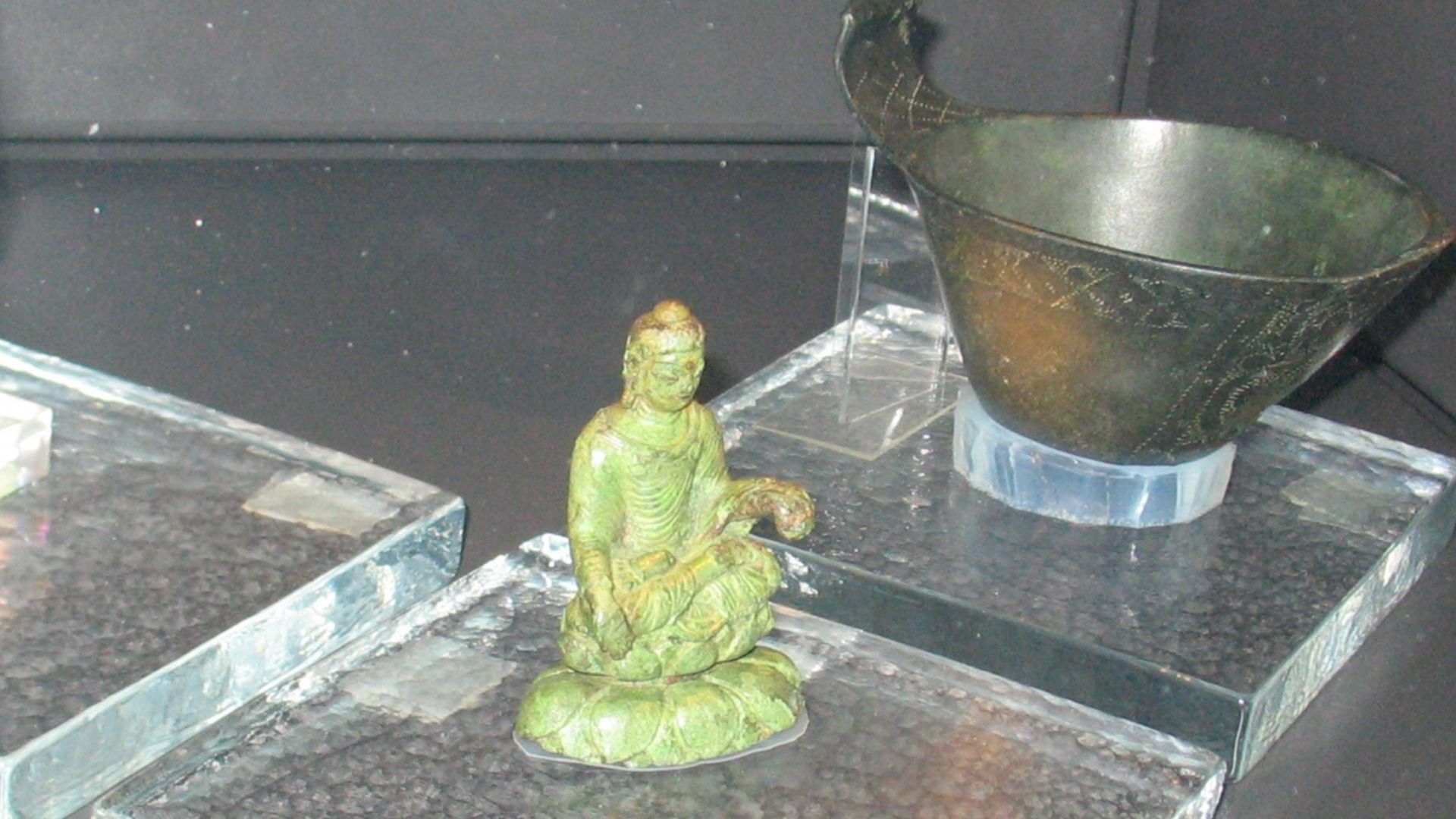
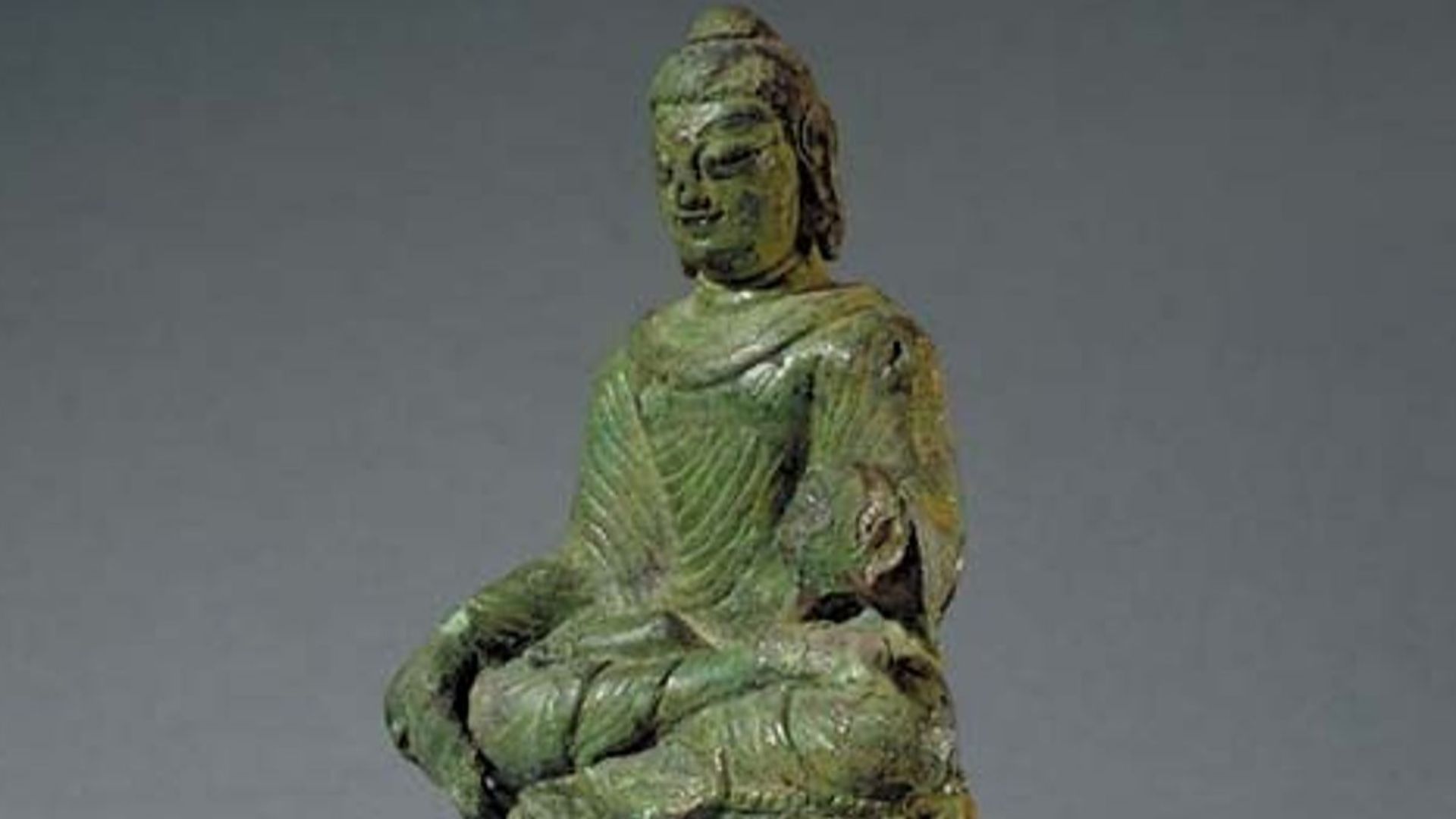
In 1956, archaeologists excavating the ancient trading settlement of Helgö in Sweden found a small bronze Buddha. Nothing strange there—except it had probably been made around the fifth or sixth century in the Swat Valley, near modern Pakistan and Afghanistan. Somehow, it crossed Eurasia before reaching Scandinavia.
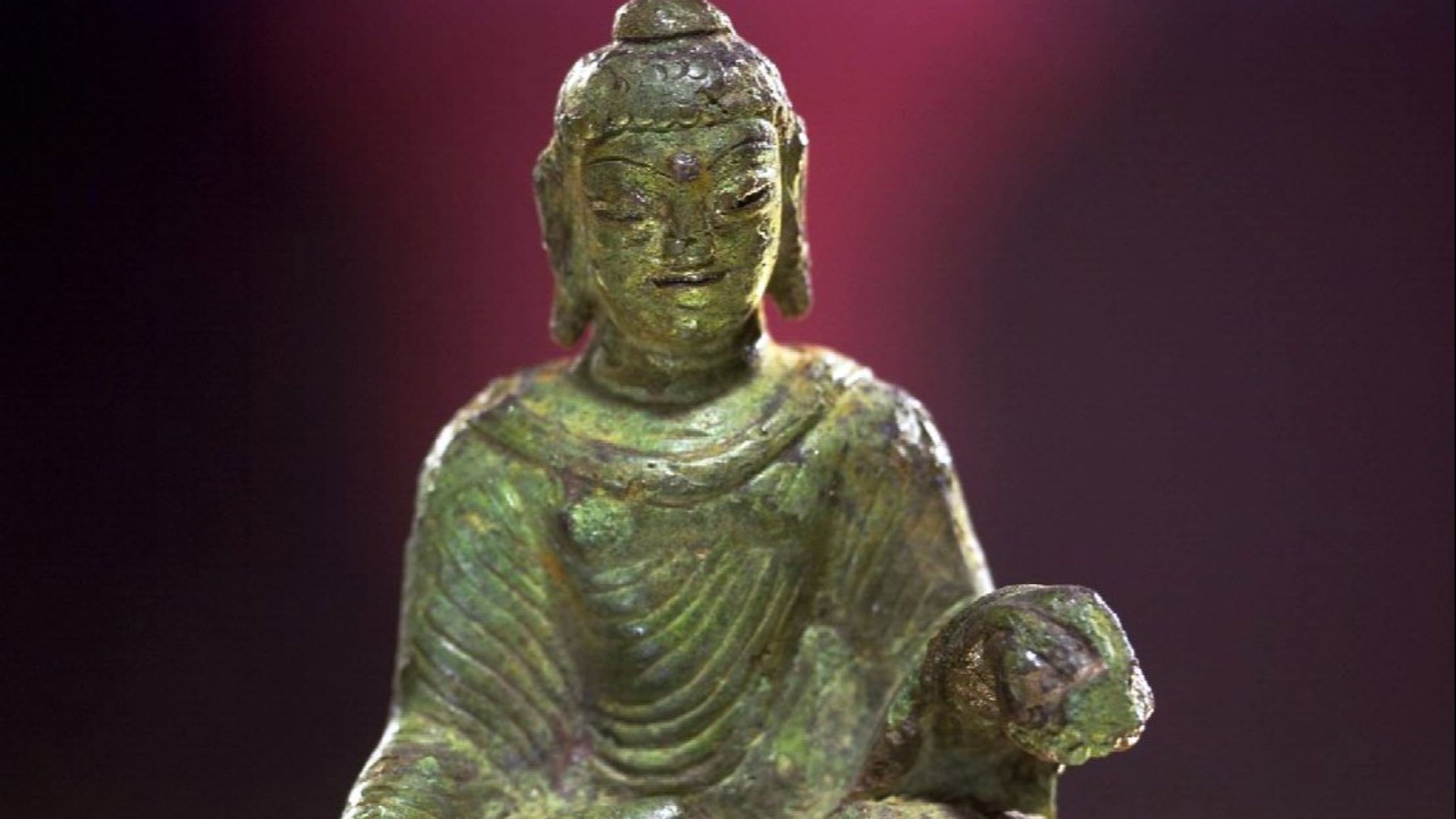 The Swedish History Museum, Stockholm from Sweden, Wikimedia Commons
Roman Money Deep In India
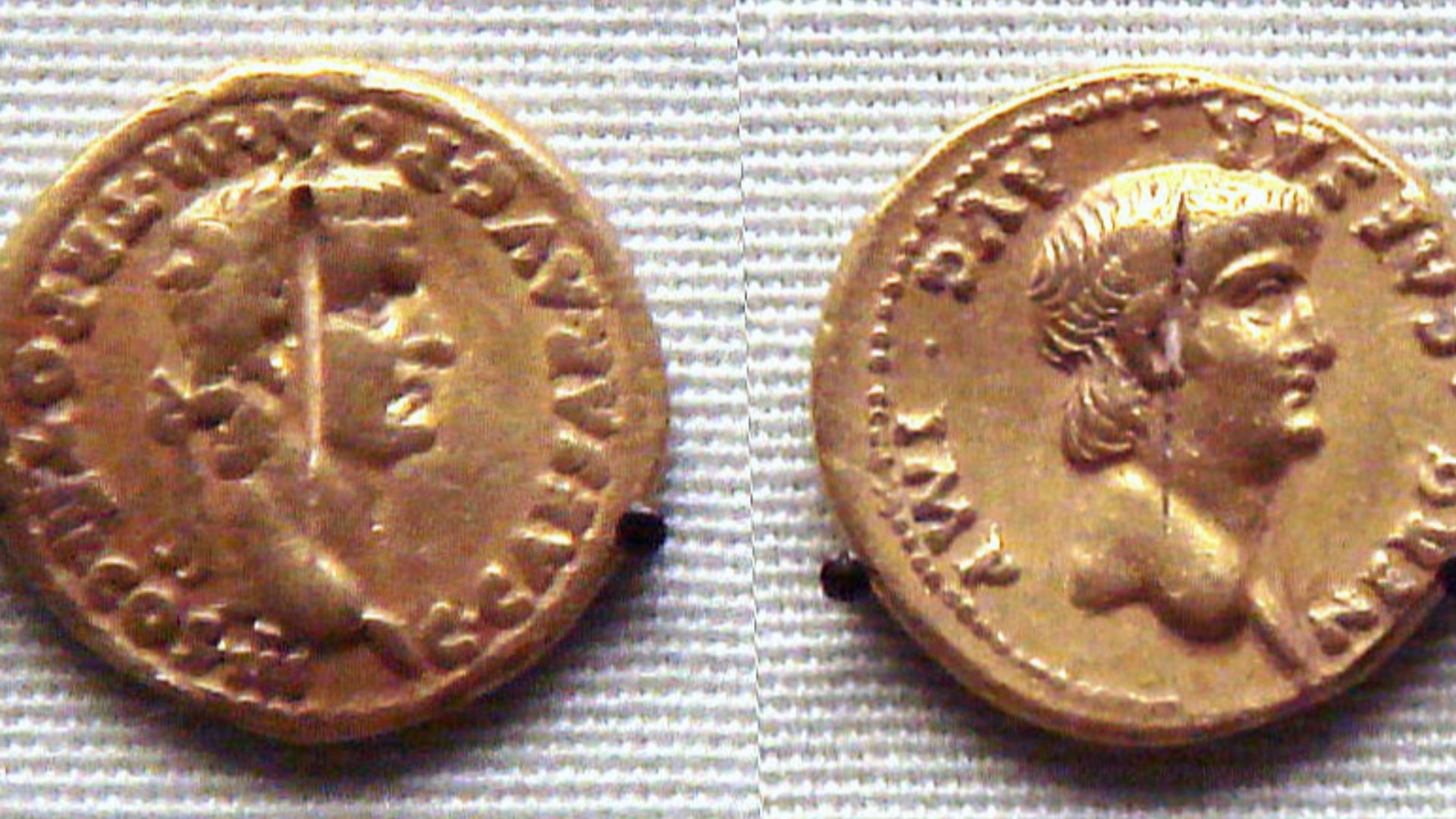
Thousands of Roman coins have been discovered across India, including silver denarii and gold aurei issued by emperors living thousands of miles away. They are some of the clearest evidence of the enormous commercial network linking the Roman Mediterranean with ports around the Indian Ocean.
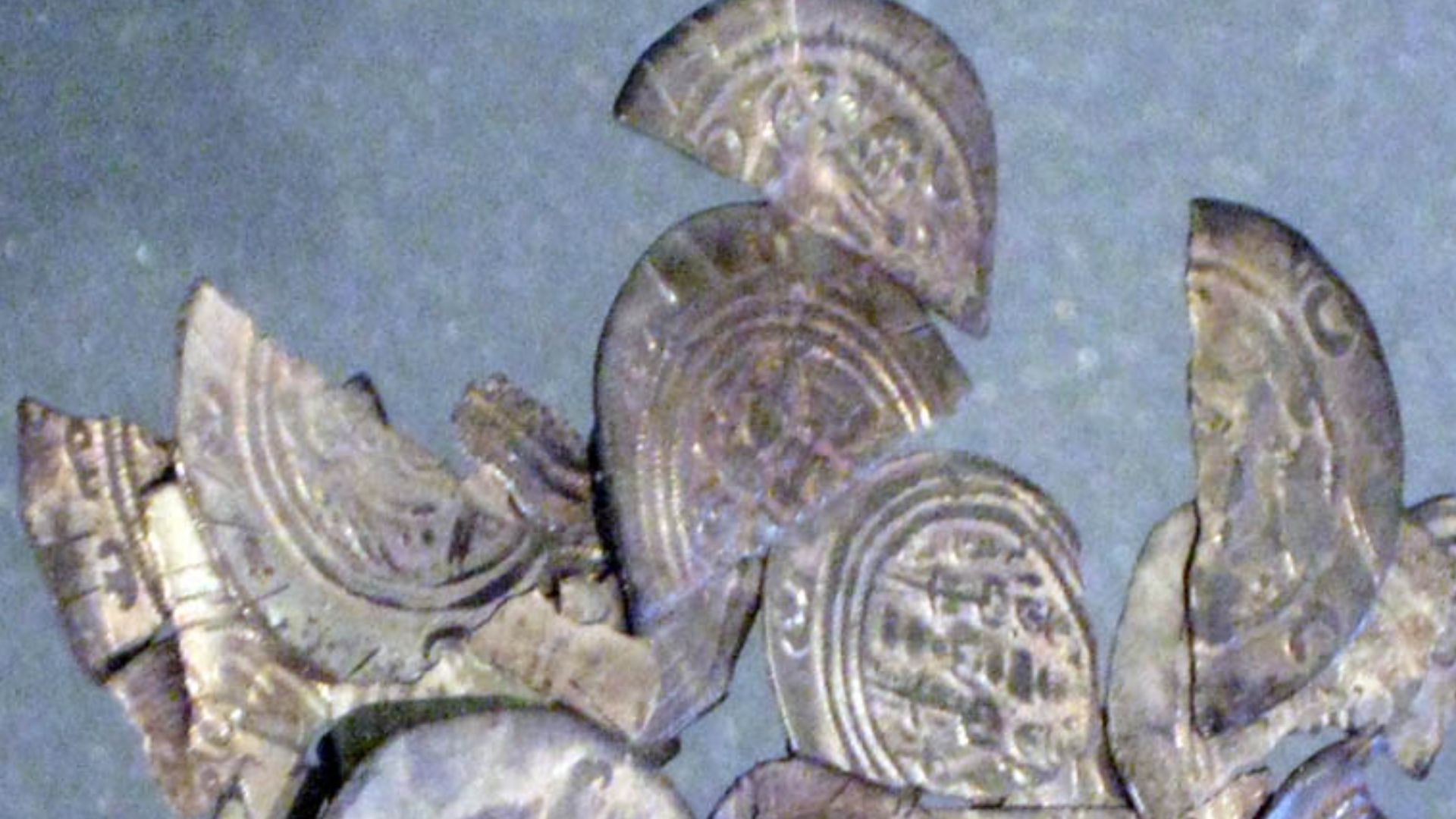
Islamic Silver In Viking Country
Viking-age Scandinavia has produced extraordinary numbers of Islamic silver dirhams. Many had travelled roughly 3,000 to 4,000 kilometres from the Islamic world before eventually being buried in northern European hoards. Archaeologists estimate that around 400,000 such coins have been recovered from northern Europe.
Iranian Glass In An English Village
Must Farm, a remarkably preserved Bronze Age settlement in eastern England, contained dozens of tiny glass beads. Chemical analysis produced a surprise: almost all the glass originated in what is now Iran. Those little beads had travelled roughly 2,800 miles before reaching a community in prehistoric Britain.
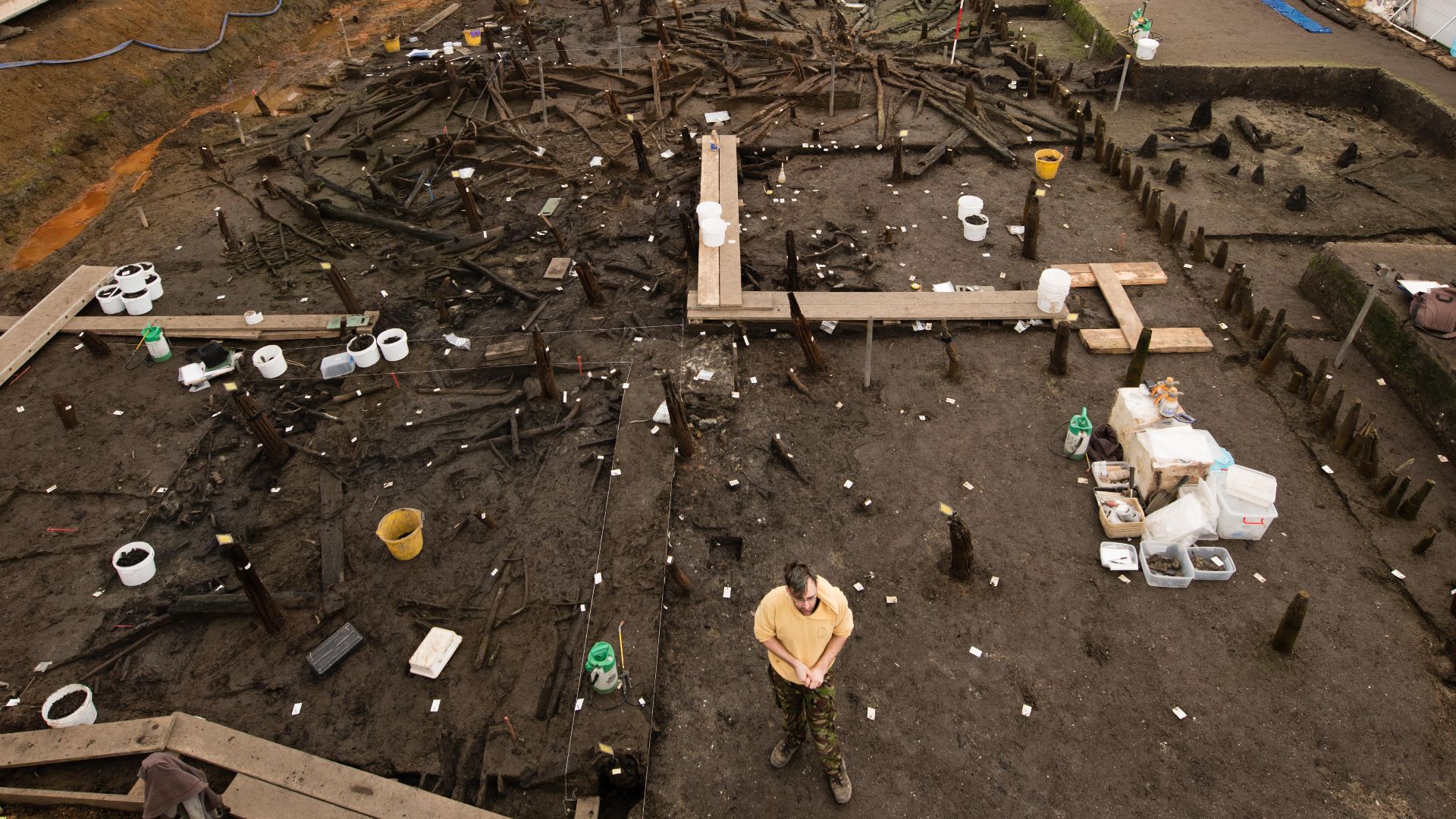 Dr._Colleen_Morgan from York, UK, USA, Wikimedia Commons
Egyptian Glass Beneath Danish Soil
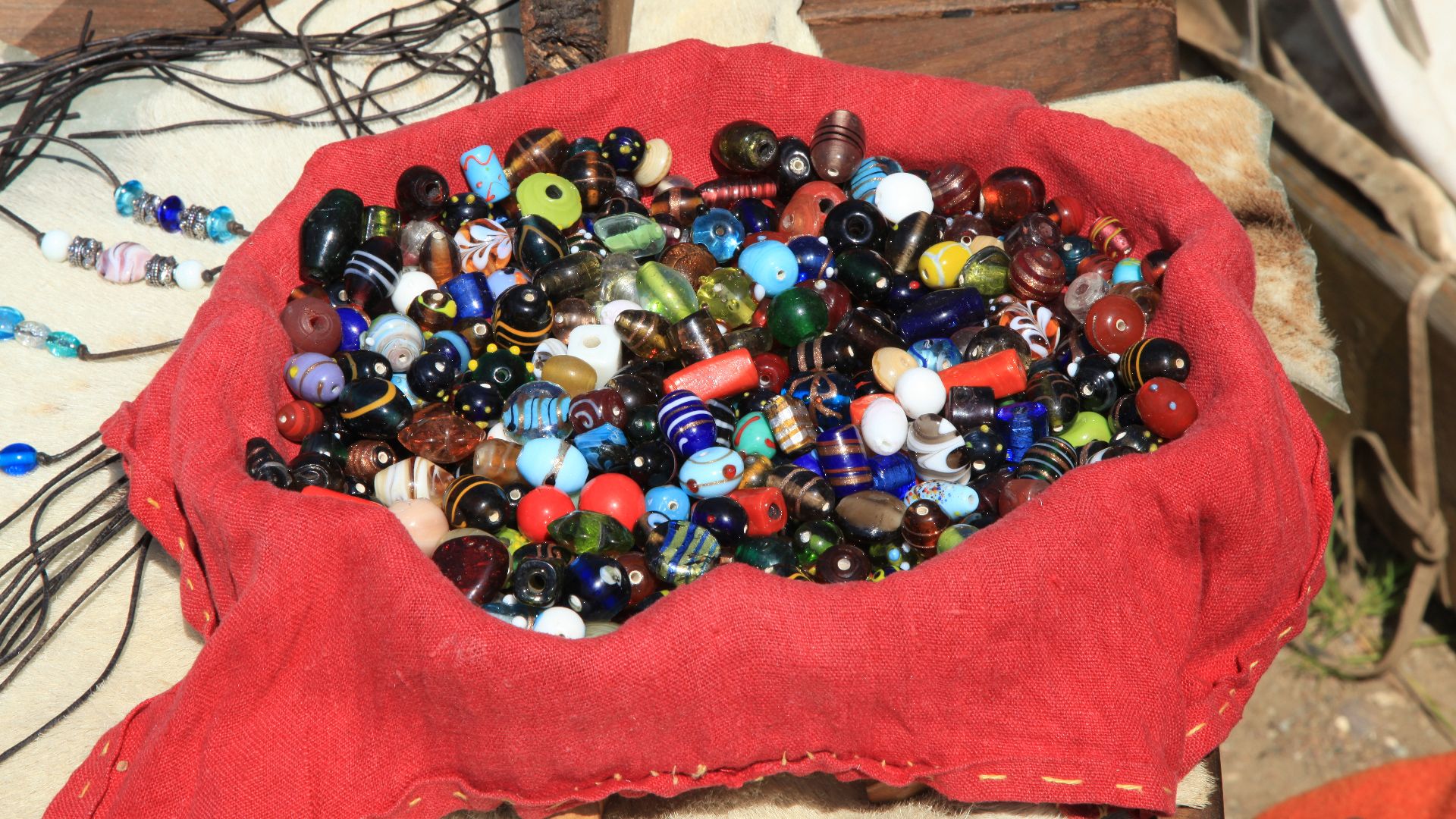
Bronze Age graves in Denmark have yielded beautiful coloured glass beads that scientists traced back to workshops in New Kingdom Egypt. The beads travelled more than 3,000 miles from their manufacturing region, probably changing hands repeatedly along the way. Apparently, Bronze Age jewellery had an impressive international distribution network.
 Frank Vincentz, Wikimedia Commons
Mesopotamian Beads Reached Denmark Too
Egypt was not Denmark's only distant supplier. Chemical analysis has identified other Danish Bronze Age beads as Mesopotamian glass. Researchers believe long-distance exchange networks connected the Tigris and Euphrates region with northern Europe by around 1400 BC. That is an enormous journey for something small enough to lose under a sofa.
 Metropolitan Museum of Art, Wikimedia Commons
An African Elephant In Anglo-Saxon England
An ivory ring discovered in a woman's grave at Scremby, England, looked mysterious until biomolecular analysis identified its source. The ivory came from an East African elephant and may have been carved around Aksum before travelling more than 4,000 miles to England. It probably formed part of a fashionable hanging bag.
 Charles J. Sharp, Wikimedia Commons
Indian Garnets At Sutton Hoo
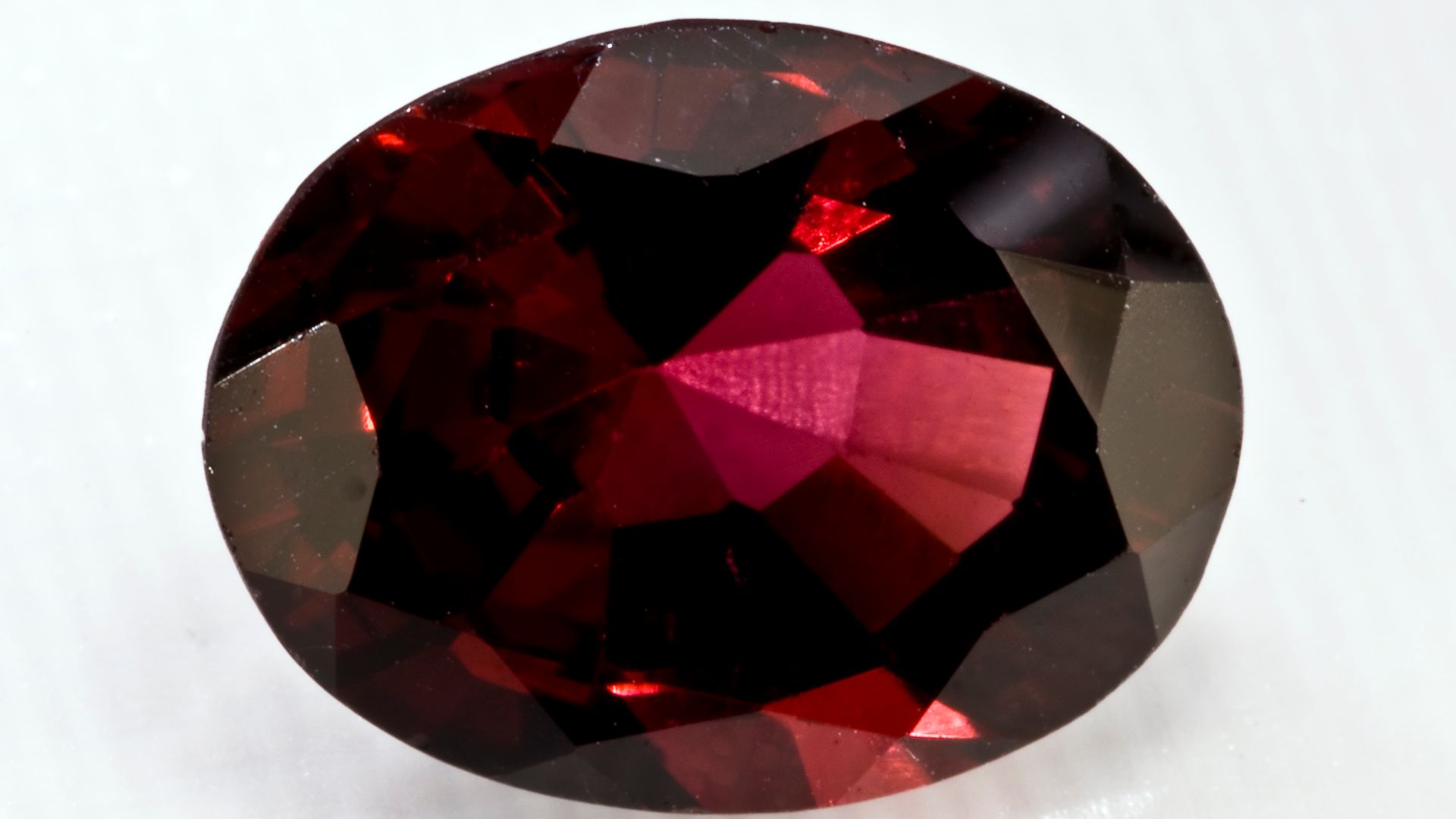
Some of the spectacular red garnets decorating the treasures of Sutton Hoo came from India. Recent scientific analysis identified Indian stones on several pieces, including garnets from Rajasthan. They somehow crossed continents before ending up in one of the most famous early medieval burials ever excavated in England.
 Didier Descouens, Wikimedia Commons
Sri Lankan Gems In An English Ship Burial
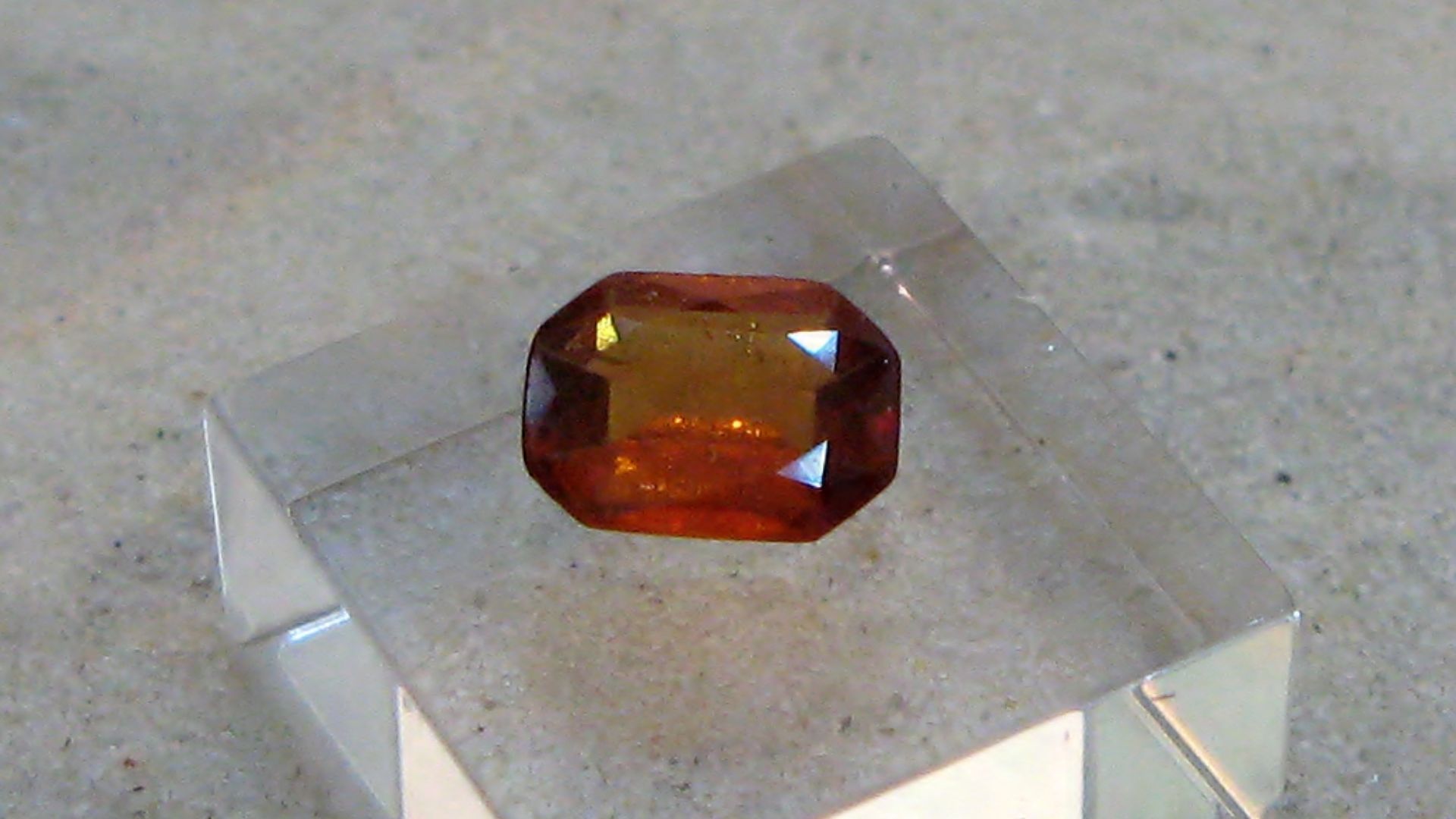
Sutton Hoo gets even stranger. Researchers also identified garnets originating in Sri Lanka among the burial's magnificent gold ornaments. One shoulder clasp combines Indian, Sri Lankan, and central European stones, turning a single piece of jewellery into what amounts to a miniature map of ancient international trade.
 Ra'ike (see also: de:Benutzer:Ra'ike), Wikimedia Commons
Roman Glass In A Japanese Tomb
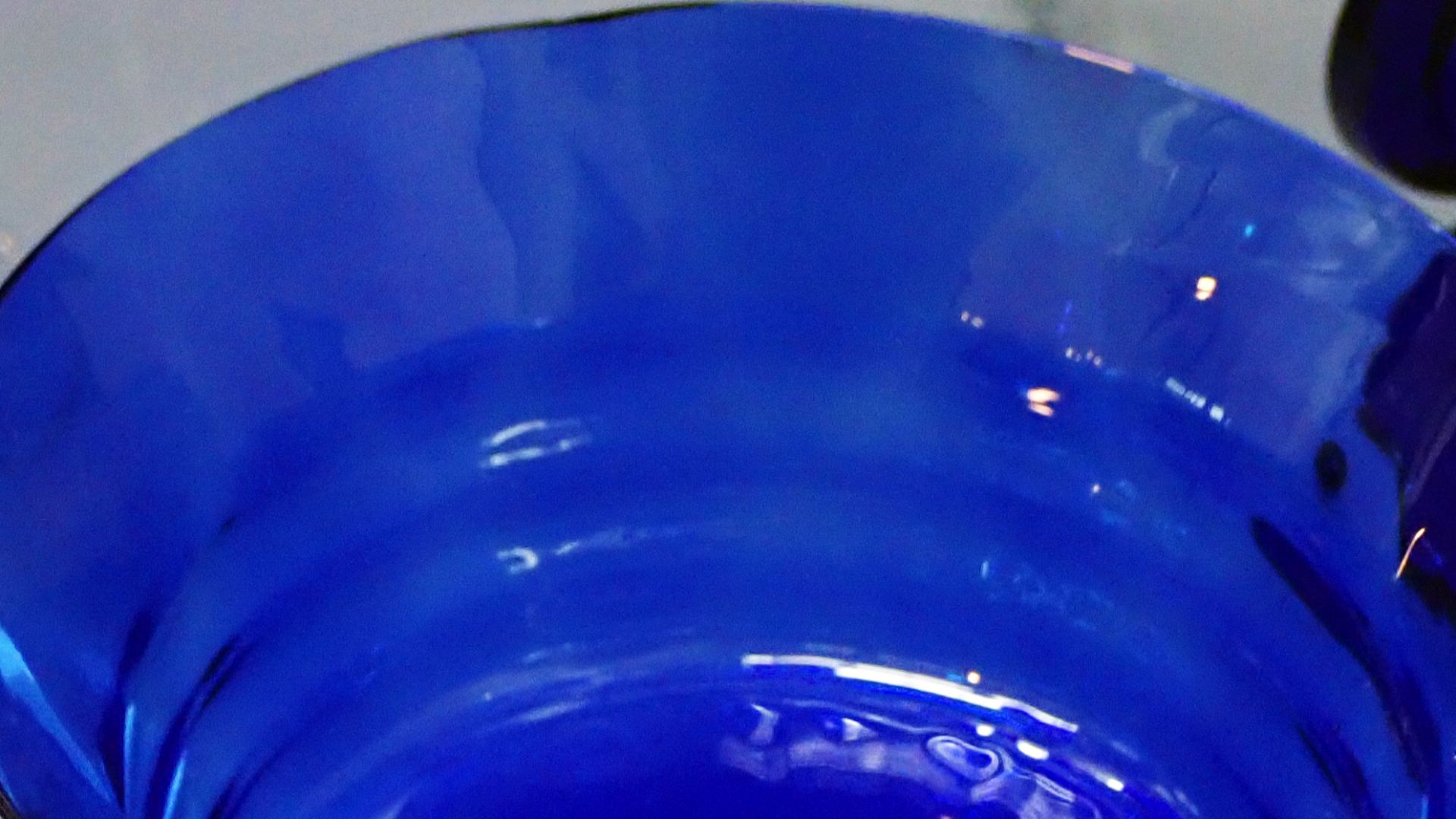
A fifth-century burial mound in Nara Prefecture, Japan, contained a dark blue glass dish. Scientific analysis indicated that the glass had been manufactured in the Roman world, probably centuries before reaching Japan. Whatever route it followed, the object somehow crossed most of Eurasia before being placed inside a Japanese tomb.
 James St. John, Wikimedia Commons
Persian Glass Beside It
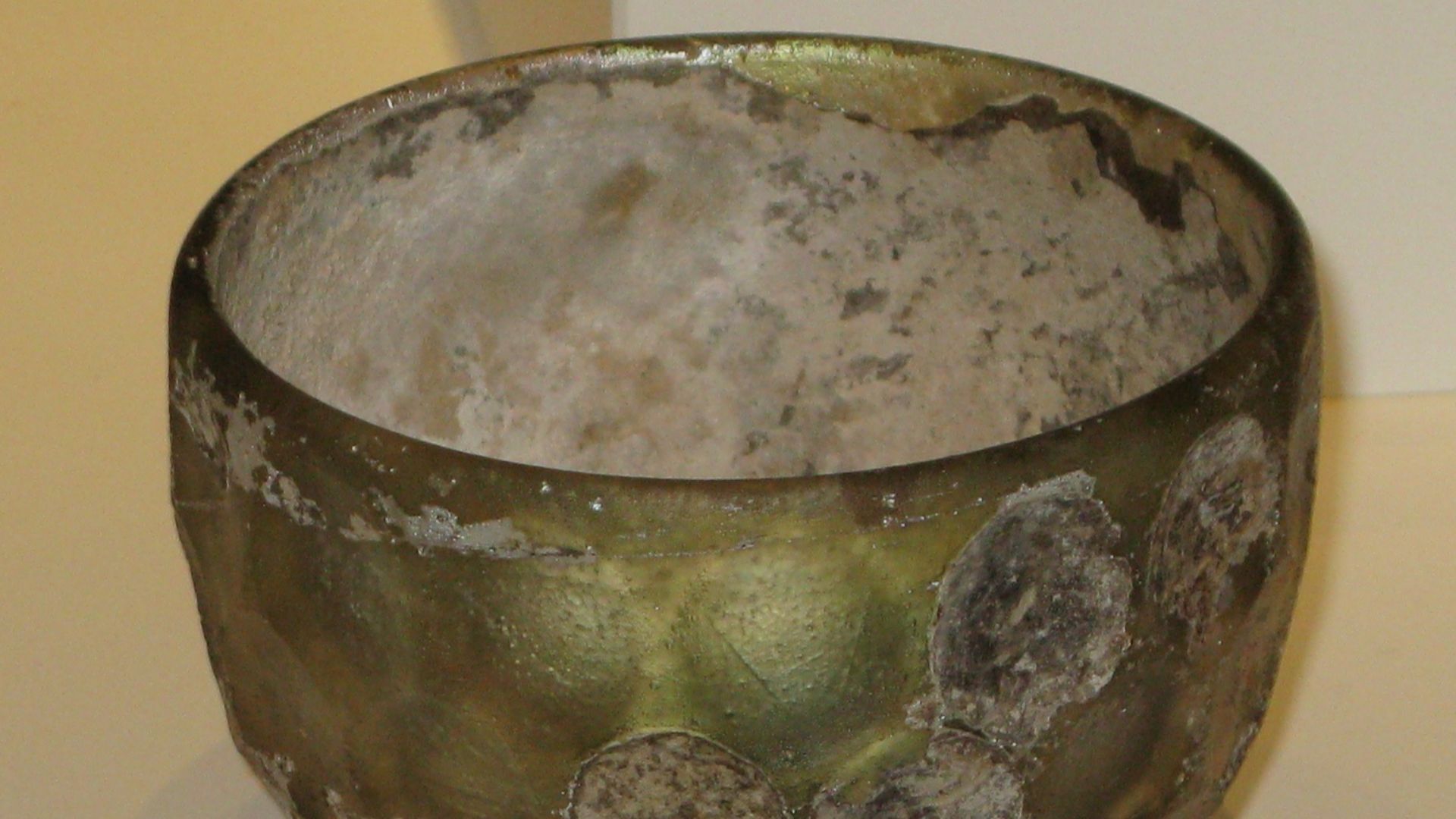
The same Japanese tomb produced another extraordinary object: a glass vessel whose composition was linked to the Sasanian world, including material comparable with glass from central Iraq. One burial therefore contained objects connected to both the Roman Mediterranean and ancient Persia. Whoever occupied that tomb had impressively international taste.
Roman Glass Reached Ancient Korea
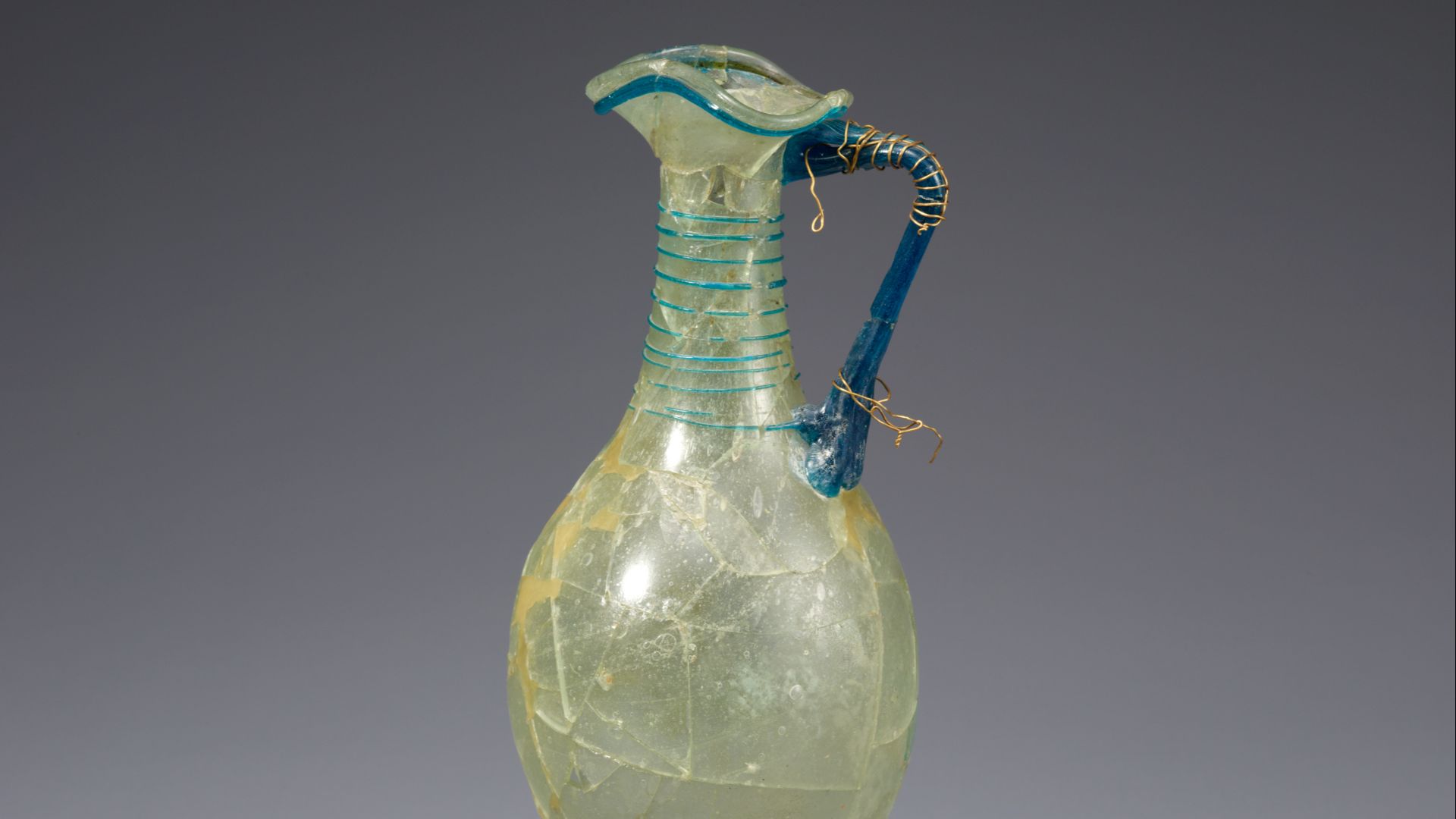
Royal tombs belonging to Korea's ancient Silla kingdom have also produced Roman glassware. A green phoenix-shaped vessel from the enormous Hwangnamdaechong tomb in Gyeongju is identified by South Korea's National Museum as Roman glass, probably carried east through Eurasian trade routes.
 National Museum of Korea
, Wikimedia Commons
National Museum of Korea
, Wikimedia Commons
Persian Glass On A Sacred Japanese Island
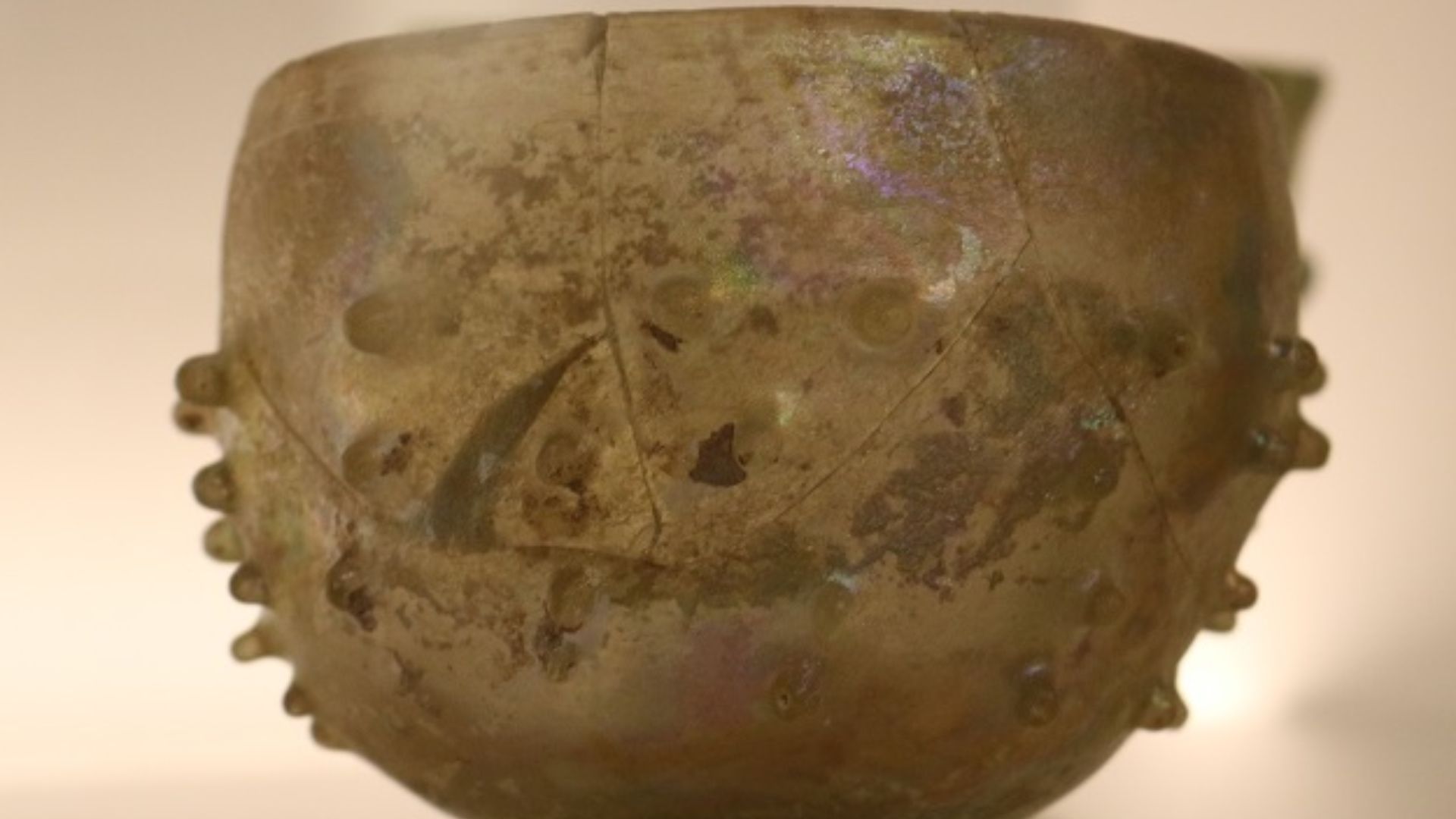
Okinoshima, an island off Japan's coast that became an important ritual centre, produced a fragment of an elegant cut-glass bowl. X-ray analysis traced the glass to the Sasanian Empire. The vessel had travelled across Asia before someone eventually offered it during sacred rituals thousands of miles from where it was made.
 PersianDutchNetwork, Wikimedia Commons
Chinese Mirrors Among Steppe Nomads
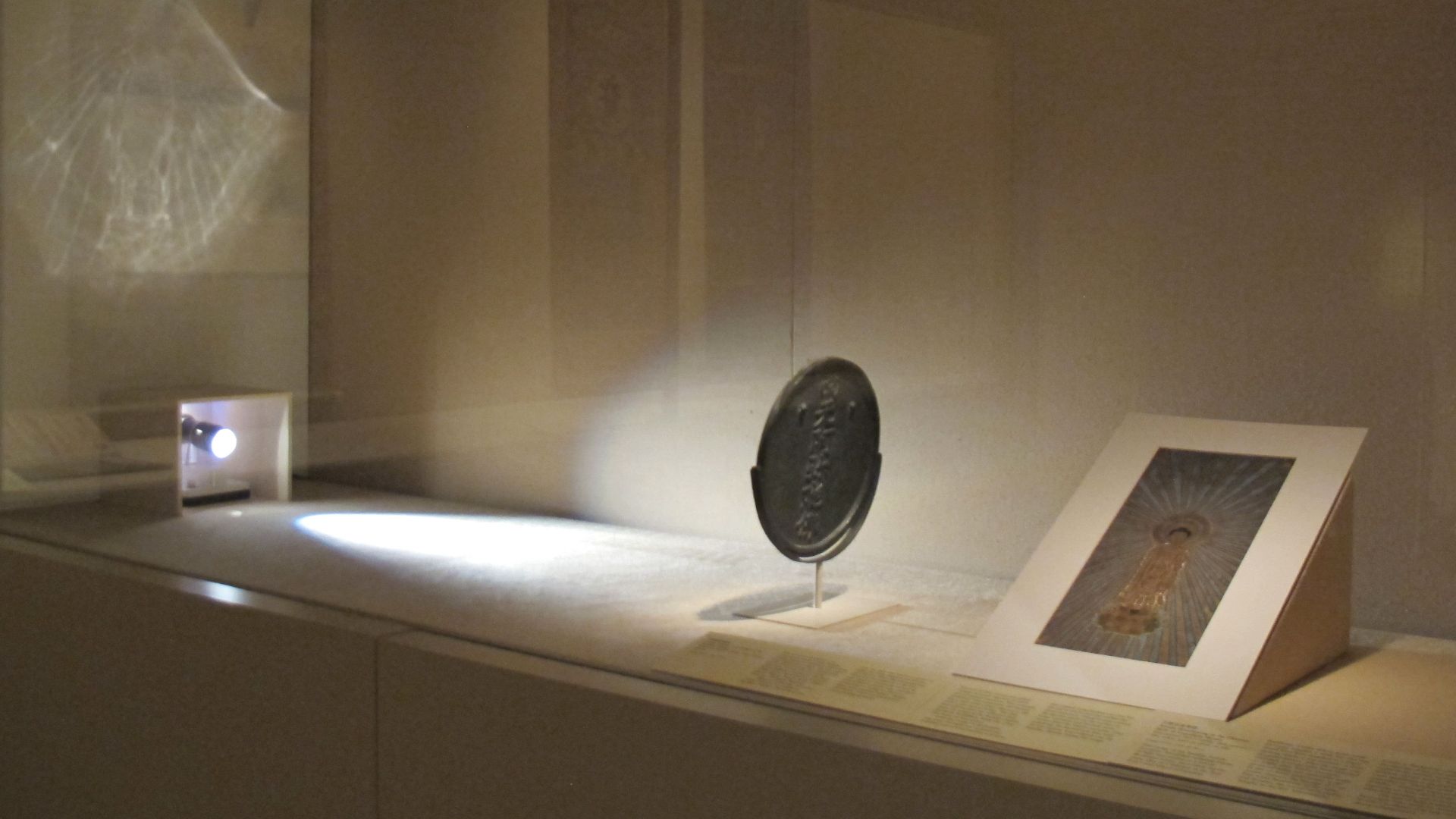
Chinese bronze mirrors did not always stay anywhere near China. Mirrors manufactured during periods including the Western Han dynasty have been recovered from nomadic burials around the Lower Volga and Don regions of eastern Europe. They show that objects could move astonishing distances across the Eurasian steppe long before modern borders existed.
Roman Amphorae On India's East Coast
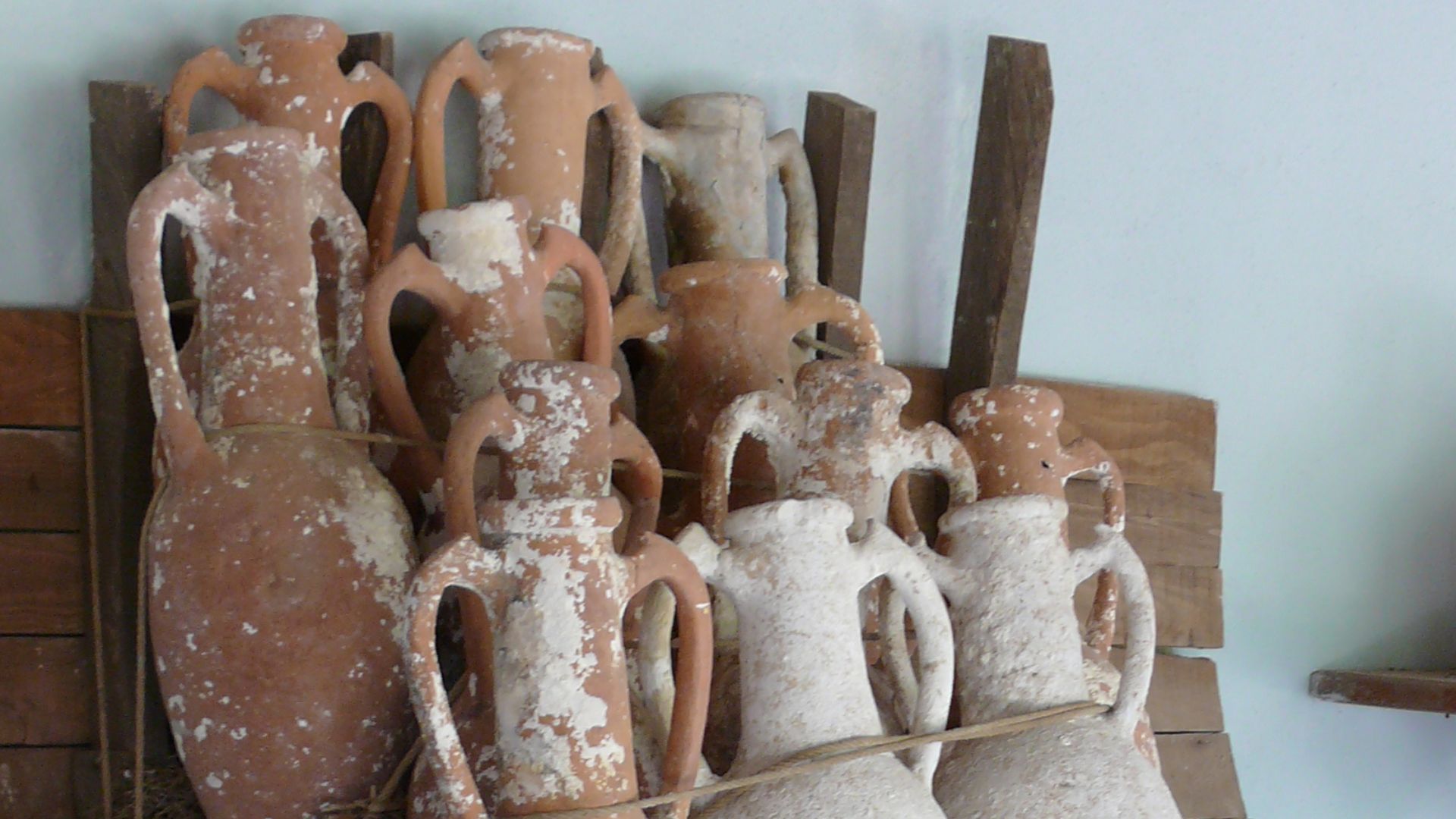
Excavations at Arikamedu in southern India famously uncovered fragments of imported Mediterranean amphorae and fine pottery. These transport jars were normally used for commodities such as wine and oil. Their presence helped archaeologists recognize the tremendous scale of trade connecting India with Mediterranean merchants.
Mediterranean Jars At Pattanam
Pattanam in Kerala, often associated with the ancient port of Muziris, has produced another remarkable collection of imported objects. Archaeologists have recovered Mediterranean glass, Roman fine ware, and amphorae dating around the first century BC through the second century AD—physical leftovers from a thriving Indian Ocean trading system.
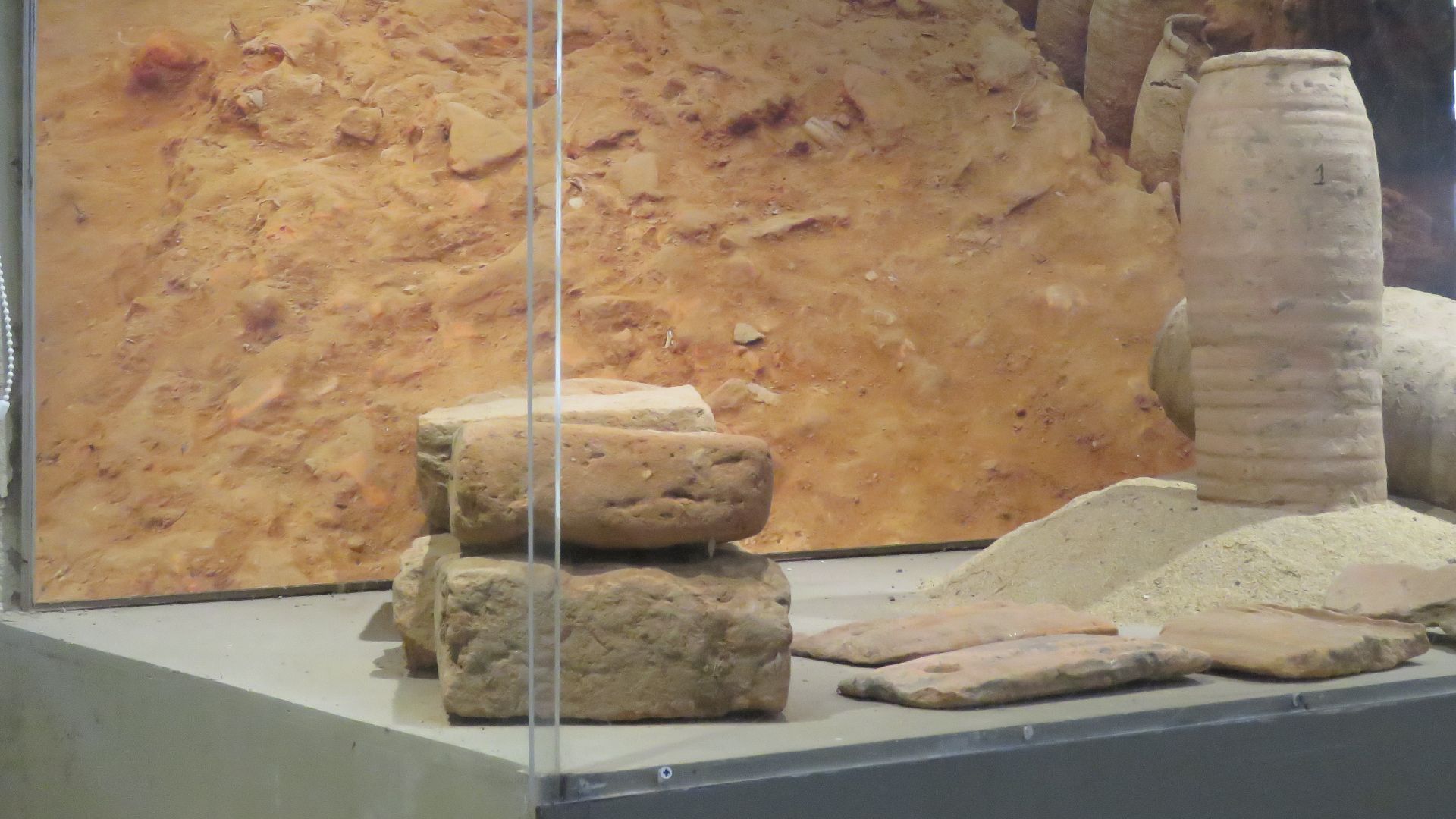
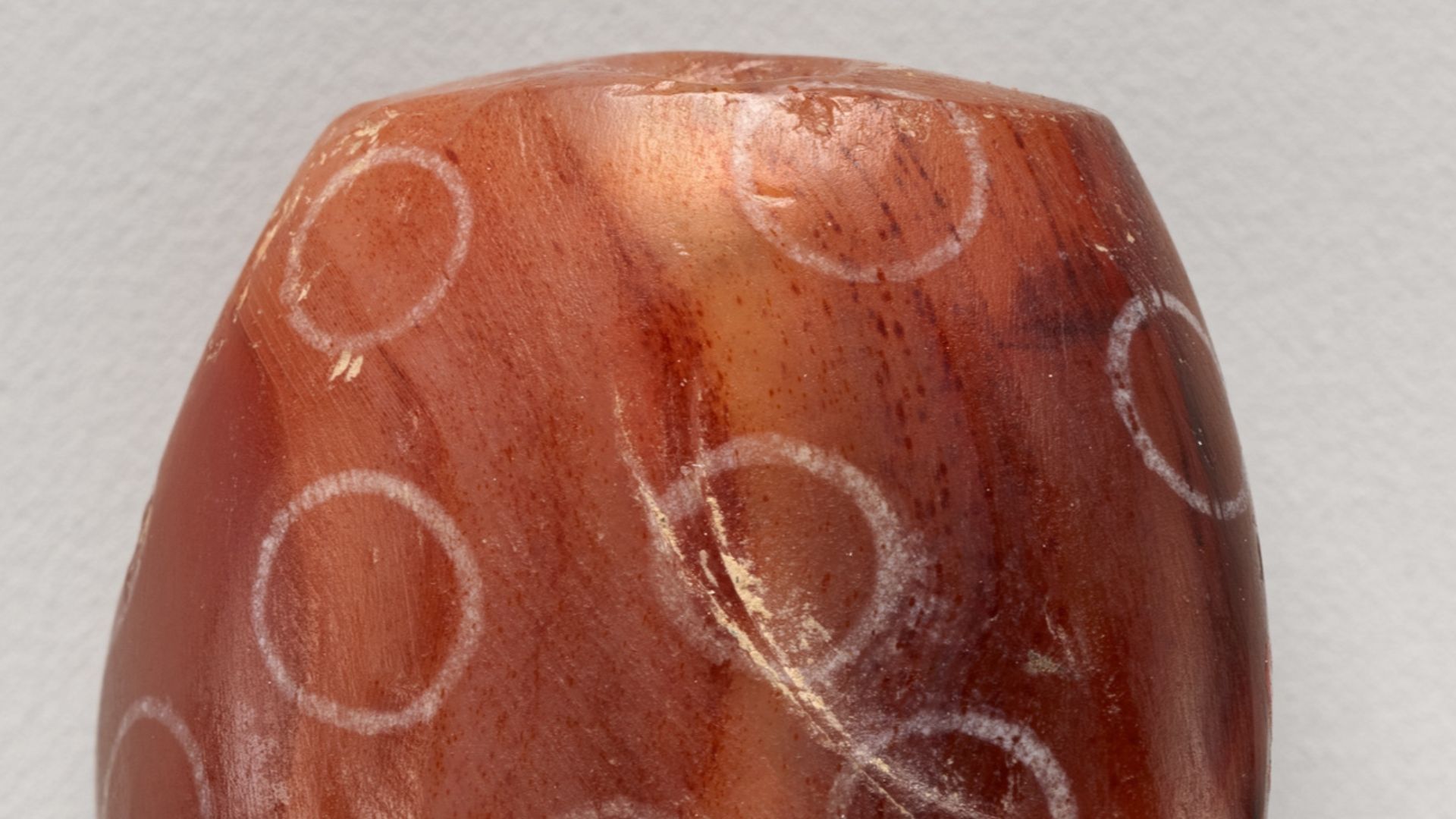
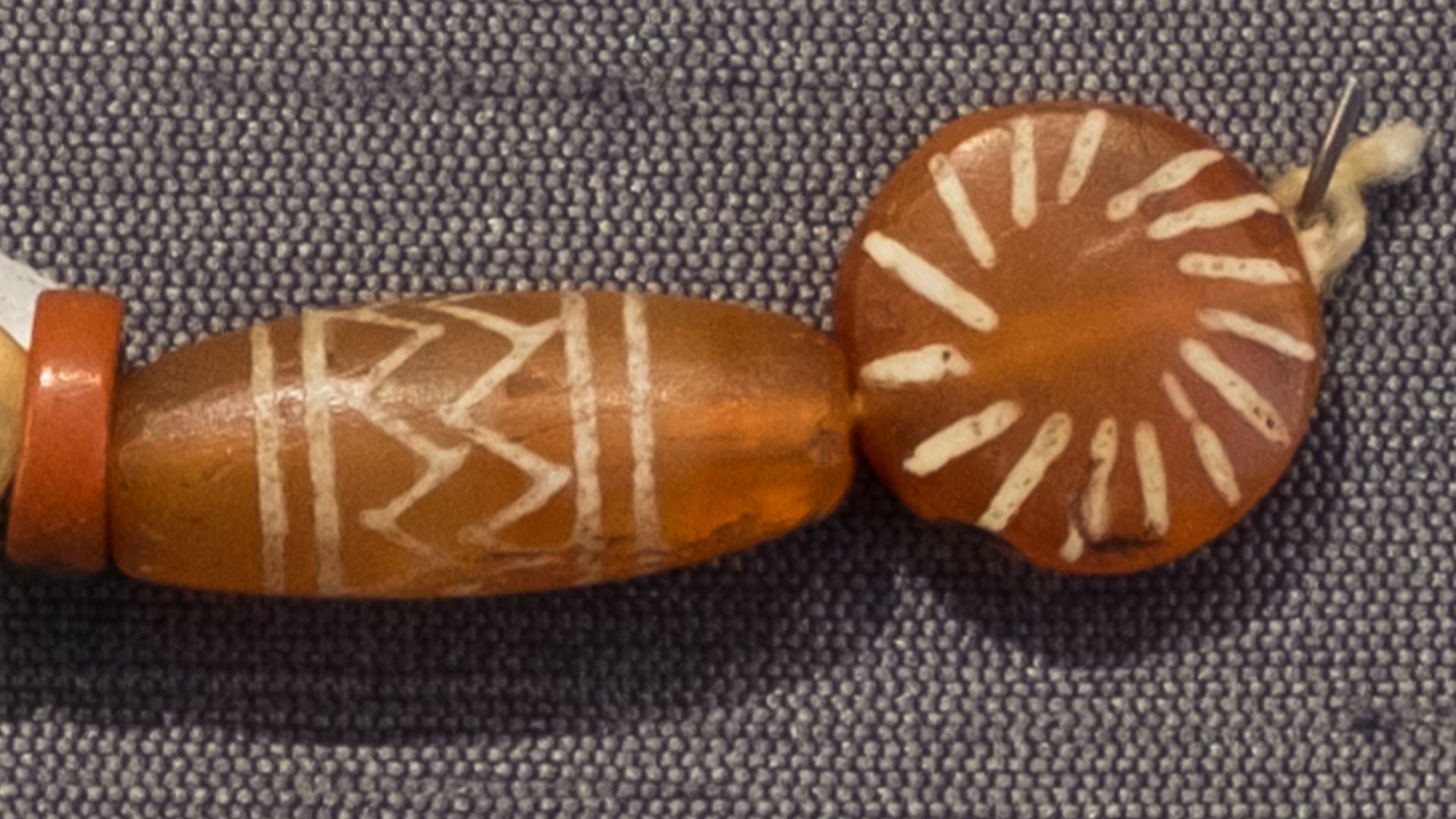
Indus Carnelian In Mesopotamia
Carnelian beads provide evidence that long-distance trade was already booming thousands of years before Rome. Distinctive long carnelian beads associated with the Indus civilization reached Mesopotamia, where some were buried as treasured luxury objects. Making them required enormous skill; transporting them across deserts and mountains was probably not much easier.
 Anthony Huan, Wikimedia Commons
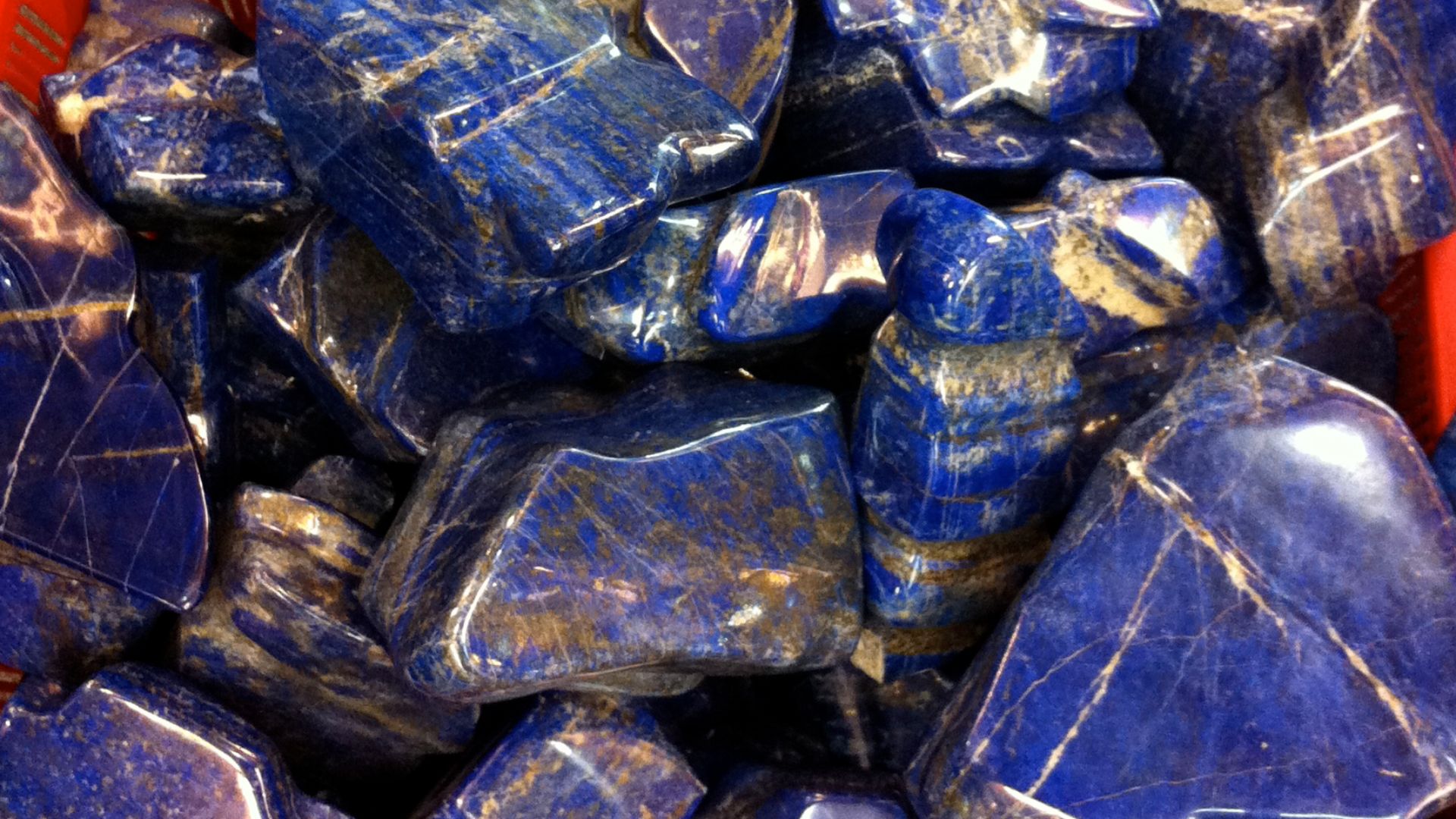
Afghan Lapis Travelled West
Mesopotamian elites loved lapis lazuli, despite the fact that the prized blue stone had to travel an extraordinary distance. Major ancient supplies came from Badakhshan in present-day Afghanistan. British Museum research notes that reaching Mesopotamia from these deposits involved a journey of roughly 2,400 kilometres—before modern roads, naturally.
 Guy Courtois, Wikimedia Commons
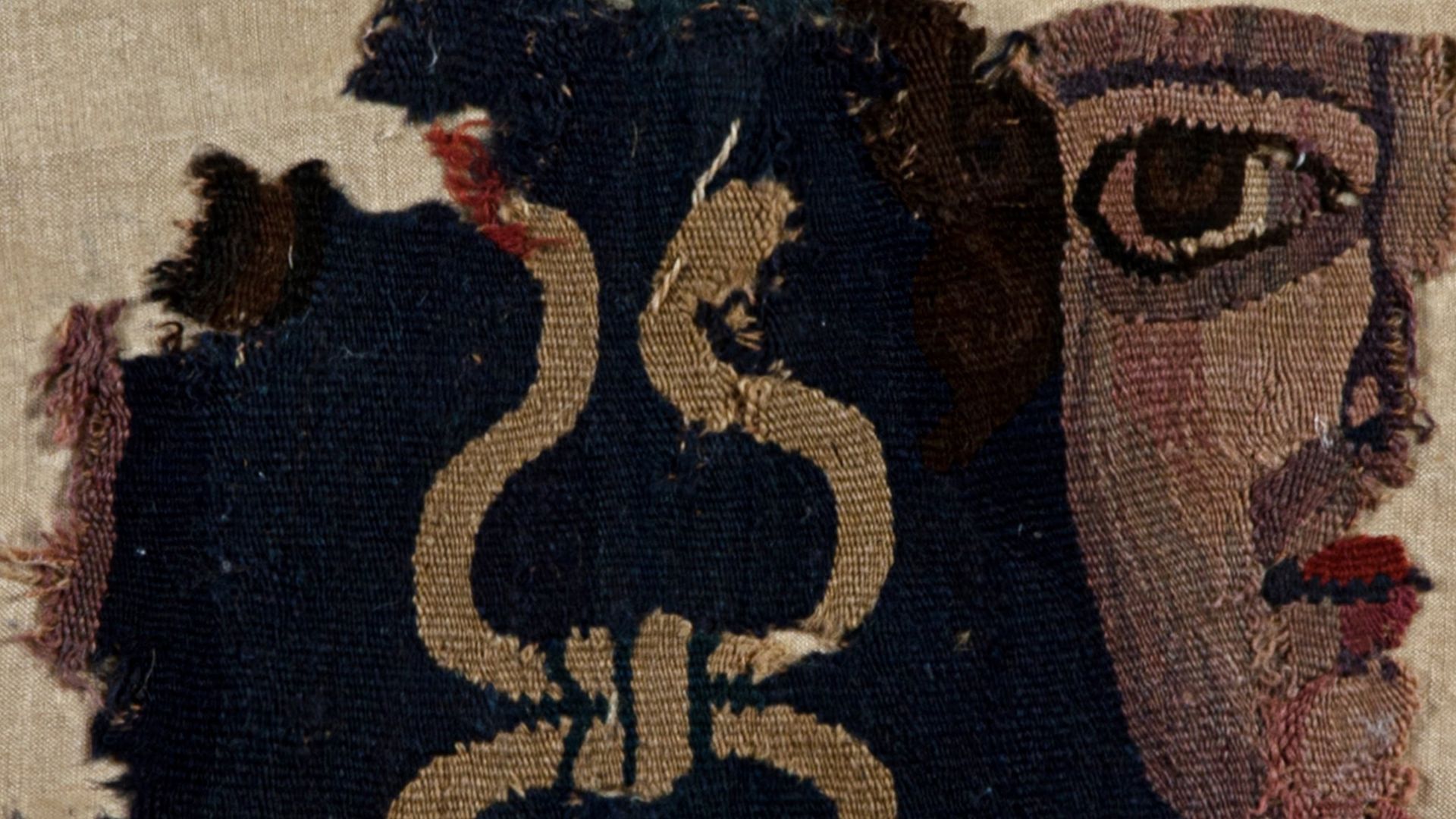
A Roman God Appeared In China's Desert
A remarkable woollen textile depicting the classical god Hermes was discovered at Loulan in China's Xinjiang region. New research argues that the tapestry was probably produced somewhere in the Roman Empire during the first or second century AD before travelling into Central Asia. Ancient interior decorating apparently had serious range.
 Unknown authorUnknown author, Wikimedia Commons
Mediterranean Blue In Northeastern Iran
Beads excavated at Se Tepe in northeastern Iran recently received a scientific makeover. Researchers identified several as Egyptian blue frit, a material associated with the Mediterranean world. Their presence deep in Iran highlights the Great Khorasan Road's role in moving valuable materials between otherwise distant societies during the first millennium BC.
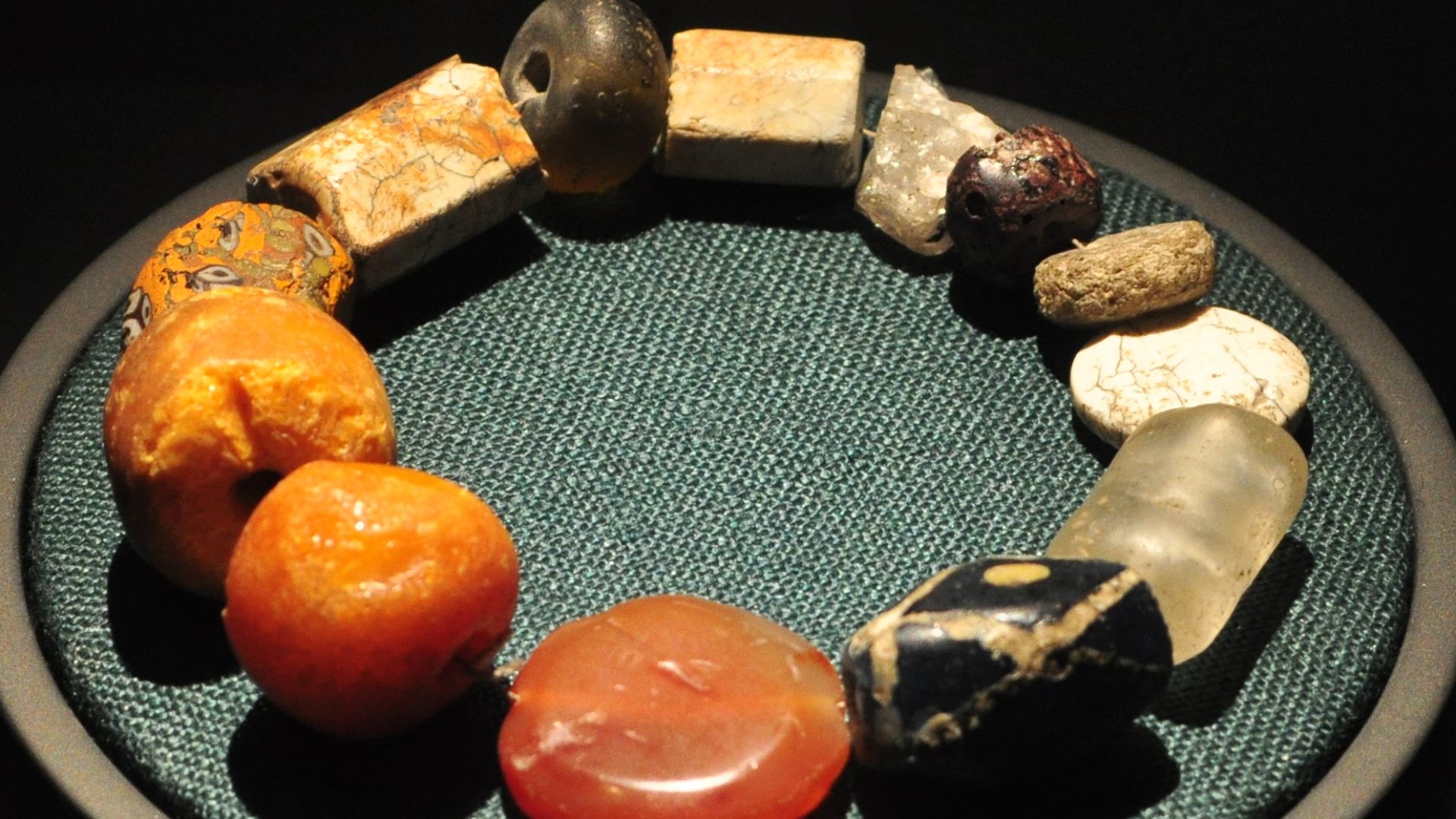
Baltic Amber At Mycenae
Mycenaean graves in Greece contained huge quantities of amber, much of which researchers have associated with Baltic sources far to the north. More than 2,000 amber beads were recovered during Heinrich Schliemann's excavations at Mycenae alone. Their journey south helped inspire some of archaeology's earliest experiments in scientific provenance testing.
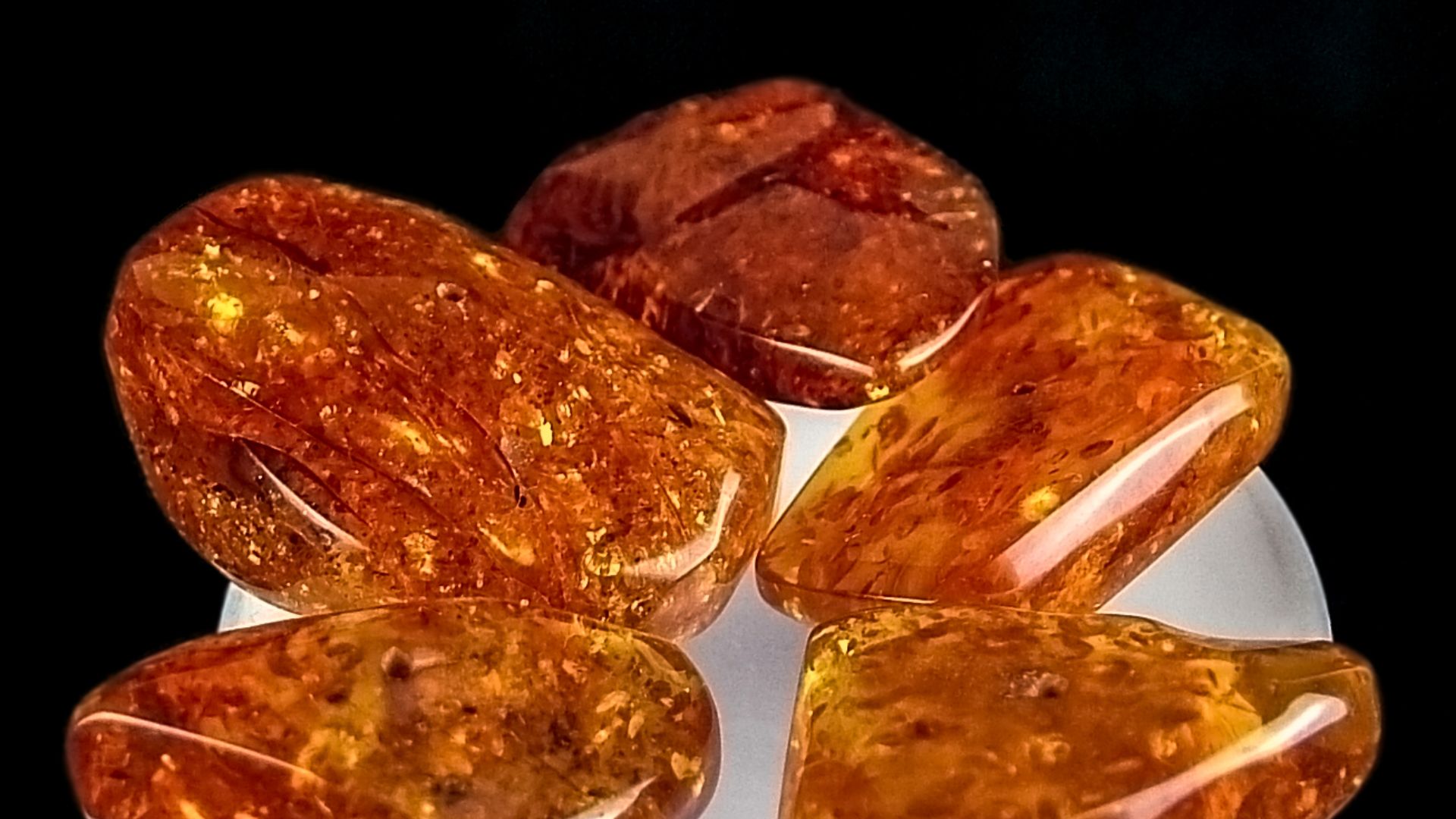
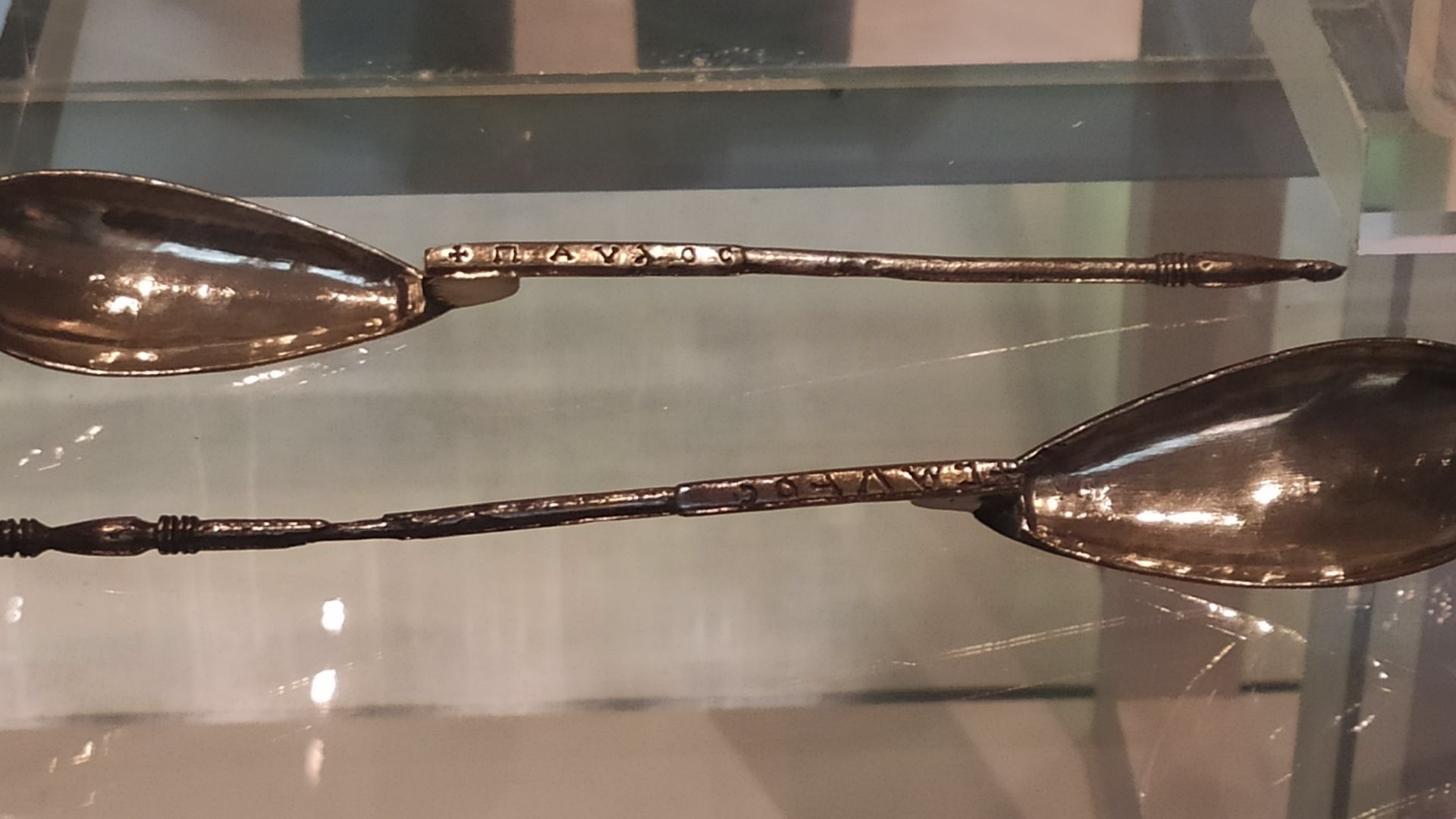
Byzantine Silver In Anglo-Saxon England
The Sutton Hoo burial did not stop at Asian gemstones. It also contained prestigious silverware linked to the Byzantine world of the eastern Mediterranean. Finding such objects inside an Anglo-Saxon ship burial in Suffolk reminds us that elite Europeans were connected to exchange networks stretching astonishingly far beyond their own kingdoms.
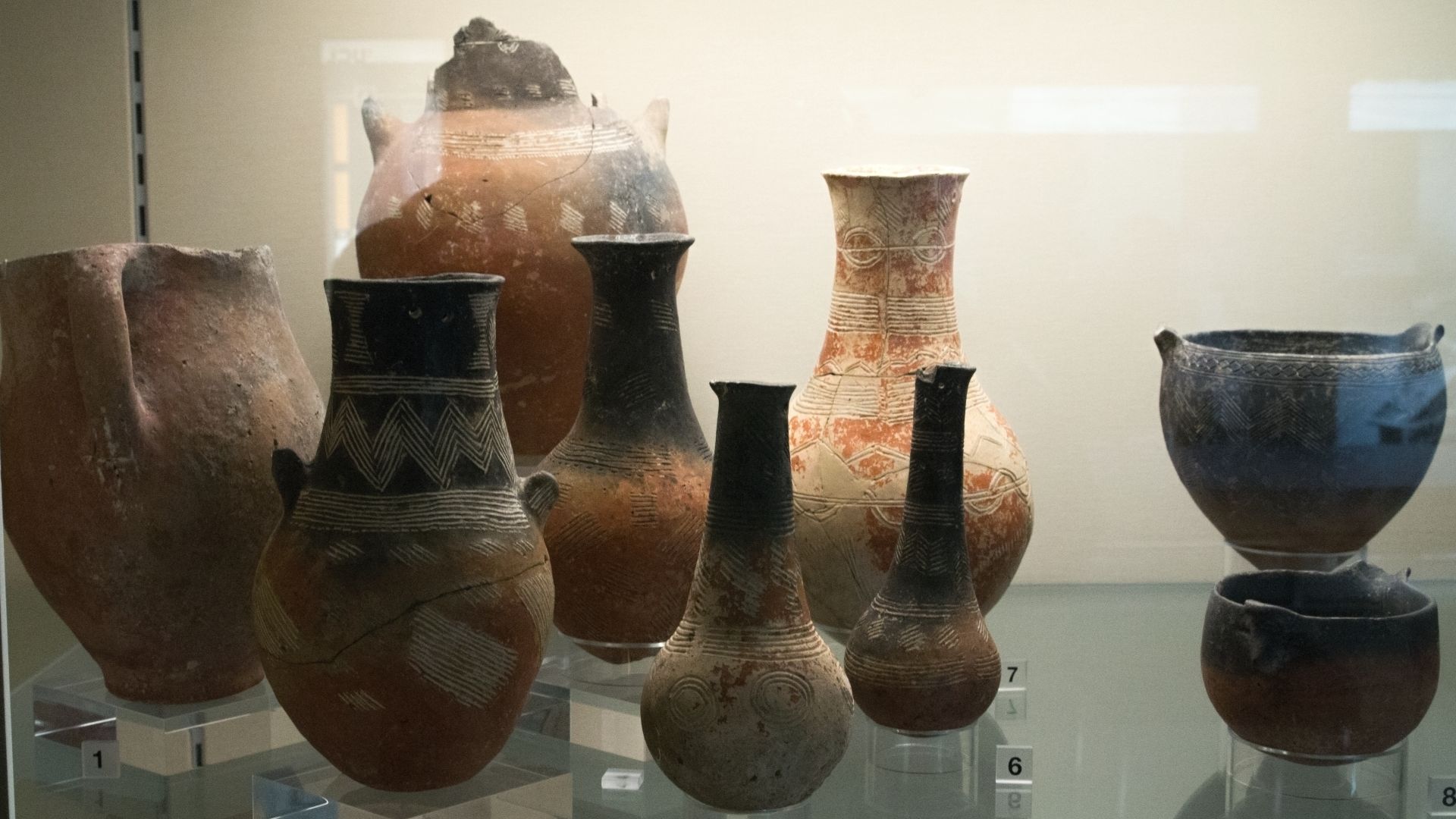
Mediterranean Pottery In Northern Britain
Fragments of eastern Mediterranean amphorae dating from roughly the fifth and sixth centuries AD have been discovered at elite sites in Britain, including Tintagel in Cornwall and Rhynie in Scotland. These jars once carried valuable provisions northward, showing that Mediterranean luxury goods kept travelling even after Roman rule in Britain disappeared.
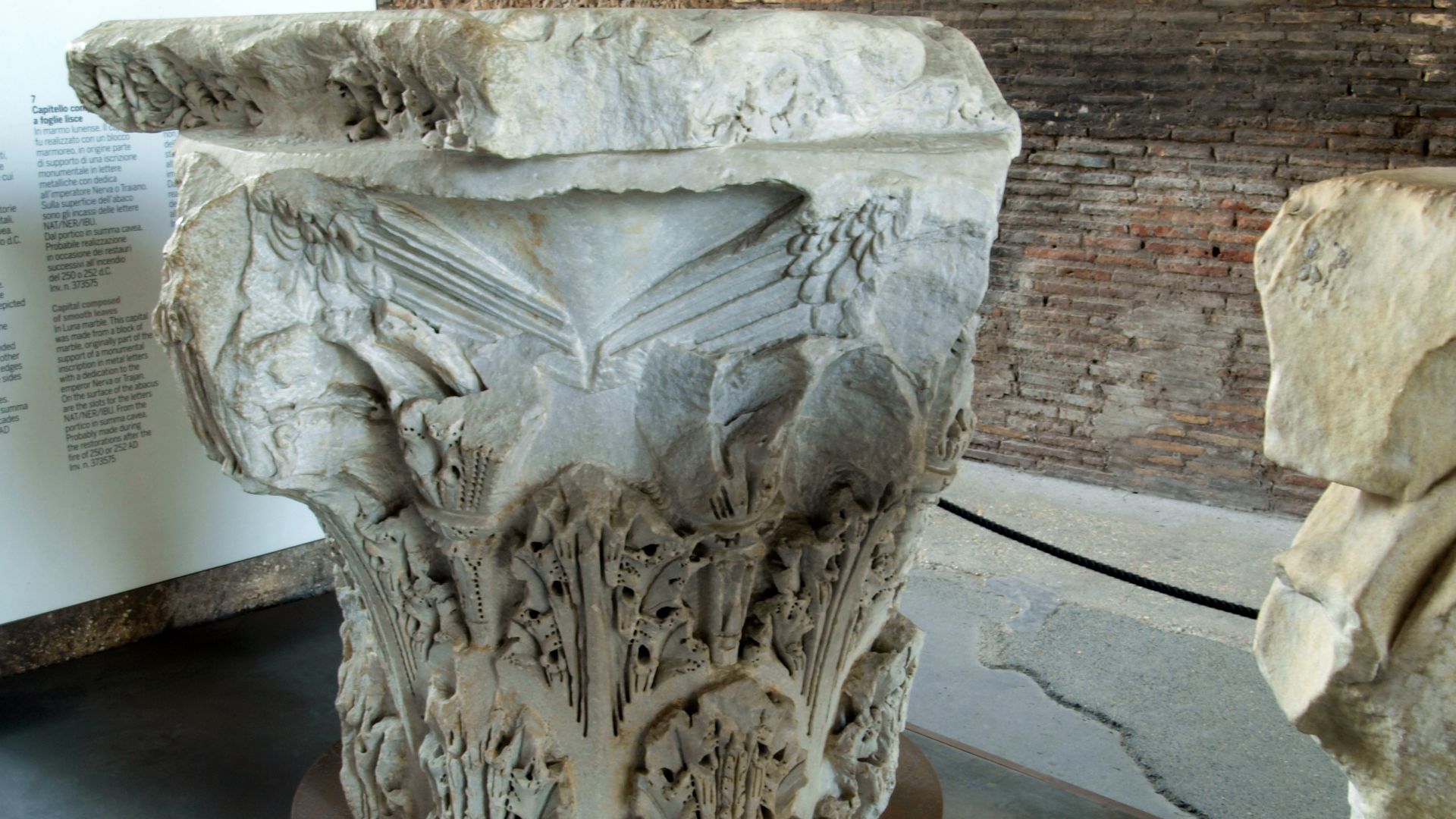
Constantinople's Marble Reached East Africa
Archaeologists studying the ancient Red Sea port of Adulis in present-day Eritrea discovered marble used in a sixth-century church. Scientific study identified it as Proconnesian marble quarried near Constantinople. Moving enormous chunks of stone across the Mediterranean and Red Sea made transporting a pocketful of beads suddenly look rather easy.
Tiny Objects Reveal Enormous Networks
What makes these finds remarkable is that many probably did not travel with one adventurous owner. Objects moved through chains of merchants, diplomats, craftspeople, raiders, pilgrims, and gift-givers. A gemstone might change hands dozens of times. Archaeology therefore preserves not just objects, but fragments of human relationships stretching across continents.
The Ancient World Was Never As Isolated As It Looks
A Swedish Buddha, African ivory in England, Roman glass in Japan, and Persian silver in Viking lands all tell the same story. Ancient societies were separated by formidable distances, but they were not sealed off from one another. Long before globalization had a name, remarkable objects were already making remarkably global journeys.
 Gabriel Hildebrand/Statens historiska museum, Wikimedia Commons
You May Also Like:
Things Canadians Notice Immediately When They Drive Through The American Southwest
Top Five Restaurants In The World
The U.S. Cities That Canadians Say Are Better Tourist Destinations Than They Expected