America's Strangest Sweet Traditions
Possum pie, chocolate gravy, and candy made from mashed potatoes sound like desserts someone made up as a joke. But Americans have been enjoying these unusual sweet treats for generations. From bizarre ingredients to misleading names, some of the strangest regional desserts are surprisingly delicious.
So, how many of these weird and wonderful treats would you actually dare to try?
Shoofly Pie (Pennsylvania)
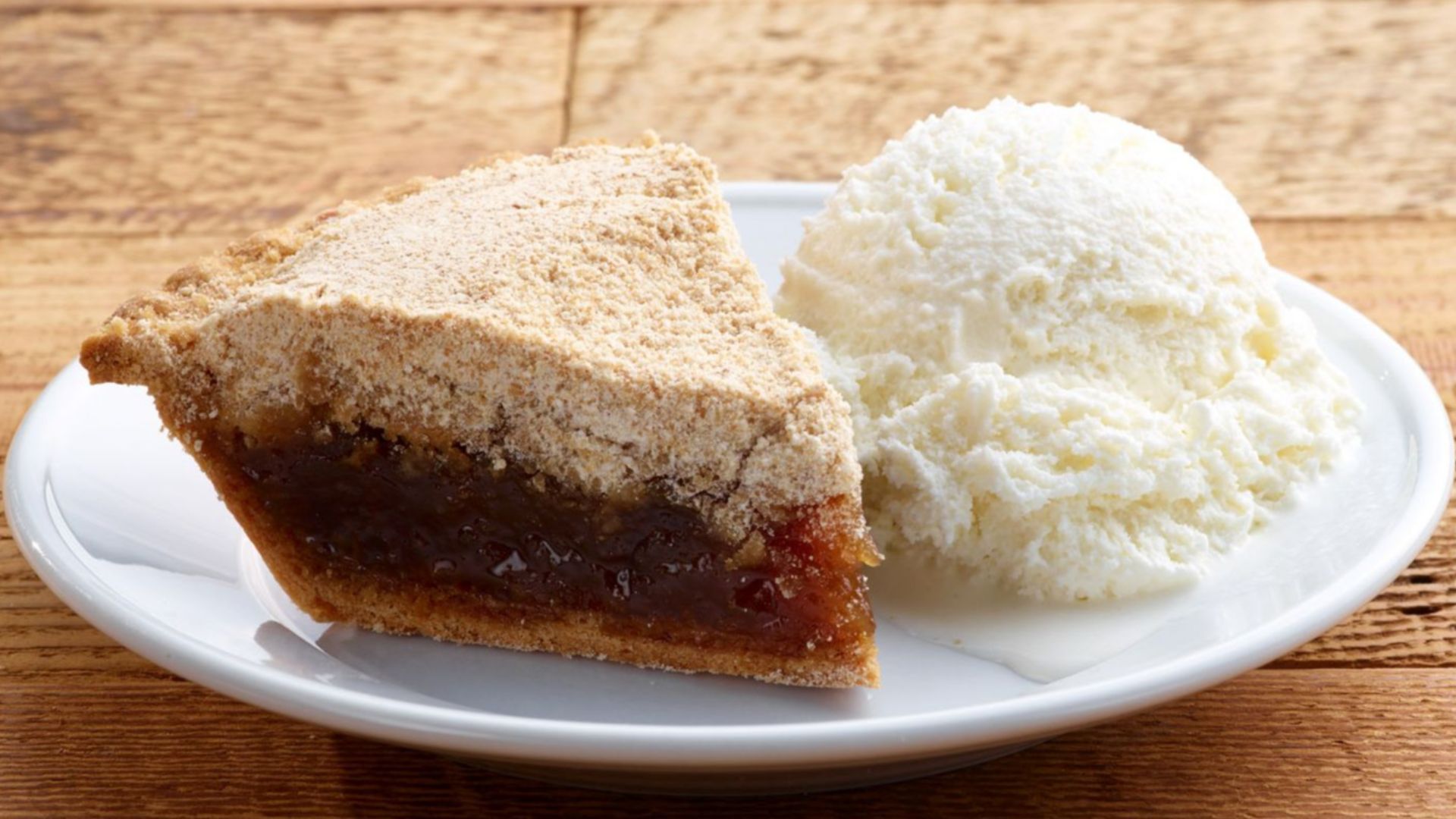
Despite its peculiar name, shoofly pie contains no insects. This Pennsylvania Dutch favorite combines a rich molasses filling with a buttery crumb topping. Its origins trace back to the late 1800s, and it was traditionally enjoyed for breakfast with coffee. Even the origin of its unusual name remains a mystery.
 Good N Plenty, Wikimedia Commons
Possum Pie (Arkansas)
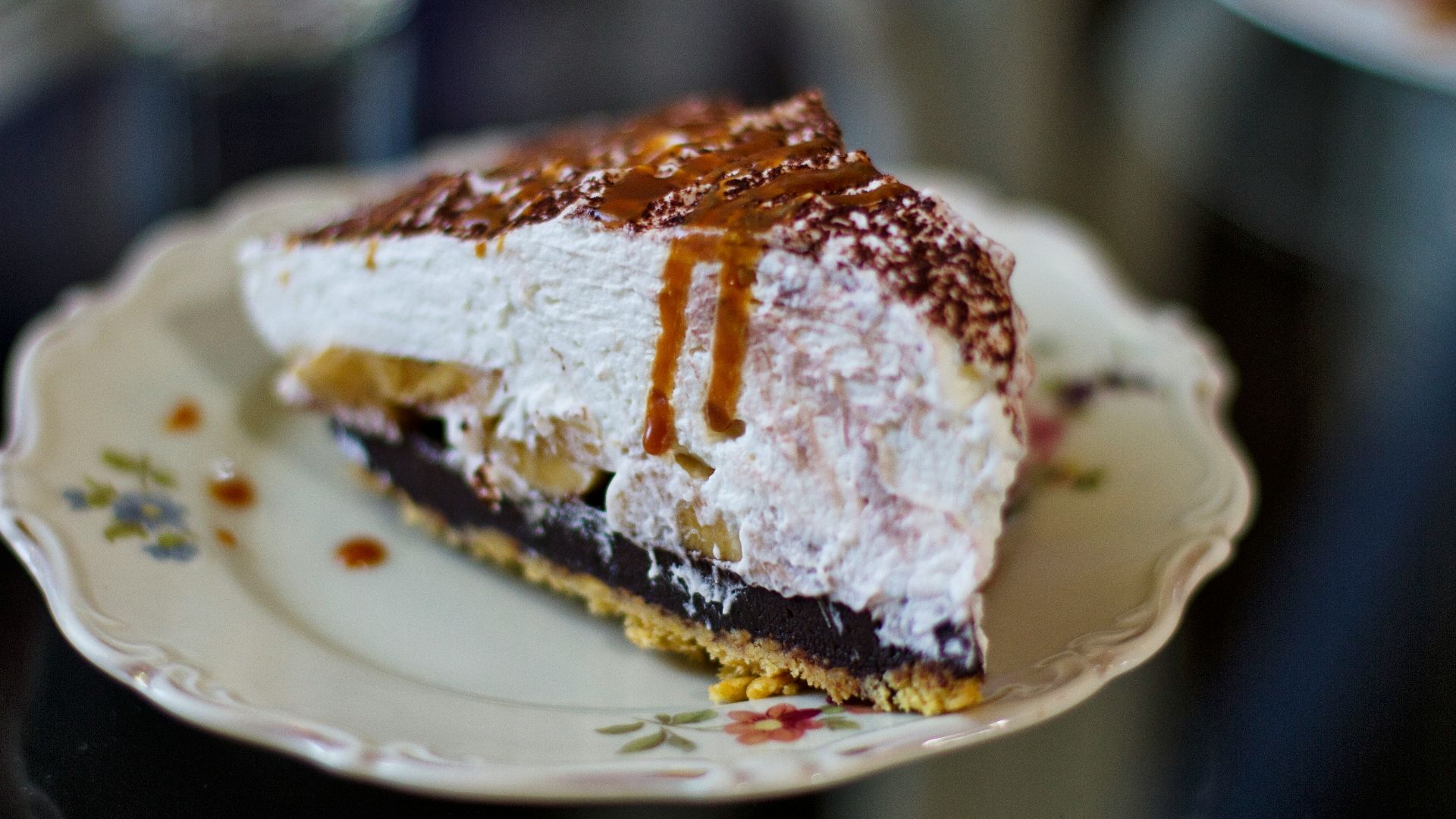
Order possum pie in Arkansas, and don't worry about finding an actual animal inside. This Southern specialty layers cream cheese, chocolate pudding, and whipped cream over a pecan crust. Its name reportedly comes from the way the topping hides the filling, much like an opossum playing dead. It's a longtime favorite in Arkansas restaurants and homes.
Needhams (Maine)
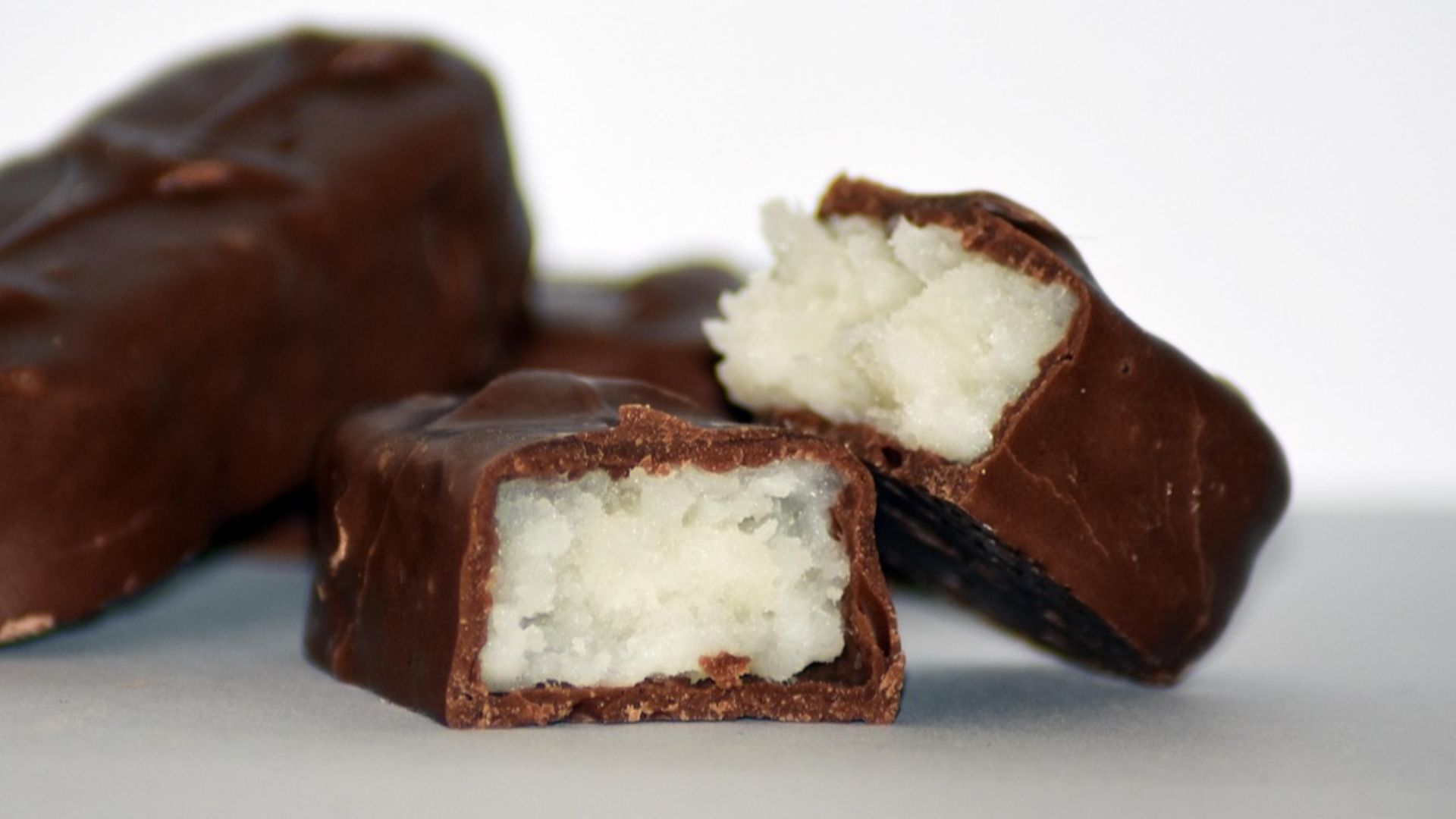
Maine has a beloved chocolate-covered candy with one seriously unexpected ingredient: mashed potatoes. Needhams combine potatoes, coconut, powdered sugar, and butter beneath a chocolate coating. The potatoes hold everything together without adding a noticeable potato flavor. This unusual candy has been part of Maine's food culture since the 19th century.
Vinegar Pie (West Virginia)
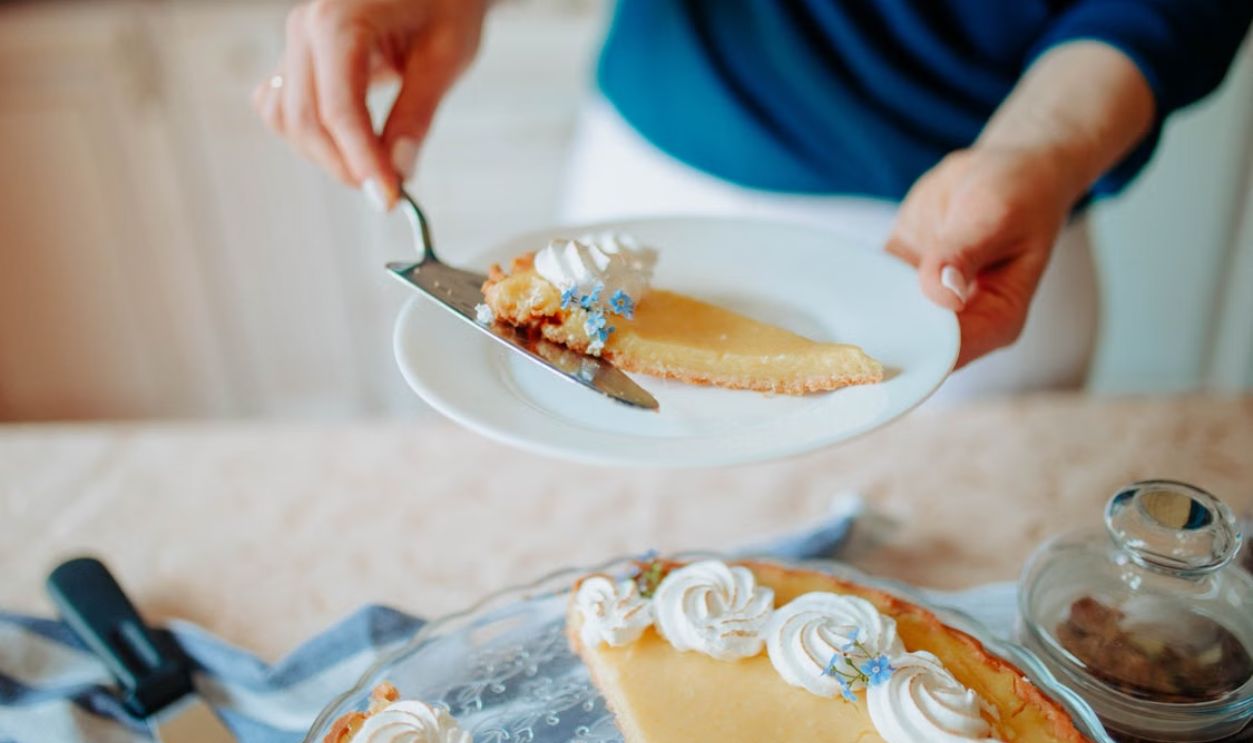
Putting vinegar in a pie sounds questionable, but Appalachian cooks discovered it could produce a delicious dessert. Vinegar pie combines a little vinegar with sugar, eggs, and pantry staples to create a sweet, tangy filling. It was particularly useful when fresh lemons were unavailable or expensive.
Scotcheroos (Iowa)
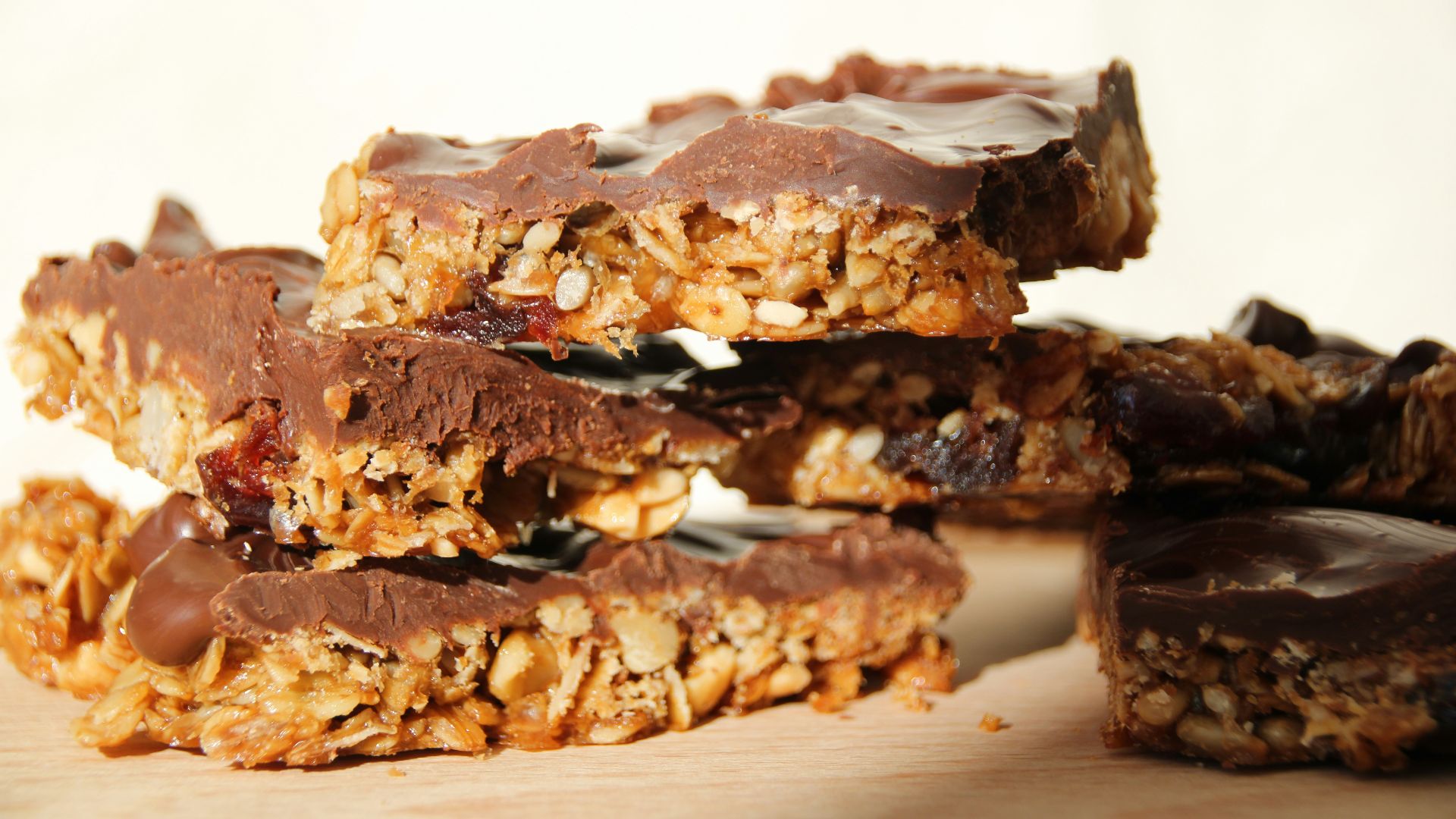
Scotcheroos sound like a made-up breakfast cereal, but they're actually a Midwestern dessert favorite. These chewy, no-bake bars combine crispy rice cereal and peanut butter beneath a chocolate-butterscotch topping. The recipe appeared on Rice Krispies packaging during the postwar era. They're particularly popular in Iowa, where dessert bars are potluck staples.
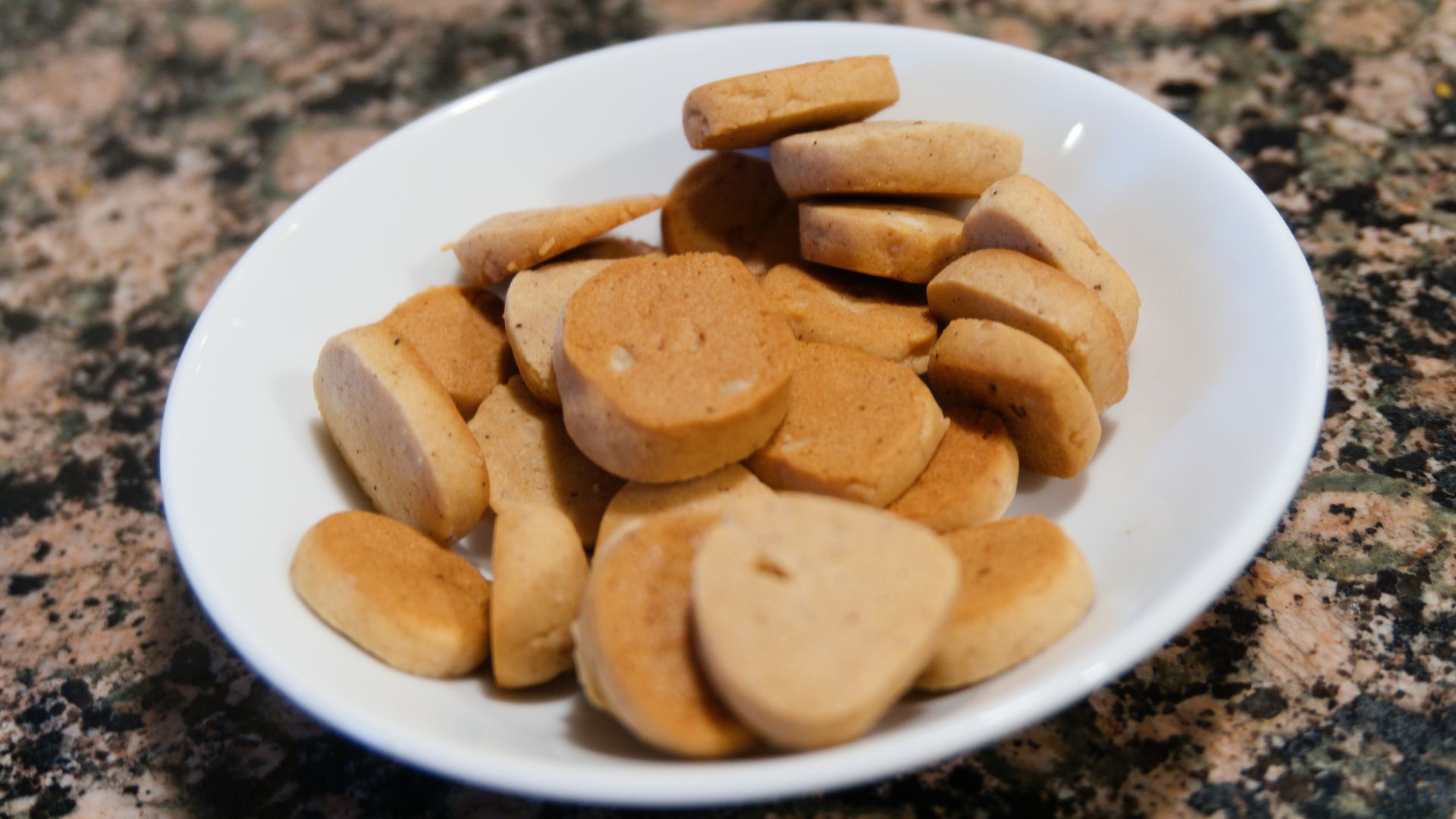
Peppernuts (Kansas)
Despite their name, traditional peppernuts don't contain actual nuts. These small, crunchy cookies became part of Kansas food culture through German-speaking Mennonite immigrants who arrived during the 1870s. Known as pfeffernüsse, they're flavored with spices such as anise, cinnamon, and cloves. They're particularly popular around Christmas, although some bakeries sell them year-round.
 Jim.lindstrom, Wikimedia Commons
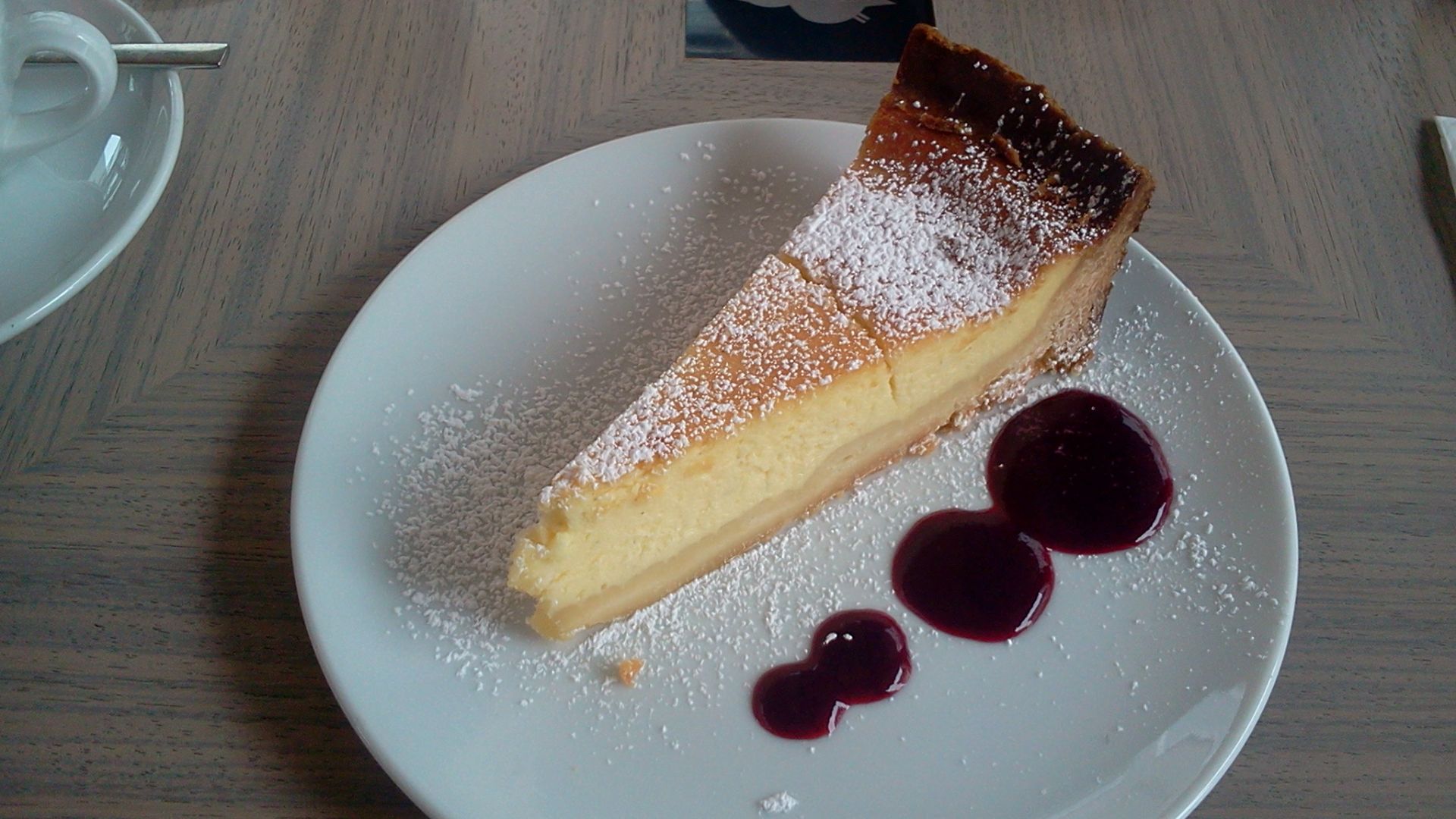
Kuchen (South Dakota)
South Dakota has an official state dessert, and its name means "cake" in German. Kuchen arrived with German immigrants during the 19th century and became a favorite at family gatherings. Many versions feature fruit and creamy custard inside a pastry crust. The state recognized kuchen as its signature dessert in 2000.
 Raimond Spekking, Wikimedia Commons
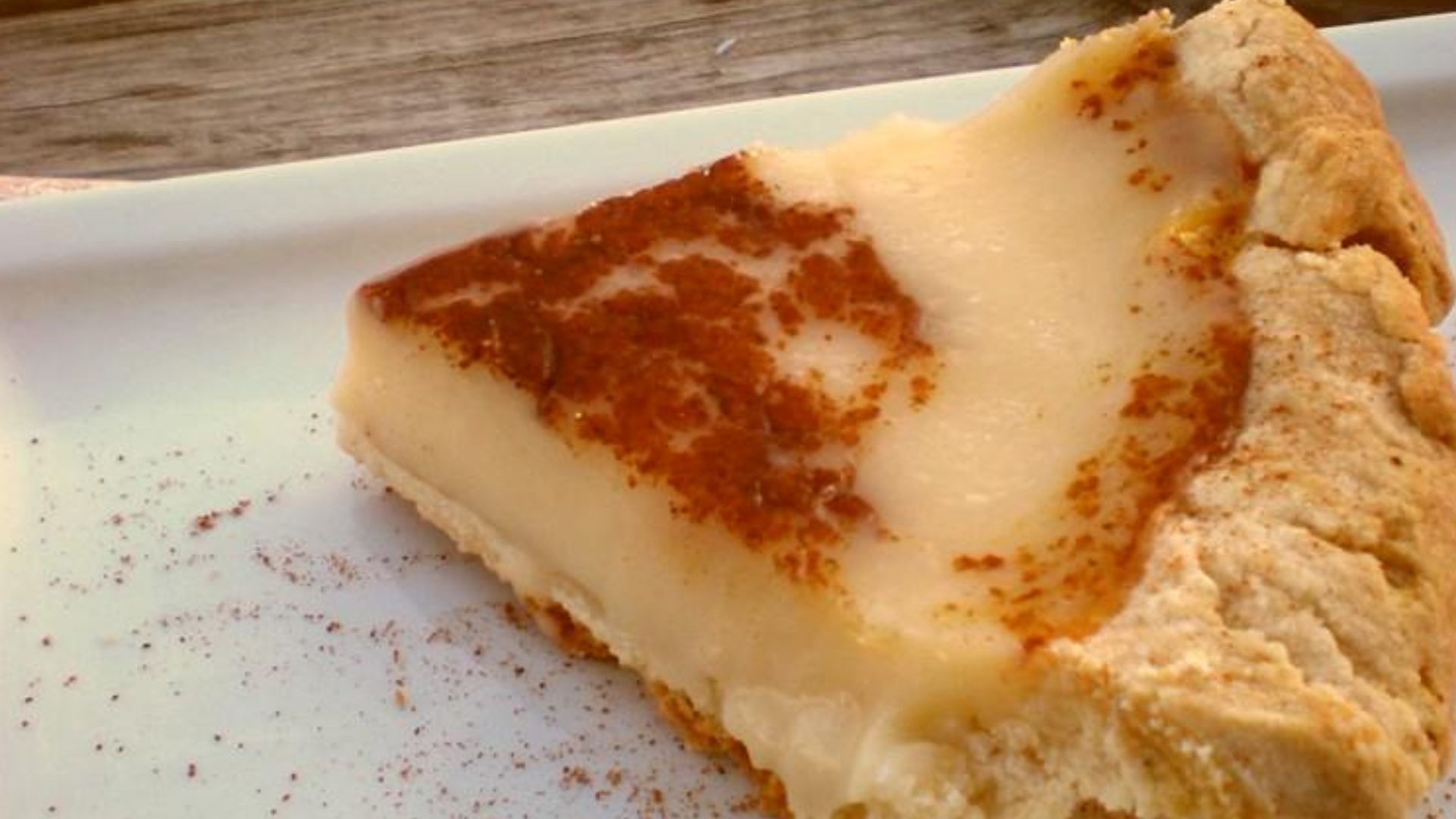
Sugar Cream Pie (Indiana)
Indiana's famous sugar cream pie proves that simple ingredients can make something special. Made with cream, sugar, butter, and a thickener, this custard-like dessert became popular in Hoosier farming communities. It required ingredients many families already had on hand, earning it the nickname "desperation pie." Today, it's widely celebrated as Indiana's signature pie.
 Sarah Stierch, Wikimedia Commons
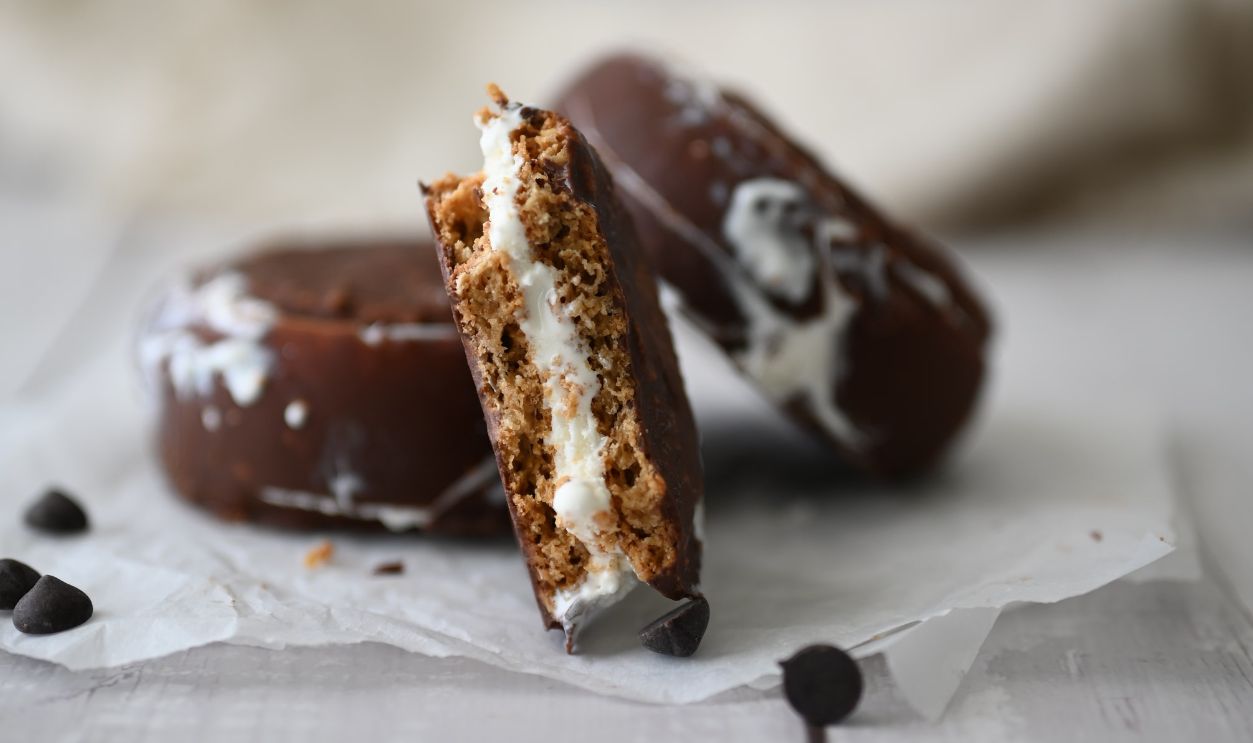
Moon Pies (Tennessee)
Moon Pies sound like astronaut food, but this Southern snack dates back to 1917. Created by Chattanooga Bakery, they sandwich marshmallow filling between two graham cracker cookies coated in chocolate. They became popular as convenient, filling snacks and remain a Tennessee favorite. Bell Buckle even hosts an annual RC Cola-Moon Pie Festival.
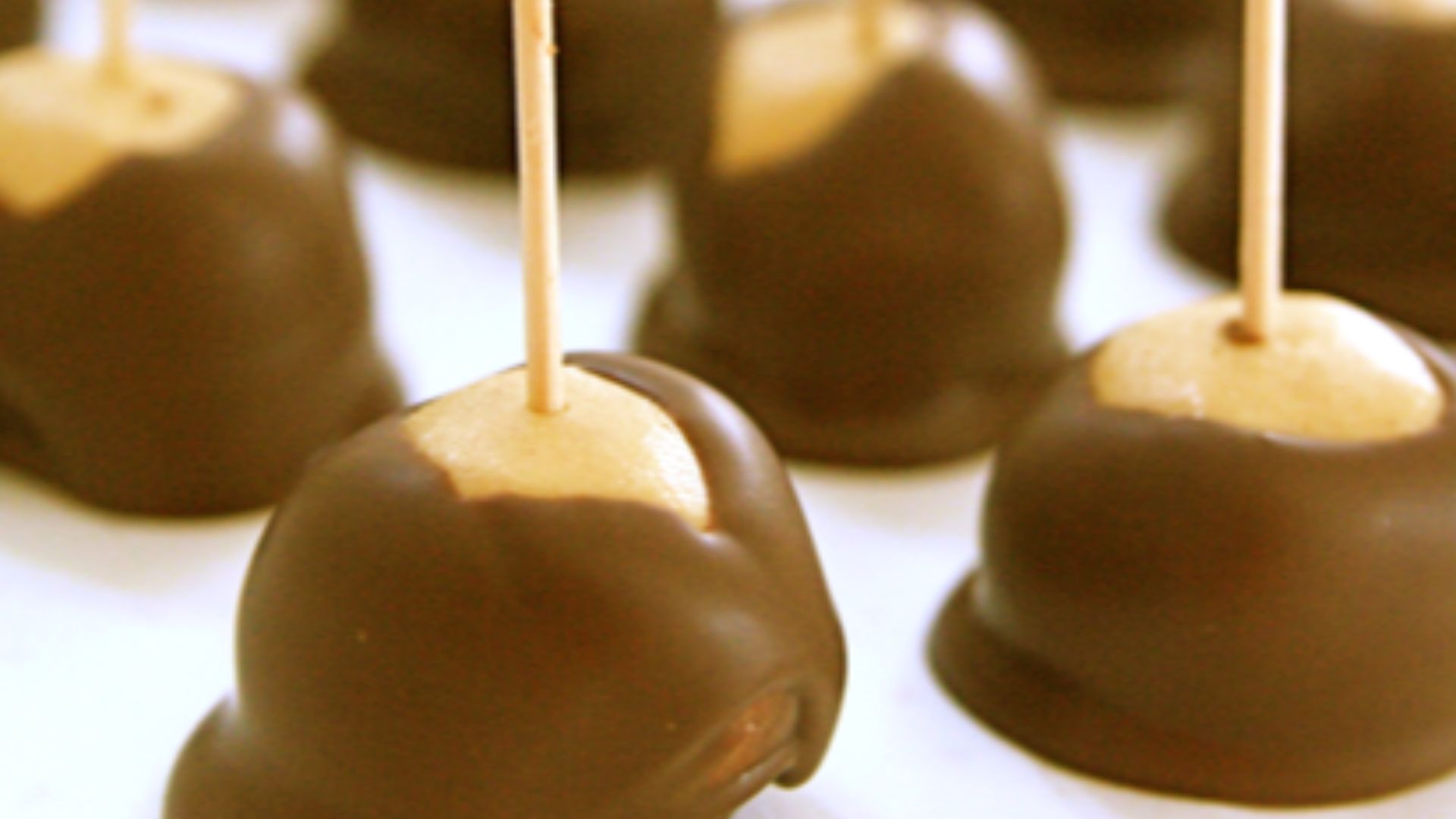
Buckeyes (Ohio)
Ohio's beloved buckeyes look remarkably like something you'd find beneath a tree. These candies are peanut butter balls partially dipped in chocolate. Their appearance resembles the nuts produced by Ohio's state tree, the buckeye. Unlike actual buckeye nuts, which are poisonous, these chocolate-covered treats are safe to eat.
 Steven Depolo, Wikimedia Commons
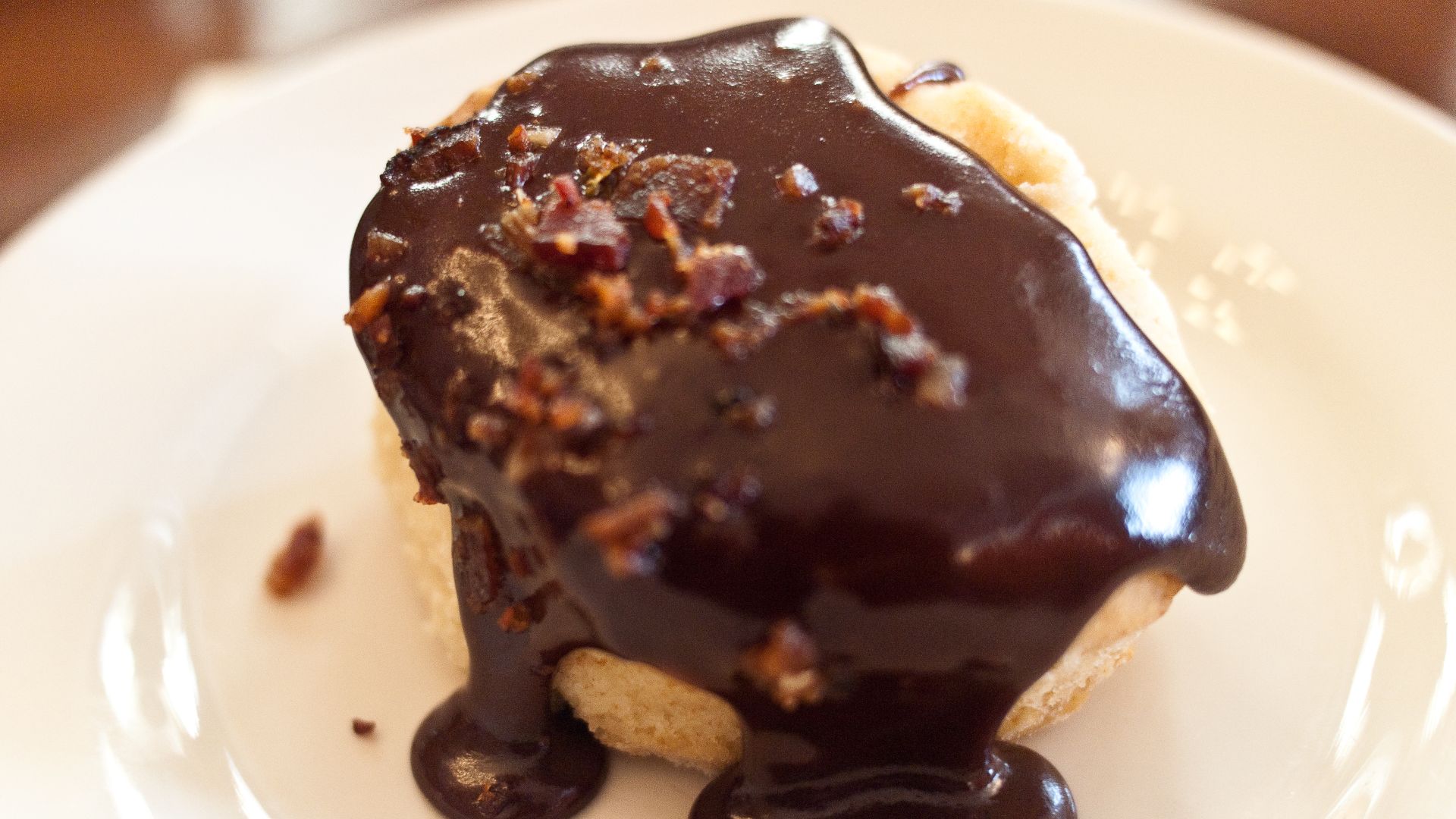
Chocolate Gravy (Arkansas)
In much of America, gravy belongs on meat or mashed potatoes, but Arkansas has a sweeter tradition. Chocolate gravy combines cocoa, sugar, milk, and flour into a warm, thick sauce. Families traditionally pour it over freshly baked biscuits for breakfast. It sounds strange until you realize it's basically chocolate sauce on fluffy bread.
 Edsel Little, Wikimedia Commons
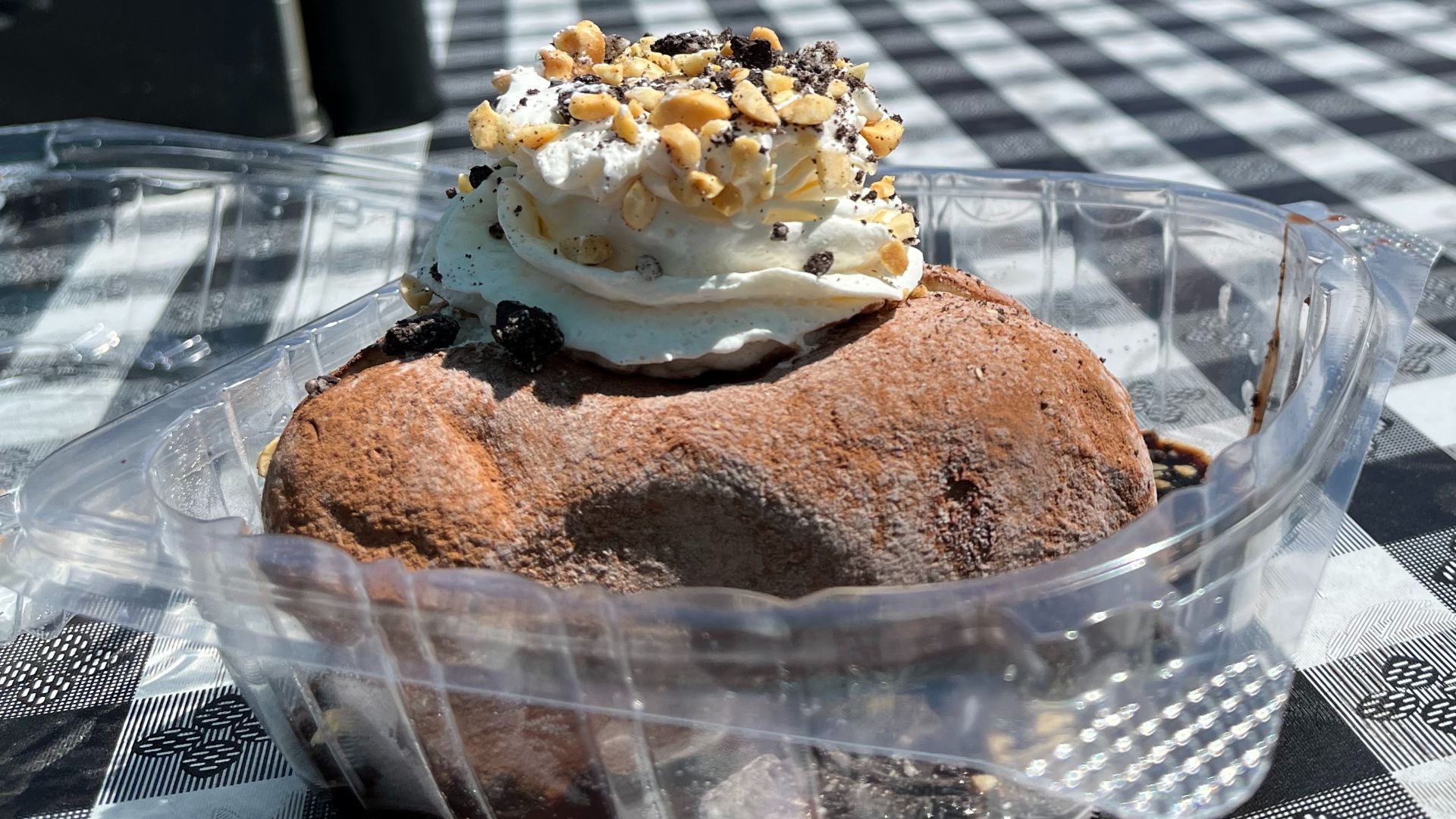
Idaho Ice Cream Potato (Idaho)
Idaho found a way to turn its most famous vegetable into a dessert without using potatoes at all. The Idaho ice cream potato is actually vanilla ice cream shaped like a baked potato and rolled in cocoa powder. Whipped cream stands in for sour cream, making the illusion surprisingly convincing. Boise's Westside Drive In helped make this playful dessert a local attraction.
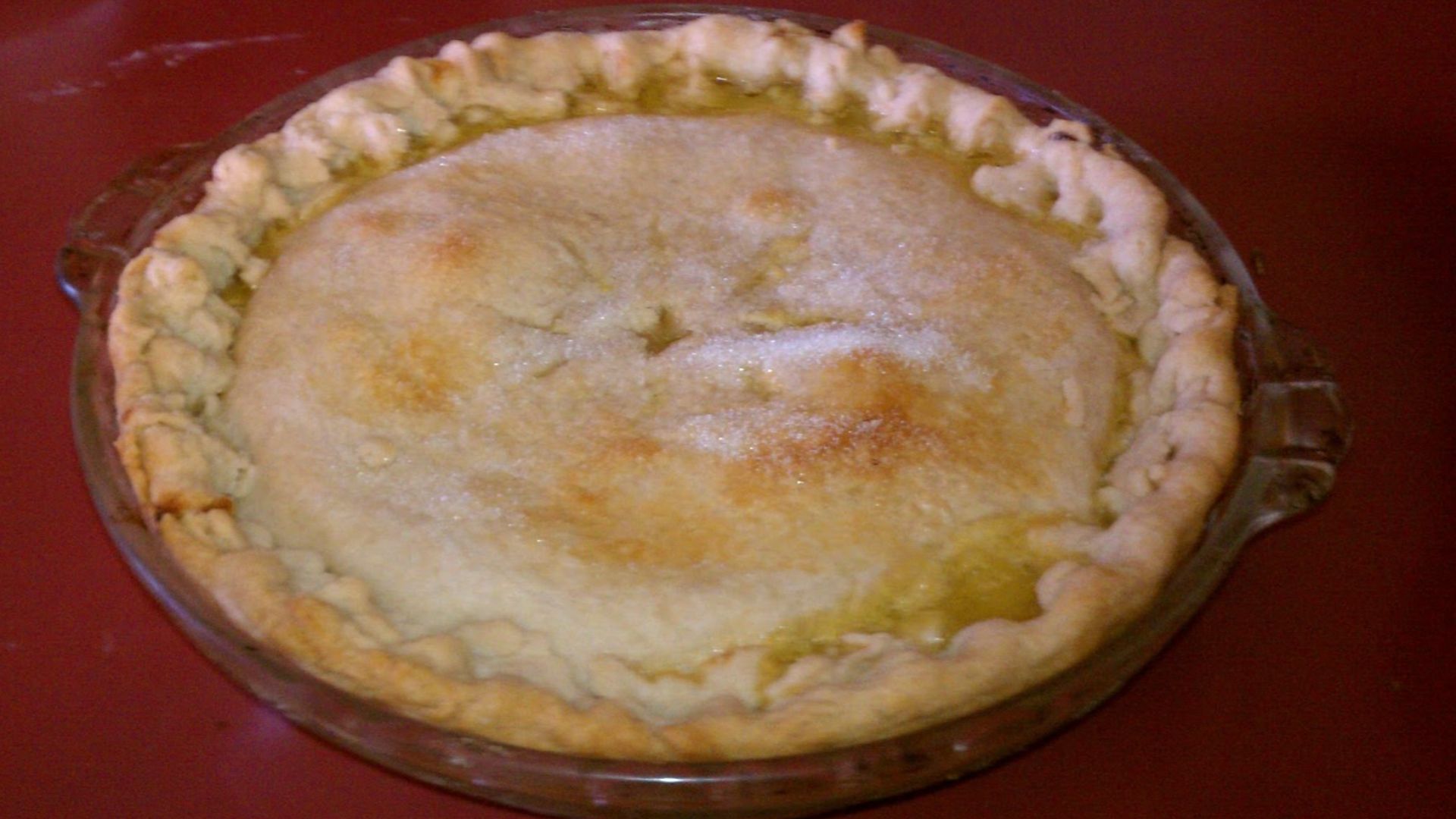
Shaker Lemon Pie (Kentucky)
Most lemon pies use juice or zest, but Kentucky's Shaker lemon pie goes further. This specialty uses thinly sliced whole lemons, including their peels, mixed with sugar and eggs. The filling is baked inside a double pastry crust, creating an intense sweet-and-tart flavor. Its roots trace back to the Shaker community at Pleasant Hill, Kentucky.
Funny Cake Pie (Pennsylvania)
Pennsylvania's funny cake pie can't decide whether it's a cake or a pie. This traditional Pennsylvania Dutch dessert combines chocolate syrup and vanilla cake batter inside a pastry shell. During baking, the ingredients form distinct layers, creating both a cake-like topping and a chocolate filling. It's been a regional favorite for generations.
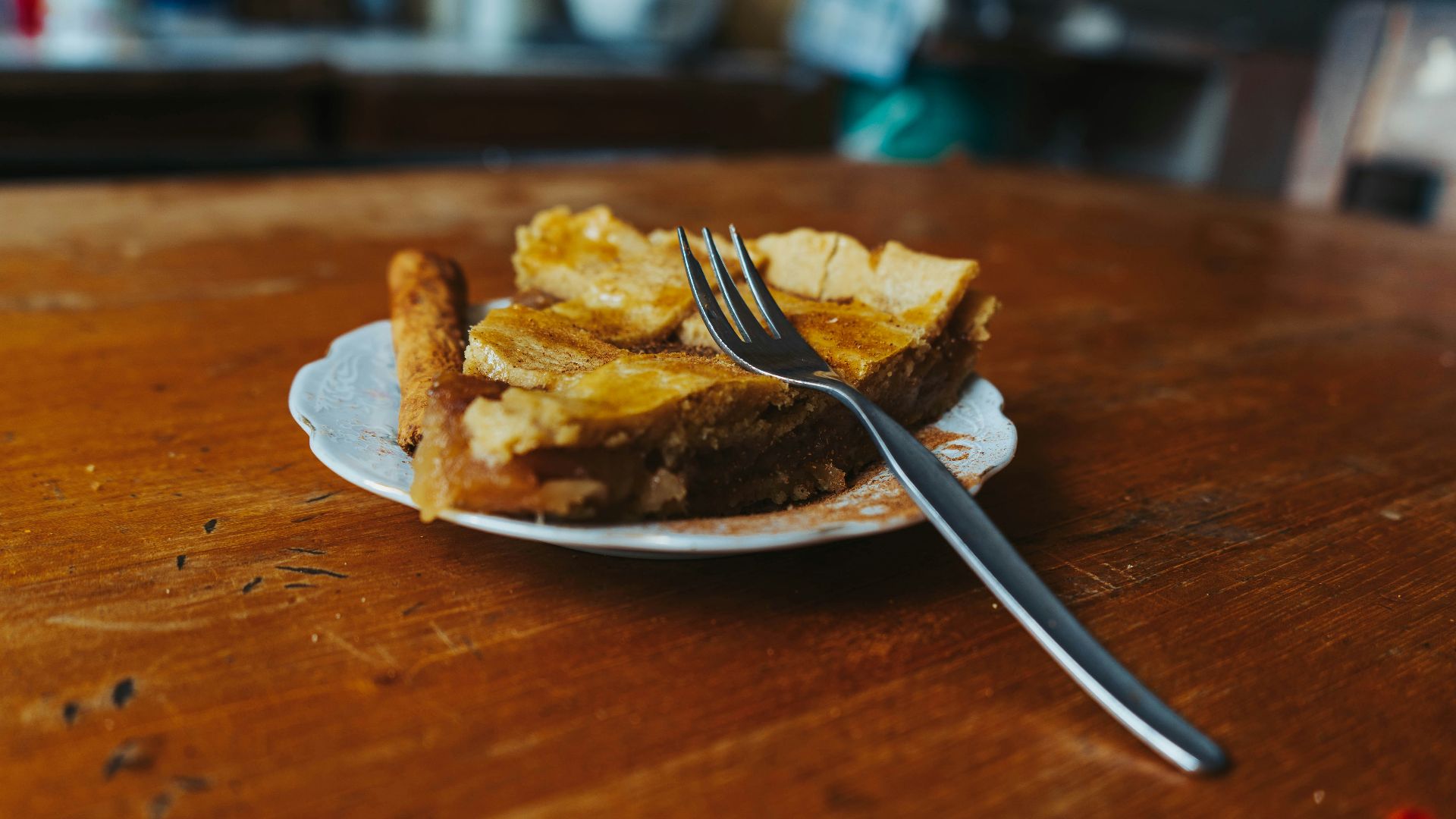
Grape Pie (New York)
Apple and cherry pies are familiar everywhere, but New York's Finger Lakes region has another obsession. Around Naples, bakers make grape pies using fresh Concord grapes, often removing the skins and separating out the seeds. The skins return to the filling, giving it an intense purple color and distinctive flavor. It's a labor-intensive tradition that has made the town famous for its pies.
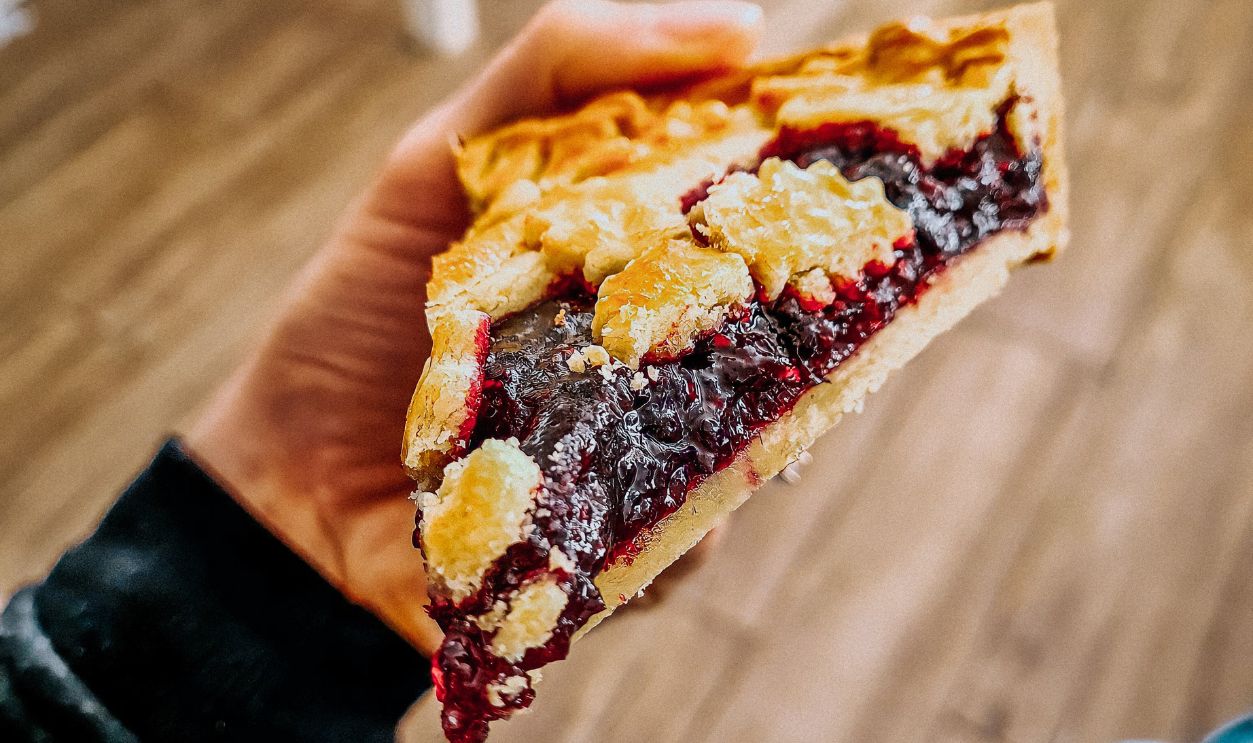
Mississippi Mud Pie (Mississippi)
Mississippi mud pie has a questionable name but plenty of chocolate to make up for it. The dessert typically combines a chocolate cookie crust, rich chocolate filling, and additional chocolate toppings. Its thick, dark appearance inspired comparisons to the muddy Mississippi River. Recipes range from dense, fudgy versions to lighter pies with pudding and whipped cream.
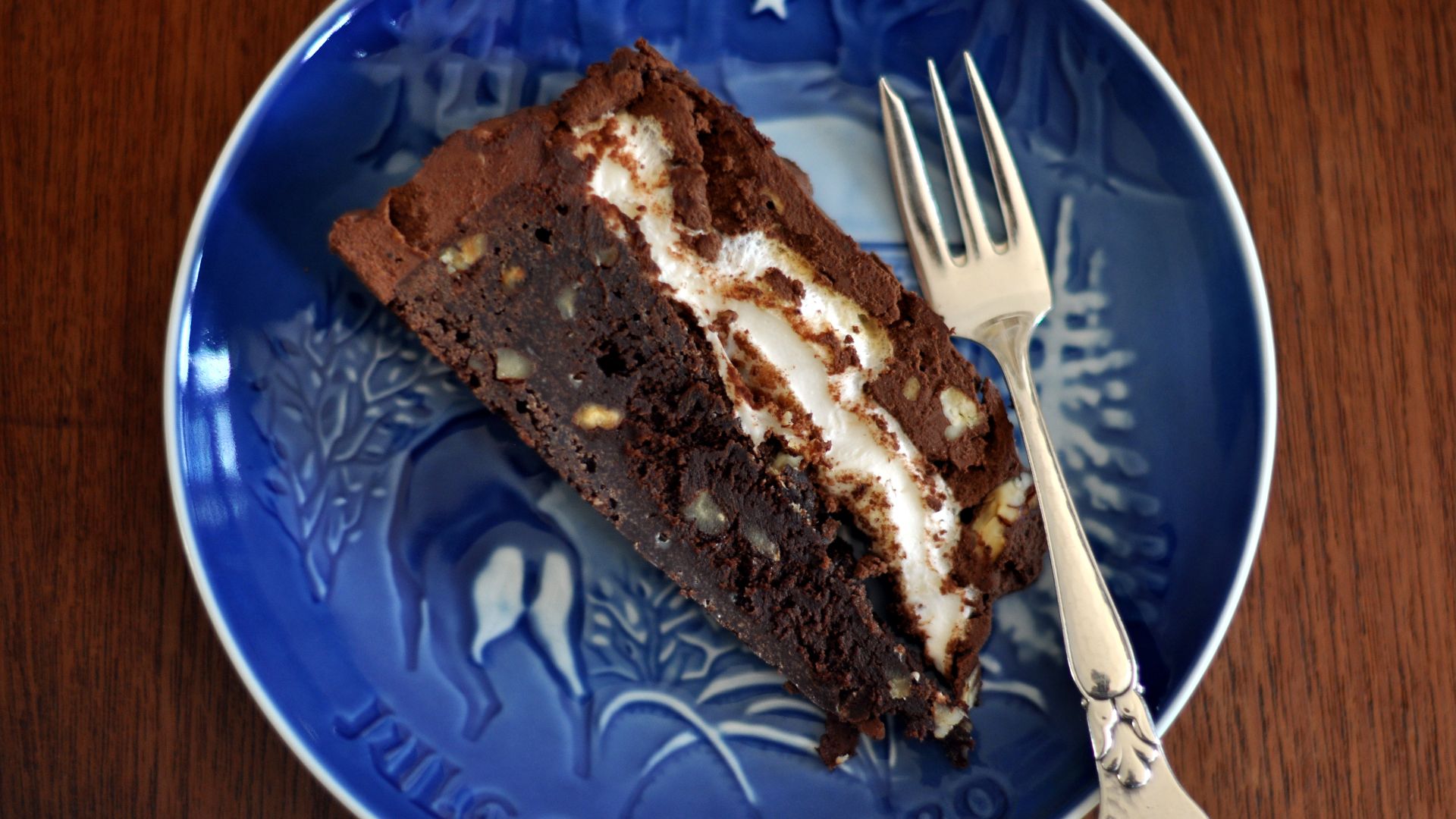 cyclonebill from Copenhagen, Denmark, Wikimedia Commons
Benne Wafers (South Carolina)
Charleston's tiny benne wafers carry centuries of culinary history. These thin, crunchy sesame-seed cookies have roots in the food traditions of enslaved Africans and their descendants in the Lowcountry. Their flavor is nutty, buttery, and delicately sweet. They remain a Charleston specialty, sold in local bakeries and gift shops.
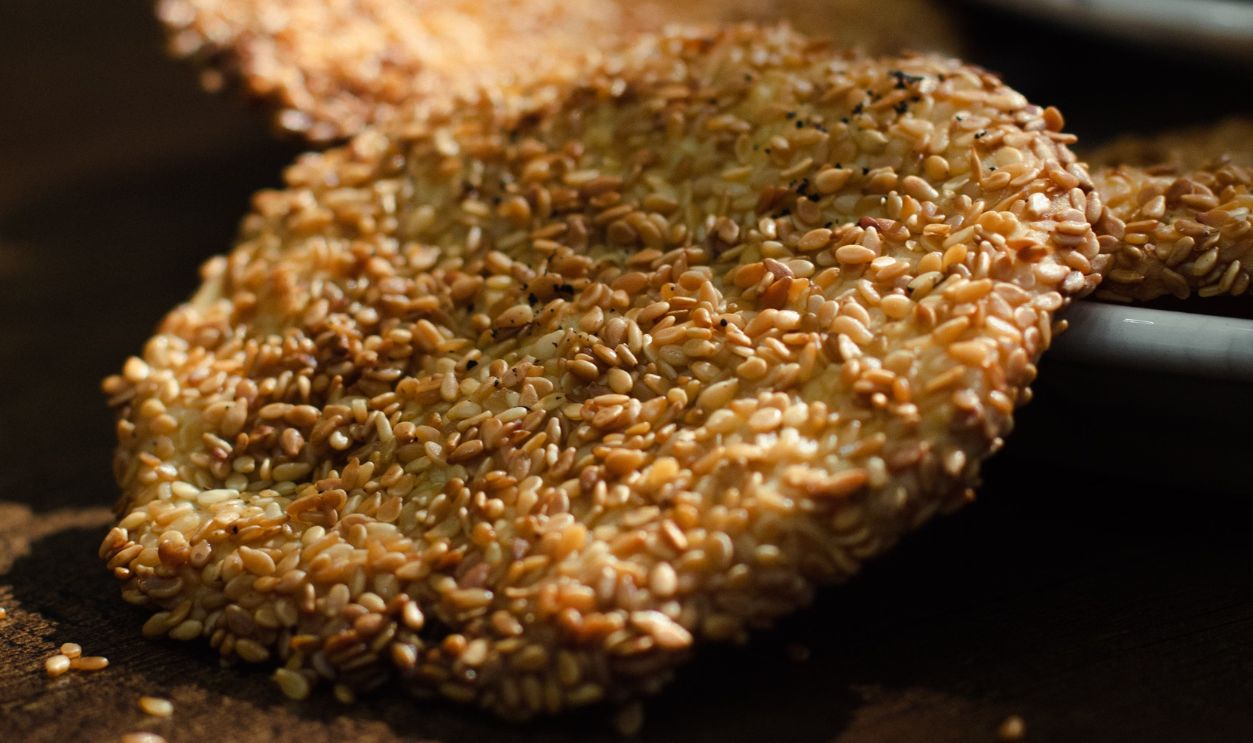
Biscochitos (New Mexico)
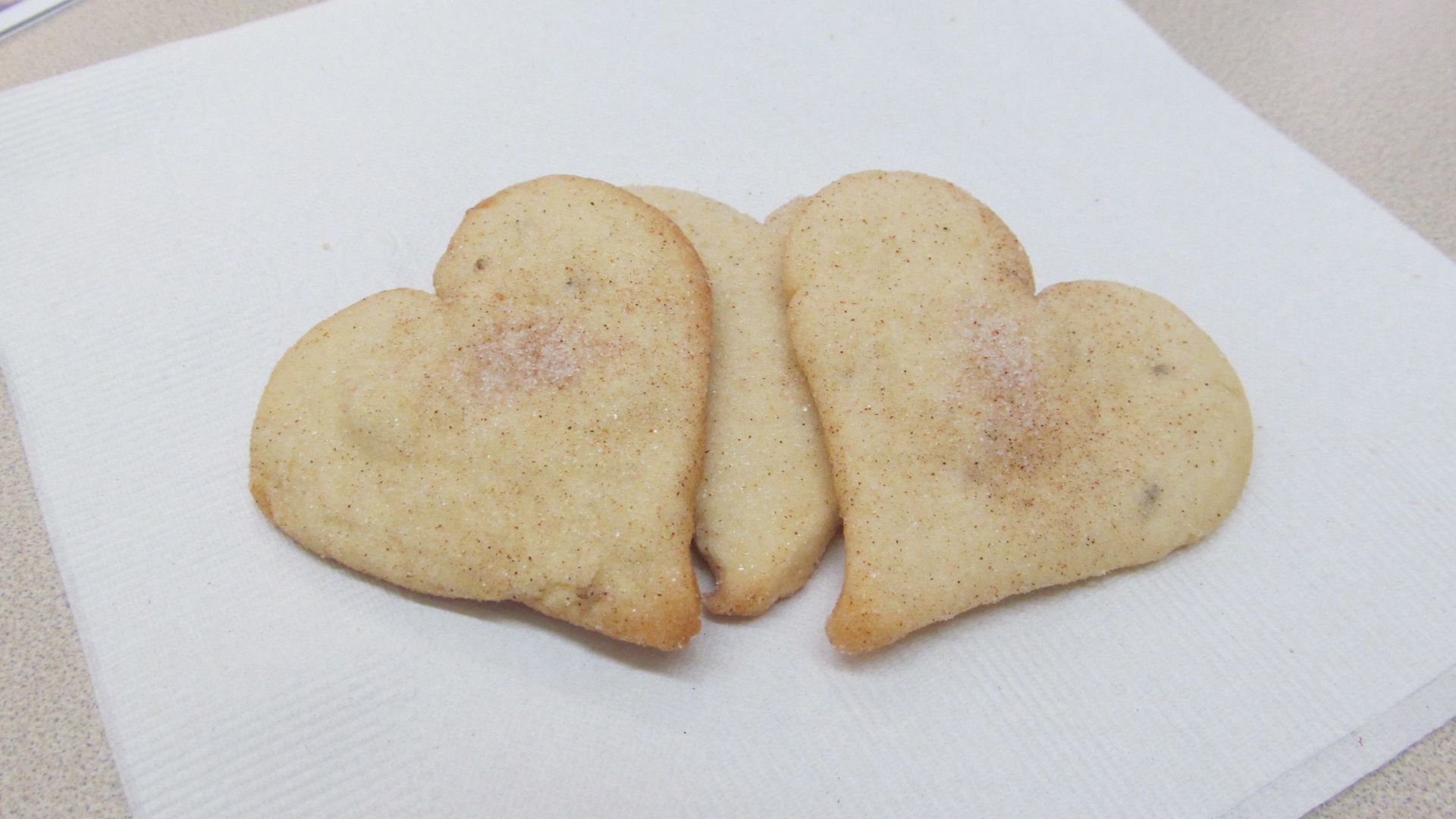
New Mexico's traditional cookie has a name that can be tricky for visitors to pronounce. Biscochitos are buttery, crumbly cookies flavored with anise and coated in cinnamon sugar. Their roots lie in the region's Spanish and Hispanic baking traditions, and they're especially popular during Christmas. In 1989, New Mexico made the biscochito its official state cookie.
 John Phelan, Wikimedia Commons
Date Shakes (California)
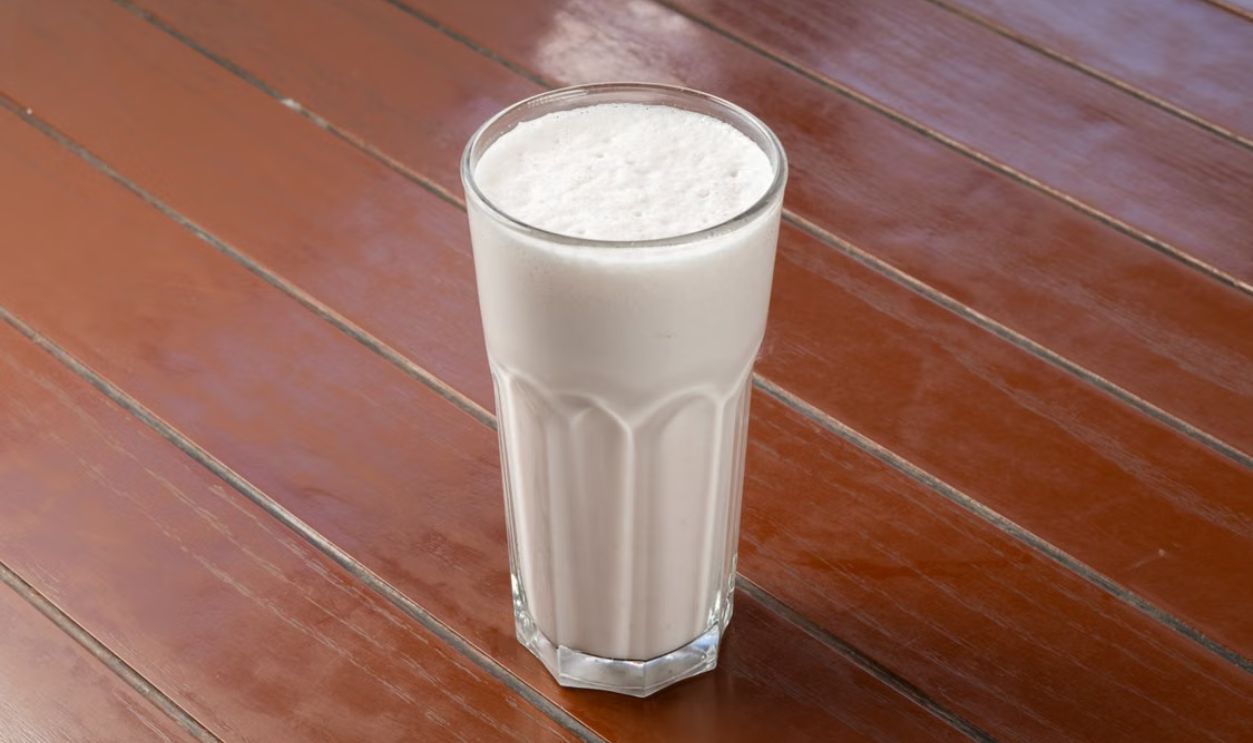
California's Coachella Valley has spent decades turning wrinkly dates into an irresistible frozen dessert. Date shakes blend dates with ice cream or other creamy ingredients, creating a rich, caramel-like sweetness. They became popular alongside the region's date-growing industry during the 20th century. Today, they're a classic roadside treat around Palm Springs and Indio.
Maple Creemees (Vermont)
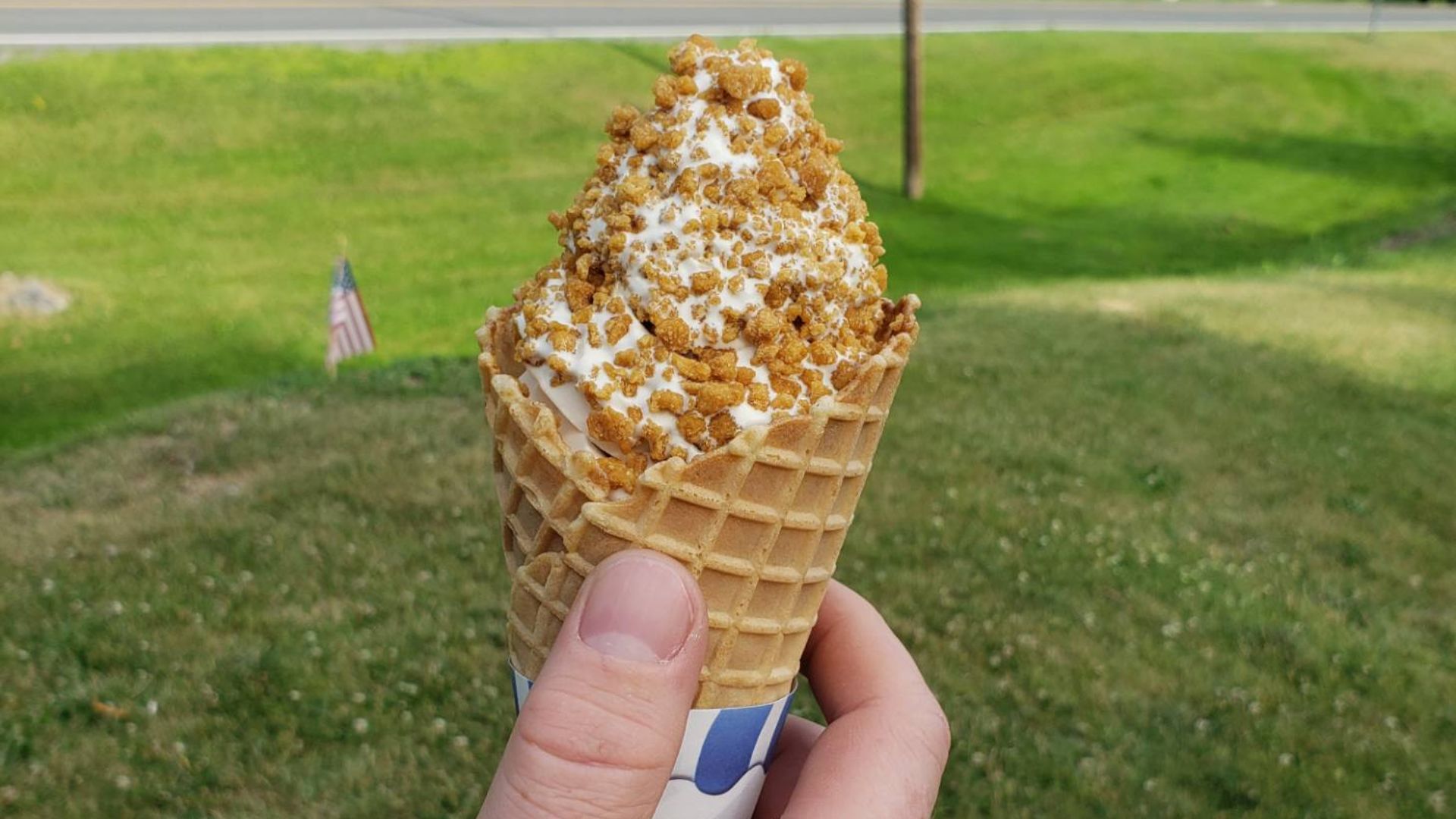
Ask for a creemee in Vermont, and you'll get something that looks suspiciously like ordinary soft-serve ice cream. Maple creemees are made with maple syrup, giving them a distinctive sweet, earthy flavor. The name is part of Vermont's local vocabulary, where soft serve is commonly called a creemee. They're particularly popular at seasonal ice cream stands during warmer months.
 Whoisjohngalt, Wikimedia Commons
Whoopie Pies (Maine)
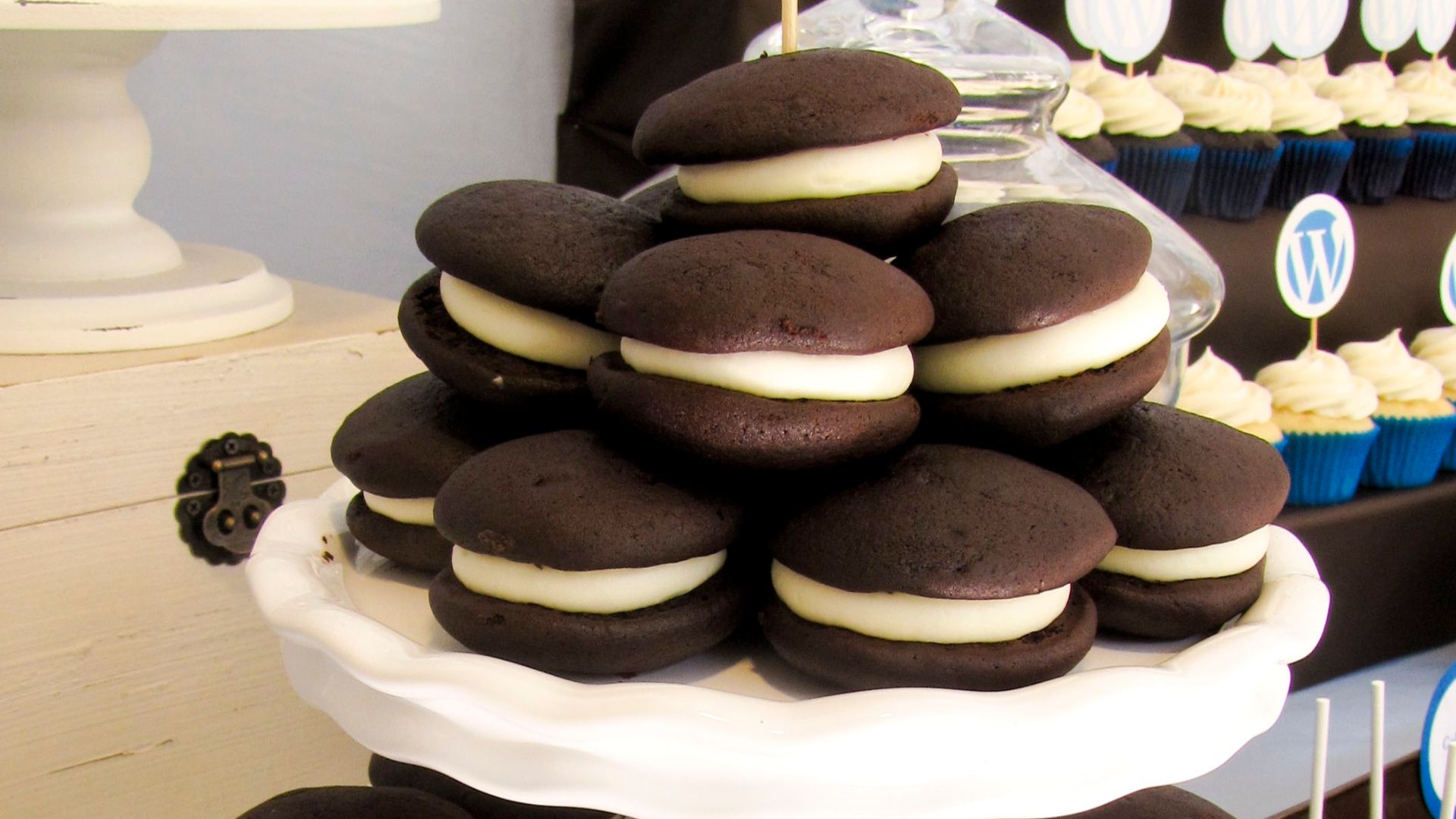
Whoopie pies might sound like something from an old comedy routine, but they're a serious source of regional pride. These treats sandwich sweet cream filling between two soft, cake-like rounds, traditionally chocolate. Maine and Pennsylvania both have longstanding connections to the dessert, and its precise origins remain disputed. Maine designated the whoopie pie its official state treat in 2011.
 Clever Cupcakes from Montreal, Canada, Wikimedia Commons
Lane Cake (Alabama)
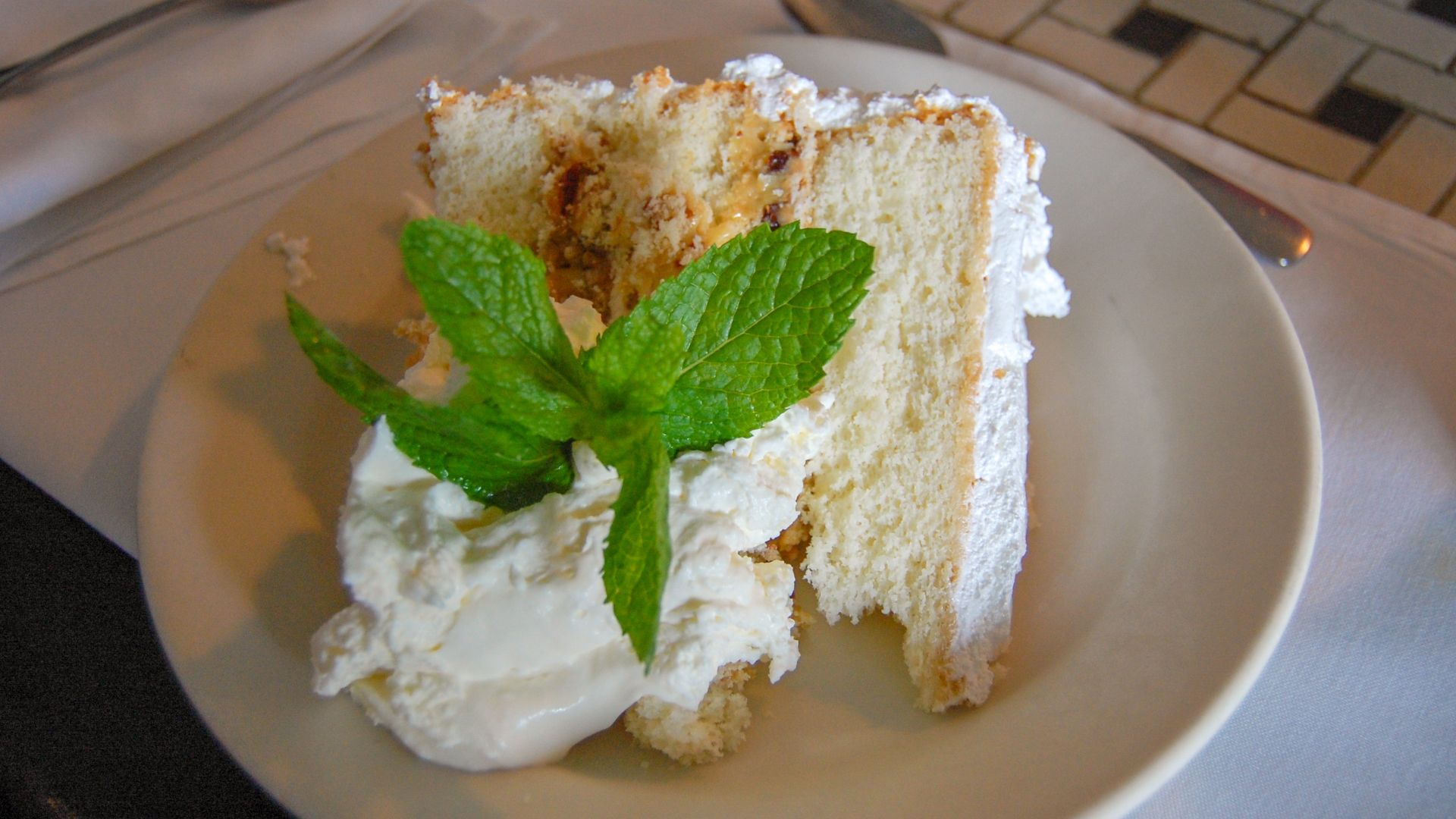
Alabama's Lane cake looks ordinary until you discover what's hiding between its layers. Its rich filling traditionally includes raisins, sugar, butter, and often nuts, coconut, and bourbon. The dessert was created by Emma Rylander Lane, whose recipe appeared in an 1898 cookbook. It later became famous through its appearance in To Kill a Mockingbird.
Derby-Pie (Kentucky)
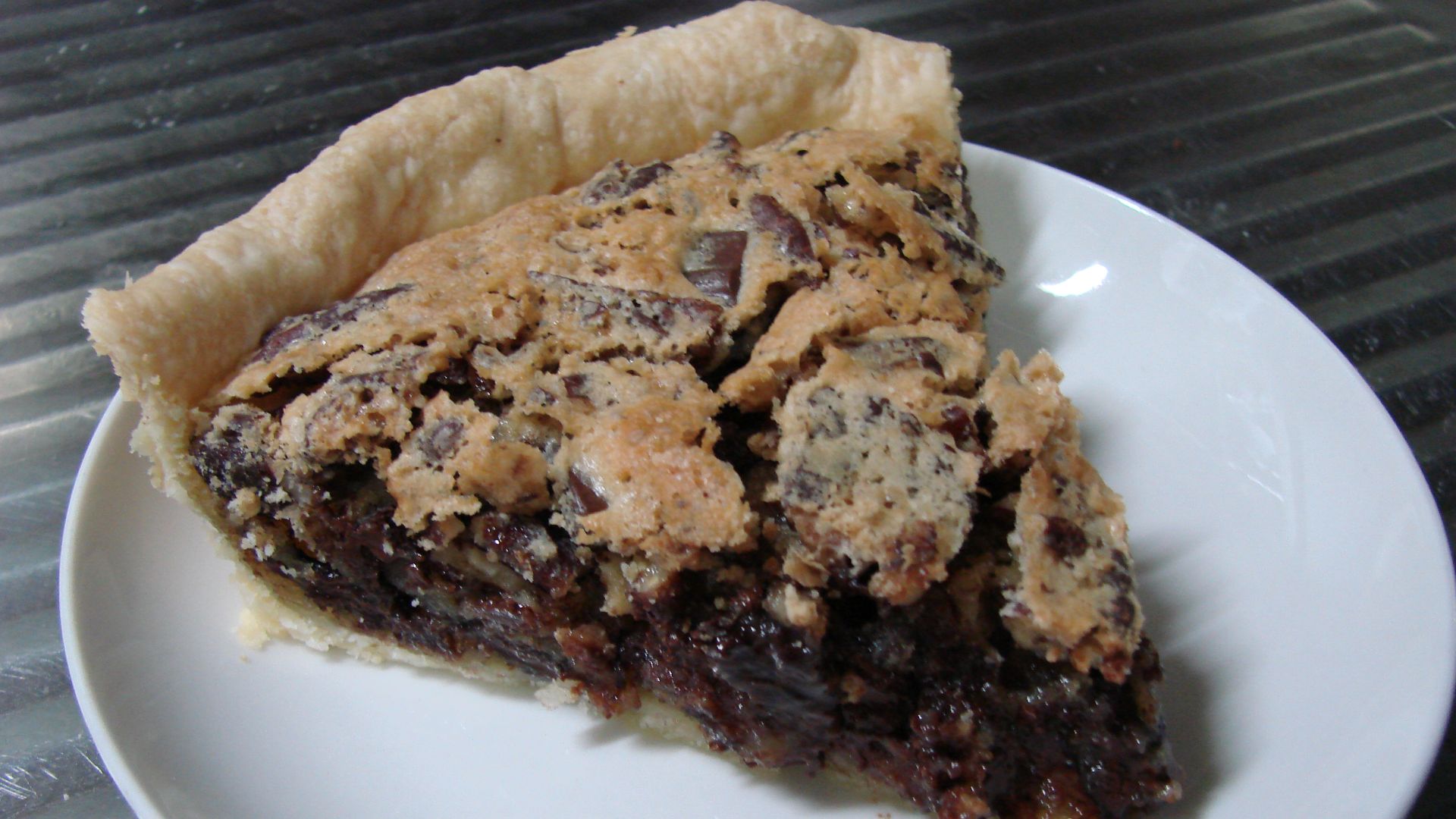
Kentucky's Derby-Pie has a strong connection to the state's famous horse-racing tradition. Created by the Kern family at the Melrose Inn in the 1950s, the original combines chocolate chips and walnuts in a sweet pastry crust. Its name was inspired by the Kentucky Derby and remains a registered trademark. Other bakeries sell similar chocolate-nut pies under different names.
Lemon Sticks (Maryland)
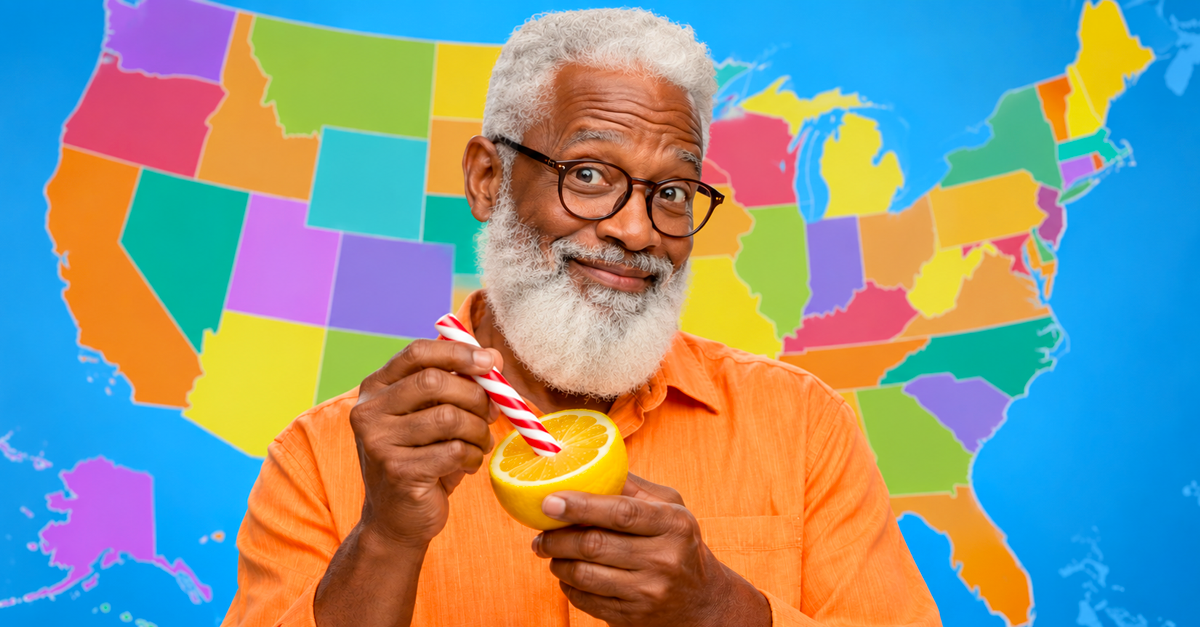
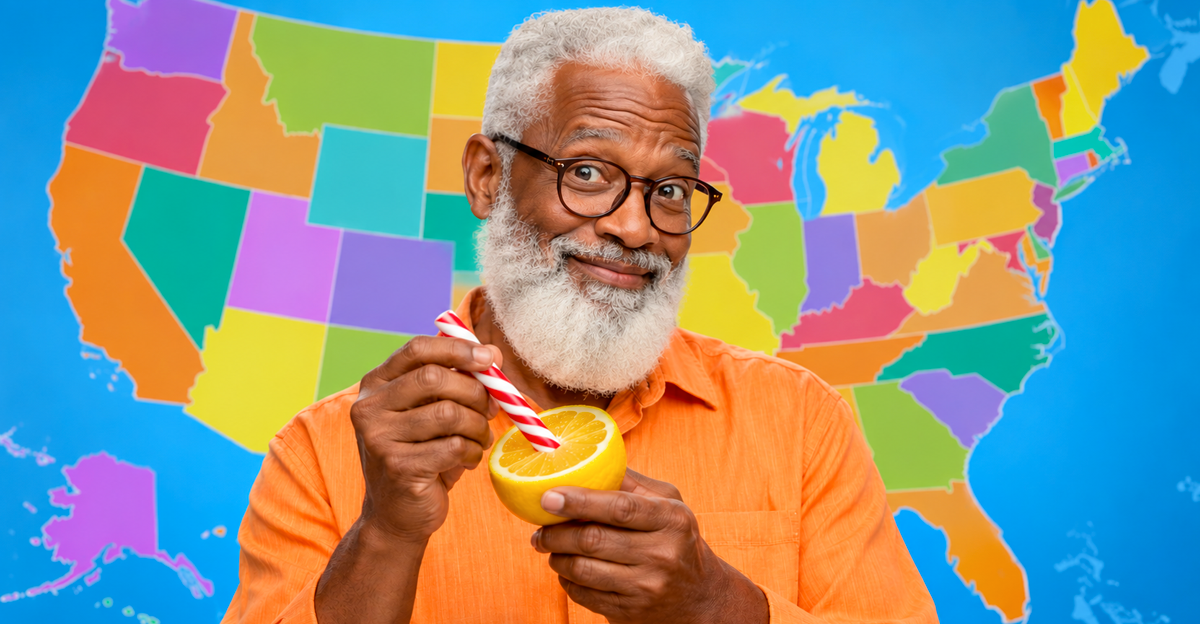
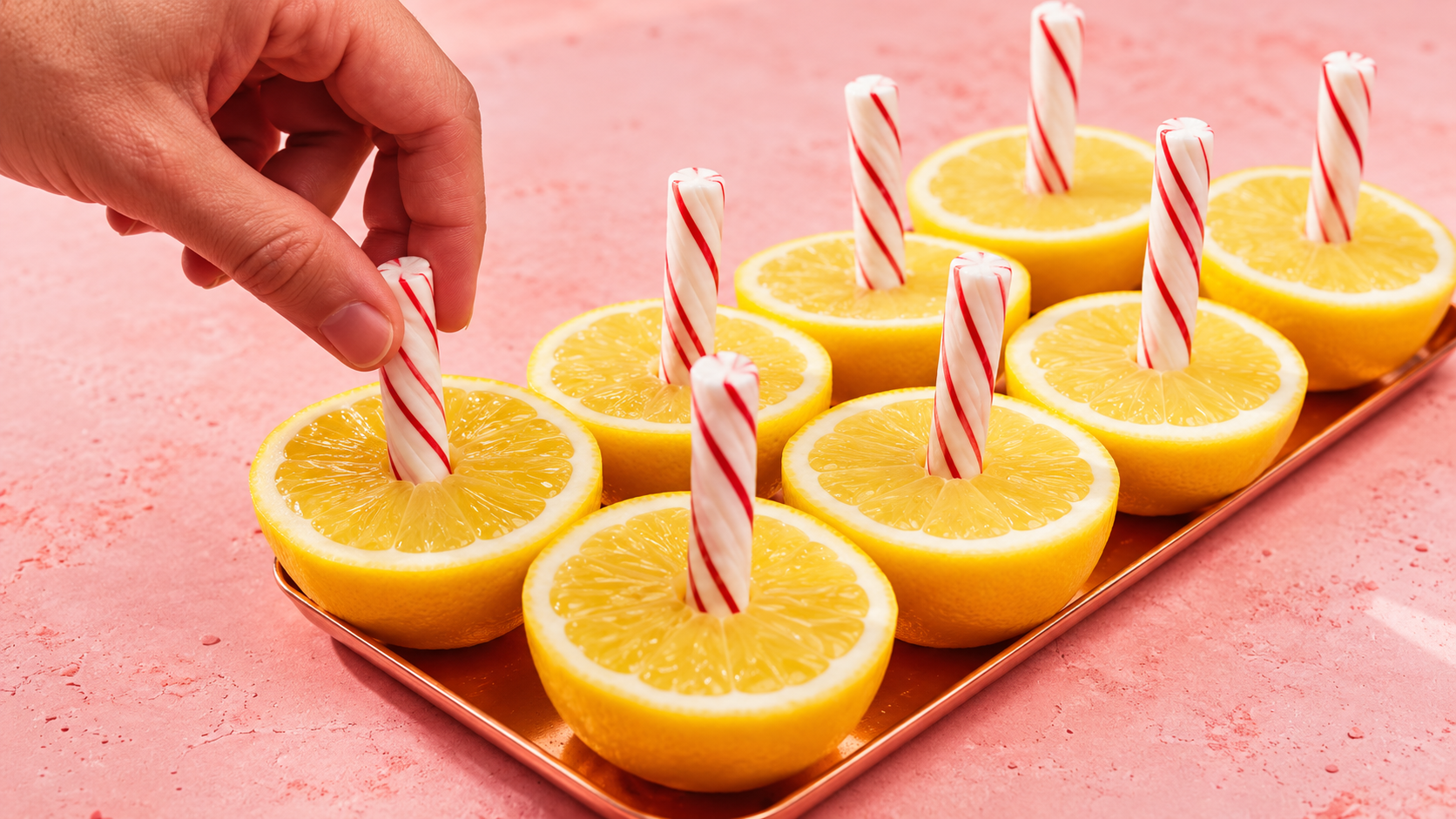
Baltimore has an unusual treat that involves sticking peppermint candy directly into a lemon. Known as a lemon stick, it's made by inserting a porous peppermint stick into half a fresh lemon. As the candy softens, people suck lemon juice through it, combining sour citrus with sweet mint. The tradition has been part of Baltimore's FlowerMart celebrations for more than a century.
Kringle (Wisconsin)
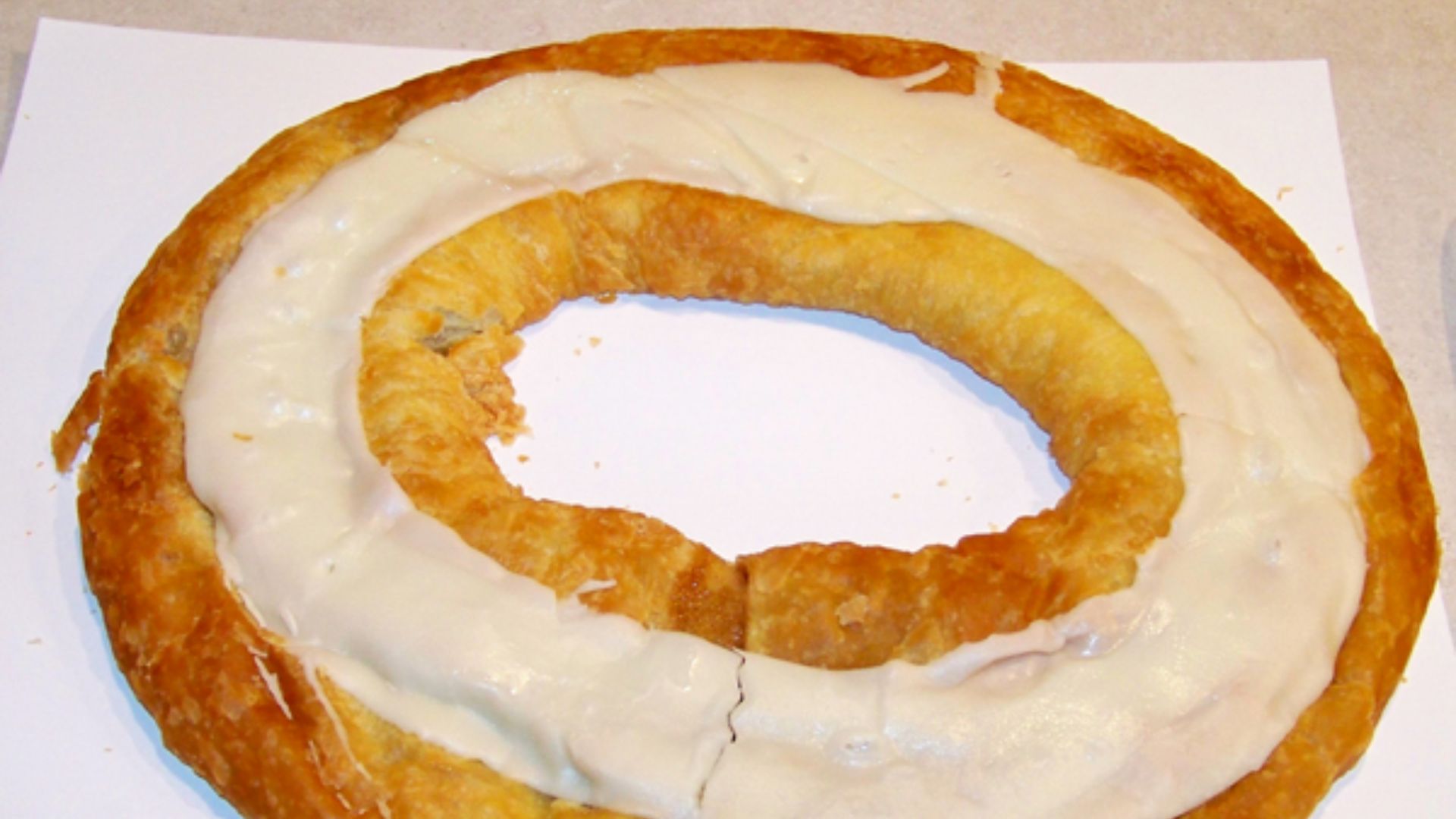
Wisconsin's kringle is an enormous oval-shaped pastry with deep Danish roots. Made from layers of buttery dough, it can be filled with fruit, nuts, or sweet pastes before being finished with icing. Danish immigrants brought the tradition to Wisconsin during the 19th century, and Racine became particularly famous for it. Kringle is now Wisconsin's official state pastry.
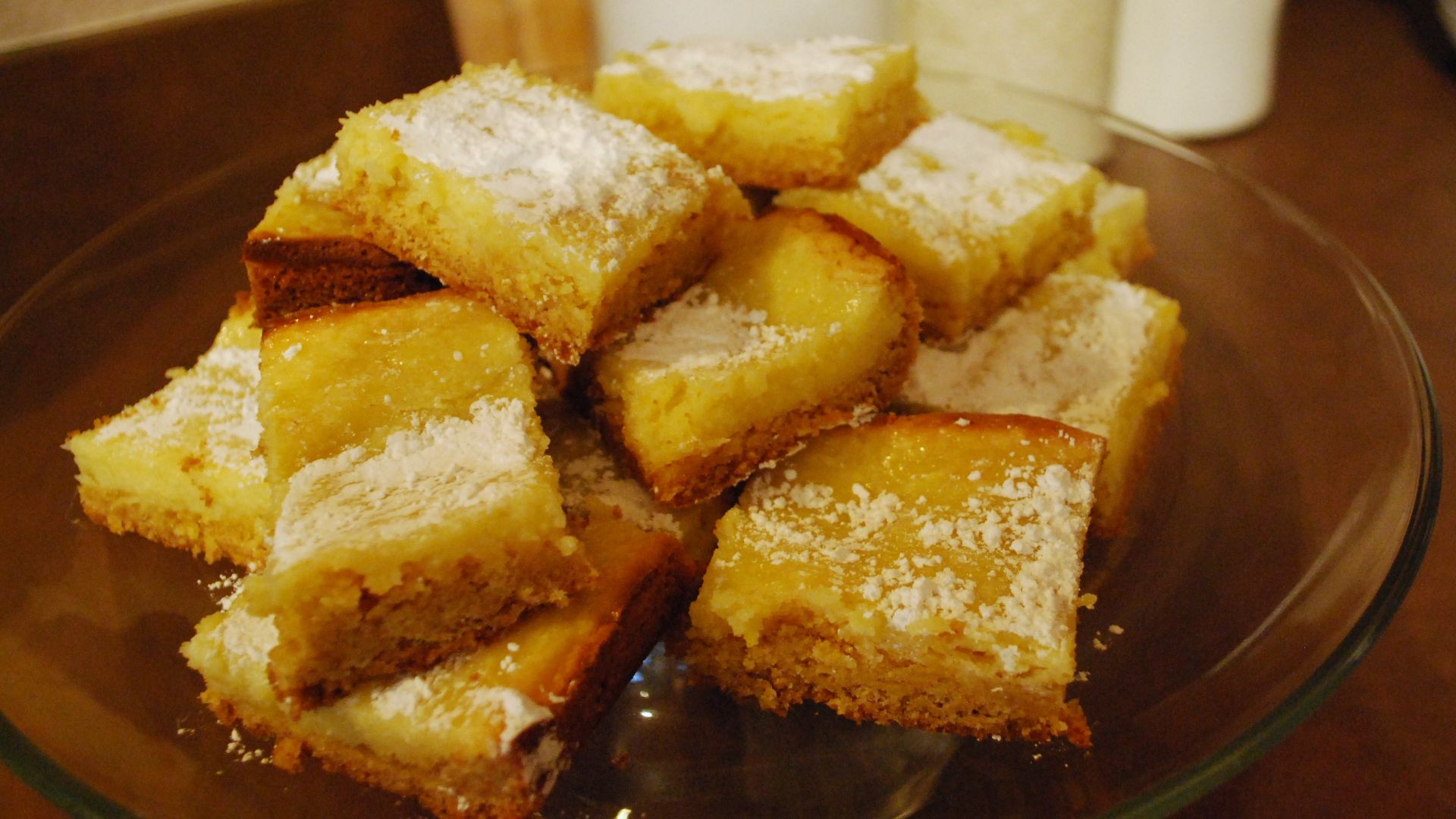
Gooey Butter Cake (Missouri)
St. Louis has a famous dessert that proudly advertises its messy texture. Gooey butter cake features a firm, buttery base topped with a rich, soft filling, often made with cream cheese in modern recipes. According to local legend, it originated when a baker accidentally mixed the wrong ingredient proportions during the 1930s. Whatever its exact origins, it became one of the city's signature sweets.
Sweet Blue Corn Mush (Arizona)
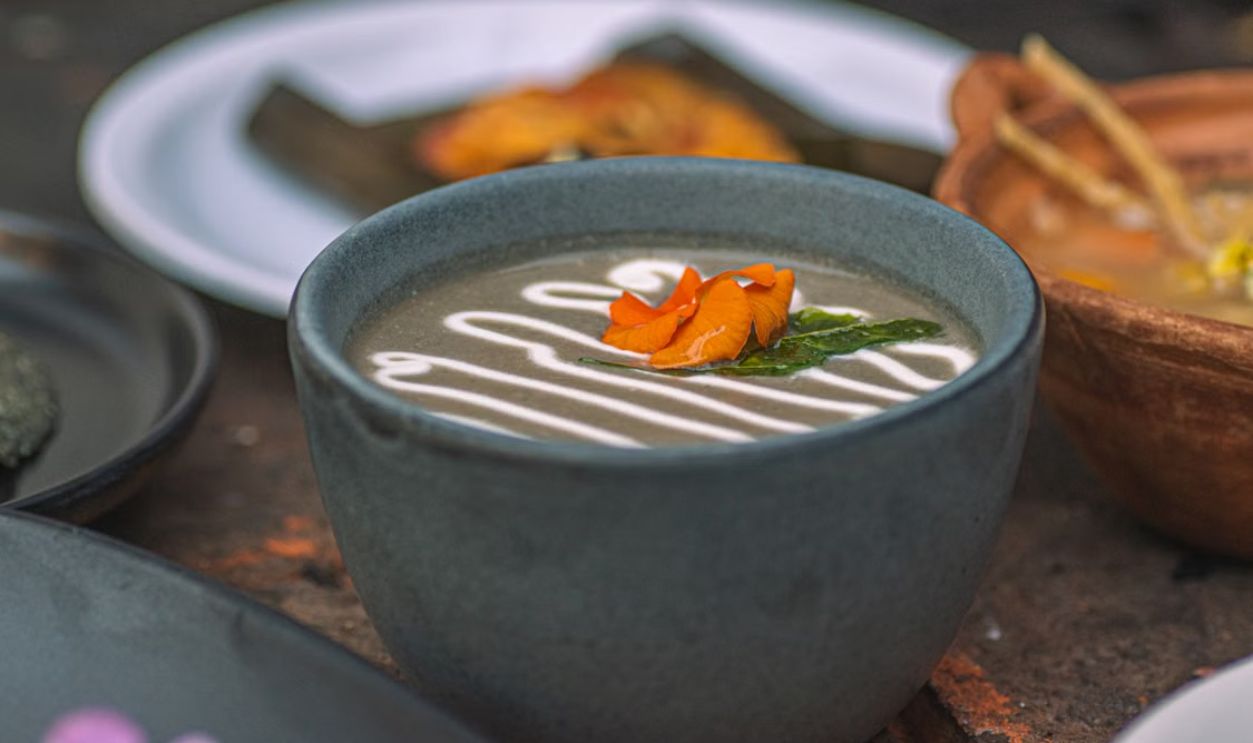
Not every traditional dessert resembles a familiar cookie or cake. In Arizona, sweet blue corn mush is an important Navajo food made with blue cornmeal, water, and traditionally juniper ash. It can be served with honey, berries, or other sweet toppings, although savory versions also exist. Its preparation reflects Indigenous food traditions passed down through generations.
America's Sweetest Traditions Are Worth Discovering
From mashed potato candy in Maine to chocolate gravy in Arkansas, America's regional desserts prove that delicious ideas don't always sound appealing on paper. Many survived because families continued making them long after their humble beginnings. Some have become famous tourist attractions, while others remain closely tied to hometown traditions.
Next time you're traveling somewhere new, would you try the strangest dessert on the menu?

You May Also Like:
American Gas Station Foods That Locals Swear By But Tourists Are Afraid To Try
A Visitor’s Guide To American Food—Things Taste Nothing Like You Expect
The Favorite Pizza Topping In Every State—And Yes, Pineapple Is Involved