
Halloween Ended Six Months Ago
Your neighbors put an enormous skeleton in their front yard for Halloween. Everyone laughed at first. Then November arrived, followed by Christmas, Valentine's Day, Easter, and summer—and the skeleton never moved. Now they've apparently decided it's a permanent lawn ornament, partly because they know the neighbors hate looking at it. Can the city actually force someone to remove a giant decoration from their own property?

We're Not Talking About A Little Plastic Skeleton
Let's make the scenario interesting. This isn't a two-foot skeleton sitting politely beside a flowerpot. We're talking about one of those enormous yard skeletons that towers over people, potentially accompanied by lights, signs, props, or an elaborate display. At some point, a seasonal decoration starts looking suspiciously like a permanent structure.

Being Ugly Isn't Usually Enough
Here's the first problem for everyone who wants Mr. Bones evicted: local government generally needs an actual legal basis to order something removed. "The neighbors think it's hideous" isn't automatically a zoning violation. Americans have considerable freedom to make aesthetic choices on their own property, including choices the people next door find spectacularly tacky.

Neither Is "Halloween Is Over"
There's no general nationwide rule requiring Halloween decorations to disappear at midnight on November 1. A city can't ordinarily issue an order simply because a decoration has exceeded its socially acceptable expiration date. If the skeleton violates something, officials generally need to identify the ordinance, zoning requirement, property-maintenance rule, or other regulation it violates.
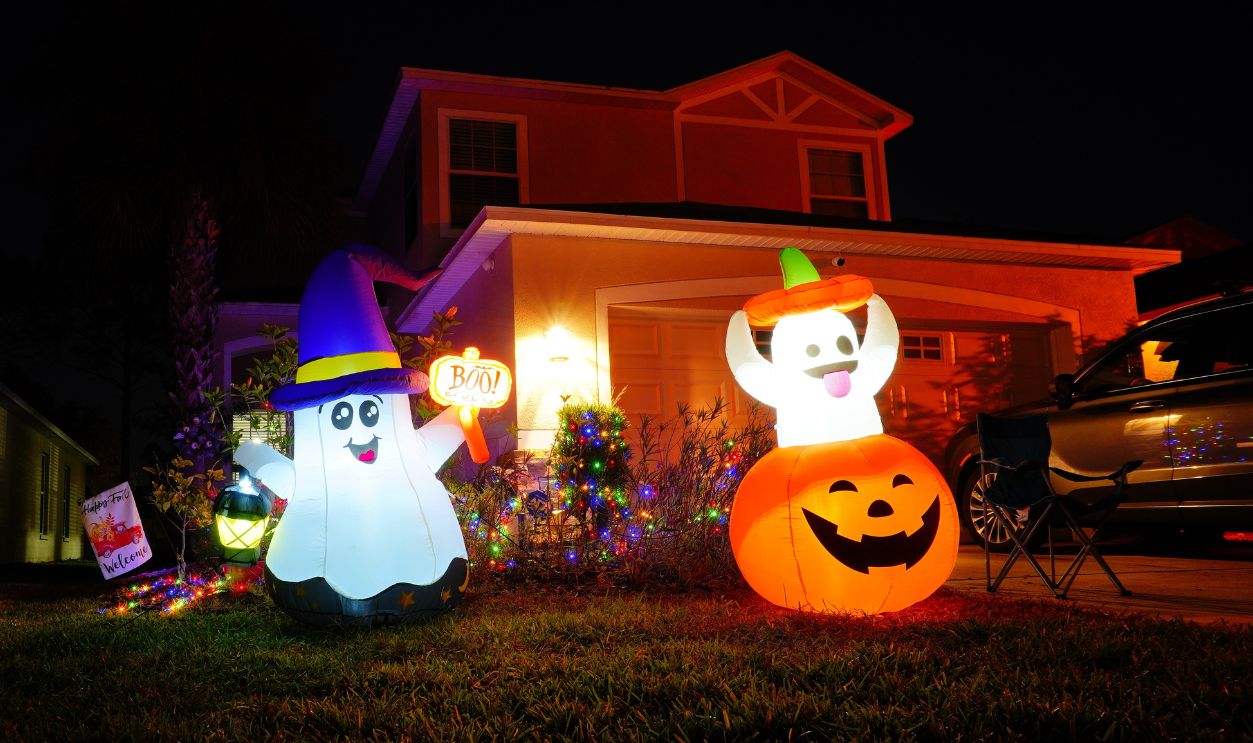
But Cities Regulate Front Yards All The Time
Property ownership doesn't mean absolutely anything goes. Municipalities commonly regulate fences, accessory structures, signs, lighting, weeds, junk, setbacks, sight triangles, unsafe structures, and property maintenance. A giant display can potentially fall within one of those categories depending on how it's constructed and where it's located.

The Skeleton's Size Could Matter
A three-foot decoration and a 12-foot installation may receive very different treatment under local rules. Large displays might raise questions about height limits, setbacks, structural stability, accessory structures, or permits. Whether those rules apply depends heavily on the municipality and how its code defines the object.
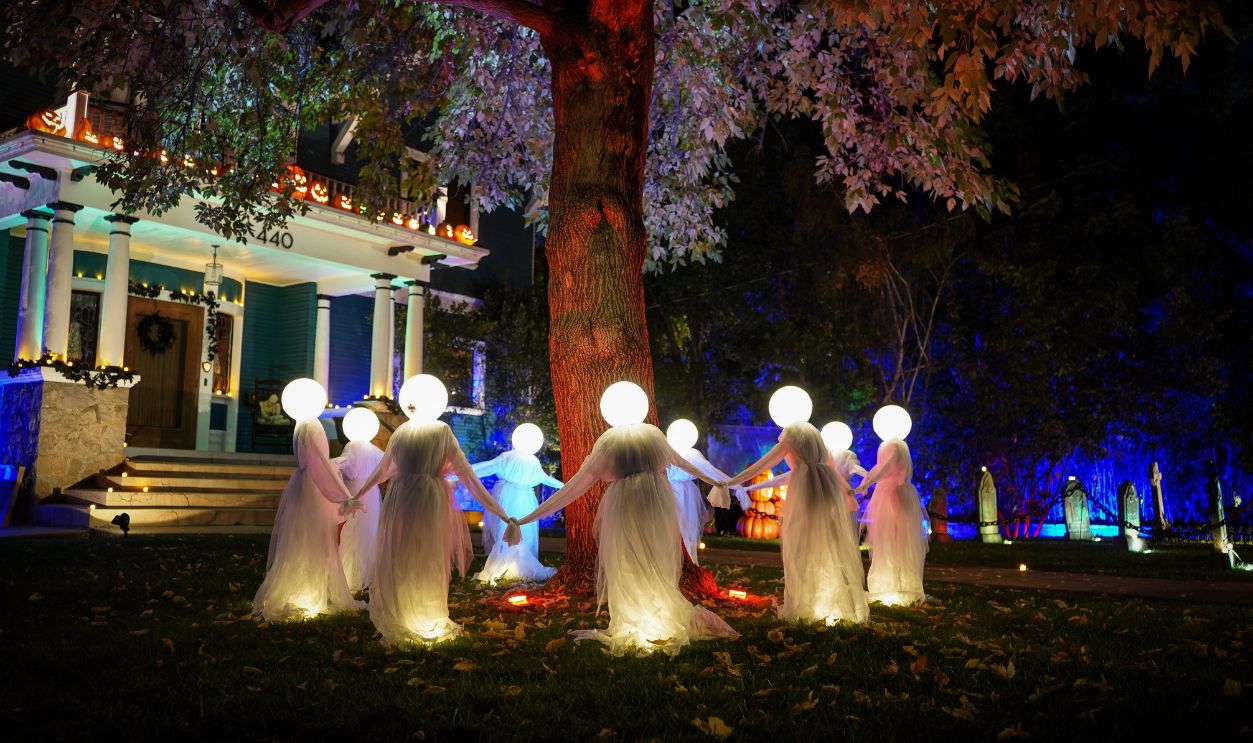
Is It A Decoration Or A Structure?
That sounds like a silly question until the skeleton is anchored into the ground, attached to a platform, surrounded by permanent lighting, or incorporated into a larger installation. Local codes define structures differently, and those definitions can be broad. Calling something a "Halloween decoration" doesn't necessarily prevent officials from deciding it falls into a regulated category.

Permanence Can Change The Conversation
A temporary plastic decoration sitting on a lawn for two weeks is unlikely to be treated the same way as a substantial installation that's anchored in place indefinitely. Some local codes distinguish temporary displays from permanent structures or regulate temporary installations differently. Leaving something up year-round could therefore matter even if putting it up temporarily was perfectly acceptable.

Where They Put It Could Matter Even More
Suppose the skeleton is safely positioned in the middle of a huge front lawn. Now suppose it's standing directly beside a driveway or street corner where it obstructs motorists' views. Those are very different situations. Local governments frequently regulate visual obstructions near intersections, driveways, and rights-of-way because they can create actual traffic hazards.

Imagine Trying To See Around A Giant Rib Cage
You're pulling out of your driveway, but the neighbor's towering skeleton is positioned near the property line. Its legs, decorations, landscaping, and support structure block your view of approaching vehicles. Suddenly this isn't merely a debate about whether giant skeletons are tasteful. It may be a traffic-visibility issue.

Sight-Triangle Rules Are Very Real
Many municipalities have rules requiring certain areas near intersections and driveways to remain clear enough for drivers and pedestrians to see one another. The exact dimensions and restrictions vary locally. A large decoration placed inside a regulated visibility area could potentially violate those requirements regardless of whether it's a skeleton, hedge, sign, fence, or giant inflatable turkey.

The Support System Could Be The Bigger Problem
Those enormous decorations don't stay upright through windstorms using Halloween magic. They may have stakes, cables, platforms, anchors, or other supports. If those components extend across sidewalks, rights-of-way, neighboring property, or prohibited setback areas, officials may have a more straightforward reason to intervene.

Safety Is Another Big Question
What happens when a strong storm arrives? A giant lightweight decoration can create a hazard if it isn't properly secured. If the display is unstable, damaged, leaning toward a sidewalk, or capable of falling onto neighboring property or the public right-of-way, local property-maintenance or nuisance provisions could potentially become relevant.

Now Add Extension Cords
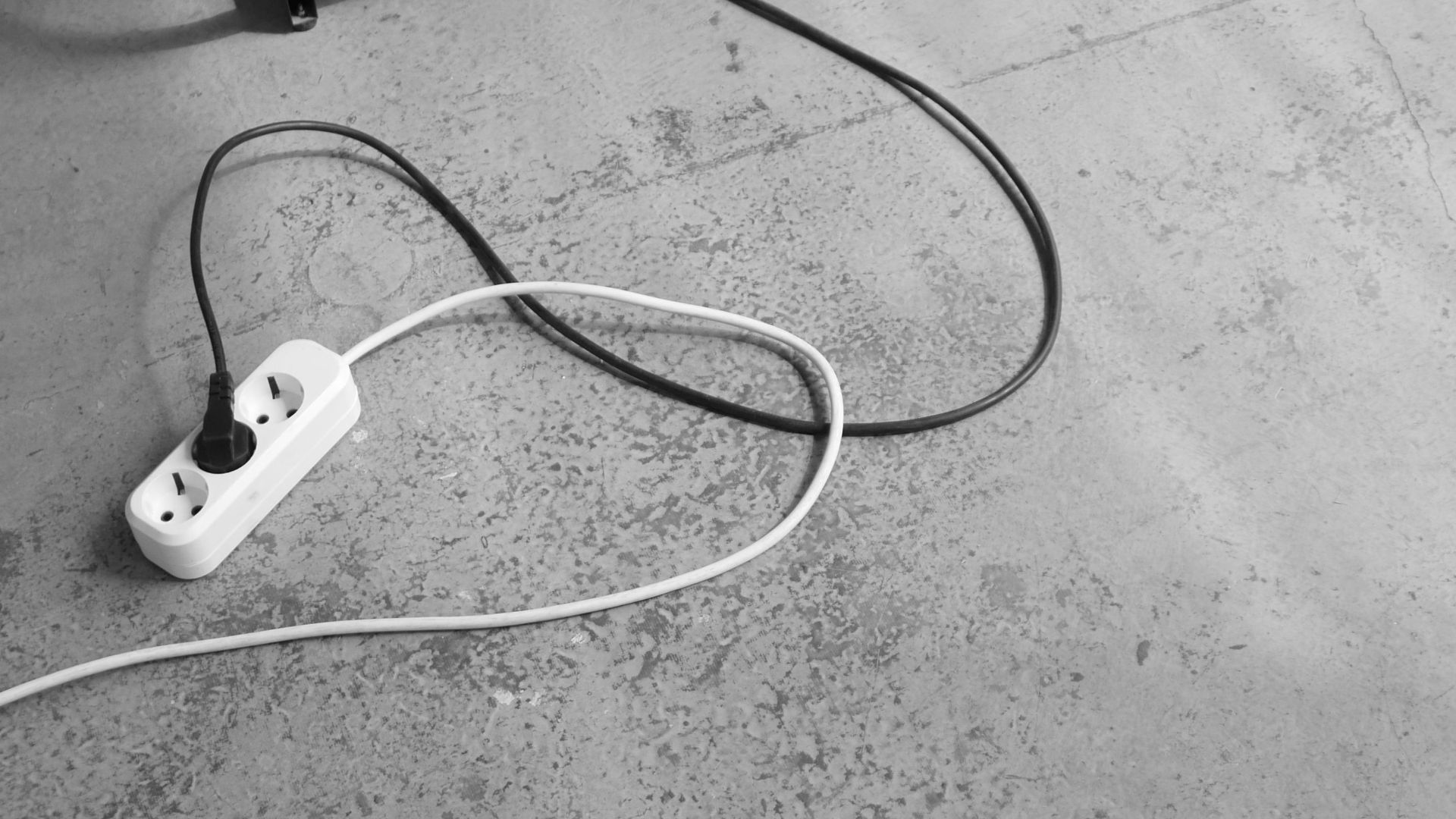
Perhaps your neighbors don't merely leave the skeleton standing there. They illuminate it every night. Suddenly there are extension cords, outdoor electrical connections, spotlights, and other equipment involved. Electrical installations can be subject to additional requirements, particularly when wiring becomes more permanent than a short-term holiday setup.
Lighting Can Create Its Own Complaint
Maybe the skeleton itself isn't the real problem. Perhaps two enormous spotlights illuminate it until 3 a.m. and shine directly through your bedroom window. Local lighting ordinances sometimes regulate glare, light trespass, or illumination spilling onto neighboring property. In that situation, the city might address the lighting even if the skeleton gets to stay.

Noise Would Be Another Separate Issue
Your neighbor decides Skeleton Steve needs a soundtrack. Now spooky music plays every evening while a motion sensor makes the skeleton scream whenever someone walks past. Noise ordinances are separate from decoration rules. A perfectly lawful lawn ornament doesn't give its owner permission to violate applicable noise restrictions.

Signs Can Complicate Things Too
Maybe the neighbors know everyone hates the display and lean into the feud. They attach a large sign saying, "HE'S NEVER COMING DOWN!" Whether that's lawful can depend on local sign regulations and constitutional protections. Municipalities need to be particularly careful when regulating signs because signs communicate messages, bringing First Amendment issues into the analysis.
 baranq, Shutterstock, Modified
The Message Matters Less Than You Might Think
Suppose the skeleton is dressed as Santa in December, Cupid in February, and Uncle Sam in July. That's annoying to some neighbors, hilarious to others, and irrelevant to many local code questions. Officials generally need to focus on legally relevant characteristics—size, placement, construction, lighting, safety, and similar issues—rather than whether they appreciate the joke.

"They Know It Bothers Us" Doesn't Automatically Make It Illegal
This is an important distinction. Your neighbors might openly admit they're leaving the skeleton up because everyone complains about it. That may make neighborhood barbecues awkward, but spite alone doesn't automatically create a code violation. The city still needs an applicable legal basis for enforcement.

Annoying Isn't Necessarily A Legal Nuisance
People use the word "nuisance" casually to mean anything irritating. Legal nuisance concepts are considerably more specific. A giant skeleton that merely offends someone's aesthetic preferences isn't necessarily equivalent to activity that substantially and unreasonably interferes with another person's use and enjoyment of property.

But An Actual Nuisance Could Be Different
Now change the facts. The display generates constant noise, directs intense lights into neighboring homes, attracts large crowds that repeatedly block driveways, creates dangerous debris, or physically encroaches onto another property. Those facts could raise issues far beyond simply having an unusual decoration.

Your HOA Is A Completely Separate Story
If the neighborhood has a homeowners association, check its governing documents. An HOA may have private covenants governing seasonal decorations, display periods, exterior modifications, lighting, or lawn ornaments that are much more restrictive than city ordinances. The city might have no problem with the skeleton while the HOA has several.

An HOA Isn't The City
This distinction matters. HOA rules arise from private covenants and association documents, while municipal rules come from government ordinances and codes. Something can comply with city zoning and still violate HOA restrictions—or violate city code even though the HOA doesn't care.

What If There Is No HOA?
Then forget the neighborhood rumor mill and check the actual municipal code. Search for provisions covering accessory structures, temporary structures, property maintenance, visual obstructions, setbacks, lighting, signs, nuisances, and front-yard installations. The answer may be buried somewhere you wouldn't expect.

Don't Just Call It A "Skeleton Complaint"
When contacting code enforcement, describe the actual concern. Saying "I hate my neighbor's skeleton" sounds like a private aesthetic dispute. Saying "This approximately 12-foot structure appears permanently anchored three feet from the sidewalk and obstructs visibility when vehicles exit the adjacent driveway" gives officials concrete facts they can evaluate.

Photos Can Help
Take photographs from your own property or public areas showing the display's location and any legitimate concern. If it blocks visibility, photograph that. If lights shine into your house, document that. If part of the installation extends into a public sidewalk, show it. Don't trespass onto the neighbor's property to collect evidence.

The City May Inspect It
Code-enforcement departments commonly investigate complaints about potential zoning or property-maintenance violations. An officer may review the property, determine which regulations apply, and decide whether there's actually a violation. Filing a complaint doesn't guarantee the city will agree with you.

And The City Might Say It's Perfectly Legal
Prepare for that possibility. If the skeleton meets applicable setback, height, safety, zoning, lighting, and other requirements, officials may have no legal reason to demand its removal. Your neighbor's right to maintain an eccentric yard doesn't disappear because everyone else on the street dislikes it.

The First Step Might Be A Notice
If officials do identify a violation, enforcement often begins with some form of notice or opportunity to correct it rather than an immediate municipal skeleton-removal squad arriving with a flatbed truck. Procedures vary by jurisdiction, but property owners may receive notice explaining the violation and giving them time to bring the property into compliance.

"Take It Down" May Not Be The Required Fix
Suppose the problem is its location rather than the skeleton itself. Moving it farther from the road might solve the issue. If lighting is the problem, redirecting or switching off the lights could work. If the support structure violates a setback, changing the installation might bring it into compliance. Enforcement doesn't always mean the decoration must disappear completely.

What If They Ignore The City?
If there's a genuine violation and the owner refuses to correct it, local codes can provide escalating enforcement mechanisms. Depending on the jurisdiction and violation, those might include citations, fines, administrative proceedings, court action, or other remedies. The exact process is intensely local, so don't assume your city follows the same procedure as one you read about online.

The First Amendment Could Enter The Picture
This becomes especially important if the display communicates a political, religious, or other expressive message. Government restrictions affecting expression can raise constitutional questions, particularly if officials appear to target the message rather than applying neutral rules about size, location, safety, or similar characteristics. A city should be enforcing legitimate regulations, not deciding which opinions residents may display.
 https://kaboompics.com/, Pexels
A Plain Skeleton Has Less Obvious Expressive Content
A generic giant skeleton sitting on the lawn is less likely to create the same constitutional dispute as a skeleton holding a political protest sign. Even so, local officials should apply their regulations consistently rather than targeting one household simply because neighbors find its decorating choices obnoxious.

Selective Enforcement Can Become A Problem
Suppose five houses have oversized year-round lawn decorations, but the city goes after only the skeleton because one influential neighbor complains. That could complicate things depending on the circumstances. Local governments generally need to enforce their rules on legally defensible grounds rather than simply responding to whichever decoration generates the most neighborhood outrage.

So... Can The City Make Them Take The Giant Skeleton Down?
Possibly—but not simply because it's ugly, annoying, out of season, or deliberately irritating the neighbors. The city generally needs an actual legal basis for enforcement. If the display violates zoning, setback, structural, visibility, lighting, electrical, property-maintenance, sign, or applicable nuisance rules, officials may be able to require changes and potentially removal.
If it's safely installed on private property and complies with the applicable rules, however, the fact that the owners leave it up year-round may not give the city authority to make it disappear.

The Skeleton May Have A Right To Stay
Start by checking the municipal code rather than organizing an angry neighborhood delegation. Document specific problems, contact the appropriate code-enforcement or zoning department, and let officials determine whether the display actually violates anything.
If the city says it's legal, you may have reached the frustrating end of the legal road. Your neighbors might genuinely be allowed to keep their enormous plastic roommate staring across the street indefinitely.
At that point, there's always one consolation: eventually October will come around again, and for approximately 31 days, they'll suddenly have the most appropriately decorated house on the block.

You May Also Like: