Your Habits May Arrive Before Your Luggage
North American tourists are often friendly, curious, and ready for adventure. Yet familiar habits involving conversation, dining, clothing, and personal space can quickly give them away. From speaking loudly to expecting early dinners, locals often recognize the telltale signs within minutes.
Speaking At Full Volume
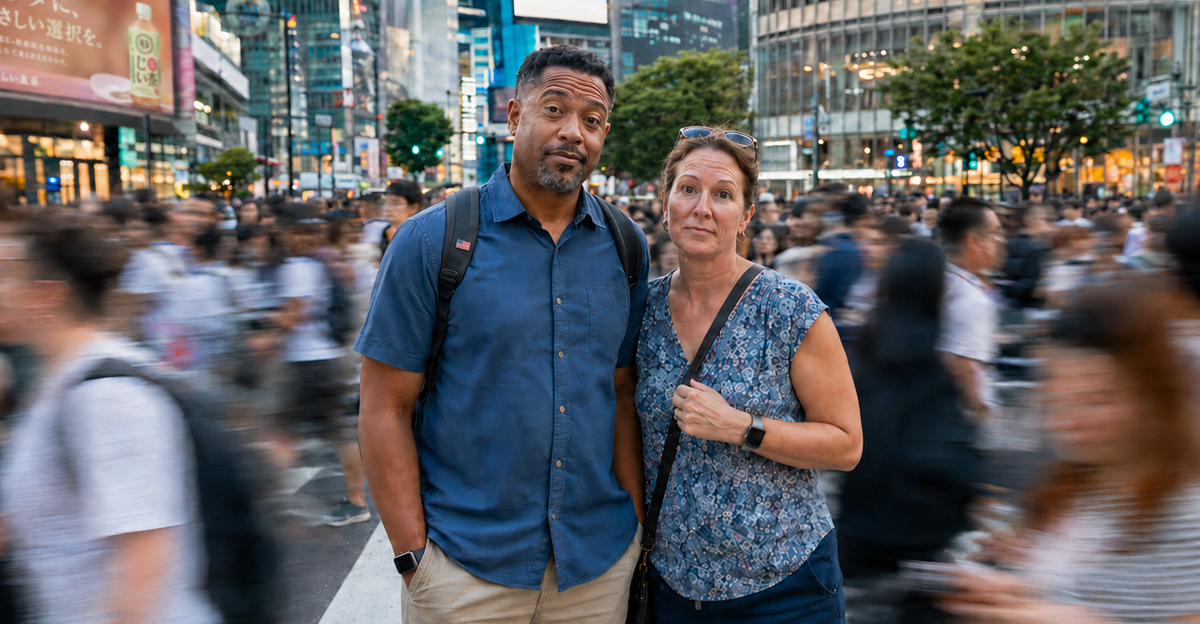
A recent European survey found that loudness remains the characteristic most commonly associated with American tourists. Voices considered perfectly normal at home can carry across quieter trains, restaurants, and hotel corridors. Watching the volume of nearby conversations offers an easy guide.
Assuming English Will Be Enough
English is widely used in international tourism, but expecting every cashier, driver, or server to speak it can appear presumptuous. Speaking more loudly does not make an unfamiliar language easier to understand. Learning a greeting, please, thank you, and excuse me shows immediate goodwill.

Skipping The Local Greeting
North Americans sometimes begin an interaction by launching straight into a question. In places such as France, greeting a shopkeeper or server first is an important courtesy. A simple "bonjour" can change the tone before you ask for directions or order lunch.

Turning Every Encounter Into A Conversation
Friendly small talk with strangers is common across Canada and the United States. That warmth can be welcome, but people in more reserved cultures may not expect personal questions from someone they just met. Notice whether locals are chatty before discussing jobs, families, or weekend plans.
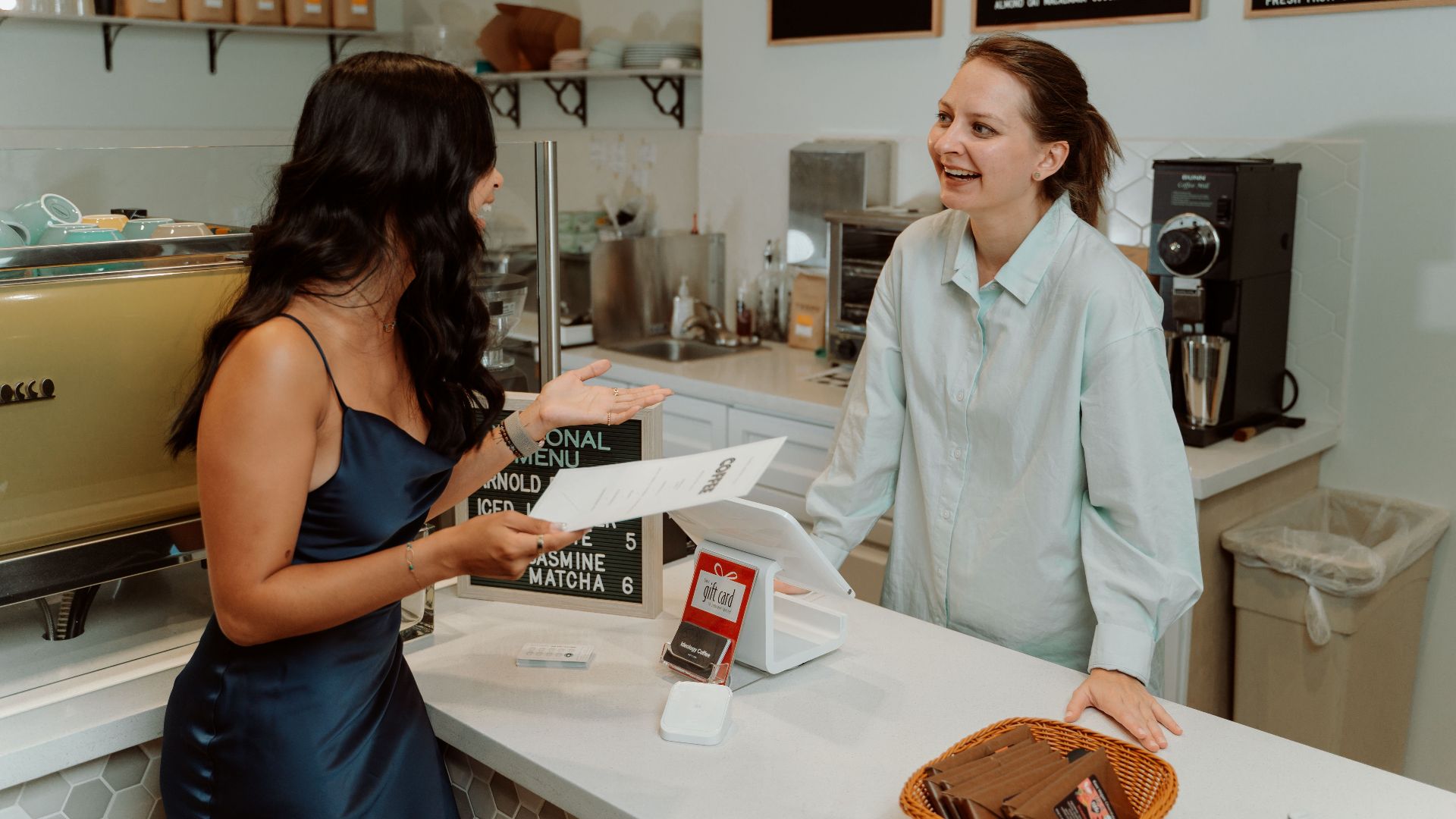
Dressing For Comfort Everywhere
Sneakers, shorts, leggings, and casual shirts make long sightseeing days easier. However, clothing that works at a North American attraction may look unusually informal in a stylish restaurant, traditional neighborhood, or religious complex. Checking local dress expectations before packing prevents uncomfortable surprises.

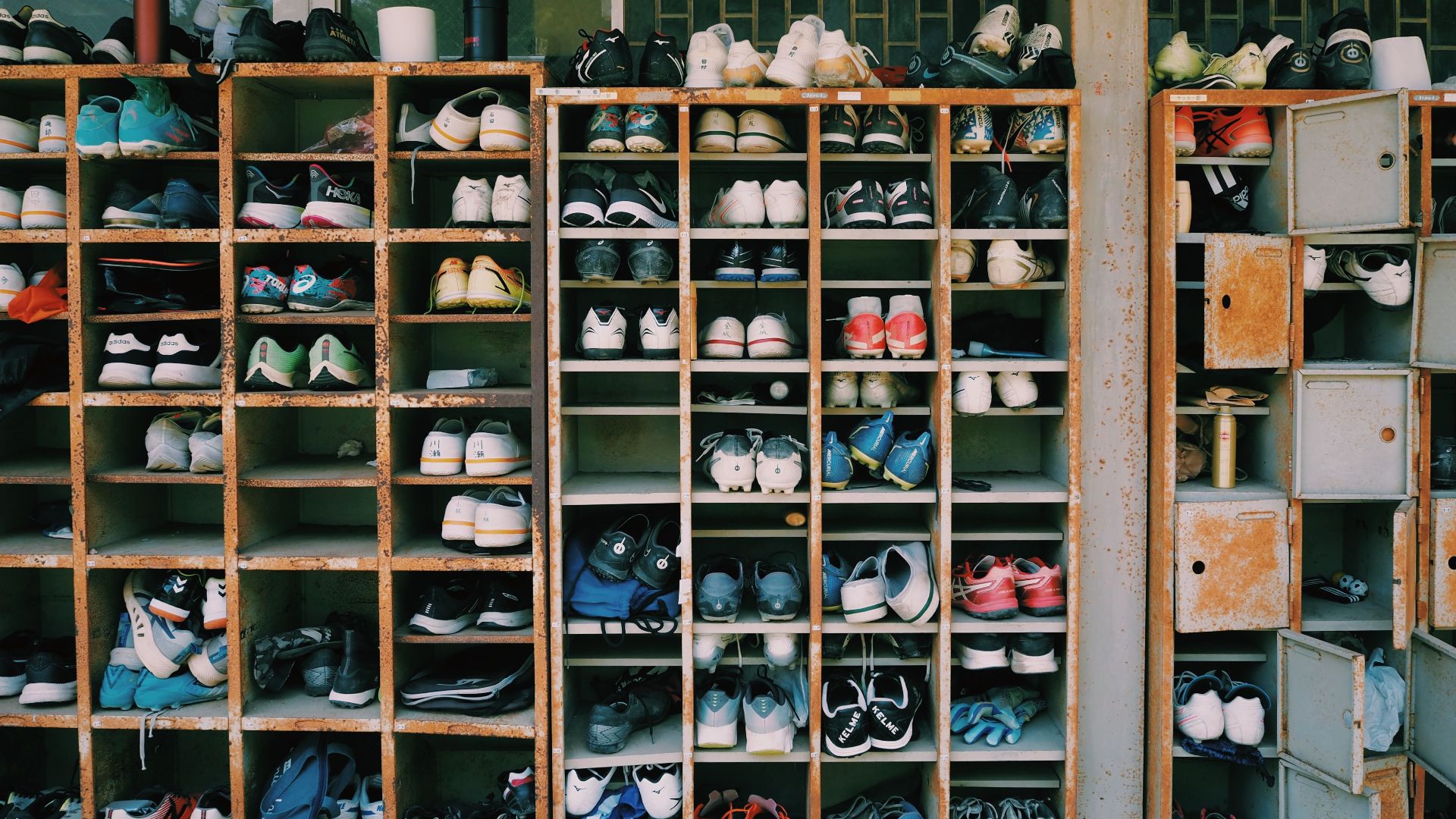
Forgetting To Remove Their Shoes
Walking indoors with shoes on is ordinary in many North American settings. In Japan, Thailand, and numerous other destinations, shoes are commonly removed before entering homes, temples, and certain businesses. A row of footwear near the entrance is a strong signal to stop and look around.
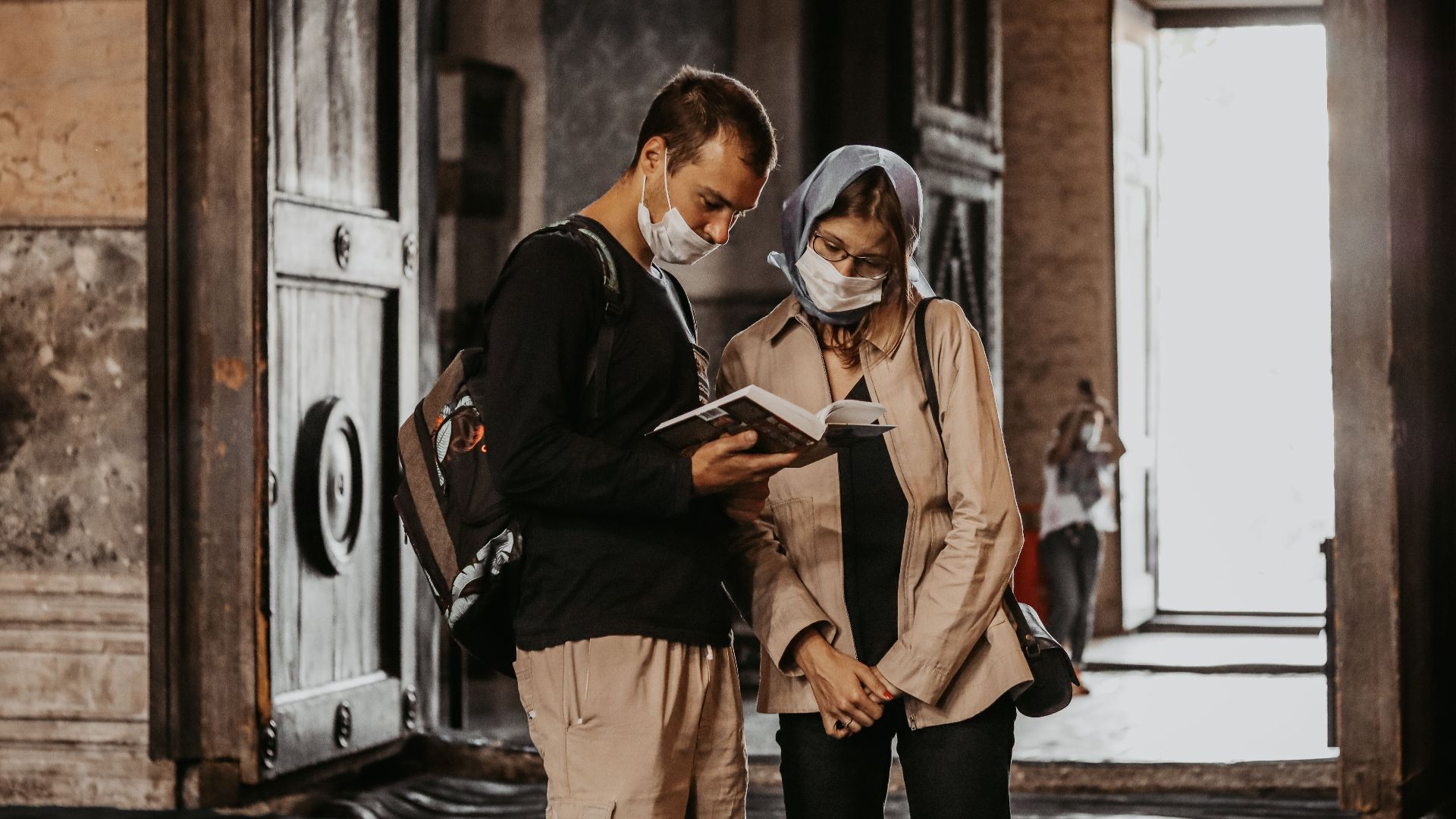
Treating Sacred Sites Like Regular Attractions
A famous cathedral, mosque, shrine, or temple may appear on every sightseeing itinerary, but it remains a place of worship. Bare shoulders, short clothing, loud conversations, and casual posing may violate local expectations. Visitors should follow posted rules and the example set by worshippers.
Photographing Before Asking
Phones make it easy to photograph ceremonies, vendors, performers, and local residents without pausing. Some religious sites and museums restrict photography, while people may simply prefer not to become someone else’s vacation content. Asking permission is both safer and more respectful.

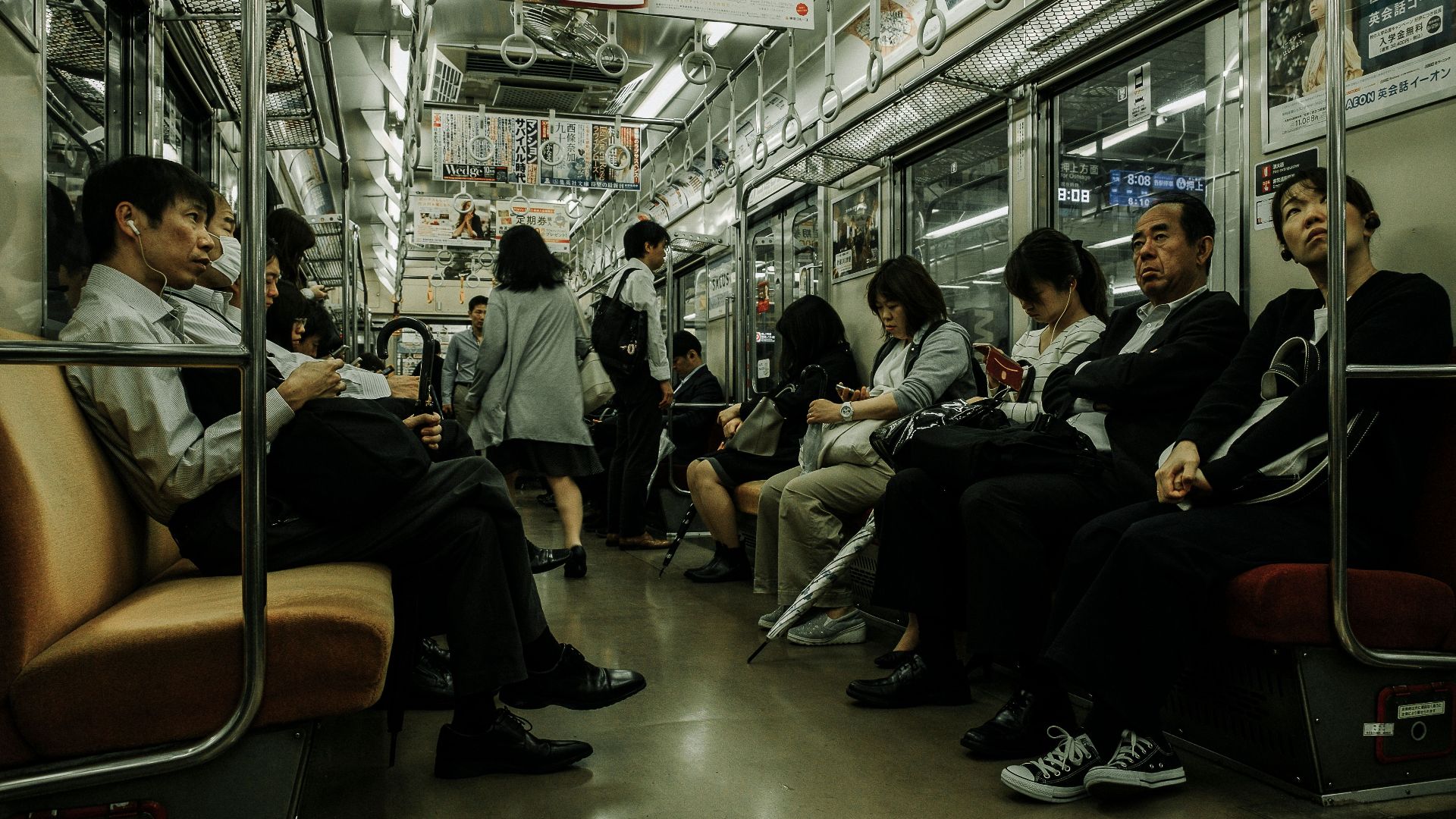
Chatting Through A Quiet Train Ride
North American transit can be lively, so tourists may continue conversations or answer calls without thinking twice. Japanese trains are notably quiet, and passengers are generally expected to silence phones and avoid calls. A loud group can therefore announce its presence across an entire carriage.
Missing The Unspoken Queue
Every destination has its own way of lining up, even when no physical barrier marks the line. Tourists who crowd a doorway or board before passengers exit can disrupt a system locals understand instinctively. Look for painted guides, waiting clusters, or subtle spacing before stepping forward.
Blocking Busy Walkways
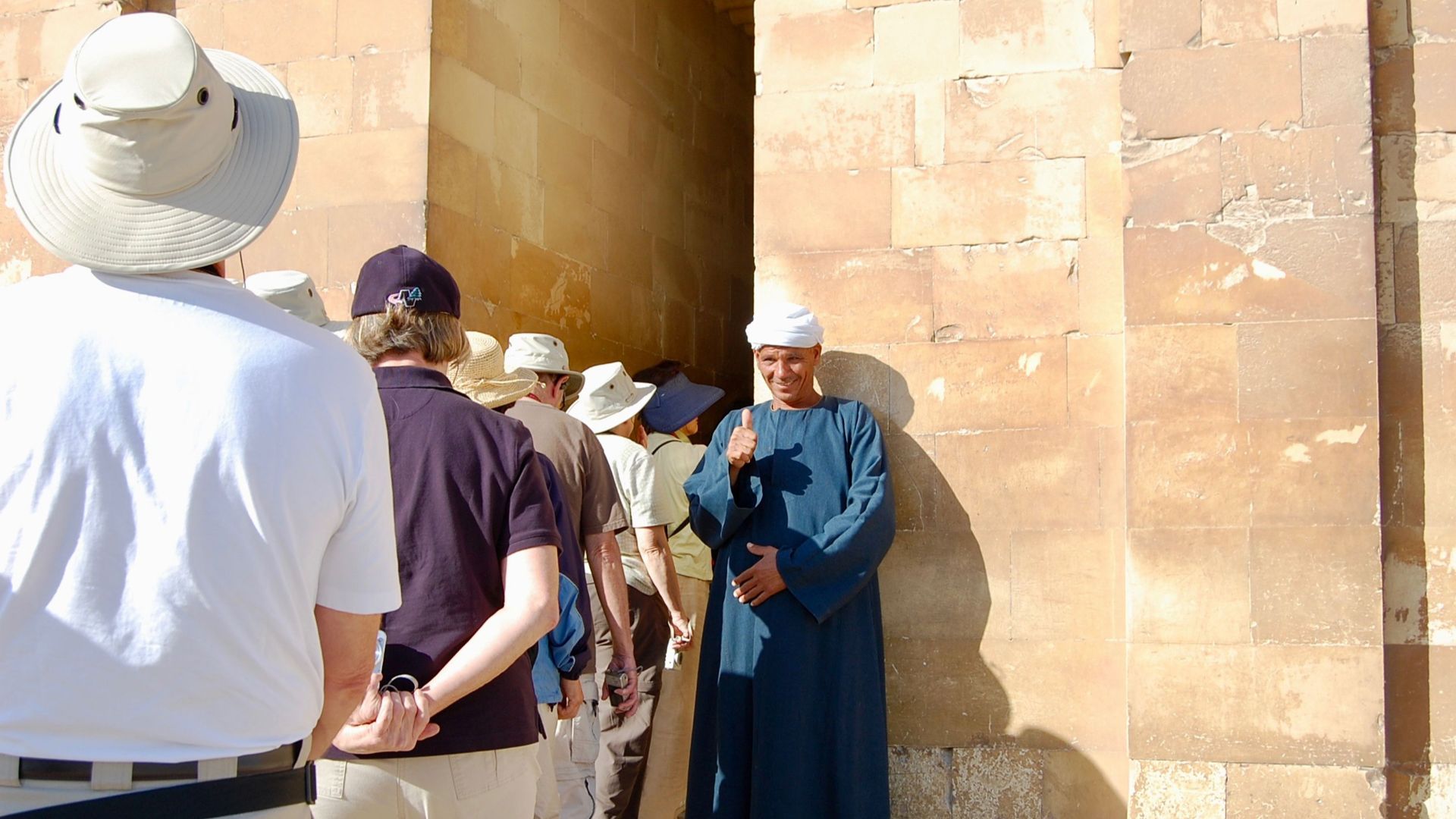
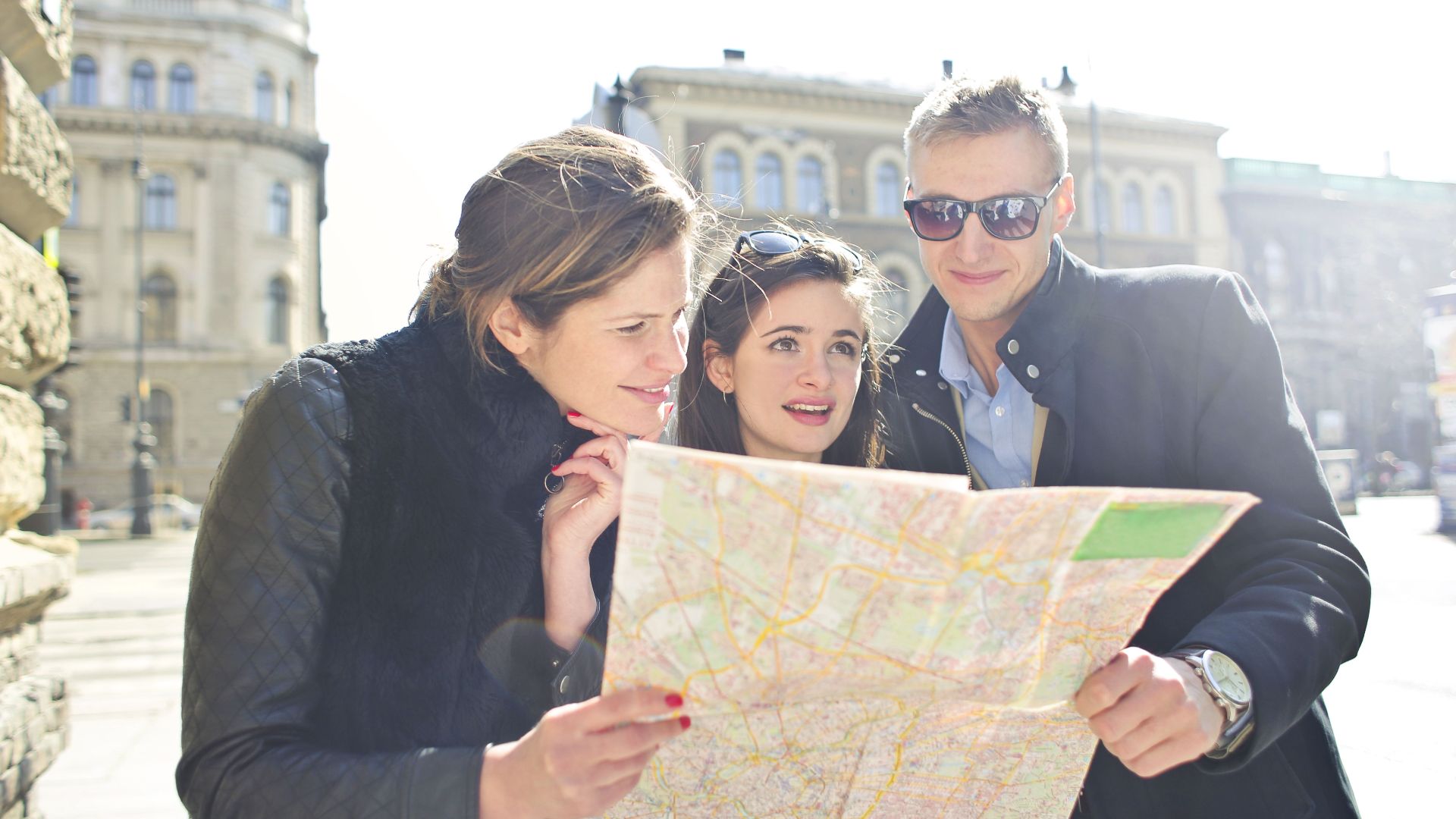
Stopping suddenly in the middle of a sidewalk is tempting when a landmark appears or a map refuses to load. In crowded cities, that pause can obstruct commuters and residents going about their day. Venice specifically asks visitors to keep right and avoid lingering on bridges.
Eating While Walking
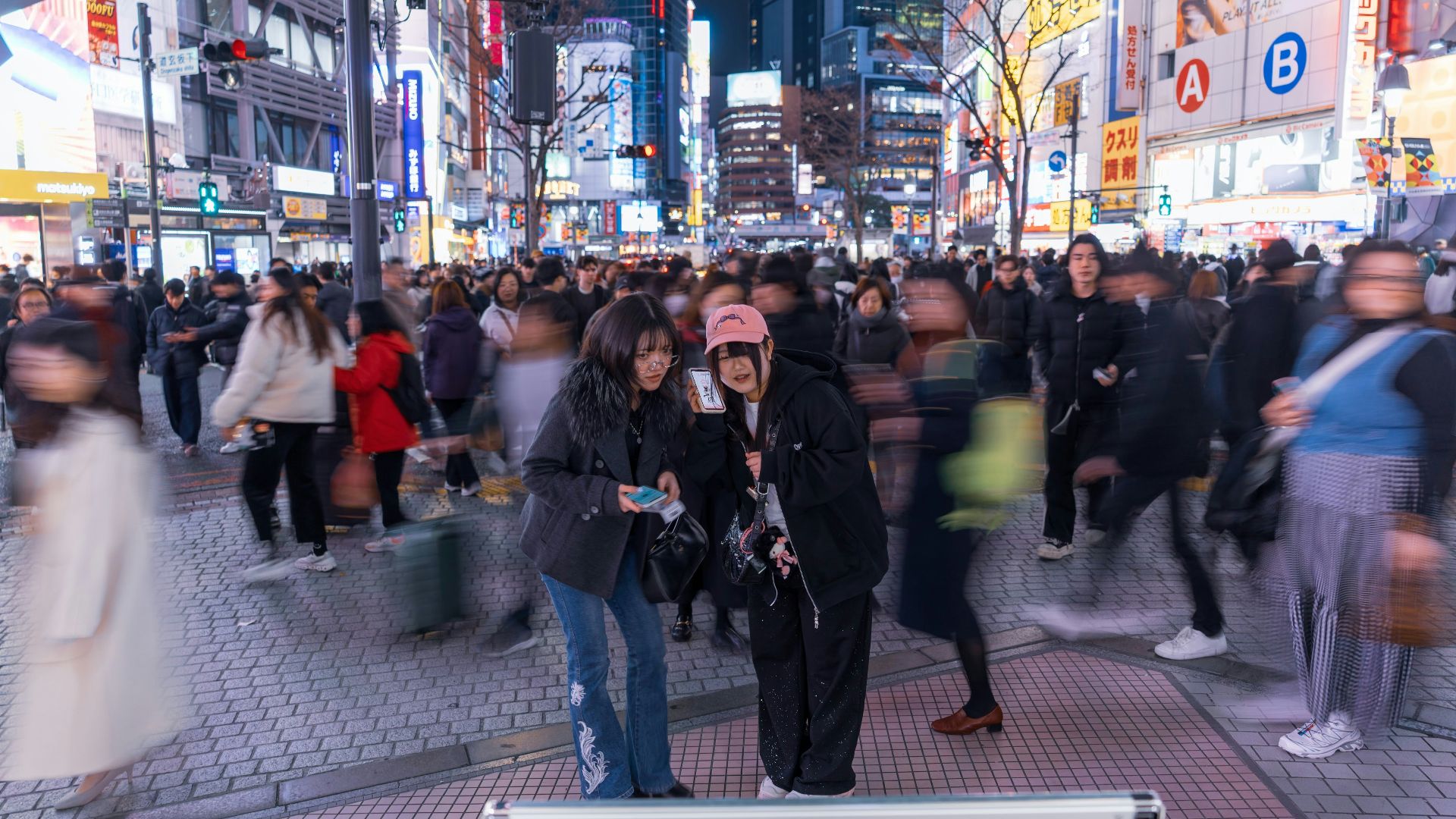
Carrying coffee, sandwiches, or snacks through the street feels completely ordinary in much of North America. In Japan, eating while walking is generally discouraged outside certain markets and festival settings. Staying near the vendor or finding a place to sit helps visitors follow local practice.

Expecting A Trash Can Everywhere
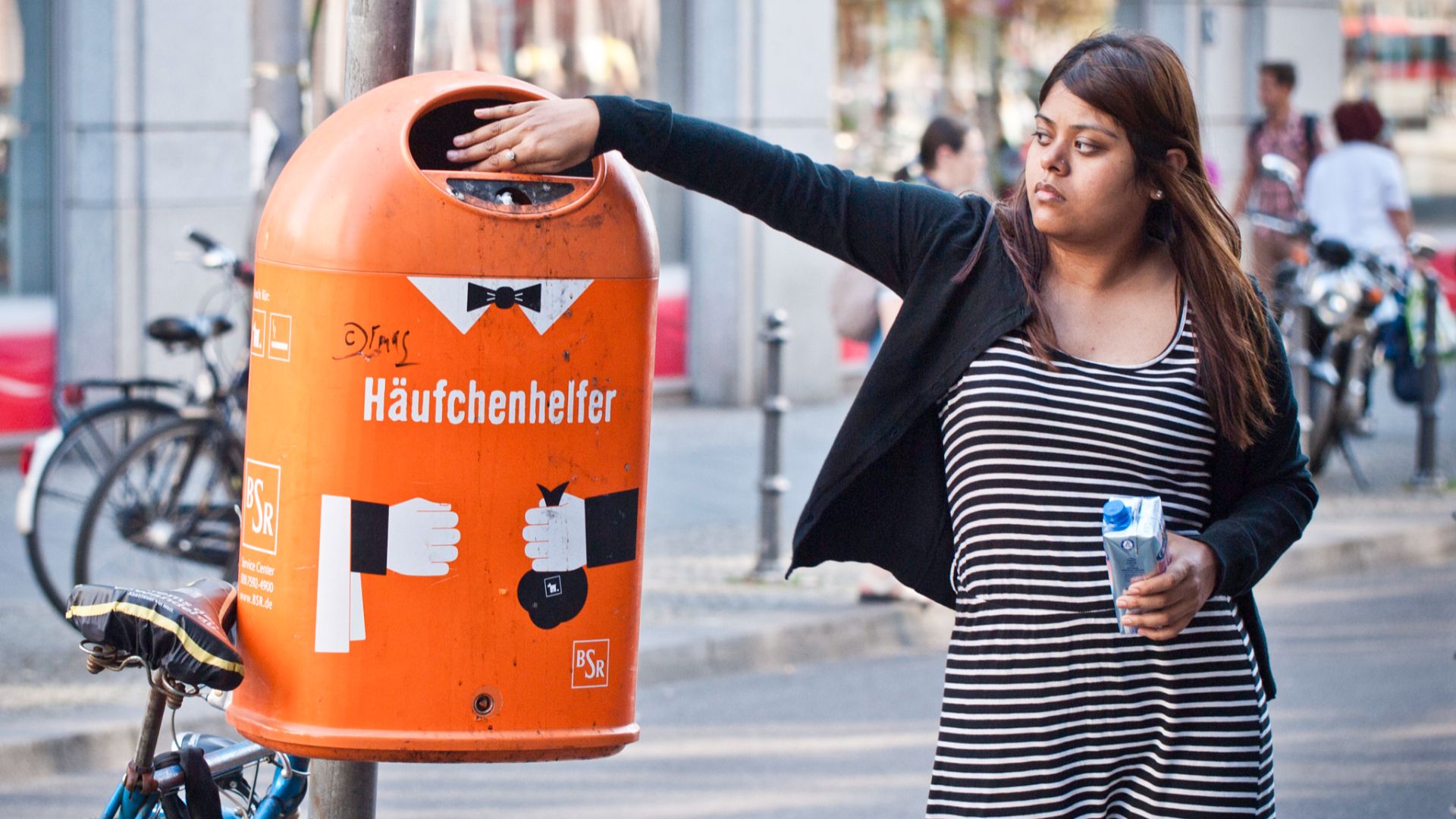
Travelers accustomed to frequent public bins may be surprised by their scarcity in Japan. Locals commonly hold onto rubbish until they find an appropriate place to dispose of it. Carrying a small bag for wrappers and bottles is an easy way to adapt.
 Sascha Kohlmann, Wikimedia Commons
Reaching For A Card Automatically
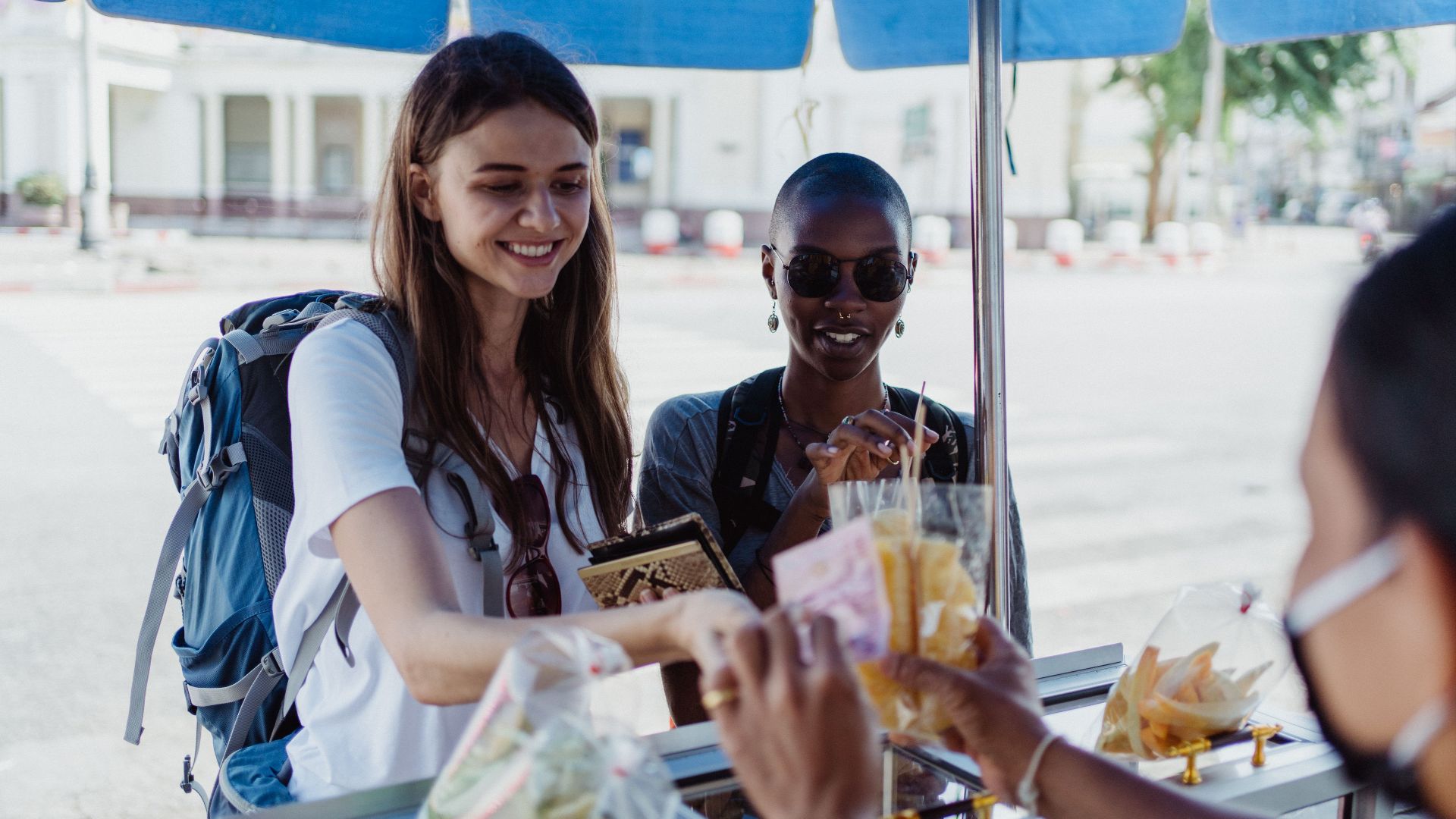
Tap payments are widespread, but cash remains important in street markets, small restaurants, rural communities, and other independent businesses. Visitors who carry only cards may find themselves unable to complete a simple purchase. Keeping a modest supply of local currency avoids the awkward scramble.
Tipping As Though They Were Home
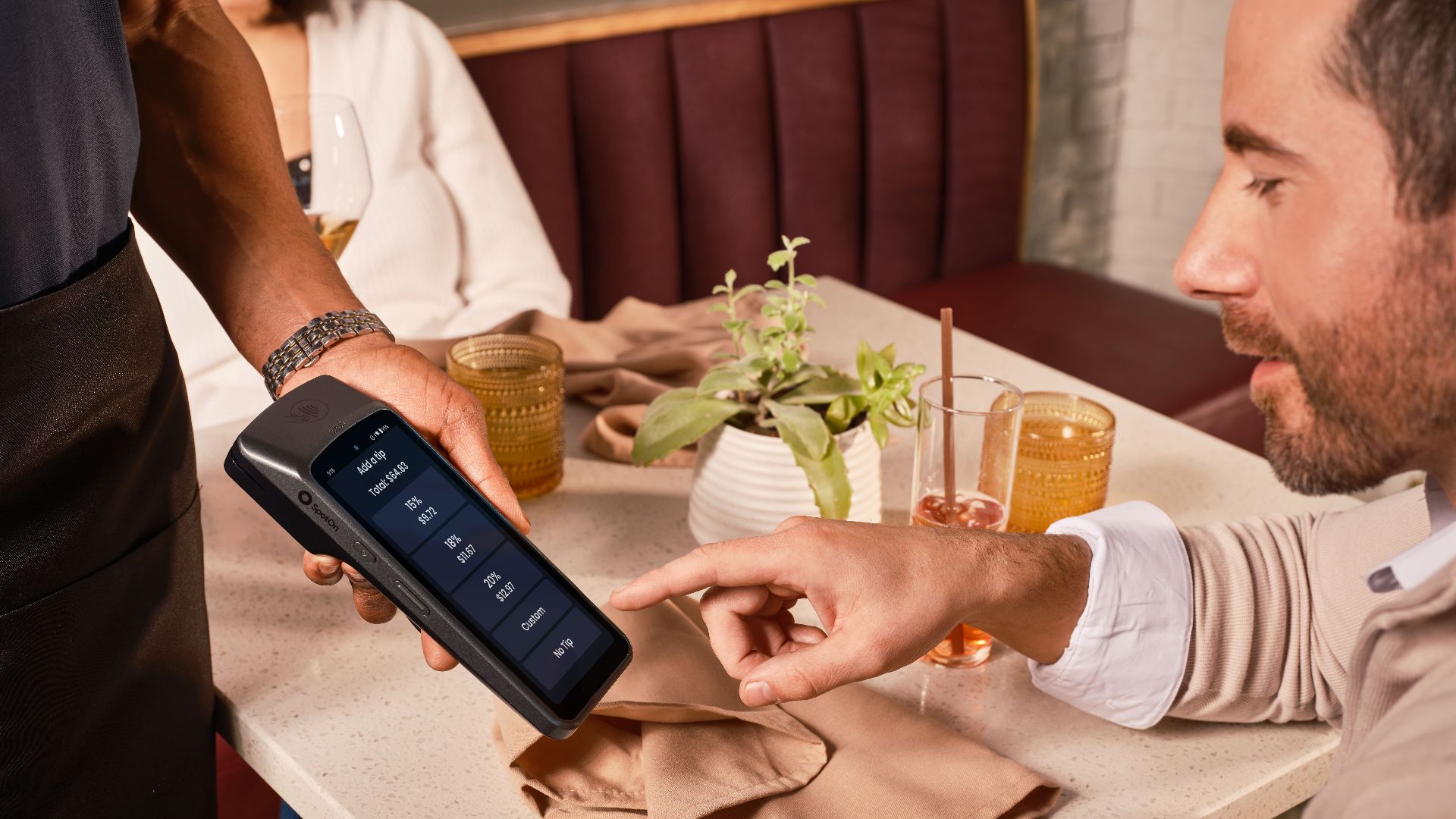
North American tipping habits are unusually visible because visitors may add 15 or 20 percent without checking local custom. Across much of Europe, service may already be included and diners often round up instead. Australia and New Zealand generally do not expect restaurant tipping at all, so local guidance matters more than habit.
Expecting Endless Ice And Refills
Large iced drinks and complimentary refills are familiar features of North American dining. Portions, water service, and refill policies can be different elsewhere, especially in European restaurants. Repeated requests for extra ice or another free soda can quickly identify a visitor.

Arriving For Dinner Too Early
Travelers who eat at 6 p.m. may discover an empty dining room or a kitchen that has not started dinner service. In Spain and parts of Latin America, evening meals commonly begin later than many North Americans expect. Adjusting mealtimes is one of the tastiest ways to join local life.
Rushing Through A Leisurely Meal
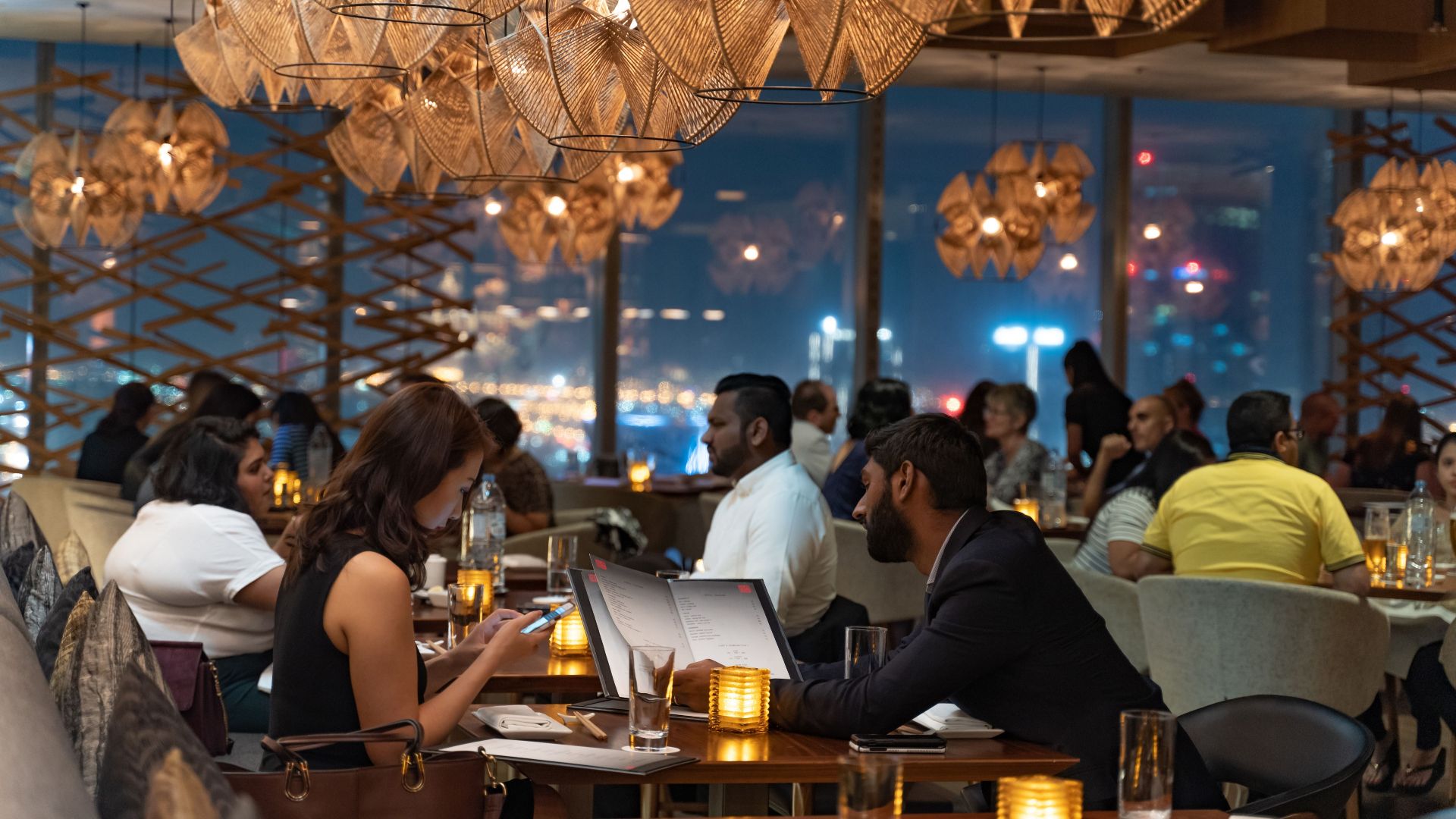
North American restaurant culture often emphasizes quick service and rapid table turnover. In many European destinations, a long dinner is treated as part of the evening rather than something to finish before the next activity. Slower service may represent hospitality, not neglect.

Waiting Impatiently For The Check
Visitors sometimes expect the bill to appear as soon as their plates are cleared. In many European restaurants, servers leave diners alone until someone specifically requests it. Asking politely for the check is more effective than trying to catch the server’s eye every few seconds.

Staying Inside The Tourist Bubble
Popular districts naturally attract first-time visitors, but following the same route as every other vacationer makes tourists easy to spot. Local guides increasingly encourage travelers to explore less crowded neighborhoods and support independent businesses. Going beyond the headline attractions can also provide a more realistic view of the destination.

Announcing How Cheap Everything Is
A favorable exchange rate can make meals, taxis, and accommodations seem inexpensive to North Americans. Saying so loudly ignores the reality that local residents earn and pay in the local economy. Enjoying good value quietly is more considerate than treating someone’s hometown like a bargain bin.

Showing Frustration In Public
Travel delays and misunderstandings test everyone’s patience, but raising your voice can make matters worse. In Thailand, public anger and shouting conflict with cultural expectations surrounding composure and avoiding loss of face. A calm tone usually produces better results in any destination.
Displaying Affection Without Checking The Setting
Holding hands, hugging, and kissing in public may attract little attention at home. More conservative cultures can have very different expectations, particularly in rural communities and near religious sites. Couples should observe local behavior and keep affection discreet when uncertain.

Comparing Everything With Home
Tourists naturally use familiar experiences as reference points. Constantly declaring that rooms, roads, meals, or appliances are better back home can make curiosity sound like criticism. Asking why something works differently opens a more interesting conversation.

Assuming The Rules Travel With Them
Local laws apply to visitors even when they differ dramatically from laws in Canada or the United States. Rules may cover clothing, public behavior, photography, medication, alcohol, identification, or driving. Researching them before departure protects both travelers and the communities receiving them.
Packing Too Much Into Every Day
A tightly scheduled vacation can turn meals, neighborhoods, and museums into items to be completed. Many destinations reward a slower pace that leaves room for conversations, delays, and unexpected discoveries. Locals immediately recognize the visitor racing from landmark to landmark with a checklist in hand.
Curiosity Makes A Better Impression
Standing out as North American is not automatically a bad thing, especially when friendliness and enthusiasm come with it. The trouble begins when familiar habits are treated as universal rules. Observe first, ask respectfully, and let the destination change how you travel.

You May Also Like:
American Vacation Expectations That Surprise Tourists From Overseas—Which Ones Shock You Most?
Retirees Shared The Small Towns They'd Move To In A Heartbeat—Would You Live In Any Of Them?
Things Europeans Love About America That Americans Take For Granted