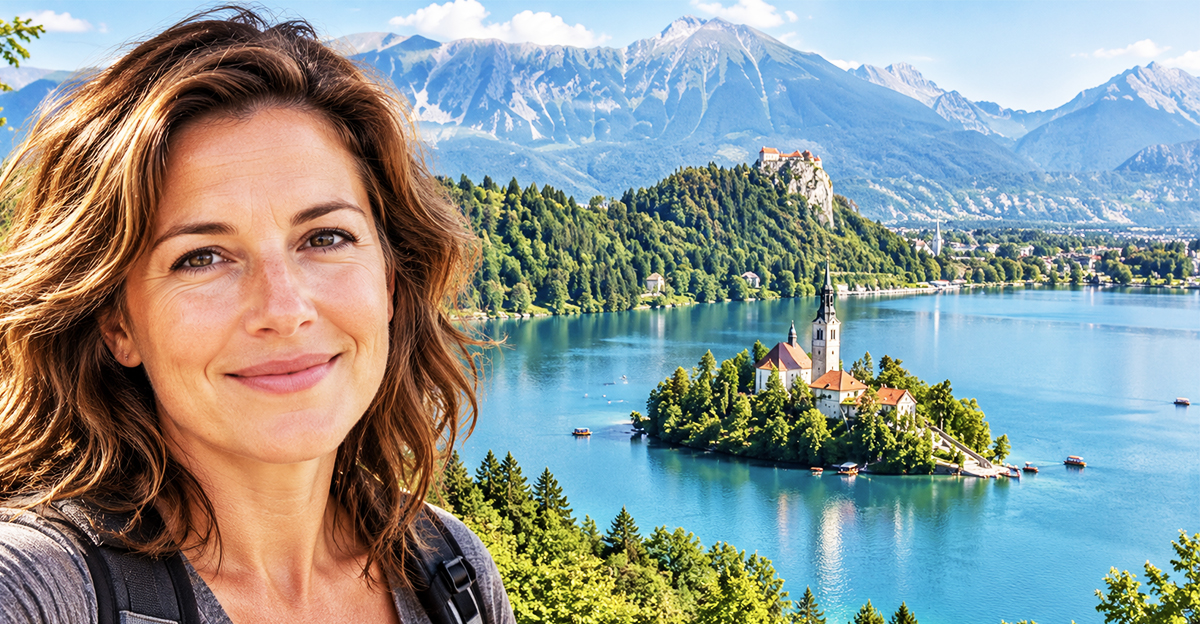
A Little Europe Without Crossing the Atlantic
Canada may sit right next to the United States, but parts of it can feel surprisingly European. French colonial streets, British-era architecture, alpine villages, waterfront pubs, and centuries-old neighborhoods give certain places an Old World charm that catches travelers off guard. From Quebec’s historic centers to British Columbia’s garden cities and Atlantic Canada’s seaside towns, these destinations prove you don’t always need a transatlantic flight to get a taste of Europe.
Montreal, Quebec
More than just looking European in places, the very rhythm of Montreal can feel different from much of North America. Founded as Ville-Marie in 1642, Montreal grew from a French colonial settlement into a dense, bilingual metropolis where French language and culture remain central. Old Montreal delivers the most obvious Old World atmosphere with cobblestones, stone façades, Notre-Dame Basilica, and narrow streets lined with cafés and restaurants.
But the feeling extends beyond the historic core. Walkable neighborhoods, terraces, bakeries, public markets, row houses, and the city's extensive Metro give parts of Montreal a distinctly continental quality. Locals and visitors regularly compare it to Europe, although Montreal ultimately feels like its own fascinating mixture of Paris, North America, and Quebec.

Quebec City, Quebec
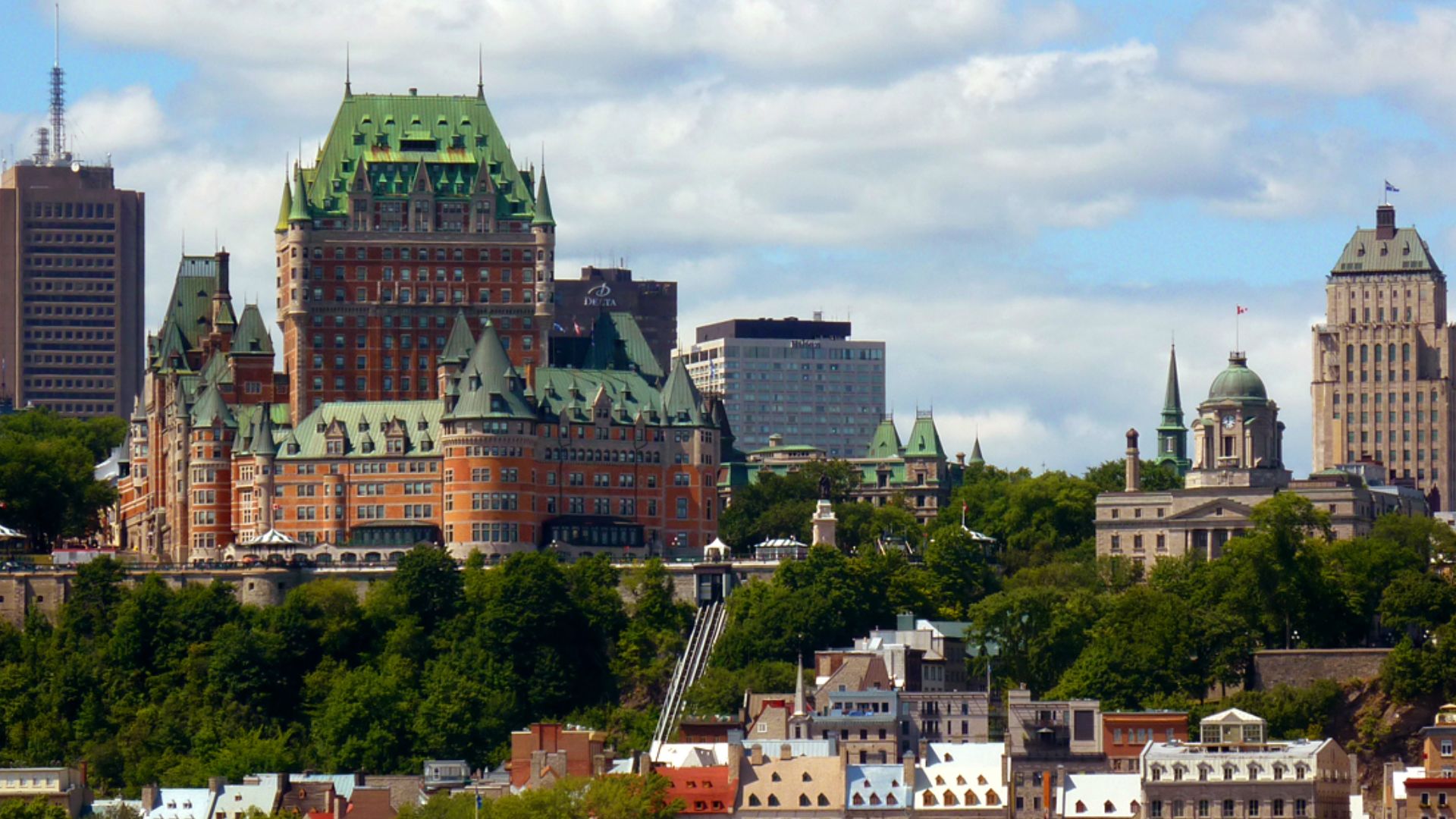
If Montreal offers hints of Europe, Quebec City sometimes looks like it forgot which continent it was on. Founded by Samuel de Champlain in 1608, the city preserves a remarkable amount of its French colonial heritage. Old Québec's narrow streets, stone buildings, defensive walls, steep staircases, and French-language signs can immediately feel more Normandy than North America.
The star attraction is Rue du Petit-Champlain, where boutiques and restaurants occupy historic buildings beneath the towering Château Frontenac. Place Royale adds another concentration of old stone architecture, while cafés and bistros strengthen the French atmosphere. One traveler writing about the city specifically compared its architecture with places in France, Italy, Switzerland, Austria, and Germany.
Niagara-on-the-Lake, Ontario
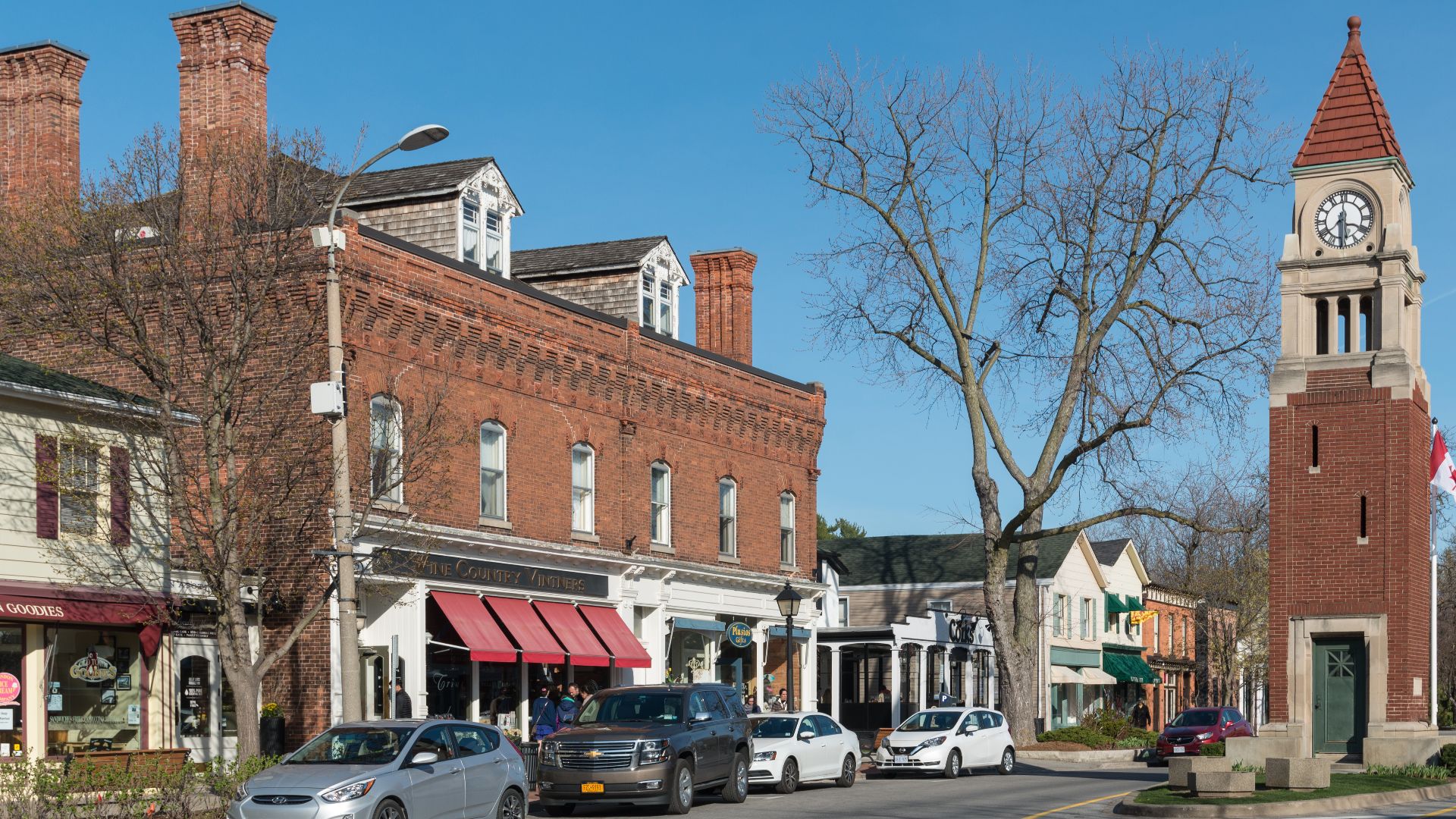
Niagara-on-the-Lake feels less like a modern Canadian city and more like a polished English market town that somehow ended up surrounded by vineyards. Its historic district is packed with 19th-century buildings, inns, boutiques, gardens, and tree-lined streets, while the surrounding Niagara wine country adds a touch of rural France or Italy. Ontario itself notes the town's deliberate efforts to preserve the flavor of its past.
Then there’s the Shaw Festival, one of Canada's premier theater institutions. The combination of repertory theater, wine estates, historic architecture, and elegant hotels gives the town an unusually Old World vacation atmosphere. Fort George also provides a reminder that this picturesque community played an important role in the War of 1812.
Lunenburg, Nova Scotia
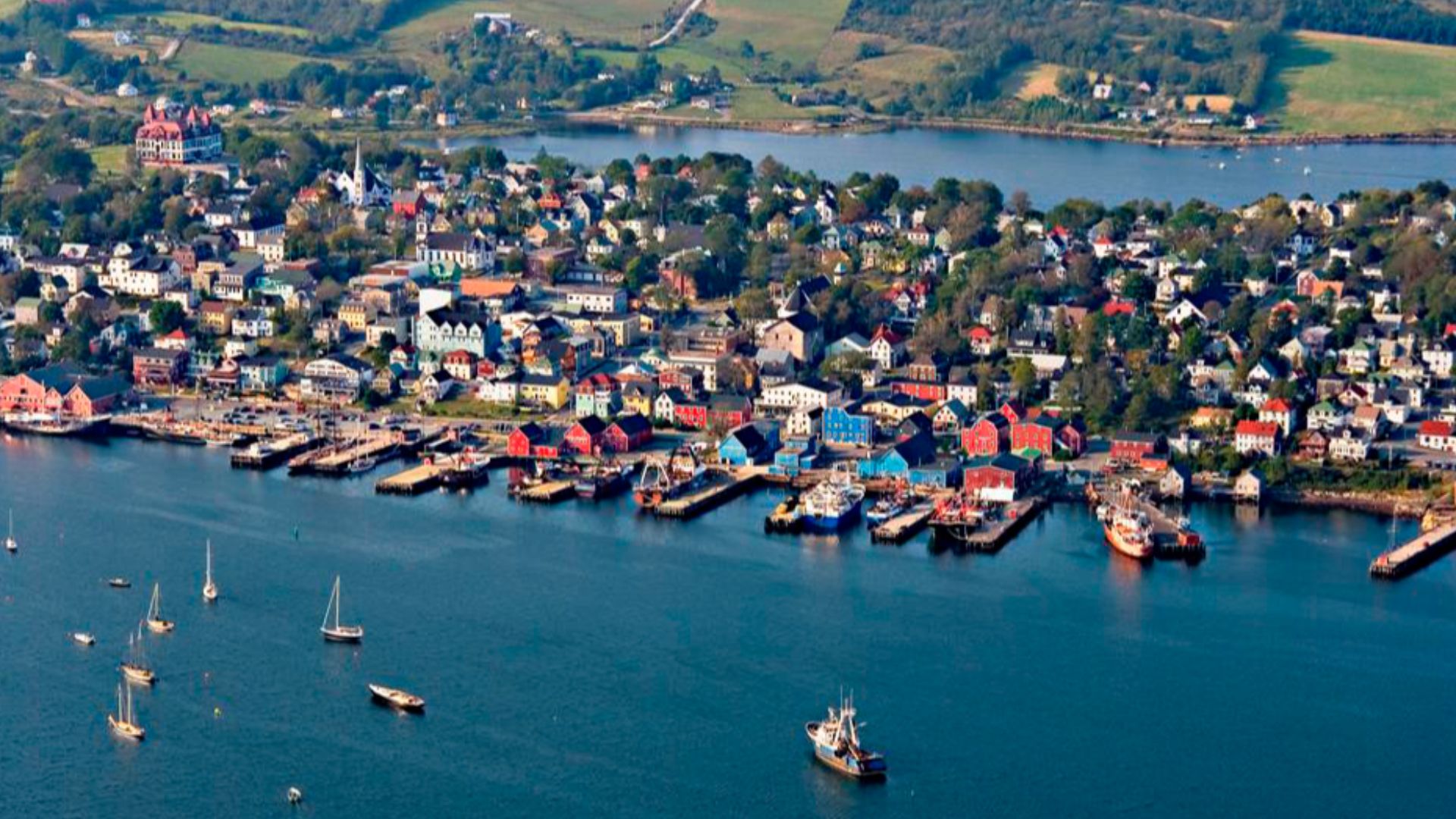
Lunenburg has one of the strongest historical cases on the entire list. Founded in 1753 for mostly German-speaking Protestant settlers from Germany, Switzerland, and Montbéliard, the community followed a British colonial "model town" plan. Parks Canada calls it the best surviving example of this kind of planned British colonial settlement.
Its UNESCO-listed Old Town contains roughly 400 major buildings, many dating to the 18th and 19th centuries. Colorful wooden architecture, incredibly steep streets, churches, waterfront buildings, and a long seafaring tradition give Lunenburg the character of an old North Atlantic port. The whole place feels historically layered rather than artificially themed.
Victoria, British Columbia
Victoria trades French influences for a much more British flavor. The city developed as a British colonial outpost in the 19th century, and that heritage is still easy to spot around its historic center. Grand hotels, manicured gardens, heritage buildings, afternoon tea, and waterfront architecture can make parts of Victoria resemble an English seaside city. Canadians themselves frequently single it out when discussing places outside Quebec that feel European.
The Fairmont Empress is the obvious place to lean into the fantasy (especially over afternoon tea) while the Parliament Buildings and nearby Inner Harbour reinforce the city's stately atmosphere. Elsewhere, garden culture and older residential neighborhoods preserve traces of the city's British past.
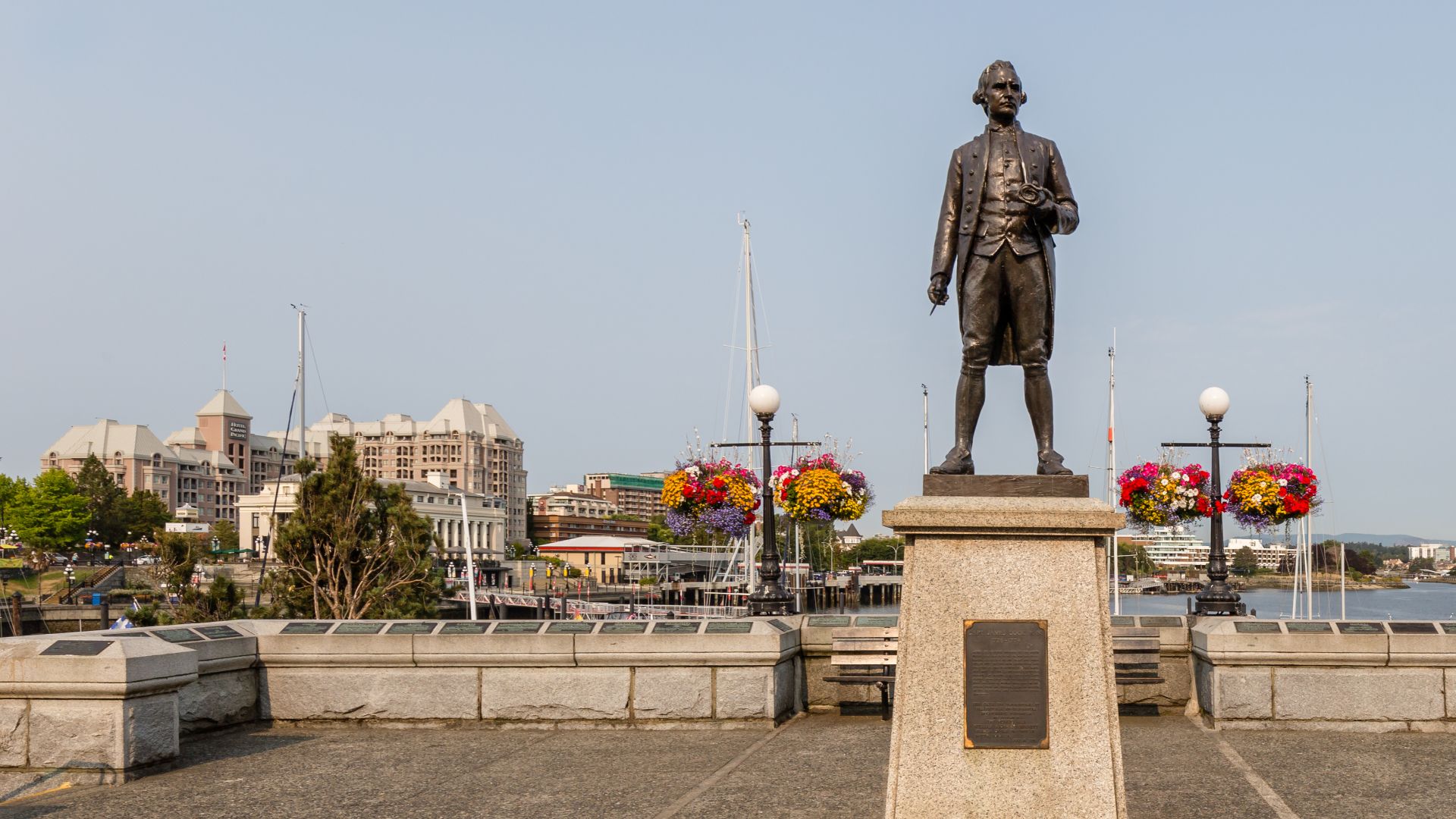 Michal Klajban, Wikimedia Commons
Stratford, Ontario
The name already sounds suspiciously English, and Stratford has leaned enthusiastically into that connection. The city was named after Stratford-upon-Avon, and its identity today is inseparable from the Stratford Festival, founded in the 1950s and famous for Shakespeare and classical theater. The festival has since become one of Canada's major cultural institutions.
Beyond the stage, the Avon River, gardens, older brick buildings, restaurants, and walkable downtown give Stratford the relaxed character of an English cultural town. It’s particularly convincing during festival season, when theatergoers fill patios and stroll between performances. Even Canadians discussing their country's most European-looking destinations regularly bring Stratford into the conversation.
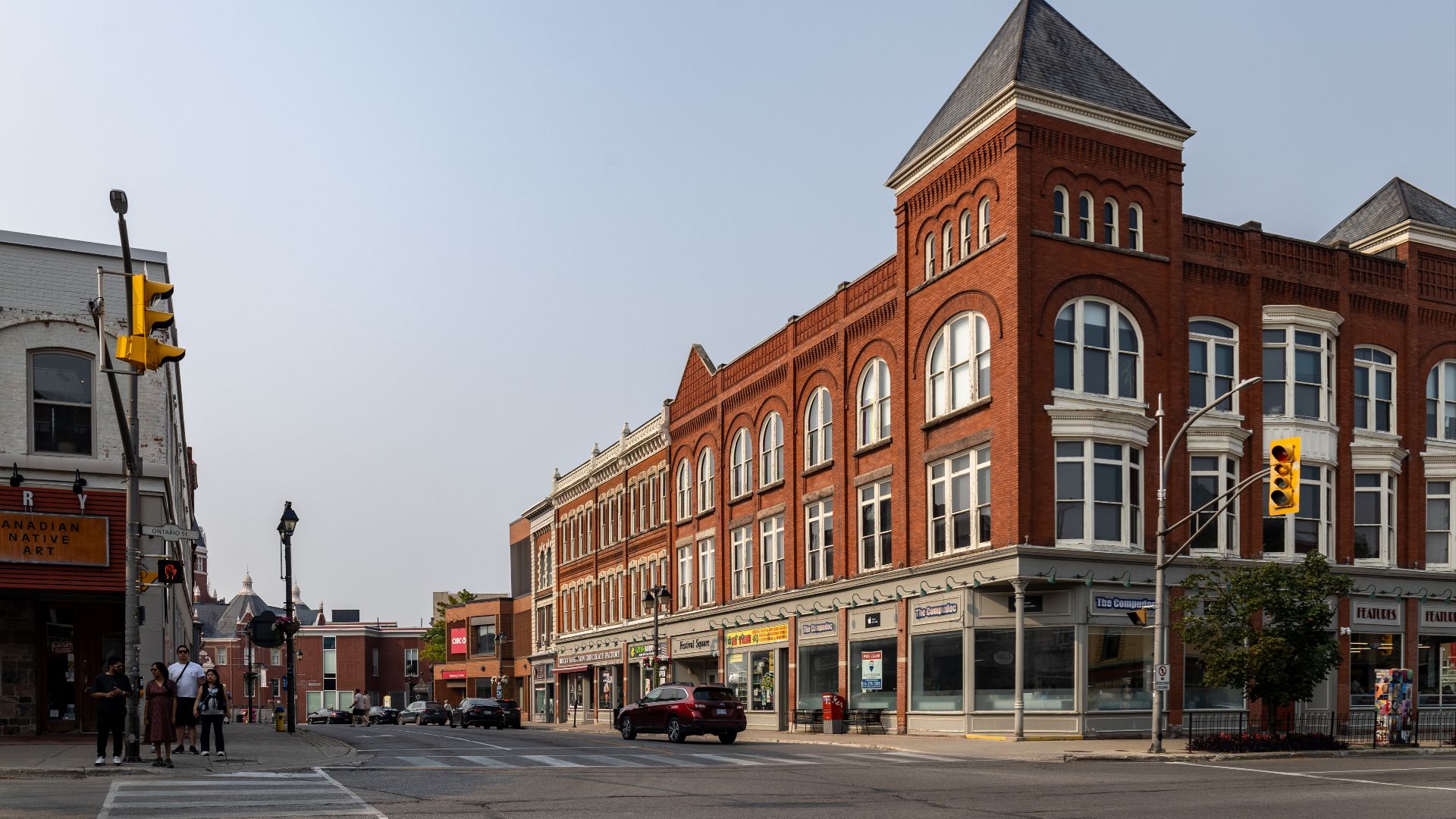 Chris Woodrich, Wikimedia Commons
Banff, Alberta
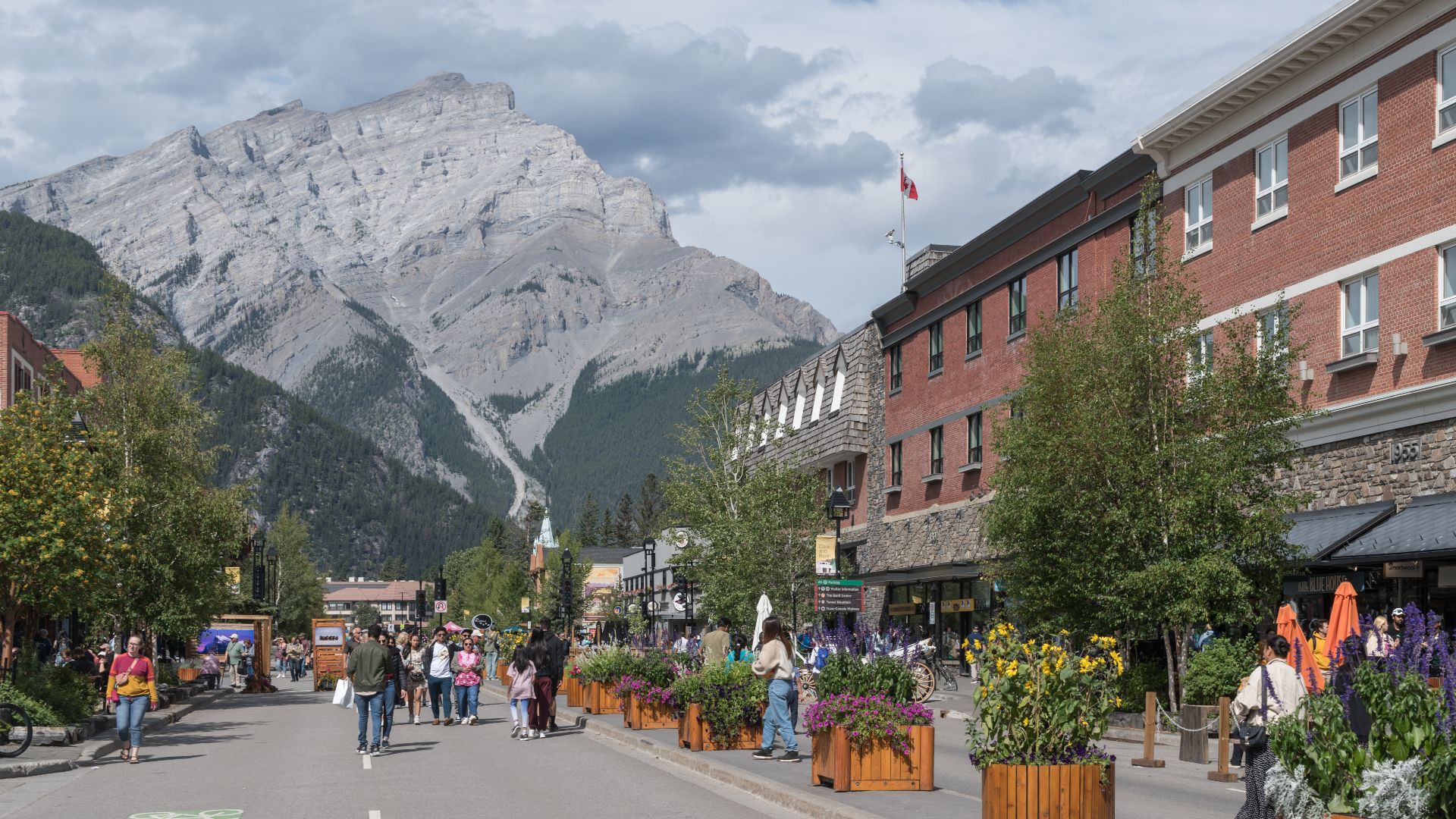
Banff’s European resemblance comes less from ancient architecture and more from its setting. Surrounded by the Canadian Rockies, the town has the atmosphere of an Alpine resort, especially when snow blankets the mountains and visitors spend their days skiing before heading into cozy restaurants and hotel lounges.
The Fairmont Banff Springs pushes the illusion further. Its grand, castle-like design overlooking the Bow Valley feels like the sort of elaborate mountain resort you might encounter in the Alps. Banff's pedestrian-friendly center, ski culture, mountain lodges, and après-ski atmosphere have led travel writers to compare the experience to a European mountain getaway.
Mont-Tremblant, Quebec
Mont-Tremblant goes all-in on the Alpine-village look. Its pedestrian resort village features colorful façades, sloping roofs, stonework, plazas, restaurants, and narrow walkways clustered beneath the Laurentian Mountains. In winter, when the roofs are covered with snow and skiers wander between cafés and restaurants, it can resemble a purpose-built resort in the French Alps.
The area's French-Canadian identity adds another layer. Menus, signage, and conversations regularly switch into French, while skiing and après-ski culture encourage visitors to slow down and linger. Unlike Quebec City's genuine colonial streets, much of Tremblant's European appearance is intentionally designed, but the effect is undeniably fun.
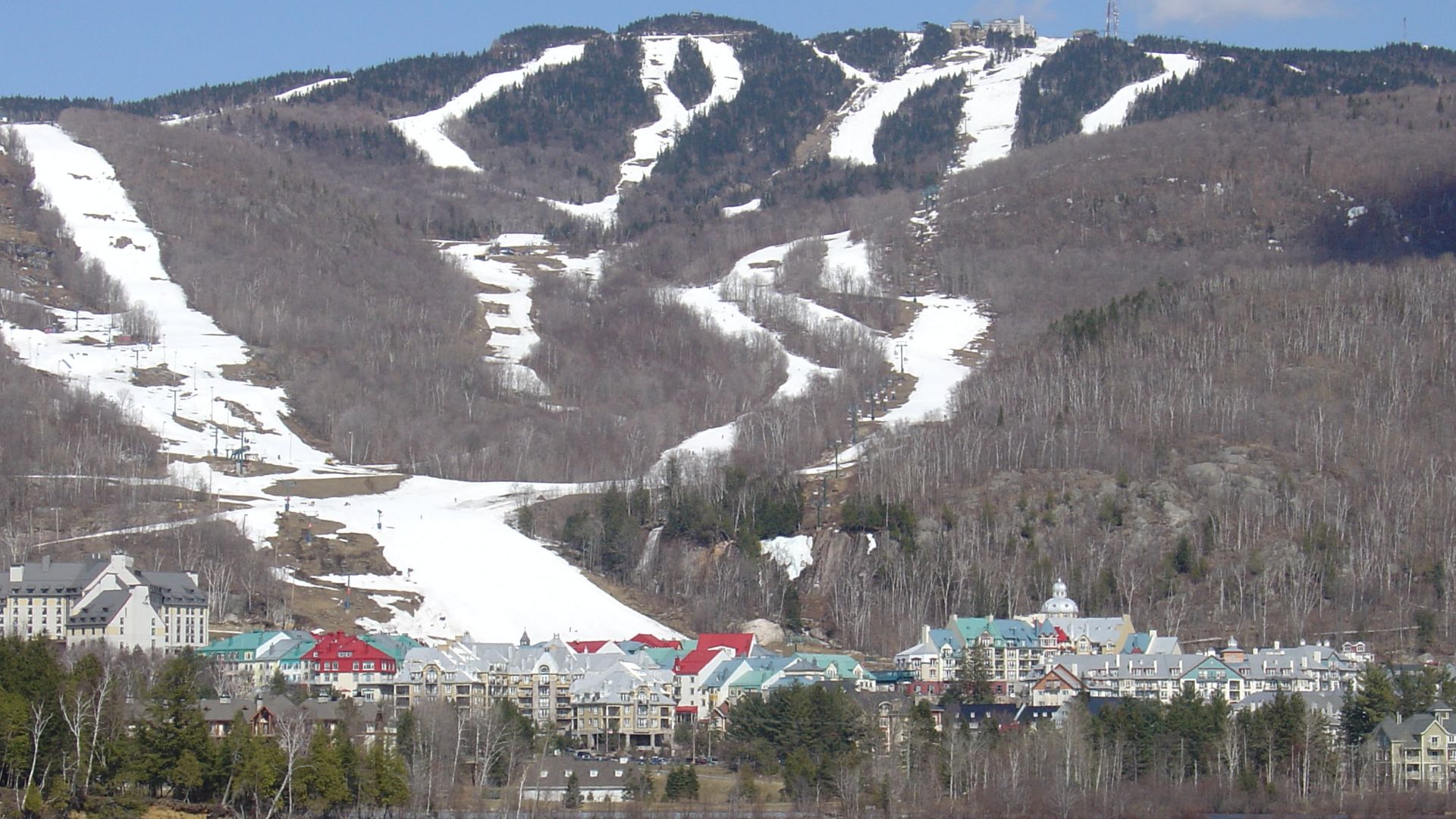 BetacommandBot, Wikimedia Commons
Osoyoos, British Columbia
Osoyoos isn't going to fool anyone into thinking they're walking through medieval France, but its vineyards offer a different kind of European escape. The dry Okanagan landscape, lake views, winery terraces, and long rows of vines can evoke wine regions in Spain, Italy, or southern France.
Wine is the main reason to lean into the comparison. Visitors can spend an afternoon hopping between tasting rooms, eating locally inspired meals, and looking across vineyard-covered hills without ever leaving British Columbia. The region's hot, dry summers also create a Mediterranean-like atmosphere that's unusual in Canada.
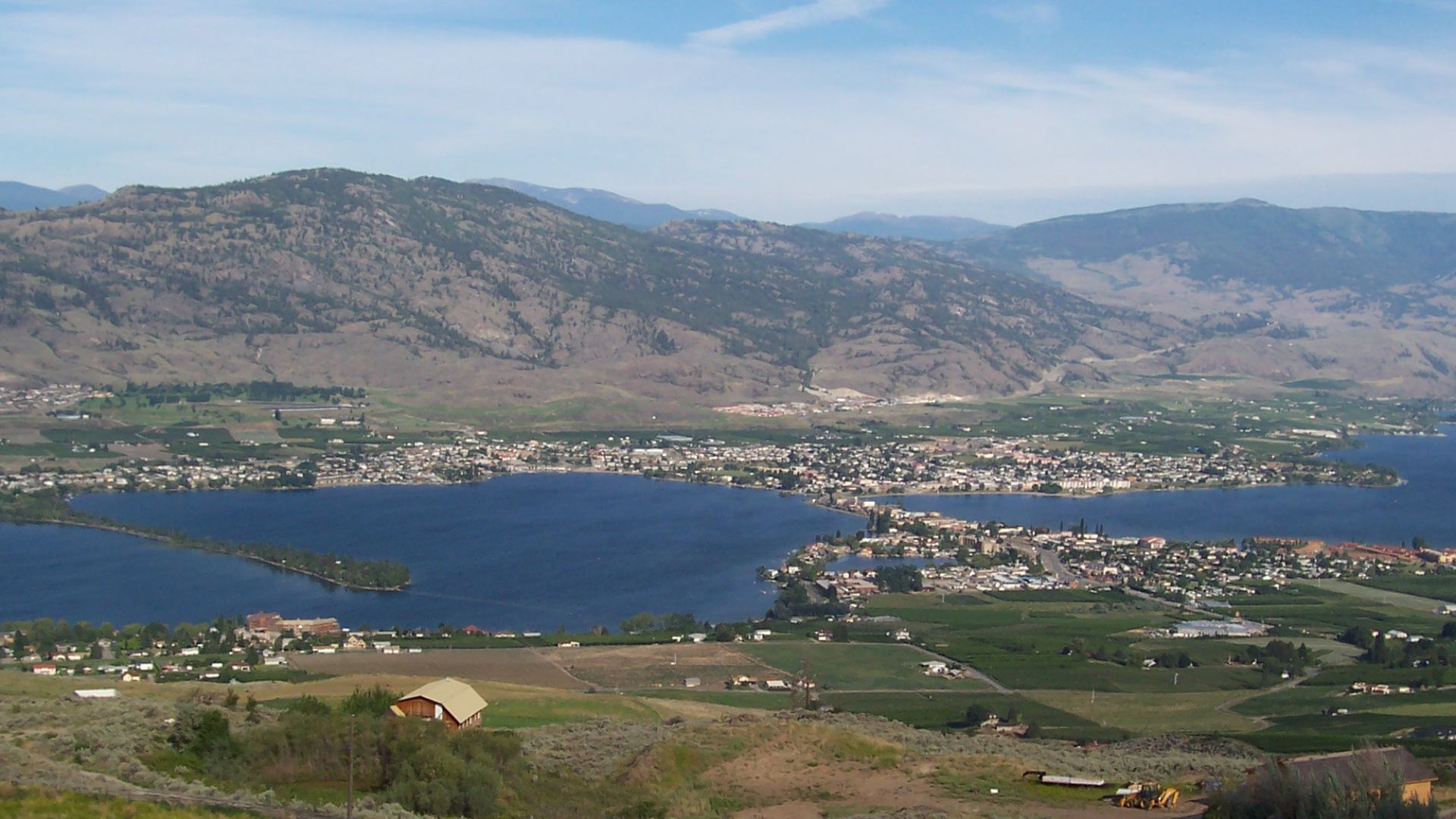 Samuel.jt.boisvert at English Wikipedia, Wikimedia Commons
St John's, Newfoundland and Labrador
St John's offers something closer to the British Isles than continental Europe. One of North America's oldest cities, it grew around a historic fishing harbor, and its narrow, twisting streets developed long before cars and modern city grids. Tourism officials describe streets originally carved out by horses and carriages, with steep lanes, hidden alleys, and colorful houses squeezed onto hillsides.
Jellybean Row provides the postcard image, but Quidi Vidi may feel even more Old World. This little fishing village within the city has a sheltered harbor, tightly clustered buildings, and maritime atmosphere that can bring coastal Ireland or Cornwall to mind.
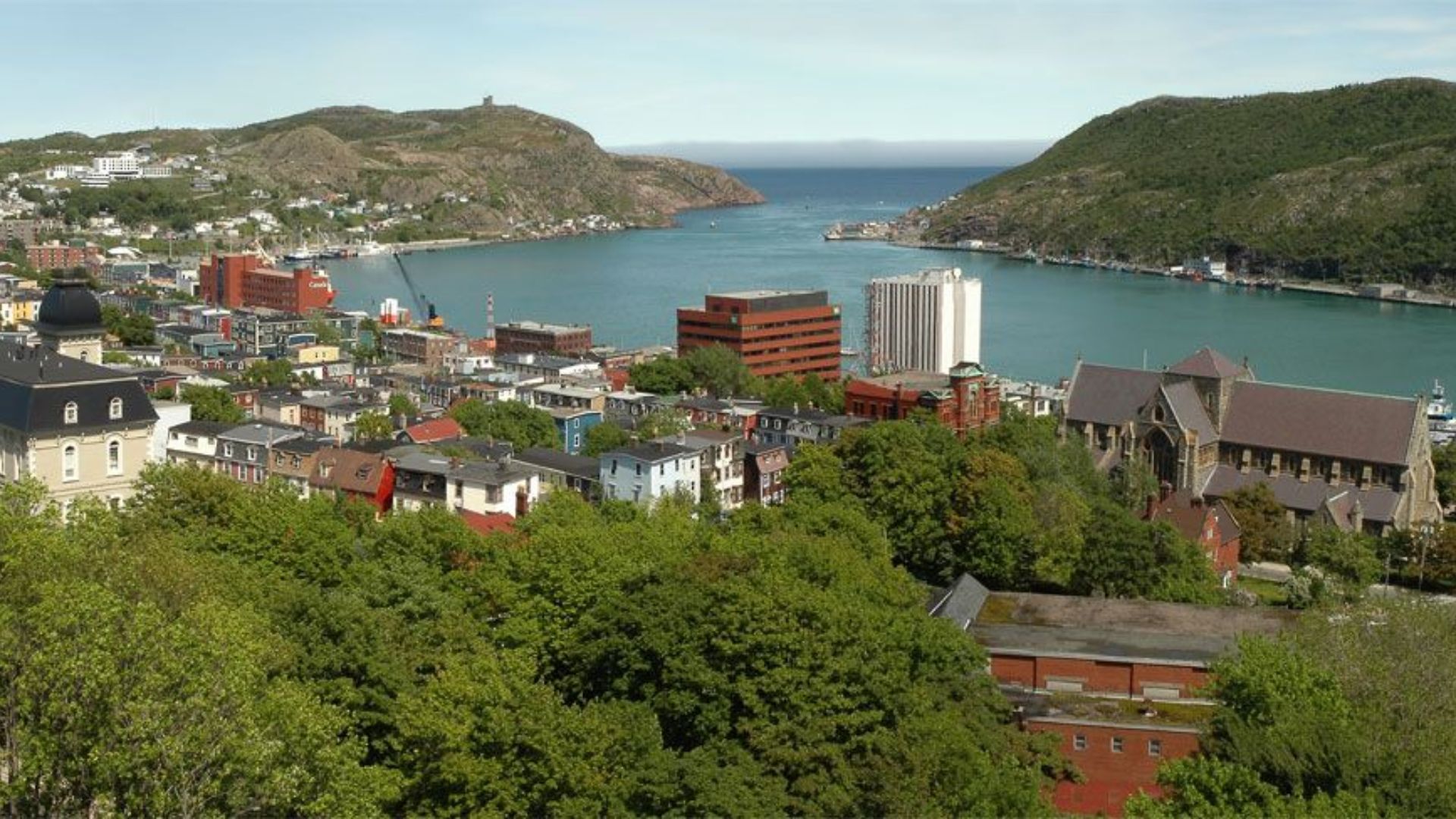
Drumheller, Alberta
Drumheller is admittedly one of the stranger entries. Its badlands and dinosaur attractions aren't particularly European, but the town's historical character tells the story of European immigrants who came to Alberta during the region's mining and agricultural boom.
The surrounding communities preserve traces of that immigrant history, while churches, mining landmarks, and early-20th-century architecture offer glimpses into the settlement period. Still, this is one destination where the comparison needs qualification: come expecting a Canadian prairie town with European settler influences, not Prague in the badlands. The spectacular landscape remains thoroughly Albertan.
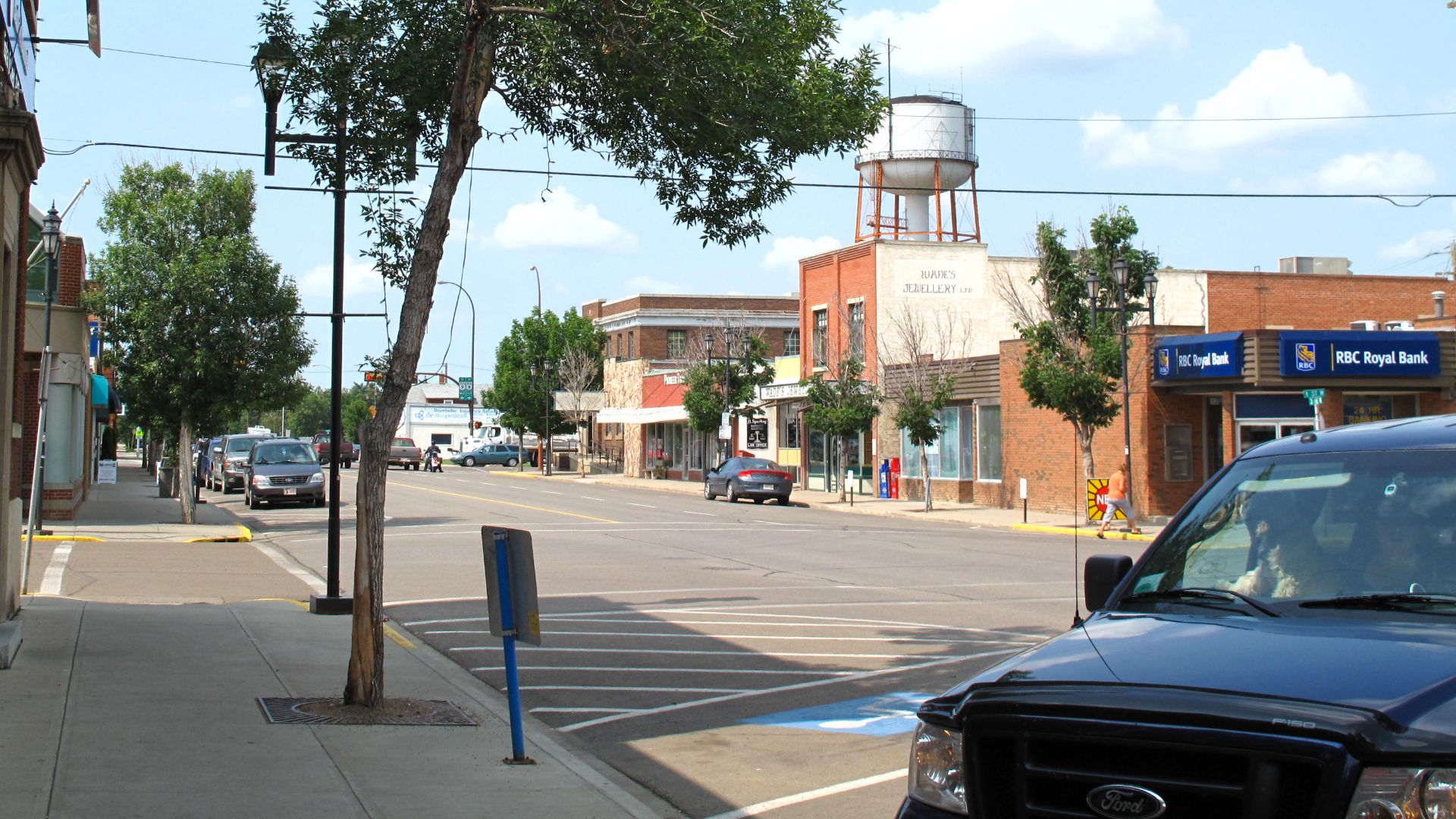
Paris, Ontario
With a name like Paris, expectations are unavoidable. No, there's no Eiffel Tower, but this small Ontario community has enough stone architecture and riverside charm to make the comparison entertaining. Its name actually comes from the gypsum deposits once used to make plaster of Paris, not an attempt to imitate the French capital.
What really gives Paris its European quality is the concentration of historic cobblestone buildings, many constructed using rounded river stones. The Grand River, cafés, patios, and compact downtown make it a particularly pleasant place to explore on foot. Ontario travel itineraries frequently group Paris with other destinations offering European-inspired road trips.
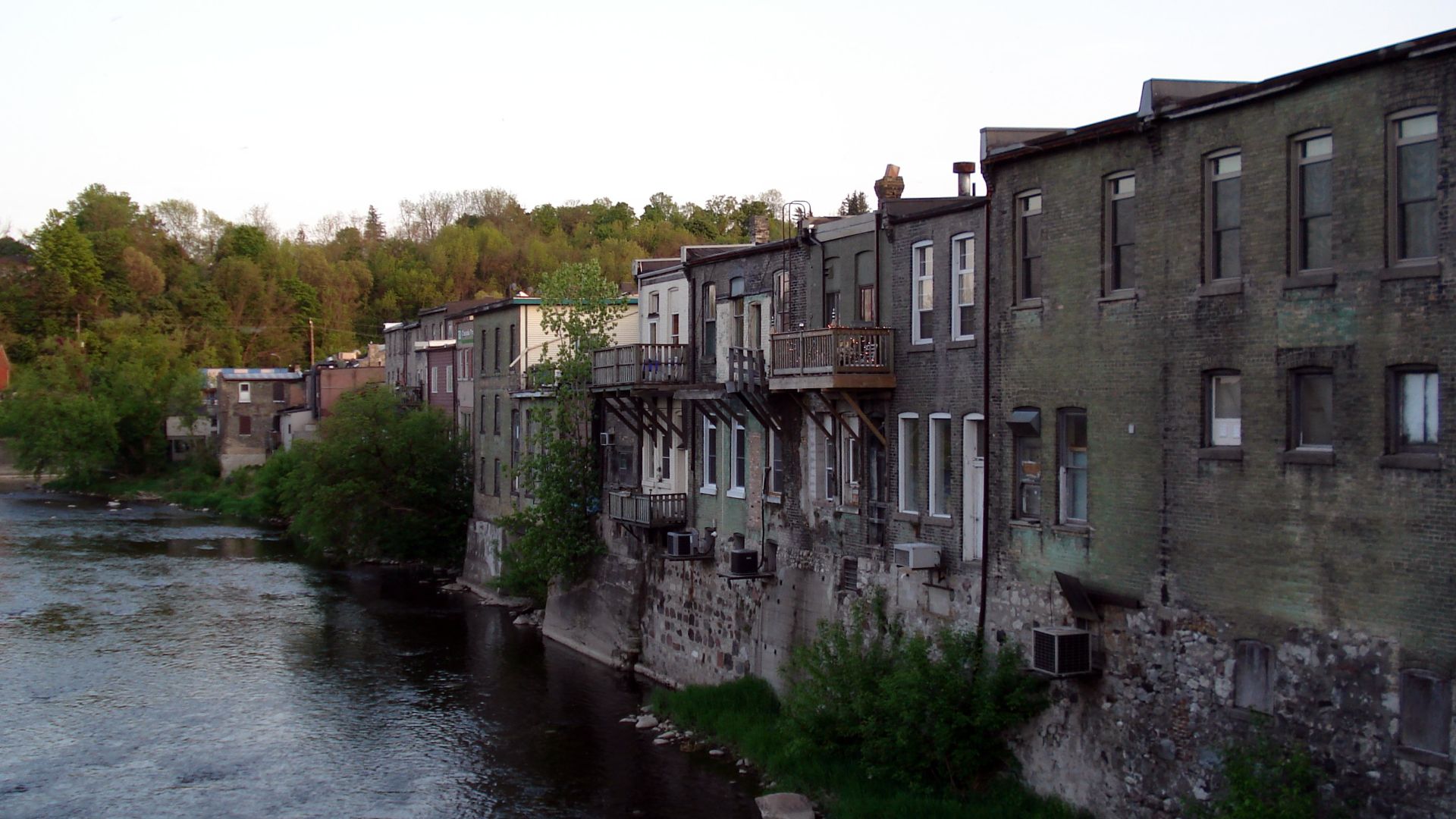
Zurich, Ontario
Tiny Zurich sits in southwestern Ontario's Huron County and wears its Swiss heritage right in its name. Founded in the 19th century by settlers with European backgrounds, the community retains a small-town character that can feel more like an agricultural village than a typical Canadian urban destination.
The European connection is more historical than architectural these days, but that's part of its appeal. Heritage buildings, churches, surrounding farmland, and nearby Lake Huron communities create a pastoral atmosphere. It's not Switzerland (and the Alps are very much missing) but Zurich offers a curious little pocket of European settler history in rural Ontario.
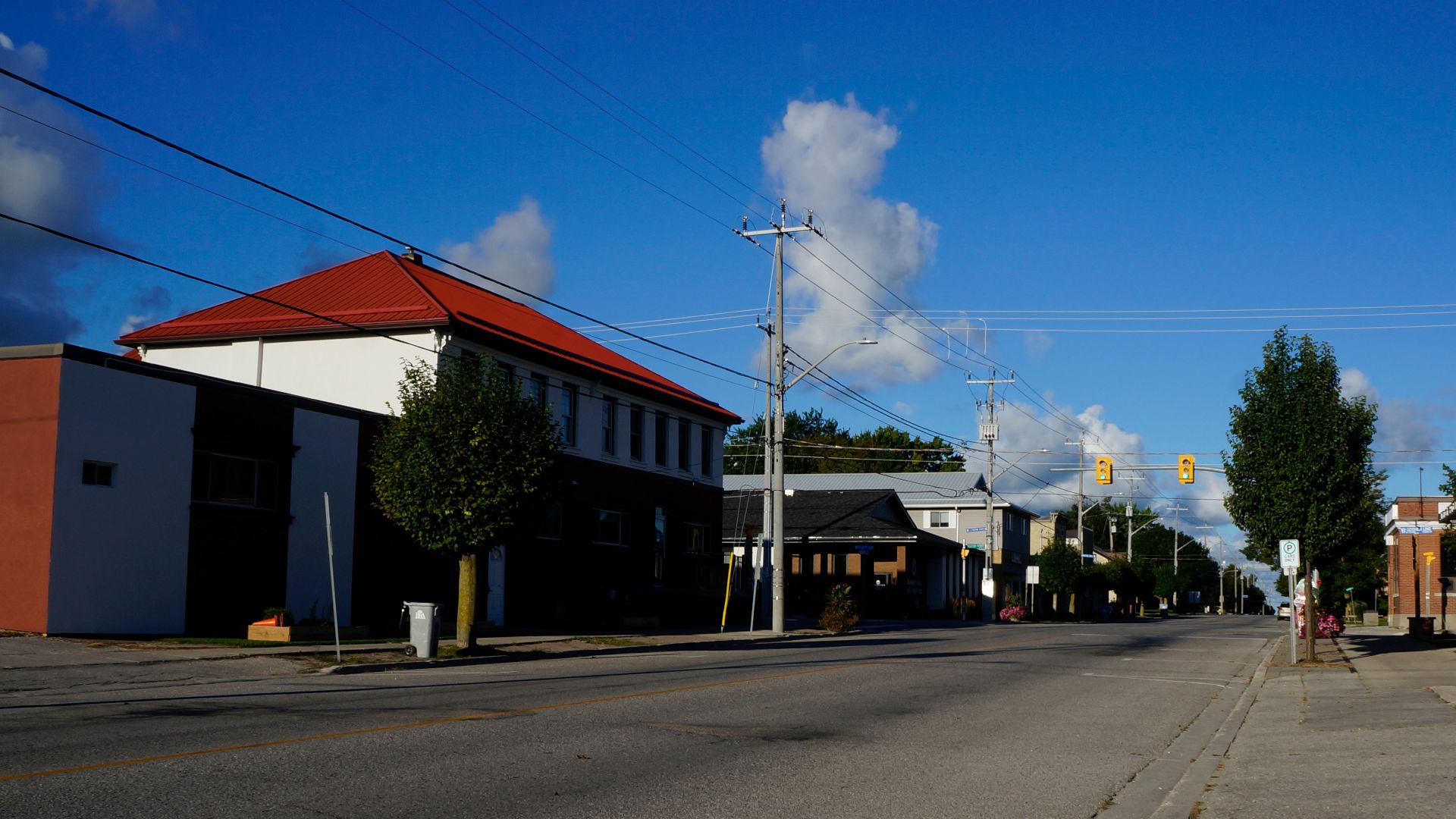
Cambridge, Ontario
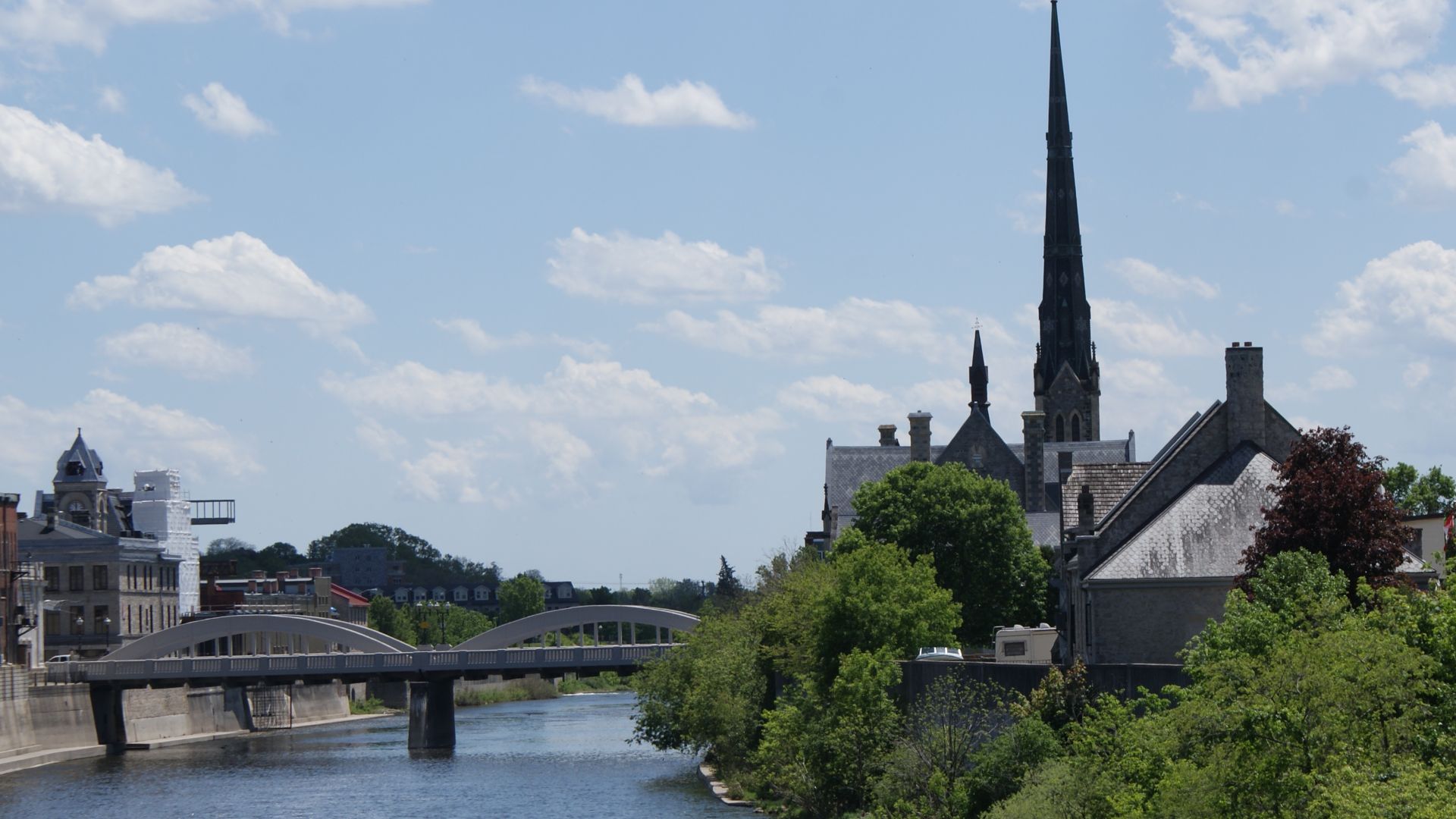
Cambridge's European character is easiest to find in Galt, the historic core along the Grand River. Stone buildings, old churches, bridges, and 19th-century industrial architecture line the river, producing streetscapes that can feel surprisingly British. The area's architecture has even made it useful as a filming location when productions need a convincing historic backdrop.
The city's roots are tied heavily to Scottish settlement and industry, and many of the old limestone structures have survived. Walk around Main Street, the riverfront, and the historic neighborhoods nearby and Cambridge starts feeling less like suburban Ontario and more like an old industrial town transplanted from Britain.
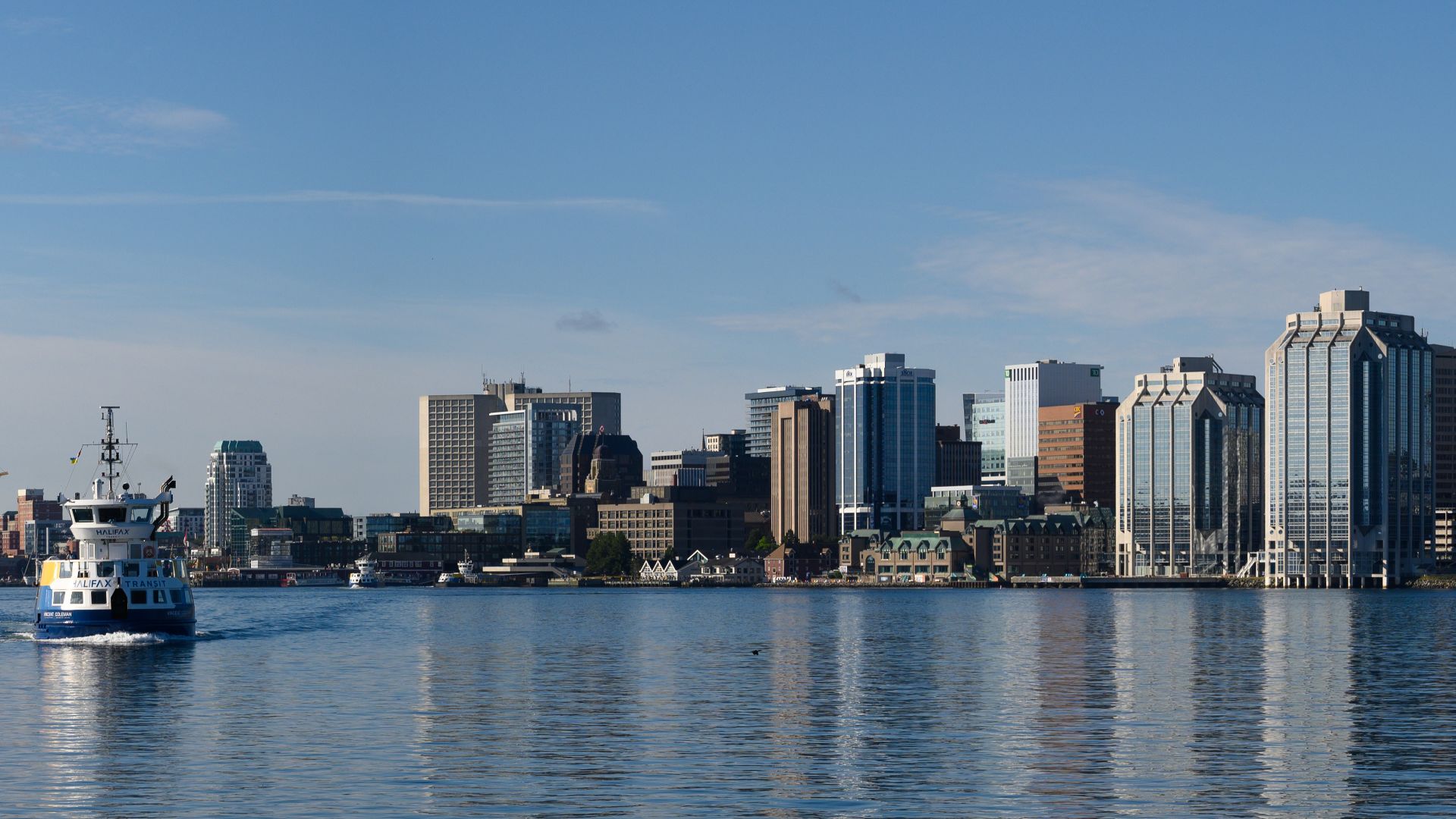
Halifax, Nova Scotia
Halifax has a British maritime quality that's especially noticeable around its historic waterfront and older neighborhoods. Founded by the British in 1749, the city developed around one of the world's great natural harbors and became an important naval and military center.
The Halifax Citadel, stone and brick buildings, pubs, churches, and waterfront setting provide plenty of reminders of that history. Some Canadian travelers compare Halifax with British or Scottish coastal cities, particularly because of its maritime culture and weathered Atlantic surroundings. It's still unmistakably Canadian, but a rainy afternoon followed by a pub visit can make the comparison surprisingly convincing.
 Gordon Leggett, Wikimedia Commons
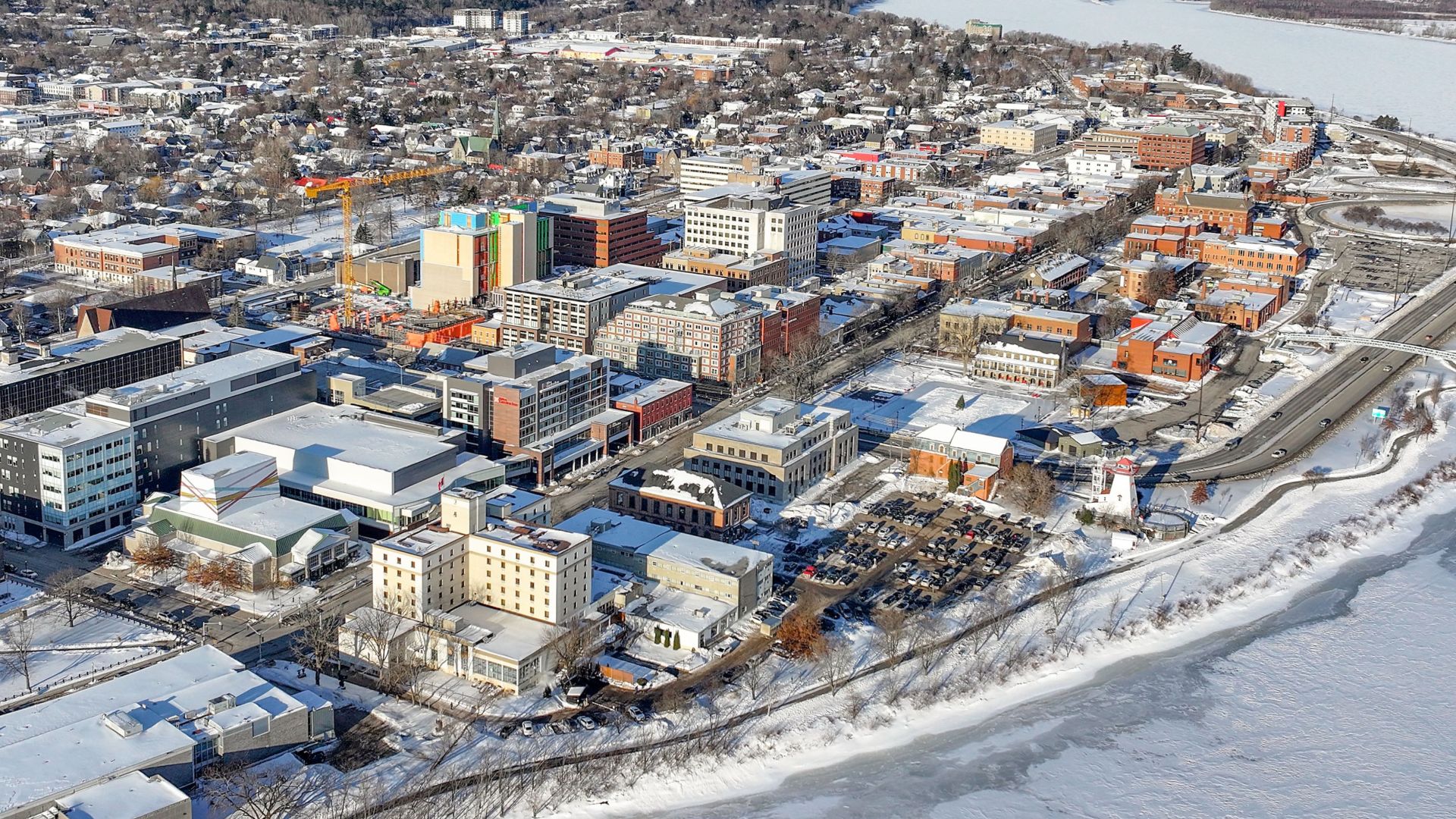
Fredericton, New Brunswick
Fredericton's historic center can feel distinctly British, thanks partly to its Loyalist and military past. The city became New Brunswick's capital and developed along the Saint John River, with Georgian and Victorian buildings, churches, government structures, and tree-lined streets giving the downtown an unusually genteel character.
The Historic Garrison District is the obvious place to start, while Christ Church Cathedral adds a Gothic Revival landmark that wouldn't look wildly out of place in an English town. Fredericton's riverfront, compact center, and university presence also lend it the slower, walkable atmosphere people often associate with smaller European cities.
 Quintin Soloviev, Wikimedia Commons
Saint Andrews by-the-Sea, New Brunswick
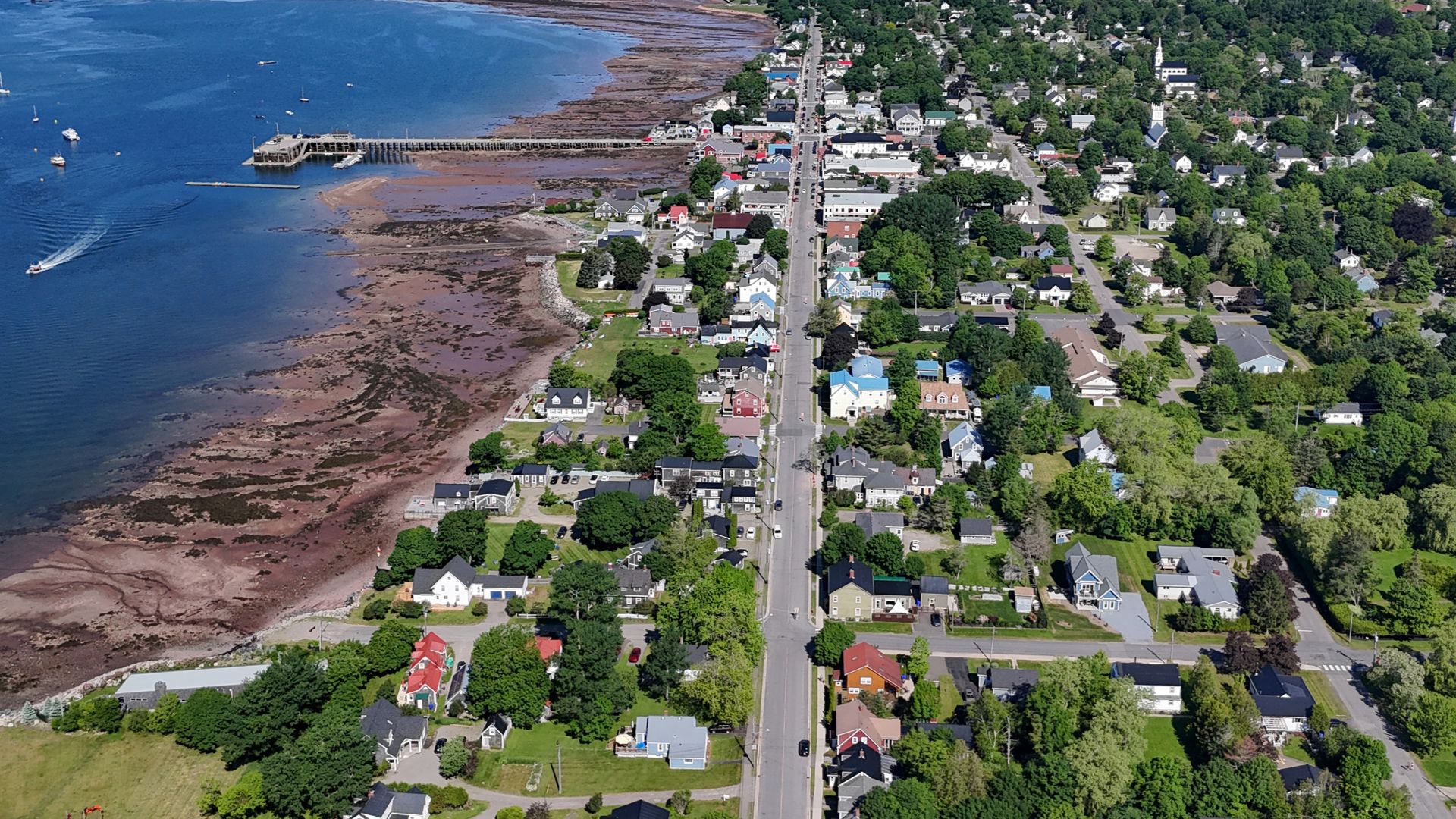
Saint Andrews may be one of Canada's best-kept secrets for anyone chasing a British seaside-town atmosphere. Established by Loyalists in the 18th century, the town retains a large collection of heritage buildings arranged around a compact grid beside Passamaquoddy Bay.
Water Street is lined with colorful shops, restaurants, galleries, and historic architecture, while the grand Algonquin Resort adds an old-fashioned resort-town flourish. Gardens and waterfront views complete the picture. Rather than trying to recreate Europe, Saint Andrews simply preserved enough of its early character that the resemblance came naturally. On a quiet summer morning, it can feel remarkably far from the North American mainstream.
 Quintin Soloviev, Wikimedia Commons
New Westminster, British Columbia
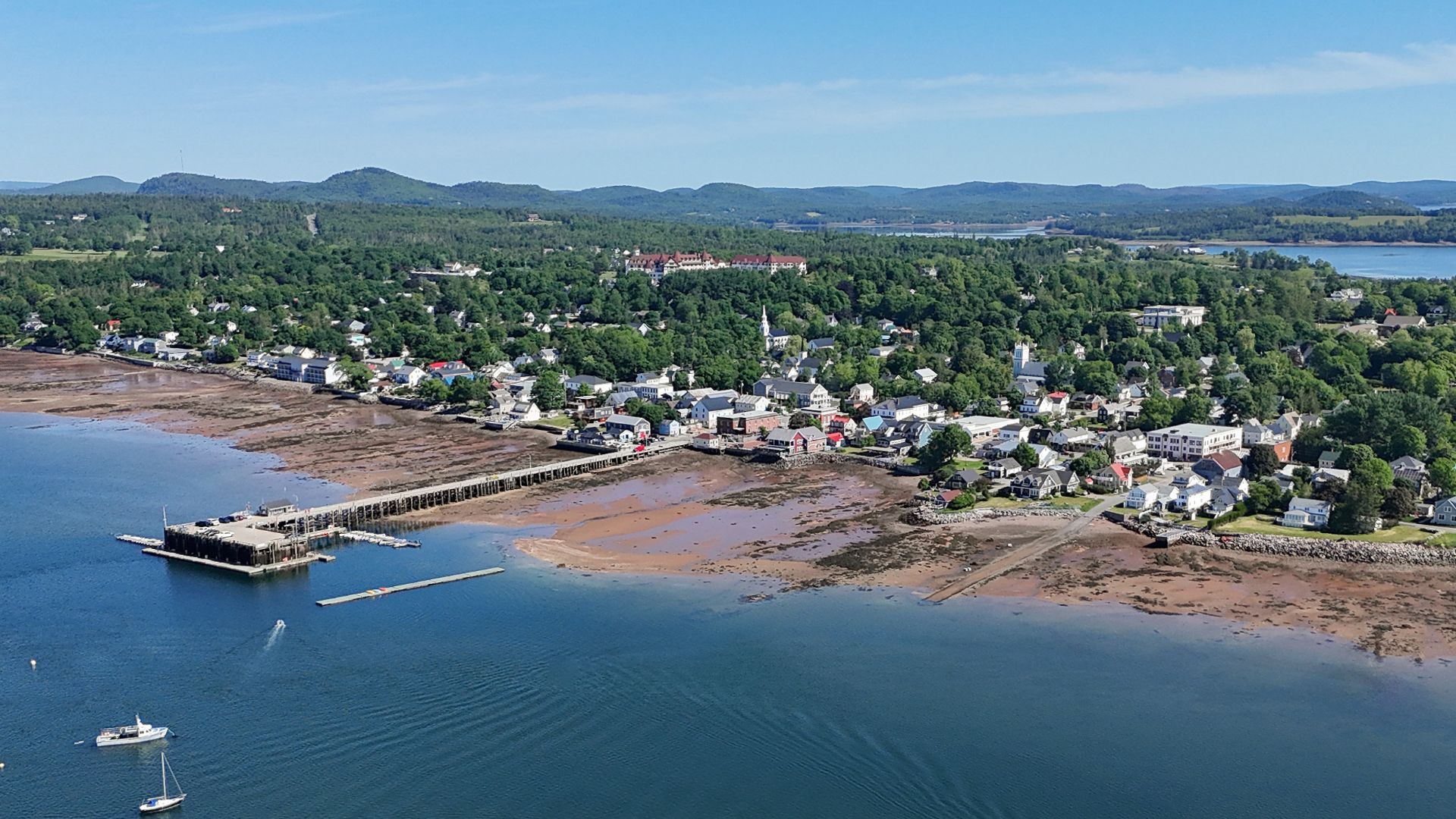
New Westminster's nickname, the "Royal City," hints at its British colonial beginnings. Founded in 1859 and named by Queen Victoria, it became the first capital of the Colony of British Columbia. Its historic downtown retains Victorian and Edwardian architecture alongside steep streets overlooking the Fraser River.
Columbia Street is one of the best places to look for that older character, with heritage façades standing beside newer development. The riverfront adds another layer, recalling the port and industrial towns that grew along waterways throughout Britain. It's not as overtly British as Victoria, but the colonial history is still visible.
 Quintin Soloviev, Wikimedia Commons
Red Deer, Alberta
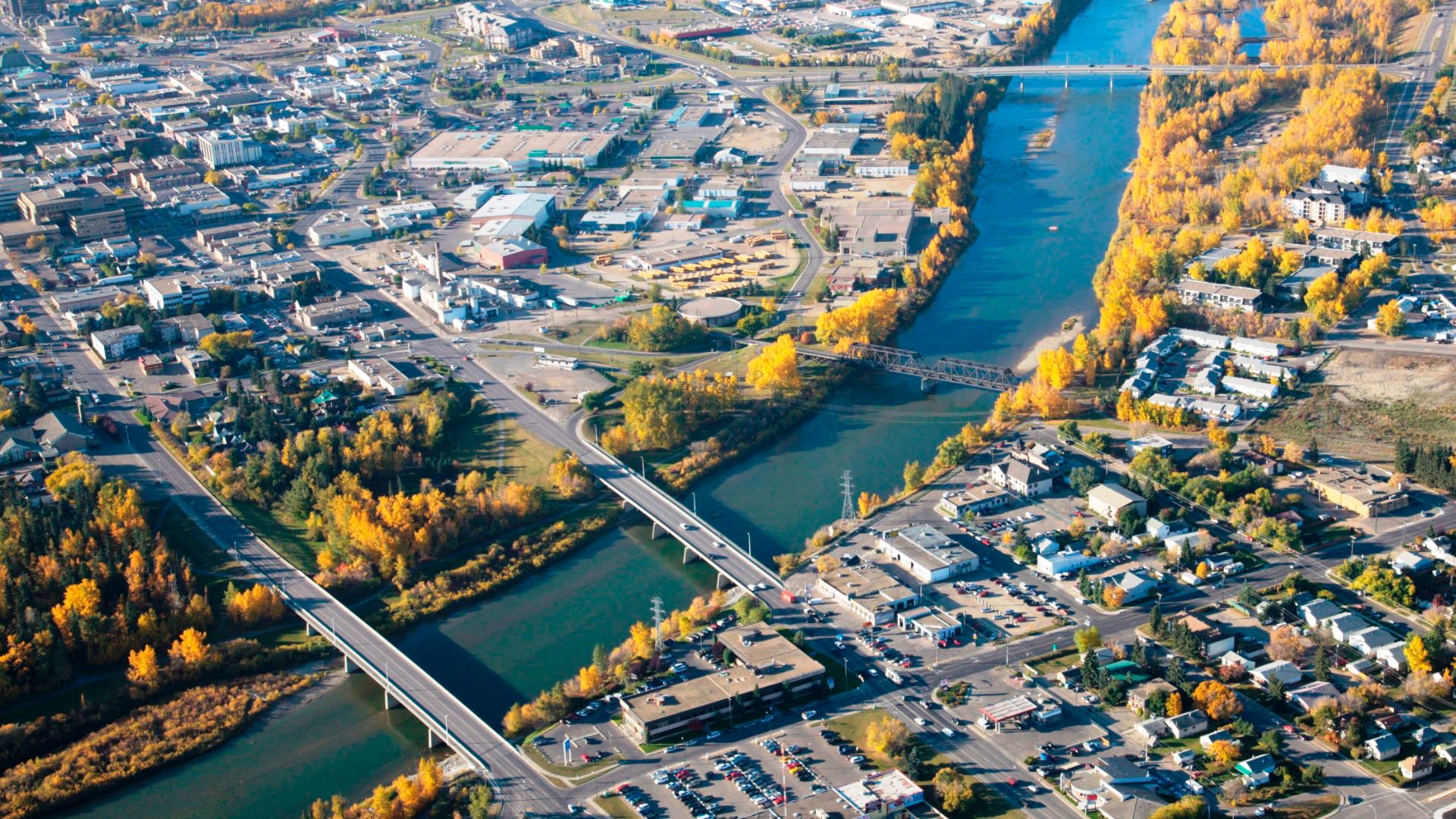
Red Deer is another place where the European feeling is subtle rather than immediate. The city grew rapidly around agriculture and the railway, drawing settlers from Britain and continental Europe into central Alberta. That immigration helped shape the surrounding farming communities and regional culture.
Today, the city's older buildings and heritage sites provide glimpses of that past, although modern Red Deer generally feels much more western Canadian than European. The better comparison comes from exploring the surrounding countryside, where agricultural landscapes, heritage churches, and communities founded by European immigrants preserve pieces of those earlier cultural traditions.
Iqaluit, Nunavut
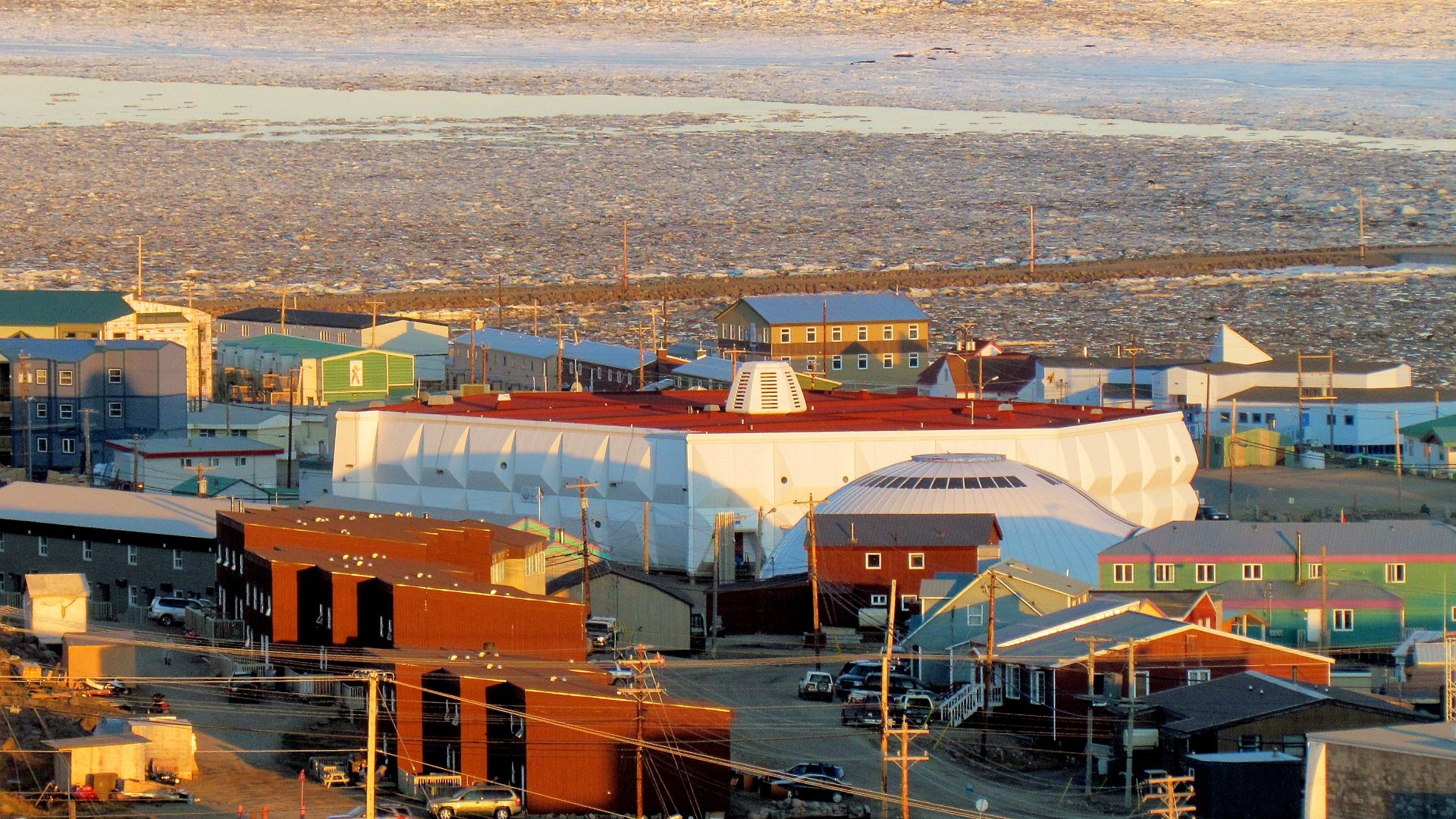
Iqaluit isn't conventionally European at all, and that's important to acknowledge. Its strongest cultural identity is Inuit, and reducing the city to European comparisons would overlook what actually makes it special. Still, there are historical connections to European exploration, whaling, missionary activity, and later Canadian government development.
For visitors, the more convincing comparison is environmental. The treeless Arctic landscape, brightly colored buildings, harbor, and dramatic seasonal light can occasionally bring northern Scandinavia or Greenland to mind. But culturally, Iqaluit offers something much more distinct: an Arctic capital shaped fundamentally by Inuit history, language, art, and traditions.
You May Also Like:
Things Americans Notice Immediately When They Visit Atlantic Canada
What Americans Most Miss About Home After Spending A Week In Canada