Quebec Is More Different Than It Looks
Quebec can feel comfortably familiar to American travelers, yet it operates by its own cultural, linguistic, and practical rules. Visitors who expect a slightly more European version of the United States may miss what makes the province distinctive. Understanding a few common misconceptions can turn an ordinary trip into a much richer experience. Factinate Ltd
Quebec Is Much More Than Montreal
Montreal may be Quebec’s largest and best-known city, but it represents only one part of an enormous province. Quebec includes historic cities, farming communities, islands, forests, mountain ranges, and remote northern territory. The province’s official tourism agency divides it into numerous regions, each with its own landscapes, history, and attractions.
Montreal Is Not The Provincial Capital
Some Americans assume Montreal is the capital because it is the province’s biggest metropolitan area. The provincial capital is Quebec City, which contains Quebec’s National Assembly and many major government institutions. Montreal remains the larger commercial and cultural center, but the two cities play very different roles.
Quebec City And Quebec Are Not Interchangeable
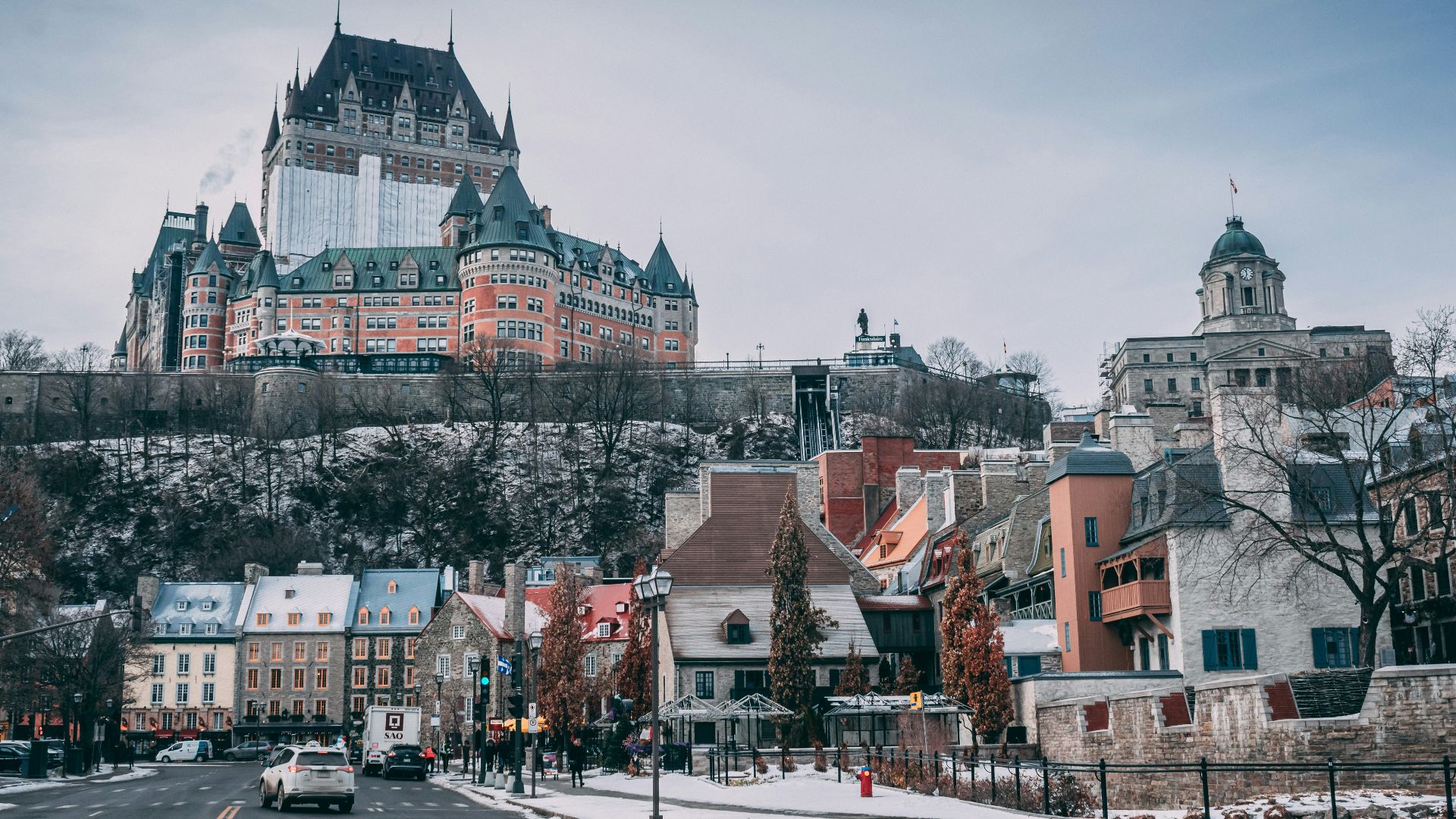
“Quebec” can refer to the province, while “Quebec City” refers to its capital. This distinction matters when booking hotels, researching attractions, or checking transportation schedules. A recommendation for the Quebec region may not be anywhere near downtown Quebec City.

French Is Not Merely A Tourist Theme
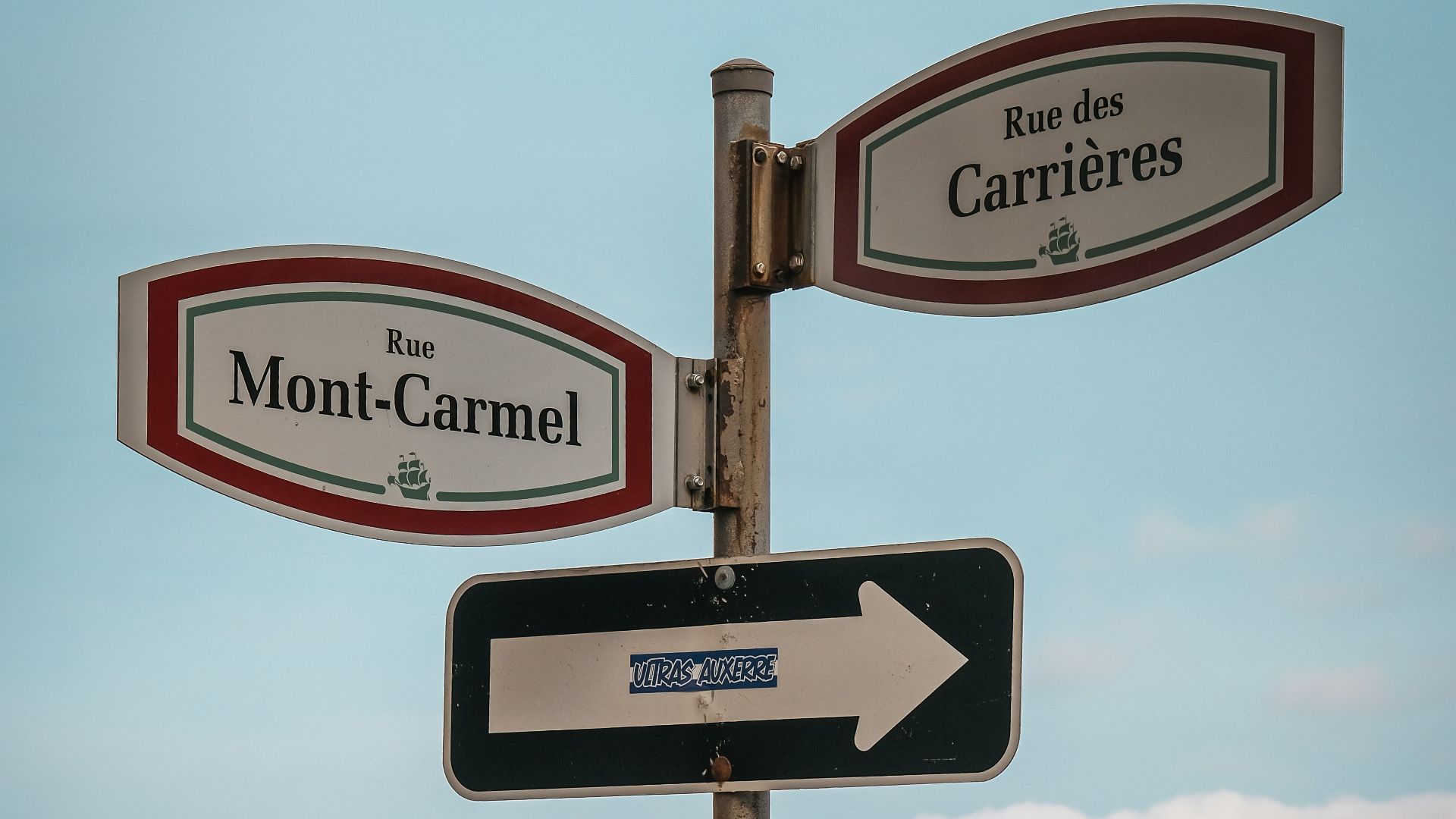
French is Quebec’s sole official language and the common language of public life. It is used extensively in government, business, education, signs, and everyday conversation. English may be widely understood in some tourist districts, but visitors should not assume every person or service will operate primarily in English.
Trying A Little French Goes A Long Way
Travelers do not need perfect grammar to make a positive impression. Simple expressions such as “bonjour,” “merci,” and “s’il vous plaît” show that a visitor recognizes the local language. Beginning an interaction in French also gives the other person a chance to decide whether switching to English would be easier.
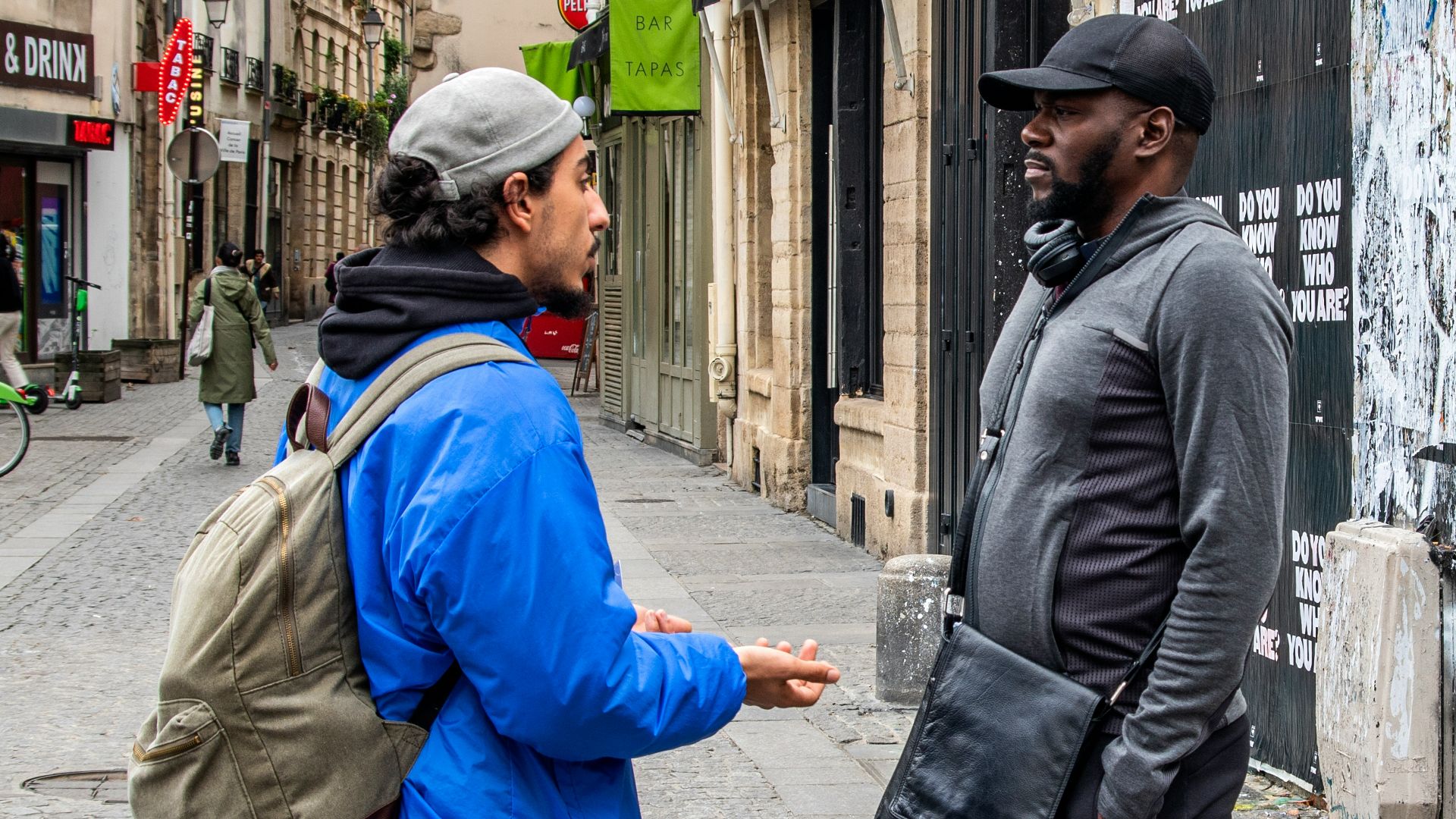
Quebec French Has Its Own Identity
Quebec French is not simply Parisian French spoken with a different accent. Its vocabulary reflects centuries of regional development, historical expressions, local inventions, and contact with English and other languages. Even Americans who studied French in school may encounter unfamiliar words and pronunciations.
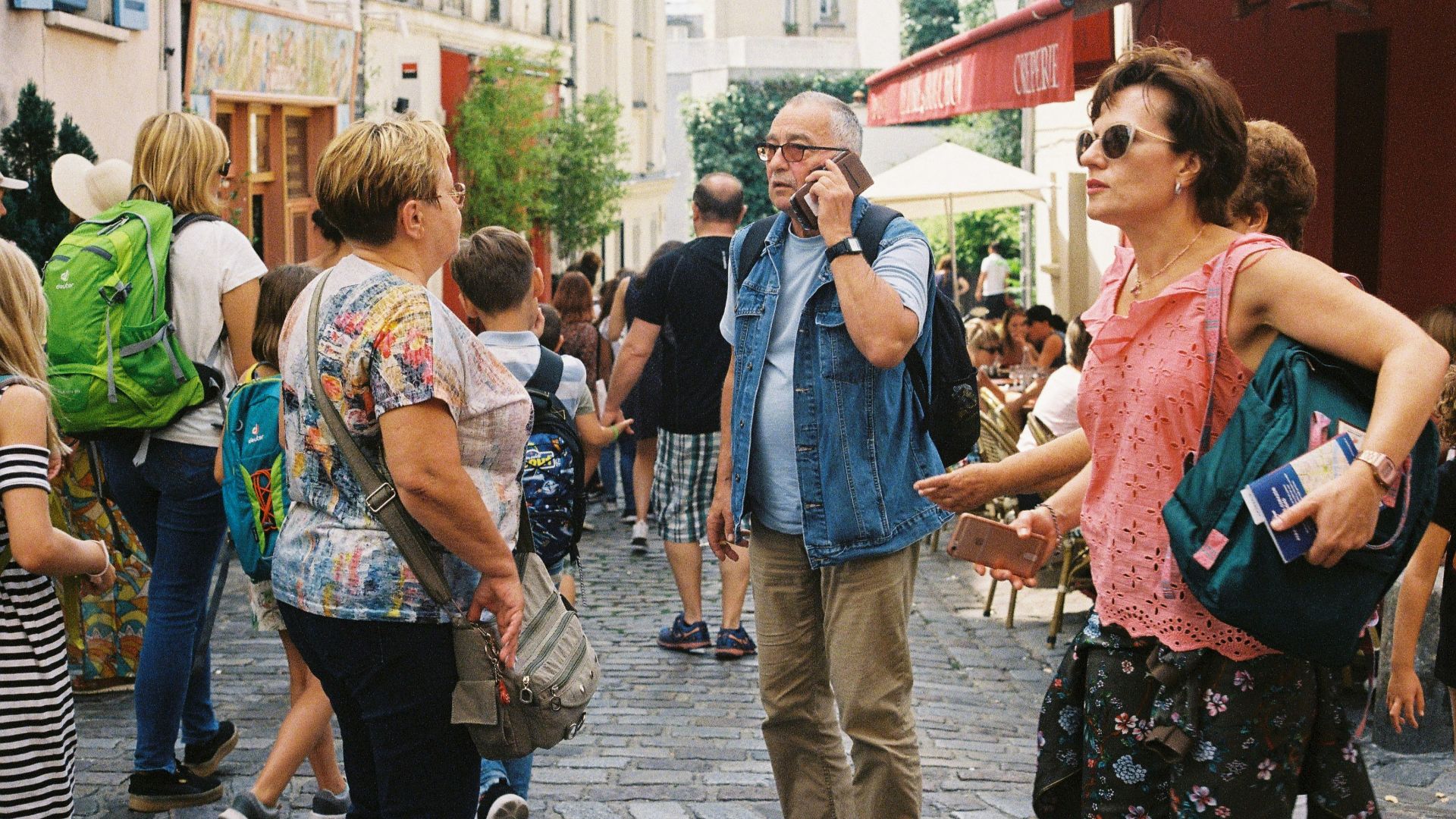
Switching To English Is Usually Practical
Some visitors interpret an immediate switch to English as criticism of their French. In many situations, the speaker is simply trying to make the exchange faster or more comfortable. Continuing politely matters more than proving that every verb was conjugated correctly.

The Province Does Not Feel The Same Everywhere
English is especially common in parts of Montreal and in certain tourism businesses. Smaller communities and regions outside major visitor corridors may function much more consistently in French. Travelers heading beyond Montreal should prepare for greater linguistic immersion rather than assuming the entire province is equally bilingual.

Quebec City Is More Than Old Quebec
The fortified historic district is the centerpiece of many first visits, and it is recognized for its exceptional heritage. However, the surrounding city includes residential neighborhoods, restaurants, cultural venues, parks, and contemporary public spaces. Staying exclusively inside the old walls can leave visitors with an incomplete picture of local life.
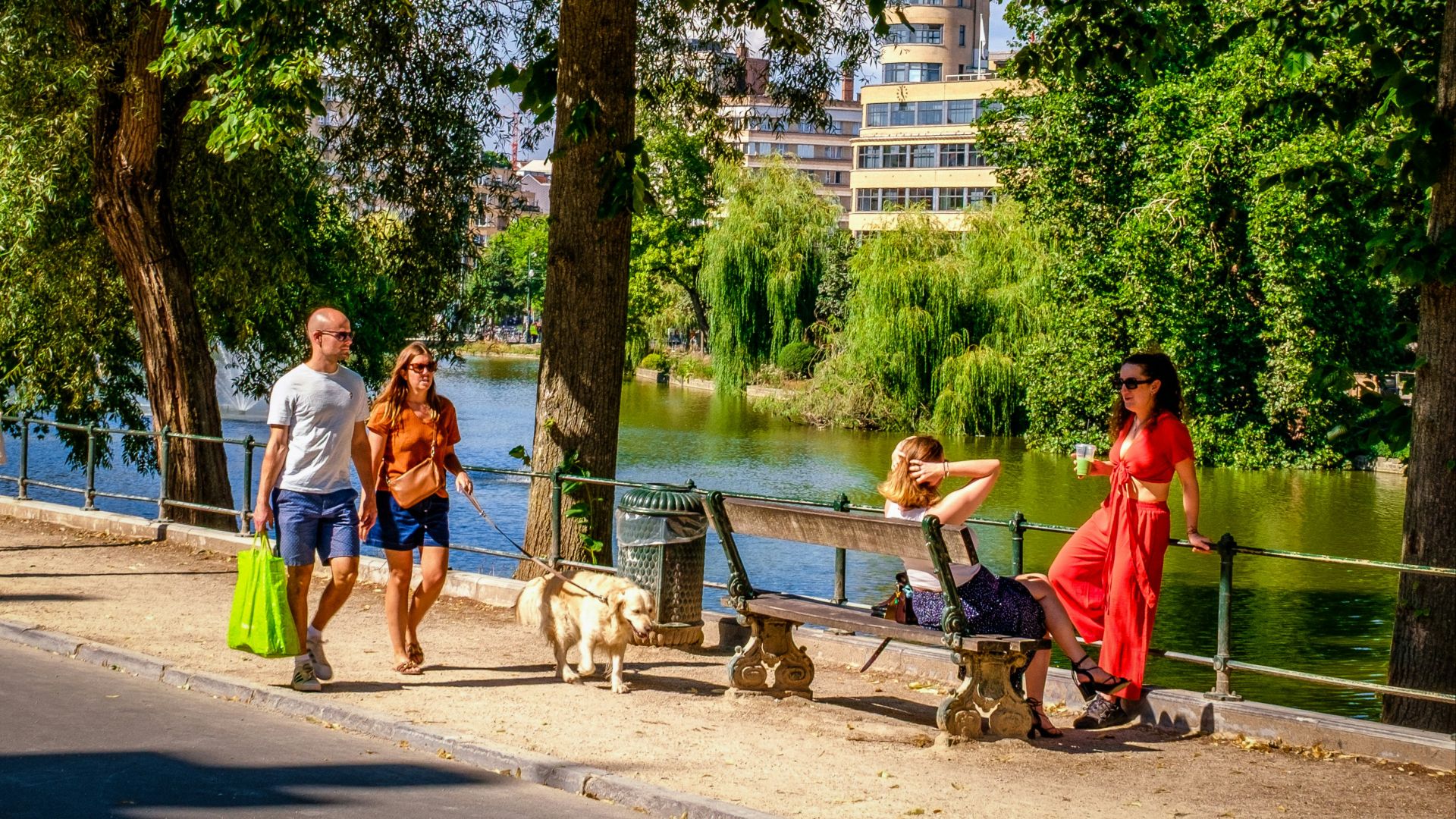
The European Feeling Has Limits
Quebec City’s stone buildings and narrow streets often remind Americans of Europe. It is still a modern North American city with suburban districts, highways, shopping centers, and contemporary neighborhoods. The atmosphere is distinctive, but it should not be mistaken for a preserved European village.
 atelierbyvineeth ..., Unsplash
Montreal Is Not A Smaller Paris
Montreal has strong French influences, but its character comes from many communities and cultural traditions. The city’s identity has also been shaped by Indigenous history, British rule, immigration, industry, and its position in North America. Treating it as a substitute for Paris overlooks the qualities that make Montreal original.
A Car Is Not Always Helpful In Montreal
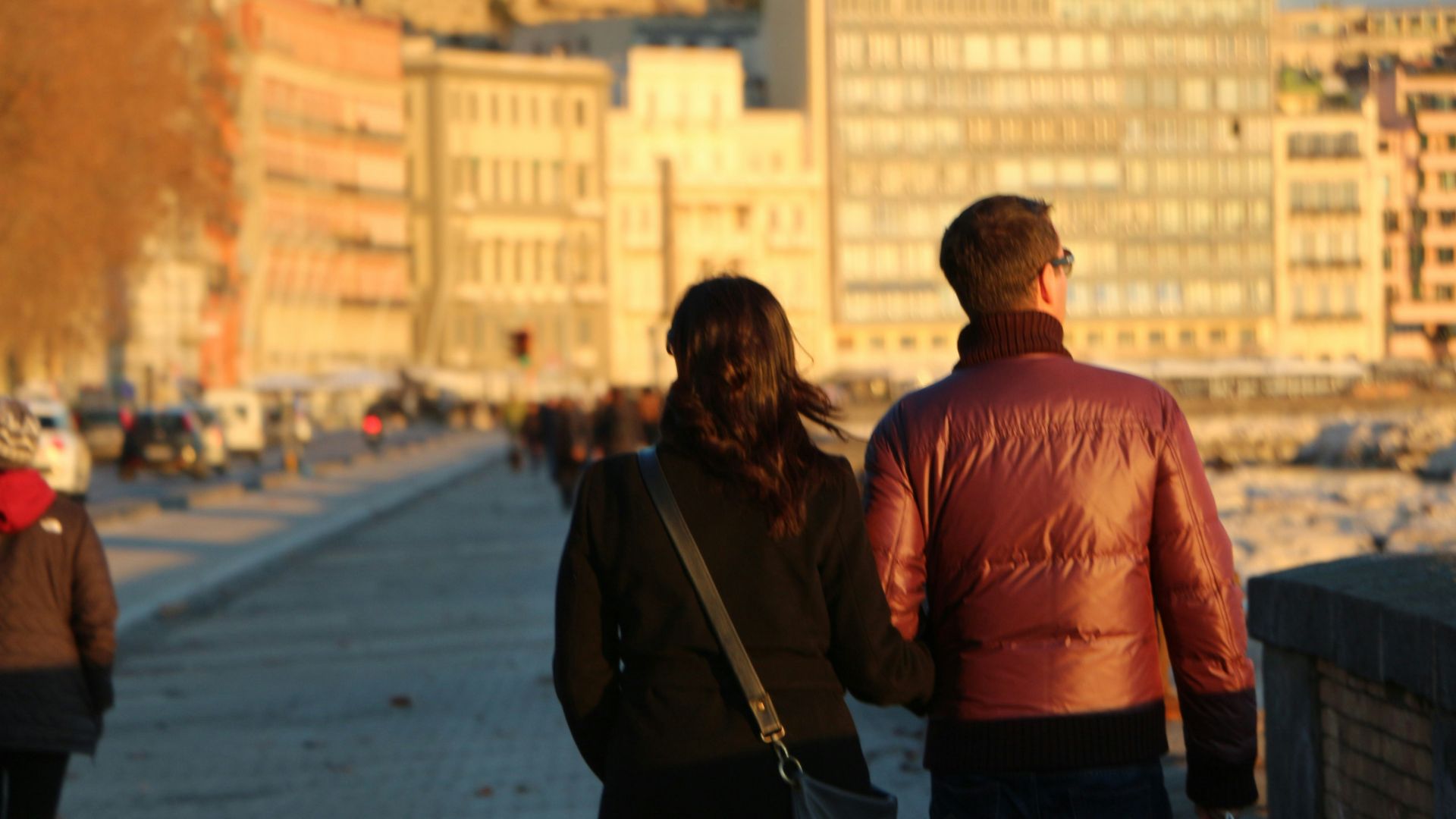
Many central Montreal neighborhoods are easier to explore by walking, cycling, bus, or metro. Street parking restrictions vary by location, and the signs can contain several layers of information. Travelers staying near the urban core may find that a parked rental car creates more work than freedom.

Montreal Transit Requires A Little Planning
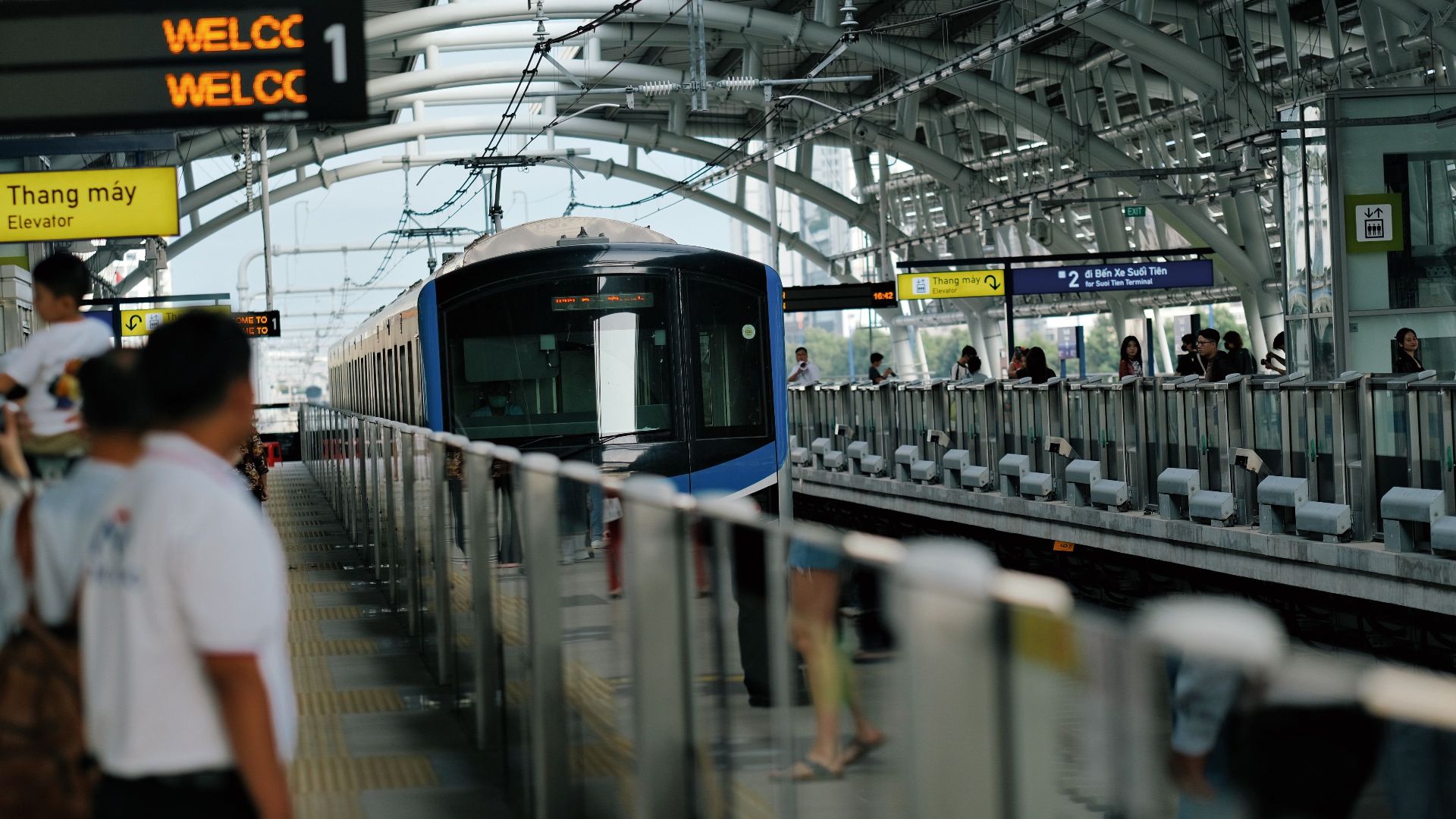
The metro and bus system can make sightseeing straightforward, but visitors still need the correct fare for their travel zone and trip type. Airport transportation and travel beyond the island may involve different fare choices. The Société de transport de Montréal provides visitor information and a fare selection system for planning trips.
Driving Becomes Useful Beyond The Cities
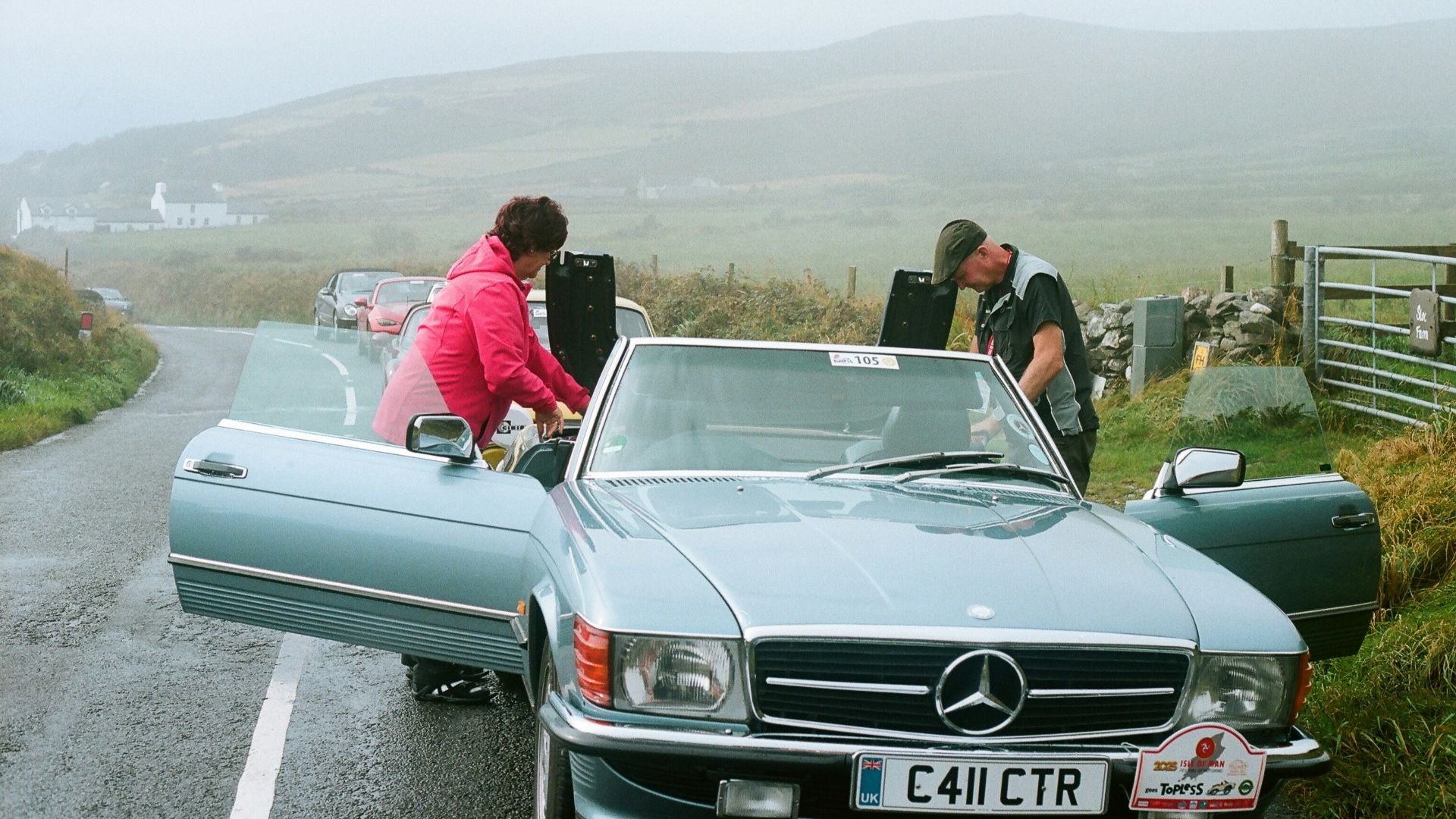
A car is often unnecessary in central Montreal, but it becomes valuable when exploring rural areas, coastal routes, parks, or smaller towns. Quebec’s official tourist routes stretch through countryside, mountains, and communities along the St. Lawrence. Travelers should match their transportation choice to the portion of the province they actually plan to visit.
Distances Can Be Surprisingly Large
A map can make several Quebec destinations appear close enough to combine casually. In practice, scenic routes, ferry schedules, weather, and long stretches between communities can add significant travel time. Trying to include Montreal, Quebec City, Saguenay, and the Gaspé Peninsula in a short vacation may produce more driving than sightseeing.

Road Signs Use The Metric System
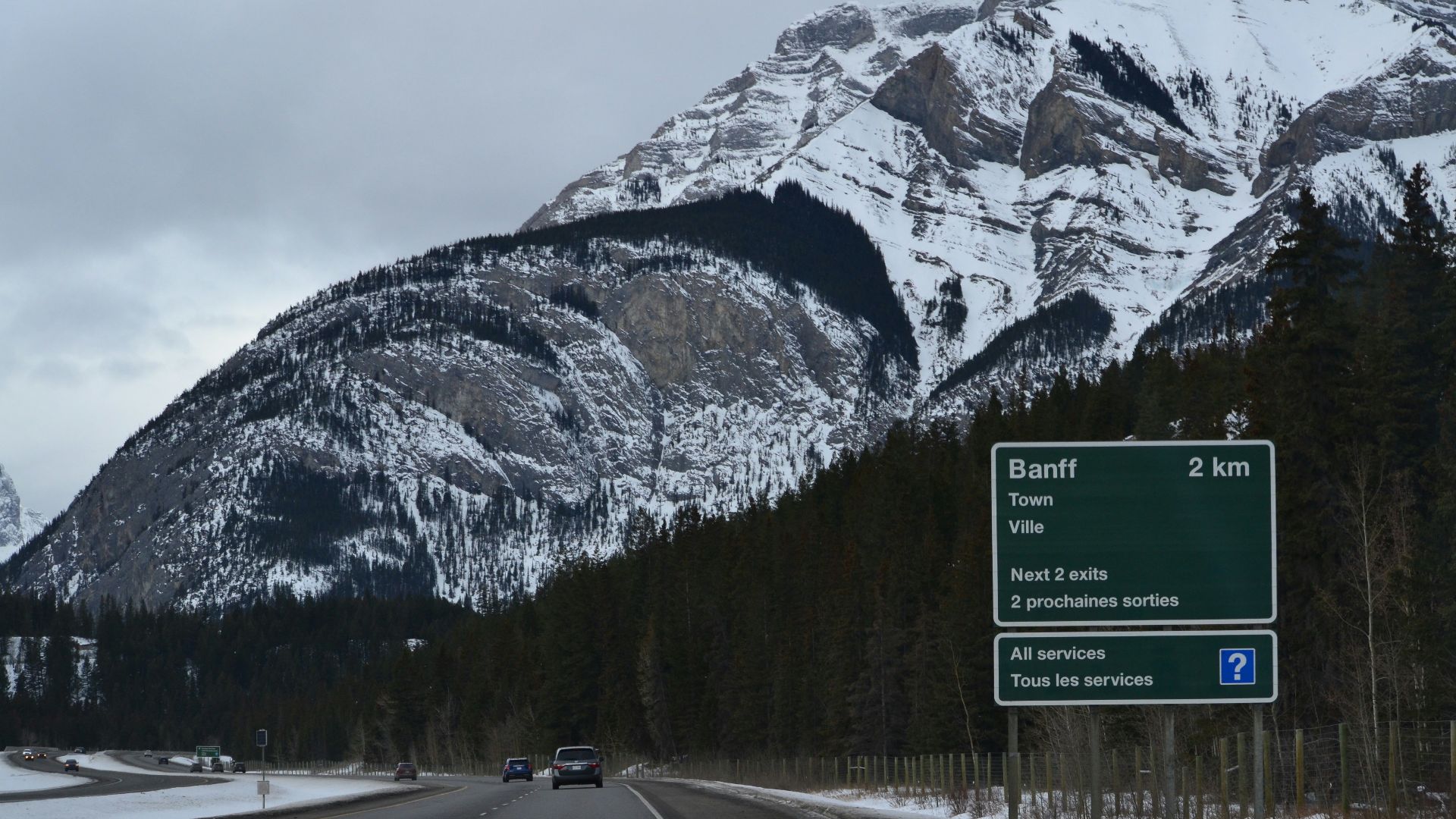
Quebec road distances and speed limits are displayed in kilometers rather than miles. Fuel is sold by the liter, and temperatures are normally reported in Celsius. Visitors driving from the United States should adjust their expectations before interpreting a speed limit or estimating a fuel purchase.
The Province Uses A Mix Of Measurements
Official measurements are metric, but everyday conversation can include older imperial expressions. People may discuss road distances in kilometers while describing a person’s height in feet and inches. Quebec’s tourism authority notes that residents often move between metric and imperial units depending on the subject.

Summer Can Be Hot And Humid
Quebec is famous for snow, but that does not mean its summers are consistently cool. Montreal and southern Quebec can experience hot, humid weather that makes heavy sightseeing uncomfortable during the middle of the day. Summer visitors should pack for heat as well as the occasional cool evening.
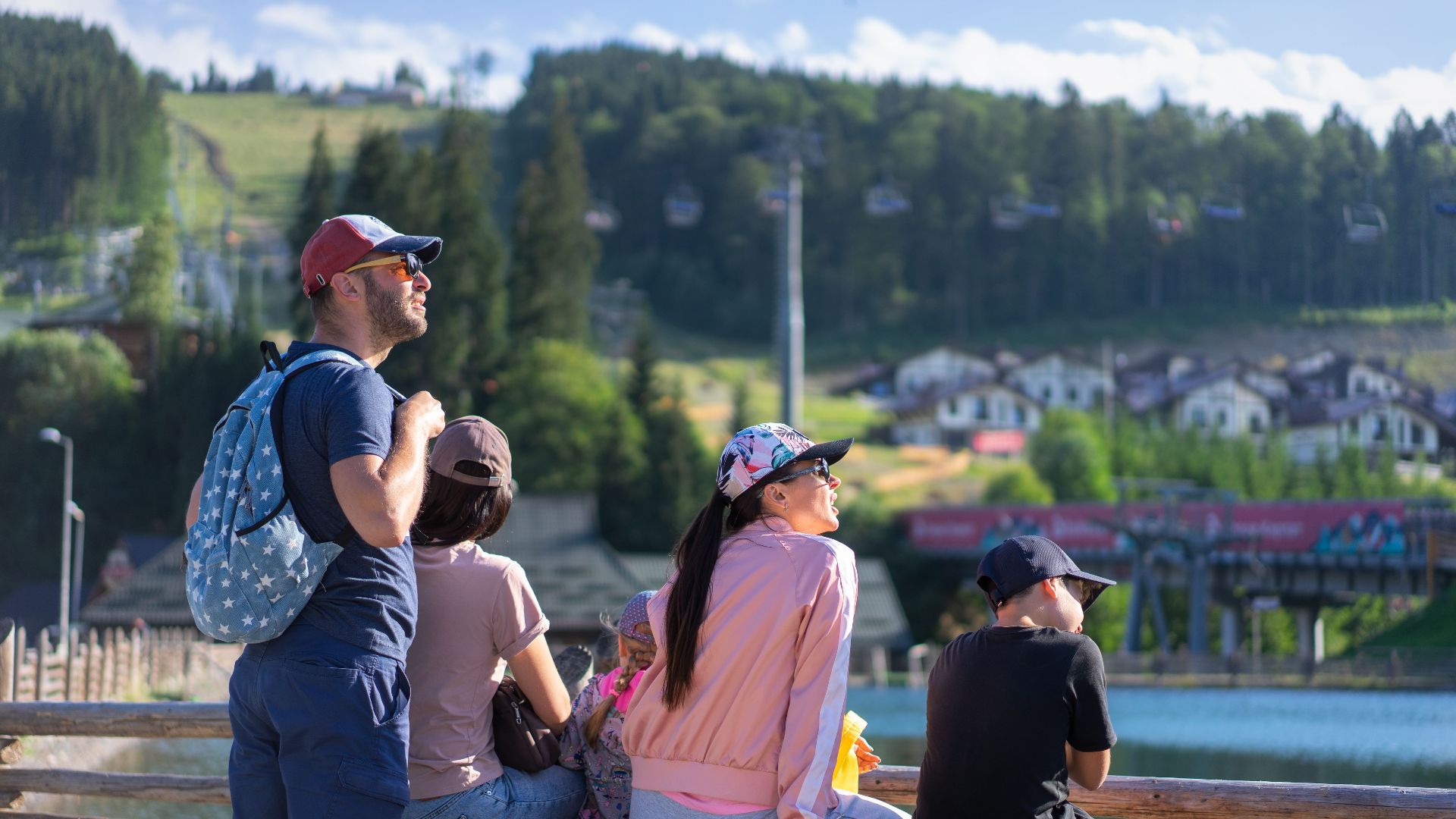
Winter Is An Experience, Not A Background
A winter trip involves more than photographing snow-covered streets. Proper layers, insulated footwear, gloves, and protection from wind make a major difference when spending time outdoors. Quebec’s official winter travel guidance specifically recommends dressing in three layers to remain comfortable.
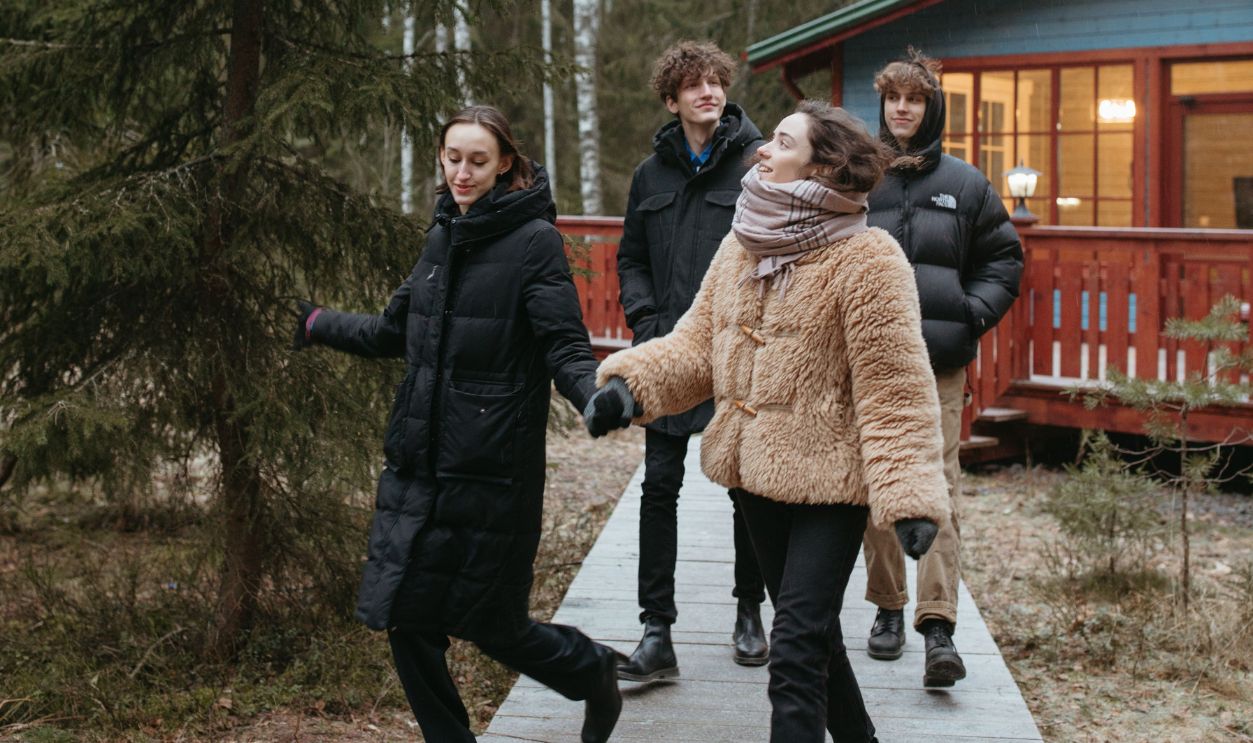
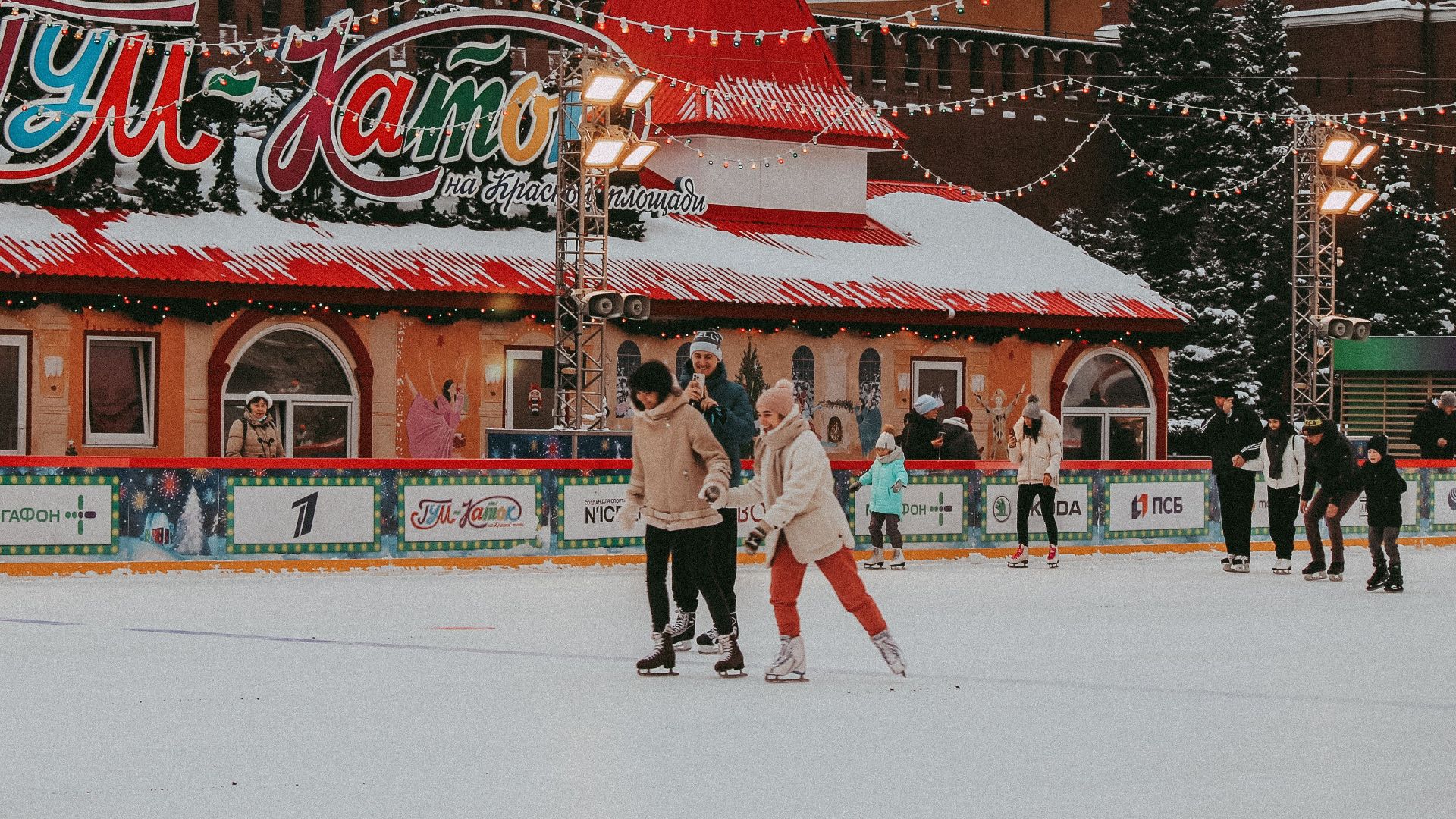
Winter Does Not Shut Everything Down
Snowfall does not automatically cancel daily life or end the tourism season. Quebec offers winter festivals, snowshoeing, skiing, skating, and seasonal city activities. Travelers who dress correctly may discover that winter is one of the province’s most active and atmospheric periods.
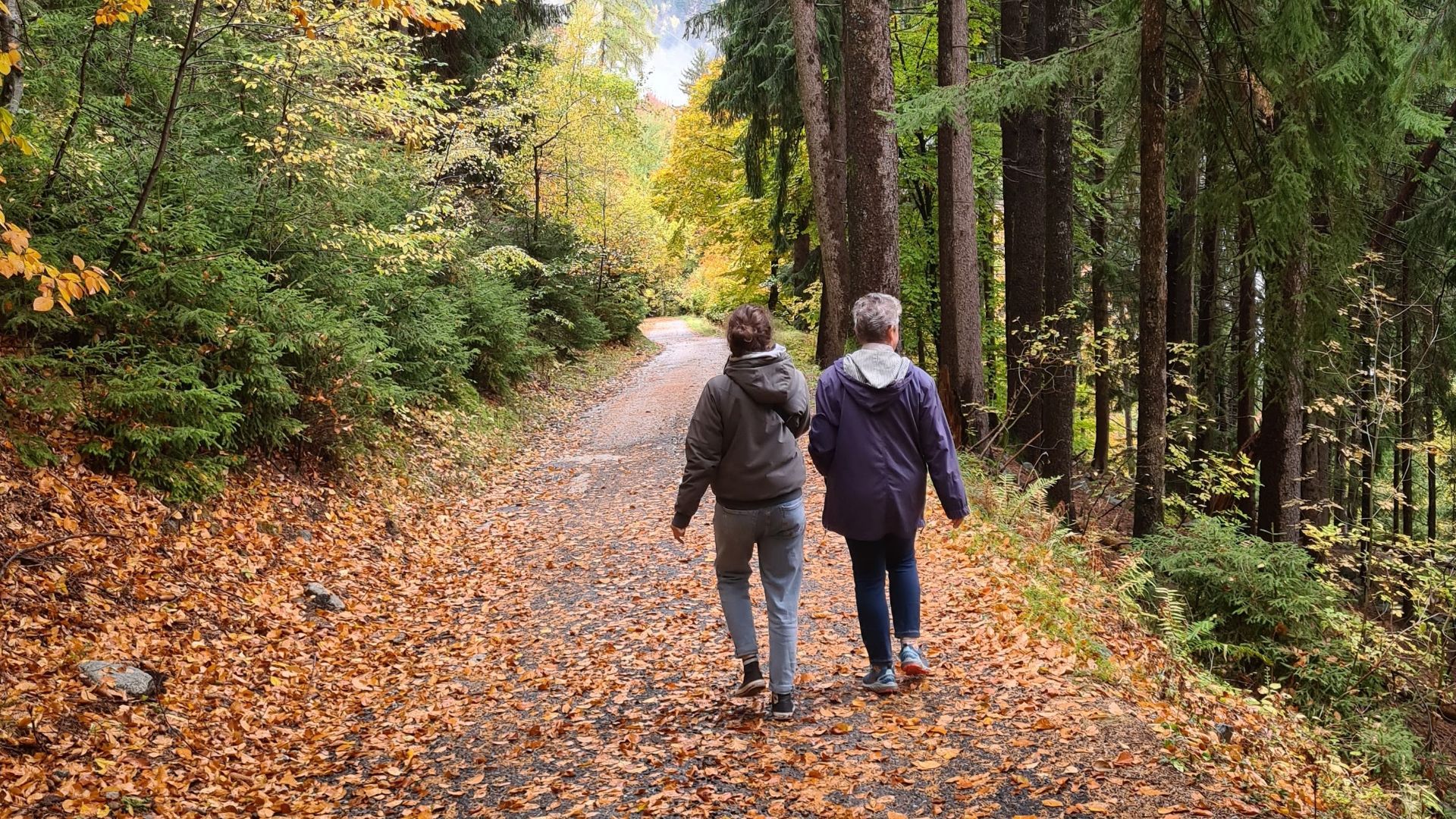
Fall Colors Are Not Guaranteed On One Date
Autumn foliage develops at different times depending on latitude, elevation, weather, and local conditions. Northern or mountainous areas may change before Montreal or other southern destinations. Booking one fixed weekend months in advance does not guarantee that every region will be at peak color.
The St. Lawrence Is Central To The Trip
The St. Lawrence should not be treated as ordinary waterfront scenery. It has shaped settlement, transportation, industry, wildlife, food, and regional identity across Quebec. Islands, ferries, coastal villages, marine excursions, and scenic roads reveal how strongly the province is connected to the river.
Nature Is Not Far From The Cities
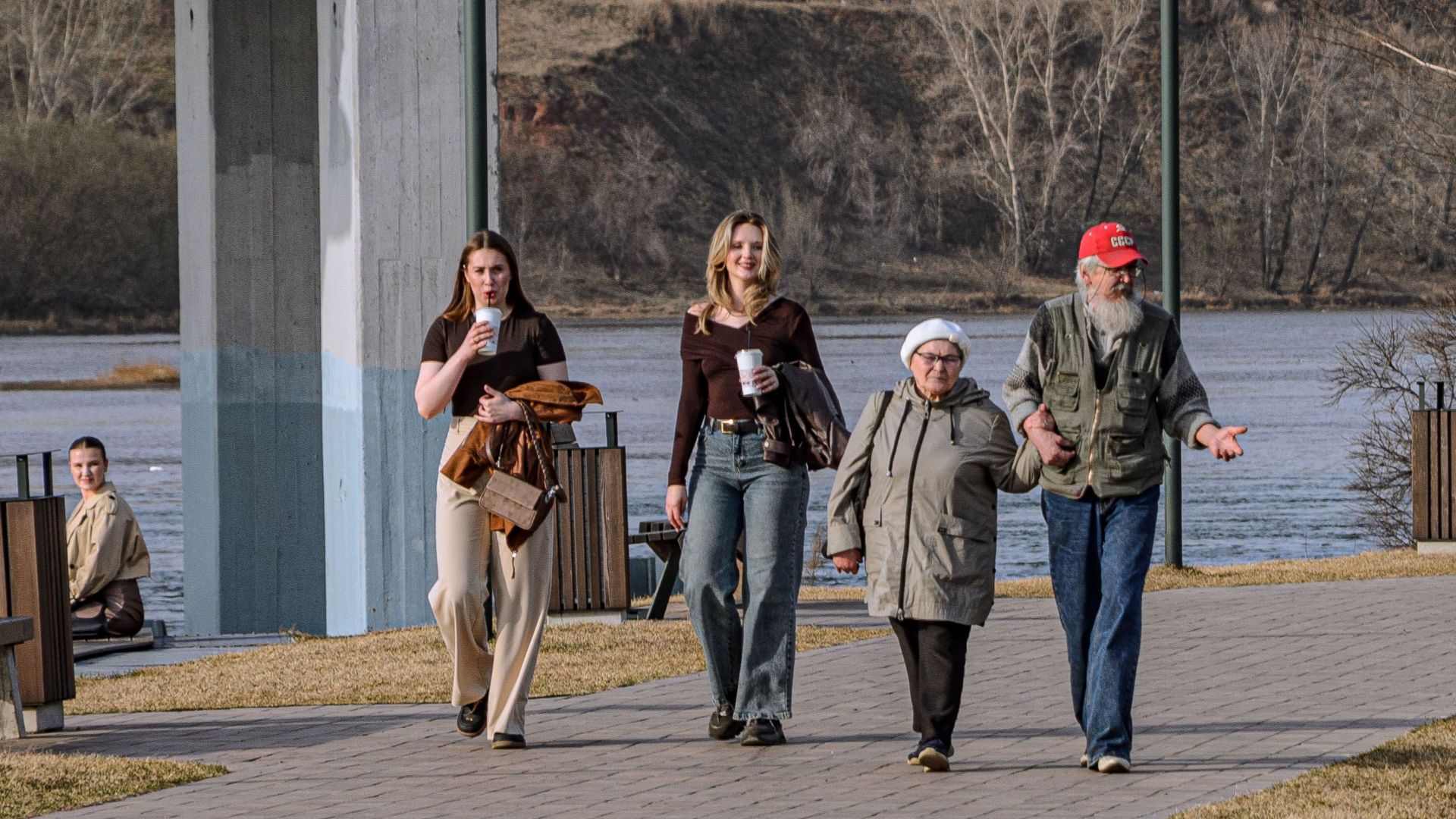
Some visitors plan a choice between an urban vacation and a wilderness trip. Quebec makes it possible to combine both, with parks and outdoor areas located within practical reach of Montreal and Quebec City. Hiking, kayaking, cycling, wildlife observation, and winter activities can fit into a city-based itinerary.

Park Access May Require Advance Planning
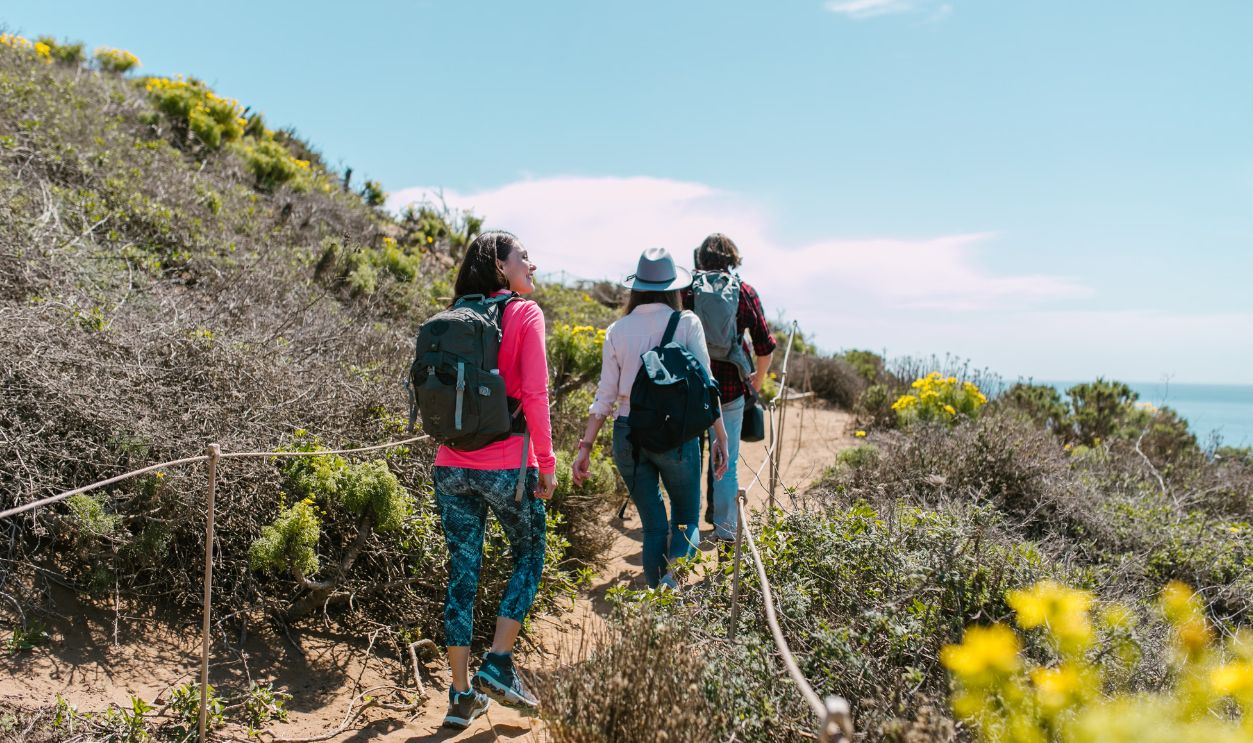
A national park is not always a place where visitors can arrive without preparation. Popular campgrounds, cabins, activities, and even daily access can reach capacity. Sépaq encourages visitors to reserve ahead so they do not travel to a site that can no longer admit additional guests.
Quebec’s National Parks Are Provincially Managed
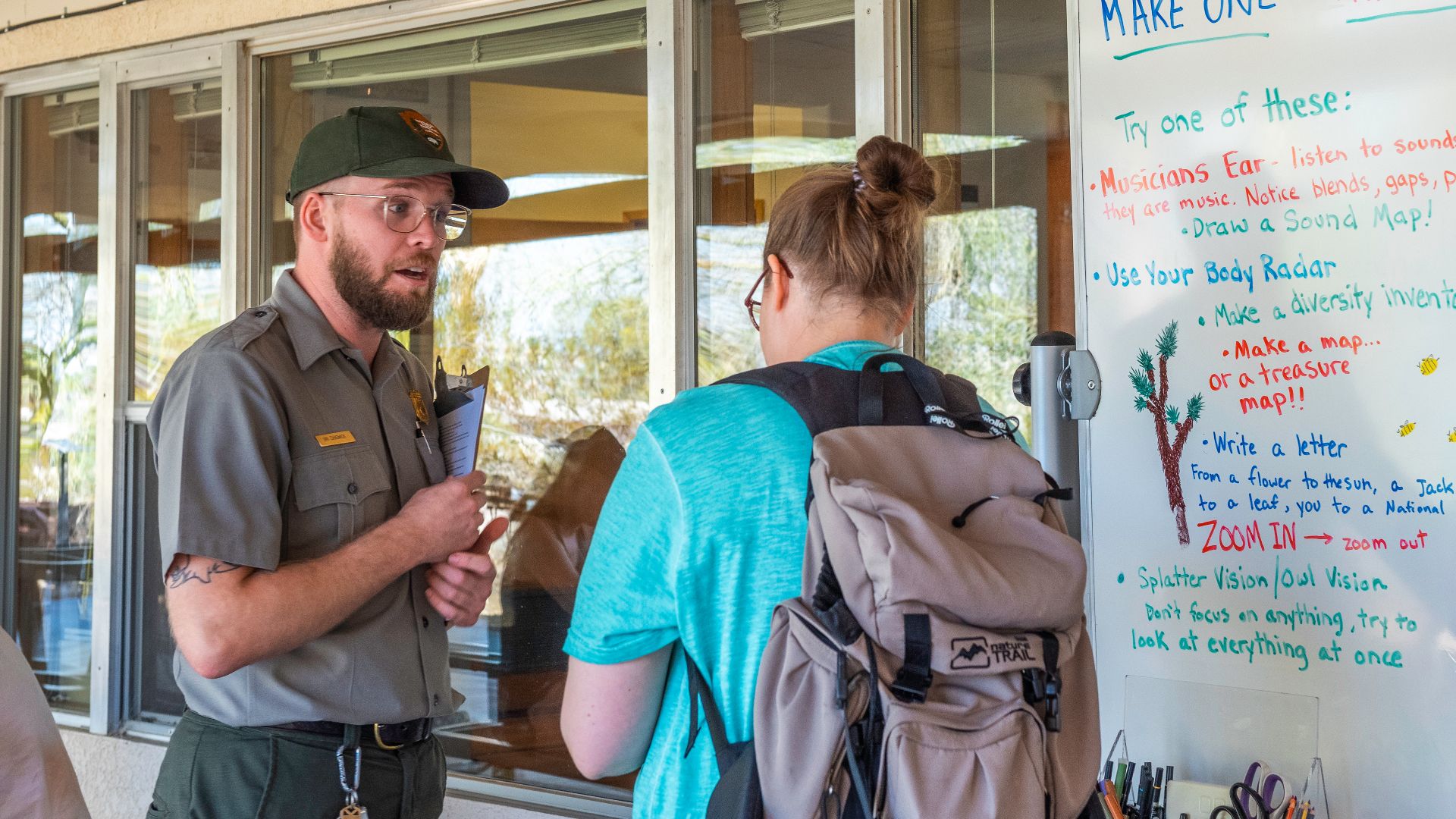
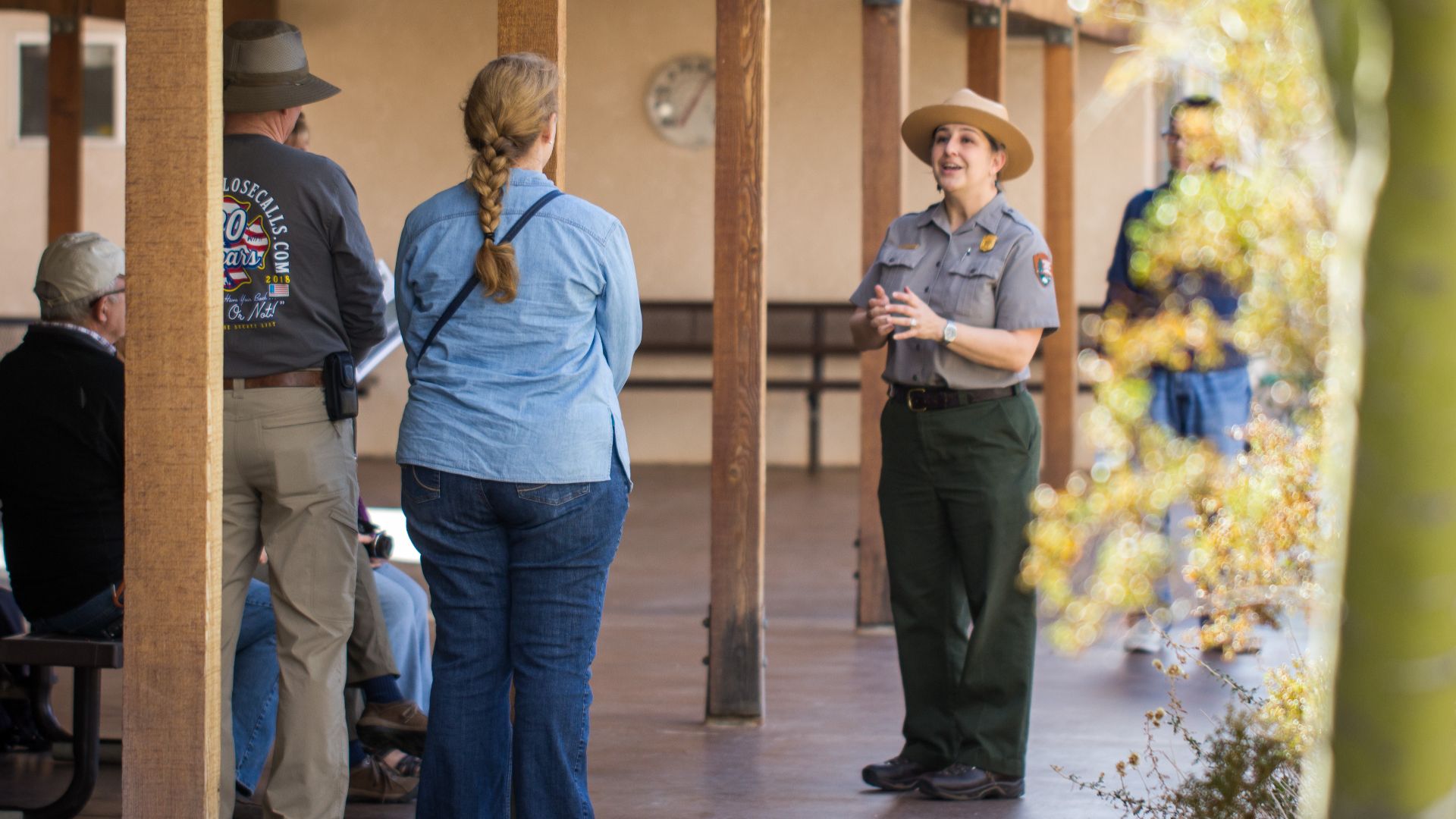
Americans may expect every “national park” to be operated by Canada’s federal government. Quebec uses the term for a network of protected areas managed by Sépaq, while Parks Canada operates separate federal sites in the province. The two systems have different reservations, passes, and management structures.
 Joshua Tree National Park, Wikimedia Commons
Indigenous Culture Is Not A Historical Footnote
Quebec is home to 11 Indigenous Nations and dozens of communities. Indigenous-led tourism includes lodging, cultural programming, outdoor experiences, art, food, festivals, and community visits. Choosing experiences operated or presented by Indigenous organizations gives travelers a more accurate understanding of the province.
 Joshua Tree National Park, Wikimedia Commons
Poutine Is Not The Entire Food Scene
Poutine is a famous Quebec dish, but treating it as the province’s only culinary contribution is limiting. Quebec’s food culture also includes regional cheeses, seafood, smoked meat, pastries, maple products, cider, produce, and dishes shaped by local communities. Rural routes and public markets can be as rewarding as well-known urban restaurants.
 Withlocals B.V., Wikimedia Commons
Maple Season Is Not A Year-Round Festival
Maple syrup is available throughout the year, but traditional sugar-shack season is associated with the late-winter and early-spring sap run. That is when many cabanes à sucre serve communal meals centered on maple products. A July visitor can still buy syrup, but the classic seasonal experience may not be operating in the same form.
 National Cancer Institute, Wikimedia Commons
Menu Prices Are Not Always The Final Total
Americans sometimes assume the number printed beside a menu item is the amount they will pay. Applicable sales taxes are generally added to many purchases, and restaurant tipping remains a common practice. Quebec introduced rules requiring suggested tip calculations to be based on the pretax amount rather than the taxed total.
 AI25.Studio AI GENERATIVE, Pexels
Crossing The Border Still Requires Preparation
Quebec may be reachable by a short drive from several American states, but it is still in another country. Travelers should verify current entry documents, customs restrictions, insurance coverage, and rules for children before departure. A casual road trip can become complicated when someone arrives at the border without acceptable identification.
 CBP Photography, Wikimedia Commons
The Best Trip Leaves Room For Quebec
A rushed itinerary can turn the province into a checklist of Montreal, Old Quebec, and one plate of poutine. A better visit allows time for local neighborhoods, regional landscapes, French conversation, and experiences beyond the most photographed streets. Quebec feels most rewarding when travelers stop expecting it to behave like somewhere else.
You May Also Like: