The Vacations We Remember Are Changing
Remember when vacations meant showing up at a hotel, collecting a room key, and discovering a destination without planning every detail? Some of those familiar experiences are disappearing, while others now require extra money, advance reservations, or a little detective work. From old-fashioned roadside attractions to once-standard airline perks, the travel industry has changed in ways that can make yesterday's ordinary vacation feel surprisingly luxurious.

Flying Without Paying For Every Extra
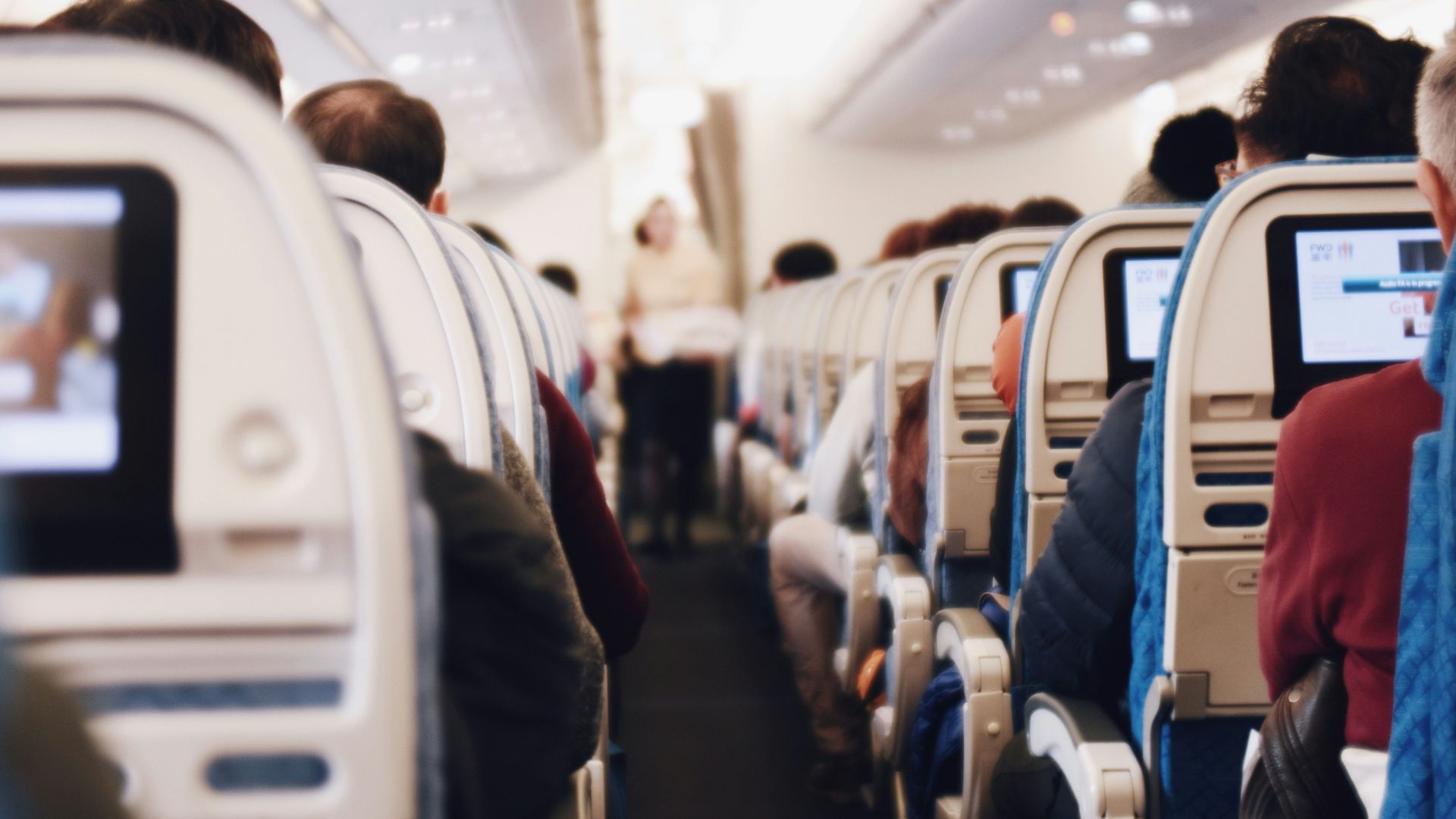
There was a time when checking a suitcase was simply part of buying an airline ticket. The U.S. Department of Transportation notes that airlines began introducing separate charges for services such as checked baggage, meals, and seat assignments in 2008. Today, travelers often have to compare several fare categories to understand what their ticket actually includes. That familiar feeling of purchasing one ticket and having everything taken care of is increasingly difficult to find.

Getting A Proper Meal On A Plane
For generations of airline passengers, a meal tray arriving during a flight was part of the adventure. As airlines began separating optional services from ticket prices, complimentary meals became less common on many shorter economy flights. Travelers can still enjoy included meals on certain international routes and in premium cabins, but the experience is no longer something to assume. Anyone hoping for a traditional airline meal should check the onboard service before booking.

Checking A Suitcase Without A Second Thought
Packing for a vacation once involved choosing what to bring rather than calculating whether everything would fit into a carry-on. The Department of Transportation has documented how airlines moved away from the longstanding practice of allowing checked baggage without separate charges. Baggage allowances now vary by airline, destination, and fare type. That makes the old habit of arriving at the airport with a large suitcase and no concern about additional costs considerably less carefree.

Choosing Your Seat Without Paying More
Families once had fewer reasons to worry about whether sitting together would require an additional purchase. Airlines increasingly use fare categories and advance seat-selection charges to distinguish their ticket offerings. The Department of Transportation has identified seat assignments among the services that airlines began selling separately. Travelers who remember selecting their preferred window or aisle seat as a routine part of booking may find the modern process surprisingly complicated.
Visiting National Parks On A Whim
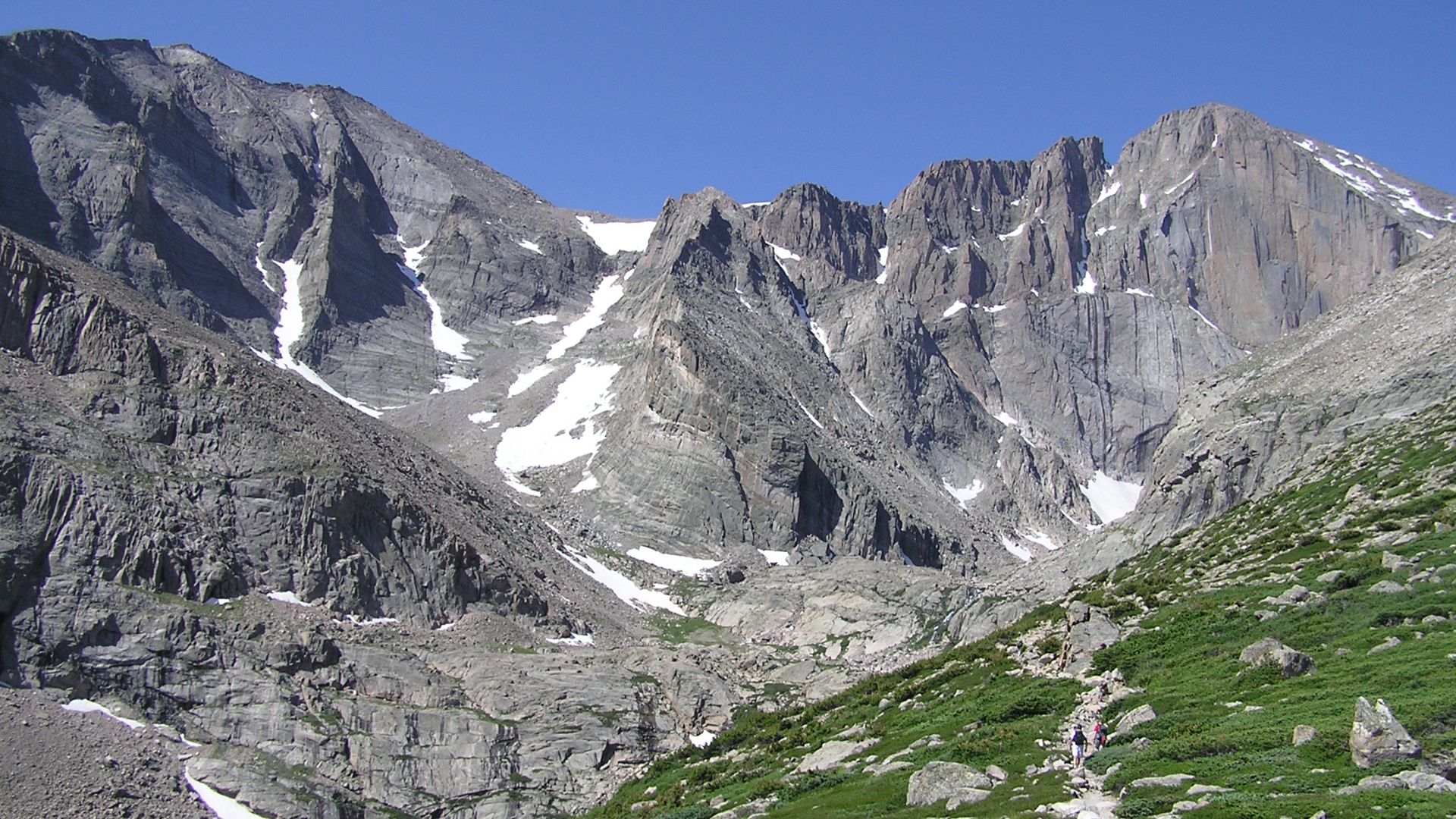
An impromptu drive into a spectacular national park has long been a classic American vacation experience. However, some popular parks now use timed-entry reservations or other traffic-management measures to control congestion and protect natural resources. Rocky Mountain National Park continued its timed-entry system during peak periods in 2026, although several other major parks dropped reservation requirements that year. Visitors can still enjoy spontaneous trips to many parks, but checking entrance rules before leaving home has become an important precaution.
 National Park Service Digital Image Archives, Wikimedia Commons
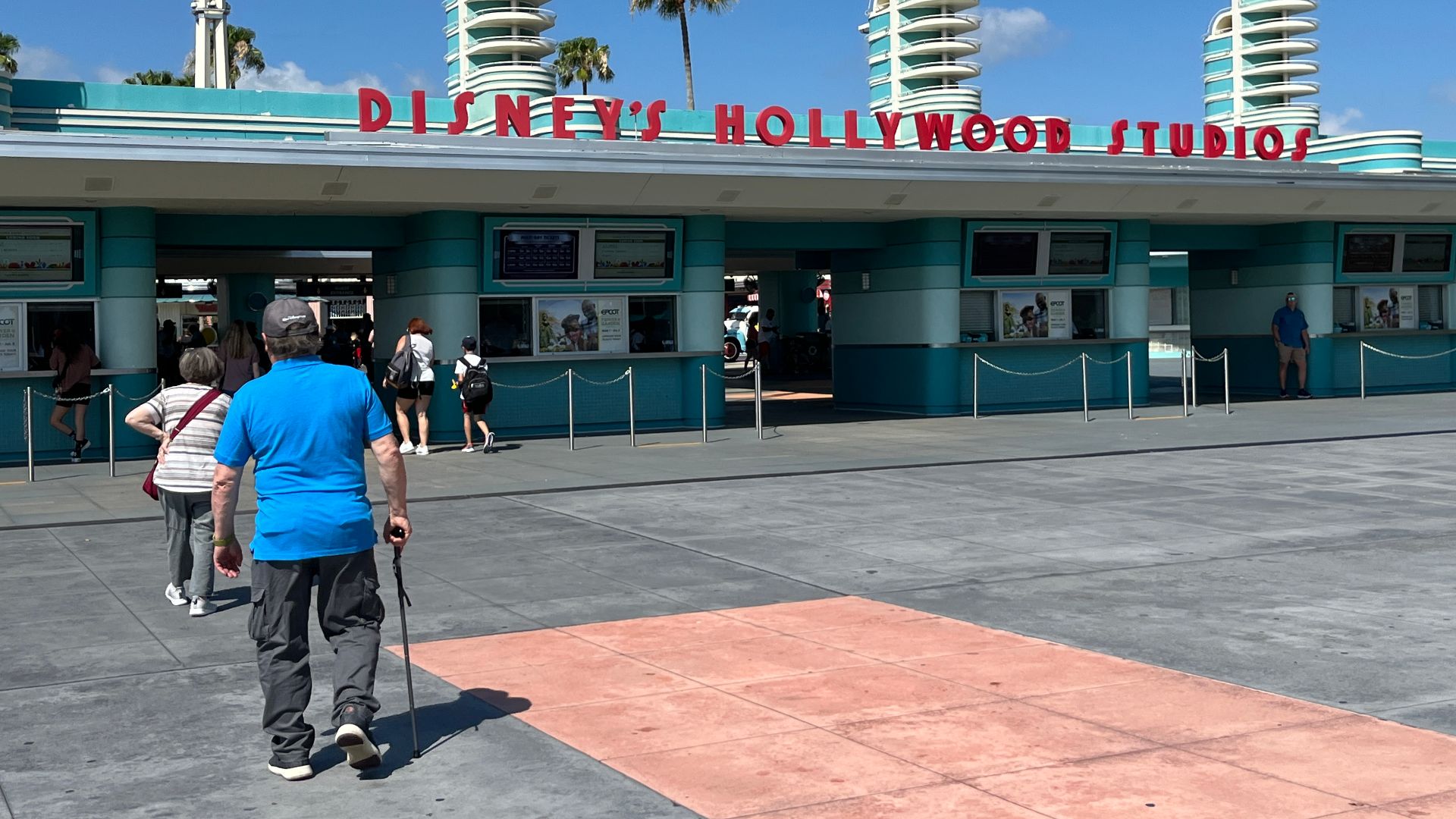
Skipping The Lines At Theme Parks For Free
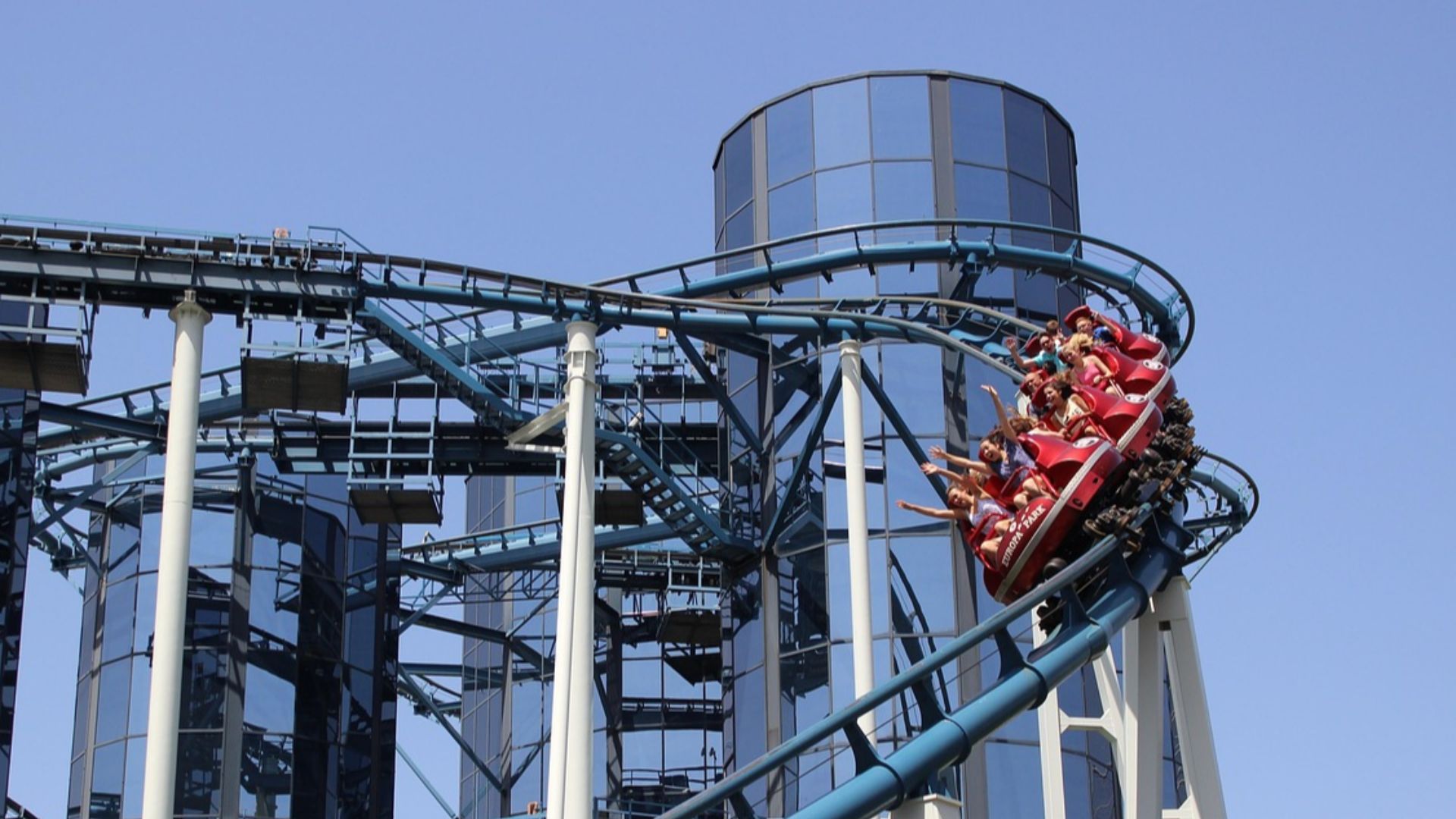
Disney's old FastPass system made avoiding certain long attraction lines a familiar part of a theme park vacation. Walt Disney World now offers Lightning Lane passes, which visitors purchase separately to access shorter queues at selected attractions. Prices vary depending on the park, date, and experience, and availability can be limited. Traditional standby lines remain available, but the former complimentary shortcut has become a paid convenience.
 Benoît Prieur, Wikimedia Commons
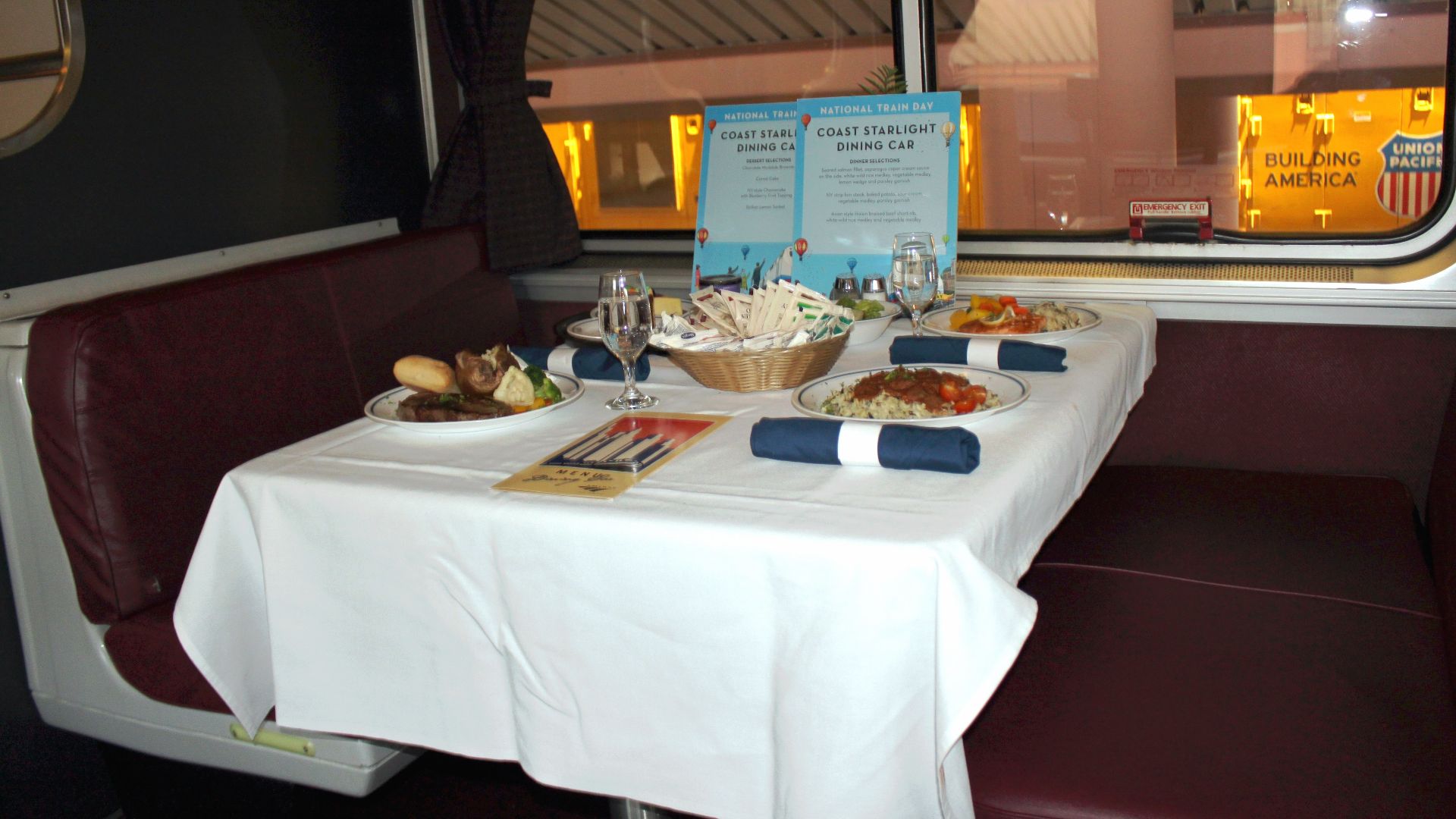
Enjoying A Classic Train Dining Car
Sitting beside a train window while enjoying a freshly prepared meal is one of travel's most romantic traditions. Amtrak still offers traditional dining with table service and chef-prepared meals on selected long-distance routes, including the California Zephyr and Empire Builder. However, the experience is generally associated with First Class accommodations rather than being available to every passenger. Travelers hoping to recreate the golden age of rail travel should pay close attention to the train's dining arrangements.
 Prayitno/ more than 2 millions views: thank you! from Los Angeles, USA, Wikimedia Commons
Snorkeling Above Brilliant Coral Reefs
A tropical vacation once seemed to promise colorful coral gardens filled with marine life just beneath the surface. Unfortunately, rising ocean temperatures have made healthy reefs increasingly vulnerable to mass bleaching events. NOAA reported that bleaching-level heat stress affected approximately 84% of the world's coral reef area during the fourth global bleaching event, which likely ended in 2025. Beautiful snorkeling destinations still exist, but seeing thriving coral ecosystems can no longer be taken for granted.
 National Park Service Digital Image Archives, Wikimedia Commons
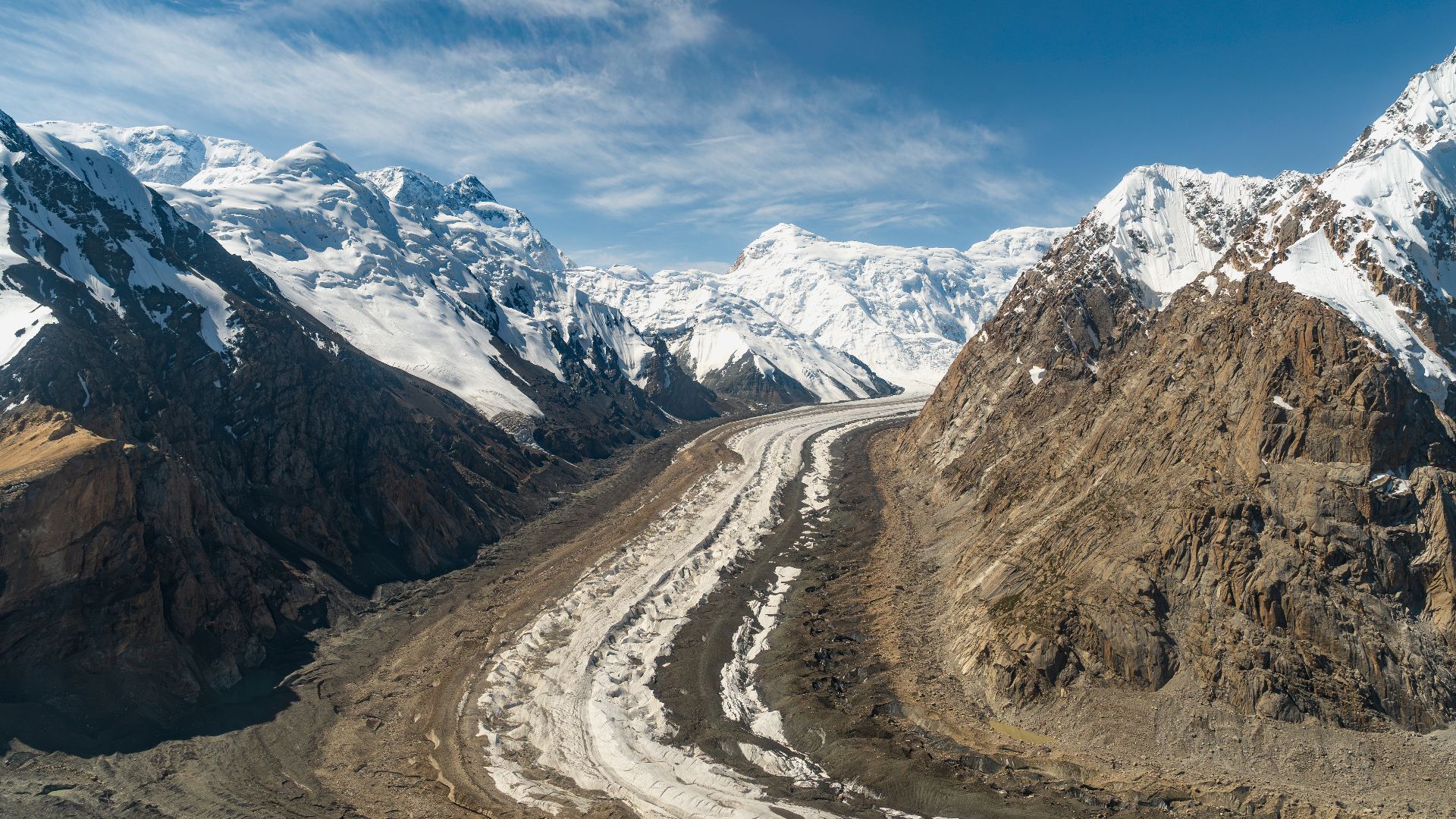
Seeing Massive Glaciers Up Close
For generations, visitors traveled to mountain parks hoping to see enormous rivers of ice stretching across the landscape. Glacier National Park in Montana offers a striking example of how that experience is changing. National Park Service research found that every named glacier in the park shrank between 1966 and 2015, with some losing more than 80% of their area. The mountains remain spectacular, but the icy scenery familiar from older vacation photographs is becoming harder to experience.
 Maryliflower, Wikimedia Commons
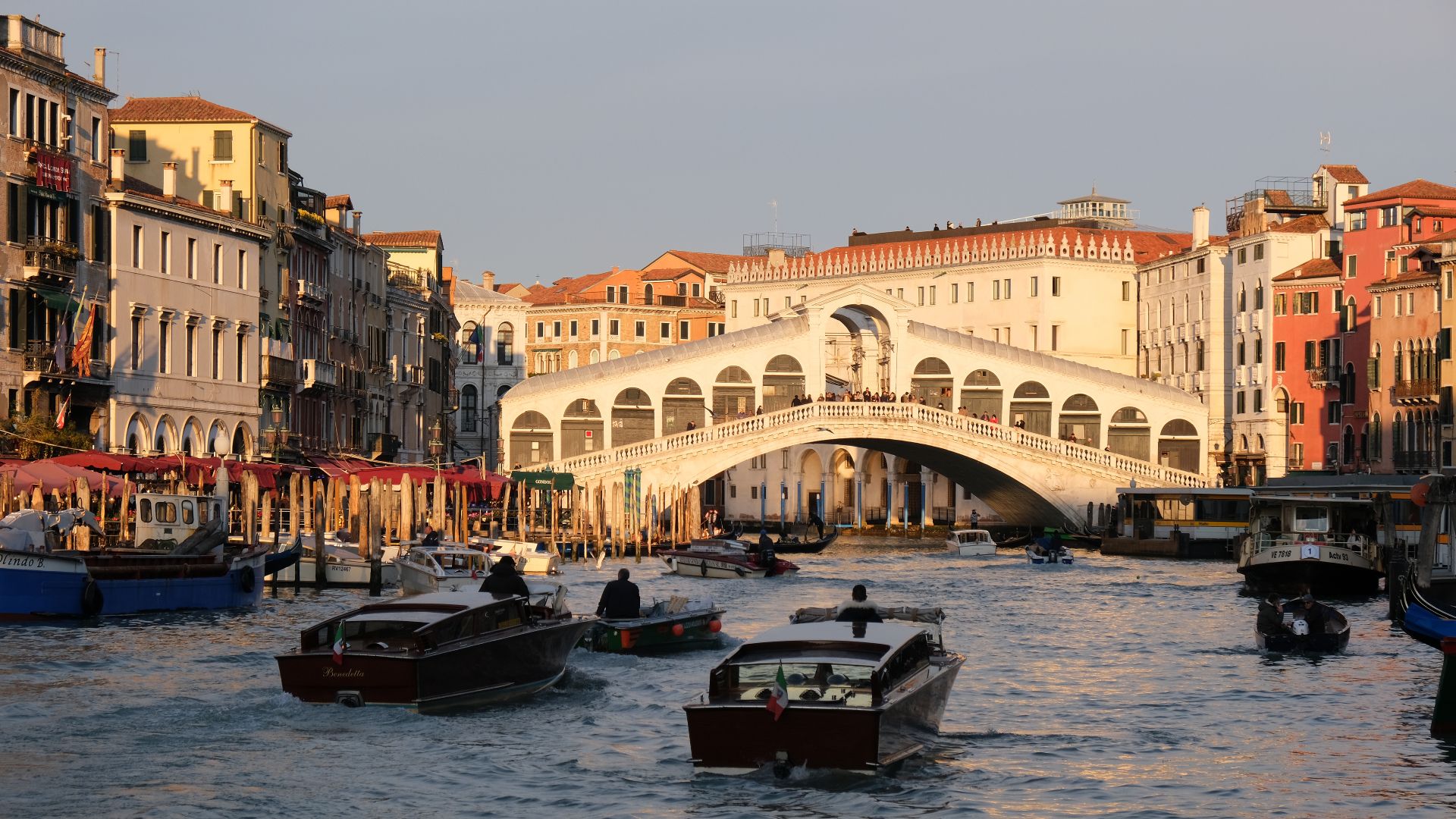
Exploring Venice Without An Entry Fee
Wandering through Venice's canals and narrow streets has traditionally been one of Europe's great sightseeing pleasures. In 2026, the city charged certain day visitors an access fee on designated dates, with prices of €5 or €10 depending on when they paid. That year's fee period ended on July 26, allowing visitors to enter without the charge afterward. The experiment illustrates how even a simple day of sightseeing can become subject to new planning requirements.
Staying In A Hotel Without Thinking About Extras
A traditional hotel vacation was supposed to be straightforward: book a room, arrive, and enjoy the facilities. Today, travelers may encounter separate charges for parking, certain amenities, or optional services, depending on the property. These charges can make comparing hotels more complicated than simply checking the advertised nightly rate. Reading the complete price breakdown before booking is increasingly important for anyone hoping to recreate a carefree hotel stay.
 Anastasia Ilina-Makarova, Pexels
Getting The Same Vacation Package Every Time
Classic package vacations appealed to travelers because transportation, accommodations, and selected activities could be arranged together. Modern travelers still have plenty of package options, but the exact inclusions can differ significantly between operators and properties. Meals, transfers, baggage, and excursions are worth checking individually rather than assuming they come with the booking. The convenience remains available, although finding the right combination may require more comparison shopping.

Enjoying A Road Trip Without Reservations
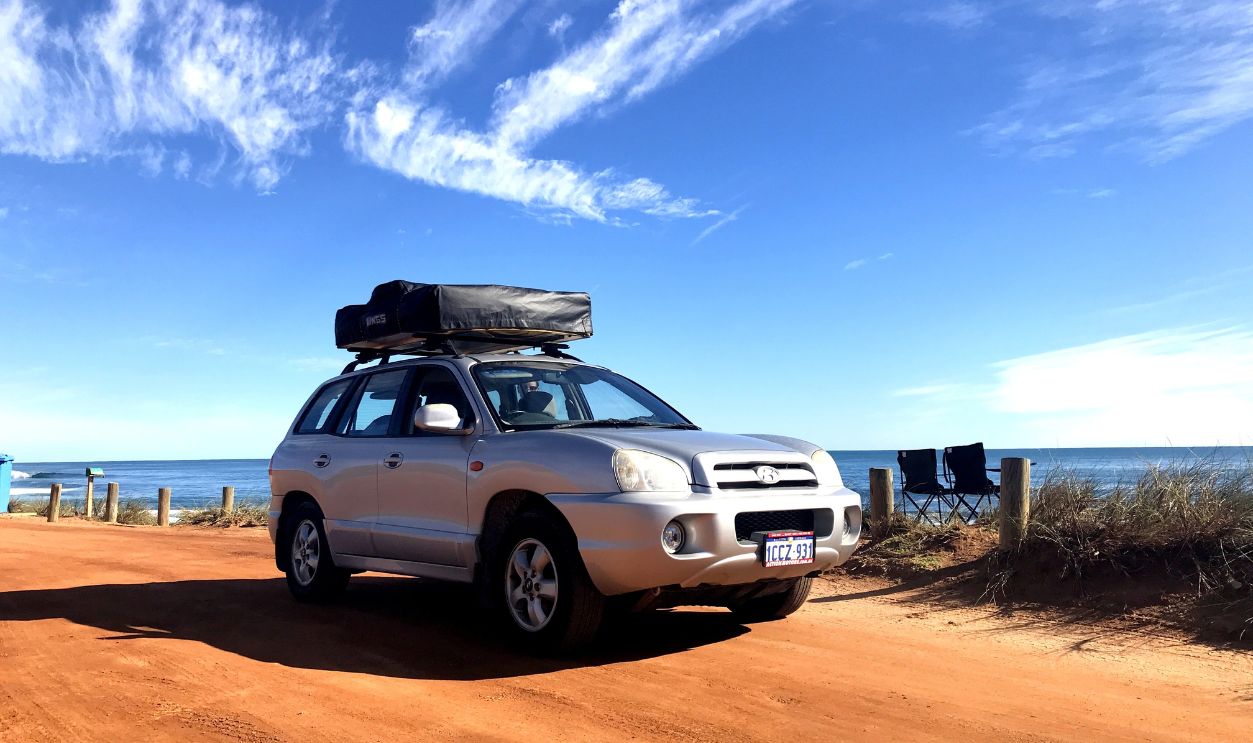
The traditional road trip was built around freedom, with travelers stopping wherever the scenery or curiosity took them. Popular national parks and their surrounding destinations can complicate that approach during busy periods. The National Park Service advises visitors to check reservation requirements because certain parks and attractions restrict access through timed-entry or tour bookings. Travelers can still enjoy an open-ended journey, but a few carefully planned stops may help preserve the spontaneity.

Finding A Campsite At The Last Minute
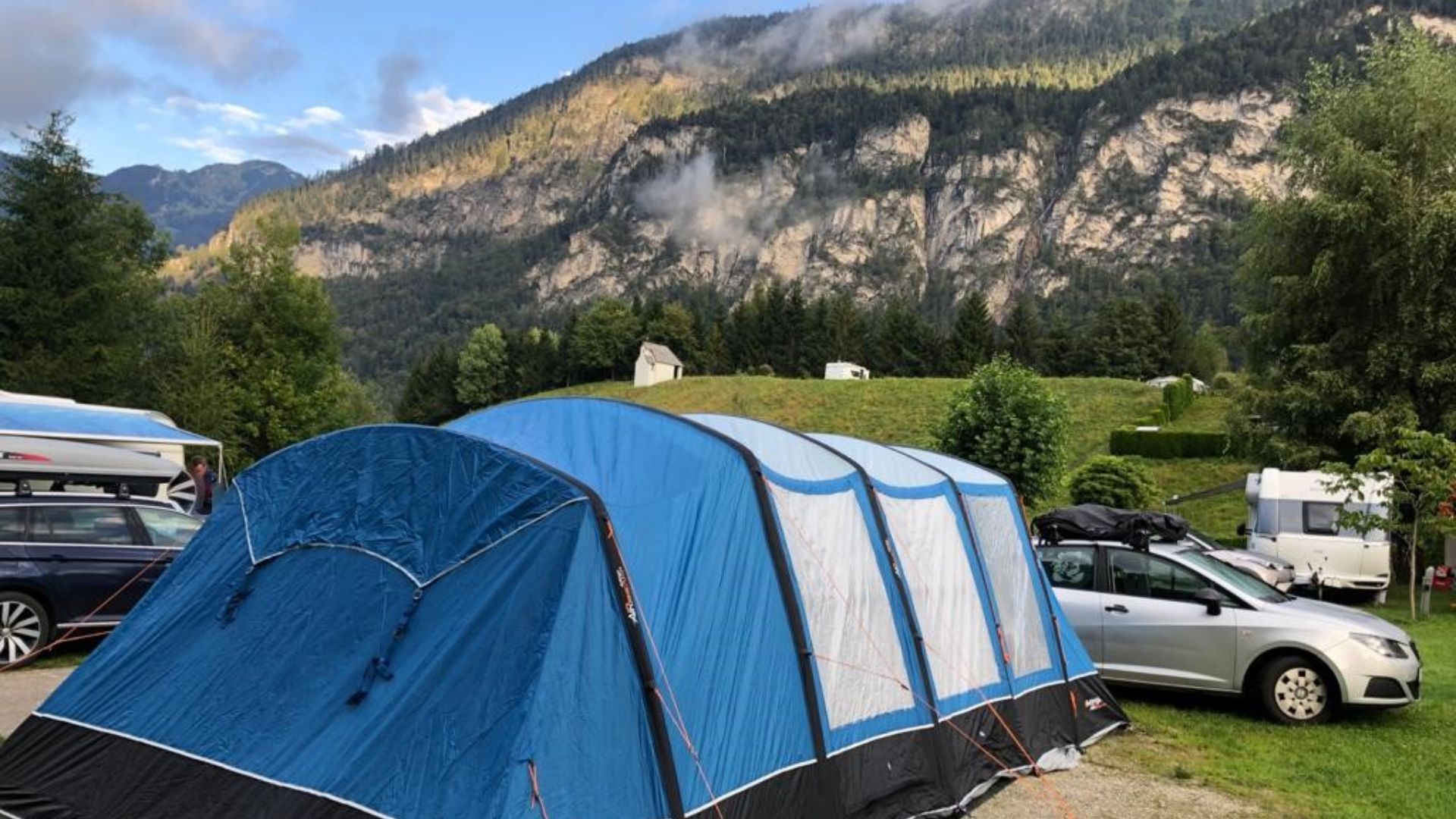
Pulling into a campground and choosing a spot once felt like the ultimate expression of vacation freedom. At popular national park destinations, however, visitors increasingly need to understand reservation windows and campsite availability before arriving. The National Park Service directs travelers to check booking requirements well ahead of their trips, especially for high-demand locations. Anyone who wants the old-fashioned first-come, first-served experience should look specifically for campgrounds that still offer it.
 E.Guggenbichler, Wikimedia Commons
Taking A Scenic Drive Without Traffic Controls
Some of America's most memorable vacation roads pass through protected landscapes, making the journey as important as the destination. At Glacier National Park, traffic management measures have included parking limits and temporary vehicle diversions along busy corridors. These policies help manage congestion and protect visitor safety, but they can also interrupt an unplanned sightseeing drive. Checking road conditions and visiting outside the busiest hours can make the experience more relaxed.
Spending A Day In Nature Without A Schedule
A classic outdoor vacation often meant choosing a trail in the morning and seeing where the day went. Rocky Mountain National Park's 2026 timed-entry system required reservations during certain daytime hours between late May and mid-October. Visitors could still explore the park, but some had to coordinate their arrival with a designated entry window. The experience reflects a broader challenge for popular natural destinations trying to balance access with preservation.

Visiting Famous Attractions Without Advance Planning
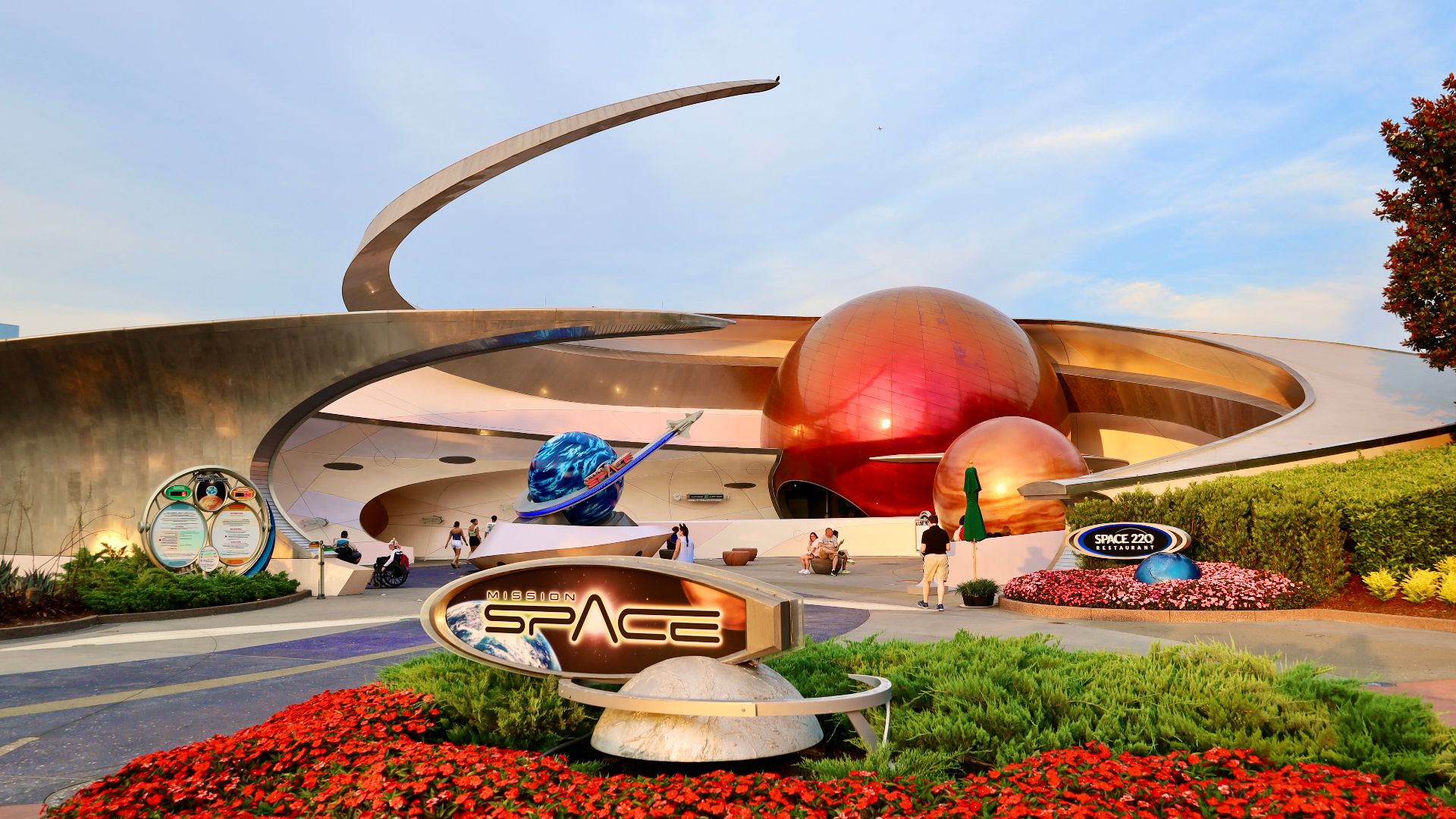
For many travelers, part of the fun was arriving at a famous attraction and deciding what to see once inside. Popular destinations now sometimes offer scheduled entry windows, advance purchases, or limited-capacity experiences. Walt Disney World's Lightning Lane system is one example, allowing guests to purchase selected attraction access ahead of their visit. A flexible itinerary remains possible, but travelers who have specific must-see experiences may benefit from booking them early.
Riding Popular Attractions Without An App
Theme park vacations once revolved around paper maps, posted wait times, and conversations about which ride to try next. Walt Disney World's Lightning Lane passes now operate through the My Disney Experience app, with advance purchasing and attraction selections available digitally. Guests can still use traditional standby queues, so a smartphone is not necessary for every ride. However, some of the most convenient planning options now depend on navigating an app.
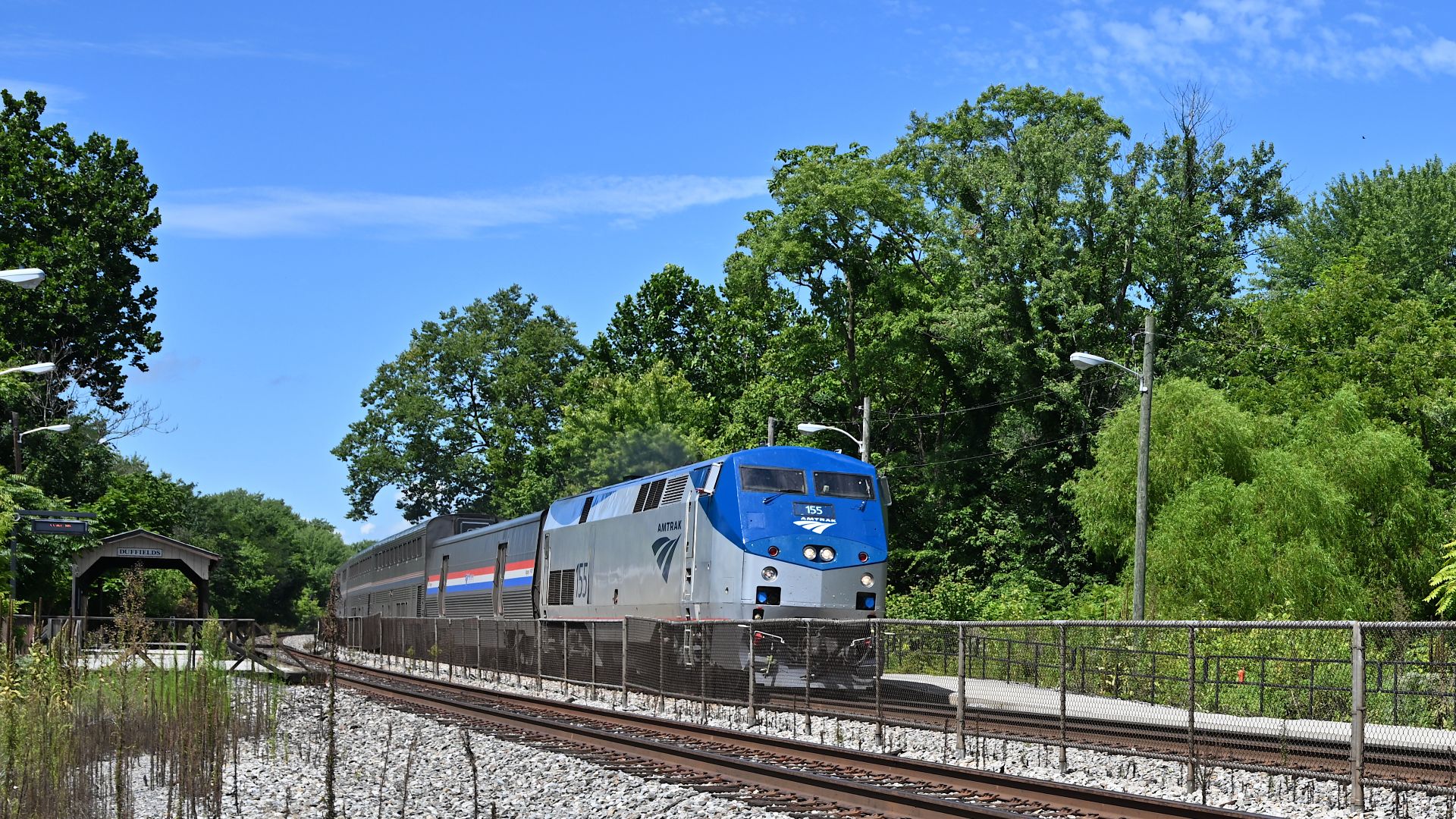
Enjoying Premium Train Travel Without A Premium Fare
The appeal of long-distance rail travel has always included the opportunity to slow down and enjoy the journey. Amtrak's traditional dining experience includes white-tablecloth service and three-course dinners on certain routes, but it is offered as part of First Class service. Other passengers can purchase food through available café options rather than receiving the same dining experience. Travelers seeking the atmosphere of an old-fashioned luxury train should budget for the appropriate accommodations.
 G. Edward Johnson, Wikimedia Commons
Booking A Flight Based Only On The Ticket Price
Finding an affordable airfare once seemed as simple as comparing prices between airlines. The growing use of optional fees has made that calculation less straightforward, particularly when baggage and seating arrangements matter. Department of Transportation research documented how separate airline charges became increasingly important sources of revenue after 2008. Comparing the complete cost of a journey is now more useful than relying on the first fare displayed.

Traveling With Everything Included
The idea of paying once and forgetting about expenses remains one of the great attractions of a vacation. Yet even familiar travel services such as airline meals, baggage handling, and seat selection may now be priced separately. The Department of Transportation has identified these services as examples of airline fare unbundling. Travelers who prefer a traditional all-inclusive experience should look carefully at what each fare or package actually promises.

Seeing A Healthy Reef On Every Tropical Trip
Snorkeling remains a favorite vacation activity, but the condition of underwater ecosystems can vary dramatically between destinations. NOAA reported that the fourth global coral bleaching event affected reefs across the Atlantic, Pacific, and Indian Oceans. Bleaching does not always mean coral will die, although prolonged heat stress can cause lasting damage. Researching local reef conditions and choosing responsible tour operators can help travelers make better decisions about where to snorkel.

Photographing Landscapes That Look Like Old Postcards
Travel photographs often preserve scenery that changes long after the vacation ends. In Glacier National Park, historical photographs have helped scientists document shrinking glaciers by comparing the same locations over time. The National Park Service explains that these changes reflect both natural climate variations and the growing influence of human-caused warming. Returning to a favorite mountain viewpoint may still be rewarding, even when the landscape no longer resembles an old family photograph.

Enjoying A Famous Destination Without Visitor Restrictions
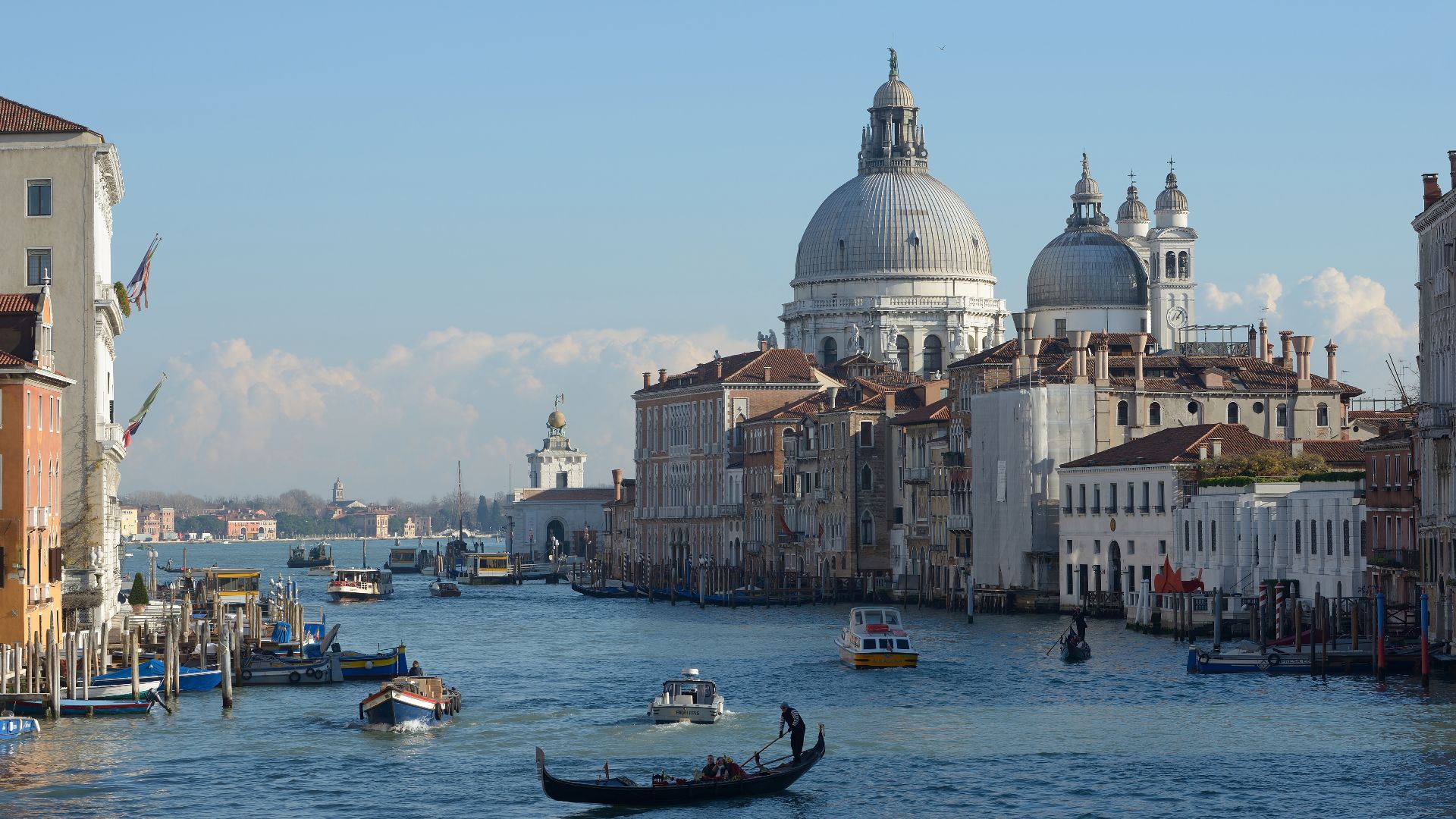
Famous destinations have always attracted crowds, but some are experimenting with additional controls over how visitors enter and explore. Venice's 2026 access-fee program required eligible day visitors to pay during specified periods, while exempting certain categories of travelers. The fee was temporary, and any future program requires further municipal decisions. Its introduction nevertheless shows how destination management can change the experience of a traditional sightseeing holiday.
Finding Quiet Moments At Famous National Parks
Many people imagine national parks as places where silence, open space, and uninterrupted scenery are guaranteed. In reality, popular locations can experience significant traffic congestion, particularly during holidays and peak summer periods. The National Park Service recommends visiting busy destinations on weekdays or during less crowded hours whenever possible. Those quieter moments still exist, but finding them may require more deliberate timing than travelers once expected.
Exploring Without Competing For Parking
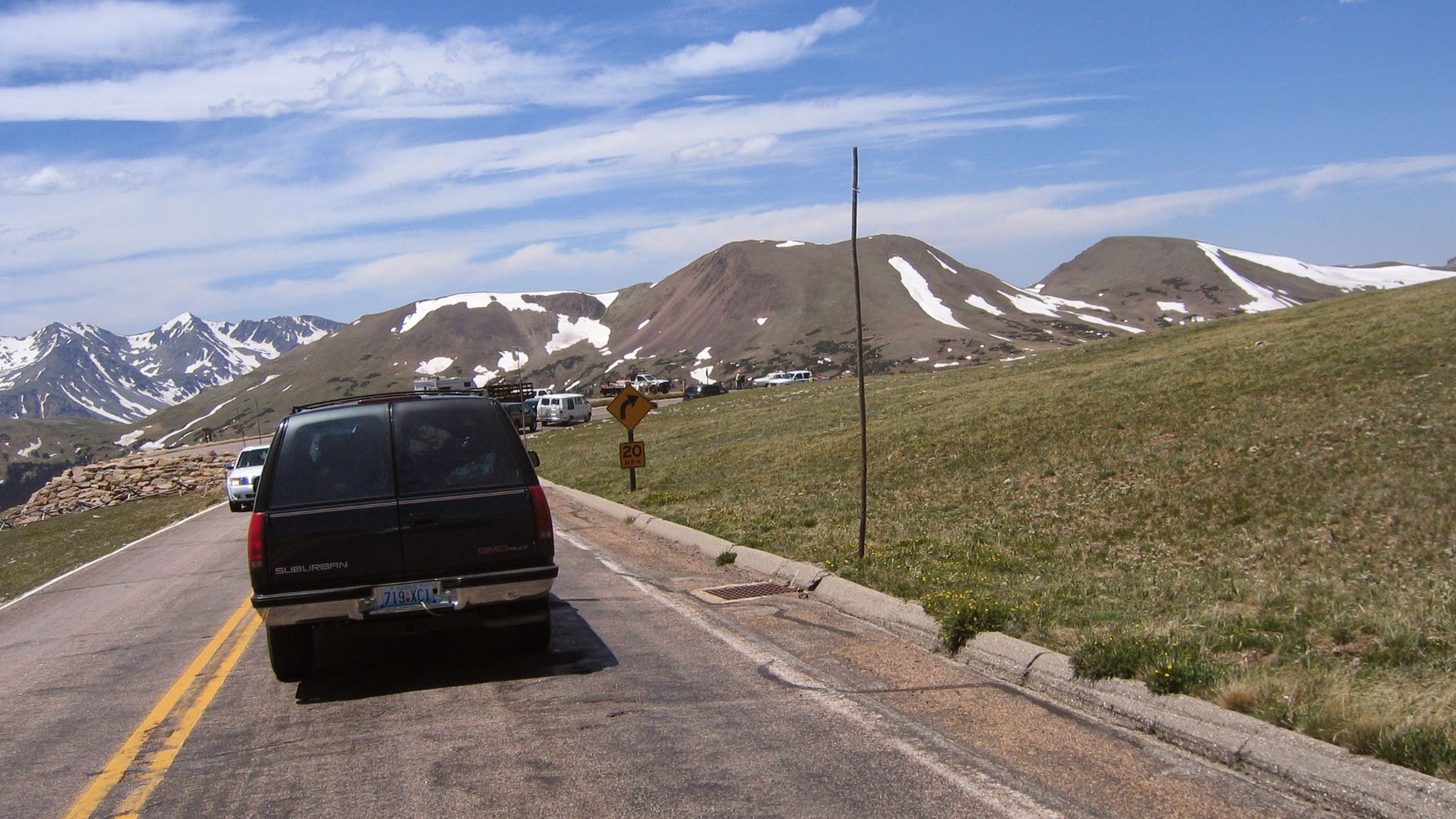
Parking might not sound like an essential part of a vacation, but it can determine whether a scenic stop feels relaxing or stressful. Mount Rainier National Park encouraged visitors in 2026 to consider arriving before 7 a.m. or after 4 p.m. to avoid crowded parking areas. The park did not require timed-entry reservations that year, relying instead on parking and traffic-management strategies. Choosing less popular visiting hours can make a major difference when exploring celebrated natural landmarks.
Taking A Vacation Without Constantly Checking Rules
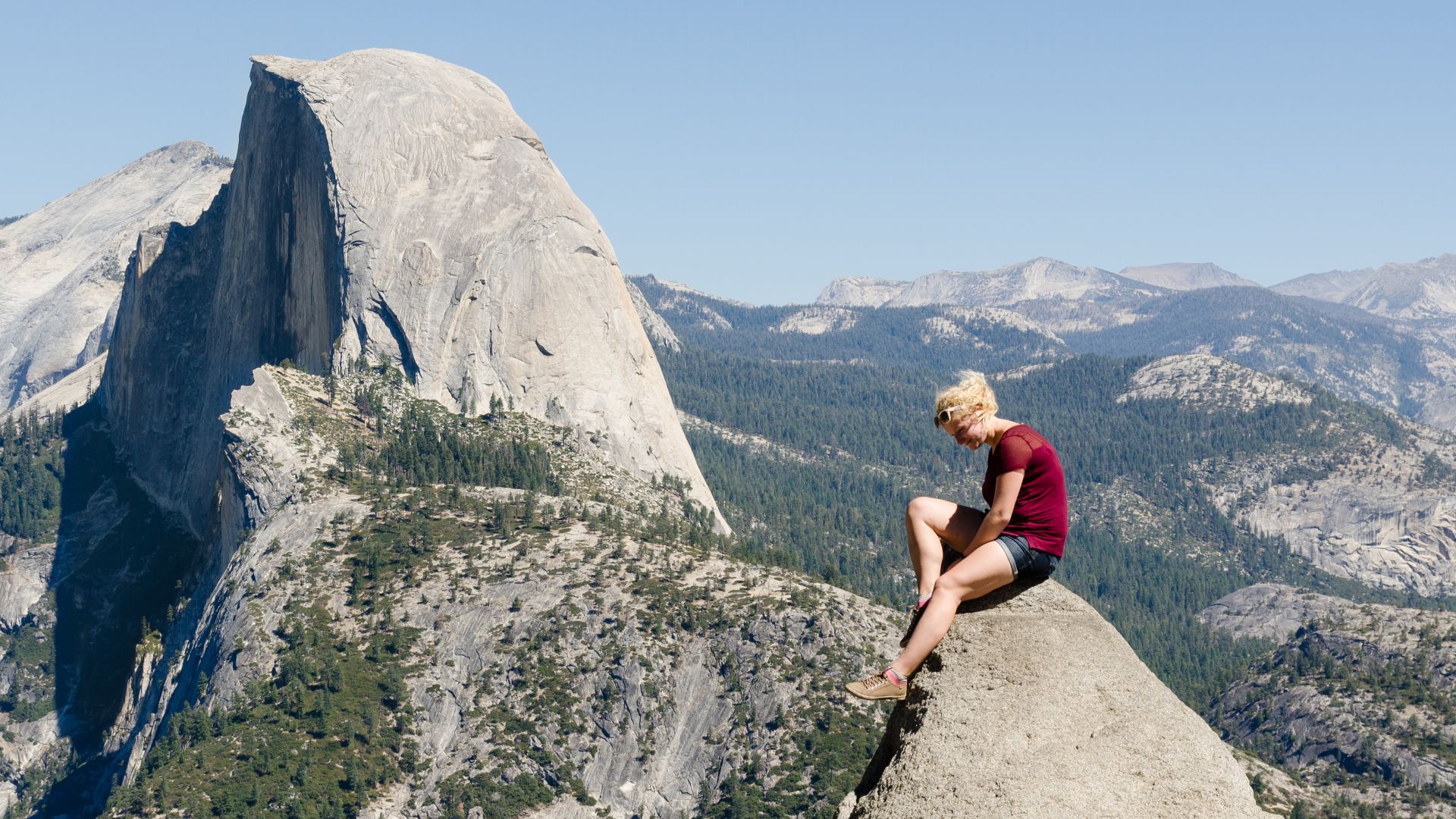
Perhaps the biggest change in classic travel is the amount of information visitors are expected to manage. Airlines have different baggage policies, attractions may use digital booking systems, and national parks can change access arrangements between seasons. For example, Arches and Yosemite did not require timed-entry reservations in 2026, while Rocky Mountain National Park continued using them. Checking official information shortly before departure helps avoid relying on outdated travel advice.

Rediscovering The Simple Pleasures Of Travel
Not every traditional vacation experience has disappeared, and many remain surprisingly accessible with a little research. Scenic train journeys, beautiful national parks, tropical snorkeling, and relaxed sightseeing are still possible, even when their arrangements have changed. The key is understanding which experiences require advance planning and which still reward a spontaneous approach. Sometimes the best way to enjoy an old-fashioned vacation is to prepare carefully enough that you can forget about the logistics once you arrive.

You May Also Like:
Seemingly Normal Things Americans Do That Confuse Visitors From Other Countries
Once-Famous Vacation Destinations That Have Almost Disappeared From Travel Guides