When Vacation Hotspots Become Forgotten History
Some vacation destinations were once so popular that hotels filled months in advance and entire towns depended on visiting tourists. Today, many of those places have faded from the spotlight, with grand resorts demolished, amusement parks abandoned, and former holiday traditions largely forgotten. Changing travel habits, cheaper flights, economic downturns, and shifting tastes have all played a part in their decline. These once-famous destinations reveal just how quickly a fashionable getaway can become a piece of travel history.

The Catskills Were Once America's Summer Playground
For generations of Jewish American families, New York's Catskill Mountains were the ultimate summer escape. By the 1950s, the region's famous Borscht Belt contained more than 1,000 resorts and hotels offering swimming, dancing, entertainment, and generous meals. Many properties became beloved family traditions, welcoming returning vacationers year after year. The region also helped launch the careers of some of America's best-known comedians.
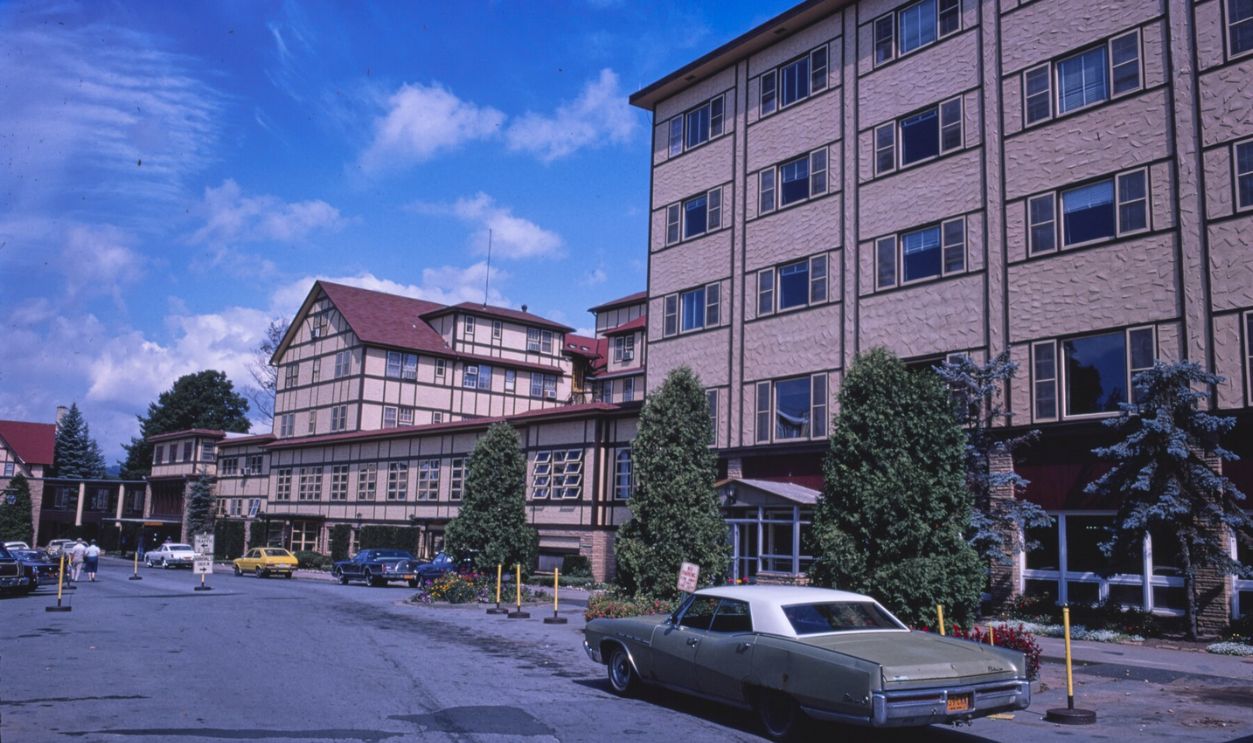 John Margolies, Wikimedia Commons
The Borscht Belt Slowly Lost Its Magic
The Catskills began losing their dominance as air conditioning became more common and affordable travel opened up new destinations. Younger generations also developed different vacation preferences, making traditional resort entertainment less appealing. Famous hotels gradually closed, and Kutsher's, one of the last great Borscht Belt resorts, shut down in 2013. Although the mountains remain a vacation destination, the enormous resort culture that once defined them has largely disappeared.
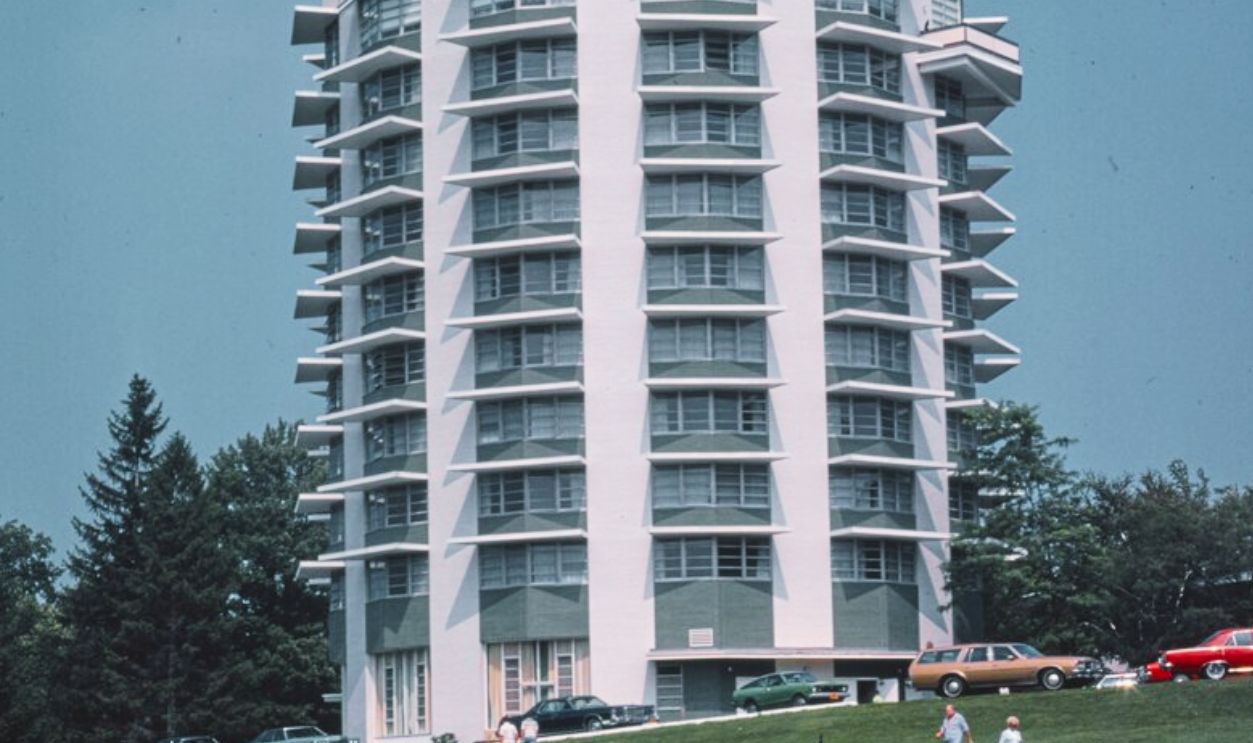 John Margolies, Wikimedia Commons
Grossinger's Was Practically A Vacation Kingdom
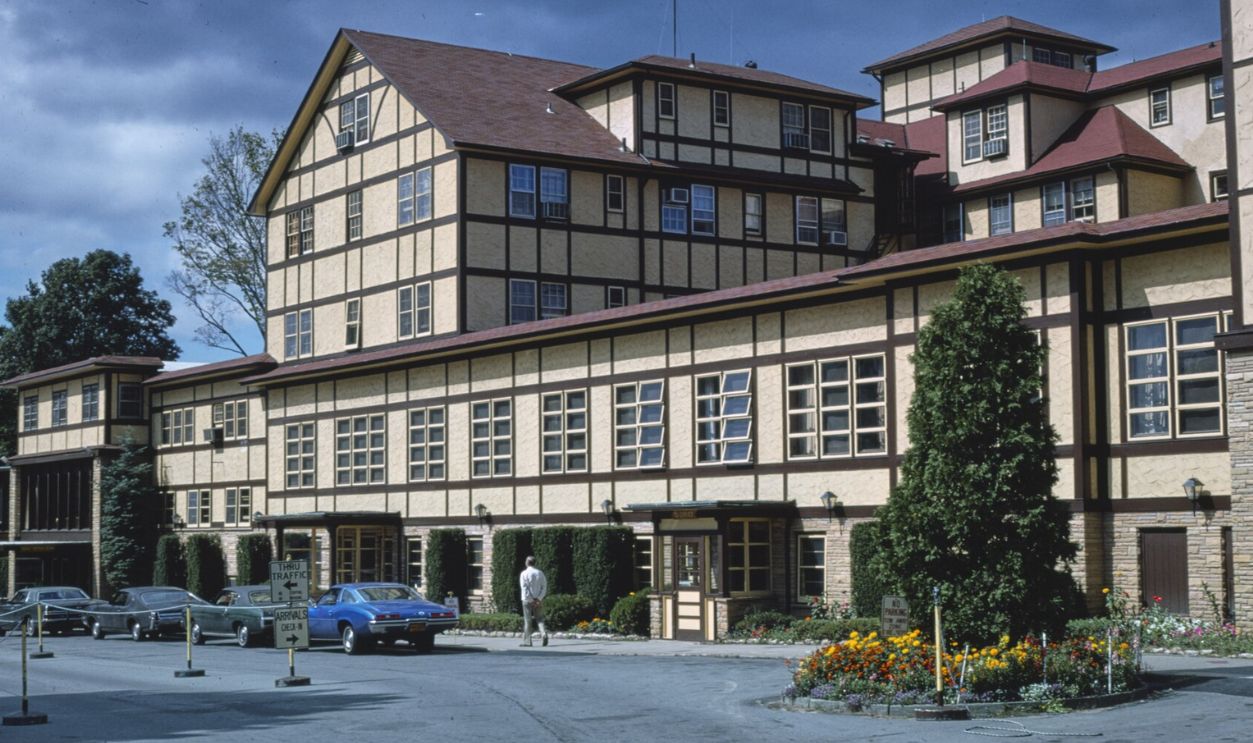
Grossinger's Catskill Resort Hotel became one of America's most celebrated vacation properties during the twentieth century. Founded by a Jewish immigrant family, it developed into a sprawling destination where guests could enjoy recreation, entertainment, and luxurious hospitality without leaving the grounds. During its postwar heyday, the resort welcomed approximately 150,000 guests annually. Its influence extended beyond the Catskills, helping establish the model for modern all-inclusive resort vacations.
 John Margolies, Wikimedia Commons
The Famous Hotel Became A Memory
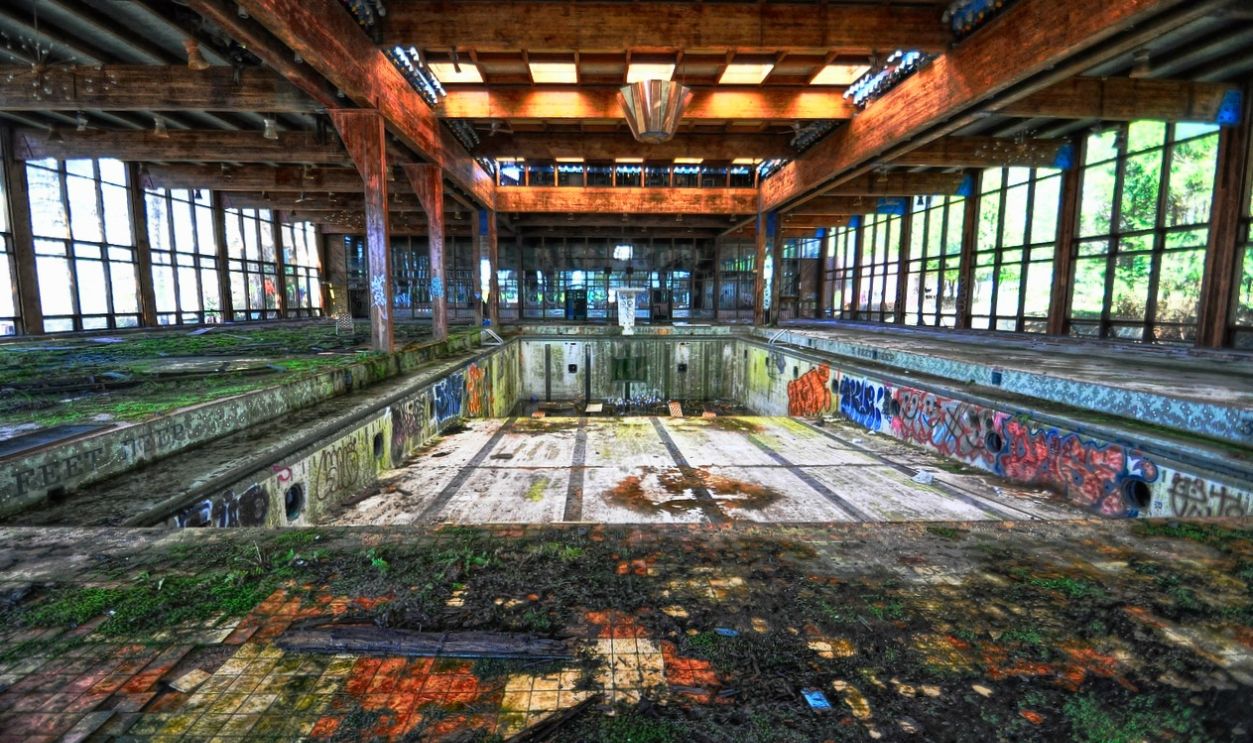
Grossinger's represented a vacation style built around spending nearly every moment at one enormous resort. Its success depended on guests returning for familiar entertainment, meals, and social activities rather than constantly exploring new destinations. As the broader Borscht Belt declined, that traditional holiday model struggled to compete with changing travel preferences. The resort's disappearance from the vacation landscape marked the end of one of America's most recognizable hotel traditions.
Hot Springs Was Once A Luxury Wellness Capital
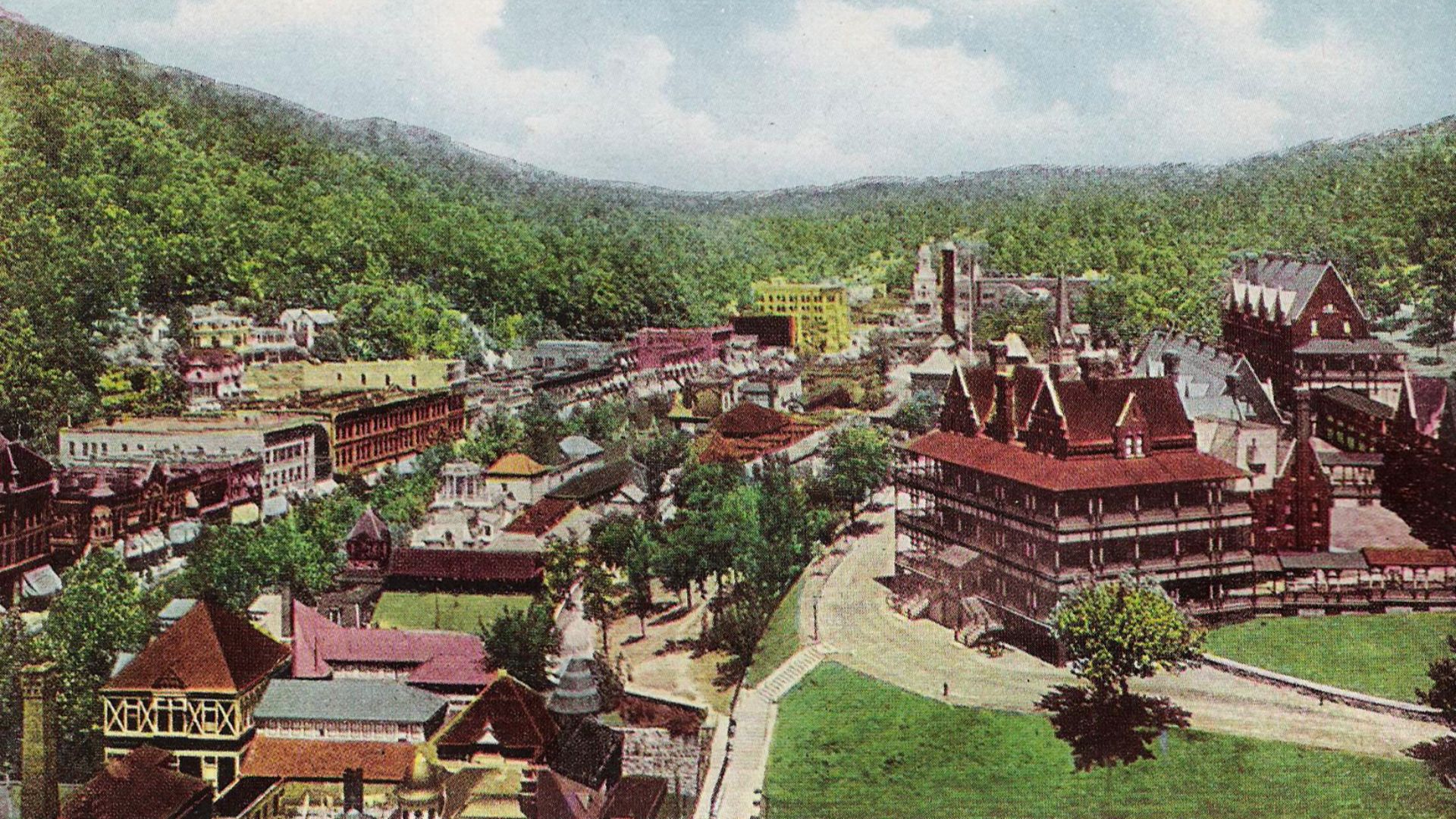
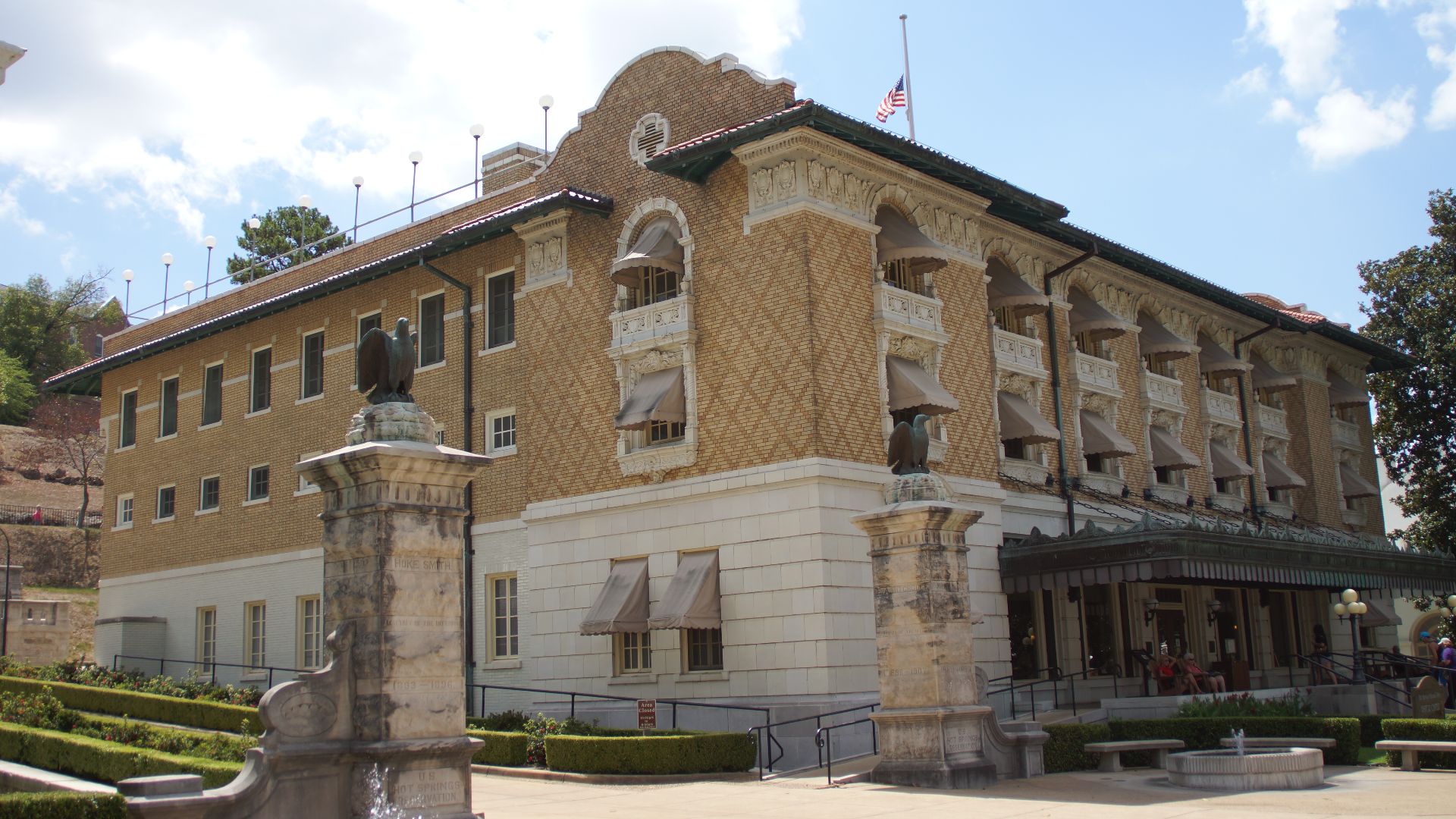
Long before modern wellness retreats became fashionable, Hot Springs, Arkansas, attracted visitors seeking relaxation and treatments in its thermal waters. The city's famous Bathhouse Row featured eight grand bathhouses constructed during the early twentieth century. Visitors came for elaborate bathing experiences in buildings designed to combine comfort, architecture, and therapeutic traditions. At its height, the district represented an impressive chapter in America's spa tourism history.
 Unknown authorUnknown author, Wikimedia Commons
The Bathhouses Began Closing One By One
By the 1960s, the traditional bathing industry in Hot Springs was already experiencing a significant decline. The Fordyce Bathhouse closed in 1962, and several others followed during the 1970s and 1980s. When the Lamar closed in 1985, the Buckstaff was the only remaining operating bathhouse on the historic row. Preservation and redevelopment eventually brought new uses to many buildings, but the city's original luxury bathing culture never returned in quite the same form.
San Francisco Once Had An Extraordinary Swimming Palace
The Sutro Baths were among San Francisco's most ambitious leisure attractions, combining elaborate architecture with enormous indoor swimming facilities. Built overlooking the Pacific Ocean, the complex featured seven swimming pools with different water temperatures. Its immense glass-covered structure could accommodate thousands of visitors and became a remarkable example of nineteenth-century entertainment engineering. For generations, visiting the Baths was part of the city's distinctive seaside recreation culture.
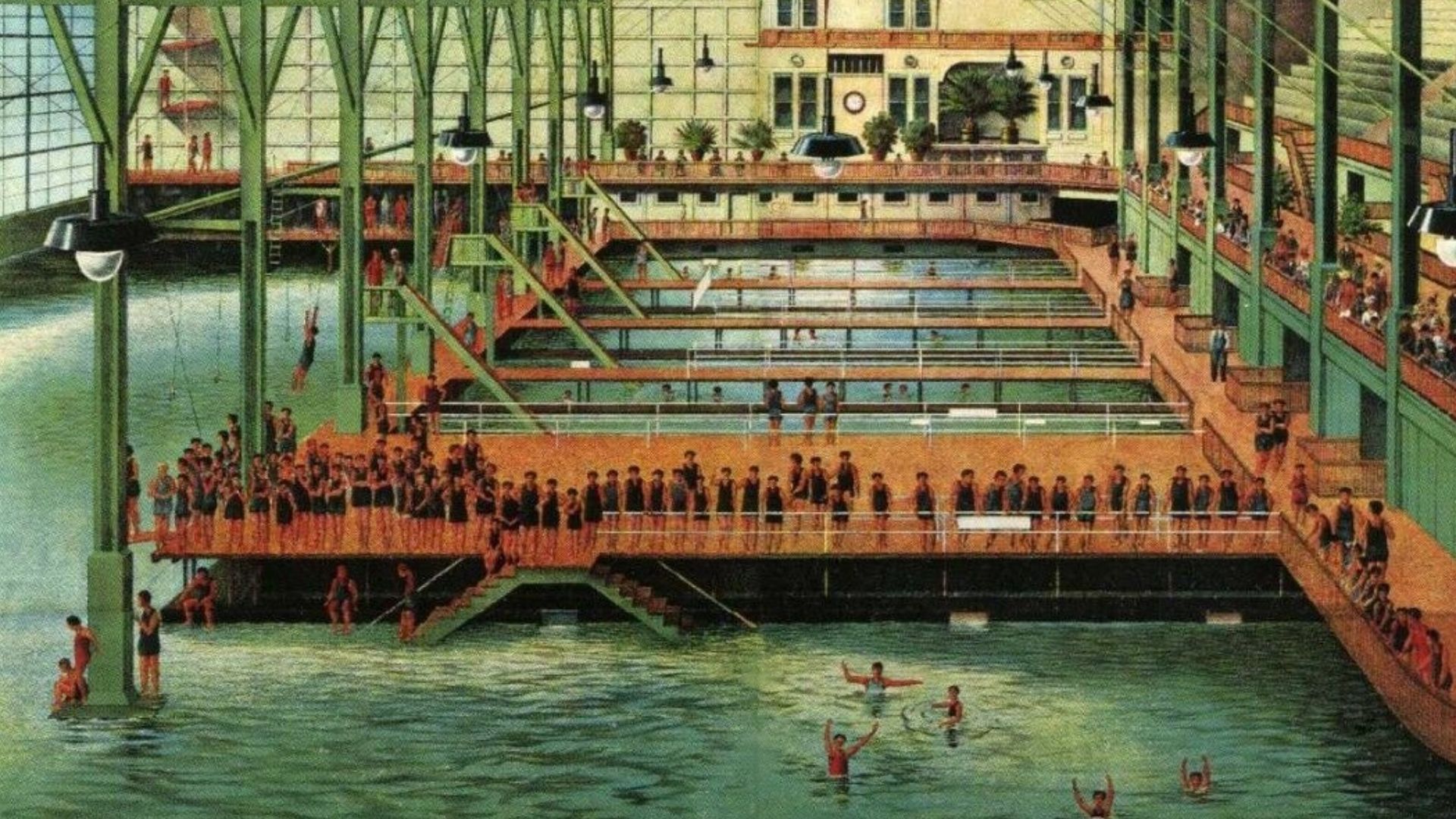 Unknown authorUnknown author, Wikimedia Commons
The Swimming Palace Ended In Ruins
Maintaining the massive Sutro Baths eventually became increasingly difficult as attendance declined. Operators experimented with attractions such as ice skating, but those changes failed to restore the property's financial success. The facility closed in 1966, and a fire destroyed the remaining structures during the redevelopment period. Today, visitors encounter concrete ruins along the coastline rather than the spectacular swimming complex that once attracted crowds.
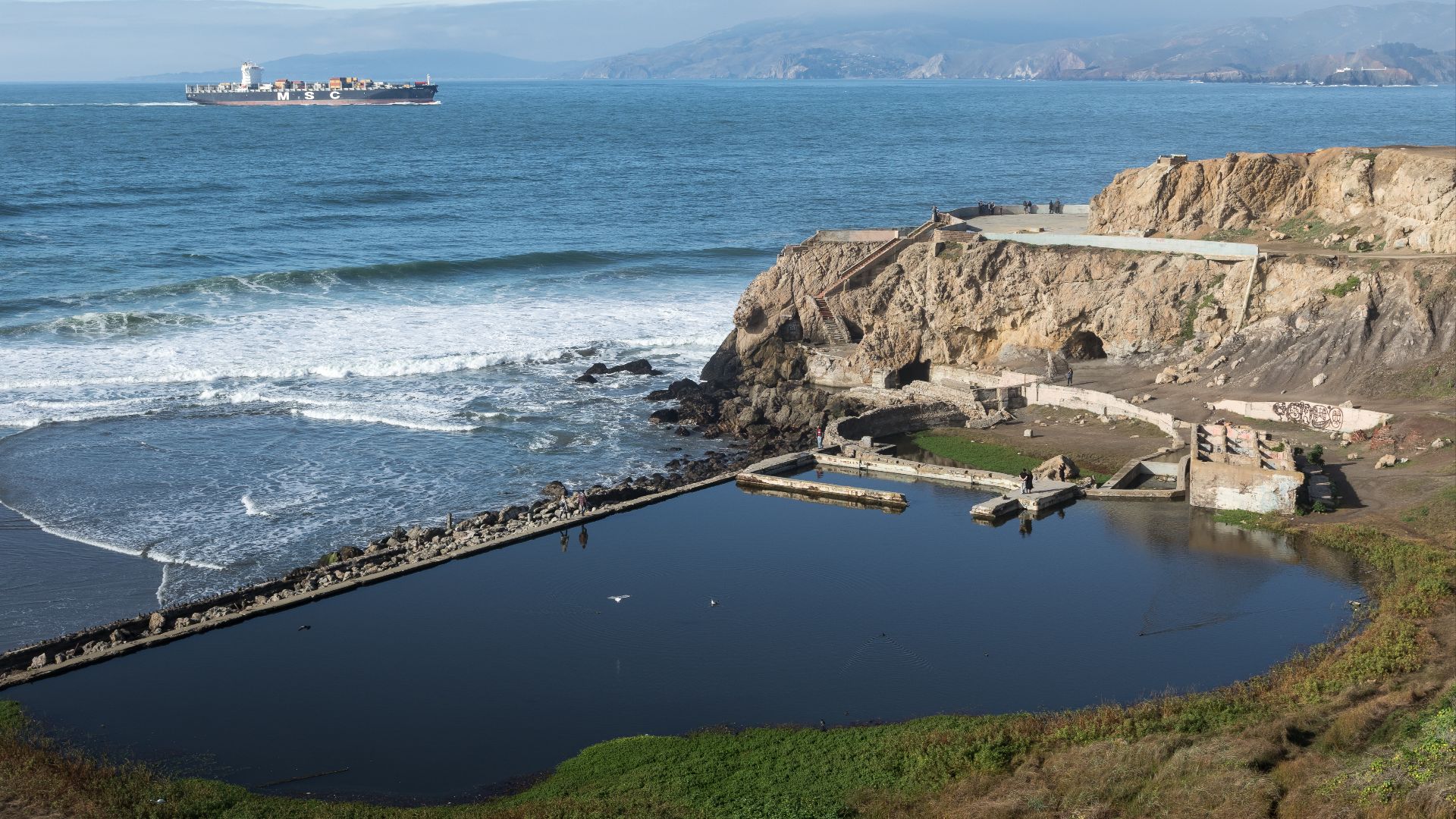 Frank Schulenburg, Wikimedia Commons
Playland At The Beach Was A San Francisco Favorite
San Francisco's Ocean Beach once featured an amusement district filled with rides, arcade games, and attractions. Playland at the Beach grew into a popular destination as streetcars and automobiles made coastal outings more accessible. Families could combine a trip to the ocean with mechanical rides and other amusements. The area represented an era when a city's own waterfront could provide an entire day's vacation entertainment.
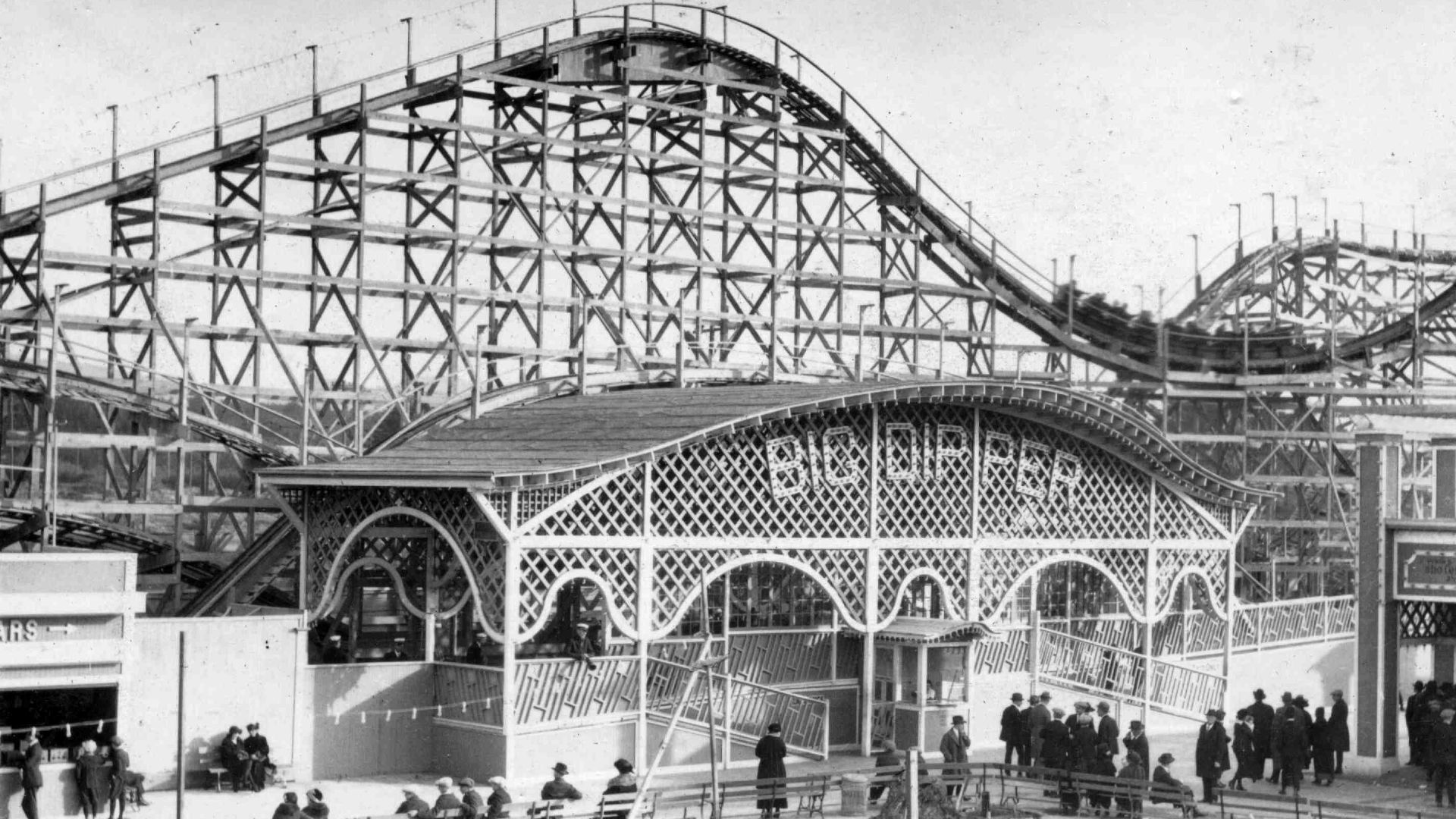 Smith, James R., Wikimedia Commons
Playland Could Not Escape Changing Times
By the 1950s, many of San Francisco's aging seaside attractions were experiencing declining popularity. Playland belonged to a generation of amusement parks that faced competition from newer entertainment experiences. The once-bustling attraction was eventually demolished in 1972, ending a significant chapter in the city's recreational history. The surrounding shoreline survived, but the amusement park that helped define it disappeared.
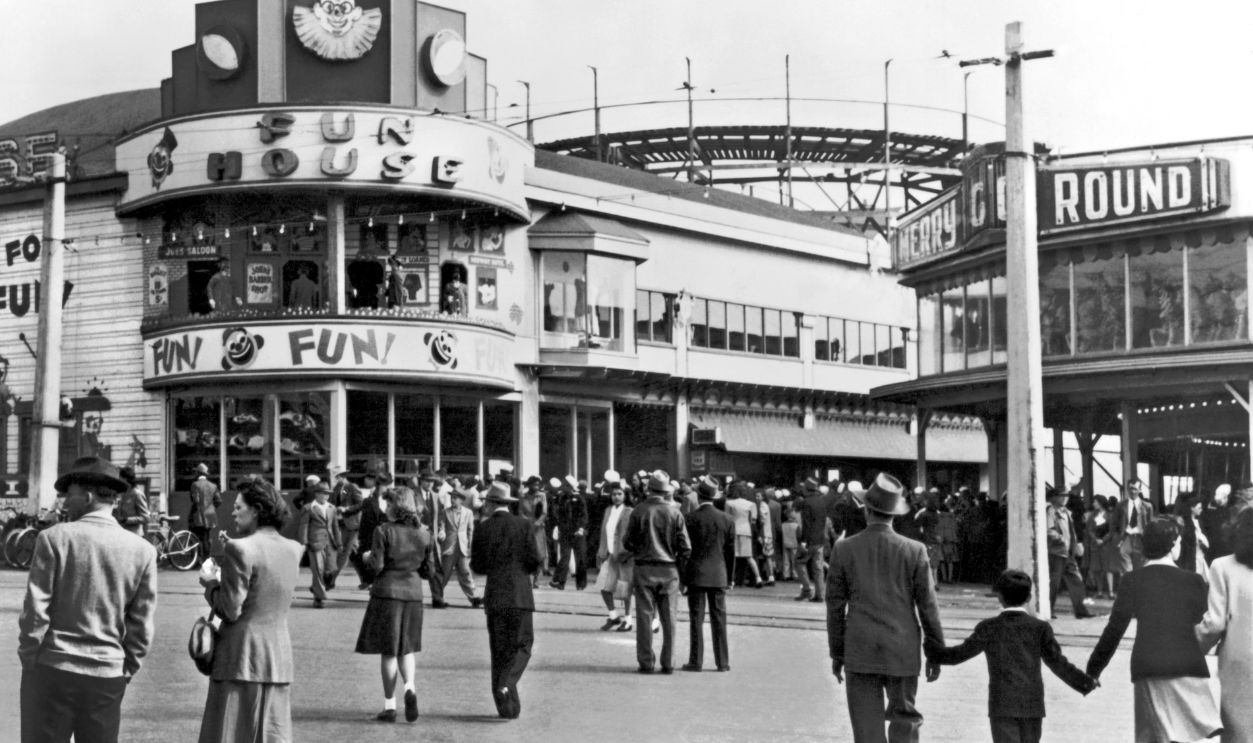 Underwood Archives, Getty Images
Glen Echo Was Washington's Favorite Escape
Just outside Washington, D.C., Glen Echo Park became a major entertainment destination during the early twentieth century. A streetcar company purchased the property in 1911 and developed it into a popular amusement park designed to attract passengers. Visitors enjoyed attractions including a carousel, roller coaster, bumper cars, and swimming facilities. For decades, the park provided an accessible getaway for families seeking entertainment close to the capital.
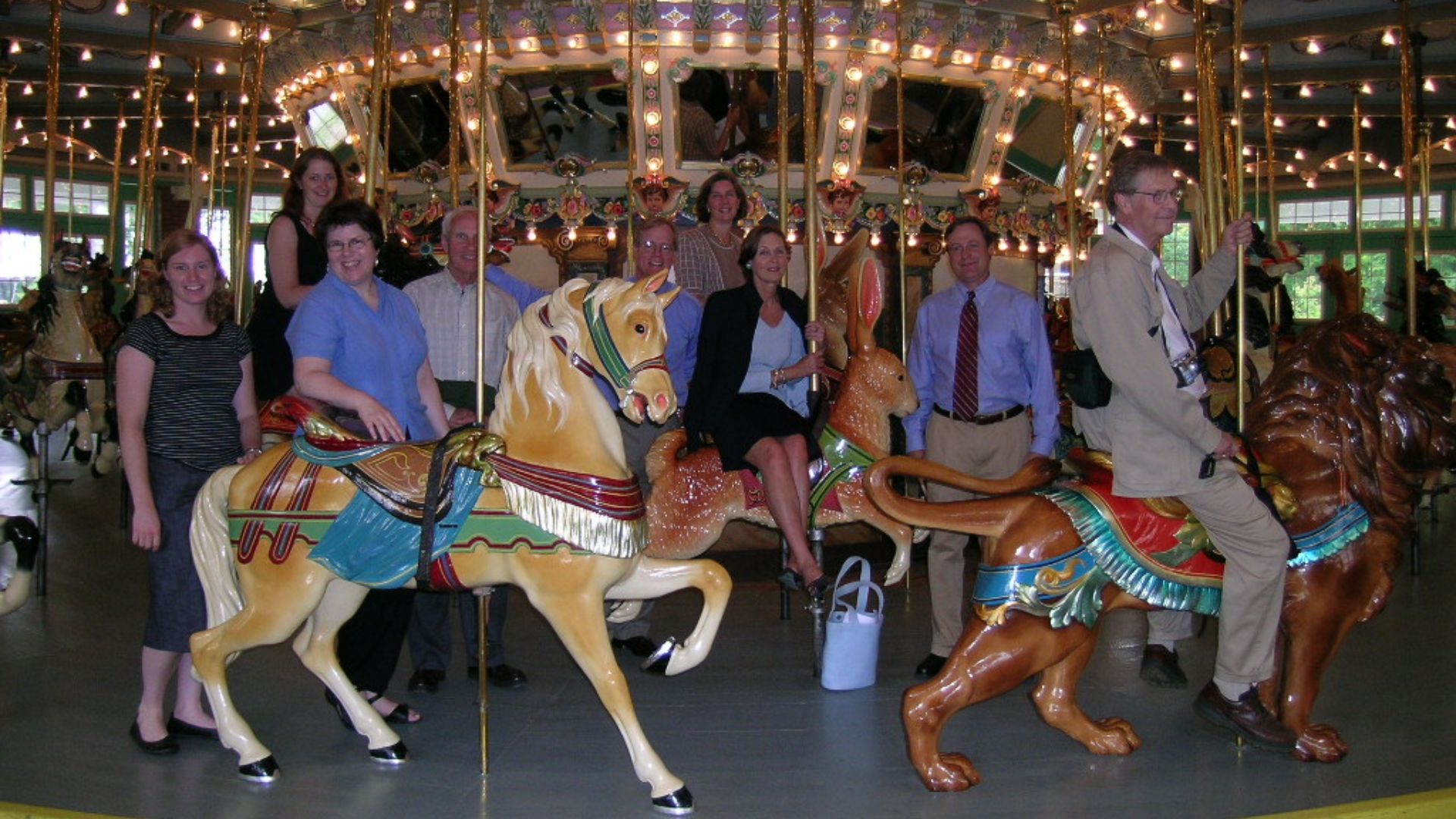 Preservation Maryland, Wikimedia Commons
The Trolley Park Lost Its Crowds
Glen Echo's fortunes changed as automobiles allowed families to travel farther and modern theme parks gained popularity. The trolley serving the park stopped operating in 1960, removing an important connection to its original business model. The amusement park permanently closed in 1968 after years of declining profitability and changing visitor preferences. Today, the historic grounds serve as a cultural and recreational destination rather than the traditional amusement park remembered by earlier generations.
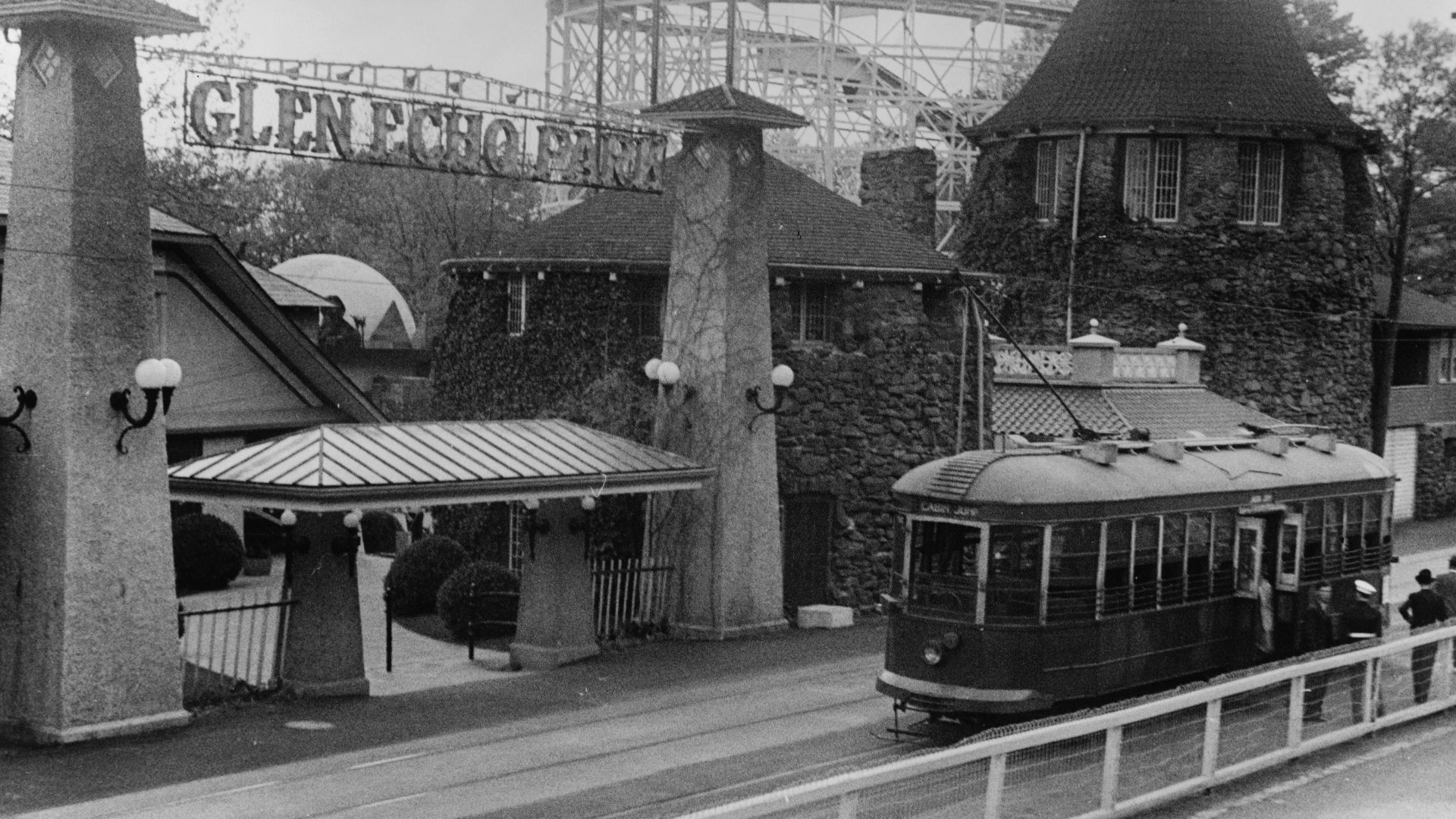 David Myers, Wikimedia Commons
Margate Once Defined The British Seaside Holiday
Margate, on England's Kent coast, helped establish the tradition of British seaside vacations. Its location along the Thames made it accessible to London holidaymakers, and the town became an early destination for middle-class visitors. Grand hotels, bathing facilities, and entertainment venues developed as its popularity increased. By the early twentieth century, Margate was competing with some of Britain's busiest coastal resorts.
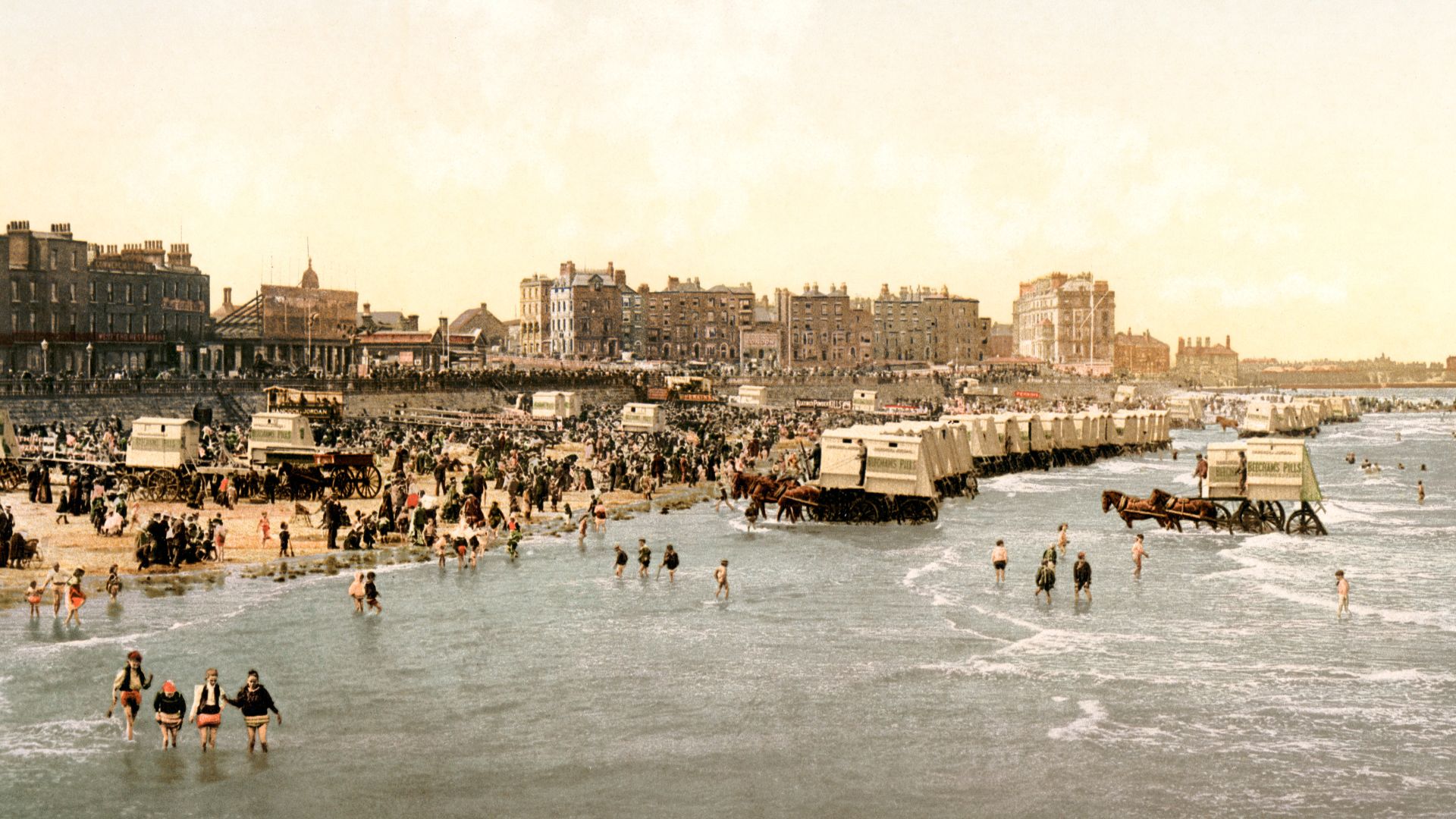 Detroit Publishing Co., under license from Photoglob Zürich, Wikimedia Commons
Cheap Overseas Holidays Changed Everything
Margate's traditional holiday economy began struggling as British travelers gained easier access to destinations abroad. By the later twentieth century, affordable overseas vacations and changing leisure preferences had weakened the appeal of many English seaside towns. Margate experienced particularly serious economic decline, leaving parts of its historic resort landscape struggling. Cultural investment, including the Turner Contemporary gallery, later helped attract new visitors, although the town's old mass-tourism identity had changed considerably.
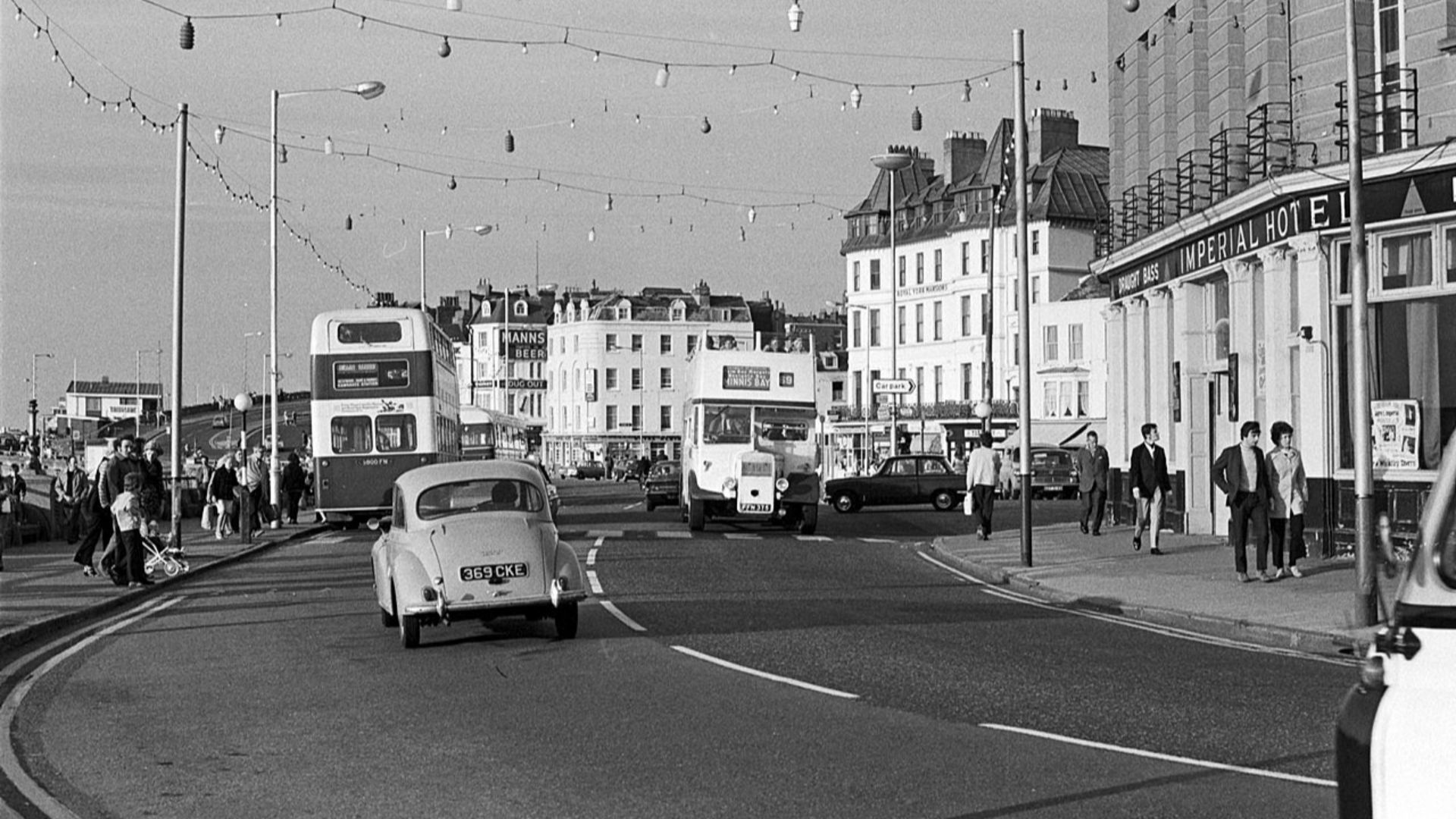 Alan Murray-Rust , Wikimedia Commons
Cliftonville Was Once A Fashionable Coastal Address
Cliftonville, a district of Margate, developed into one of England's most exclusive seaside resort areas before the First World War. Elegant Victorian houses and hotels accommodated visitors who wanted comfortable surroundings near the coast. Dalby Square became part of this fashionable landscape after the Cliftonville Hotel opened in 1868. The neighborhood's popularity reflected the enormous importance of domestic seaside holidays during the Victorian and Edwardian periods.
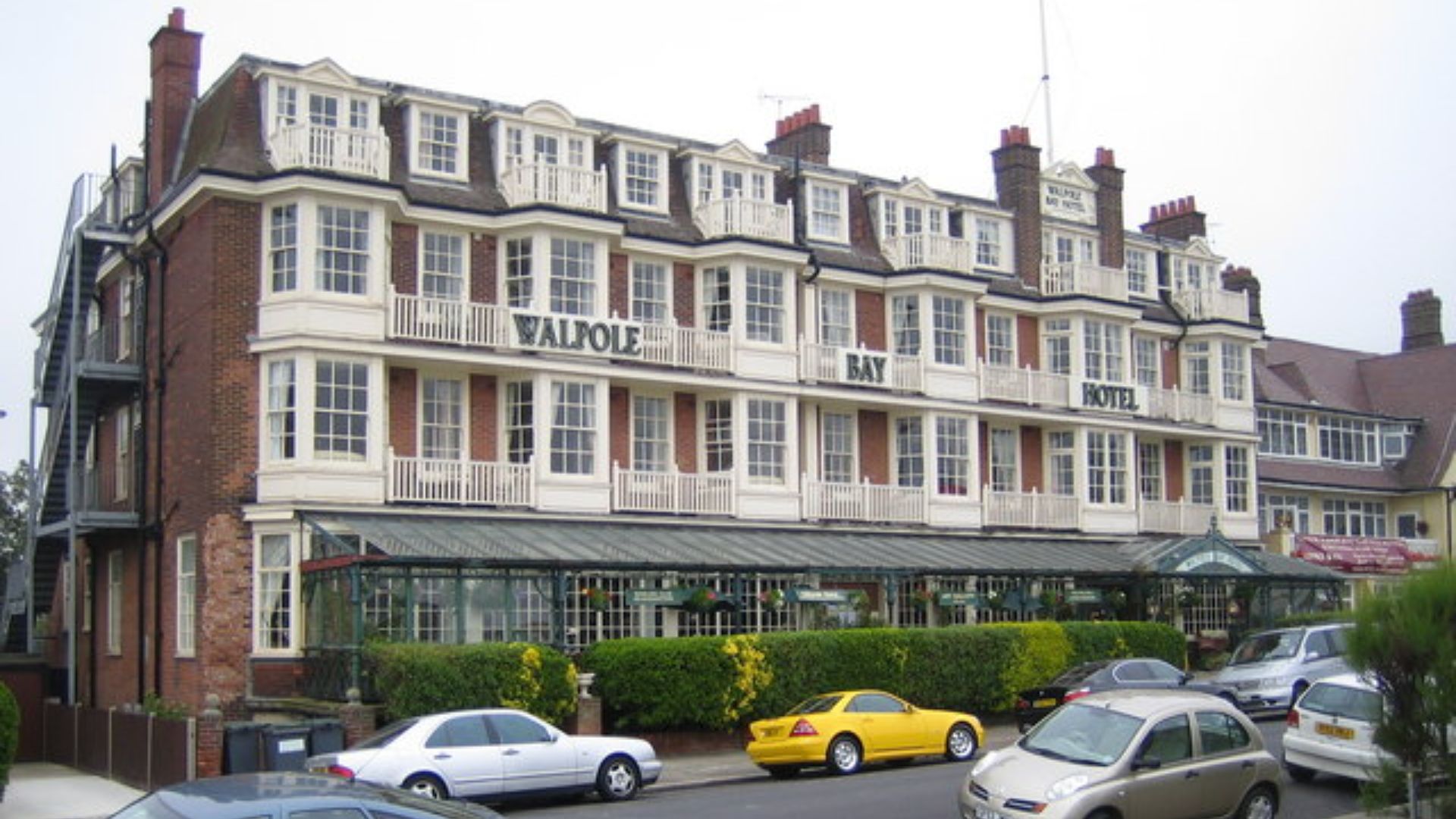
Its Grand Hotels Gradually Disappeared
Cliftonville began declining during the years between the world wars, and wartime damage further affected the district. The Cliftonville Hotel was demolished during the 1960s, removing an important landmark from its resort past. As Britain's holiday market weakened during the 1970s, many large houses were converted into bedsits, hostels, and care homes. The neighborhood's surviving Victorian architecture now offers reminders of a much more fashionable vacation era.
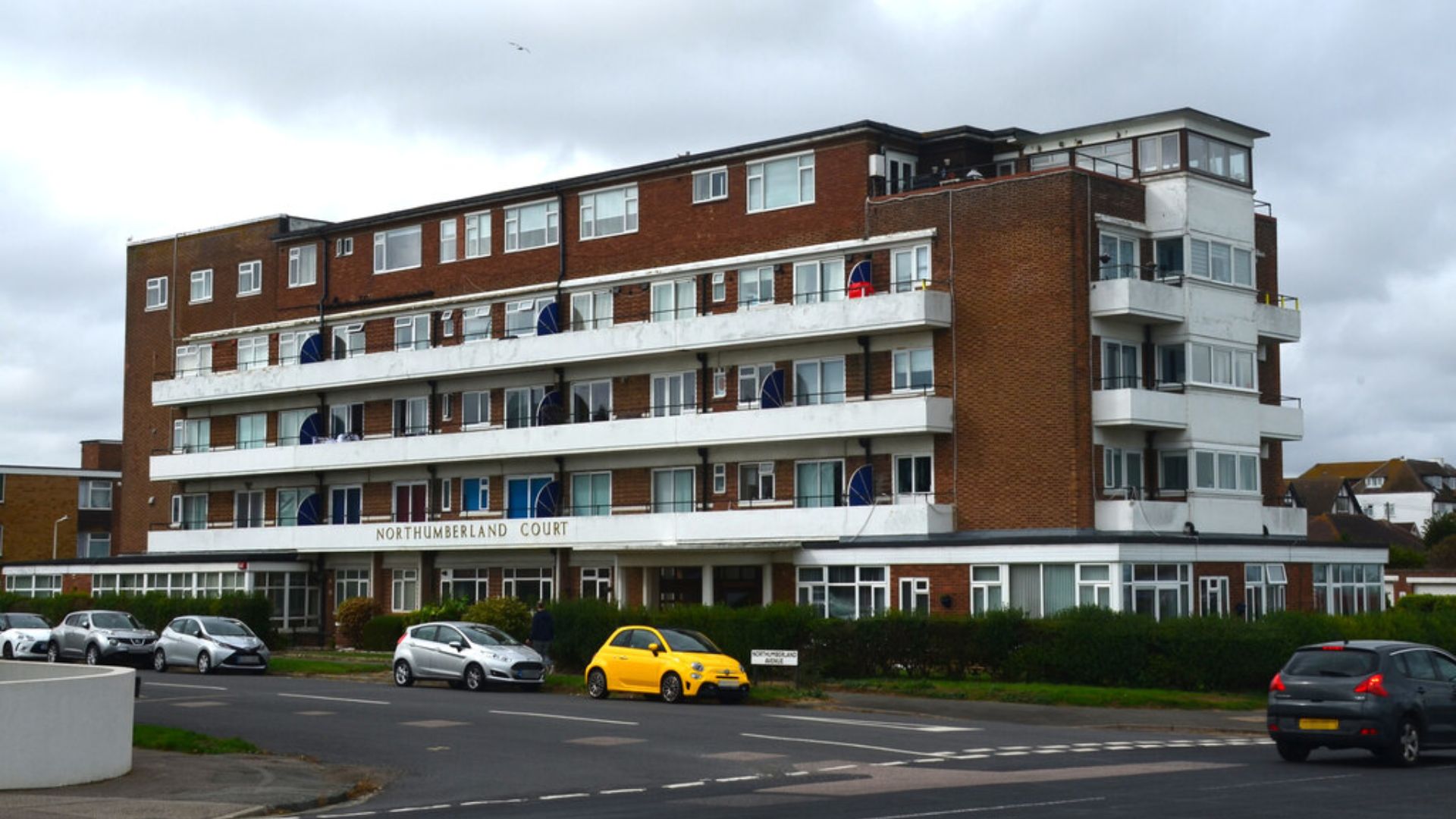 Rod Grealish , Wikimedia Commons
Morecambe Was Once A Seaside Showpiece
Morecambe, on England's northwest coast, was part of the great British seaside holiday tradition. Its waterfront featured promenades, entertainment venues, swimming facilities, and the striking Midland Hotel. Opened in 1933, the Midland became an architectural landmark thanks to its distinctive curved Art Deco design. Historic aerial photographs reveal a resort built around the expectation that visitors would arrive to enjoy extended stays by the sea.
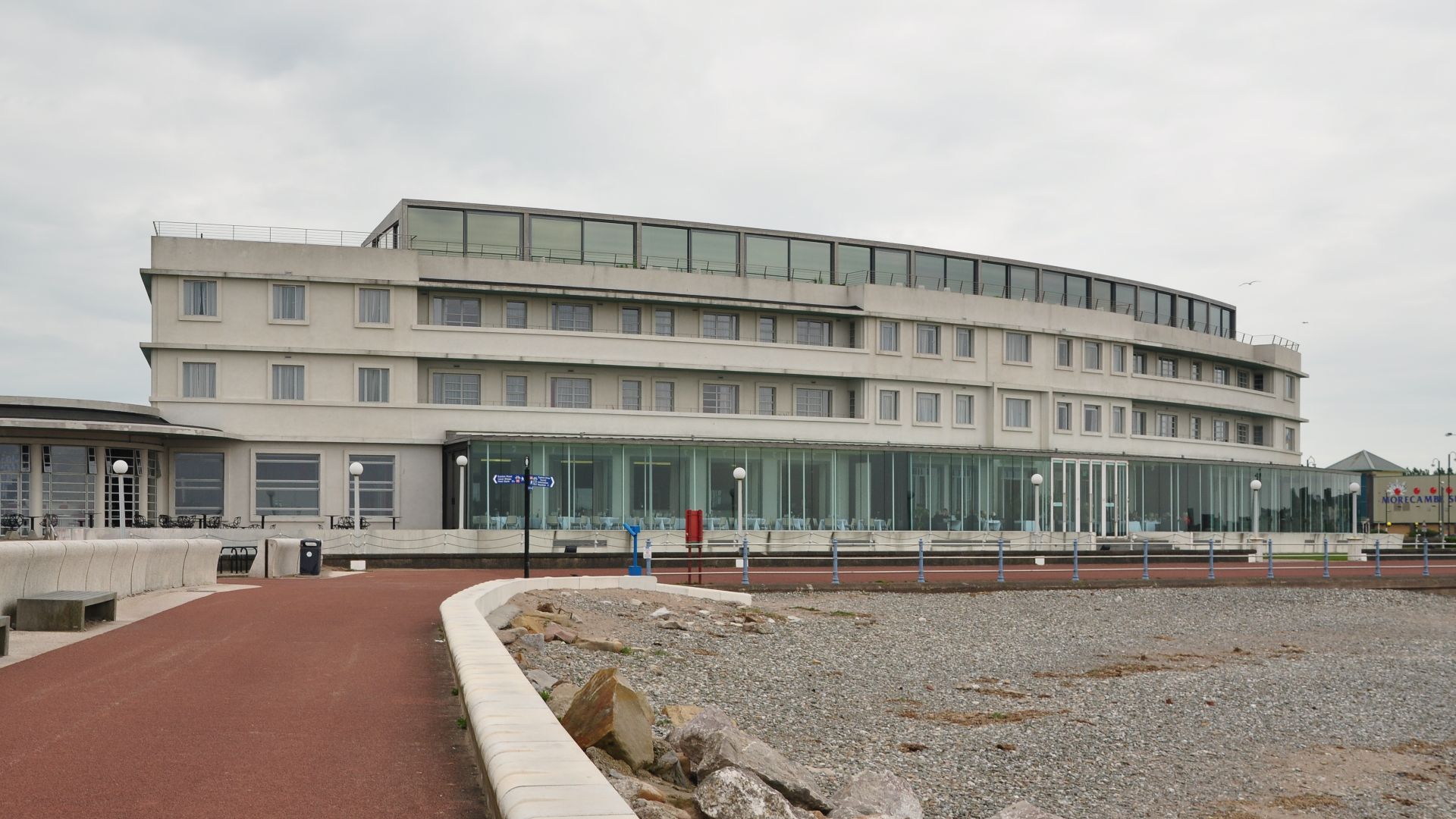
Morecambe Had To Find A New Identity
Morecambe became one of the English seaside resorts facing particularly severe economic difficulties as traditional holiday patterns changed. Efforts to revitalize the waterfront included public improvements and renewed attention to the town's distinctive heritage. The restoration of the Midland Hotel helped demonstrate how historic attractions could contribute to regeneration. Although Morecambe remains a coastal destination, its future increasingly depends on a different kind of visitor from those who supported its earlier resort economy.
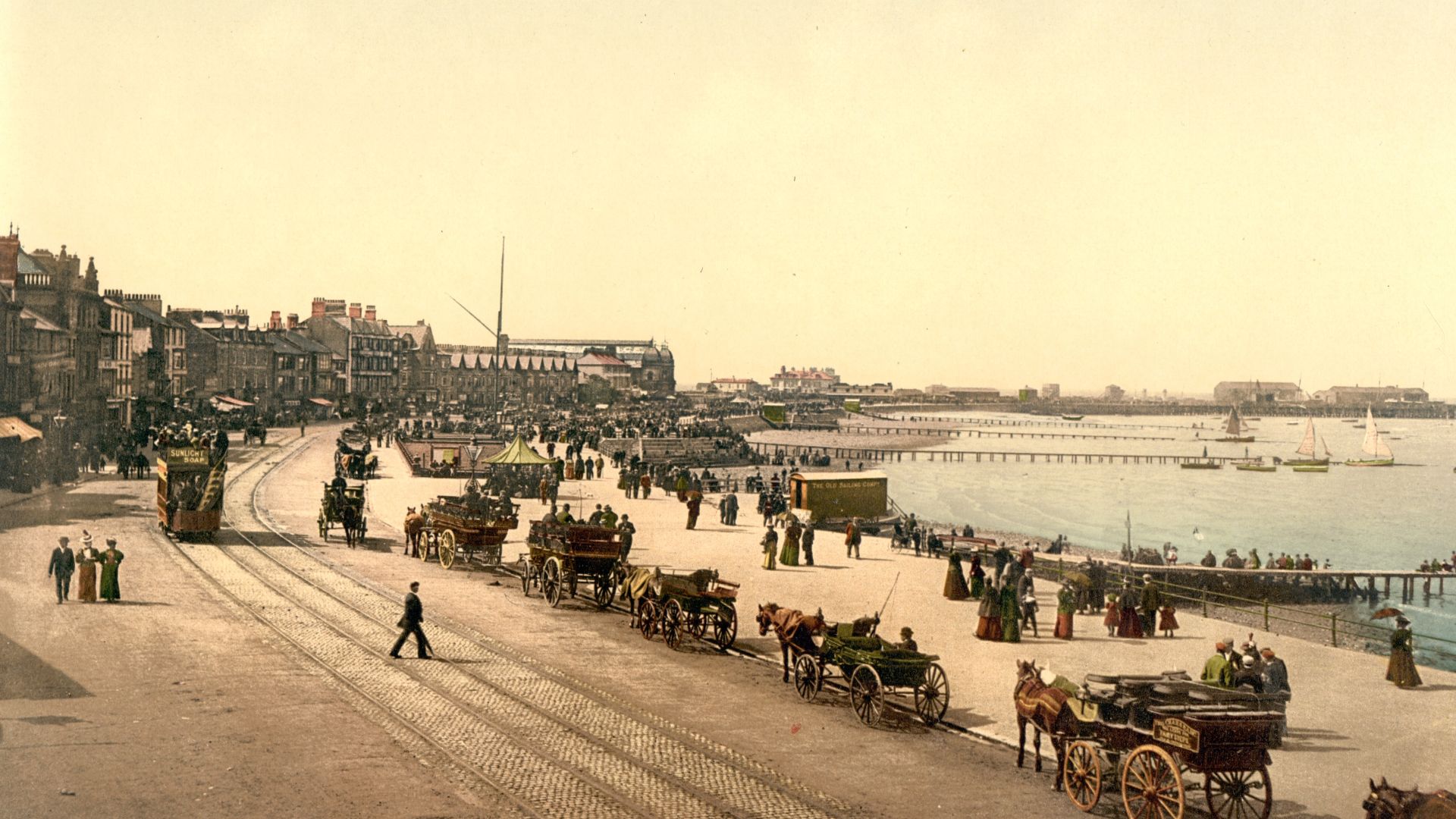 Photochrom Print Collection, Wikimedia Commons
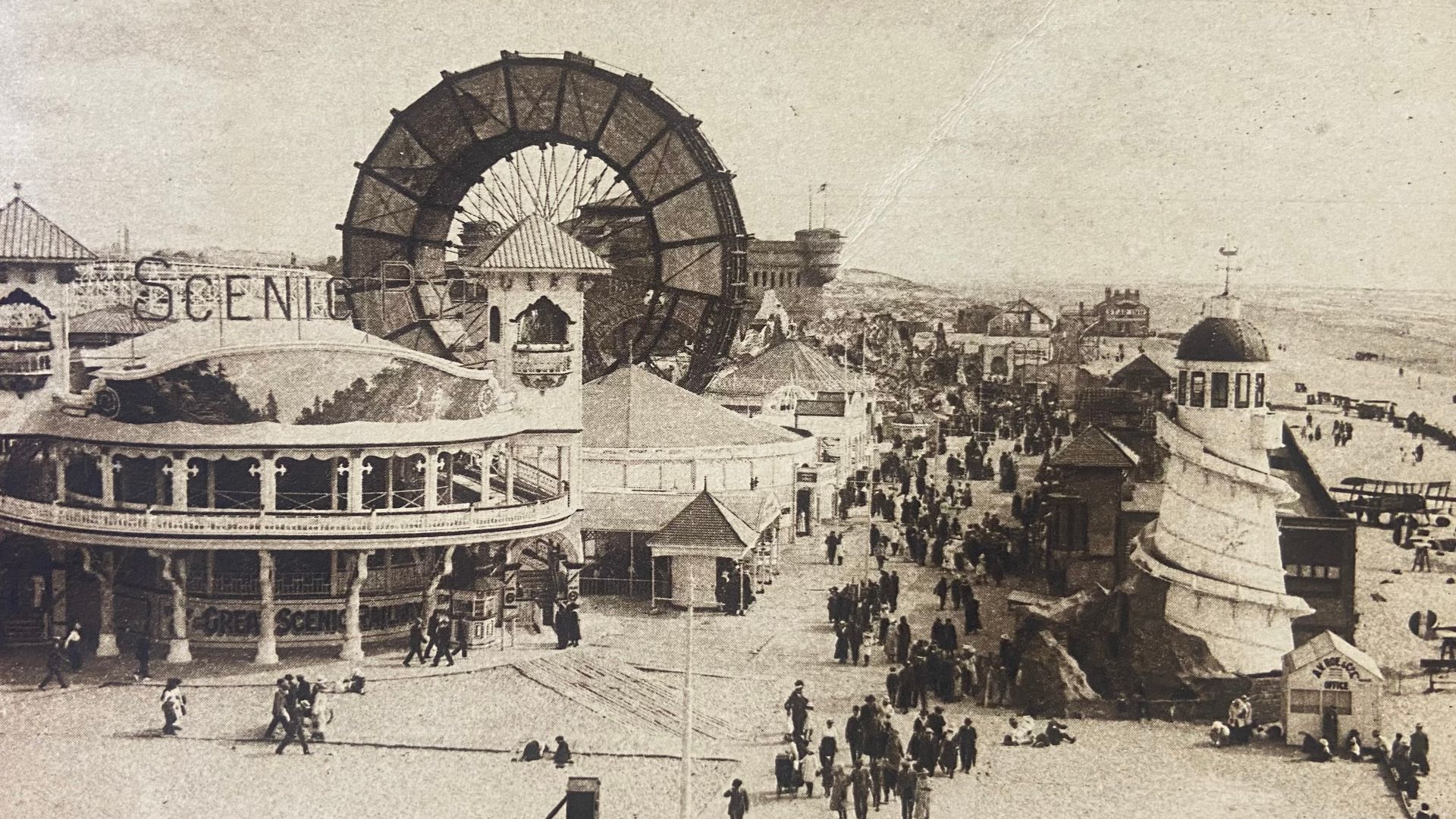
Blackpool Was The Ultimate British Holiday Town
For generations, Blackpool was one of Britain's most recognizable seaside vacation destinations. Its attractions included the famous Pleasure Beach, where Britain's first enclosed amusement park was established in 1905. During the twentieth century, the town's entertainment facilities helped make it a major destination for domestic holidaymakers. Its reputation reflected an era when British families frequently chose seaside resorts over international travel.
 Unknown authorUnknown author, Wikimedia Commons
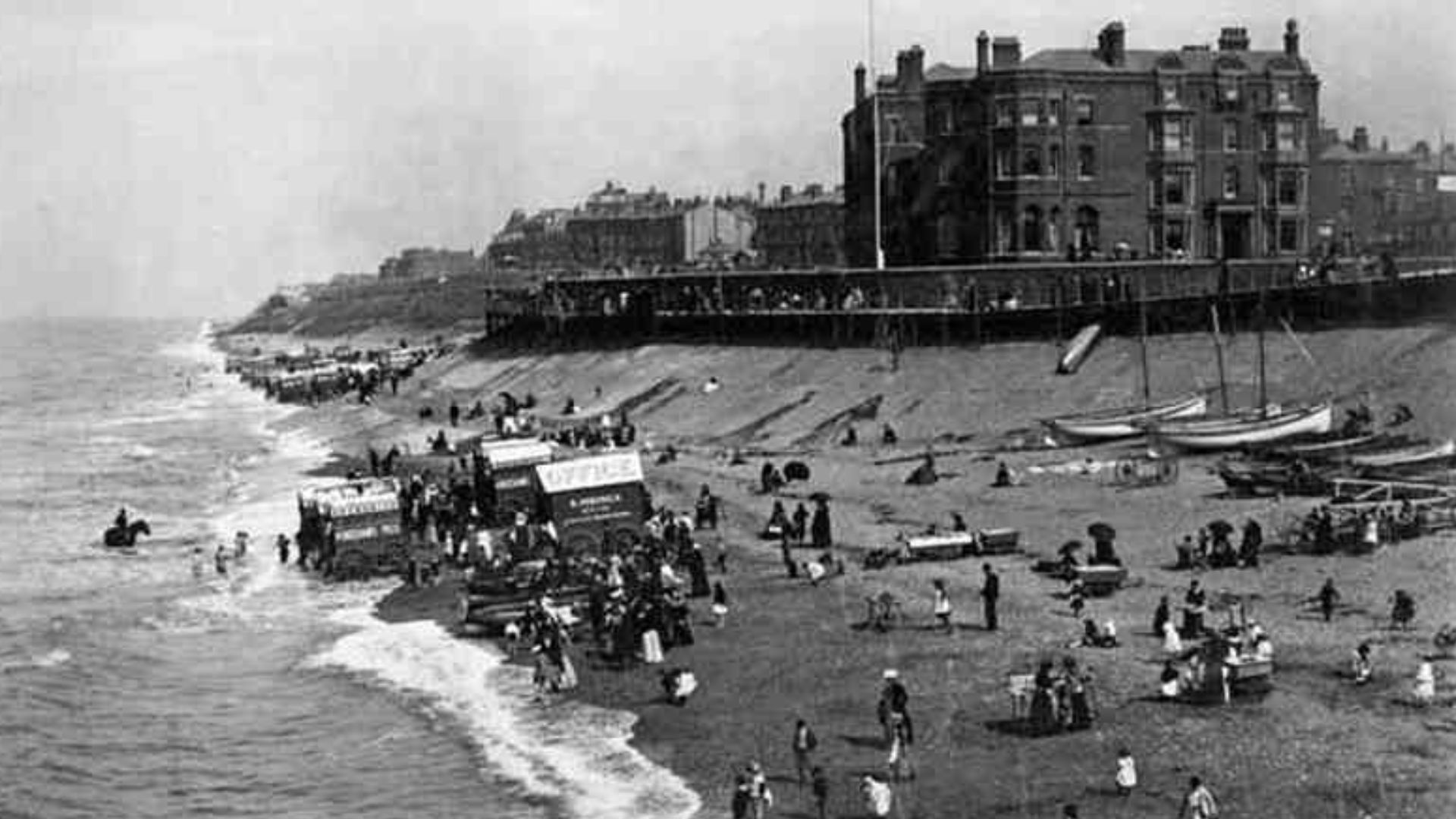
Even Blackpool Could Not Avoid The Decline
Blackpool experienced a sharp drop in visitor numbers during the later twentieth century as traditional seaside tourism lost ground. Historic England identifies the town as one of the resorts affected by major economic and social challenges. Unlike some vanished holiday destinations, however, Blackpool retained important attractions and achieved a measure of recovery. Its story demonstrates that a resort can survive while losing the extraordinary dominance it once enjoyed.
 Unknown authorUnknown author, Wikimedia Commons
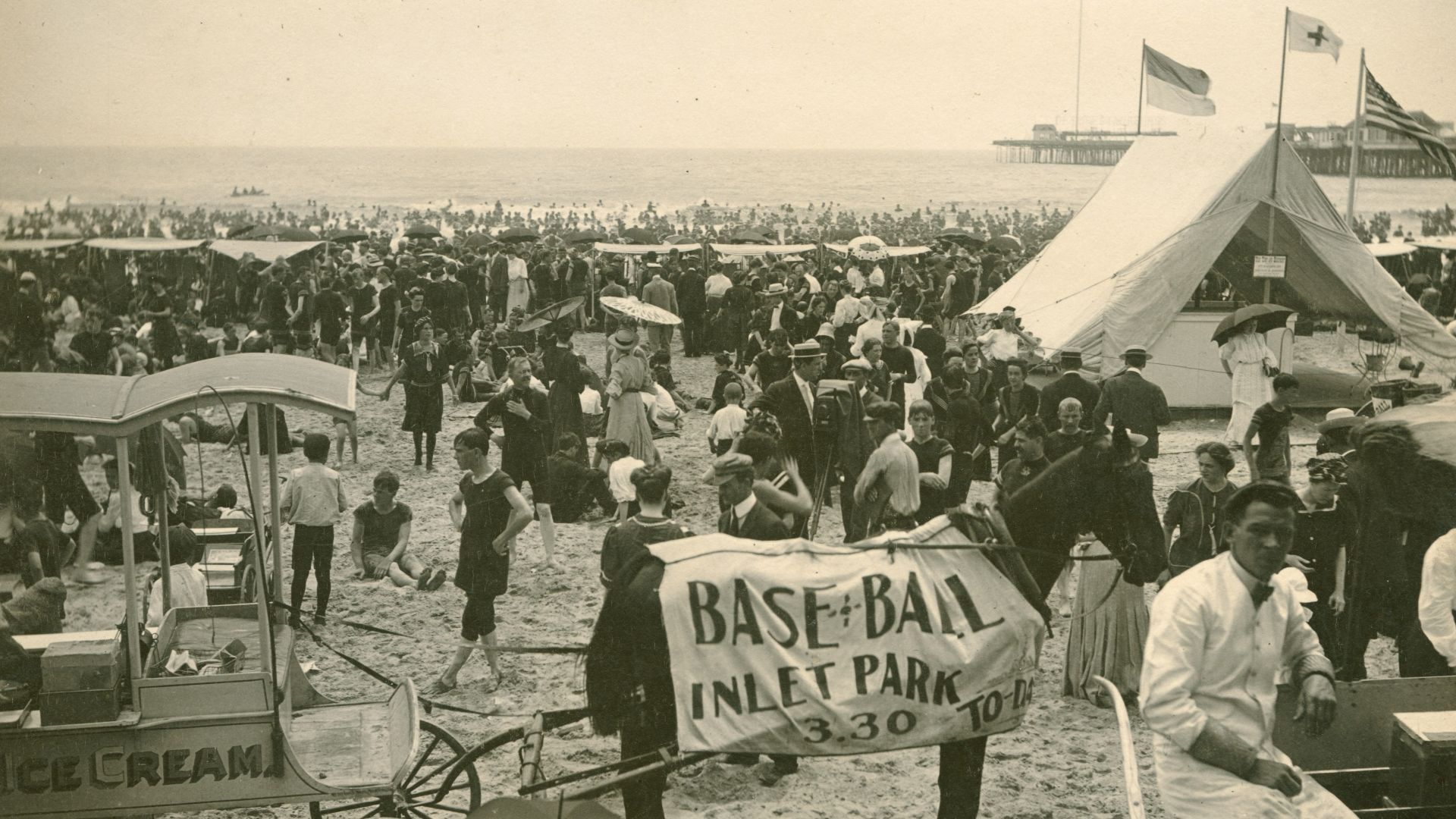
Atlantic City Was Once America's Seaside Showpiece
Before casinos became central to its identity, Atlantic City was celebrated for its beaches, boardwalk, luxury hotels, and nightlife. The New Jersey destination developed into one of the East Coast's most popular seasonal resorts during the late nineteenth and early twentieth centuries. Grand accommodations attracted vacationers seeking entertainment and relaxation along the Atlantic Ocean. Its thriving tourism economy also supported hotels and businesses serving African American travelers during the era of segregation.
 Detroit Publishing Co., publisher, Wikimedia Commons
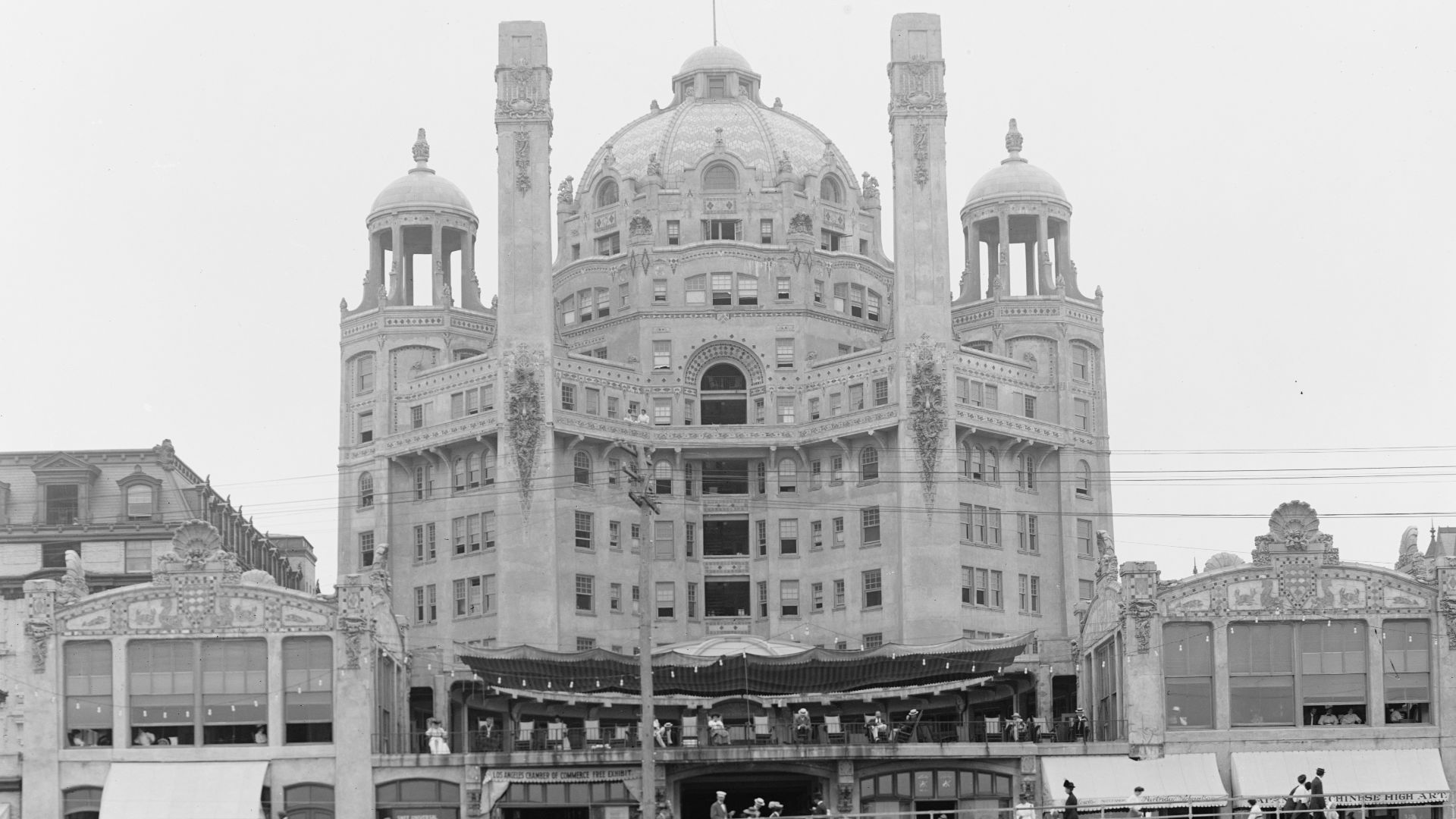
Atlantic City's Grand Hotels Began Vanishing
Atlantic City's traditional tourism industry struggled during the 1950s and 1960s, leaving numerous historic hotels financially vulnerable. Some deteriorated while others were demolished, including the famous Traymore Hotel in 1972. New Jersey legalized casino gambling in Atlantic City in 1976, creating an opportunity for a different tourism economy. The city remained a destination, but much of the grand seaside resort landscape that once defined it disappeared.
 unknown photographer, Detroit Publishing Co. , publisher, Wikimedia Commons
Wildwood Was A Midcentury Vacation Paradise
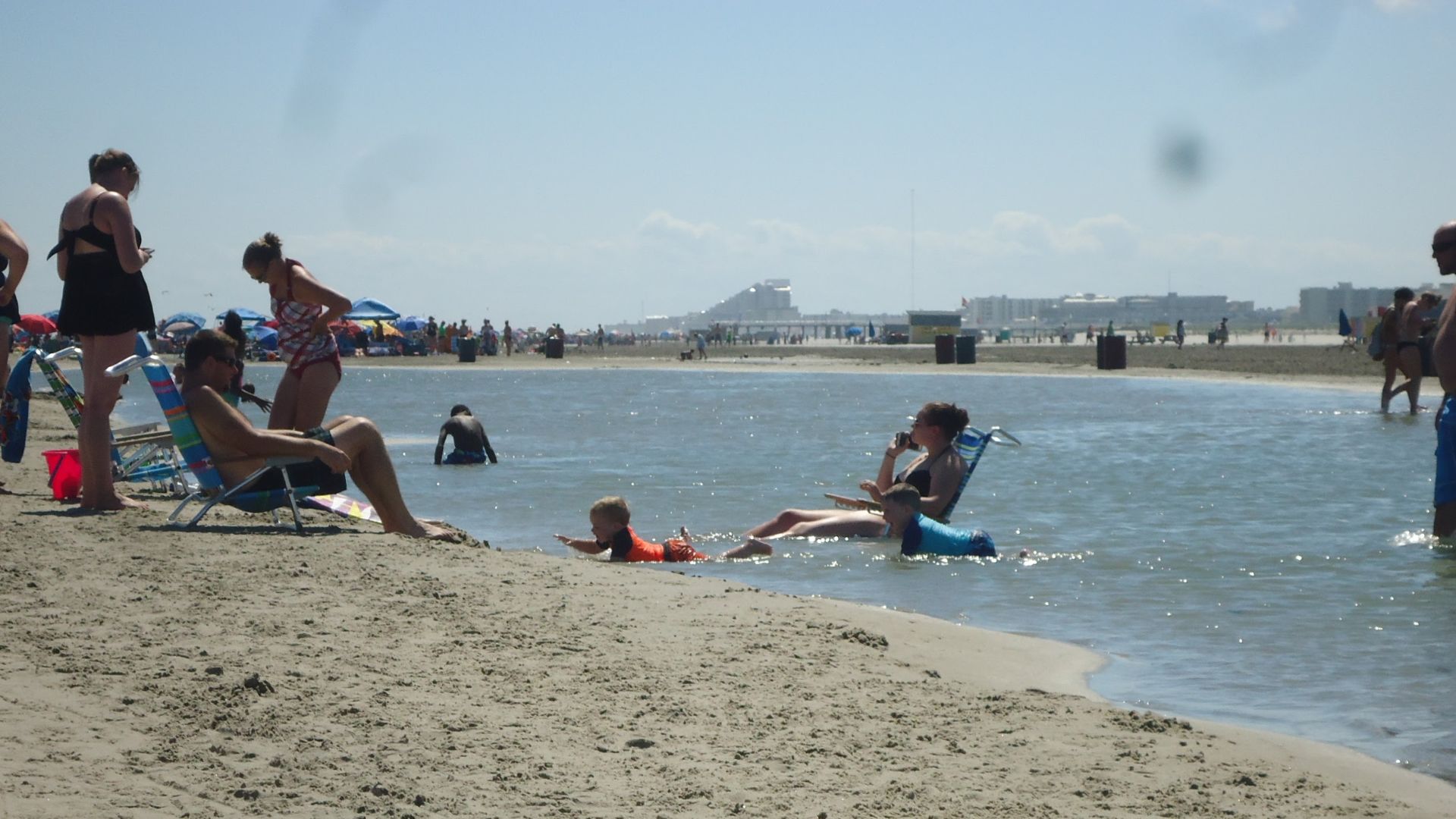
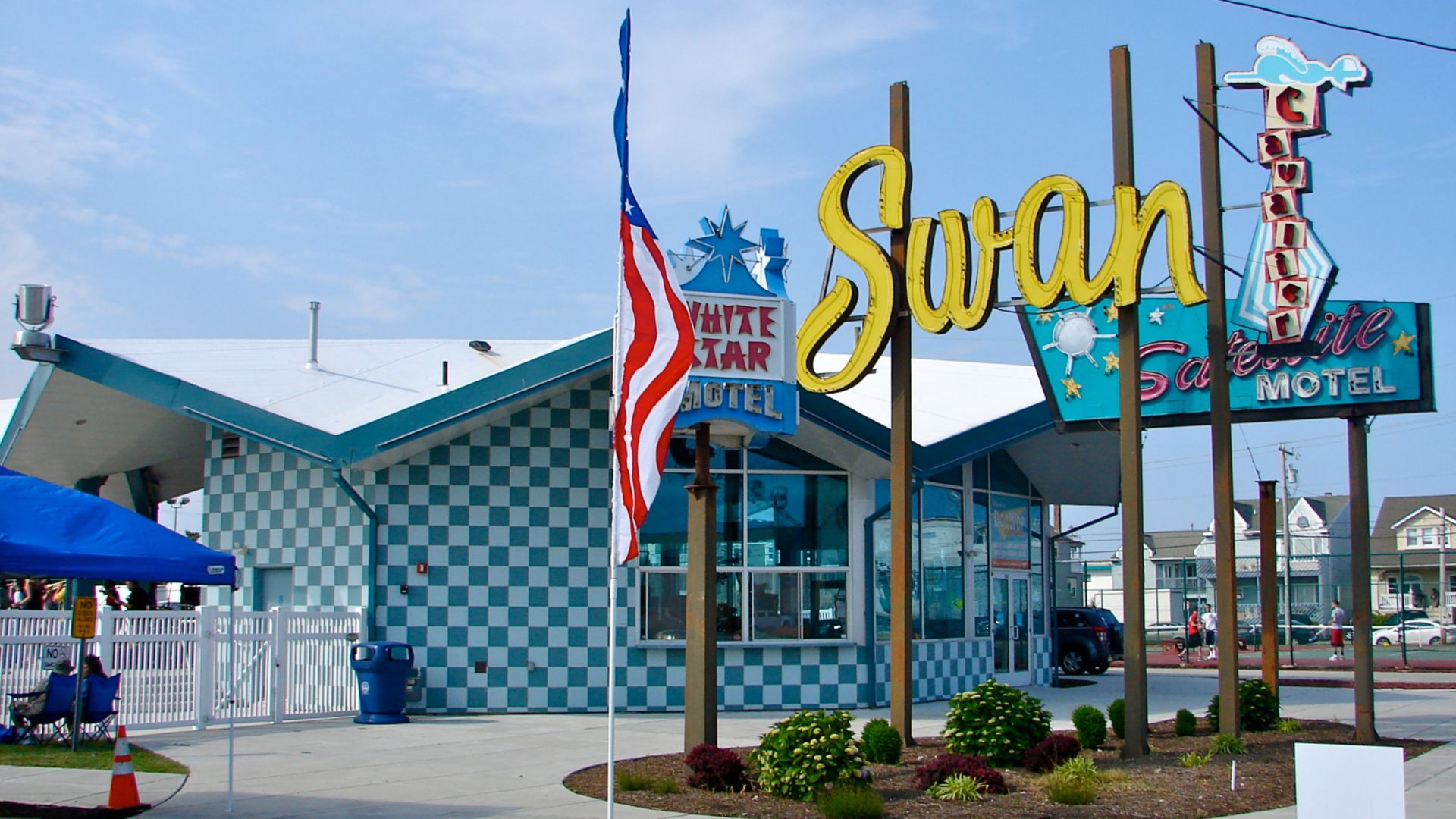
Wildwood, New Jersey, became a major summer destination during the years following World War II. Families flocked to its beaches, boardwalk attractions, and rapidly expanding collection of motels. The resort's postwar popularity produced enormous holiday crowds, including an estimated 300,000 visitors during the July Fourth holiday in 1952. Its distinctive motel architecture became a lasting reminder of America's automobile-centered vacation culture.
Wildwood's Golden Age Eventually Faded
Wildwood's tourism industry began experiencing serious challenges during the late 1960s and 1970s. Competition from larger theme parks, concerns about coastal pollution, and economic difficulties all contributed to declining business. Atlantic City's casino development also attracted entertainers and visitors who might previously have vacationed elsewhere along the Jersey Shore. Many of Wildwood's historic motels survived the downturn, preserving an architectural record of its earlier popularity.
Niagara Falls Was Once The Ultimate Honeymoon Destination
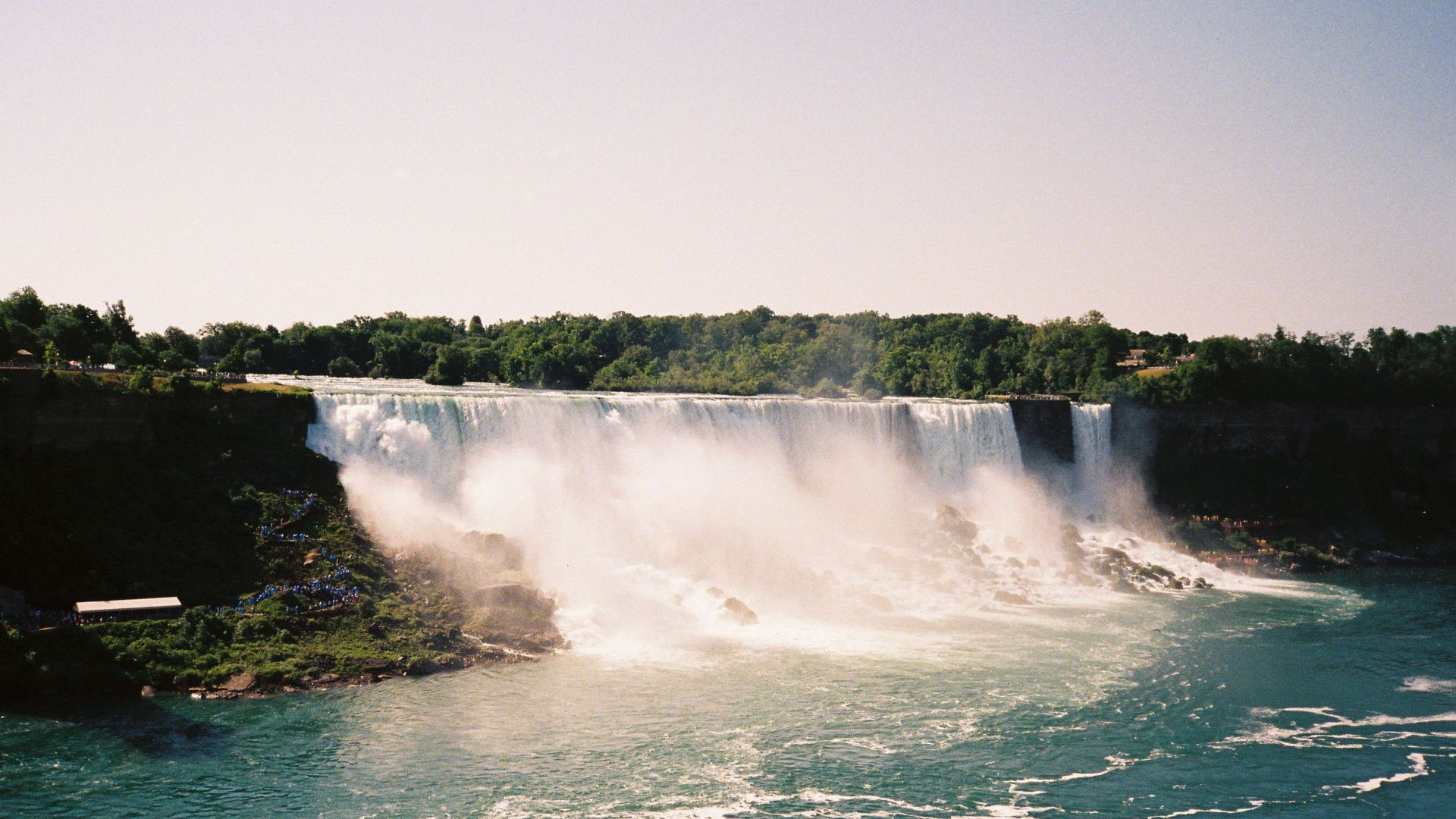
For generations, Niagara Falls occupied a special place in North American vacation culture, particularly among honeymooners. The spectacular waterfalls inspired an entertainment industry that combined natural scenery with hotels and visitor attractions. The destination became closely associated with romantic travel and the excitement of experiencing one of the continent's best-known natural wonders. Its popularity also encouraged the development of tourist attractions that helped shape later American amusement destinations.

The Honeymoon Capital Faced New Competition
By the 1960s, Niagara Falls was losing some of its traditional appeal as a honeymoon destination. More glamorous vacation options elsewhere competed for travelers, while the area's established attractions struggled to keep pace with changing expectations. Tourism officials eventually pursued new approaches, including casino development and improvements to natural and cultural attractions. Niagara Falls remains internationally famous, but the era when it dominated the North American honeymoon imagination has faded.
The Great Spa Towns Once Attracted Europe's Elite
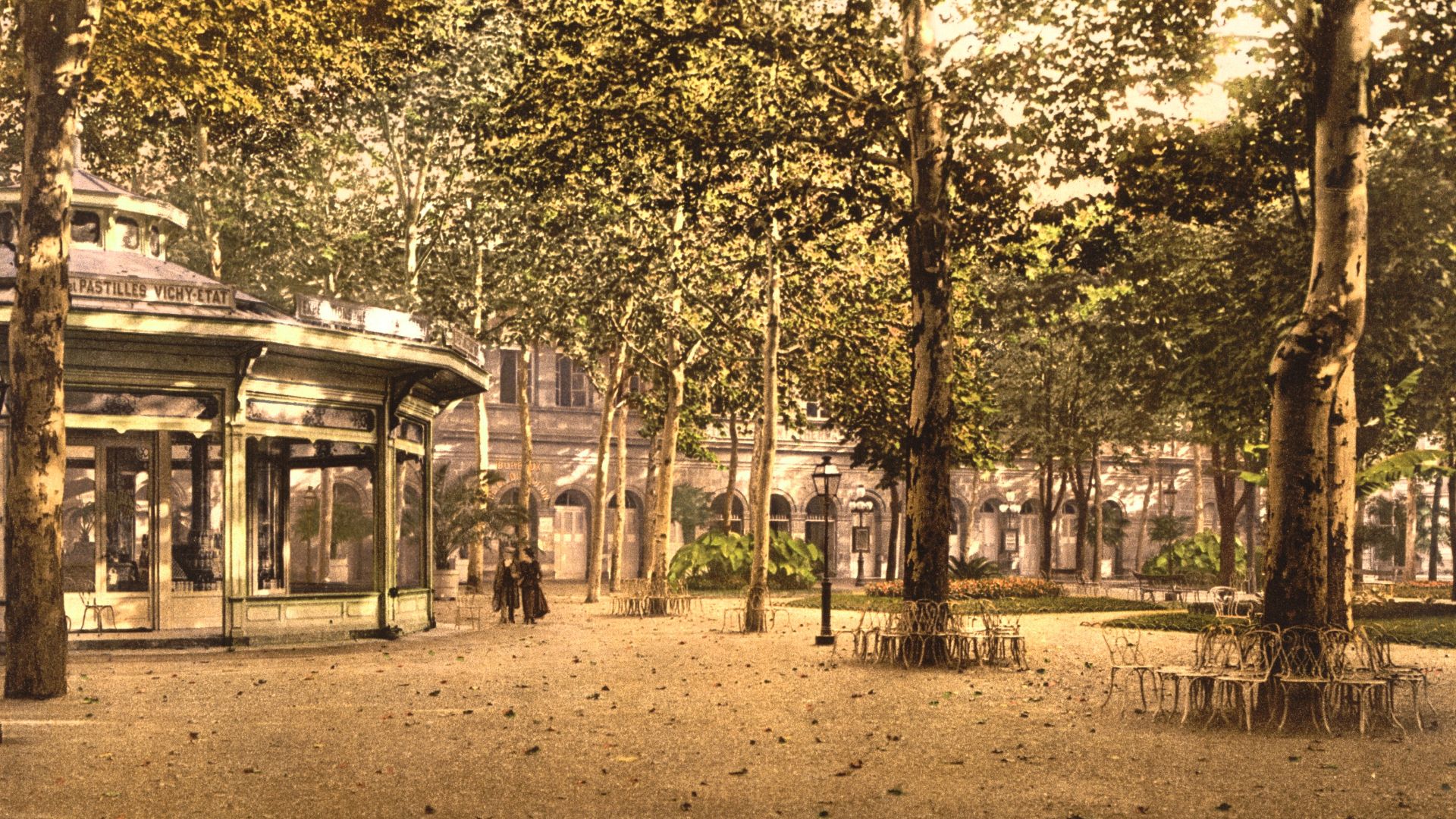
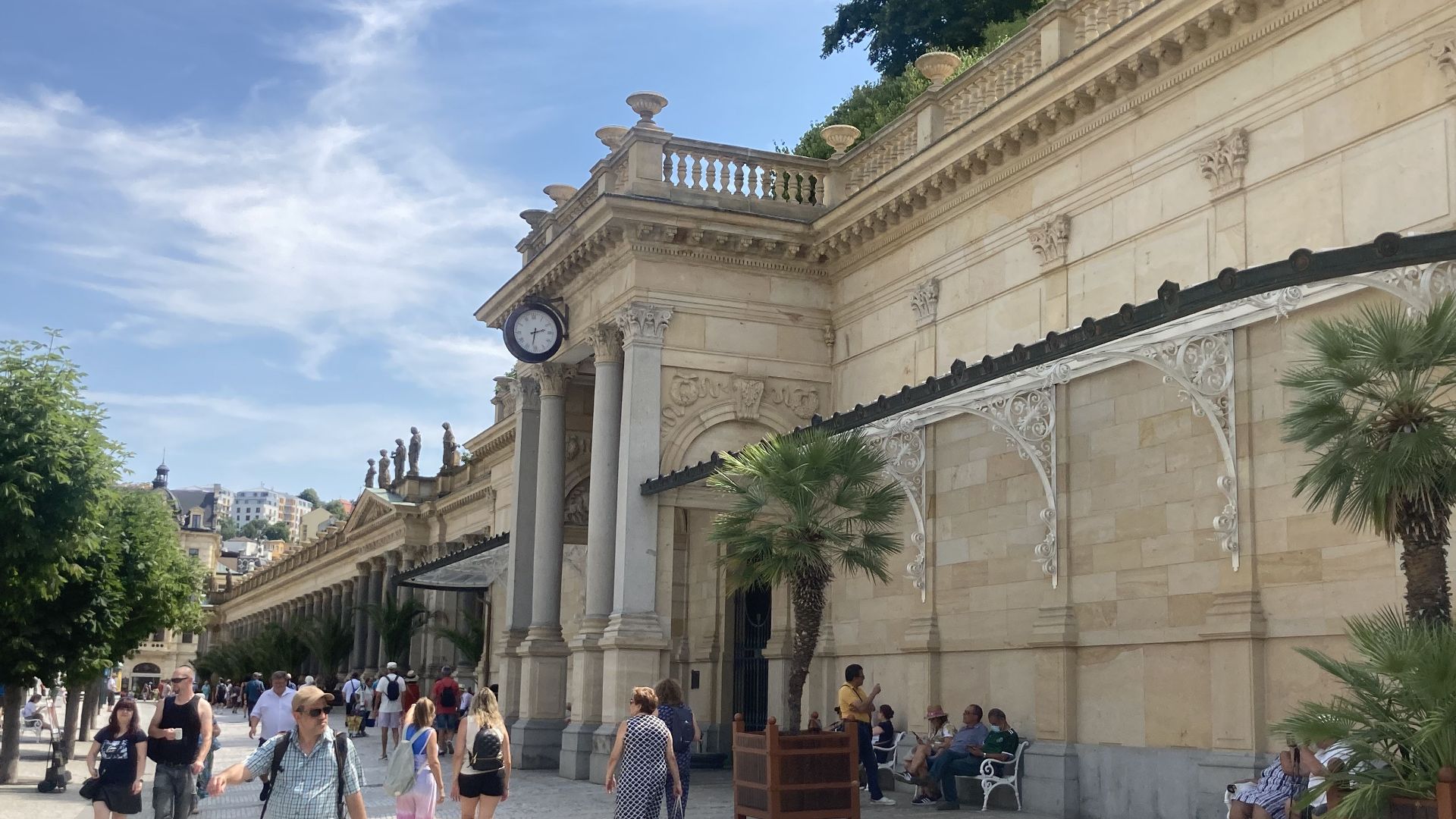
Before beach resorts and modern wellness hotels became widespread, Europe's fashionable spa towns were important international vacation destinations. Places such as Vichy, Baden-Baden, and Karlovy Vary developed elaborate facilities around their mineral springs. Visitors came to take therapeutic waters while enjoying theaters, gardens, casinos, elegant hotels, and sophisticated social gatherings. This distinctive resort culture reached its greatest prominence between the eighteenth century and the 1930s.
 Photochrom Print Collection, Wikimedia Commons
Their Grand Resort Culture Became Historic Heritage
The elaborate traditions of Europe's spa towns gradually became associated with an earlier era of fashionable travel. Their historic buildings, bathing facilities, and promenades now help preserve a vacation culture that once shaped entire communities. In 2021, UNESCO recognized eleven European spa towns together as a World Heritage property, acknowledging their exceptional historical importance. These destinations still welcome visitors, but their greatest significance now extends beyond the elite therapeutic tourism that originally made them famous.
Yesterday's Vacation Paradise Can Become Tomorrow's Hidden Gem
The stories of these destinations reveal that even enormously popular vacation traditions can change within a few generations. Some places lost their famous hotels and amusement parks, while others adapted through preservation, cultural attractions, and new forms of tourism. Historic England's research shows that traditional seaside holidays have evolved as travelers increasingly favor shorter breaks and different experiences. For curious visitors, the surviving buildings and landscapes offer a chance to discover the vacation worlds that earlier generations considered unforgettable.

You May Also Like:
Things Americans Find Surprisingly Complicated About Traveling In Canada
Hotel Chains From The 1980s That Became American Road Trip Staples—And Are Now Long Gone