
A Test Of Courage
Some European foods sound like they were invented to test the courage of unsuspecting American tourists. Blood sausage? Cold fish? Cheese crawling with mold? Yet dishes that at first raise suspicion can turn into the most memorable meals of an entire vacation. From Scotland to Scandinavia, these 24 European specialties prove that sometimes the strangest-sounding foods deliver the biggest surprises—for those who have the stomach for them.
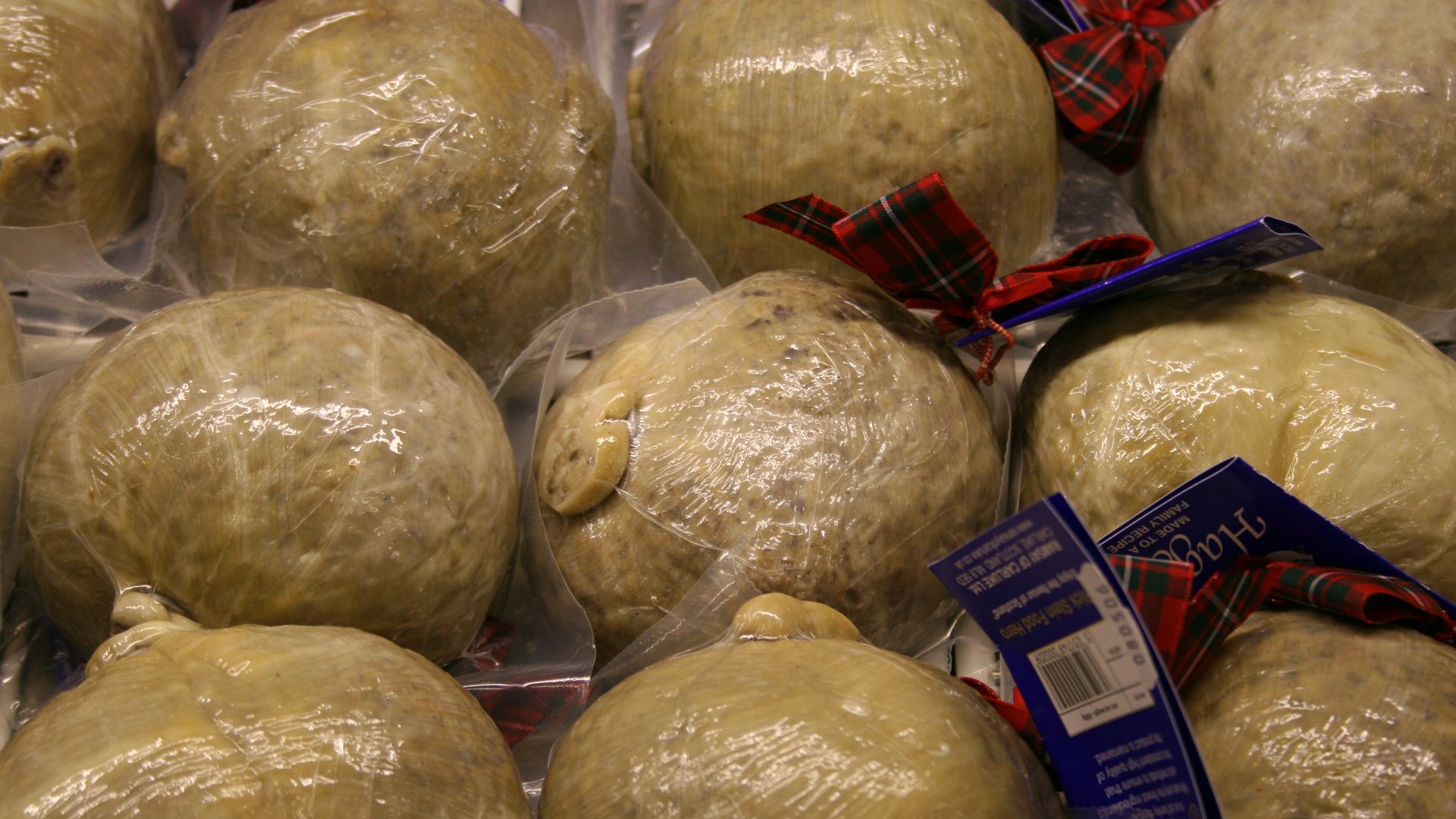
Haggis (Scotland)
A traditional Scottish dish made from sheep's offal, oatmeal, onions, and spices, haggis doesn't exactly sound like an easy sell. But Americans who try it often discover something closer to a rich, peppery sausage stuffing than the frightening delicacy they imagined. Served with mashed potatoes and turnips, it's hearty, savory, and surprisingly comforting.
 Chris Brown , Wikimedia Commons
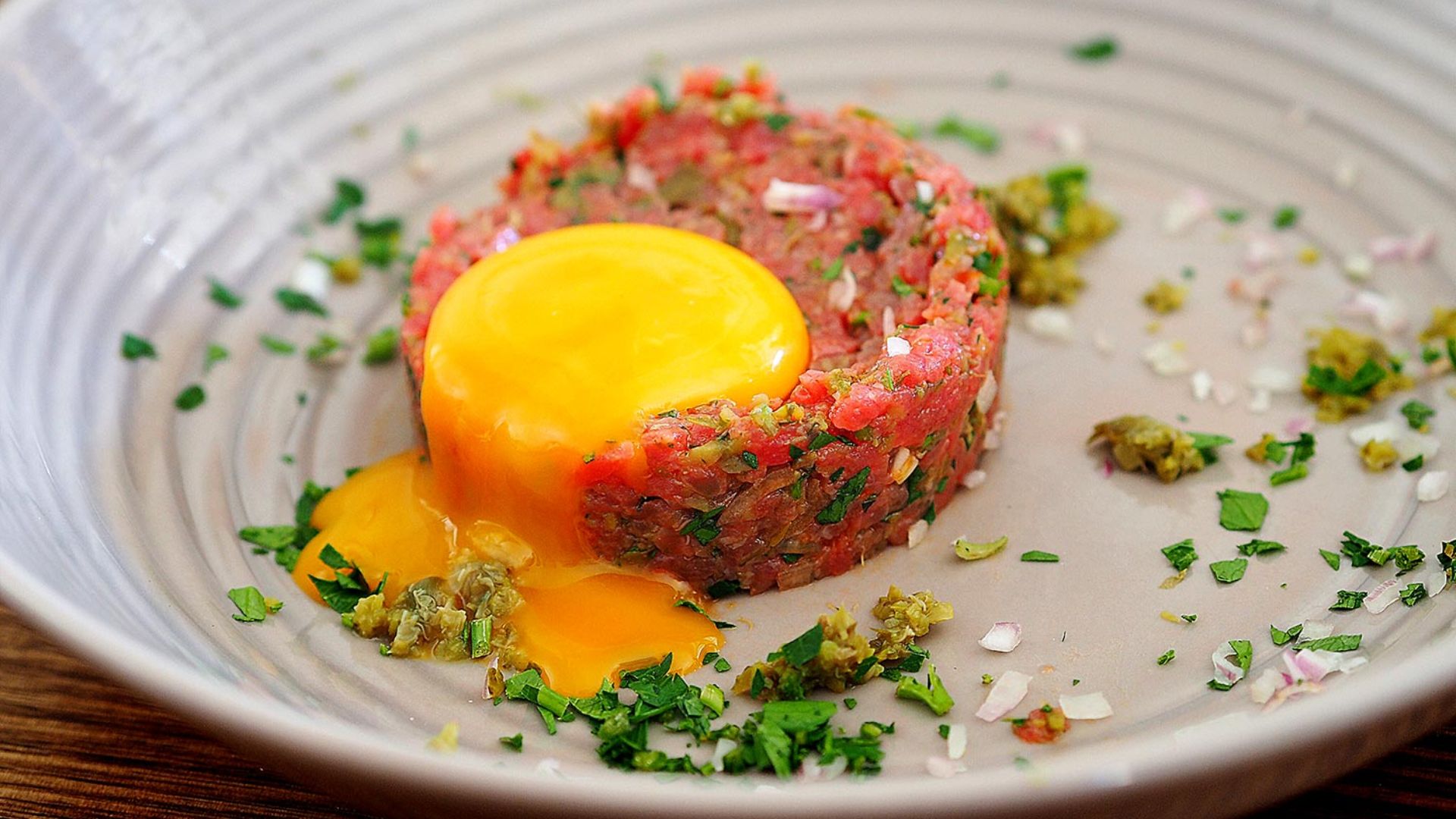
Steak Tartare (France)
Raw beef topped with a raw egg yolk? For Americans accustomed to cooking their burgers thoroughly, steak tartare can seem like a terrible idea. But properly prepared tartare, made with carefully handled beef, capers, mustard, and seasonings, offers a delicate texture and sophisticated flavor. It's a French bistro classic that can turn skeptics into enthusiasts.
 insatiablemunch, Wikimedia Commons
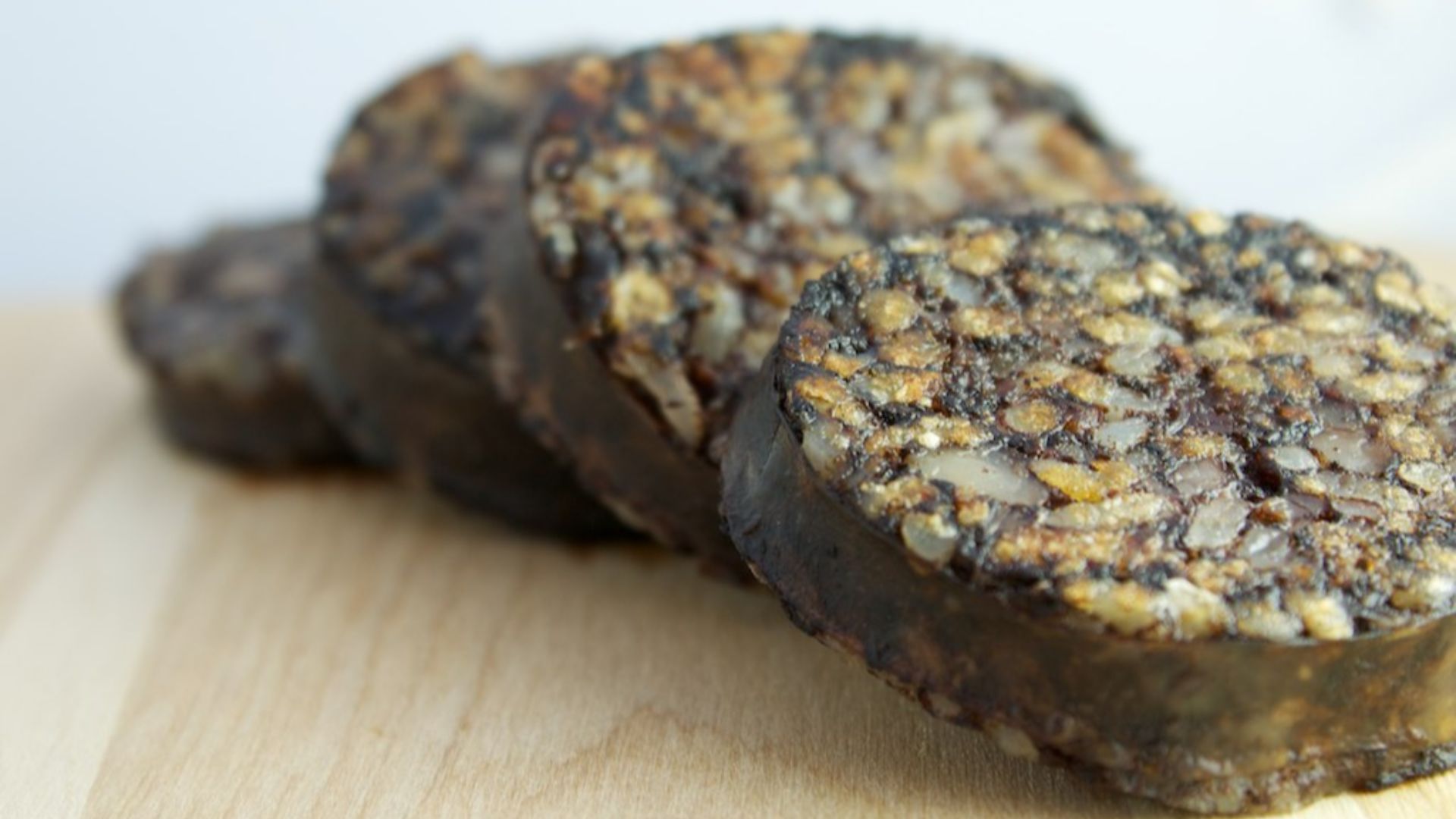
Black Pudding (United Kingdom And Ireland)
The words "blood sausage" are enough to make some visitors reconsider breakfast. Yet black pudding, typically made with pork blood, fat, and grains, develops a wonderfully crisp exterior when fried. Its deeply savory, earthy flavor complements eggs, bacon, and toast. Many Americans discover that it's a lot less intimidating on the plate than on the menu.
 PincasPhoto, Wikimedia Commons
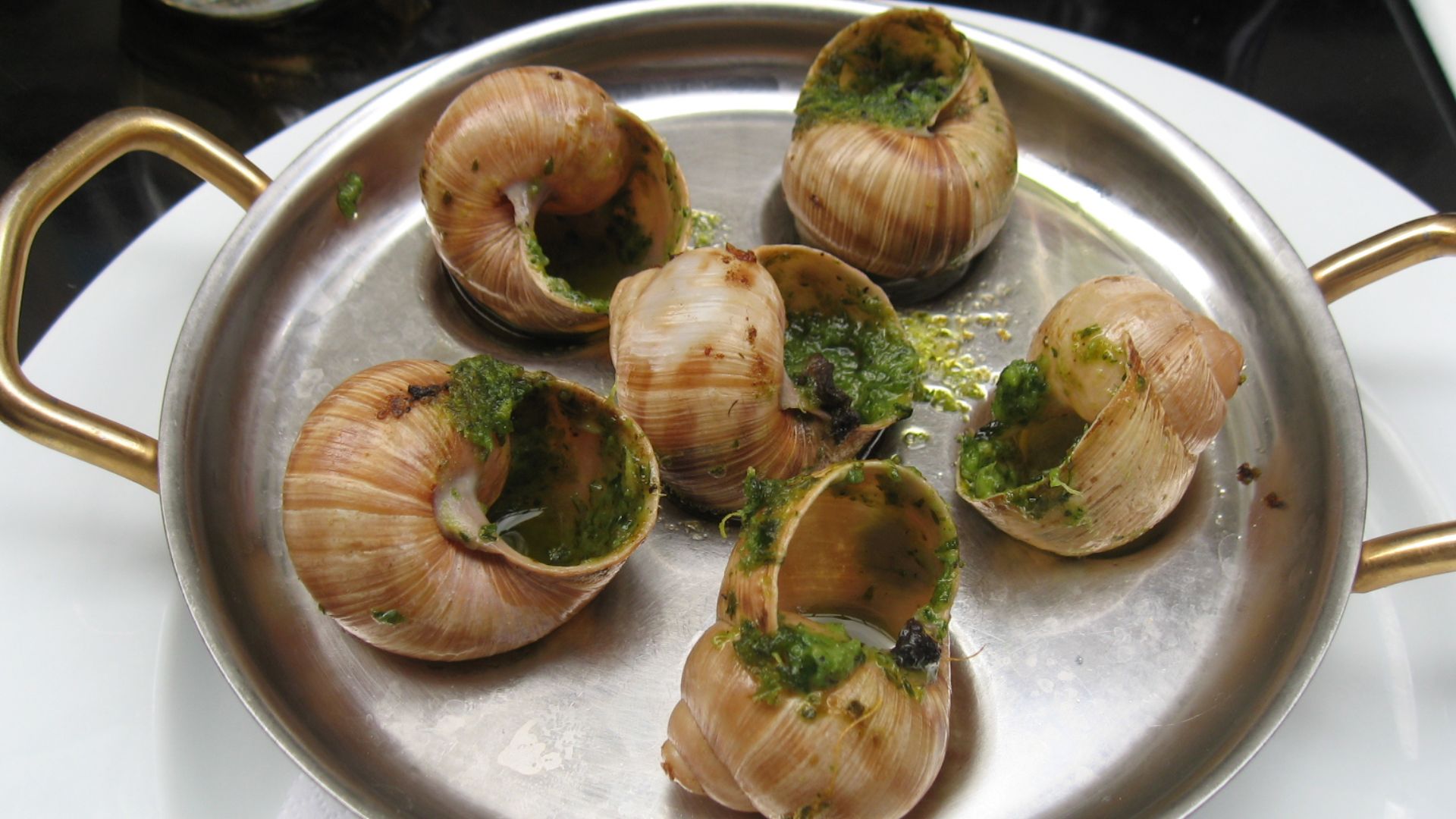
Escargots (France)
Snails aren't something most Americans associate with an appetizing dinner. But French escargots are generally served swimming in garlic, parsley, and melted butter, a combination that makes almost anything tempting. Their tender, slightly chewy texture resembles certain shellfish. For many first-time tasters, the biggest surprise is how quickly they reach for another piece of bread.
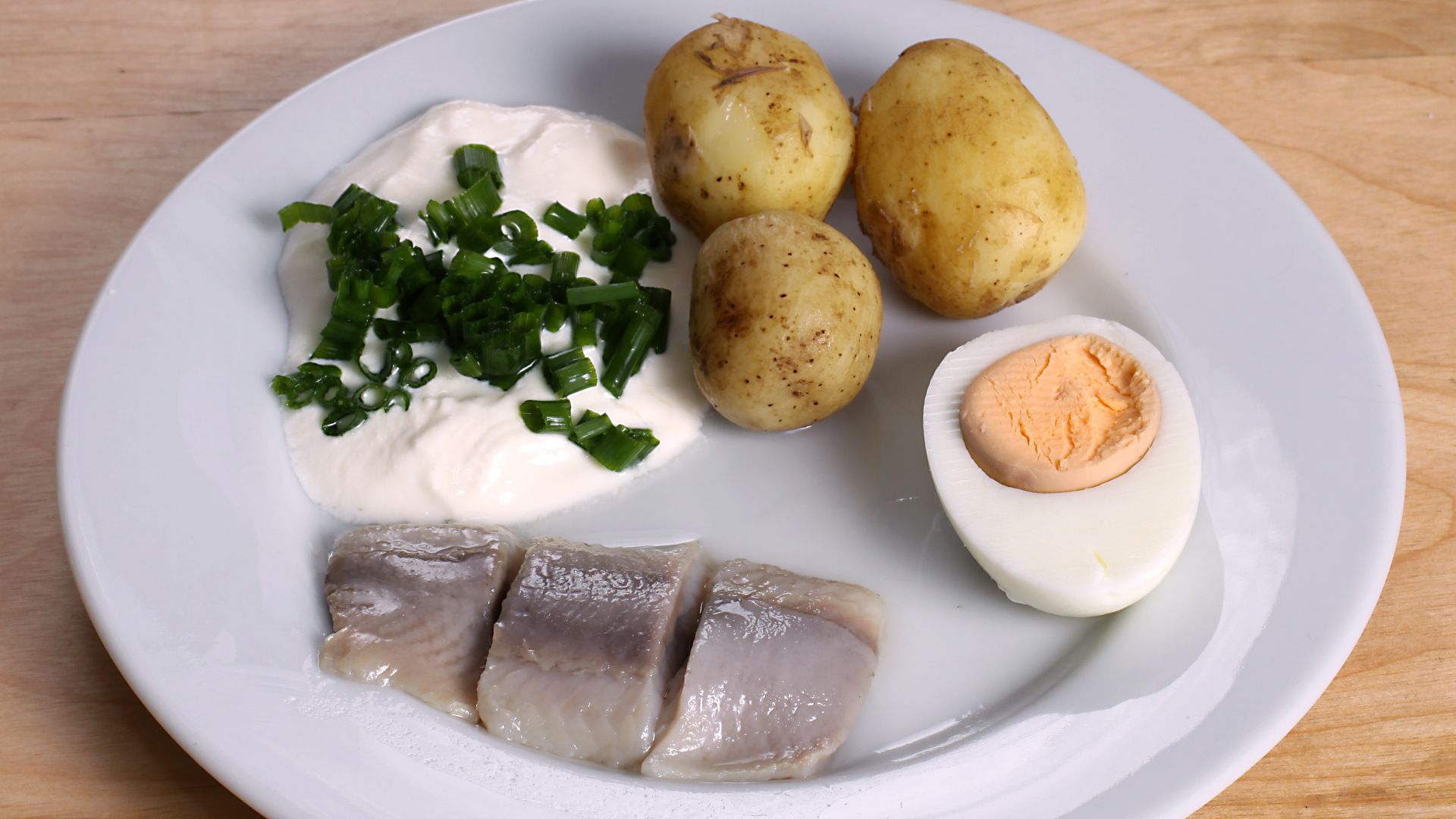
Pickled Herring (Sweden)
Cold, pickled fish sounds like a challenging introduction to Scandinavian cuisine. However, Swedish sill comes in a variety of preparations, including mustard, onion, and dill sauces. The combination of tangy, sweet, and salty flavors works especially well with potatoes and crispbread. Visitors who expected something aggressively fishy sometimes discover a remarkably balanced appetizer.
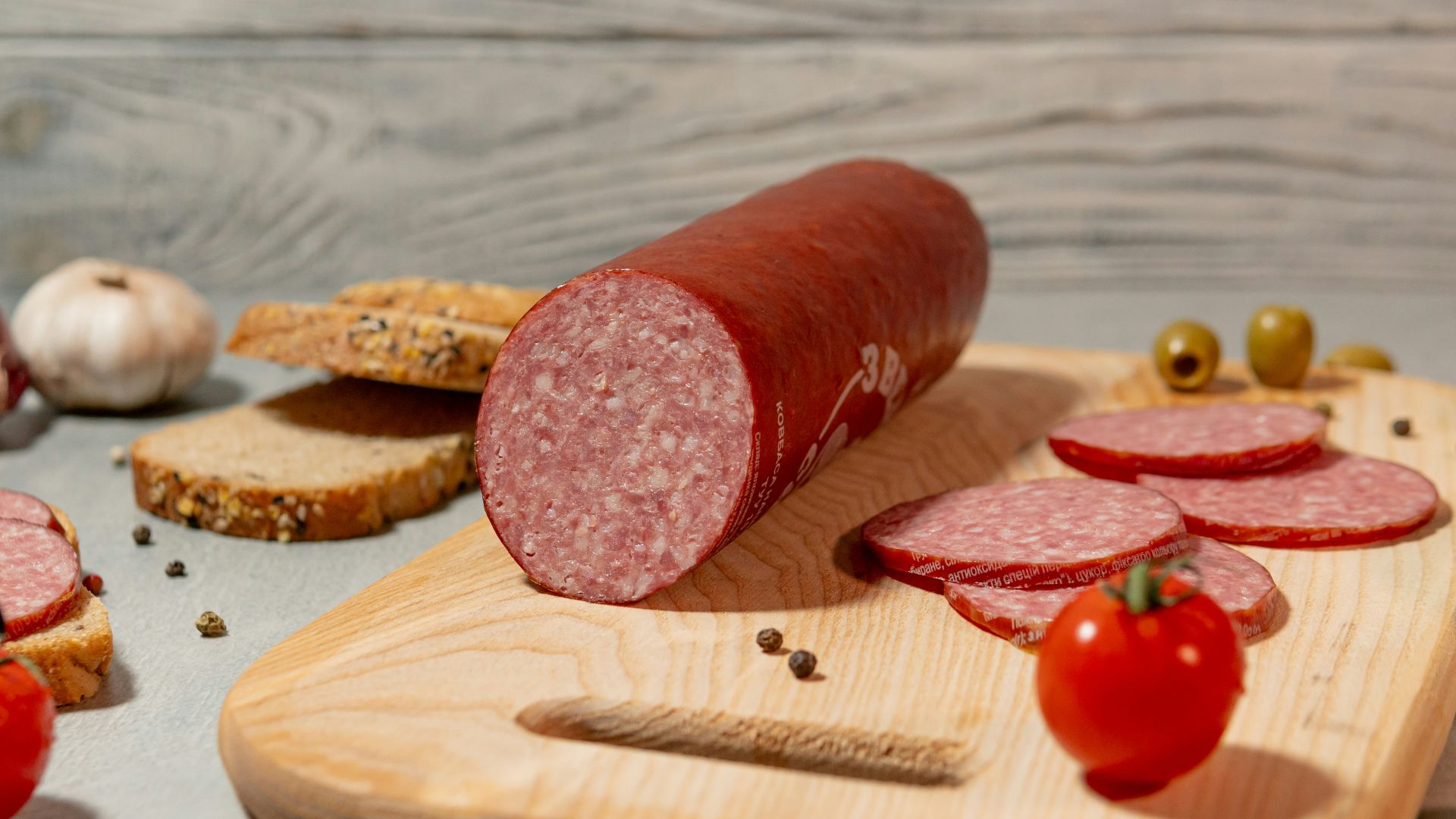
Blutwurst (Germany)
Germany's blood sausage has a reputation that can frighten even adventurous travelers. Depending on the region, Blutwurst may be served cold, warmed, or fried, sometimes alongside potatoes and sauerkraut. Its flavor is typically rich and savory rather than overwhelmingly metallic. Americans who enjoy pâté or traditional sausages may find it much more approachable than its ingredients suggest.
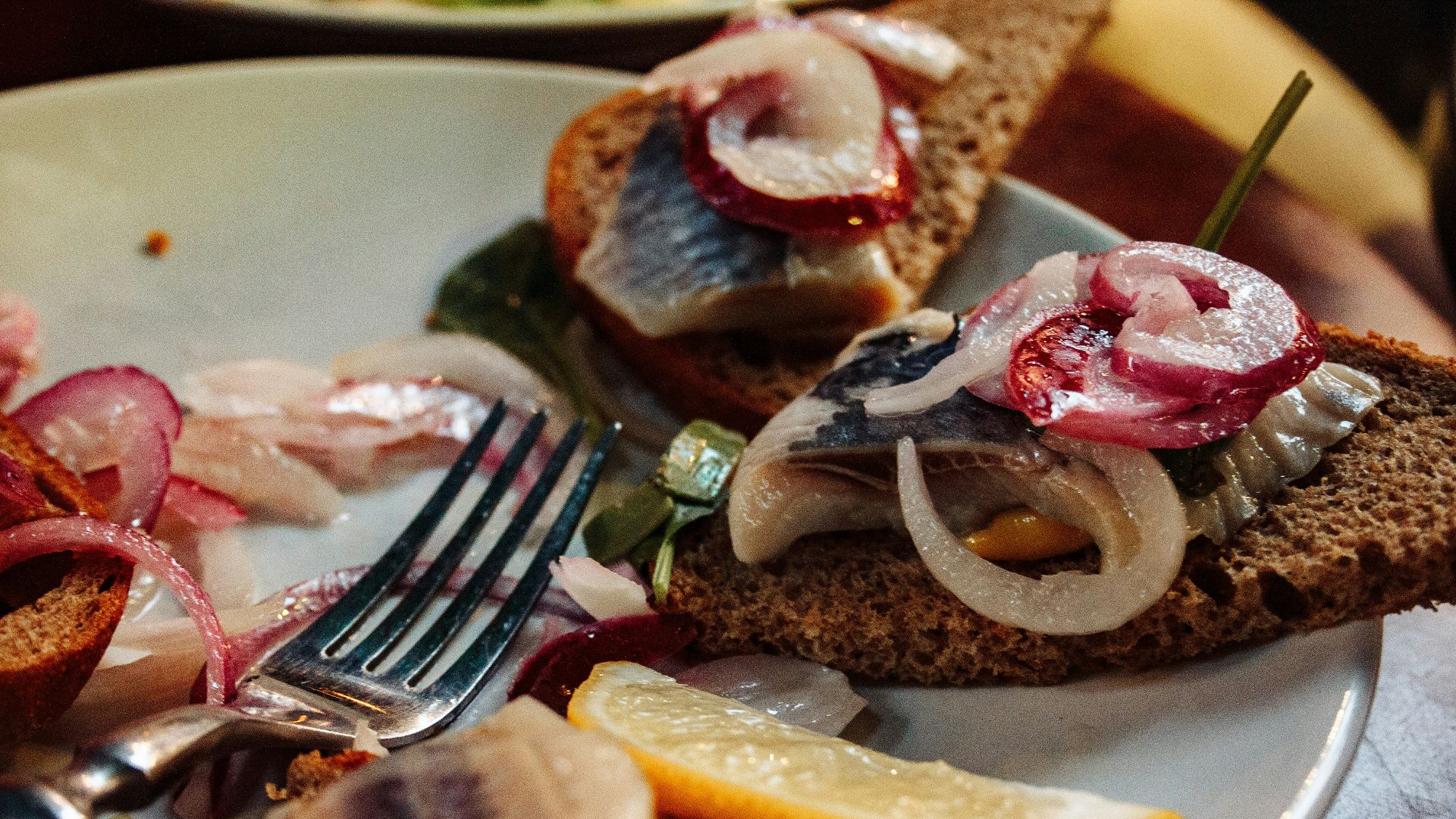
Smørrebrød With Herring (Denmark)
Open-faced sandwiches sound familiar enough, until the toppings involve pickled herring, raw onions, and unfamiliar sauces. Denmark's smørrebrød, however, is carefully assembled to balance flavor and texture. Dense rye bread, butter, fish, herbs, and garnishes create something much more sophisticated than an ordinary sandwich. It's a particularly appealing introduction to traditional Danish food.
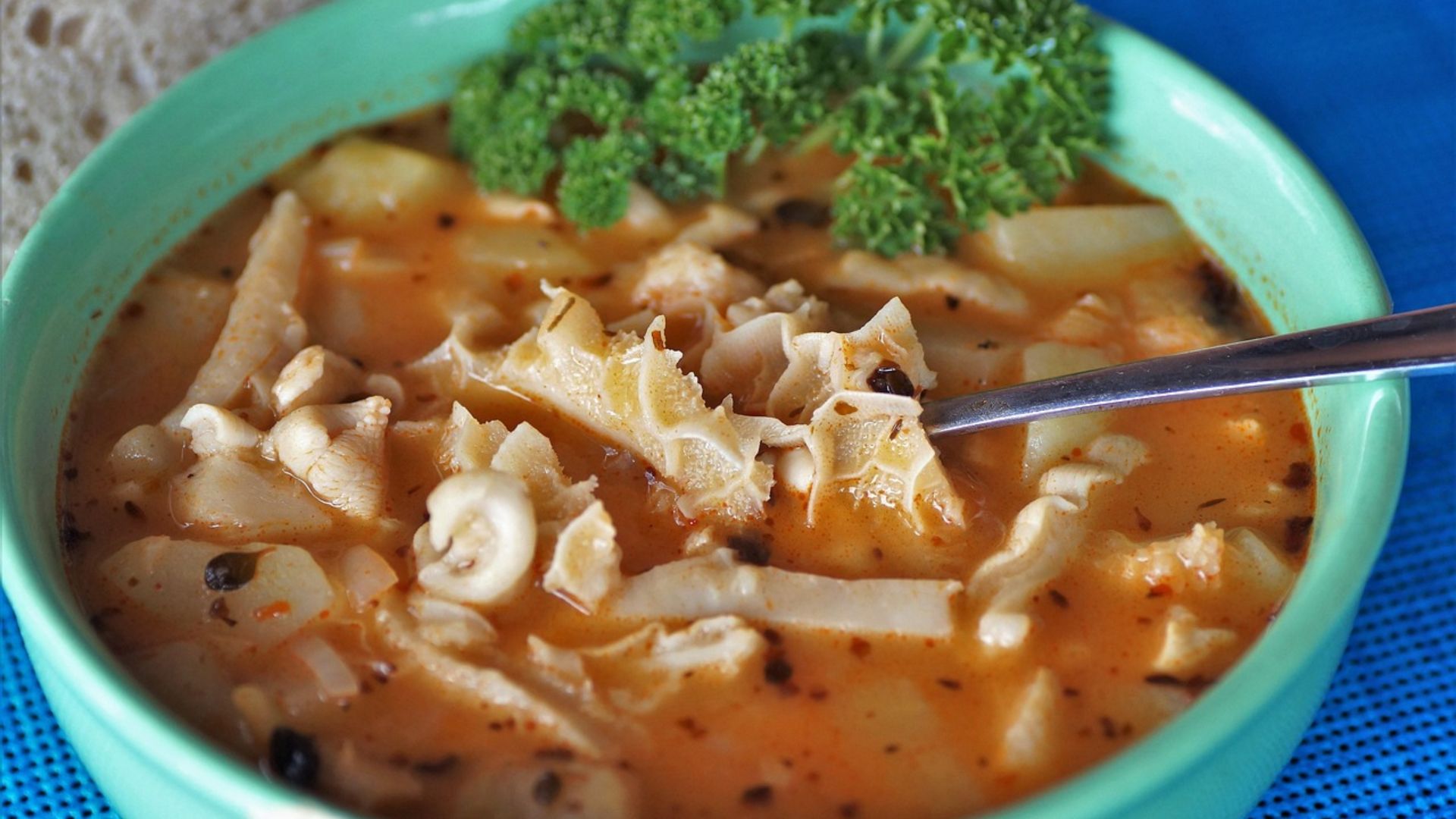
Tripe Soup (Poland)
The idea of eating a soup made from cow stomach can stop an American tourist in their tracks. But Polish flaki is a warming, generously seasoned soup featuring tender strips of tripe in a flavorful broth. Marjoram, pepper, and other seasonings provide much of its character. Its satisfying richness can make the unusual main ingredient surprisingly easy to overlook.
Frog Legs (France)
Frog legs sound like a novelty dish designed to challenge tourists, but they've been part of French cooking for generations. Often sautéed with garlic, butter, and parsley, they have delicate meat and a texture somewhere between chicken and fish. Americans who enjoy chicken wings or seafood may find themselves wondering why they were ever so apprehensive.
 Maksym Kozlenko, Wikimedia Commons
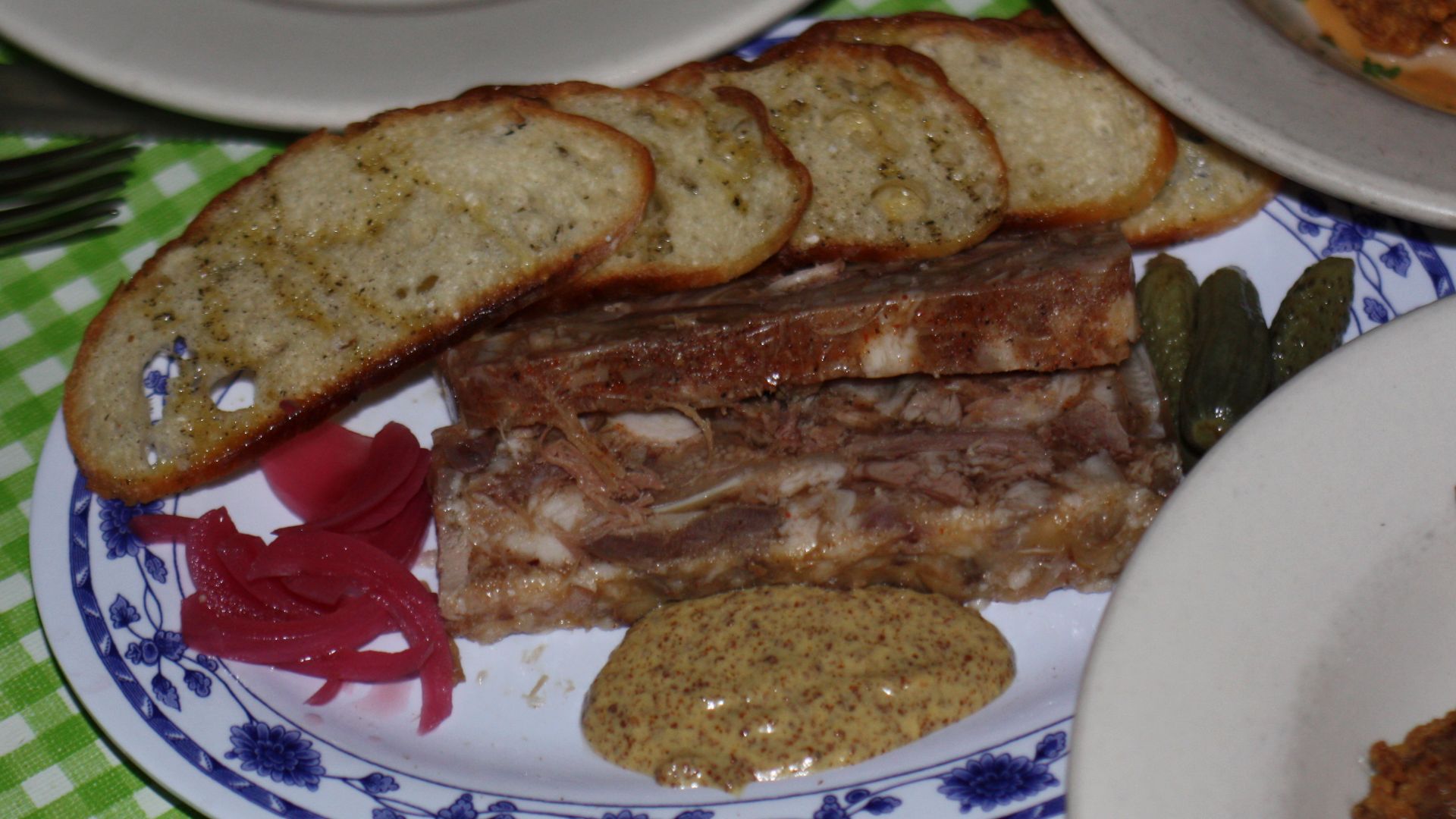
Head Cheese (Germany)
Despite its name, head cheese contains no cheese. Known in Germany in various forms, including Sülze, it's a terrine made from cooked meat set in savory gelatin. The appearance can be startling, especially when served cold. Yet paired with mustard, vinegar, or pickles, it delivers the satisfying flavors of slow-cooked pork in an unfamiliar presentation.
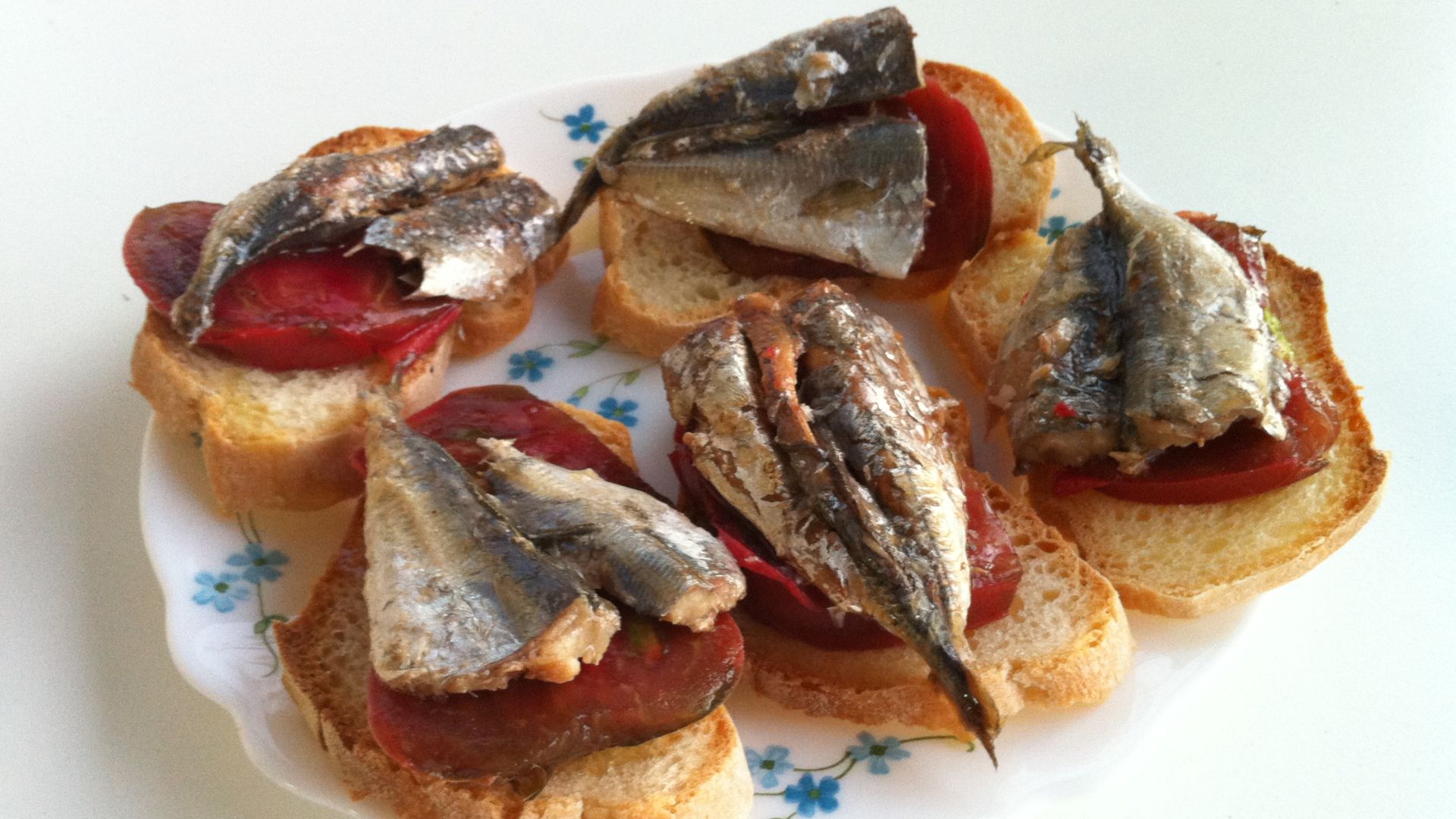
Sardines On Toast (Portugal)
Americans who associate sardines with inexpensive canned fish might be surprised by Portugal's enthusiasm for them. Fresh grilled sardines are a summer favorite, especially around Lisbon's June festivities. Served simply with bread, potatoes, or salad, they offer smoky flavor and tender, oily flesh. Even skeptics can appreciate how different freshly grilled sardines taste from the canned variety.
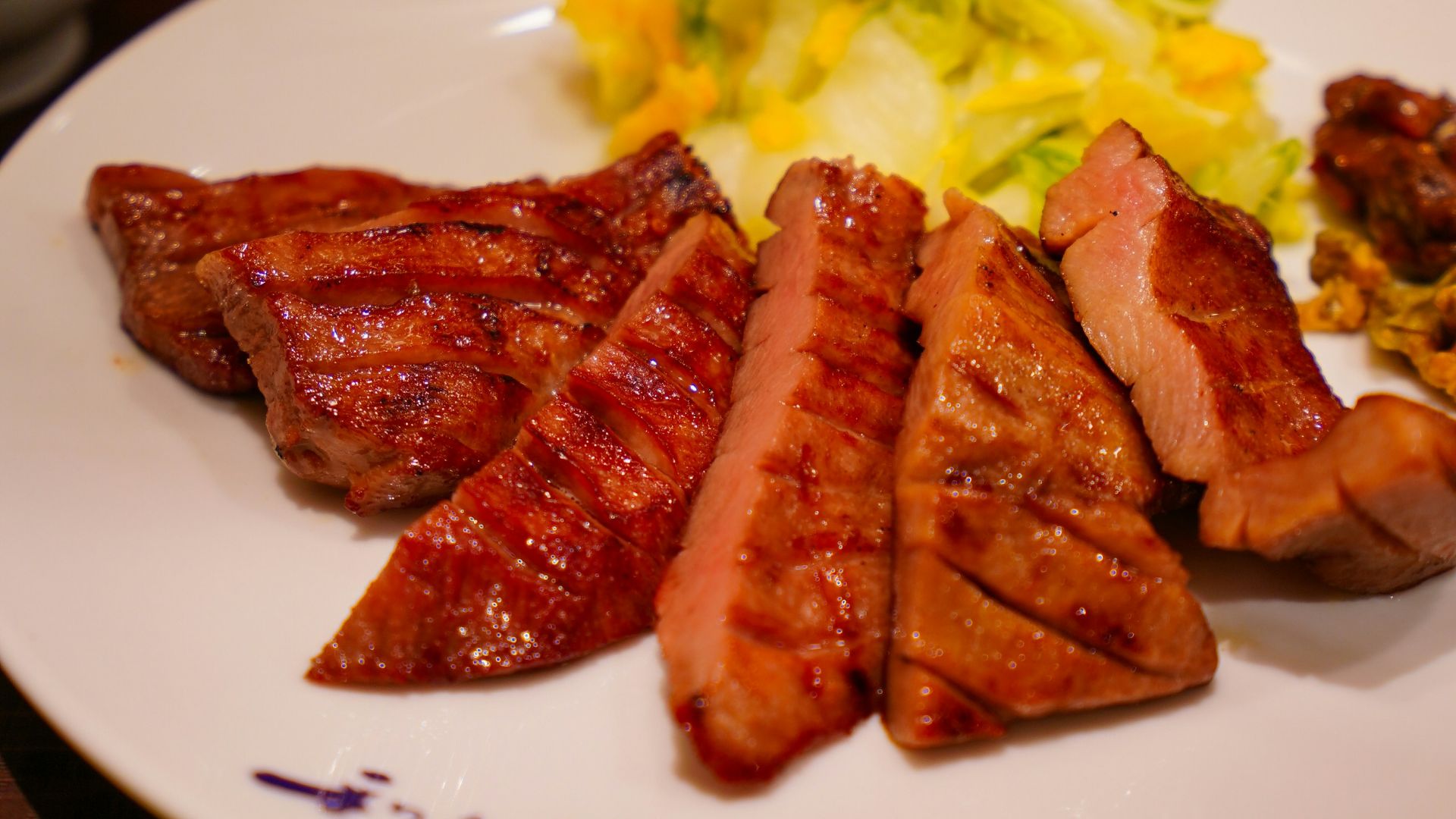
Beef Tongue (Italy)
The thought of eating a cow's tongue can be unsettling, particularly when the dish's name makes the ingredient impossible to ignore. In northern Italy, lingua is often simmered until tender and served with flavorful sauces, including salsa verde. Thinly sliced, it resembles exceptionally soft, rich beef. It's a classic example of an intimidating ingredient becoming delicious through patient cooking.
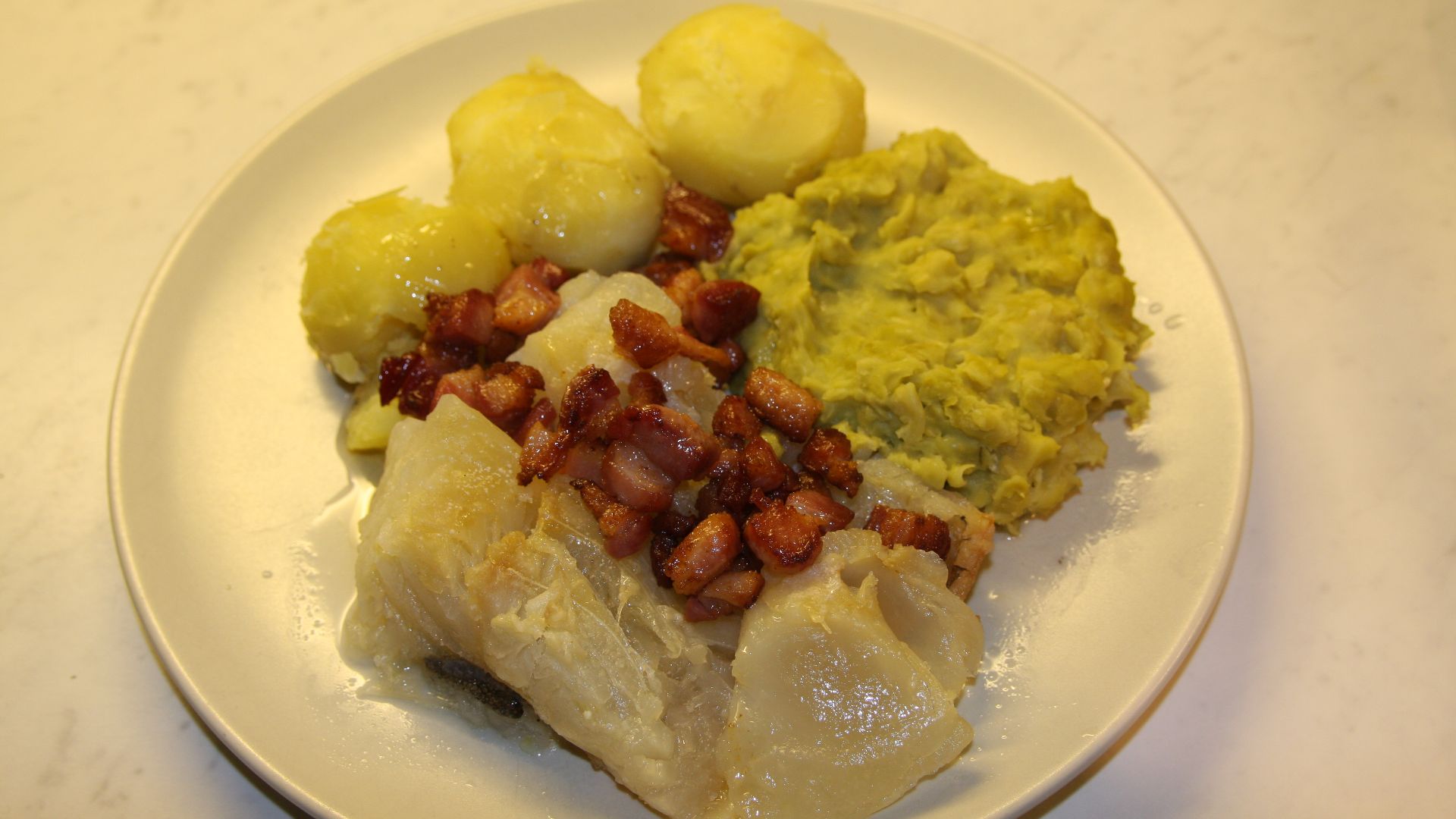
Lutefisk (Norway)
Fish soaked in lye sounds more like a chemistry experiment than dinner. Yet Norway's traditional lutefisk, made from dried whitefish that is rehydrated and carefully prepared, has devoted fans. Its soft, sometimes jelly-like texture takes adjustment, but served with bacon, potatoes, and peas, it becomes a surprisingly comforting holiday meal.
 Jarvin Jarle Vines, Wikimedia Commons
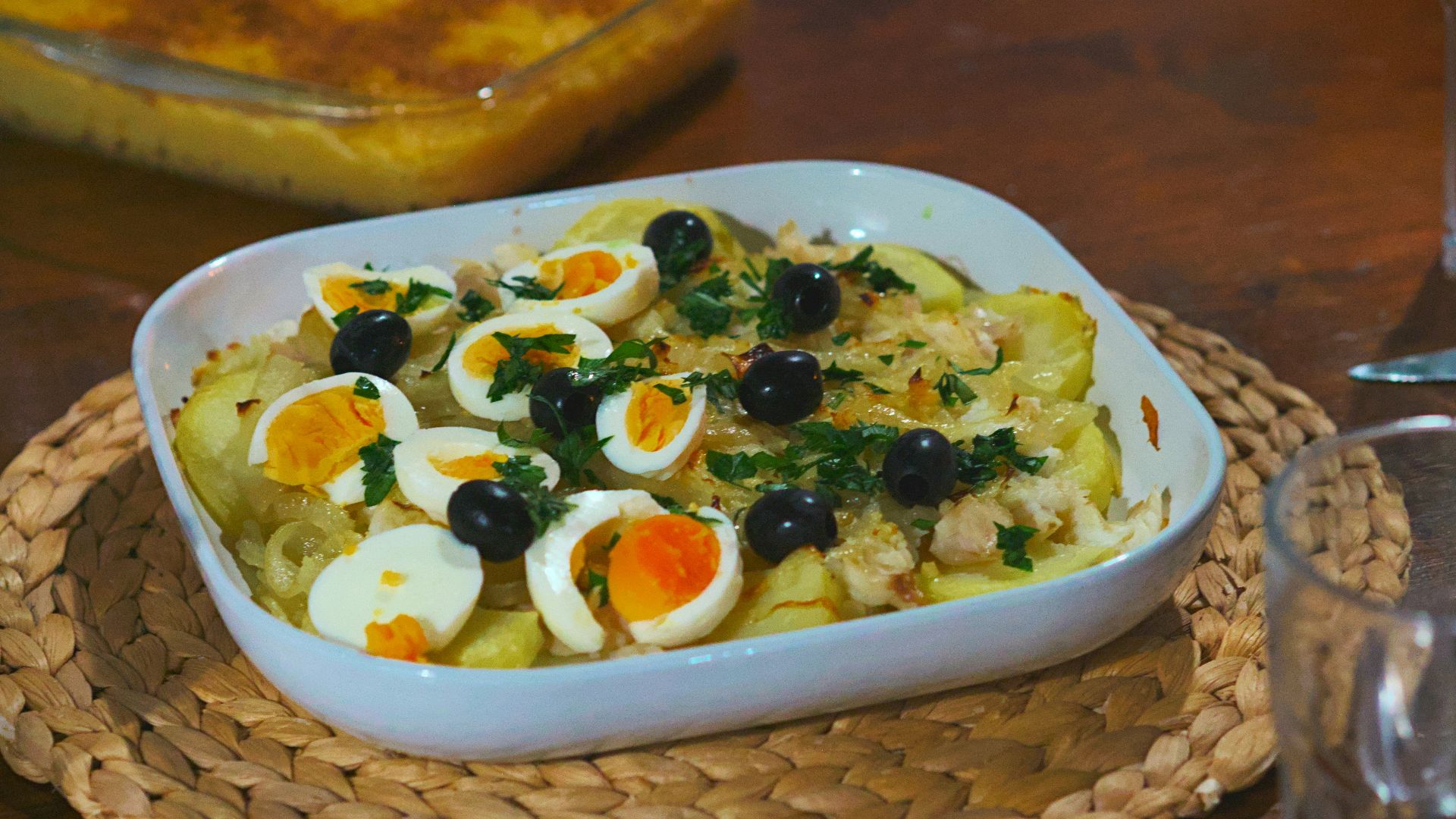
Bacalhau À Brás (Portugal)
Dried, heavily salted cod might not sound promising to someone accustomed to fresh fish. But Portugal transforms bacalhau into countless beloved dishes. In bacalhau à Brás, shredded cod is combined with thin fried potatoes, onions, and eggs. The result is rich, savory, and wonderfully satisfying, with little resemblance to the stiff preserved fish displayed in market stalls.
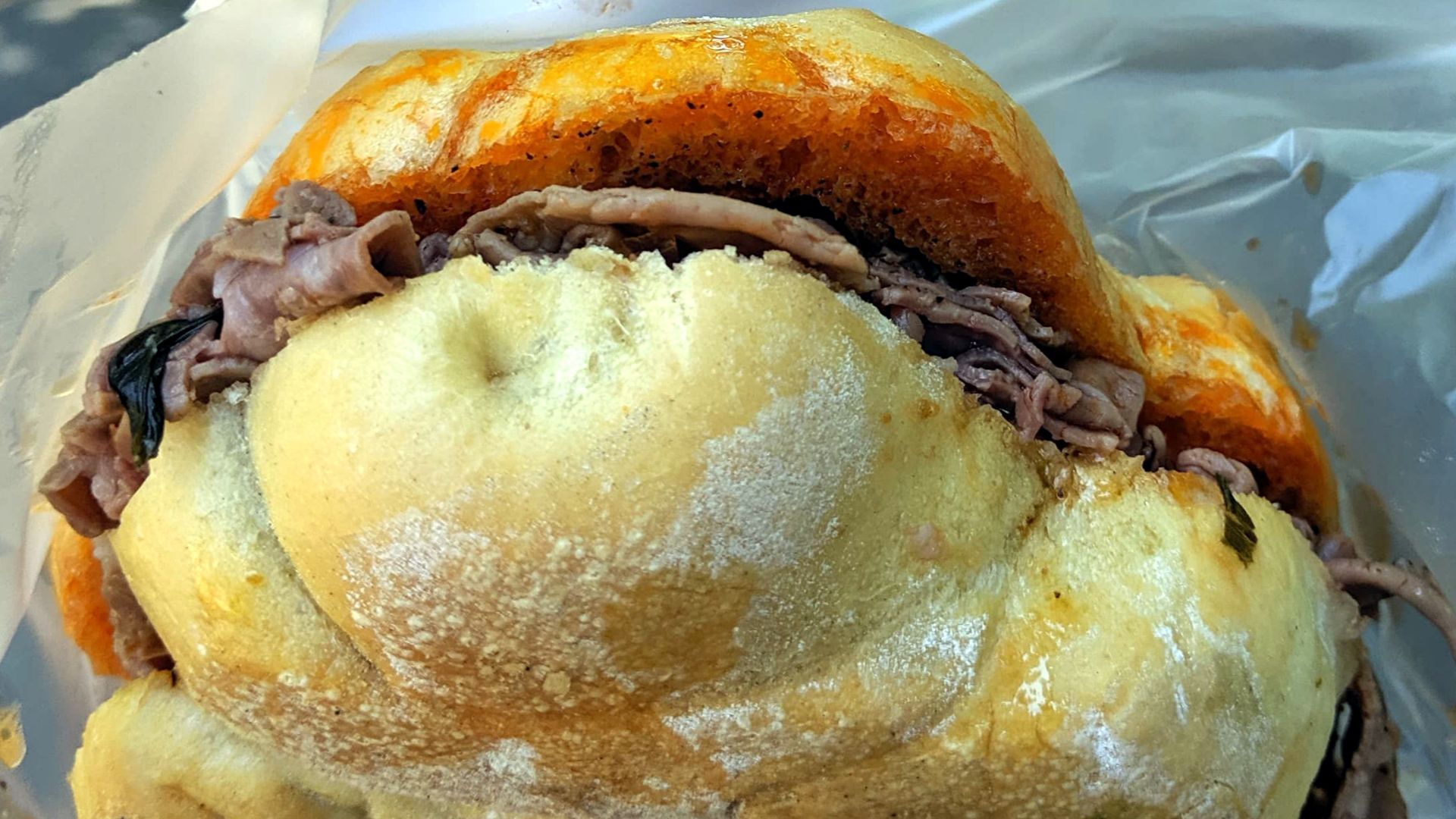
Lampredotto (Italy)
Florence's famous street-food sandwich contains a surprising ingredient: the fourth stomach of a cow. Lampredotto is slowly simmered in a seasoned broth, sliced, and tucked into a crusty roll, often with green sauce. The meat becomes tender and flavorful, while the bread absorbs the cooking juices. Americans willing to overlook the anatomy lesson may discover an outstanding sandwich.
 William Held, Wikimedia Commons
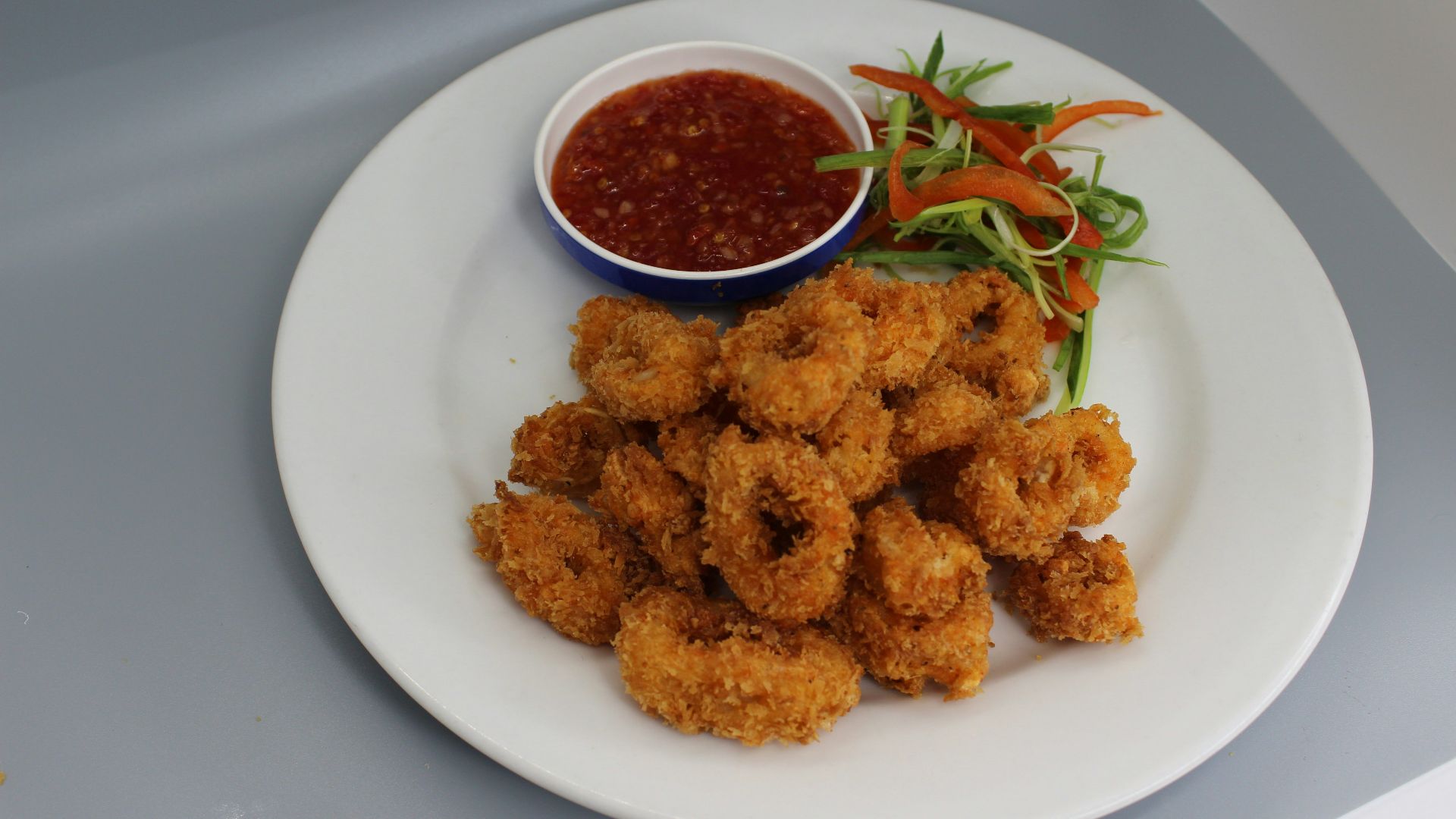
Fried Calamari (Italy)
For Americans who have never eaten squid, the tentacles can look particularly unappealing. But Italian calamari fritti offers a gentle introduction. Lightly battered and quickly fried, the squid develops a crisp exterior while remaining tender inside. A squeeze of lemon provides brightness. Even travelers who normally avoid seafood can find themselves reaching for another golden ring.
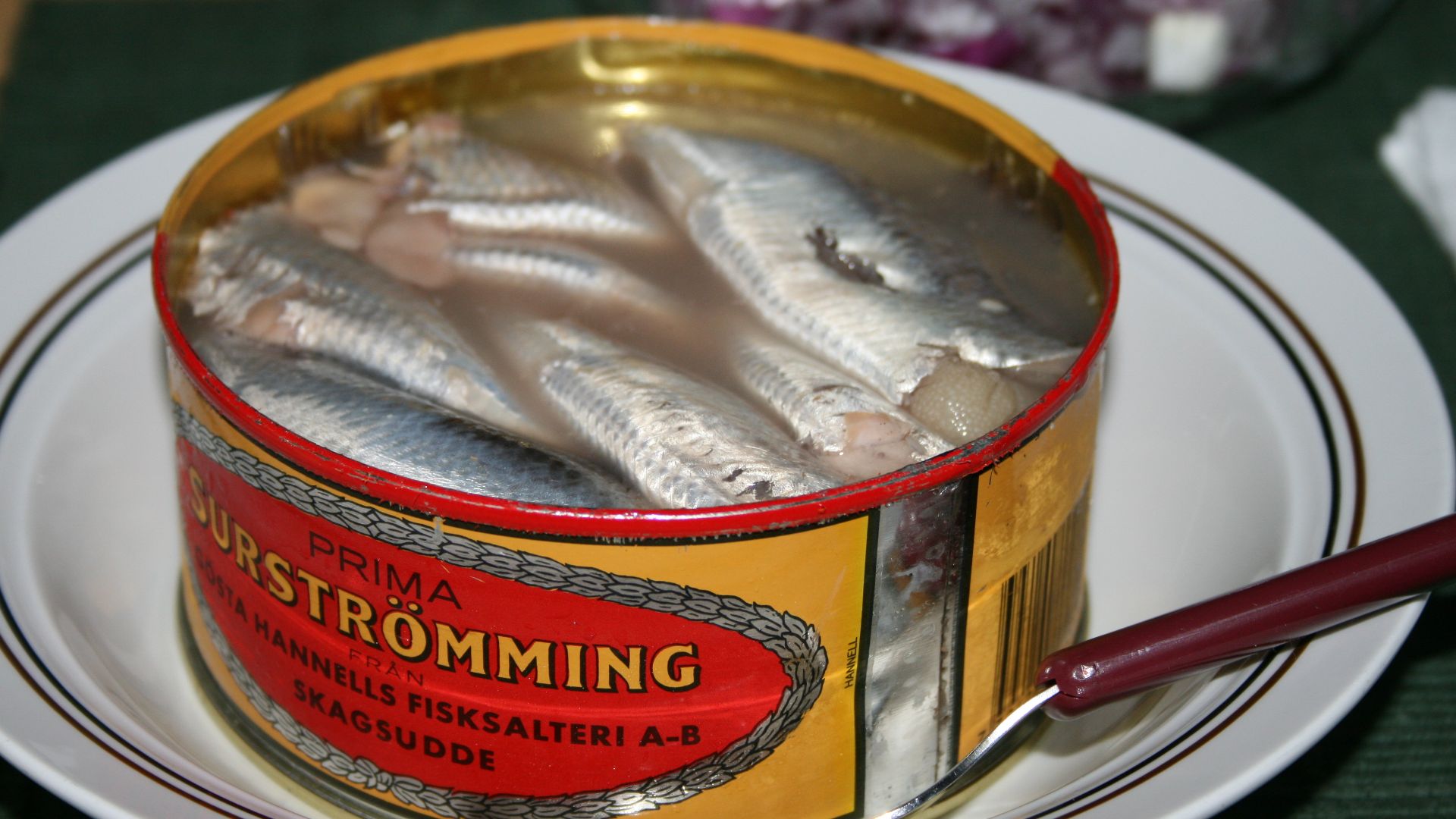
Surströmming (Sweden)
Sweden's fermented Baltic herring has an extraordinarily powerful smell, making it one of Europe's most notorious food challenges. But the flavor can be more nuanced than the aroma suggests. Traditionally eaten with thin flatbread, potatoes, onions, and other accompaniments, it delivers an intensely salty, fermented taste. It's certainly not for everyone, although adventurous visitors sometimes find themselves appreciating the combination.
Svið (Iceland)
A sheep's head staring up from the dinner plate is enough to challenge almost anyone's appetite. Icelandic svið traditionally involves singeing, cleaning, and boiling a sheep's head. The meat, particularly from the cheeks, can be tender and richly flavored. For visitors able to get past the presentation, the experience can be less about shock and more about appreciating traditional nose-to-tail cooking.
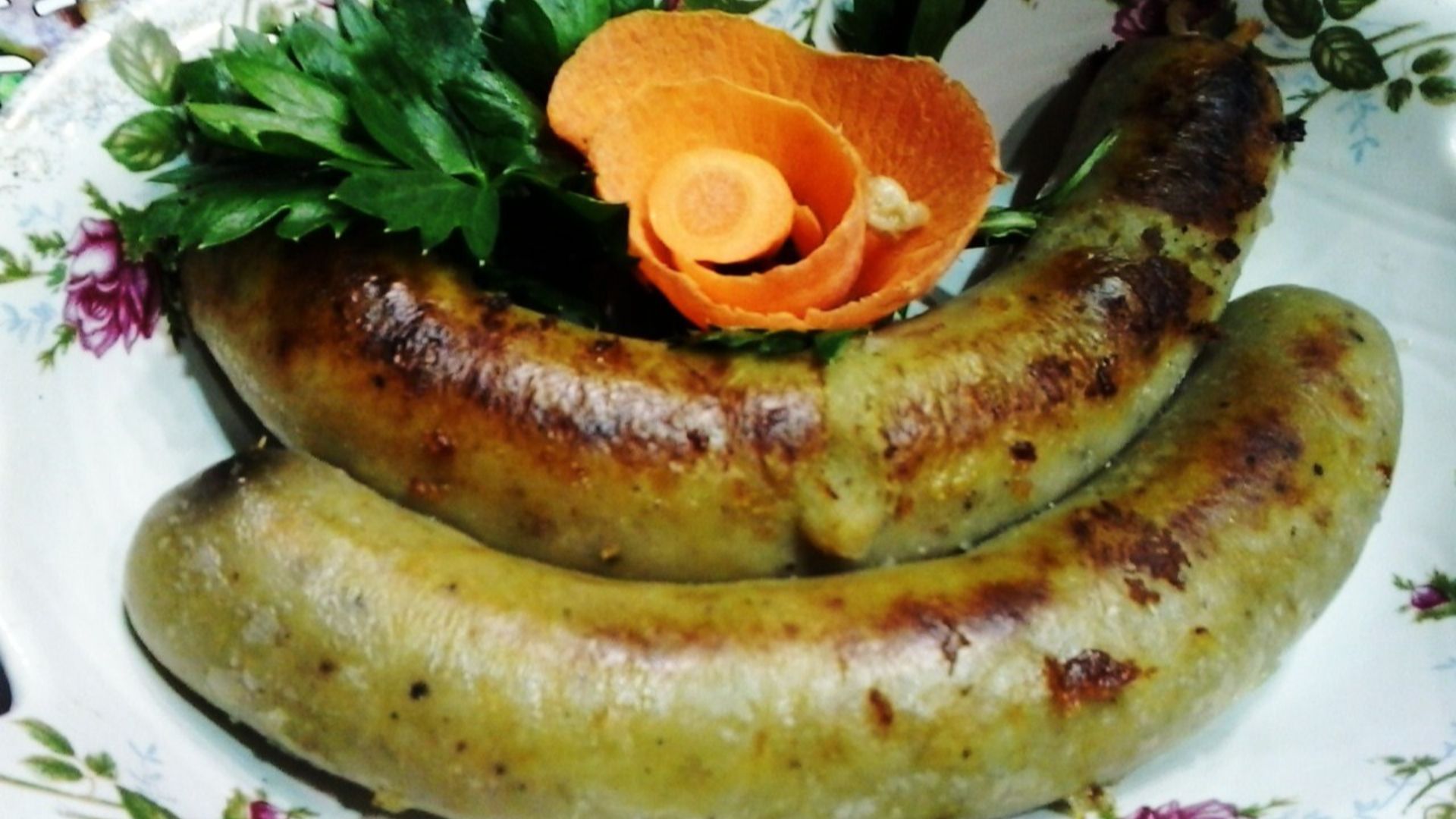
Kiszka Ziemniaczana (Poland)
Potato sausage sounds peculiar, especially when Americans discover that the filling is stuffed into an animal casing. But Poland's kiszka ziemniaczana combines grated potatoes with onions, seasonings, and often bacon or pork fat. Baked until the exterior becomes golden, it delivers a comforting combination of crispness and soft, savory potato filling. It's considerably more familiar-tasting than its appearance suggests.
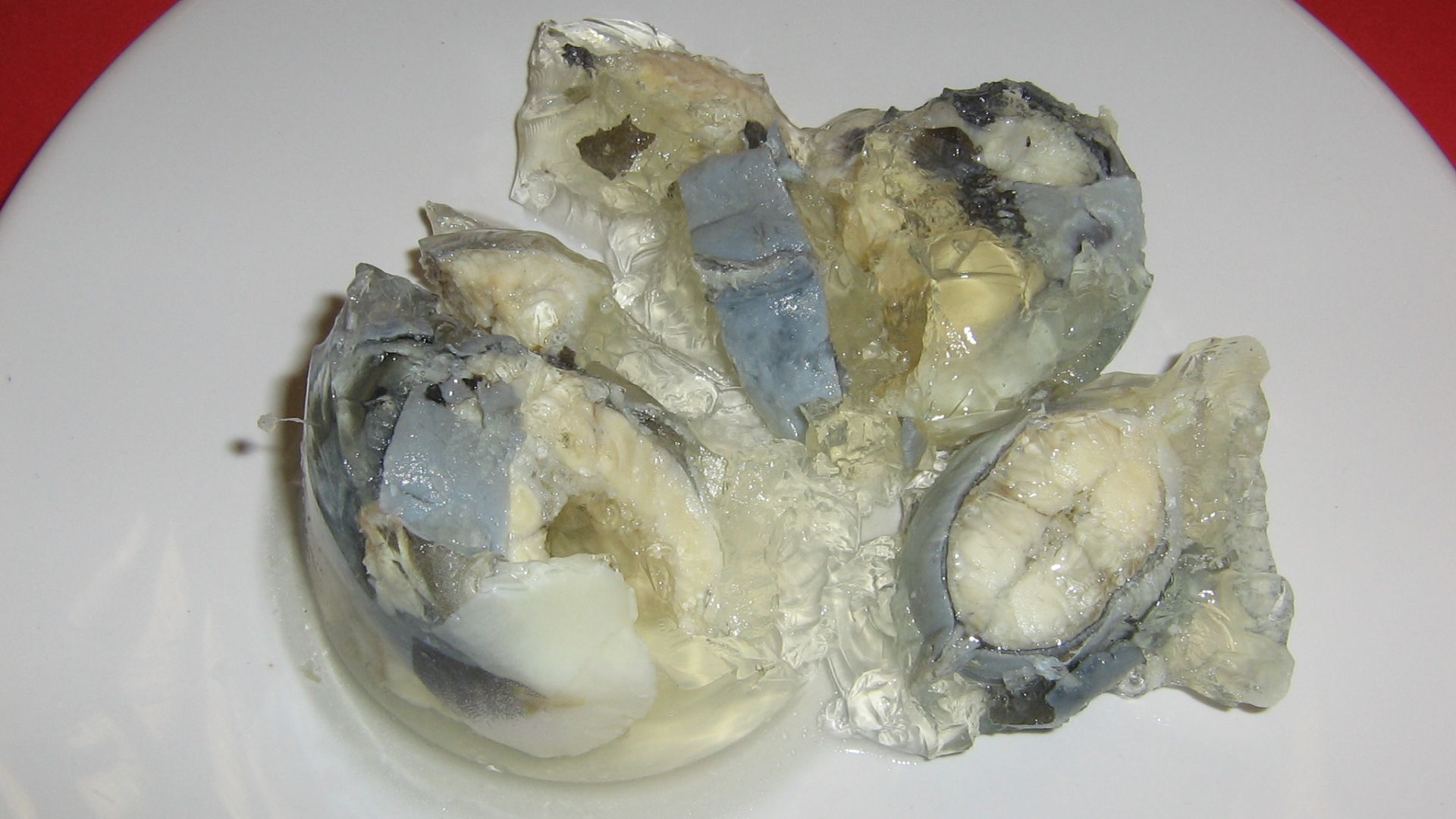
Jellied Eels (England)
Cold pieces of eel suspended in gelatin aren't an obvious crowd-pleaser. Nevertheless, jellied eels have a long history in London's East End. The eels are cooked in seasoned liquid that sets into jelly when cooled. Their mild, slightly oily flavor is traditionally sharpened with vinegar or chili vinegar. While the texture remains divisive, some curious Americans find the taste unexpectedly agreeable.
 JanesDaddy (Ensglish User), Wikimedia Commons
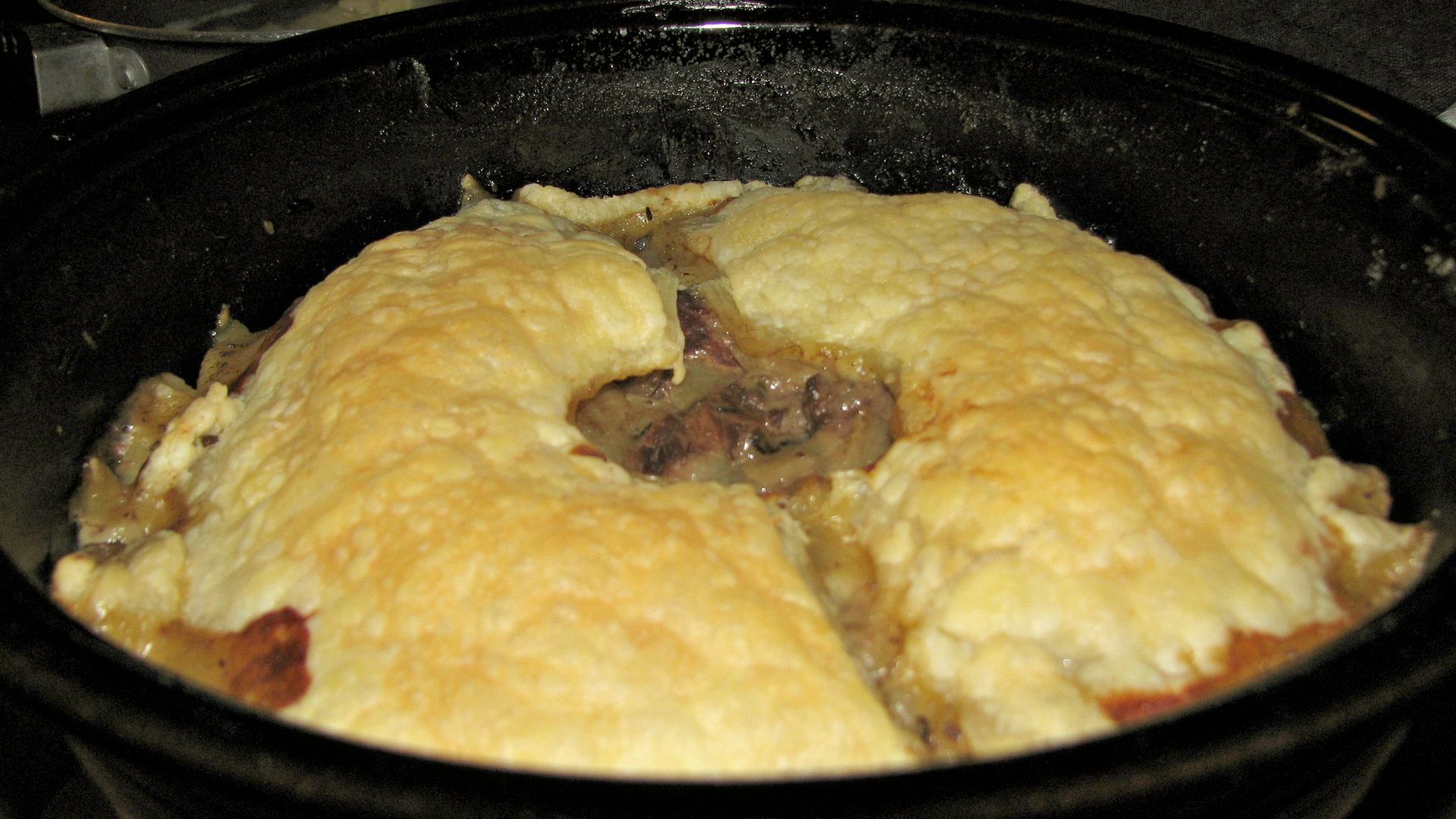
Steak And Kidney Pie (England)
Kidneys have a distinctive flavor that can make American diners hesitate, especially when they're baked into a pie. But Britain's steak and kidney pie combines slow-cooked beef, kidneys, onions, and rich gravy beneath a golden pastry crust. The kidneys contribute a deeper, more robust flavor, while the pastry provides familiar comfort. It's an excellent example of traditional British cooking at its heartiest.
 Hellahulla (Hellahulla), Wikimedia Commons
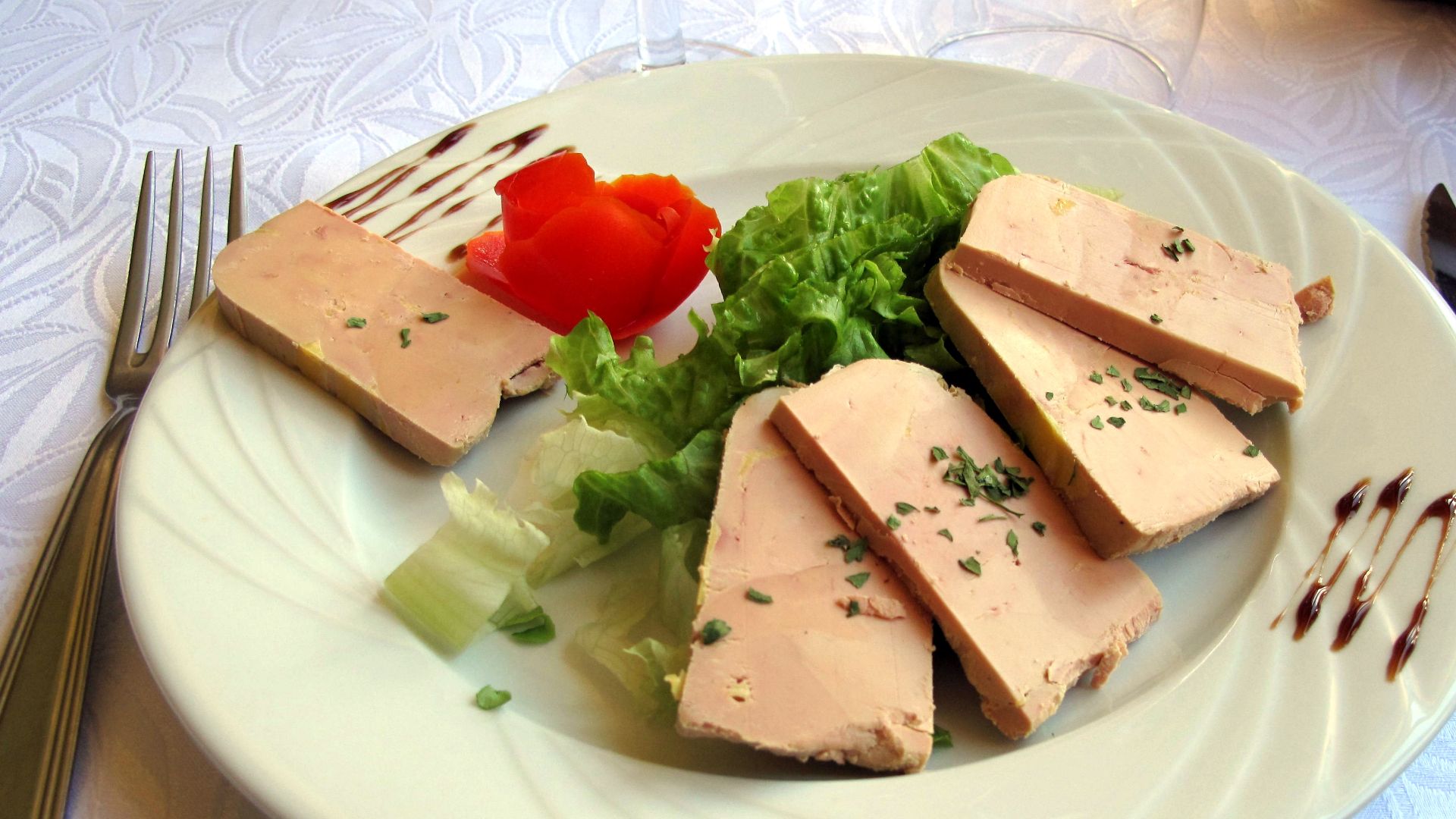
Foie Gras (France)
The idea of eating duck or goose liver can seem unappealing to travelers unfamiliar with pâtés and terrines. Yet foie gras is prized for its exceptionally smooth texture and rich, buttery flavor. Served with toasted bread or a sweet accompaniment, it can feel surprisingly luxurious. Its production also raises significant animal-welfare concerns, which remain important considerations regardless of its culinary reputation.
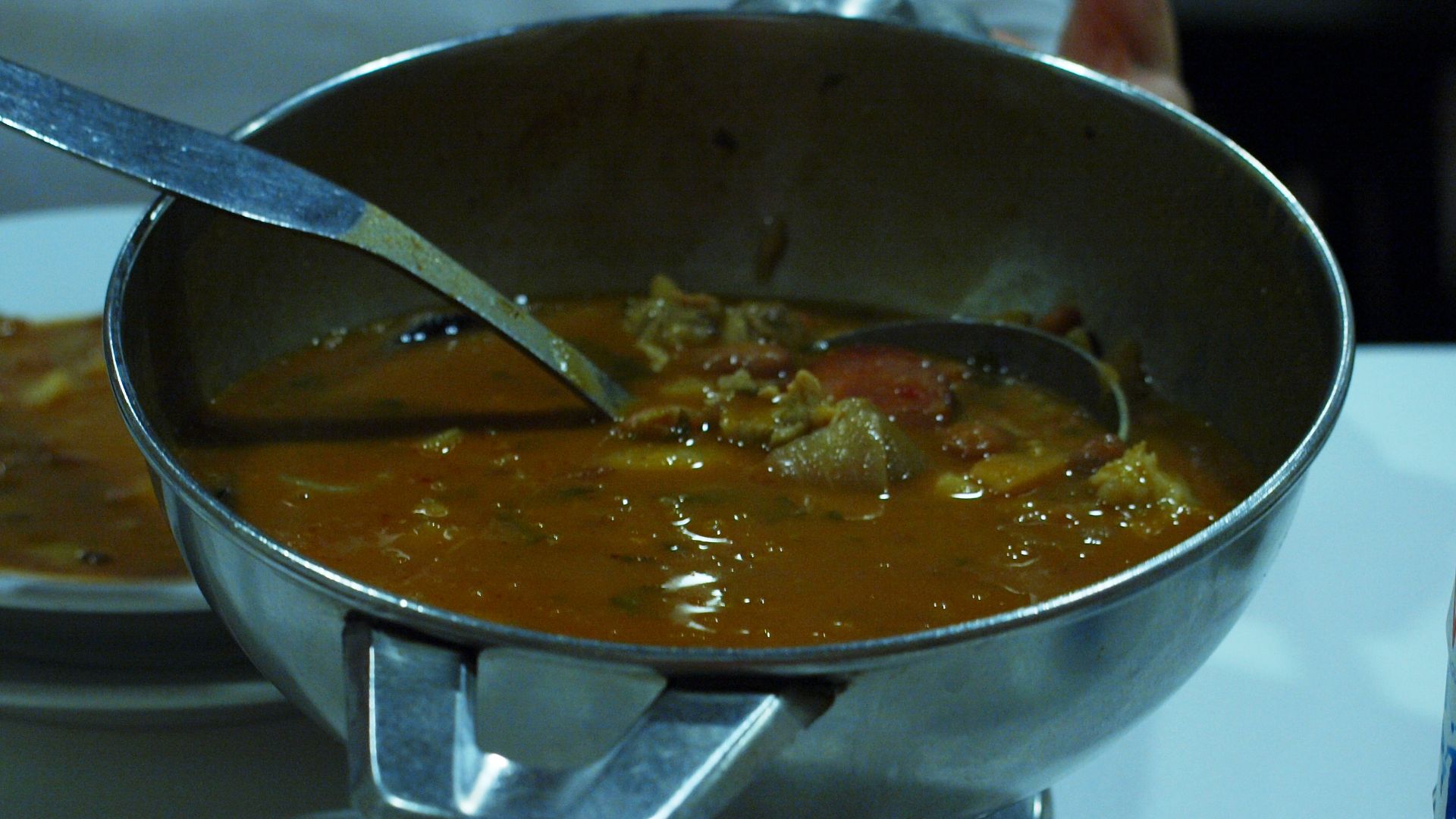
Sopa De Pedra (Portugal)
Portugal's famous stone soup sounds suspiciously like something nobody should eat. But sopa de pedra is a substantial bean soup traditionally associated with Almeirim, containing ingredients such as pork, sausages, and vegetables. The stone comes from a folk tale and is symbolic rather than an ingredient to consume. What initially sounds absurd turns out to be a deeply satisfying rustic meal.
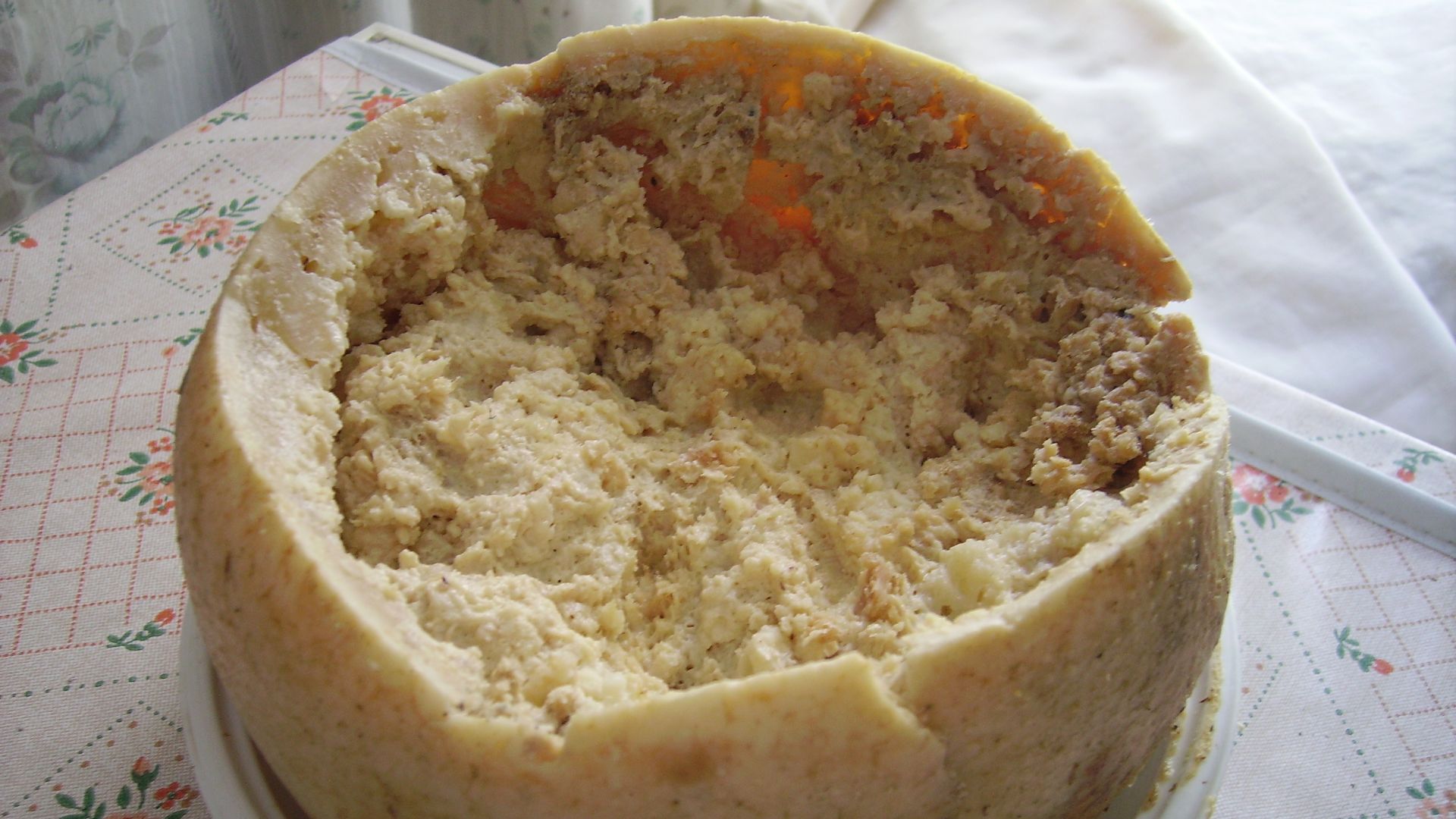
Casu Marzu (Sardinia, Italy)
Few foods inspire more immediate alarm than cheese deliberately containing live insect larvae. Sardinia's casu marzu is an extreme traditional specialty produced through fermentation involving cheese flies. Some enthusiasts praise its intense flavor and creamy texture, but it carries significant food-safety concerns and is not legally available through ordinary regulated retail channels. This is one curiosity best appreciated through its cultural history rather than sampled casually.
You May Also Like:
Americans Reveal The European Foods They Were Happy To Try Once—But Never Want Again
Americans Must Try These European Fast Food Chains
Things Americans Do At Restaurants That Confuse Europeans When They Visit