Some Adventures Stay Abroad
Trying unfamiliar food is one of travel's great pleasures, right up until the first bite makes you question your commitment to cultural immersion. From fermented fish to blood sausage, Europe offers plenty of beloved regional specialties that adventurous American visitors may happily sample once, then politely leave to the locals. Let's review some common examples.
Surströmming, Sweden
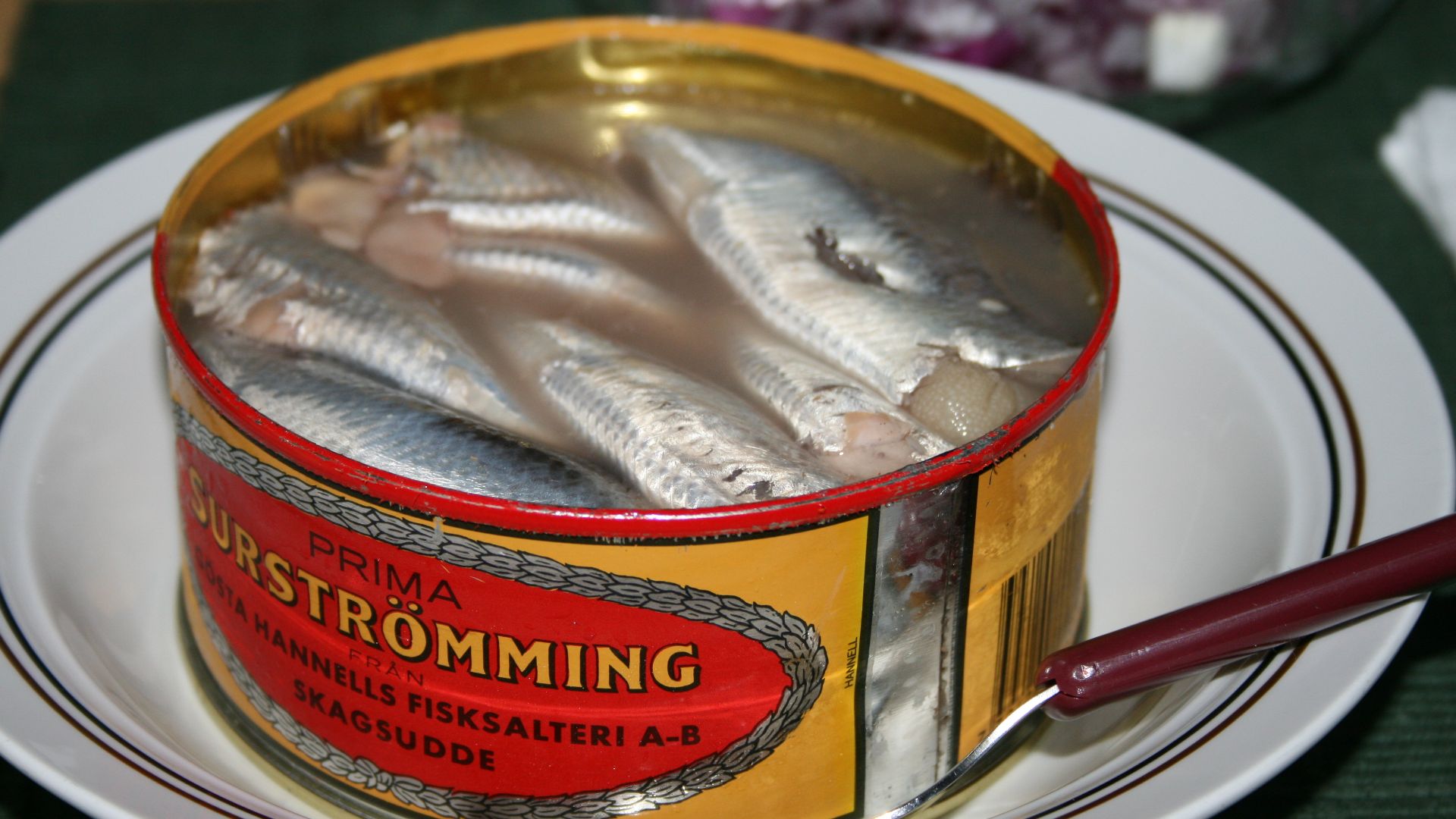
Sweden's infamous surströmming is Baltic herring fermented until it develops an extraordinarily powerful aroma. Locals traditionally eat small portions with thin flatbread, potatoes and onion, rather than straight from the can. Because the pressurized cans can release an exceptionally powerful aroma when opened, experienced eaters often take precautions, including opening the tin in water. That should probably tell first-time visitors something.
Hákarl, Iceland
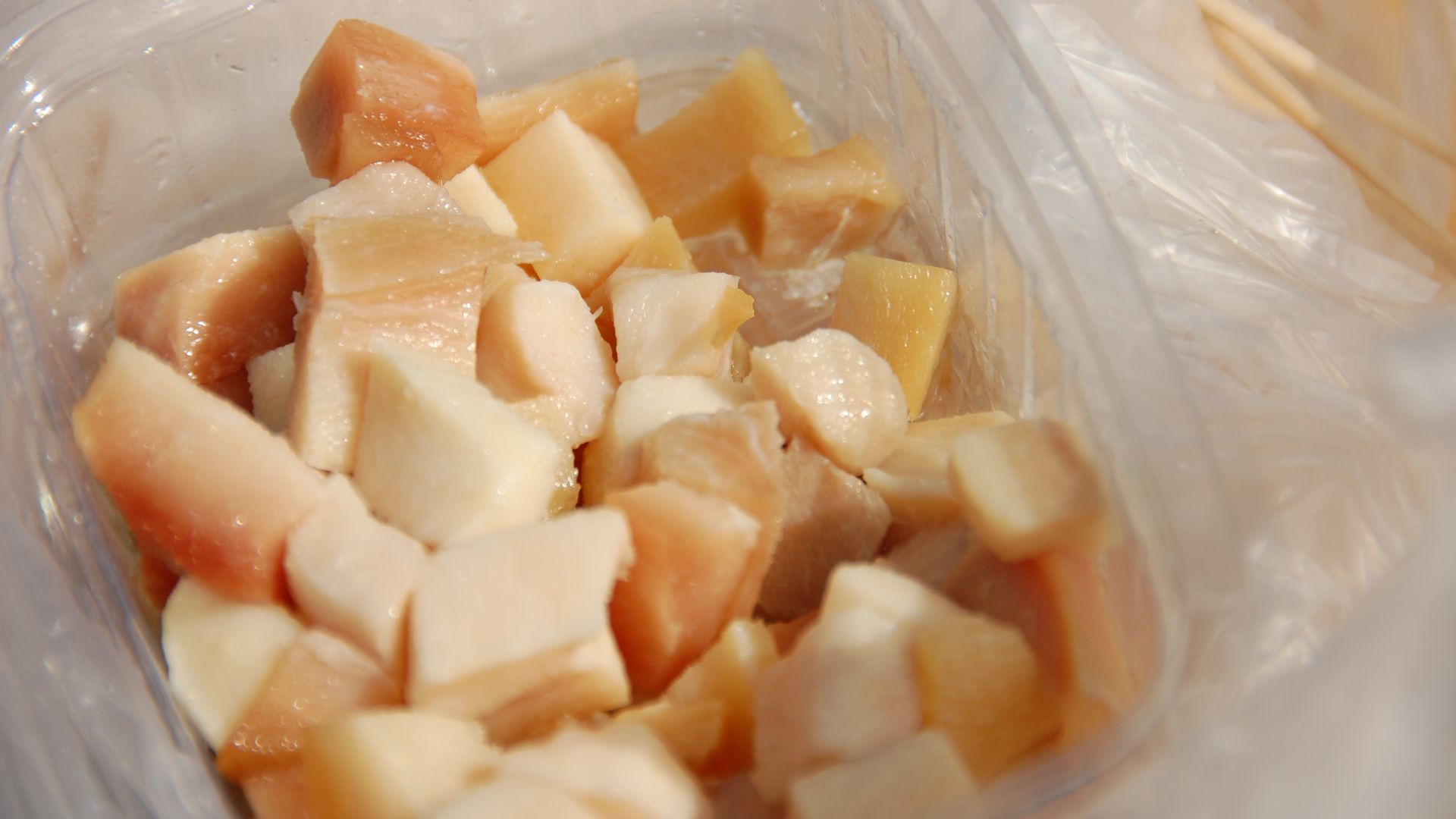
Hákarl begins with Greenland shark, whose fresh flesh is unsuitable for eating without processing. Traditional preparation involves curing and drying the meat until it develops a distinctive ammonia-rich aroma. Icelanders usually serve it in small cubes. For curious visitors, one pungent cube can provide quite enough cultural education.
 Audrey from Seattle, USA, Wikimedia Commons
Smalahove, Norway
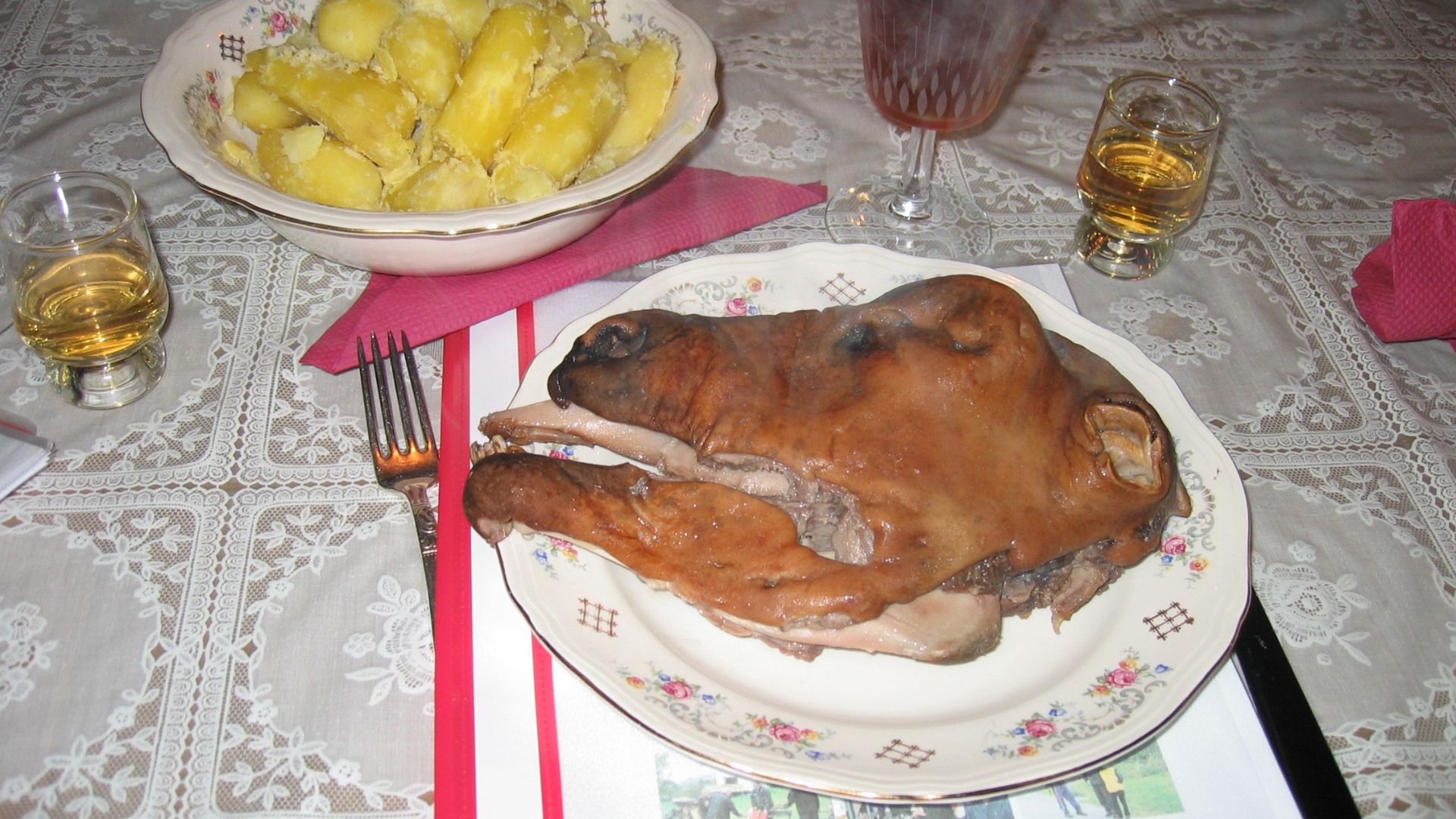
There is no disguising what arrives at the table when you order smalahove. This western Norwegian specialty is a sheep's head, traditionally salted, smoked and cooked before being served with potatoes and mashed rutabaga. In Voss, eating the eye and other parts remains part of the experience for some.
Lutefisk, Norway
Dried whitefish becomes lutefisk after being rehydrated, treated with lye and soaked again until the lye has been removed. The resulting fish has a mild flavor but an unusually soft texture. Norwegians traditionally pair it with potatoes, peas, bacon and mustard, particularly around Christmas.
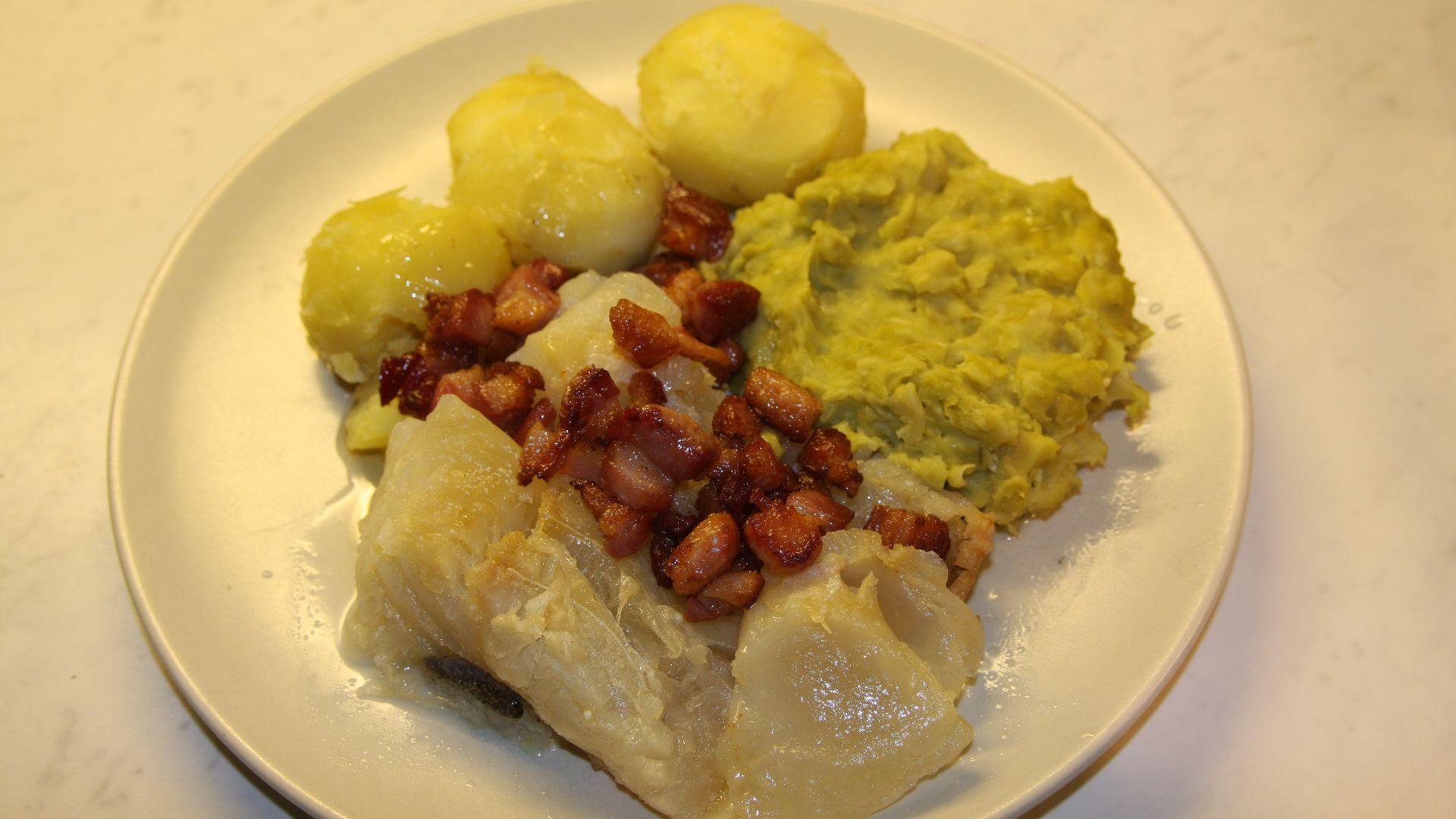 Jarvin Jarle Vines, Wikimedia Commons
Salmiakki, Finland
Americans expecting ordinary black licorice can receive quite a surprise from Finland's salmiakki. Ammonium chloride provides the candy's intensely salty, sharp flavor, producing something quite unlike familiar American licorice. Finns love it enough to put salmiakki into chocolate, pastries and ice cream, but newcomers are famously divided.
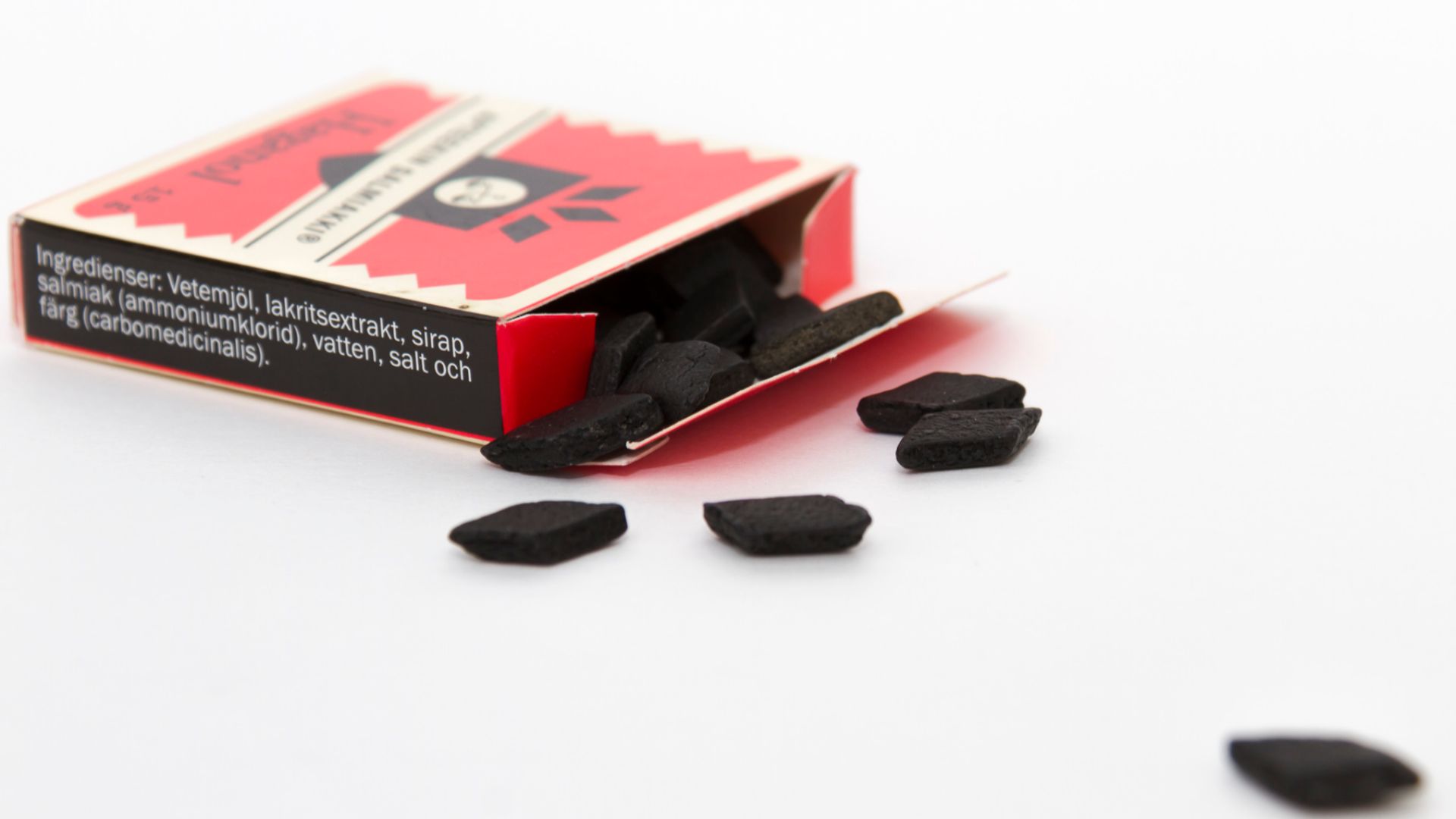 Aatu Dorochenko, Wikimedia Commons
Black Pudding, Britain
A traditional British or Irish breakfast can suddenly become considerably more adventurous when black pudding appears. This dark sausage contains blood mixed with ingredients that can include fat, grain and seasoning. Plenty of visitors discover that it tastes better than its description sounds, although knowing what is inside can remain the obstacle.
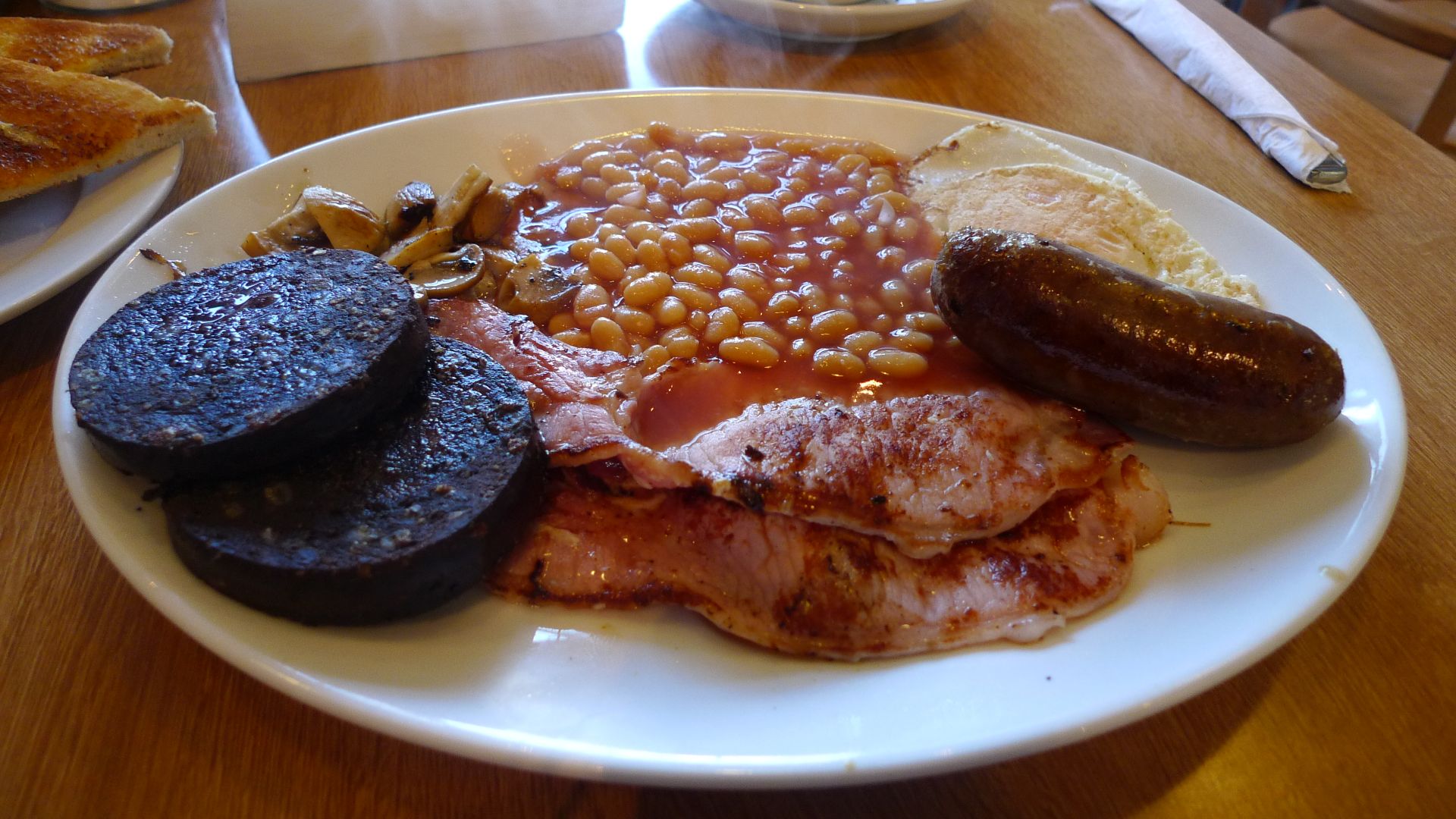 Ewan Munro from London, UK, Wikimedia Commons
Haggis, Scotland
Scotland's national dish combines meat with oatmeal, onion and spices, traditionally cooked in a sheep's stomach. Modern versions commonly use other casings, but explaining the recipe can still unsettle visitors. Served beside neeps and tatties, haggis has generations of devoted fans, even if some tourists remain unconvinced.
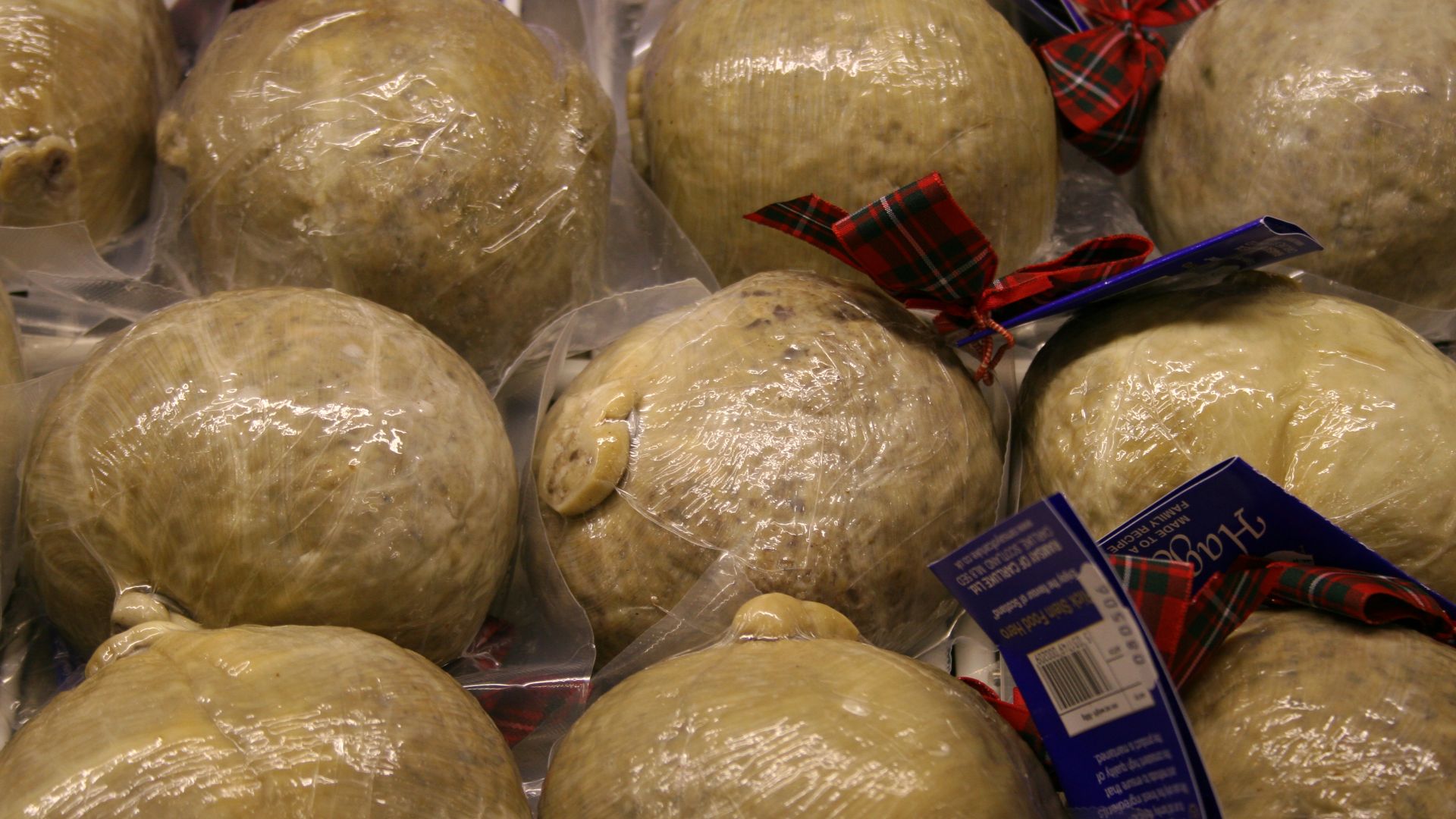 Chris Brown , Wikimedia Commons
Jellied Eels, England
East London's traditional jellied eels deliver two potentially challenging textures simultaneously. Chopped eel is cooked and allowed to cool until its liquid sets into jelly, creating a cold dish traditionally eaten with vinegar. Once an inexpensive London staple, it now survives largely through traditional pie-and-mash shops and adventurous diners.
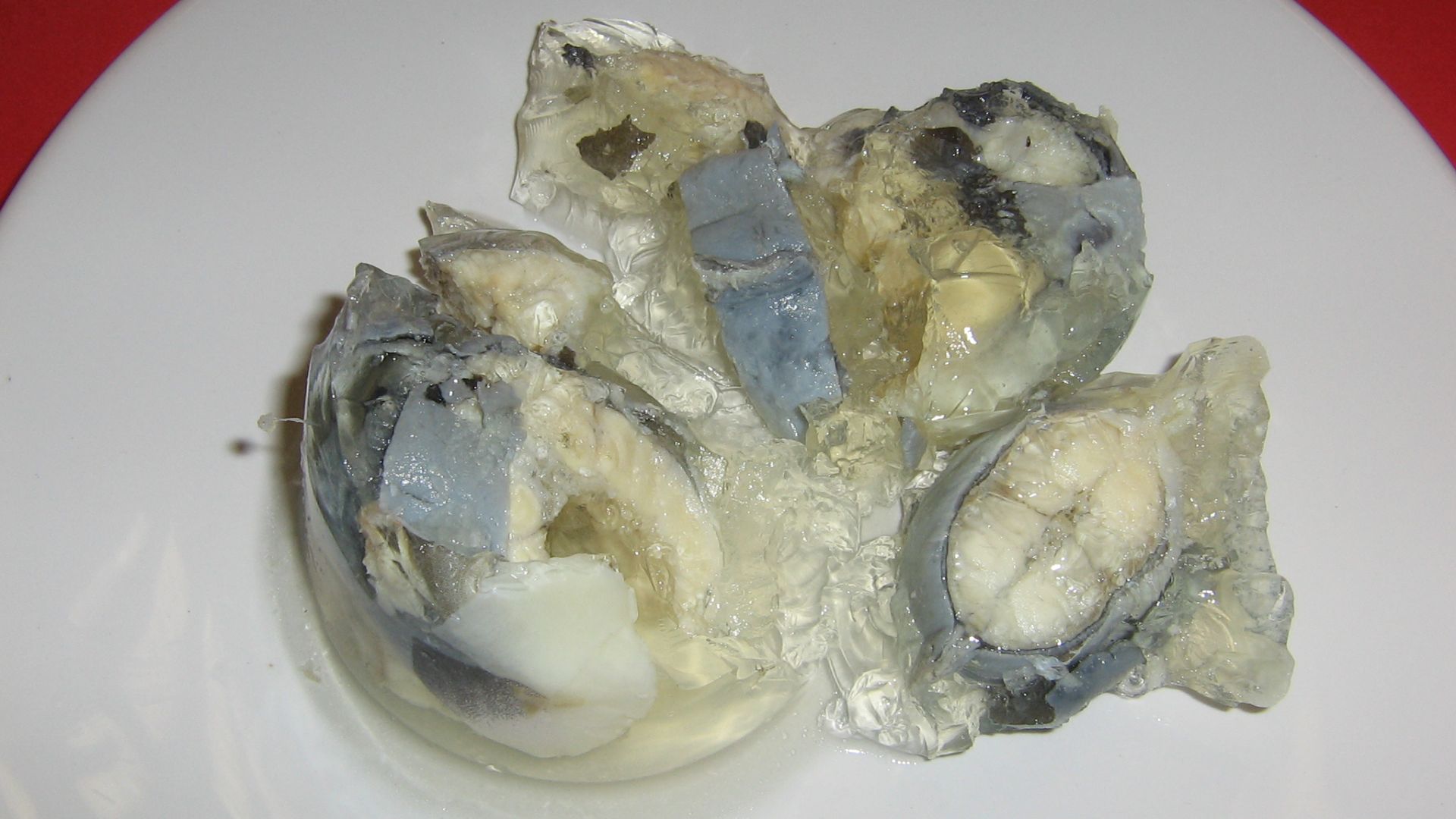 JanesDaddy (Ensglish User), Wikimedia Commons
Stargazy Pie, England
Cornwall's stargazy pie looks back at you. Traditionally associated with Mousehole, The traditional pie contains pilchards baked beneath pastry while their heads protrude through the crust, supposedly gazing toward the stars. The ingredients themselves are hardly frightening, but diners unaccustomed to making eye contact with dinner may struggle with the presentation.
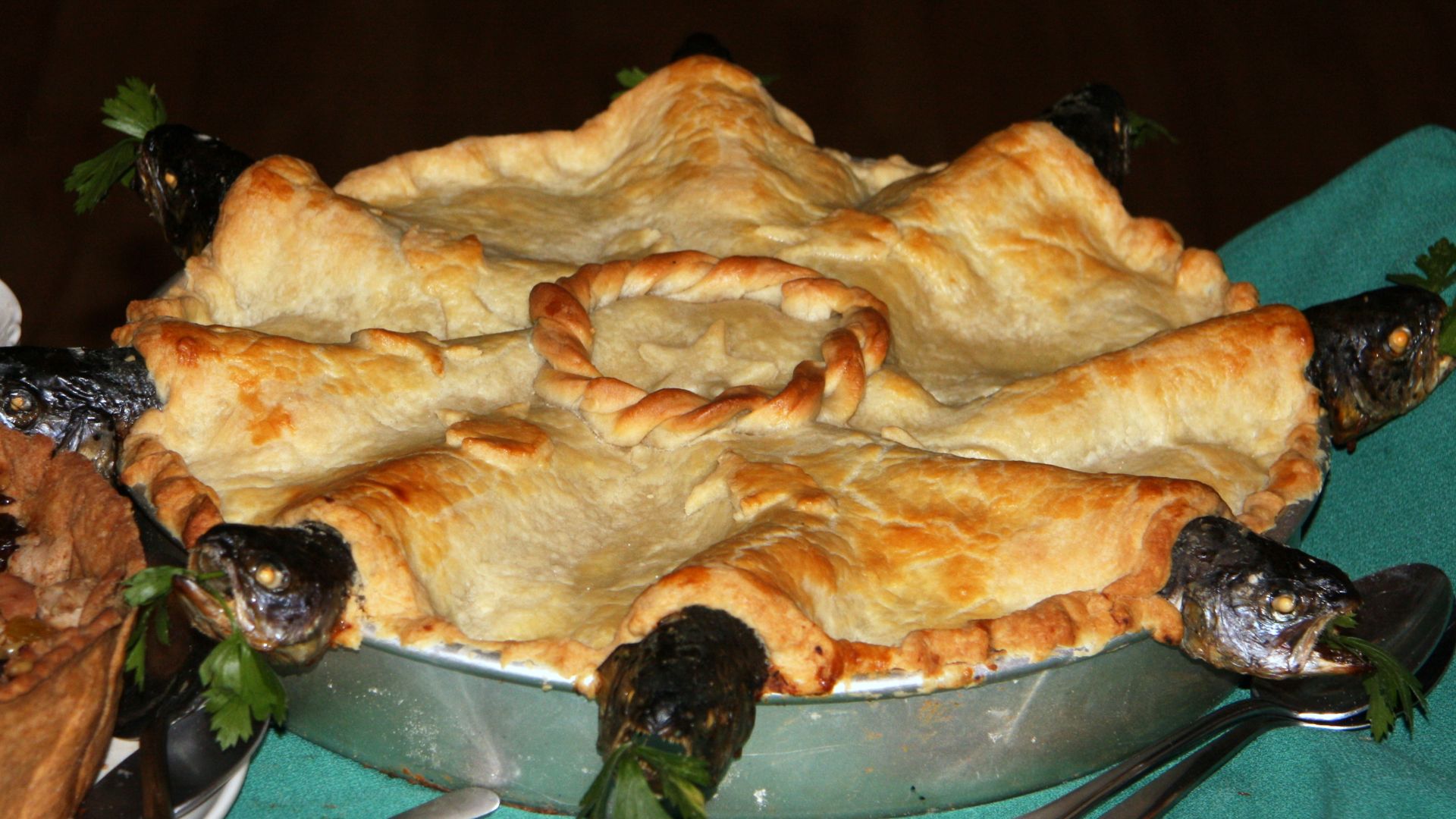 Jonathunder, Wikimedia Commons
Andouillette, France
Ordering sausage in France sounds safe until the sausage is andouillette. Traditionally produced using pork intestines and other digestive-tract ingredients, it possesses a powerful aroma that enthusiasts consider integral to the experience. Its rustic appearance and unmistakably offal-heavy flavor make it considerably more challenging than the average American breakfast sausage.
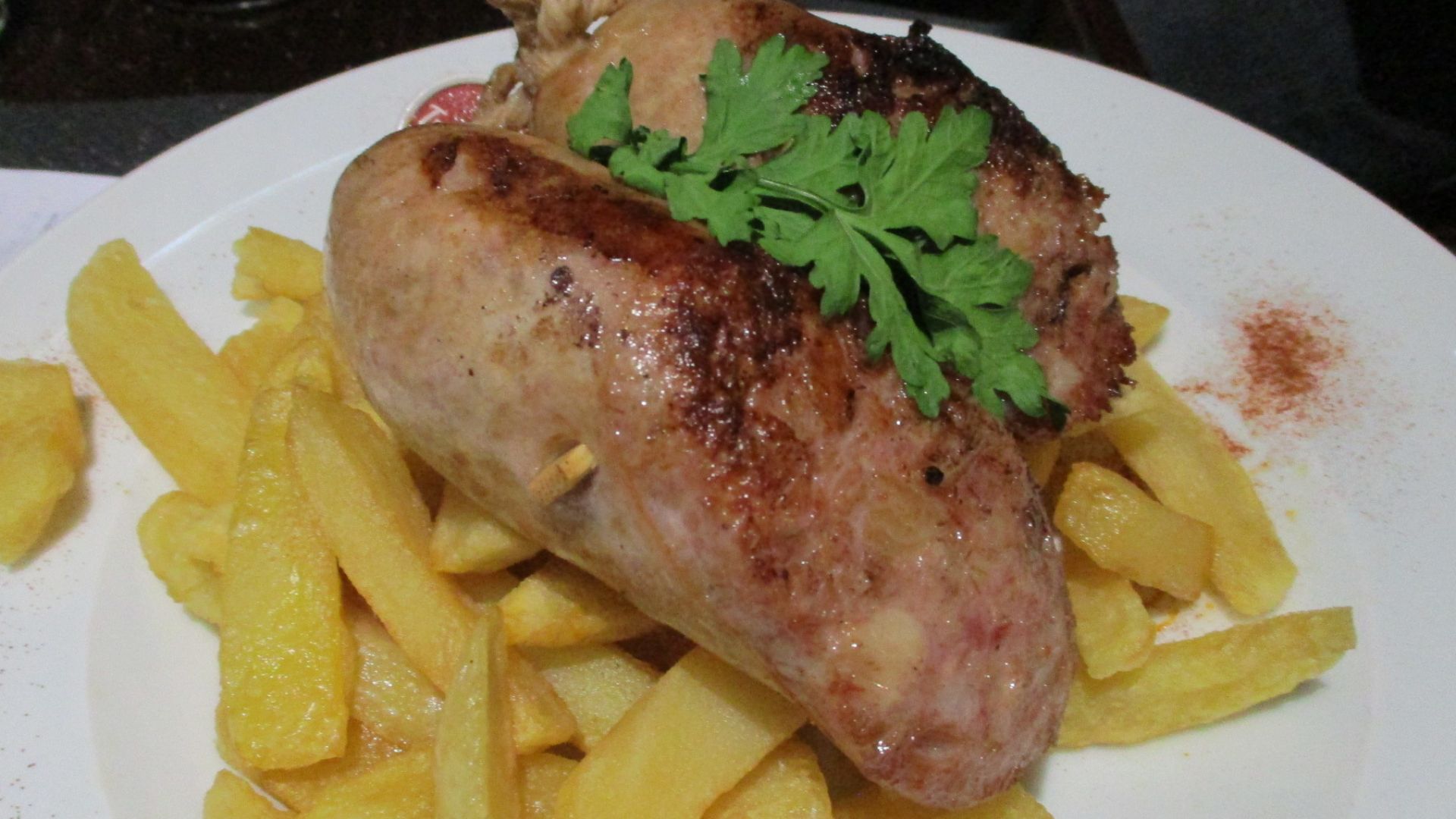
Tête De Veau, France
The name provides fair warning: tête de veau means calf's head. French cooks traditionally prepare various parts of the head and serve the meat with a strongly flavored sauce. The tender, gelatinous textures are precisely what admirers appreciate, but they can be a formidable hurdle for travelers accustomed to familiar steakhouse cuts.
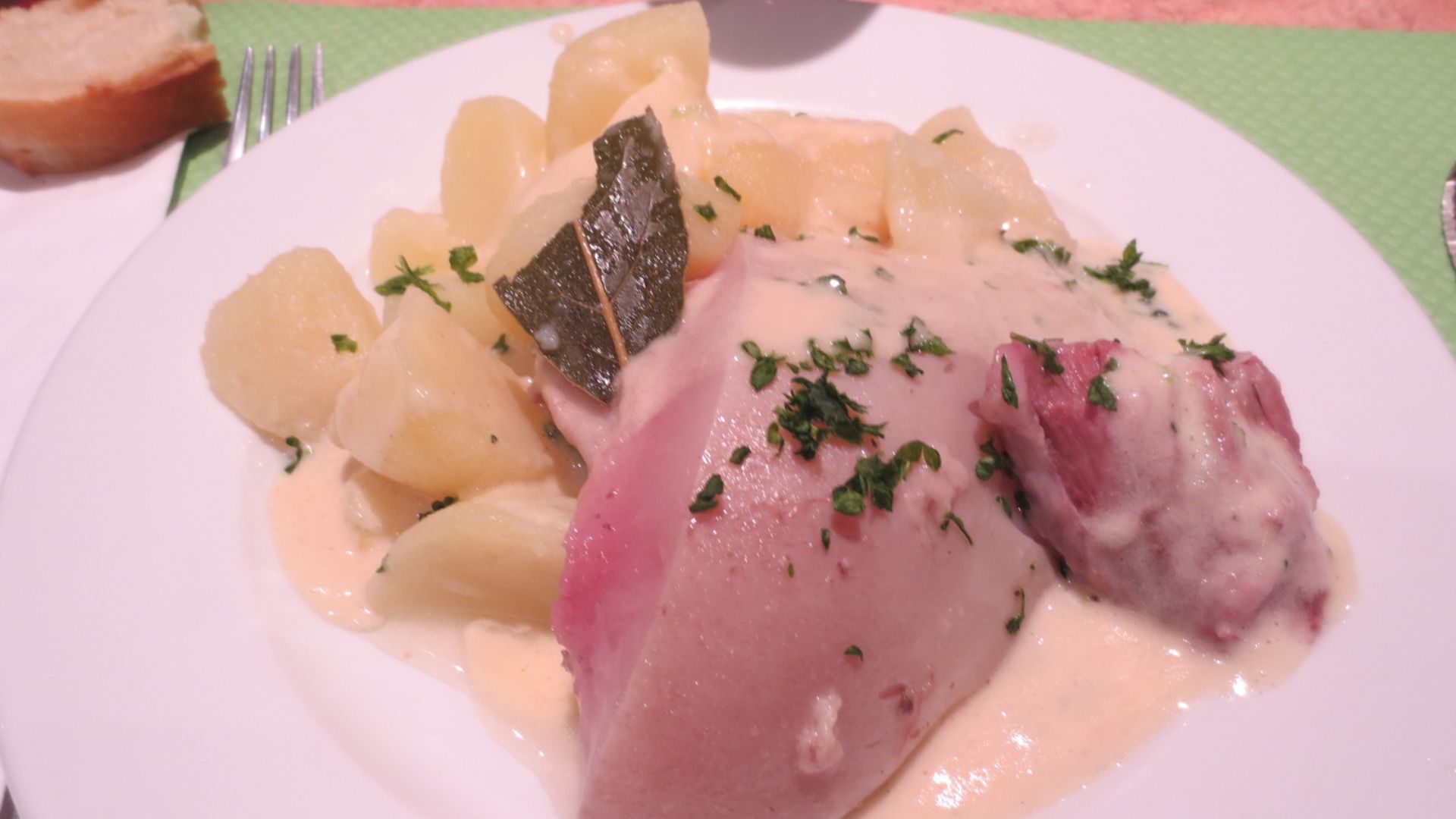
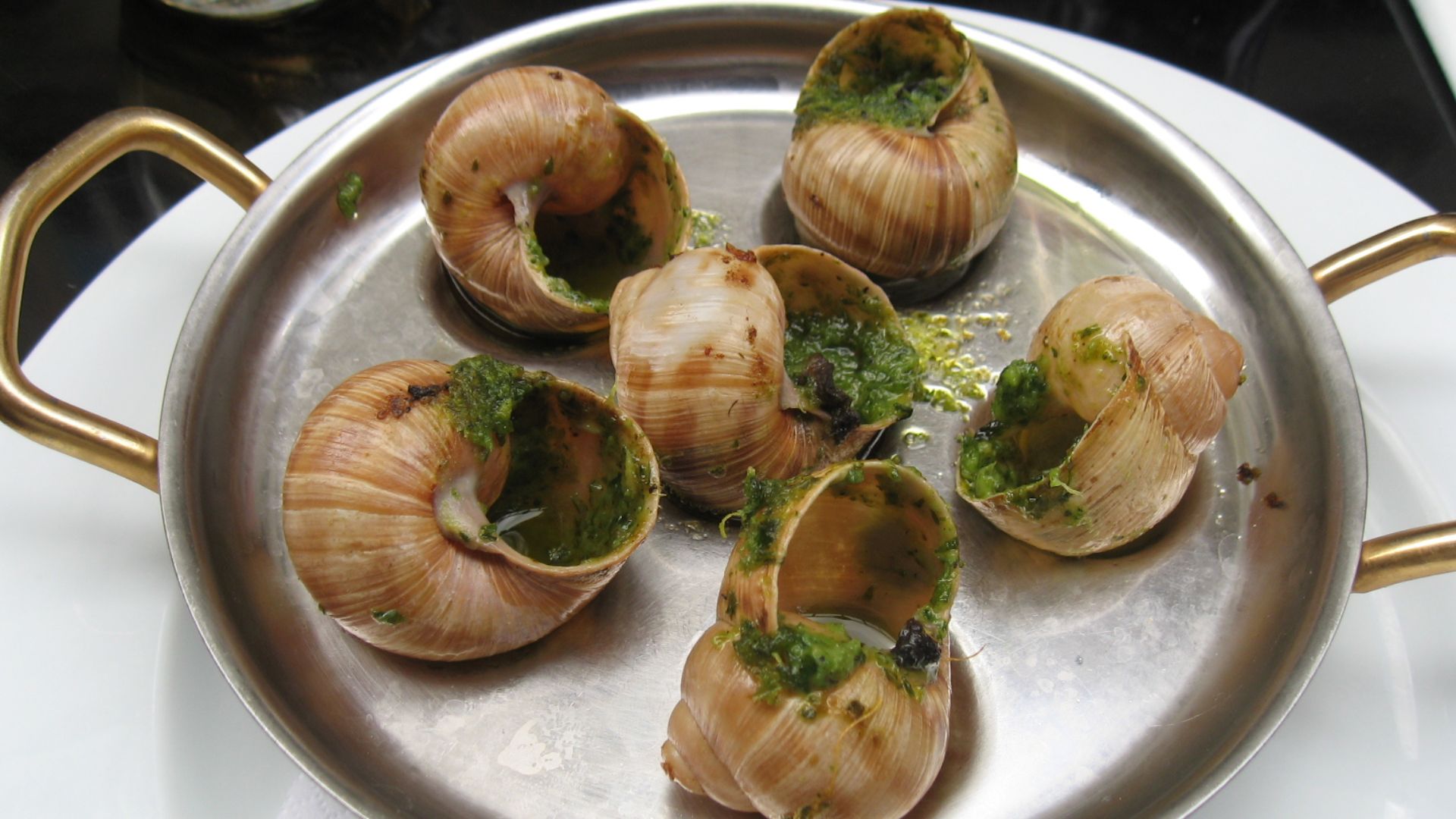
Escargots, France
Garlic, parsley and butter can make almost anything tempting, which helps explain why plenty of hesitant visitors eventually try escargots. The snails themselves have a relatively mild flavor, but their distinctive texture and unmistakable shells can prove harder to forget. For some travelers, trying six once satisfies a lifetime's curiosity.
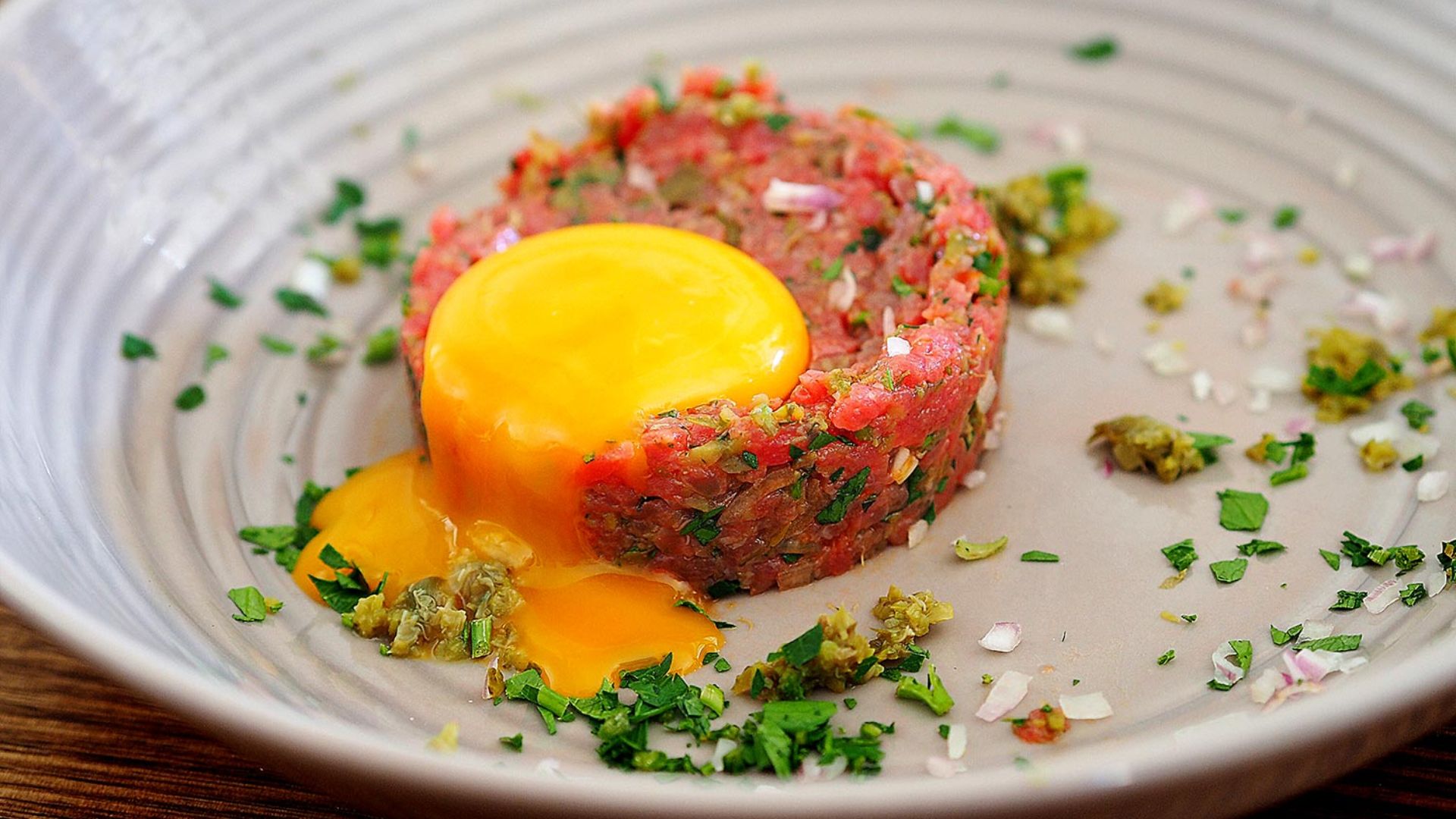
Steak Tartare, France
A beautiful Parisian bistro may seem like the perfect place to become adventurous, until your steak arrives completely raw. Steak tartare generally consists of finely chopped raw beef with seasonings and often egg yolk. U.S. food-safety guidance recognizes raw preparations such as steak tartare as carrying additional risk.
 insatiablemunch, Wikimedia Commons
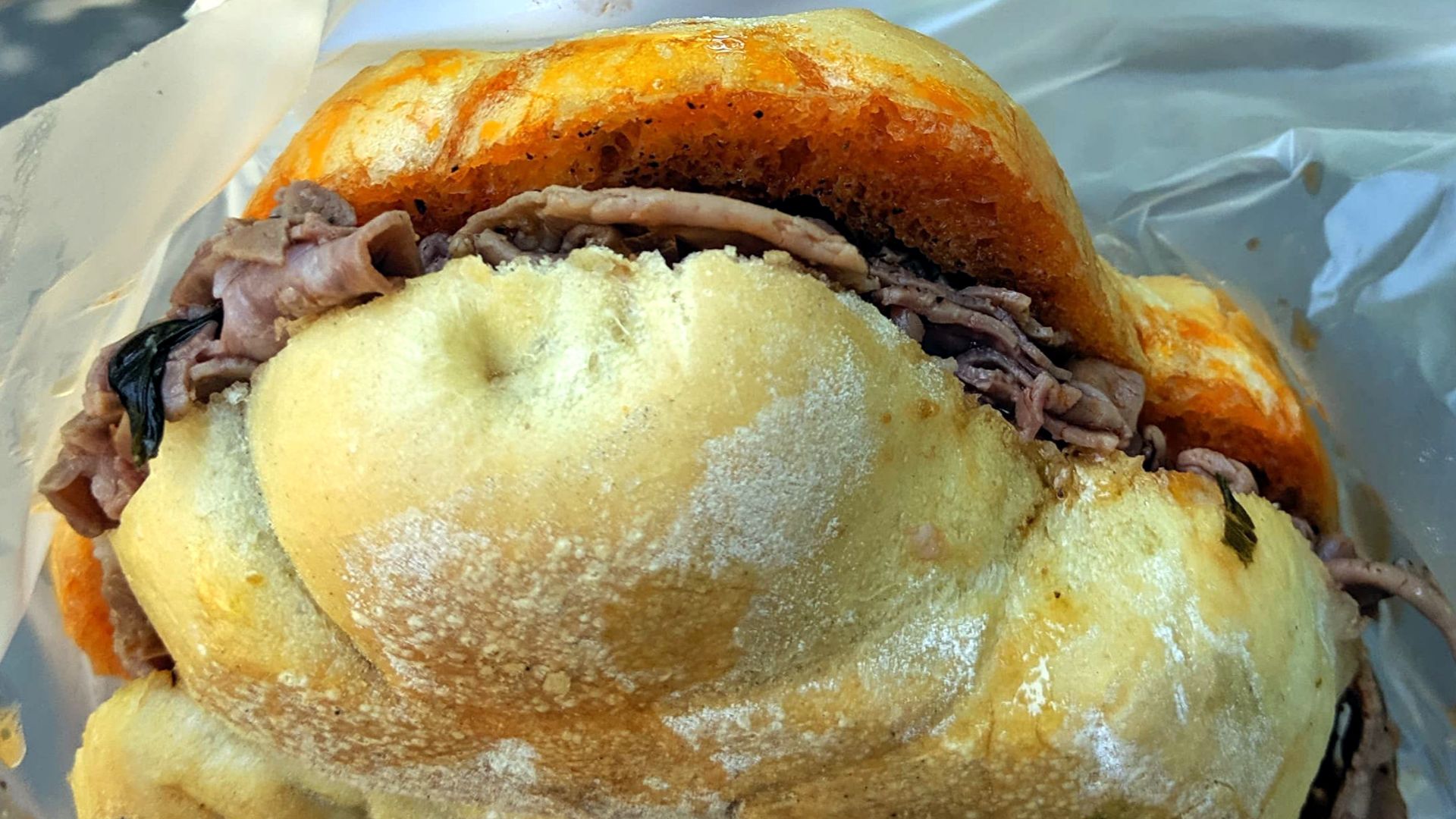
Lampredotto, Italy
Florence's quintessential street sandwich has sustained generations of locals, but its main ingredient can surprise unsuspecting tourists. Lampredotto is the cow's fourth stomach, slowly simmered with vegetables before being chopped into a roll with sauce. Its tender texture wins converts, although some visitors prefer not to contemplate the anatomy.
 William Held, Wikimedia Commons
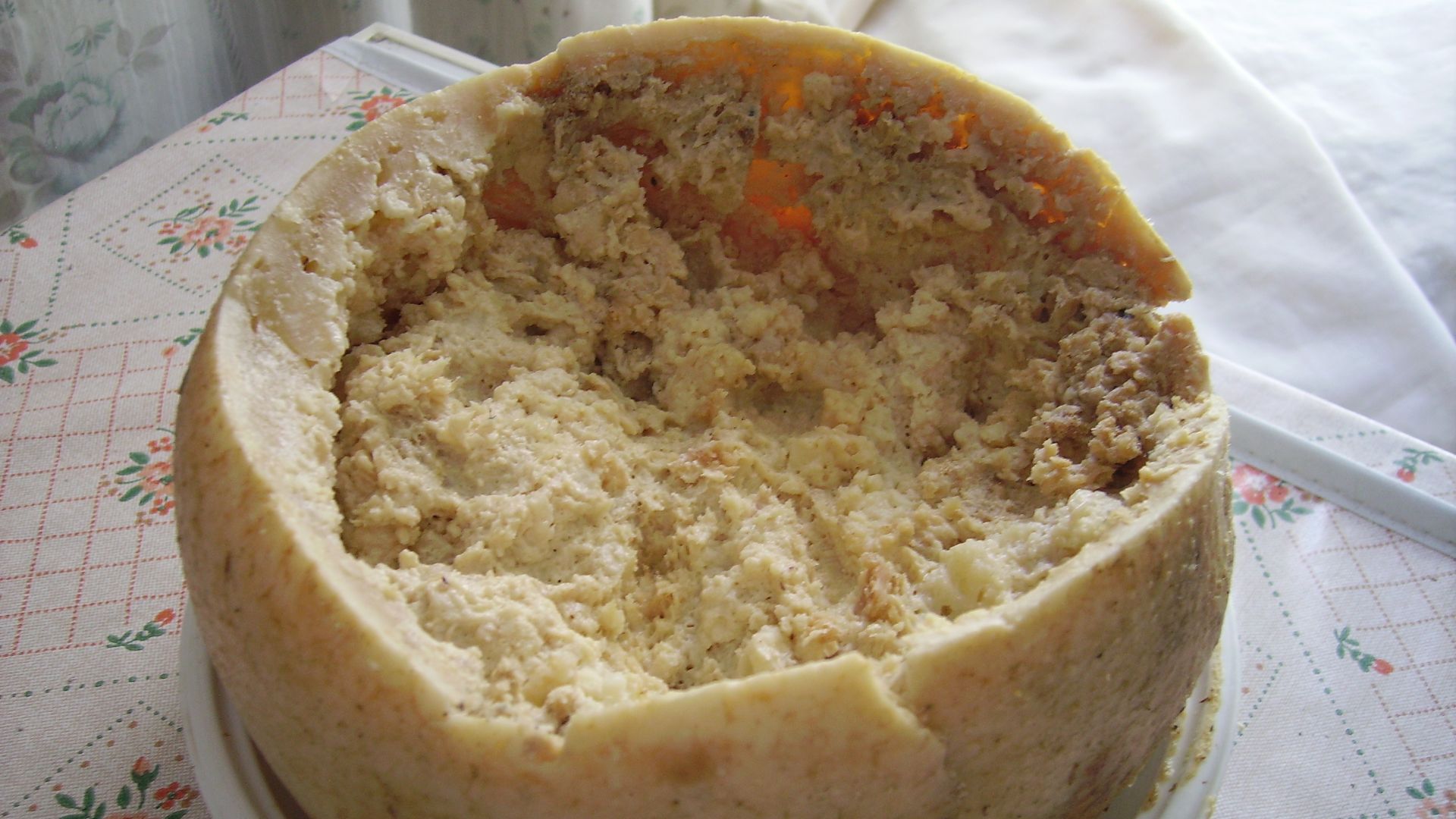
Casu Marzu, Sardinia
Sardinia's notorious casu marzu pushes cheese fermentation into territory many visitors never imagined. Traditionally, fly larvae help transform sheep's-milk cheese into an exceptionally soft, intensely flavored product. Its unusual production method and food-safety issues have made it internationally famous, even among travelers who have absolutely no intention of tasting it.
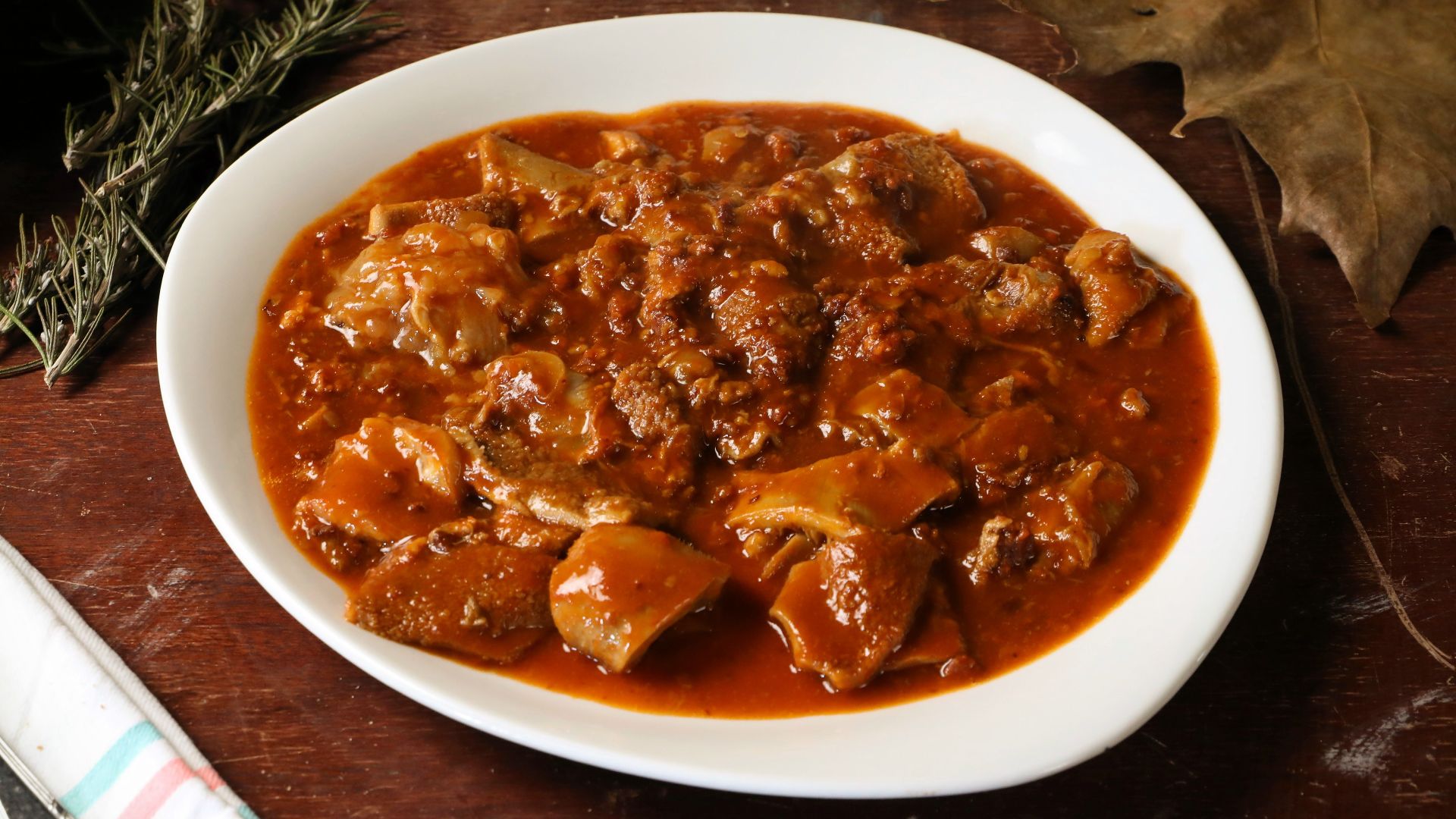
Trippa, Italy
Italian cooking can transform humble ingredients beautifully, and trippa demonstrates that philosophy perfectly. Tripe is the edible lining of a cow's stomach, commonly simmered until tender and served with richly flavored sauces. Florence has a particularly strong tripe tradition, but the distinctive honeycomb texture can challenge first-time diners.
 José Antonio Otegui Auzmendi, Pexels
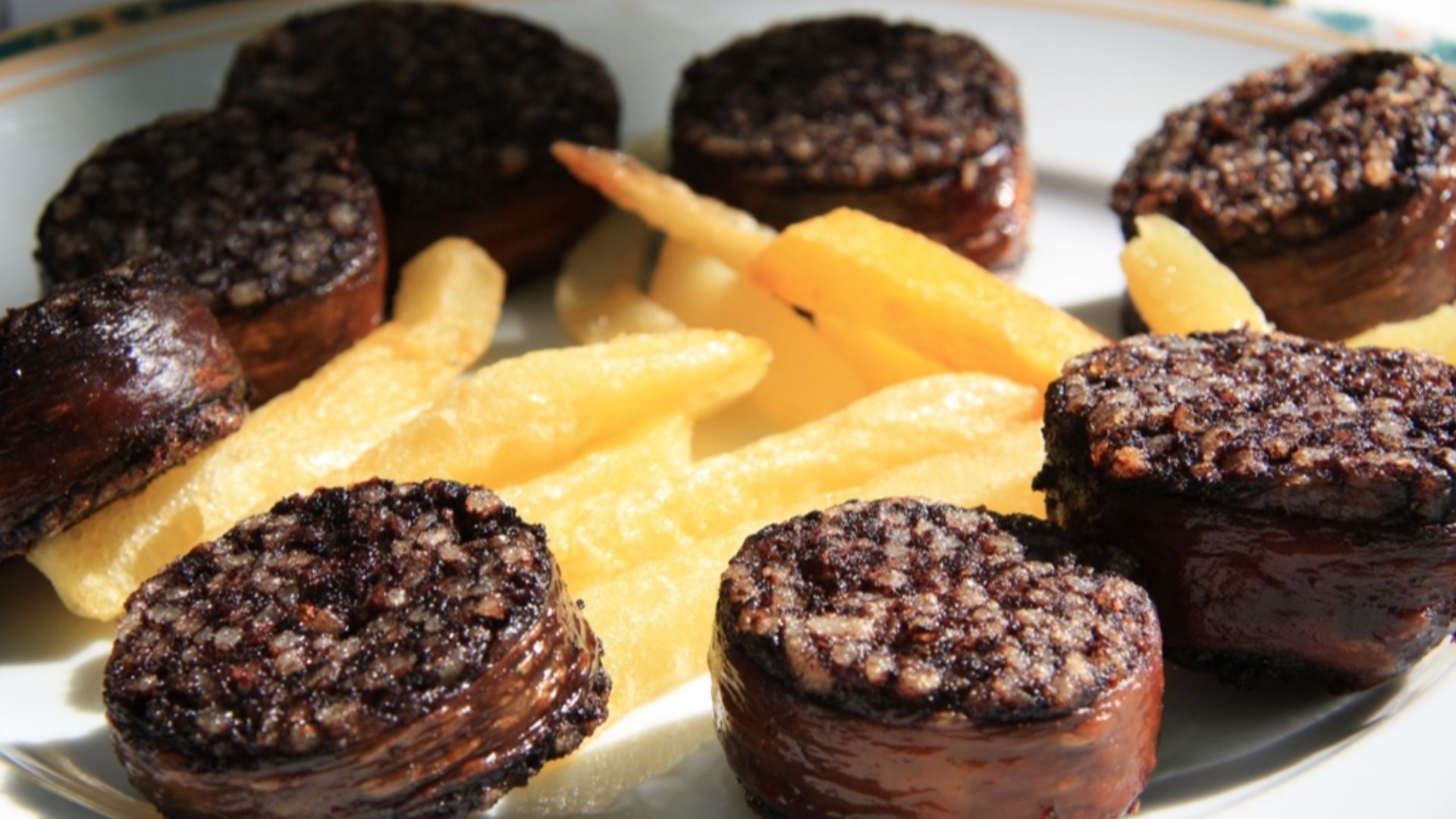
Morcilla, Spain
Spain's morcilla comes in numerous regional varieties, but blood is the ingredient that gives the sausage its distinctive dark appearance. Some versions incorporate rice, onions or spices, creating surprisingly complex flavors. Travelers who successfully finish a plate may nevertheless decide that one encounter with blood sausage was sufficient experimentation.
 Javier Lastras from España/Spain, Wikimedia Commons
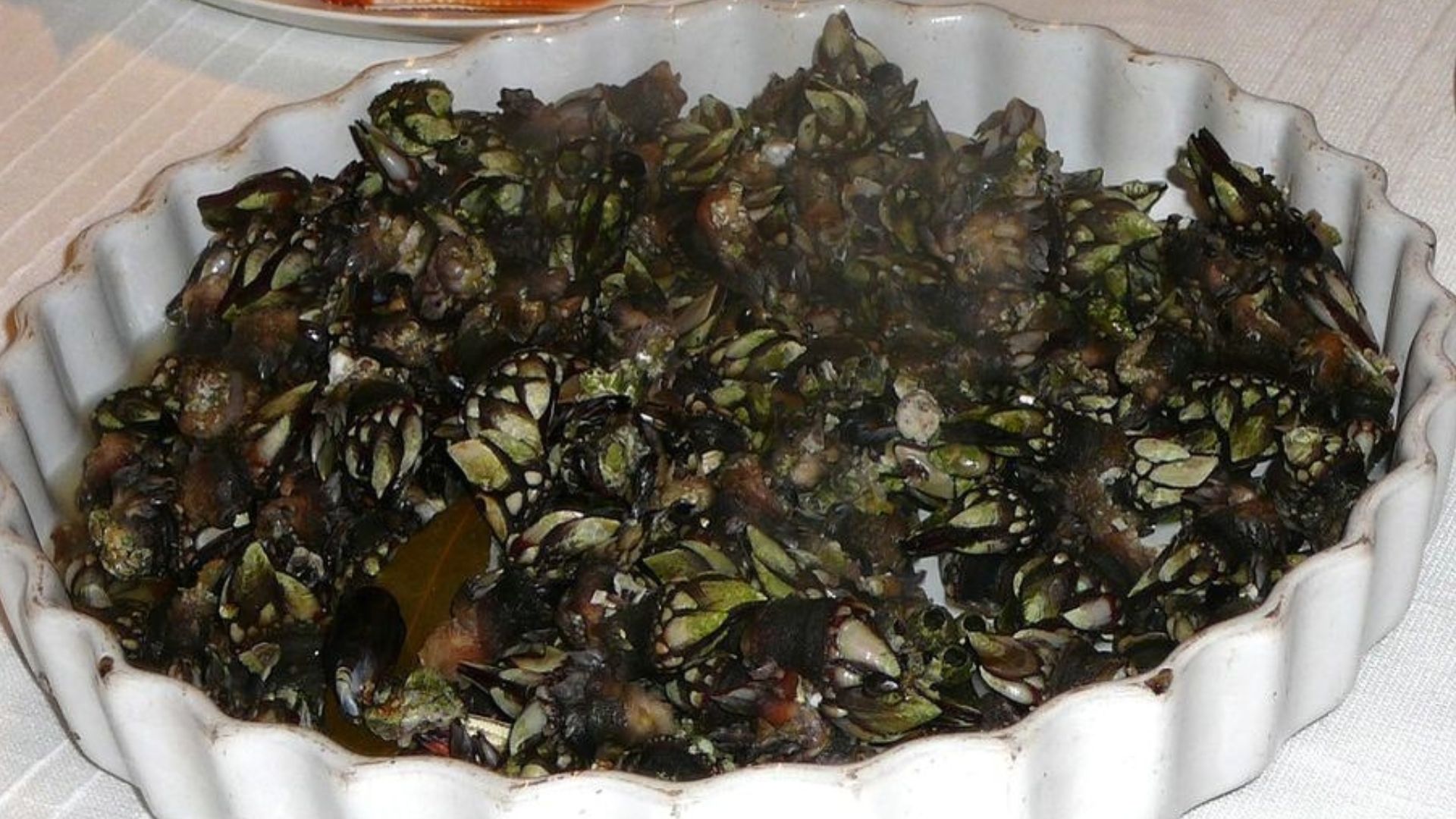
Percebes, Spain And Portugal
Percebes, or goose barnacles, look more like something scraped from an alien spacecraft than an expensive seafood delicacy. Harvested from dangerous wave-battered rocks along the Atlantic coast, they are prized for their intensely briny flavor. The leathery exterior and strange claw-like appearance can prove more challenging than the taste itself.
 Juan Mejuto, Wikimedia Commons
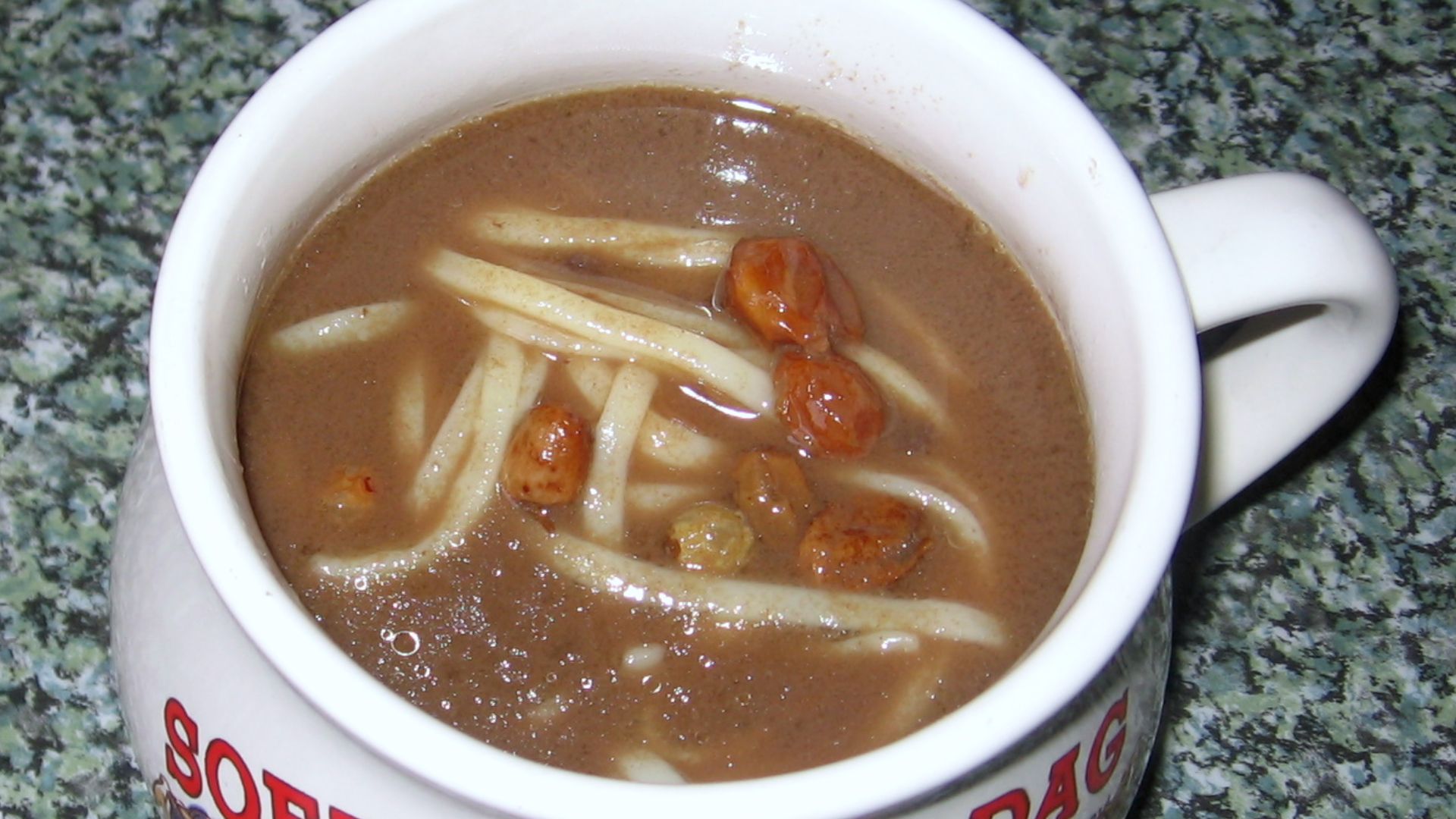
Czernina, Poland
Polish czernina transforms duck blood into soup. Traditionally balancing savory, sweet and sour flavors, recipes can include dried fruit, vinegar, vegetables and spices alongside the blood itself. It represents exactly the kind of traditional dish adventurous travelers may order out of curiosity, only to discover that curiosity has limits.
 No machine-readable author provided. Julo assumed (based on copyright claims)., Wikimedia Commons
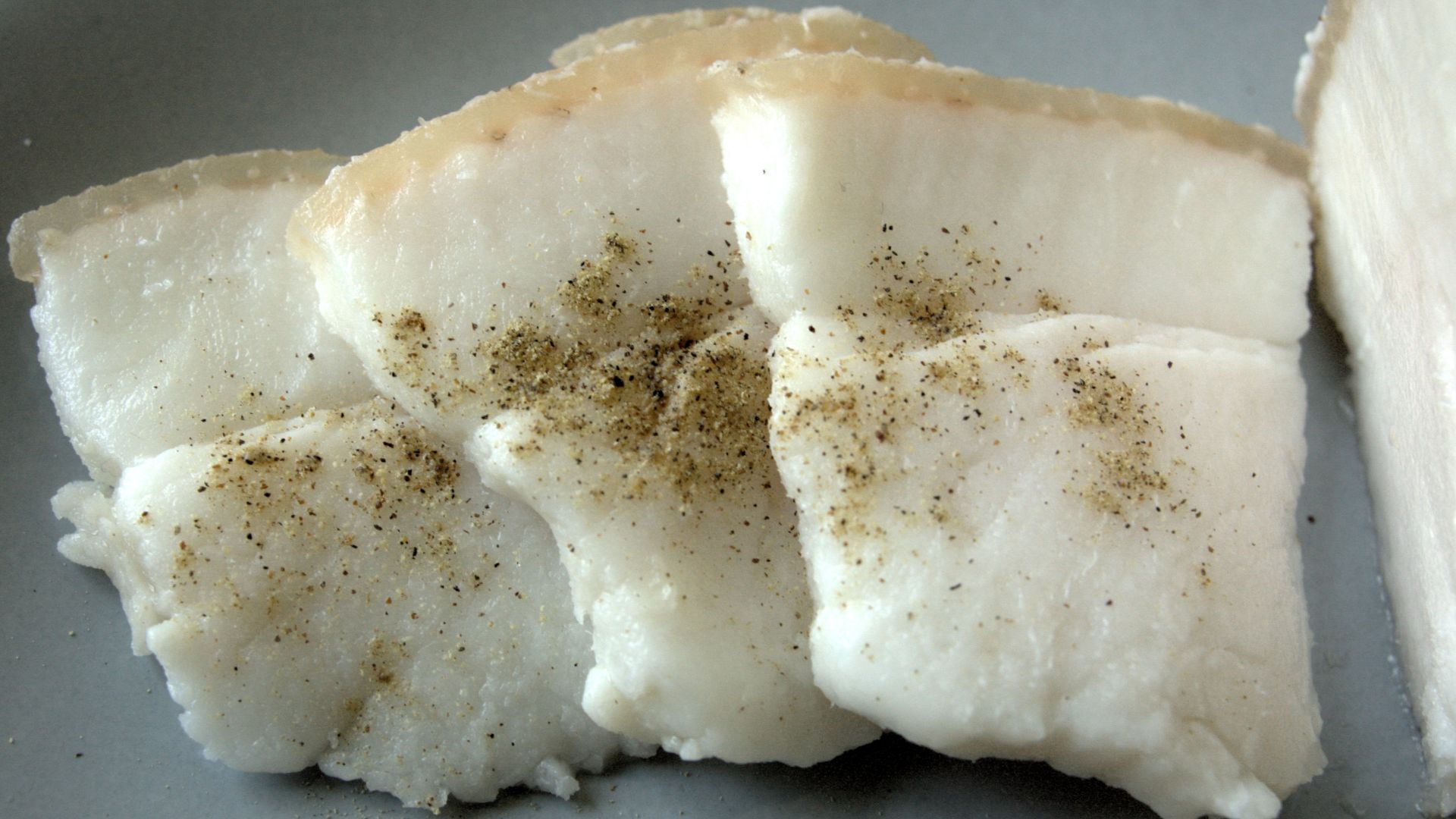
Salo, Ukraine
Salo is not bacon in the familiar American sense. This Ukrainian staple consists primarily of cured pork fat, often served cold in thin slices with rye bread, garlic or pickles. Its importance in Ukrainian food culture runs deep, but a mouthful dominated by cold fat can surprise unprepared visitors.
 Roland Geider (Ogre), Wikimedia Commons
Svið, Iceland
Iceland offers another striking example of traditional nose-to-tail eating with svið, a sheep's head that is singed, cleaned and cooked. Like Norway's smalahove, the finished dish remains unmistakably recognizable as a head. The cheek may be deliciously tender, but the eye can become the psychological point of no return.

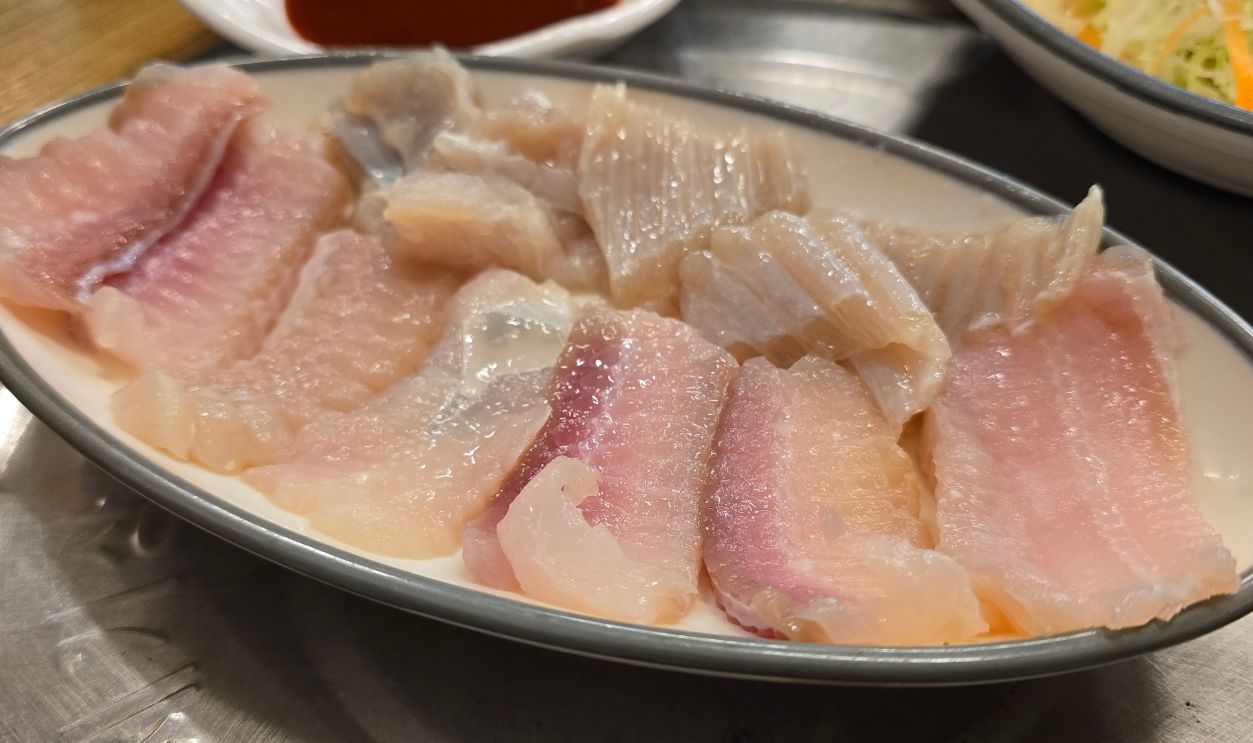
Kæst Skata, Iceland
Fermented skate is an Icelandic Christmas-season tradition whose aroma announces dinner before diners reach the table. The fish develops a strong ammonia smell during fermentation and is commonly associated with December 23 celebrations. Even people who enjoy seafood may discover that this particular expression of Nordic preservation requires serious determination.
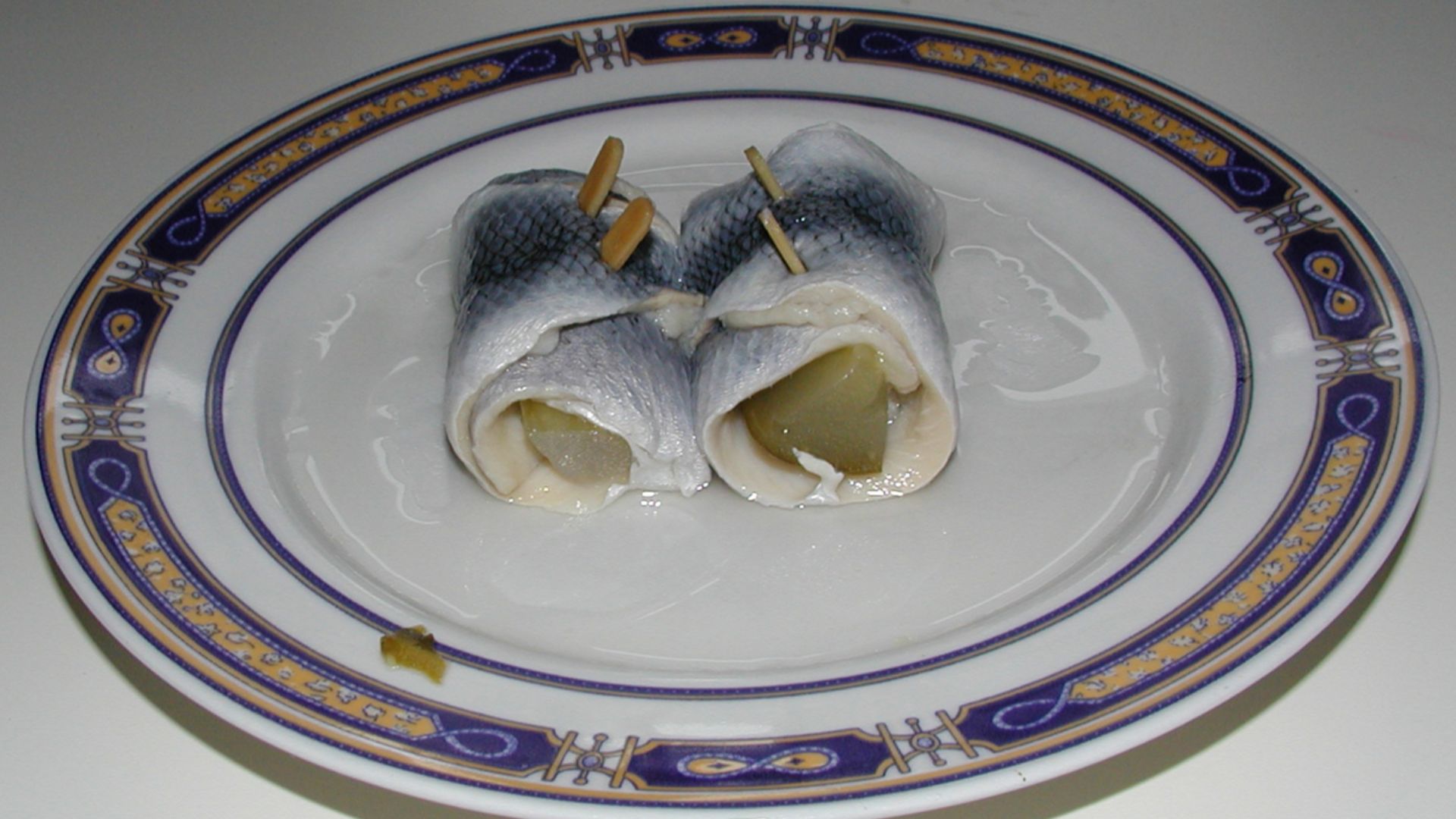
Rollmops, Germany
Compared with fermented shark, Germany's rollmops sound positively tame. Pickled herring fillets are rolled around ingredients such as onion or gherkin and served cold. The combination of oily fish, vinegar and chilled slippery texture can divide visitors who otherwise enjoy seafood.
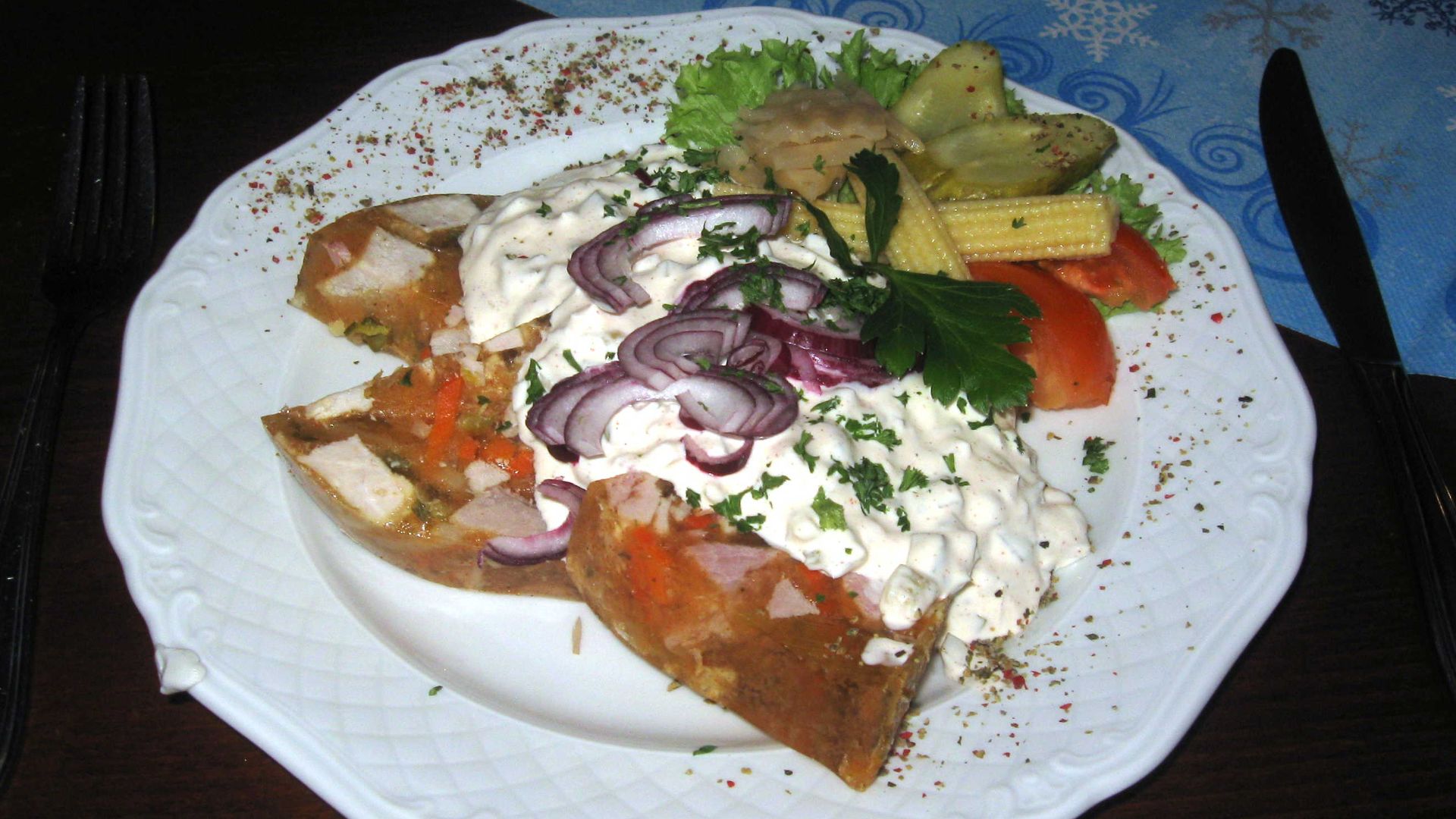
Sülze, Germany
Sülze belongs to the old European tradition of preserving pieces of meat inside savory gelatin. Depending on the recipe, pork and vegetables appear suspended within clear aspic and are served cold. Americans familiar with sweet gelatin desserts can experience a particularly memorable moment when their first wobbling forkful tastes unmistakably meaty.
Mämmi, Finland
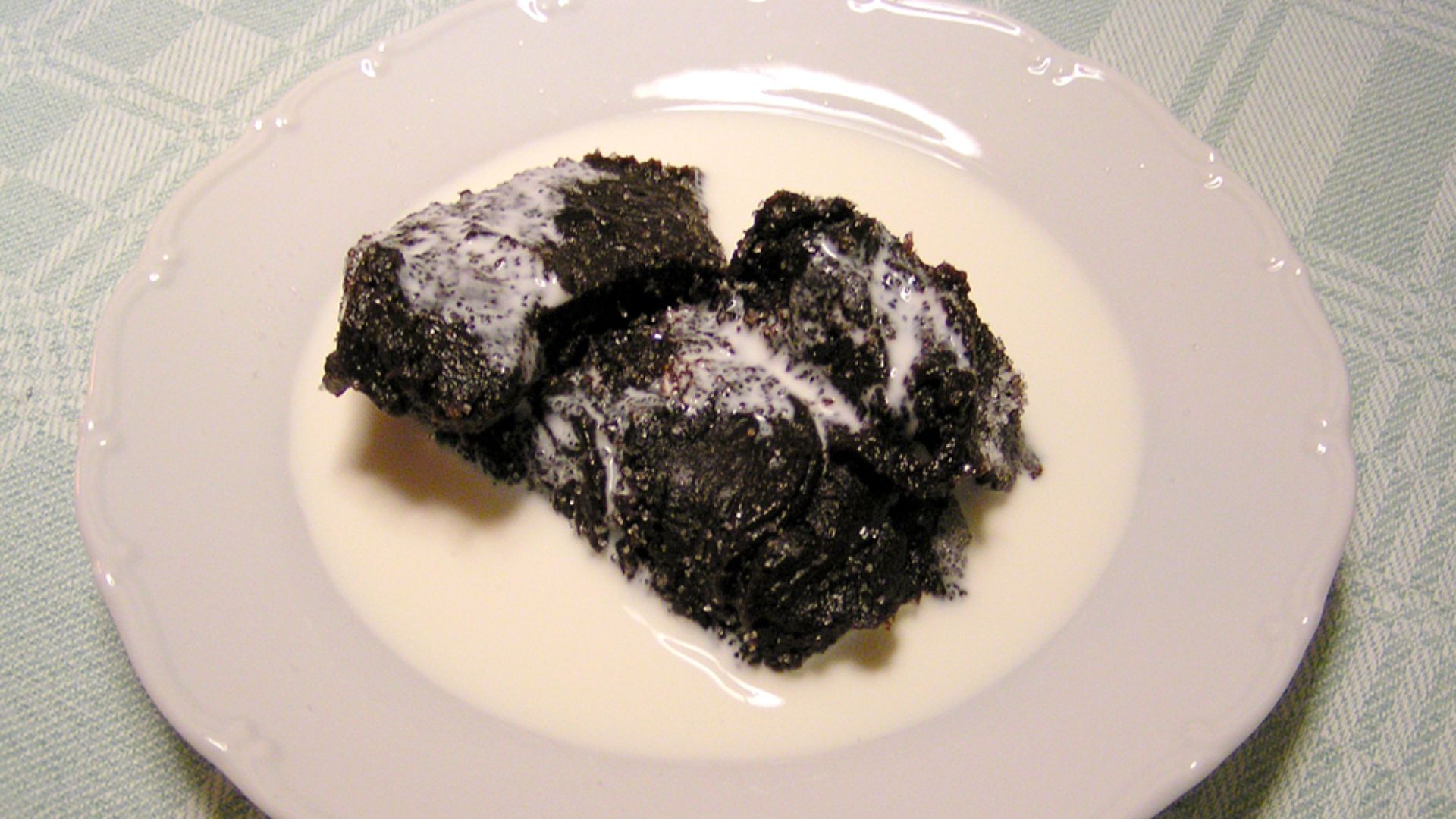
Finland gets the final word with a dessert that can be startling before anyone tastes it. Mämmi is a dark rye-and-malt pudding traditionally associated with Easter and commonly served with cream and sugar. Its appearance and dense texture can intimidate newcomers, even though its mildly sweet flavor is considerably gentler than expected.
You May Also Like:
Countries Where American Travelers Say The Food Was Better Than They Ever Expected
British Foods Americans Get Totally Wrong
Sources: 1, 2, 3, 4, 5, 6, 7, 8, 9, 10, 11, 12, 13, 14, Reddit, , ,