The Sights Were New, But Every Meal Felt Familiar
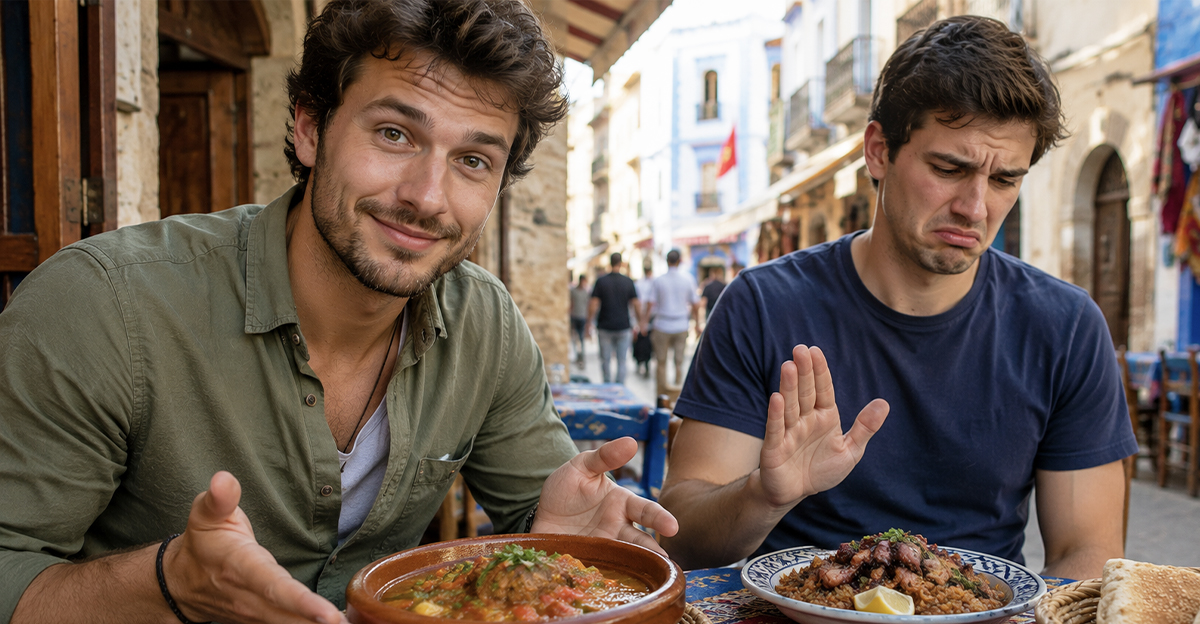
The trip was supposed to include bustling markets, regional specialties, and restaurants that didn’t exist back home. Instead, every meal became a search for burgers, pizza, or the nearest familiar chain. Your friend may be missing an important part of the destination, but forcing the issue could ruin far more than dinner.
Food Can Reveal A Different Side Of A Place
Local cuisine often reflects a destination’s history, climate, agriculture, immigration, and family traditions. A bowl of noodles, regional pastry, or street snack can tell travelers something that a landmark never will. Food-focused publications regularly treat eating as a central part of experiencing a destination rather than a break between attractions.
Your Friend May Not Travel For The Same Reasons
Some people travel primarily for museums, scenery, nightlife, beaches, or time with friends. Food may be an exciting cultural experience for you but little more than fuel for them. Recognizing that difference doesn’t mean abandoning your own interests, but it can make the disagreement feel less personal.

Find Out What They’re Actually Avoiding
A refusal to eat local food can come from many places. Your friend may dislike unfamiliar textures, fear becoming sick, worry about spice, have dietary restrictions, or feel anxious about ordering in another language. Ask what concerns them instead of assuming they’re simply being closed-minded.
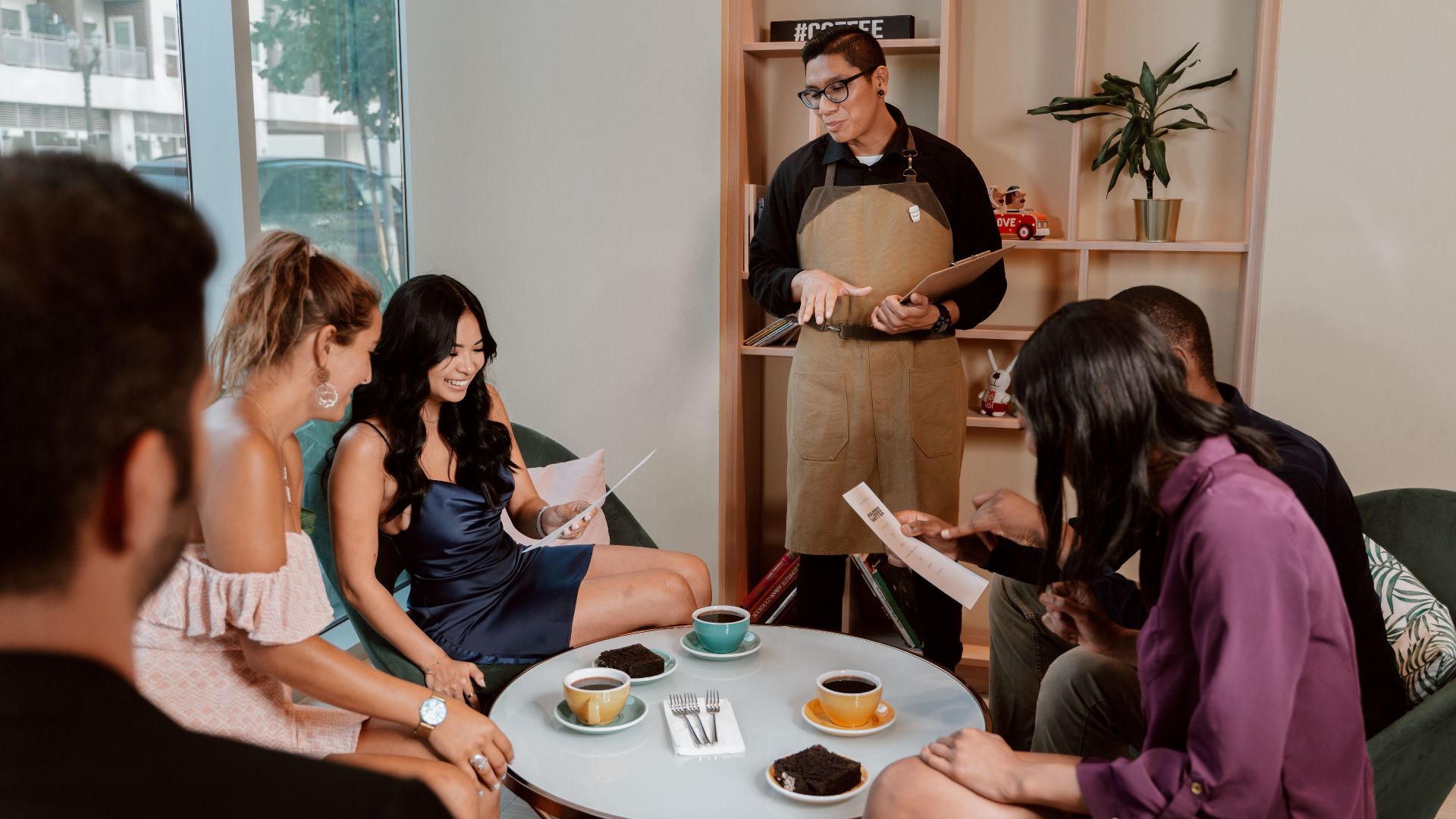
Distinguish Caution From Disinterest
Someone managing allergies, celiac disease, religious restrictions, or another medical concern has a different problem from someone who refuses anything unfamiliar on principle. The first situation requires careful research and communication. The second may call for compromise, but neither improves through ridicule.

Talk About Food Before The Next Trip
Travel companions should discuss eating expectations along with hotels, budgets, and sightseeing plans. Ask how adventurous each person wants to be, how much they’re comfortable spending, and whether separate meals are acceptable. That conversation is much easier at home than when everyone is hungry on an unfamiliar street.

Don’t Turn Every Meal Into A Test
Constantly asking, “Will you try this?” can make your friend more defensive. It also turns your enjoyment of local cuisine into a campaign to change someone else. Invite them occasionally, then allow them to decline without reopening the argument at every restaurant.
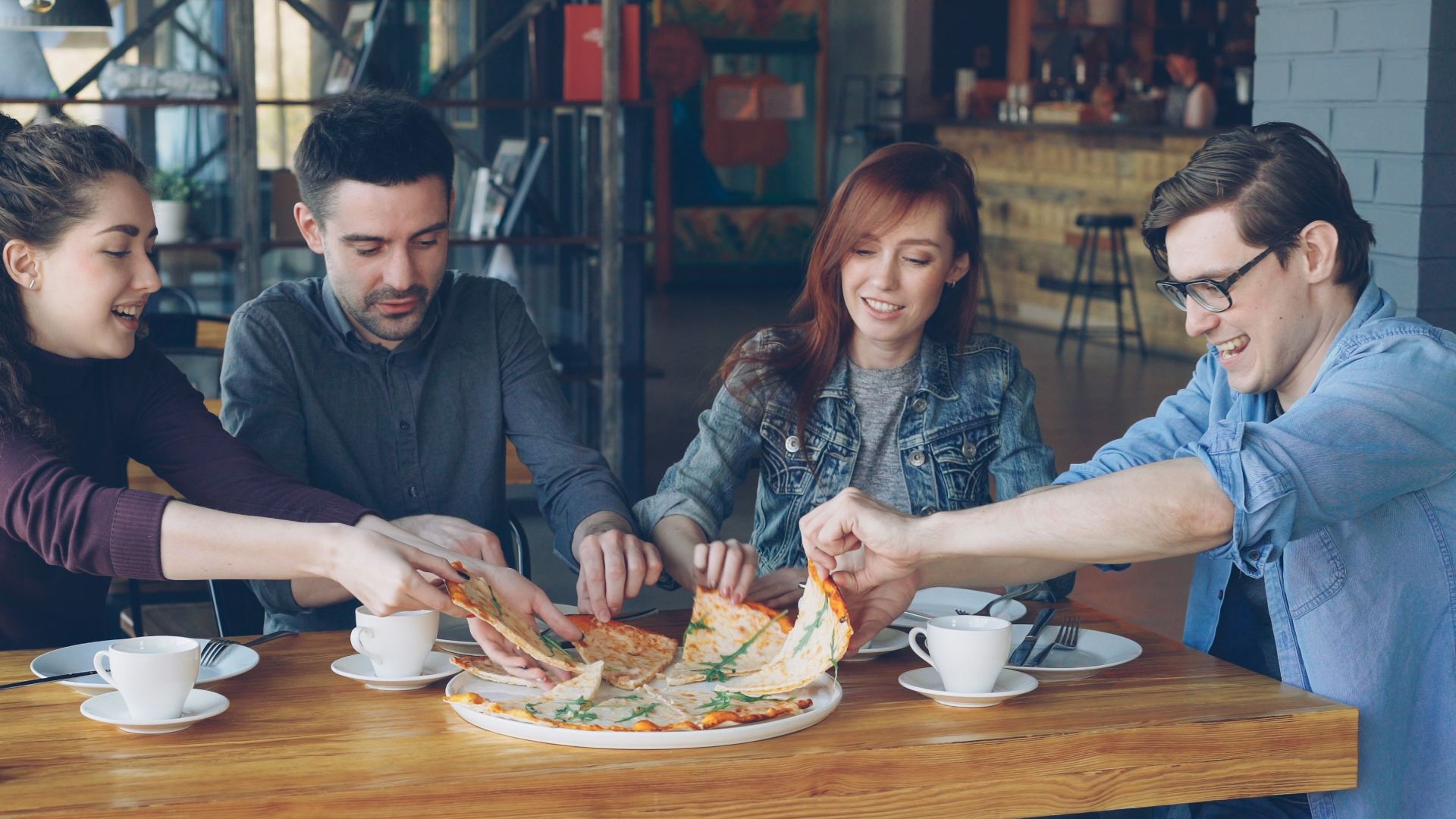
Avoid Calling Them Childish
Mocking a cautious eater rarely inspires curiosity. It usually makes the person more determined to protect their choices and less willing to experiment. Talk about what excites you rather than describing their food preferences as a character flaw.

Agree On A Fair Restaurant Balance
One person shouldn’t choose every meal simply because they’re the least adventurous eater. Alternate choices or agree that most restaurants must offer at least one familiar option alongside local dishes. This prevents the cautious traveler from feeling trapped while allowing everyone else to explore.

Eating Separately Is Sometimes The Best Answer
Travel companions don’t have to share every breakfast, lunch, and dinner. Your friend can visit a familiar café while you try the market stall or regional restaurant you’ve been anticipating. Meeting afterward may be far healthier than spending another meal resenting each other.
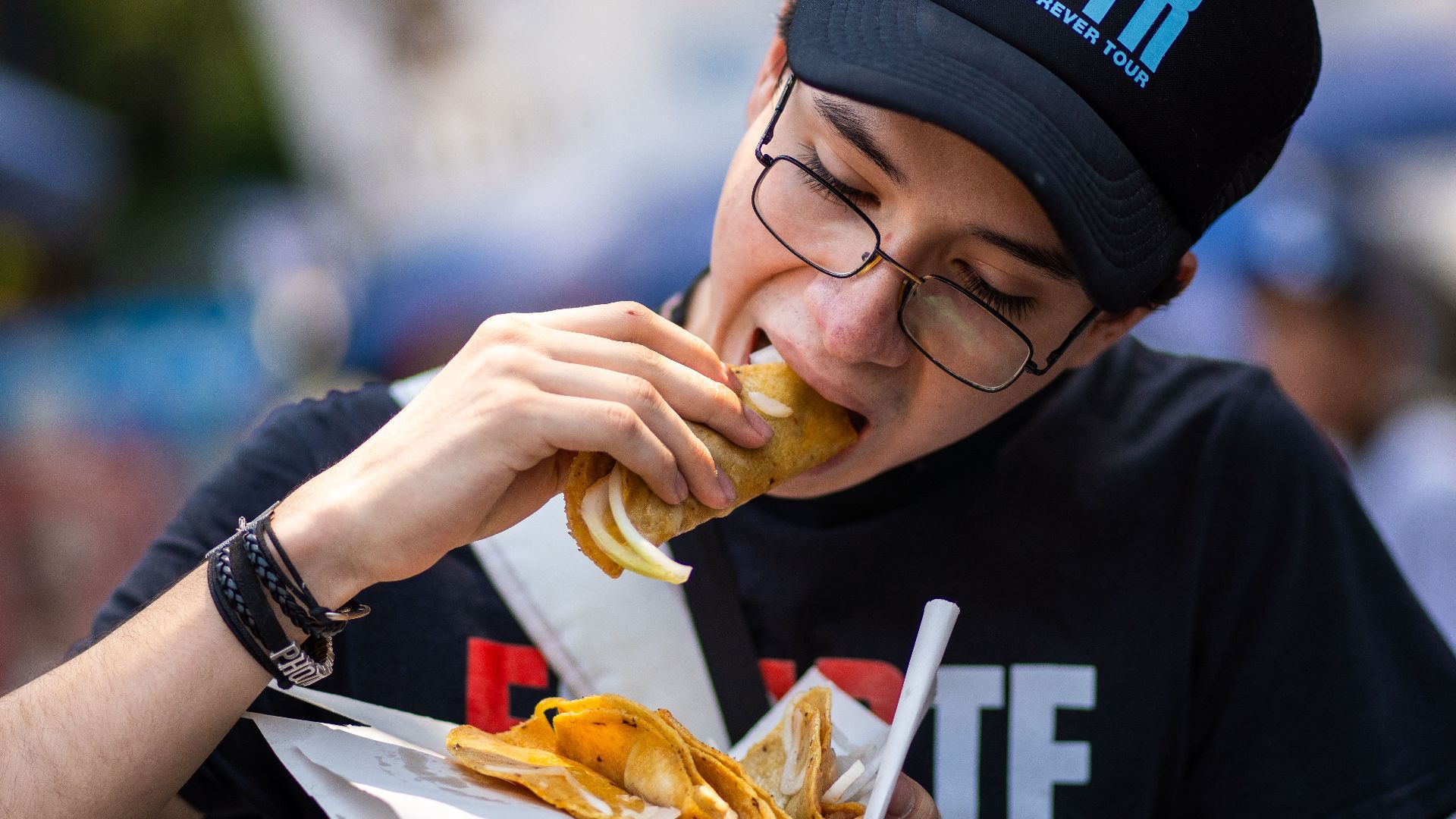
Start With One Bite, Not An Entire Entrée
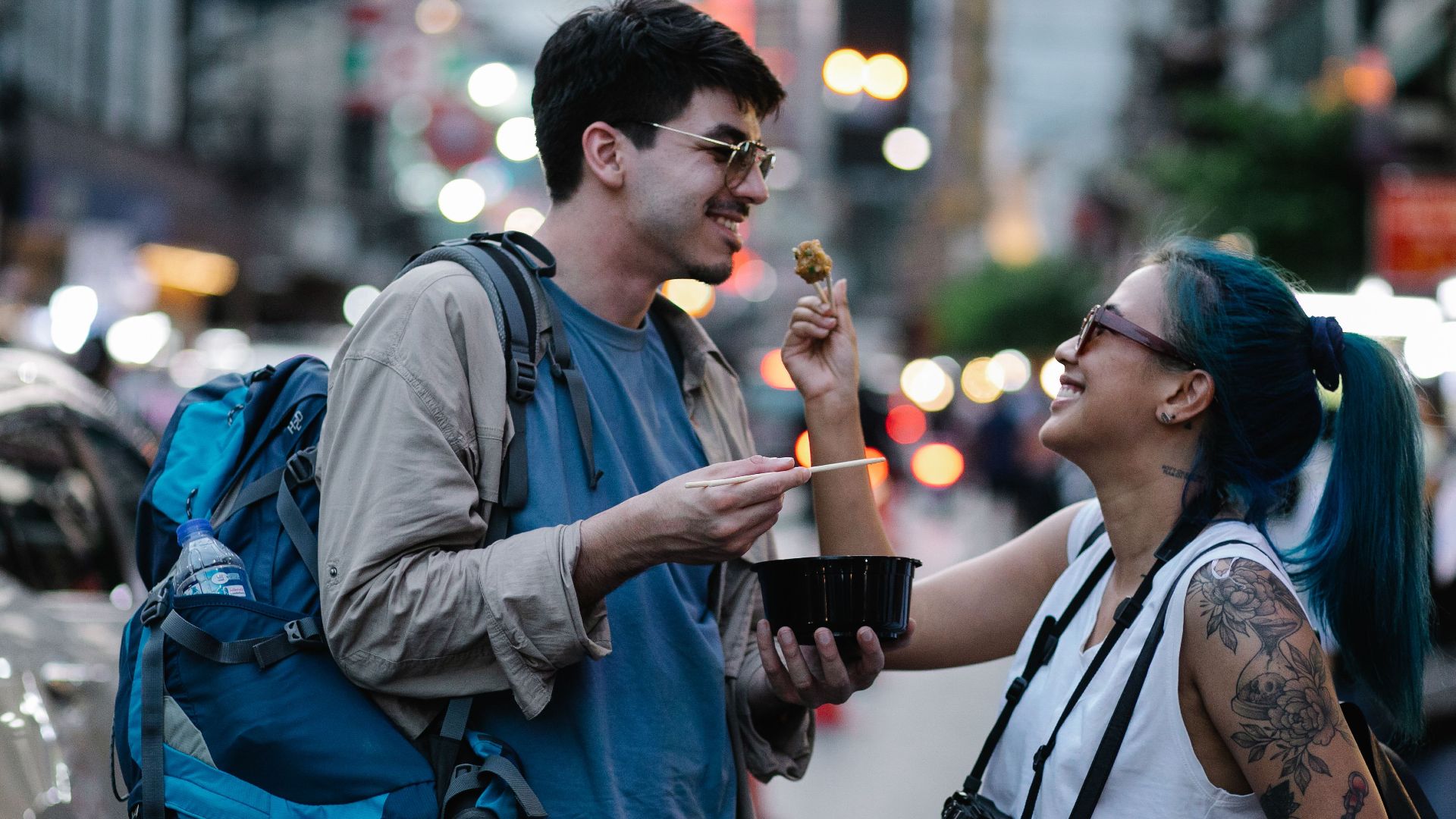
A full plate of unfamiliar food can feel like a costly commitment. Offer a small taste from your meal, order a shared appetizer, or buy a snack-sized portion at a market. The friend can experiment without worrying about wasting money or going hungry.
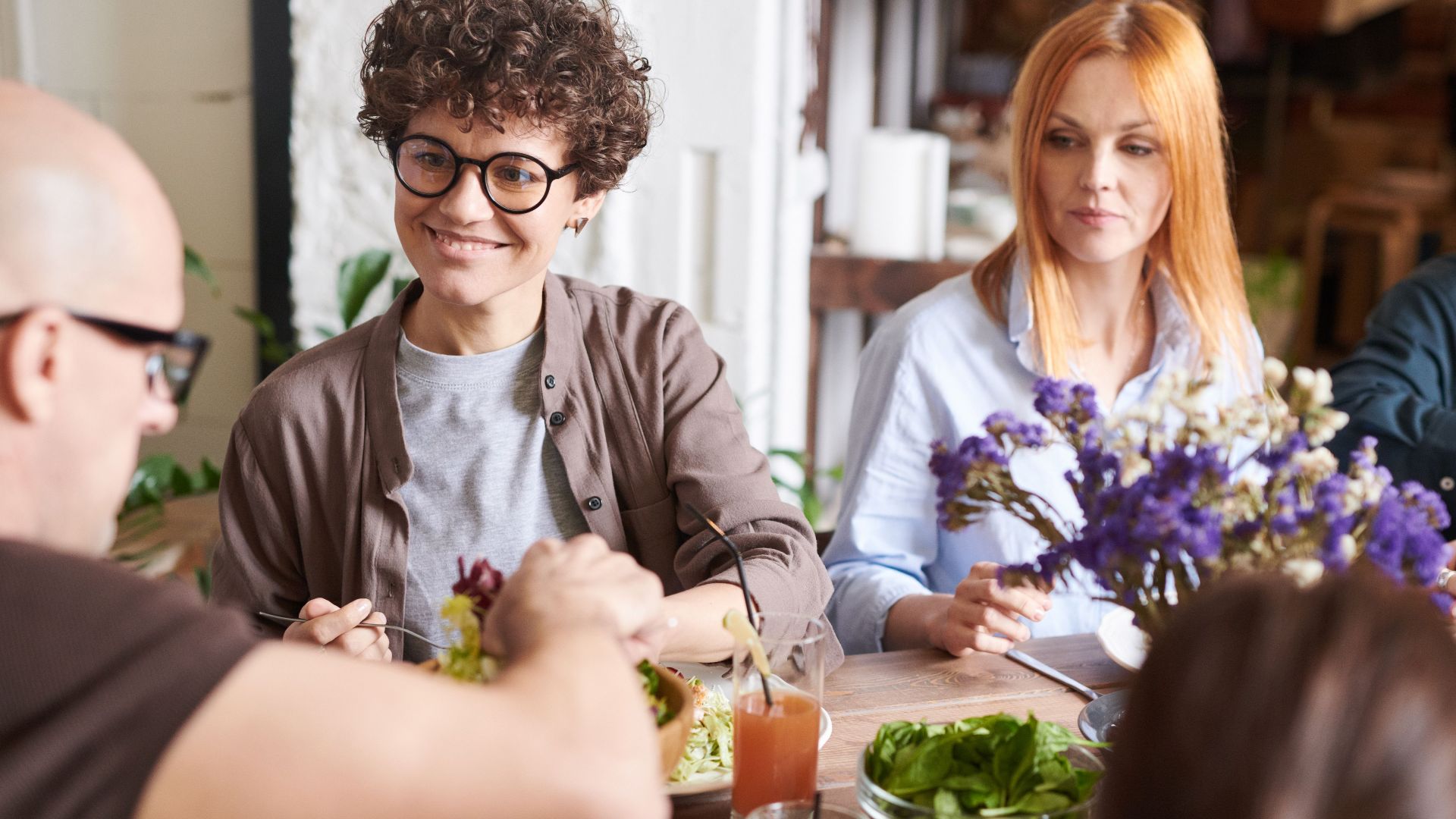
Find A Familiar Entry Point
Look for local dishes that contain ingredients or formats your friend already enjoys. Someone hesitant about regional cuisine may still try a local sandwich, grilled meat, dumpling, rice dish, pastry, or mild soup. Familiarity can provide a bridge without reducing the meal to something they could order at home.
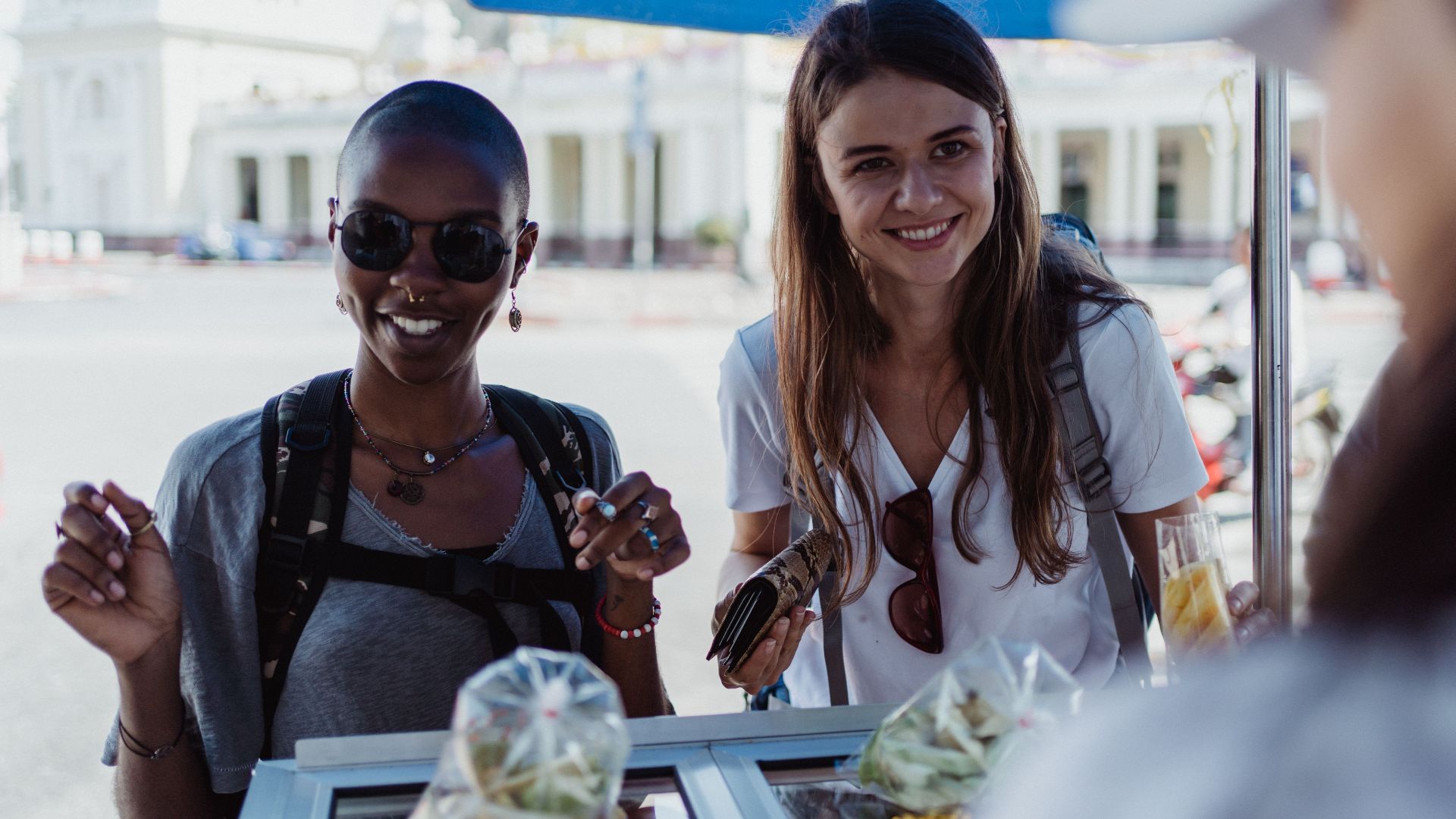
Ask About Spice And Texture
People often reject food because they don’t know what to expect. Explain whether a dish is mild, crunchy, creamy, sour, smoky, or sweet rather than simply declaring it delicious. Specific information can make the choice feel less risky.

Food Tours Can Remove Some Pressure
A good food tour offers small portions, explanations, and several stops rather than one intimidating meal. Guides can describe ingredients, help with dietary questions, and introduce dishes in context. Culinary tours are increasingly presented as a way to connect travelers with local chefs, neighborhoods, and traditions.
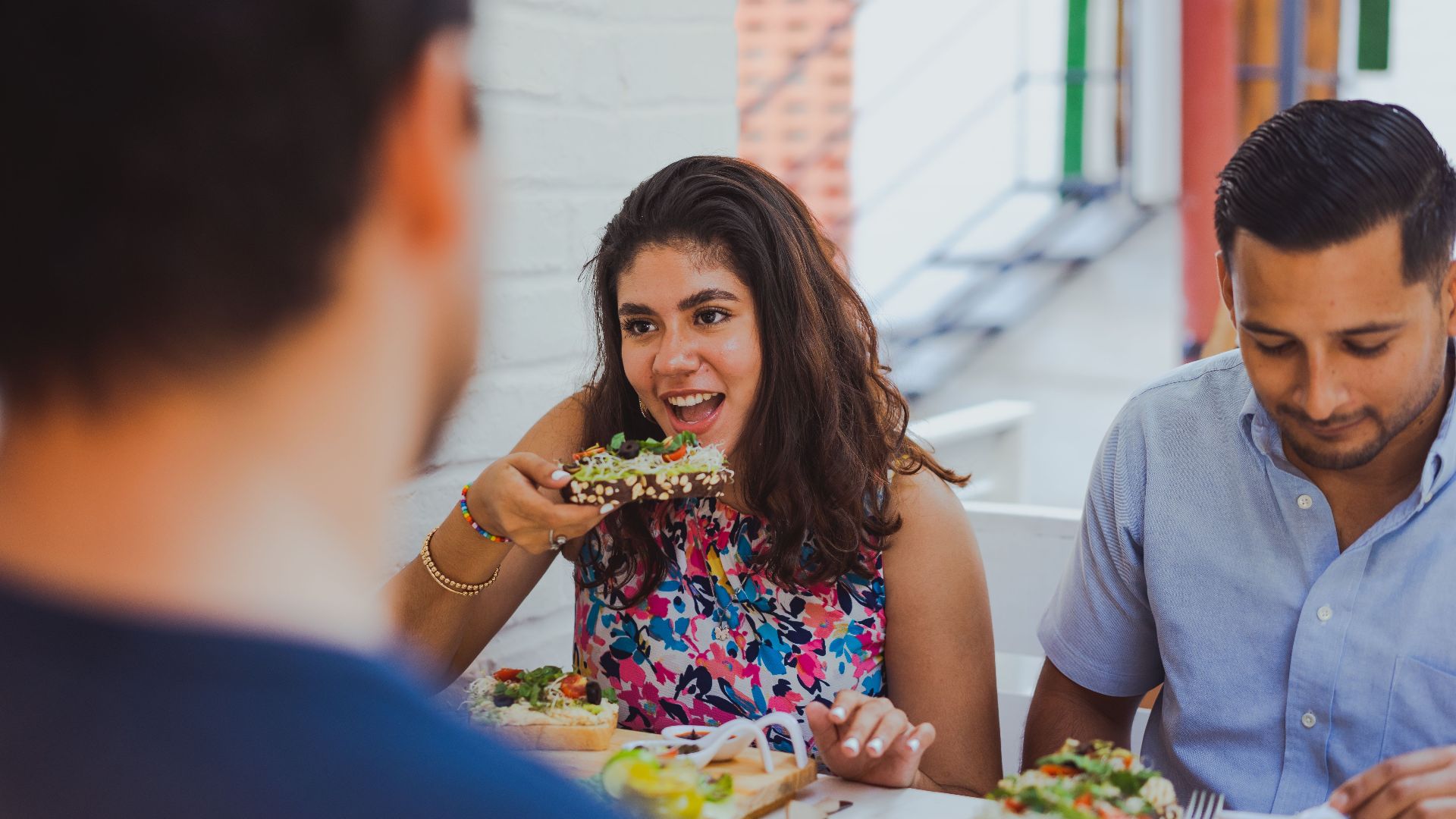
Markets Offer More Flexibility
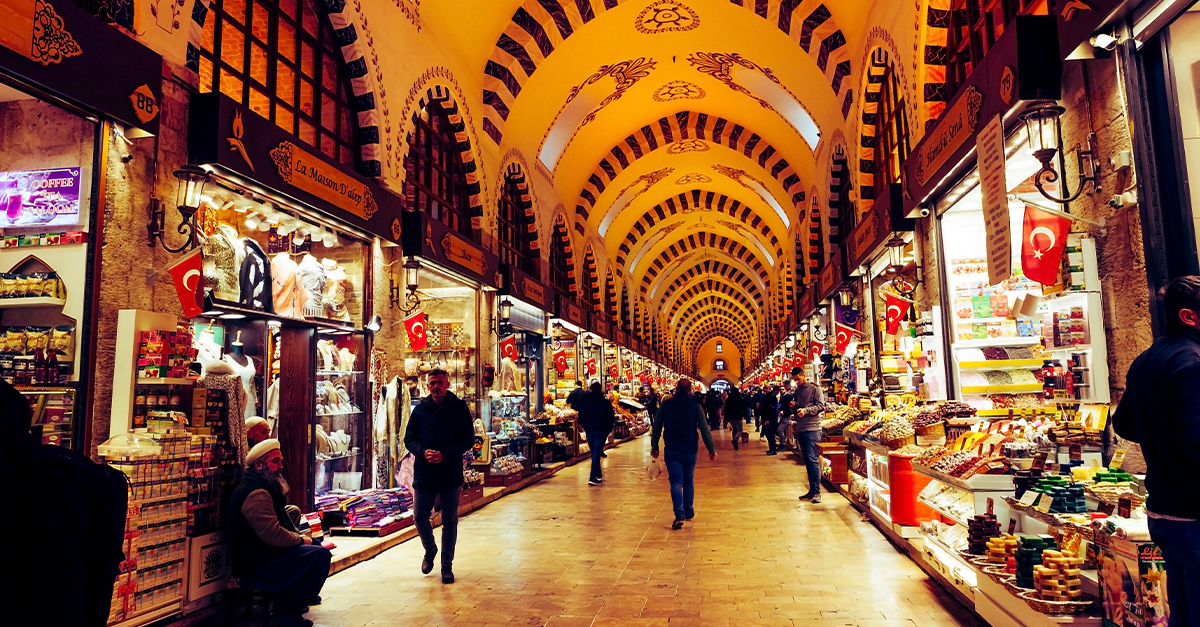
A food hall, farmers market, or night market allows each person to choose something different. Your friend can select a safer option while you explore local specialties nearby. Markets also make it easier to look at dishes before ordering and try inexpensive portions.
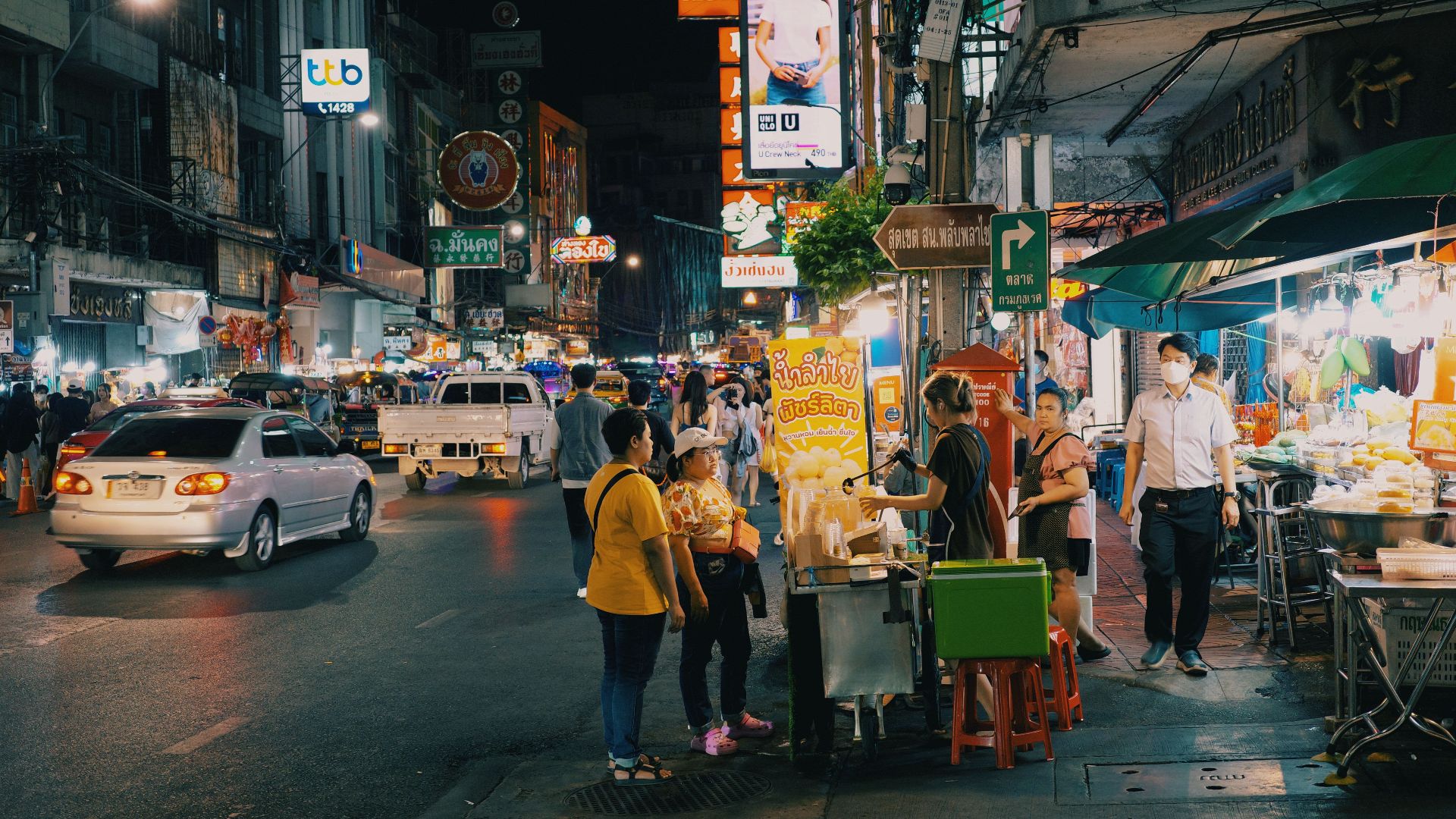
Try A Cooking Class
Some travelers become more comfortable with unfamiliar food after seeing how it’s prepared. A cooking class turns the meal into an activity and gives participants some control over ingredients and spice levels. It can also make the cuisine feel more approachable once the mystery disappears.
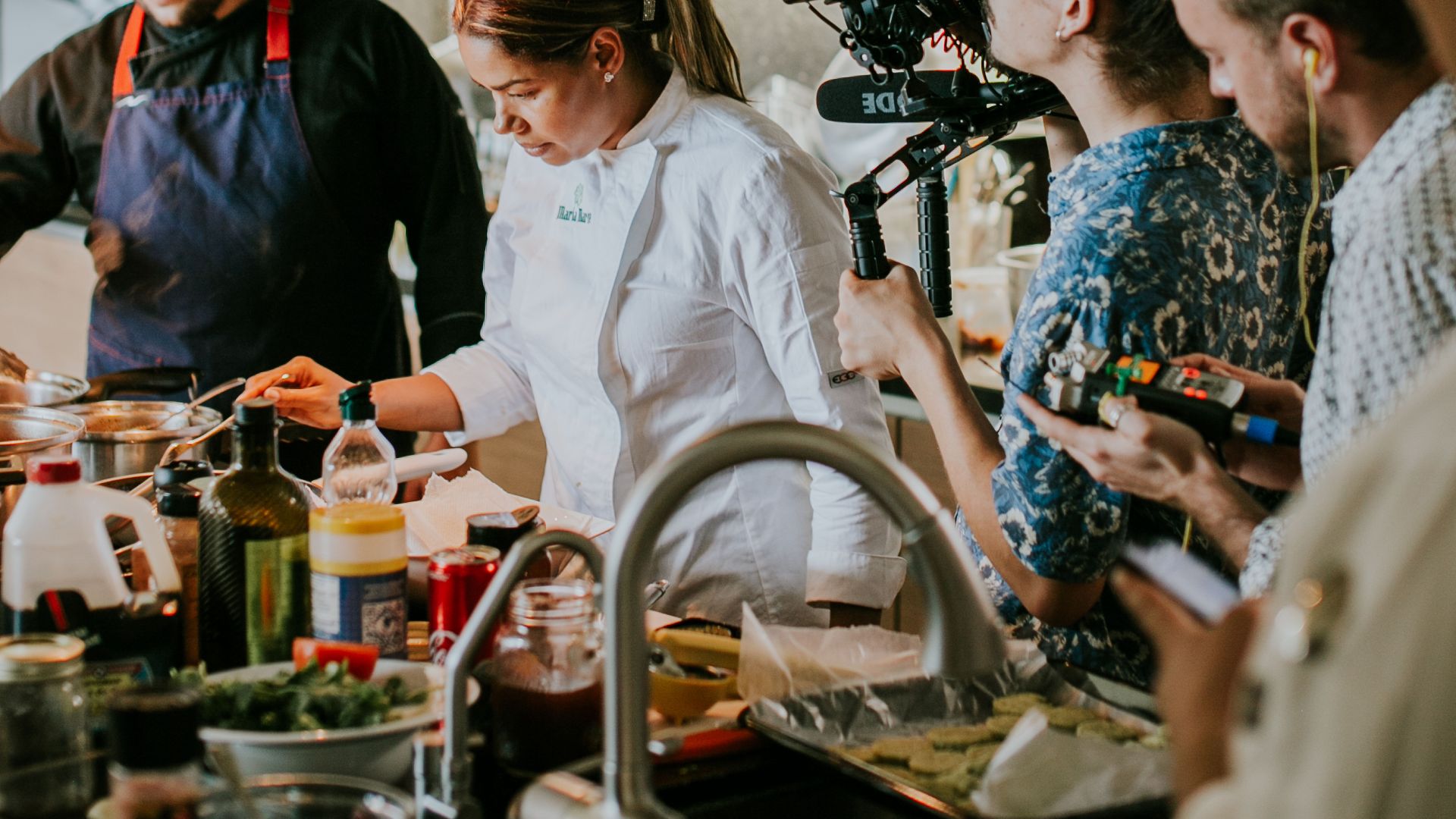
Let A Local Make The Recommendation
A server, guide, host, or market vendor can suggest a gentle introduction to the cuisine. Ask for something popular, mild, and accessible rather than requesting the most unusual item available. A thoughtful recommendation may feel less like pressure from a travel companion.
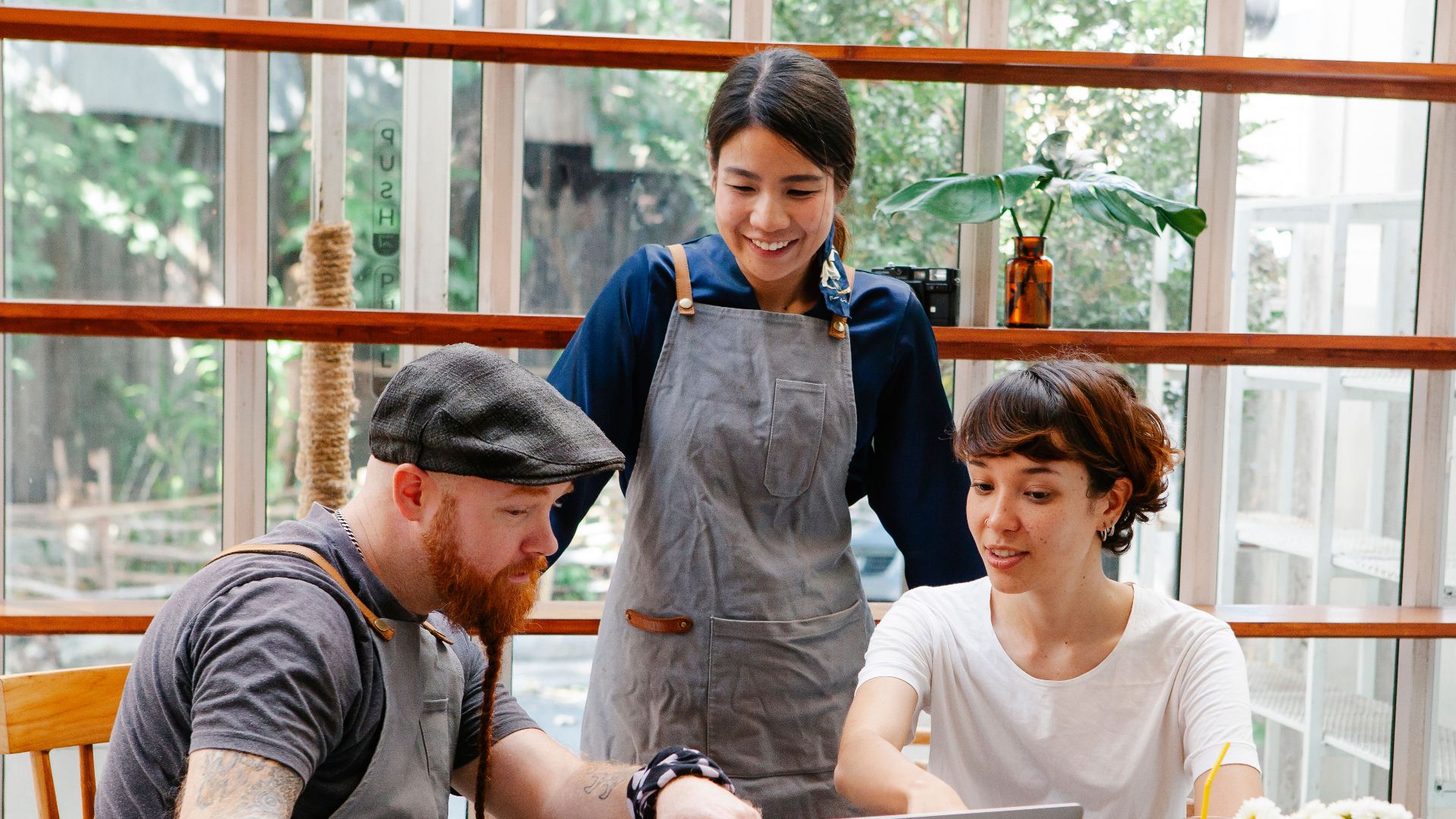
Learn The Story Behind The Dish
Food can become more appealing when it has a story. Learning that a recipe is tied to a holiday, neighborhood, migration, farming tradition, or historical event gives the meal a purpose beyond taste. Condé Nast Traveler has highlighted cooking classes, home cooks, and culinary traditions as ways to experience culture more directly.
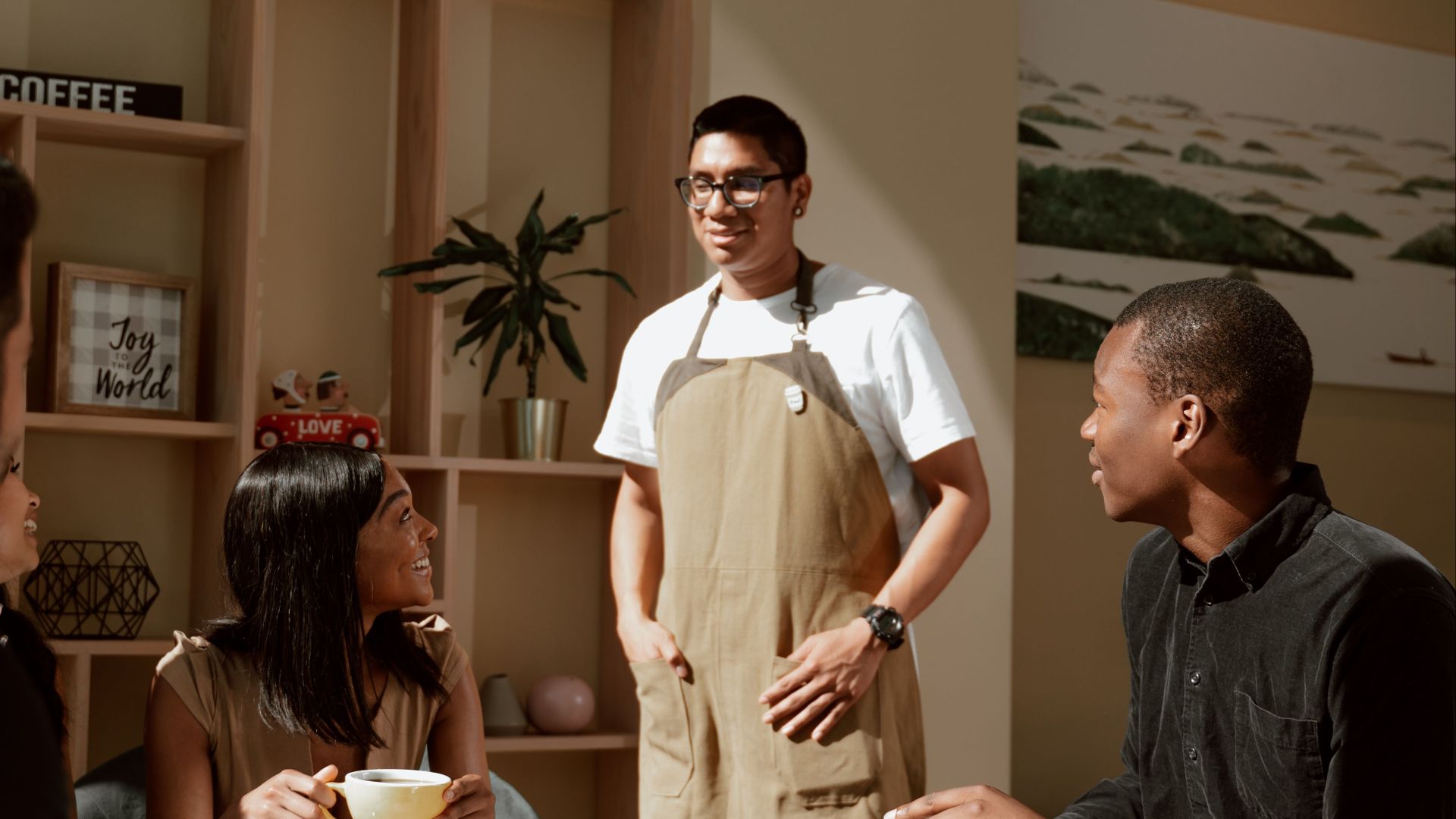
Be Honest About Dietary Restrictions
Travelers with allergies or strict dietary needs should carry translated allergy cards and confirm ingredients clearly. Never tell someone that a dish is safe unless you genuinely know. A person who feels their health concerns are respected may become more comfortable trying suitable local options.

Use Sensible Food-Safety Precautions
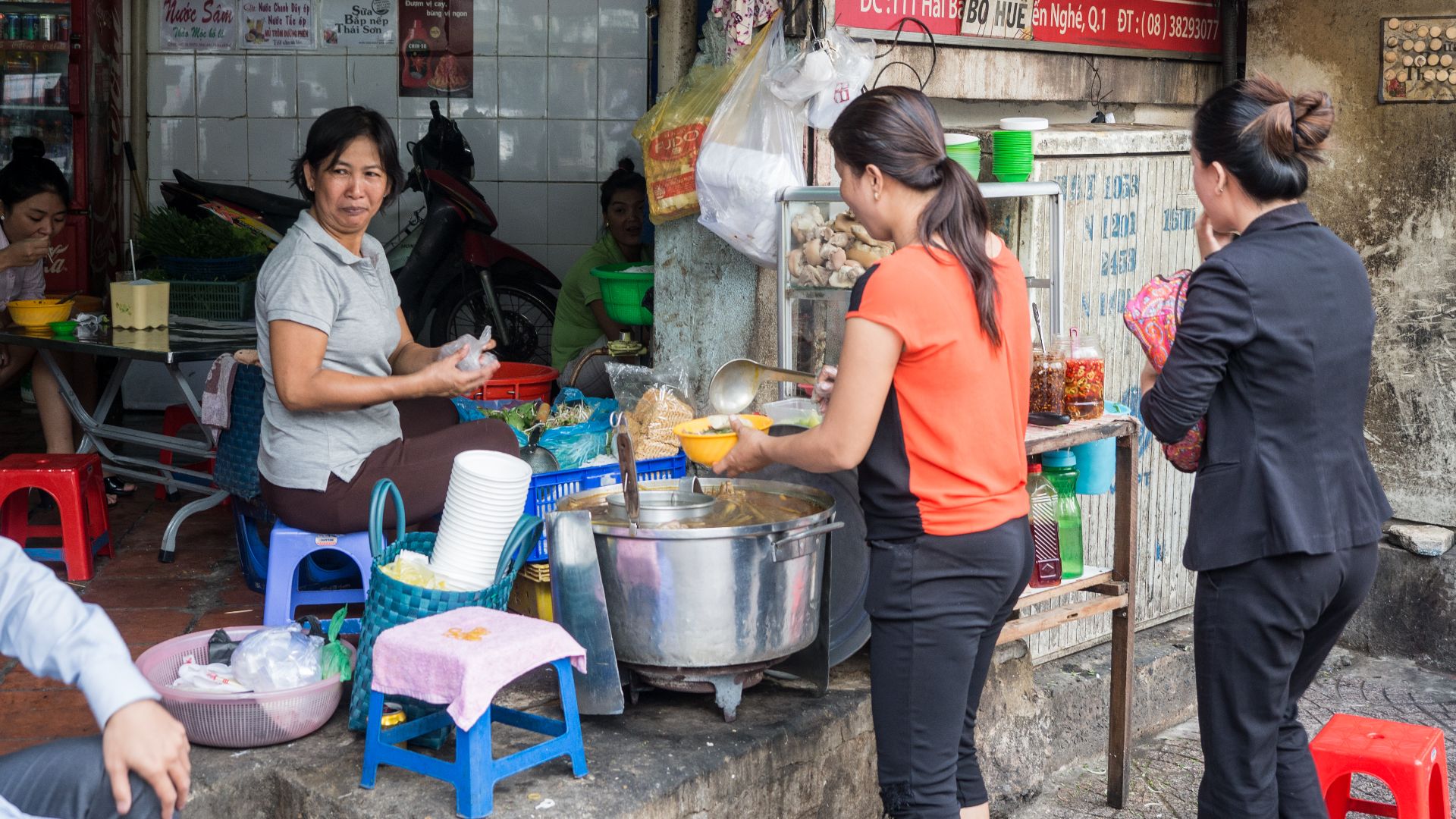
Trying local cuisine doesn’t require eating anything from anywhere. Choose busy vendors with high turnover, look for clean preparation areas, drink safe water, and follow destination-specific health guidance. Being adventurous and being careless aren’t the same thing.
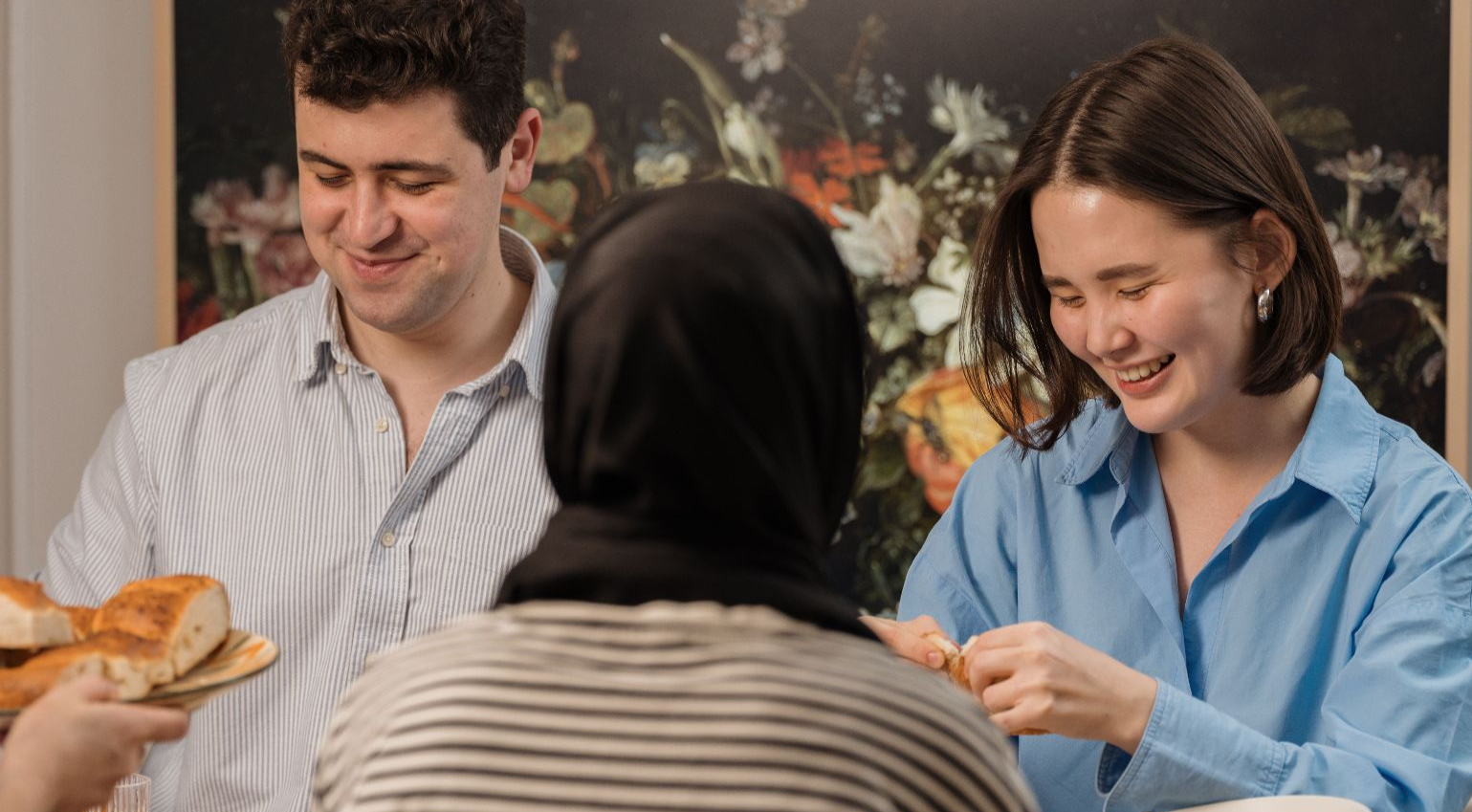
 Esin Üstün from Istanbul, Turkey, Wikimedia Commons
Order Several Dishes To Share
Family-style dining lets the table sample a broader range of food without forcing anyone to depend on one unfamiliar entrée. Include at least one dish the cautious eater feels comfortable with. Once they know they won’t go hungry, they may be more willing to taste the others.

Don’t Let Restaurants Consume The Entire Budget
A friend may resist your choices because they associate local dining with expensive tasting menus. Balance special meals with bakeries, markets, casual neighborhood restaurants, and grocery-store picnics. Some of the most memorable regional foods are inexpensive everyday dishes rather than luxury experiences.
Enjoy The Cuisine On Your Own
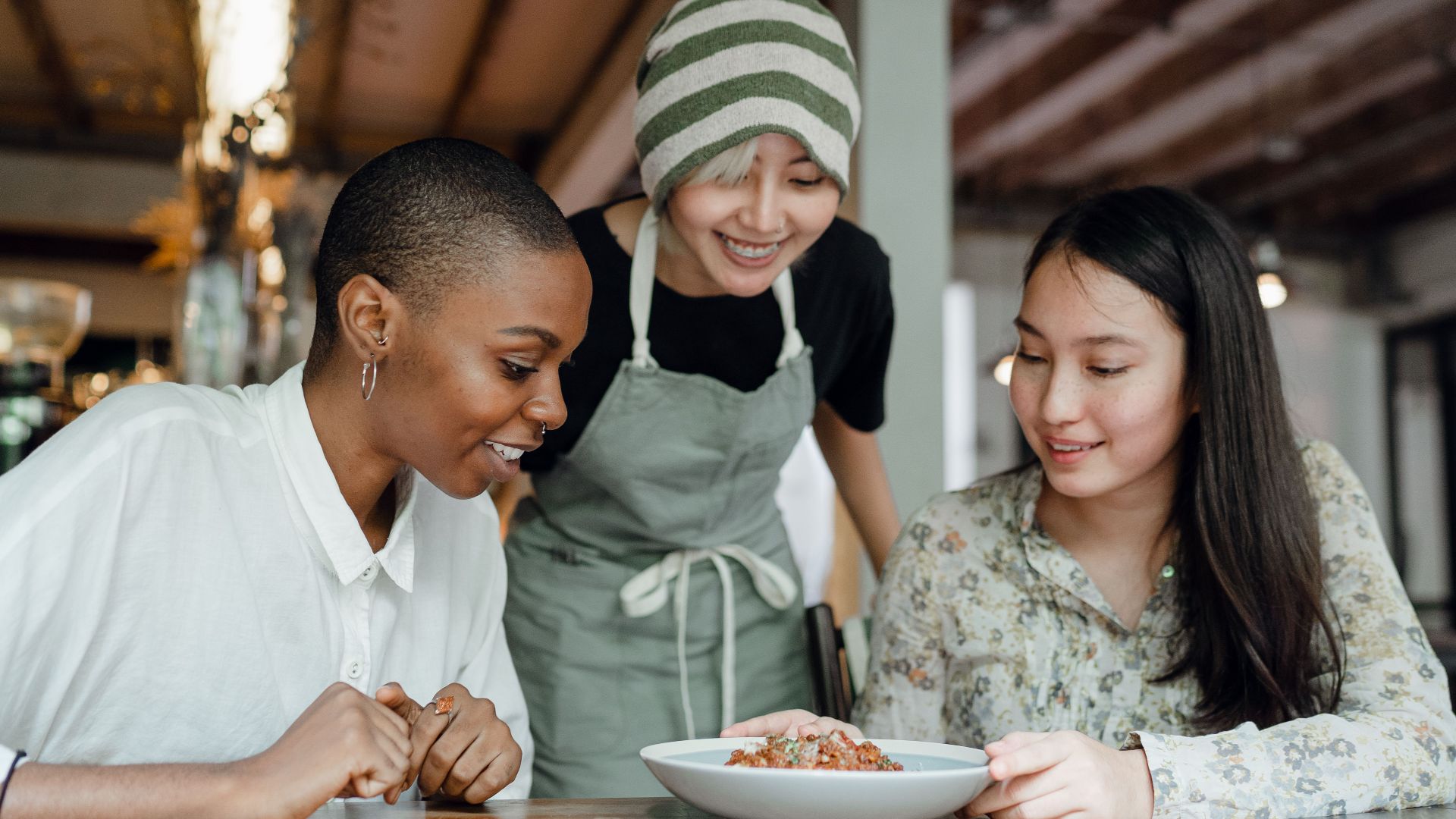
You don’t need permission to make local food part of your trip. Wake up early for a market breakfast, join a food tour, or reserve one evening for the restaurant you care about. Your friend can pursue another interest, and both of you can return with experiences you genuinely wanted.

Don’t Let Their Refusal Define The Vacation
It’s frustrating when a companion rejects something you consider essential, but replaying the disagreement will only give it more power. Focus on the meals you did enjoy and the other parts of the destination. Their limited menu doesn’t have to become your limited trip.

Choose Future Travel Companions More Carefully
Food compatibility matters, especially on trips built around culinary destinations. Before traveling together again, decide whether separate dining plans would solve the problem. If your ideal trip revolves around markets, restaurants, and regional dishes, you may enjoy it more with someone who shares that enthusiasm.

Curiosity Works Better Than Pressure
Your friend may be missing a rewarding part of travel, but they’re unlikely to discover it while feeling judged or cornered. Make experimentation easy, affordable, and optional through small tastes, flexible markets, cooking classes, or food tours. At the same time, protect your own experience by eating separately when necessary. You can encourage curiosity, but you don’t have to sacrifice the food adventures that brought you there.
You May Also Like: