Everything Felt Easy Until I Tried To Park
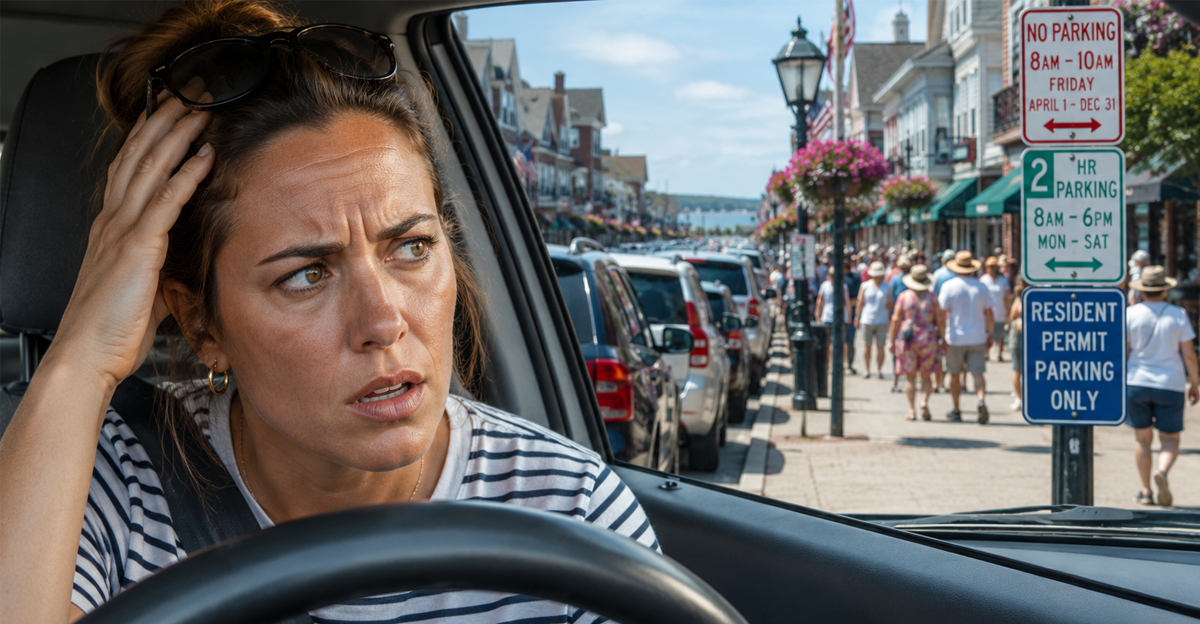
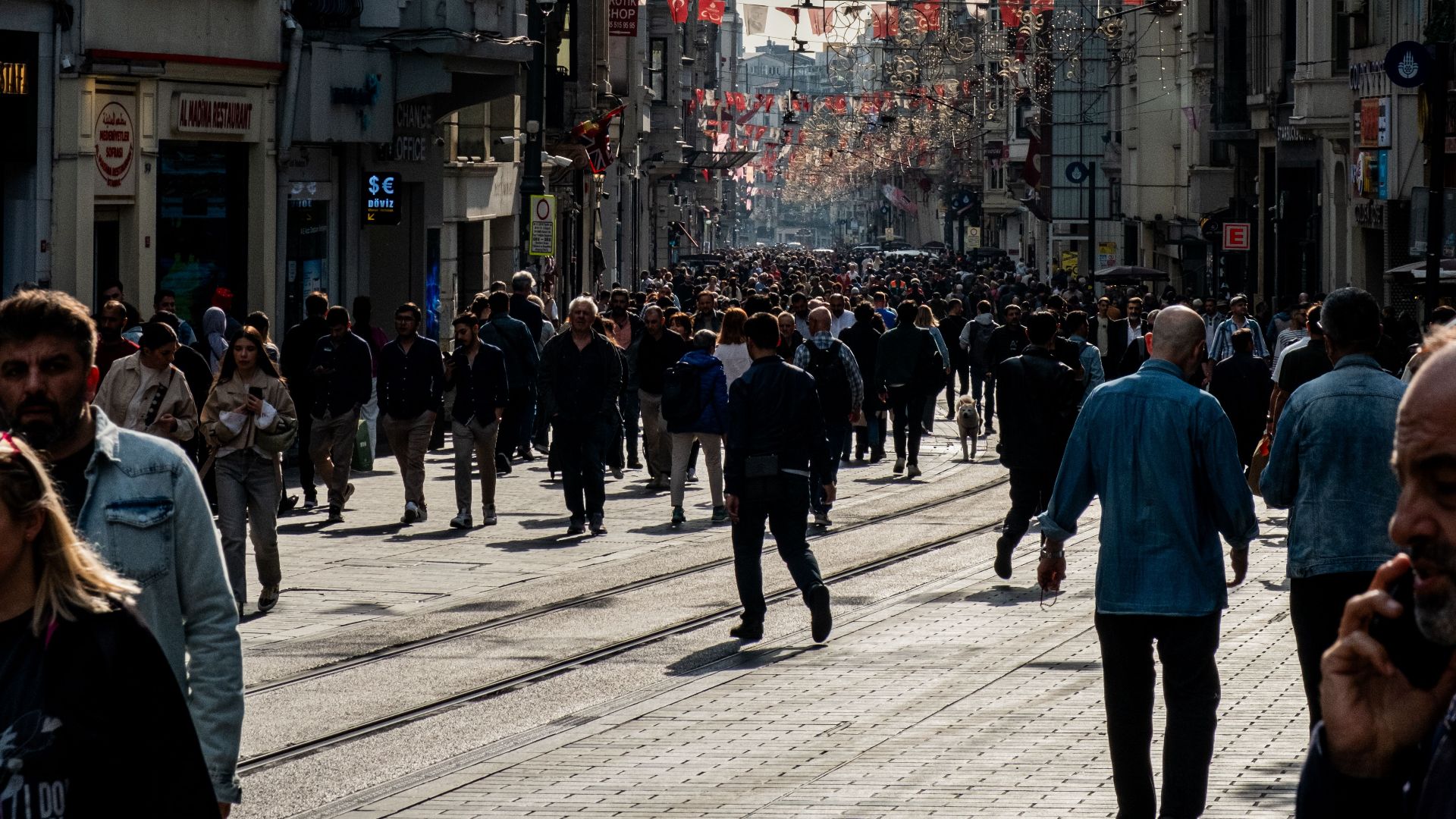
I expected to spend the day discovering hidden cafés, browsing local shops, and wandering charming streets. Instead, I found myself trapped in an endless loop of one-way roads, full parking lots, and confusing restrictions that made actually seeing the town feel almost impossible. By the time I finally parked, I was left wondering how anyone who lives there manages to get through tourist season without losing their mind.
The Problem Is Bigger Than One Busy Weekend
Popular small towns can experience dramatic seasonal swings in traffic. Bar Harbor, Maine, has spent years addressing congestion created when residents, employees, and visitors compete for limited downtown parking. Similar problems appear in historic, coastal, and mountain communities across the United States.
These Streets Were Never Designed For This
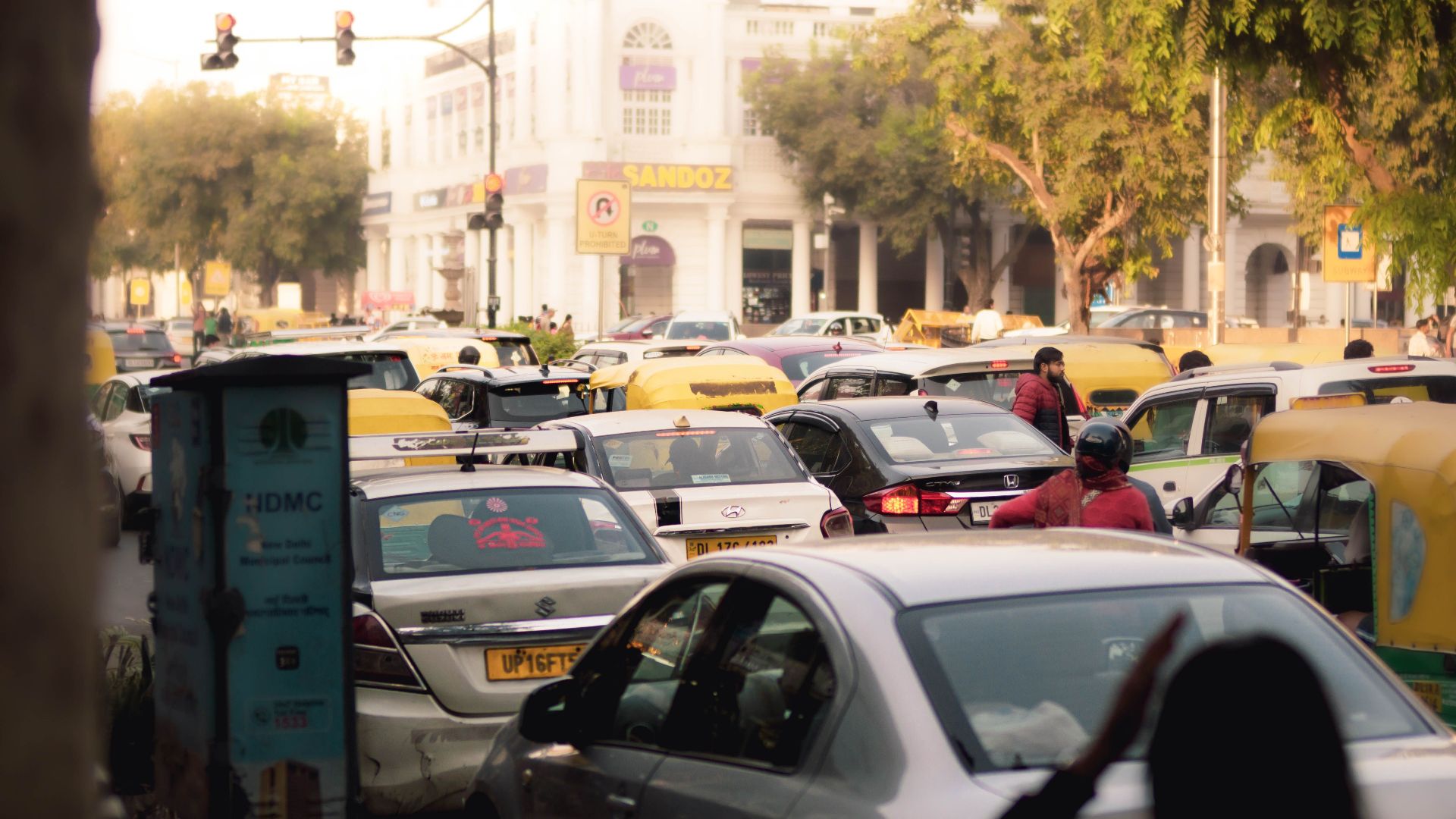
Many of America’s most attractive small towns grew around compact commercial centers and older residential streets. Widening roads or adding large parking garages may require demolishing buildings or changing the very character visitors came to enjoy. That leaves local governments trying to manage a supply of spaces that cannot easily expand.
Residents Are Competing Too
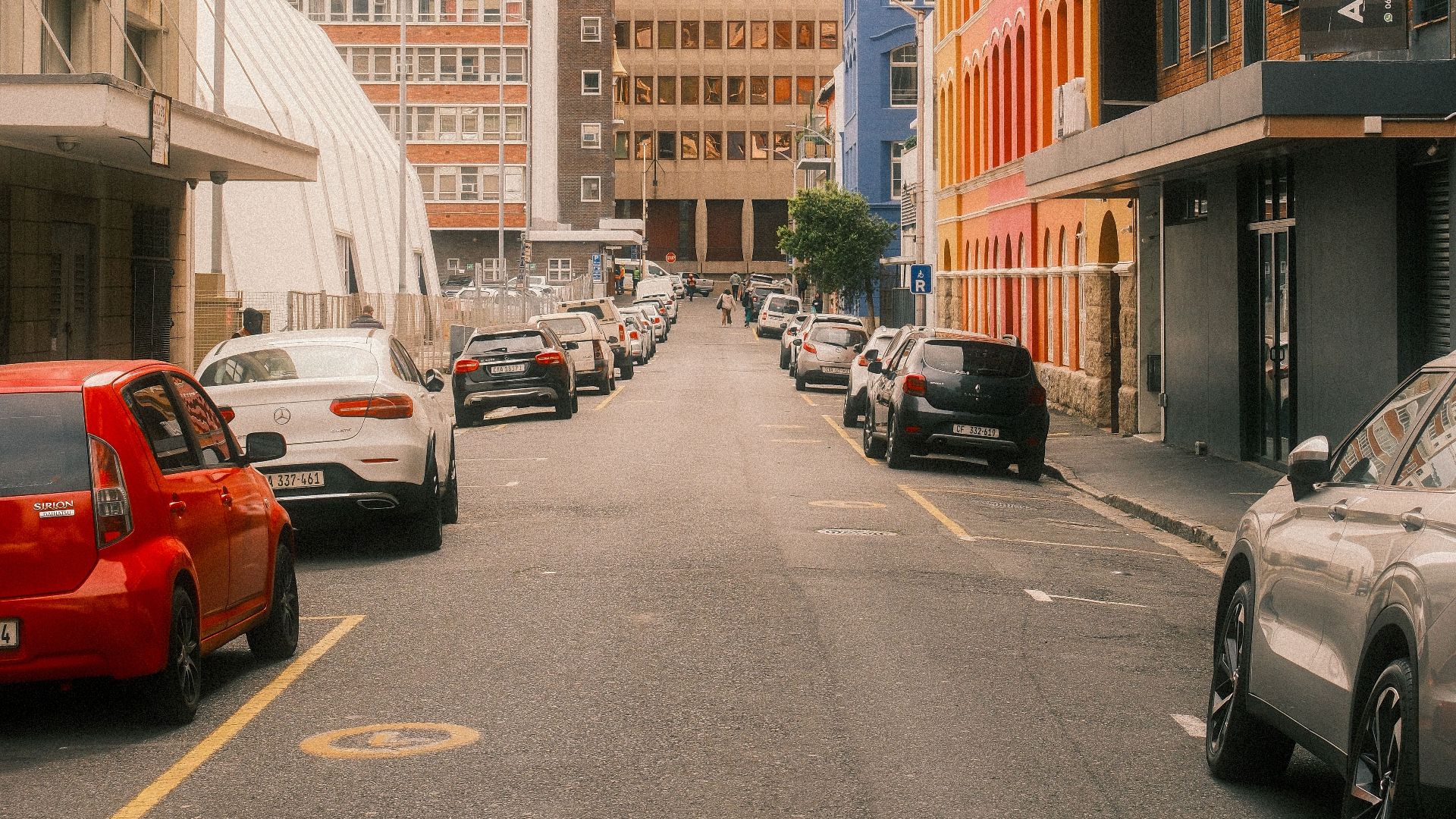
Visitors are not the only people searching for spaces. Downtown employees need somewhere to leave their vehicles for an entire shift, while residents need dependable access to their homes. Bar Harbor’s seasonal parking system includes different permits for residents, employees, property owners, guests, and certain local workers.

Circling Makes The Situation Worse
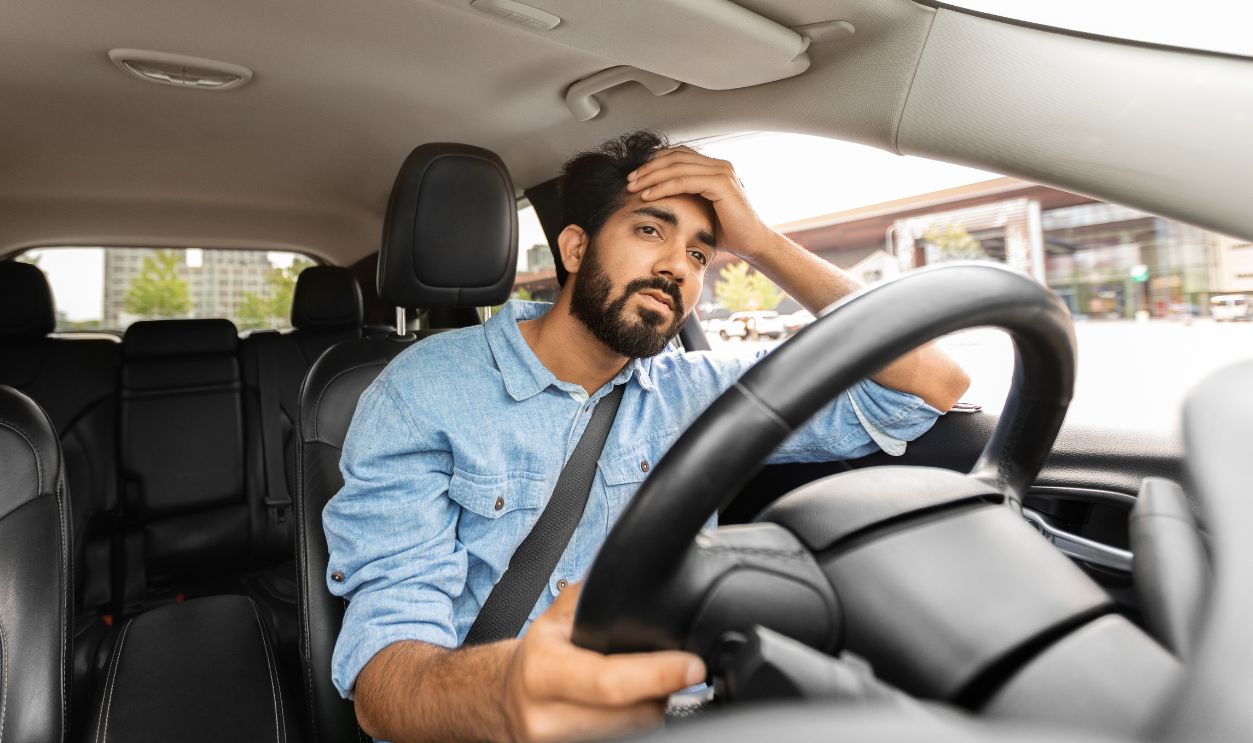
Driving around repeatedly may feel like the only option, but it adds more vehicles to already crowded streets. The Federal Highway Administration says cruising for parking can contribute to congestion, air pollution, wasted time, and driver frustration. The longer everyone searches for the perfect space, the harder downtown becomes to navigate.
Permit Zones Give Residents Some Protection
Many American cities and towns reserve portions of residential neighborhoods for permit holders. Charleston, South Carolina, established its first residential parking district to improve access for residents and reduce pressure from nonresidential vehicles. The program now covers much of the downtown area.

Residents Still Do Not Get Guaranteed Spaces
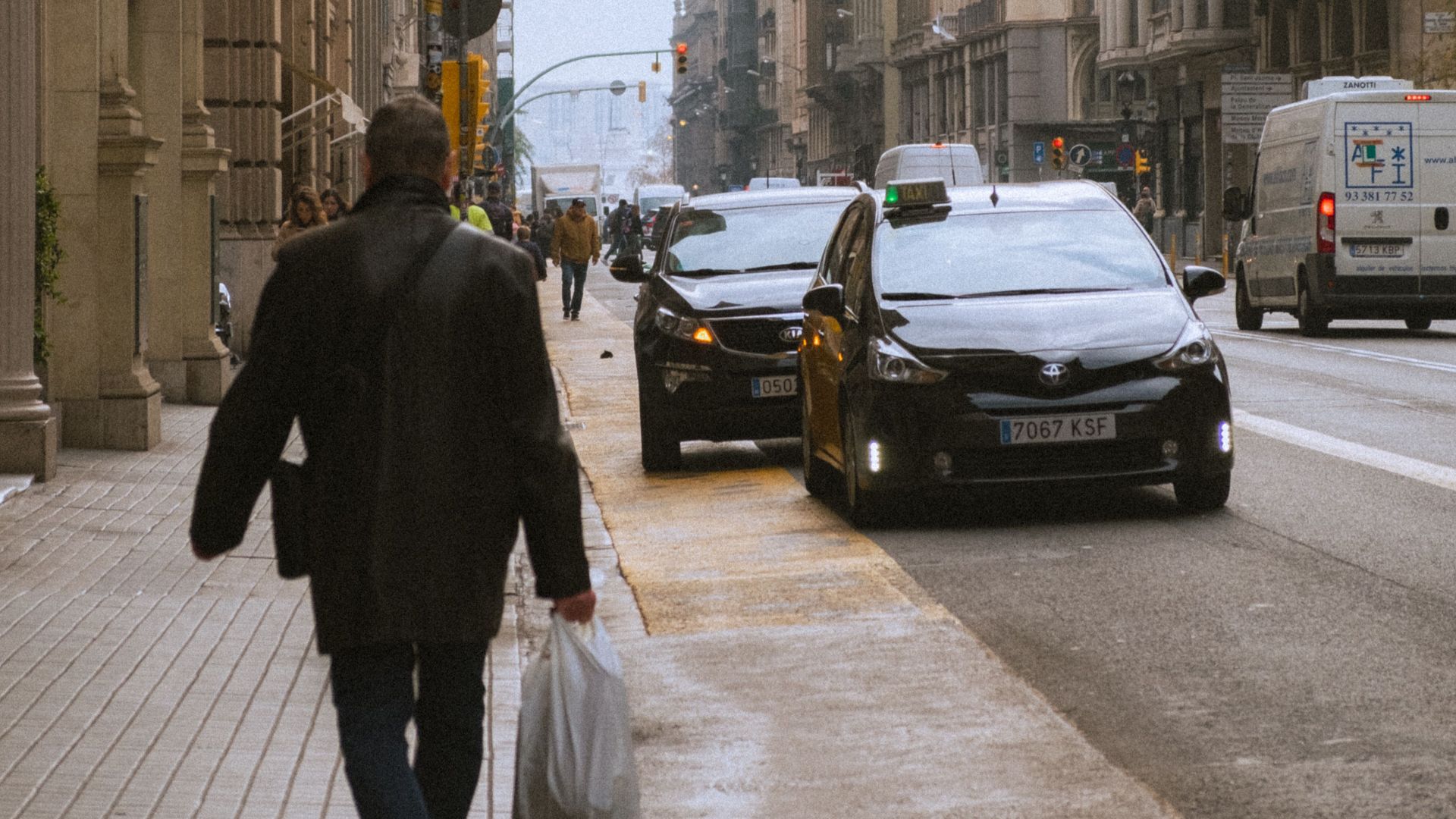
A residential permit usually gives someone permission to park within a zone. It does not necessarily reserve a particular curbside space outside that person’s home. During especially busy periods, permit holders may still park several blocks away.
Guest Permits Help Locals Receive Visitors
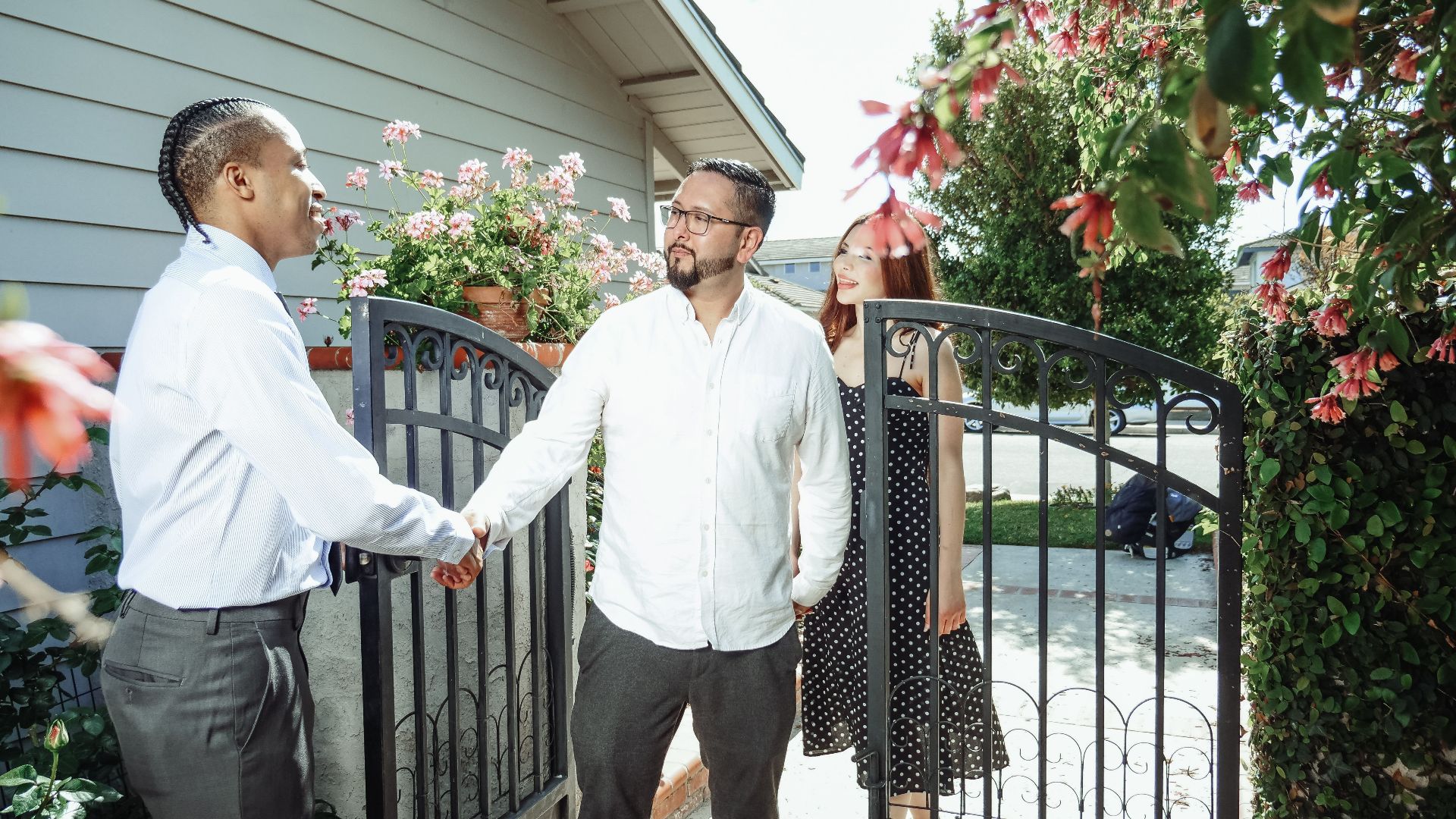
Permit systems often include a way for residents to accommodate houseguests, caregivers, or contractors. Charleston offers residential visitor passes, while Bar Harbor provides short-term guest permits for qualifying visitors of residents. These options protect neighborhoods without making ordinary visits impossible.
Locals Learn When Not To Drive
Residents often arrange errands around the rhythm of tourist traffic. They may shop early, avoid the downtown core at midday, or combine several stops into one trip. What feels like a frustrating surprise to a visitor becomes a predictable part of the local calendar.

Some Residents Simply Walk More
People living close to the commercial center may leave their cars at home during peak periods. Walking can be faster than searching for a space, especially when the final destination is only a few blocks away. It also prevents residents from surrendering a useful space they already have.

Employees Need Their Own Strategy
A worker cannot rely on a two-hour space during an eight-hour shift. Towns may therefore offer employee permits or direct workers toward less central parking areas. Bar Harbor allows eligible employees who live outside town to purchase seasonal permits for designated areas.

Time Limits Are About Turnover
Two-hour and four-hour limits are intended to prevent a small number of vehicles from occupying the most convenient spaces all day. Greater turnover gives more customers an opportunity to reach shops and restaurants. Visitors may dislike watching the clock, but unrestricted curb parking can become effectively unavailable.
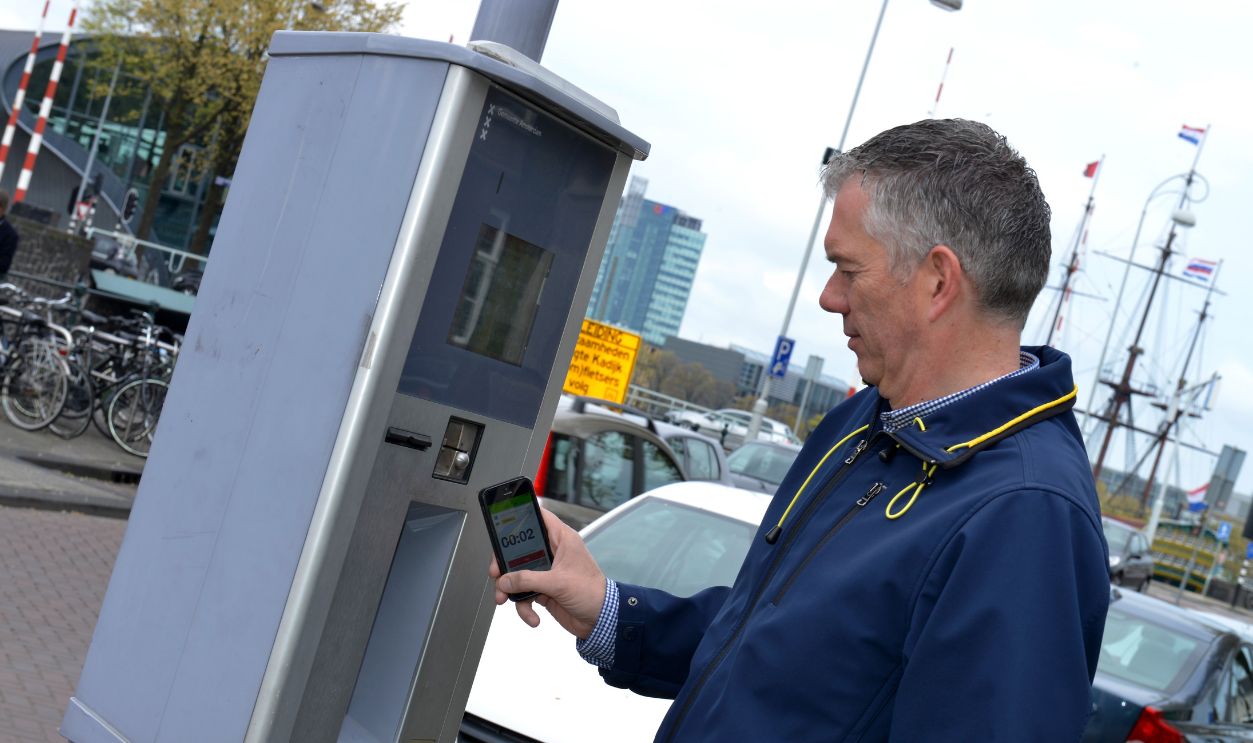
Moving The Car May Not Reset The Clock
Rules vary by town, and changing spaces on the same block does not always begin a fresh parking period. Some jurisdictions track license plates rather than marking tires. The safest approach is to read the posted rules instead of assuming that moving a few feet makes the vehicle legal again.
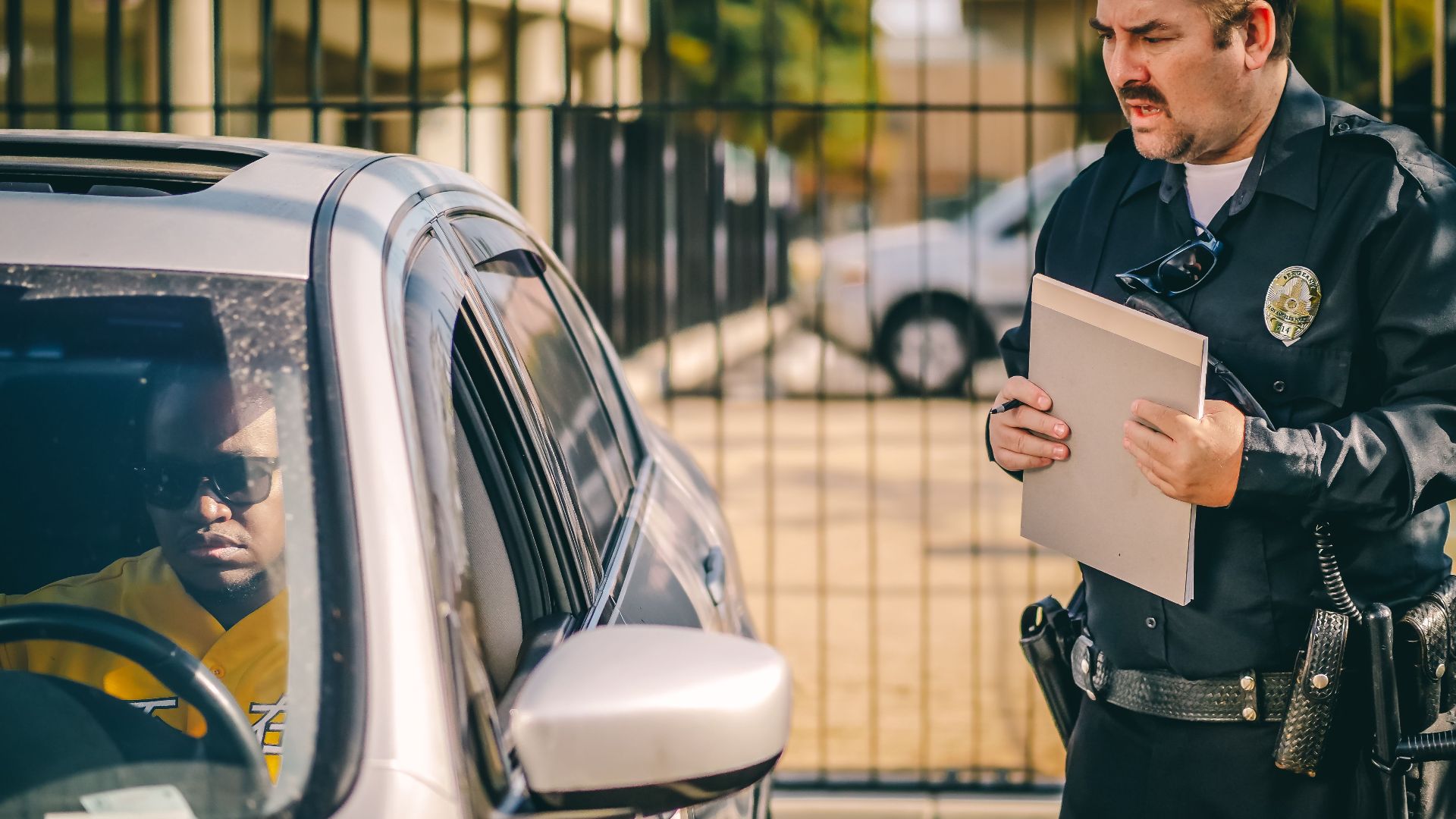
Paid Parking Changes Driver Behavior
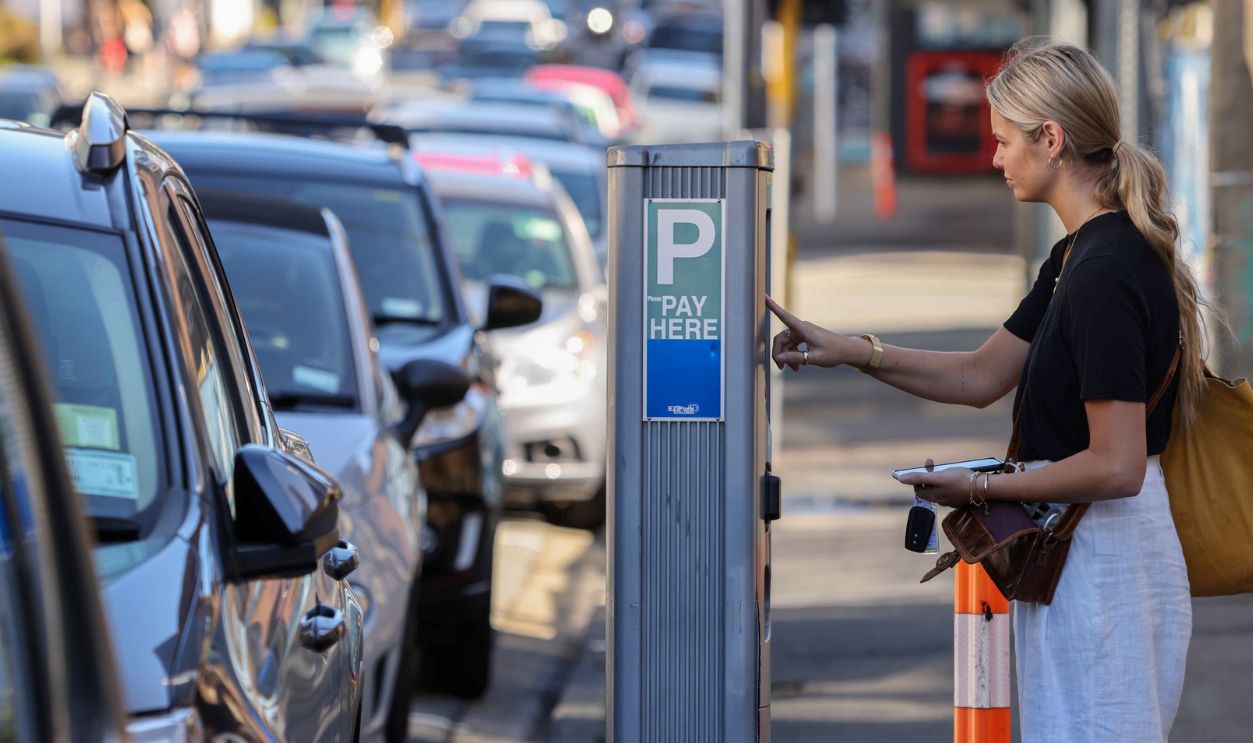
Charging more for the most convenient spaces can encourage longer-term parkers to use garages or less central lots. Aspen, Colorado, varies downtown parking rates by season and time of day and imposes a four-hour limit in its downtown core. The city says its parking system is intended to reduce congestion, improve air quality, and preserve its small-town character.
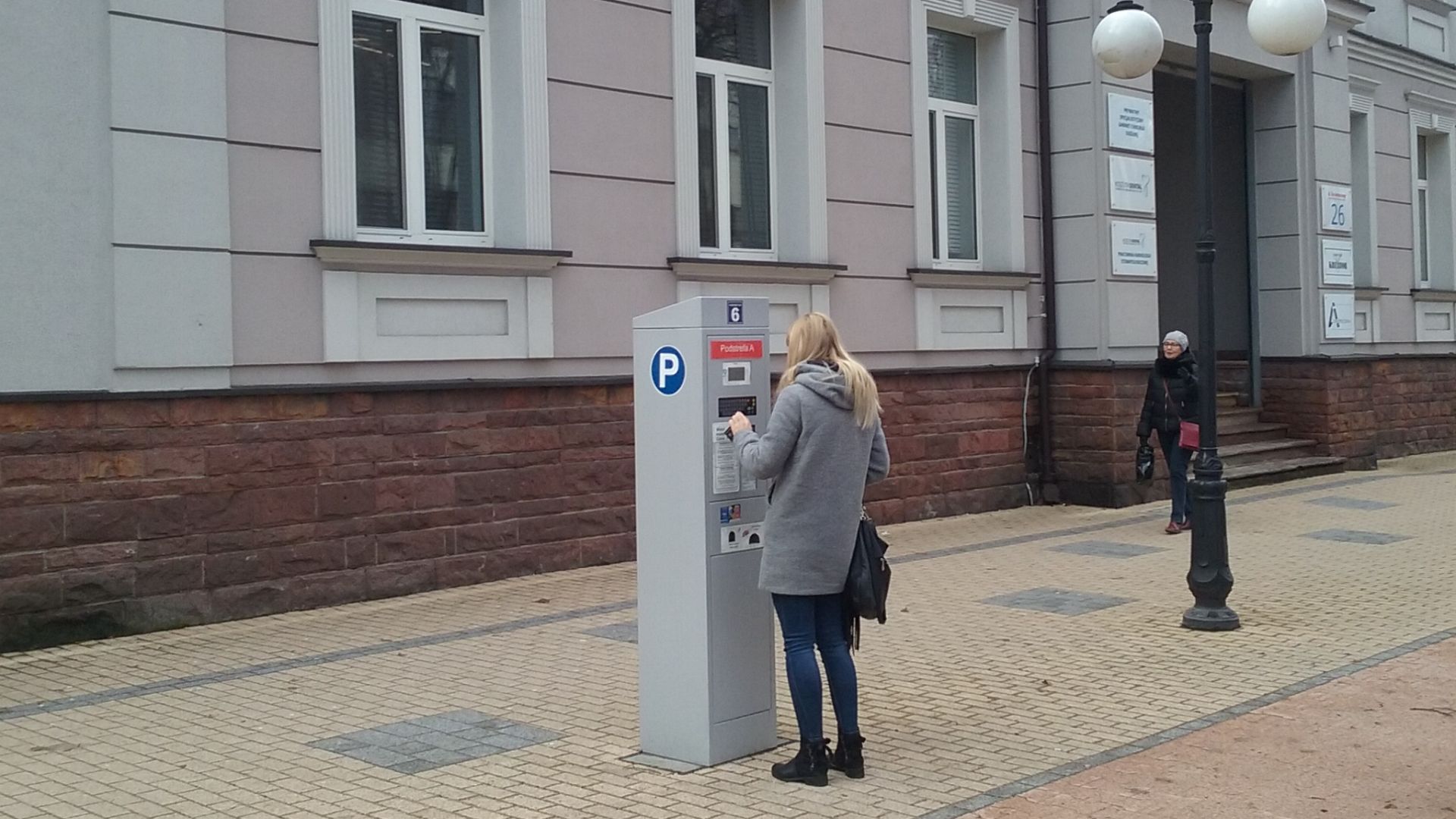
Parking Revenue Can Support Alternatives
Parking fees do not always disappear into a town’s general budget. Aspen states that its paid parking revenue supports free public transportation. That creates a system in which drivers help fund options that may reduce the number of vehicles entering downtown.
 Xinhua News Agency, Getty Images
The Closest Space Is Rarely The Best Target
Visitors naturally aim for the block directly beside the main attraction. That is also where demand is usually greatest and restrictions are often strictest. A legal space several blocks away can save more time than repeated laps through downtown.

Garages And Outer Lots Can Be Easier
Before entering the busiest streets, look for municipal garages, satellite lots, or park-and-ride facilities. Aspen directs drivers toward several options, including its downtown core, residential areas, the Rio Grande Parking Garage, and the Brush Creek Park and Ride. Parking once and walking often produces a much calmer day.
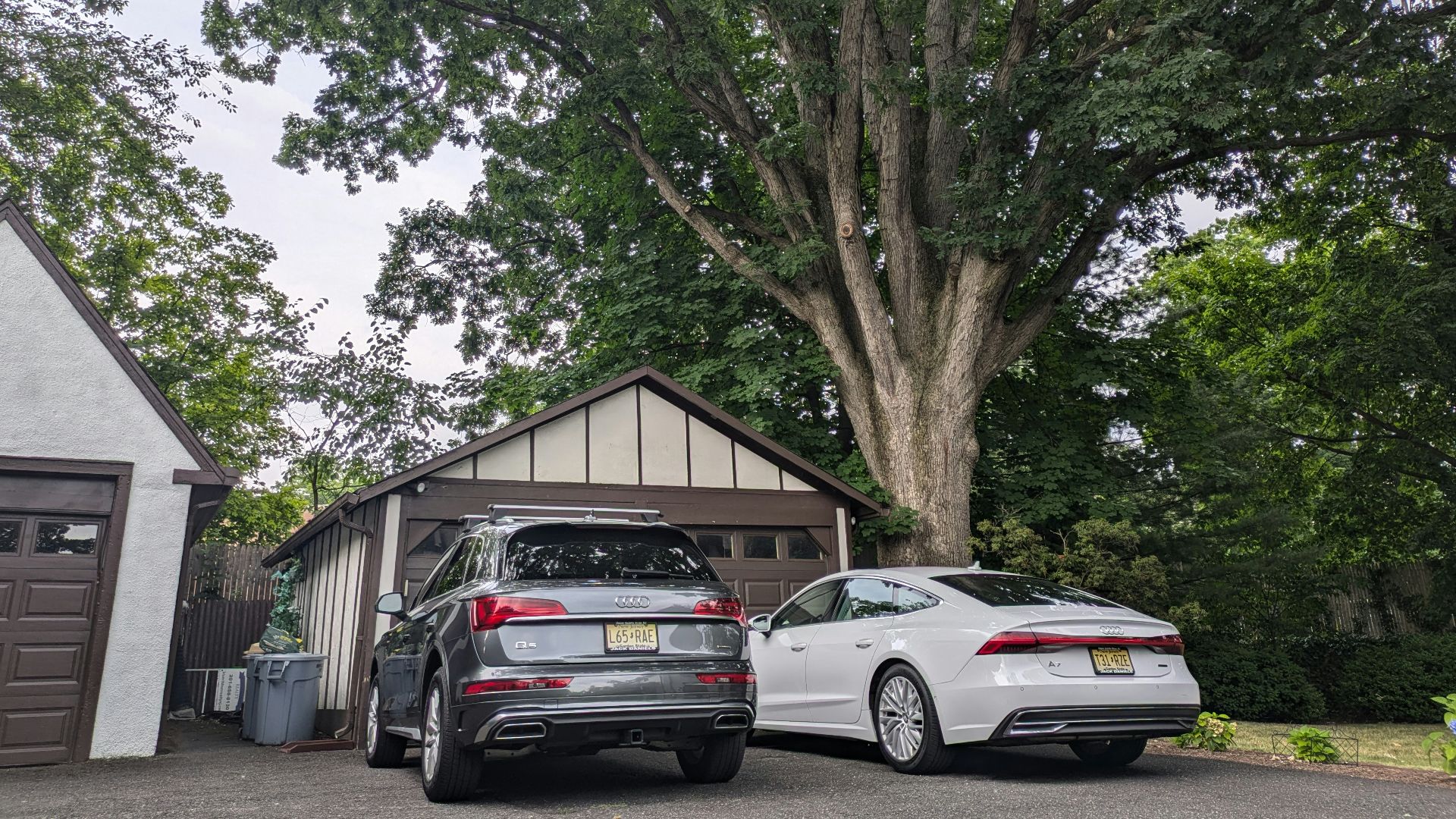
Free Shuttles Can Solve The Problem
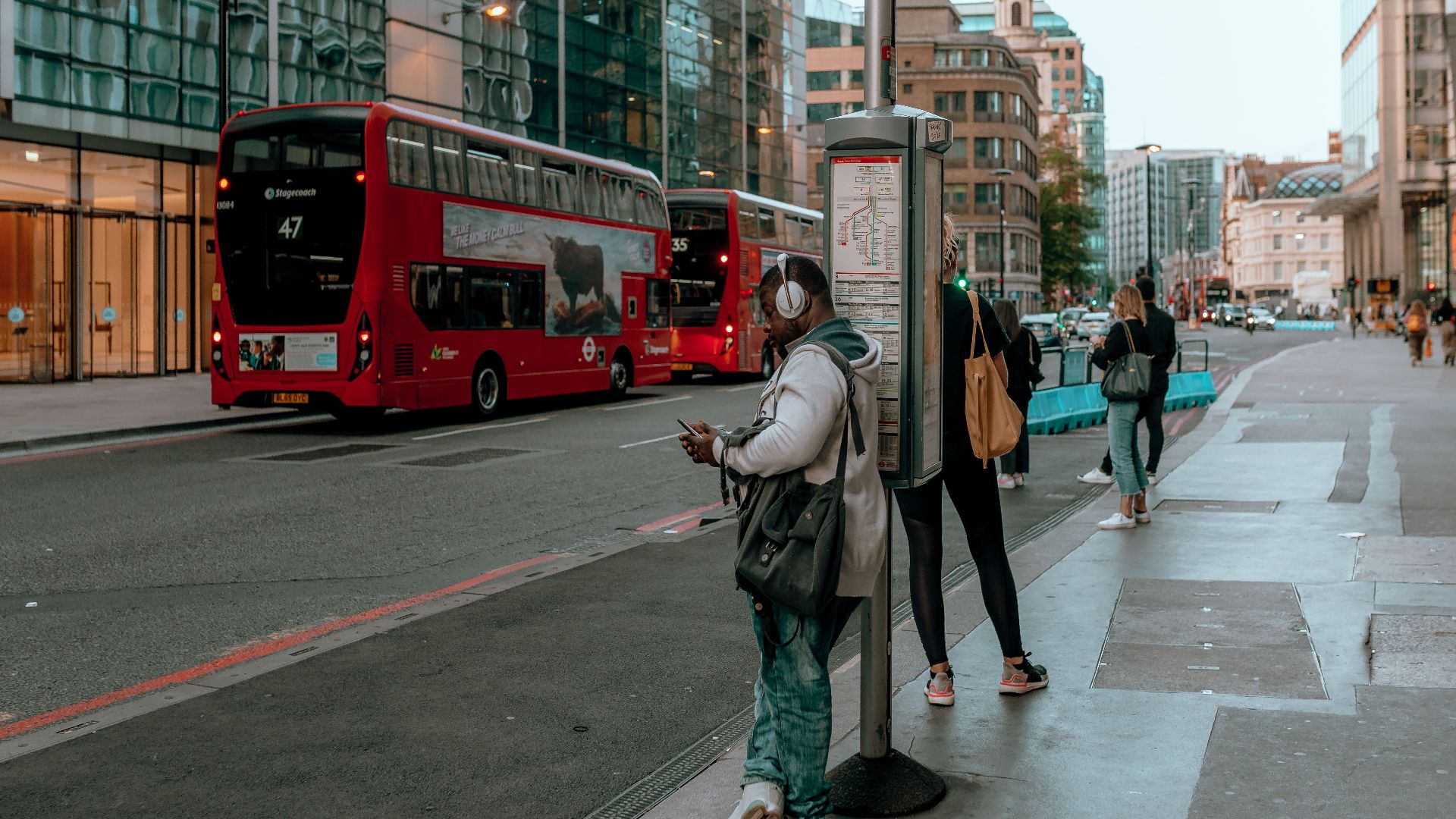
Some tourist communities operate buses specifically to reduce traffic and parking pressure. Around Bar Harbor and Acadia National Park, the fare-free Island Explorer connects local communities, lodging, campgrounds, shops, trails, and major park destinations. The service allows residents and visitors to travel without bringing another car into crowded areas.
 Wender Junior Souza Vieira, Pexels
Peak Season Requires Earlier Decisions
At Acadia National Park, parking is limited and often fills early during the summer visitor season. The National Park Service advises travelers to plan carefully and consider using the Island Explorer. The same principle applies in nearby towns where downtown spaces disappear well before lunch.

Arriving Early Can Transform The Day
An early arrival does more than improve the odds of finding parking. Streets are often quieter, sidewalks are less crowded, and popular businesses may be easier to enter. By the time midday visitors arrive, you may already be exploring on foot.

Late Afternoon Can Work Too
Many day-trippers begin leaving after lunch or in the late afternoon. That can create a second window when spaces become available and downtown traffic begins to ease. Travelers with flexible schedules may enjoy the town more by avoiding the middle of the day.

Check The Rules Before Booking A Room
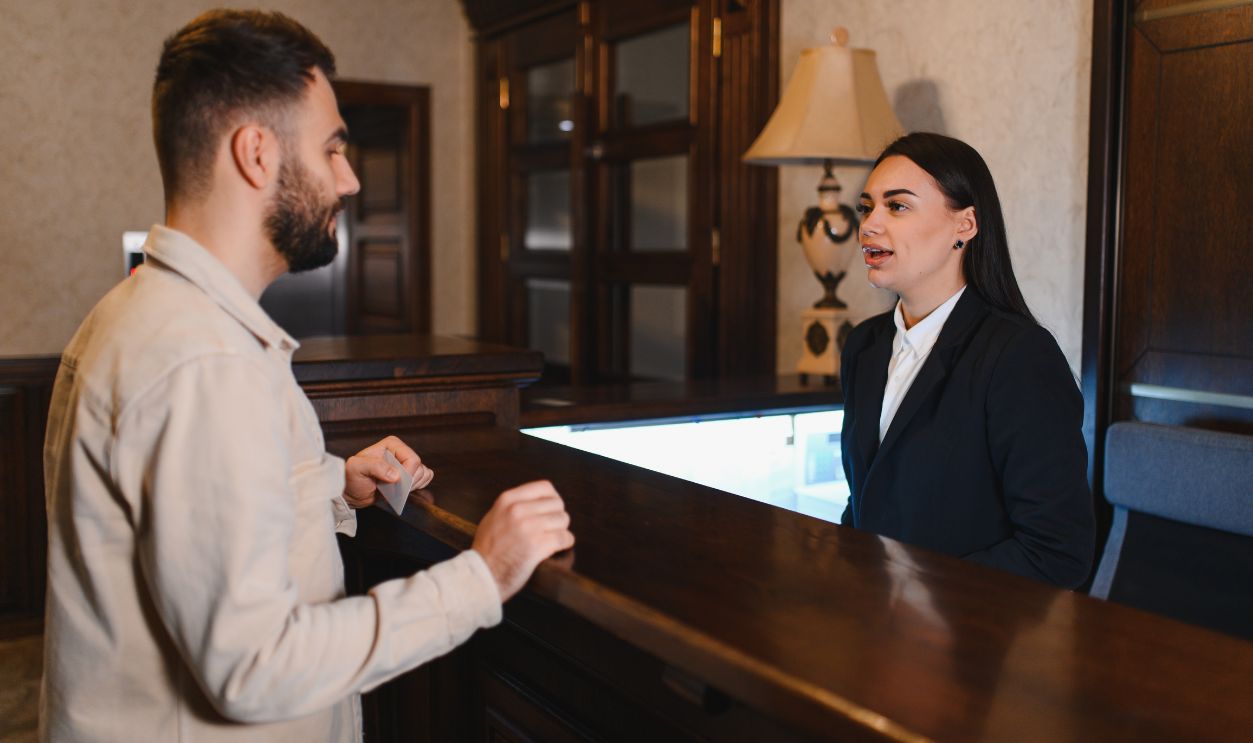
Do not assume that a hotel, inn, or vacation rental includes parking. Ask whether the property has a dedicated lot, requires a permit, or expects guests to use public spaces. A charming downtown room can become far less convenient when the nearest legal overnight parking is several blocks away.
 Hryshchyshen Serhii, Shutterstock
Read The Entire Sign
One curb can be governed by several overlapping rules. A space may be legal only during certain hours, limited to permit holders in the evening, or unavailable for loading, street cleaning, snow removal, or special events. Reading only the largest line on the sign can lead to an expensive mistake.

Do Not Improvise When Lots Are Full
Parking across a driveway, on private property, beside a fire hydrant, or outside a marked area is not a reasonable backup plan. At Acadia, roadside parking is prohibited outside designated areas, and vehicles using authorized roadside spaces must remain on the pavement. Illegal shortcuts can result in a citation, towing, or unsafe conditions.

Accessible Spaces Remain Essential
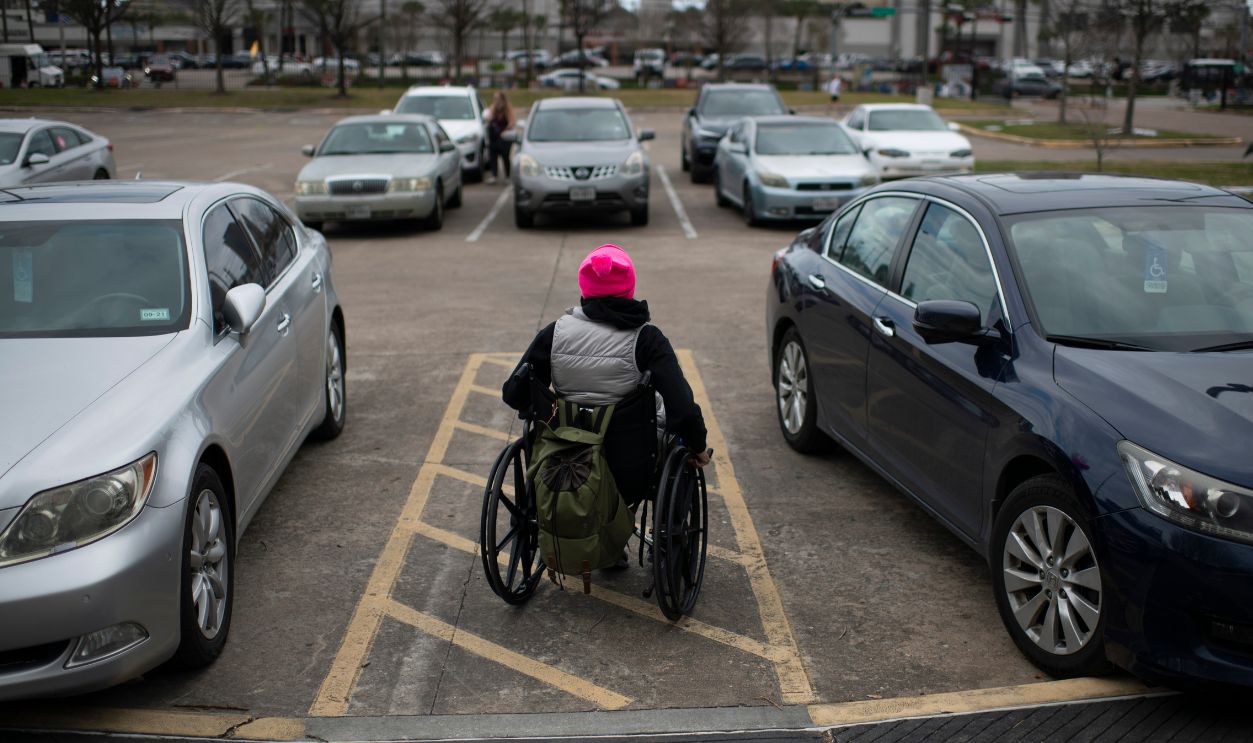
Accessible parking is not overflow parking when every ordinary space is occupied. The Americans with Disabilities Act requires covered businesses, nonprofit organizations, and state and local governments to provide accessible parking. Only vehicles displaying the required permit or plate should use those spaces.
 The Washington Post, Getty Images
Residents Pay A Price For Tourism Too
Tourism supports restaurants, shops, lodging properties, and local employment. It can also make ordinary tasks more difficult for people who live in the community year-round. Parking restrictions are one way towns try to capture tourism’s benefits without allowing visitor traffic to overwhelm residential life.
A Little Research Prevents A Lot Of Circling
Check the town’s official website before leaving home. Look for parking maps, seasonal dates, meter hours, payment instructions, residential zones, garages, and shuttle routes. Screenshots can be useful when cellular service becomes unreliable or signs are difficult to interpret.

The Best Plan Is Usually To Park Once
Once you find a legal and reasonably located space, keep it. Explore on foot, use a shuttle, or plan your route so you do not need to drive between nearby attractions. Giving up the first space in pursuit of a slightly better one often restarts the entire problem.

The Restrictions Make More Sense From The Other Side
The rules initially felt as though they were designed to keep me from exploring. In reality, they were attempting to divide a limited public resource among residents, workers, businesses, and thousands of seasonal visitors. Once I stopped expecting parking directly beside every attraction, the town became much easier to enjoy.
You May Also Like:
I arrived at a national park only to learn my reservation didn’t guarantee parking. Is that normal?
Source: 1, 2, 3, 4, 5, 6, 7, 8, 9, 10, 11, 12, 13, 14, 15, 16, 17