

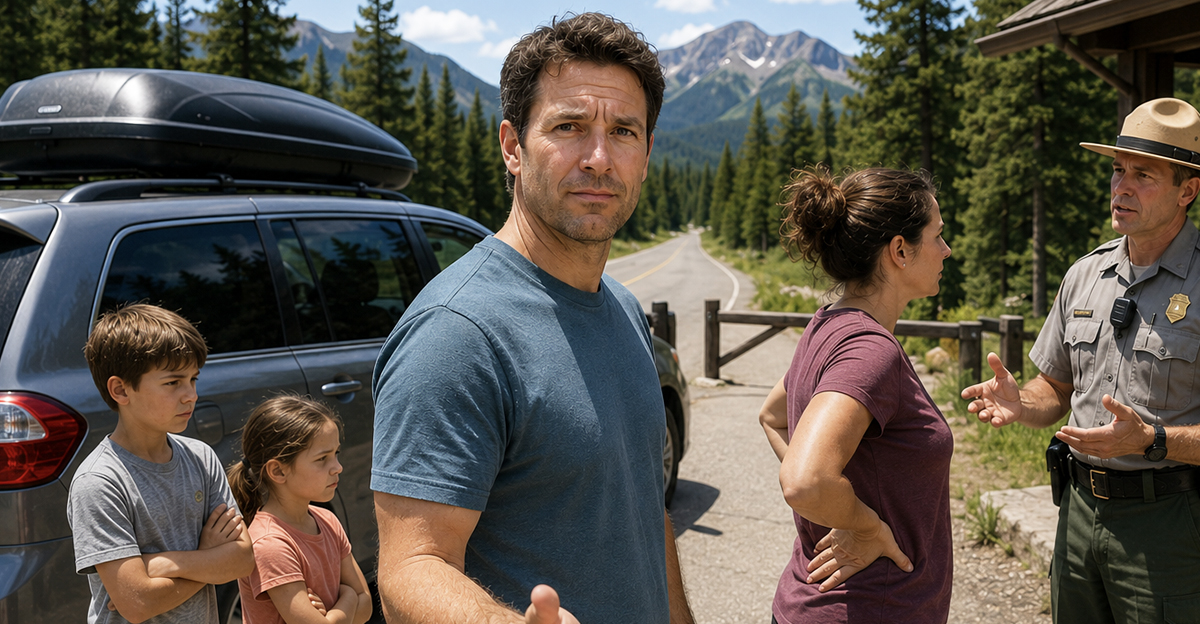
My Park Reservation Was Real, But The Parking Lot Was Full
Arriving at a national park with a confirmed reservation should feel reassuring. That is, until you get there and discover the reservation lets you enter, but doesn’t guarantee a parking spot. The good news is that this is frustrating, but it’s also common, and there are still ways to salvage the day.
Reservations And Parking Are Often Separate Things
A national park reservation usually controls access to something specific. It might cover timed vehicle entry, a campground, a shuttle, a scenic road, a trail permit, or a guided experience. Parking is often handled separately because lots fill and empty throughout the day based on real-time visitor behavior. That means a reservation can be valid while the nearest parking area is still completely full.
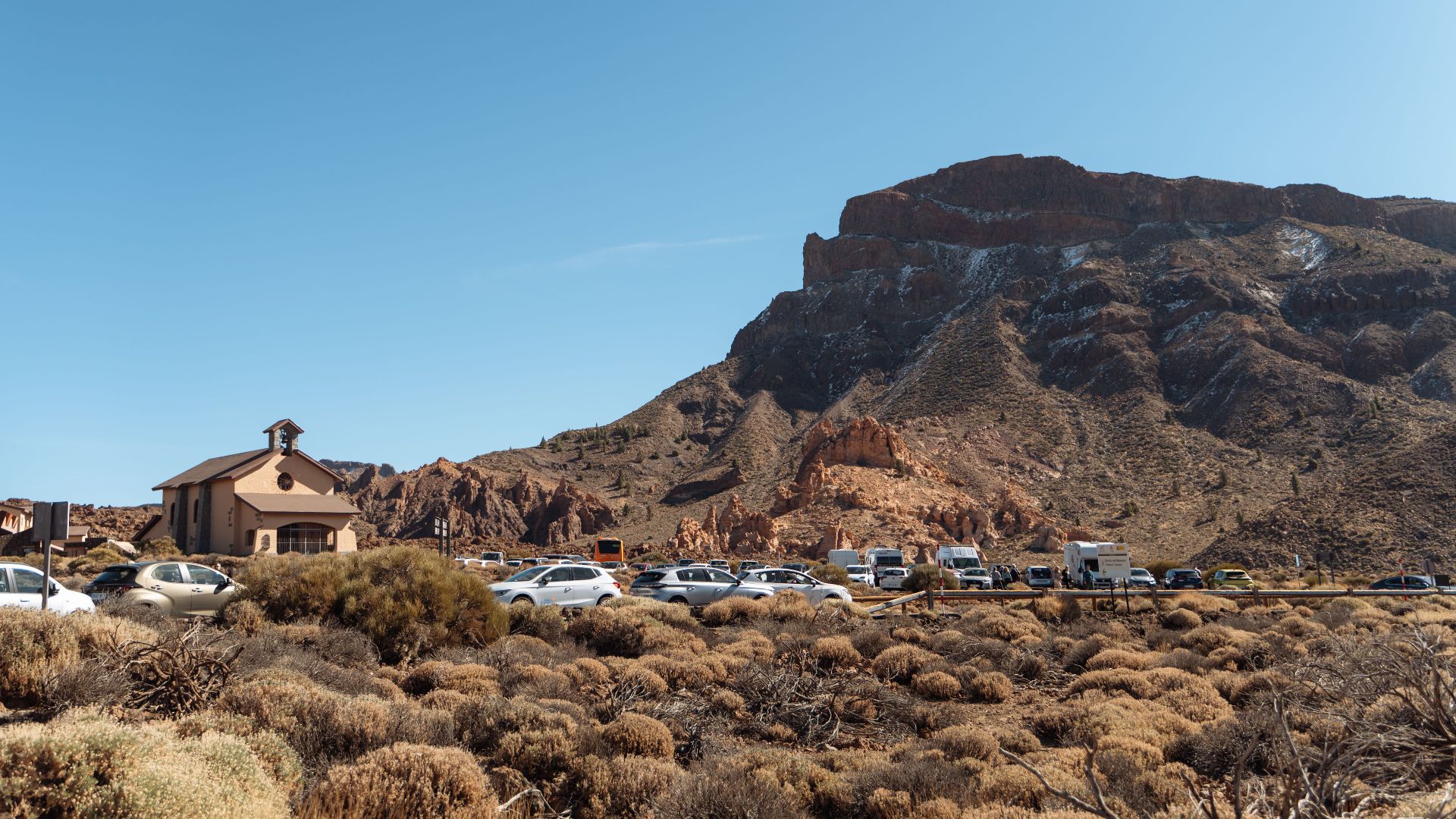
Timed Entry Usually Means Entry, Not A Space
Many timed-entry systems are designed to manage the number of vehicles entering a park during busy hours. They don’t always reserve a spot at a particular trailhead, viewpoint, lodge, beach, or visitor center. Rocky Mountain National Park’s Recreation.gov page, for example, states that a timed entry reservation guarantees vehicle access during the listed window but does not guarantee parking at specific destinations. That distinction catches a lot of visitors off guard.
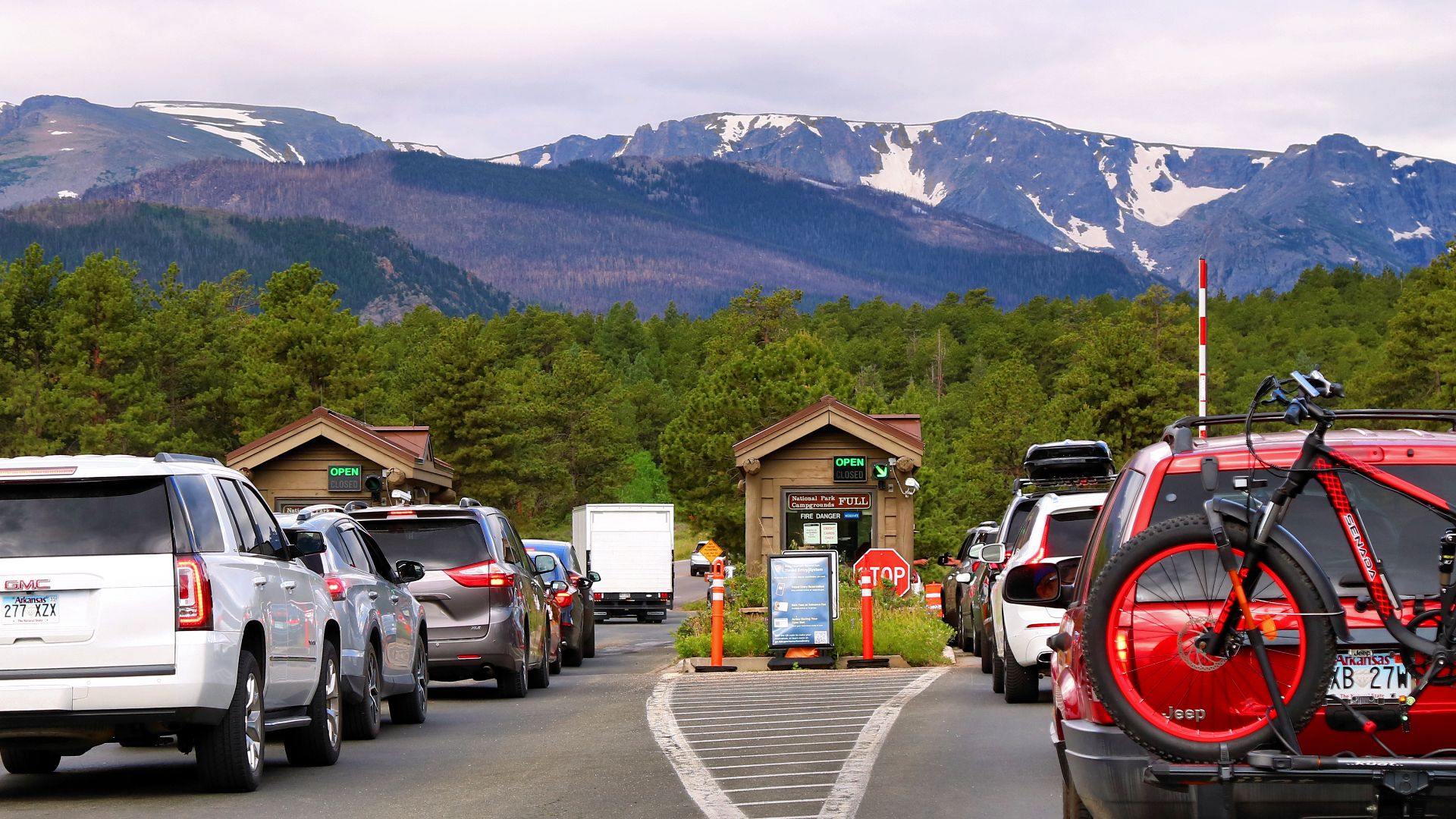 Larry D. Moore, Wikimedia Commons
The Fine Print Usually Says This
Most reservation systems explain parking limits somewhere in the details. The problem is that travelers often focus on the confirmation number and miss the language about parking availability, congestion, and first-come, first-served lots. If the park disclosed that parking wasn’t guaranteed, it may be difficult to claim the reservation was misleading. Still, it’s worth checking exactly what the confirmation, park website, and Recreation.gov listing said before you arrived.
Some Parks Are Managing Crowds, Not Convenience
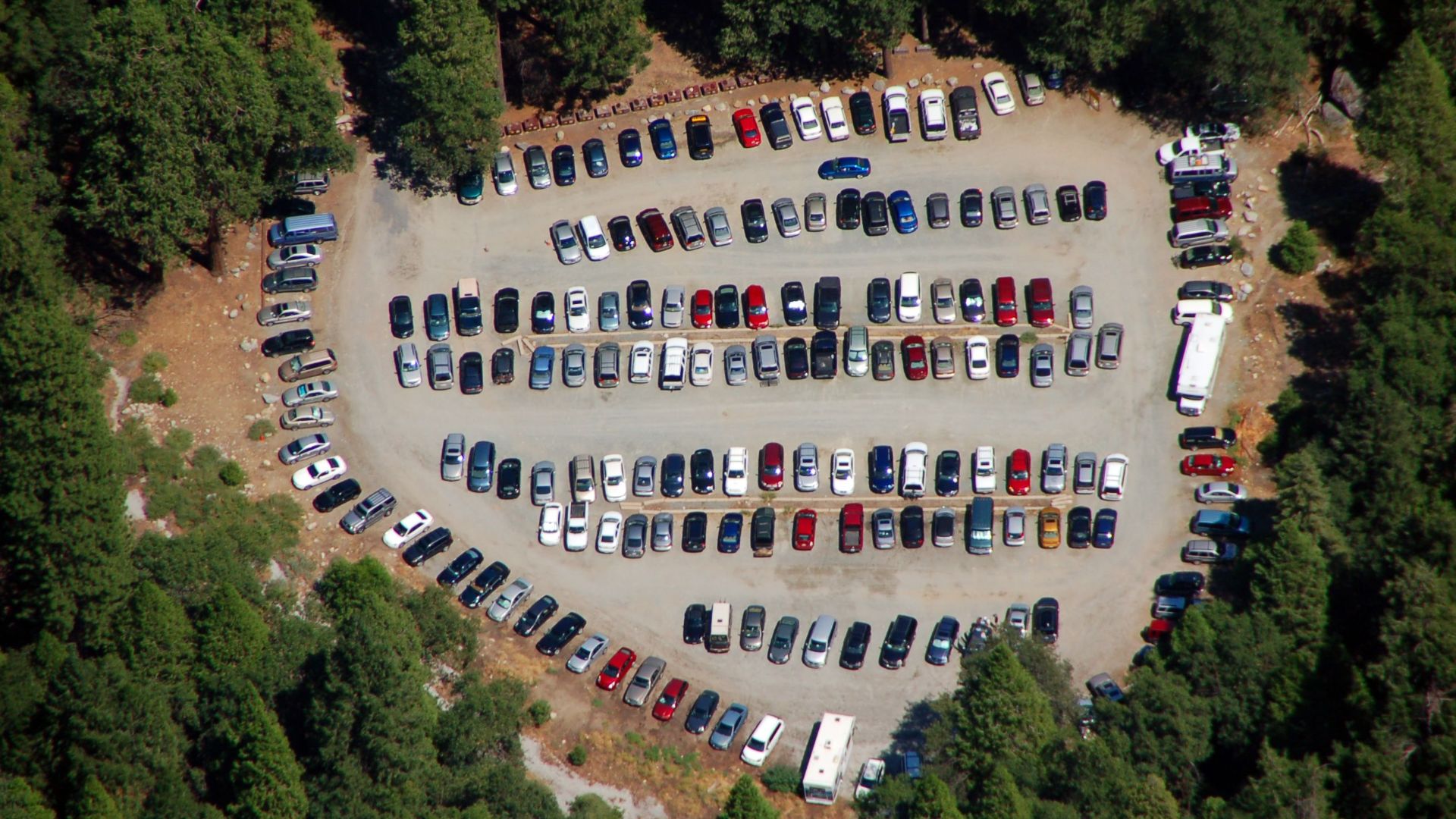
Timed entry and vehicle reservations are usually created to reduce congestion, protect resources, and spread visitor arrivals across the day. They are not always designed to make parking effortless once you’re inside. A park can reduce entrance backups while still having overcrowded trailheads, packed viewpoints, and full visitor center lots. That feels contradictory, but it happens often at popular parks.
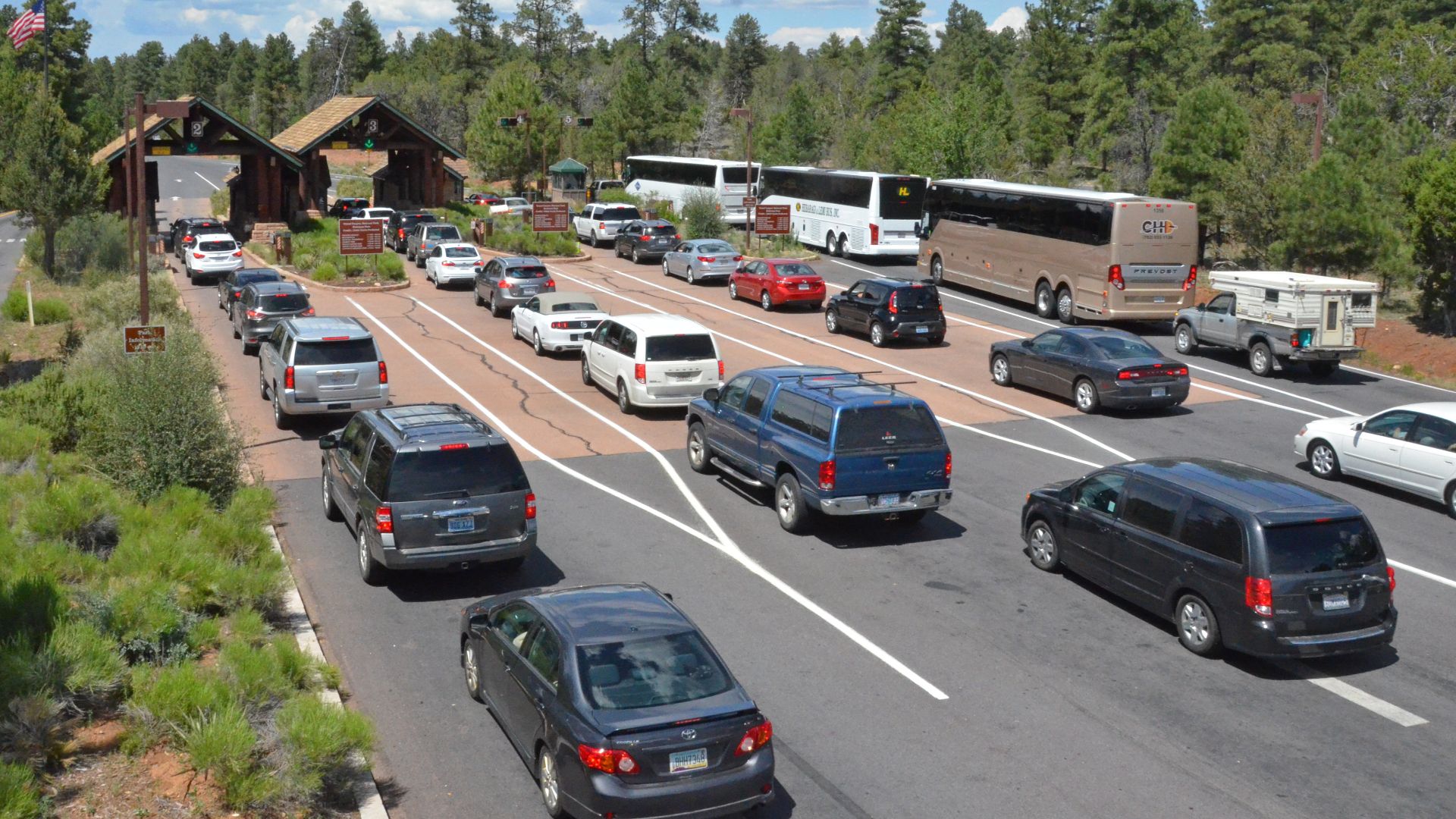 Grand Canyon National Park, Wikimedia Commons
Popular Trailheads Fill First
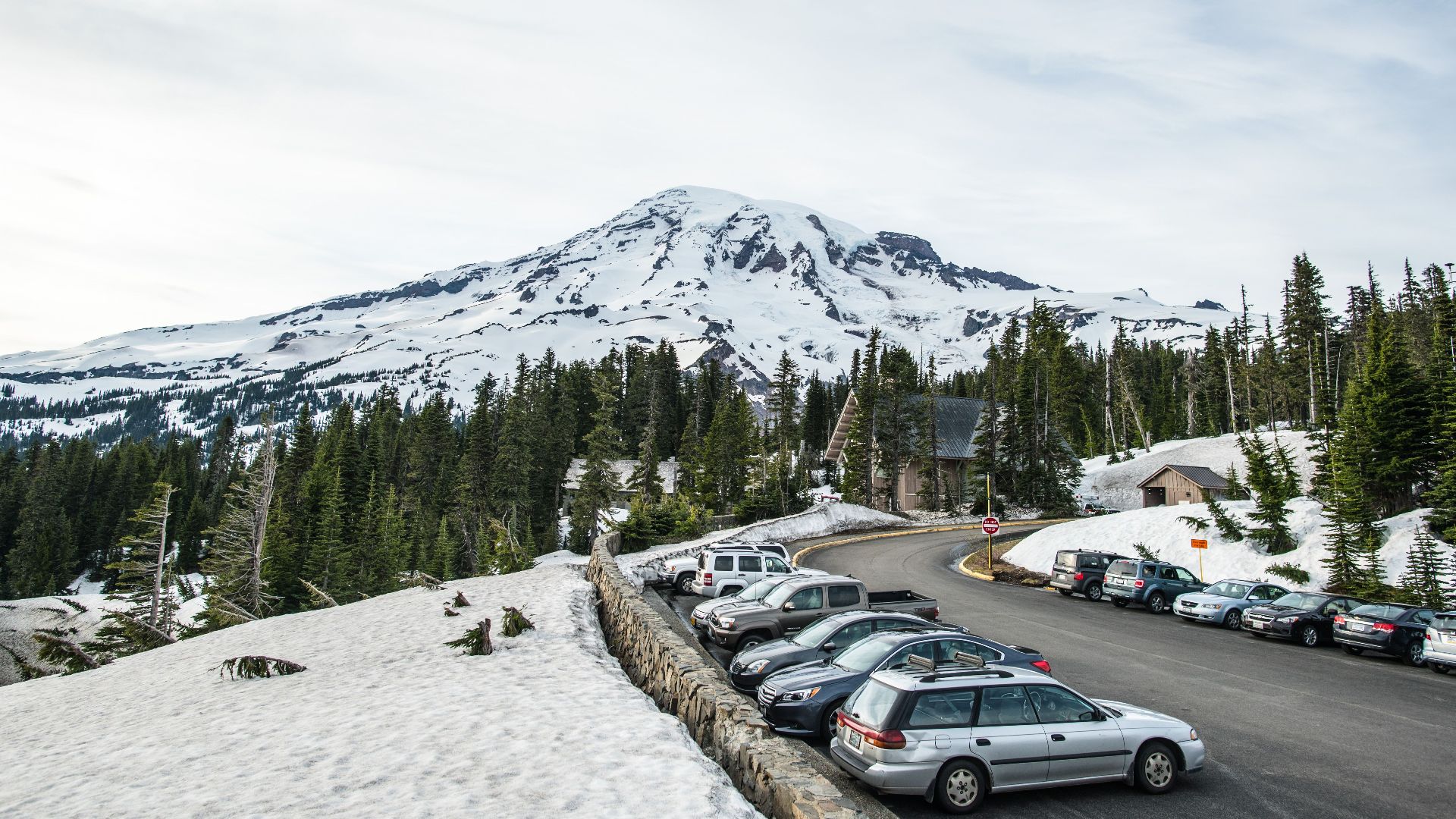
Even when the park itself is open and accessible, the most famous areas can fill quickly. Trailheads with limited parking, sunrise viewpoints, lake access, shuttle stops, and iconic photo locations often reach capacity early. A reservation may get you through the entrance gate, but it won’t magically create turnover in a tiny lot. Arriving earlier than your preferred activity time can make a huge difference.
Campground Reservations Are Different
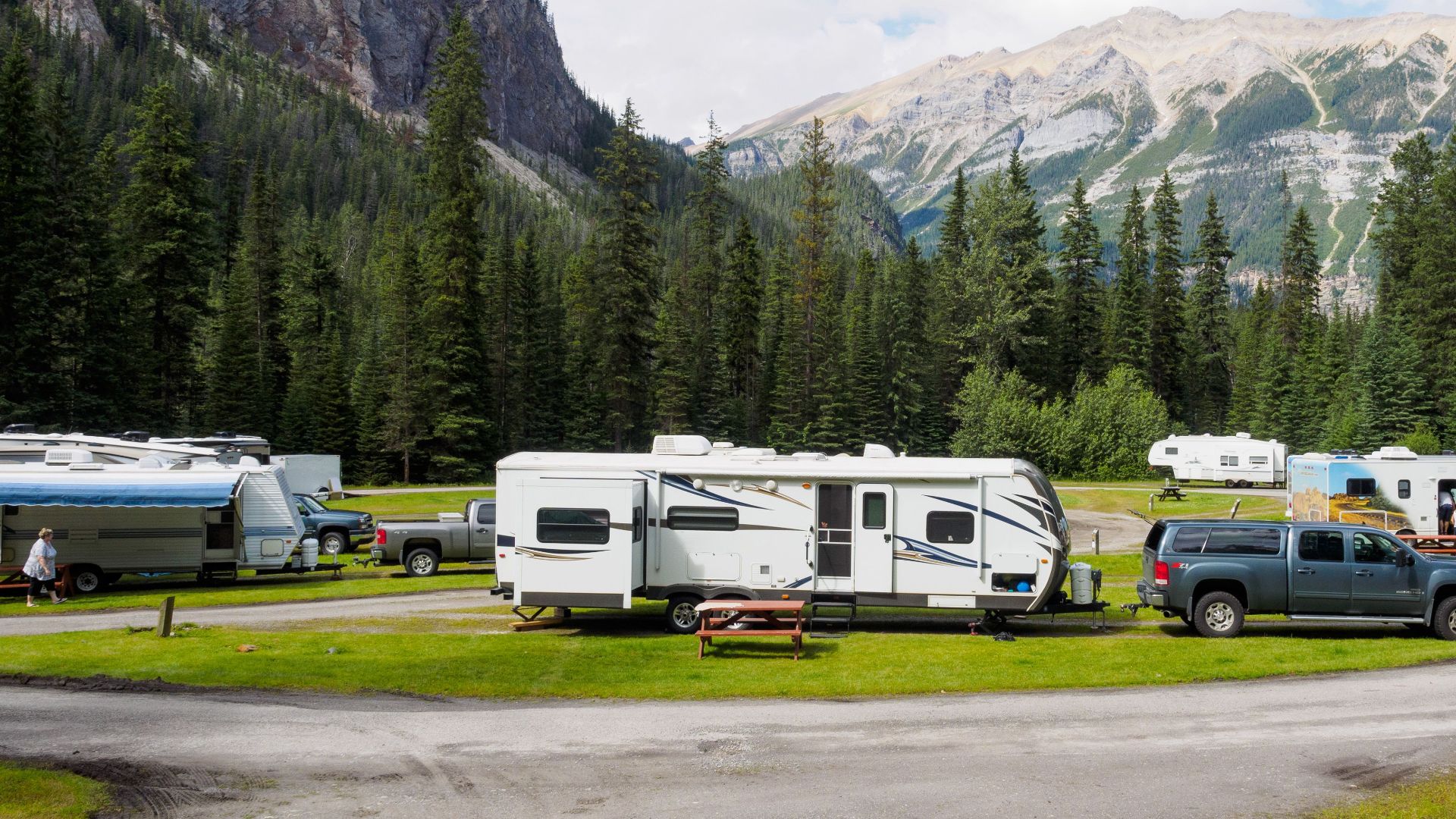
If you booked a campground, your campsite usually includes whatever parking rules apply to that site. However, that doesn’t necessarily guarantee parking at trailheads or popular day-use areas elsewhere in the park. Campers sometimes assume their overnight reservation gives them broader parking privileges throughout the park. In most cases, it only guarantees access to the campsite and whatever vehicle allowance is attached to it.
Lodging Reservations May Not Solve Day Parking
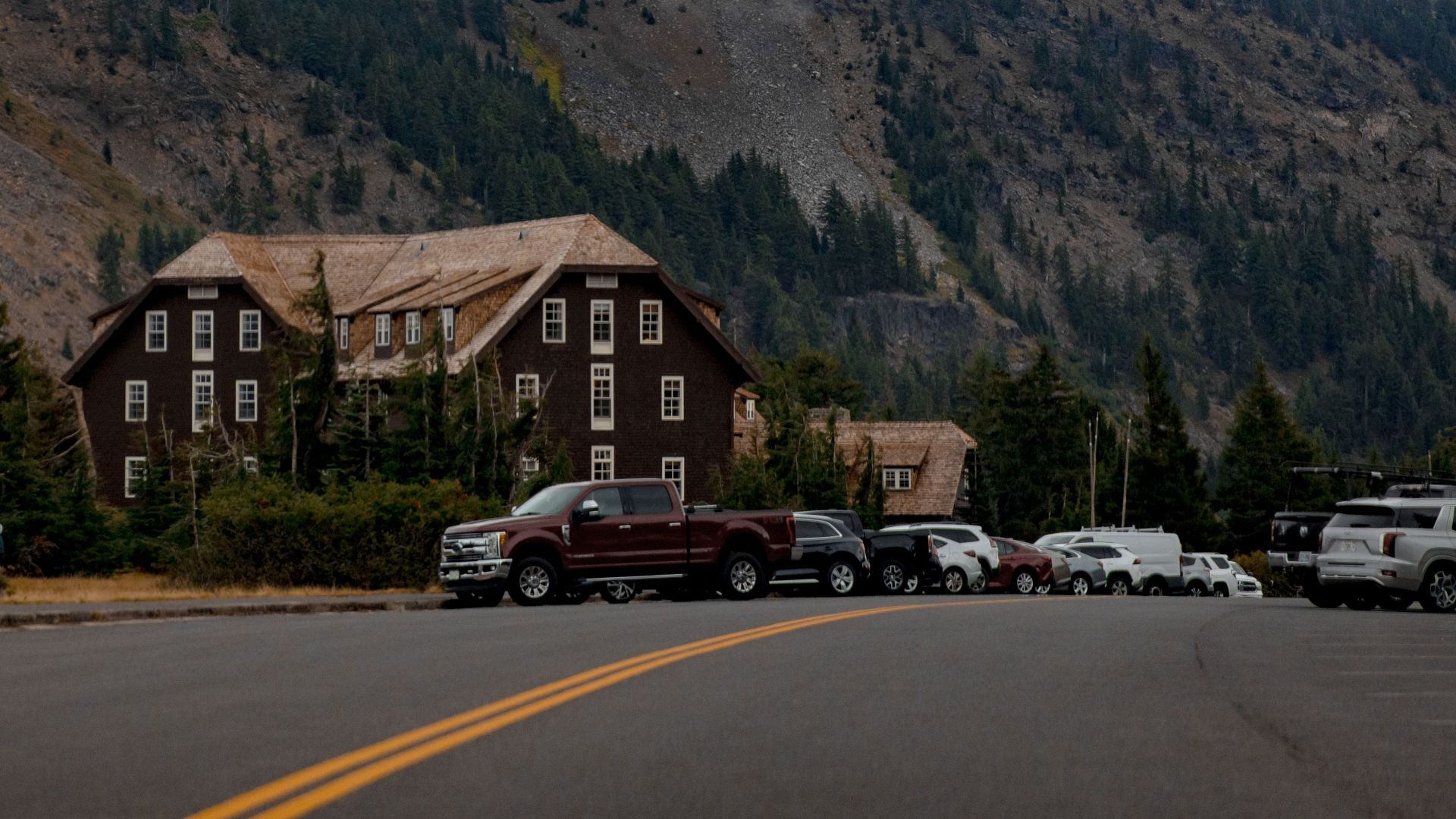
Staying at a park lodge can help with overnight parking near the property, but it usually doesn’t guarantee parking at every attraction inside the park. Some lodge guests still need shuttles, early starts, or patience to access busy areas. The details vary by park and lodging operator. Always check whether your room reservation includes parking and where that parking is actually located.
Shuttle Reservations Can Be The Real Key
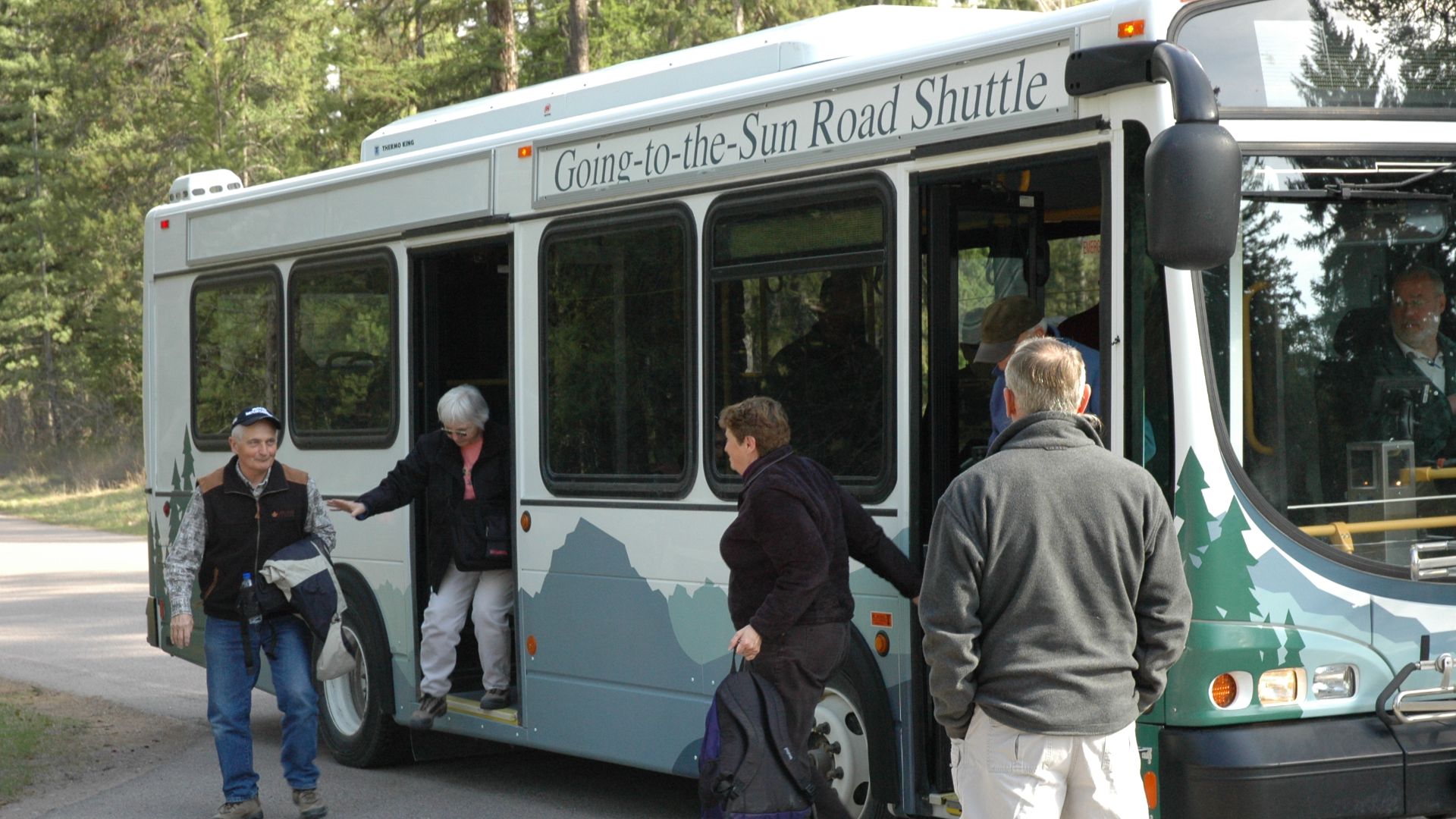
In some parks, the best way to avoid parking frustration is using the shuttle system. A shuttle reservation may provide access to areas where private vehicle parking is limited or unavailable. Some parks intentionally push visitors toward shuttles to reduce traffic in sensitive or overcrowded areas. If parking is your main concern, shuttle logistics may matter more than the timed-entry reservation itself.
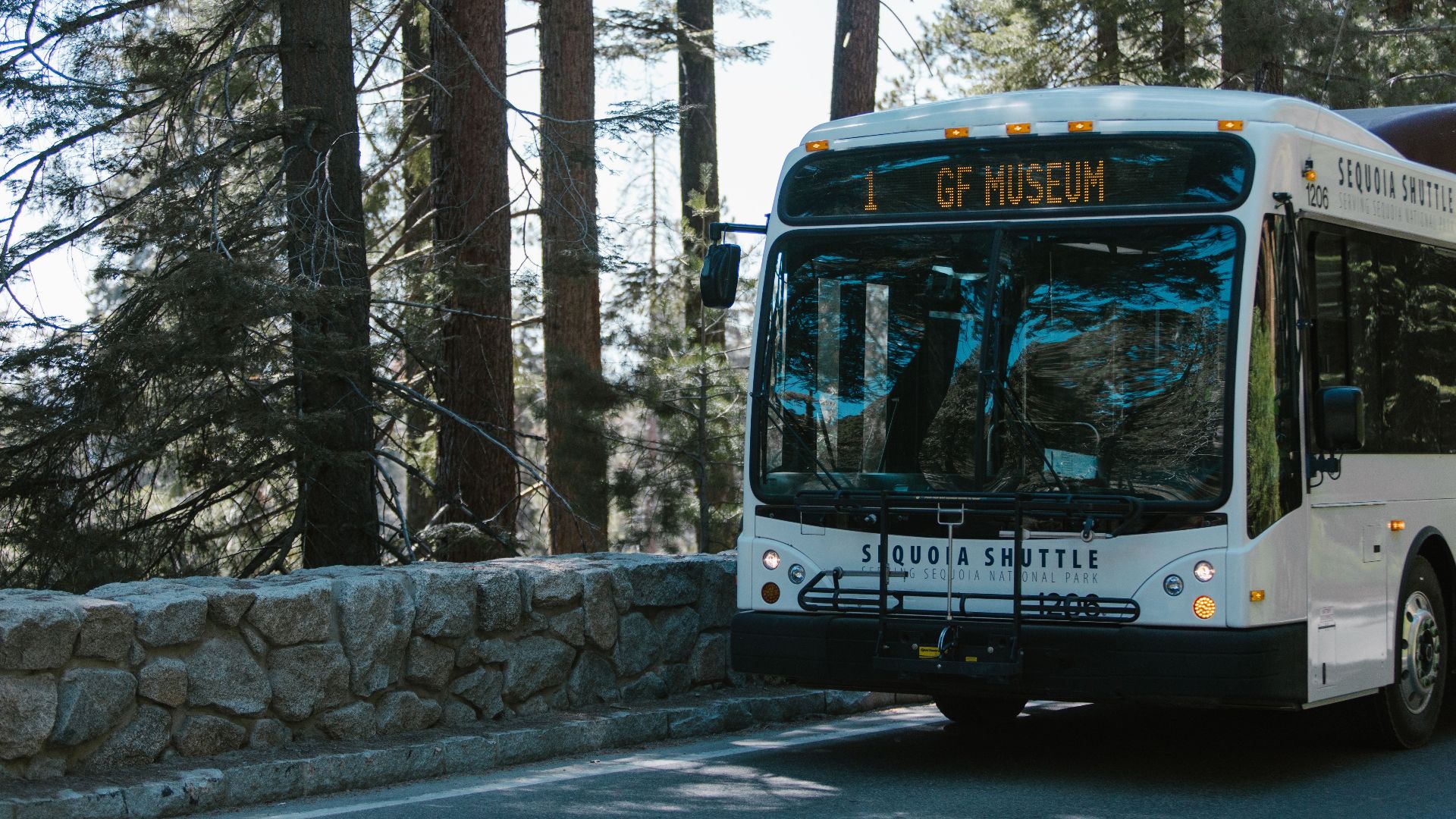
You Usually Won’t Get Compensation Just Because Lots Were Full
A valid reservation that doesn’t guarantee parking usually won’t lead to automatic compensation when a lot is full. If the park provided the access described in the reservation, the government or operator may argue that it fulfilled its obligation. That said, if a specific paid parking reservation was sold separately and not honored, that would be a different situation. The exact wording of what you purchased matters.
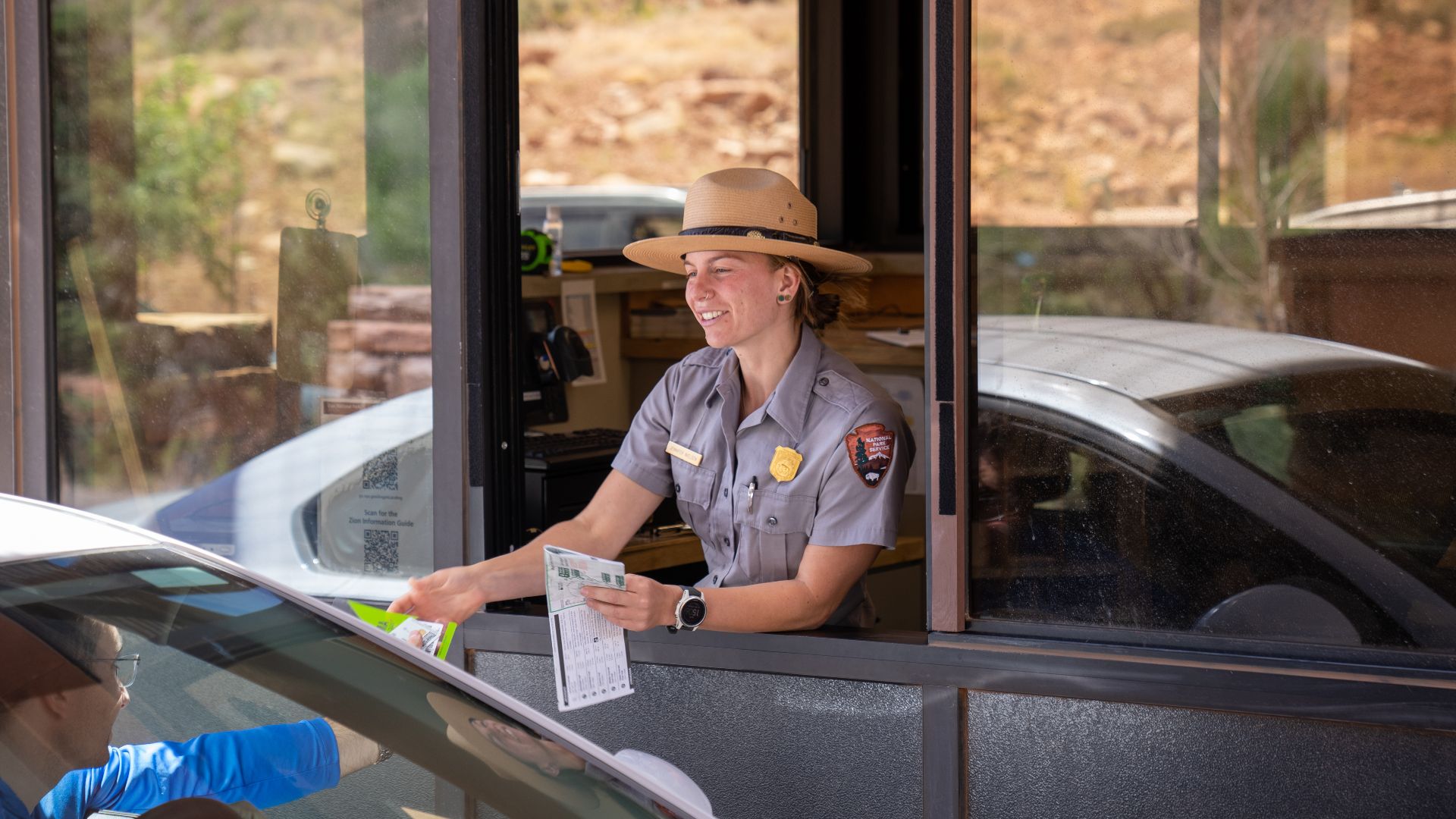 NPS / Jonathan Shafer, Wikimedia Commons
Refunds Depend On What Was Actually Promised
If you paid for timed entry and were allowed to enter during your window, a refund may be unlikely just because your preferred lot was full. If the park closed the road, canceled the shuttle, or prevented access to the reserved area entirely, your argument may be stronger. Recreation.gov and individual park policies often control refund eligibility. Review the reservation terms before assuming the answer is yes or no.
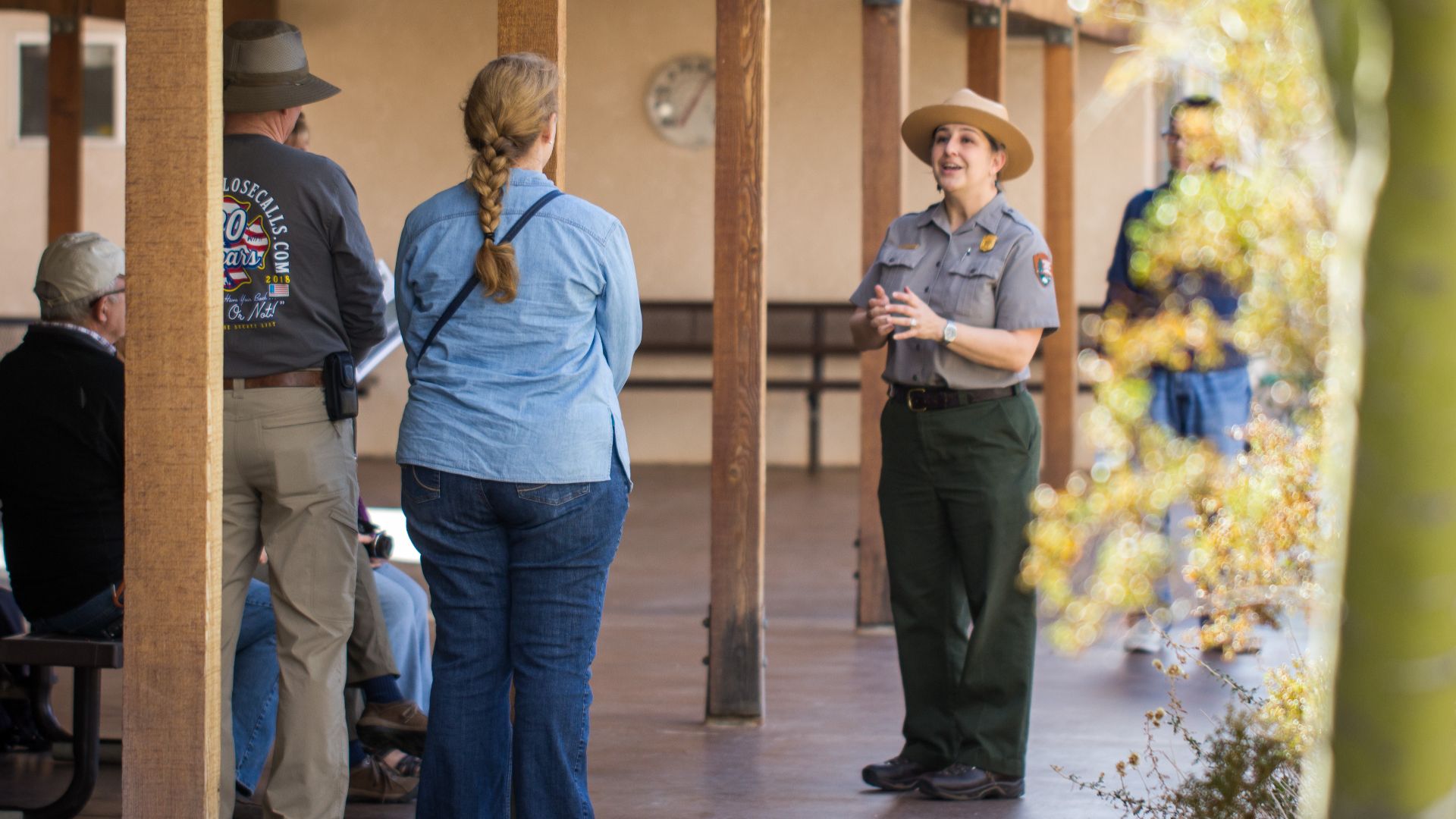
Ask Staff For The Best Immediate Option
If you arrive and the lot is full, ask a ranger or parking attendant what they recommend. They may know which lots are turning over, whether a shuttle is available, or when the next opening is likely. They may also redirect you to lesser-known areas with similar views or trails. Park staff deal with this constantly, and their real-time advice is often more useful than anything you read before the trip.
 Joshua Tree National Park, Wikimedia Commons
Don’t Circle Forever If There’s A Better Plan
Circling a full parking lot for an hour can ruin the day and add to congestion. If the park has a shuttle, overflow lot, alternate trailhead, or nearby viewpoint, it may be smarter to pivot quickly. Many parks have excellent secondary stops that are less famous but still beautiful. A flexible plan can save a trip that initially feels like a disaster.
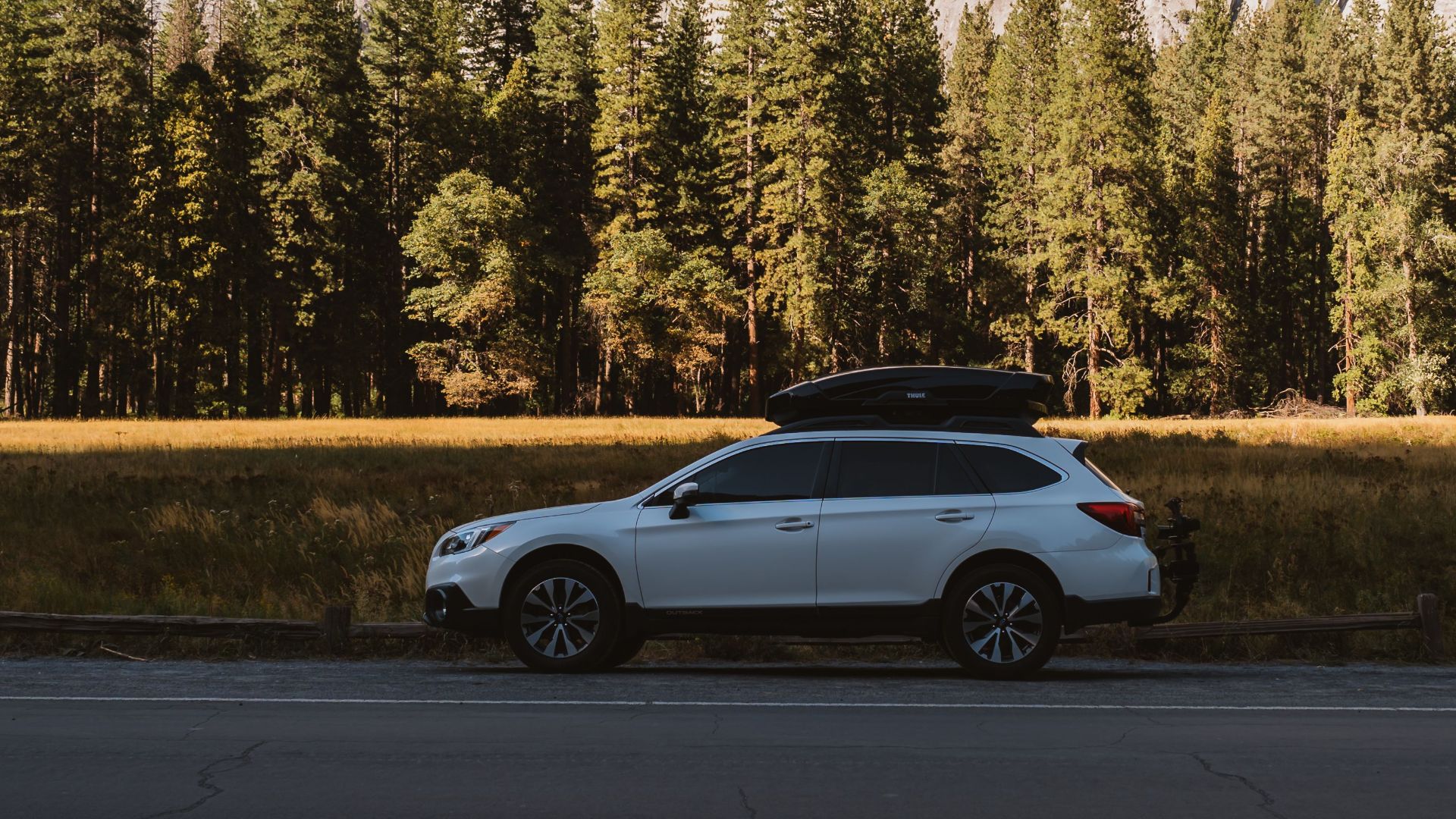
Arrive Earlier Than The Reservation Window If Allowed
Some reservations cover a broad entry period, while others require entry during a specific time slot. If your reservation allows earlier arrival or if the park has unrestricted hours before the reservation period begins, arriving early can help beat the parking rush. Always check the rules carefully because entering outside the required window may not be allowed. The goal is to work within the system, not accidentally violate it.
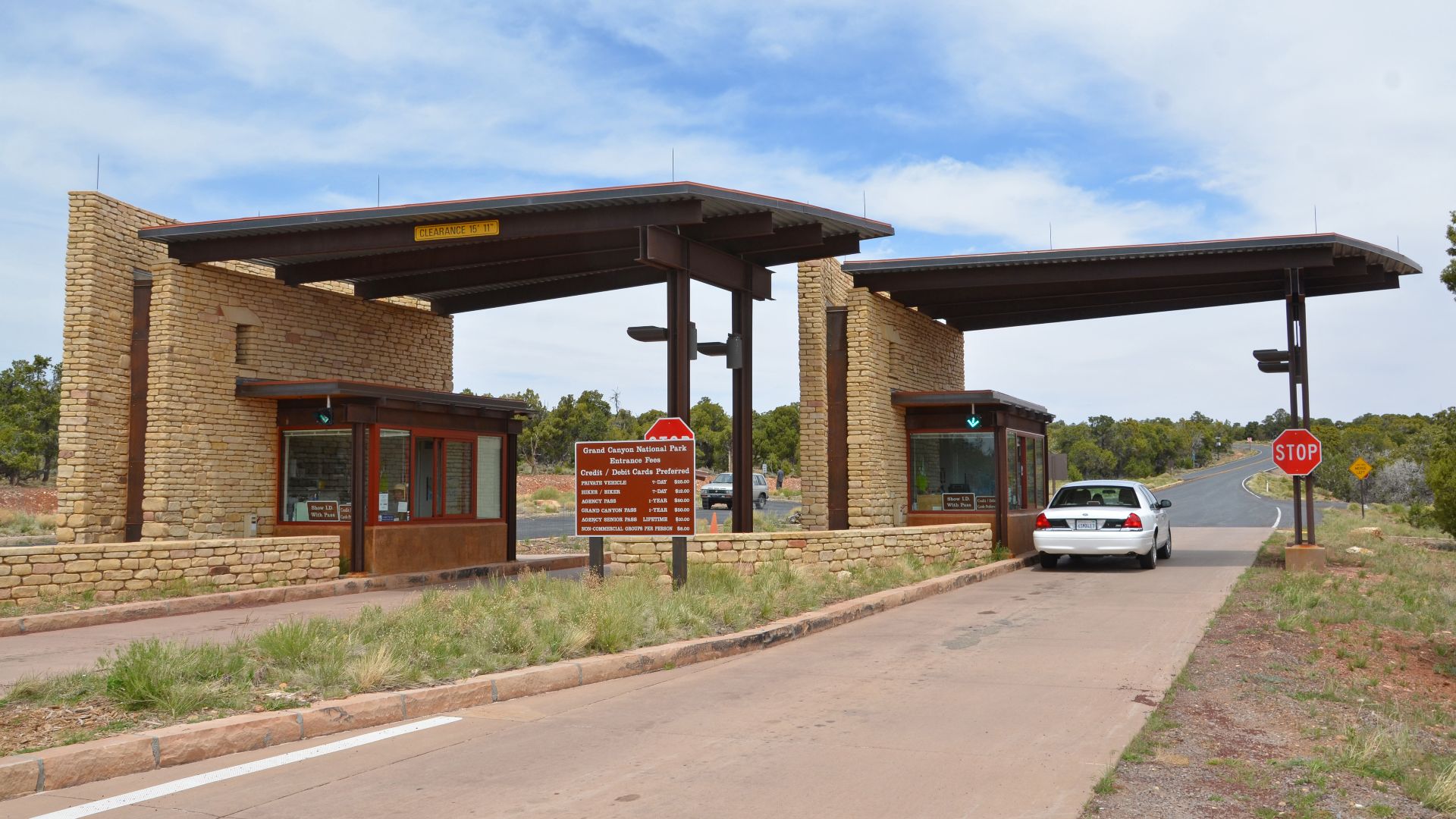 Grand Canyon National Park, Wikimedia Commons
Weekdays Are Usually Easier
Parking stress is often worst on weekends, holidays, and peak vacation periods. If your schedule is flexible, weekday visits can be dramatically smoother. Even then, the most popular lots may still fill early during high season. Planning around crowd patterns is one of the best ways to make reservations work in your favor.
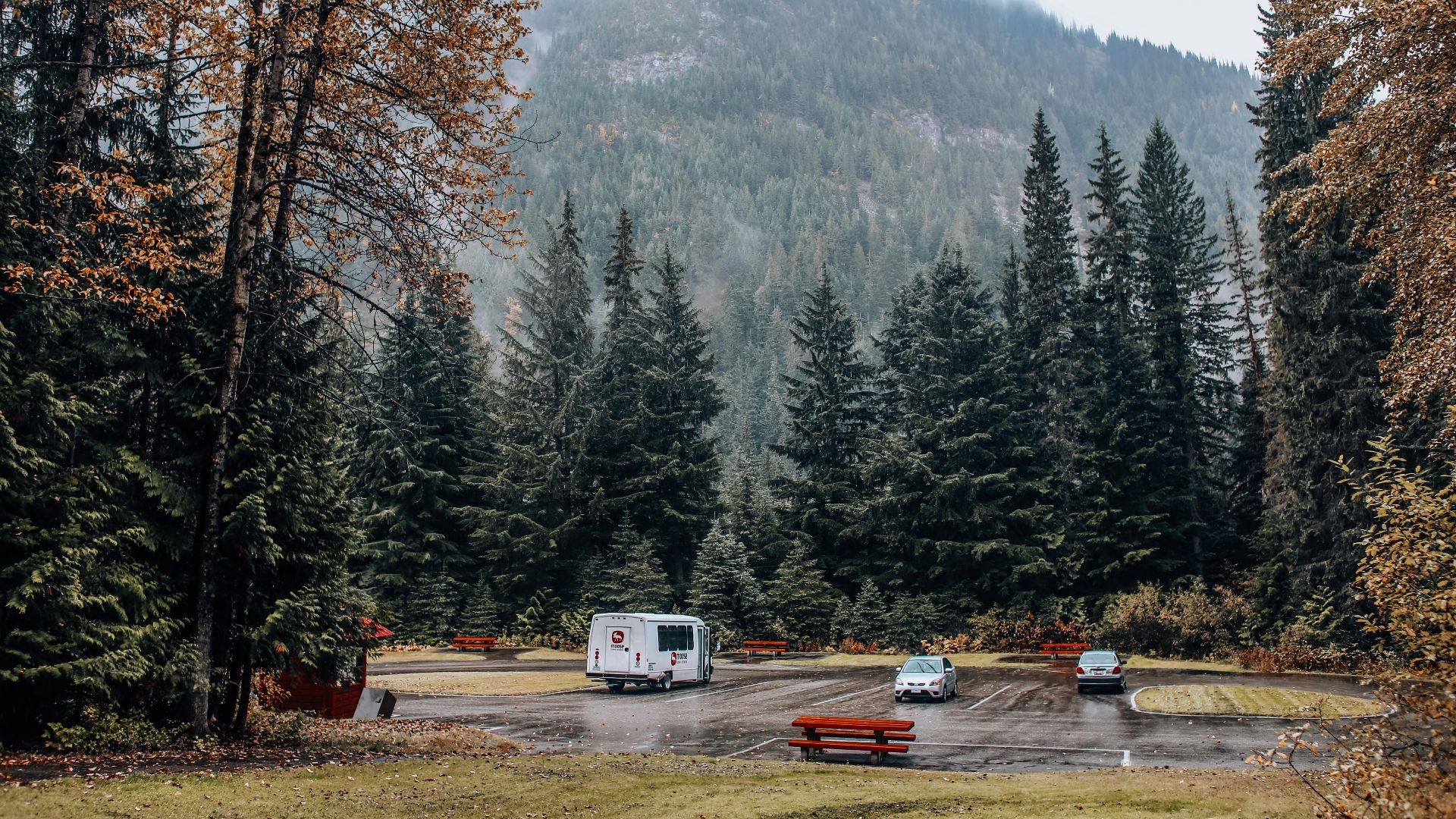
Keep Screenshots Of The Reservation Details
Before your visit, save screenshots of the reservation confirmation, parking language, refund terms, and park alerts. Cell service can be unreliable inside national parks, and app pages may be hard to access at the gate. Having the details saved offline helps if there is confusion with staff or if you later need to request a refund. It also protects you if the page changes after your visit.

Check Park Alerts Before Leaving
National parks often post alerts about construction, shuttle changes, parking closures, road restrictions, weather, wildfire smoke, or full lots. Checking the official park site and Recreation.gov before leaving can prevent surprises. Conditions inside parks change quickly, especially during summer and holiday periods. A reservation is useful, but real-time alerts are just as important.

Recreation.gov Is Only Part Of The Puzzle
Many federal park reservations are handled through Recreation.gov, but individual park websites often contain extra details. The reservation page may explain the permit, while the park site explains parking, shuttles, road closures, and crowd patterns. Reading both can prevent misunderstandings. It’s annoying, but it’s often necessary for popular destinations.
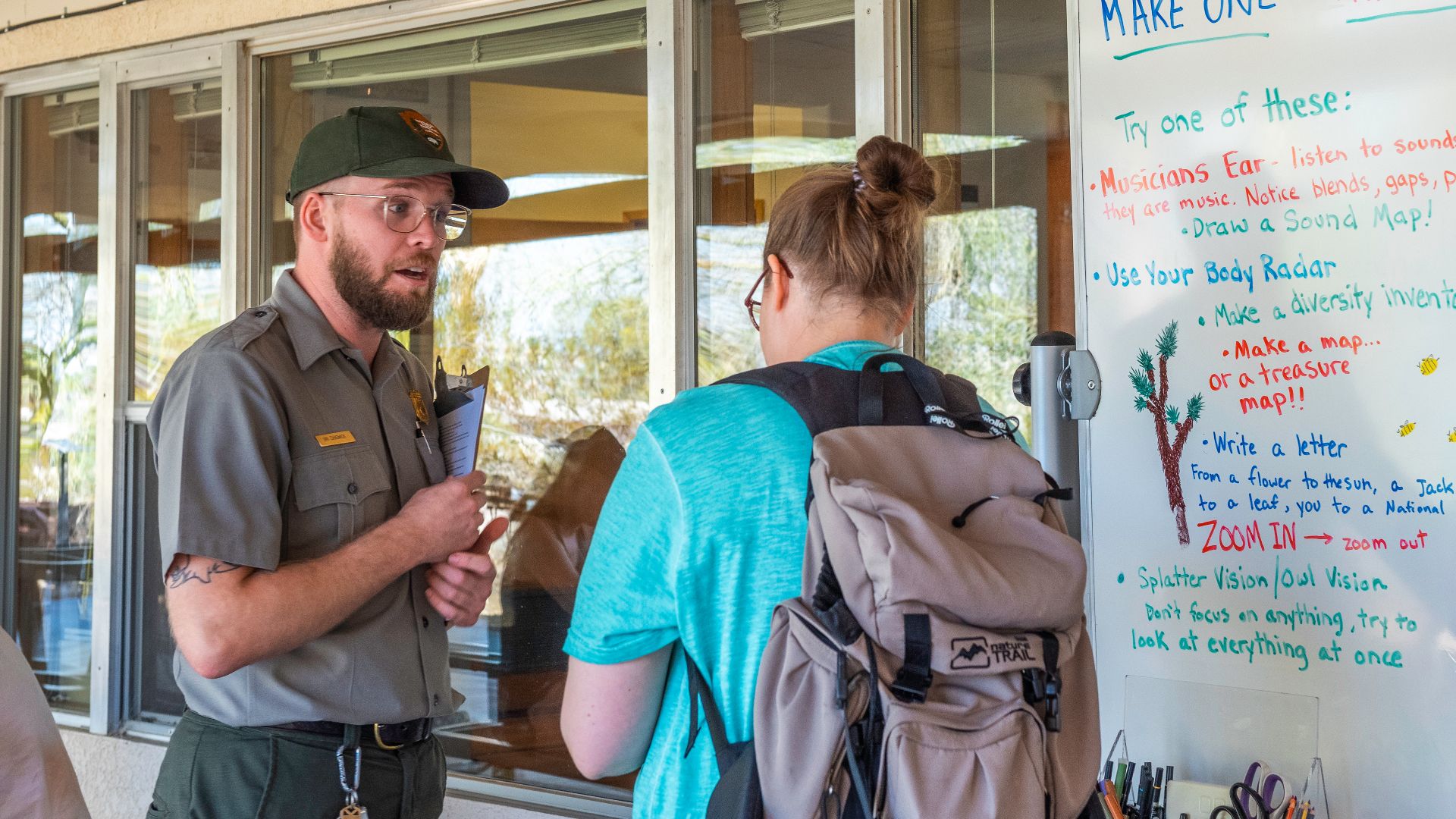 Joshua Tree National Park, Wikimedia Commons
Parking Rules Can Change By Season
Some parks use reservations only during peak months, certain holidays, or specific hours of the day. Parking pressure also changes with snow, construction, wildfire closures, and seasonal shuttle schedules. A strategy that works in October may fail completely in July. Always check current rules for the exact date of your visit.
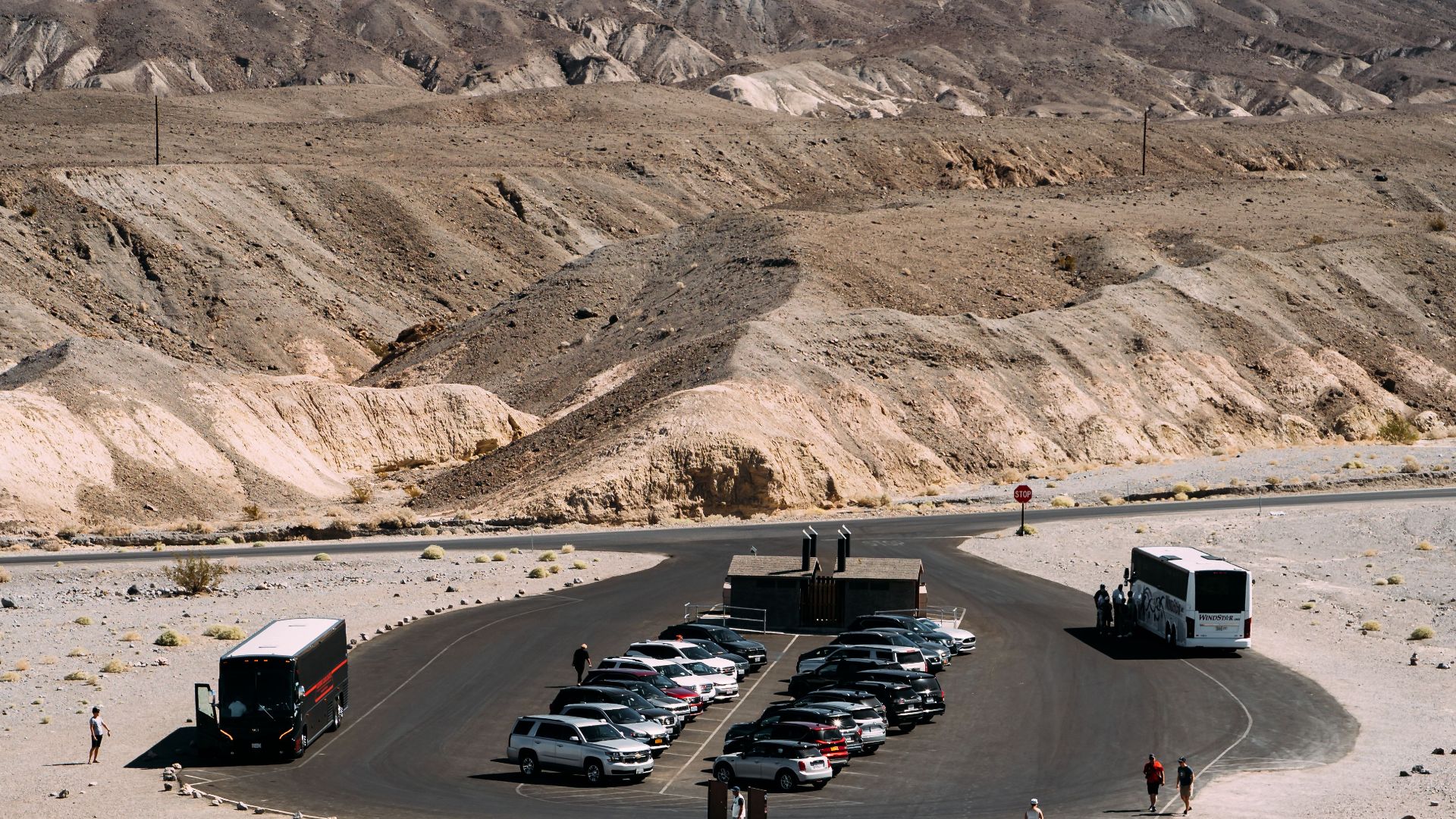
Accessibility Needs Should Be Addressed Early
If someone in your group has mobility needs, don’t assume a general reservation solves accessible parking challenges. Contact the park ahead of time to ask about accessible spaces, shuttle accessibility, drop-off rules, and realistic options at busy sites. Accessible spaces can still be limited, and planning ahead can reduce stress. Staff may be able to suggest the most practical route.
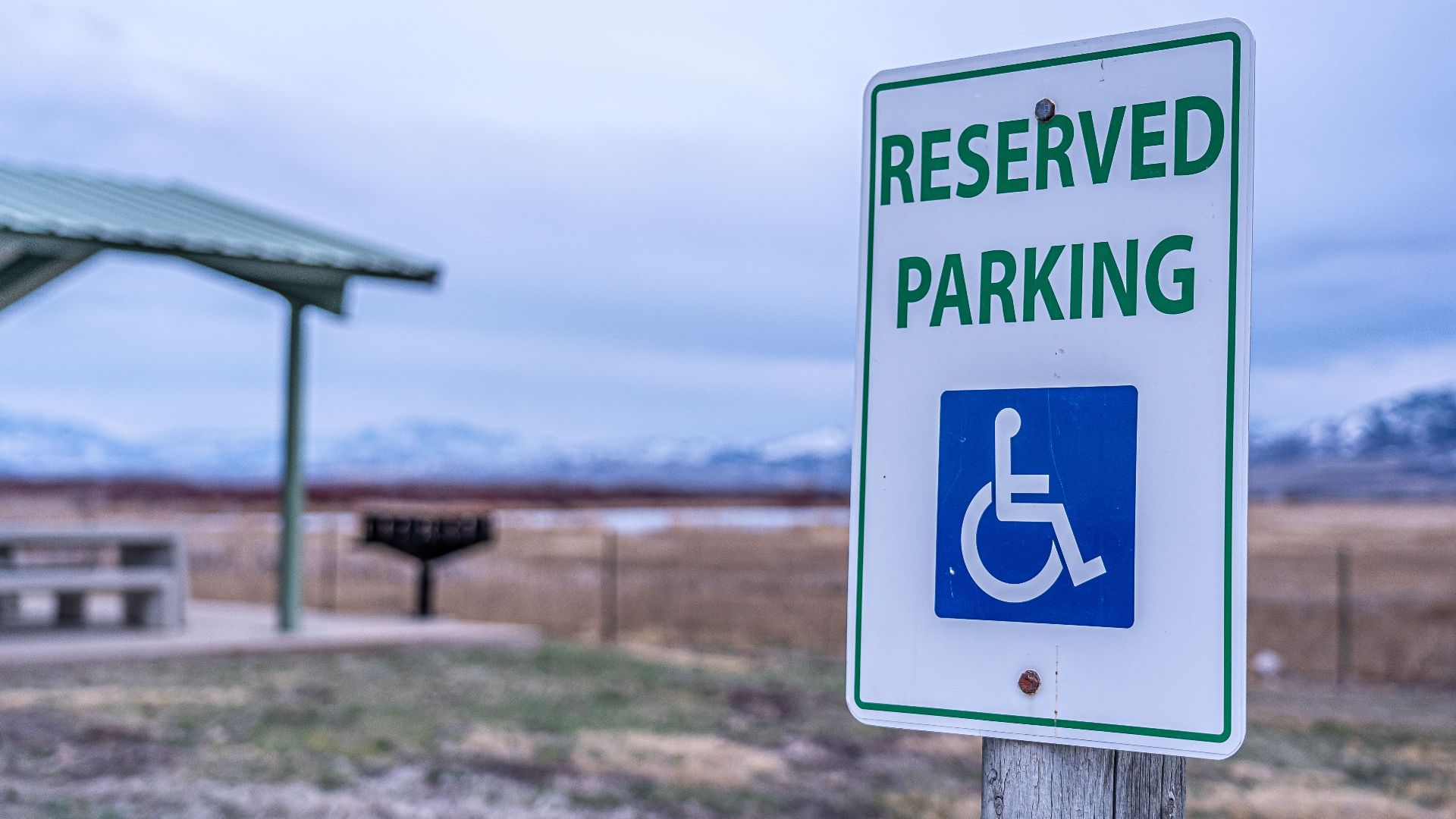
If The Terms Were Misleading, Document It
If you genuinely believe the reservation page suggested parking was included, save proof. Take screenshots, keep emails, note staff statements, and document what happened at the park. A complaint is stronger when it points to specific wording rather than general frustration. If the information was confusing or contradictory, that’s worth raising.

File A Complaint If The System Failed
If the reservation system was unclear, the park gave conflicting information, or you were denied access to something the reservation clearly promised, file a complaint with the operator, Recreation.gov, or the park. Keep the complaint factual and include confirmation numbers, dates, screenshots, and expenses. You may not get compensation, but complaints can lead to refunds, clarifications, or better visitor information. They also create a record if the same issue keeps happening.
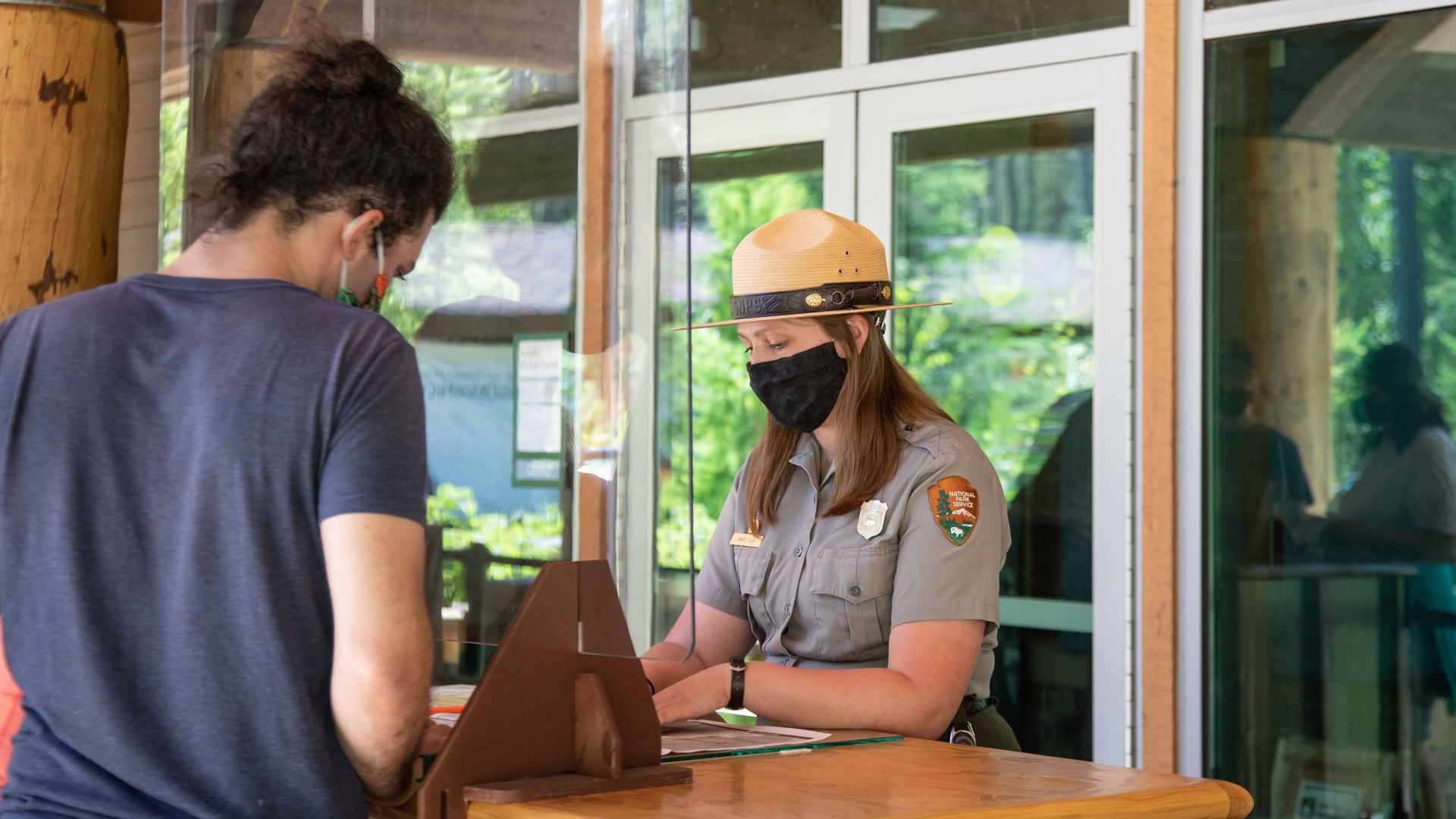
Build A Backup Plan Before You Go
For busy parks, the smartest move is planning a second and third option before arrival. Pick an alternate trail, a shuttle route, a less crowded entrance, or a nearby scenic area outside the park. That way, a full parking lot doesn’t destroy the entire day. National park trips go much better when the plan has some flexibility built in.

It’s Normal, But It’s Still Frustrating
Yes, it can be normal for a national park reservation to allow entry without guaranteeing parking. That doesn’t make the situation any less annoying when you planned carefully and still couldn’t park where you wanted. The best move is to check exactly what your reservation covered, use shuttles or overflow options when available, document misleading information if it existed, and request a refund only when the park failed to provide what it actually promised. With better timing and a backup plan, your next visit can go much more smoothly.
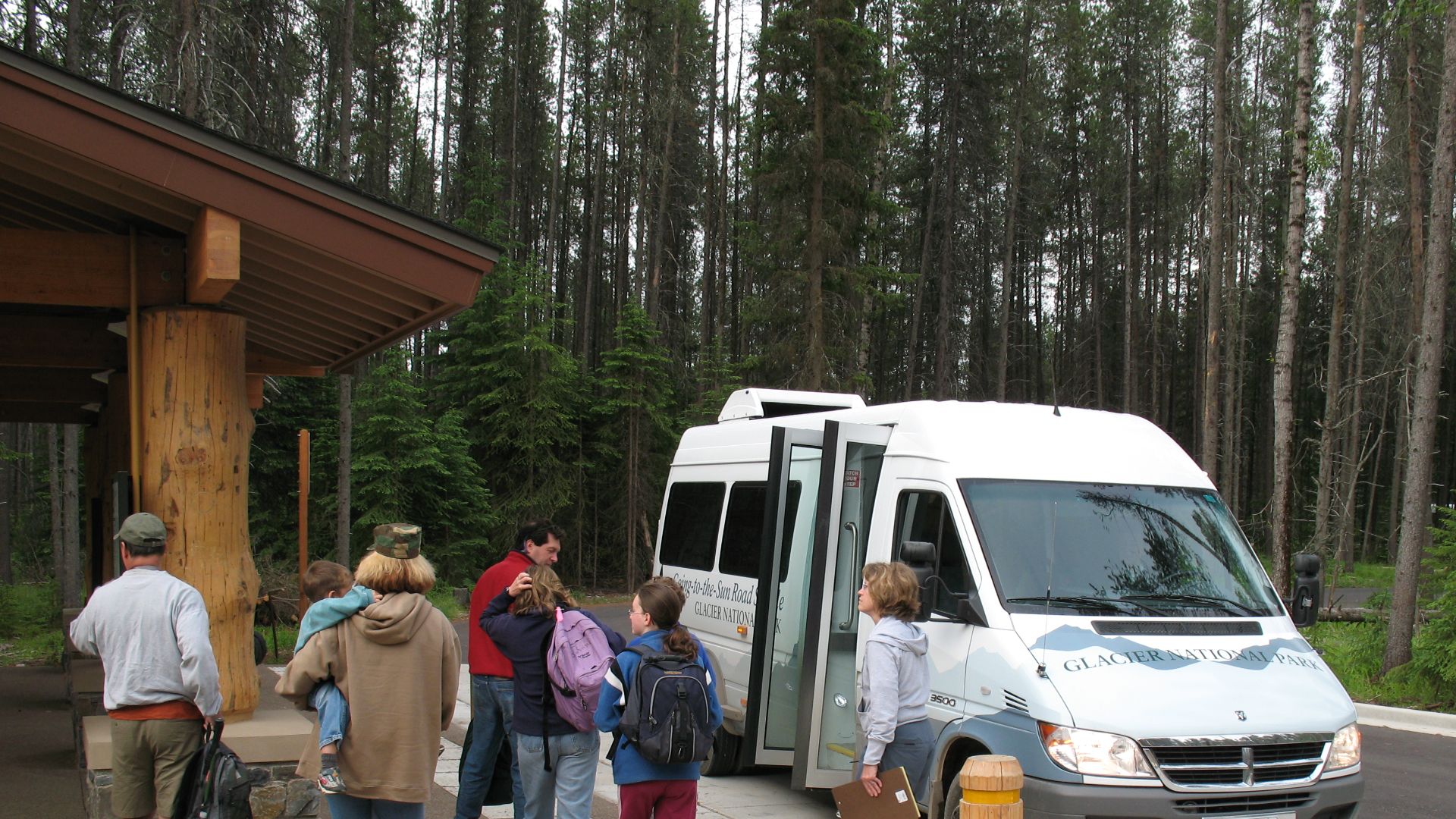 Photo: David RestivoGlacierNPS, Wikimedia Commons
You May Also Like:
New crowd control measures completely ruined my last theme park experience. Can I get a refund?





.jpg)
.jpg)