The Problem
You pick up a rental car, start a long road trip, and everything seems fine. Then, two hours later, the air conditioning quits. You report the issue, complete your trip, and expect the company to handle a mechanical problem. Instead, you get a bill claiming you caused the damage. Can a rental company really hold you responsible for a failed AC system? The answer depends on the facts, the contract, and the evidence.
Report It Immediately
As soon as you notice a major problem like a failed air conditioner, you should notify the rental company. Waiting until the end of the rental period can make it harder to prove the issue was not caused by something you did during the trip.

Document Everything
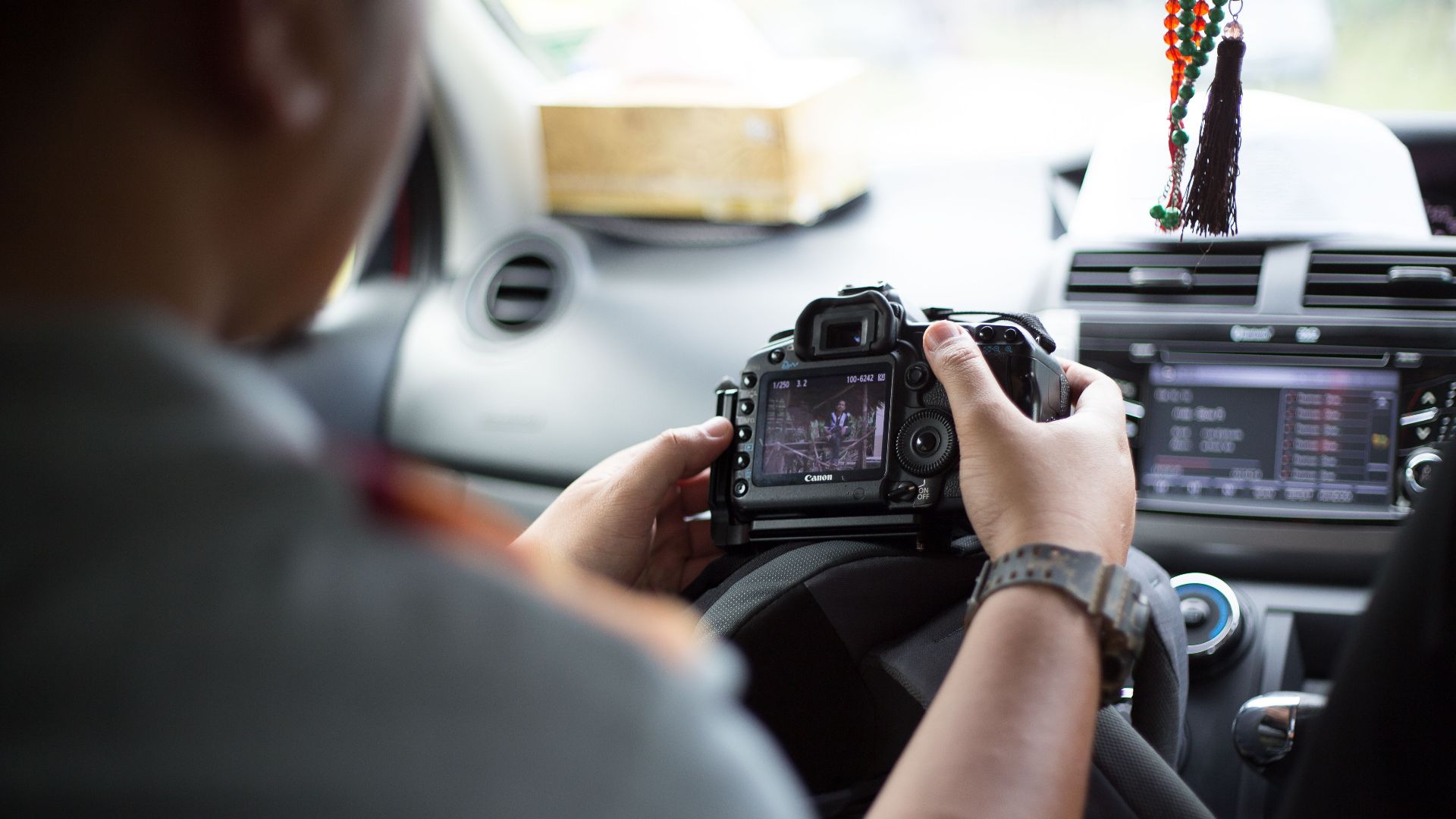
Take photos and videos of the vehicle, the dashboard, and any warning messages. Keep records of the date, time, temperature, and circumstances surrounding the failure. Good documentation can become your strongest defense if a billing dispute develops later.
Save All Communications
Keep copies of emails, text messages, chat logs, and notes from phone conversations. If an employee tells you the company is aware of the issue or instructs you to continue driving, that information could become important later.

Mechanical Failures Happen
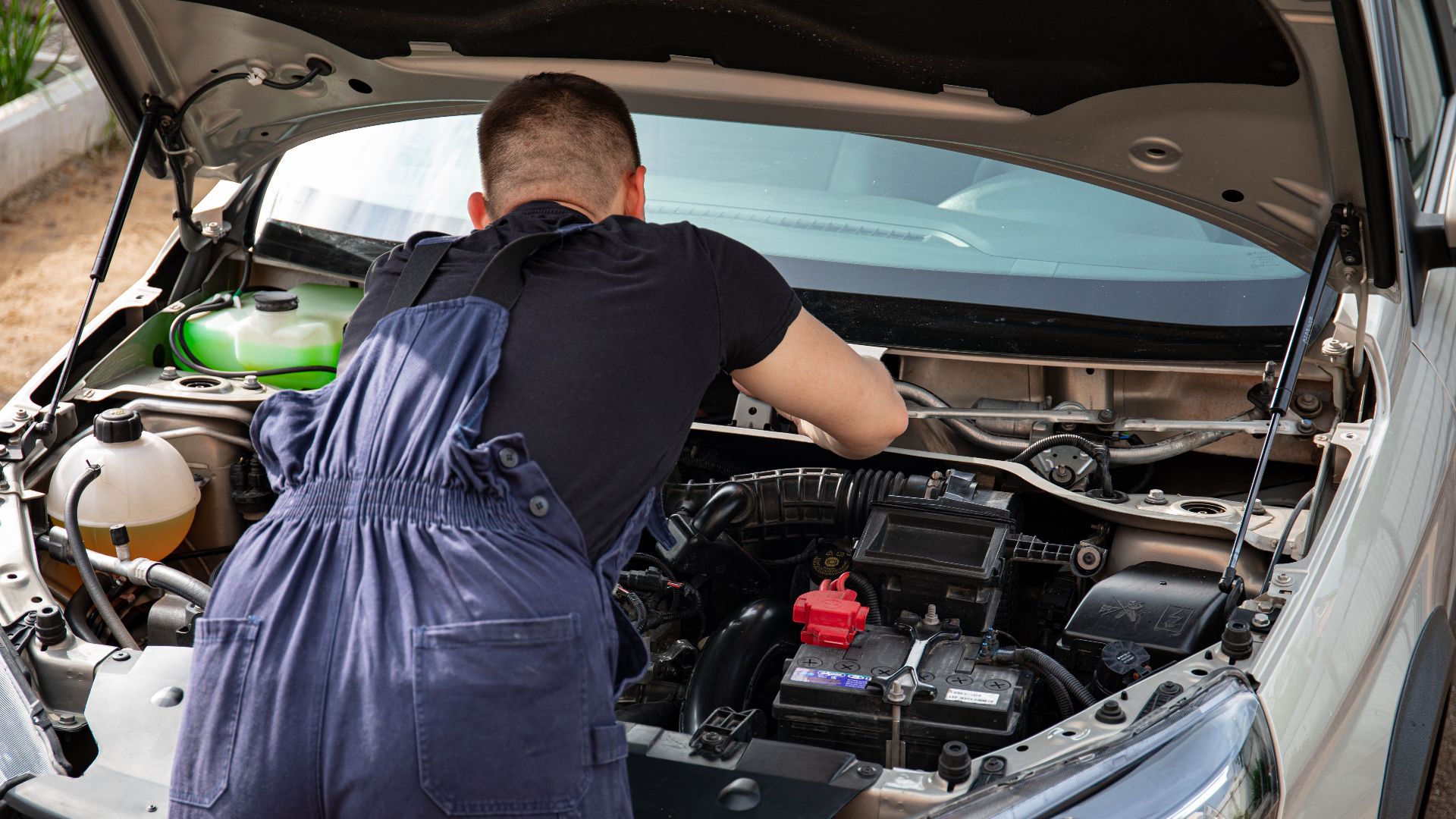
Air conditioning systems can fail without any fault on the driver's part. Compressors wear out, refrigerant leaks develop, electrical components fail, and sensors malfunction. A mechanical breakdown alone does not automatically mean a renter caused the problem.
Negligence Is Different
Rental companies generally have a stronger claim when damage results from misuse or negligence. For example, driving through deep floodwater, tampering with components, or ignoring obvious warnings could potentially create liability that would not exist with ordinary mechanical failure.

Read The Rental Agreement
Your rental contract outlines your responsibilities and the company's rights. While contracts vary, they typically make renters responsible for collision damage, misuse, or unauthorized repairs. They generally do not automatically assign responsibility for routine mechanical breakdowns.

Understand Damage Claims
A billing notice may simply be an allegation rather than proof. The company may initially assume responsibility rests with the renter until an investigation is completed. Receiving a demand for payment does not necessarily mean you legally owe the money.

Request Detailed Evidence
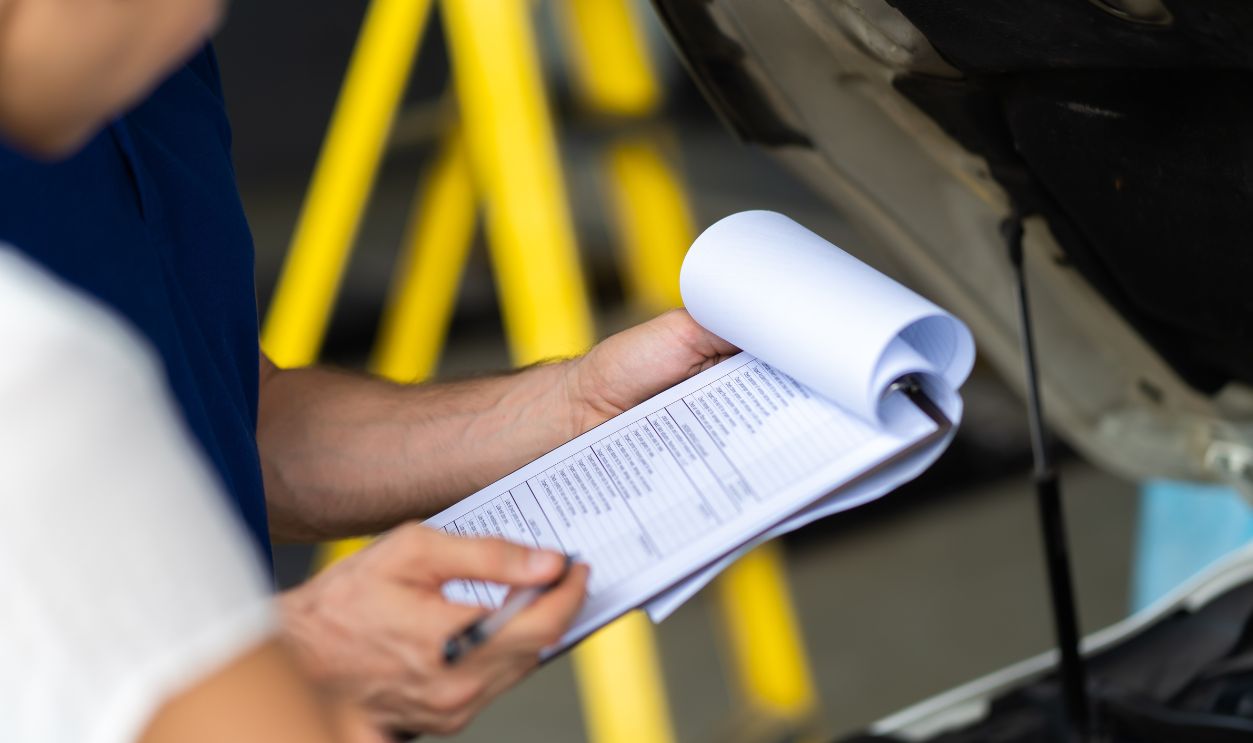
Ask for an itemized explanation of the claimed damage. Request repair invoices, inspection reports, photographs, technician findings, and any evidence showing how the company concluded that you caused the AC failure.

Ask For Maintenance Records
Maintenance history can sometimes reveal whether the vehicle had previous air conditioning problems. A history of repairs, refrigerant leaks, or recurring complaints may support the argument that the failure resulted from an existing condition.
Preexisting Problems Matter
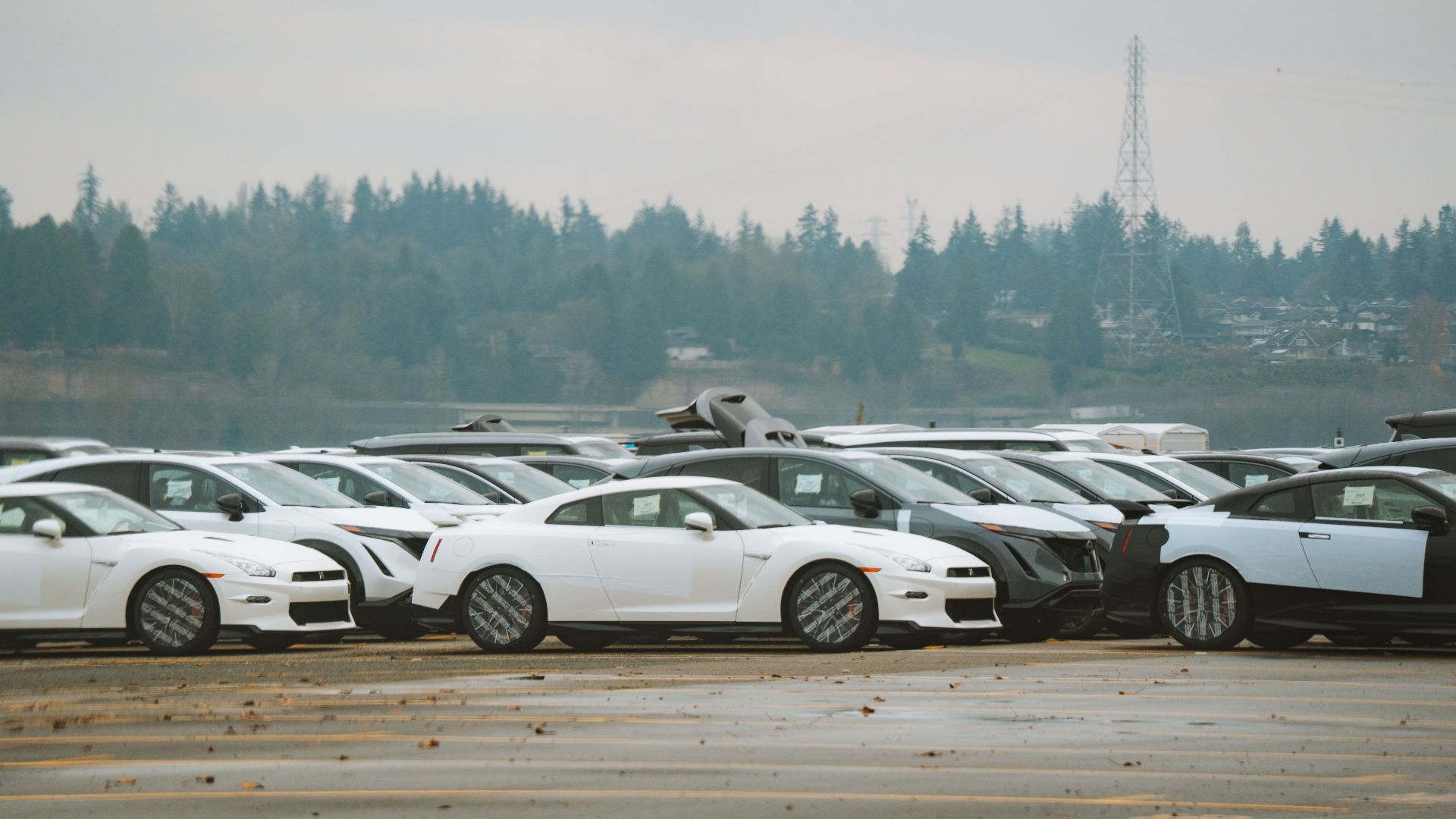
Rental fleets experience heavy use from many drivers. If a component was already worn, weakened, or near failure before you rented the vehicle, the company may have difficulty proving that your actions caused the breakdown.
Beware Of Assumptions
Sometimes a company assumes the last renter is responsible simply because the problem was discovered during that rental period. That assumption may not be enough to establish liability if no evidence connects your conduct to the failure.
Continue Following Instructions
If the company tells you to exchange vehicles, visit a service location, or continue driving temporarily, follow those instructions when reasonable. Compliance demonstrates that you acted responsibly after reporting the problem.

Avoid Unauthorized Repairs
Do not authorize major repairs without company approval unless an emergency requires immediate action. Unauthorized repair decisions can create separate disputes, even when the original mechanical problem was not your fault.
Credit Card Coverage Limits
Many credit card rental protections focus on collision or theft losses. Mechanical breakdown disputes often fall outside those benefits. Nevertheless, reviewing your card benefits may help you understand what assistance is available.

Insurance May Not Apply
Personal auto insurance generally covers accidents rather than ordinary mechanical failures. Even so, you should notify your insurer if the rental company demands a substantial payment because policy language and coverage vary.
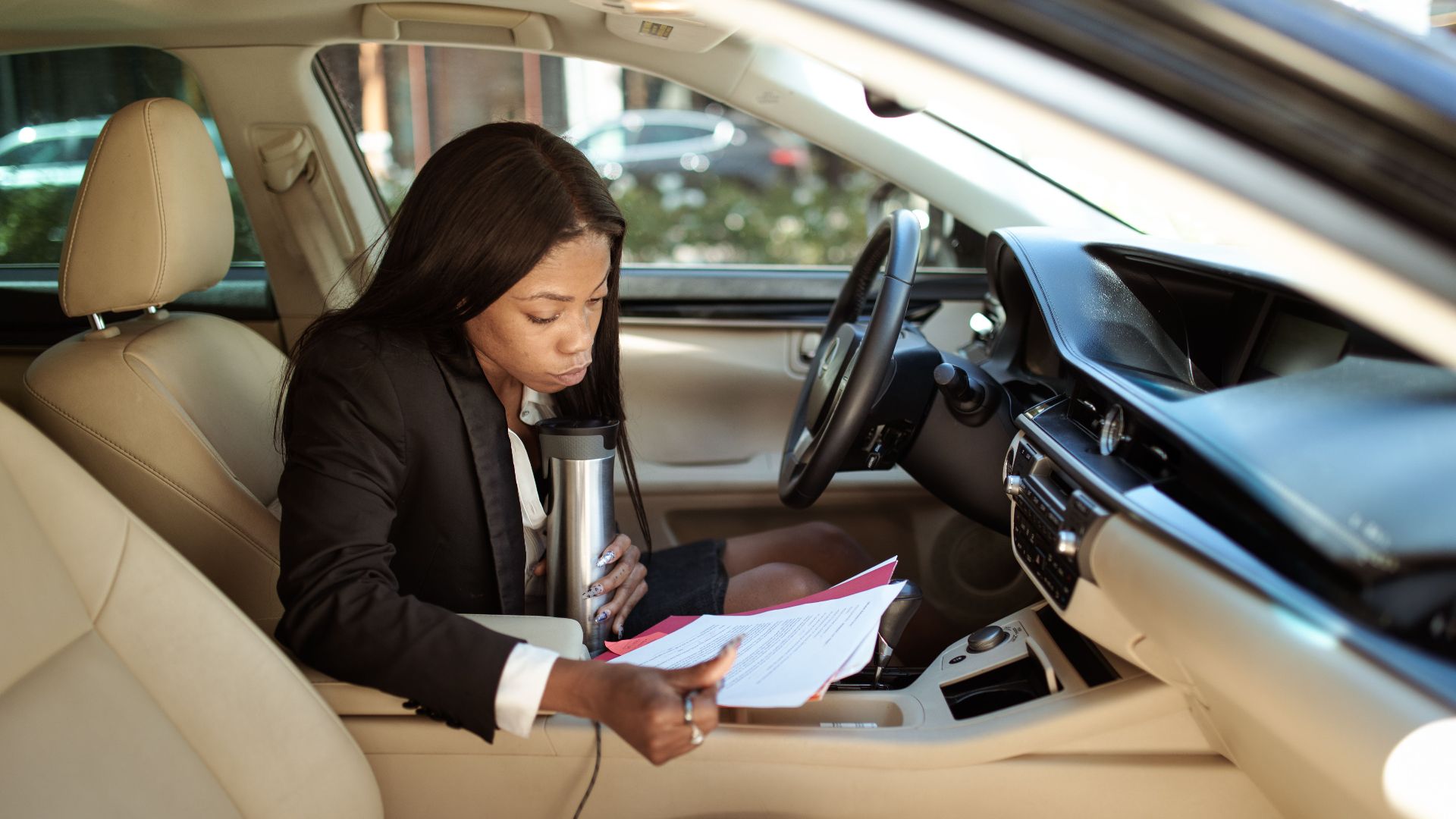
Dispute The Charges Promptly
If you believe the claim is improper, respond quickly and in writing. Explain the timeline, attach supporting documentation, and request reconsideration. A well-organized response often receives more attention than a brief verbal complaint.
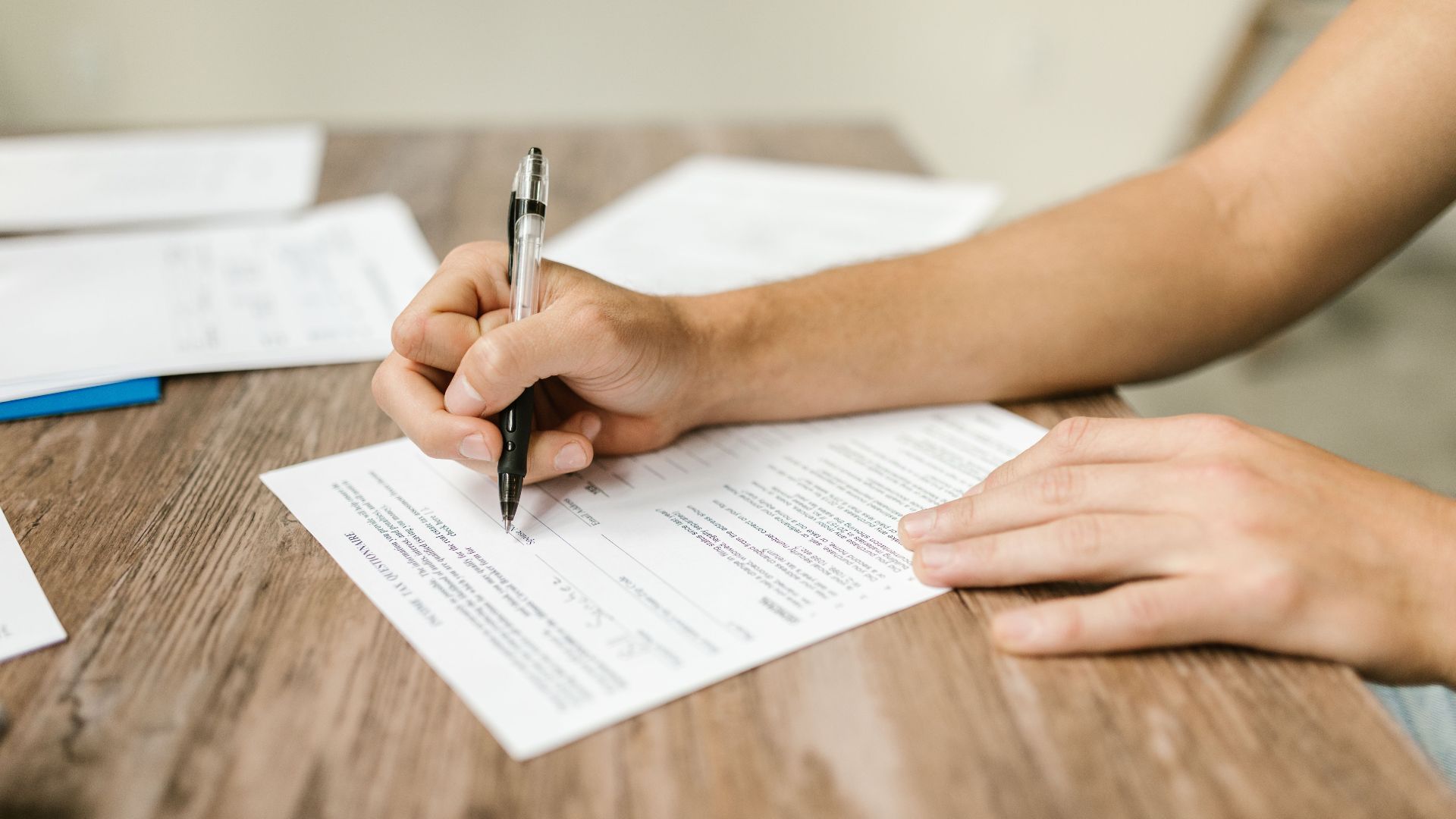
Escalate Internally First
Many billing disputes can be resolved through supervisors, claims departments, or executive customer service teams. Before pursuing outside remedies, give the company an opportunity to review all of the available evidence.

Watch For Collection Threats
If the company insists on payment, pay attention to any collection notices. Ignoring correspondence can make the situation more complicated. Responding promptly helps preserve your ability to challenge the claim.
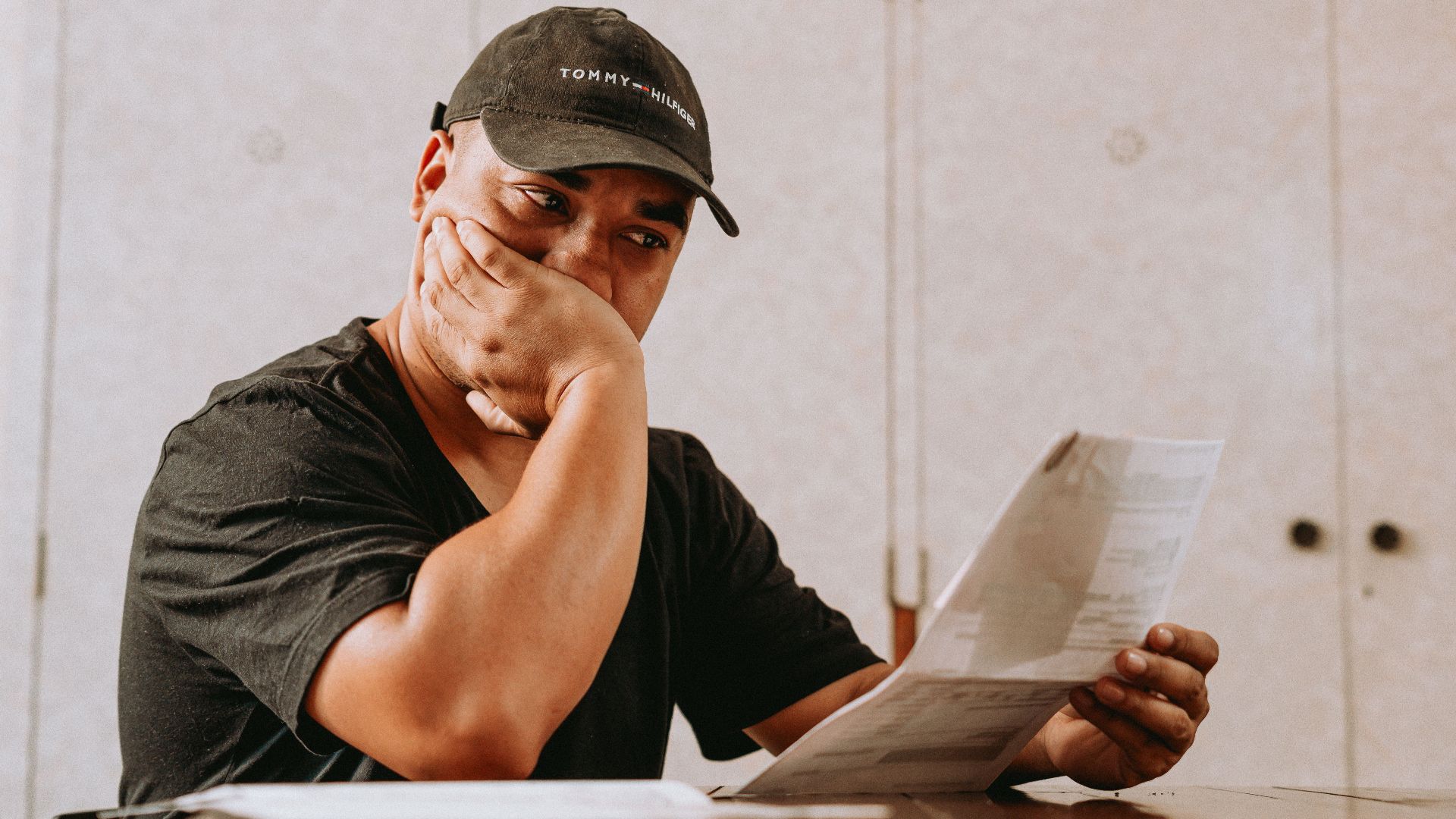
Small Claims May Help
When a dispute cannot be resolved, small claims court may provide a practical option. The process is usually designed for individuals without attorneys and can be useful when the amount in controversy is relatively modest.
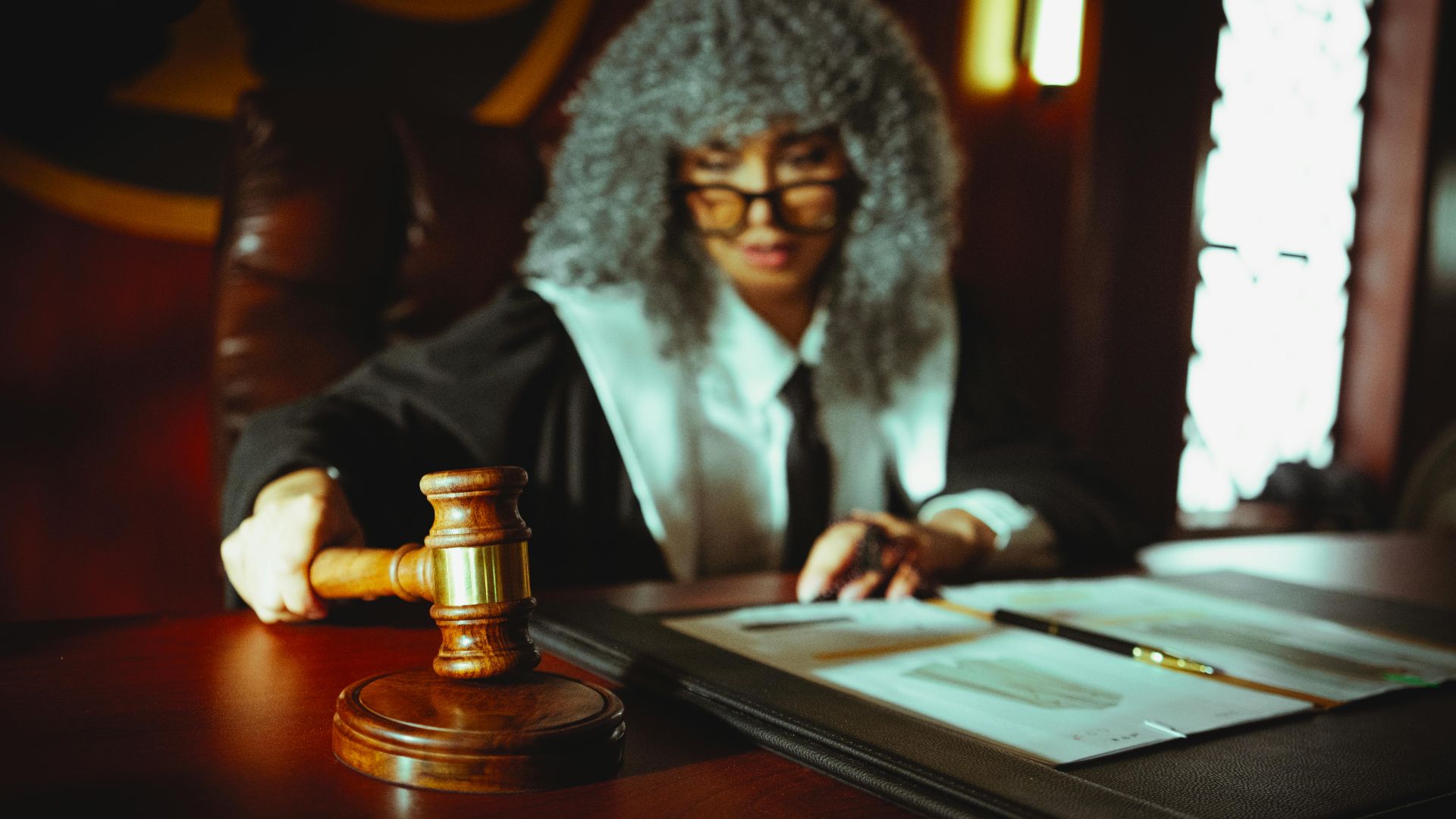
Burden Of Proof Matters
In a legal dispute, evidence often becomes the deciding factor. A company generally needs more than speculation to prevail. Detailed records showing you reported the problem promptly can significantly strengthen your position.

State Laws Differ
Consumer protection laws and contract rules vary across the United States. The specific state governing your rental agreement may affect available remedies, deadlines, and legal standards for proving responsibility.

When Payment Makes Sense
If evidence clearly shows that your actions caused the damage, paying the claim may be the most practical choice. However, you should not assume responsibility simply because a bill arrives in the mail.

The Bottom Line
A rental company can attempt to bill you for an air conditioning failure, but that does not automatically mean the charge is valid. If the breakdown appears to be an ordinary mechanical failure, thorough documentation, prompt reporting, and a careful review of the evidence can help you challenge an unfair claim.
You May Also Like: