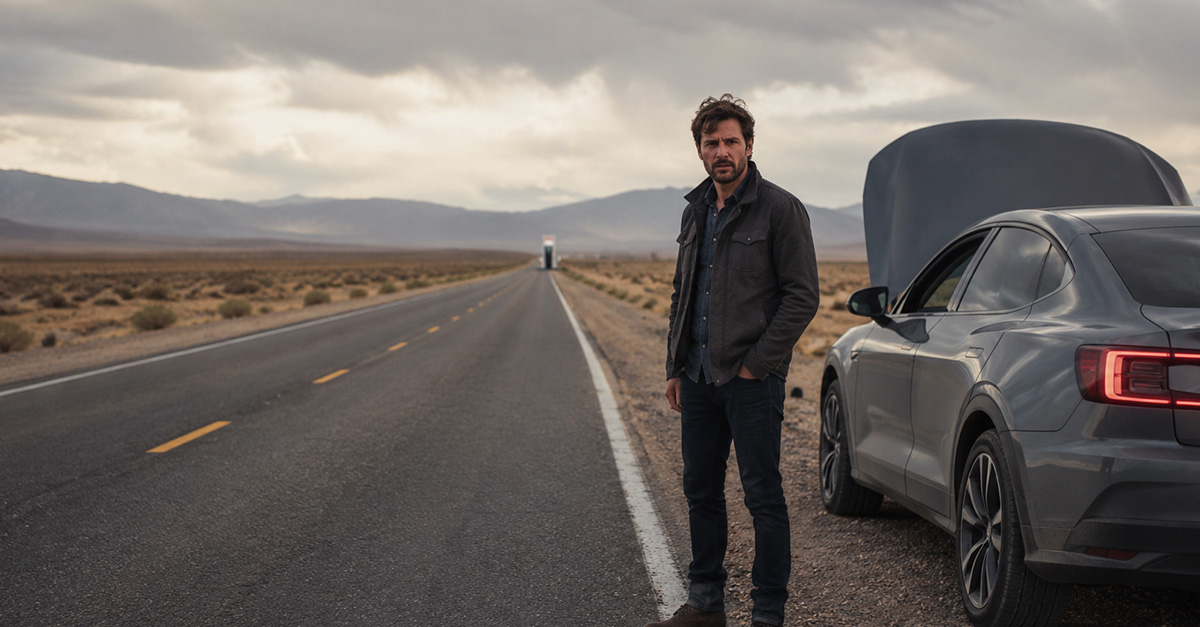
The Trip Looked Perfect On Paper
I planned the kind of electric road trip that makes you feel smug before you even leave the driveway. My route had scenic overlooks, cute diners, and a neat little row of EV chargers marked like breadcrumbs across the map. According to the apps, everything was going to be easy.
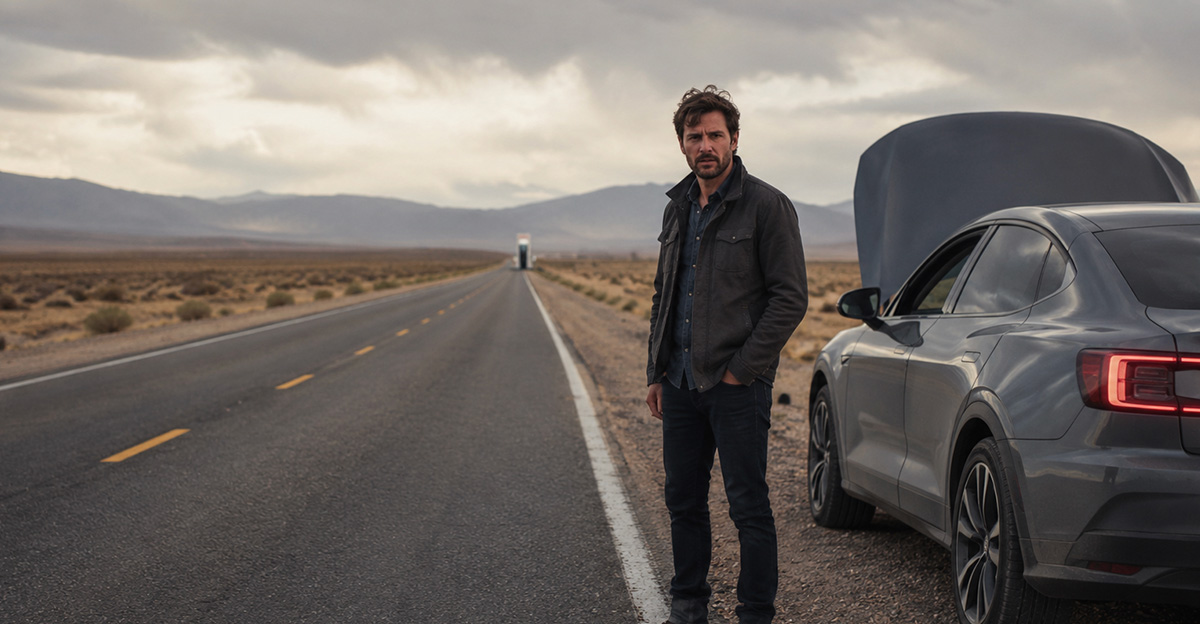
Then Reality Plugged In
The first charger was technically there, which felt promising for about five seconds. Then I saw the blank screen, the taped-over plug, and another driver giving it the same hopeless stare usually reserved for airport departure boards. Suddenly, my perfect plan had a very low battery.
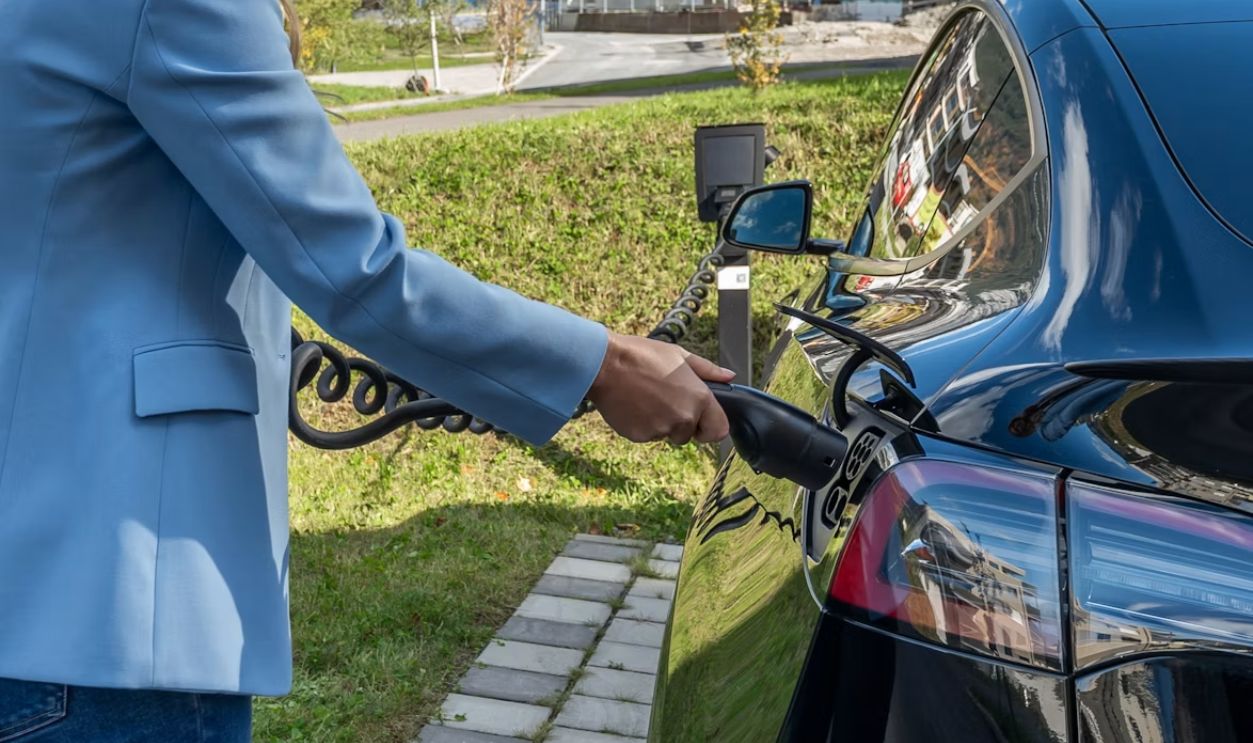
Yes, This Is More Common Than You Think
Sadly, this is not just one traveler’s unlucky afternoon. EV charging has improved a lot, but road trippers still run into broken stations, busy stalls, slow speeds, confusing payment systems, and chargers that exist beautifully on apps but not in real life.
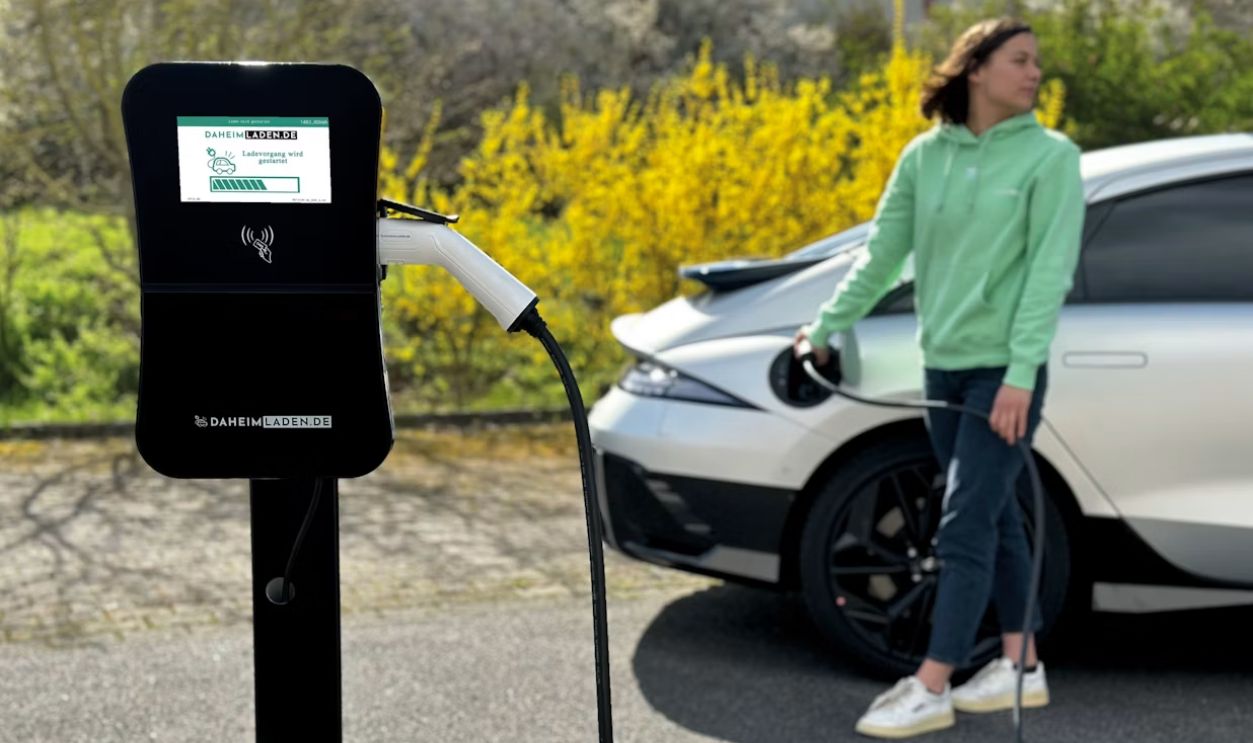
Apps Can Be Optimistic Little Liars
Charging apps are helpful, but they are not magic. A charger might show as available while someone is parked there eating fries. It might show as working because it checked in recently, not because the plug actually wants to cooperate with your car today.
The Map Is Not The Territory
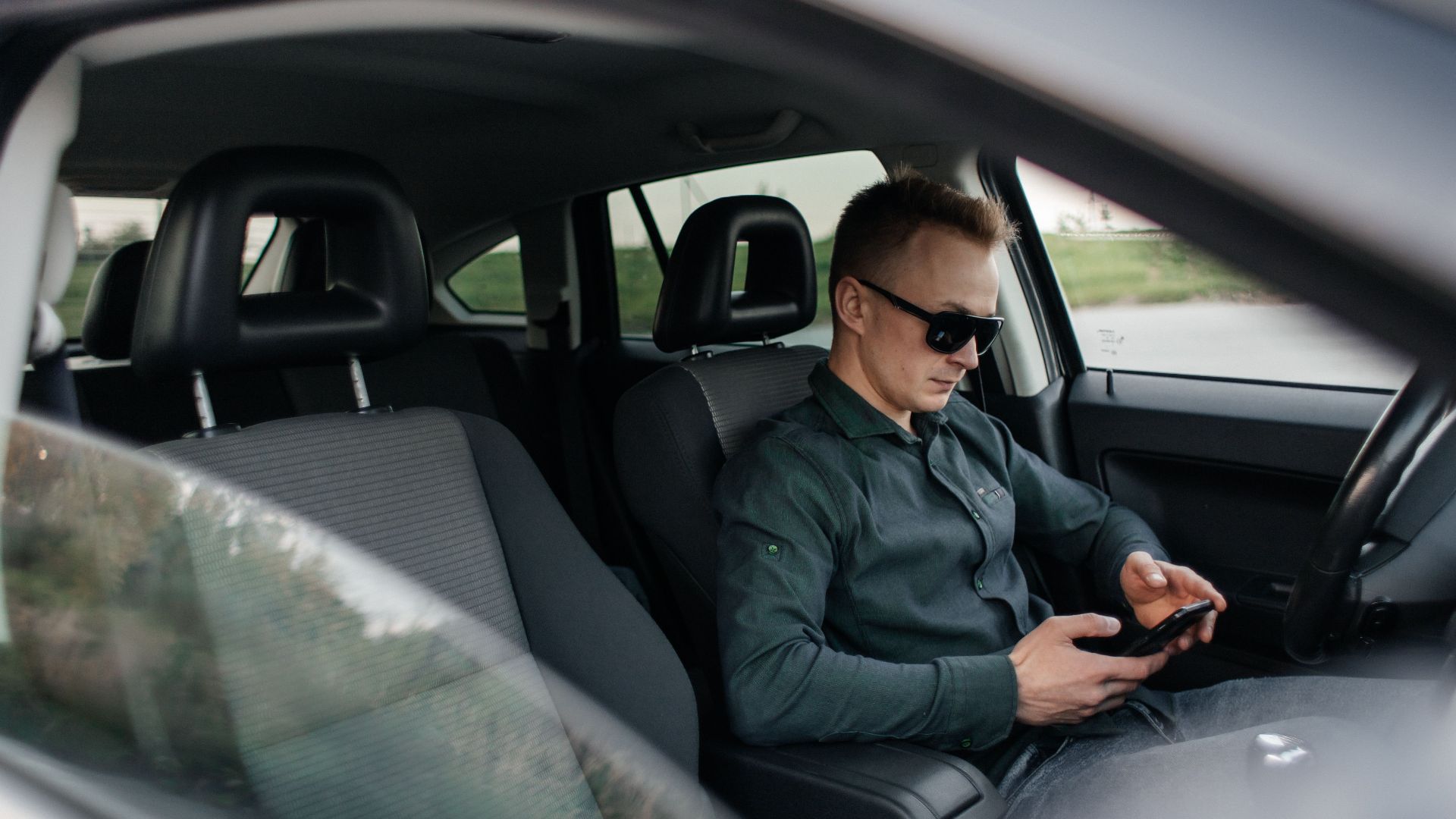
Planning an EV trip can feel like playing a video game where the map looks complete, but some bridges are missing. A station on the screen does not tell you whether it is well lit, easy to find, blocked by construction, or hiding behind a closed shopping plaza.
Not All Chargers Are Equal
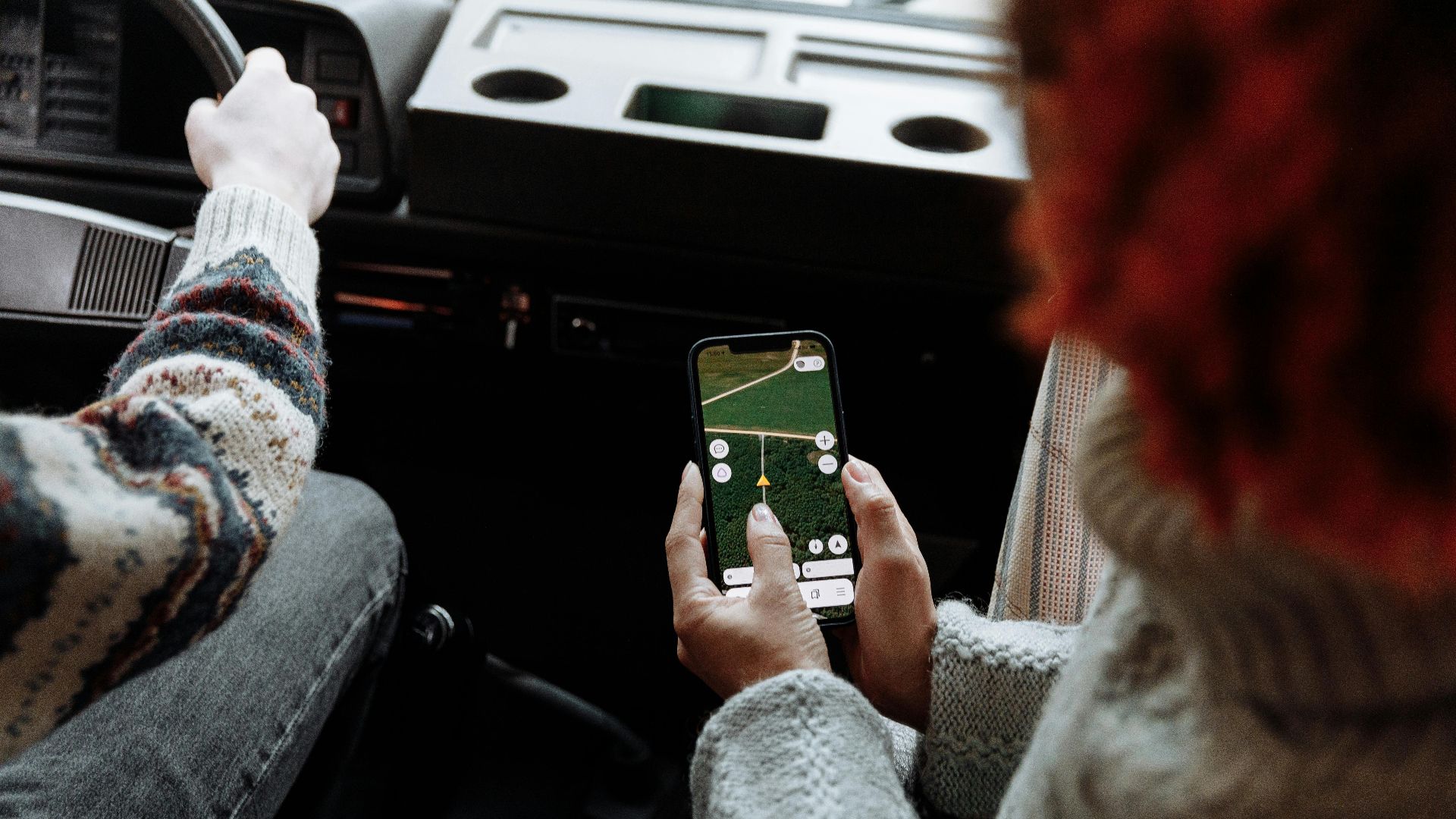
A “charger nearby” can mean many things. It might be a fast charger that gets you moving quickly, or a Level 2 plug that adds range at the pace of a sleepy garden hose. On a road trip, that difference can turn lunch into dinner.
Speed Claims Need A Side-Eye
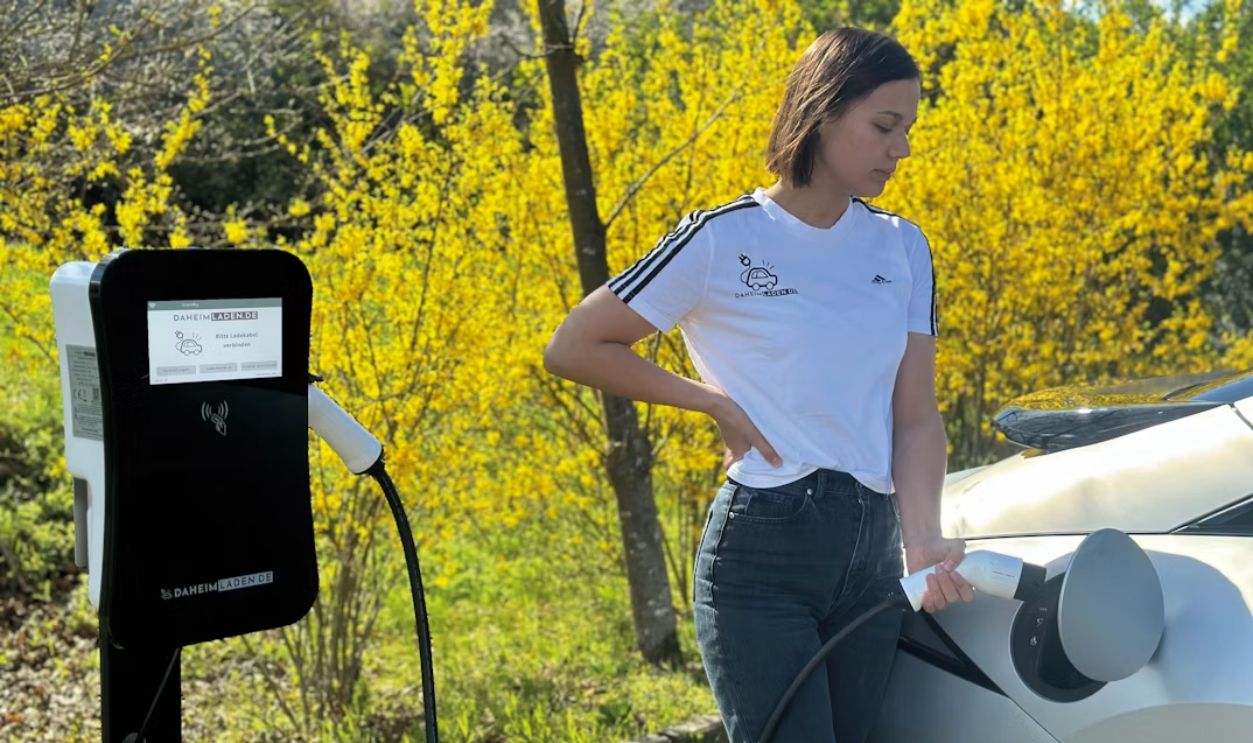
Even working fast chargers do not always deliver their advertised speed. Weather, battery temperature, the number of cars charging, and the charger itself can all slow things down. That “quick stop” may become a podcast episode, a snack run, and a mild identity crisis.
Payment Can Be Weirdly Dramatic
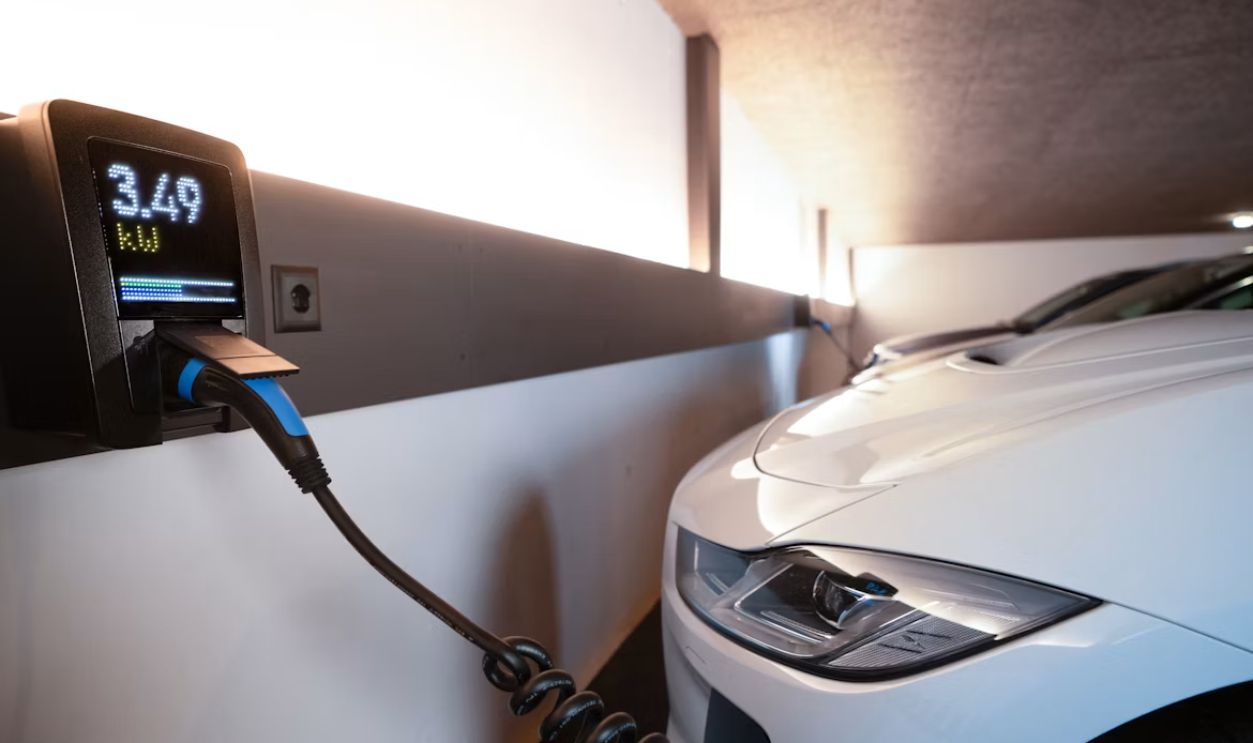
Gas pumps are not perfect, but most of us know the routine. EV chargers can involve different apps, memberships, QR codes, card readers, roaming agreements, and passwords you definitely forgot. Nothing says adventure like resetting a login beside a highway at 12% battery.
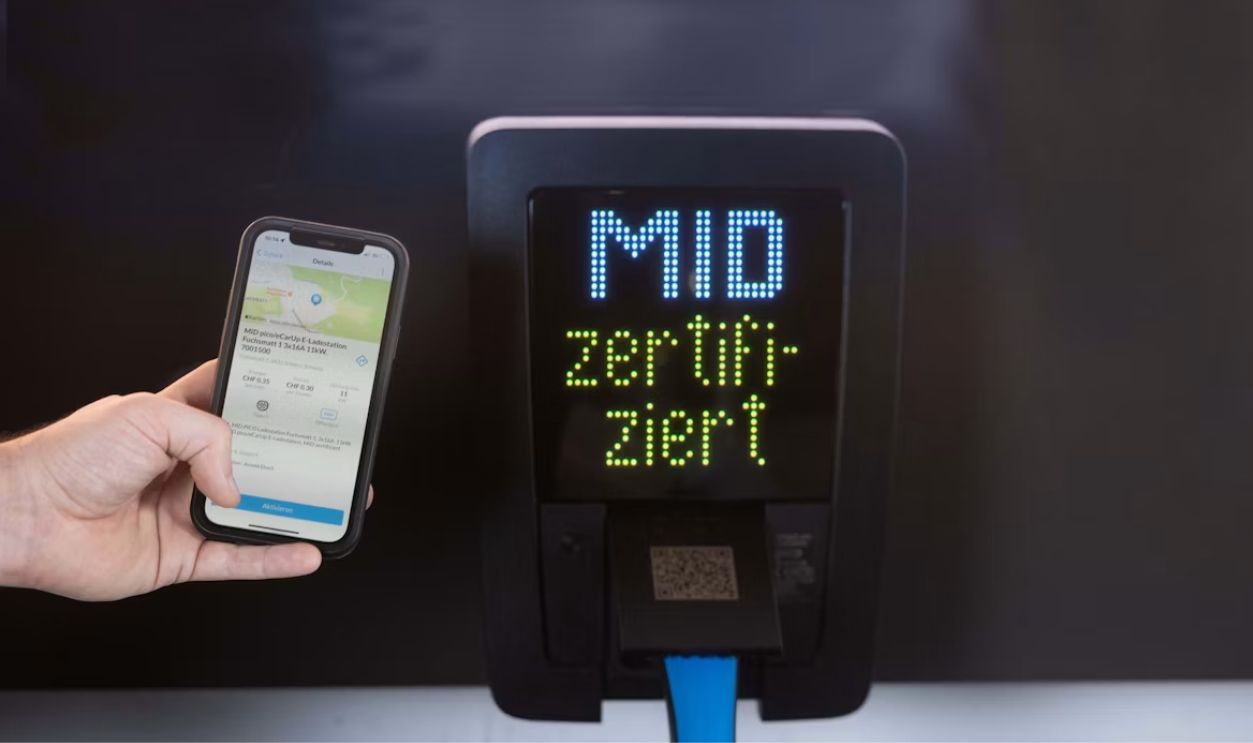
Rural Routes Are Still Tricky
Big cities and major corridors are getting better, but rural areas can still be patchy. That matters because road trips are often about leaving the obvious route. The prettiest detour may also be the one where the next charger is very, very next-century.
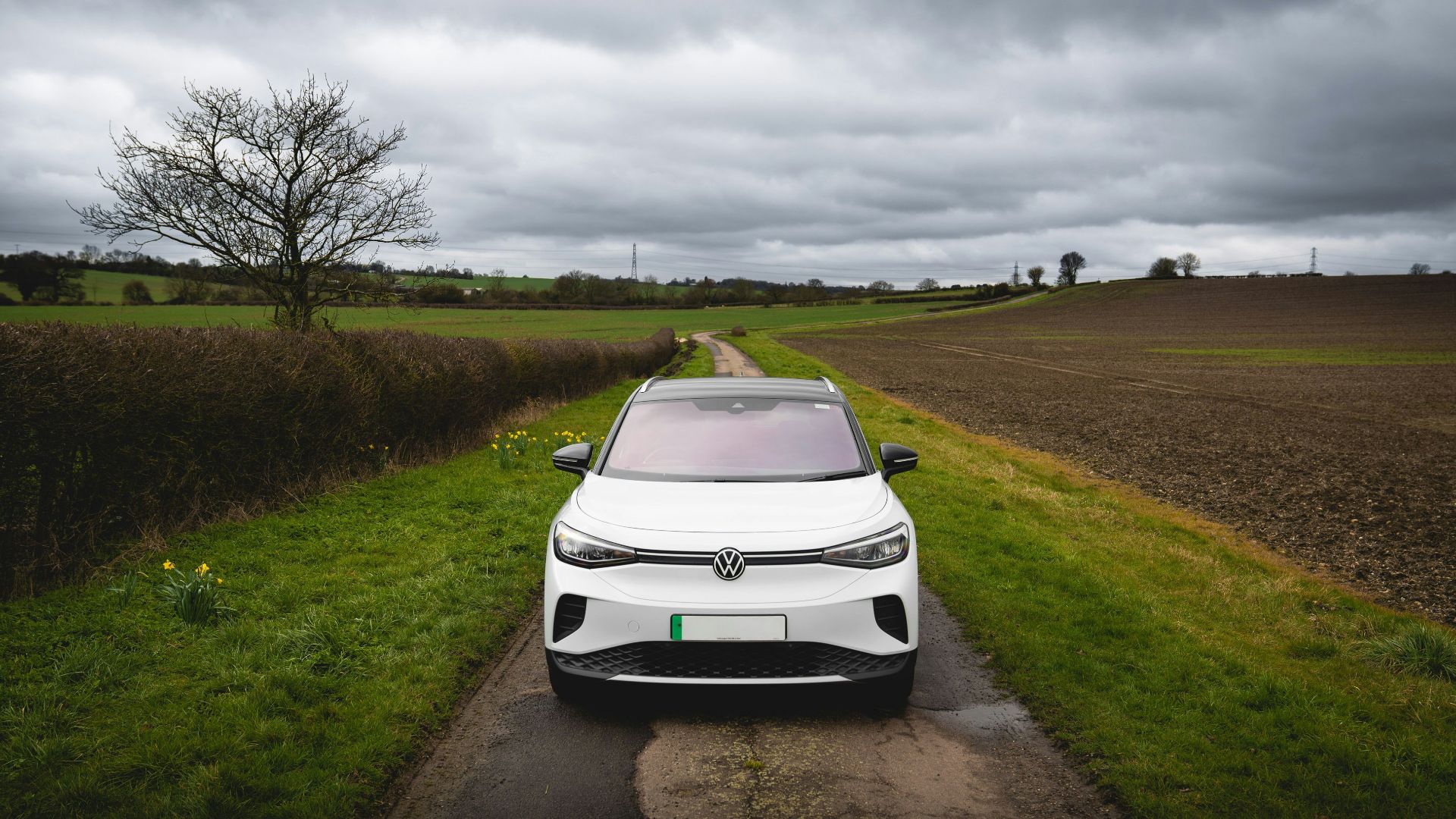
Busy Stations Change Everything
A charger can be working perfectly and still ruin your schedule if every stall is full. Summer weekends, holiday travel, and popular tourist towns can turn charging stops into small social gatherings of quietly anxious people watching battery percentages like stock prices.
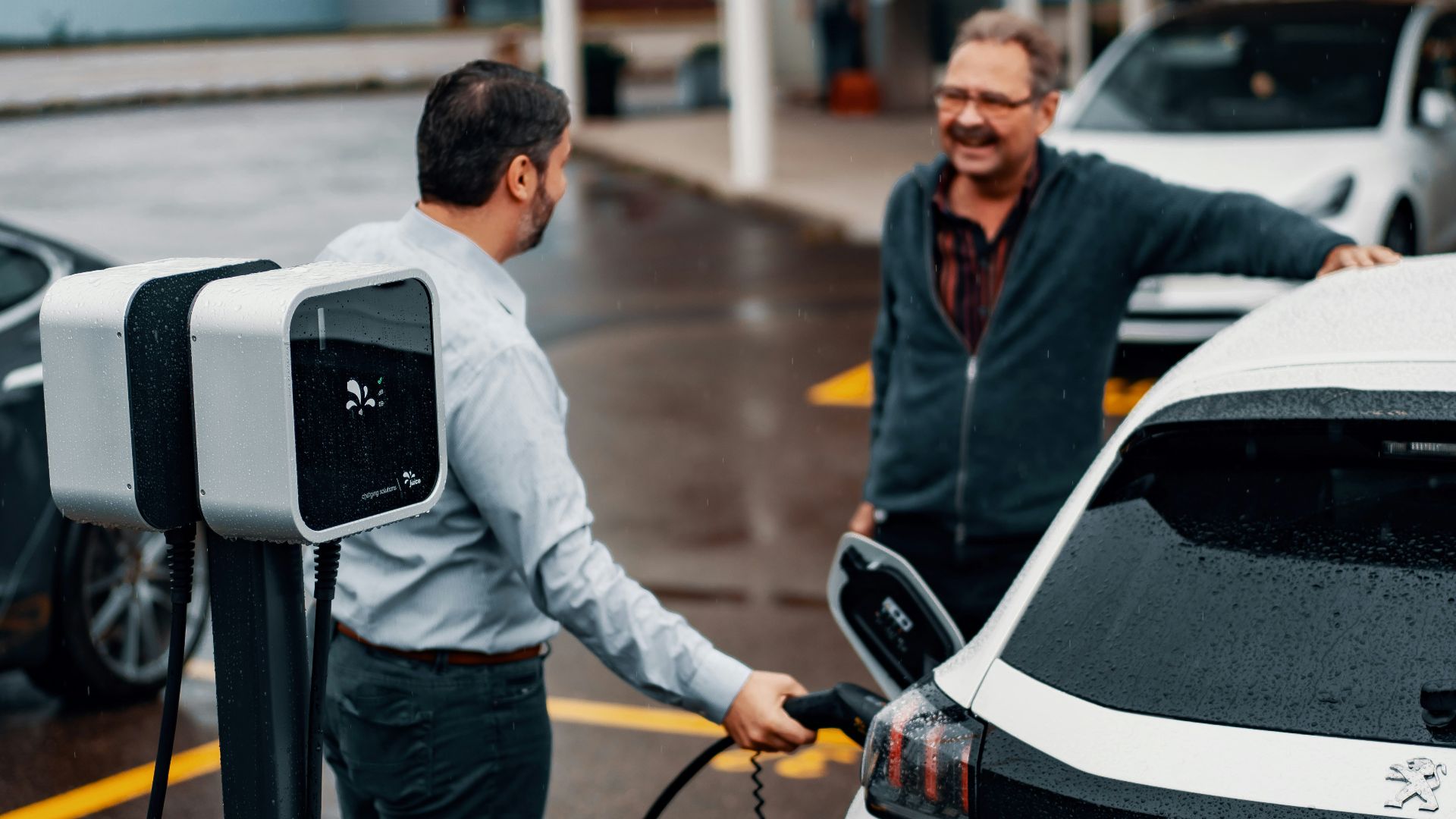
Weather Has A Sense Of Humor
Cold weather can reduce range and slow charging, which is rude but real. Heat can also affect performance. If your road trip crosses mountains, deserts, or winter highways, your original estimate may need padding. EVs are efficient, not immune to weather drama.
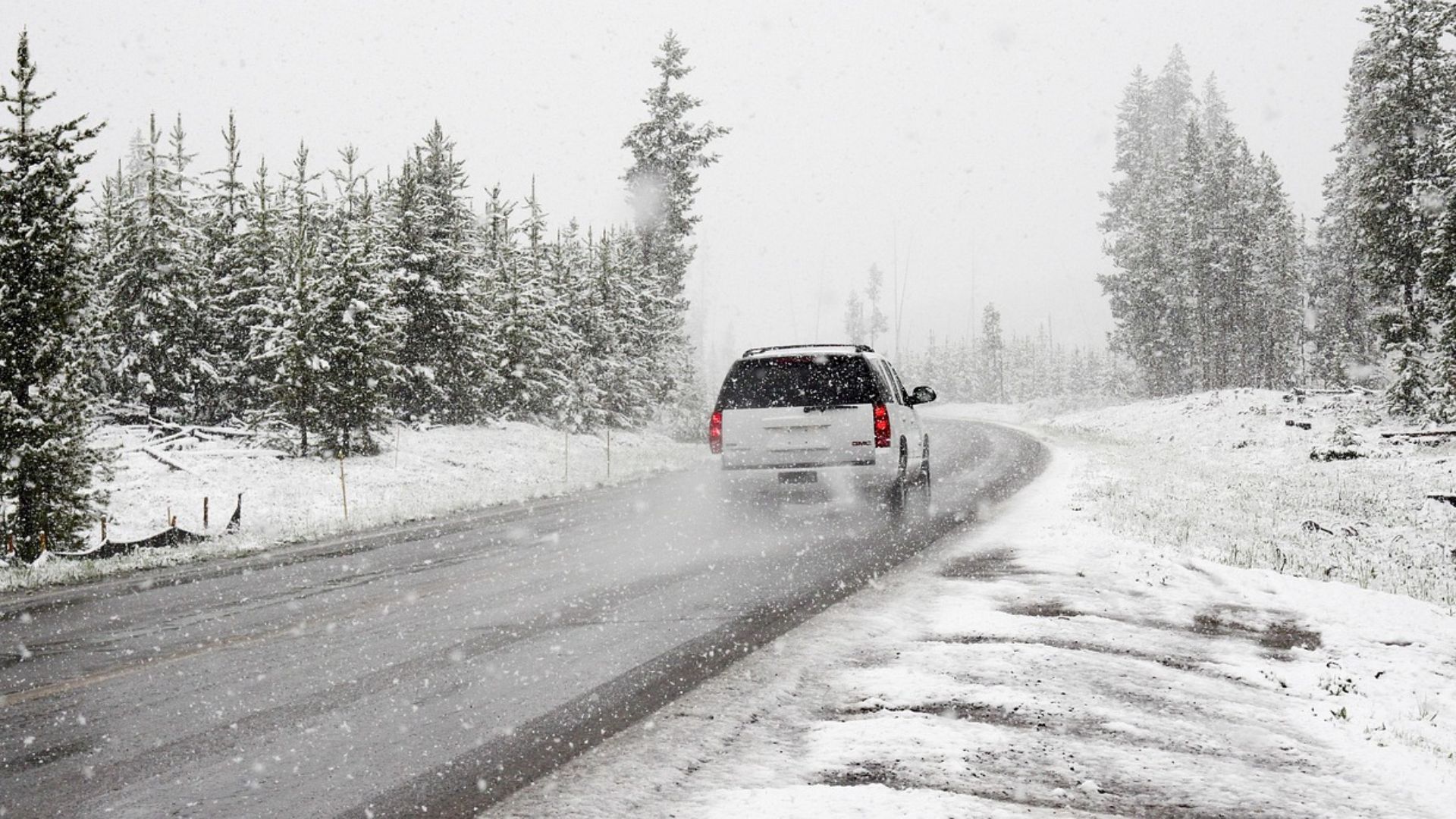
Range Estimates Are Educated Guesses
Your dashboard range is not a promise carved into stone. Speed, hills, wind, cargo, climate control, and driving style all matter. Add bikes, luggage, passengers, and a “quick” climb into the mountains, and the math can start freelancing without permission.

The Backup Charger Is The Real Hero
The smartest EV road trip plan is not “charger, charger, charger.” It is “charger, backup charger, emergency backup charger, and maybe a hotel with a plug.” The goal is not paranoia. The goal is avoiding dinner at a vending machine.

Hotels Can Save The Day
Overnight charging is the secret sauce of relaxed EV travel. A hotel with reliable charging lets you wake up with range instead of starting your day at a public station. Just call ahead, because “EV charging available” can mean one lonely plug.
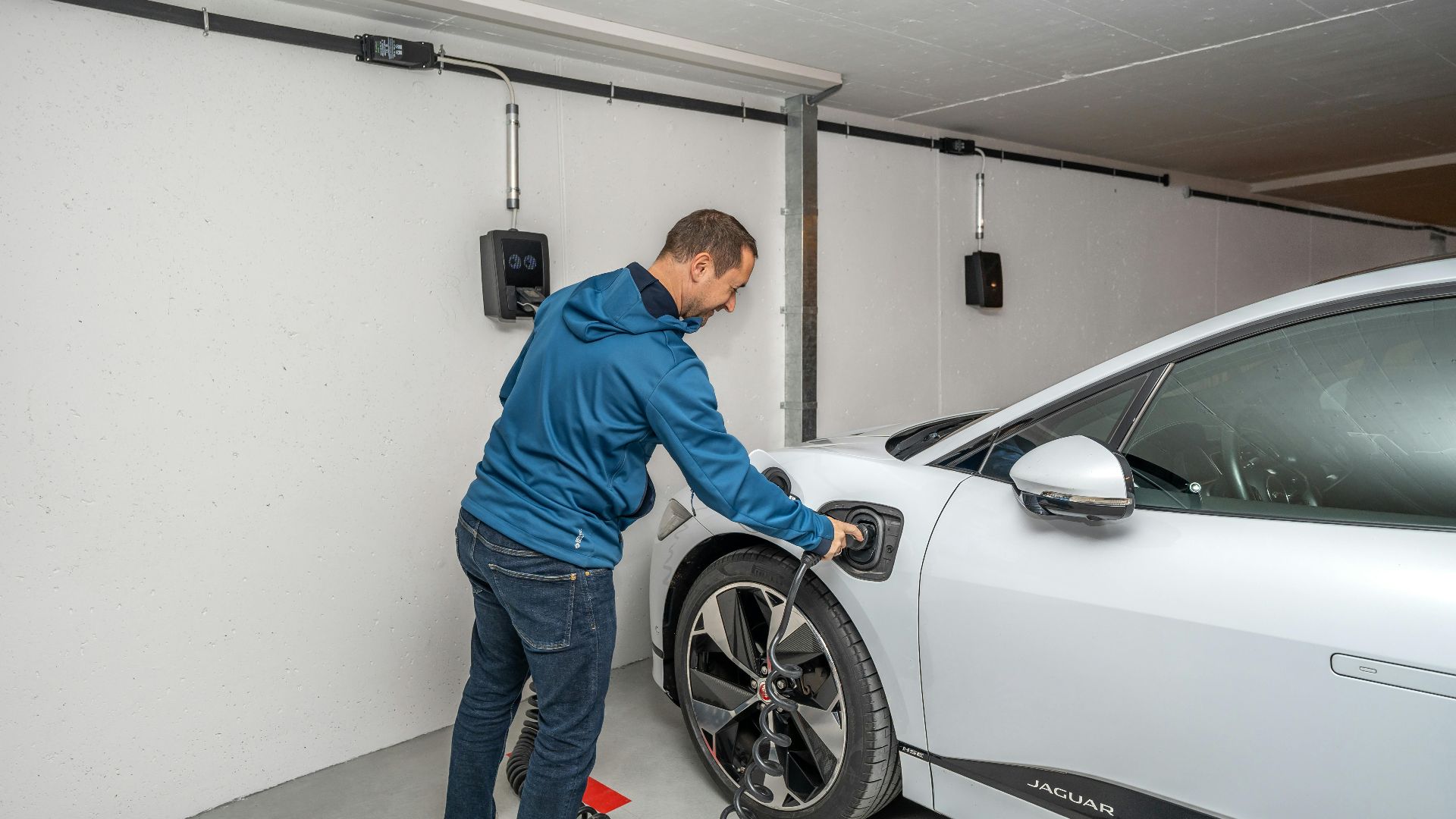
Charging Stops Change The Rhythm
A gas road trip rewards speed. An EV road trip rewards timing. You start thinking in meals, walks, bathrooms, coffee, and sightseeing stops. When the charger works, this can be delightful. When it does not, it becomes a puzzle with cupholders.
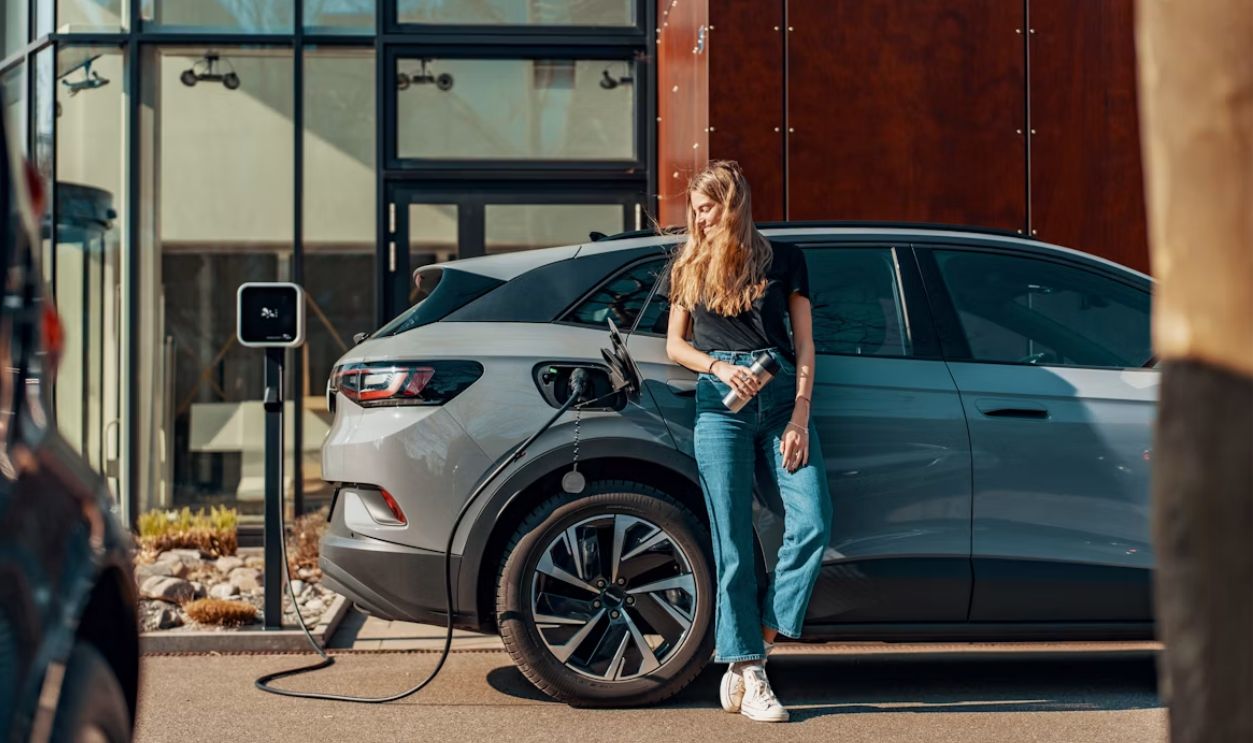
Some Networks Are Better Than Others
Brand matters. Some charging networks are known for better reliability, clearer apps, and easier payment. Others feel like they were designed during a group project nobody finished. Before a long trip, check recent user reviews, not just the station’s existence.
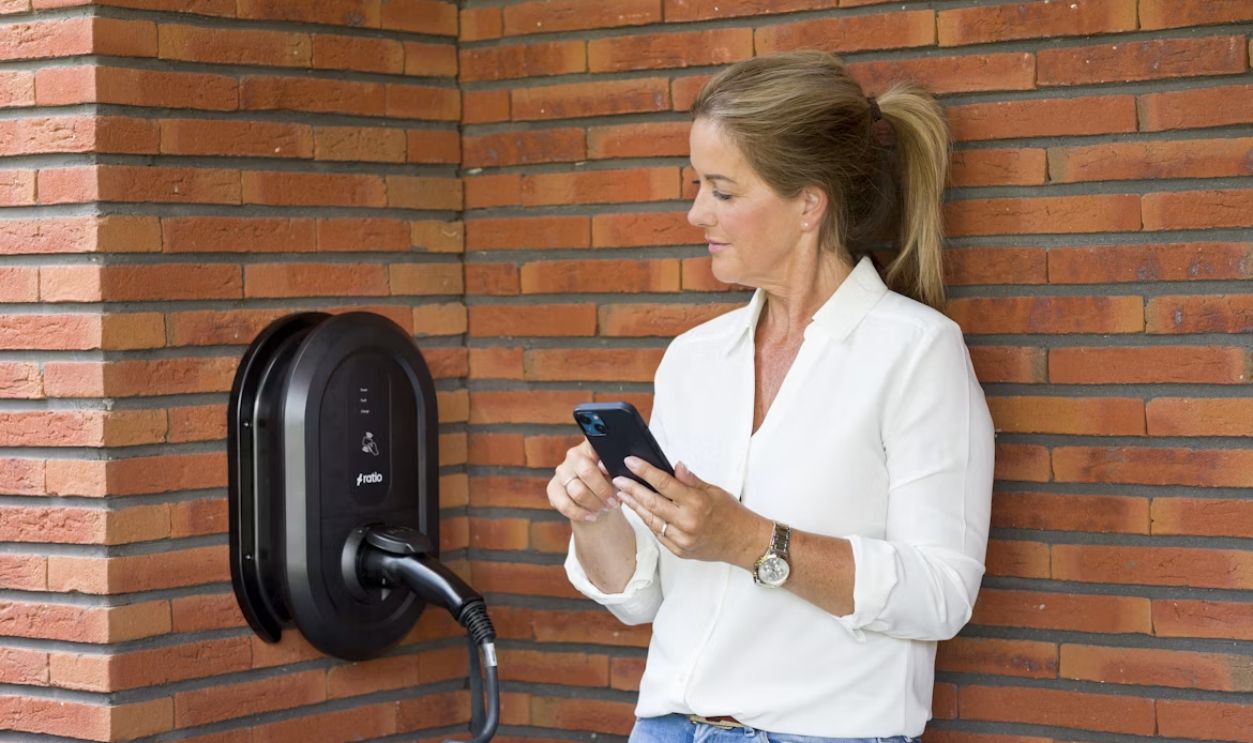
Recent Reviews Are Gold
The best charging information often comes from drivers who were there yesterday. Recent comments can warn you about broken plugs, blocked stalls, slow charging, or weird entrance instructions. A five-star review from three years ago is charming, but not especially useful.
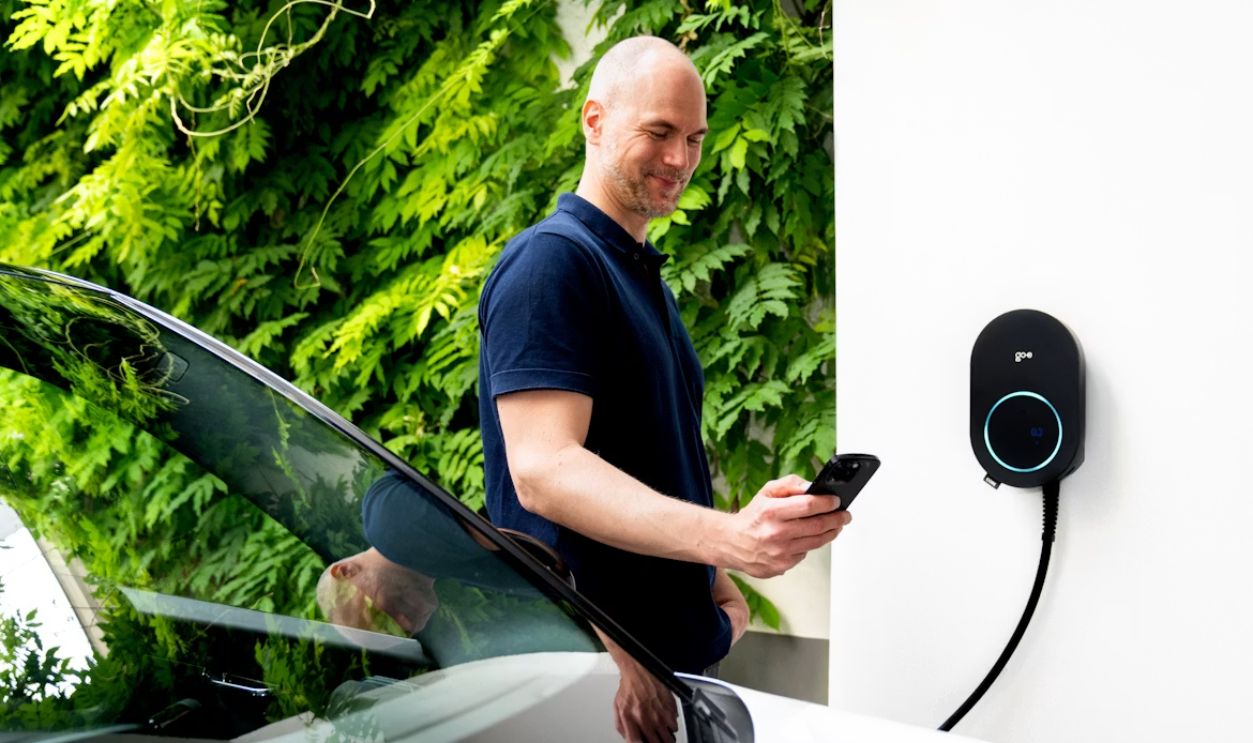
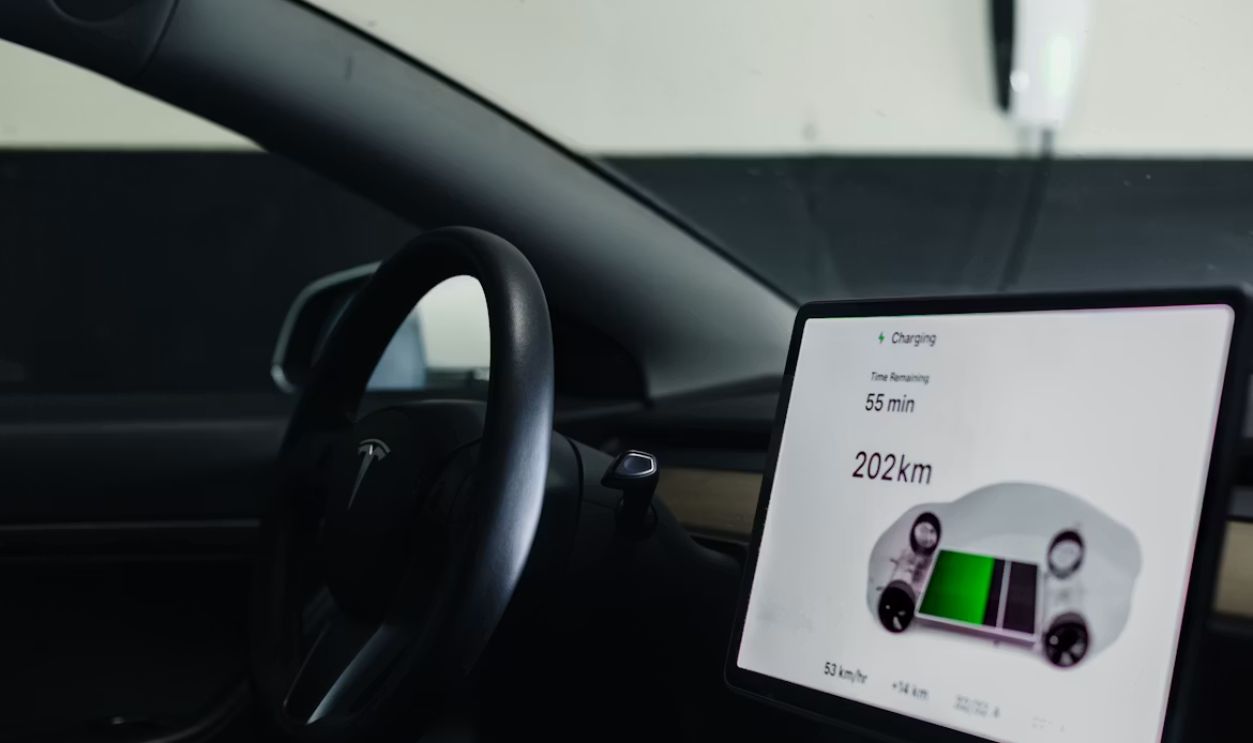
Build In A Range Cushion
Do not aim to arrive at a charger with 2% battery unless you enjoy turning relaxation into performance art. A healthy buffer makes missed chargers annoying instead of terrifying. Think of extra range like snacks: you rarely regret having more than planned.
 Priscilla Du Preez (Canada), Unsplash
Avoid The Single-Charger Trap
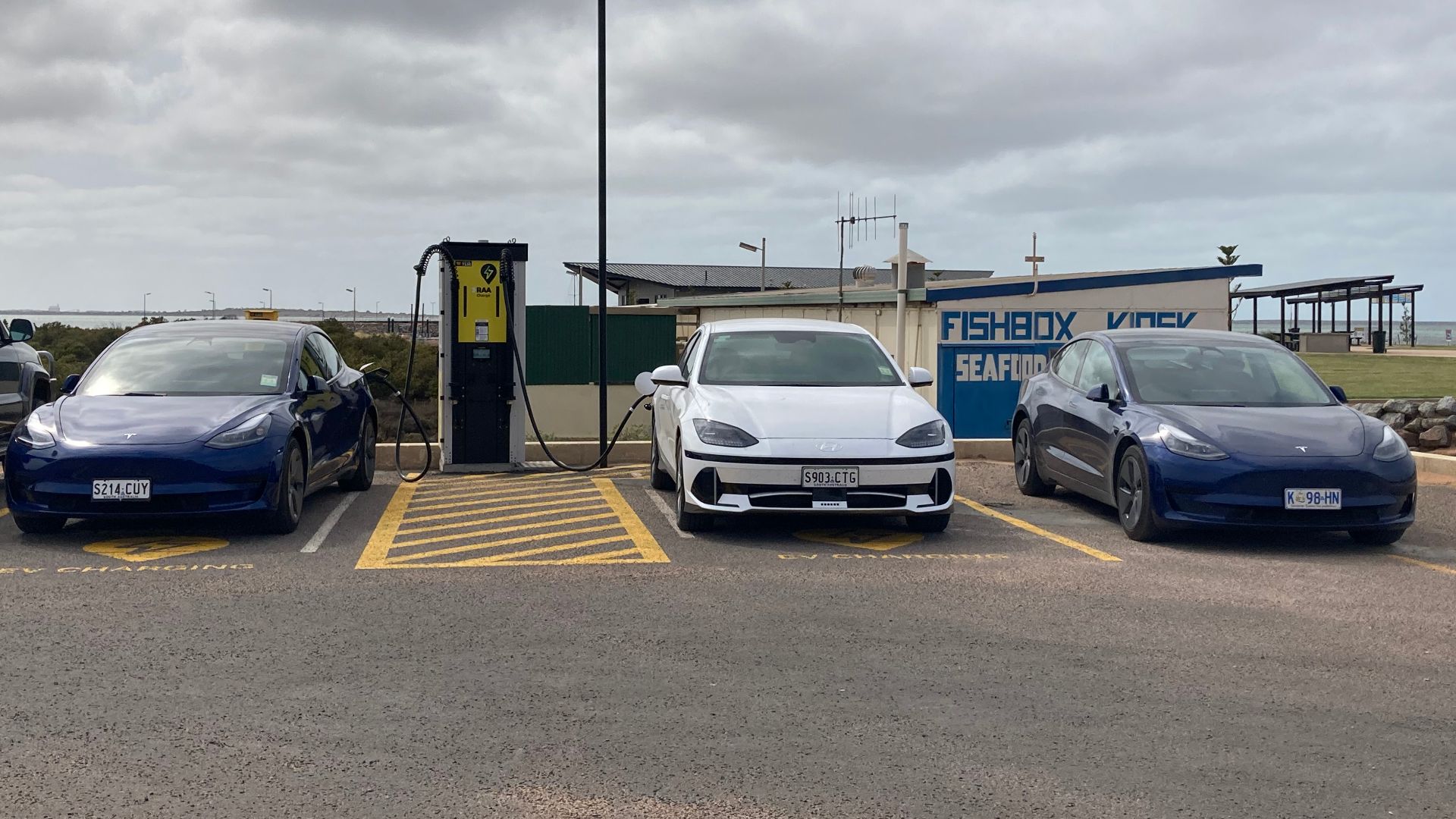
A station with one plug is not a plan; it is a wish. If that plug is broken, occupied, or blocked, you are stuck improvising. Multi-stall stations give you options, which is the closest thing EV travel has to emotional support.
Tourist Towns Can Be Chaotic
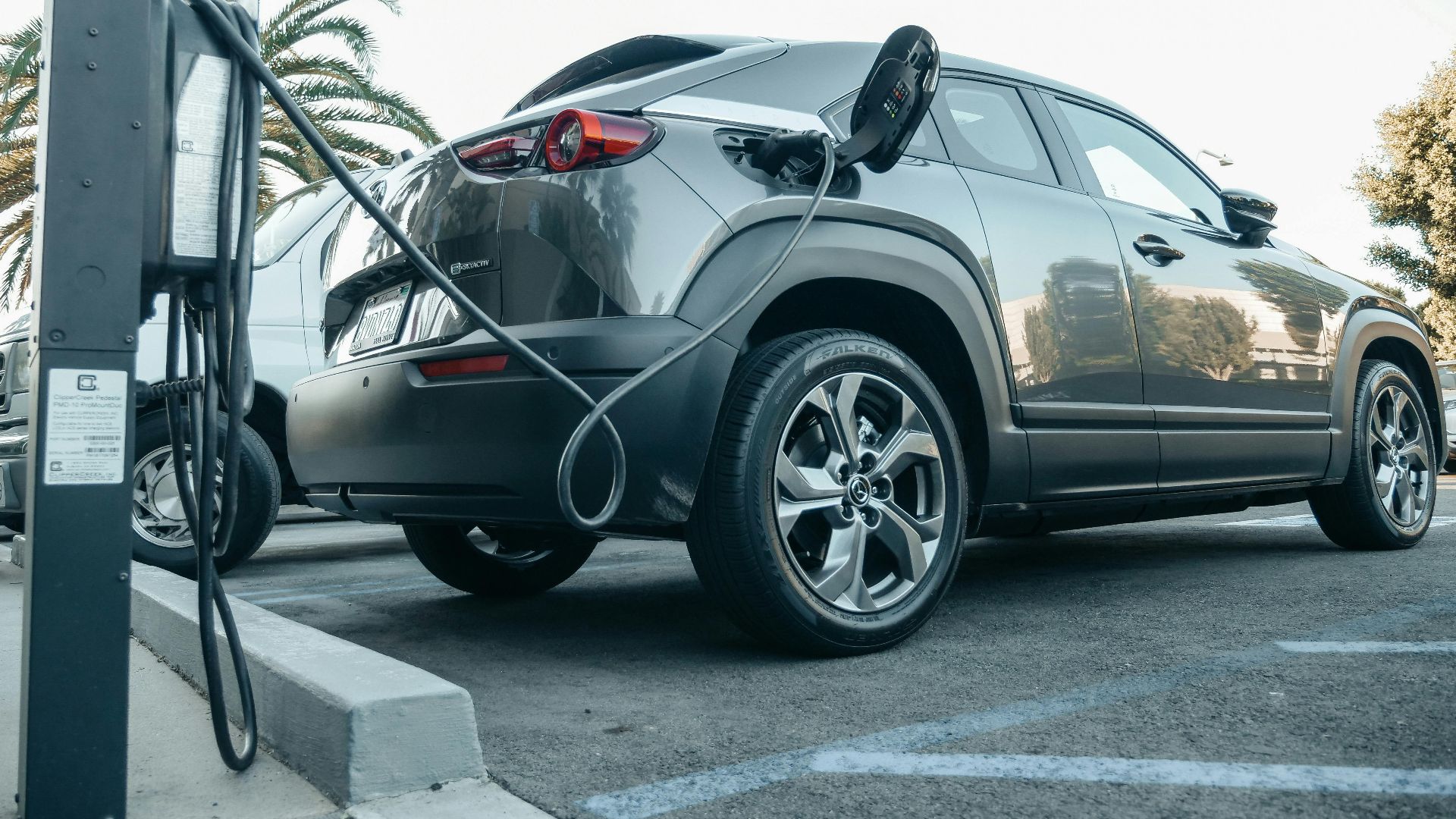
Popular destinations often have chargers, but they also have crowds. Everyone else also wants to charge while eating tacos, visiting the beach, or checking into a lodge. In busy places, arrive earlier than you think and charge before you desperately need to.
The Infrastructure Is Improving
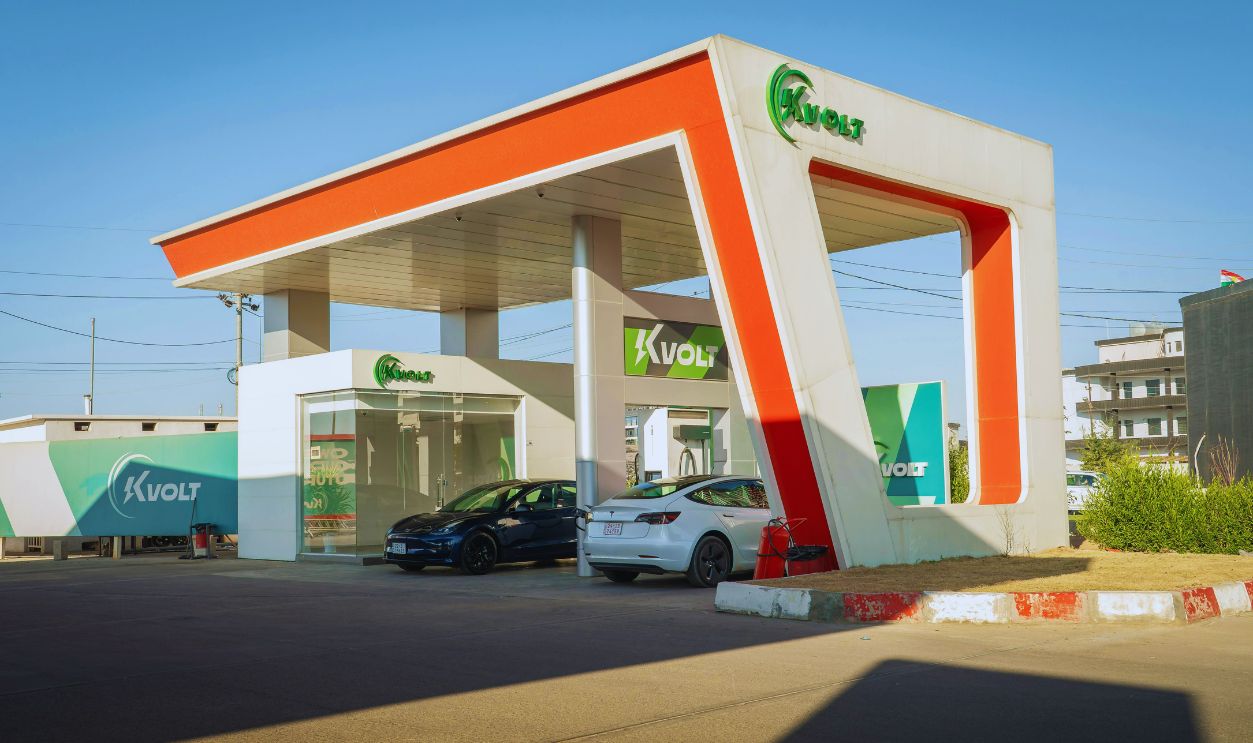
Here is the good news: public charging is getting better. More fast chargers are being installed, more automakers are gaining access to larger networks, and reliability is a major focus. The bad news is that improvement does not erase every awkward stop overnight.
The Experience Depends On The Region
Some places make EV travel feel effortless. Others make it feel like a scavenger hunt with expensive tires. A road trip through California, Norway, or parts of the Northeast may feel very different from one through remote highways with long empty stretches.
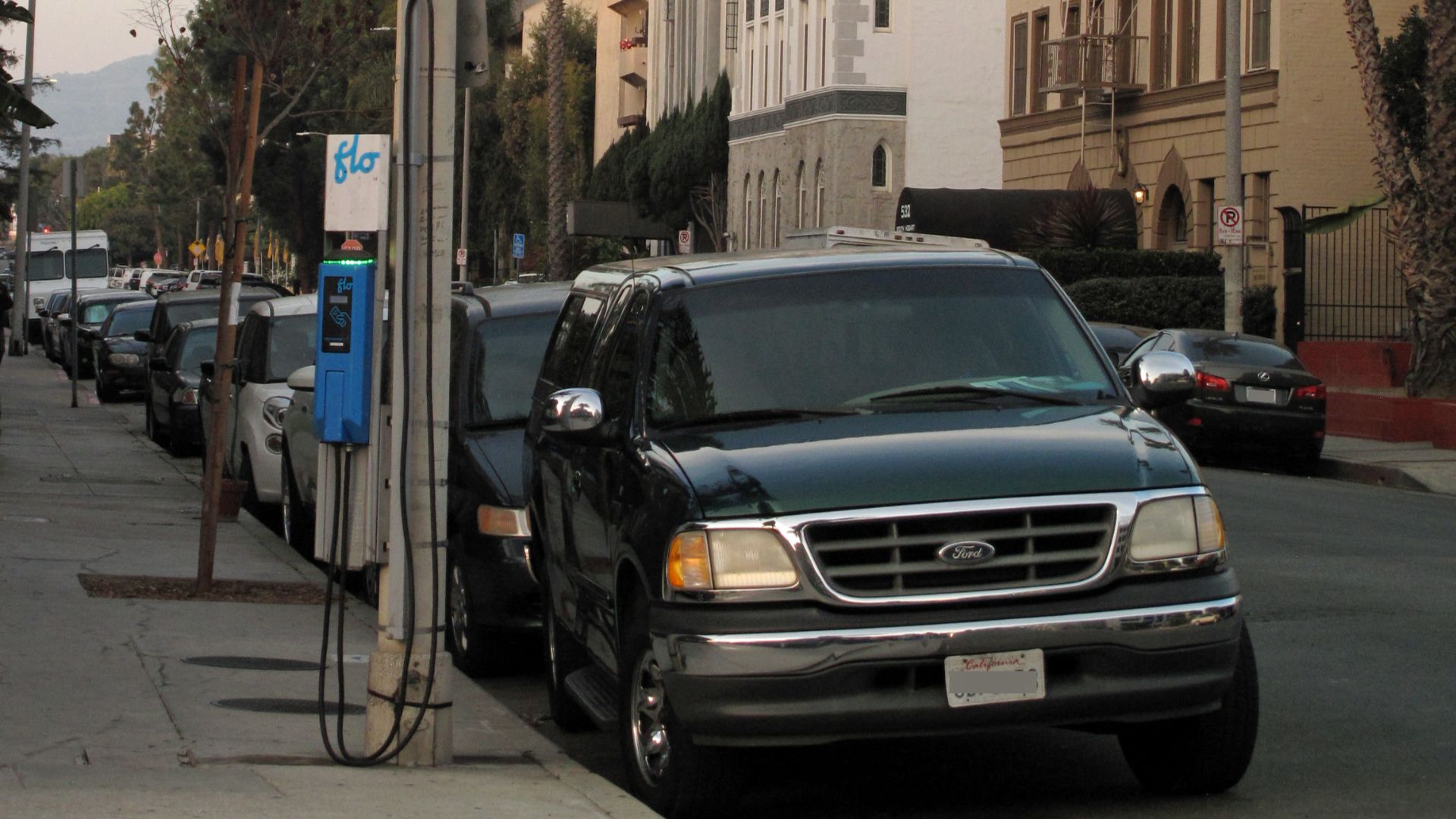 Downtowngal, Wikimedia Commons
Planning Takes A Different Mindset
EV road trips are not impossible. They are just less forgiving of lazy planning. You need to think about charging speed, station reliability, plug type, elevation, weather, and backup options. It sounds like homework, but it becomes second nature quickly.

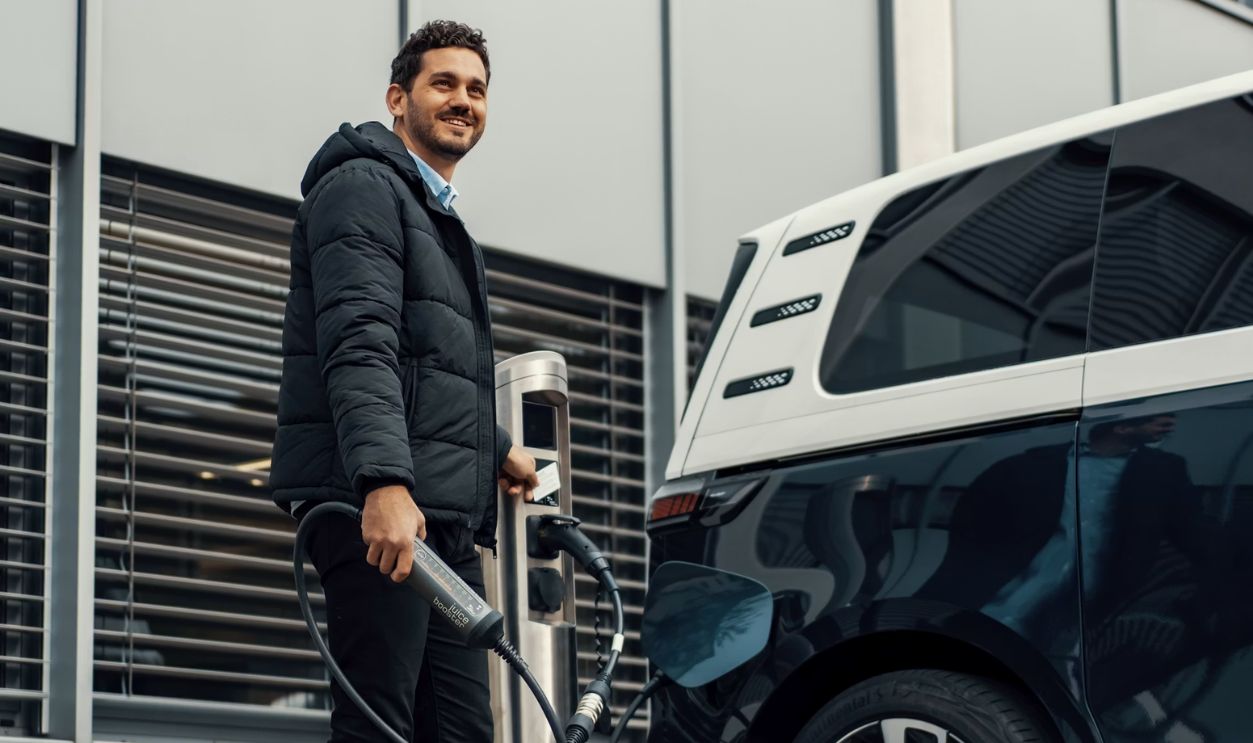
Pack Patience With The Charging Cable
The best EV travelers have a flexible streak. They know when to stop early, when to switch stations, and when to turn a delay into dessert. A little patience goes a long way when your fuel stop comes with software updates and squirrels.
So, Was My Trip A Failure?
Not exactly. I still saw the views, ate the pie, and made it home with stories. But the trip taught me that EV road travel is less about following one perfect plan and more about building a plan that can bend without snapping.

What I Would Do Differently
Next time, I would check recent reviews, favor multi-stall fast chargers, book hotels with confirmed charging, and keep a bigger range buffer. I would also stop treating every app icon like a promise. In EV travel, hope is nice, but verification is better.

The Road Ahead
So yes, messy EV charging trips are still common enough that you are not imagining things. The infrastructure is growing fast, but gaps remain. With smarter planning, backup options, and realistic expectations, an EV road trip can still be wonderful—just a little more adventurous than advertised.
You May Also Like:
My travel buddy disappeared for two days and left me with the hotel bill. Can I recover the money?
The States Most Likely To Become Their Own Country—According To Other Americans