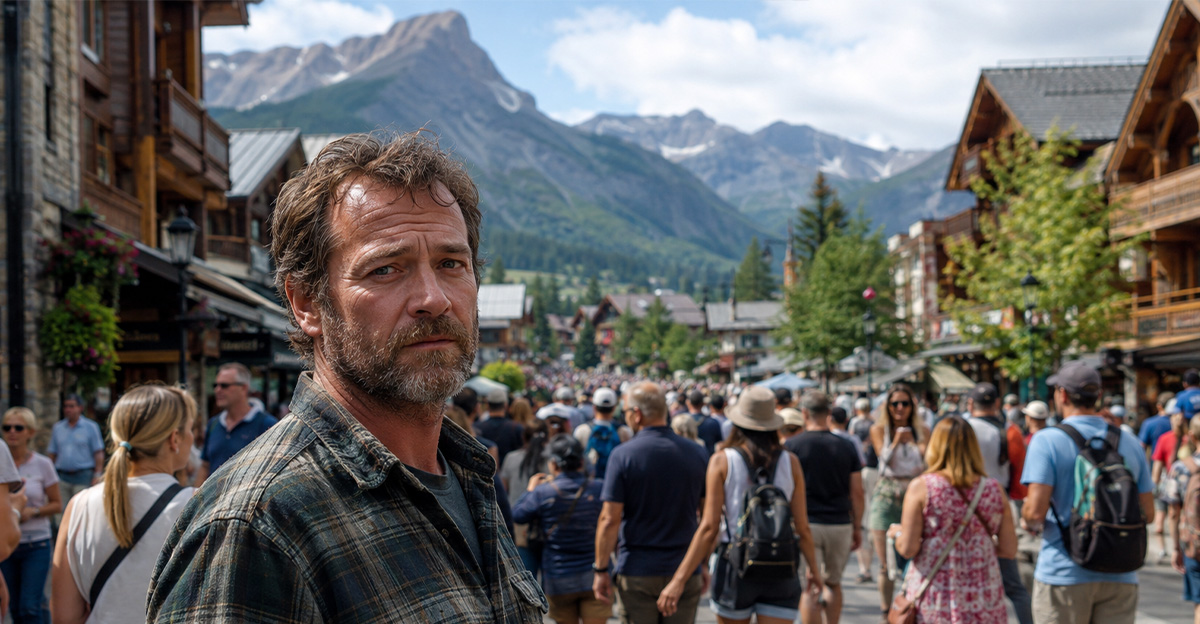
When Mountain Magic Meets Mass Tourism
Mountain towns have always attracted outsiders, but cheap flights, remote work, social media, and vacation rentals changed the scale of the crowds. In some places, locals barely recognize the sleepy communities they once knew. The mountains remain spectacular; everyday life around them is another story.
Aspen, Colorado
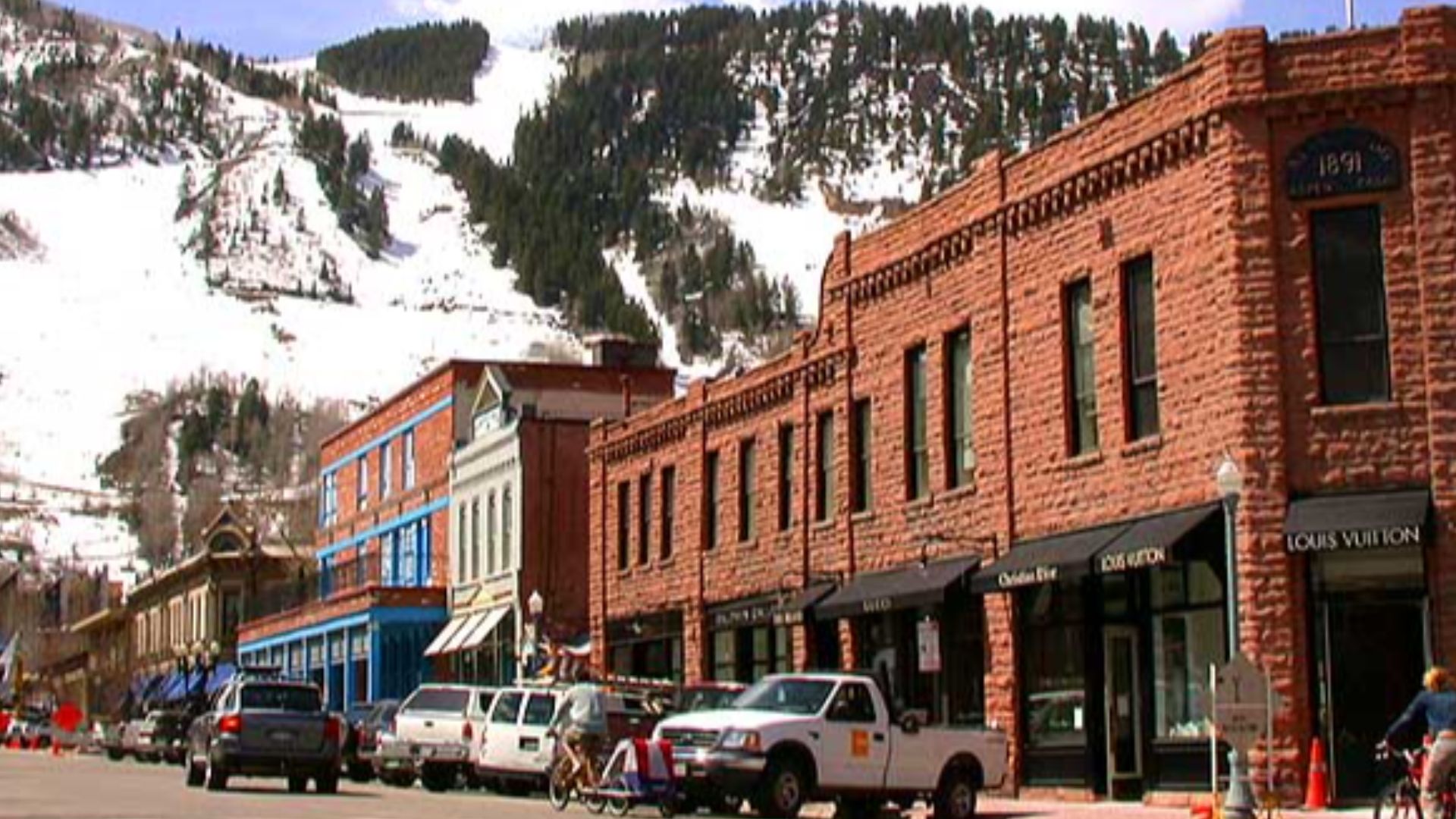
Aspen’s journey from mining town to celebrity playground is practically the blueprint for resort-town transformation. Luxury homes and second residences have helped push ordinary workers farther down the valley, while locals increasingly worry that the community behind the famous name is becoming harder to sustain.
 Decumanus~commonswiki, Wikimedia Commons
Jackson, Wyoming
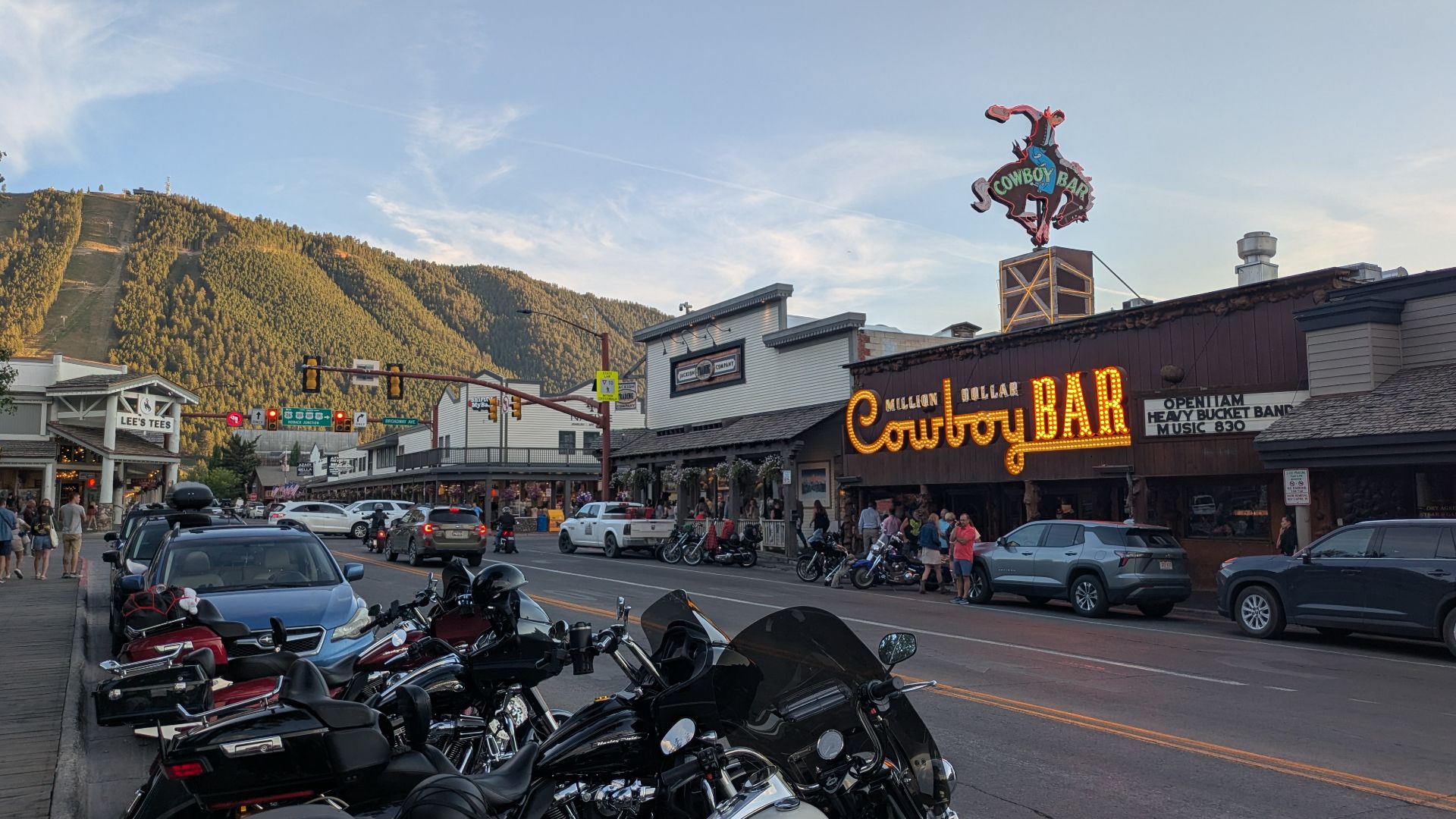
Jackson still has cowboy signs and wooden storefronts, but the economics feel very different. Tourism, luxury real estate, and proximity to Yellowstone and Grand Teton have helped send housing beyond many workers’ reach. Plenty of employees now commute considerable distances just to keep Jackson running.
 l'autore sono io, Wikimedia Commons
Breckenridge, Colorado
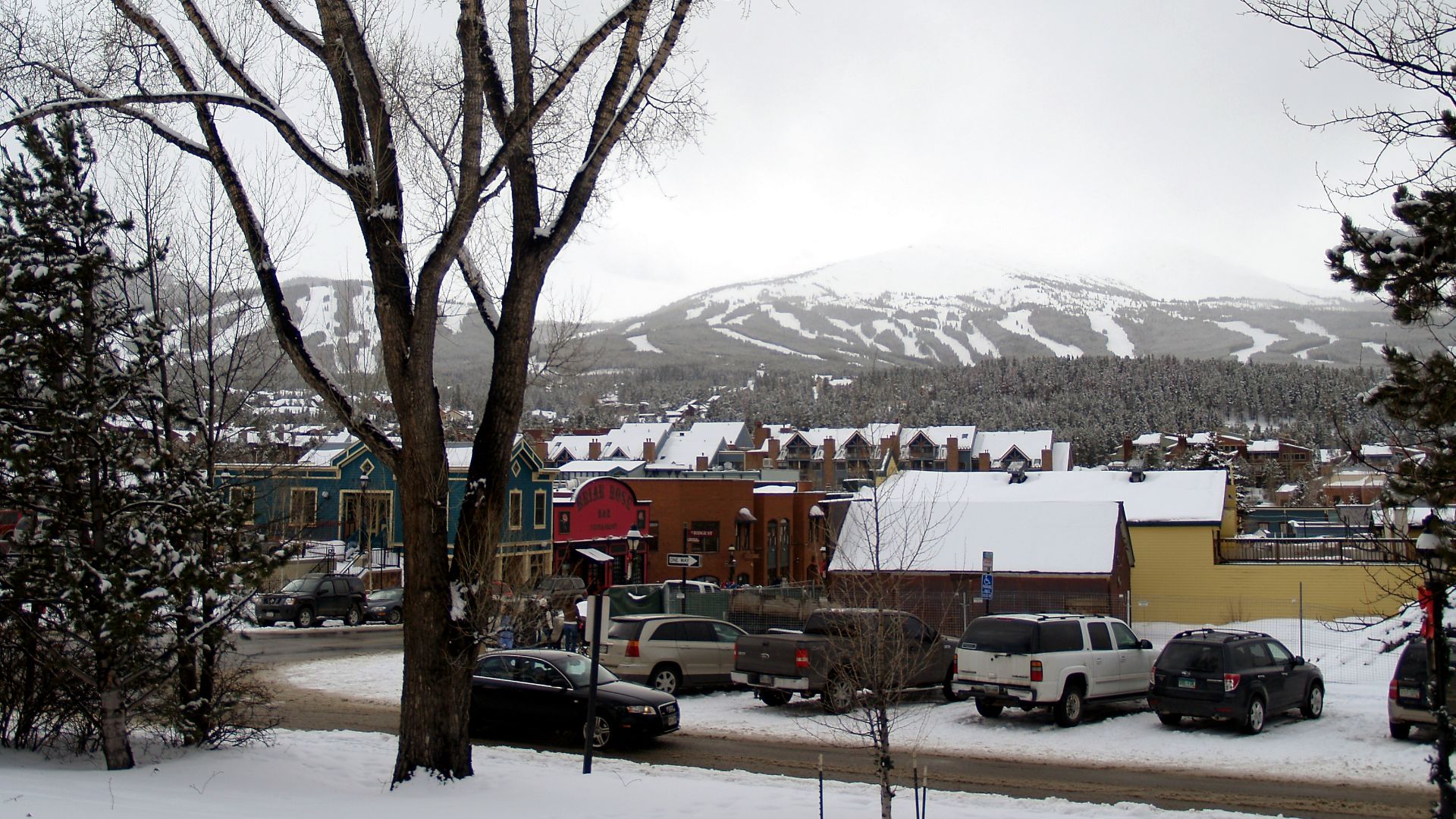
Once a mining settlement with ski-town charm, Breckenridge became a year-round recreation machine. Busy weekends now mean packed streets, overflowing parking, and intense demand for vacation properties. Housing has become serious enough that local programs have actually paid homeowners to convert short-term rentals into worker housing.
 David Shankbone, Wikimedia Commons
Telluride, Colorado
Telluride’s box-canyon setting is gorgeous—and leaves precious little room to grow. Tourism brought money, prestige, festivals, and spectacular real-estate prices. The result is an unusual town where the postcard-perfect historic center survives, yet many of the people providing everyday services struggle to live nearby.
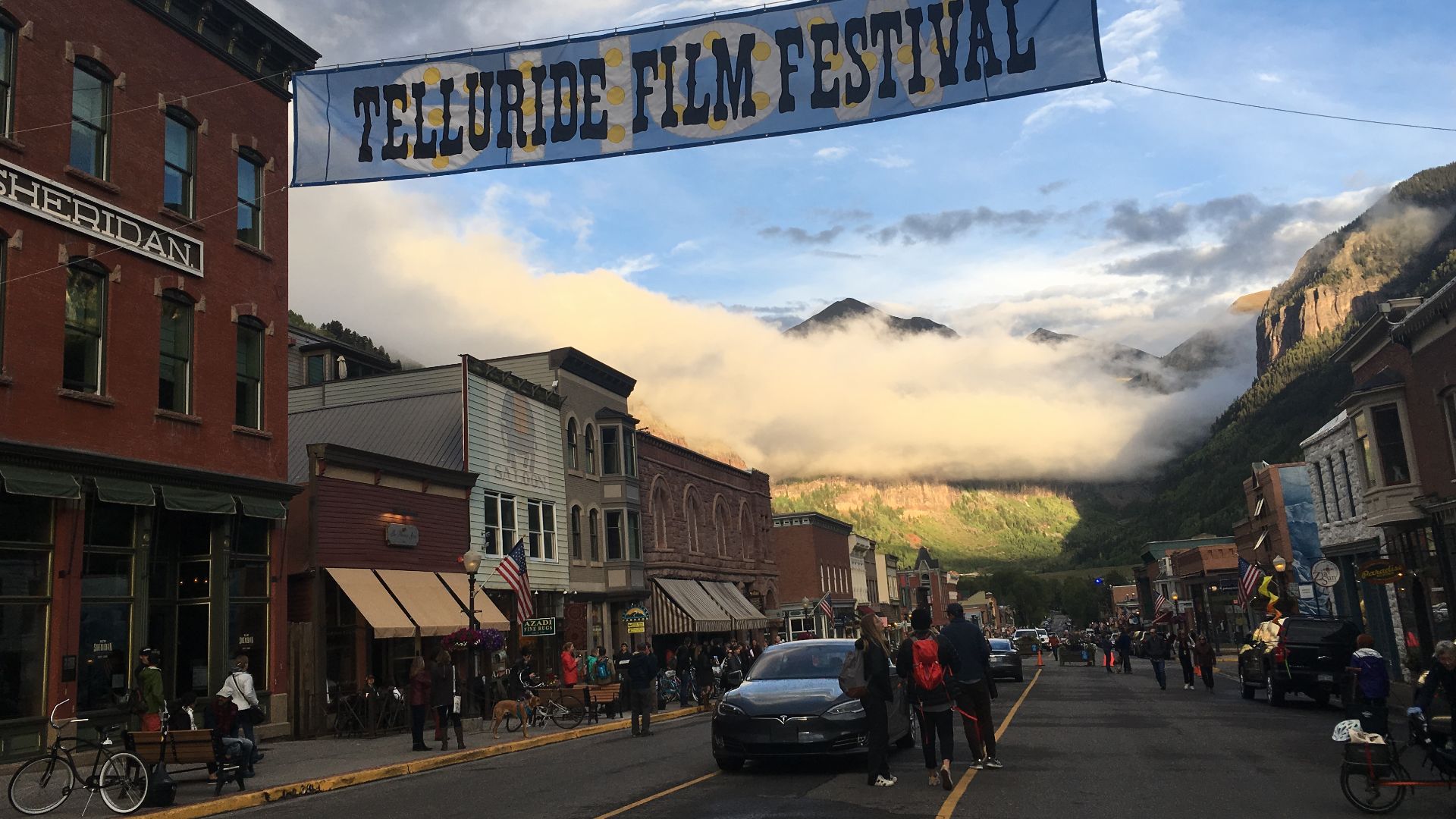 Jennifer 8. Lee, Wikimedia Commons
Vail, Colorado
Vail was built around tourism, so nobody remembers a pre-ski-resort village here. Still, longtime residents have watched it evolve into an increasingly exclusive international destination. Housing costs became so severe that local governments now spend heavily on programs designed specifically to keep workers living in the valley.
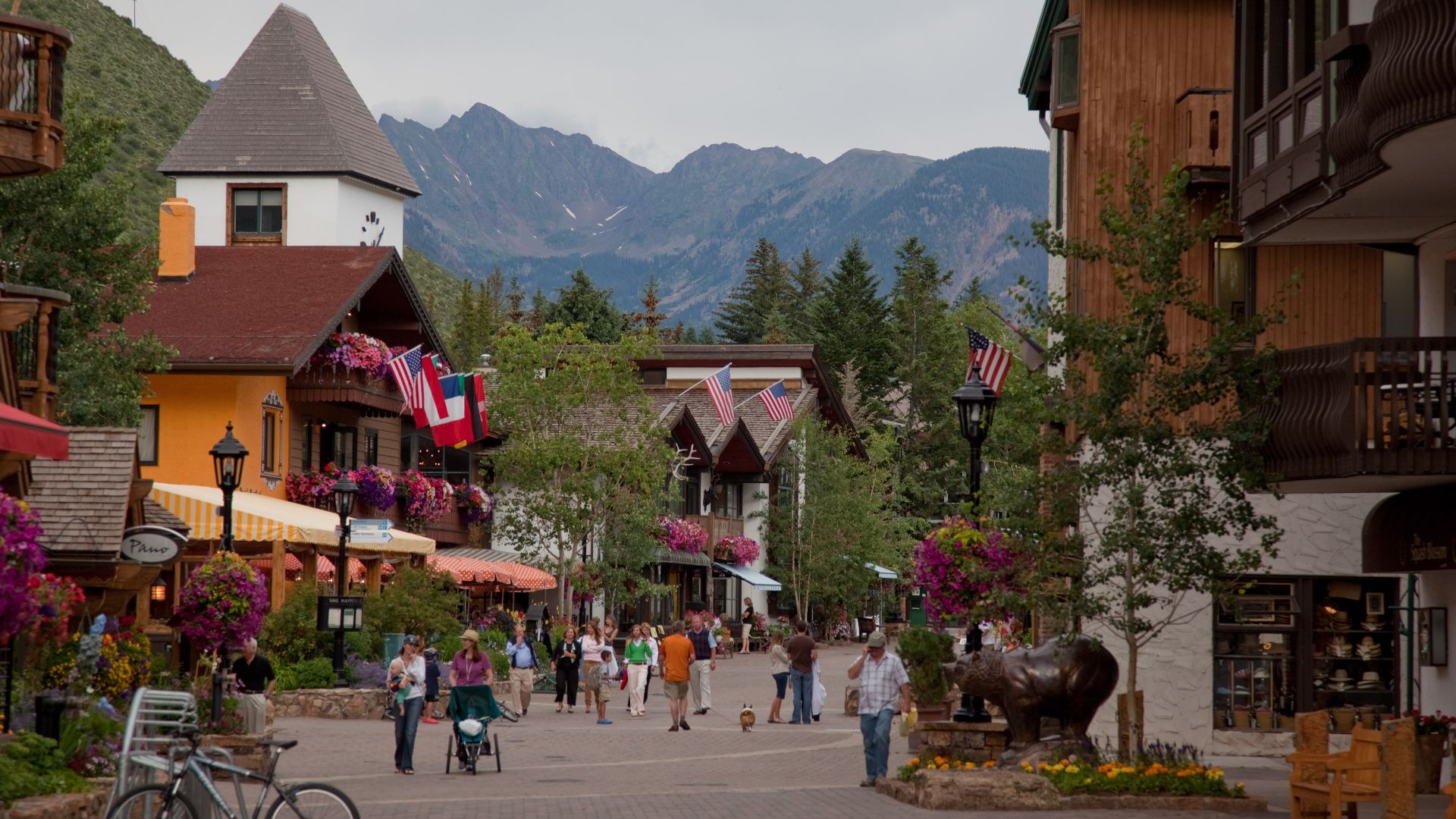 Nick Csakany, Wikimedia Commons
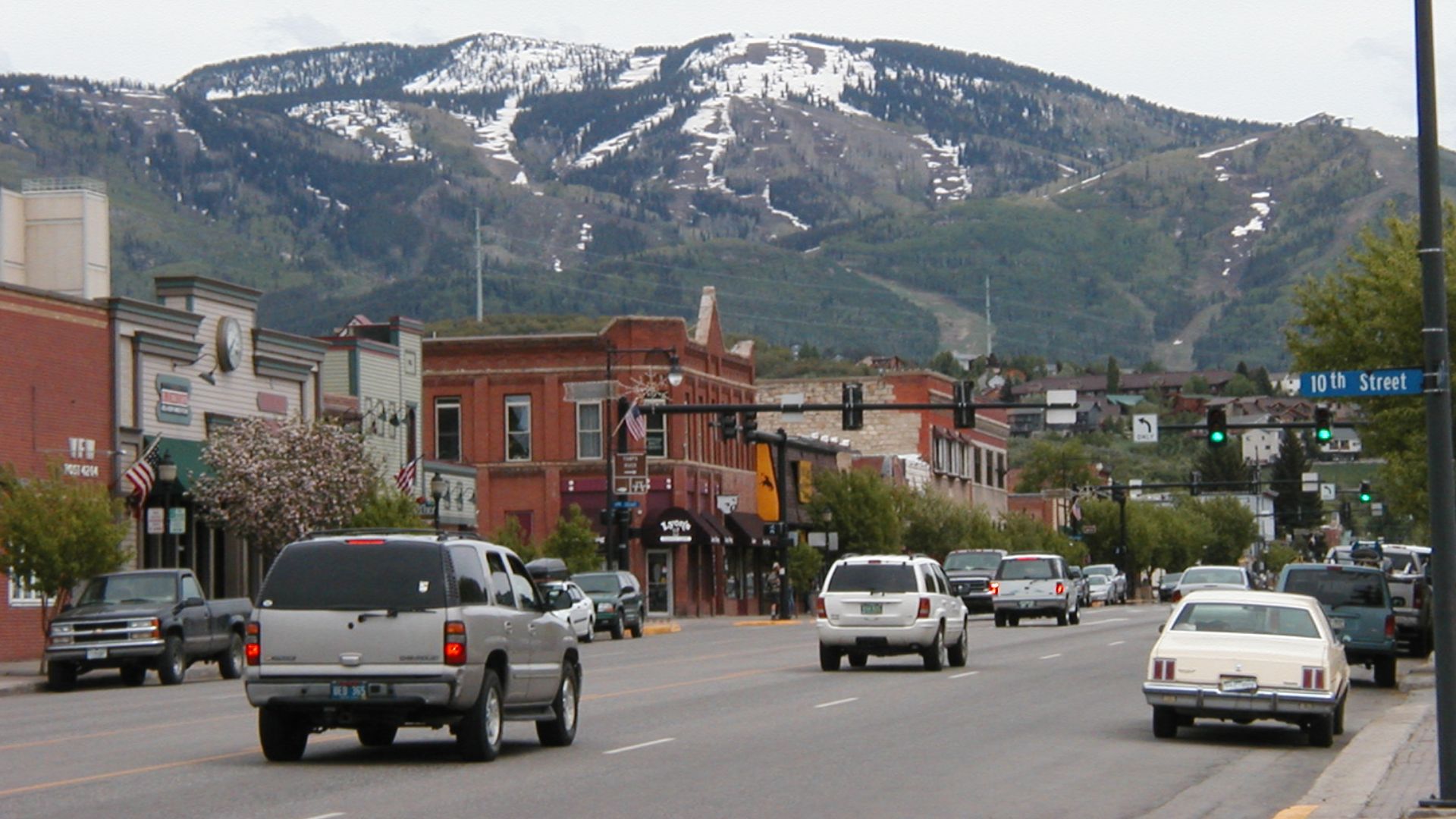
Steamboat Springs, Colorado
Steamboat once seemed like the ranching town that happened to have world-class skiing nearby. Increasingly, it feels like a resort with ranching roots. Housing prices surged as remote workers, second-home buyers, and rental investors arrived, even making recruitment difficult for surprisingly well-paid local jobs.
Crested Butte, Colorado
Colorful Victorian buildings and gloriously strange local traditions long gave Crested Butte a scruffier personality than polished ski resorts. Visitors eventually discovered the wildflowers, trails, and powder. With more people falling in love with the valley, residents face the familiar challenge of protecting what made it lovable.
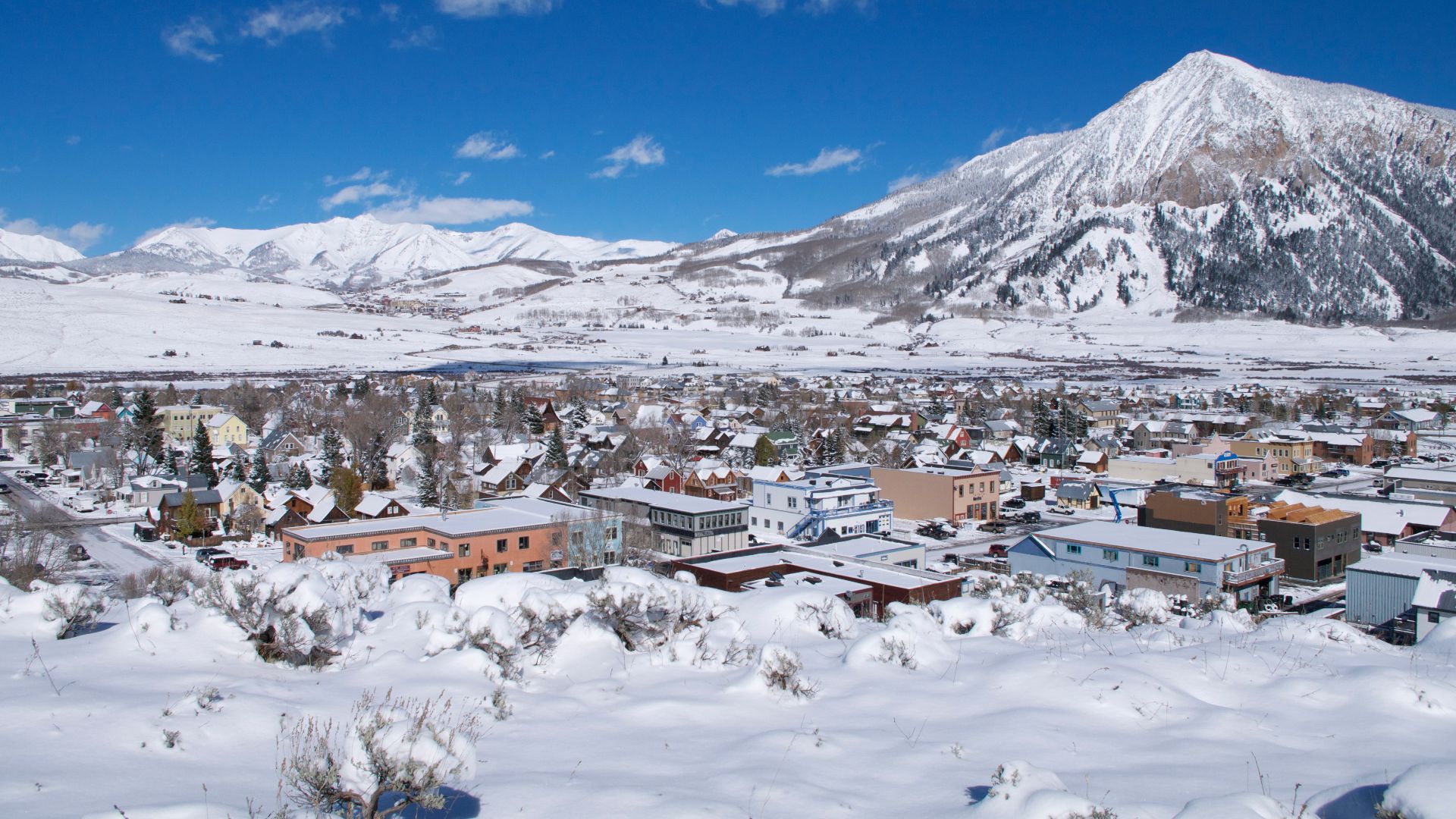 Chris Segal, Wikimedia Commons
Park City, Utah
The silver-mining past remains visible along Park City’s Main Street, but today the biggest rush involves skiing, luxury homes, and Sundance-era crowds. Short-term rentals have become especially prominent: research reported in 2024 found they represented a striking share of housing within Park City itself.
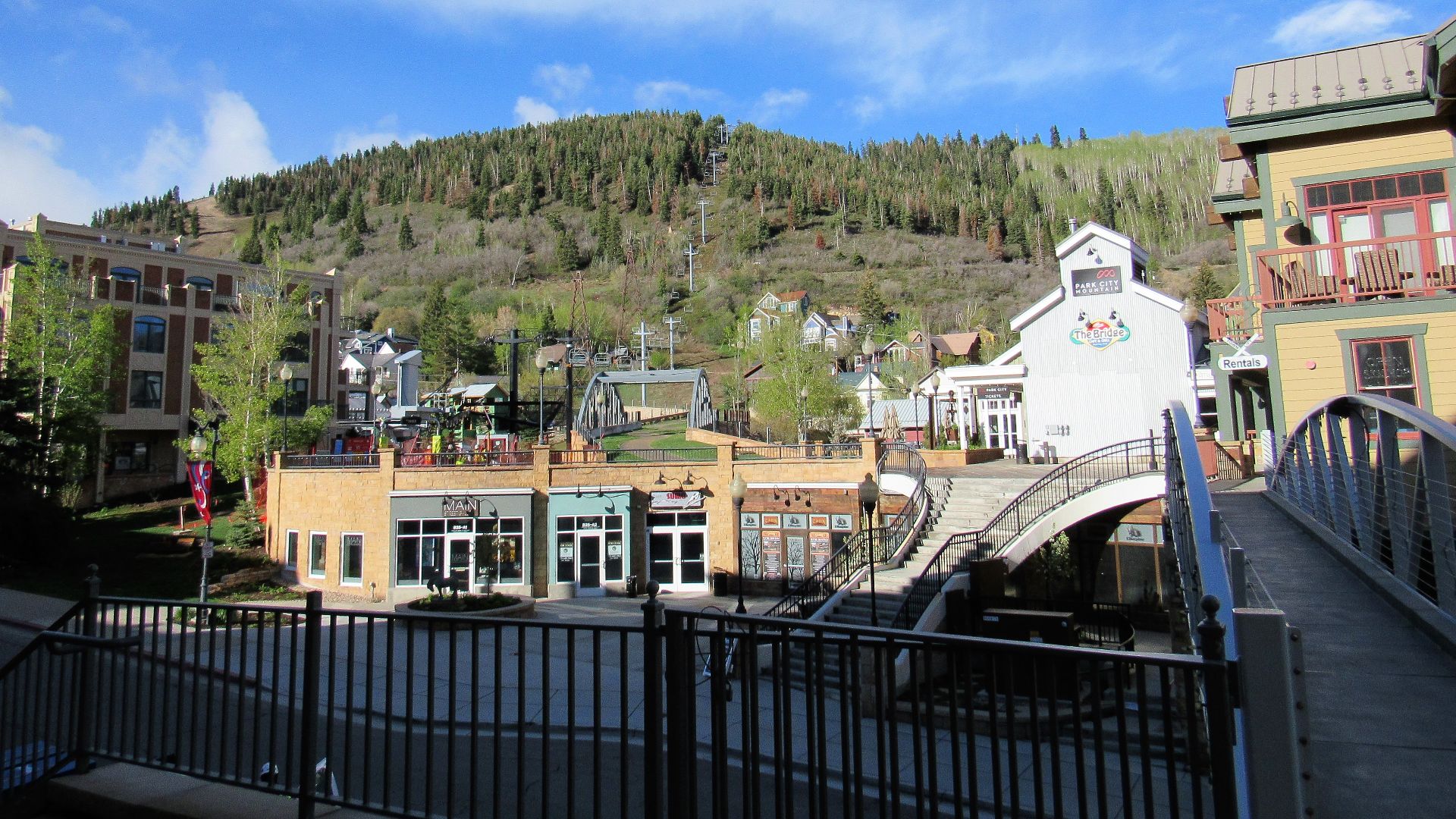 Farragutful, Wikimedia Commons
Sedona, Arizona
Sedona’s red rocks have always looked unreal. Social media simply made sure everybody knew it. Vacation rentals spread rapidly while workers faced shrinking housing options, contributing to a situation where some people employed around town have struggled simply to find somewhere affordable to sleep.
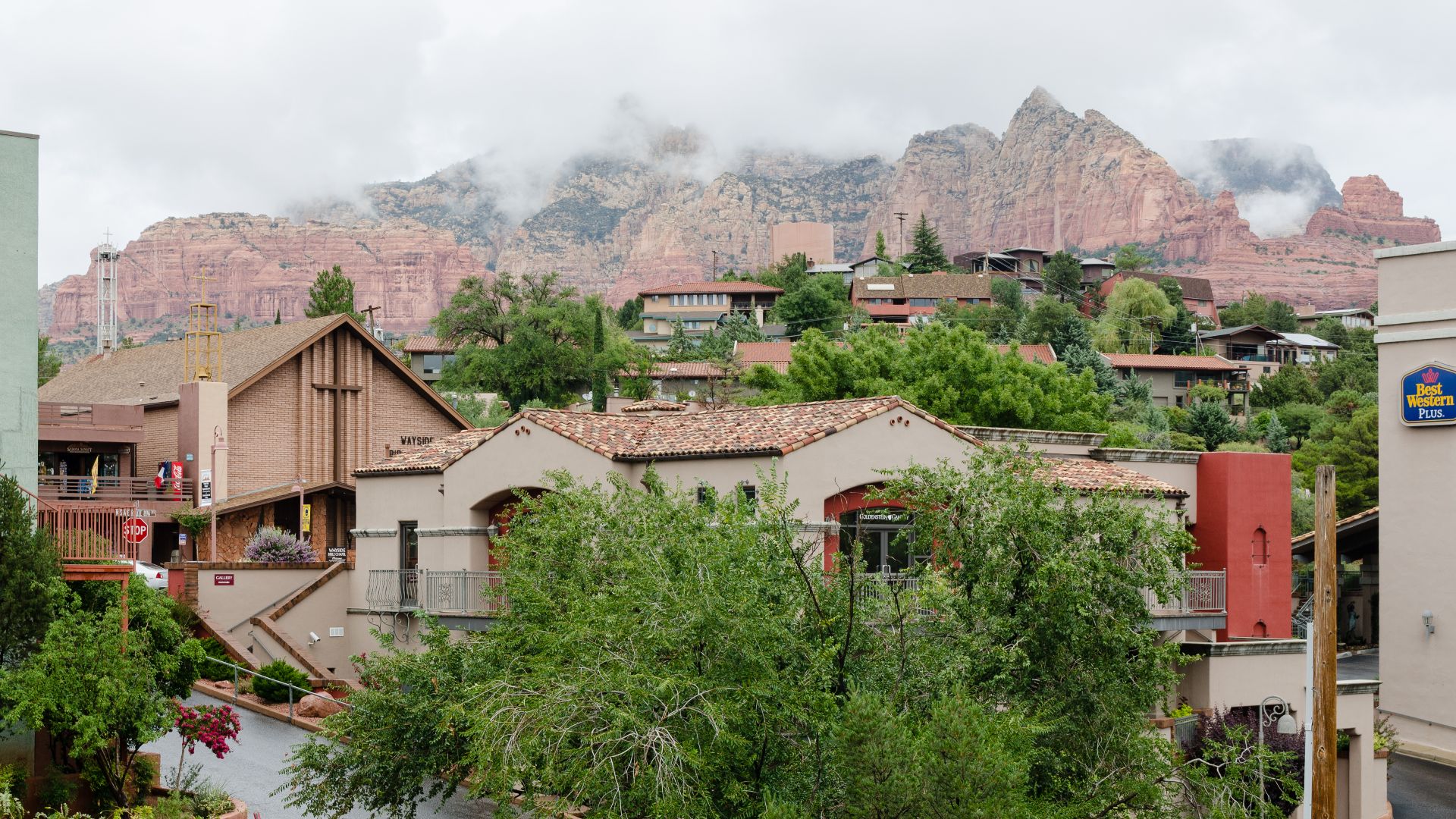
Mammoth Lakes, California
Mammoth Lakes is no longer just the California ski escape people remember from winter weekends. Summer hiking and biking have turned it into a four-season destination, while vacation rentals occupy a major place in the lodging market. The town has responded by encouraging owners to rent properties to locals year-round.
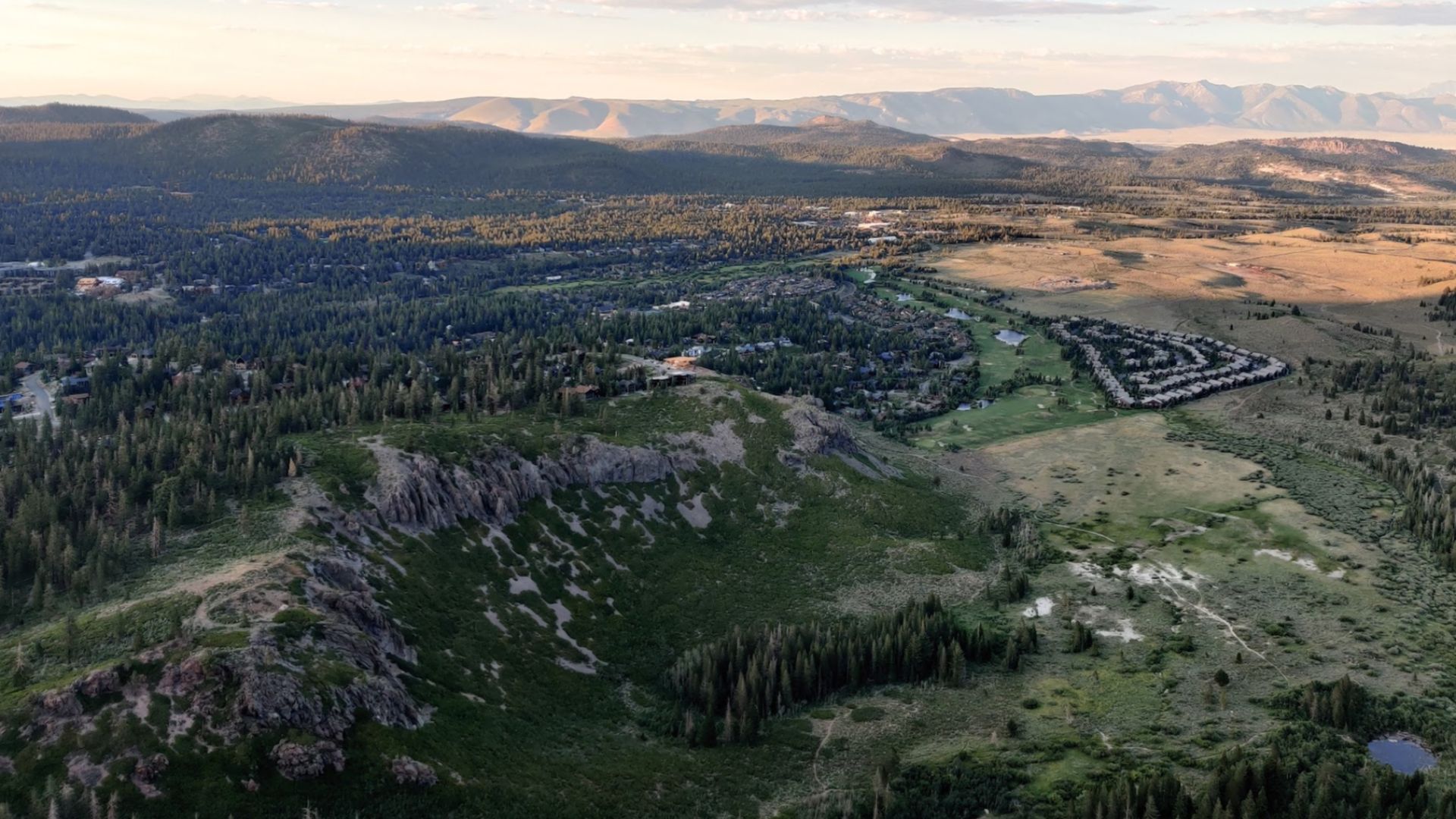 Rifi Gerwiciel, Wikimedia Commons
Truckee, California
Truckee’s old railroad-town center still looks wonderfully historic, but the Lake Tahoe boom transformed the housing market surrounding it. Rather than accepting that workers must disappear, the town launched programs encouraging vacation properties to return to long-term use, housing hundreds of local workers and family members.
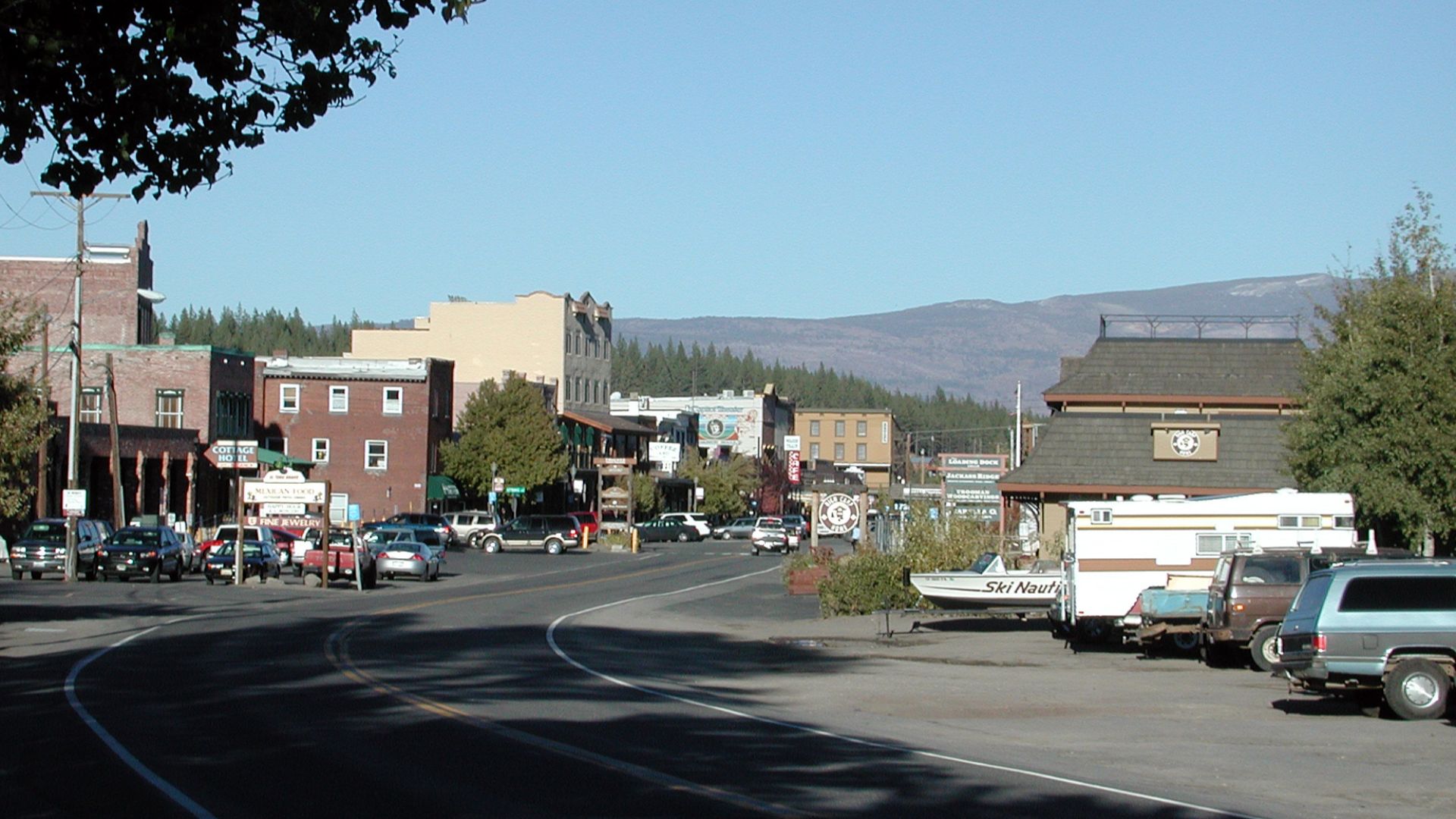
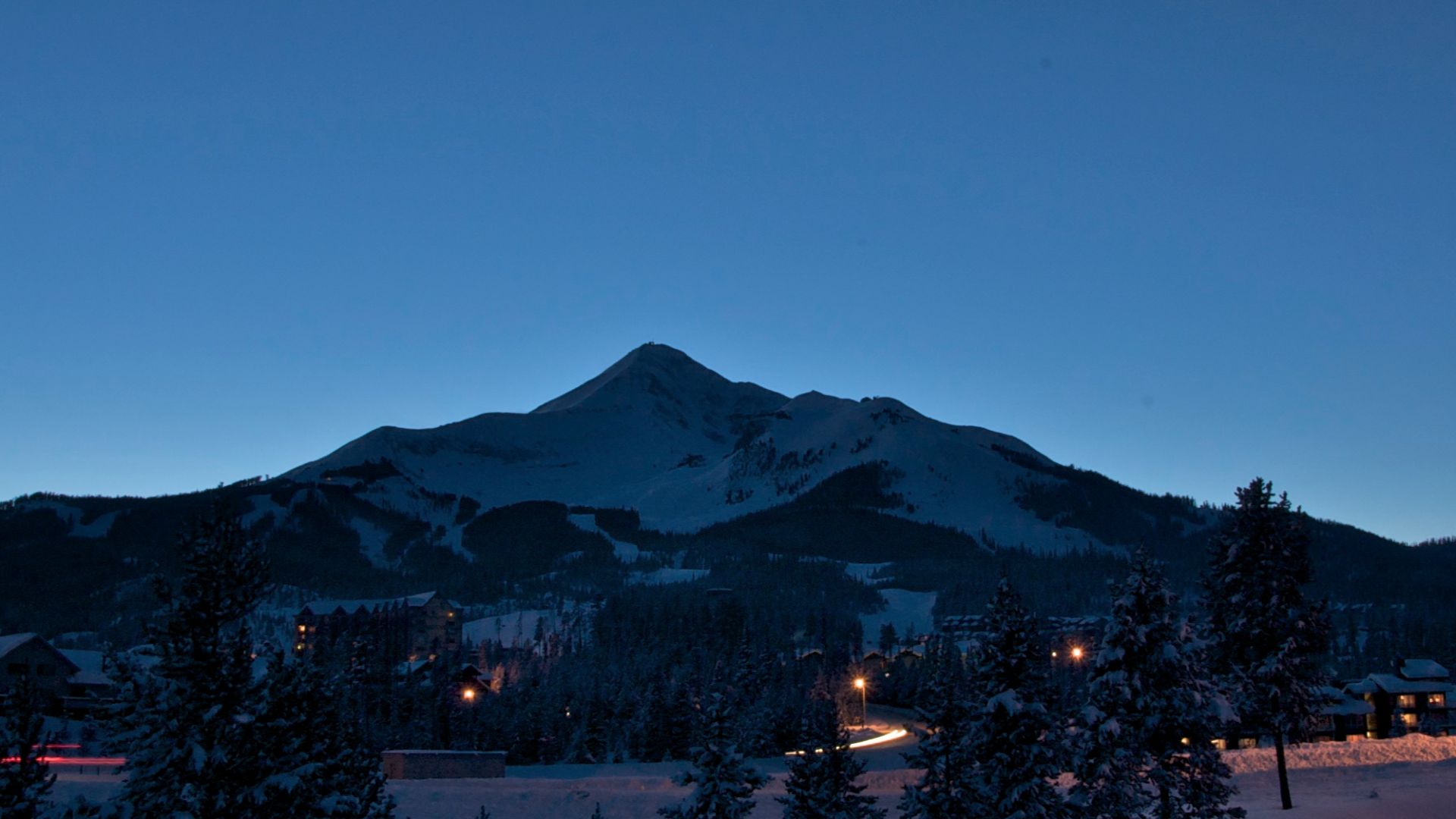
Big Sky, Montana
Big Sky’s name once described the scenery better than the development. That is changing quickly. Luxury resorts, Yellowstone traffic, and high-end real estate have made the area one of Montana’s most visible examples of “Aspenification,” raising uncomfortable questions about who can afford to belong there.
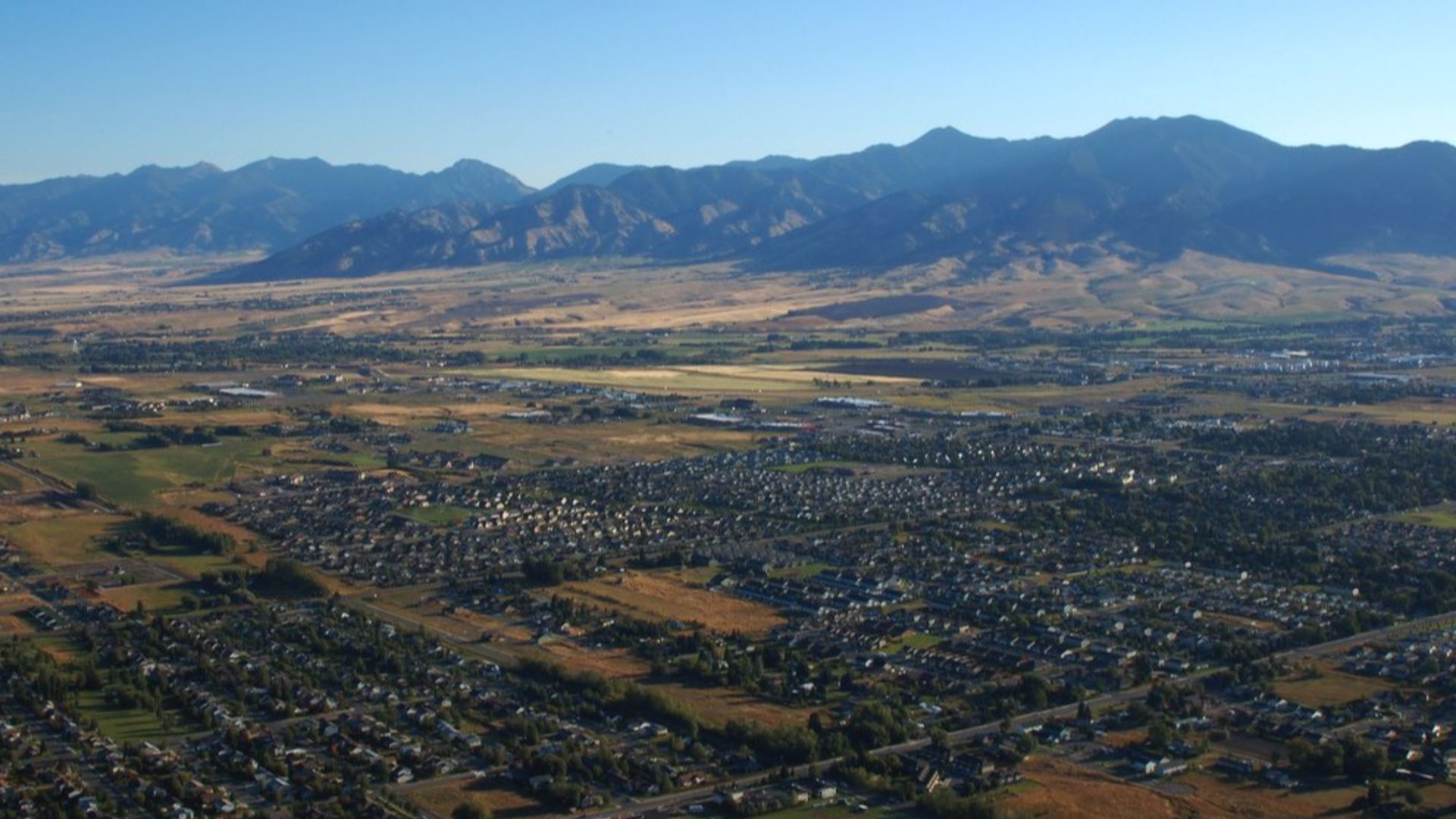
Bozeman, Montana
Bozeman has grown far beyond its old cow-town-and-college-town identity. Outdoor enthusiasts, remote workers, tourists, and newcomers arrived for precisely the lifestyle locals treasured. The upside is an energetic economy. The downside is soaring housing demand and the fear that small-town Montana is becoming something much pricier.
 Feetyouwear, Wikimedia Commons
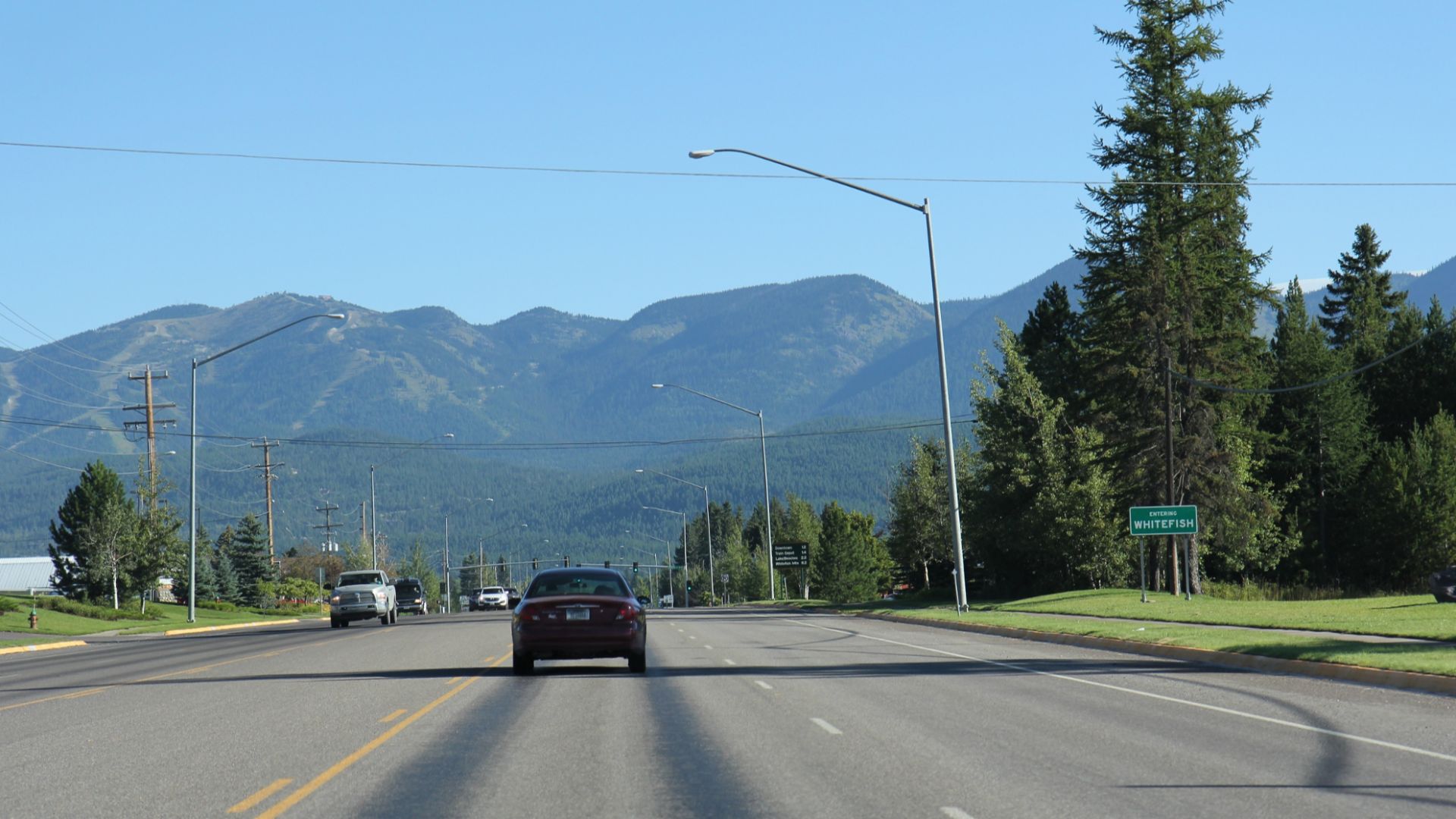
Whitefish, Montana
Whitefish has endured the same pressures reshaping other Rocky Mountain destinations, from increased visitation to housing demand. Yet it is also trying to avoid the worst outcome. Planning and workforce-housing efforts have made the town an example of how popular destinations can grow without surrendering everything to tourism.
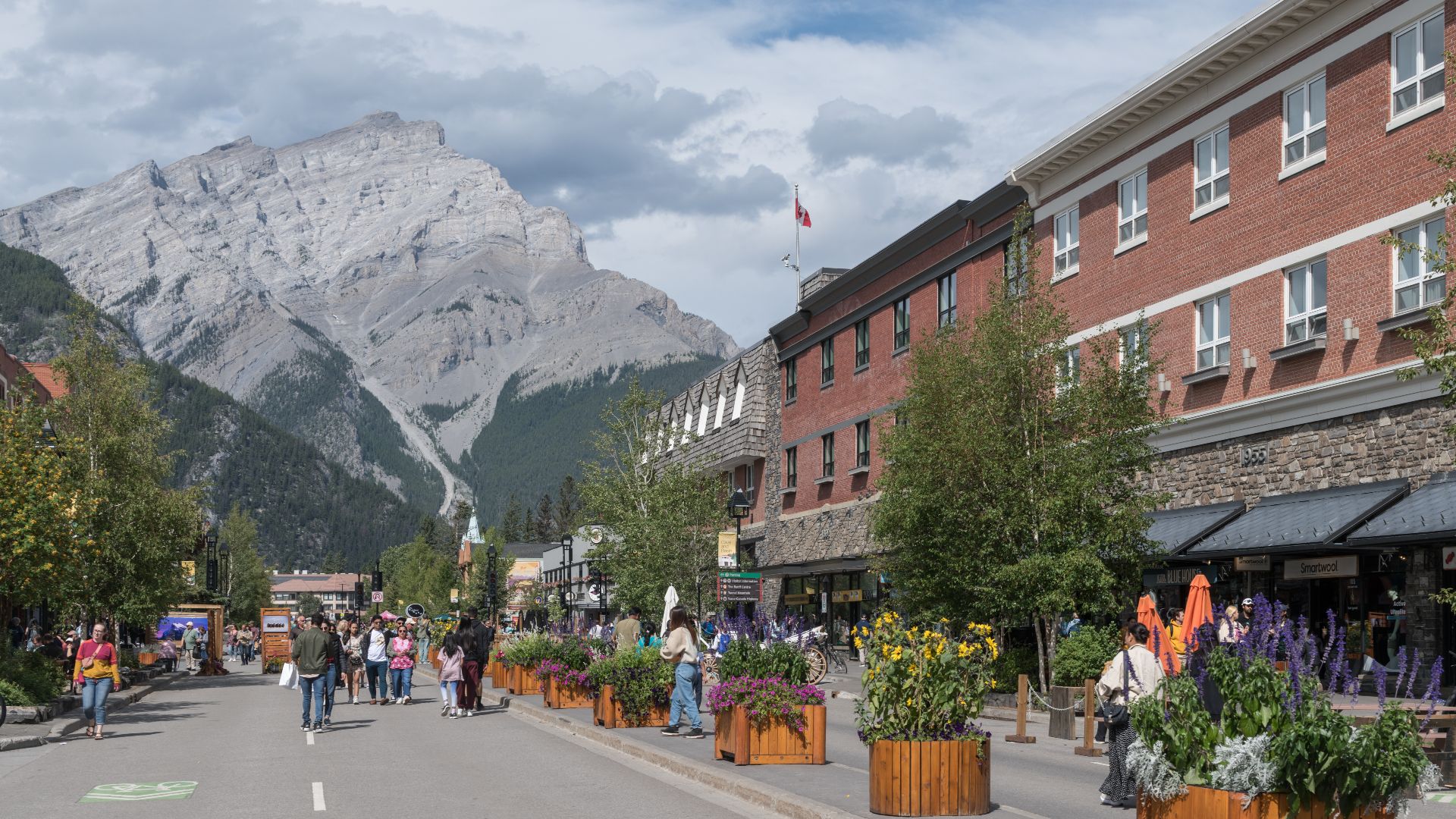
Banff, Alberta
Banff has a problem most towns would envy: practically everyone wants to visit. Yet almost all of its tiny residential footprint is already developed, while workers still need somewhere to live. The town officially describes its situation as a housing crisis, making tourism’s success impossible to separate from community survival.
Whistler, British Columbia
Whistler became one of North America’s great resort success stories, but building an economy around visitors means housing thousands of people who serve them. The municipality now openly plans around balancing visitor accommodation with residents’ needs, while tracking affordability and long-term housing demand as part of community planning.
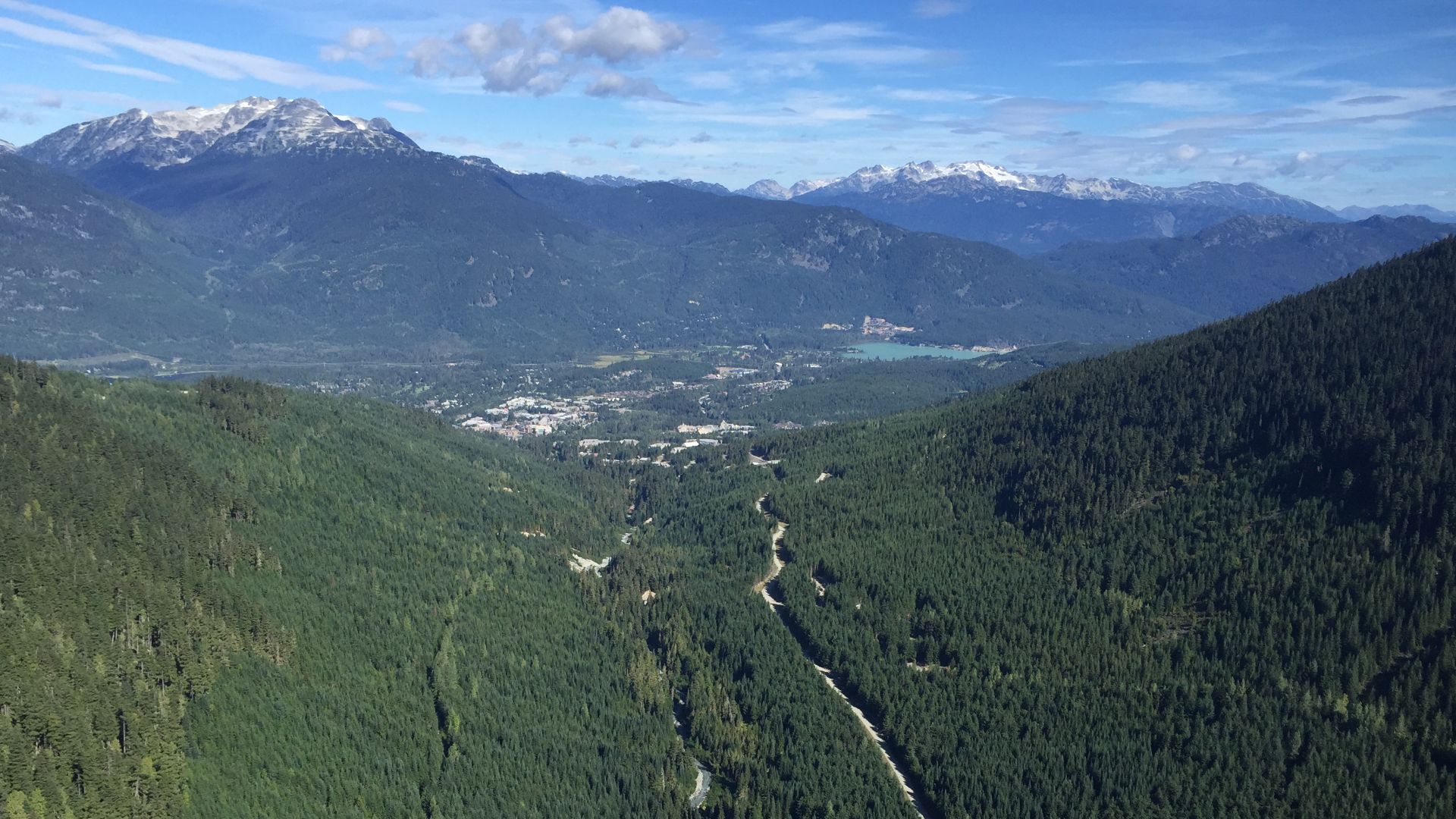 Richie Diesterheft from Santa Barbara, CA, USA, Wikimedia Commons
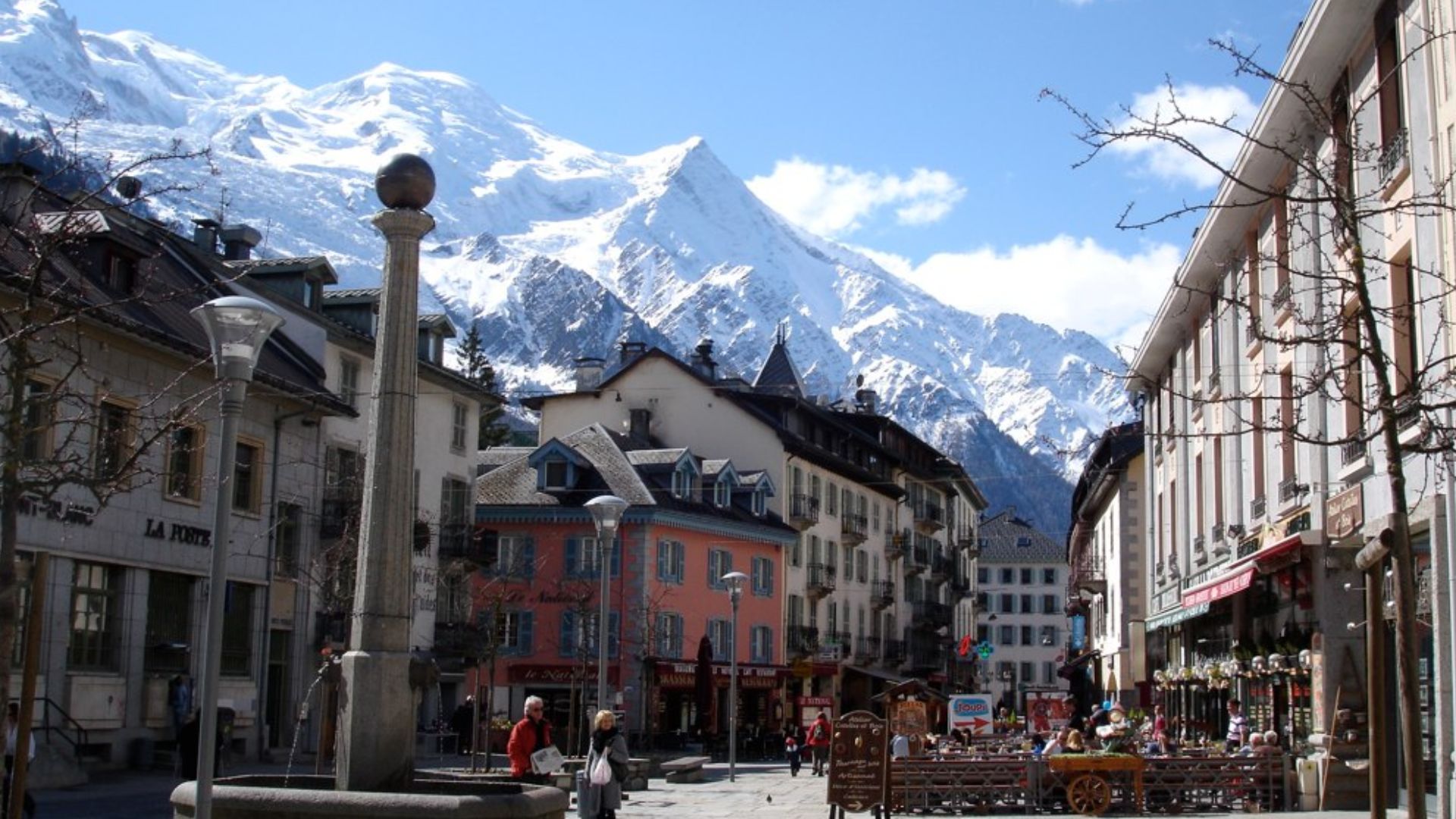
Chamonix, France
Few Alpine towns symbolize mountain adventure like Chamonix. But fame came with an extraordinary appetite for second homes. With permanent residents declining and much of the housing stock used as secondary residences, officials have moved to restrict new second-home development in an effort to protect year-round community life.
Zermatt, Switzerland
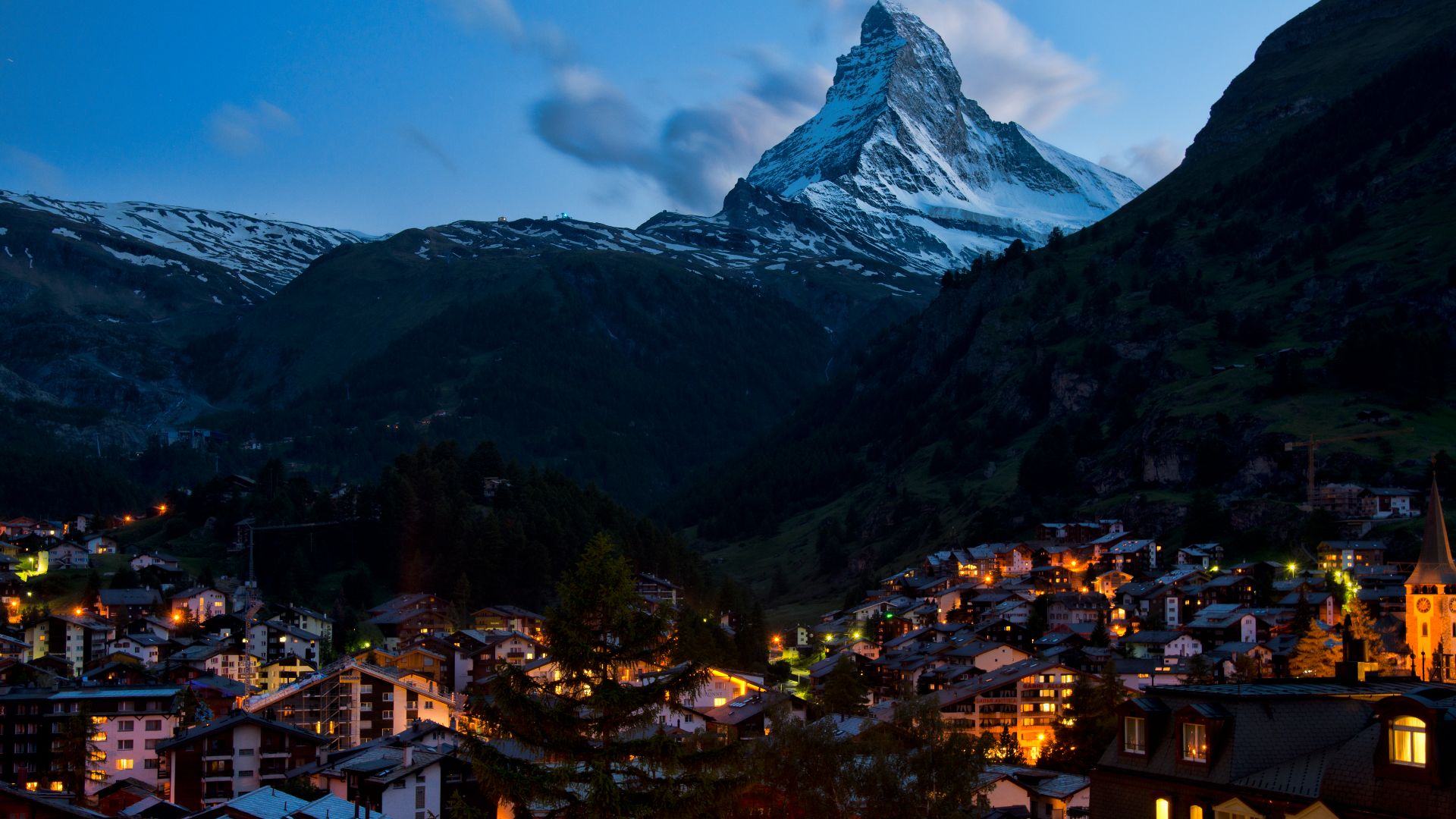
The Matterhorn made Zermatt famous long before Instagram existed, but modern tourism operates at another scale entirely. Millions of visitor nights and major resort infrastructure now surround a village of only a few thousand permanent residents, creating constant pressure to balance mountain authenticity with an enormous tourism economy.
Kitzbühel, Austria
Kitzbühel went from medieval market town to one of skiing’s most glamorous addresses. Luxury chalets and holiday residences now sit beside centuries-old streets. Like other Alpine resort communities, it has faced the complicated effects of second homes, expensive real estate, seasonal populations, and international tourism demand.
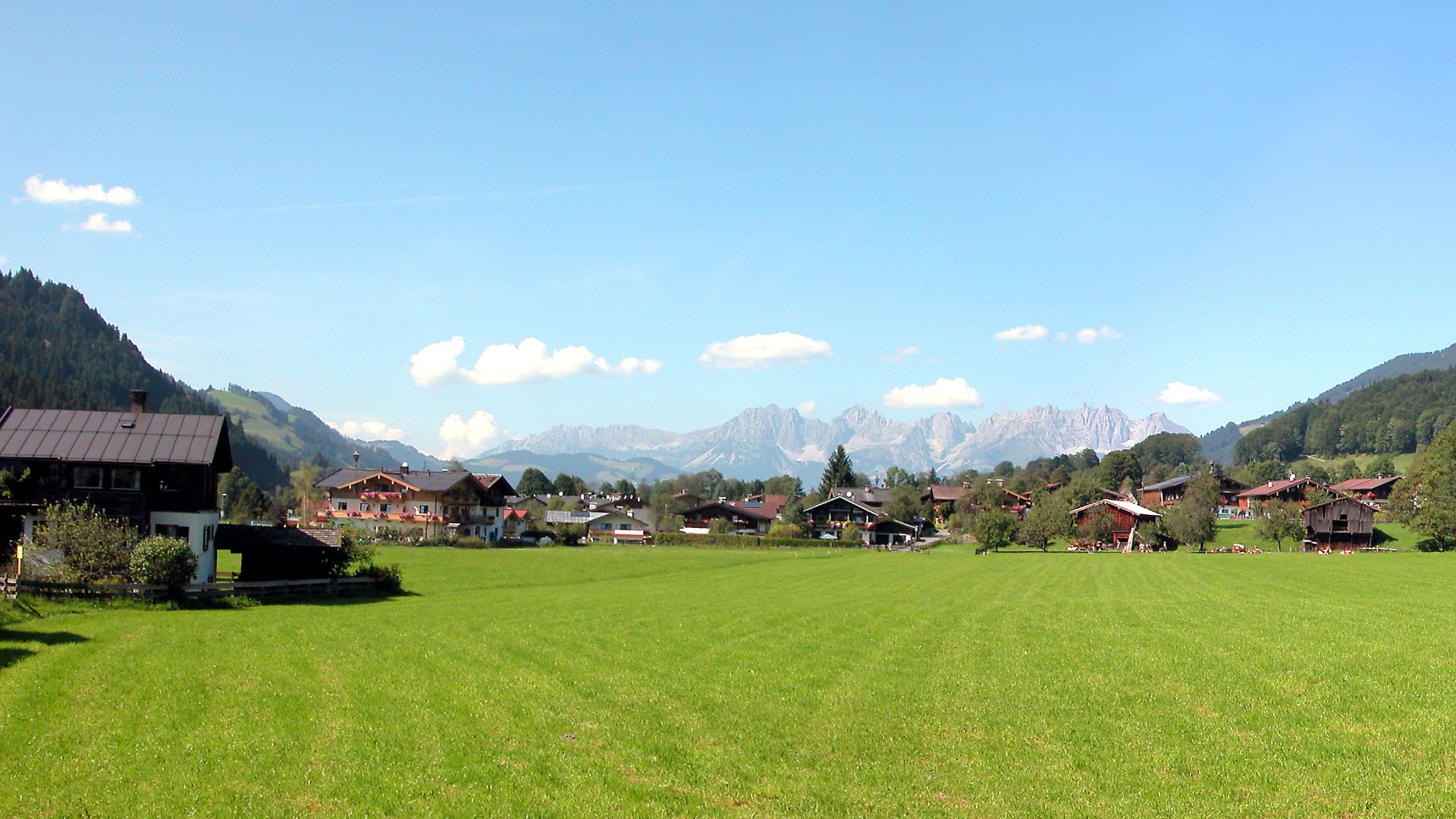 Jörg Blobelt, Wikimedia Commons
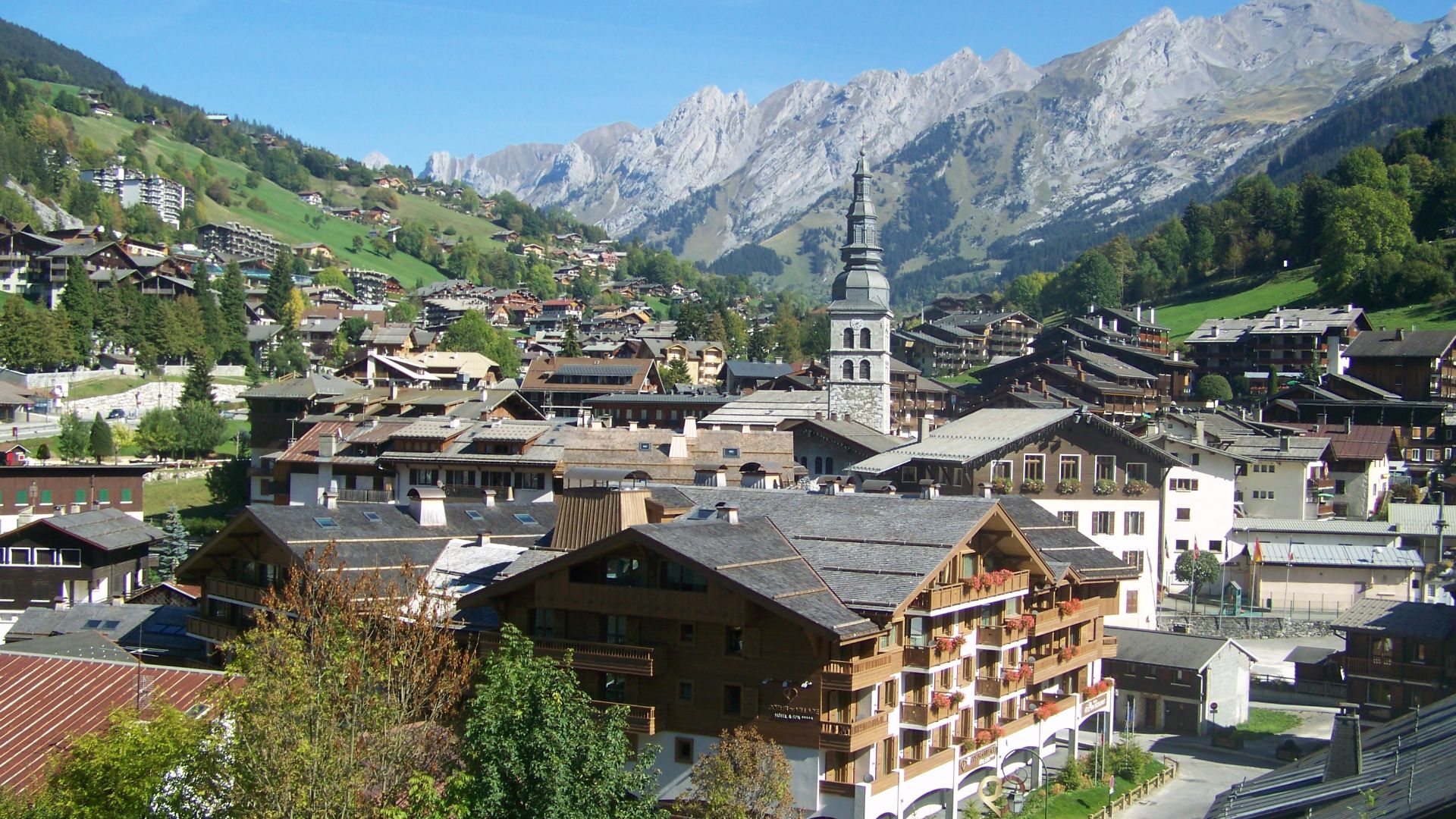
La Clusaz, France
La Clusaz still looks like the dreamy French Alpine village travelers expect, which is precisely why property pressure matters. Researchers studying Alpine resorts have identified the community as one where second homes, tourism demand, demographic change, and housing policy have become closely tangled together.
 Florian Pépellin, Wikimedia Commons
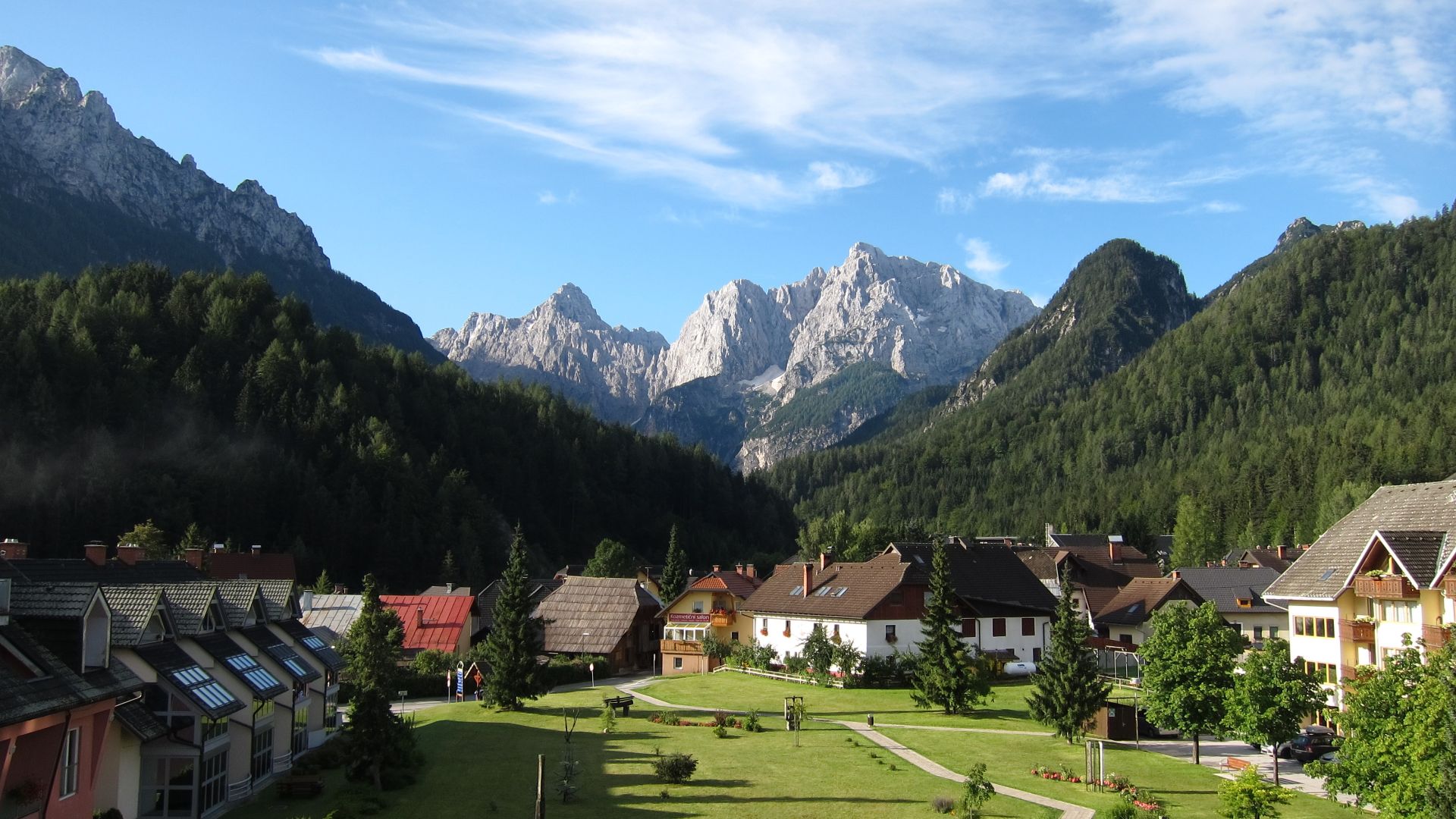
Kranjska Gora, Slovenia
Kranjska Gora used to be best known internationally among dedicated skiers and ski-jumping fans. Tourism now stretches well beyond winter, with summer visitation becoming especially important. Researchers studying the resort have highlighted second-home and housing pressures familiar across increasingly popular Alpine communities.
Hallstatt, Austria
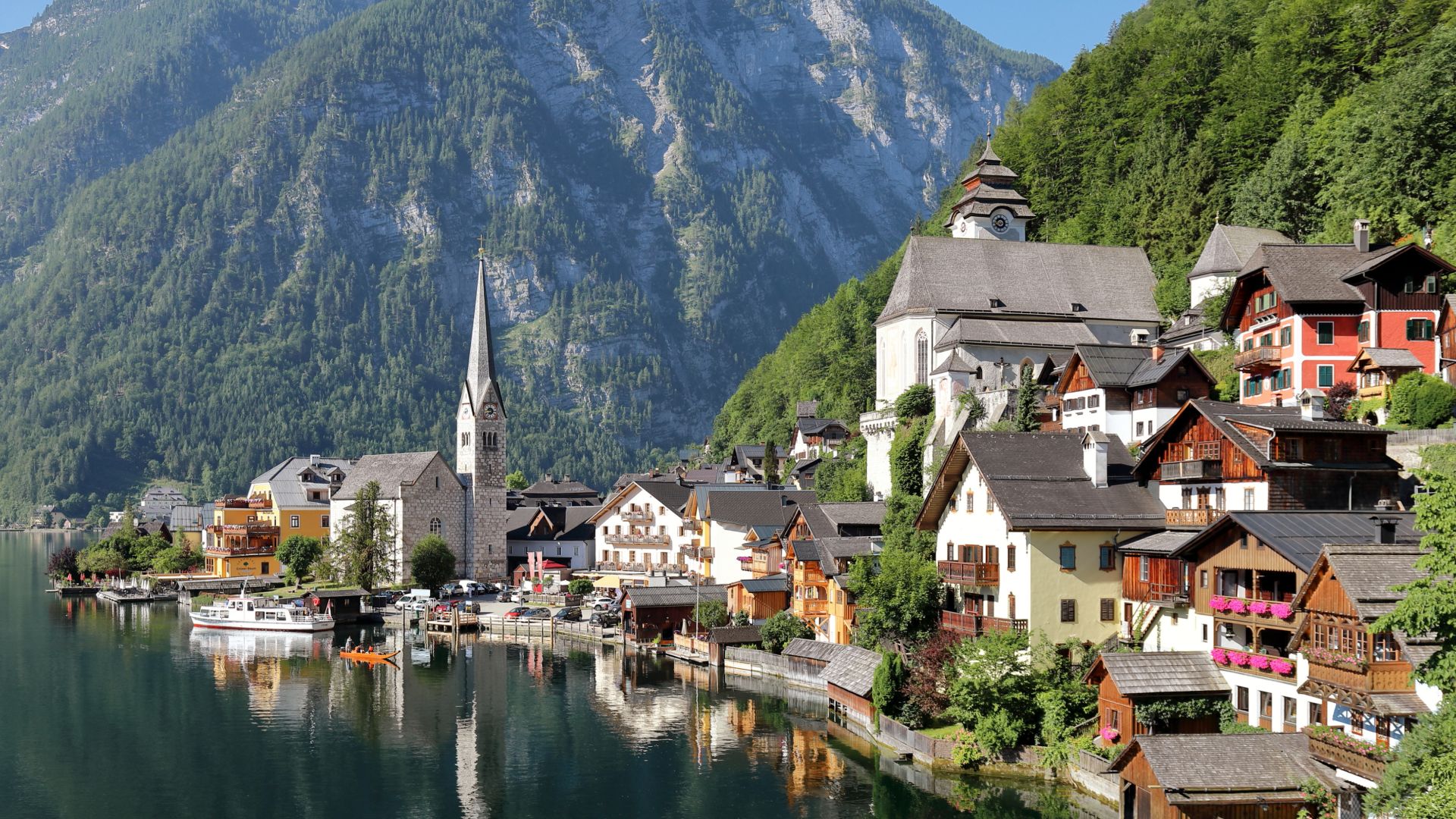
Hallstatt might be the ultimate warning about becoming too photogenic. Its lakefront houses and mountain backdrop turned a tiny Alpine community into a bucket-list phenomenon. Huge visitor numbers have produced repeated frustration over crowds and everyday disruption, even as tourism remains central to the local economy.
 C.Stadler/Bwag, Wikimedia Commons
Niseko, Japan
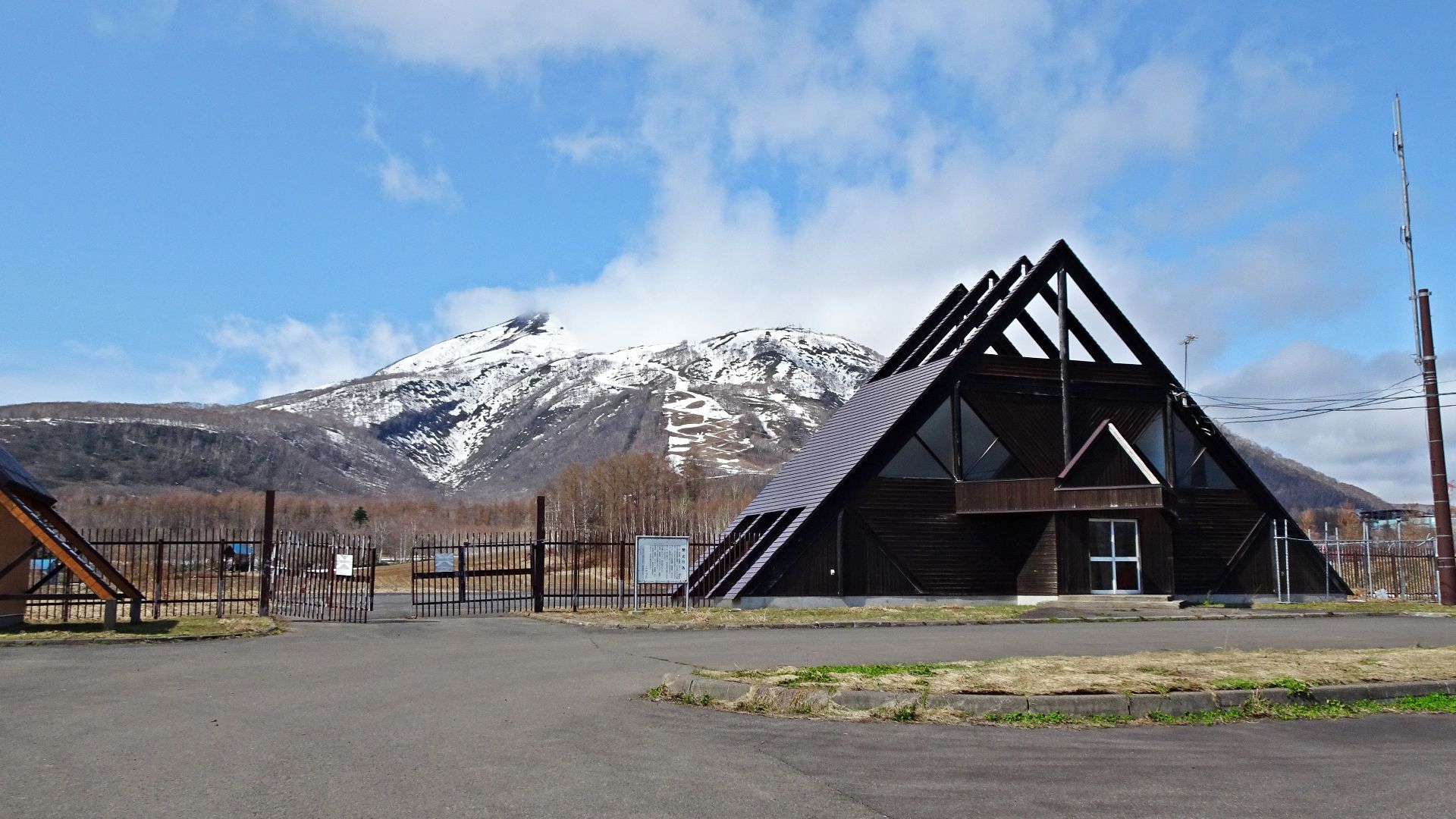
Niseko’s powder snow went from a secret among serious skiers to an international brand. Luxury hotels, overseas investment, and booming winter tourism followed. Business has benefited enormously, but residents and workers have also faced rapidly rising property costs and growing difficulty finding affordable places to live.
Queenstown, New Zealand
Queenstown basically has everything social media loves: enormous mountains, a blue lake, adventure sports, wineries, and cinematic scenery. Its popularity has become so intense that residents have publicly worried about overtourism, particularly as visitor pressure collides with housing shortages, infrastructure demands, and everyday quality of life.
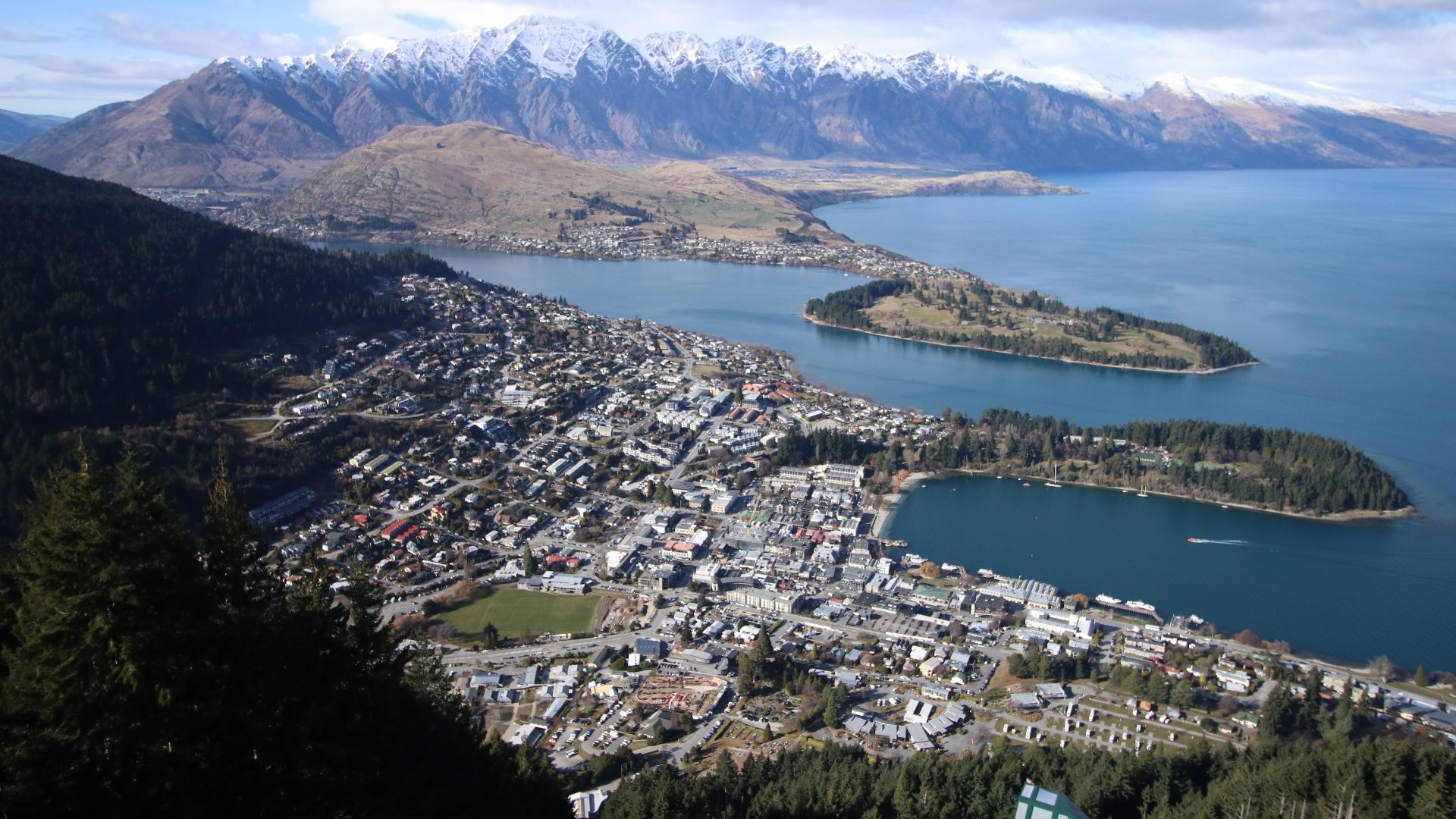 Charlie Mitchell, Wikimedia Commons
Fujiyoshida, Japan
Mount Fuji views turned ordinary streets in Fujiyoshida into international photo destinations. Residents accustomed to quiet neighborhoods suddenly encountered crowds, traffic problems, trespassing, and tourists standing in roads for the perfect shot. Authorities have responded with restrictions—proof that sometimes one viral photograph really can change a town.
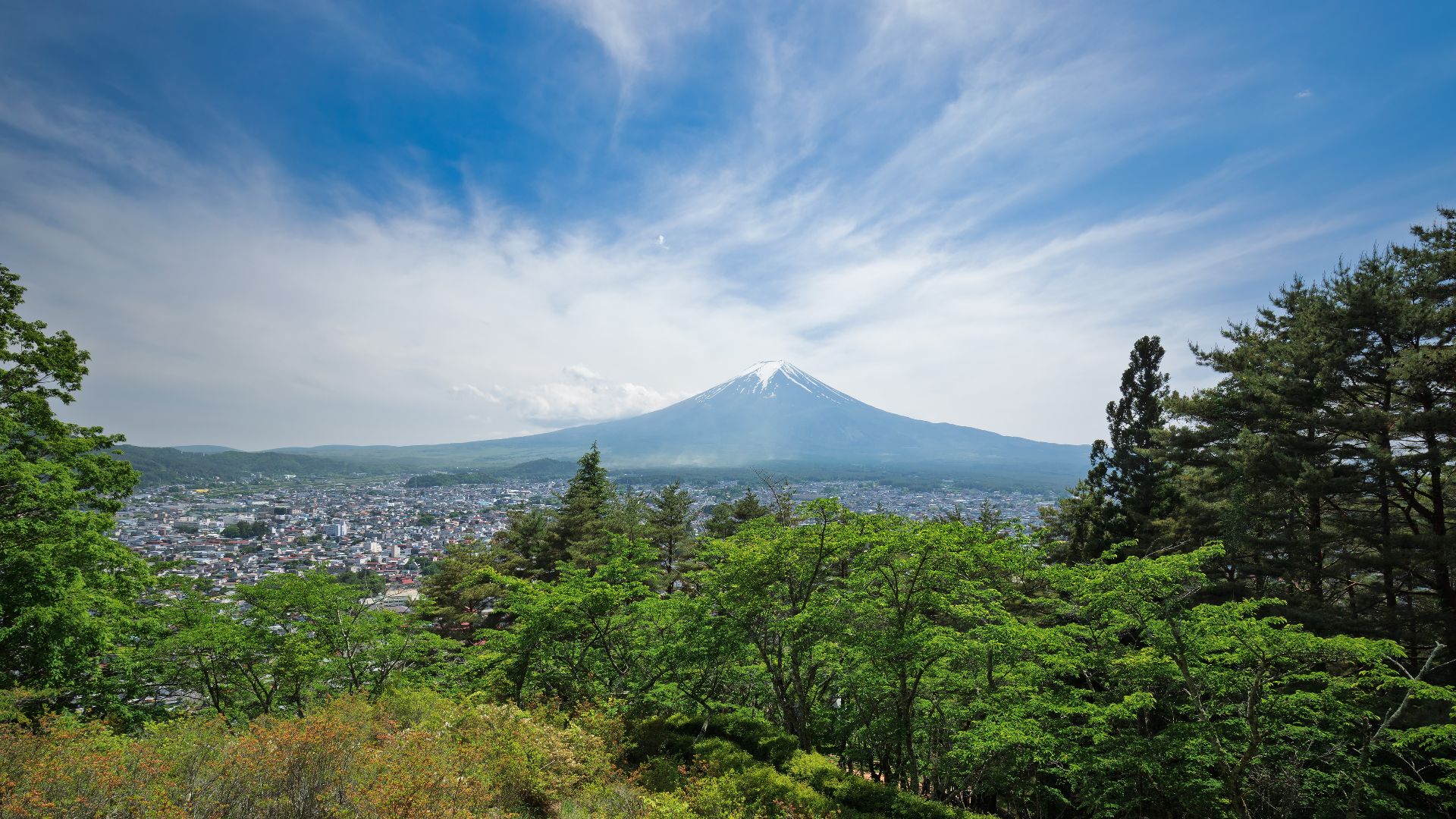 Ximonic (Simo Räsänen), Wikimedia Commons
What These Towns Are Trying To Save
Tourists are not necessarily the villains in these stories; tourism pays wages, supports businesses, and keeps many mountain economies alive. The real challenge is balance. Once workers cannot afford homes and residents avoid their own downtowns, a beautiful mountain town risks becoming a stage set instead of a community.
You May Also Like:
Flight Attendants Say They Hate It When Passengers Do These Things—So Don’t Do Them
Tourist Towns That Americans Say Have Changed The Most In The Last Decade. Do You Agree?