Welcome Aboard. Don't Be That Passenger
Flight attendants are trained to remain calm and polite while hundreds of strangers slowly forget how to behave inside a metal tube. That does not mean they haven't noticed what you just did though.
And according to the people who work these flights, the same irritating, and sometimes dangerous, habits appear again and again.
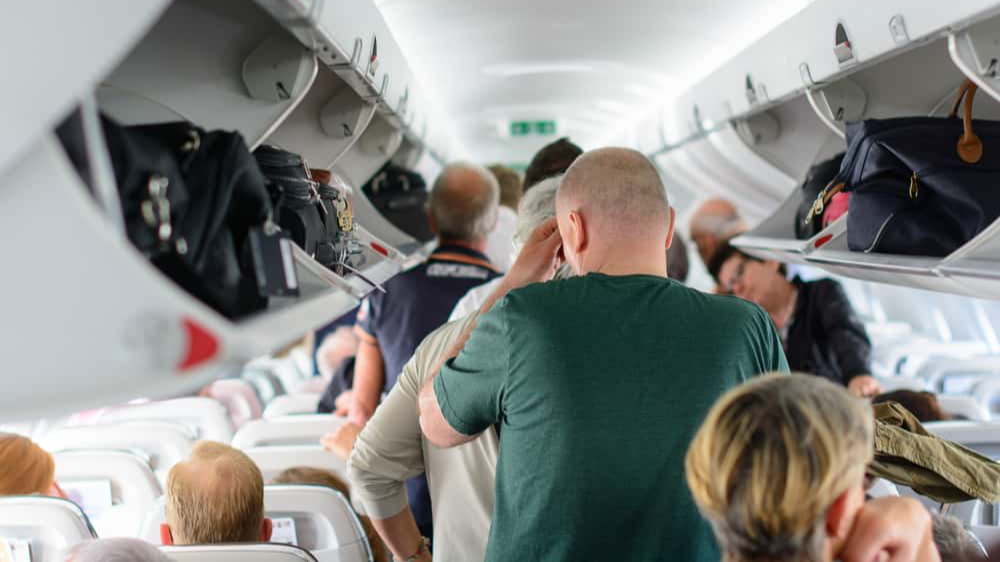
Do Not Repack Your Life In The Aisle
You reached your row. Wonderful. This is not the moment to unzip three bags, find your headphones, reorganize the snacks and remember where you packed your book. Flight attendant Kelsie Rogers has a simpler system: get into your row first, then perform the excavation without trapping everyone behind you.
Stop Claiming Bins Near The Front
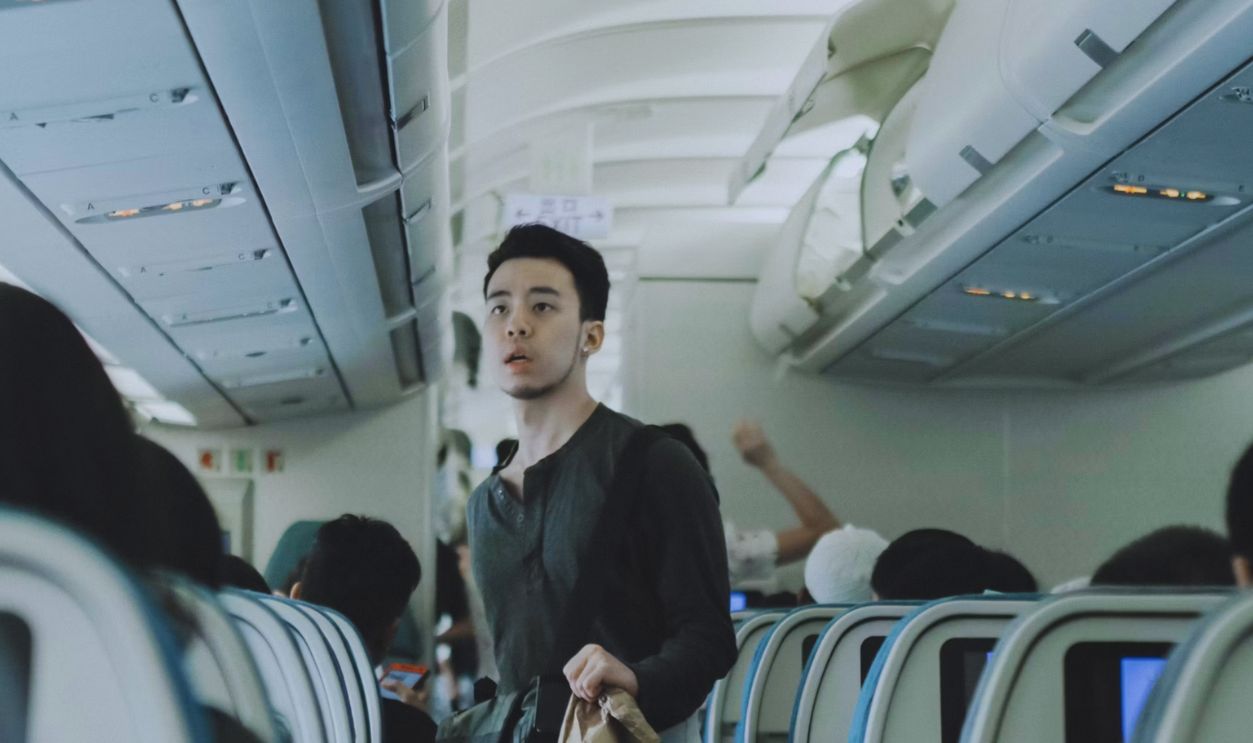
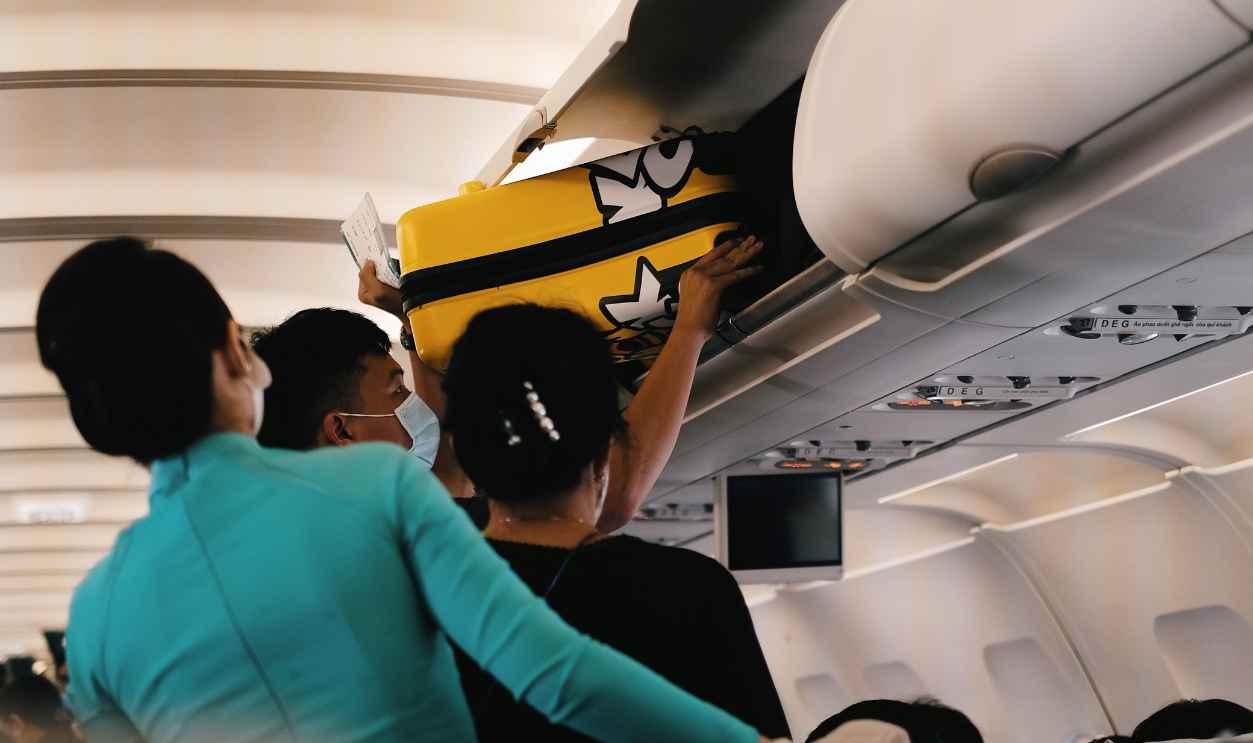
Dropping your suitcase into the first empty bin before continuing to your seat near the back may feel wonderfully efficient—for you. Unfortunately, passengers seated beneath that bin must now hunt for space elsewhere, potentially creating a chain reaction that slows boarding and makes deplaning even messier.
The Drinks Are Not Their Real Job
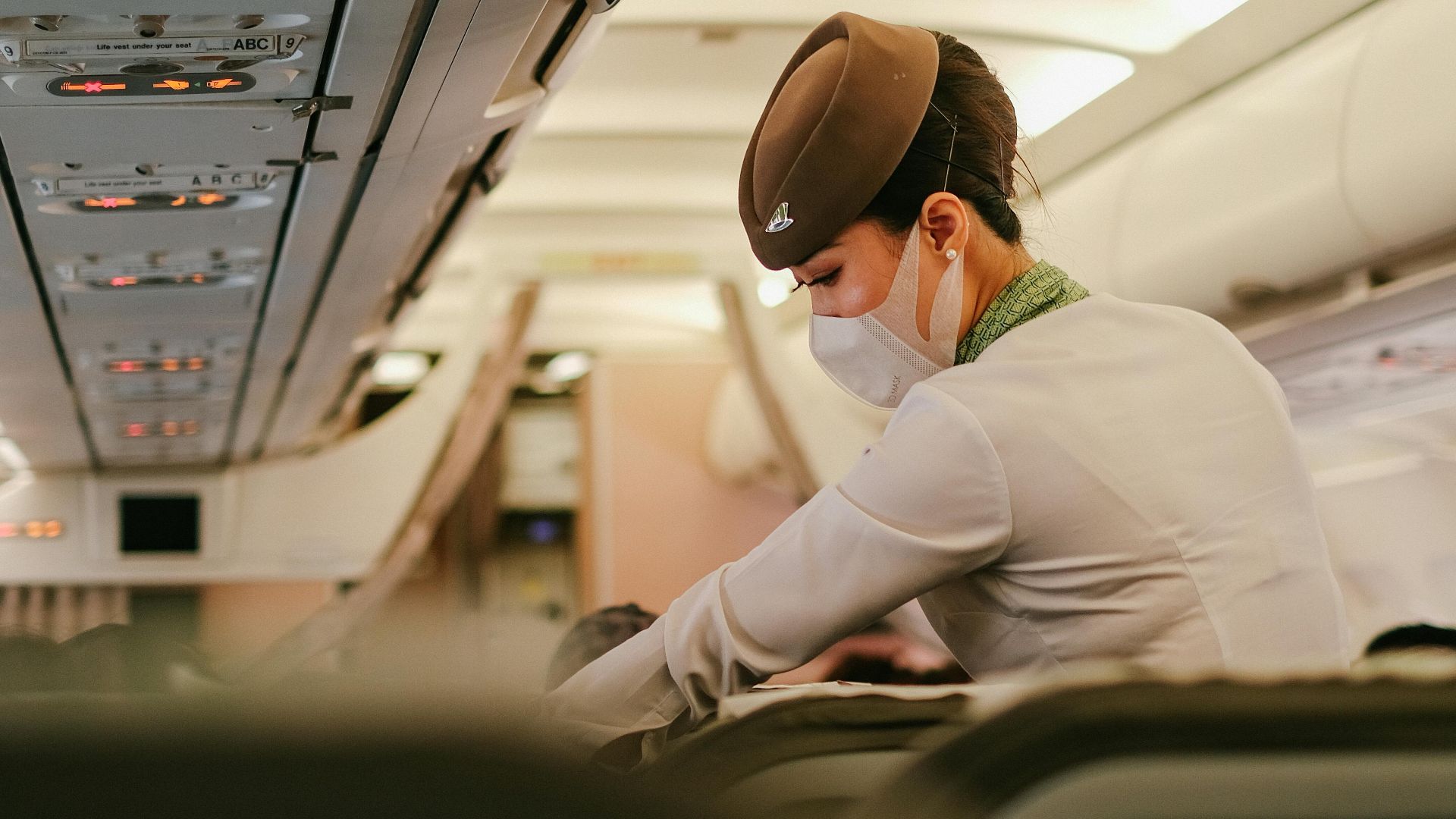
Passengers mostly see flight attendants handing out drinks and collecting cups. But their primary responsibility is cabin safety, including evacuations, medical situations and disruptive passengers. Former Canadian Airlines lead flight attendant Christina Ling put it more directly: “We’re not just waitresses in the sky.”
There Are Fewer Of Them Than You Think
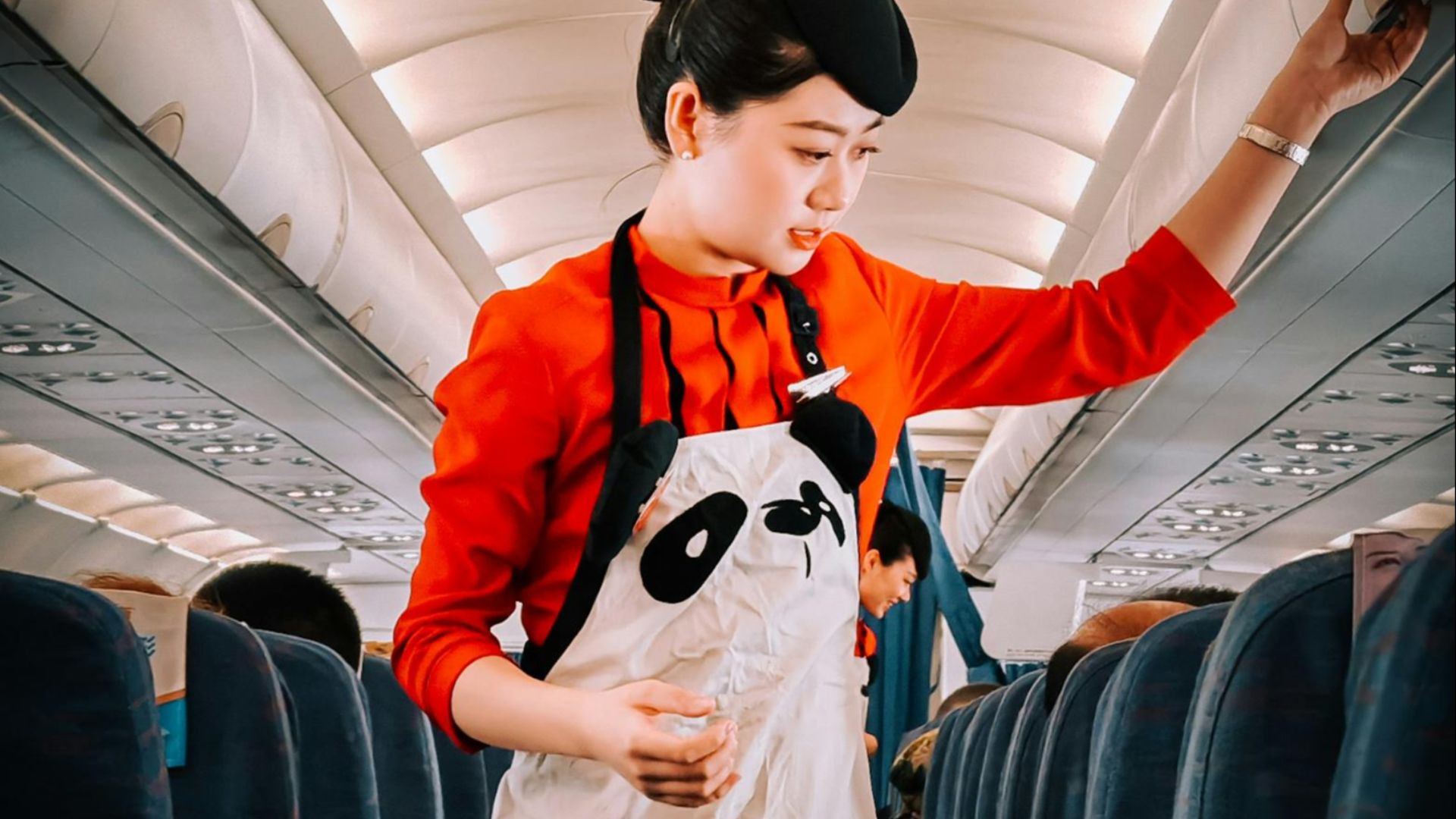
Under U.S. rules, an aircraft with 51 to 100 passenger seats may require only two flight attendants. Larger aircraft generally add one for each additional block of 50 seats. Ling summarized the workload nicely: “There are 50 passengers for every flight attendant.” A little patience suddenly seems reasonable.
Your Backpack Does Not Need A Penthouse
When the crew asks passengers to place smaller personal items beneath the seat, they are trying to preserve overhead space for larger carry-ons. A purse, coat, backpack and shopping bag do not each require separate upstairs accommodations while someone else’s suitcase is being sent back to the cargo hold.
Do Not Touch Someone Else’s Bag
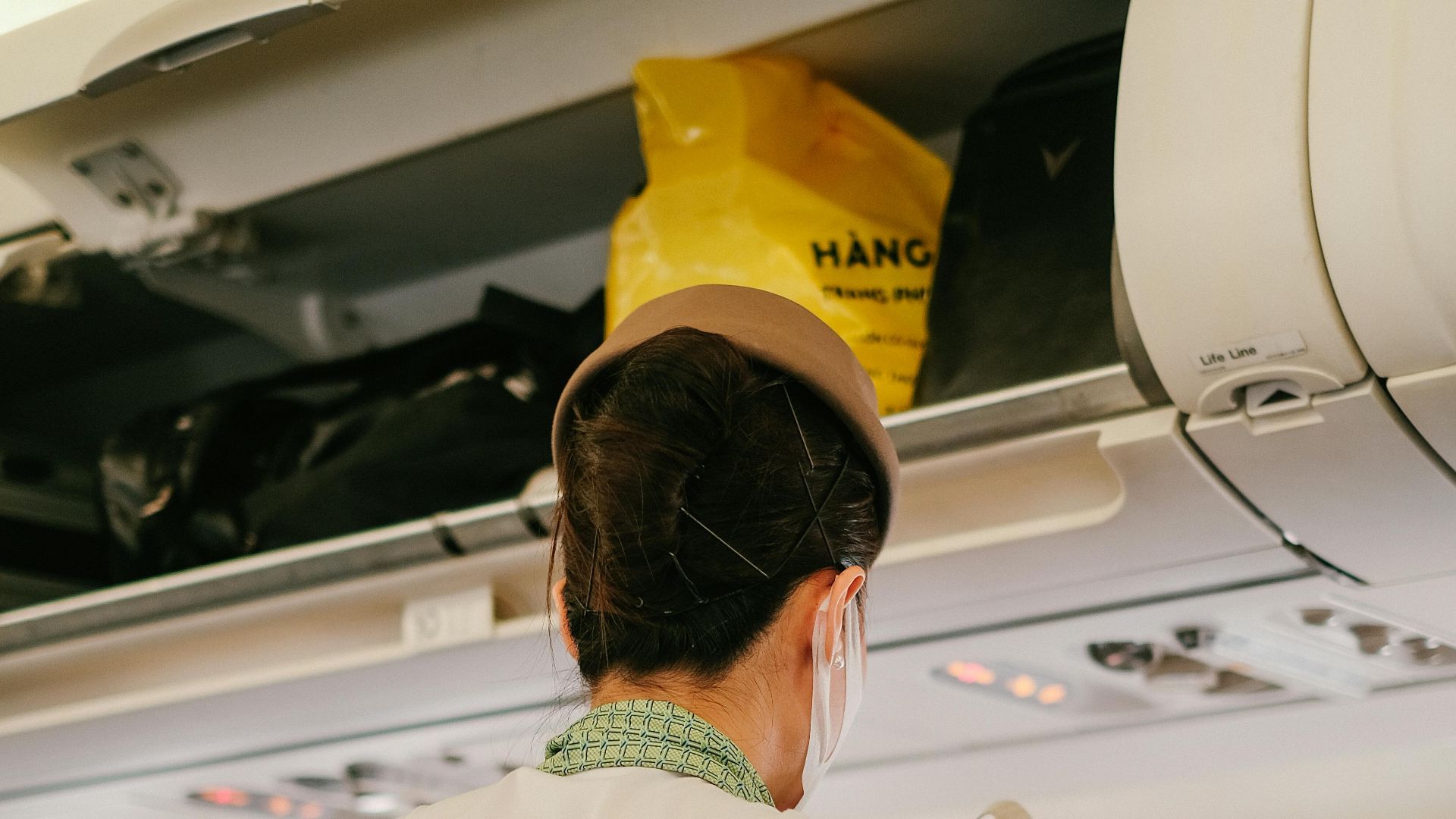
You may believe the suitcase beside yours would fit better if you rotated it, flattened it or moved it three rows away. Flight attendants would prefer that you ask before starting a luggage dispute. Rogers offered one beautifully uncomplicated rule: “Just don’t move other people’s stuff.”
If You Cannot Lift It, Check It
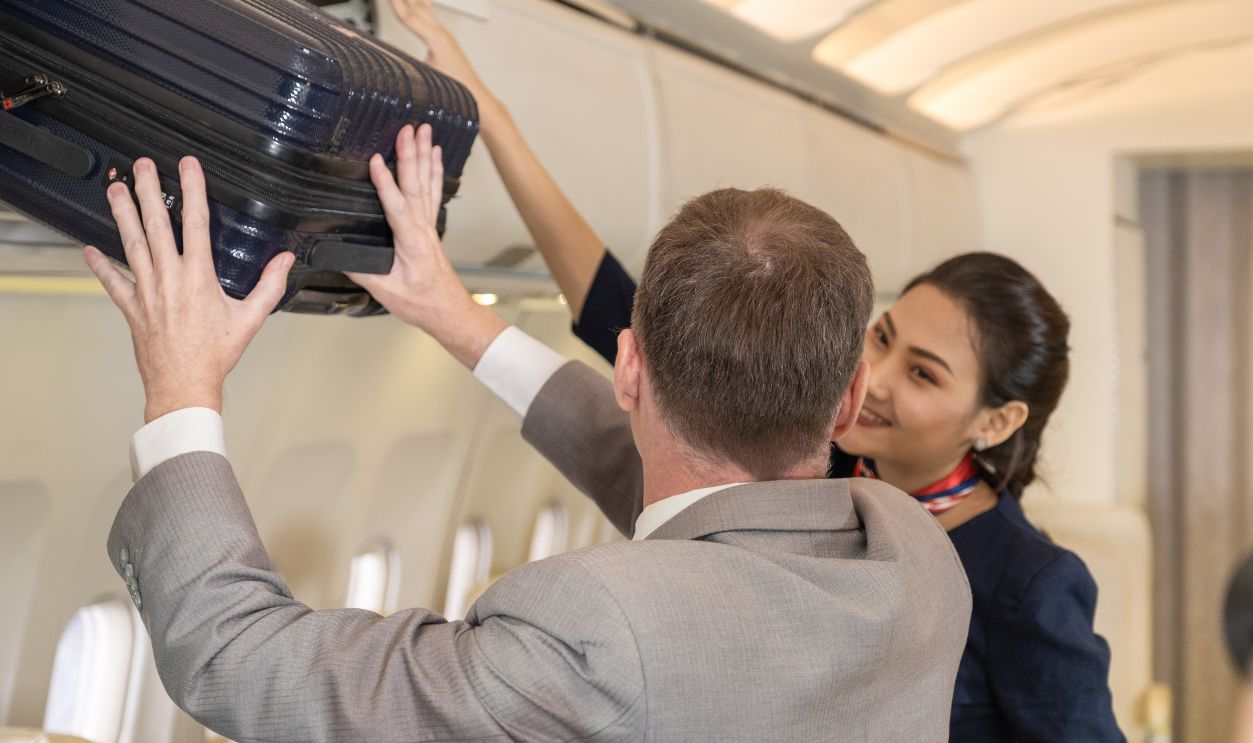
Flight attendants are not onboard baggage handlers. Flight-attendant union research has documented frequent strains and other injuries caused by lifting, positioning and handling passenger luggage. If your suitcase requires two strangers and an inspirational speech to reach the bin, it is too heavy.
Sit In The Seat On Your Boarding Pass
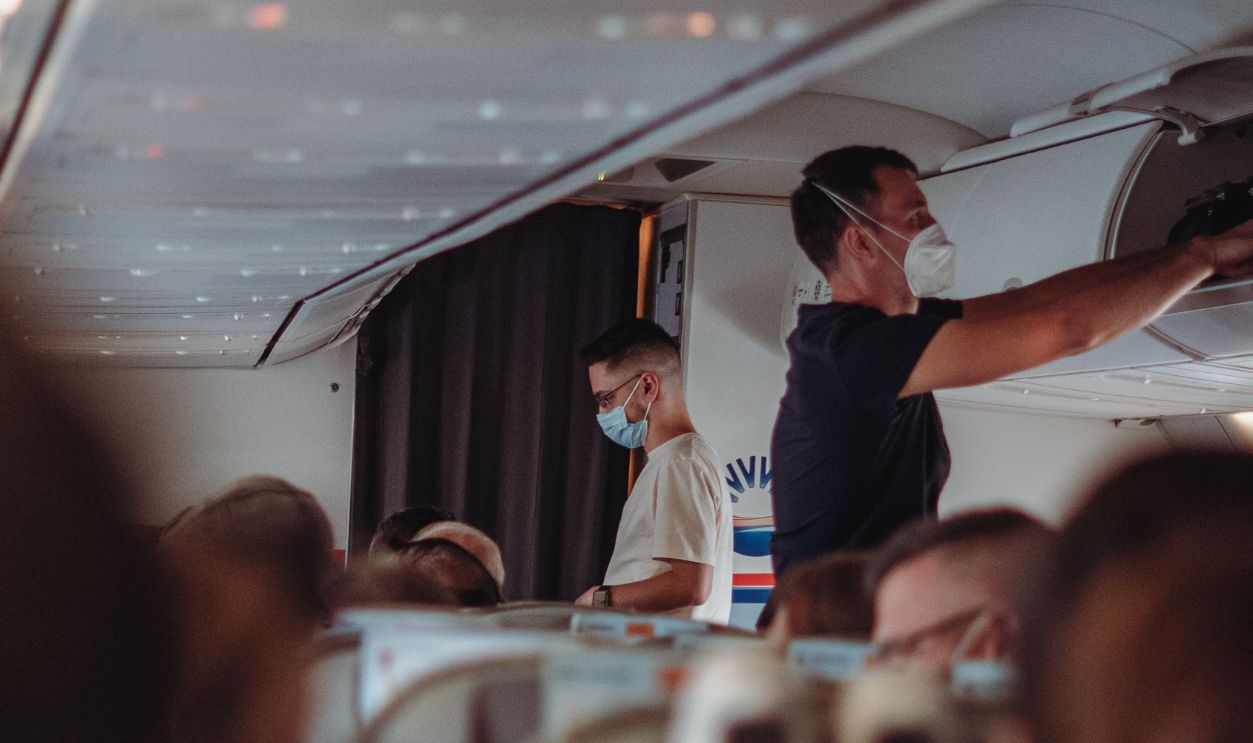
Taking an empty seat or arranging an unofficial trade while everyone is boarding creates confusion and blocks the aisle. On smaller or lightly occupied aircraft, passenger placement can also matter to the plane’s weight distribution. Ask the crew before upgrading yourself to that suspiciously empty row.
Boarding Is Not Beverage Service
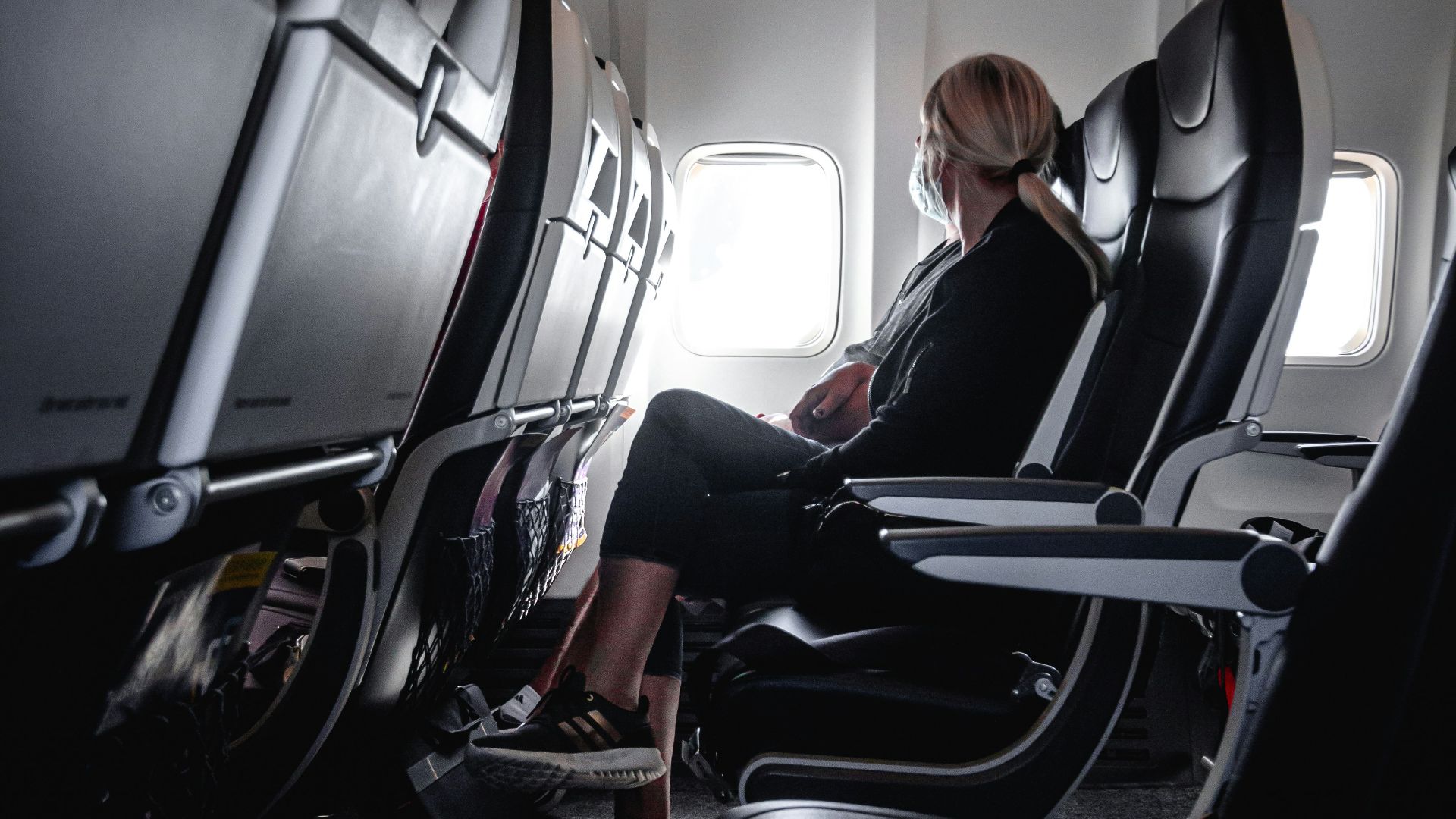
Unless there is a medical reason, try not to request water the moment you step aboard. Flight attendants are checking equipment, helping passengers and trying to complete boarding on schedule. Fill a bottle before boarding and keep it somewhere reachable instead of burying it beneath seven days of clothing.
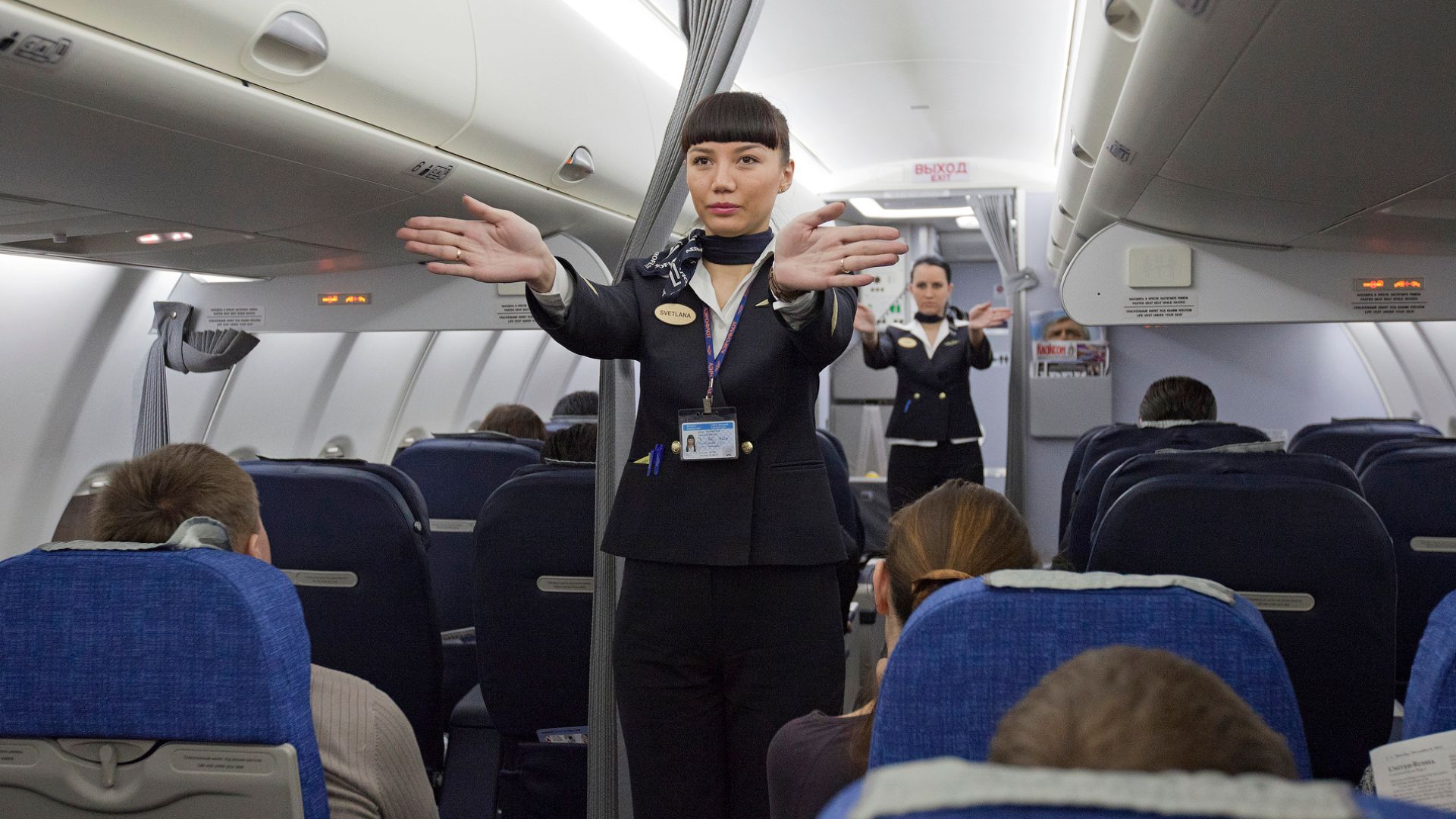
The Safety Demonstration Is Not Background Entertainment
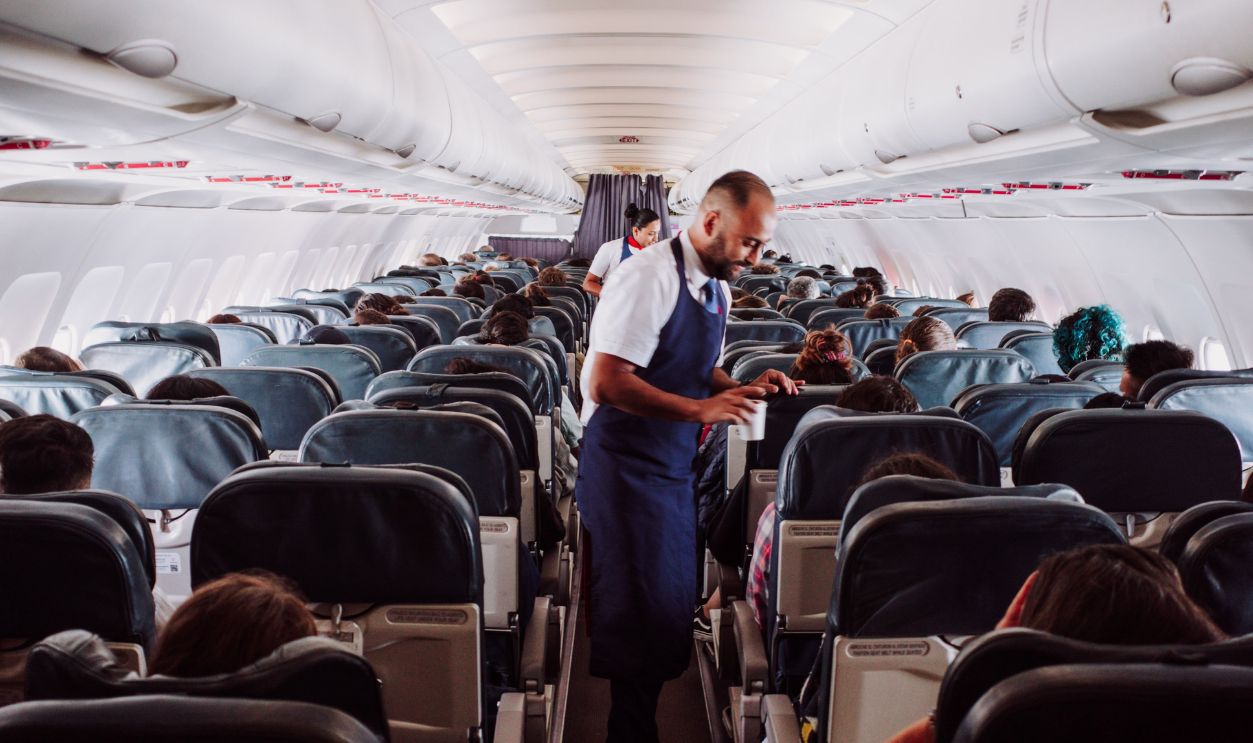
Yes, you probably know how a seat belt works. You may not know where the nearest usable exit is, how the oxygen masks operate or whether this aircraft’s procedures differ from the last one you flew. Flight attendants hate presenting potentially lifesaving information to a cabin staring at phones.
 SuperJet International, Wikimedia Commons
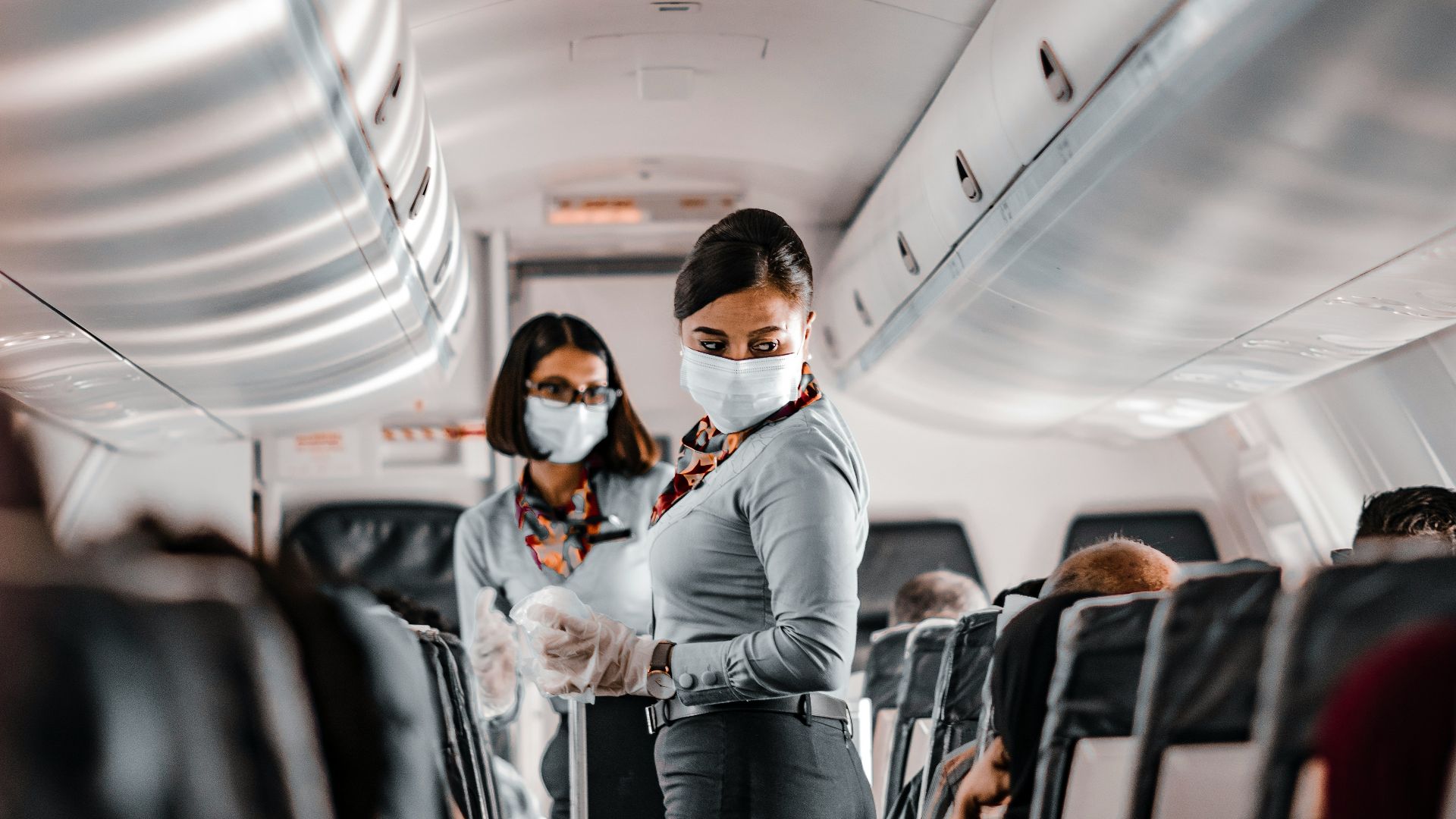
Leave The Suitcase Behind
In 2026, an IATA survey found that only 61% of passengers correctly understood that everything should be left behind during an evacuation. One in ten admitted they might still take baggage, even after being told not to. A suitcase can block an aisle, damage an evacuation slide and steal seconds from everyone behind you.
 Ismail Mohamed - SoviLe, Unsplash
You May Have Only 90 Seconds
Aircraft evacuation procedures are designed around a 90-second safety benchmark, yet the same IATA research found that only 18% of passengers knew that. This is why attendants need passengers listening, moving and leaving their belongings behind—not filming, arguing or attempting to rescue a carry-on filled mostly with dirty laundry.
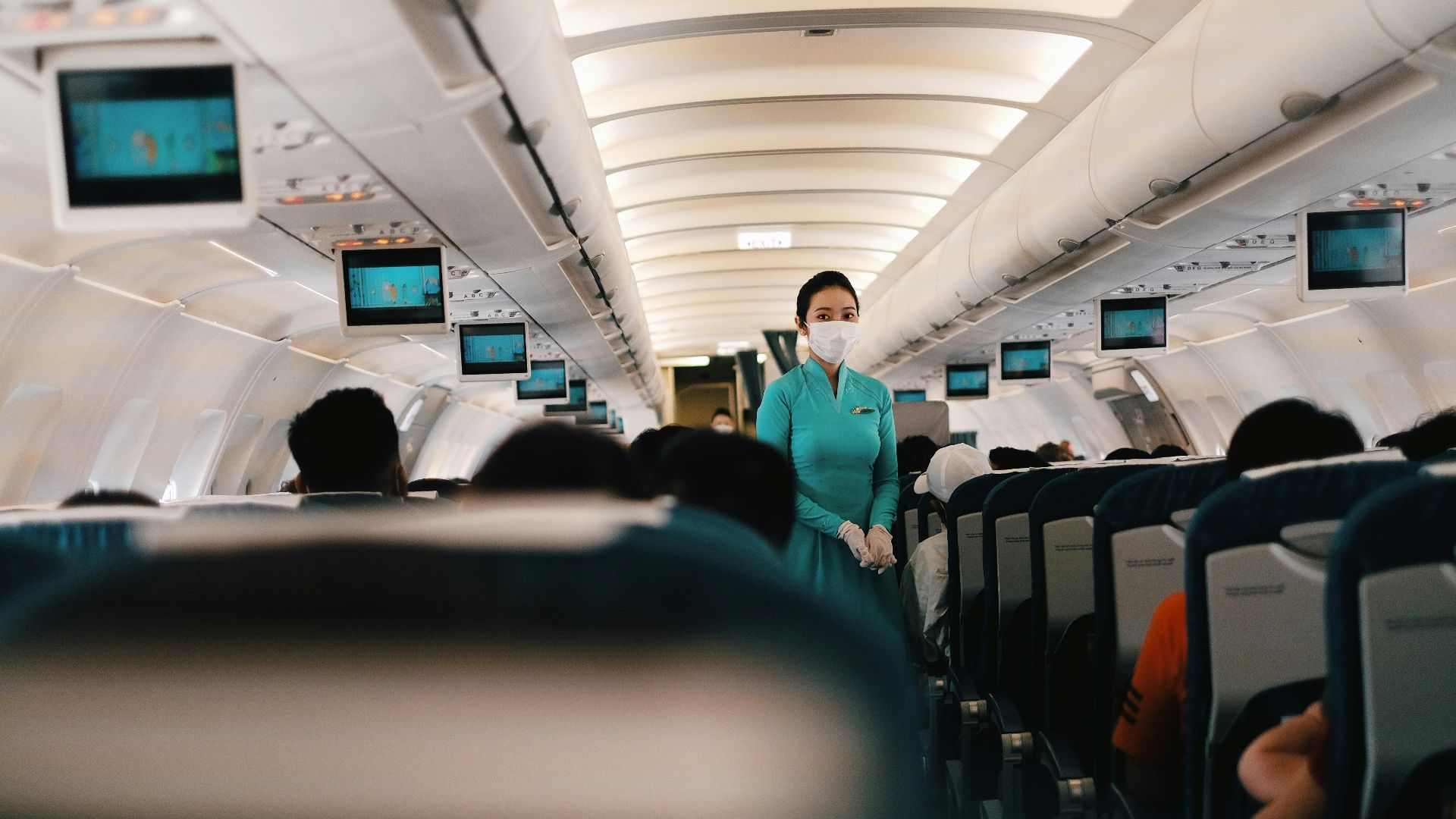
Remove Your Headphones During Service
The beverage cart is approaching. Pause the movie, remove at least one earbud and decide what you want. Forcing an attendant to repeat every question while a long aisle of thirsty passengers waits behind them turns a simple drink service into a painfully slow game of charades.
Do Not Hand Them Trash With The Food
There is a time for garbage collection, and it is not while the attendant is handling someone else’s meal. Trying to hand over used tissues, sticky cups and mystery-filled wrappers during food service is unpleasant and unhygienic. Ling specifically named this as one of the habits flight attendants hate.
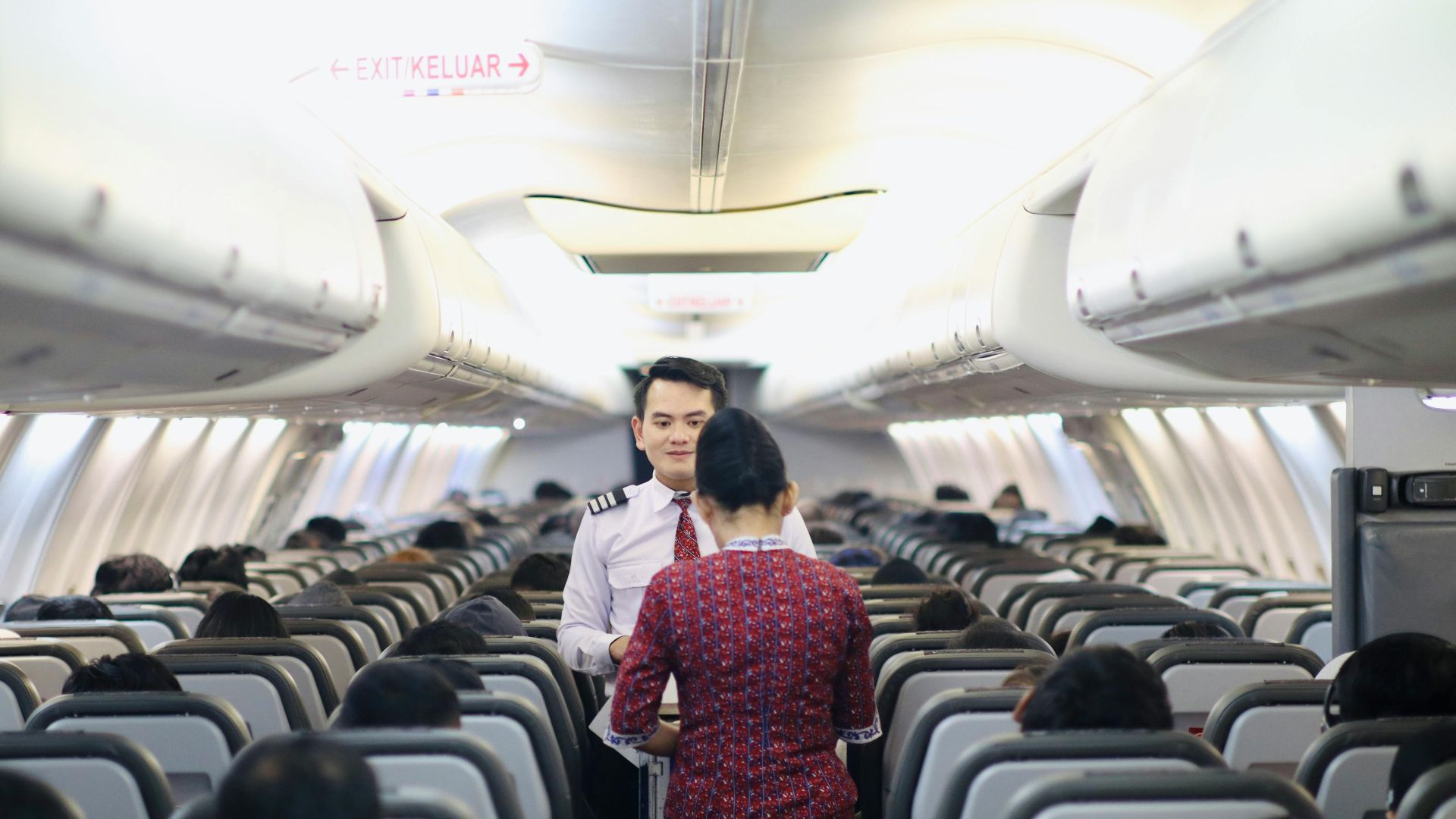
The Call Button Is Not A Toy
The button is there for medical concerns, safety issues, accessibility needs or situations where leaving your seat would disturb other passengers. Flight attendants generally prefer it to being poked or grabbed. What they dislike is repeated ringing for trash collection, flight updates or requests that can easily wait.
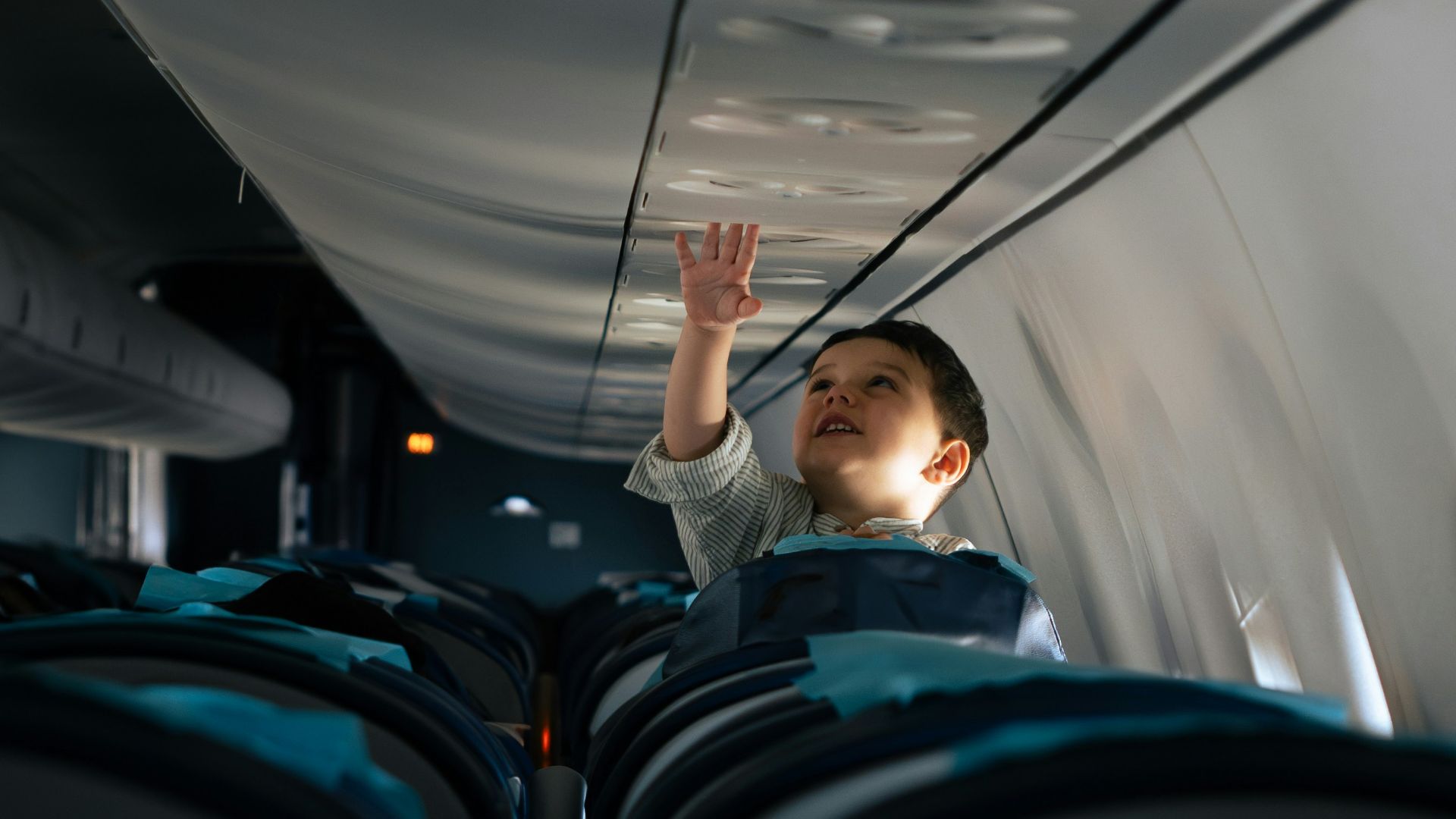
Stop Poking The Flight Attendants
Flight attendants wear name tags, and phrases such as “excuse me” continue to function at cruising altitude. There is no need to grab their clothing, touch their arms or wave garbage inches from their faces. They are working professionals—not physical buttons you press when the overhead one feels too impersonal.

The Galley Is Not Your Private Gym
A short walk may help during a long flight. Turning the galley into a yoga studio is another matter. It is the crew’s workspace, food-preparation area and one of the few places where attendants may briefly regroup. Ling specifically asked passengers to stop using it for stretching sessions.
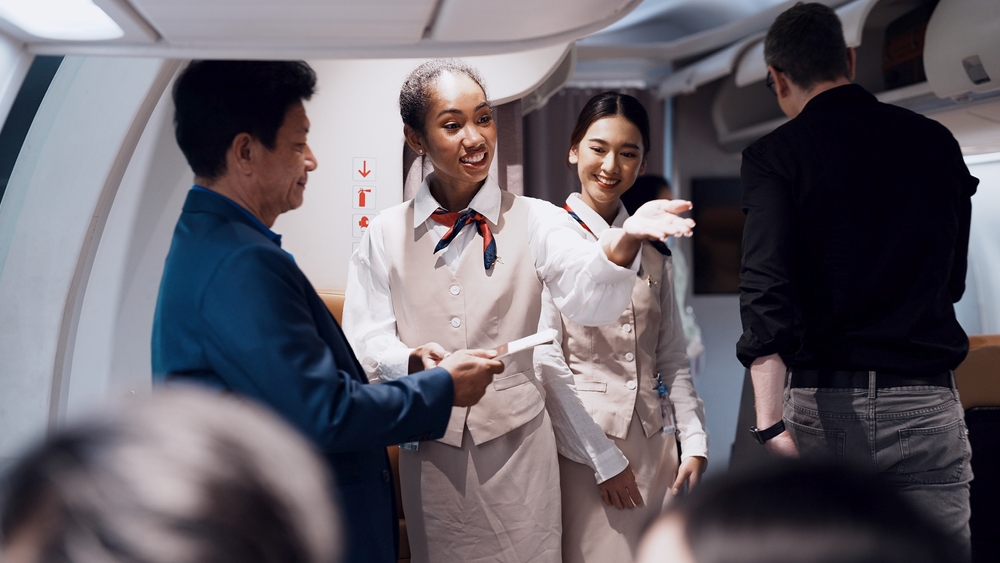
Time Your Bathroom Trip
The instant a heavy service cart enters the aisle is apparently when some passengers discover an urgent need to reach the lavatory. Once that cart is wedged between the seats, attendants may have nowhere to move it. Go before service begins—or wait until it has passed.
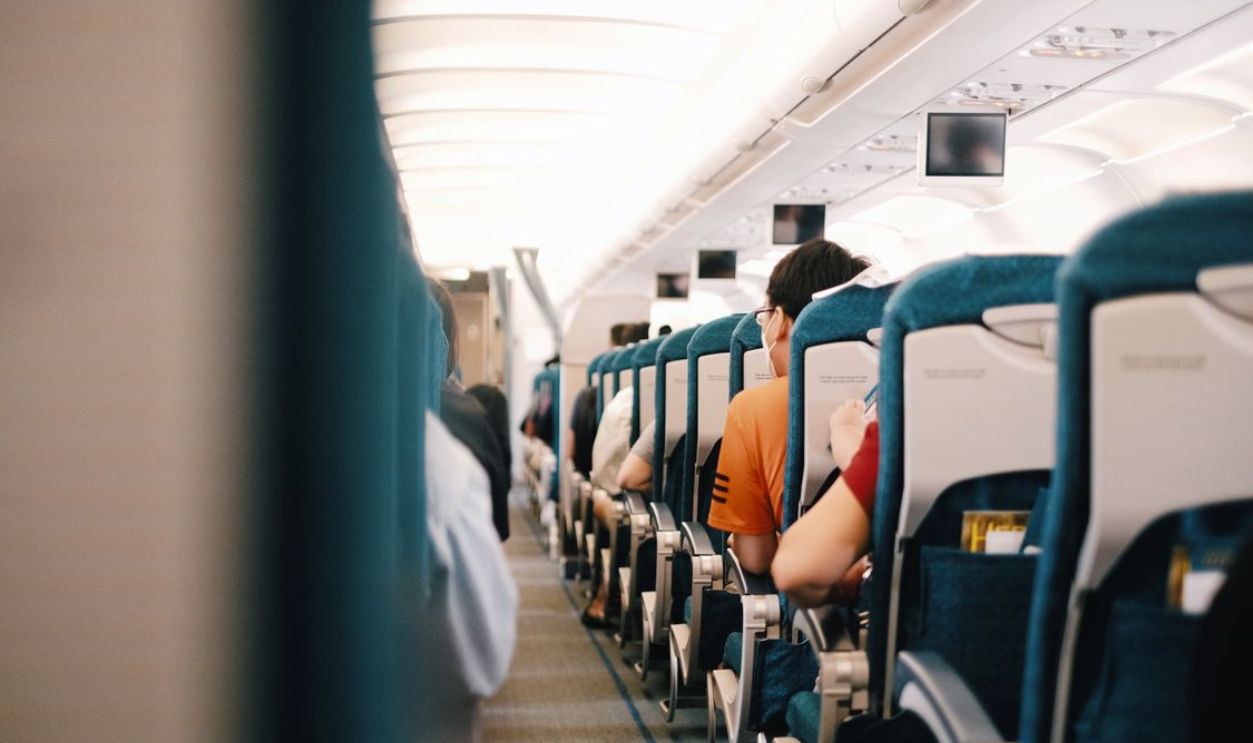
Keep The Seat Belt Fastened
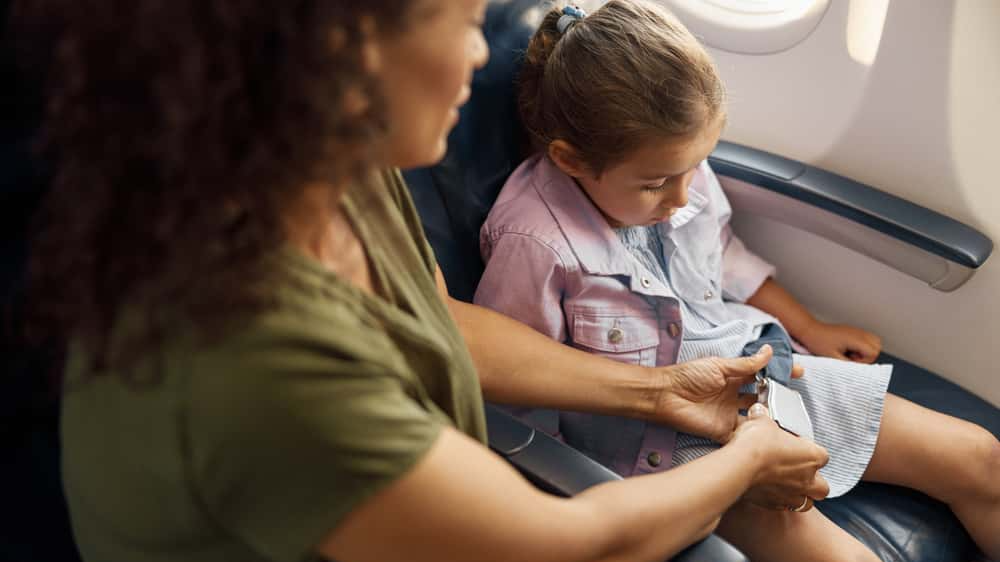
Turning off the sign does not mean turbulence has agreed to provide advance notice. The FAA recommends keeping your belt fastened whenever you are seated. Flight attendants become understandably frustrated when passengers ignore instructions, stand during rough air or leap up while the aircraft is still moving.
 Yaroslav Astakhov, Shutterstock
Keep Your Shoes And Socks On
Nobody expects passengers to remain dressed for a board meeting, but bare feet cross a line. Flight attendants repeatedly mention foot odor, feet placed on cabin walls and passengers wandering into the lavatory without shoes as some of the most unpleasant recurring sights onboard.
The Plane Is Not A Nail Salon
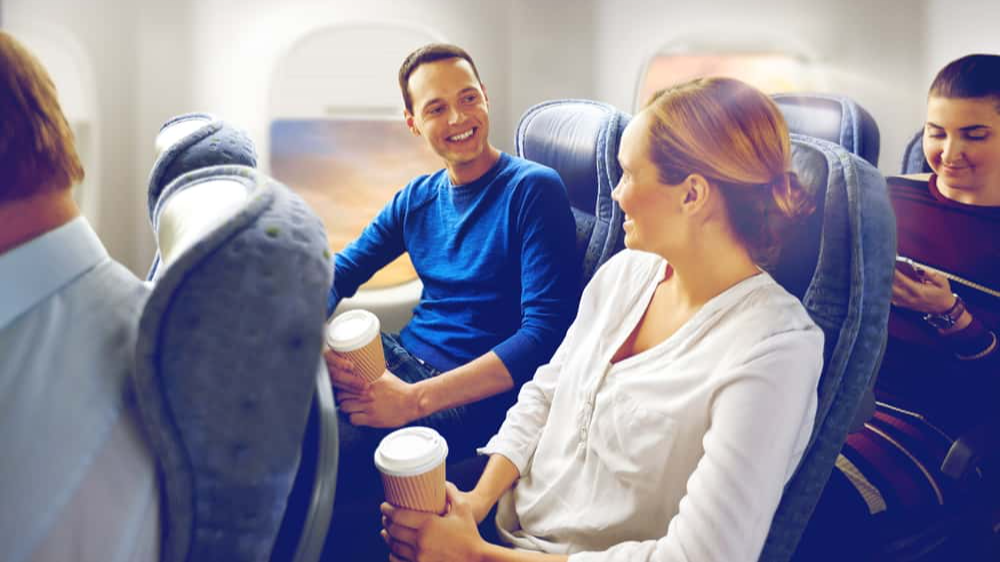
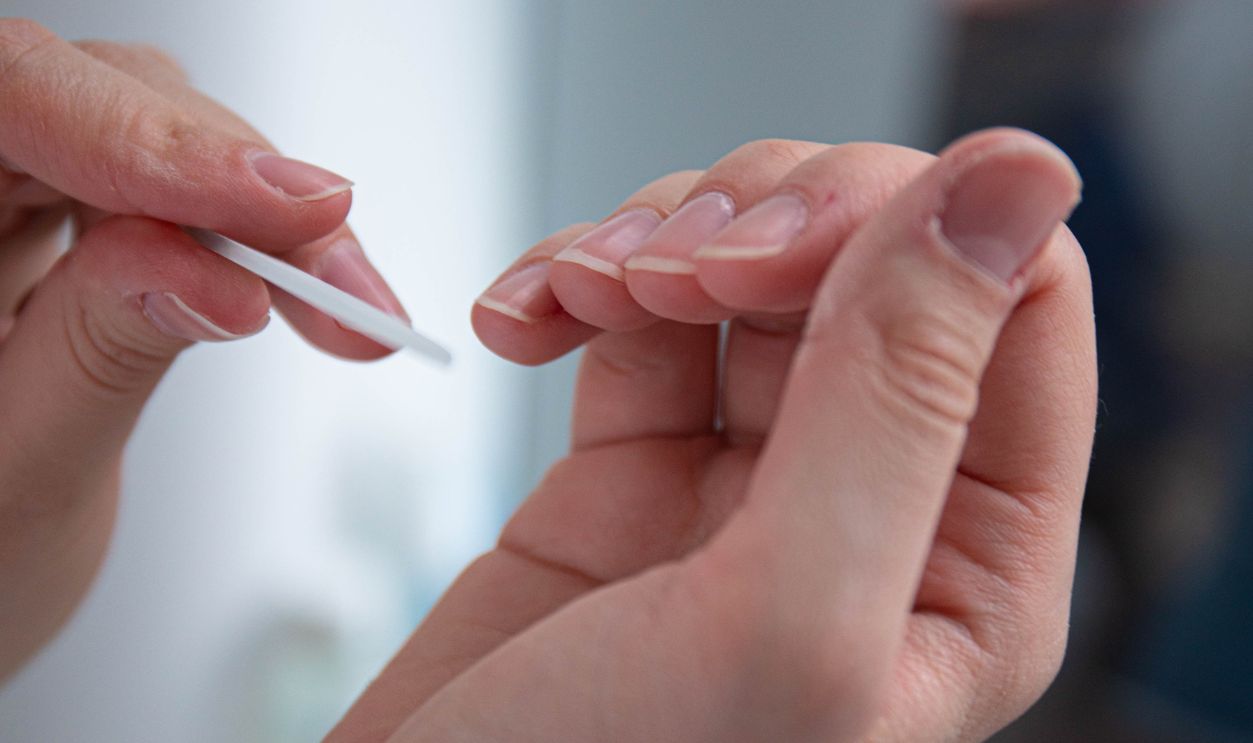
Clipping fingernails, trimming toenails, brushing loose hair into the aisle or performing an elaborate grooming routine forces everyone nearby to participate. A commercial flight is shared transportation—not your bathroom at home with 180 unwilling spectators trapped beside you.
Leave The Powerful Smells On The Ground
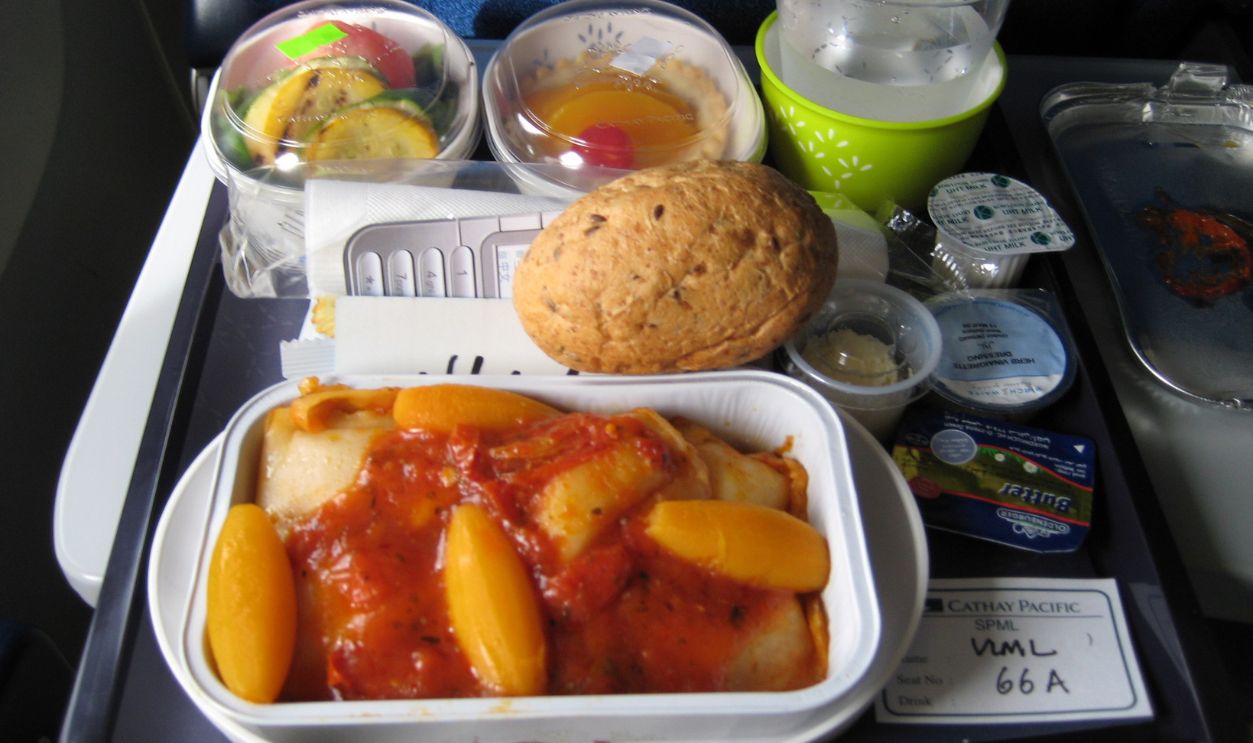
Strong perfume, fragrant takeout and leftovers powerful enough to announce themselves six rows away have nowhere to escape inside a crowded cabin. Ling asked passengers to avoid heavy fragrances and particularly strong food. Everyone around you must share that air until the doors finally open.
Nobody Wants To Hear Your Movie
The rest of the cabin did not choose your podcast, video game or action movie. Playing audio without headphones is one of those behaviors almost universally hated by crew members and passengers. The speaker may be tiny, but it can somehow still reach every seat on the aircraft.
 Ekaterina Pokrovsky, Shutterstock
Use The Changing Table
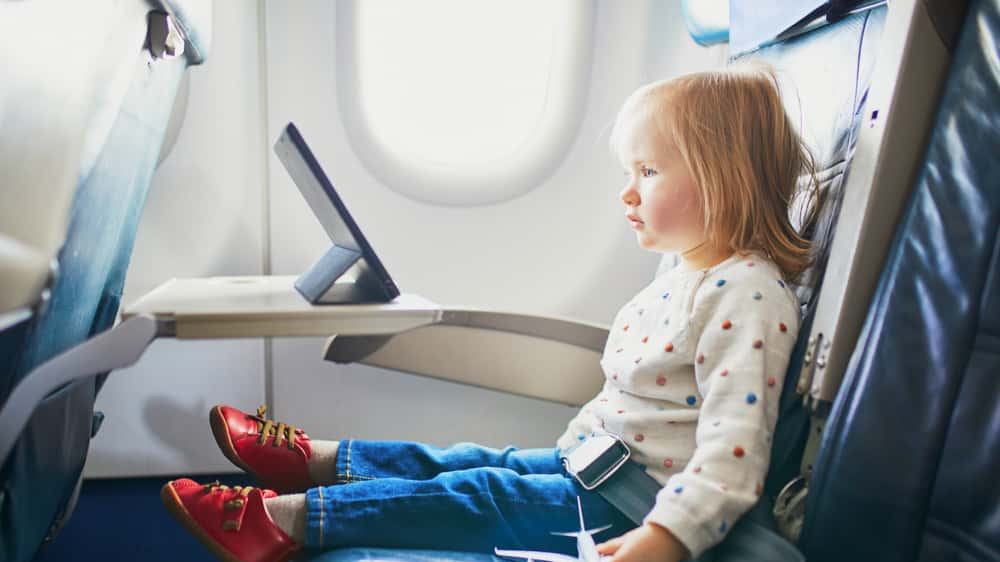
Where a changing table is available in the lavatory, use it. Changing a diaper on a passenger seat exposes nearby travelers to something they never agreed to experience. And once the job is finished, do not attempt to place the used diaper directly into a flight attendant’s hand.
Your Child Is Still Your Responsibility
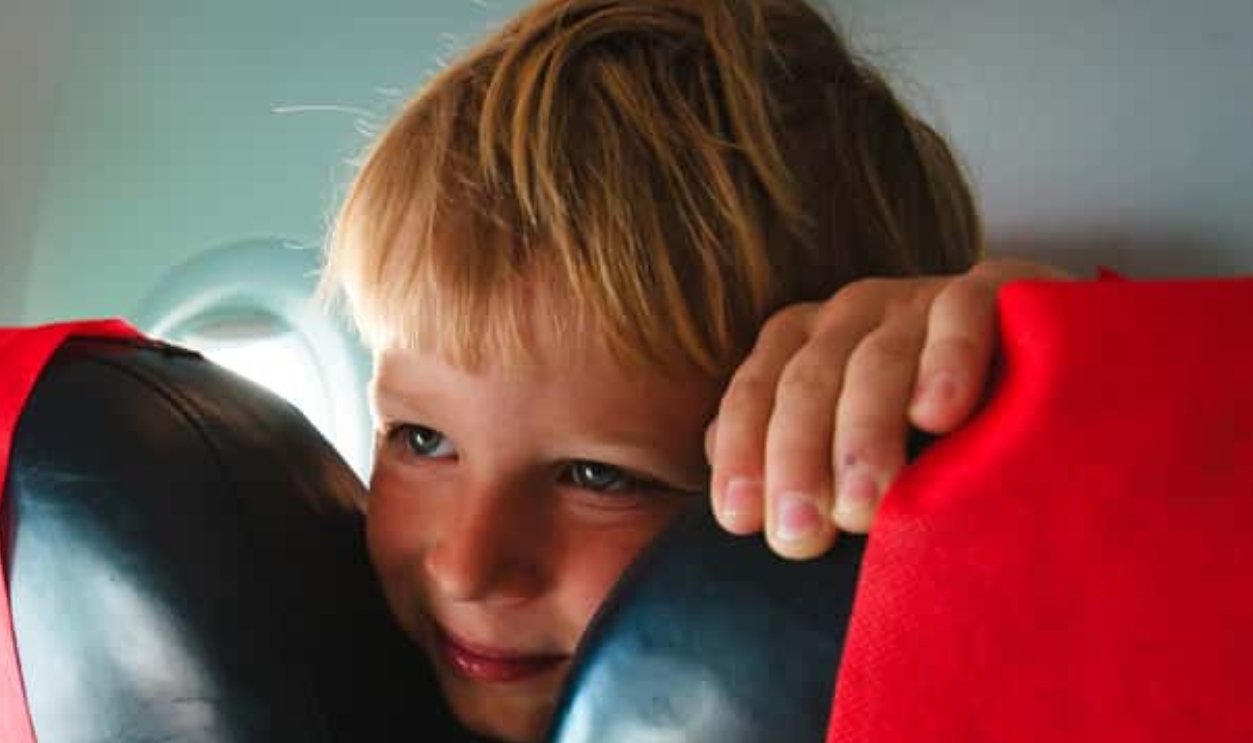
Flight attendants understand that children become restless, frightened and bored. They are less understanding when parents ignore repeated seat kicking, climbing or running through the aisle. The crew is responsible for cabin safety. They are not complimentary babysitters included with the price of the ticket.
A Tantrum Can Become Very Expensive
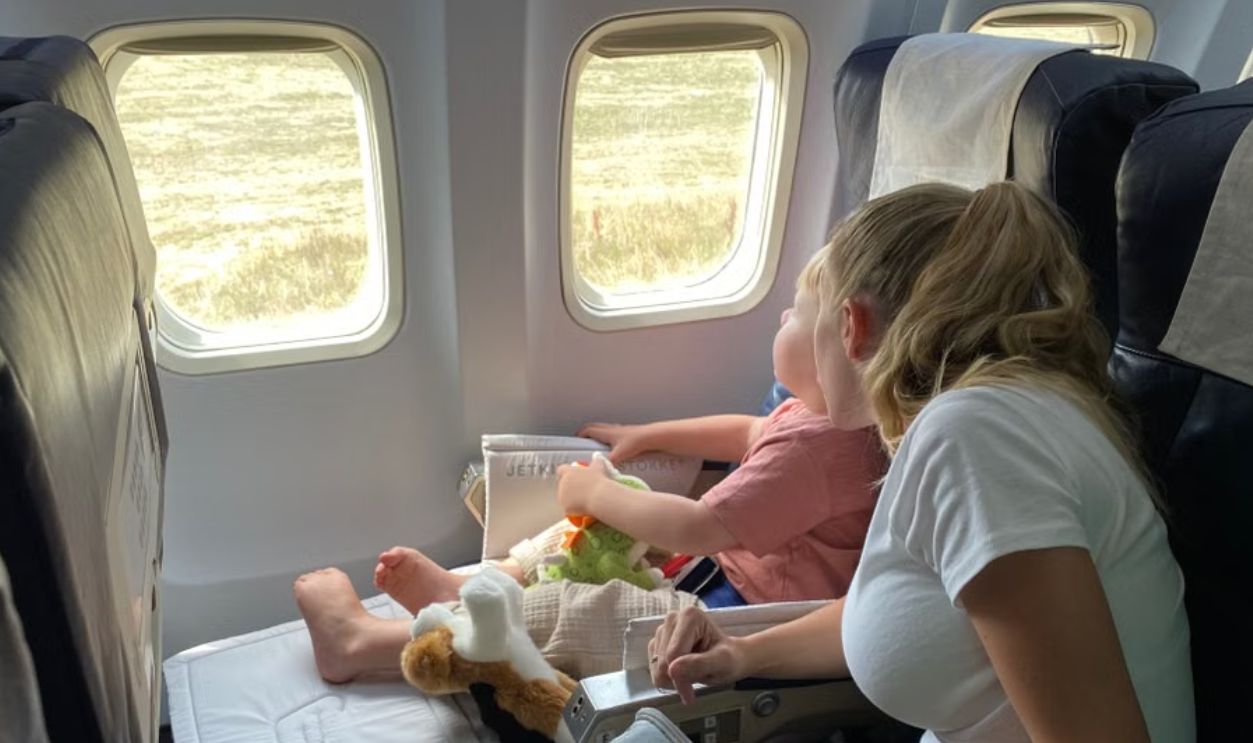
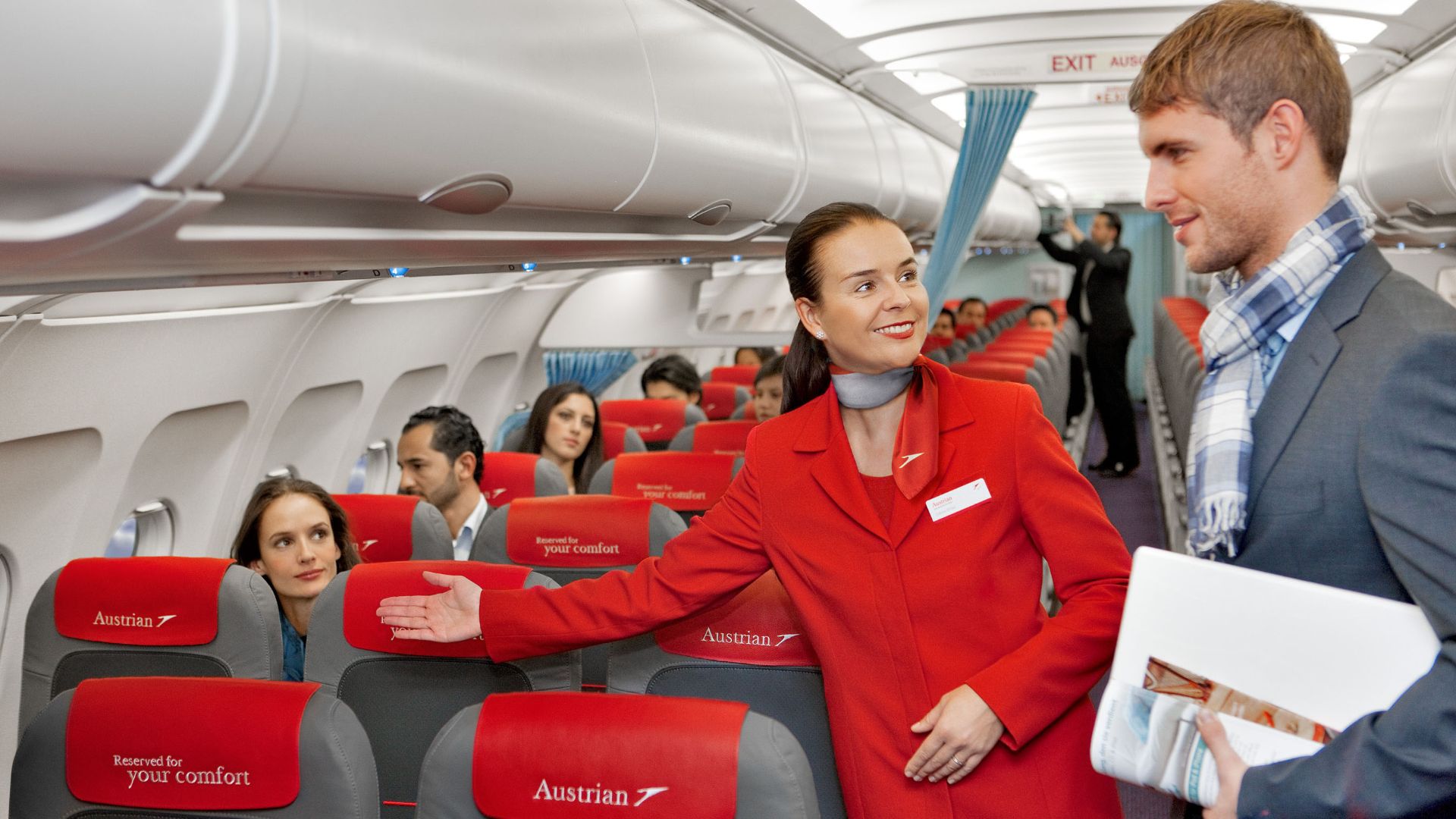
Flight attendants did not create the thunderstorm, schedule the late aircraft or personally break whatever part is being inspected. Interfering with a crew member’s duties violates U.S. federal law, and the FAA says unruly passengers can face proposed civil penalties of up to $43,658 per violation—with several violations possible during one incident.
 Austrian Airlines, Wikimedia Commons
Wait Your Turn To Get Off
The seat belt sign switches off and suddenly half the aircraft is standing, opening bins and attempting to charge forward from row 28. Unless the crew announces otherwise, let the rows ahead move first. Jumping six rows saves a few seconds while irritating almost everyone who politely waited.
You Might Also Like:
The Dos and Don'ts of Train Travel Every Passenger Should Know