Feeling The Squeeze
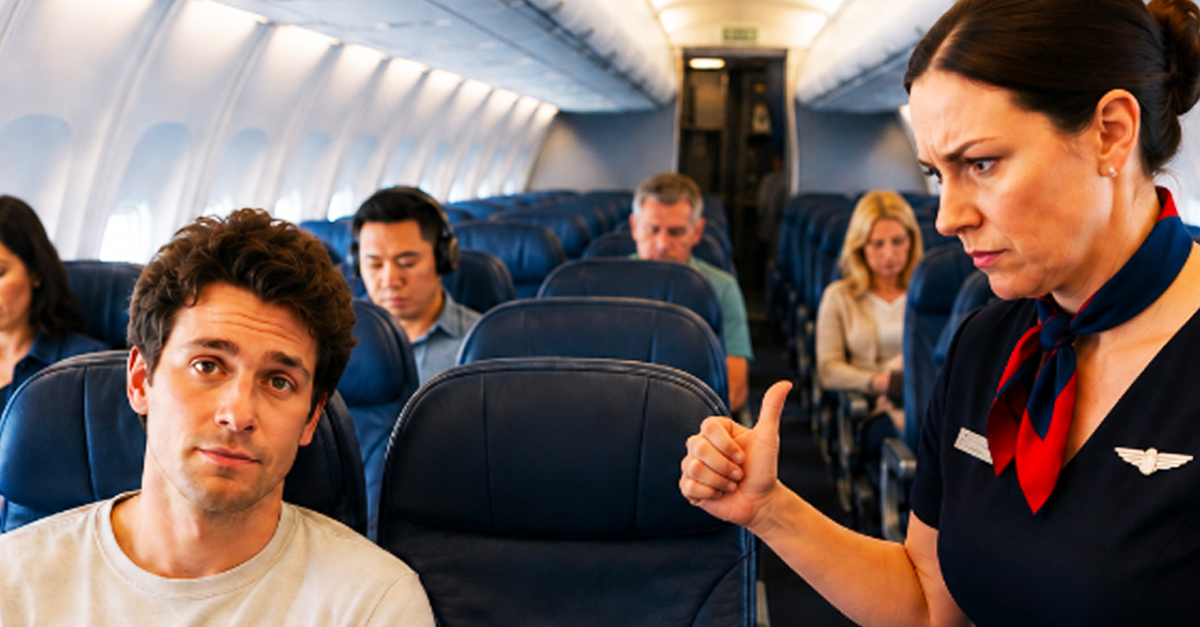
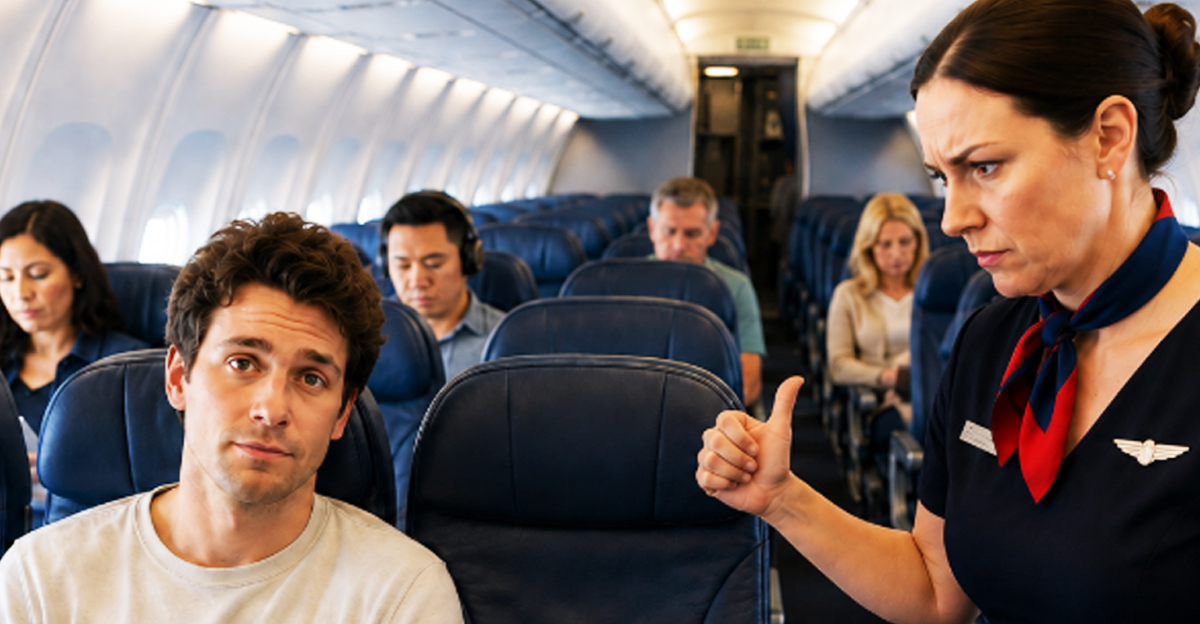
You boarded a flight expecting the cramped experience of the middle seat between two large people, only to notice several empty seats and even entire unoccupied rows nearby. Naturally, you tried to move for a little extra comfort. Then a flight attendant told you to get back to your original seat, leaving you at a loss as to why airlines sometimes refuse such simple requests.
Airline Seating Policies Have Changed Dramatically
Air travel used to feel more flexible, especially on partially empty flights. Today, airlines increasingly treat seats as carefully managed products tied to ticket pricing, loyalty programs, upgrades, and boarding systems rather than simple physical spaces on an airplane.
Empty Doesn’t Always Mean Available
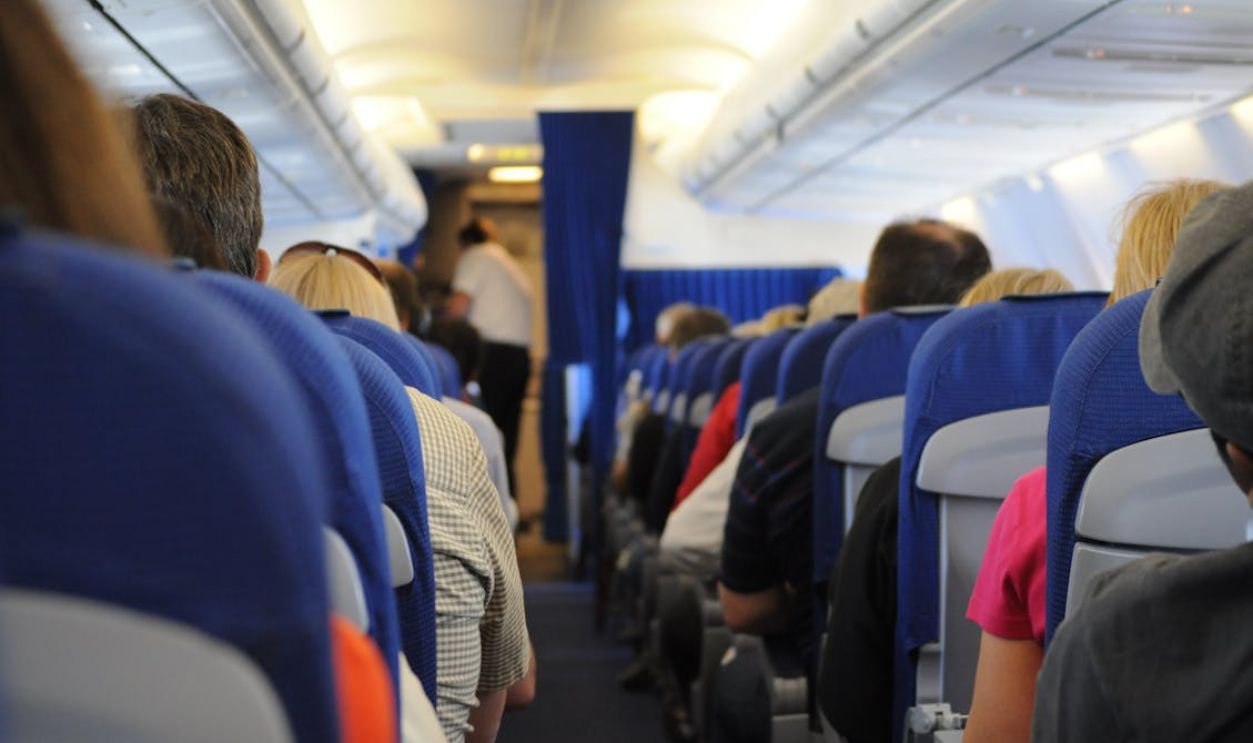
Passengers often assume an empty seat automatically becomes fair game after boarding. Airlines sometimes view things differently. Certain seats may technically remain tied to upgraded fares, priority passengers, crew balancing requirements, or operational procedures even when nobody ends up sitting in them.
Flights Often Change At The Last Minute
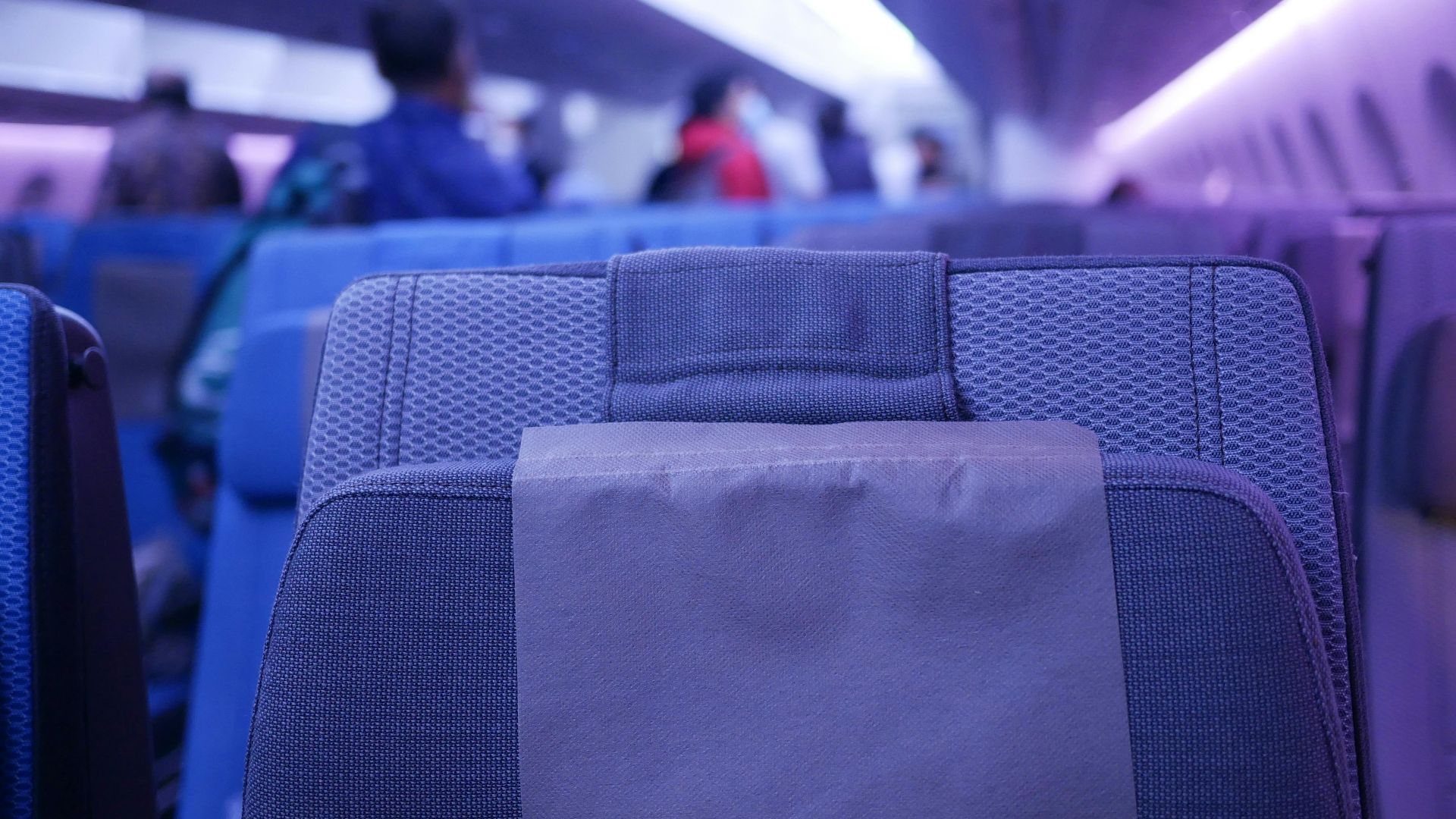
Passengers frequently get rerouted, upgraded, delayed, or transferred between flights shortly before departure. A row that looks completely empty during boarding may still be reserved temporarily for passengers arriving late from connecting flights or standby lists.
Basic Economy Has Increased Restrictions
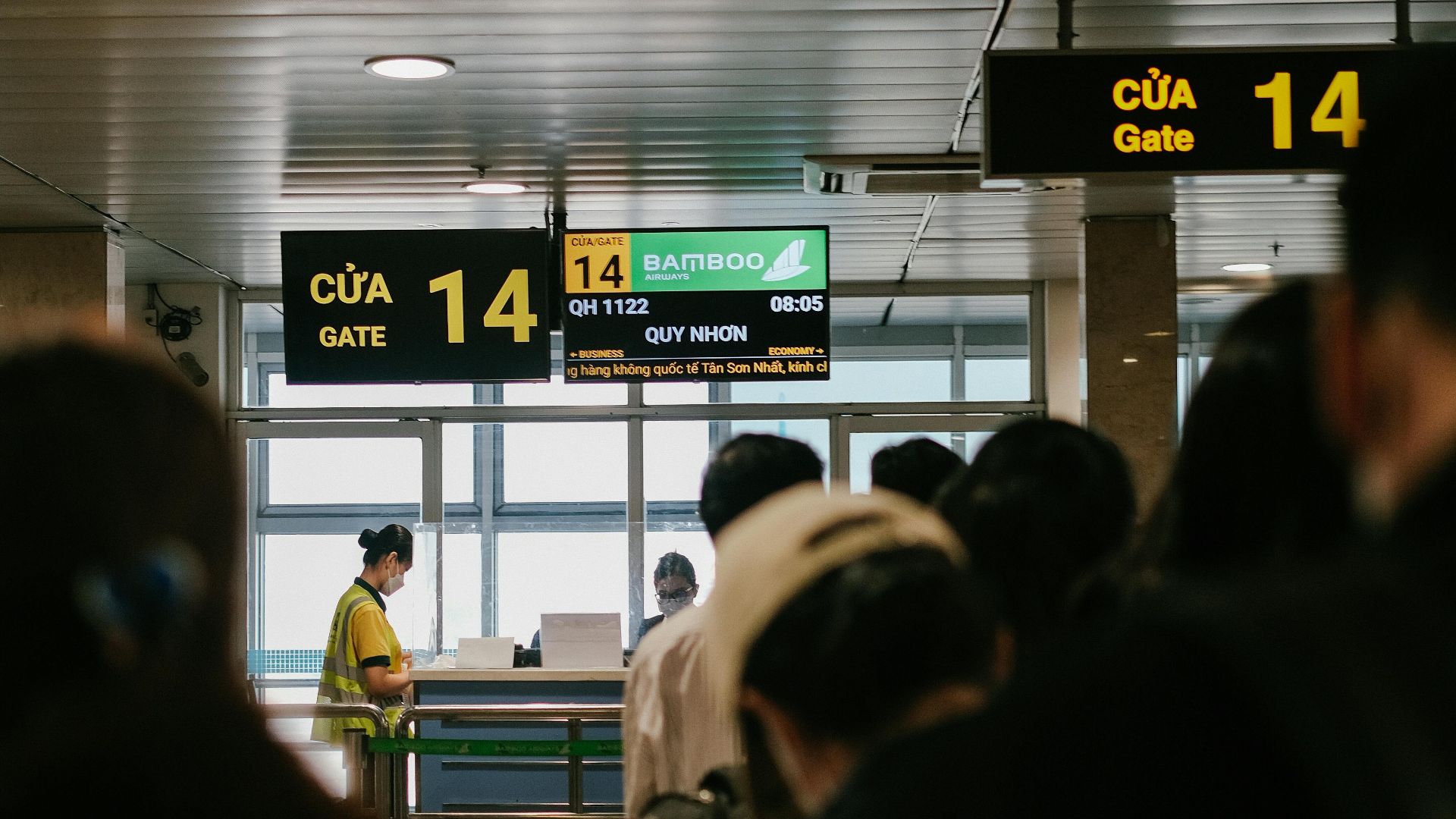
Many airlines now separate passengers into increasingly complicated fare categories. Travelers paying lower fares sometimes lose flexibility involving seat selection, boarding priority, carry-on luggage, or the ability to move freely during the flight.
Some Airlines Still Allow Flexible Seating
Policies vary dramatically between airlines and even between individual flight crews. Some attendants allow passengers to spread out freely once boarding ends, while others strictly enforce assigned seating rules regardless of how empty the cabin appears.
Flight Attendants Are Expected To Enforce Policy
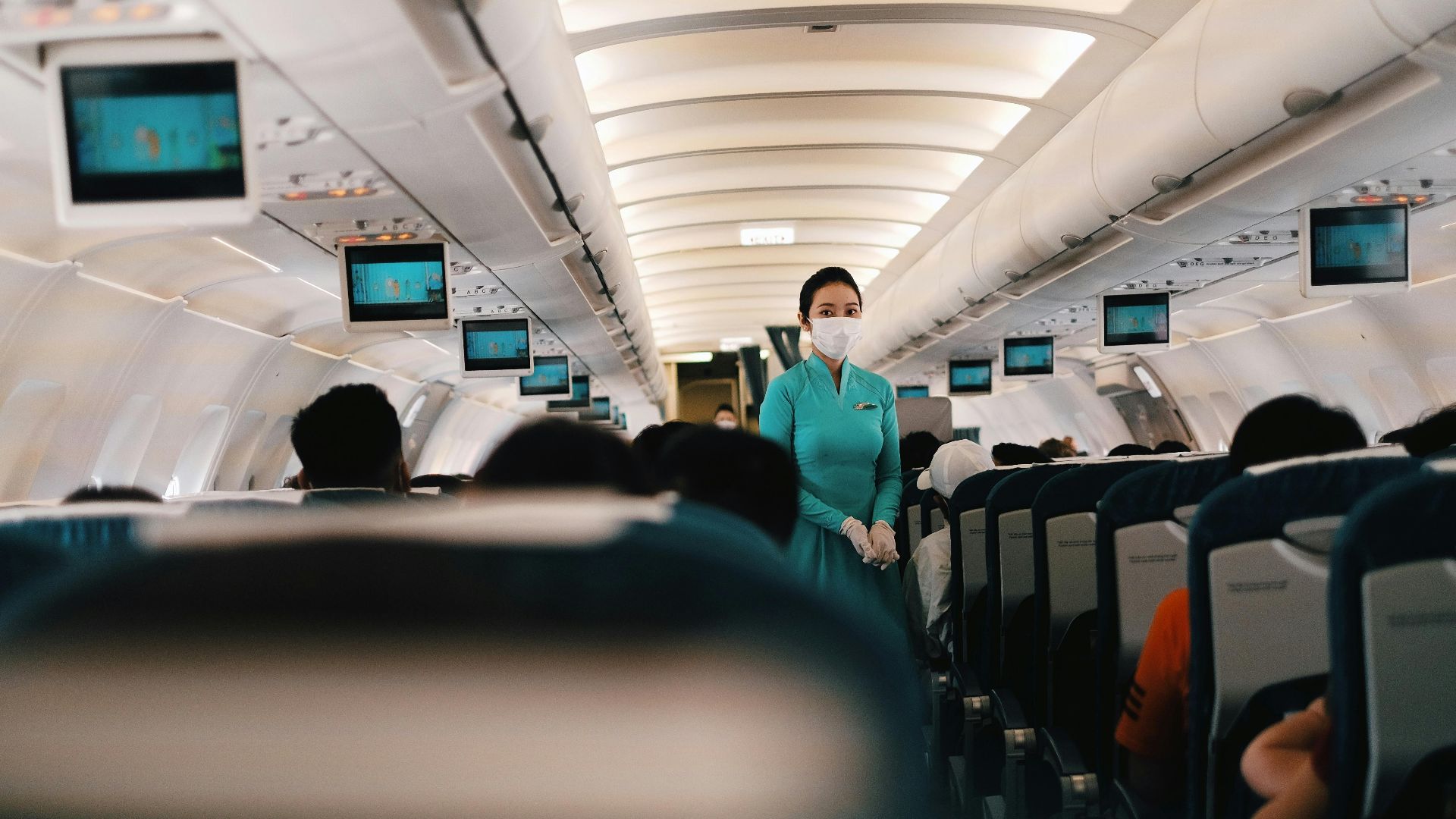
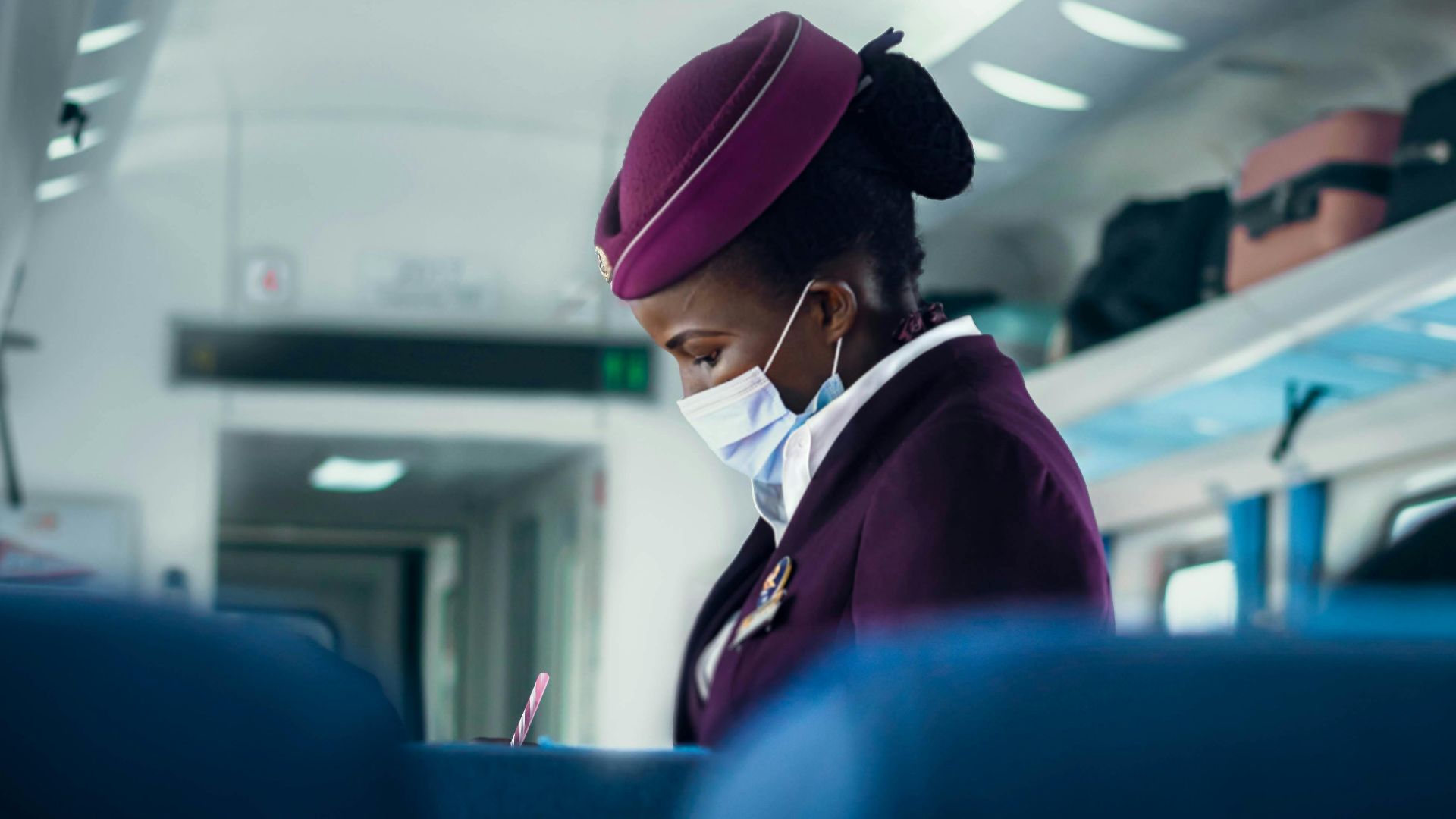
Even if a flight attendant personally understands that passengers want more room, crews are generally expected to follow airline policy consistently. Ignoring rules selectively can cause disputes with other passengers who paid extra for certain seating privileges.
Airlines Now Monetize Seat Location Aggressively
Window seats, aisle seats, exit rows, and seats with extra legroom increasingly generate additional airline revenue. Because of that, airlines may discourage passengers from informally upgrading themselves simply because better seats are left unoccupied.
Exit Rows Involve Additional Liability
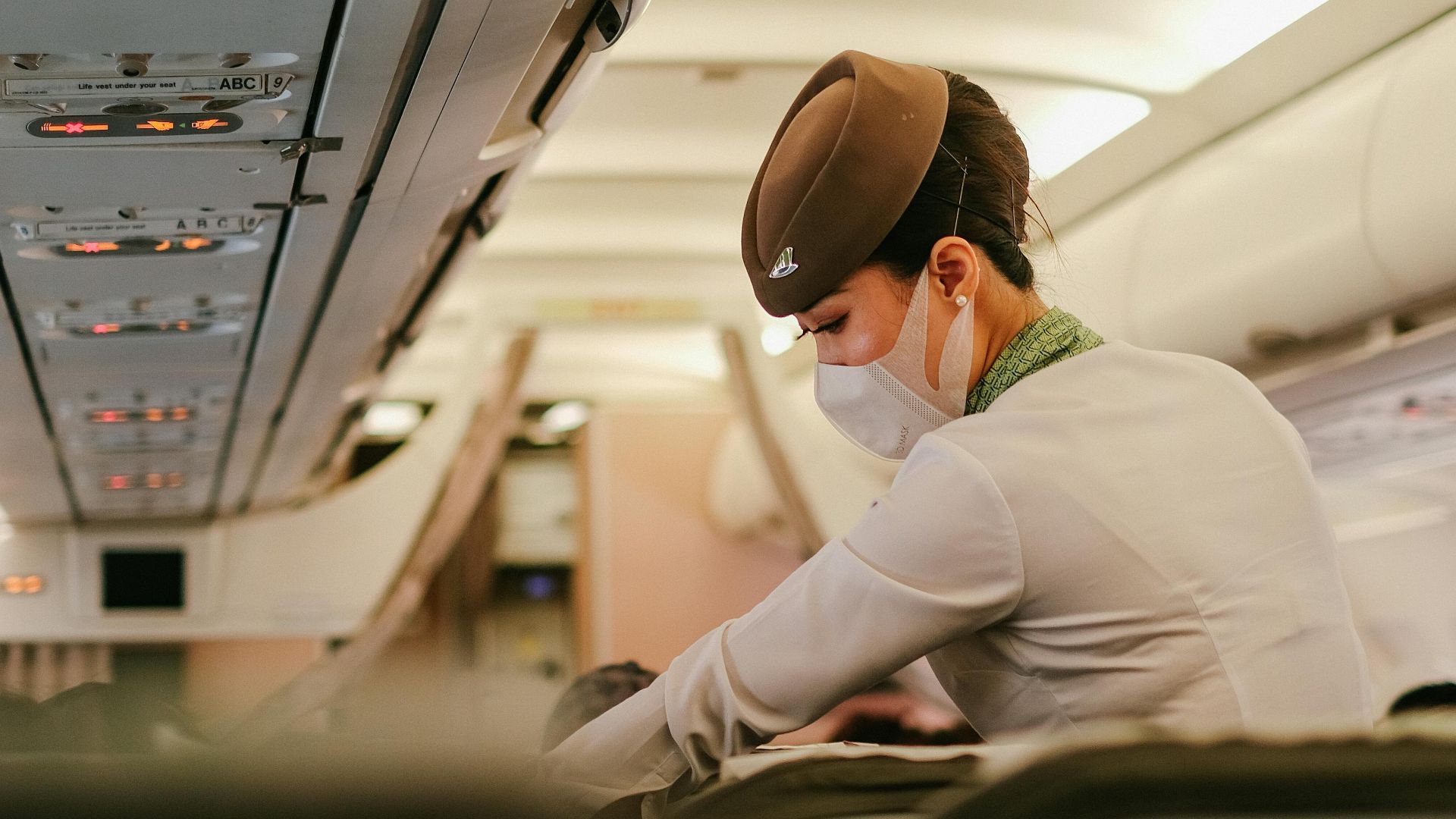
Certain seats, especially exit rows, carry additional safety requirements. Flight attendants must verify that passengers sitting there meet age, language, and physical capability requirements. That creates another reason airlines monitor seat changes carefully.
Weight Distribution Sometimes Matters
On smaller aircraft, passenger distribution can occasionally affect weight balancing calculations. While this is less important on large commercial jets, crews may still prefer passengers to stay relatively close to their assigned seating zones.
Passenger Conflicts Create Extra Complications
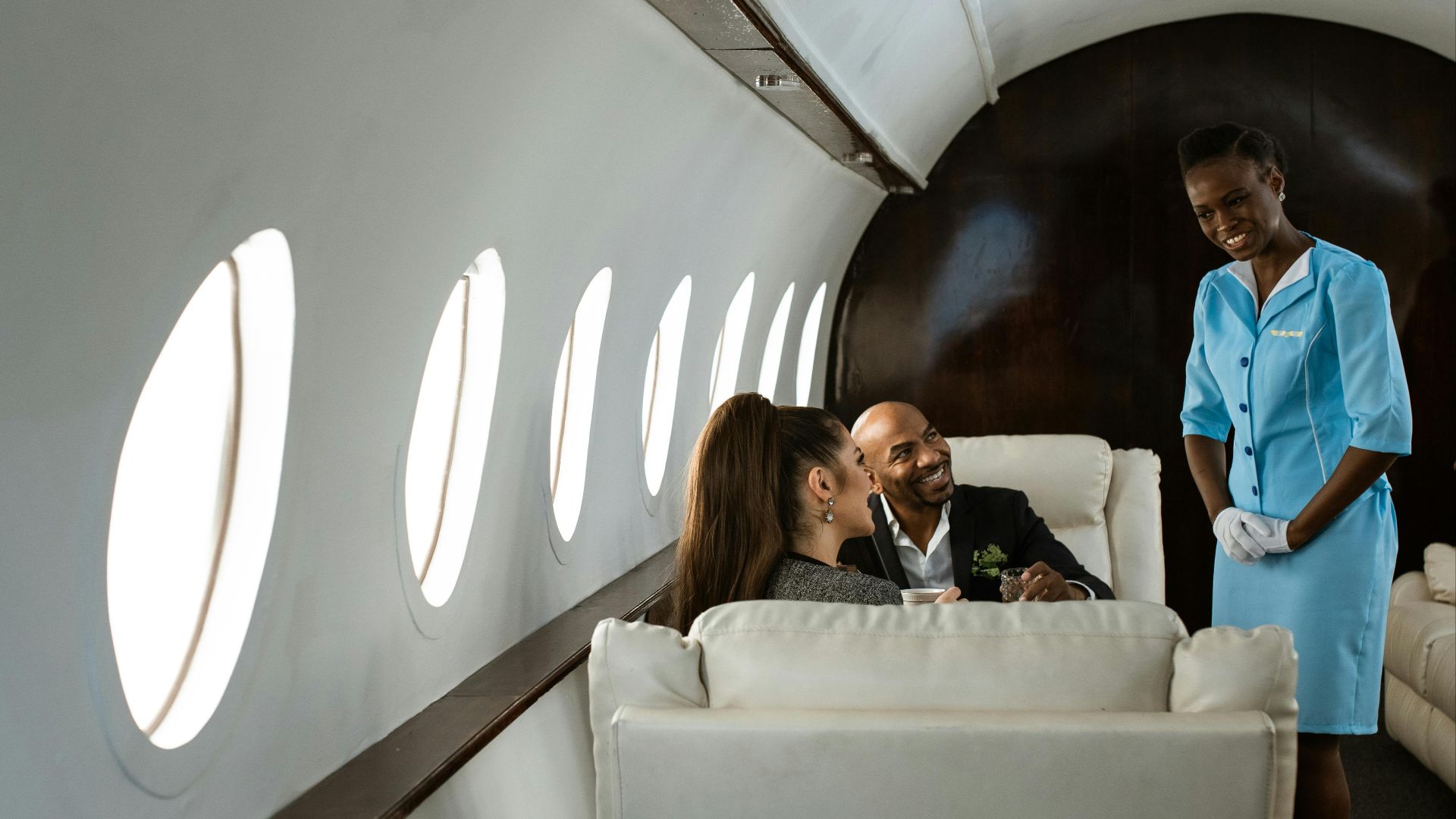
If some passengers move freely while others stay put, arguments sometimes erupt about fairness. Travelers who paid extra for preferred seating may become frustrated watching others relocate into premium seats without additional charges.
Open Seating Airlines Create Different Expectations
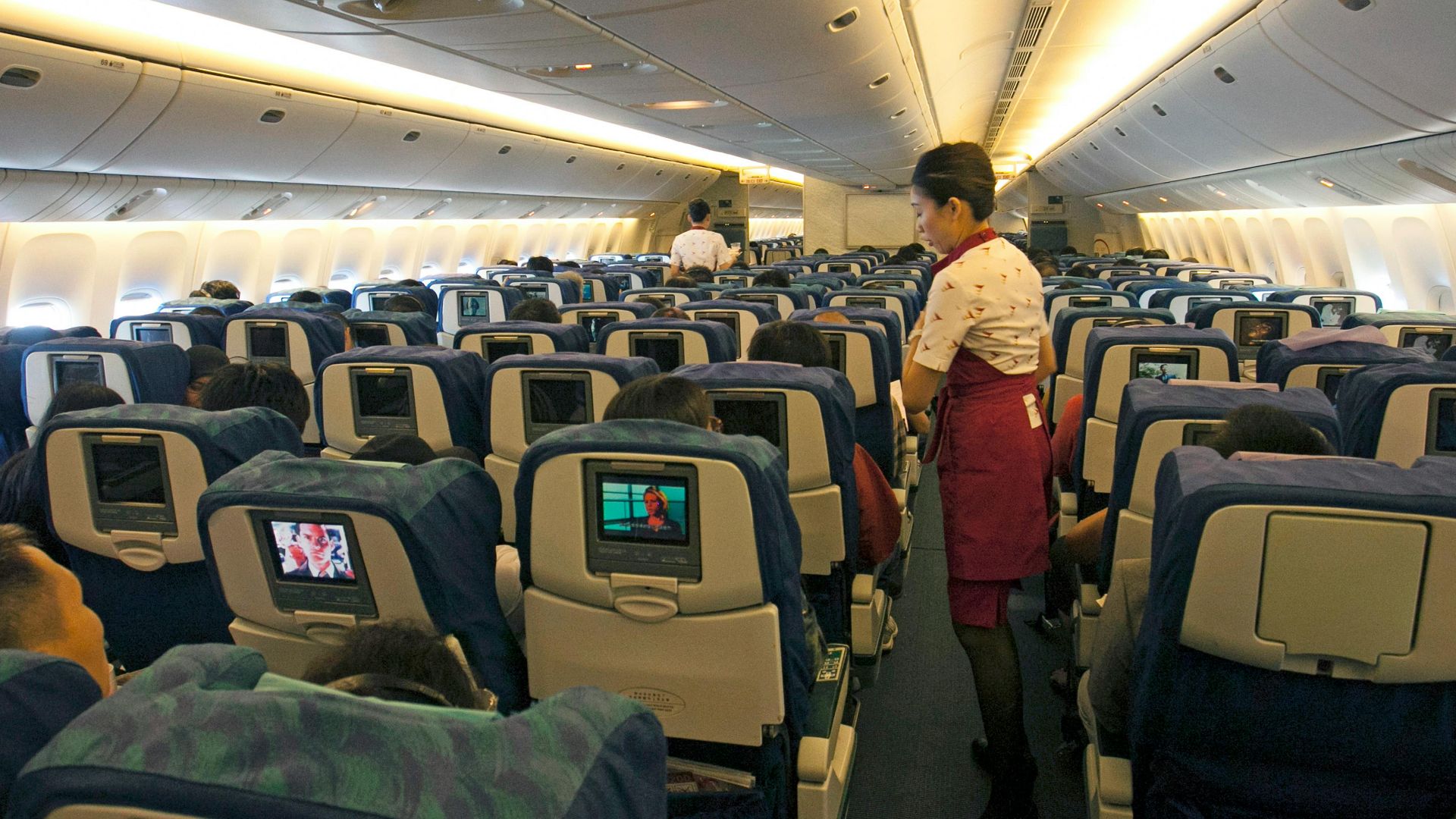
Airlines known for flexible or open seating systems often create passenger expectations that empty seats should remain freely usable throughout the flight. Tension comes up when airlines tighten enforcement without passengers fully understanding the policy shift.
Families Frequently Try To Spread Out
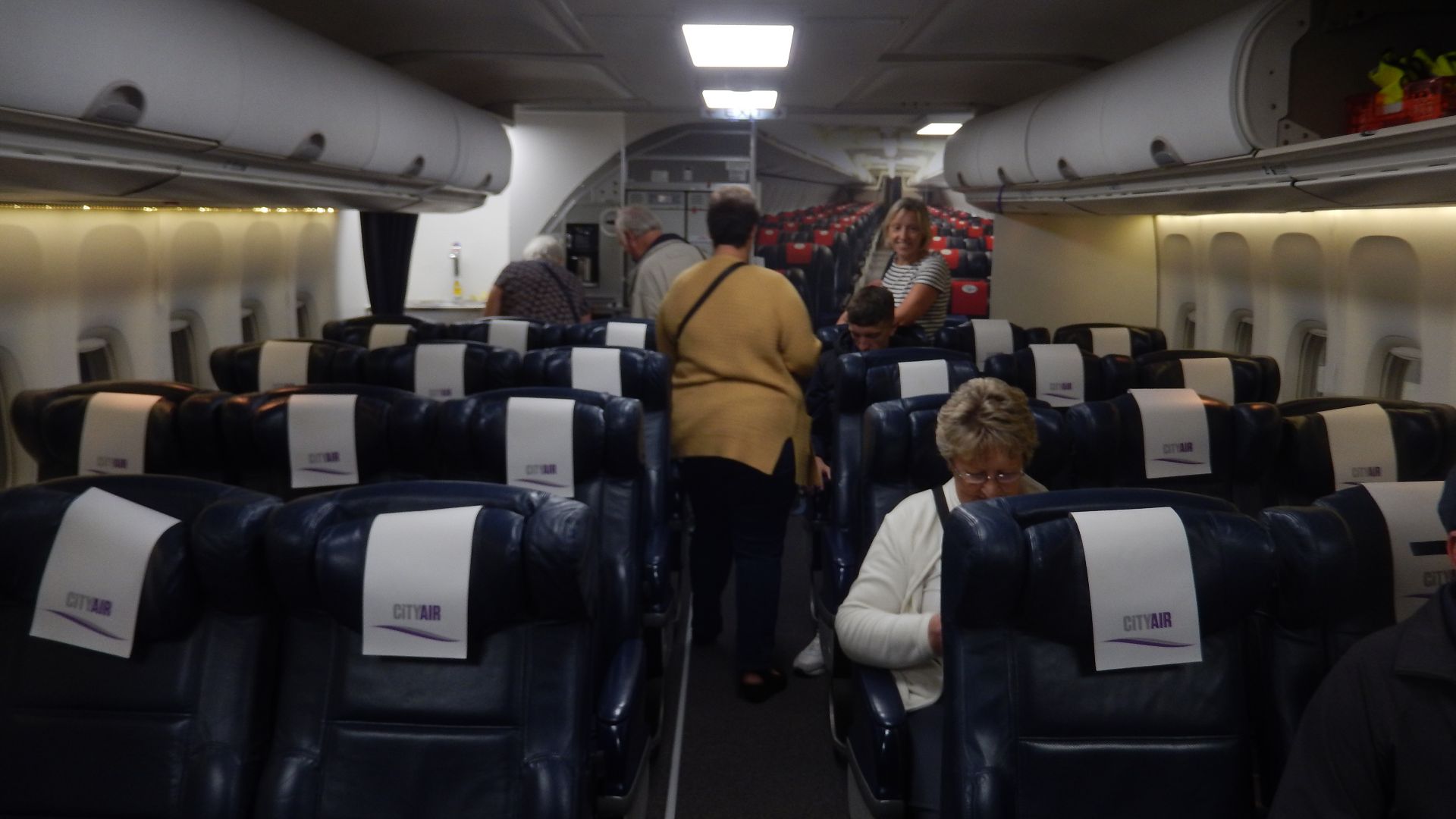
Parents often move children into empty rows for comfort or sleep during less crowded flights. Some crews allow this freely once takeoff is complete, while others insist passengers remain in originally assigned seats unless formally approved.
Comfort Vs Revenue: A Constant Airline Battle
Passengers naturally prioritize comfort whenever empty seats exist nearby. Airlines increasingly prioritize maintaining the perceived value of paid seating upgrades. Those two priorities frequently clash during half-empty flights.
Flight Crews Sometimes Allow Moves Later
Some crews become more flexible once boarding is fully complete and the aircraft gets up to cruising altitude. Asking politely after takeoff sometimes works better than moving immediately during boarding without permission.
Tone Matters More Than Passengers Realize
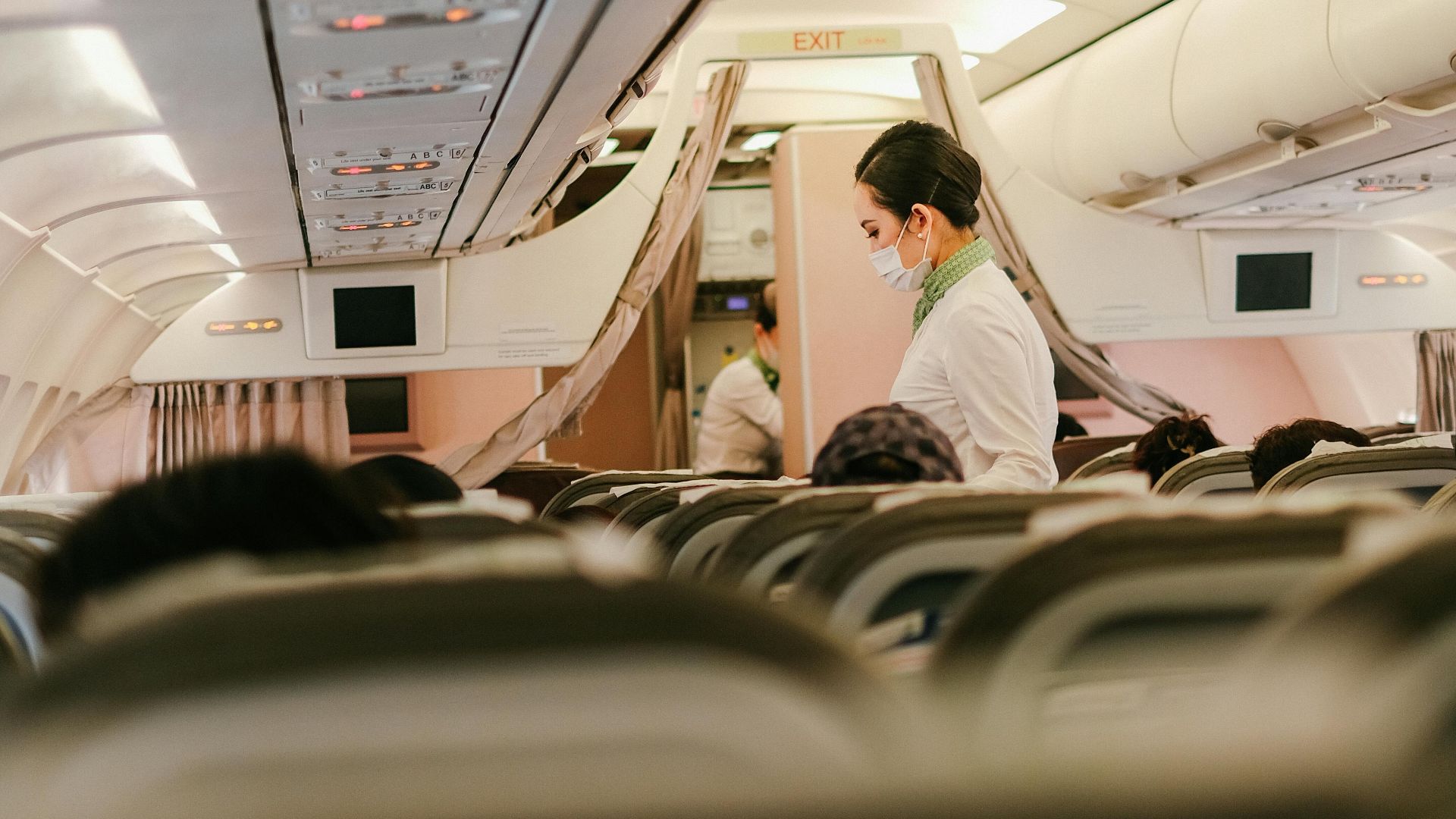
Flight attendants deal with stressed, frustrated passengers constantly. Calm, respectful requests generally get a better response than confrontational demands. Even when policies seem unreasonable, arguing aggressively rarely improves the situation.
Airlines Want Consistency Across Flights
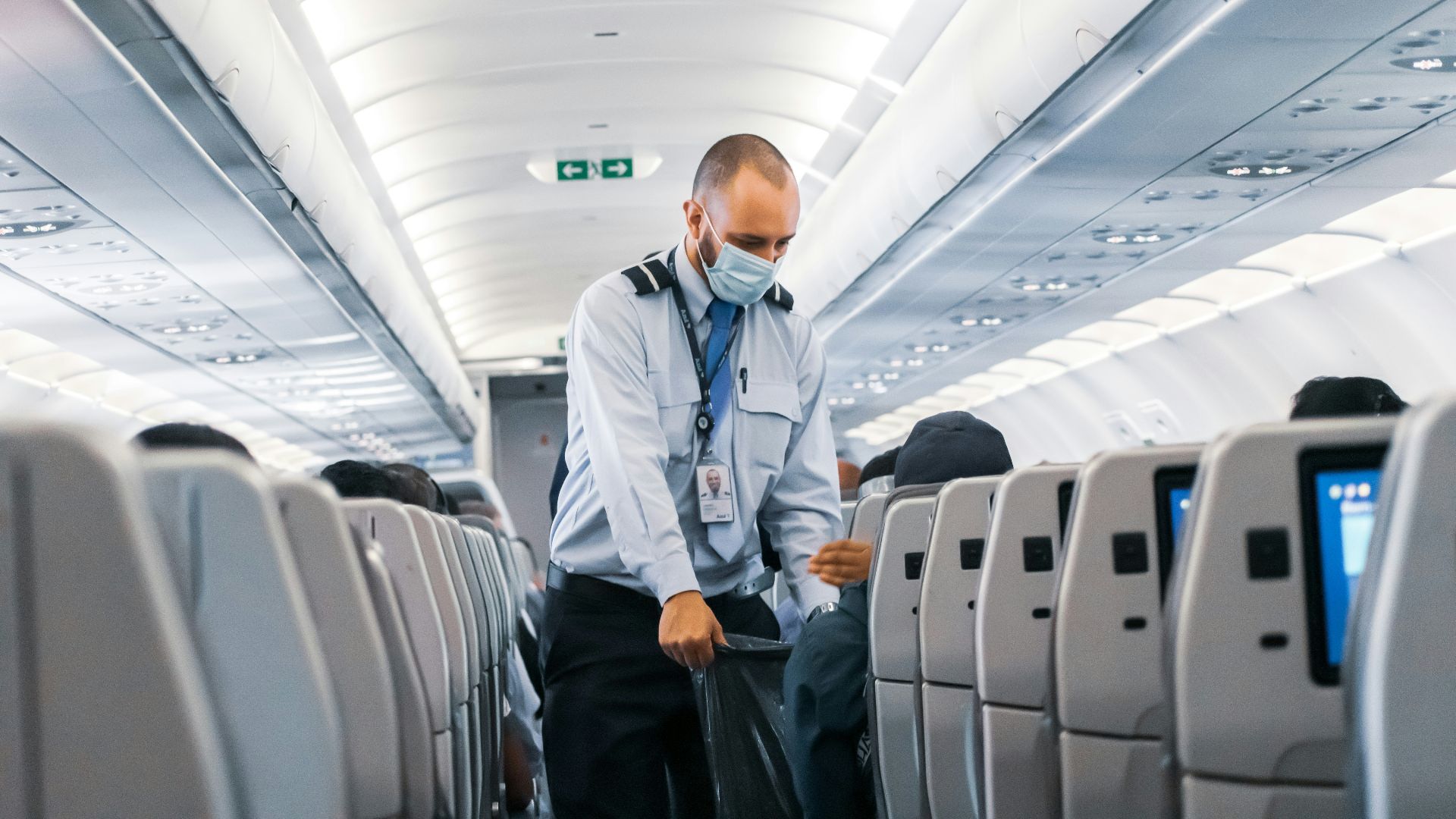
Large airlines often prioritize standardized enforcement because inconsistent treatment creates confusion and customer complaints. If one crew freely allows seat changes while another blocks them, passengers begin to look for exceptions everywhere.
Half-Empty Flights Still Cost Airlines Money
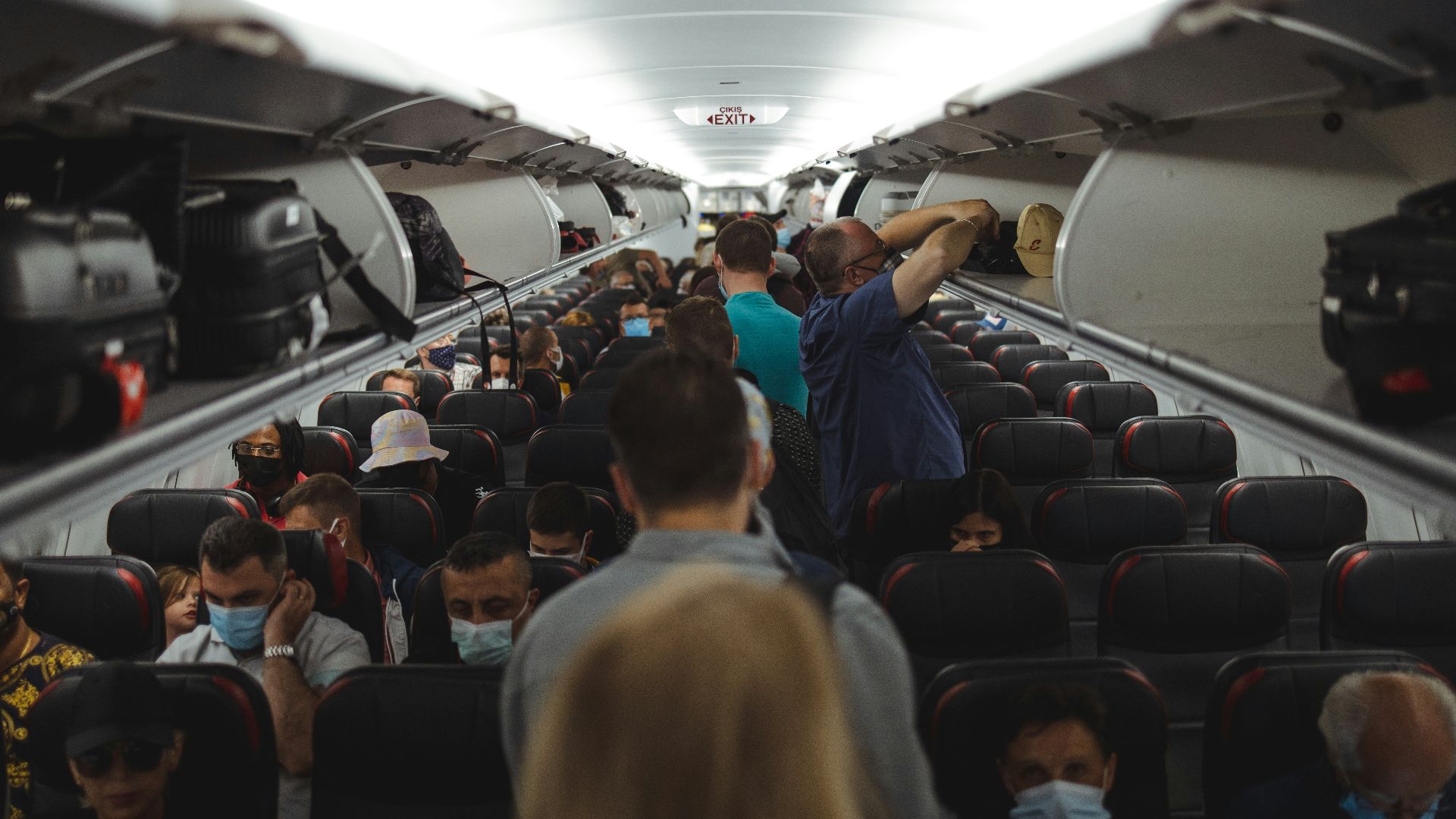
Passengers sometimes view empty seats as wasted space anyway, but airlines increasingly view every seat category as part of a larger pricing structure. Allowing unrestricted movement may weaken the perceived value of premium seat purchases over time.
Social Media Has Increased Airline Enforcement
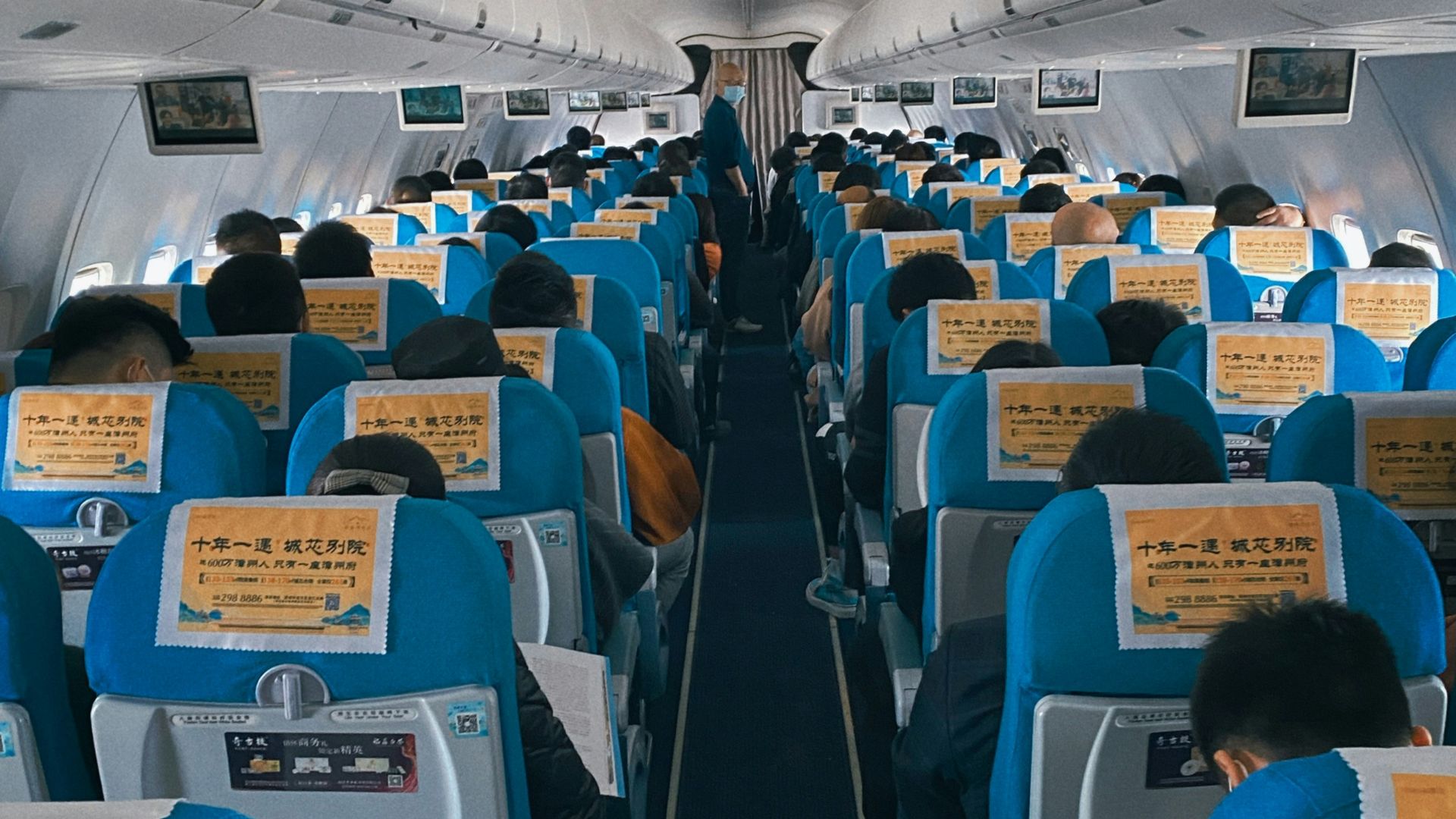
Airlines know passenger interactions now spread instantly online through videos and social media posts. That visibility sometimes pushes companies toward stricter rule enforcement to avoid accusations of favoritism or inconsistent treatment.
You Usually Can't Be Removed Just For Asking
Politely asking to move rarely causes a problem by itself. Most conflicts only escalate when passengers refuse crew instructions repeatedly after being told no. Federal aviation regulations give flight crews broad authority over cabin management decisions.
Sometimes The Simplest Explanation Is Correct
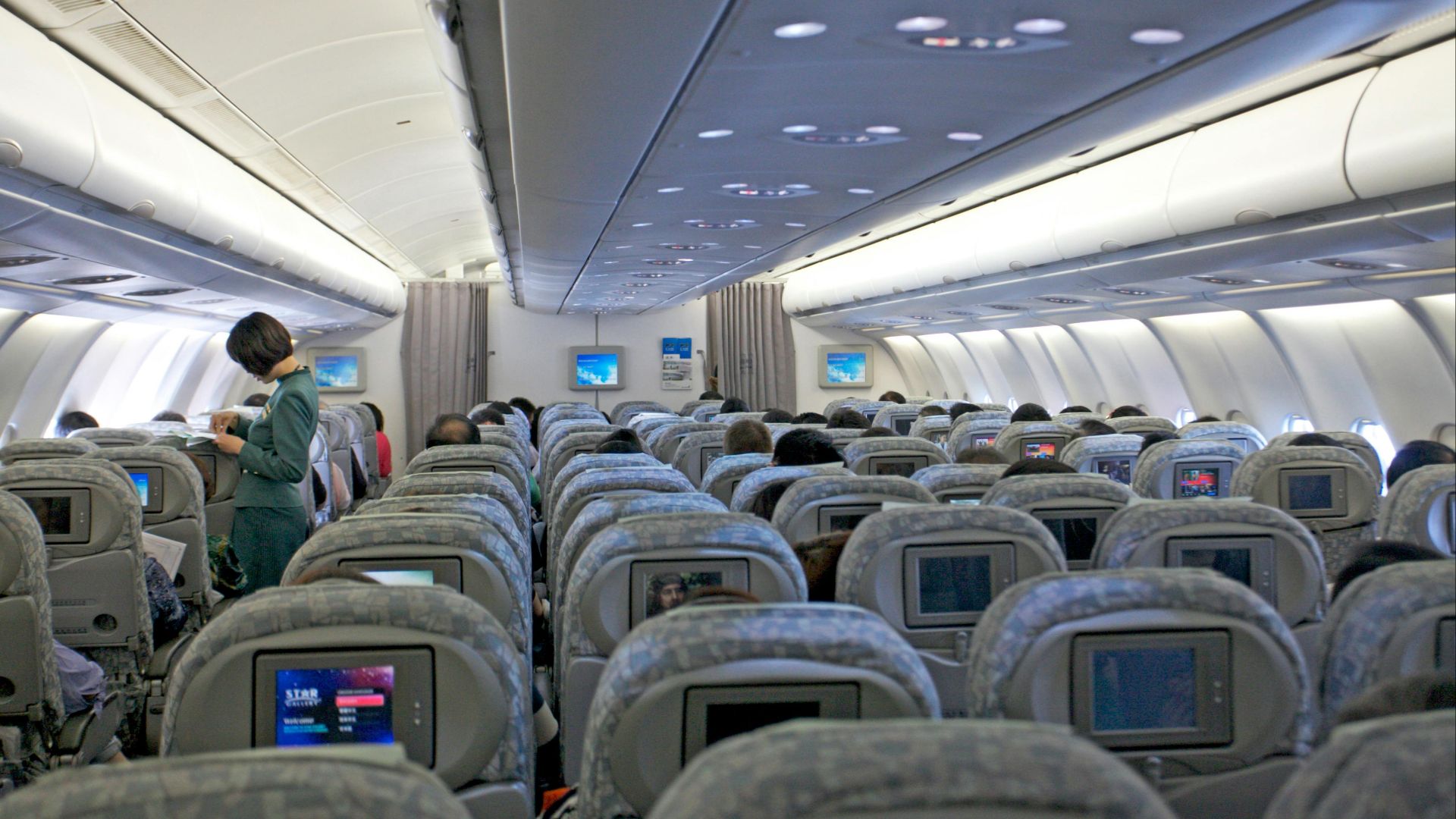
Occasionally, the crew is just following instructions from management or operating according to company policy without deeper reasoning. What feels irrational from a passenger perspective may just reflect increasingly rigid airline operational systems.
The Bottom Line
Your frustration is understandable at seeing empty seats while stuck cramped beside strangers. Unfortunately, modern airlines increasingly treat seating as a carefully managed revenue system rather than a comfort issue. Policies vary, but asking politely, understanding the crew’s limitations, and knowing that many airlines now enforce seating rules more aggressively can make these situations feel slightly less personal.
You May Also Like:
Data Reveals The Best And Worst Airports In The World—Is Yours On The List?