House Rules... Or House Traps?
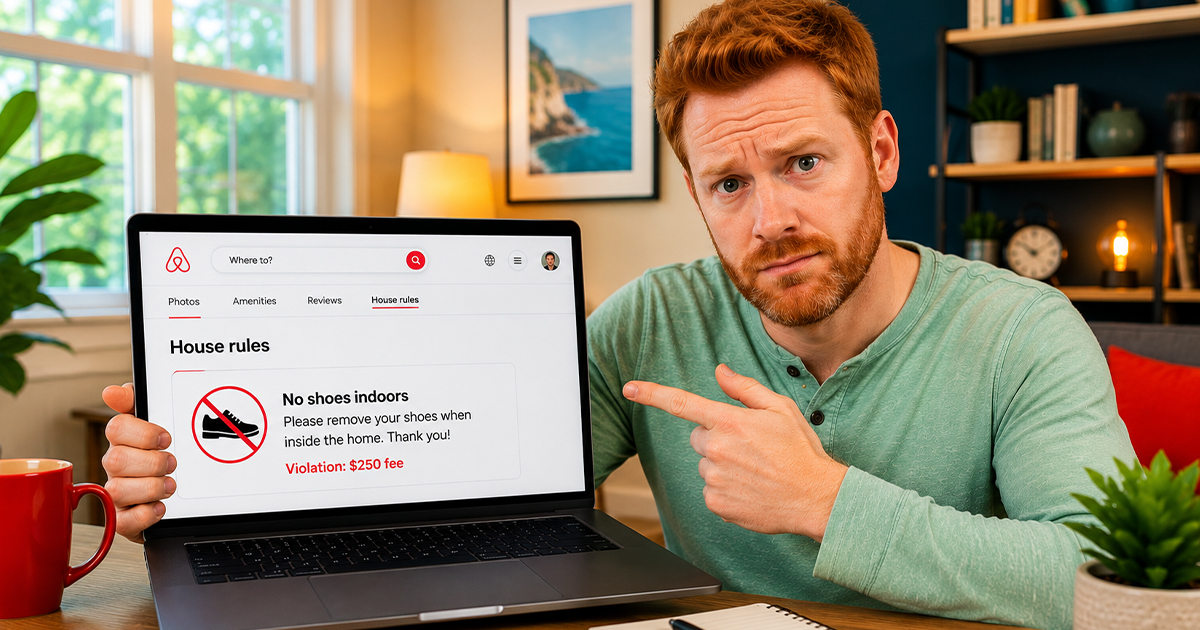
You finally found the perfect Airbnb. The location is great, the reviews look solid, and the price seems reasonable. Then you notice one unusual rule: "No shoes indoors. Violation: $250 fee." Can a host really charge that much for forgetting to kick off your sneakers—or is there more to the story?
The answer isn't nearly as straightforward as it seems.
Airbnb Hosts Can Create House Rules
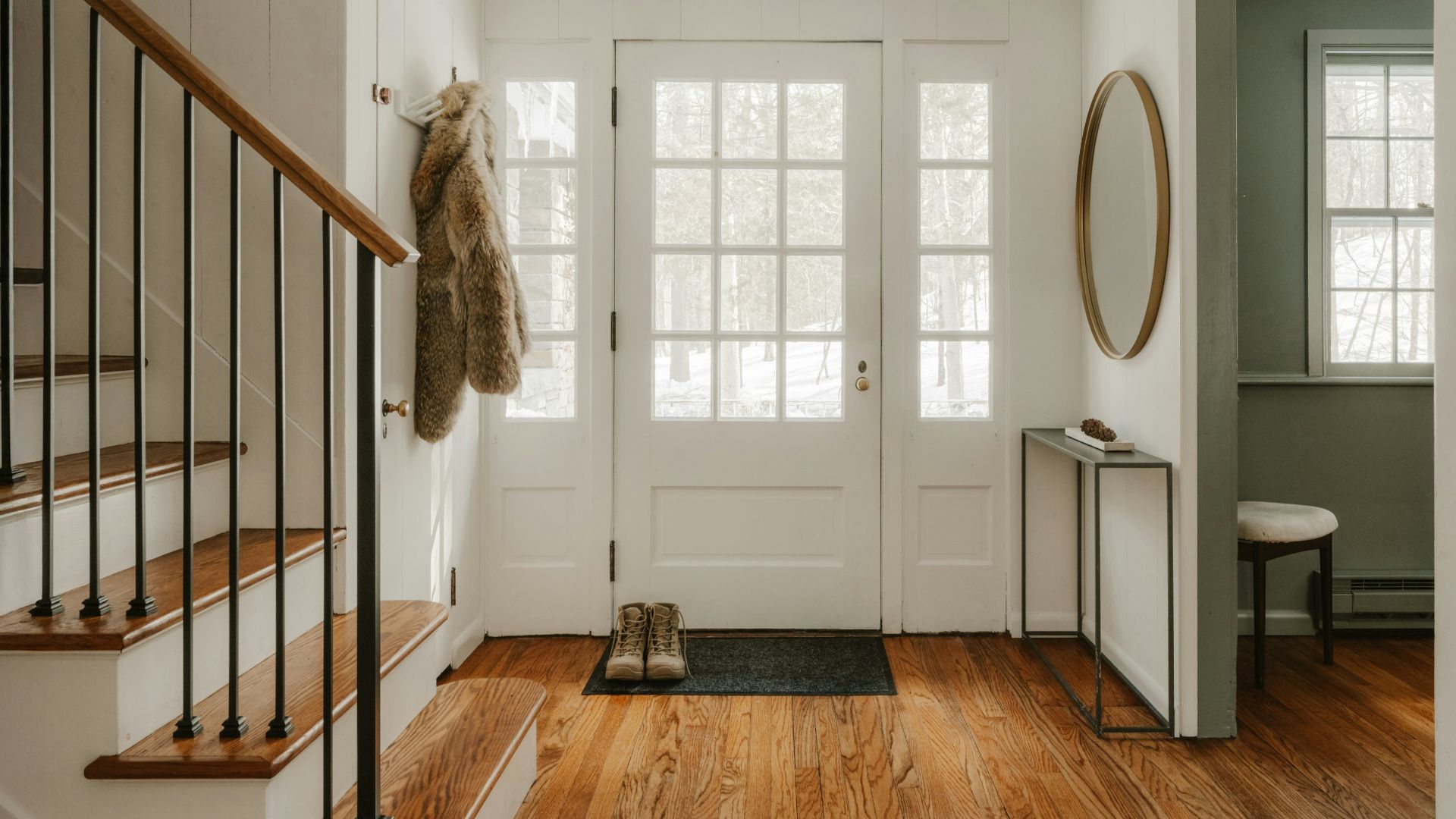
One of the biggest differences between a hotel and an Airbnb is that hosts can set reasonable house rules for guests. These often cover quiet hours, smoking, pets, parties, and yes—even wearing shoes indoors.
Why Some Hosts Care So Much
For many hosts, the rule isn't about being controlling. Shoes can track in dirt, salt, mud, bacteria, or tiny rocks that scratch hardwood floors or stain expensive carpets.
Agreeing To The Rules Matters
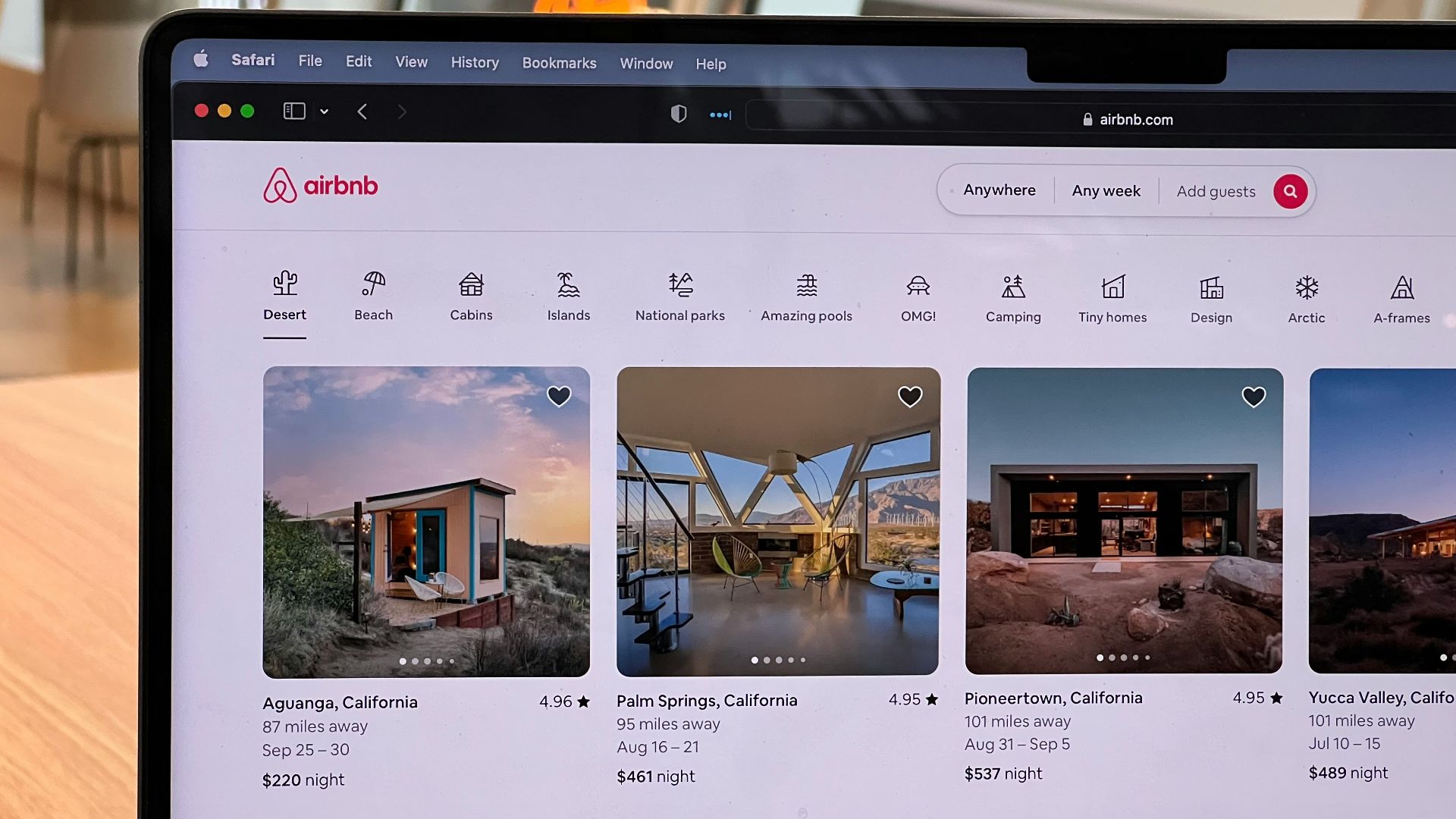
Before completing a reservation, guests are generally expected to review and accept the listing's house rules. That agreement can become important later if a dispute arises.
 Oberon Copeland @veryinformed.com, Unsplash
But That's Not The End Of The Story
Many people assume that because they clicked "Book," every listed penalty automatically becomes enforceable. That's where things become much more complicated.
Airbnb Doesn't Automatically Collect Every Fee
Hosts cannot simply decide they deserve $250 and have Airbnb immediately charge your credit card. The platform has procedures for requesting money, and guests can dispute those requests.
Damage Is Usually Easier To Prove
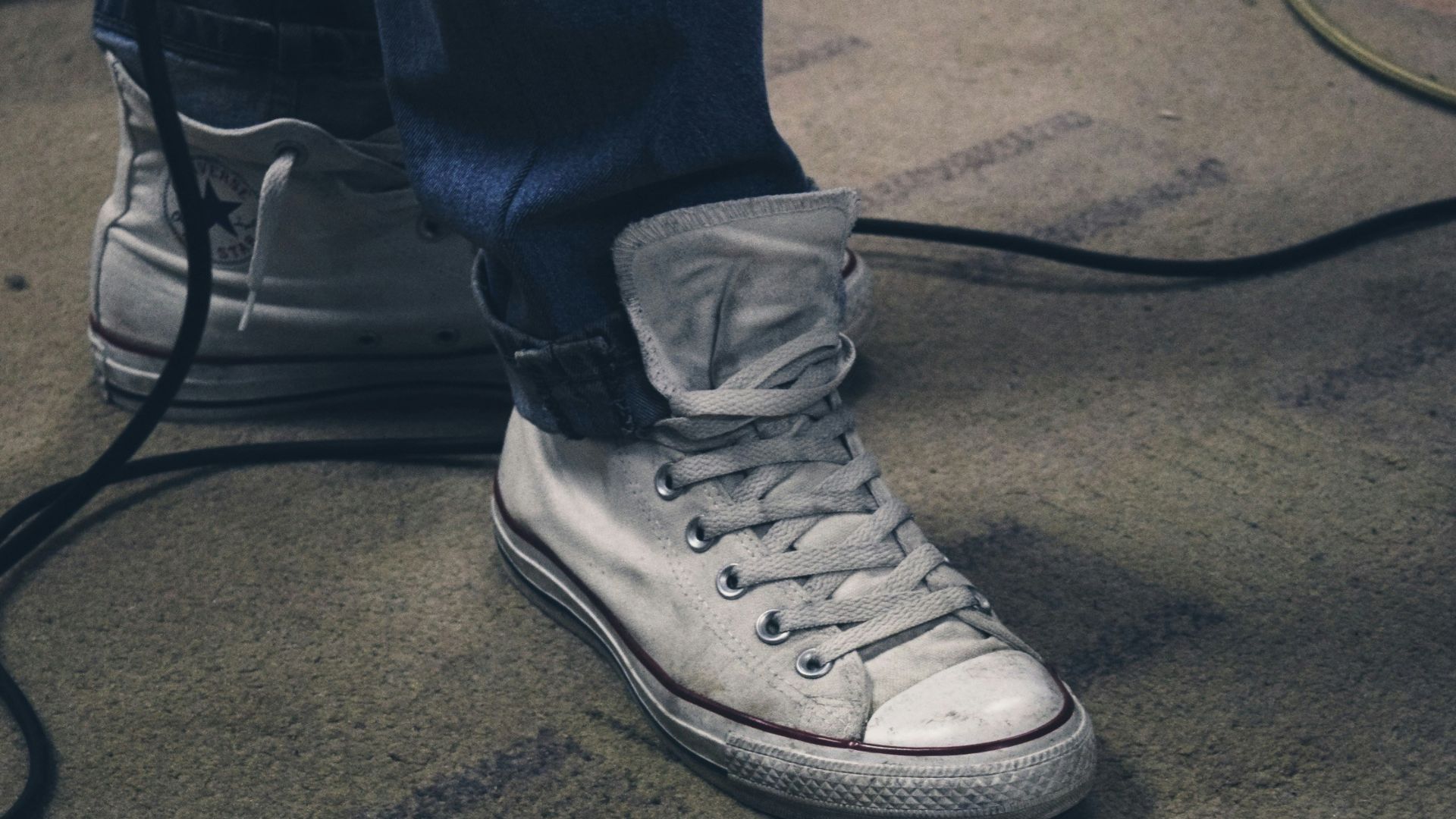
If muddy boots permanently stain a white carpet, that's one situation. Charging someone $250 simply because they briefly walked across a clean floor in socks afterward is another.
Courts Often Distinguish Between Fees And Damages
This is an important legal difference. A charge that reasonably reflects actual damages is generally treated differently than a penalty designed mainly to punish someone for breaking a rule.
What If Nothing Was Actually Damaged?
That's where many disputes begin. If the host can't show any measurable loss or extra expense, collecting a large fixed fee may become much harder to justify.

Airbnb May Ask For Evidence
If a host requests reimbursement, they may be expected to provide photos, receipts, invoices, or other evidence showing why they're entitled to the amount requested.

Every State Has Different Contract Laws
Whether a fixed fee is ultimately enforceable may depend on state law. Courts don't always treat predetermined penalties the same way.
Some Fees Are Easier To Defend Than Others
A modest cleaning charge after obvious dirt or damage may appear far more reasonable than a large flat fee imposed regardless of what actually happened.

Intent Can Influence A Dispute
Someone who accidentally took two steps inside before realizing the rule may be viewed differently than a guest who repeatedly ignored reminders throughout a week-long stay.

Documentation Works Both Ways
Hosts often document a property's condition before guests arrive. Guests can also take photos when checking in and leaving if they believe a dispute may arise.
Reviews Sometimes Matter More Than Money
Many disagreements over house rules end with poor reviews rather than lawsuits. Both hosts and guests usually have strong incentives to resolve problems before they escalate.

Don't Ignore A Payment Request
If a host requests money through Airbnb, responding politely and explaining your position is usually much better than simply ignoring the request altogether.

Airbnb Has A Resolution Process
The platform offers a process for handling disputes between hosts and guests. In many cases, Airbnb reviews the information submitted by both sides before making a decision under its policies.
 Steve Jurvetson from Menlo Park, USA, Wikimedia Commons
Security Deposits Aren't Automatic Either
Many guests assume Airbnb simply holds a traditional security deposit for every reservation. In reality, that's generally not how most bookings are handled today.

Local Consumer Laws Still Exist
Even when a contract includes certain fees, state consumer protection laws may affect whether particular charges are enforceable or considered unreasonable.

Communication Can Prevent Most Problems
If you know you'll have elderly relatives, medical needs, or another reason that could make removing shoes difficult, asking the host before booking can avoid misunderstandings later.

Here's The Question That Really Matters
When disputes reach Airbnb—or, in rare cases, a courtroom—the focus often isn't whether the guest broke the rule. It's whether the host can justify the amount they're trying to collect.

So... Is A $250 "No Shoes" Fine Actually Enforceable?
Here's the answer. Not automatically. A host can certainly create a no-shoes policy, and guests who book the property are generally expected to follow it. However, collecting a $250 flat fee simply because someone wore shoes indoors isn't automatically enforceable. Whether the host ultimately recovers that money may depend on Airbnb's policies, the evidence of actual damage or extra cleaning costs, the wording of the rental agreement, and the contract laws of the state where the property is located.
The Best Advice Is Surprisingly Simple
Before booking, read every house rule carefully. If a policy—or a hefty penalty—makes you uncomfortable, it's often easier to choose another listing than to argue about it after your vacation has already begun.

You May Also Like:
My rude neighbor trimmed his bushes in offensive shapes so that I see them when I look out my window. Can I report this to someone?
We just moved into a new house and found someone's military medals hidden in a crawl space. Can we legally keep them?