When The Mines Closed, The Trains Kept Climbing
Some of North America's most spectacular train rides exist because miners once needed a way to move valuable ore through seemingly impossible terrain. Railroads carved into mountainsides, crossed deep canyons, and connected isolated settlements to the outside world. Many of those industrial routes have survived as heritage attractions, allowing modern travelers to experience the same remarkable landscapes without the hardships of the mining era. Factinate Ltd
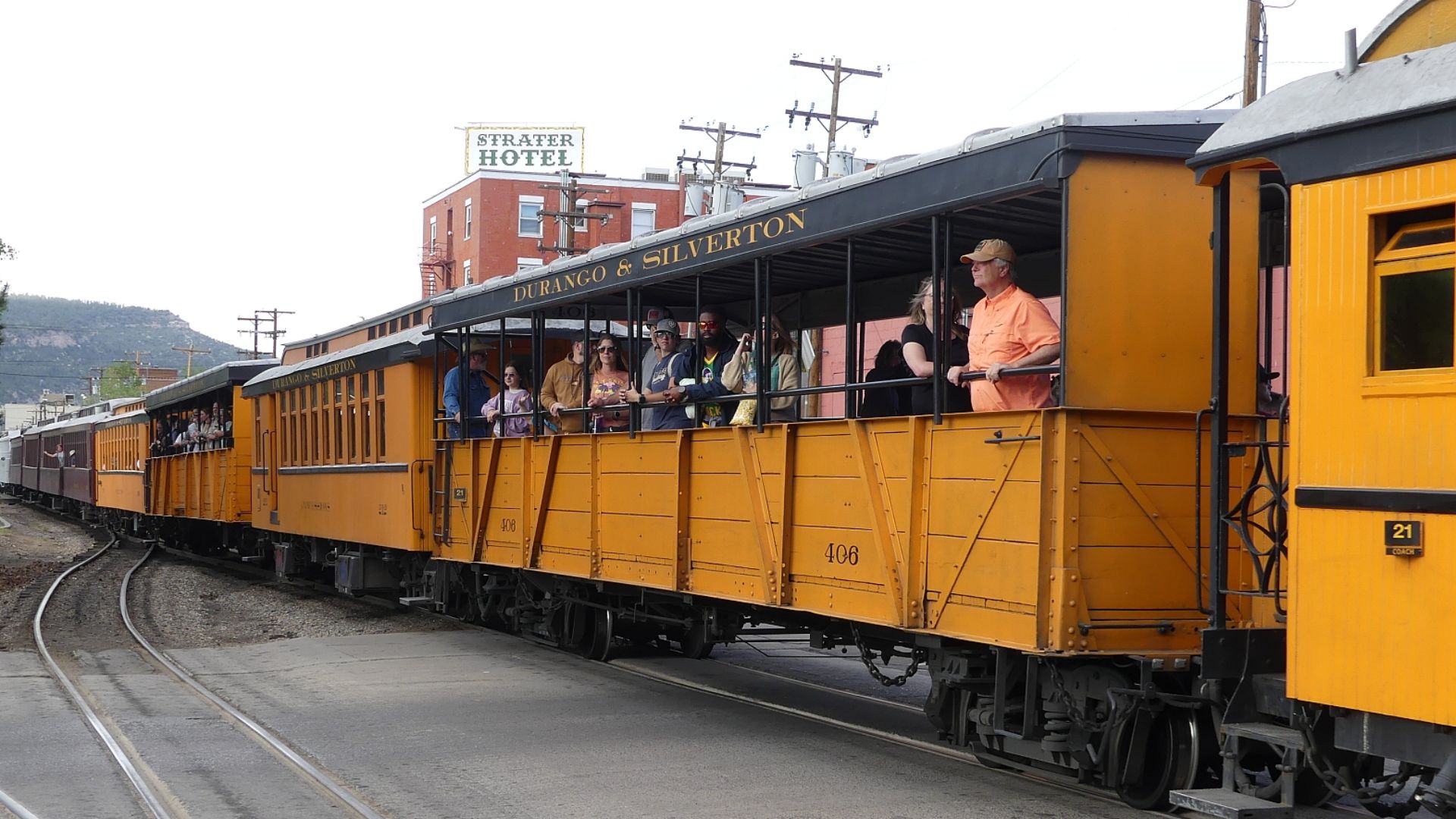
Durango & Silverton: Colorado's Legendary Mountain Railroad
The Durango & Silverton Narrow Gauge Railroad began operating between Durango and Silverton in 1882, primarily transporting gold and silver ore from the San Juan Mountains. Today, passengers can ride historic trains through remote mountain scenery along a route that helped build southwestern Colorado's mining economy. The journey follows the Animas River through rugged country that remains one of the railroad's greatest attractions.
 Didier Duforest, Wikimedia Commons
A Canyon Journey That Feels Almost Impossible
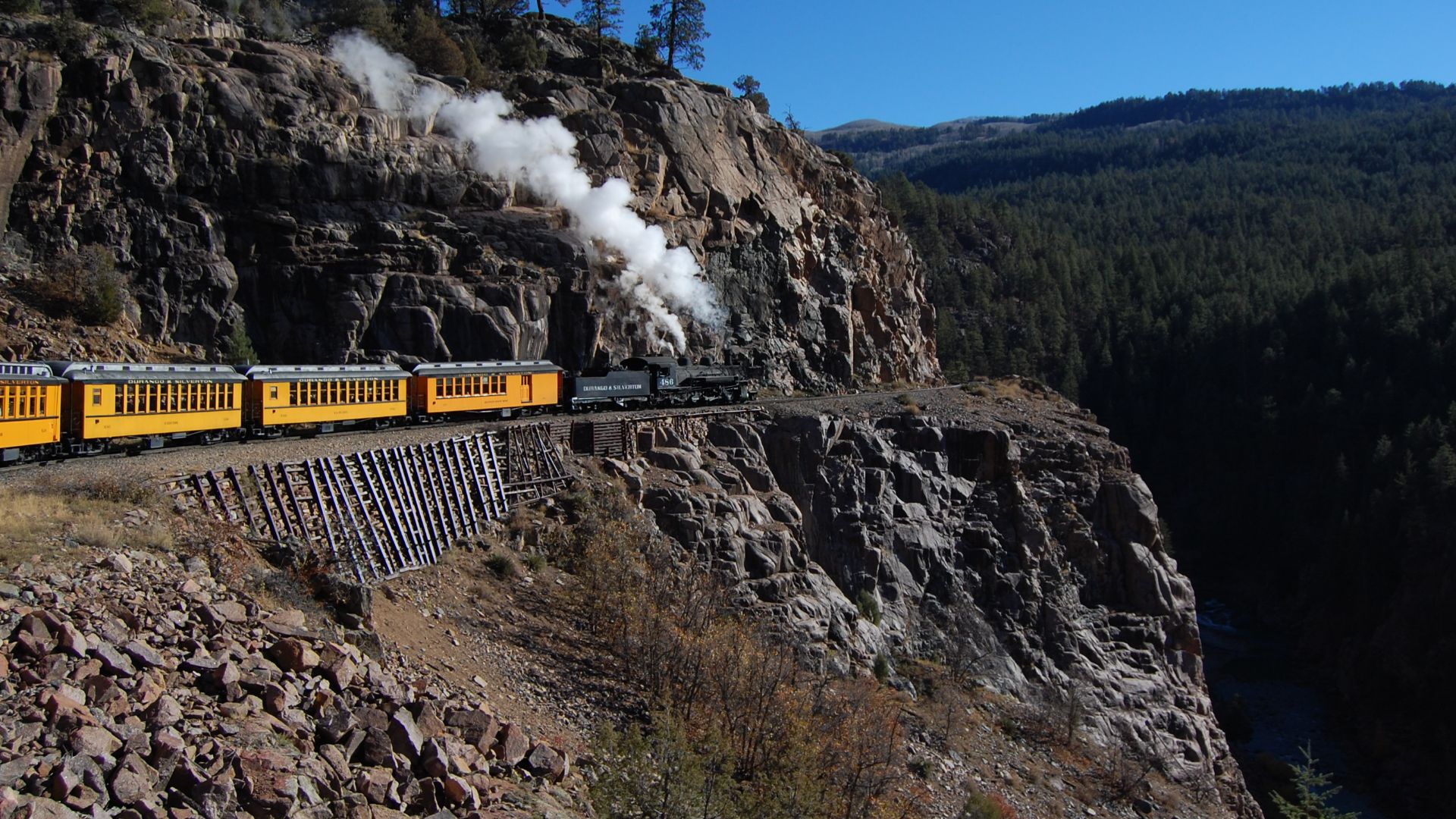
The Durango & Silverton route includes narrow ledges carved into the steep walls of the Animas River canyon. Engineers completed the approximately 45-mile line in just over nine months, an impressive achievement considering the difficult terrain. Modern passengers can appreciate that engineering while watching the river wind through the mountains far below the tracks.
 Milan Suvajac, Wikimedia Commons
Silverton Still Looks Like A Mining Frontier
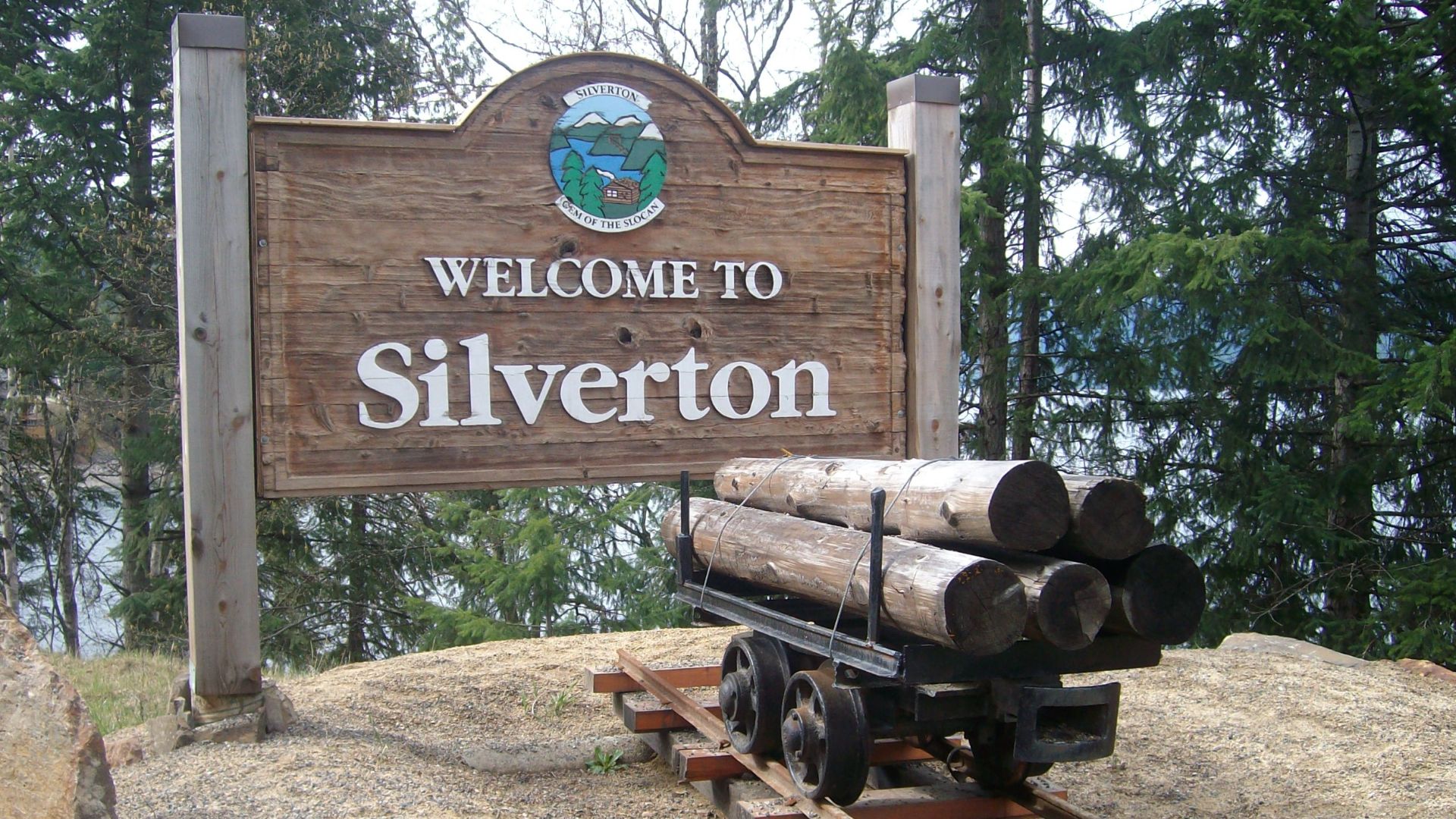
Silverton sits approximately 9,300 feet above sea level, surrounded by the towering San Juan Mountains. The railroad helped transform the settlement into an important mining center, connecting its mineral wealth with processing facilities and larger markets. Visitors arriving by train can explore a historic mountain town whose streets and buildings still reflect its mining heritage.
 Andybremner2012, Wikimedia Commons
Cumbres & Toltec: Steam Trains Above 10,000 Feet
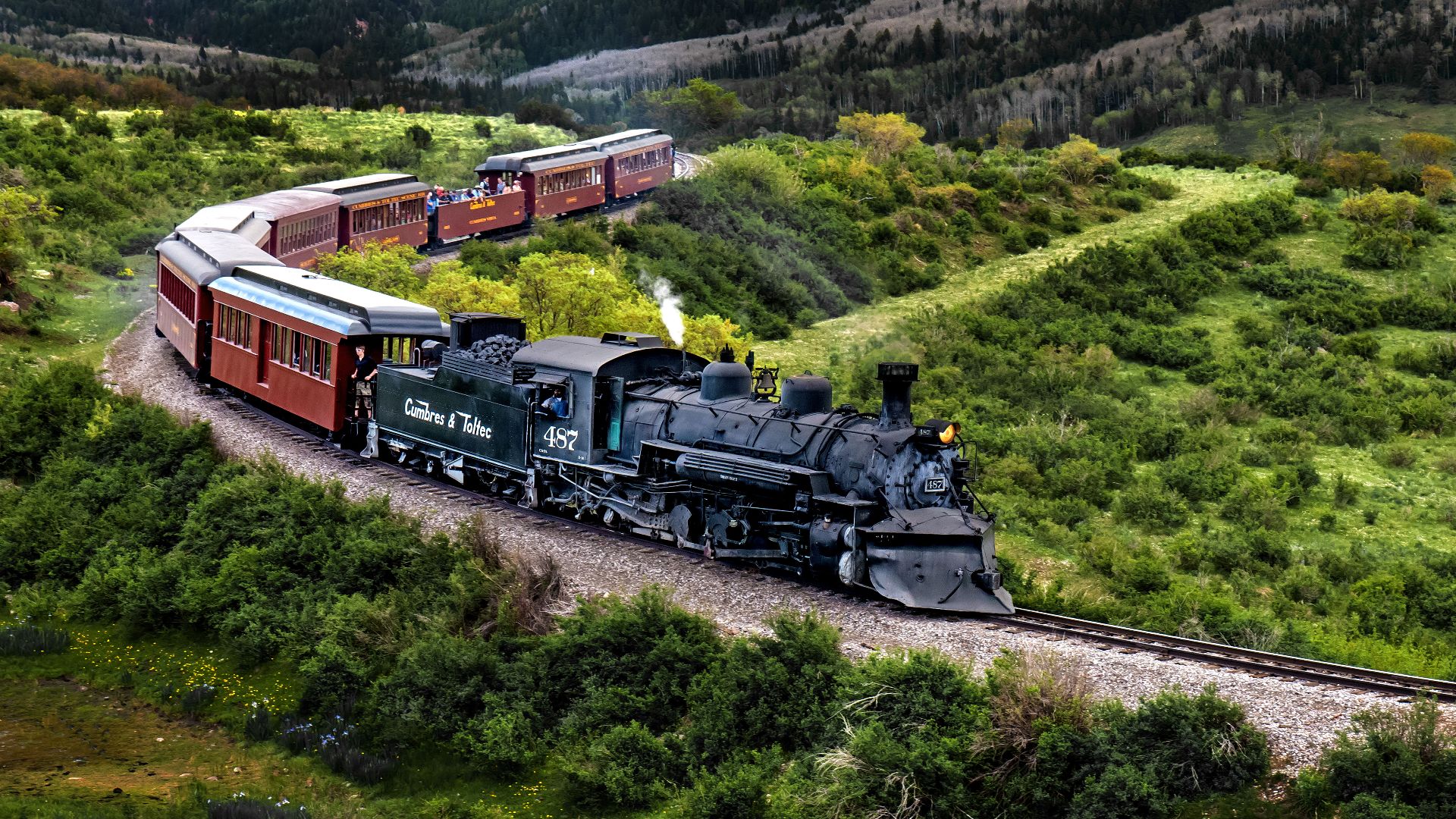
The Cumbres & Toltec Scenic Railroad operates along a historic narrow-gauge route originally constructed in 1880 to serve Colorado's silver mining districts. Its preserved 64-mile section connects Chama, New Mexico, with Antonito, Colorado, passing through some remarkably isolated mountain country. Passengers experience a railroad that still closely resembles the industrial transportation system of the late nineteenth century.
The Climb To Cumbres Pass Is Unforgettable
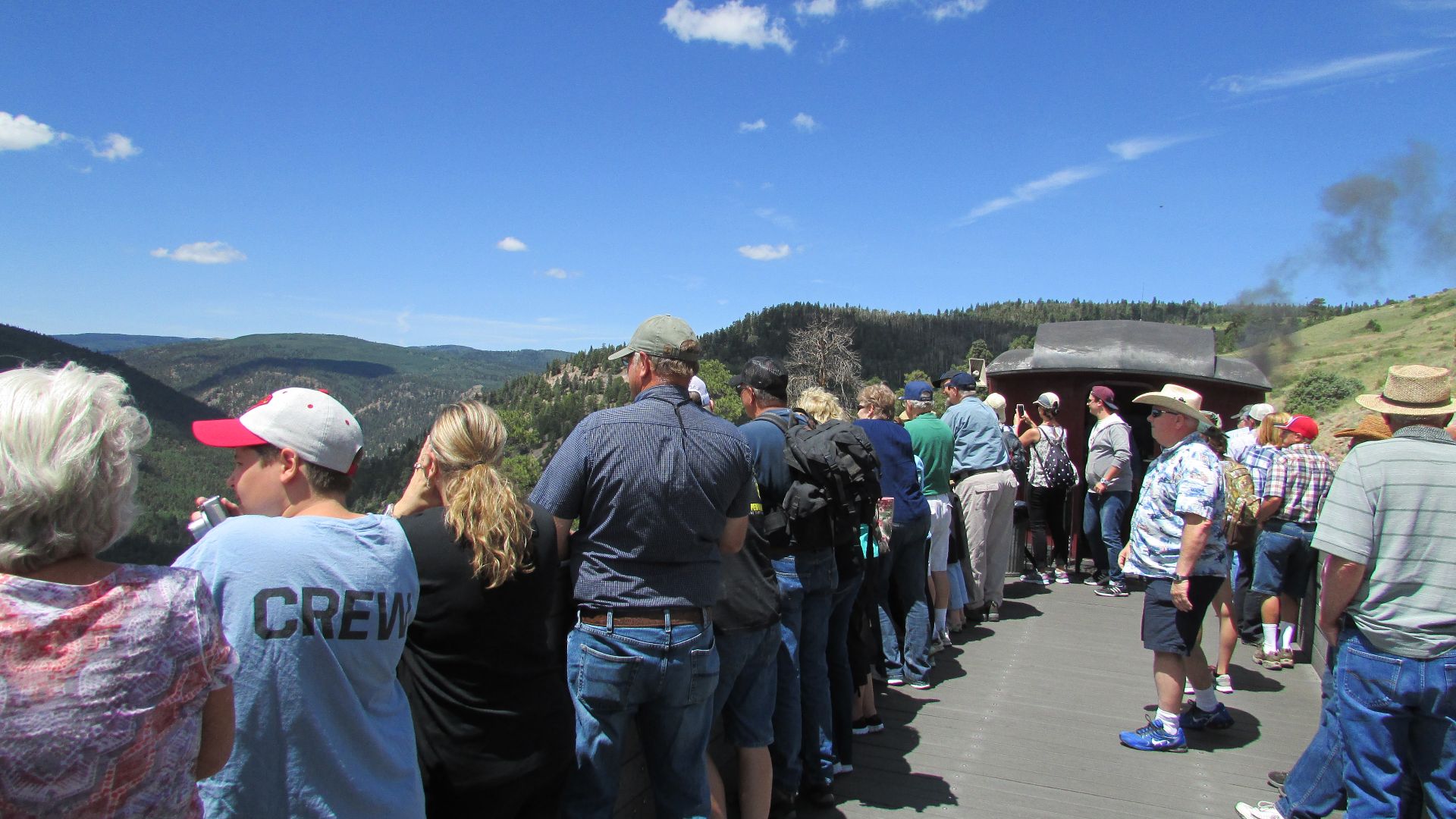
One of the railroad's highlights is Cumbres Pass, which stands more than 10,000 feet above sea level. The original route was built with narrow-gauge tracks that allowed tighter curves through challenging mountain terrain. Historic steam locomotives continue to demonstrate how railroad technology overcame steep grades, difficult weather, and limited space.
 Chris Light, Wikimedia Commons
Toltec Gorge Adds Another Dramatic Surprise
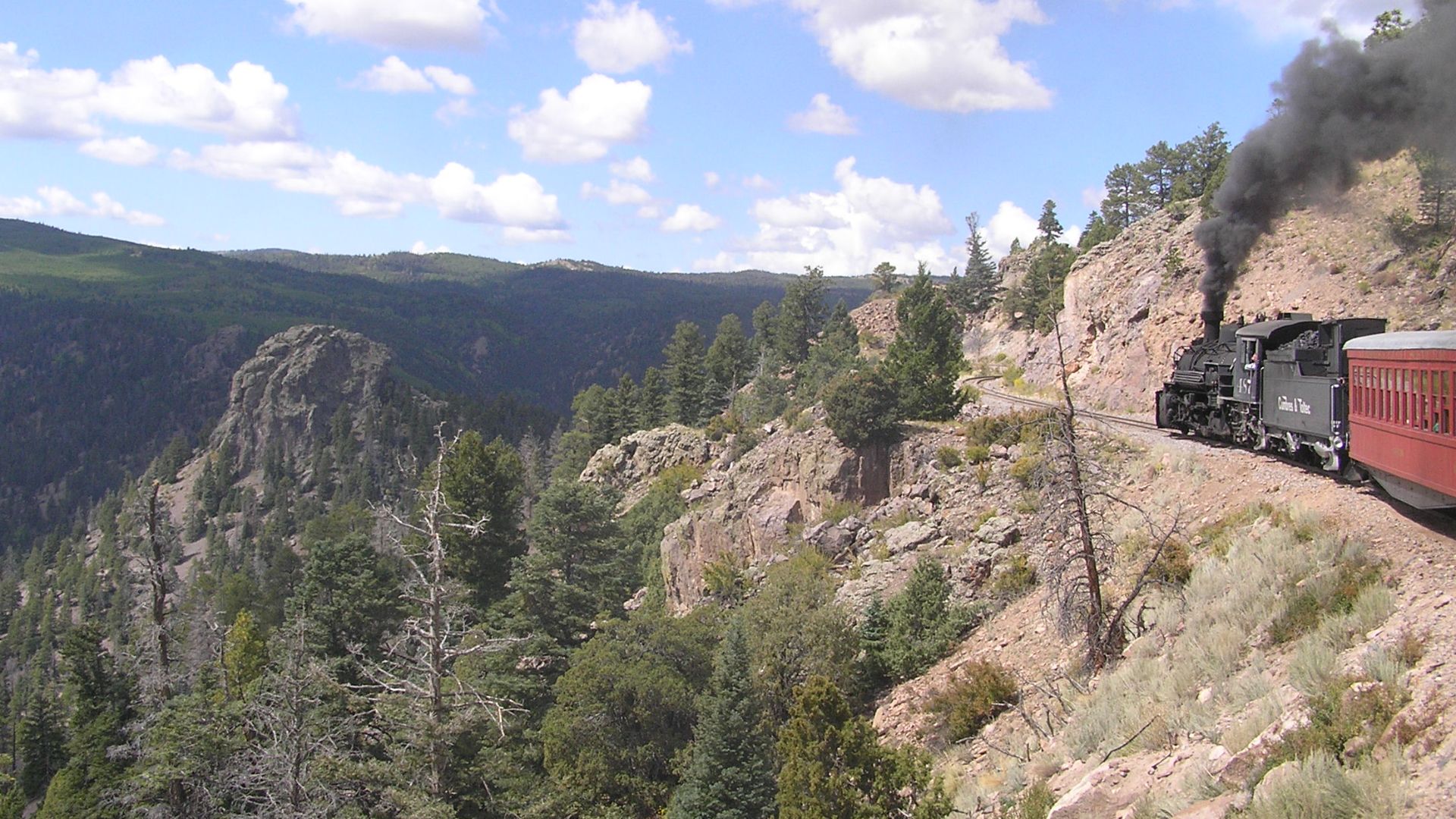
Beyond the high mountain pass, the Cumbres & Toltec route travels along the edge of Toltec Gorge, where the terrain drops hundreds of feet below the railway. The journey also passes through two tunnels constructed as part of the original San Juan Extension. Together, these features make the ride an impressive demonstration of nineteenth-century mountain engineering.
A Railroad Saved By Two States
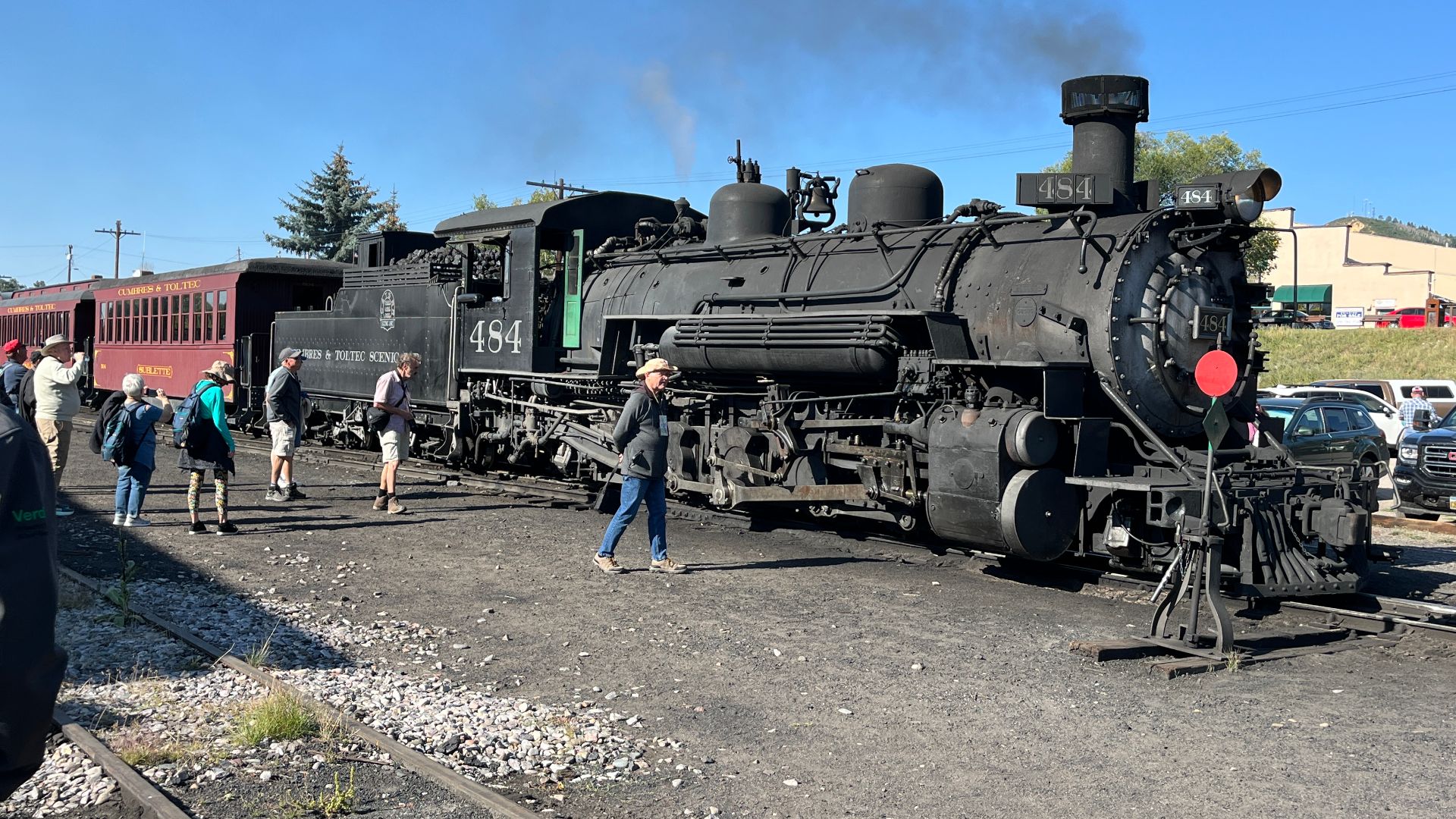
The Cumbres & Toltec almost disappeared when the Denver & Rio Grande Western abandoned much of its remaining narrow-gauge network. Colorado and New Mexico jointly purchased the Antonito-to-Chama section in 1970, preserving its historic infrastructure and equipment. Tourist operations began in 1971, giving future generations an opportunity to experience a working piece of the region's mining transportation history.
 David Wilson, Wikimedia Commons
Georgetown Loop: The Railroad That Climbs Over Itself
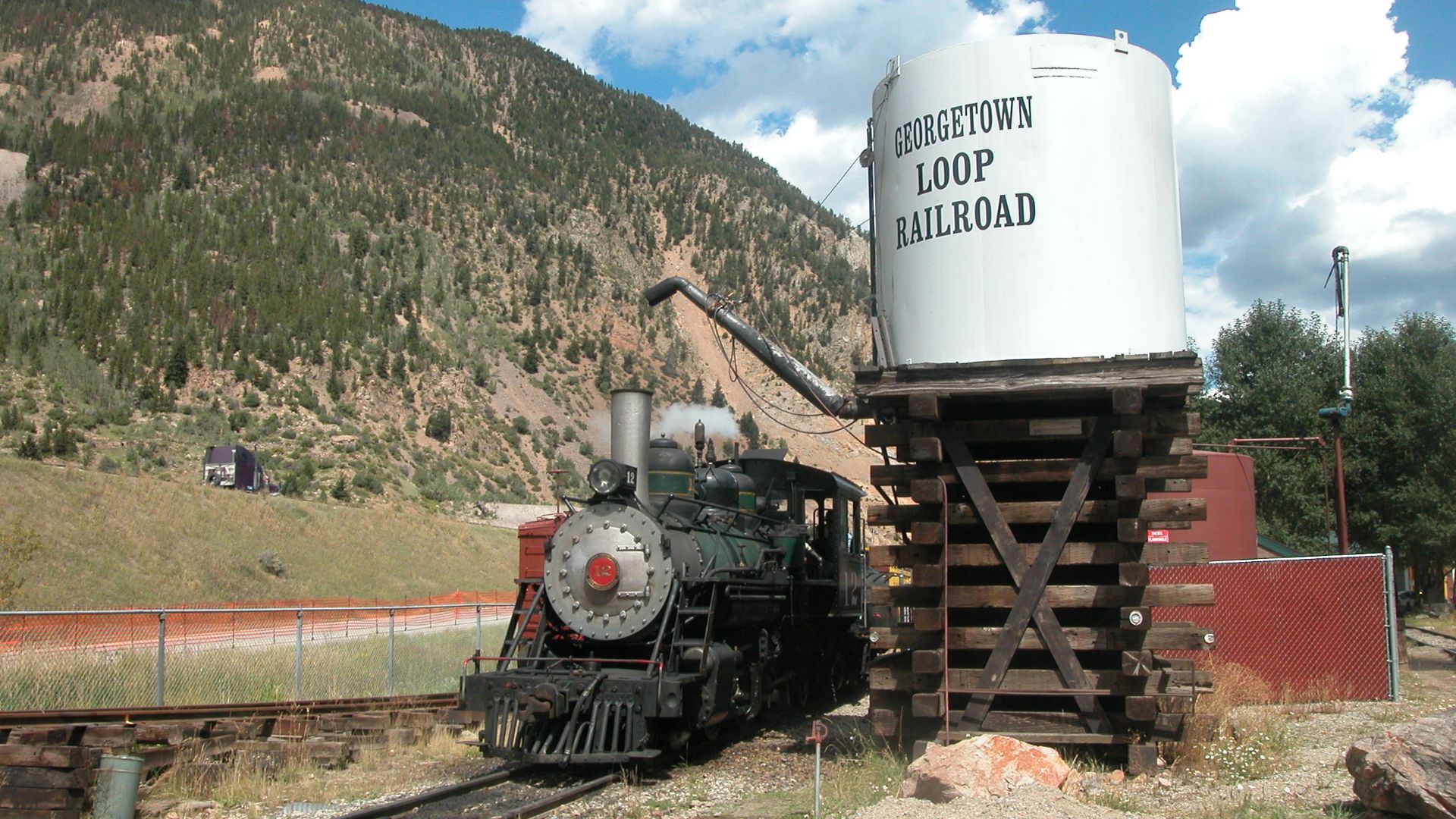
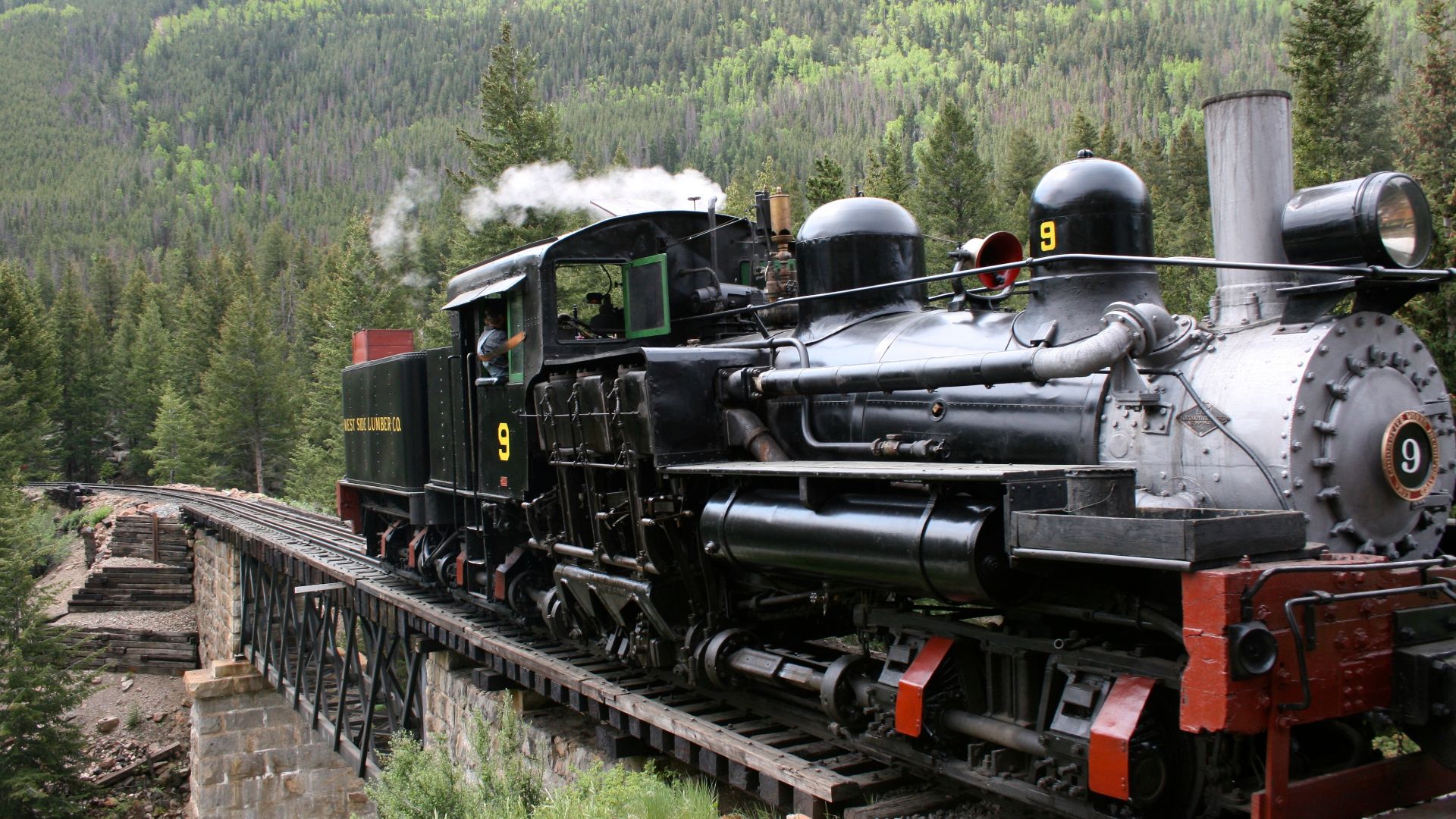
The Georgetown Loop Railroad was originally constructed during the 1880s to serve the silver mines around Clear Creek Canyon. Its winding route connects the historic communities of Georgetown and Silver Plume, using an ingenious looping alignment to gain elevation. Today, the preserved railway offers visitors a close look at the engineering solutions that made mining in Colorado's mountains possible.
 David Wilson, Wikimedia Commons
The Remarkable Return Of A Lost Railroad
The original Georgetown Loop was dismantled after railroad operations declined in the late 1930s. Preservation efforts eventually led to reconstruction, with tourist trains returning to part of the route in 1975. The restored railroad is now a Colorado historic site, demonstrating how a once-abandoned industrial landmark can become a popular visitor attraction.
You Can Even Explore A Historic Silver Mine
The Georgetown Loop experience extends beyond the railway itself through its connection with the historic Lebanon mine. Preservation work on the mine began during the 1960s, and reconstructed mining buildings opened to visitors in 1978. Travelers interested in underground mining history can look for excursions that combine a train ride with a guided mine tour.
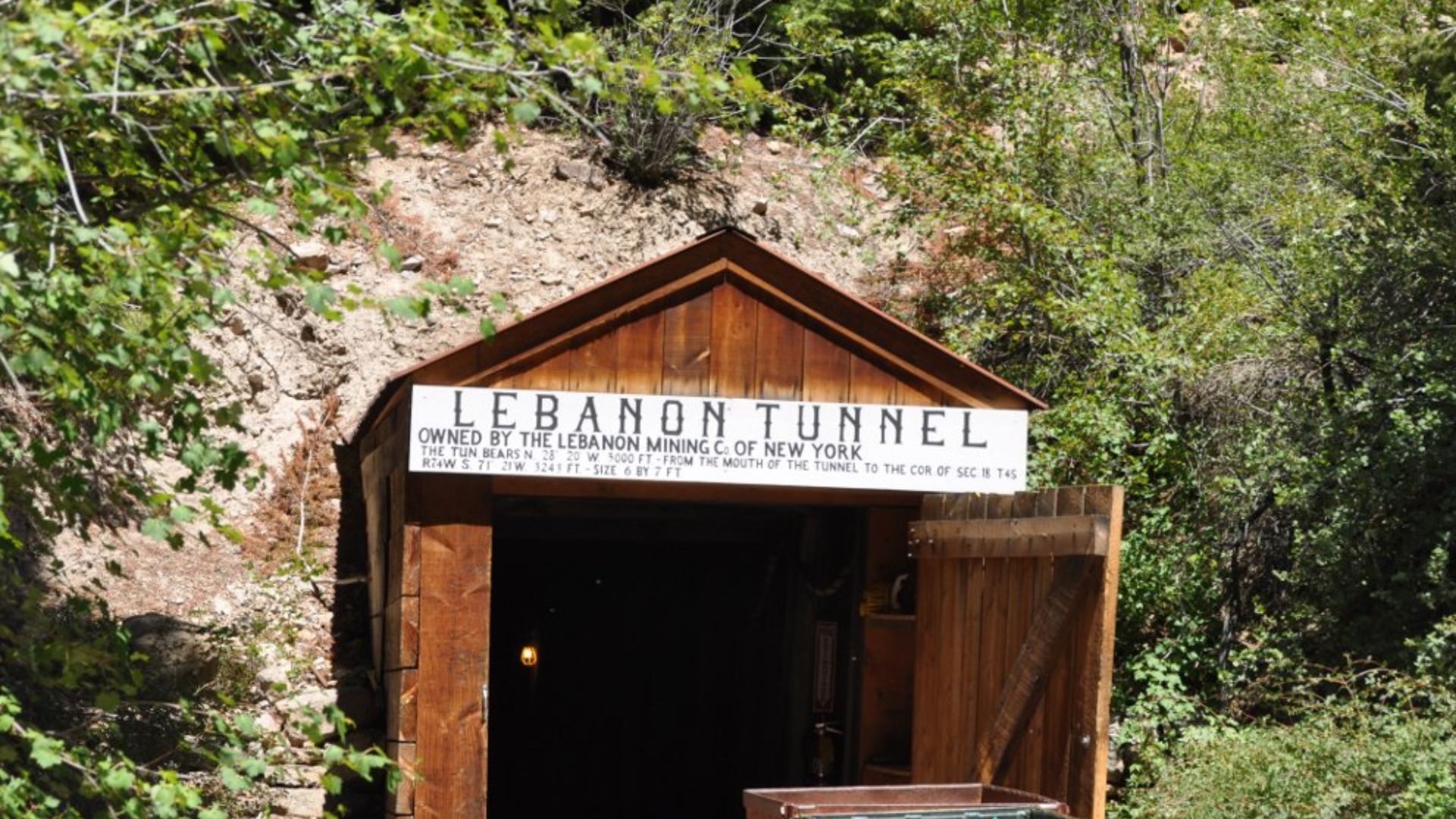 User:Magicpiano, Wikimedia Commons
Leadville Railroad: A Journey Through Colorado's Mining Highlands
The Leadville Railroad operates along a surviving section of the historic Denver, South Park & Pacific Railroad's mountain route. Completed in 1884, the original Highline helped connect the remote Leadville region with Colorado's developing transportation network. Today's scenic excursions depart from a town that became one of America's most celebrated silver mining centers.
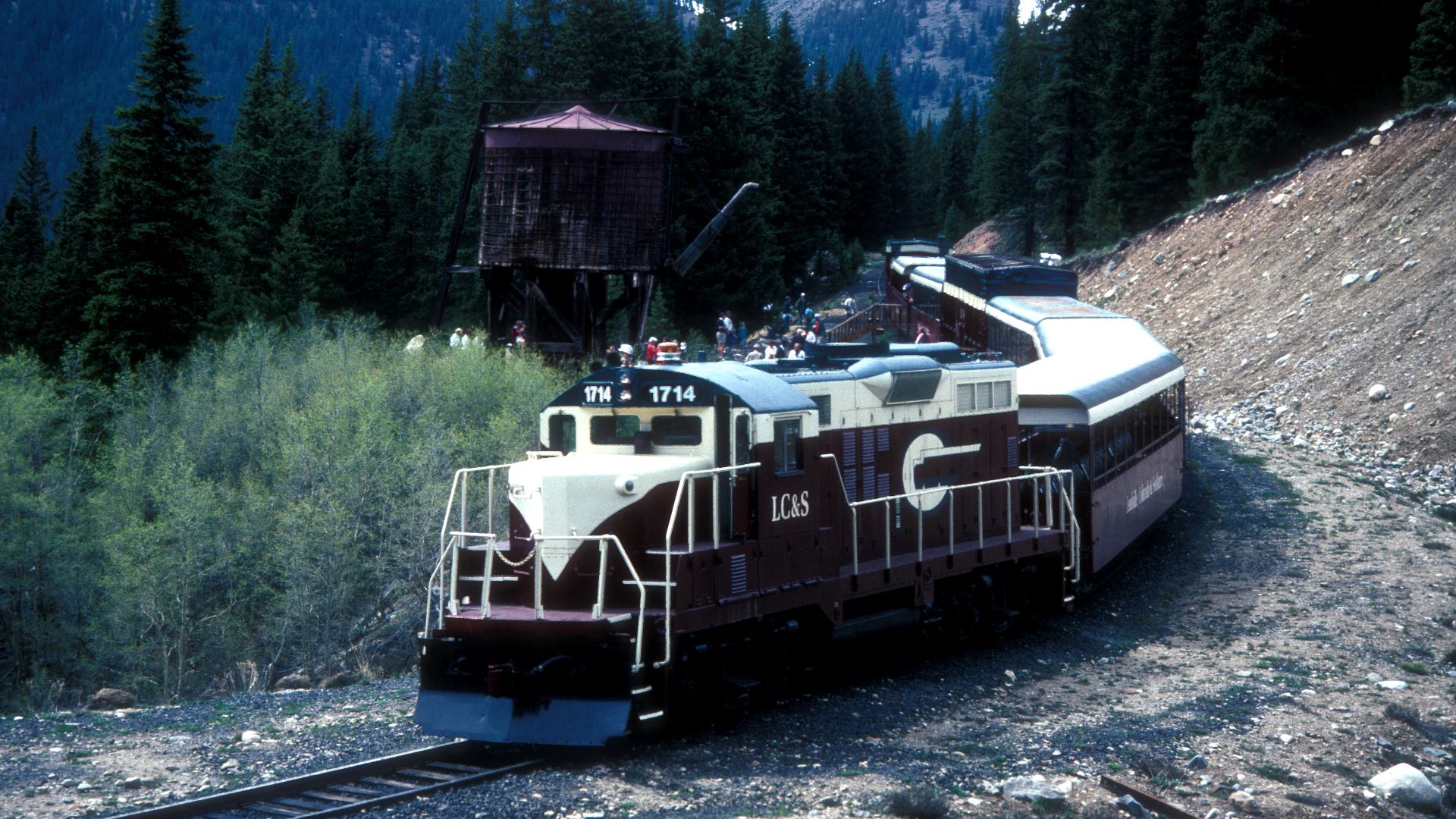 JERRYE AND ROY KLOTZ MD, Wikimedia Commons
The Views Include Colorado's Highest Peaks
The Leadville Railroad travels through the San Isabel National Forest, offering views across the Upper Arkansas River Valley. Passengers can see Mount Elbert and Mount Massive, Colorado's two tallest mountains, while traveling through forests of evergreens and aspens. The railroad's elevated setting makes it especially appealing to travelers who enjoy mountain scenery alongside industrial history.
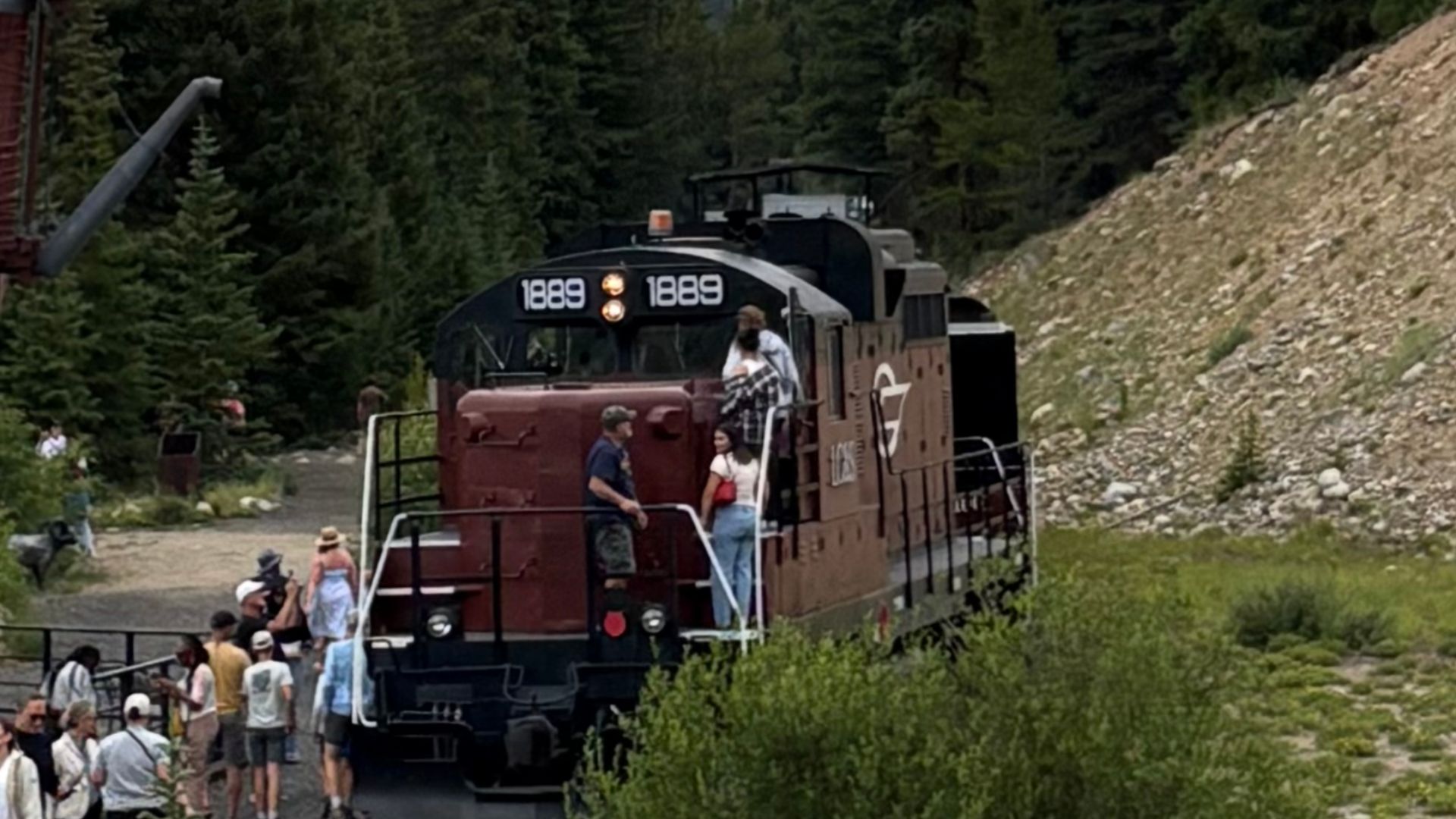
A Freight Railroad Finds A Second Life
The modern Leadville Railroad began when Ken and Stephanie Olsen purchased a portion of the former freight line in 1987. Their acquisition included locomotives, railroad cars, and more than 14 miles of track that could be adapted for tourist excursions. Passenger operations opened in 1988, preserving a route that might otherwise have disappeared from Colorado's railroad landscape.
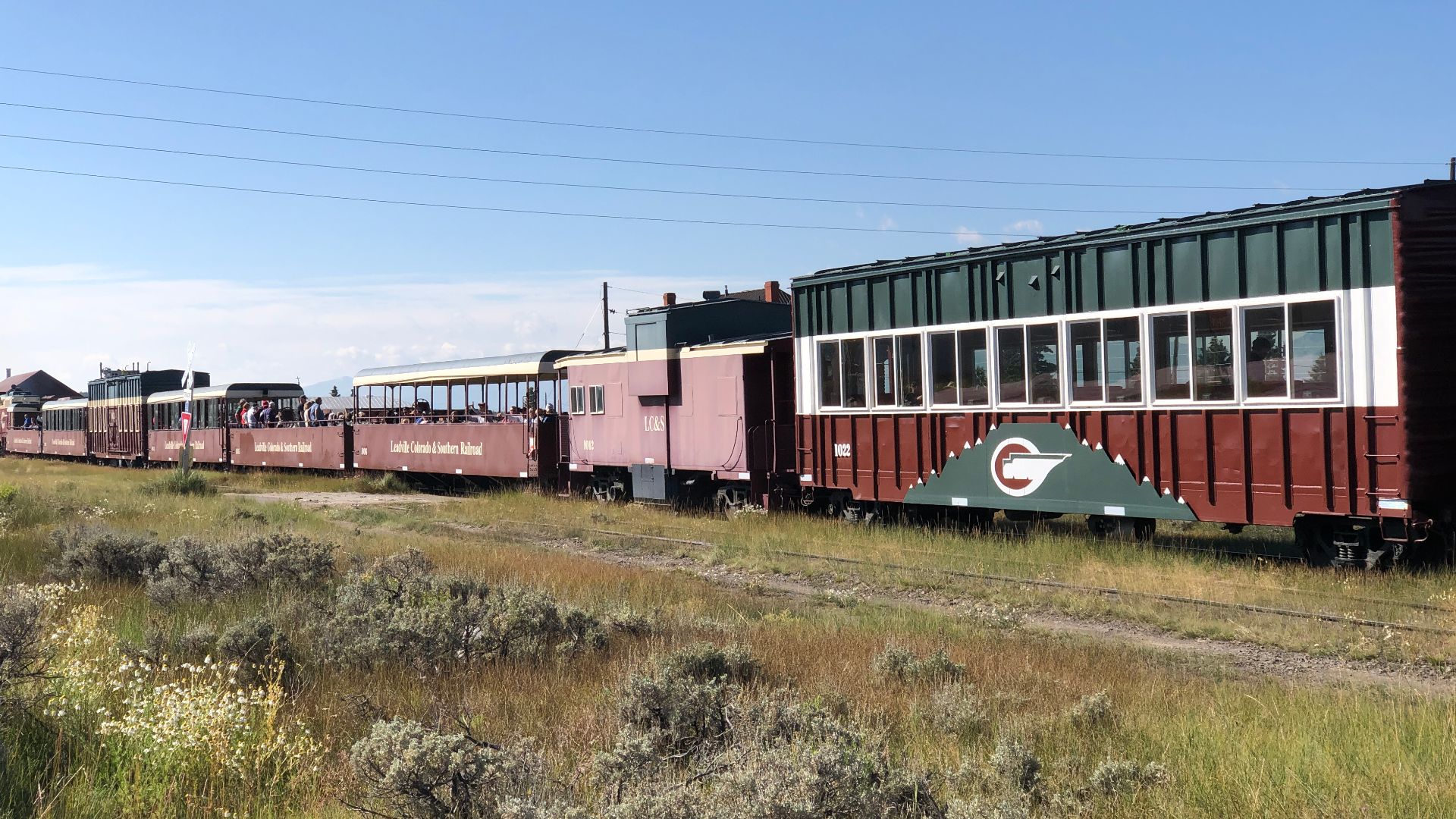
Cripple Creek & Victor: Steam Through Gold Country
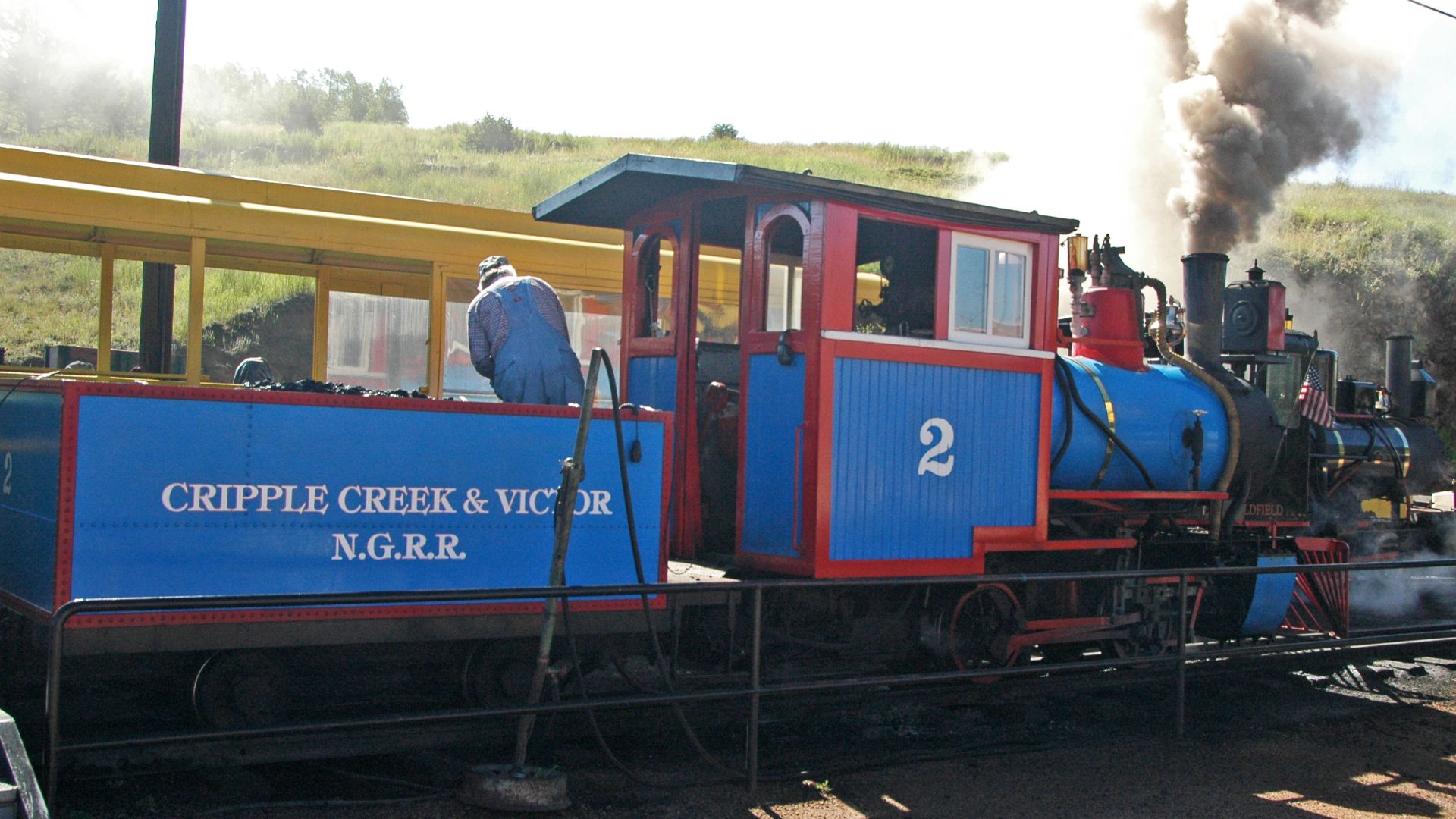
The Cripple Creek & Victor Narrow Gauge Railroad takes visitors through one of Colorado's best-known historic gold mining districts. Its short excursion passes old mines and follows part of the former Midland Terminal railroad corridor near Cripple Creek. Unlike some longer mountain railroads, this attraction concentrates its mining history and scenery into an approximately 45-minute experience.
 James St. John, Wikimedia Commons
Small Locomotives With A Big Mining Connection
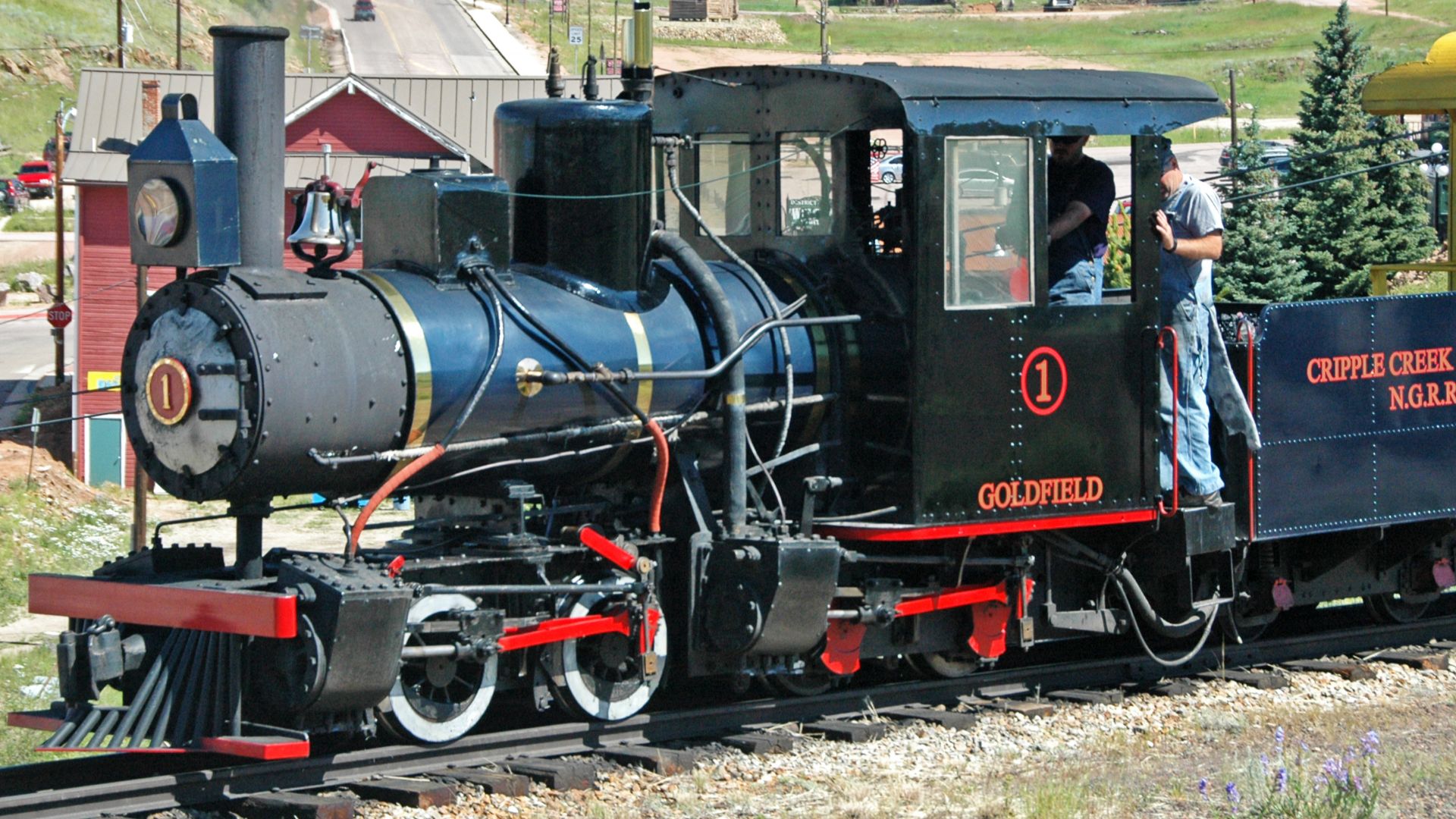
The Cripple Creek & Victor railroad opened as a tourist attraction in 1967, using historic narrow-gauge steam locomotives. Founder John Birmingham acquired locomotives associated with the Climax Molybdenum mine before developing the attraction. Today's operation combines vintage equipment, an open-air passenger experience, and narrated stories about the district's mining past.
 James St. John, Wikimedia Commons
Nevada Northern: Riding The Rails Of Copper Country
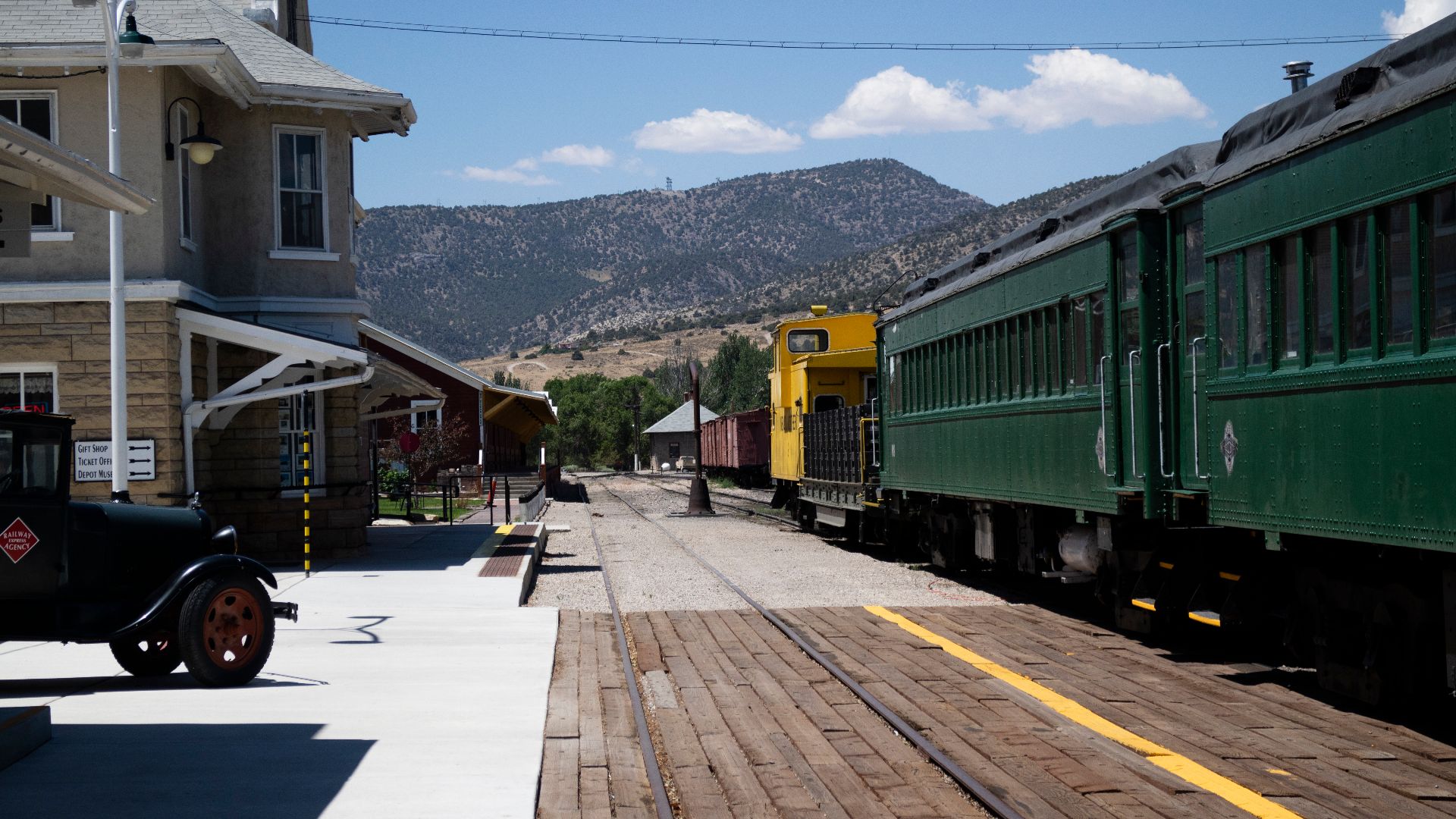
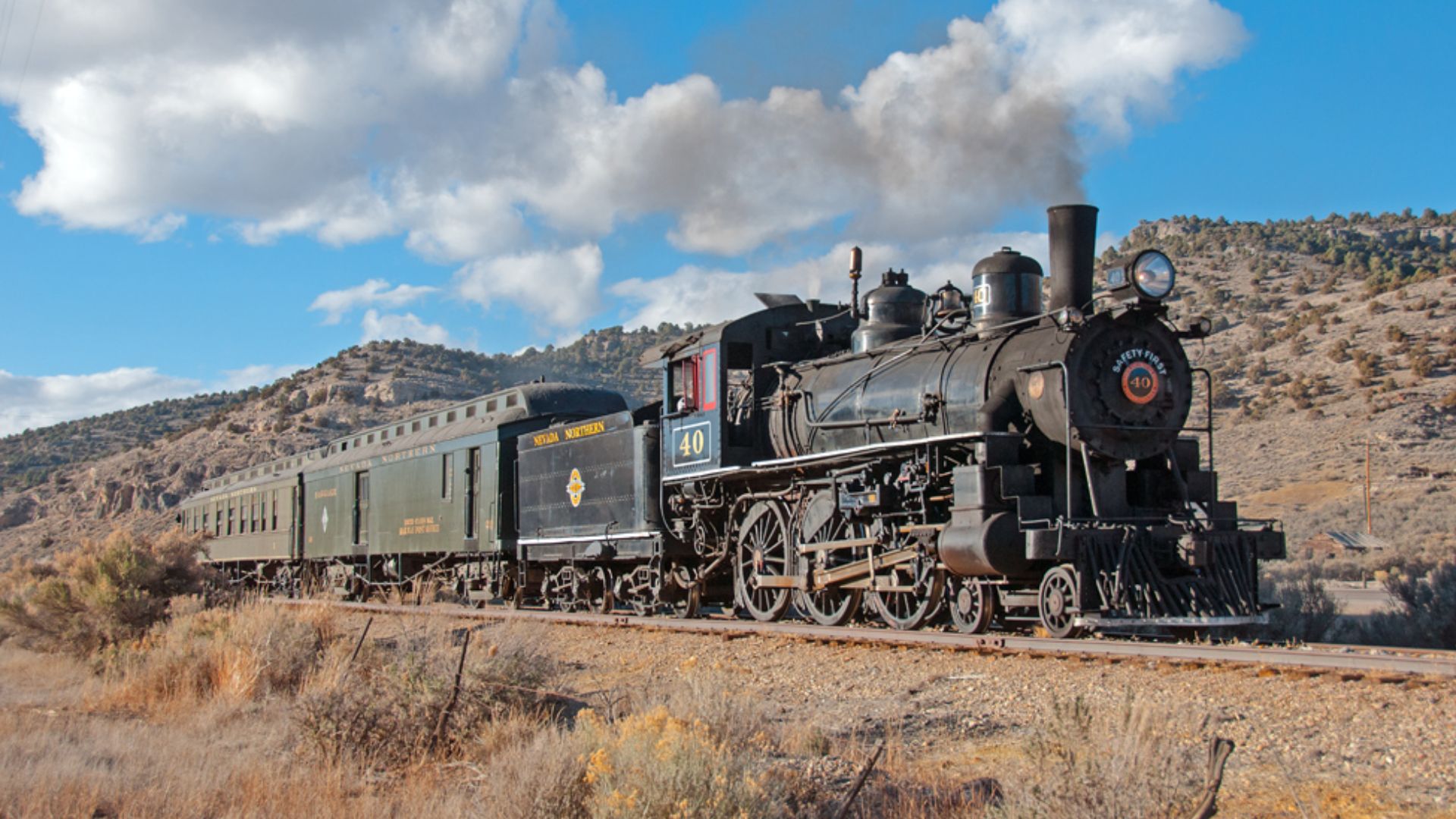
The Nevada Northern Railway Museum preserves a railroad originally developed to serve the copper mining industry around Ely, Nevada. Completed in 1906, the railway connected the mining district with larger transportation networks and eventually carried ore to processing facilities at McGill. Visitors can now ride vintage trains through Nevada's high-desert landscape while discovering the region's industrial past.
 Thomas Farley, Wikimedia Commons
The Railroad Yard Is Almost A Time Capsule
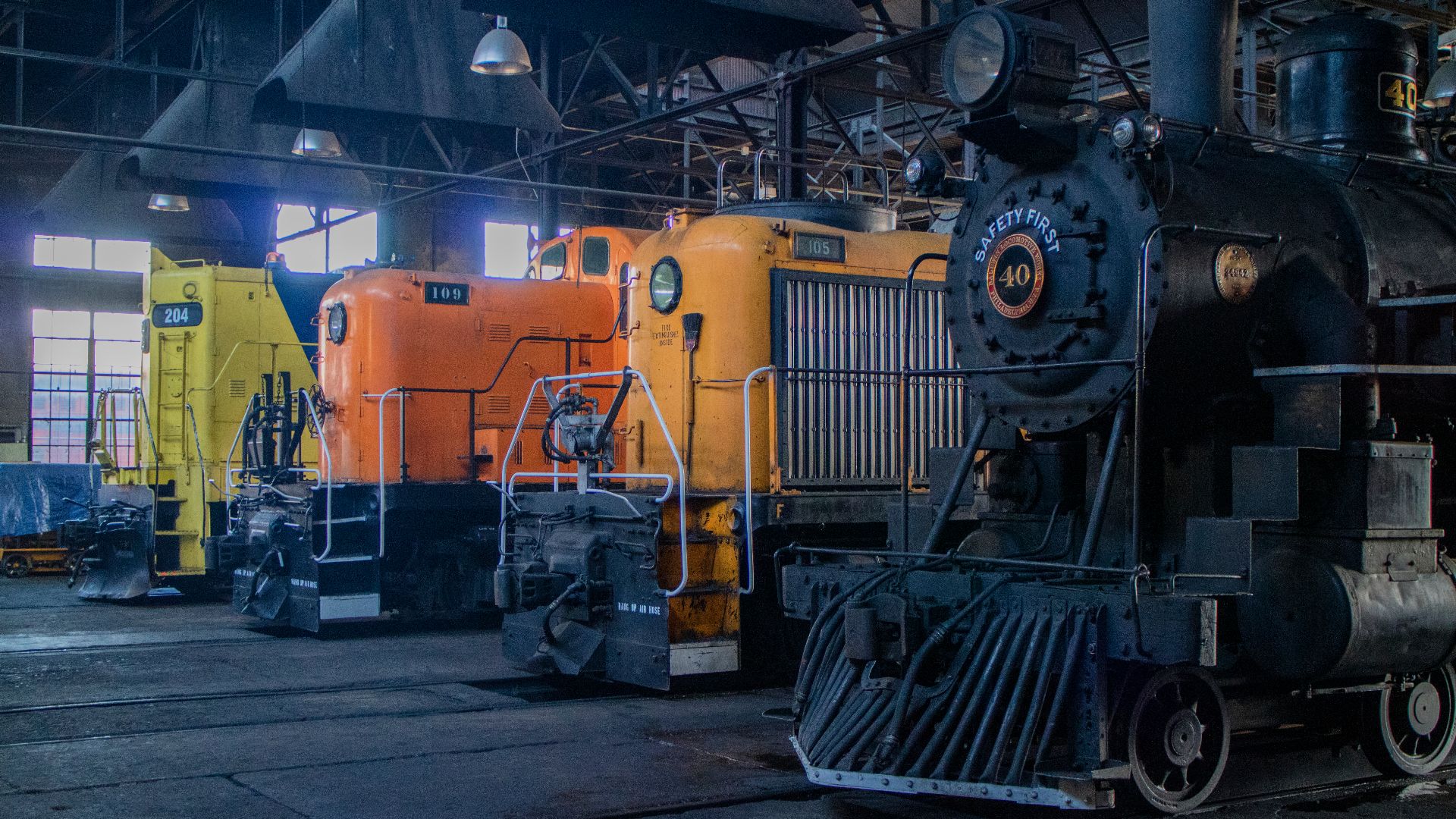
Nevada Northern is particularly remarkable because its preservation extends far beyond a few locomotives. The historic East Ely complex retains workshops, railroad buildings, equipment, and track associated with the original operation. Visitors can explore an unusually complete working railroad environment rather than simply viewing restored trains in a conventional museum.
 Thomas Farley, Wikimedia Commons
Old Mining Routes Still Carry Passengers
Nevada Northern's excursions use historic steam or diesel locomotives on trips that typically last around 90 minutes. Some journeys head toward the Ruth mining district, where copper extraction helped sustain the railroad for decades. The experience offers an unusually direct connection between the original industrial purpose of the railway and its modern role as a heritage attraction.
 Drew Jacksich from San Jose, California, Wikimedia Commons
White Pass & Yukon Route: Following The Klondike Gold Rush
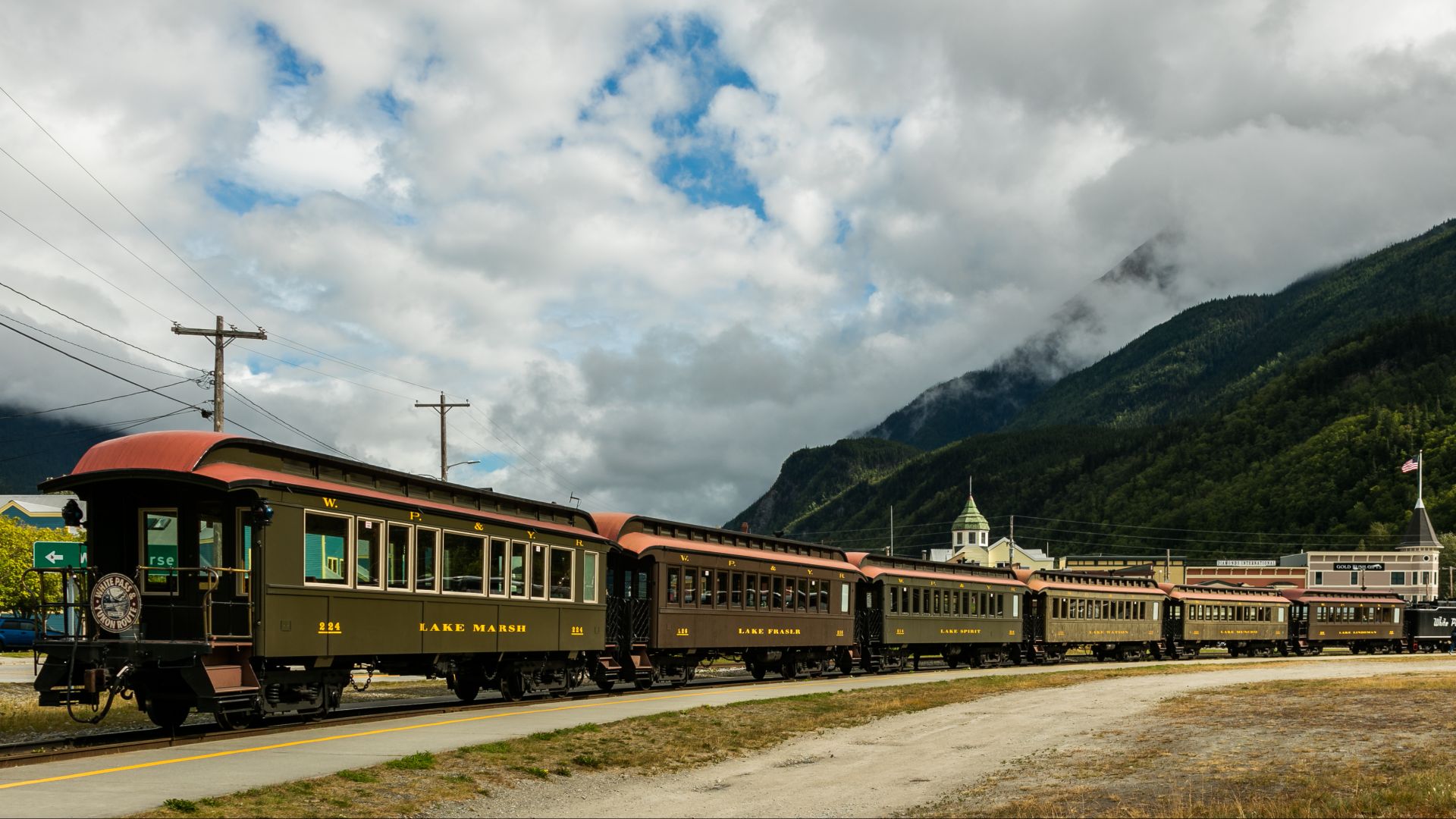
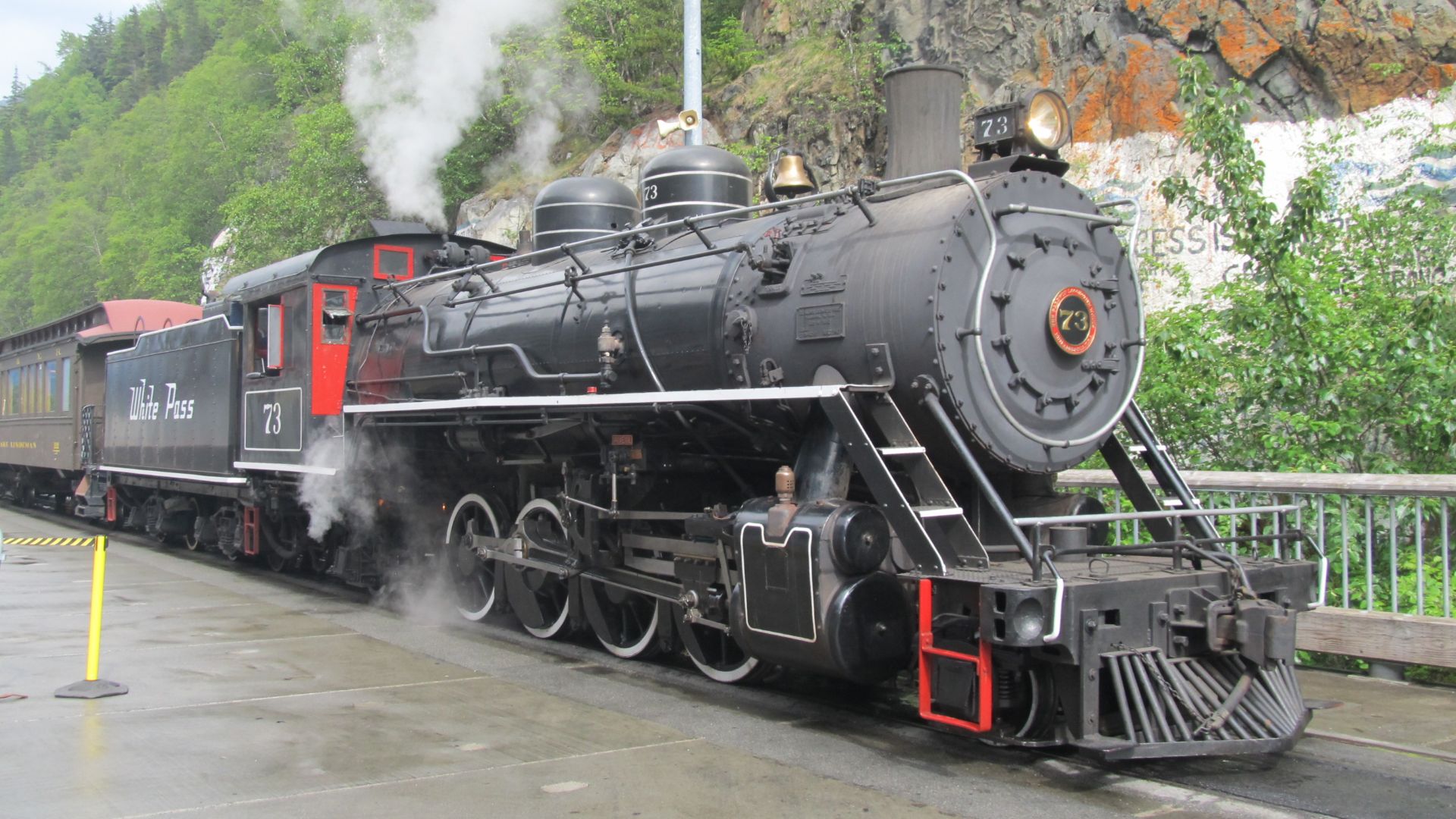
The White Pass & Yukon Route Railway was constructed during the Klondike Gold Rush to connect Alaska's coast with the interior of northwestern Canada. Completed in 1900, the original 110-mile railway provided a crucial transportation link for prospectors, supplies, and eventually mineral shipments. Today, scenic excursions from Skagway take travelers into the spectacular mountains that once challenged thousands of gold seekers.
 Diego Delso, Wikimedia Commons
A Railroad Built Against Extraordinary Odds
Construction began in 1898, and workers faced steep slopes, extreme weather, and difficult mountain conditions. The railway climbs approximately 2,900 feet from Skagway to White Pass Summit in just 20 miles, an impressive achievement for its era. Passengers can still appreciate the scale of that accomplishment as the train winds past rocky slopes, waterfalls, and dramatic mountain scenery.
The White Pass Summit Is The Main Attraction
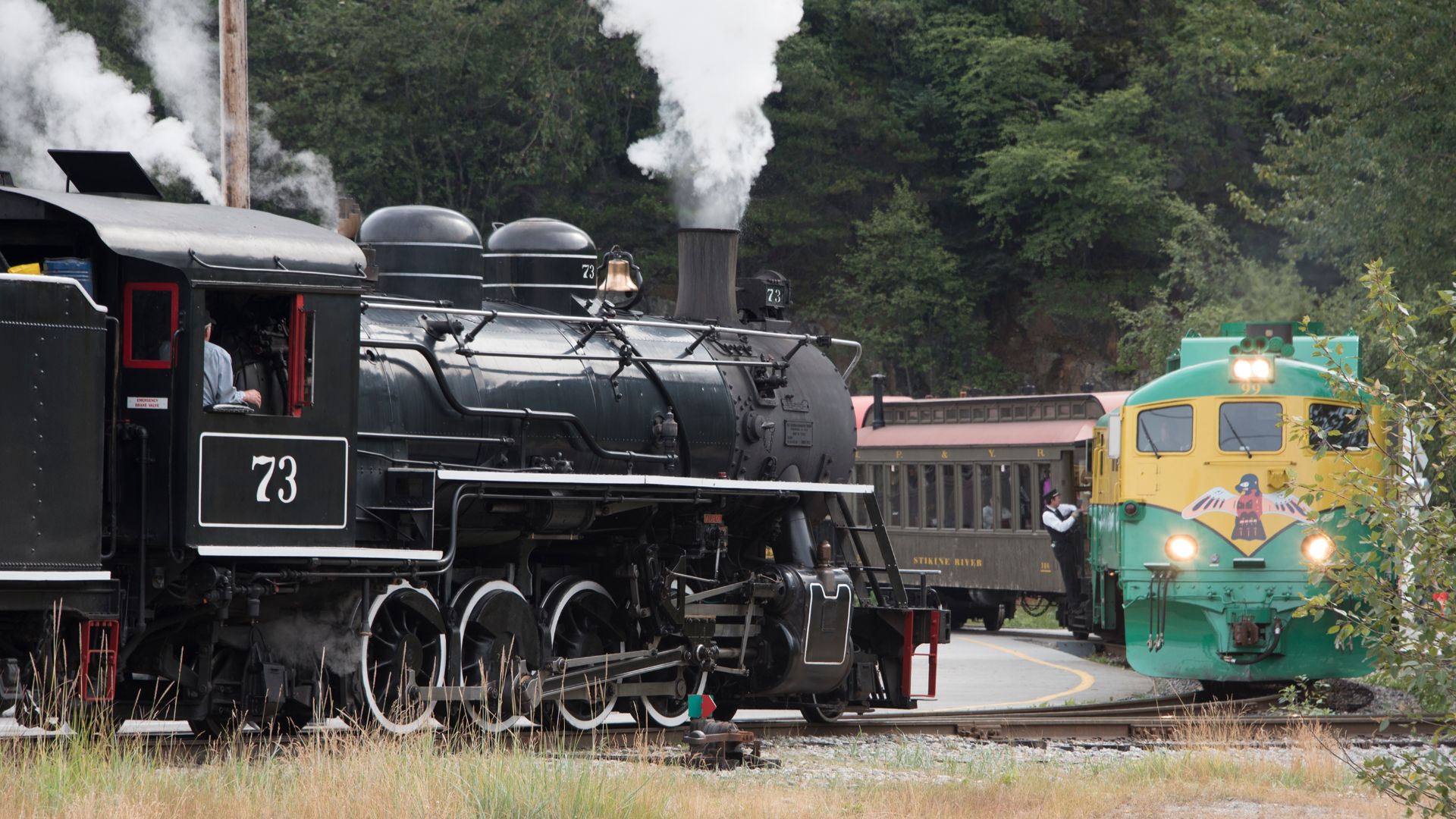
The popular White Pass Summit Excursion follows the historic railway through mountains, tunnels, and trestles on a roughly 40-mile round trip. Along the way, passengers encounter views of Bridal Veil Falls, Inspiration Point, and Dead Horse Gulch. The scenery is impressive, but knowing that thousands of prospectors once struggled through this landscape makes the journey especially memorable.
 Ryan Schreiber, Wikimedia Commons
The Railway Even Reaches Historic Gold Rush Settlements
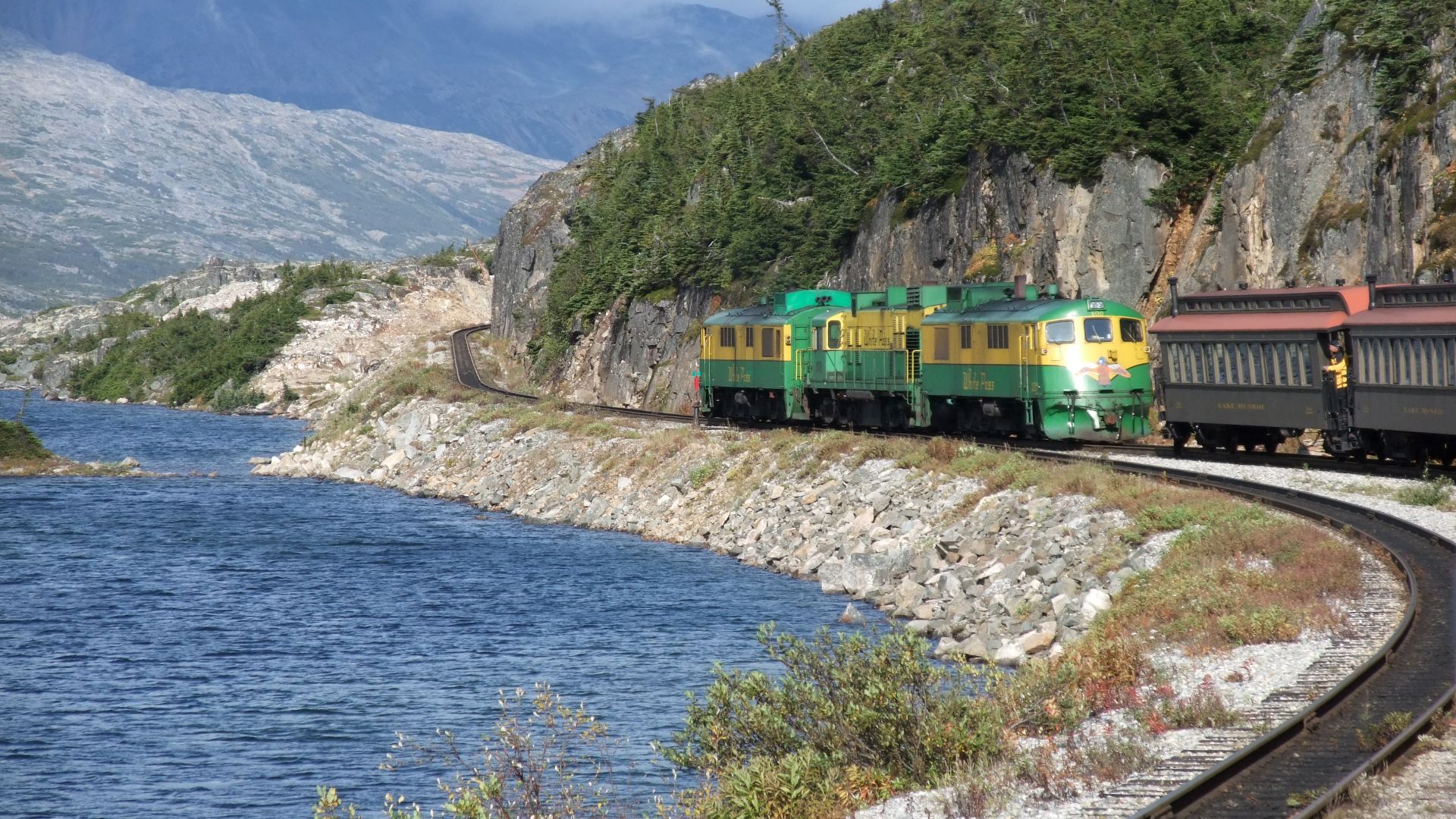
Longer White Pass & Yukon Route excursions can continue beyond the summit toward Bennett and Carcross, following routes associated with the Klondike Gold Rush. Bennett became an important gathering place for prospectors preparing to continue toward the Yukon goldfields. Travelers choosing these extended journeys can explore historic sites and experience mountain wilderness that shorter summit excursions do not reach.
 Explorer1940, Wikimedia Commons
Sumpter Valley Railroad: Oregon's Forgotten Gold Country
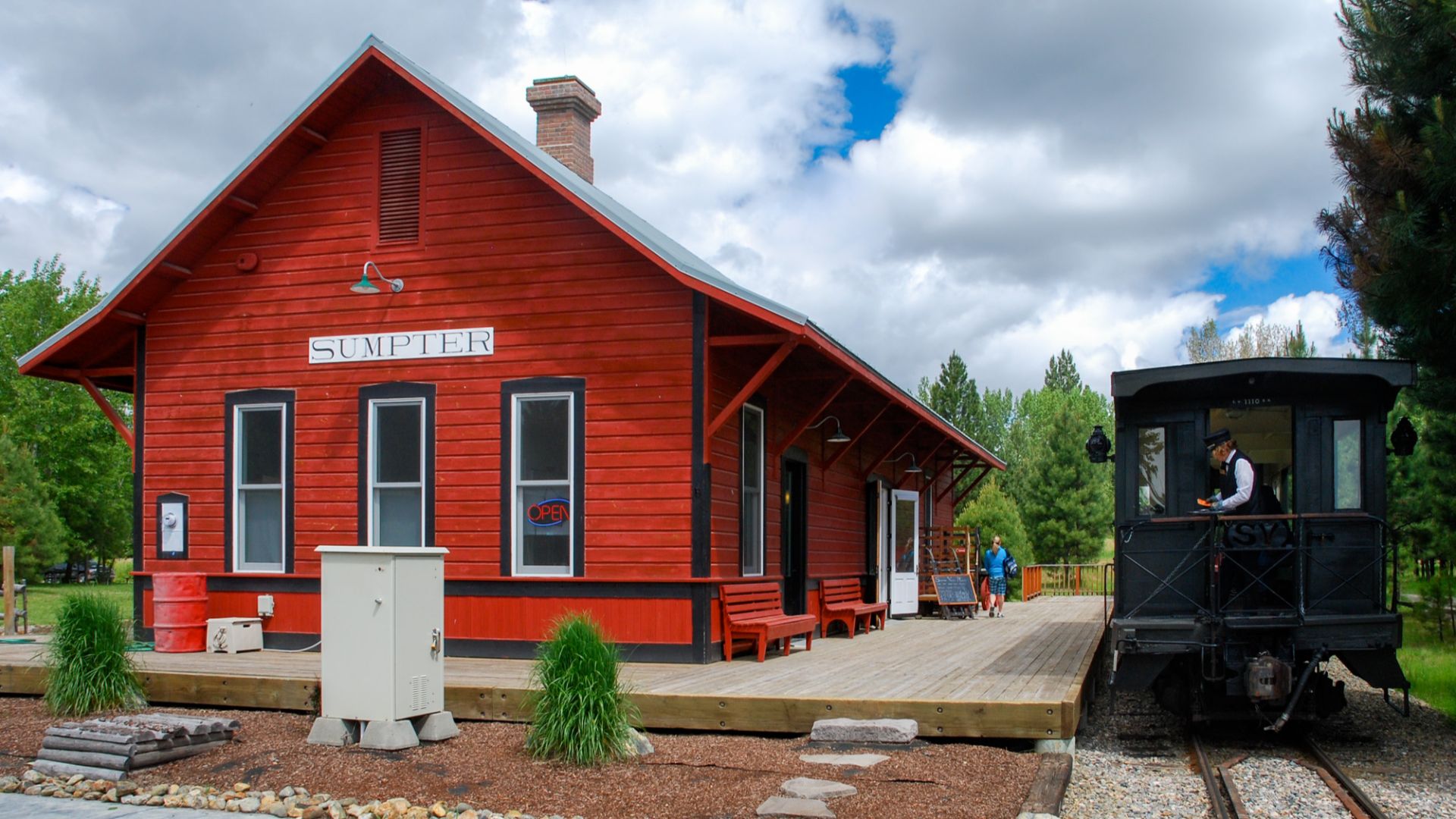
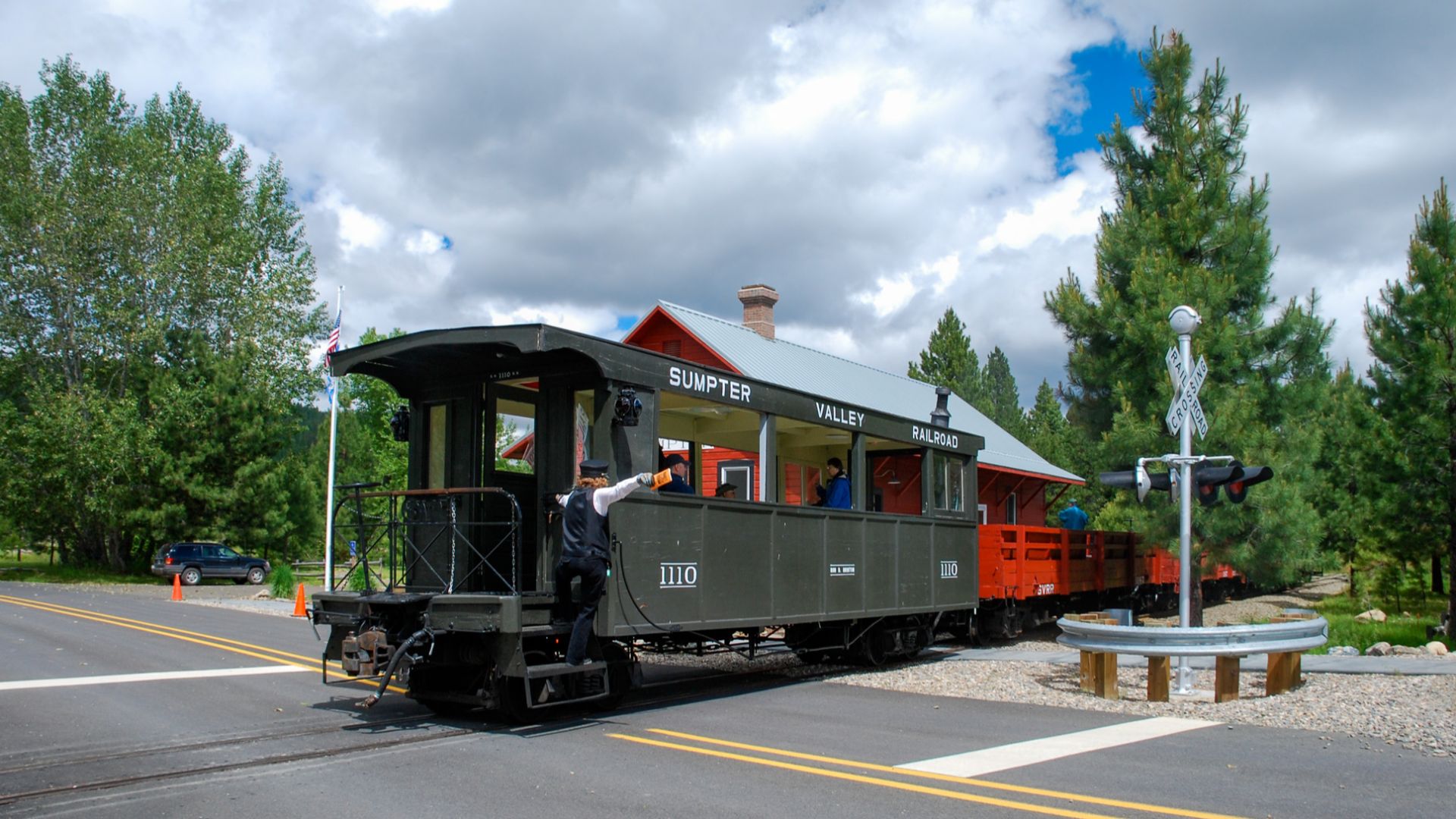
The Sumpter Valley Railroad preserves part of an eastern Oregon narrow-gauge railway that once transported timber, supplies, passengers, and gold-related freight. The original railroad began operating in 1890 and eventually connected communities across a much larger section of the region. Today's heritage operation carries visitors between McEwen and Sumpter, near the historic goldfields of the Blue Mountains.
 Gary Halvorson, Oregon State Archives, Wikimedia Commons
Volunteers Brought The Railroad Back From Oblivion
The original Sumpter Valley Railway ceased operations in 1947, and much of its track was removed. Volunteers began rebuilding the line in 1971, eventually reopening a small section to passengers in 1976. Their work has preserved historic equipment and restored a railway experience that had nearly disappeared from eastern Oregon.
 Gary Halvorson, Oregon State Archives, Wikimedia Commons
A Giant Gold Dredge Waits Near The Tracks
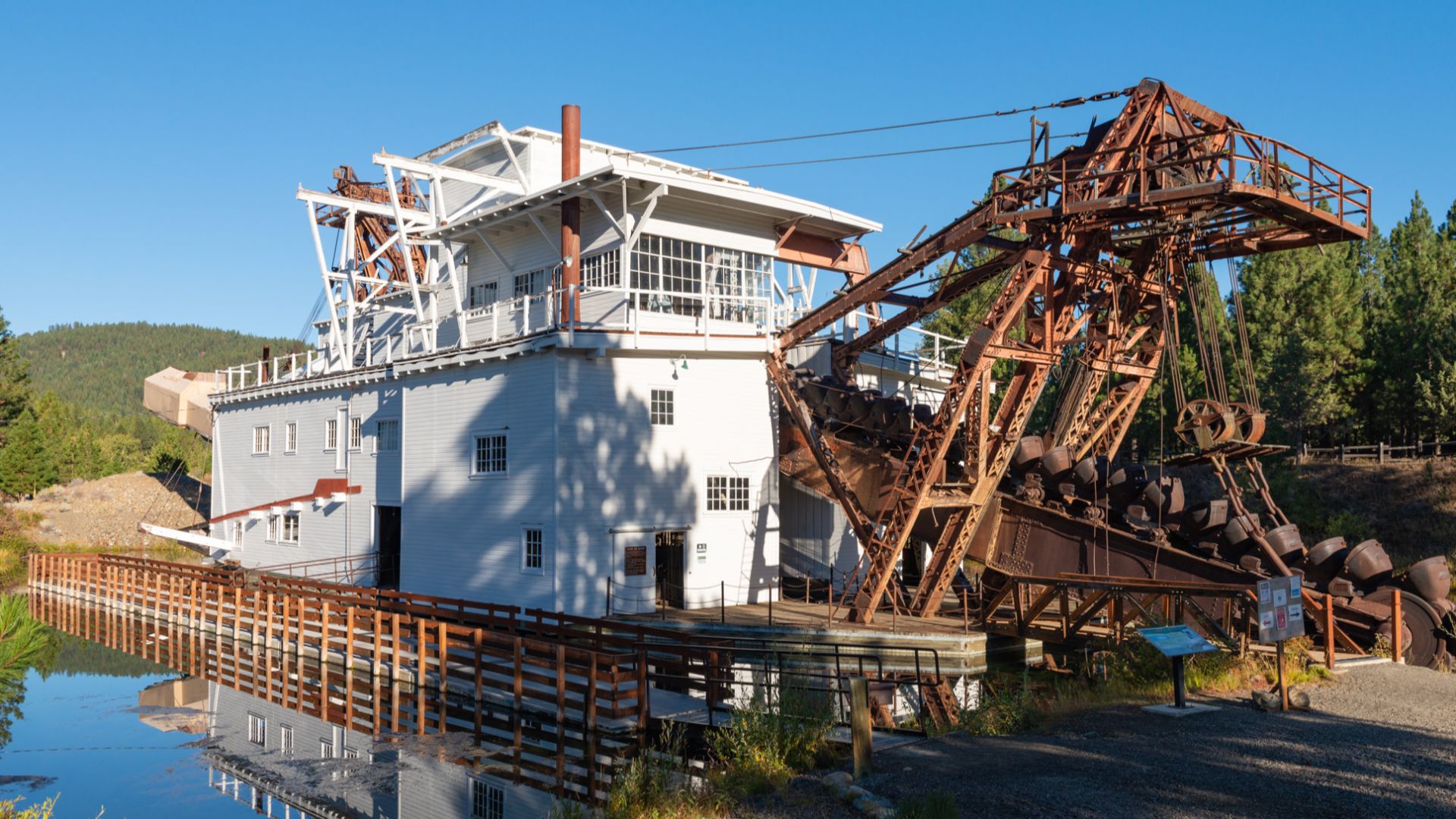
One of the best reasons to visit Sumpter is the nearby Sumpter Valley Dredge State Heritage Area. Its enormous gold dredge operated from 1935 until 1954, extracting gold from the valley floor and leaving extensive piles of mining debris behind. Visitors can combine the railroad experience with a closer look at the machinery that transformed this once-prosperous mining district.
 Gary Halvorson, Oregon State Archives, Wikimedia Commons
Royal Gorge Route: The Railroad That Sparked A Rivalry
The Royal Gorge Route Railroad follows a historic corridor originally developed during Colorado's late nineteenth-century silver mining boom. Competition for access to the Leadville mining district triggered a bitter struggle between the Denver & Rio Grande and Atchison, Topeka & Santa Fe railroads. Today's passenger excursions travel through the dramatic Royal Gorge, where the Arkansas River cuts between towering canyon walls.
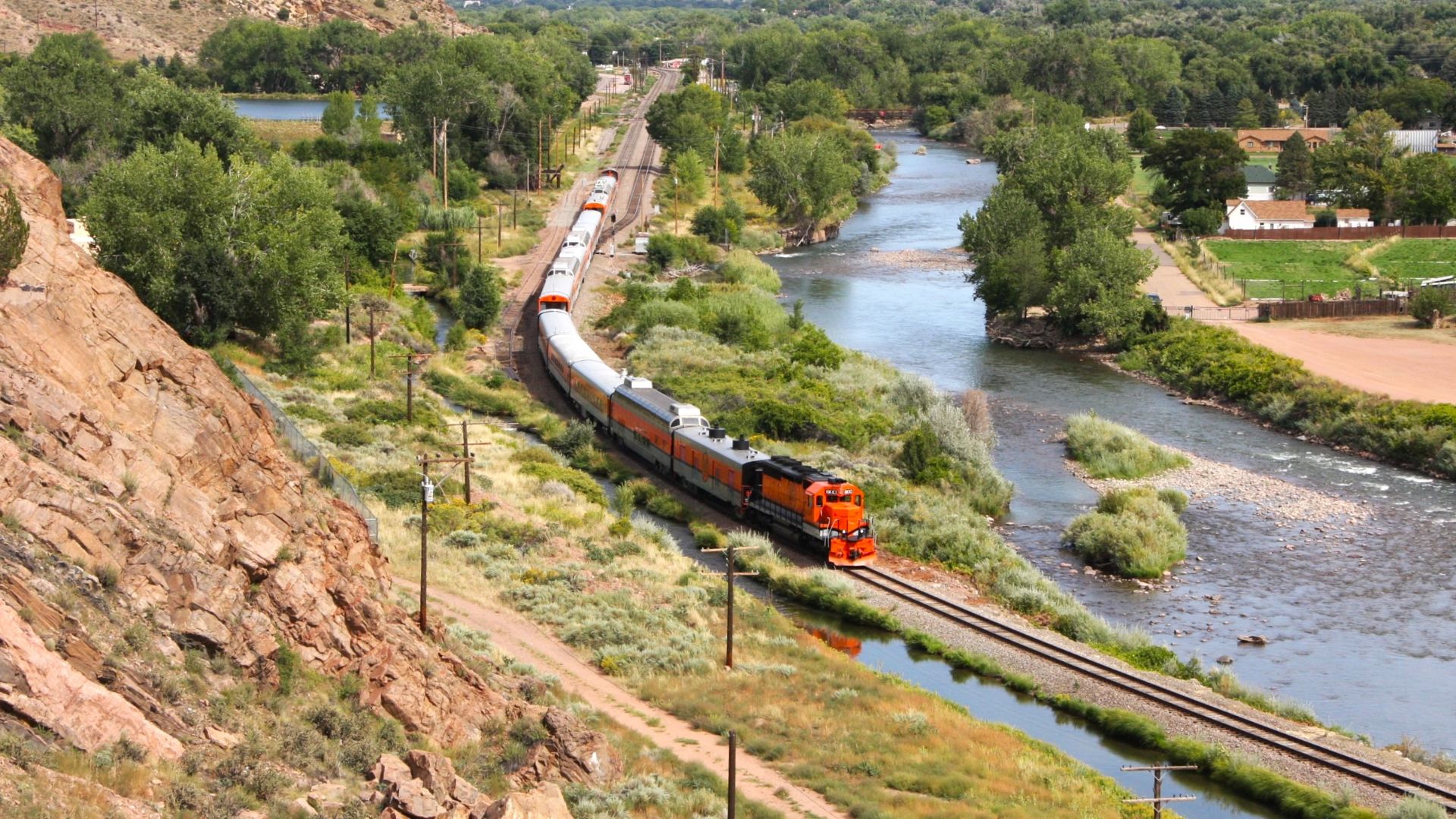 Mona Ruby Farley, Wikimedia Commons
The Famous Hanging Bridge Solved A Difficult Problem
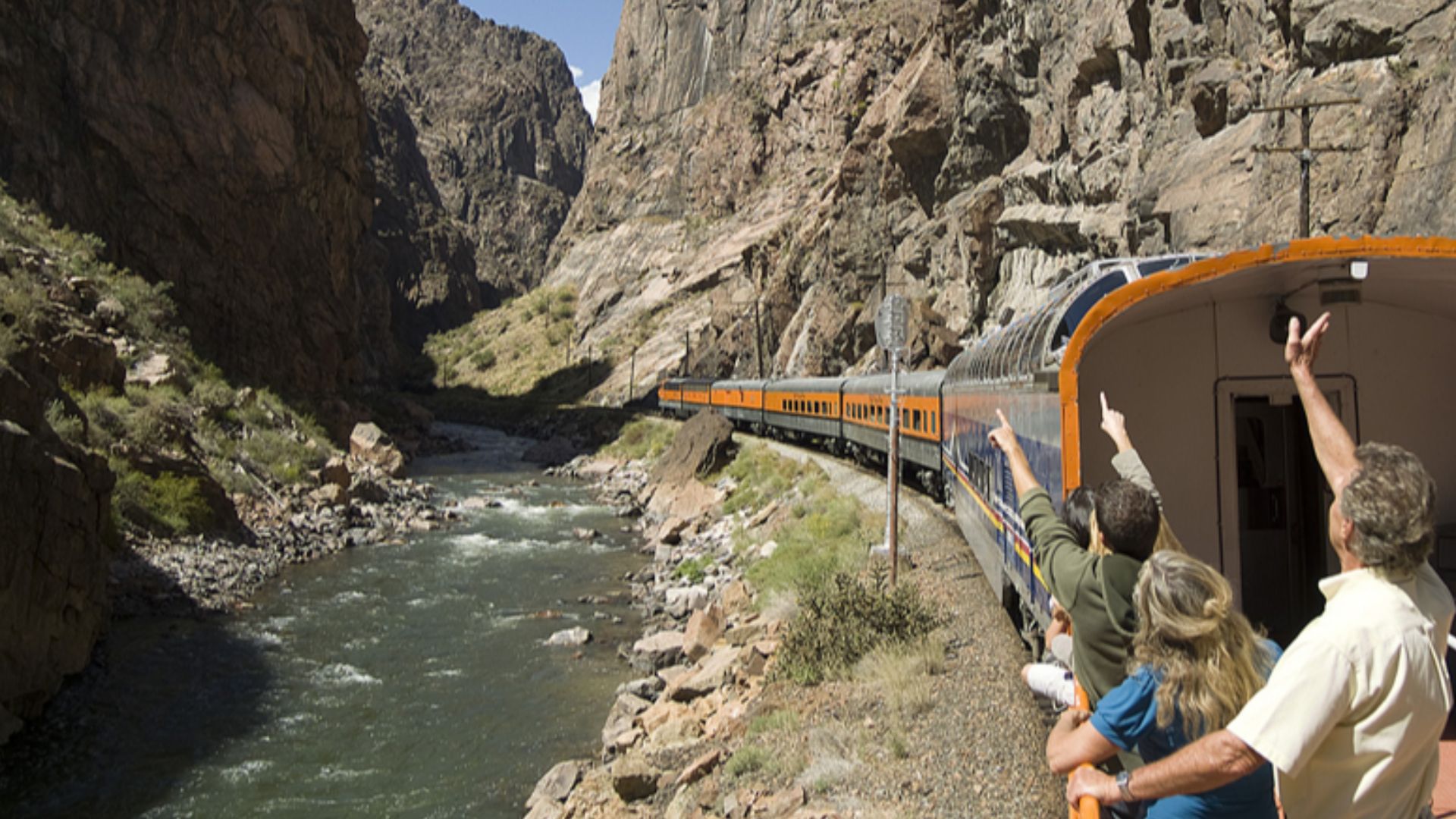
Building a railroad through Royal Gorge presented engineers with a serious obstacle because the canyon narrowed dramatically in places. The solution included a suspended bridge structure that allowed trains to pass through a section where there was insufficient room for a conventional track alignment beside the river. Modern visitors can experience this remarkable stretch of railroad while appreciating the engineering ingenuity that helped connect Colorado's mining districts.
These Mountain Railroads Are Worth Planning Around
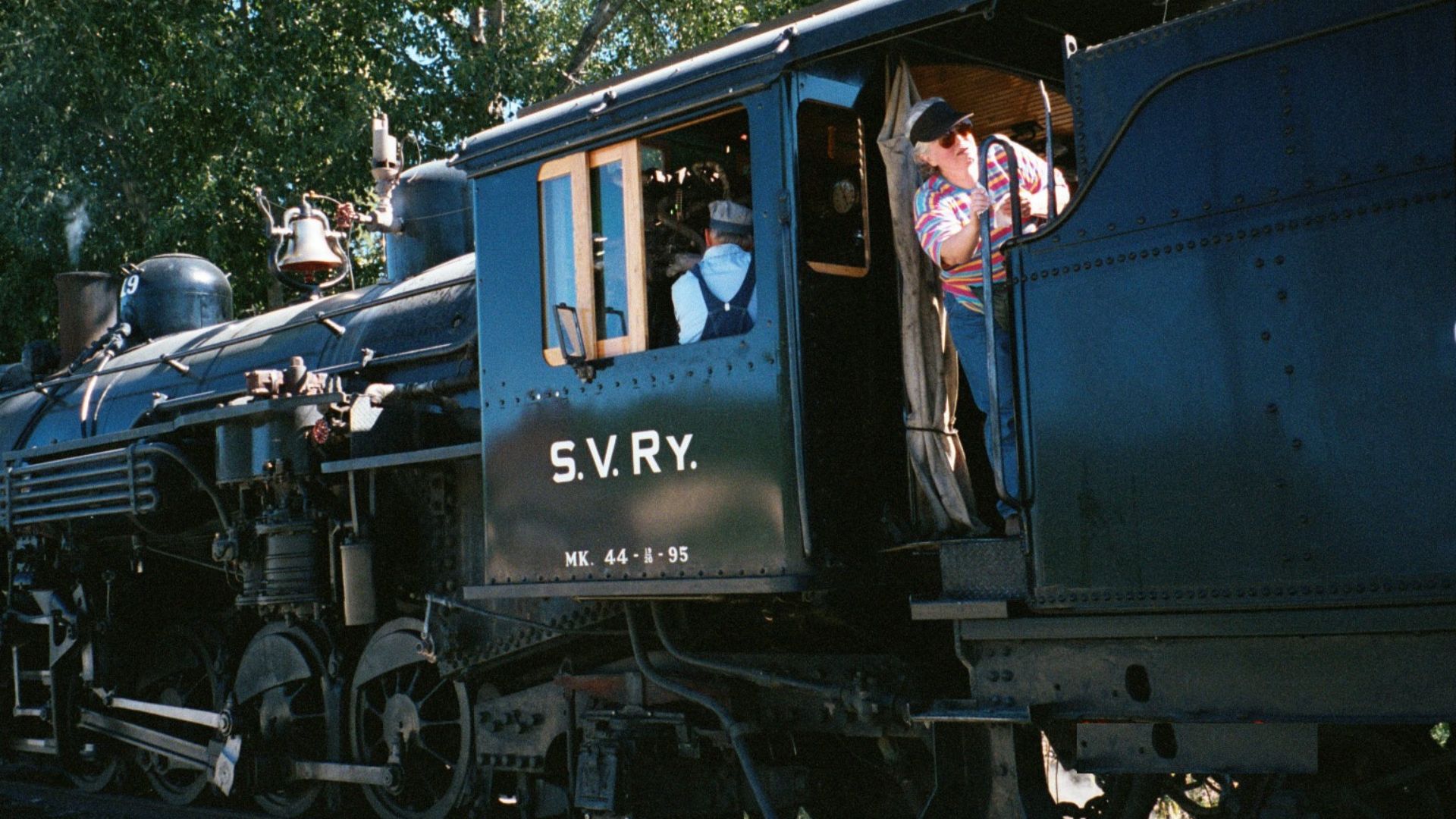
Historic mining railroads offer more than spectacular views because their tracks preserve the stories of communities built around gold, silver, and copper. Some excursions last less than an hour, while others provide longer journeys through remote mountain landscapes, so choosing the right experience makes a difference. Before traveling, check each railroad's official operating calendar, locomotive schedule, and available excursions, especially when planning a trip during winter or outside the main tourist season.
 Robert Ashworth from Bellingham, WA., USA, Wikimedia Commons
You May Also Like:
The Countries Americans Say They Would Move To If Money Were No Object