Where America Still Feels Wild
America has plenty of famous destinations, but some of its most beautiful places offer something increasingly difficult to find: genuine solitude. From isolated islands and mountain valleys to enormous deserts, these landscapes can make the modern world feel impossibly far away. Some require serious planning to reach, while others offer an unexpected escape just a short distance from civilization. Here are some remarkable American destinations where nature still takes center stage.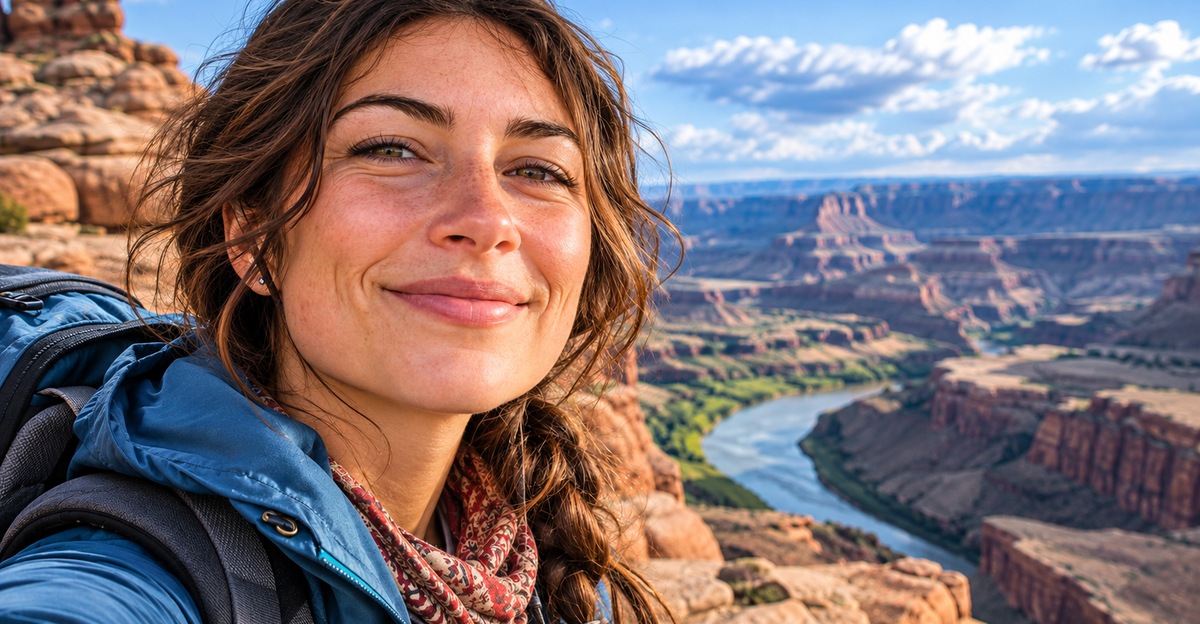 Factinate Ltd
Isle Royale, Michigan: An Island Lost In Lake Superior
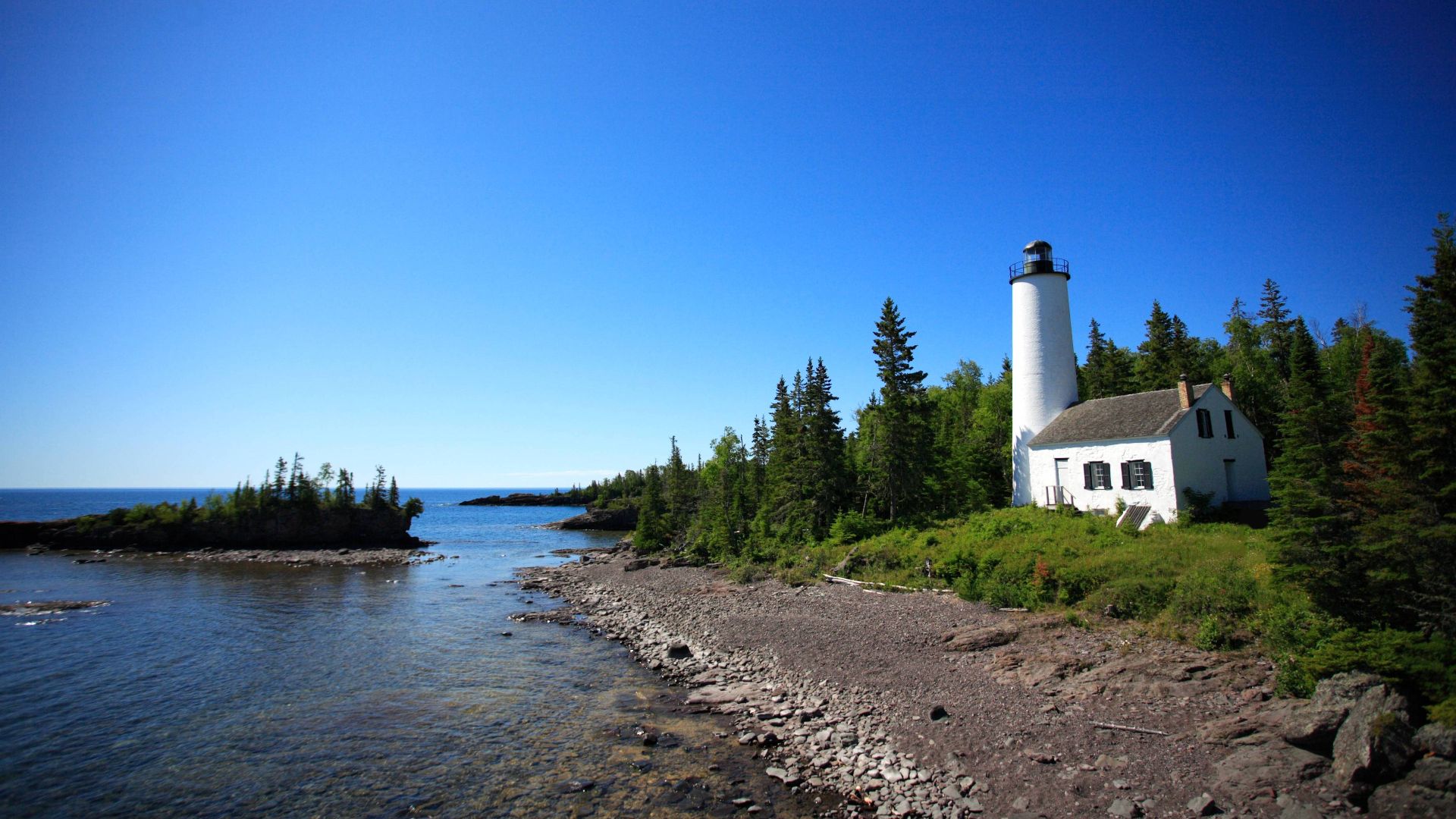
Isle Royale National Park sits in the middle of Lake Superior, far from highways and busy tourist towns. Visitors can only reach this remote wilderness by ferry, seaplane, or private boat, making the journey part of the adventure. Once there, quiet forests, rocky shorelines, and secluded hiking trails create an atmosphere that feels wonderfully removed from everyday life. Even cellular service is unavailable across the island, making it an unusually convincing place to disconnect.
Dry Tortugas, Florida: Paradise Beyond The Highway
About 70 miles west of Key West, Dry Tortugas National Park feels more like a remote Caribbean outpost than a typical American destination. Accessible only by boat or seaplane, the park features turquoise water, coral reefs, and the enormous historic Fort Jefferson. There are no roads connecting these islands to the mainland, and visitors must prepare for limited facilities. The combination of tropical scenery and isolation makes the journey unforgettable.
 Joe Parks from Berkeley, CA, Wikimedia Commons
Gates Of The Arctic, Alaska: Wilderness Without Roads
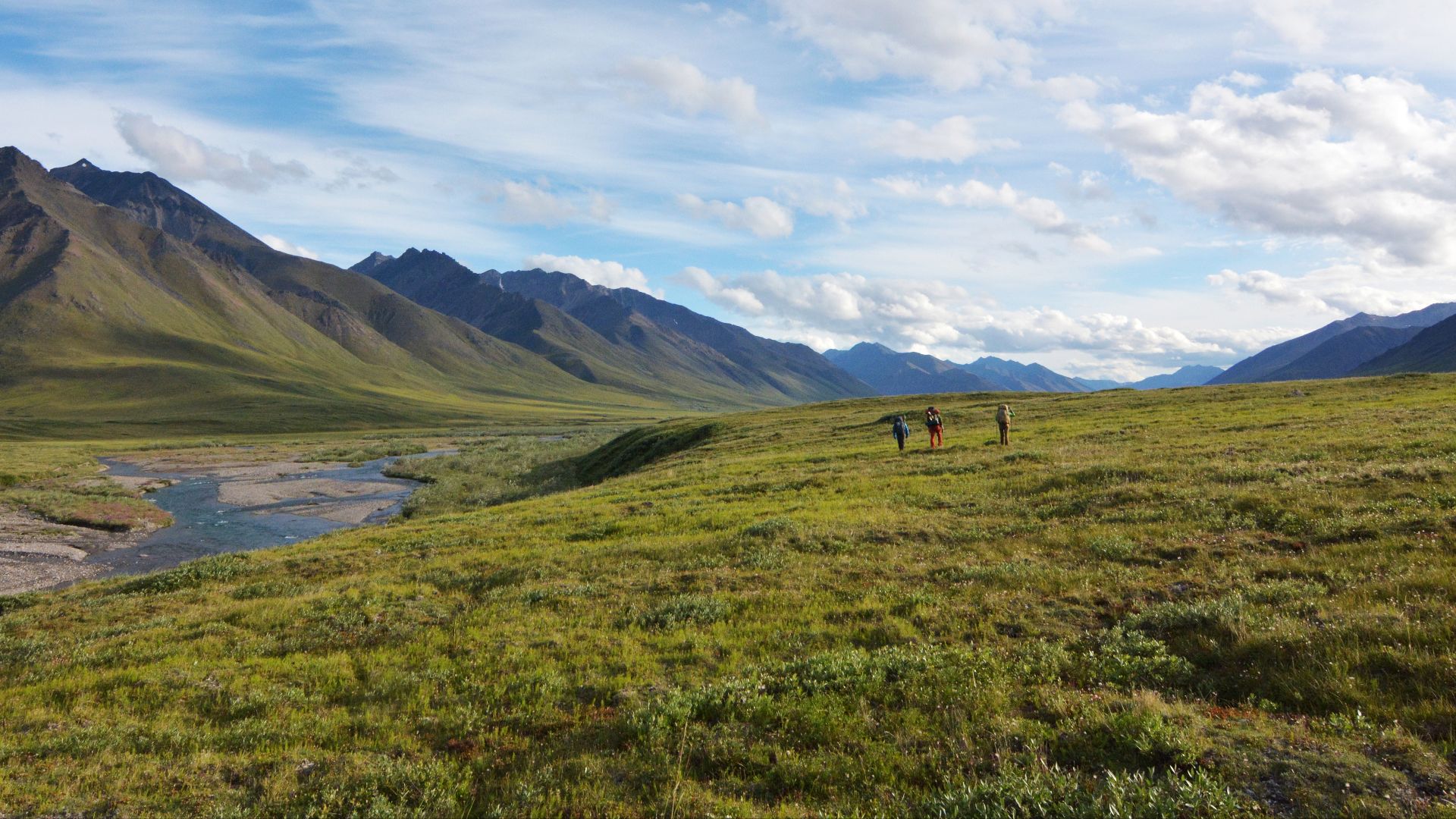
Few American landscapes feel as disconnected from modern civilization as Gates of the Arctic National Park and Preserve. This enormous Alaskan wilderness has no roads or established trails within the park, leaving visitors to navigate mountains, rivers, and tundra largely on their own. Travel often involves bush planes and considerable backcountry experience. For properly prepared adventurers, the reward is an extraordinary landscape where human development is almost entirely absent.
 Paxson Woelber, Wikimedia Commons
Stehekin, Washington: The Village Without A Highway
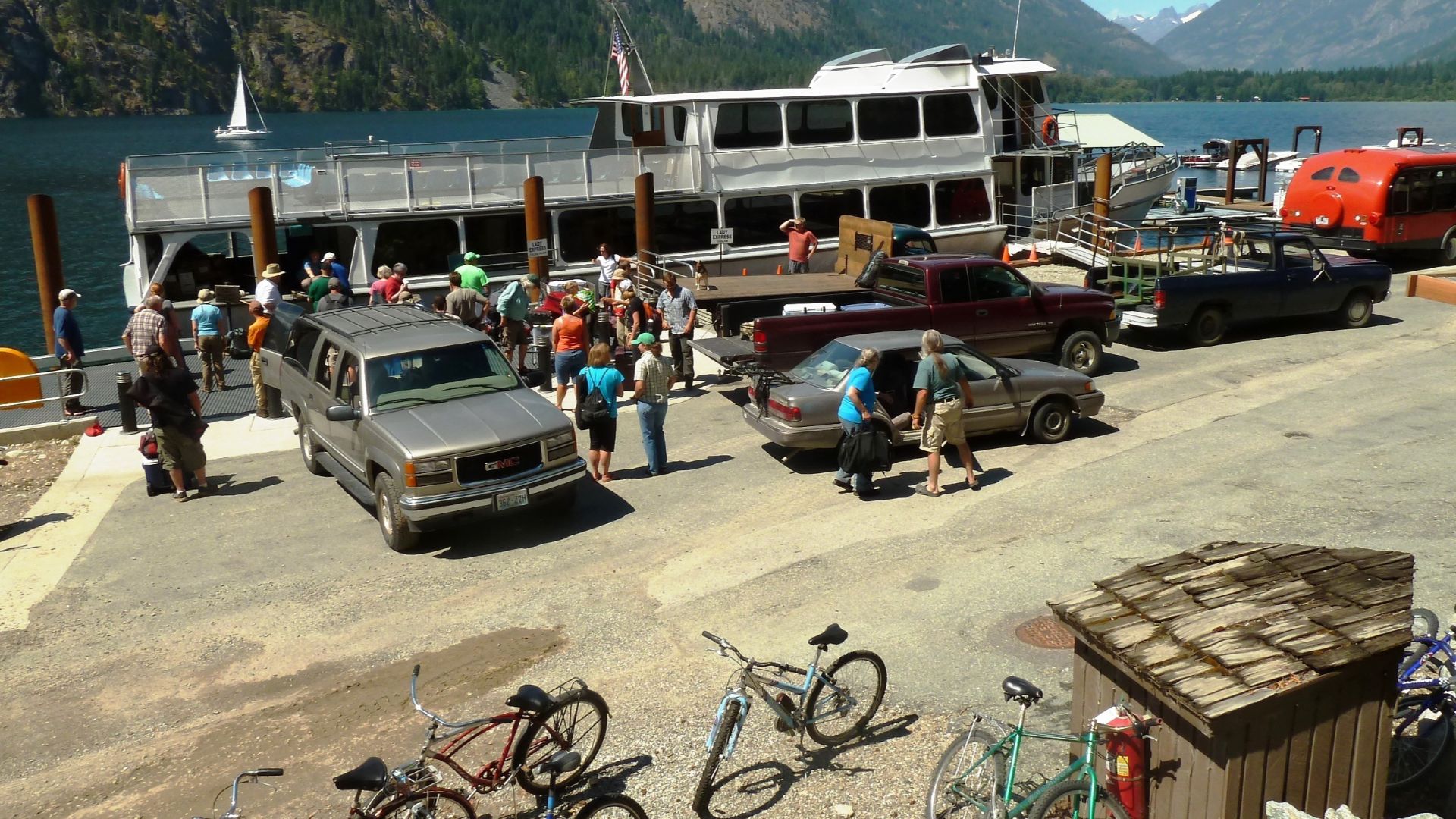
Hidden at the northern end of Lake Chelan, Stehekin is a small community that cannot be reached by car from the outside world. Visitors arrive by boat, aircraft, or hiking trail, passing spectacular mountain scenery along the way. The surrounding North Cascades provide opportunities for hiking, wildlife watching, and peaceful lakeside exploration. Cell reception is absent, services are limited, and recent flood damage has affected some facilities, so careful planning is essential.
Channel Islands, California: A Different World Offshore
Just off the Southern California coast, Channel Islands National Park offers a striking contrast to the crowded cities on the mainland. These islands feature rugged cliffs, coastal grasslands, secluded beaches, and remarkable wildlife. Visitors must arrive by boat, and once ashore, getting around generally means walking or paddling. The absence of ordinary island transportation helps preserve the feeling of discovering somewhere wonderfully untouched.
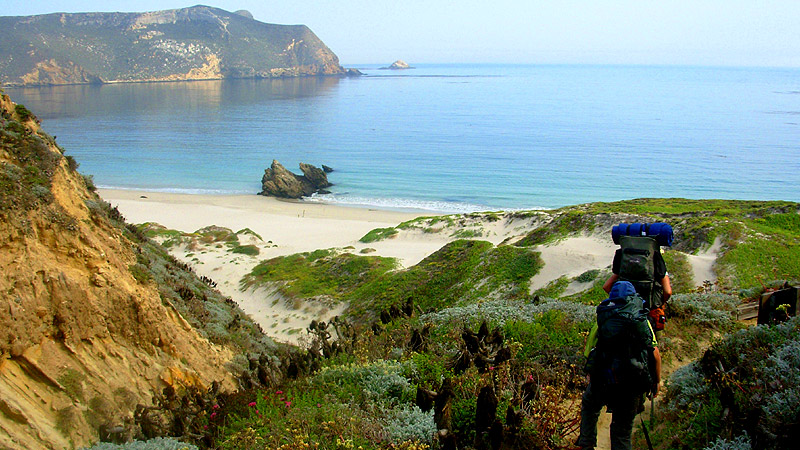 Toddclark, CC BY-SA 3.0, Wikimedia Commons
Great Basin, Nevada: Ancient Trees And Endless Silence
Eastern Nevada's Great Basin National Park offers mountain scenery that surprises travelers expecting nothing but desert. High above the surrounding valleys, ancient bristlecone pines grow in harsh conditions that have shaped their twisted trunks. Some groves are accessible by established trails, while others require difficult backcountry navigation. The remote mountain setting makes these remarkable trees feel like survivors from another age.
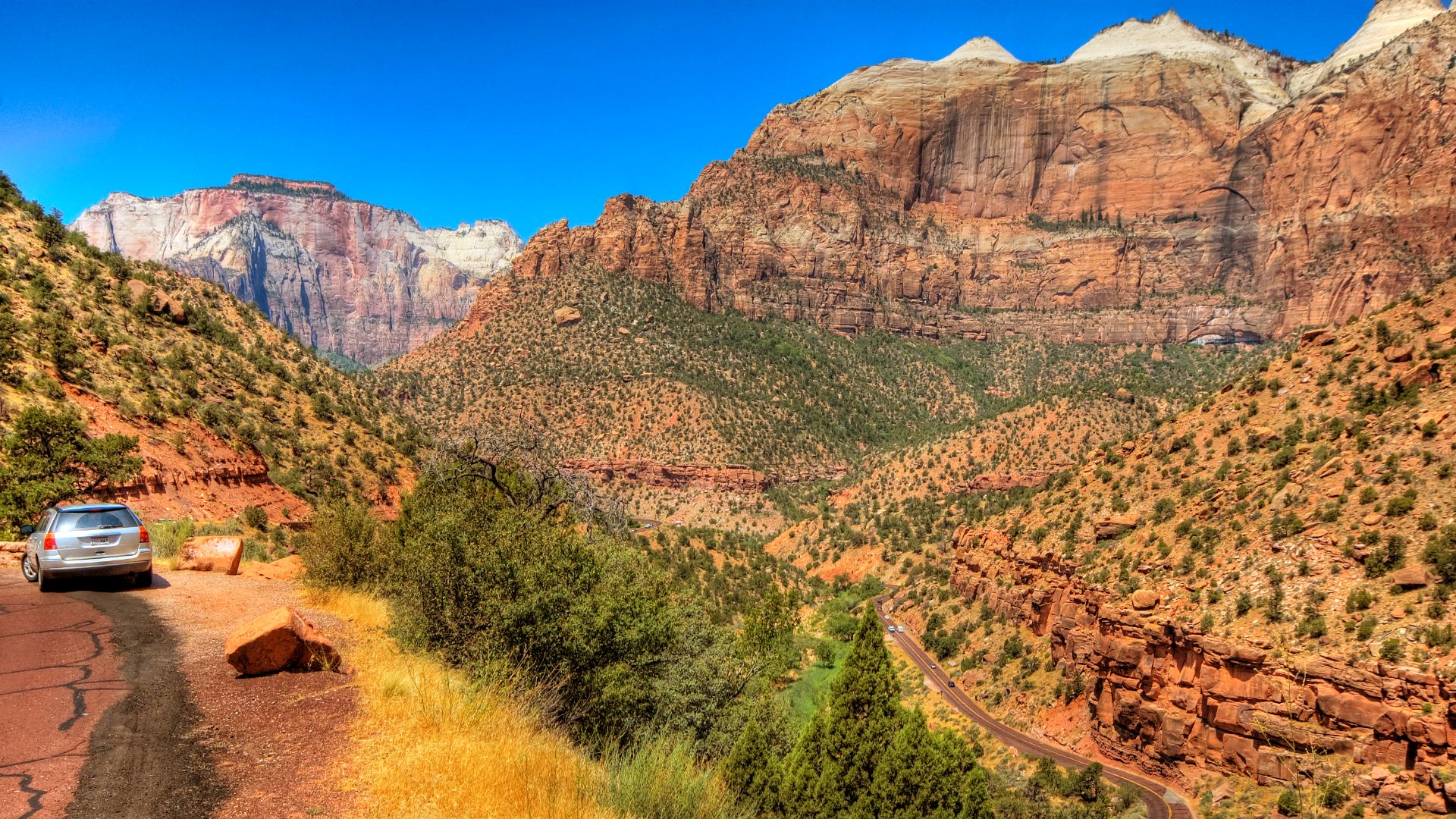 Wolfgang Staudt from Saarbruecken, Germany, Wikimedia Commons
The Maze, Utah: A Desert That Demands Respect
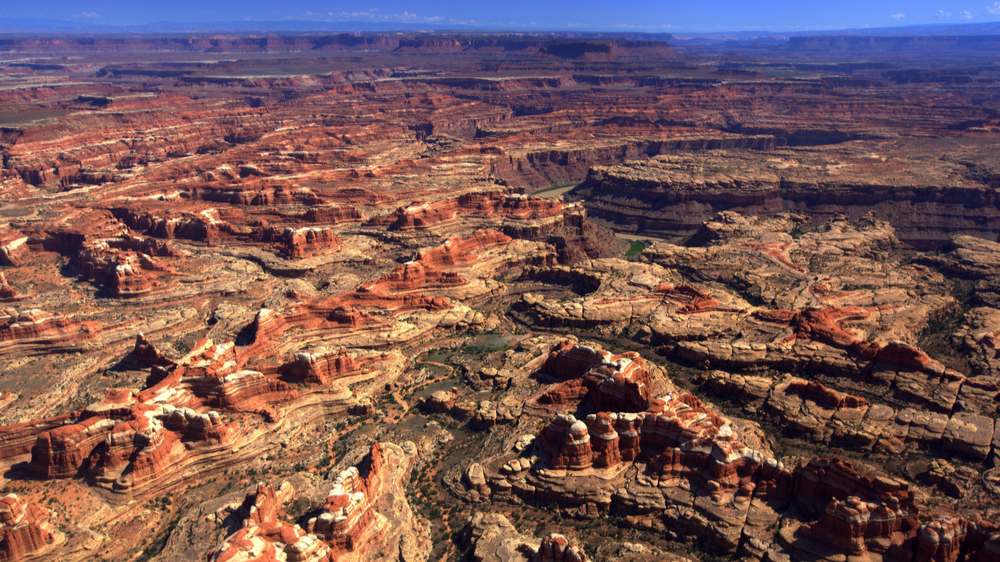
Deep inside Canyonlands National Park, the Maze District is one of the most difficult places in the national park system to explore. Its isolated canyons, sandstone formations, and challenging roads create an extraordinary wilderness experience. Reaching the area requires considerable preparation, and visitors typically spend several days exploring it. With no food, fuel, or drinking water available inside the district, this is genuine backcountry travel rather than an ordinary sightseeing excursion.
Lake Clark, Alaska: Mountains Beyond The Road System
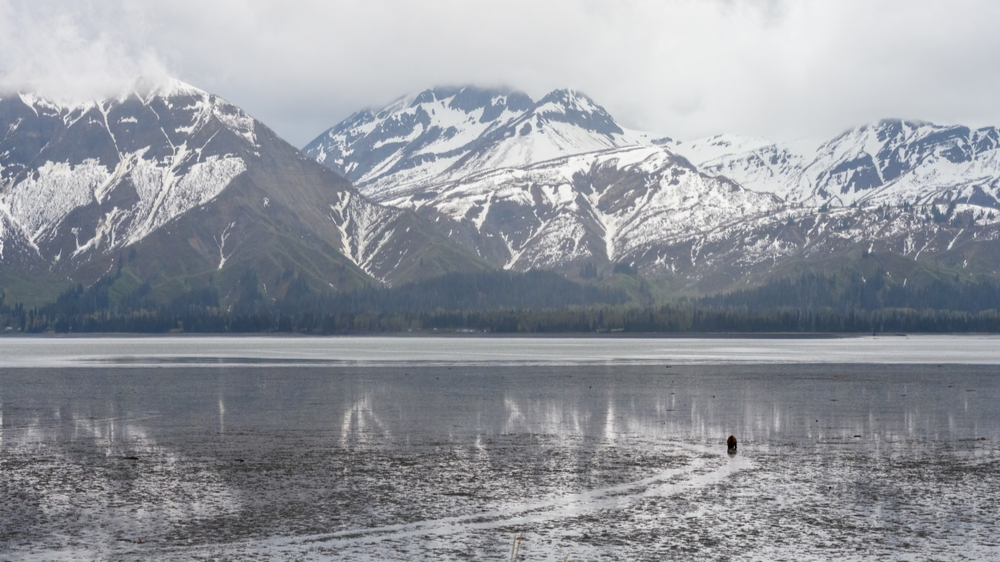
Lake Clark National Park and Preserve combines turquoise lakes, rugged mountains, and vast stretches of undeveloped wilderness. Because the park is not connected to Alaska's road system, visitors generally arrive by small aircraft. Travelers might watch brown bears along the coast, explore remote lakes, or visit the historic cabin built by wilderness enthusiast Dick Proenneke. The combination of dramatic scenery and limited accessibility makes Lake Clark an exceptional escape.
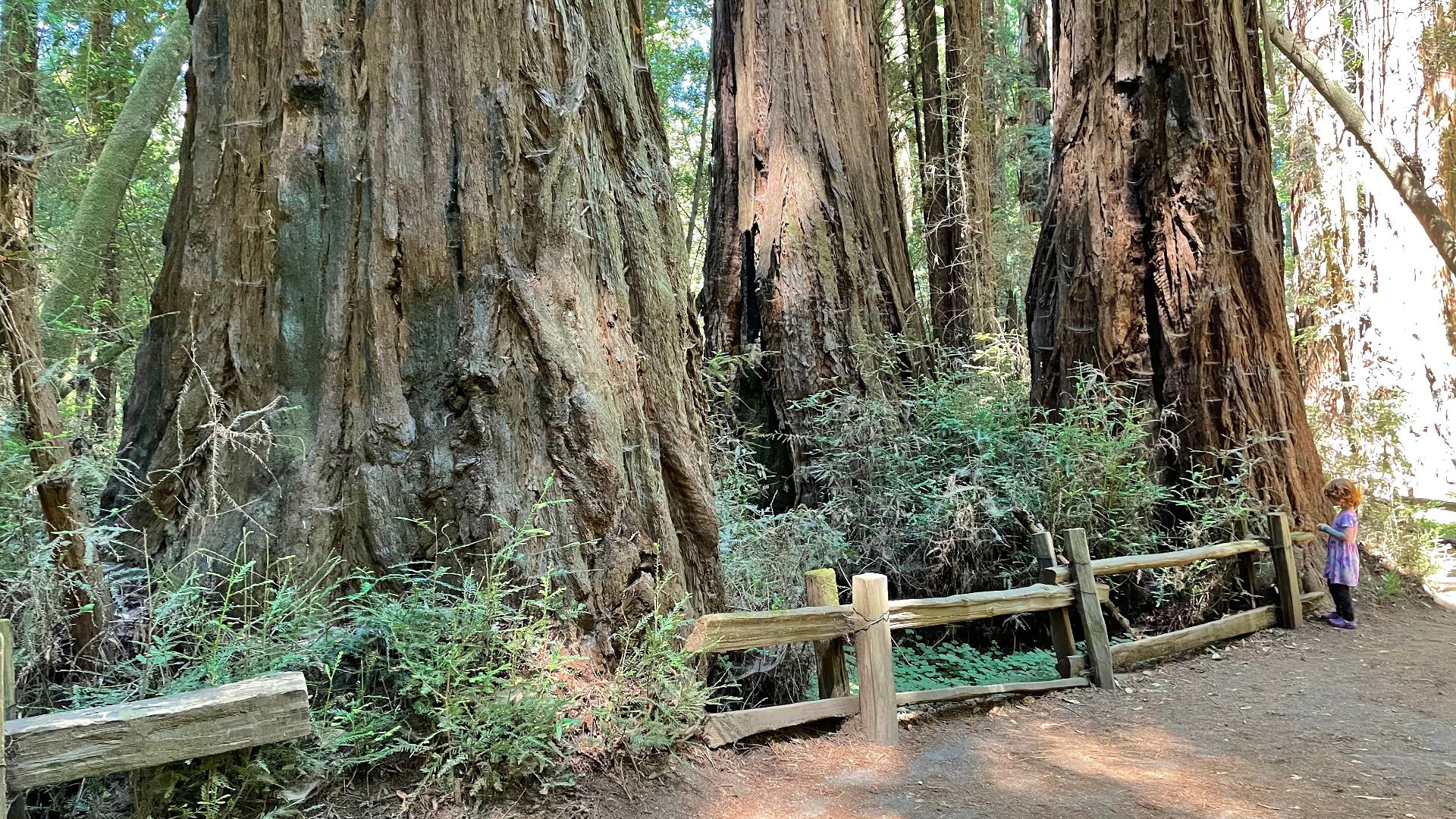
Tall Trees Grove, California: Beneath The Forest Giants
Deep within Redwood National and State Parks, Tall Trees Grove offers a quiet encounter with some of the world's most impressive forests. Reaching the trailhead requires a reservation and a drive along a narrow dirt road before visitors begin a steep hike. Towering redwoods surround the trail, creating a sheltered world beneath their enormous canopies. Although civilization is not impossibly far away, the experience can feel completely removed from modern life.
 Marty Aligata, Wikimedia Commons
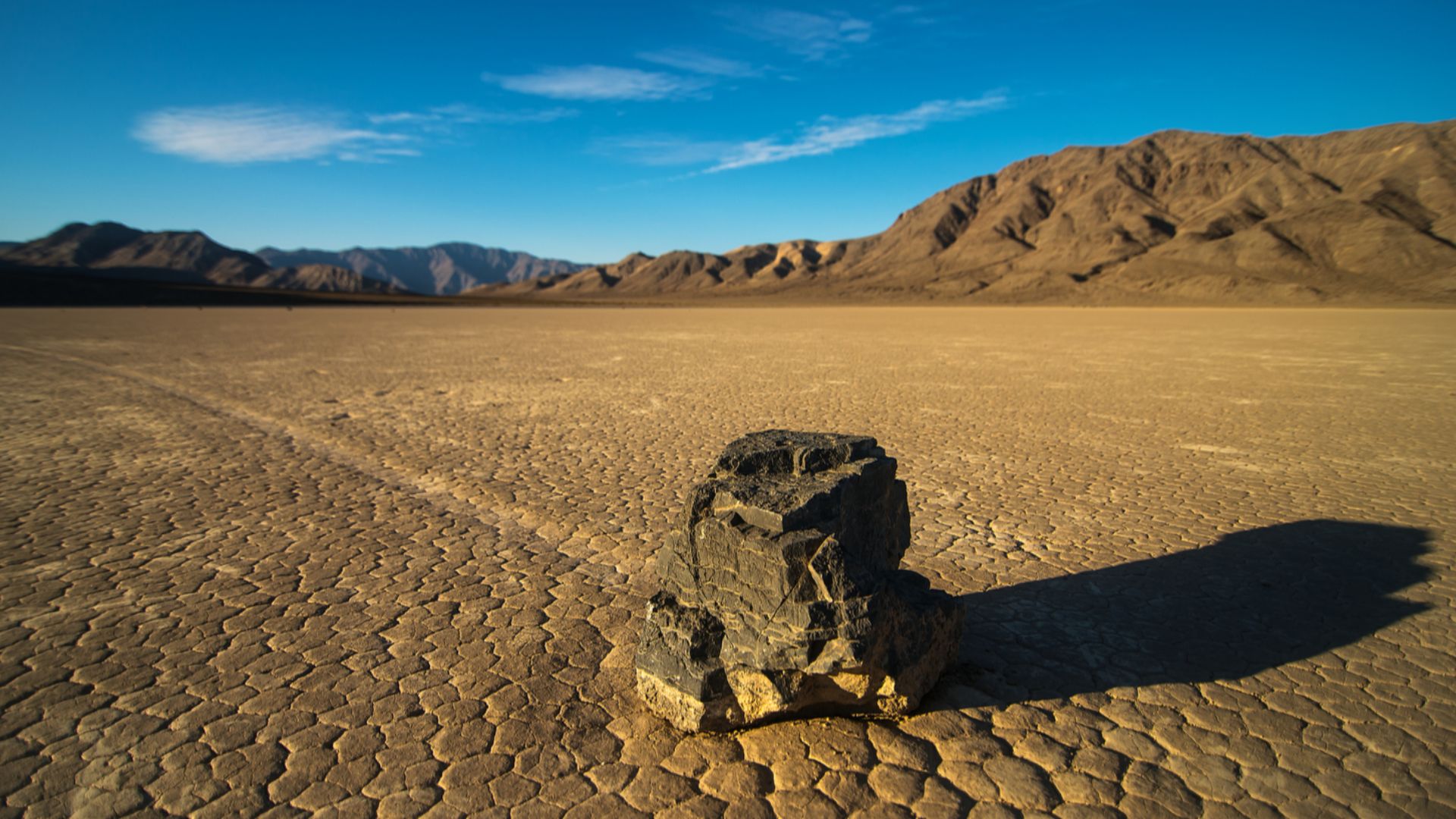
The Racetrack, California: Where Rocks Move Across The Desert
In a remote corner of Death Valley National Park, a dry lakebed known as the Racetrack offers one of America's strangest desert landscapes. Rocks scattered across its surface have left long trails behind them, evidence of movement caused by unusual combinations of ice, water, and wind. Getting there involves a lengthy drive on a rough road where high-clearance four-wheel-drive vehicles are recommended. With no cellular coverage and few facilities nearby, visitors experience a particularly isolated side of California.
 National Park Service / Kurt Moses, Wikimedia Commons
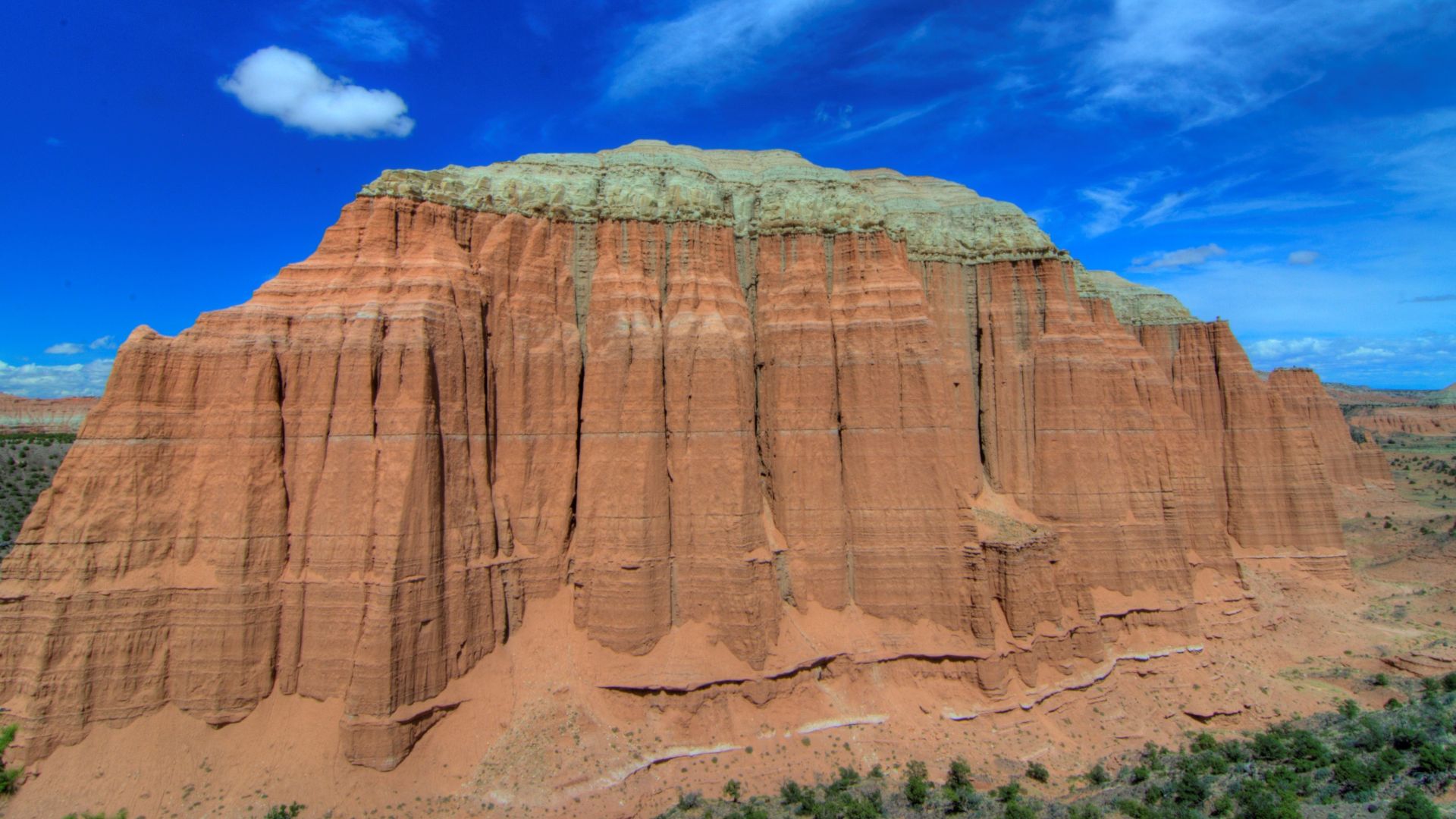
Cathedral Valley, Utah: Sandstone Towers In The Wilderness
Cathedral Valley is one of the most striking and less accessible sections of Capitol Reef National Park. Massive sandstone formations, including the Temples of the Sun and Moon, rise dramatically from the desert floor. Exploring the district usually requires a high-clearance vehicle and careful attention to road conditions. The surrounding desert feels especially expansive when those enormous stone monuments appear against the open horizon.
 Kevin Neubauer, Wikimedia Commons
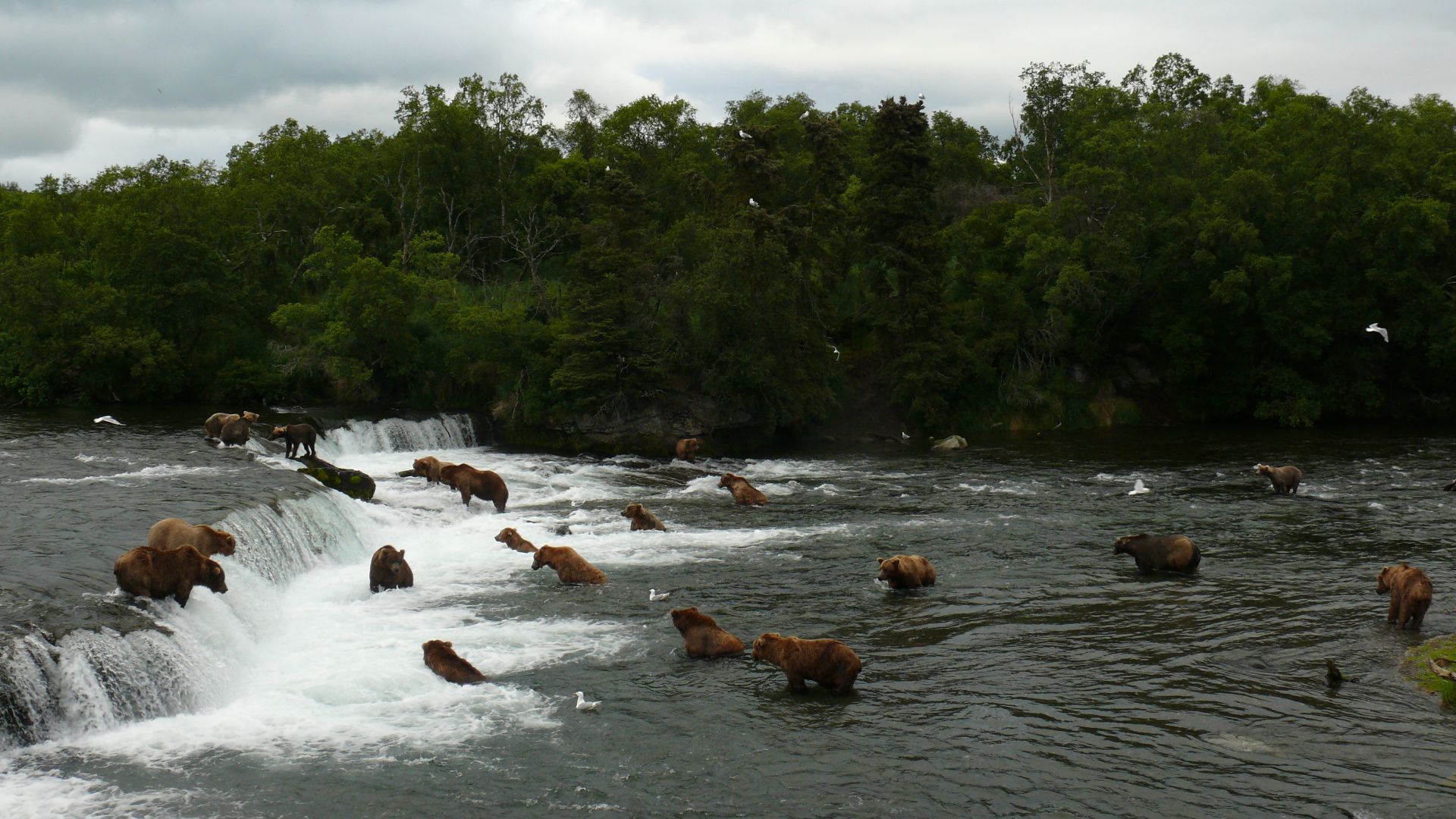
Brooks Falls, Alaska: Where Bears Rule The River
At Brooks Falls in Katmai National Park, brown bears gather to catch salmon during the seasonal migration. Visitors can watch from designated viewing platforms, with July generally offering excellent opportunities to see bears fishing at the falls. Beyond the viewing areas lies an immense wilderness of rivers, forests, and mountains. It is a powerful reminder that some of America's most memorable destinations remain places where wildlife takes priority over people.
 NPS/Michael Fitz, Wikimedia Commons
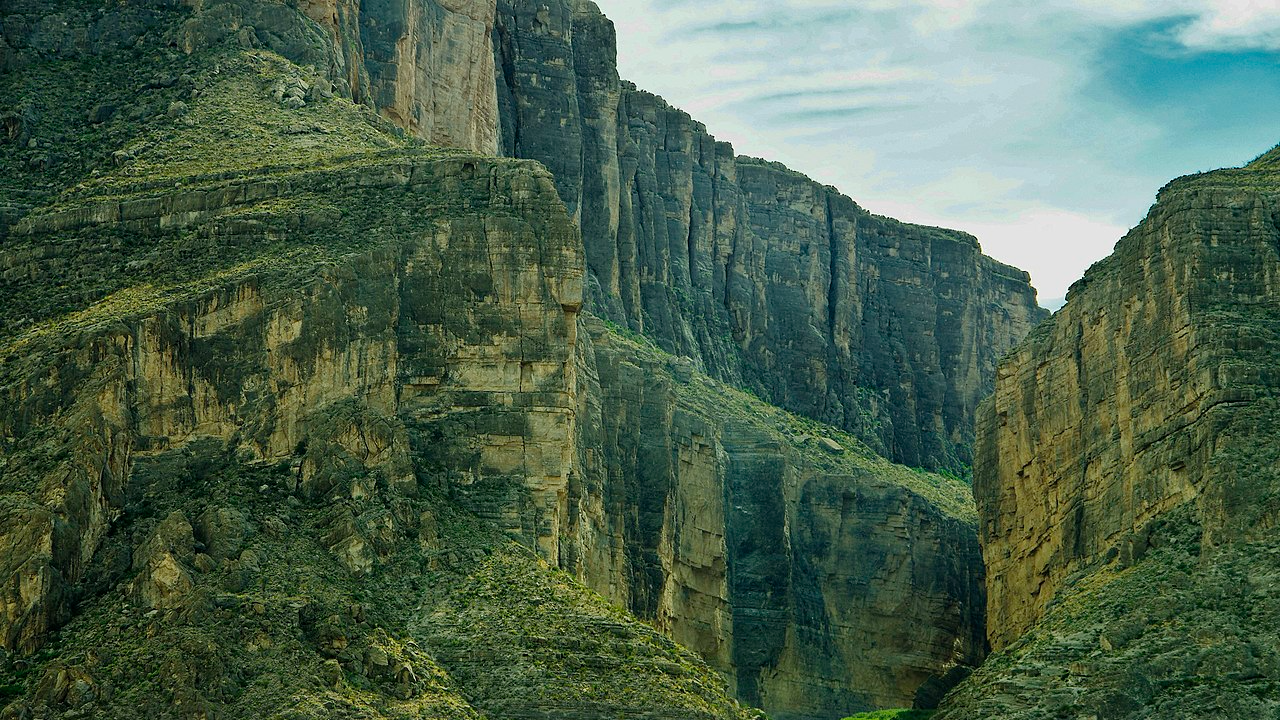
Big Bend, Texas: Where The Stars Take Over
Far from Texas's major cities, Big Bend National Park protects a spectacular landscape of mountains, desert, and winding river valleys. The region's sparse population and limited artificial lighting make it one of the finest places in North America for stargazing. On clear nights, the Milky Way can dominate the sky in a way that city residents rarely experience. The surrounding darkness makes the park feel especially distant from the modern world.
 Niagara66, CC BY-SA 4.0, Wikimedia Commons
Great Sand Dunes, Colorado: A Desert Beneath The Mountains
At Great Sand Dunes National Park and Preserve, enormous sand dunes rise against the dramatic backdrop of the Sangre de Cristo Mountains. Hidden Dune, the tallest dune in North America, reaches approximately 741 feet above its base. Reaching its summit involves a demanding hike across shifting sand, with no established trail to follow. From the higher dunes, the surrounding landscape can feel like a vast wilderness far beyond the familiar American West.

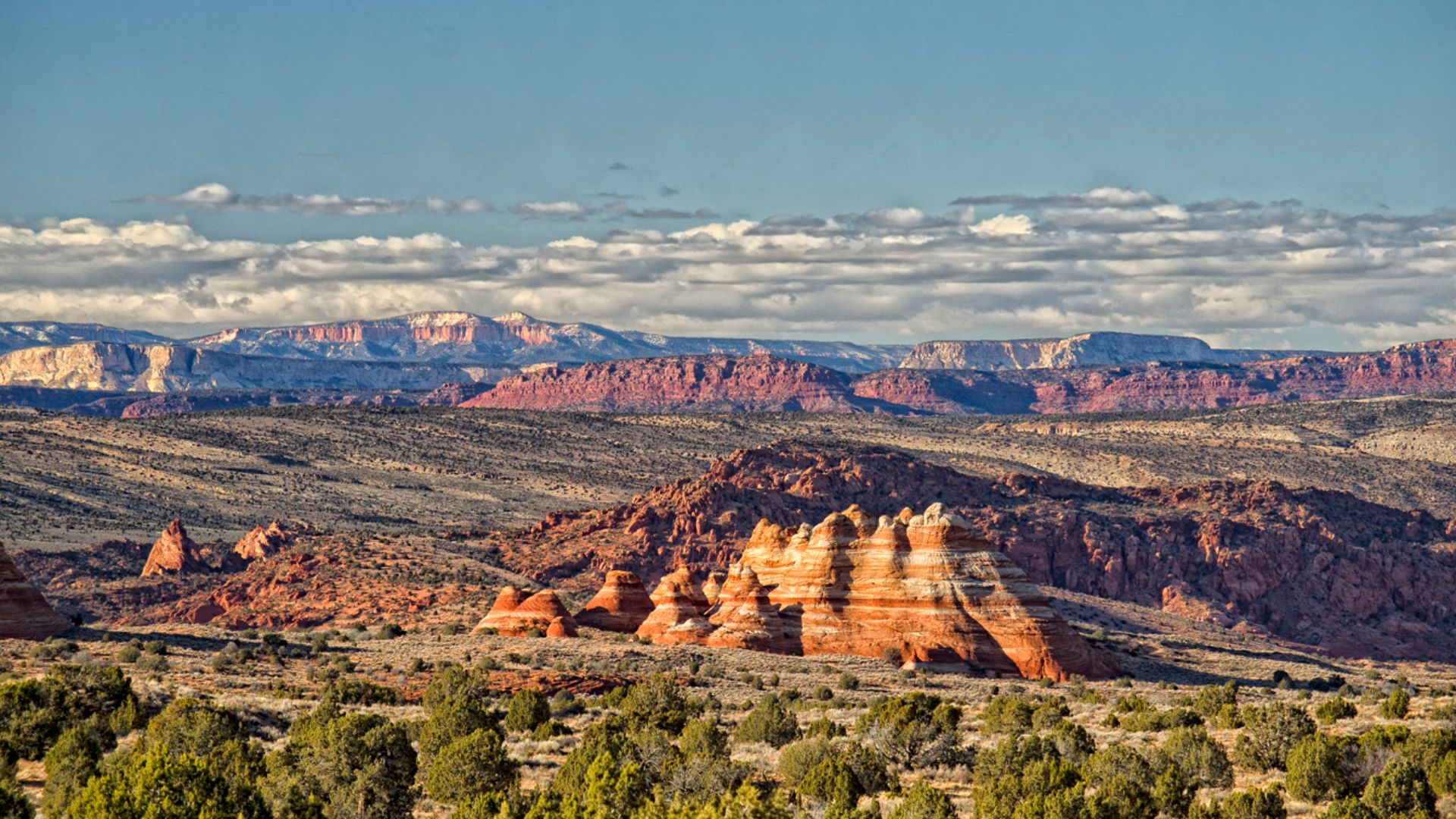
Coyote Buttes South, Arizona: Nature's Stone Masterpiece
Within the Vermilion Cliffs National Monument, Coyote Buttes South reveals extraordinary sandstone formations shaped into swirling patterns and unusual shapes. Unlike more developed tourist attractions, this remote area has no established hiking trails or visitor facilities. Access requires a permit, and the sandy approach roads demand suitable four-wheel-drive transportation and experienced drivers. The reward is an otherworldly landscape where solitude remains a major part of the experience.
 John Fowler from Placitas, NM, USA, Wikimedia Commons
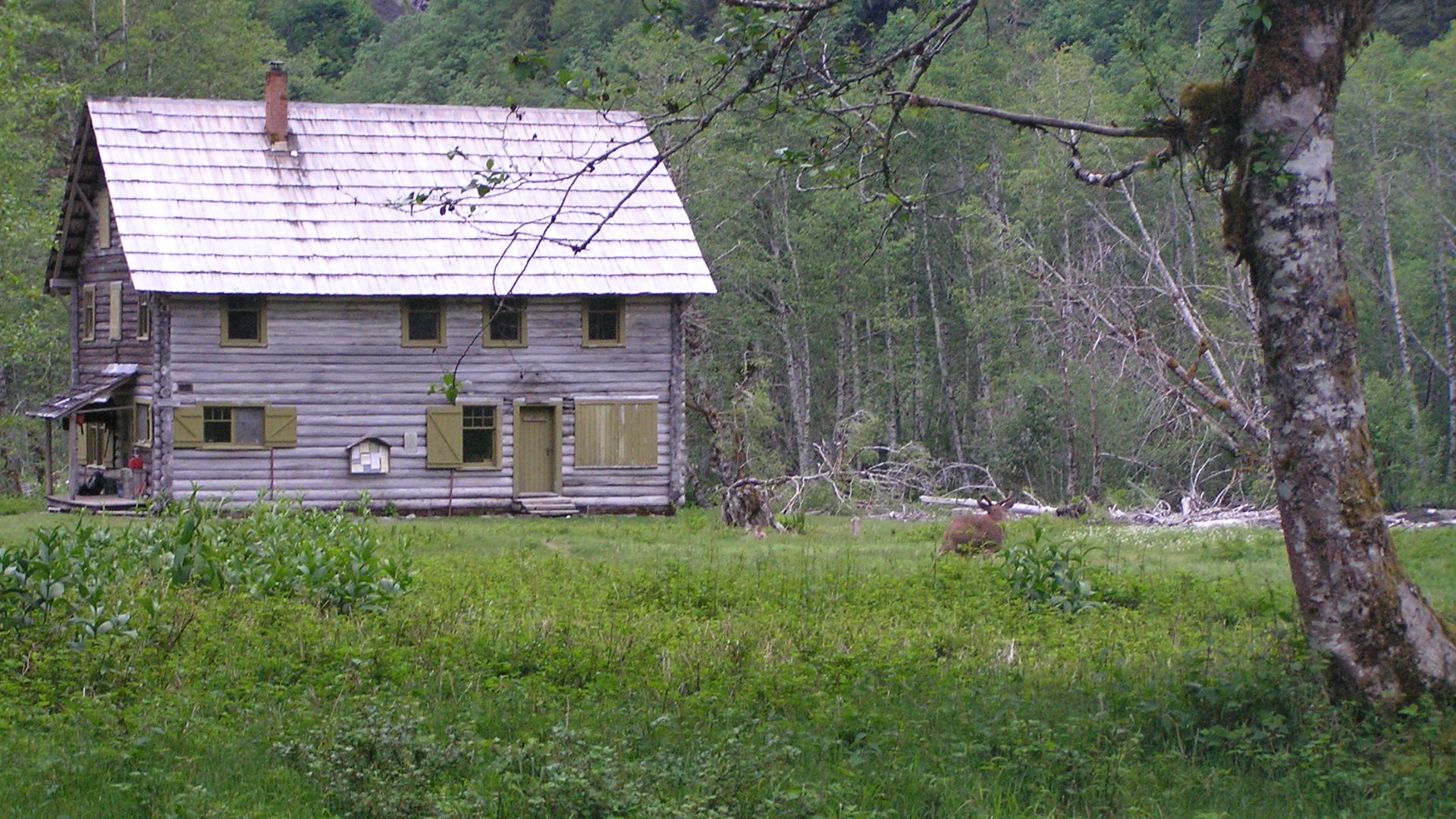
Enchanted Valley, Washington: Deep In The Rainforest
Hidden within Olympic National Park, the Enchanted Valley offers an extraordinary journey through the Quinault River wilderness. Reaching the valley involves a substantial backcountry hike through dense forest and rugged terrain. Bears inhabit the area, and changing river conditions can make portions of the route difficult or impassable. For experienced hikers, the valley offers a rare opportunity to experience Washington's rainforest far from roads and everyday distractions.
 Ryan Snyder, Wikimedia Commons
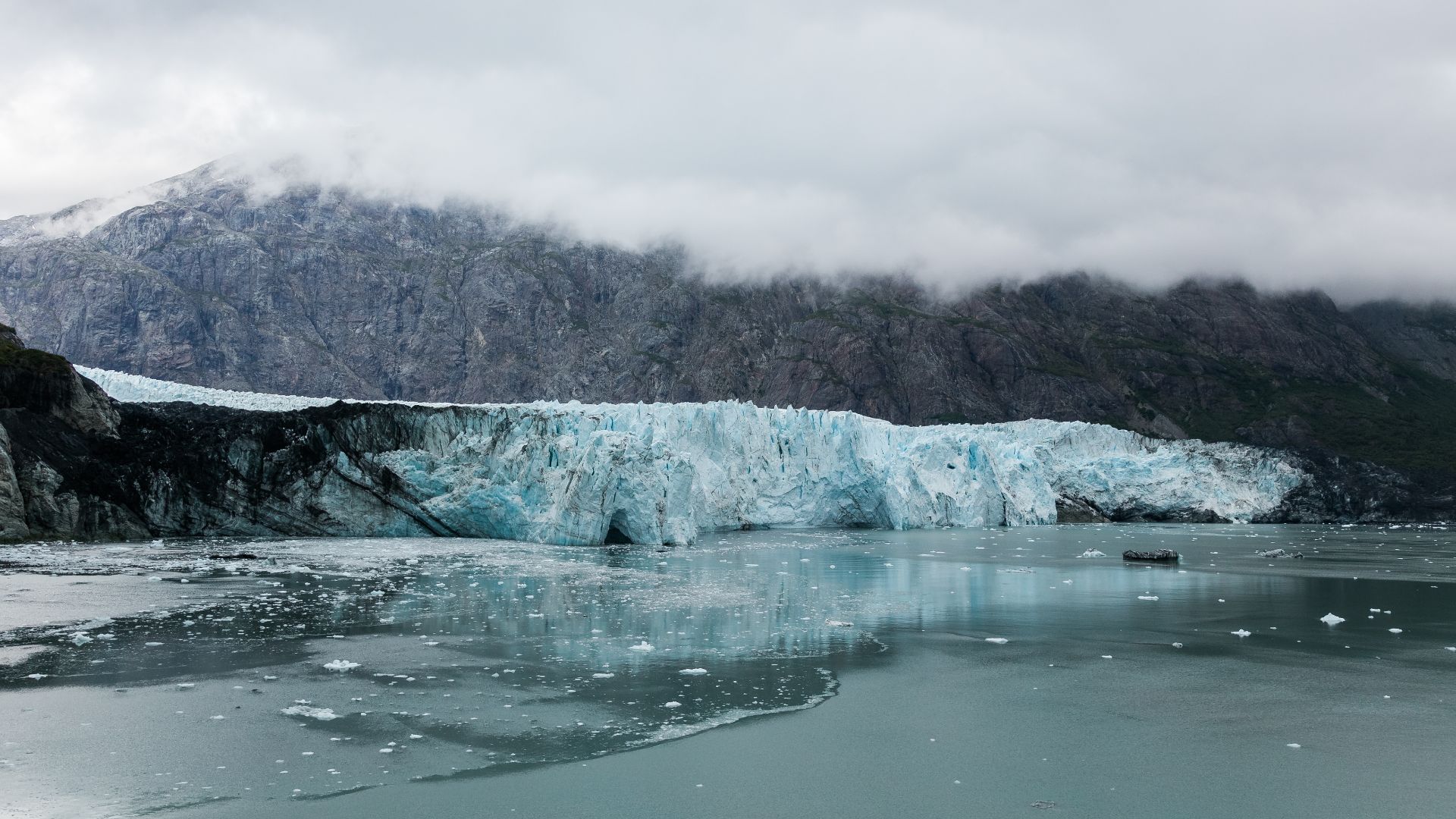
Glacier Bay, Alaska: A World Shaped By Ice
Glacier Bay National Park and Preserve protects an immense landscape of glaciers, mountains, forests, and coastal wilderness. Its spectacular scenery tells the story of enormous glaciers retreating and exposing new landscapes over time. Visitors exploring by boat can encounter dramatic views of ice and mountains while traveling through protected waters. With millions of acres of wilderness surrounding the bay, the scale of the landscape makes ordinary human development seem very small.
 Diego Delso, Wikimedia Commons
Fiery Furnace, Utah: Lost Among The Sandstone
Within Arches National Park, the Fiery Furnace is a maze of towering sandstone fins and narrow passages. Unlike the park's more straightforward sightseeing trails, exploring this area requires a ranger-led hike or a special permit. The winding routes, hidden openings, and confusing intersections can make navigation surprisingly difficult. Once surrounded by the sandstone walls, visitors can feel completely separated from the busy park roads nearby.
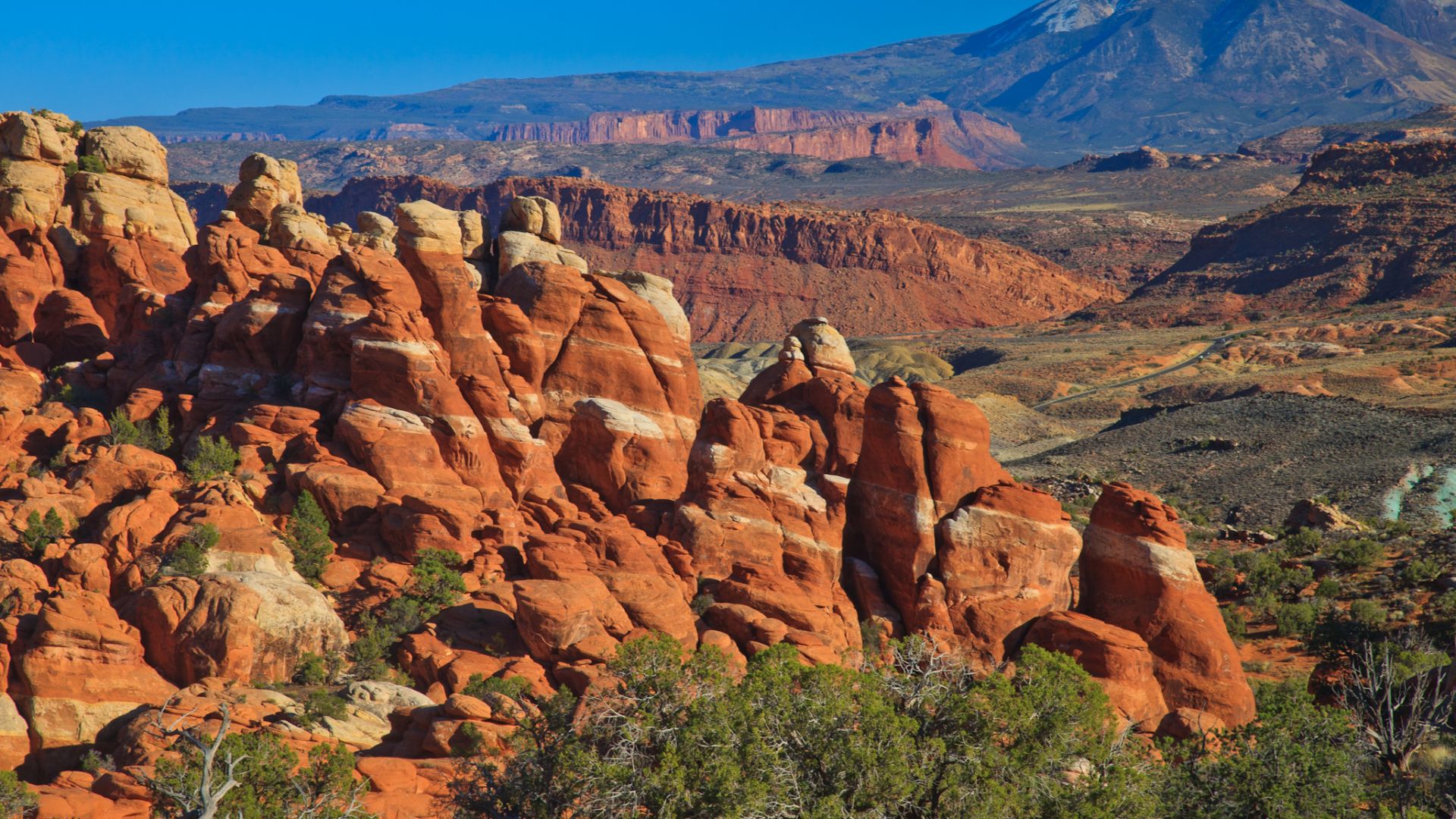 Murray Foubister, Wikimedia Commons
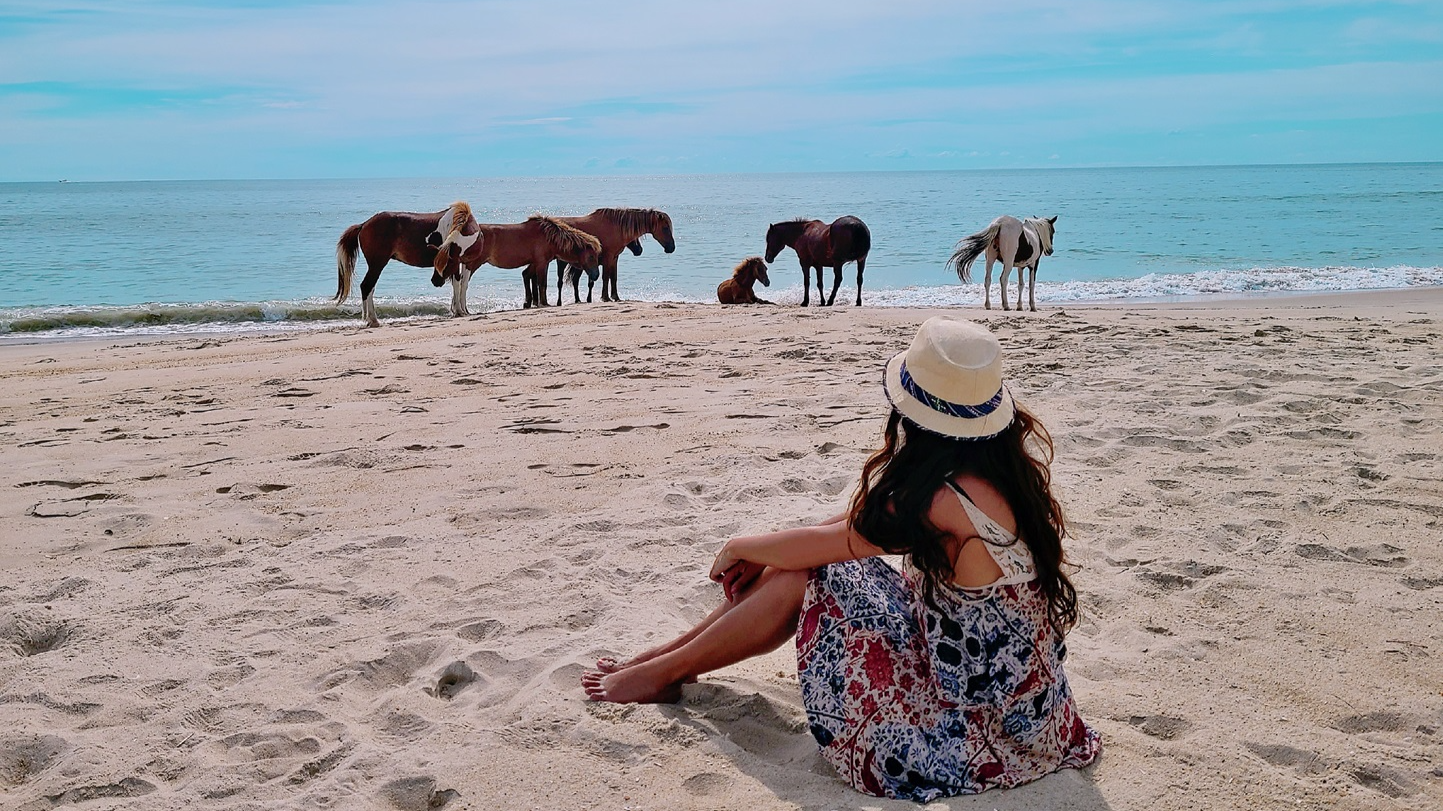
Assateague Island, Maryland: A Wild Atlantic Escape
Along the Atlantic coast, Assateague Island National Seashore offers sandy beaches, coastal forests, and a landscape famous for its free-roaming horses. Visitors willing to venture into the Maryland backcountry can reach remote campsites by hiking or paddling. These primitive locations have no freshwater supply, requiring campers to carry everything they need. The quiet shoreline and undeveloped surroundings offer a very different experience from the crowded beach resorts farther along the coast.
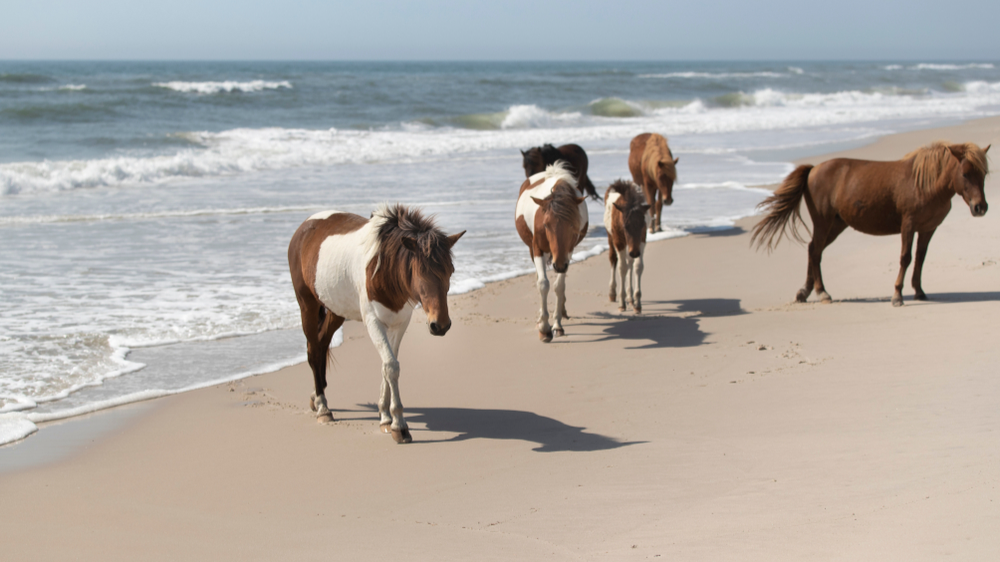 Dennis W Donohue, Shutterstock
White Sands, New Mexico: An Ocean Of White Dunes
White Sands National Park protects a remarkable landscape of brilliant white gypsum sand dunes. The pale dunes stretch across the desert, creating a scene that can resemble a snow-covered wilderness beneath the southwestern sun. Visitors can explore designated areas along Dunes Drive, although desert conditions require careful preparation. The extraordinary contrast between white sand and open sky makes this one of America's most unusual natural escapes.
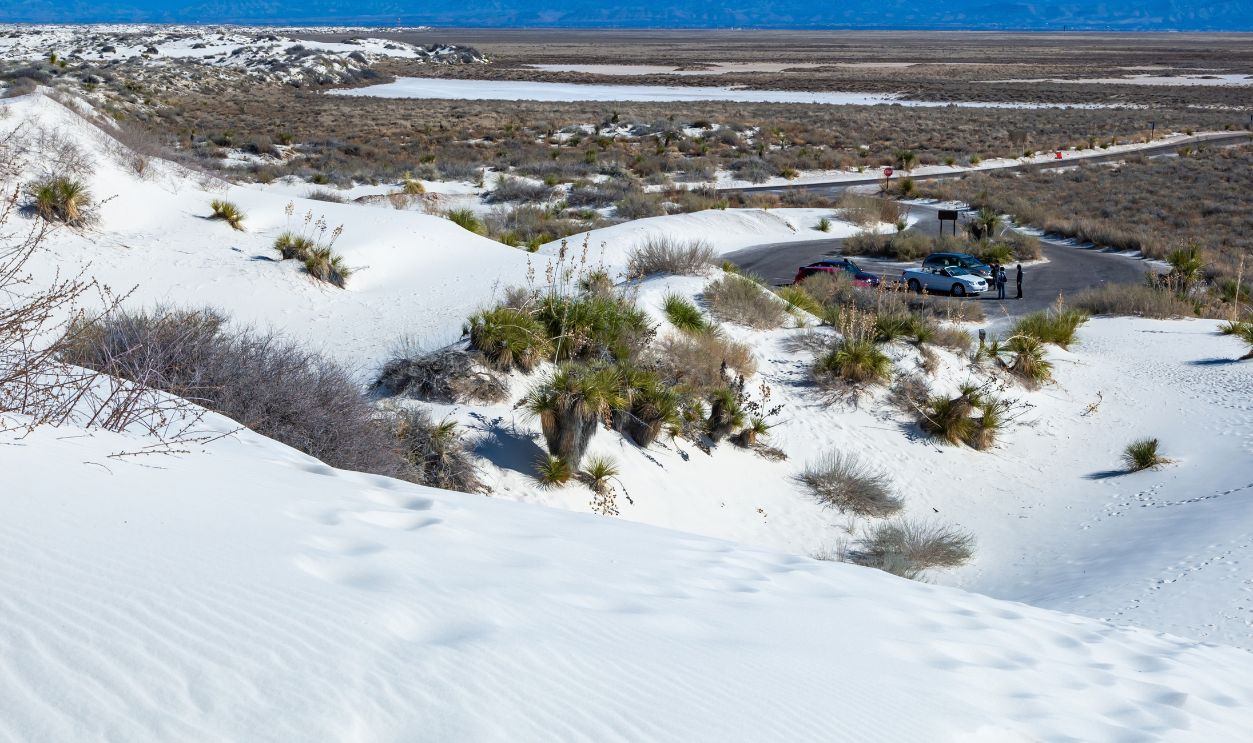 Sergey Demo SVDPhoto, Shutterstock
Kīpahulu, Hawaii: A Tropical World Beyond The Crowds
On Maui's remote eastern coastline, the Kīpahulu District of Haleakalā National Park offers waterfalls, bamboo forests, and sweeping ocean views. Reaching this part of the island involves following the winding Hāna Highway beyond the town of Hāna. Visitors can explore the Pīpīwai Trail, experience the surrounding rainforest, and learn about the area's important Hawaiian cultural heritage. With limited services and emergency assistance potentially more than an hour away, the district feels surprisingly isolated despite being on a popular vacation island.
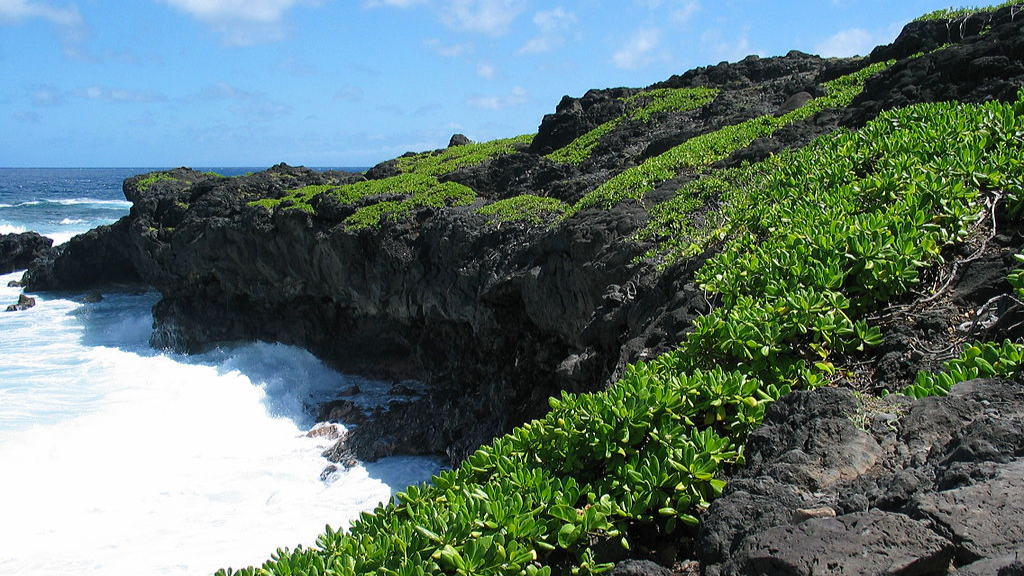 Michael Oswald, Wikimedia Commons
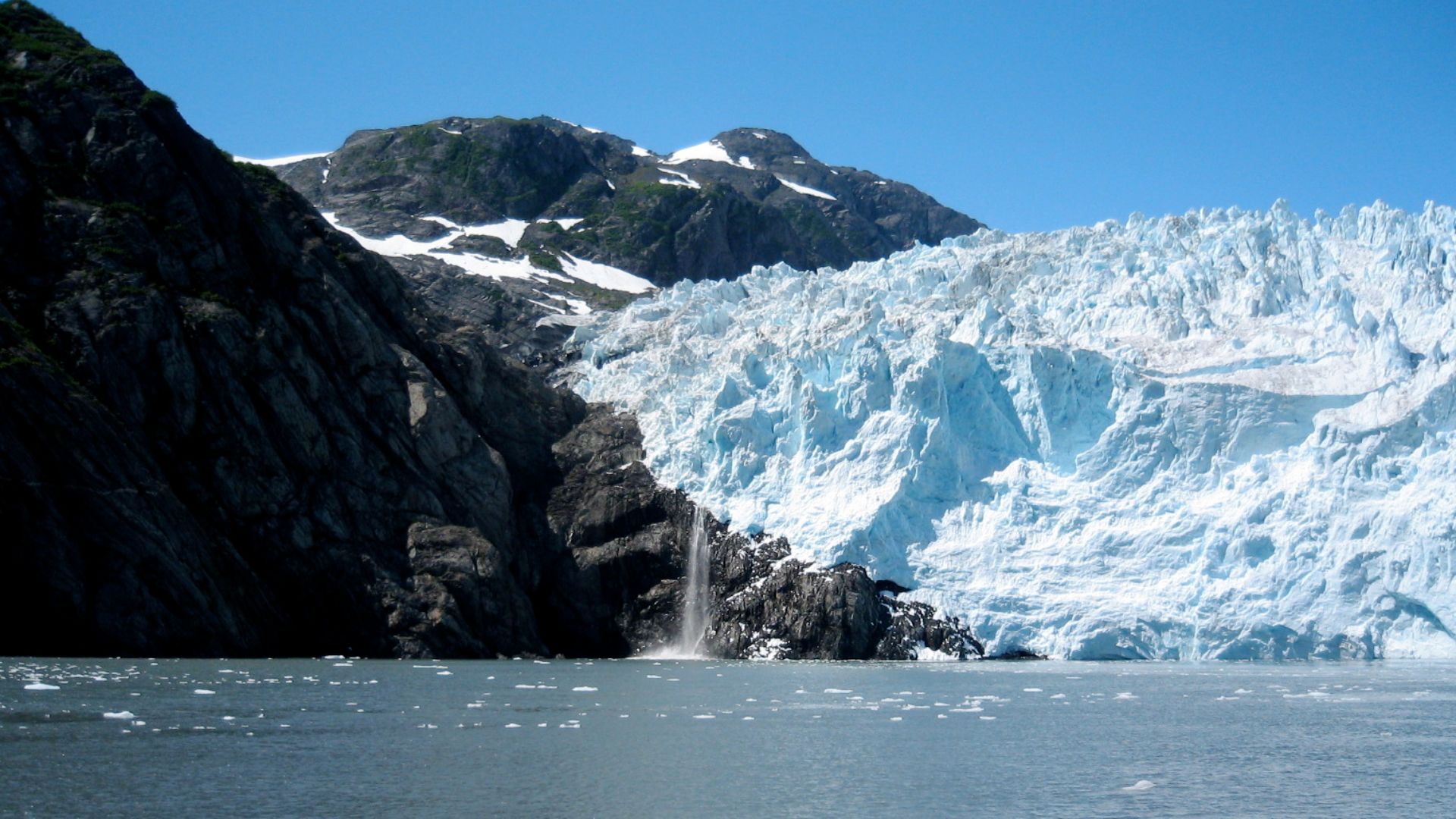
Kenai Fjords, Alaska: Where Mountains Meet The Sea
Along Alaska's southern coast, Kenai Fjords National Park protects a breathtaking landscape of glaciers, rocky islands, and dramatic coastal mountains. Much of the park is accessible only from the water, making boat trips an especially memorable way to explore. Visitors may encounter whales, seabirds, and other marine wildlife while traveling through the cold waters. Beyond the harbor at Seward, the coastline quickly reveals a world dominated by ice, rock, and ocean.
 Balazs Barnucz, Wikimedia Commons
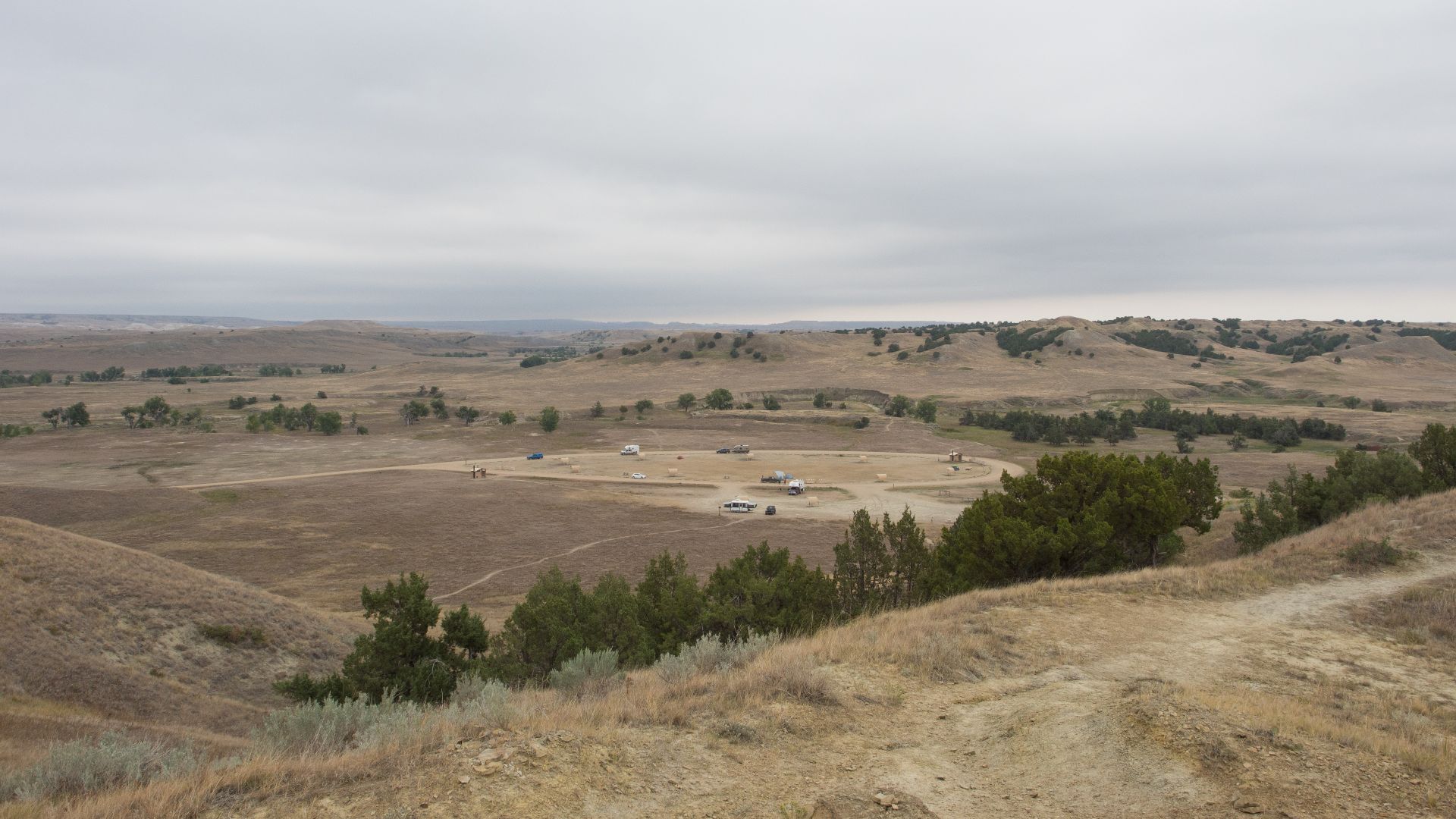
Sage Creek, South Dakota: Sleeping Beneath The Prairie Sky
In the western reaches of Badlands National Park, Sage Creek offers a quieter alternative to the park's more developed visitor areas. The primitive campground sits along an unpaved road surrounded by open prairie and rugged badlands scenery. There is no drinking water available at the campground, and generators are prohibited. With spectacular sunsets and dark skies overhead, spending a night here can feel like escaping into an earlier American landscape.
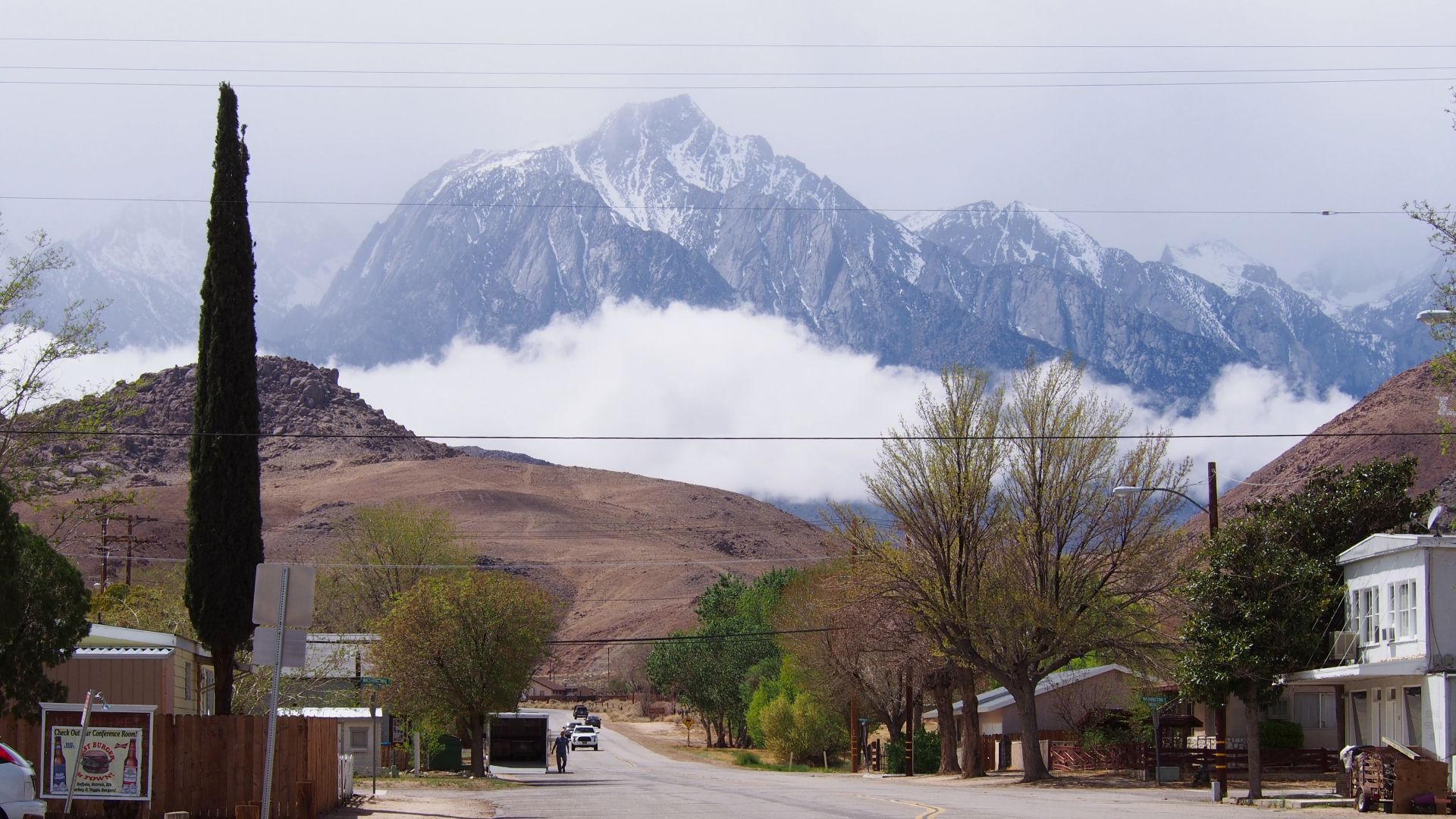
Alabama Hills, California: A Landscape From Another Planet
At the foot of California's Sierra Nevada mountains, Alabama Hills National Scenic Area features rounded boulders, natural arches, and striking views of jagged mountain peaks. The area's unusual formations have made it a popular filming location for generations. Visitors can explore scenic roads, photograph rock formations, and enjoy the dramatic contrast between desert terrain and towering mountains. Despite its proximity to Lone Pine, the landscape can feel like an enormous outdoor movie set with civilization just beyond the frame.
 Agnieszka Kwiecien, Nova, Wikimedia Commons
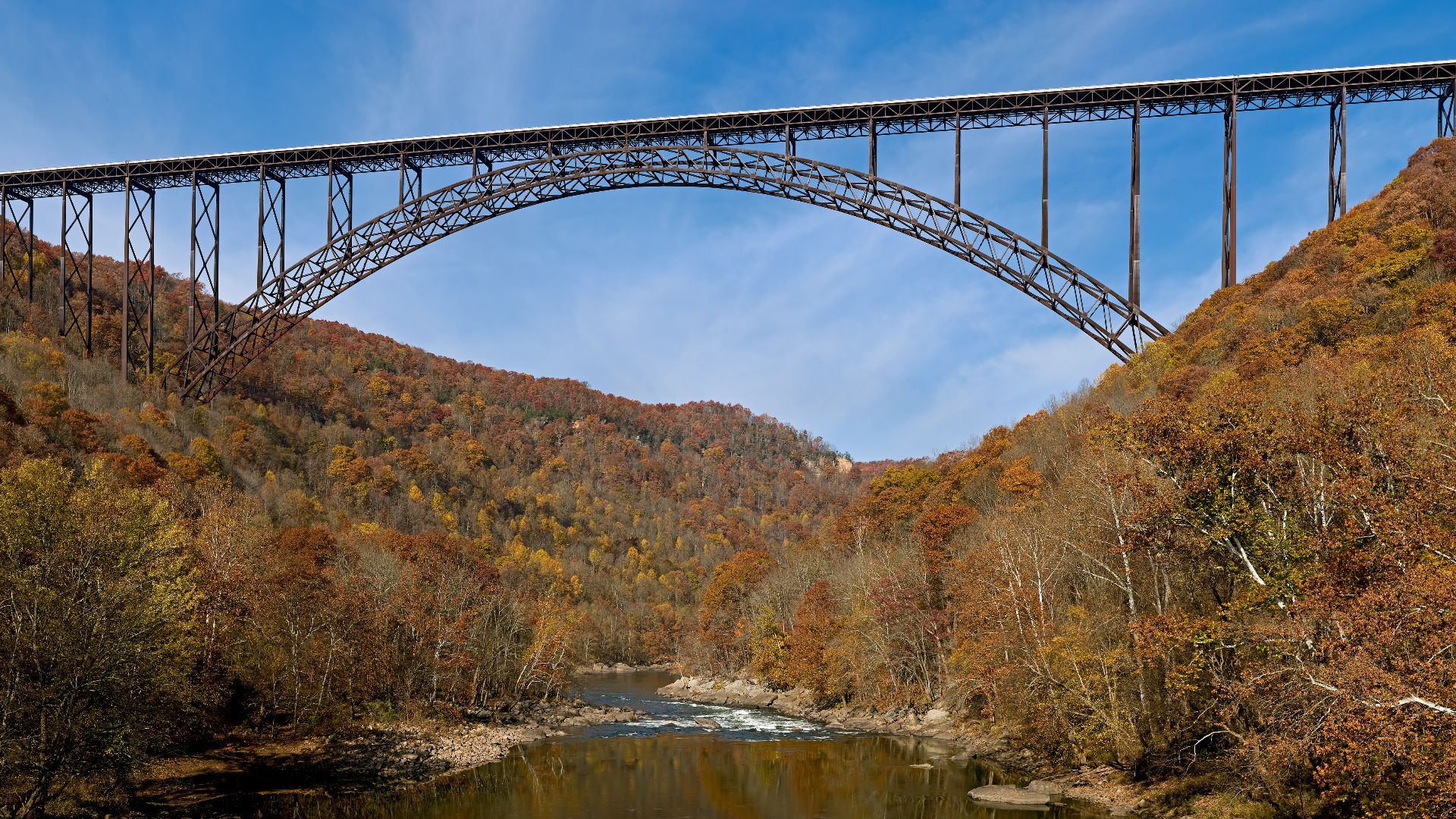
The Backcountry Of New River Gorge, West Virginia: A Hidden Appalachian Escape
New River Gorge National Park and Preserve is famous for its enormous bridge, but its quieter corners offer a very different experience. Trails such as Glade Creek lead visitors into forested valleys, past flowing water and away from the park's busier overlooks. Primitive campgrounds and remnants of historic communities reveal a landscape where nature and human history meet. Exploring these less-traveled areas offers an unexpectedly peaceful side of Appalachia.
Why America's Wildest Places Are Worth The Journey
The most memorable escapes are not always the easiest destinations to reach. Across the United States, remote islands, ancient forests, desert canyons, and mountain valleys offer opportunities to experience nature on a remarkable scale. Some places are suitable for relaxed day trips, while others demand permits, specialized equipment, and serious wilderness experience. What connects them is the rare opportunity to leave familiar routines behind and discover how beautiful the country can feel when civilization fades into the distance.
 Vicky Faye Aquino, Shutterstock
You May Also Like:
U.S. Visitors Are Spending More In Canada Even As Cross-Border Travel Changes