Discover The Ancient Wonders Of Chaco Canyon
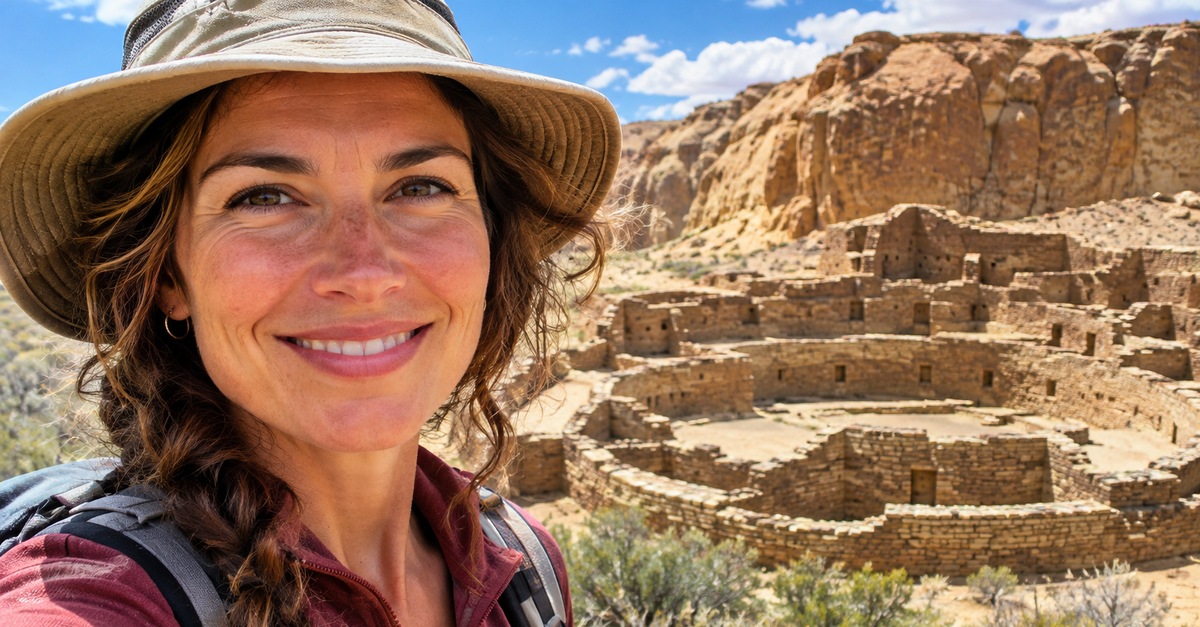
Deep in northwestern New Mexico, Chaco Culture National Historical Park protects one of North America's most extraordinary archaeological landscapes. More than a thousand years ago, Ancestral Pueblo communities constructed enormous stone buildings, ceremonial spaces, and roads that connected settlements across the Southwest. Today, visitors can explore the remains of this remarkable civilization while discovering how its builders transformed a remote desert canyon into a regional center of culture and innovation.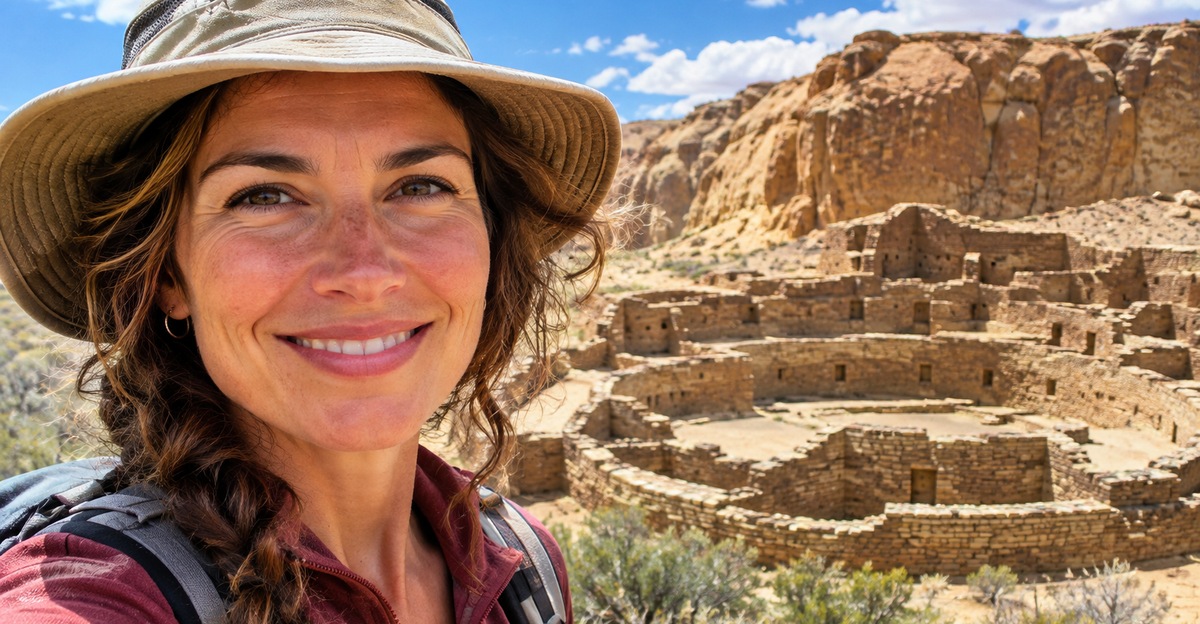 Factinate Ltd
A Civilization That Flourished In The Desert
Between approximately 850 and 1250 CE, Chaco Canyon became an important center of ceremony, trade, and political activity in the Four Corners region. Its builders developed sophisticated architectural techniques despite the challenges of an arid environment. The surviving structures reveal a society capable of organizing enormous construction projects over multiple generations. Understanding that achievement begins with the buildings themselves.
Buildings That Rivaled Anything In North America
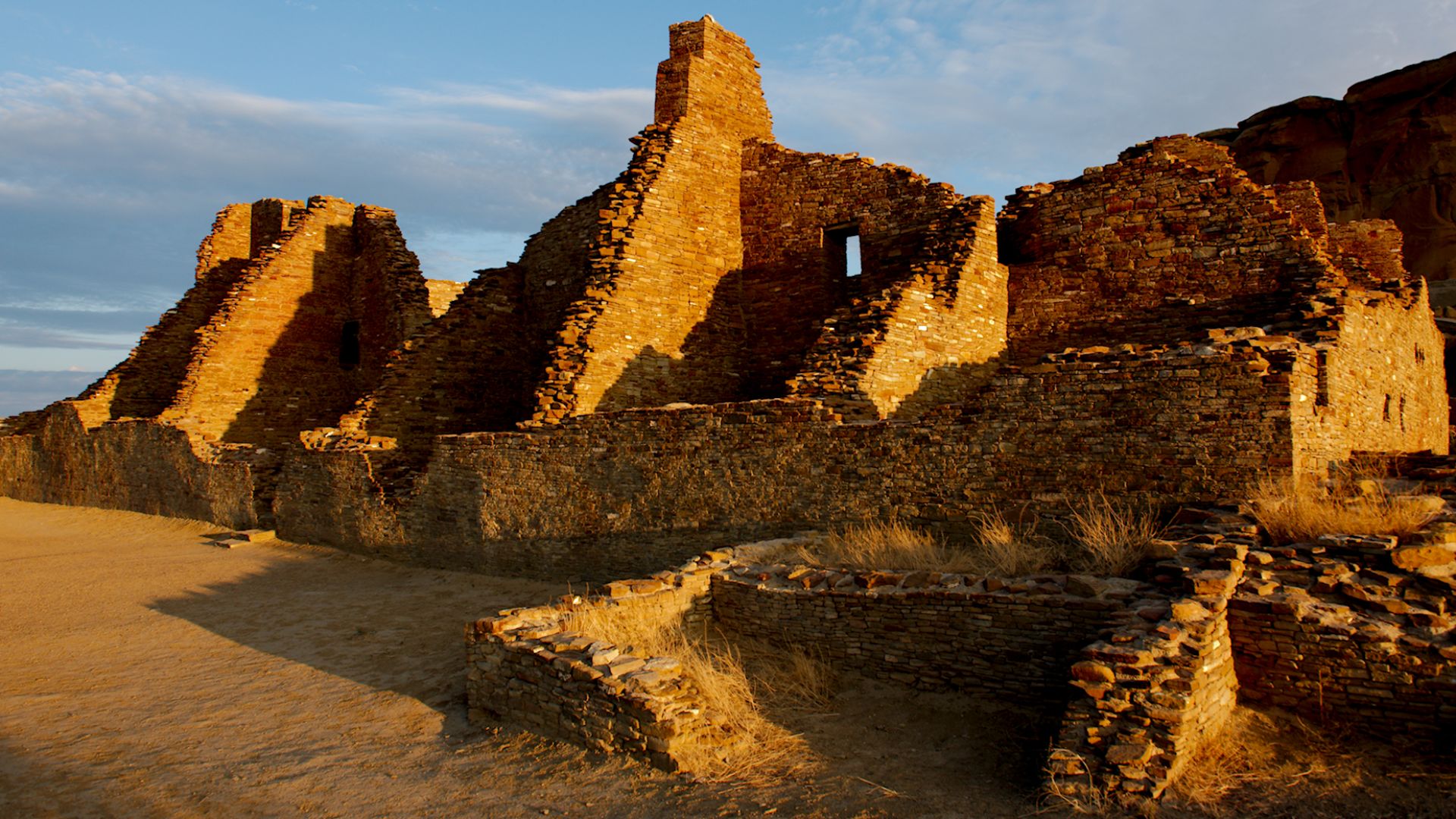
Chaco's monumental buildings, known as great houses, were unlike ordinary residential settlements of their time. Some rose four or five stories high, with hundreds of rooms arranged around carefully designed plazas. Their construction required extensive planning, specialized masonry skills, and the coordination of large workforces. Even in their partially preserved condition, these buildings demonstrate the extraordinary ambitions of their creators.
Pueblo Bonito Was The Centerpiece
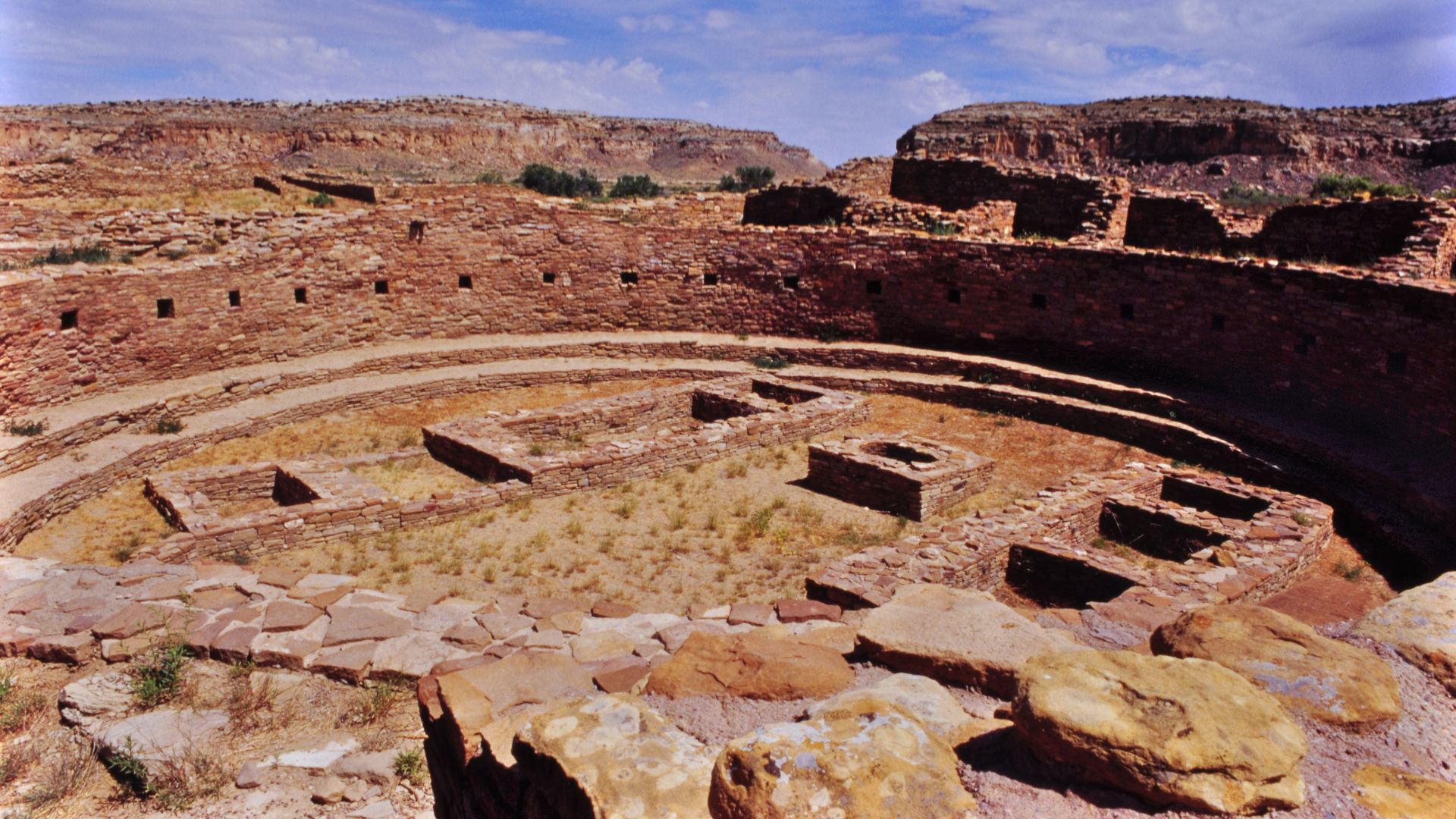
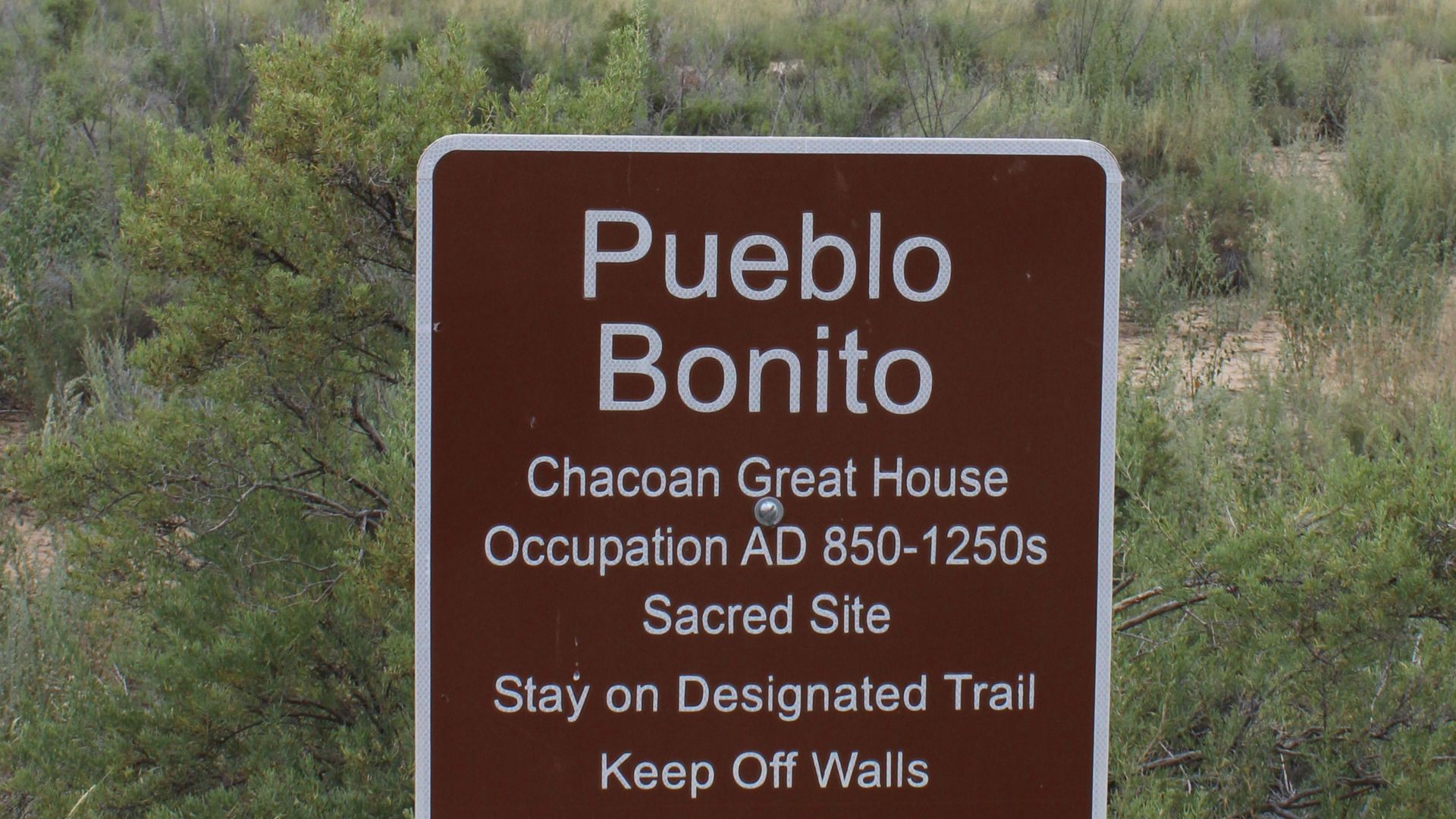
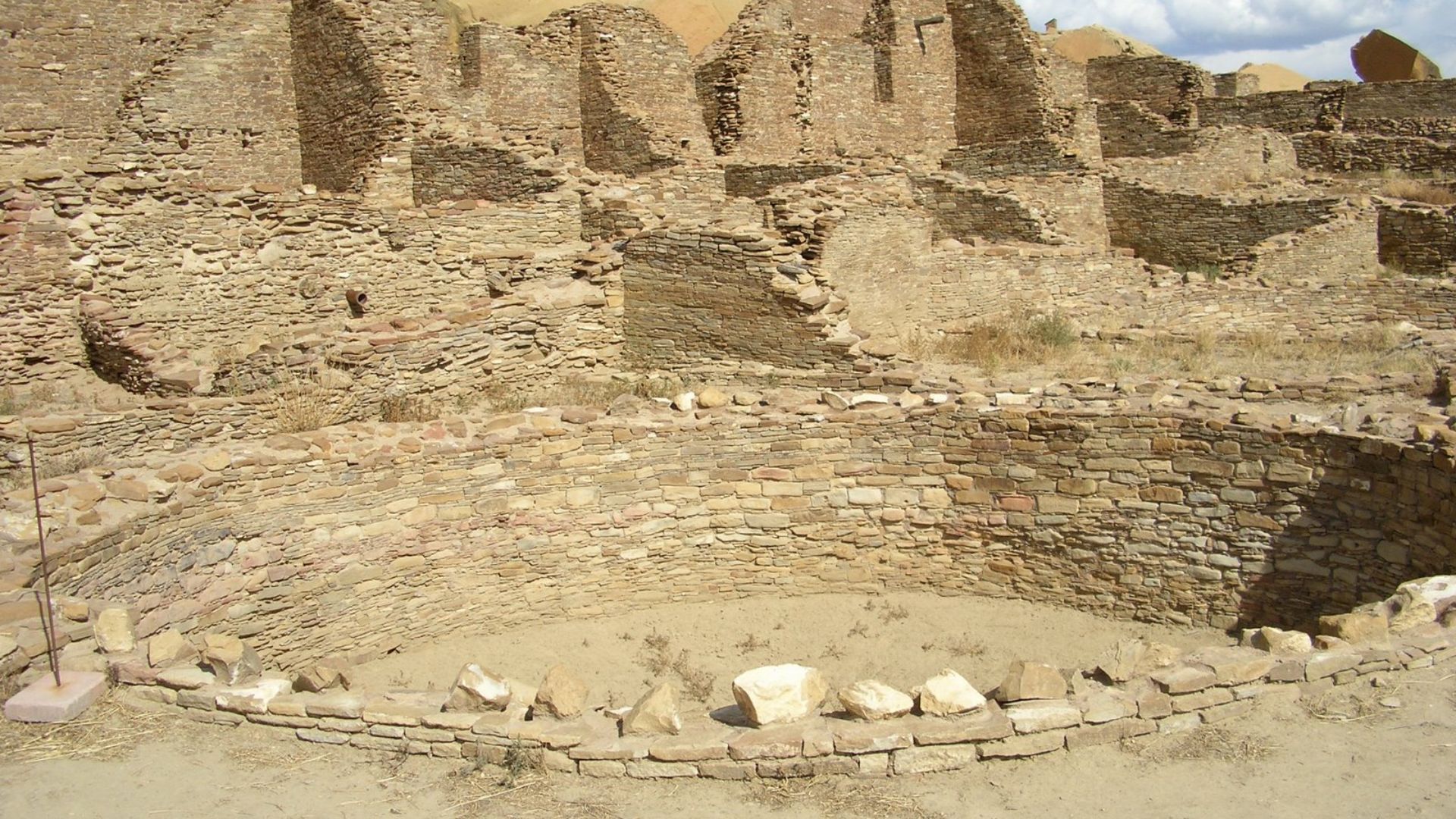
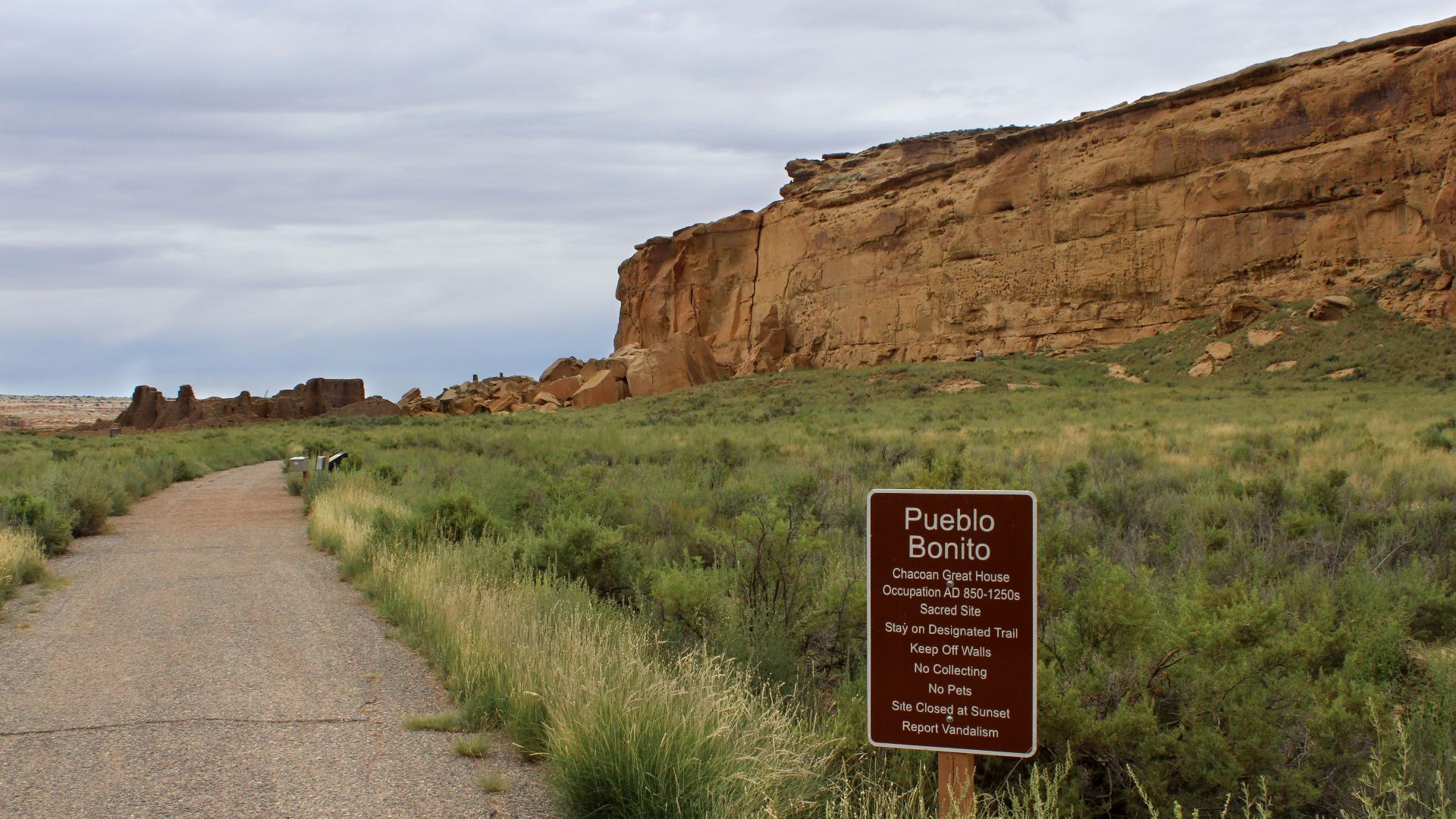
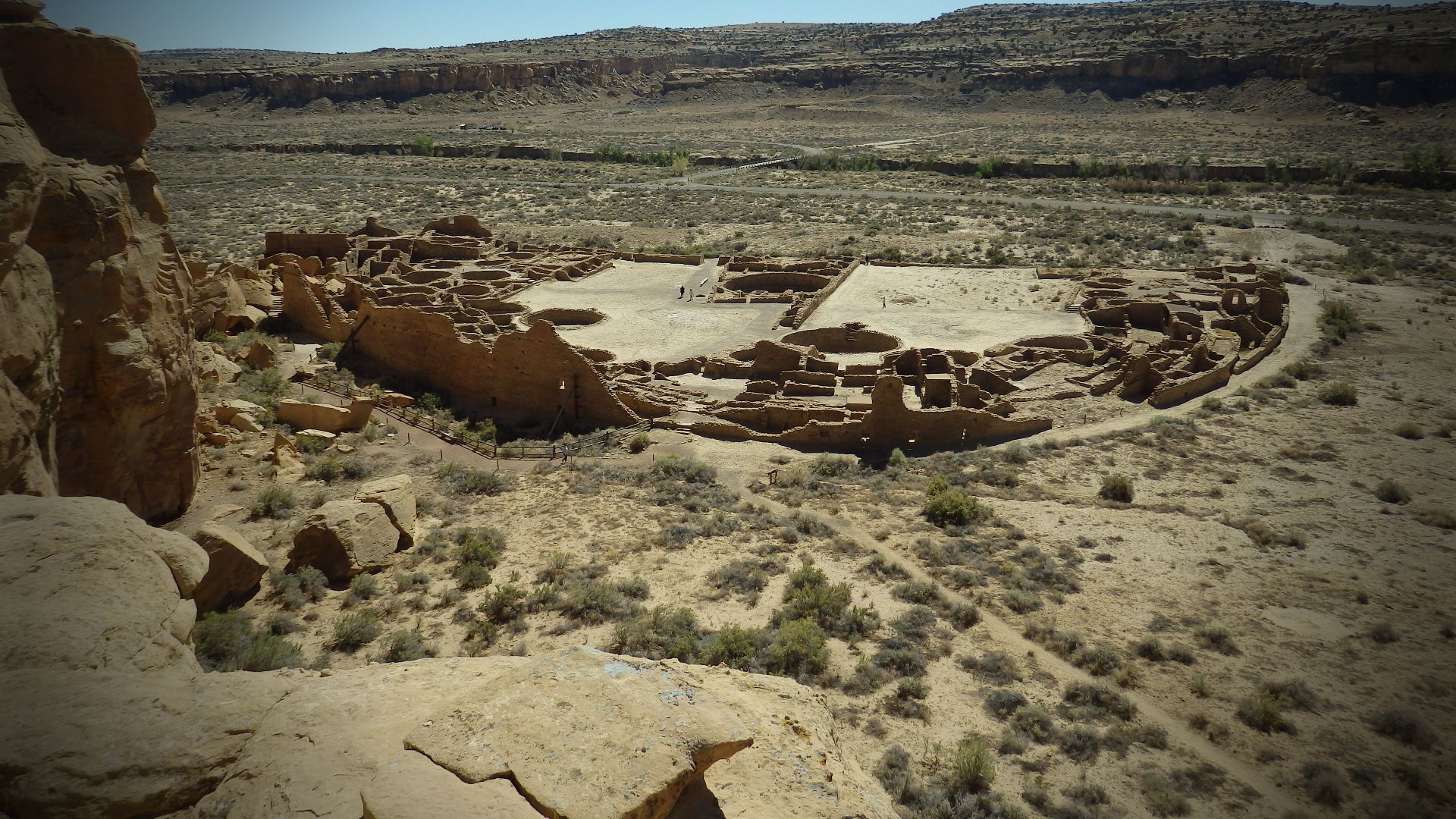
Pueblo Bonito is the most celebrated great house in Chaco Canyon and an essential stop for visitors. Construction began around 850 CE and continued in stages until approximately 1150 CE. At its height, the massive D-shaped complex contained more than 600 rooms and covered roughly three acres. Walking among its surviving walls provides an unforgettable introduction to the scale of Chacoan architecture.
Hundreds Of Rooms Built With Remarkable Precision
The builders of Pueblo Bonito arranged rooms, corridors, plazas, and ceremonial spaces into a carefully organized architectural complex. Some walls supported multiple stories, demonstrating an impressive understanding of structural stability. The surviving stonework also reveals considerable attention to craftsmanship and design. Visitors can still walk through original rooms, making Pueblo Bonito one of the park's most immersive archaeological experiences.
 SkybirdForever, Wikimedia Commons
Stonework That Has Survived A Thousand Years
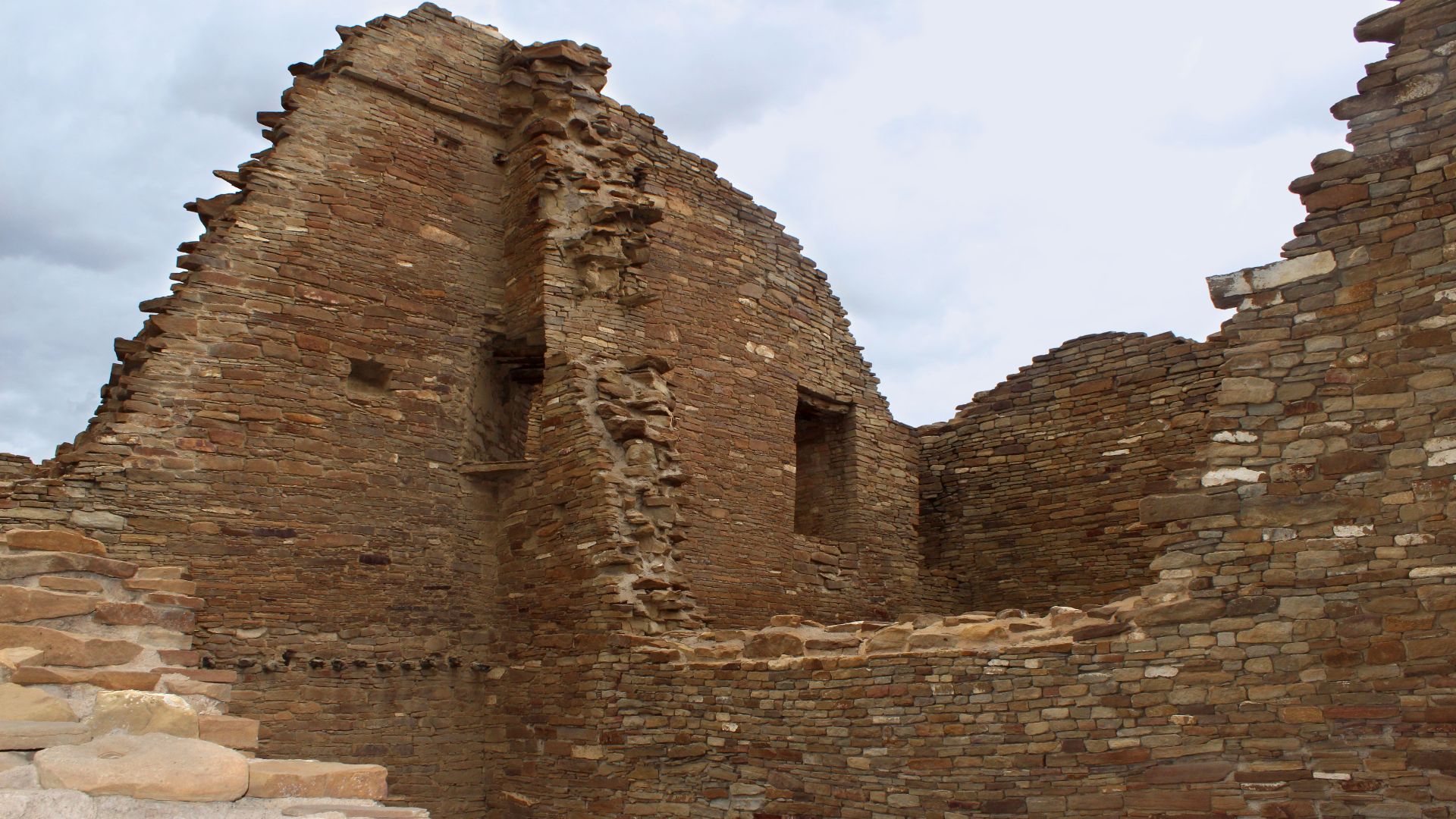
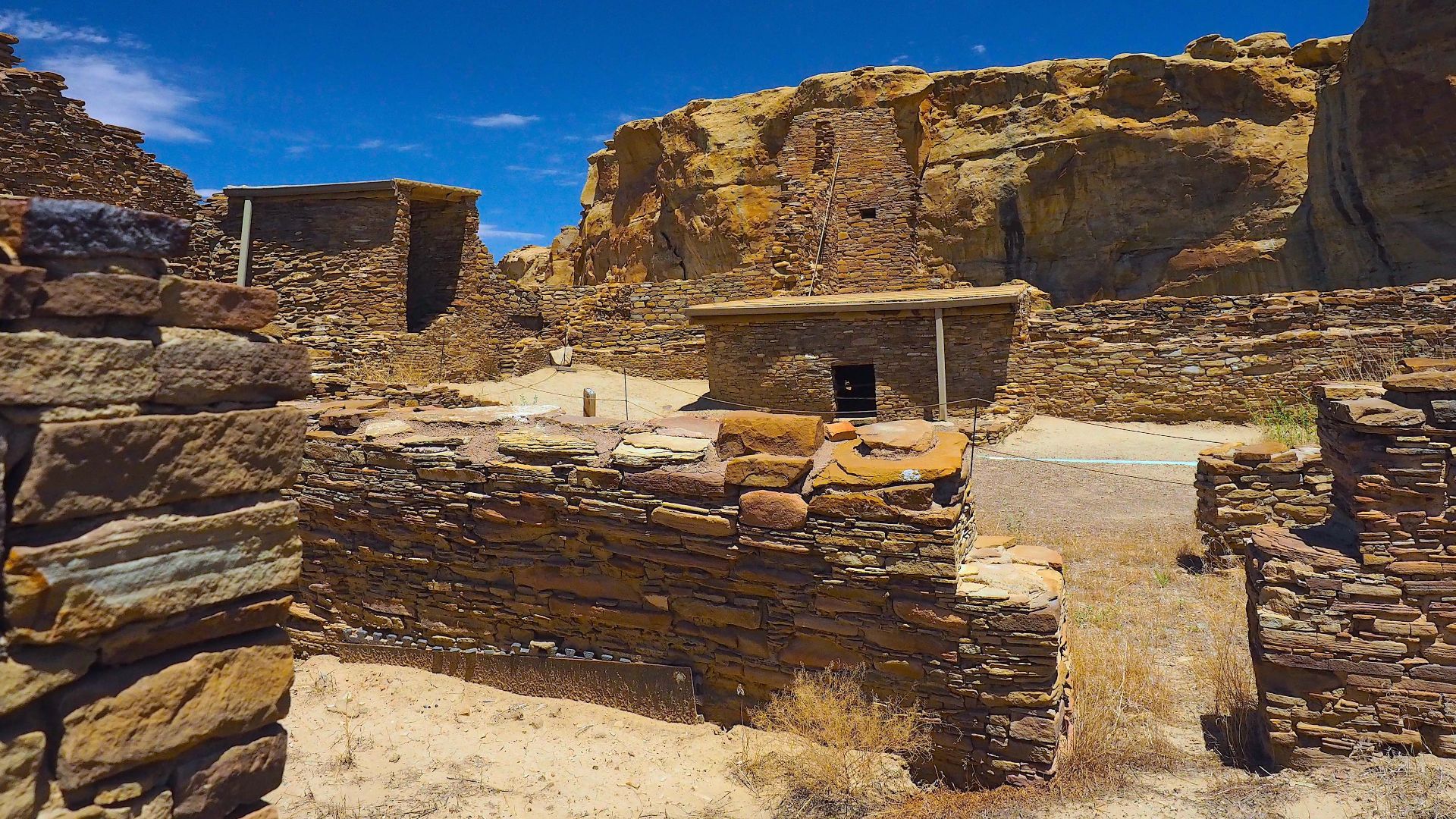
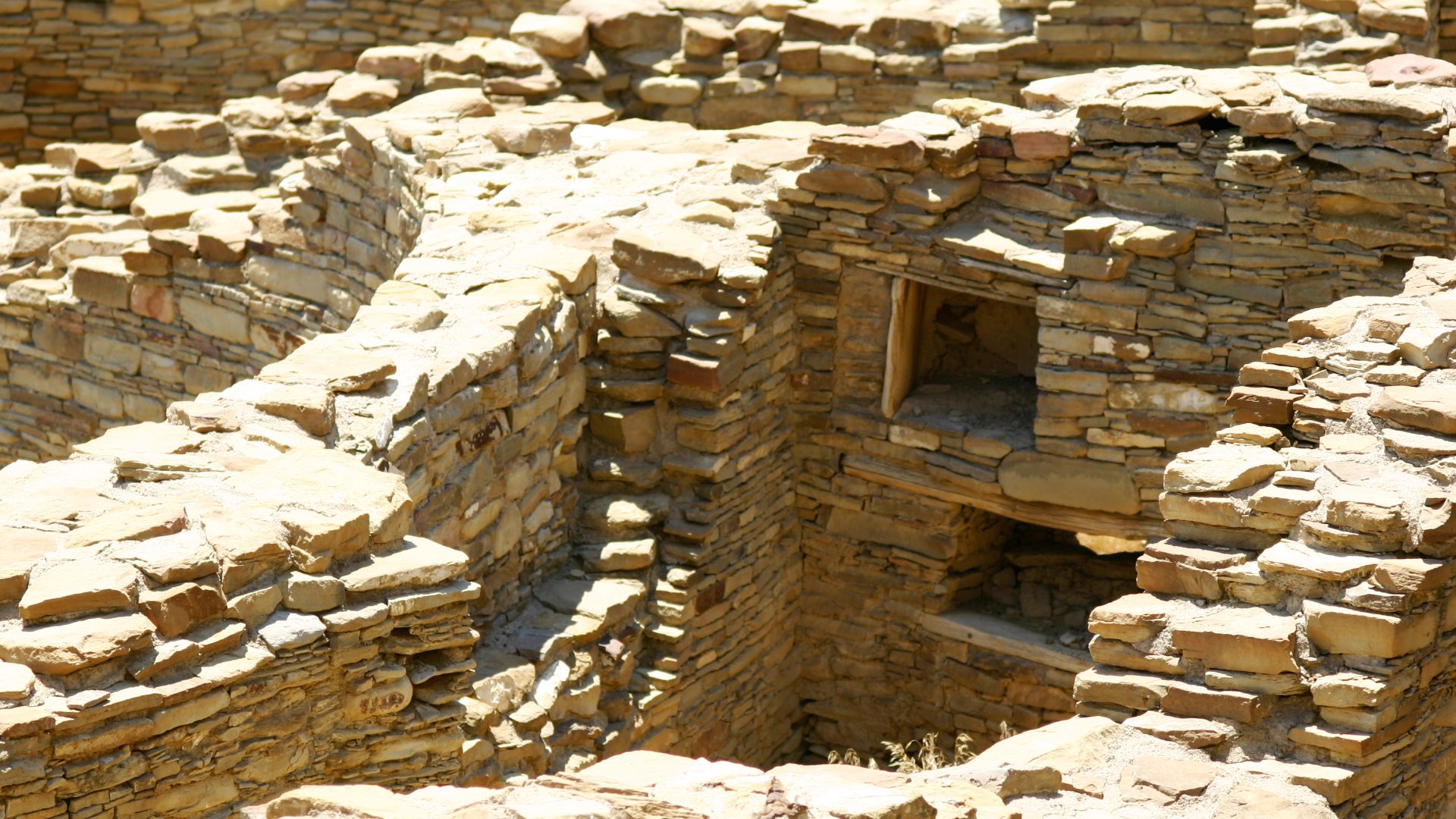
Chacoan masons constructed walls using carefully arranged sandstone and mud mortar. Different masonry styles developed over time, reflecting changes in building techniques and architectural preferences. Many surviving walls display distinctive patterns of larger stones surrounded by smaller pieces. Their continued existence demonstrates both the skill of the builders and the effectiveness of modern preservation efforts.
Chetro Ketl Reveals Another Architectural Marvel
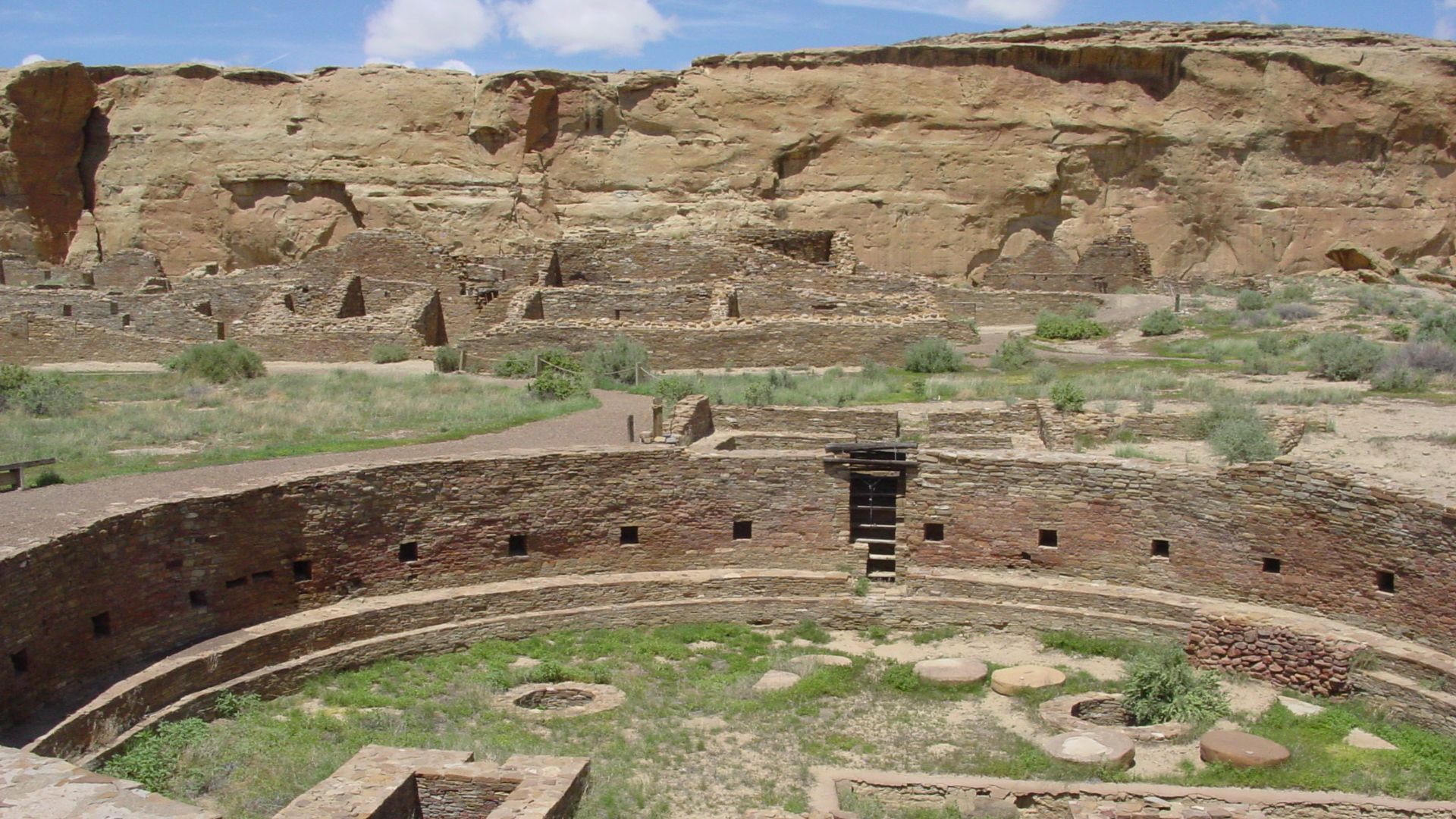
Not far from Pueblo Bonito stands Chetro Ketl, the second-largest great house in Chaco Canyon. This sprawling complex covers more than three acres and includes ceremonial structures and an elevated plaza. As construction expanded upward, builders created a plaza standing approximately 12 feet above the canyon floor. The surviving architecture offers another impressive example of how Chacoan communities reshaped their surroundings.
 National Park Service (United States), Wikimedia Commons
The Great Kivas Were Gathering Places
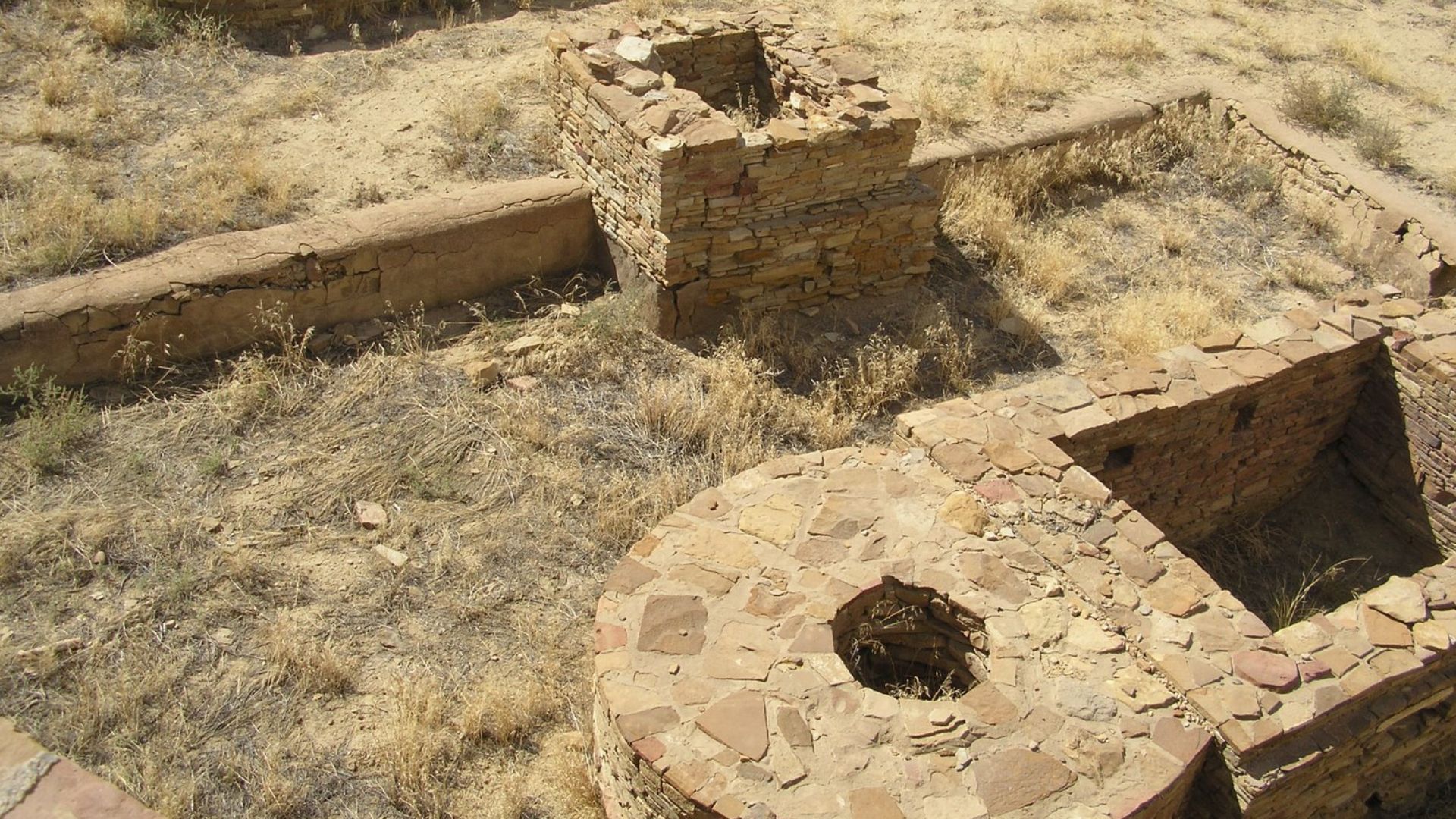
Among Chaco's most distinctive architectural features are its kivas, circular structures associated with ceremonial and communal activities. Great kivas were especially large examples, often incorporating carefully designed architectural features. These spaces formed important parts of the social and ceremonial landscape. Their presence throughout the region helps explain how distant communities maintained cultural connections.
 SkybirdForever, Wikimedia Commons
Casa Rinconada Offers A Different Perspective
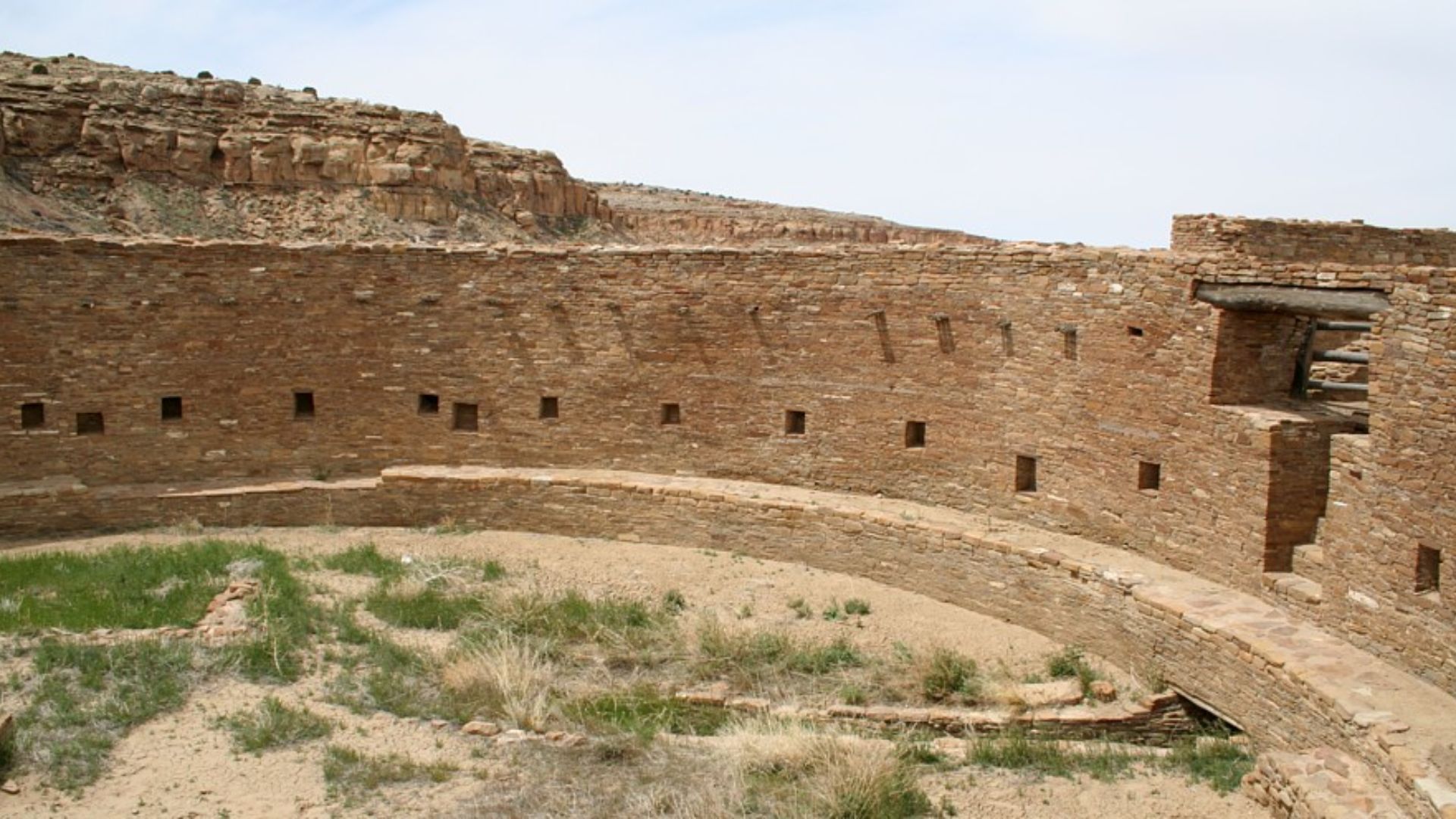
Casa Rinconada is one of Chaco Canyon's most impressive surviving great kivas. Unlike ceremonial spaces incorporated into larger great houses, this enormous circular structure stands apart from the major building complexes. Its carefully planned architecture demonstrates the importance of ceremonial gathering places within Chacoan society. Visitors can appreciate its scale while considering the gatherings that once took place here.
 James Q. Jacobs, Wikimedia Commons
Ancient Roads Connected A Vast Region
Chaco's architectural achievements extended far beyond its great houses. The Ancestral Pueblo people constructed an extensive network of roads connecting major buildings and distant communities throughout the San Juan Basin. Some routes were approximately 30 feet wide and maintained remarkably straight alignments across difficult terrain. These roads demonstrate that Chaco was part of a much larger regional system.
Engineers Who Refused To Follow The Landscape
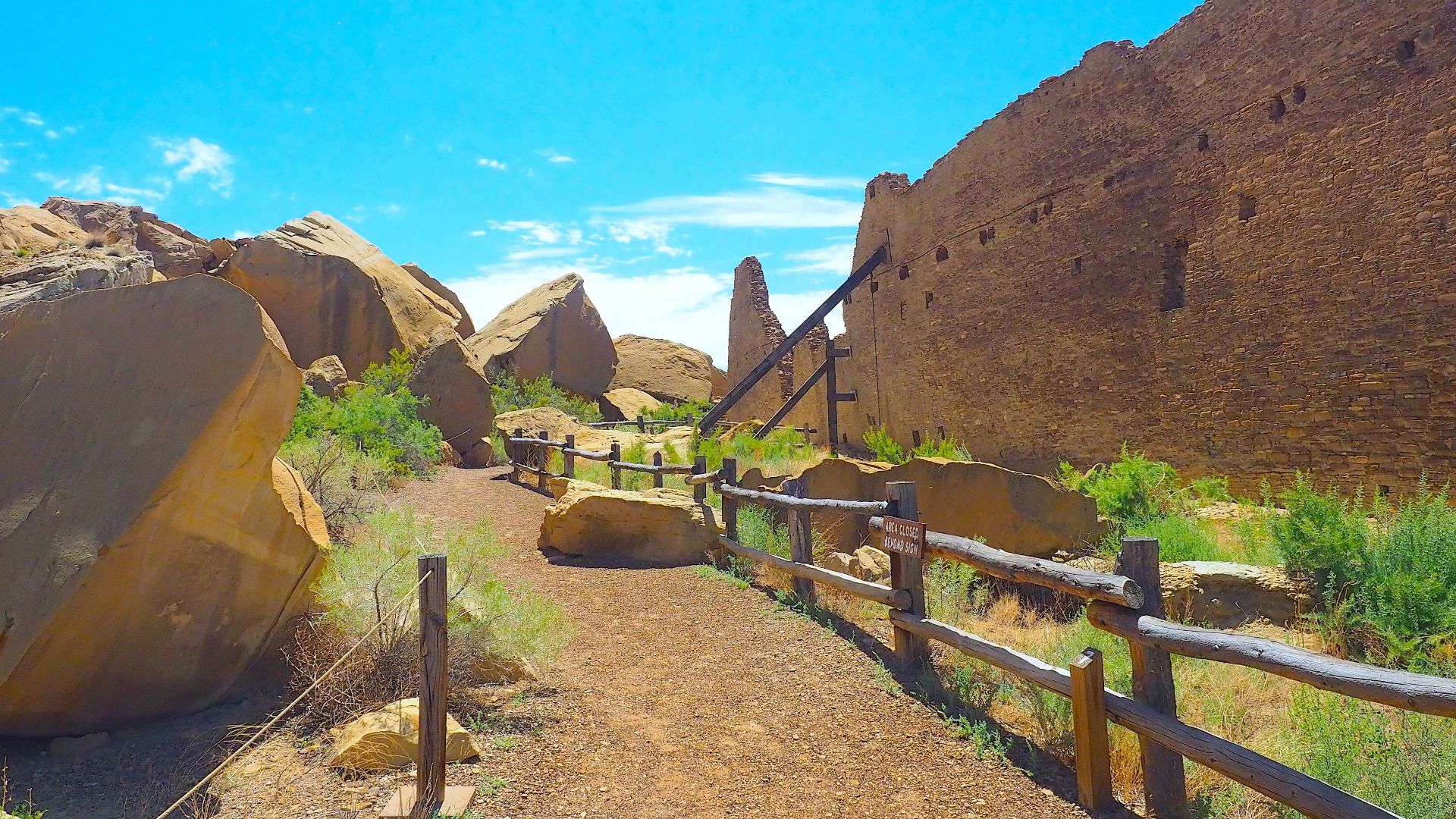
One of the most remarkable characteristics of Chacoan roads is their unusual straightness. Rather than winding around obstacles, some routes continued directly toward cliffs and mesas. Builders sometimes carved stairways into rock faces to maintain their intended alignments. Archaeologists continue investigating the practical, social, and ceremonial purposes of these extraordinary routes.
 AlisonRuthHughes, Wikimedia Commons
Trade Brought Distant Worlds Together
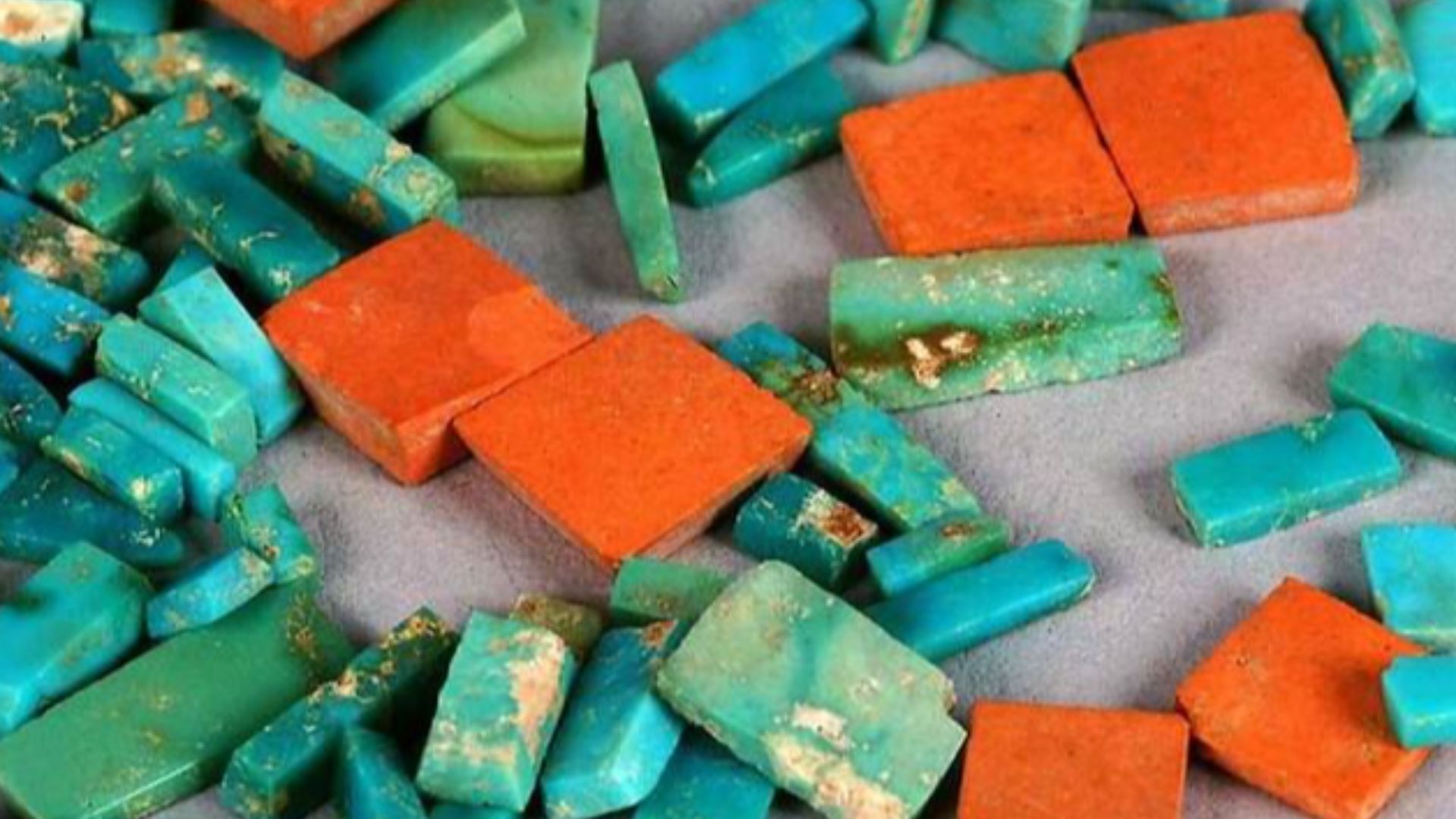
Archaeological discoveries reveal that Chaco participated in exchange networks extending far beyond New Mexico. Objects found in the canyon include turquoise ornaments, seashells, copper bells, and remains of exotic birds such as macaws. Some of these materials originated in regions far to the south, including areas of present-day Mexico. Their presence demonstrates that Chaco's influence involved much more than local construction and agriculture.
 Urban~commonswiki, Wikimedia Commons
Water Management Made Desert Life Possible
Living in Chaco Canyon required careful attention to limited water supplies. Ancestral Pueblo communities developed systems that included diversion dams, catch basins, and channels for directing runoff. These features helped people manage the unpredictable availability of water in the desert environment. Their engineering achievements reveal how closely Chacoan communities understood the landscape around them.
The Sky Was Part Of The Architecture
Chacoan builders incorporated astronomical knowledge into parts of their architectural planning. Several buildings and landscape features display alignments associated with solar and lunar cycles. Observations of the sky were important for understanding seasonal changes and organizing agricultural and ceremonial activities. This relationship between architecture and astronomy remains one of the most fascinating aspects of Chacoan culture.
 AlisonRuthHughes, Wikimedia Commons
Fajada Butte Holds An Astronomical Mystery
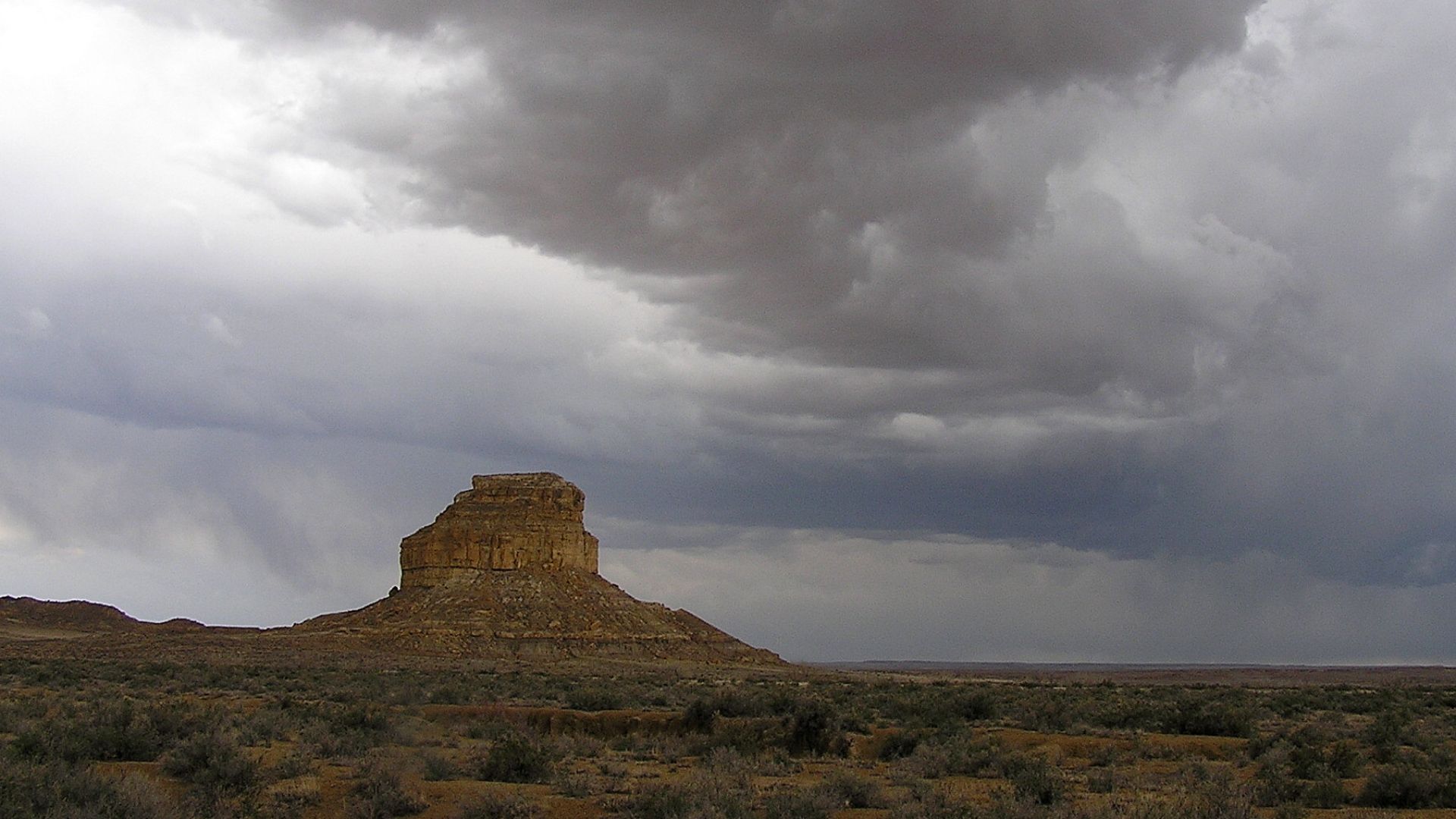
Rising approximately 135 meters above the canyon floor, Fajada Butte is one of the park's most recognizable landmarks. It is associated with the famous Sun Dagger site, where sunlight and shadow interact with spiral petroglyphs. Researchers have studied the feature for its apparent connections to seasonal solar events. Visitors can admire the butte from a designated overlook, although the sensitive archaeological site itself is not open to public access.
 National Park Service (United States), Wikimedia Commons
Ancient Images Cover The Canyon Walls
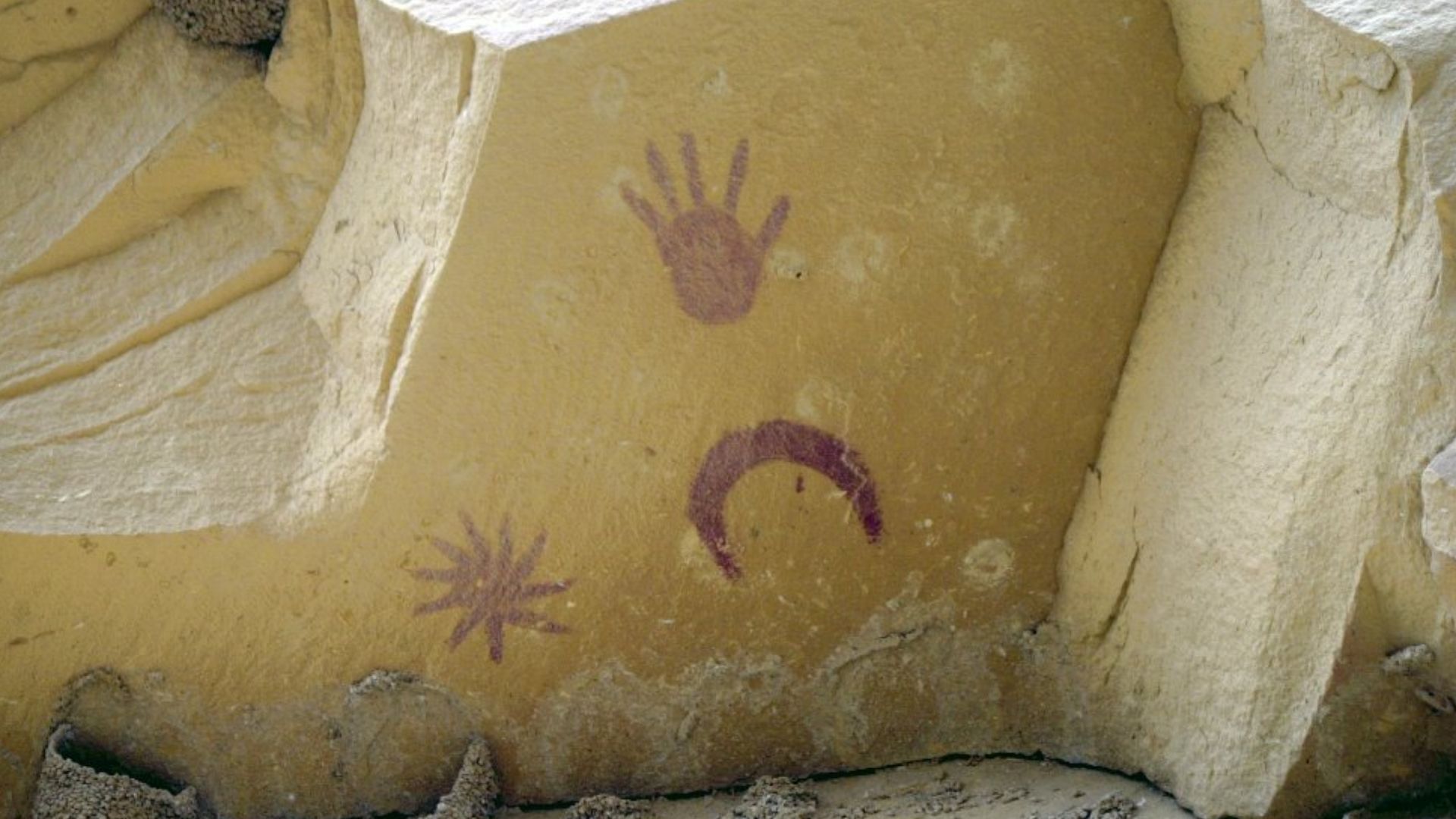
Chaco Canyon contains thousands of petroglyphs and pictographs created across different periods of its history. Some images depict recognizable forms, while others feature spirals, handprints, and abstract designs. Their meanings are not always fully understood, and interpretations can differ among researchers and descendant communities. Designated trails allow visitors to appreciate these remarkable cultural expressions without disturbing them.
 Alex Marentes, Wikimedia Commons
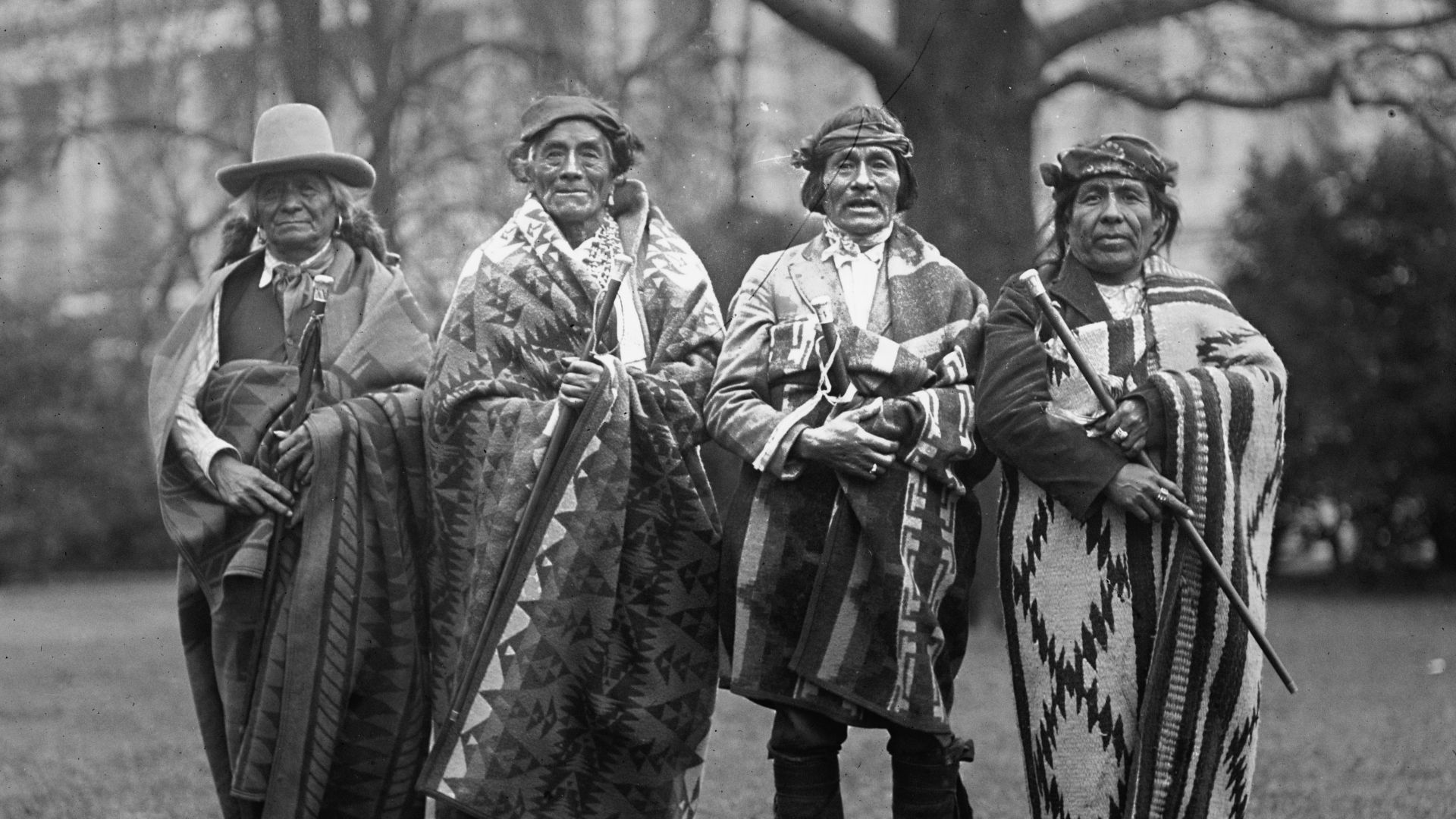
The People Of Chaco Did Not Simply Disappear
Although Chaco's importance as a regional center declined during the 1100s and 1200s, its people and cultural traditions did not vanish. Communities shifted toward other parts of the Southwest, where new settlements and cultural centers developed. Today's Pueblo peoples maintain ancestral connections to the Chacoan world, while Chaco also holds significance in Navajo traditions. Recognizing those living connections is essential to understanding the park's history.
 National Photo Company Collection, Wikimedia Commons
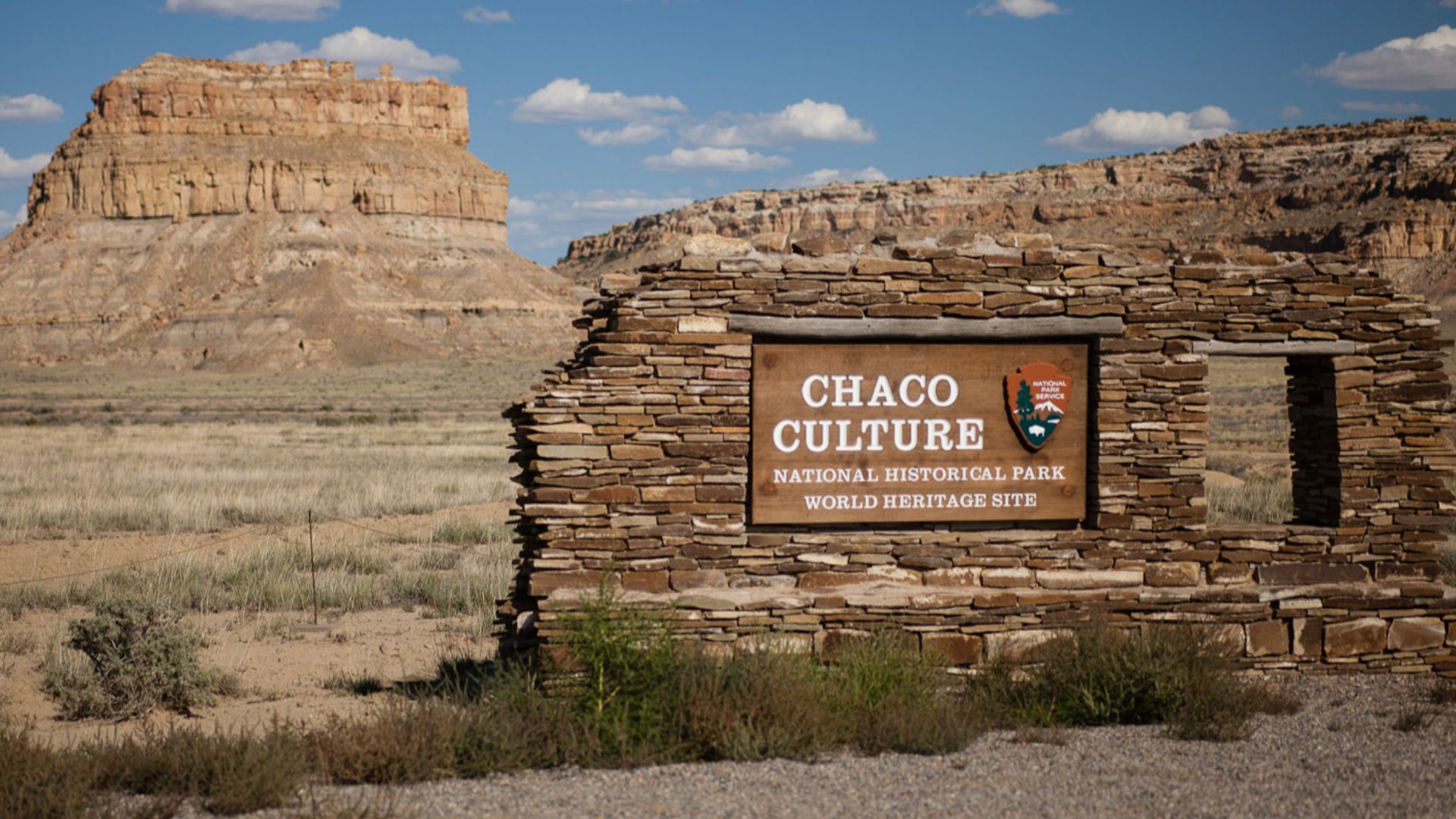
UNESCO Recognized Chaco's Global Importance
In 1987, UNESCO designated Chaco Culture a World Heritage Site in recognition of its exceptional cultural significance. The designation encompasses Chaco Culture National Historical Park, Aztec Ruins National Monument, and several additional archaeological sites. UNESCO particularly recognizes the extraordinary architecture and engineering achievements of the Chacoan people. This international recognition places Chaco among the world's most important cultural landscapes.
 Greg Willis from Denver, CO, usa, Wikimedia Commons
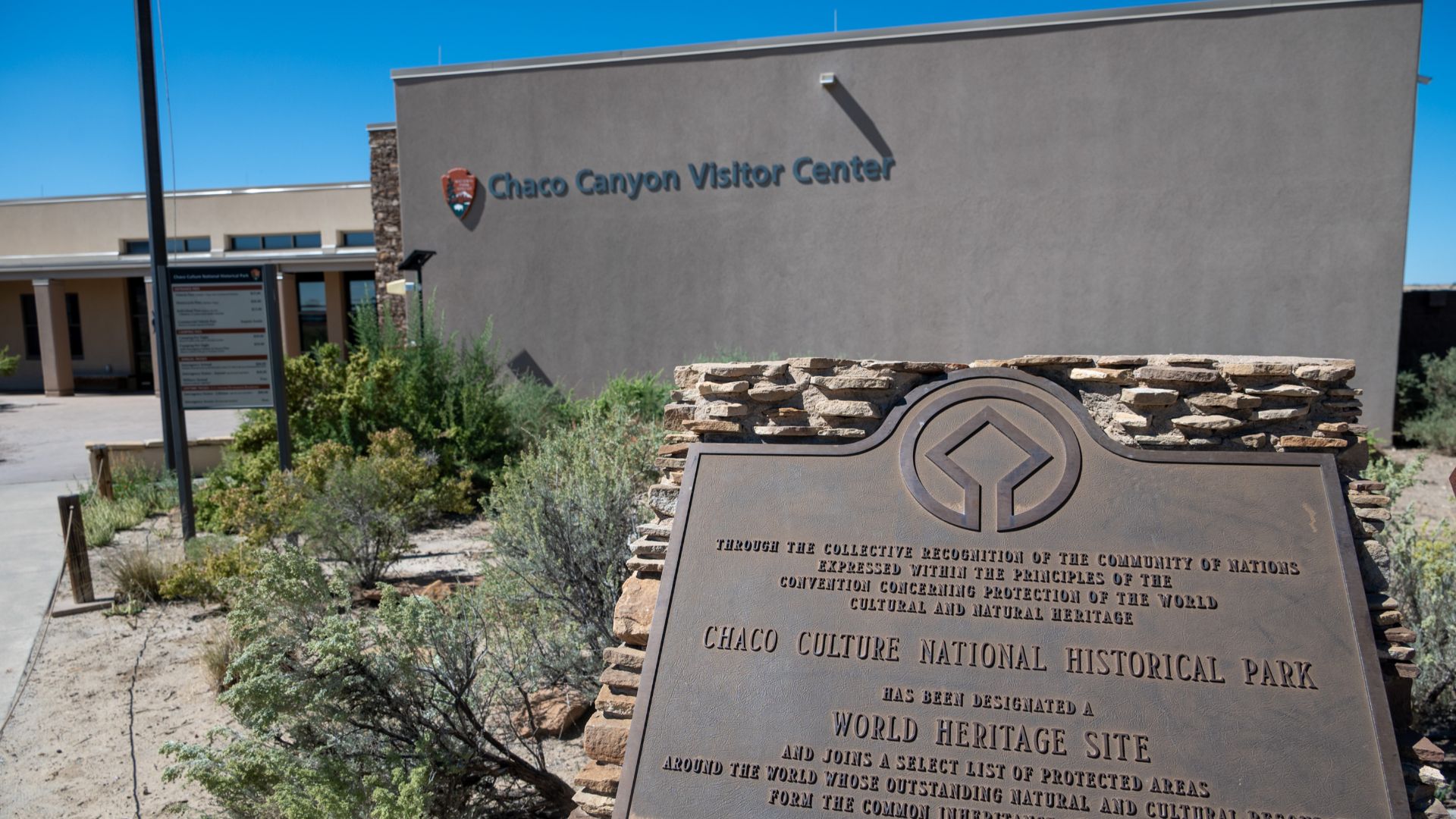
Start Your Adventure At The Visitor Center
The park's visitor center is the best place to begin exploring Chaco Canyon. Exhibits introduce Ancestral Pueblo history, architectural achievements, and the surrounding landscape. Visitors can also watch an orientation film and purchase interpretive guides for individual archaeological sites. Spending time here before exploring the ruins makes the remarkable structures much easier to understand.
 xiquinhosilva, Wikimedia Commons
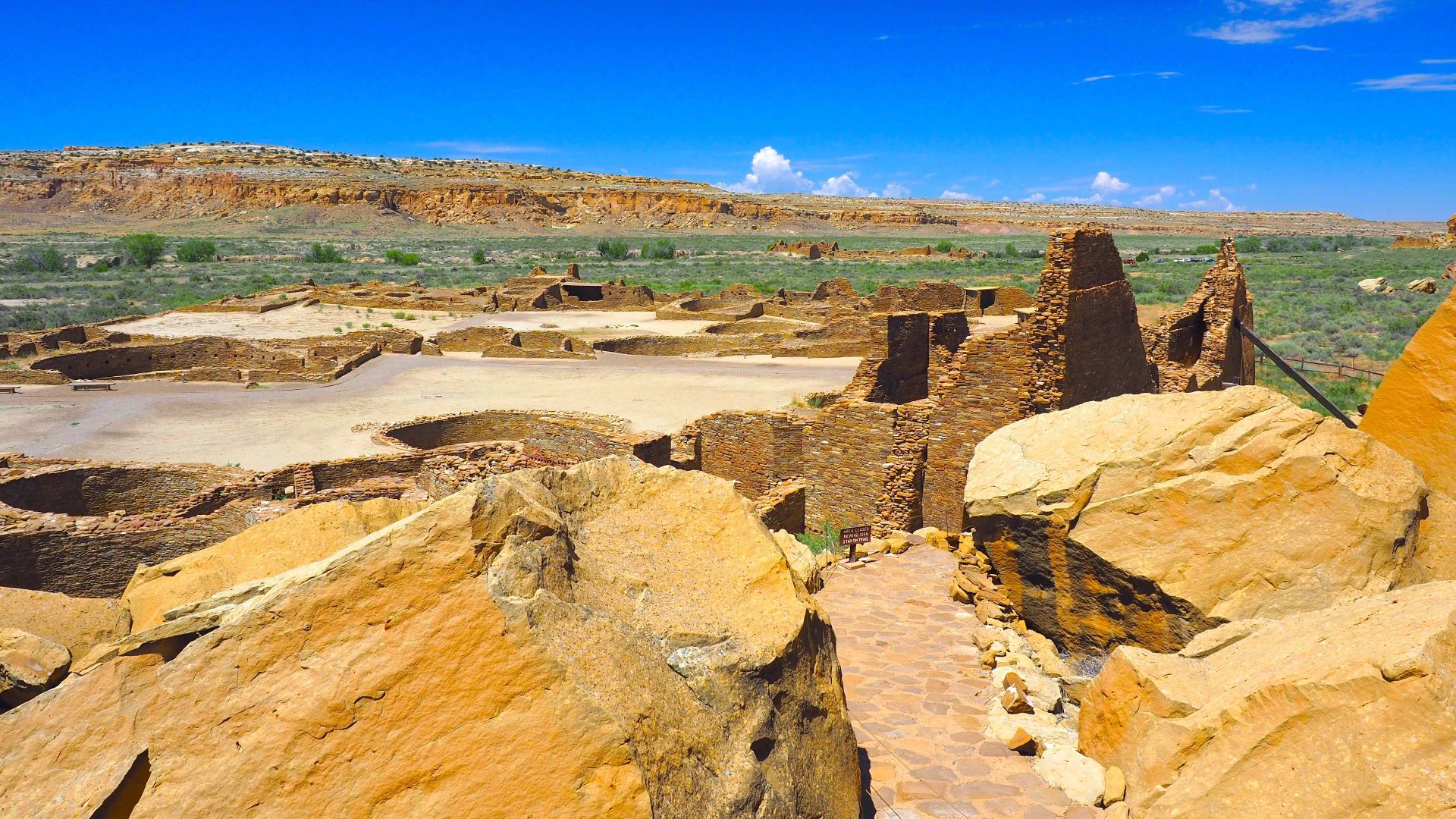
Explore The Canyon On A Scenic Drive
A nine-mile loop road provides access to several of Chaco Canyon's most important archaeological sites. Visitors can stop at major great houses, explore designated walking trails, and admire the surrounding desert scenery. Pueblo Bonito and Chetro Ketl are among the highlights along the route. The combination of driving and short walks makes it possible to experience much of the park without undertaking a lengthy backcountry hike.
 AlisonRuthHughes, Wikimedia Commons
Hike Above The Ruins For Spectacular Views
For visitors seeking a broader perspective, the Pueblo Alto Trail offers some of the park's most memorable scenery. The full loop covers approximately 5.5 miles and climbs onto the mesa above the canyon. From elevated viewpoints, hikers can see Pueblo Bonito and other great houses spread across the landscape. These views reveal architectural patterns that are difficult to appreciate while standing among the ruins.
 Steven C. Price, Wikimedia Commons
Discover The Less-Visited Great Houses
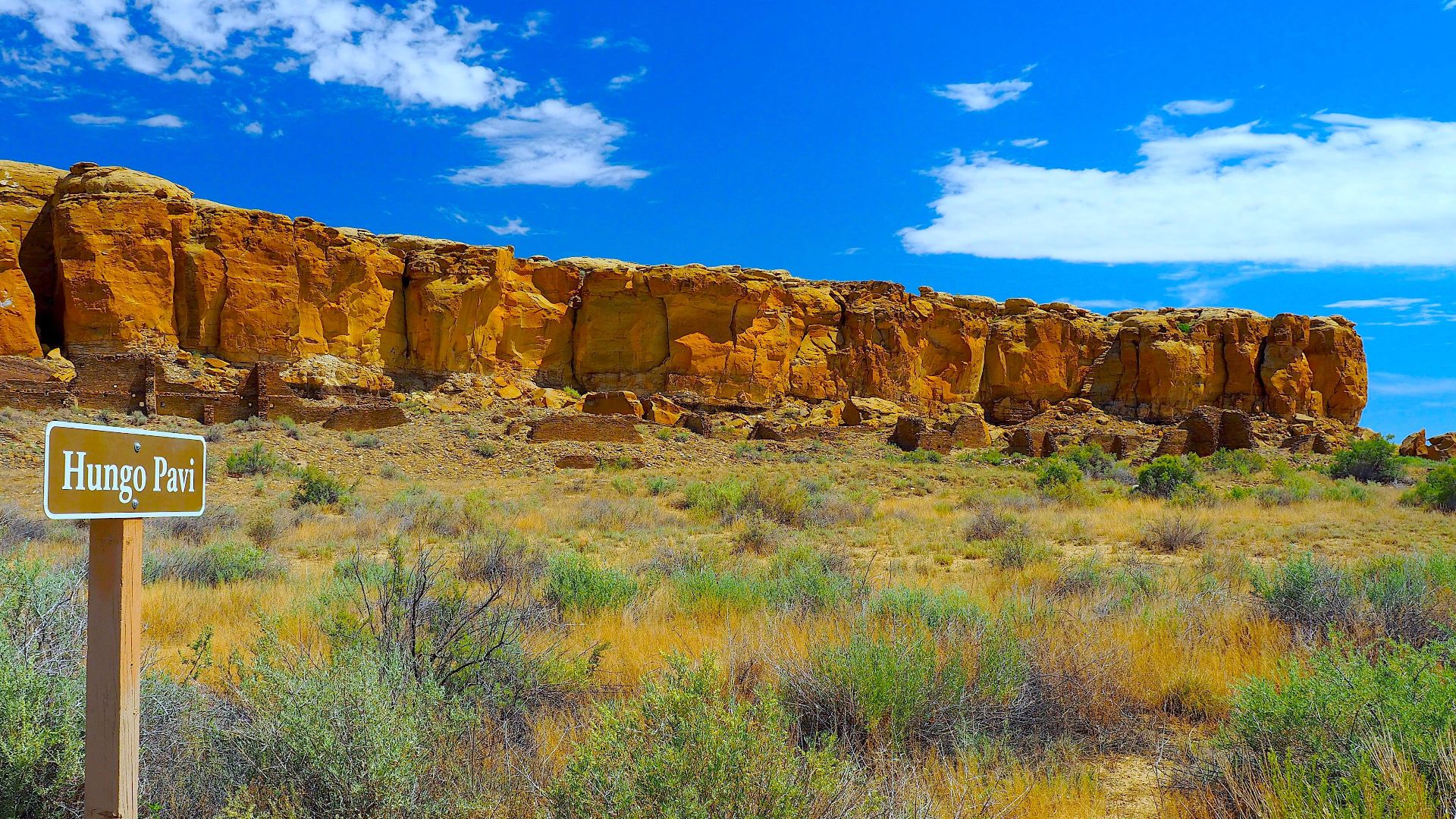
Although Pueblo Bonito attracts considerable attention, other archaeological sites provide equally fascinating experiences. Una Vida preserves a great house that has undergone relatively little excavation, while Hungo Pavi contains more than 150 rooms beneath layers of sand and vegetation. These locations offer a glimpse of how archaeological sites appear before extensive investigation. Exploring them helps visitors appreciate how much of Chaco's history remains preserved beneath the desert surface.
 AlisonRuthHughes, Wikimedia Commons
Experience Some Of America's Darkest Skies
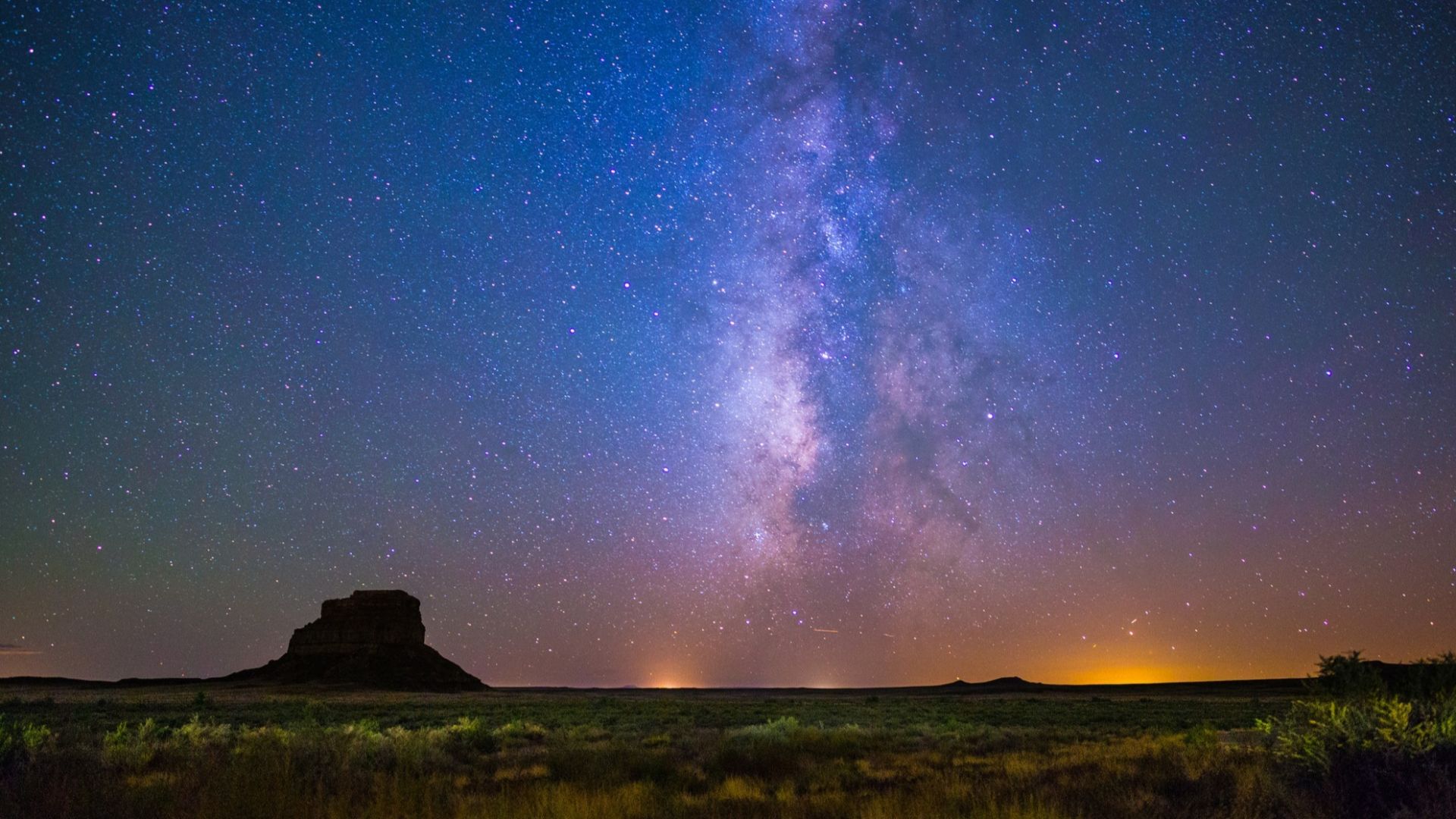
Chaco Canyon's remote location makes it an exceptional destination for stargazing. The park received International Dark Sky Park certification in 2013, recognizing its efforts to protect natural nighttime darkness. On clear evenings, visitors can experience spectacular views of stars far removed from major urban light pollution. The night sky also provides a meaningful connection to the astronomical knowledge of the Ancestral Pueblo people.
Camping Makes The Experience Even More Memorable
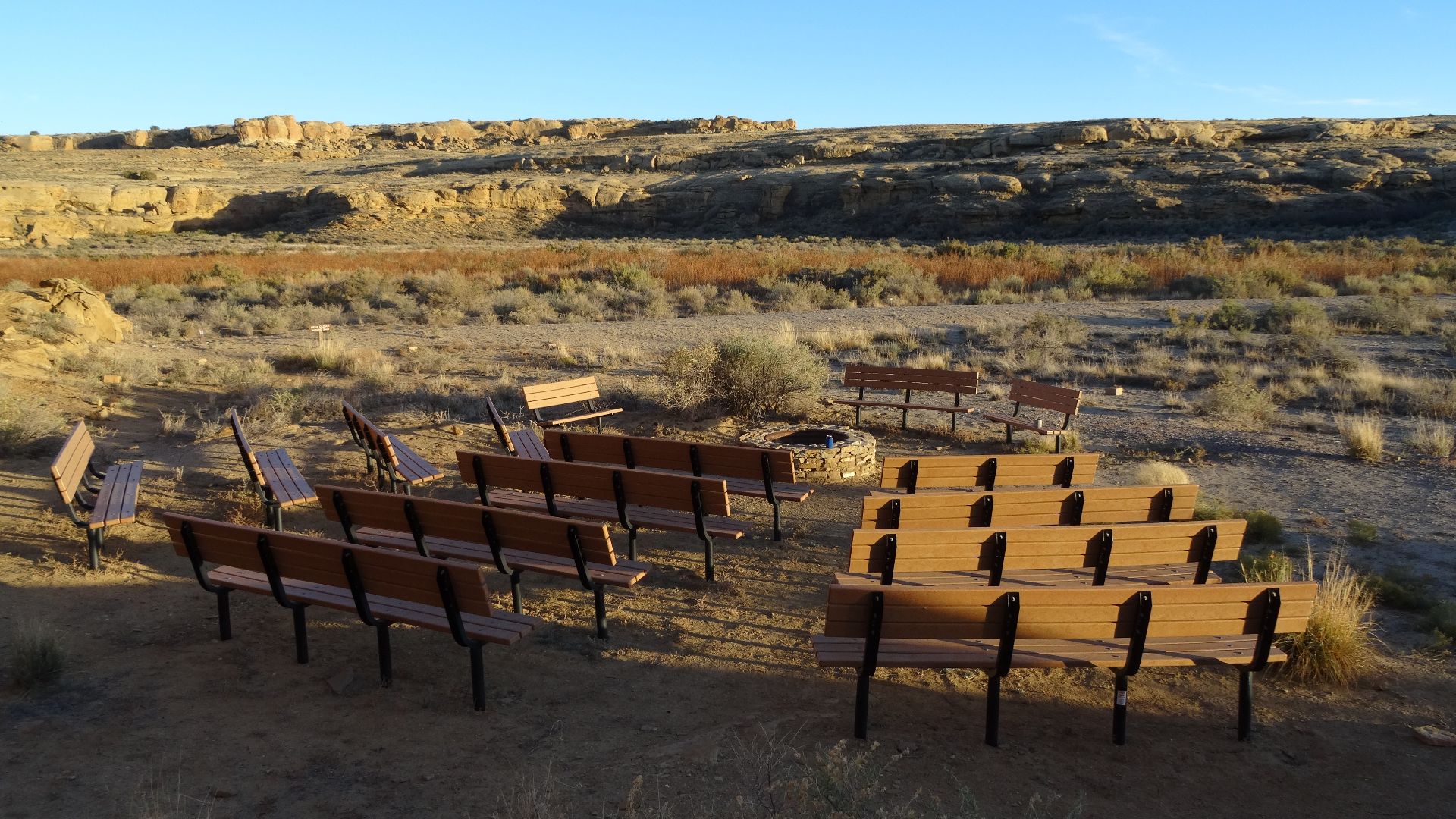
Visitors who want to spend the night can stay at Gallo Campground, located approximately one mile from the visitor center. The campground provides a rugged desert setting surrounded by cliffs and archaeological features. Facilities include restrooms and basic camping amenities, but there are no showers or electrical hookups. Reservations are recommended, particularly for travelers hoping to enjoy Chaco's famous nighttime skies.
Getting To Chaco Requires Careful Planning
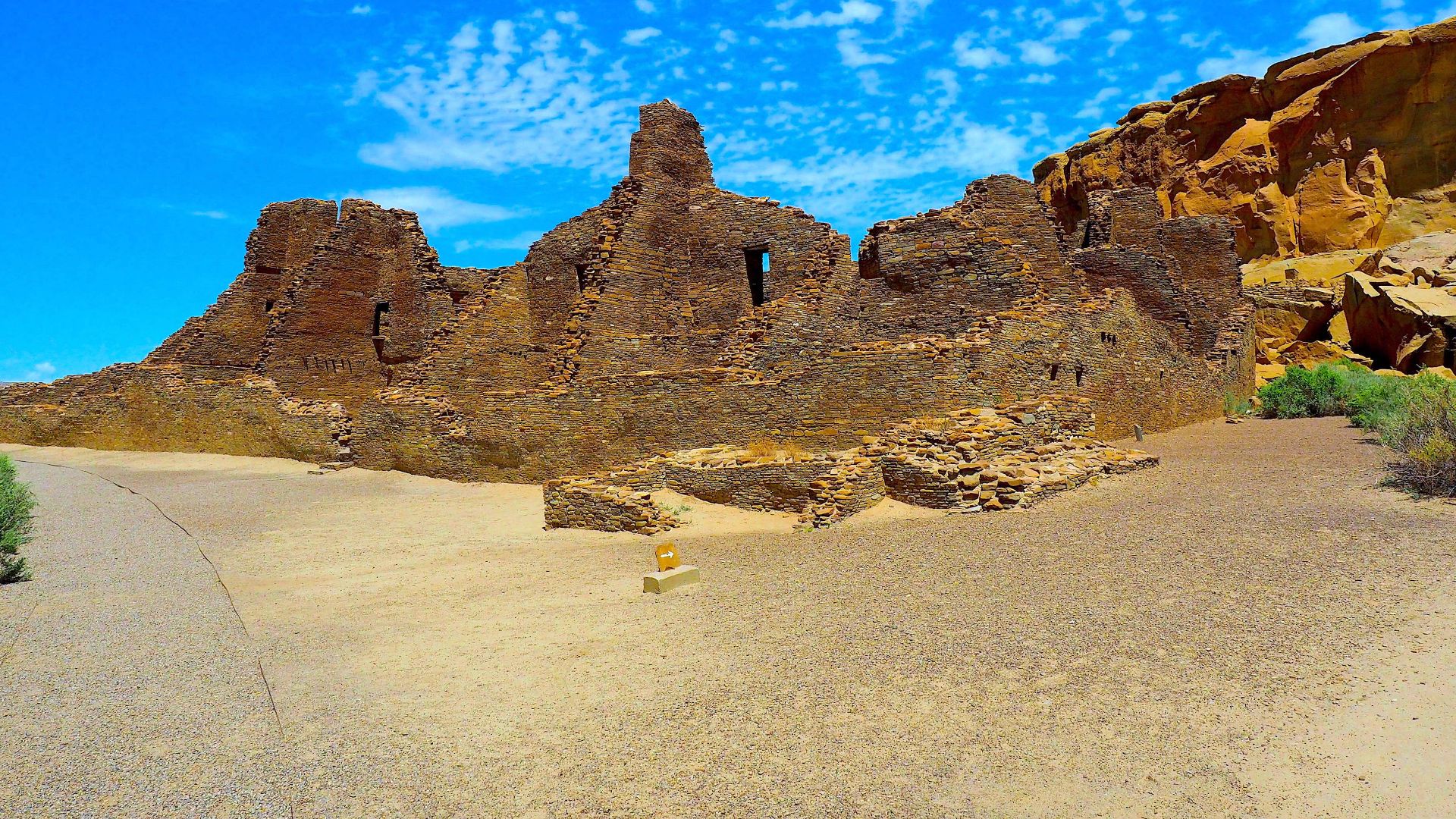
Reaching Chaco Culture National Historical Park is part of the adventure, but the journey requires preparation. Access roads include long unpaved sections that can become difficult or impassable during wet weather. As of September 30, 2026, storm damage has closed the northern access road, leaving the rough southern route as the only entrance until further notice. Visitors should check National Park Service road updates immediately before traveling rather than relying exclusively on GPS directions.
 AlisonRuthHughes, Wikimedia Commons
Bring Everything You Need For The Desert
Chaco's remote location means travelers should arrive with sufficient fuel, food, drinking water, and other essentials. The park has no gasoline stations, restaurants, or vehicle repair facilities, and cellular service is limited. Hiking also requires precautions because the canyon sits approximately 6,200 feet above sea level and experiences intense sunshine and changing weather. Comfortable footwear, sun protection, extra water, and suitable clothing will make exploring considerably safer.

Choose Your Visiting Season Carefully
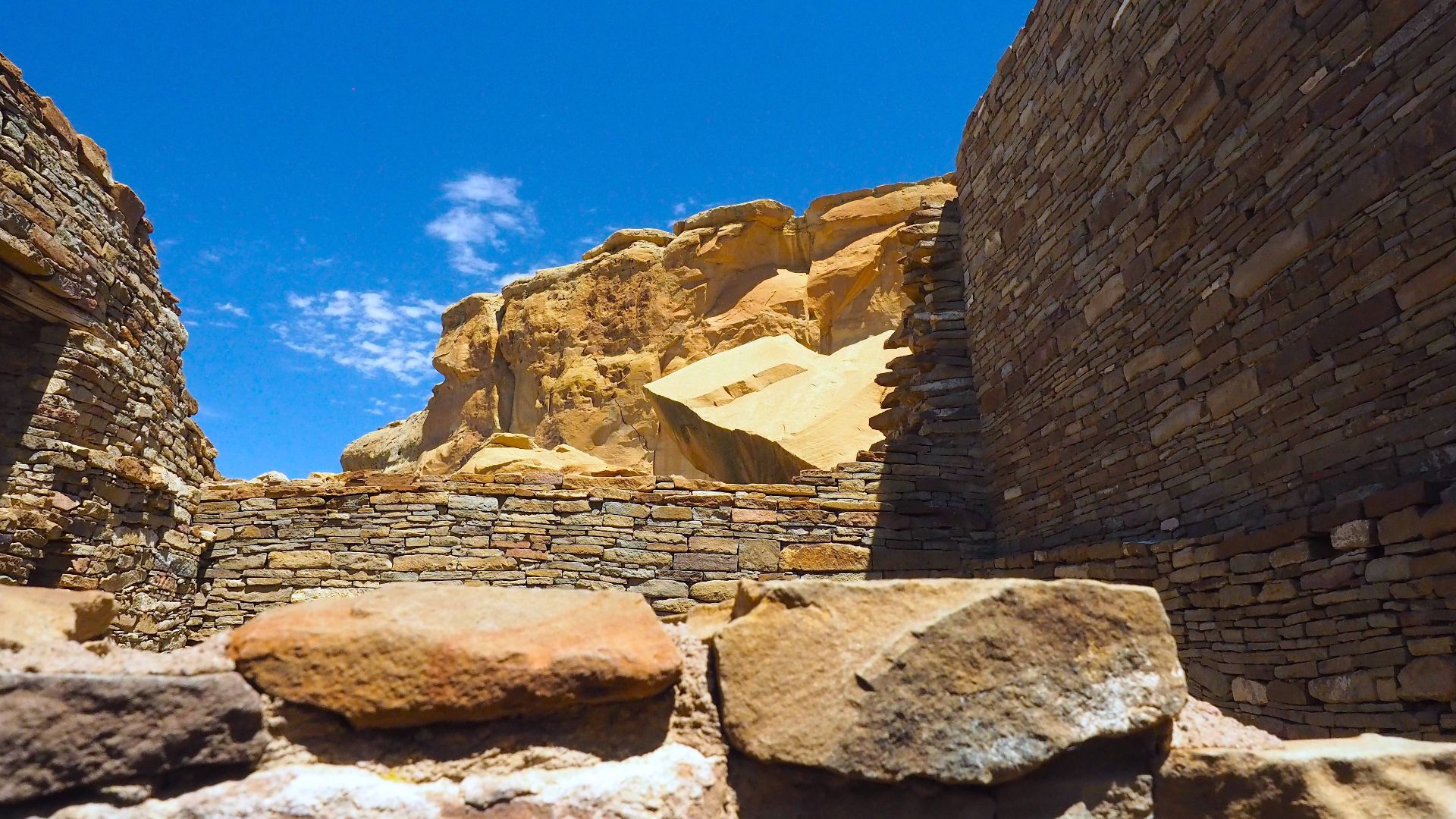
The park welcomes visitors throughout most of the year, although operating hours vary by season. From November through February, archaeological sites generally close at 5 p.m., while spring and summer schedules allow longer visits. Weather conditions can affect access at any time, especially when precipitation makes unpaved roads dangerous. Travelers should also remember that the park closes on Thanksgiving, Christmas Day, and New Year's Day.
 AlisonRuthHughes, Wikimedia Commons
A Journey Through One Of America's Greatest Ancient Landscapes
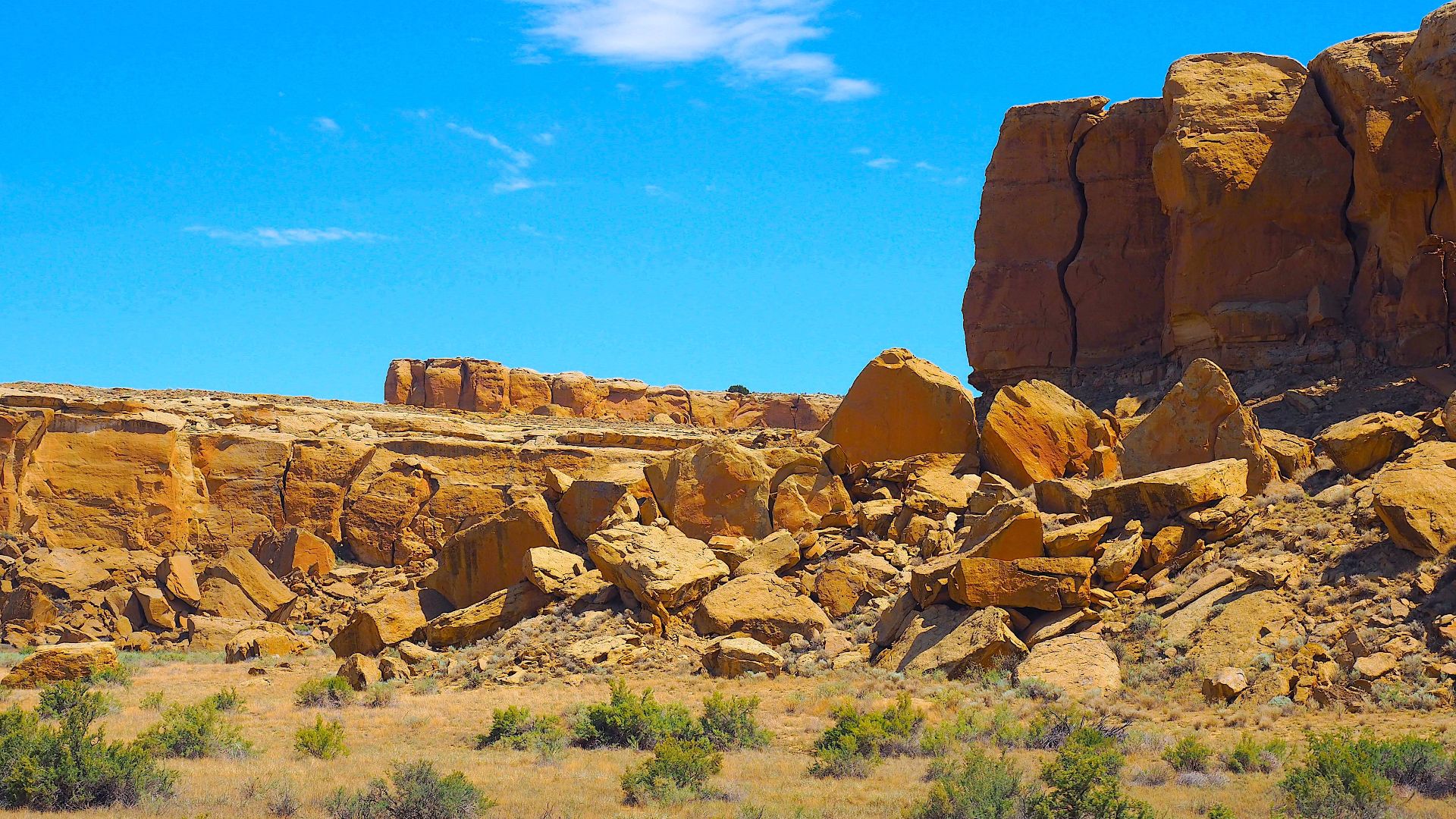
Chaco Culture National Historical Park offers far more than an opportunity to admire ancient stone buildings. Its great houses, ceremonial spaces, engineered roads, and astronomical features reveal the achievements of communities whose influence extended across the Southwest. Walking through the canyon also provides a chance to appreciate the continuing cultural importance of Chaco to descendant peoples. For travelers interested in history, archaeology, and extraordinary landscapes, this remote corner of New Mexico offers an experience unlike almost anywhere else in America.
 AlisonRuthHughes, Wikimedia Commons
You May Also Like:
The Countries Americans Say They Would Move To If Money Were No Object