
The Dos And Don'ts Of Train Travel
Train travel is one of the easiest ways to get around, but a few simple mistakes can derail an otherwise smooth trip. From missed departures and luggage blunders to quiet car etiquette, small decisions can make a big difference. These dos and don'ts will help you travel smarter from the moment you reach the station.

DON'T: Assume Train Travel Is Always Turn Up And Go
Train travel often feels more relaxed than flying, but that doesn't mean you can arrive at the last minute. Many operators recommend arriving well before departure, especially on international routes or at large stations. Security checks, ticket inspections, and platform changes can all take time. Giving yourself a buffer helps your journey start stress-free.
 veerasak Piyawatanakul, Pexels
DO: Check Your Ticket Rules Before Traveling
Not all train tickets offer the same flexibility. Some allow changes and refunds, while others are tied to a specific departure. Understanding the terms before travel can save money and frustration later. A quick review can prevent surprises if your plans change.

DO: Reserve A Seat When Required
A ticket does not always guarantee a seat. Many high-speed and overnight trains require separate seat reservations, even for rail pass holders. Popular routes can sell out long before departure day. Reserving early helps ensure a more comfortable trip.
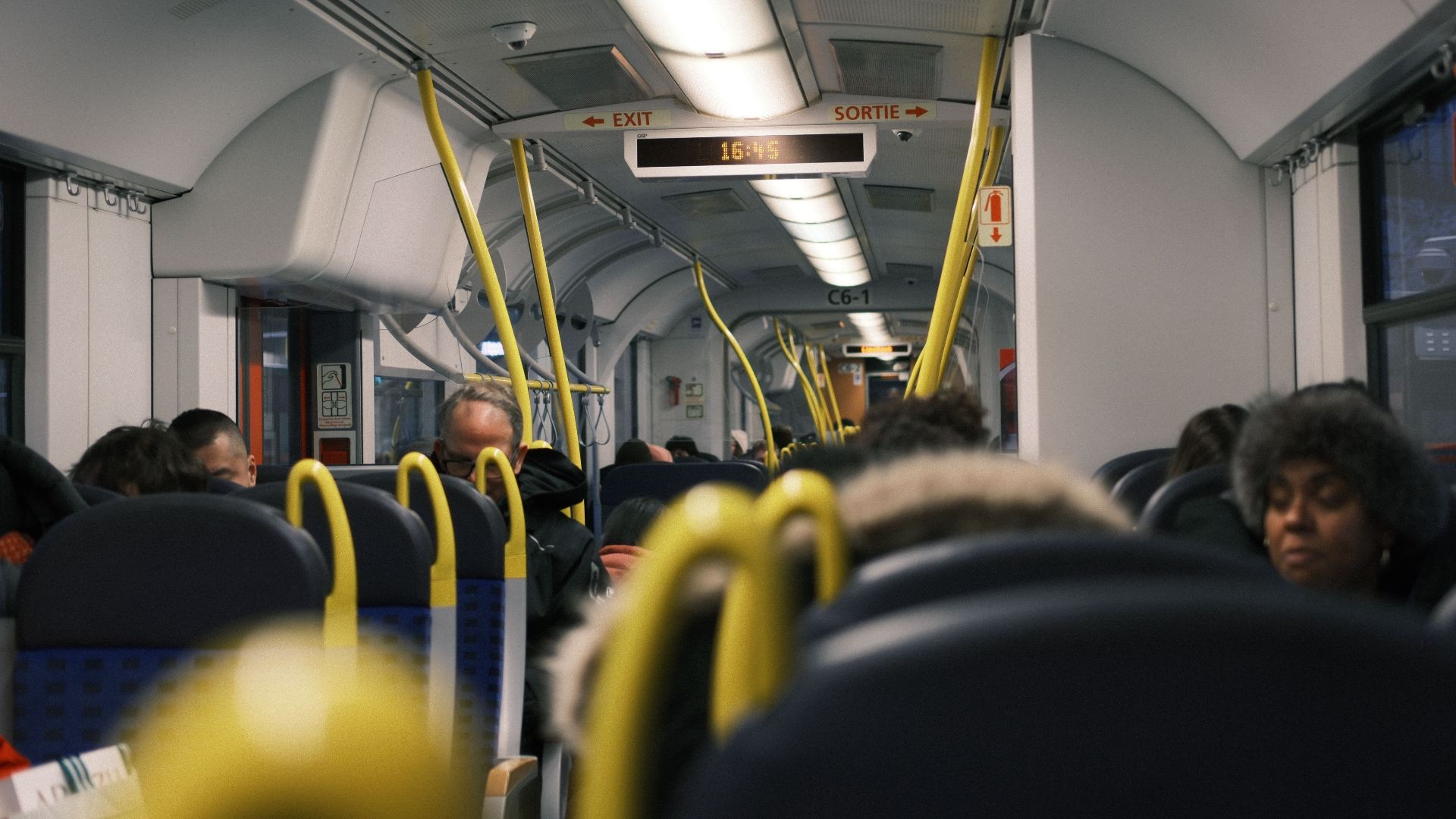
DON'T: Pack Like You Are Moving House
Large suitcases can quickly become a burden on trains. Unlike airports, you are usually responsible for carrying and storing your own luggage. Heavy bags can slow boarding and create problems in crowded carriages. Pack only what you can comfortably manage yourself.
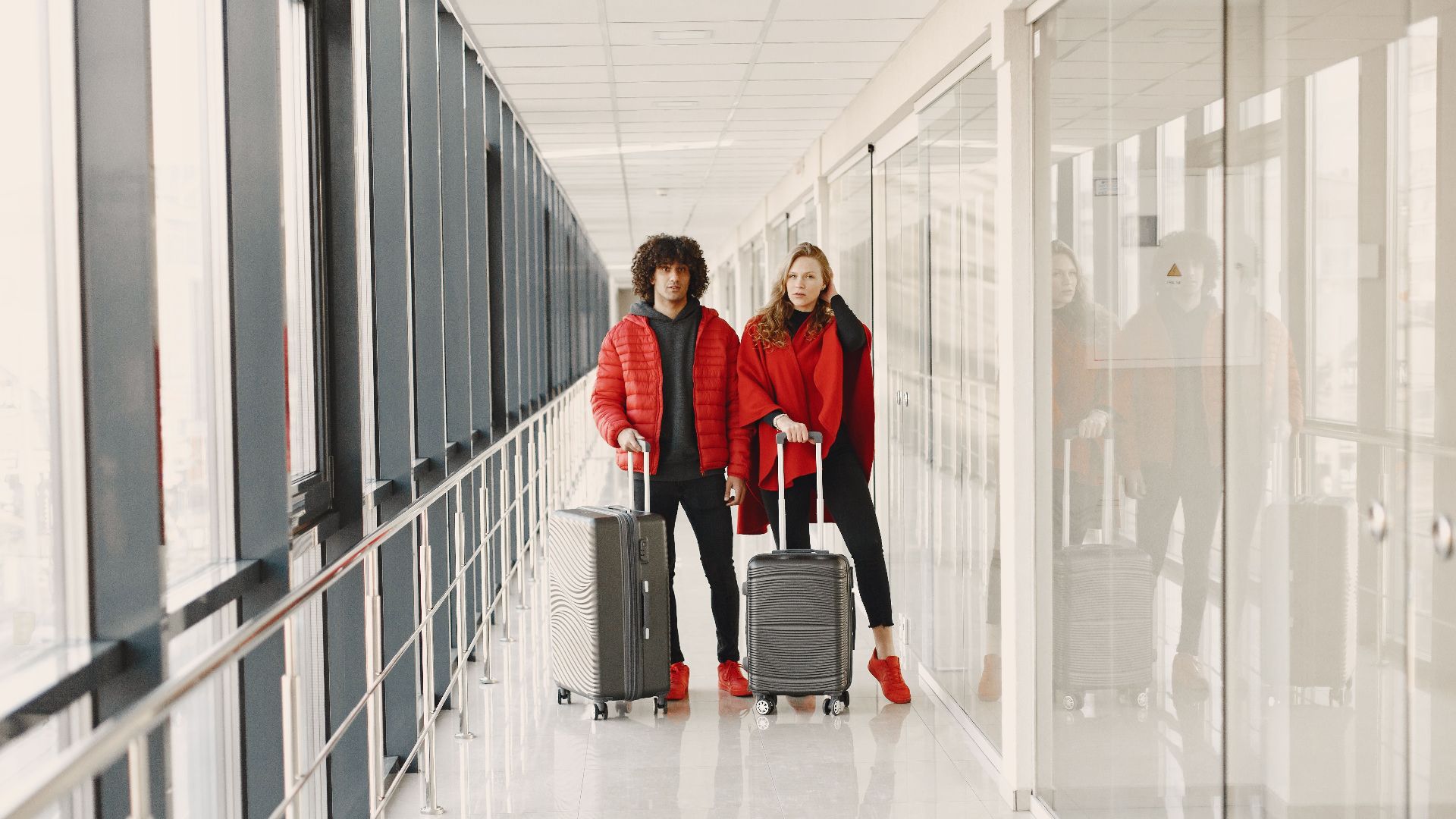
DON'T: Use Empty Seats For Your Luggage
An empty seat is not extra storage space. During busy journeys, other passengers may need that seat. Keeping bags off seats is both courteous and practical. It helps everyone find a place to sit more quickly.
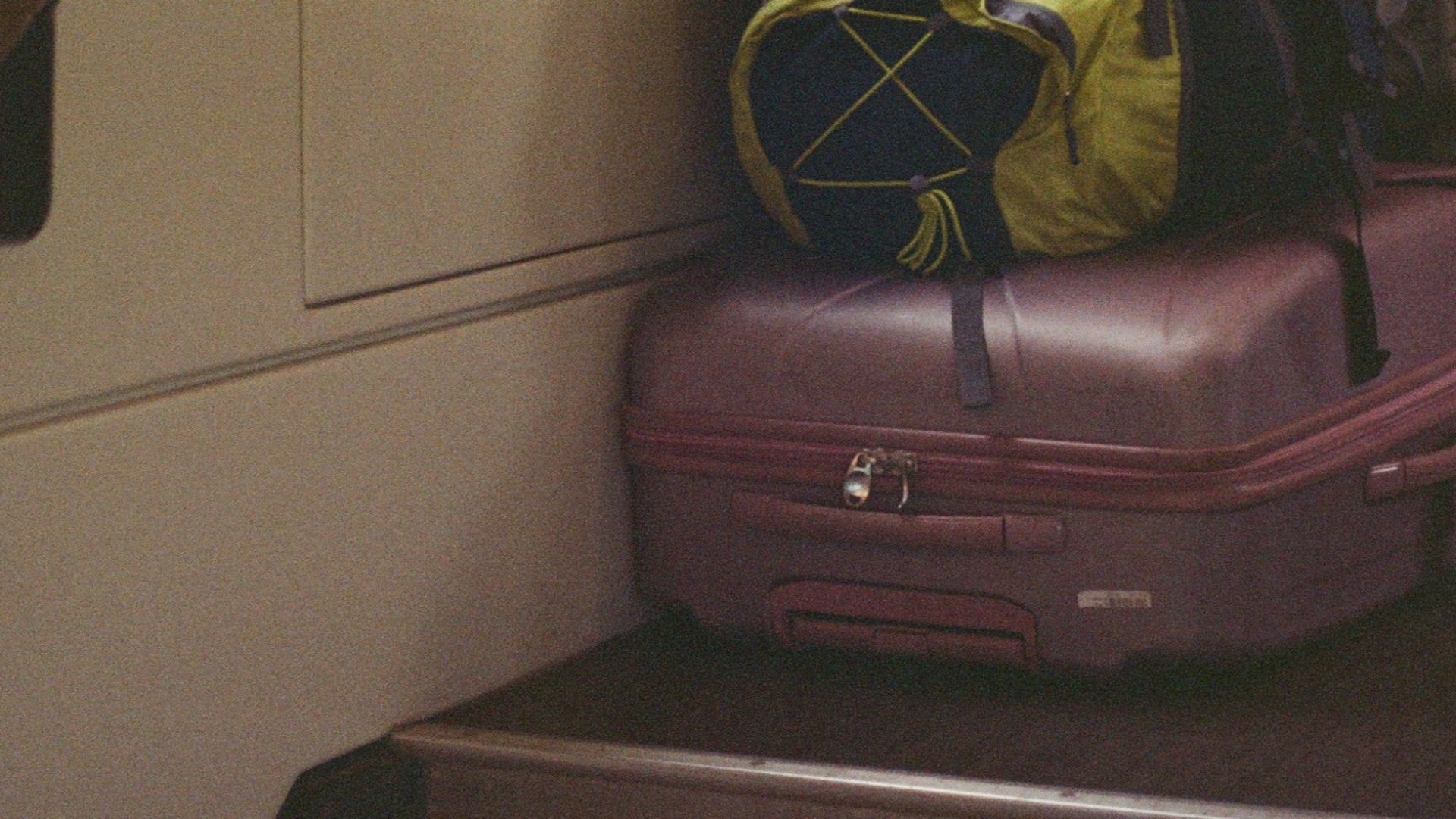
DO: Store Bags In Designated Luggage Areas
Most trains provide overhead racks, luggage shelves, or larger storage areas near carriage doors. Using these spaces keeps aisles and exits clear. It also makes it easier for passengers to move around the train. Properly stored luggage creates a safer environment for everyone.
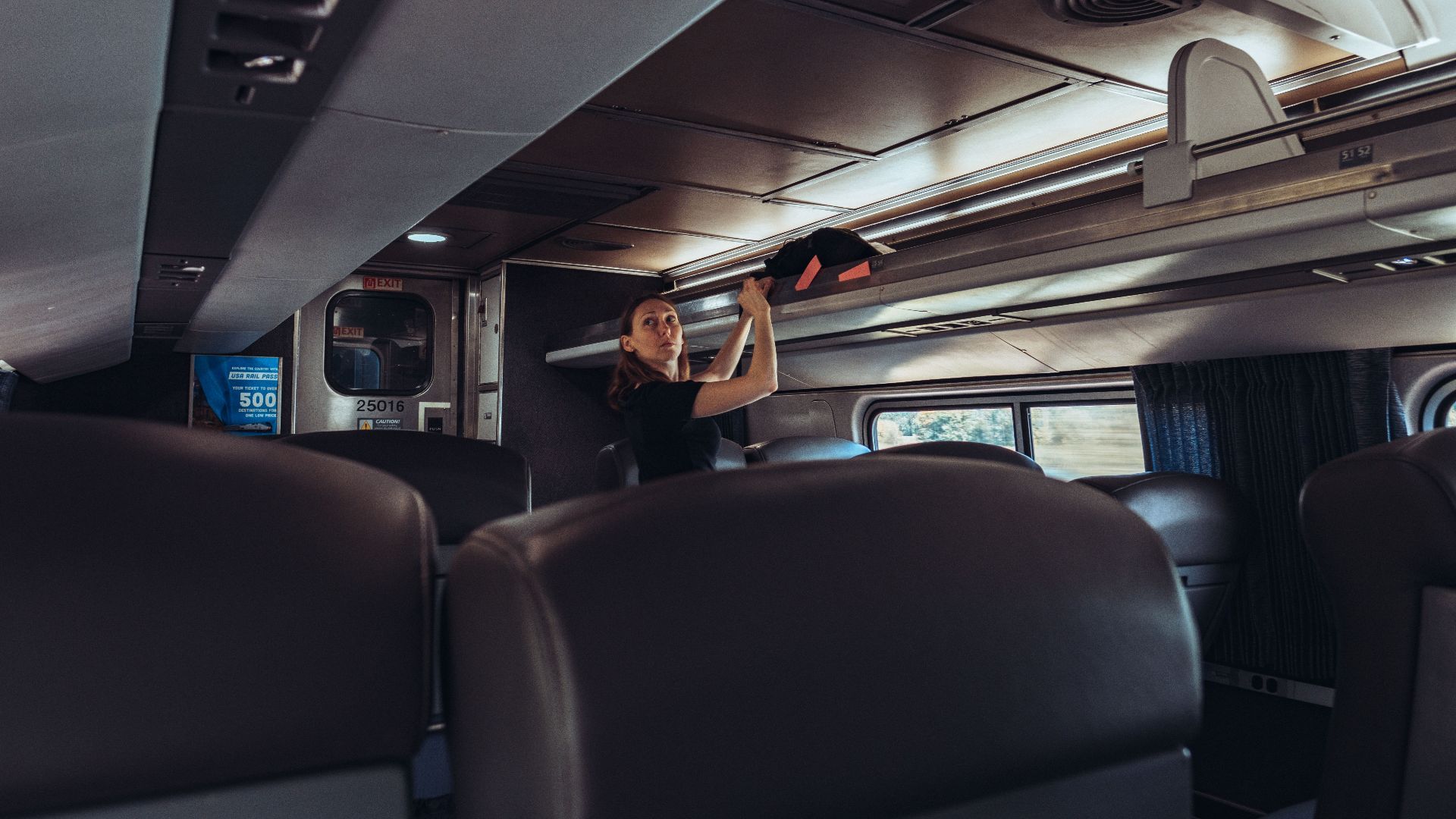
DON'T: Bring Prohibited Items Onboard
Train operators maintain rules about dangerous and restricted items. Flammable materials, certain batteries, and hazardous goods may not be permitted. Carrying prohibited items can delay your trip or result in denied boarding. Always review the operator's policies before traveling.

DO: Keep Your ID Within Easy Reach
Some rail operators require passengers to present identification during travel. This is especially common on long-distance and international services. Digging through luggage to find your ID can be inconvenient and stressful. Keep it somewhere accessible throughout your journey.
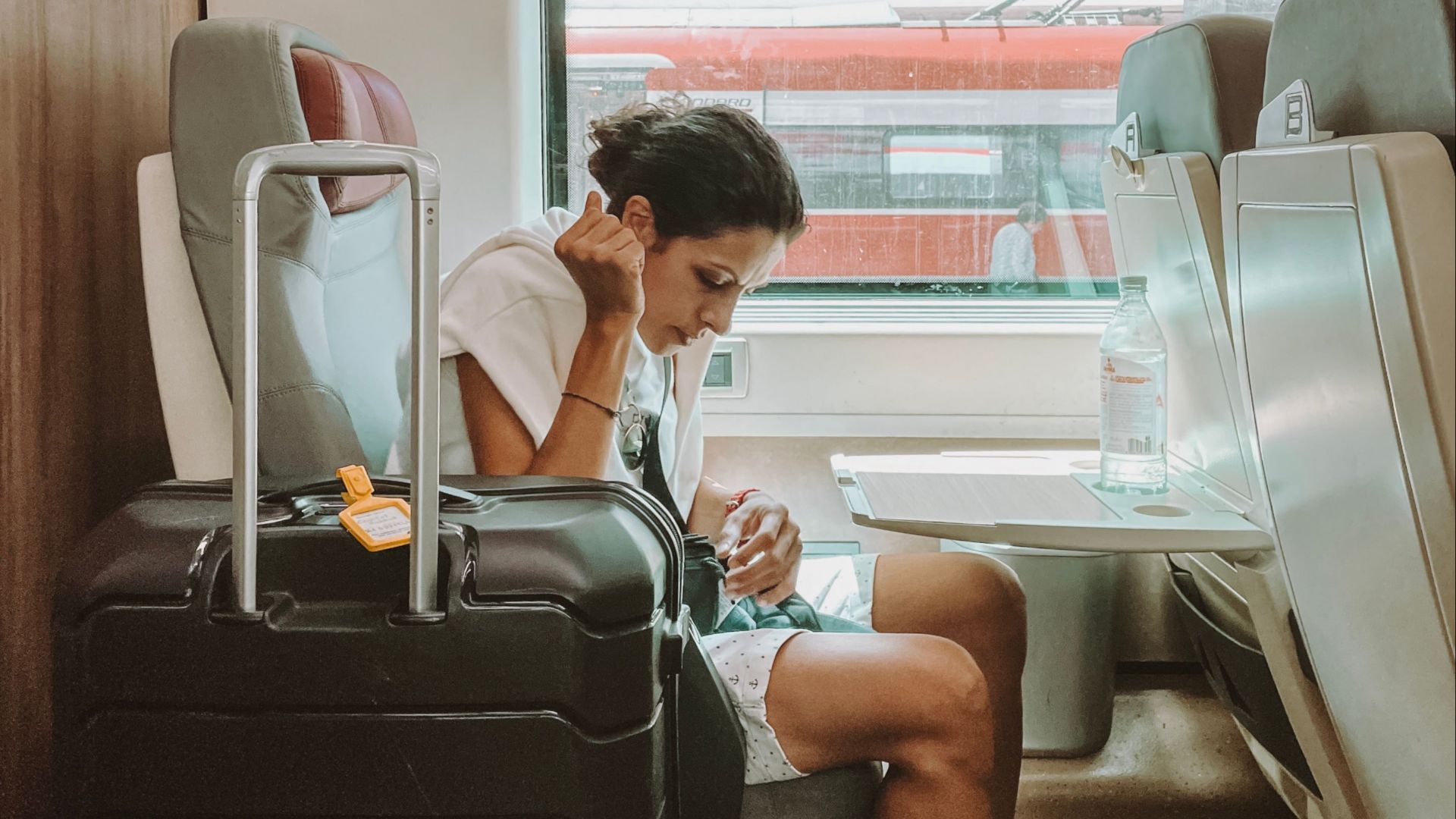
DO: Build Extra Time Into Important Connections
Even reliable train networks occasionally experience delays. Tight connections can quickly turn into missed flights, tours, or meetings. Allowing extra time between travel segments reduces pressure. A small buffer can prevent a major disruption.
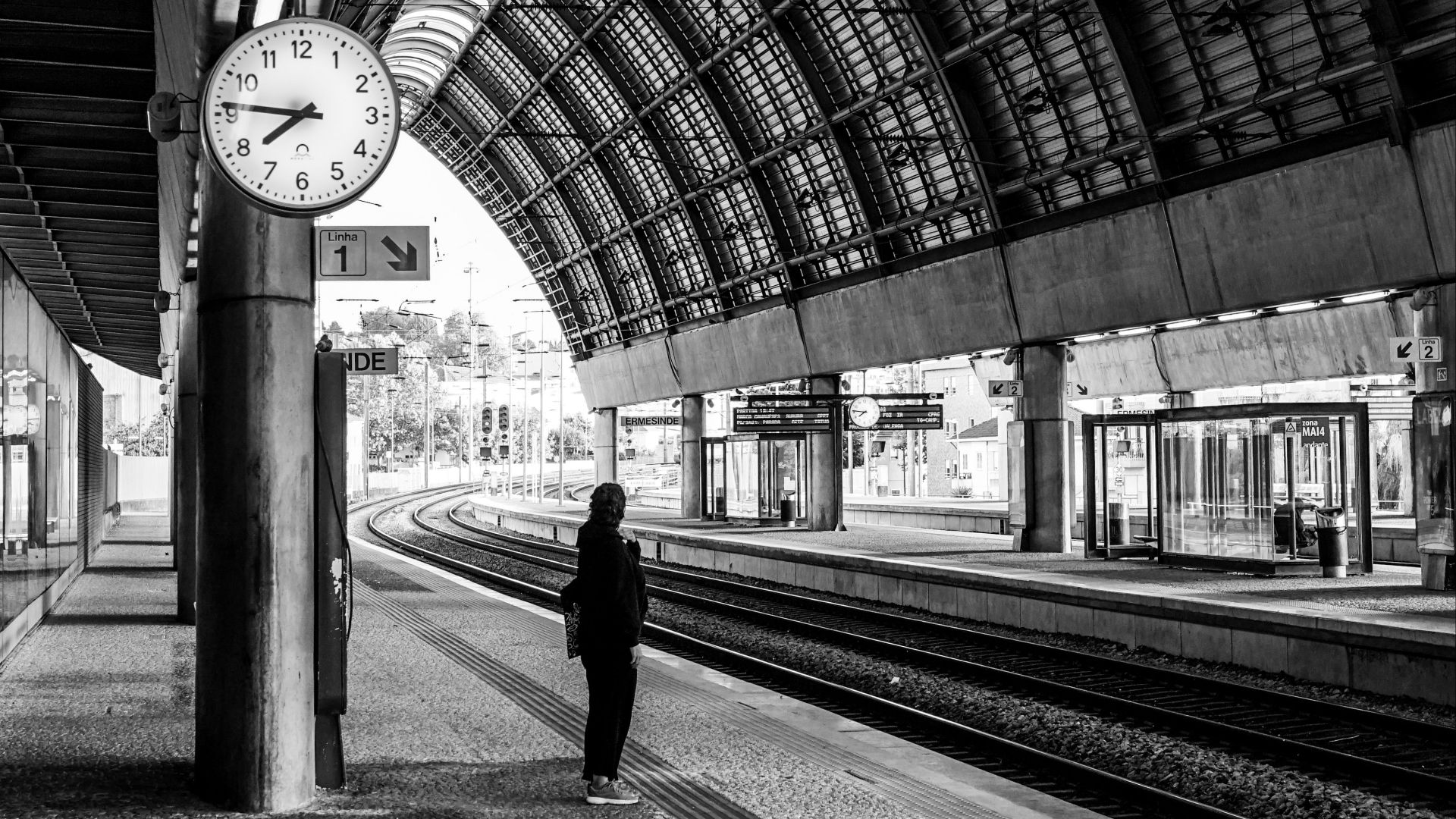
DON'T: Stand Too Close To The Platform Edge
Platform safety rules exist for a reason. Trains can create strong air currents as they enter stations. Staying behind marked safety lines reduces the risk of accidents. Always wait for the train to stop completely before approaching.
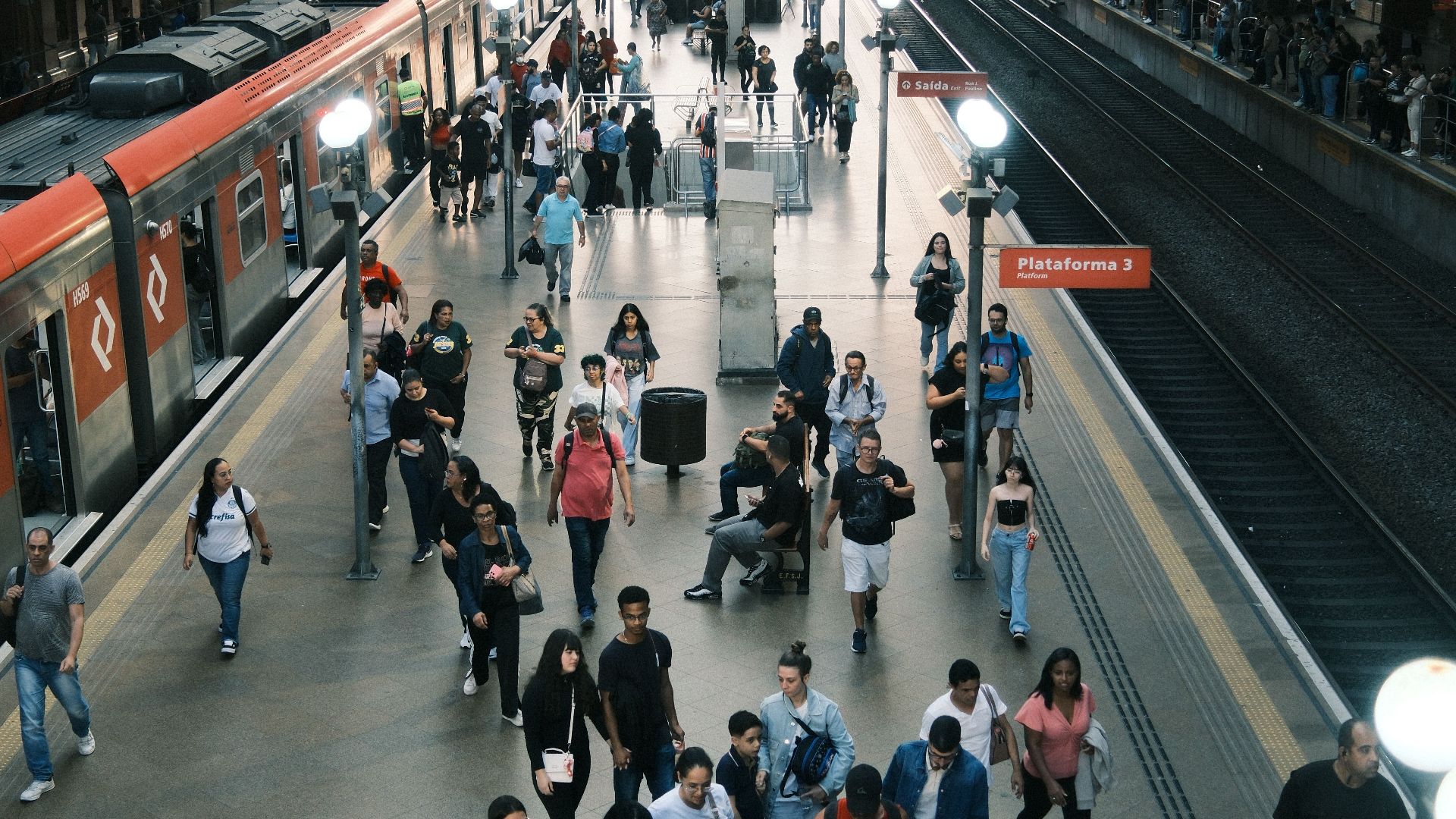
DON'T: Hold Train Doors Open
Trying to stop doors from closing can create delays and safety concerns. Modern train systems often rely on strict schedules and automated door controls. Holding doors may affect operations for the entire service. If you miss a train, it is safer to catch the next one.

DO: Let Passengers Exit Before Boarding
Crowding doorways slows the boarding process for everyone. Allowing passengers to leave first creates more space and keeps foot traffic moving smoothly. This simple courtesy is common across rail networks worldwide. It also helps trains depart on time.
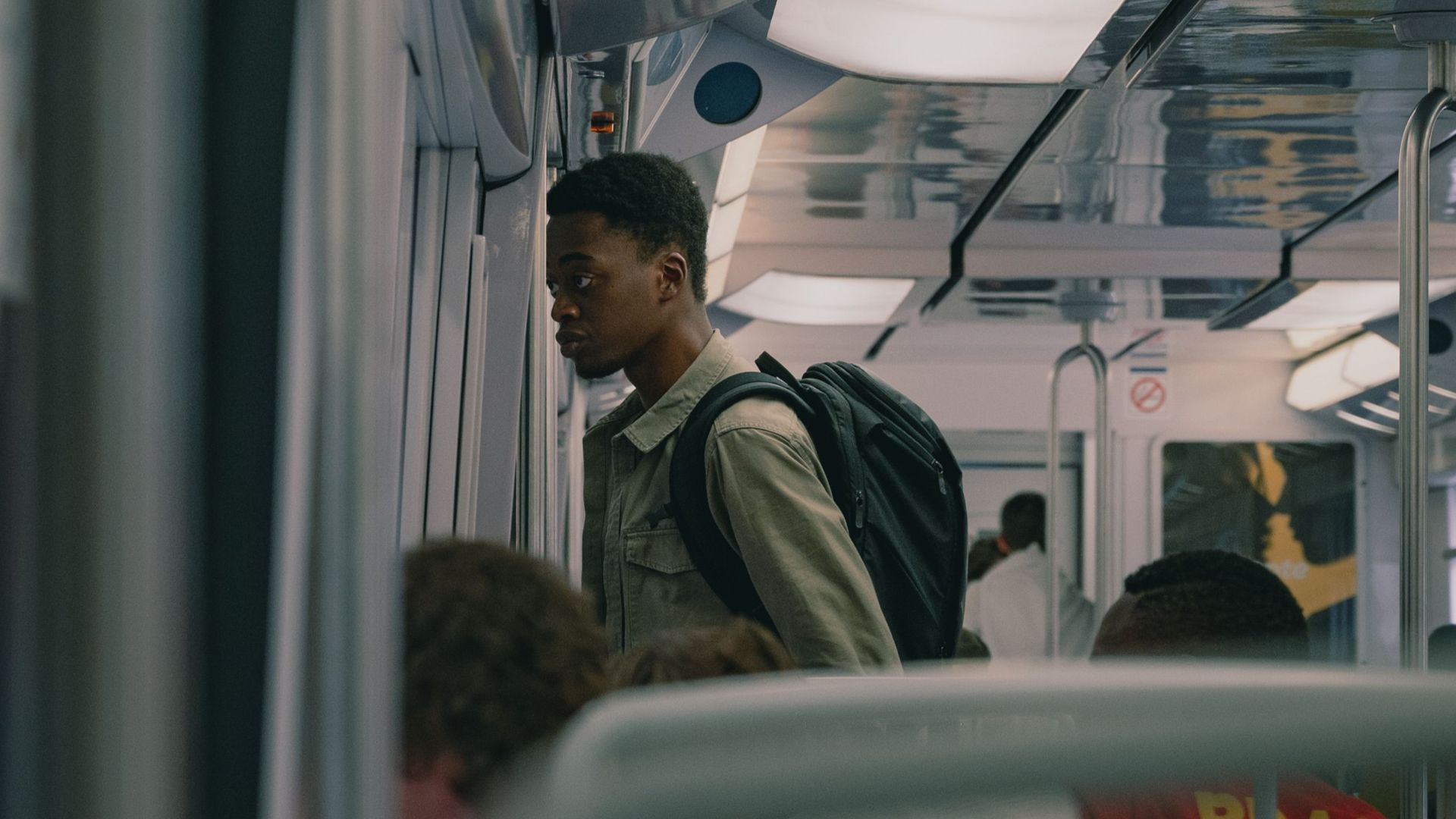
DO: Validate Or Activate Tickets And Passes
Some mobile tickets and rail passes require activation before boarding. Others may need to be validated at station machines before travel begins. Forgetting this step can lead to fines or ticket issues. Always confirm the process before your departure.
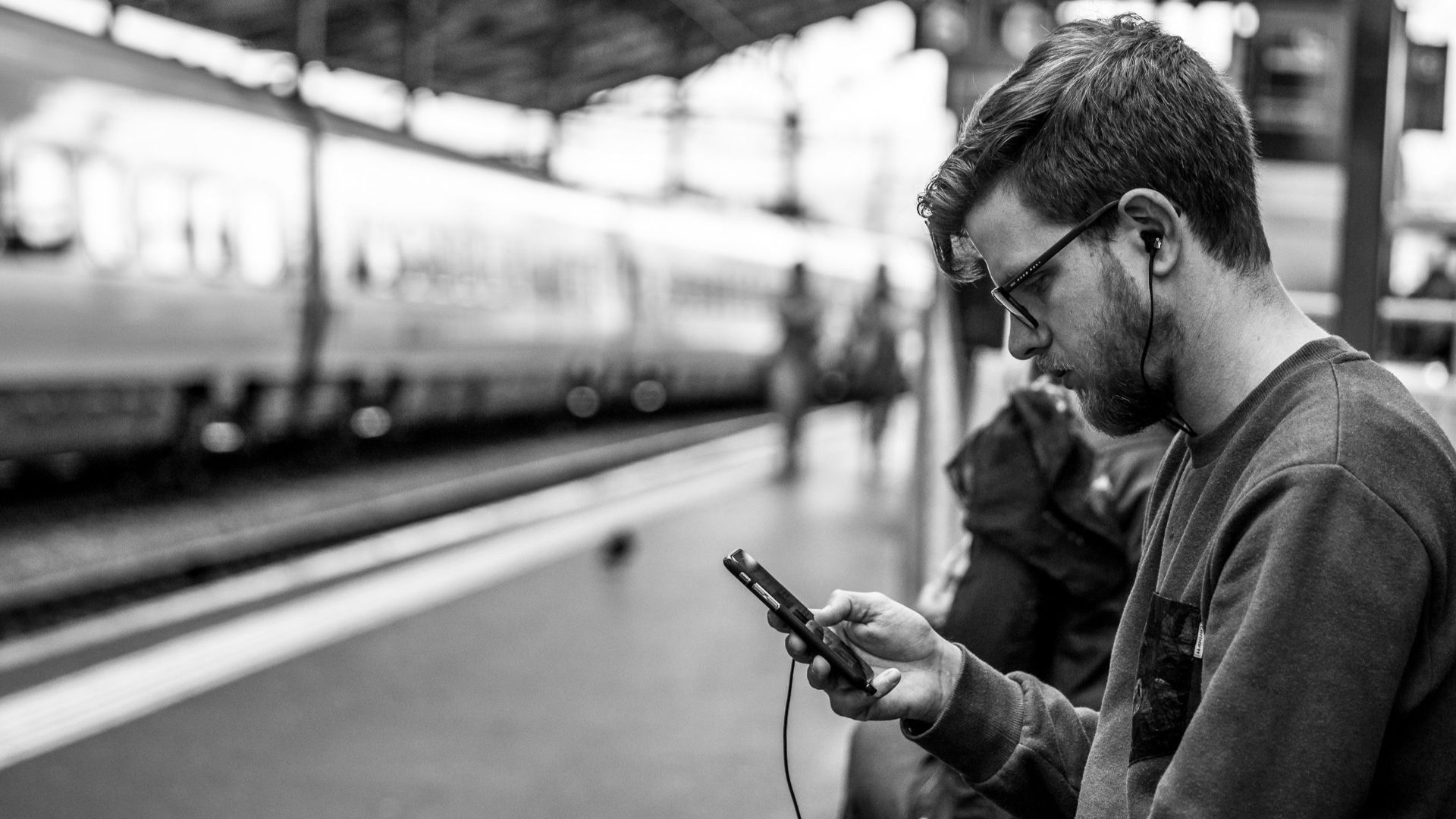
DO: Choose The Right Car For Your Needs
Different train cars often serve different purposes. Some are designated as quiet cars, while others offer family seating, bicycle storage, or accessibility features. Paying attention to carriage signs can improve your experience. Choosing the right space helps avoid unnecessary disruptions.
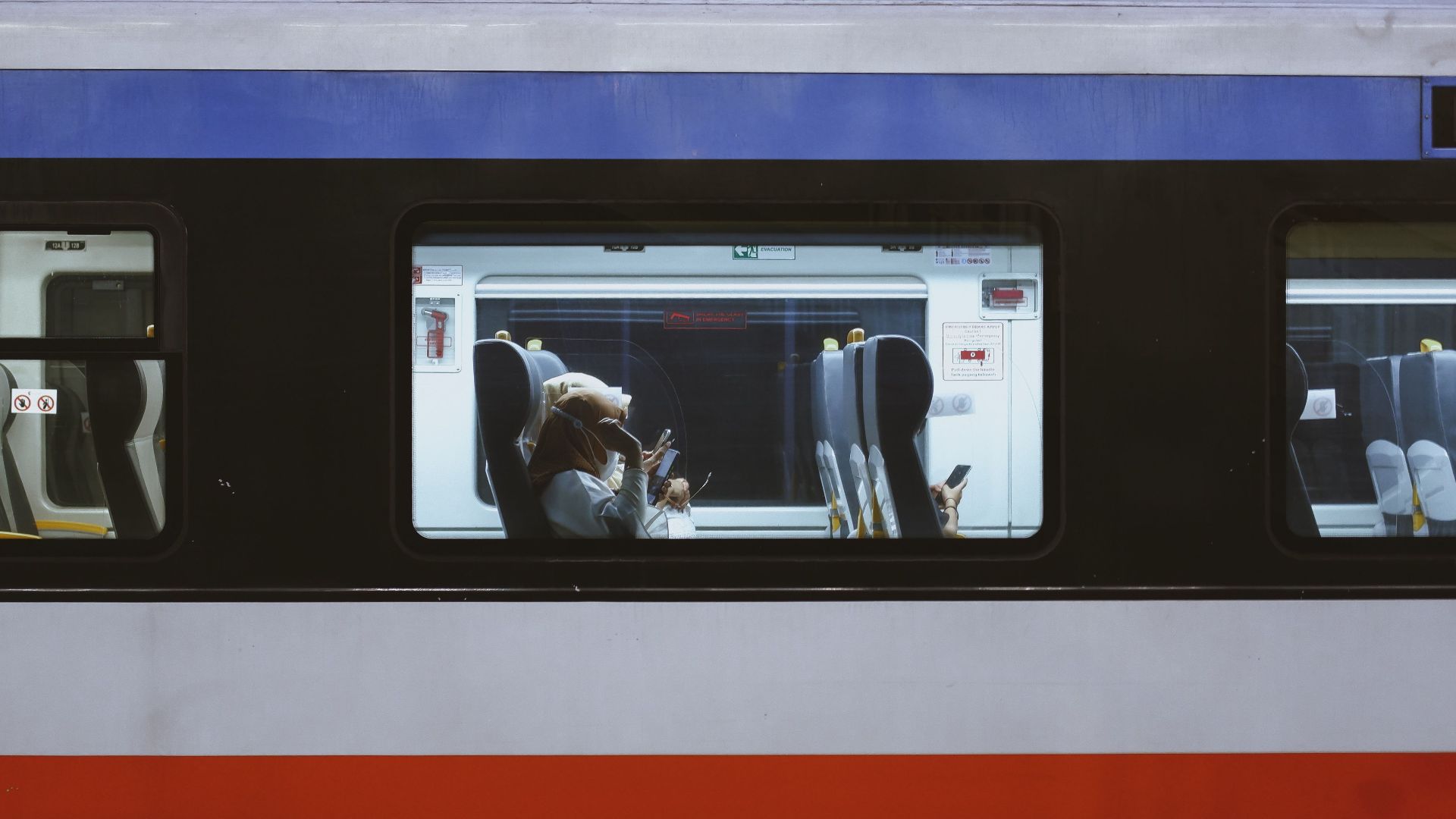
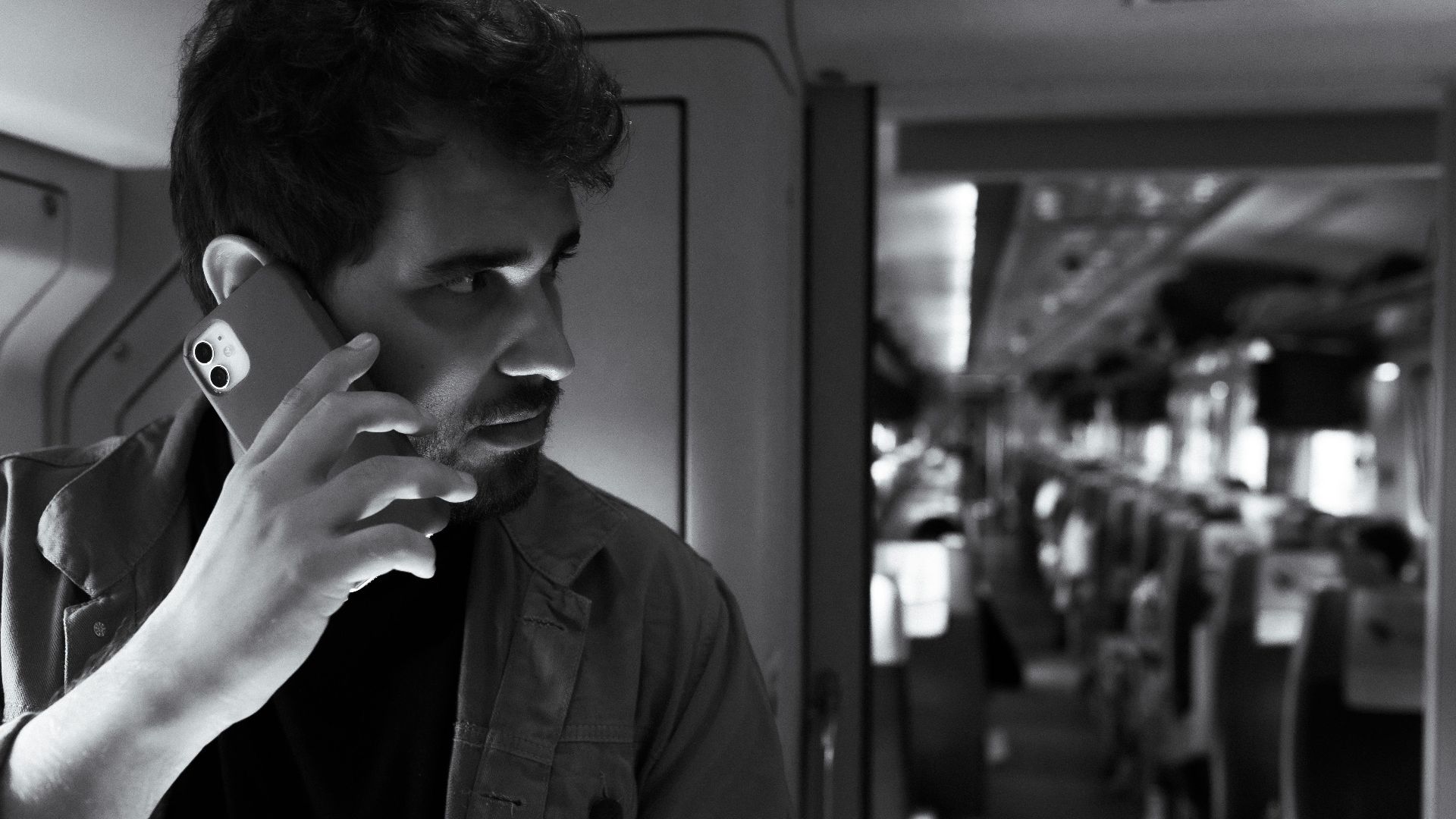
DON'T: Treat The Quiet Car Like A Phone Booth
Quiet cars are designed for passengers who want a peaceful environment. Loud conversations and phone calls defeat that purpose. If you need to take a call, move to another area when possible. Respecting the quiet atmosphere benefits everyone onboard.
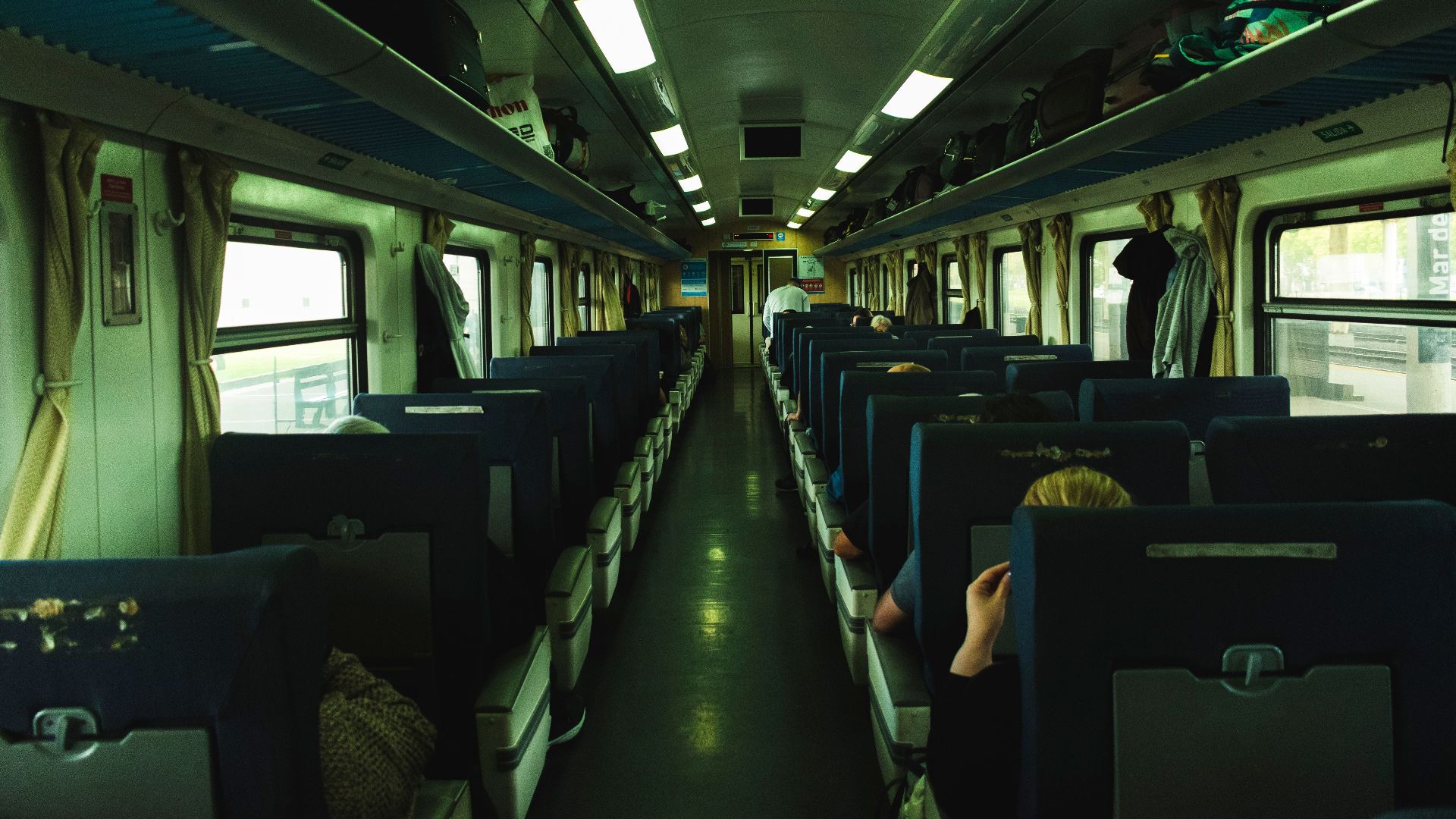
DON'T: Play Audio Without Headphones
Music, videos, and podcasts should stay personal during train travel. Playing audio through speakers can disturb nearby passengers. Headphones allow everyone to enjoy the journey their own way. Keep the volume low enough that others cannot hear it.
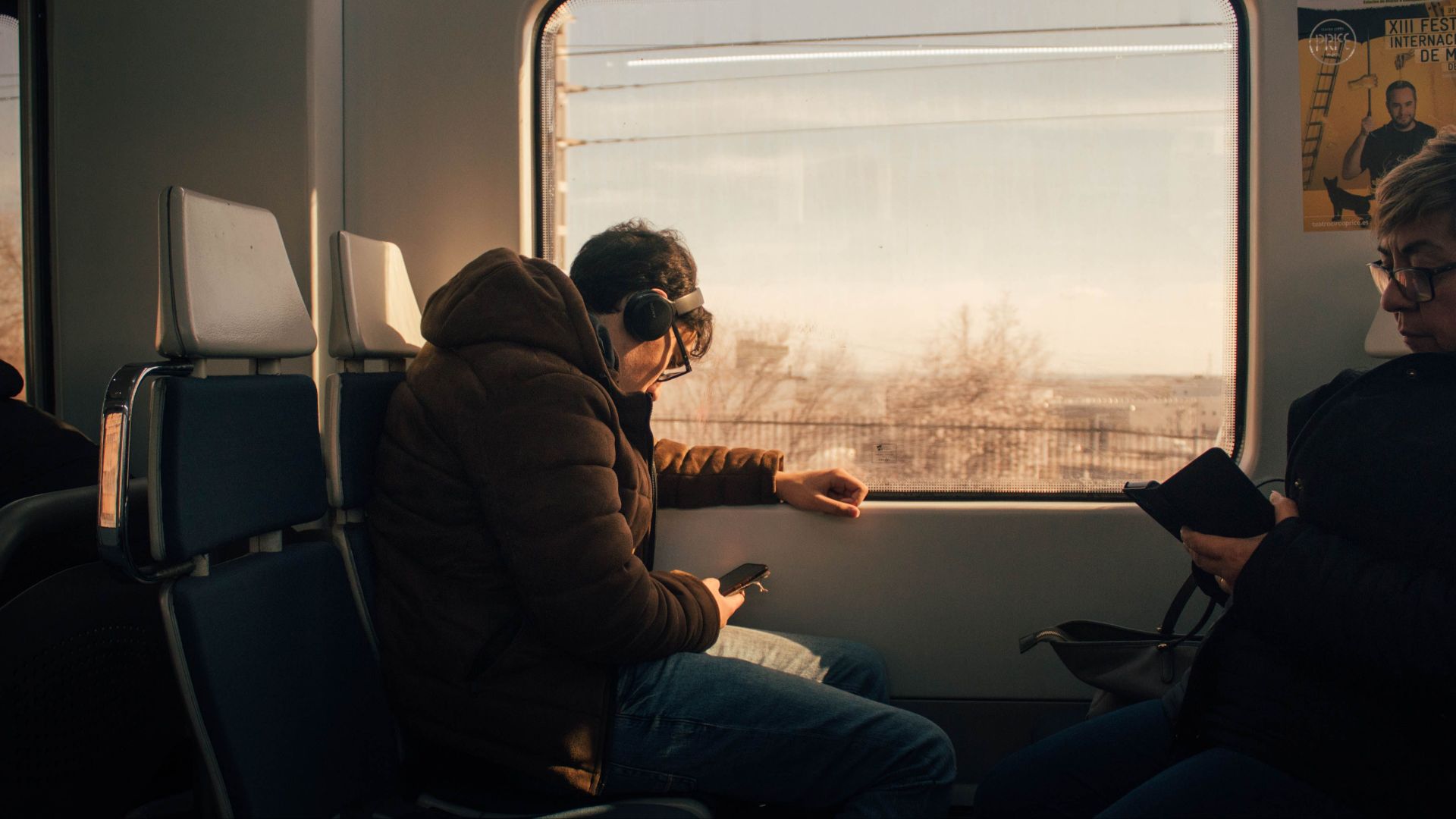
DO: Keep Valuables Within Sight
Trains are generally safe, but belongings can still be misplaced or stolen. Phones, wallets, passports, and electronics deserve extra attention. Keeping valuables close reduces risk during busy station stops. A little vigilance goes a long way.
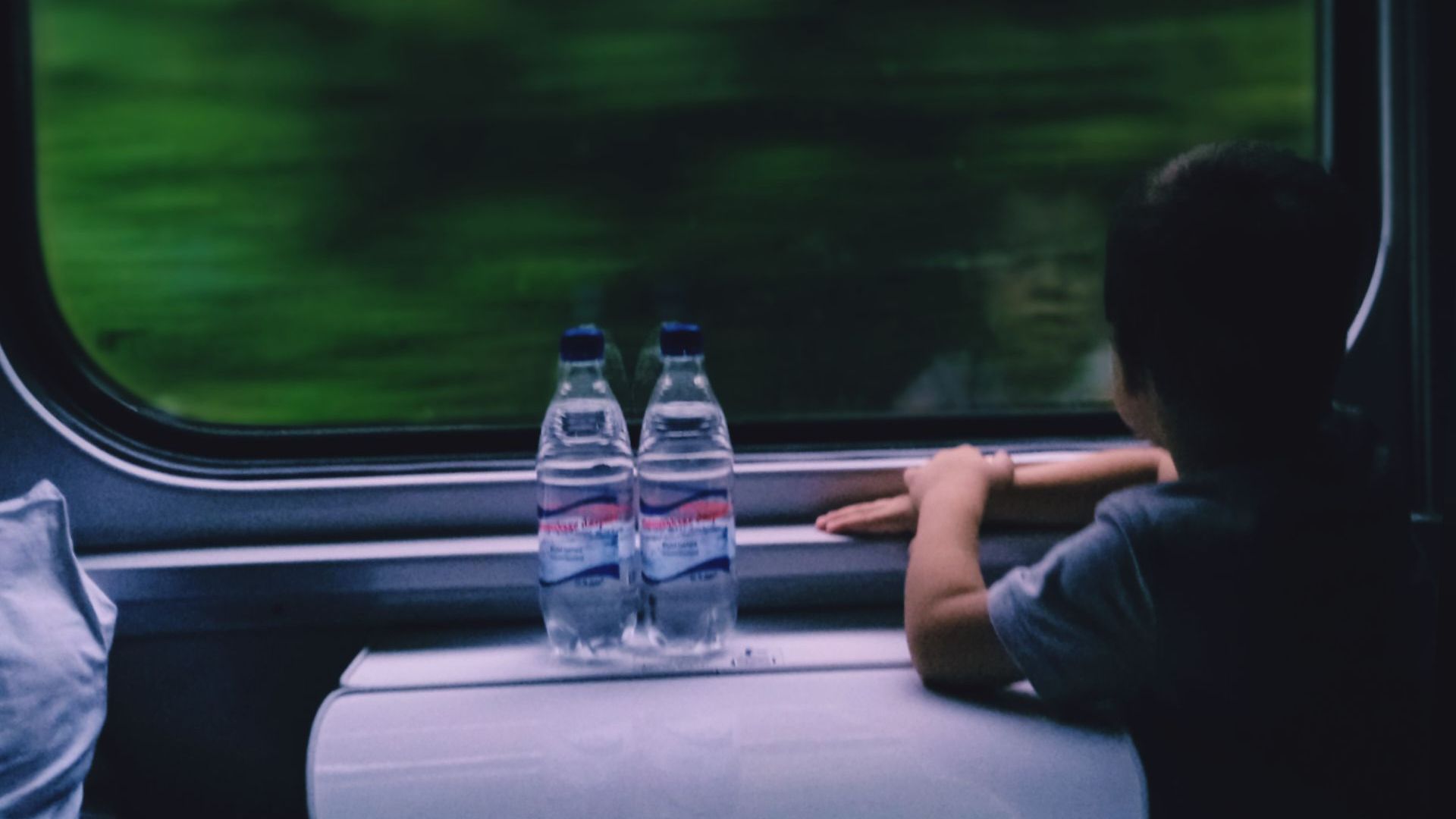
DO: Bring Water And Travel-Friendly Snacks
Food service varies widely between train routes. Some trains offer dining cars, while others have limited or no onboard options. Carrying water and a few snacks helps prepare for delays or long stretches between stops. Choose items that are easy to eat and considerate of fellow passengers.
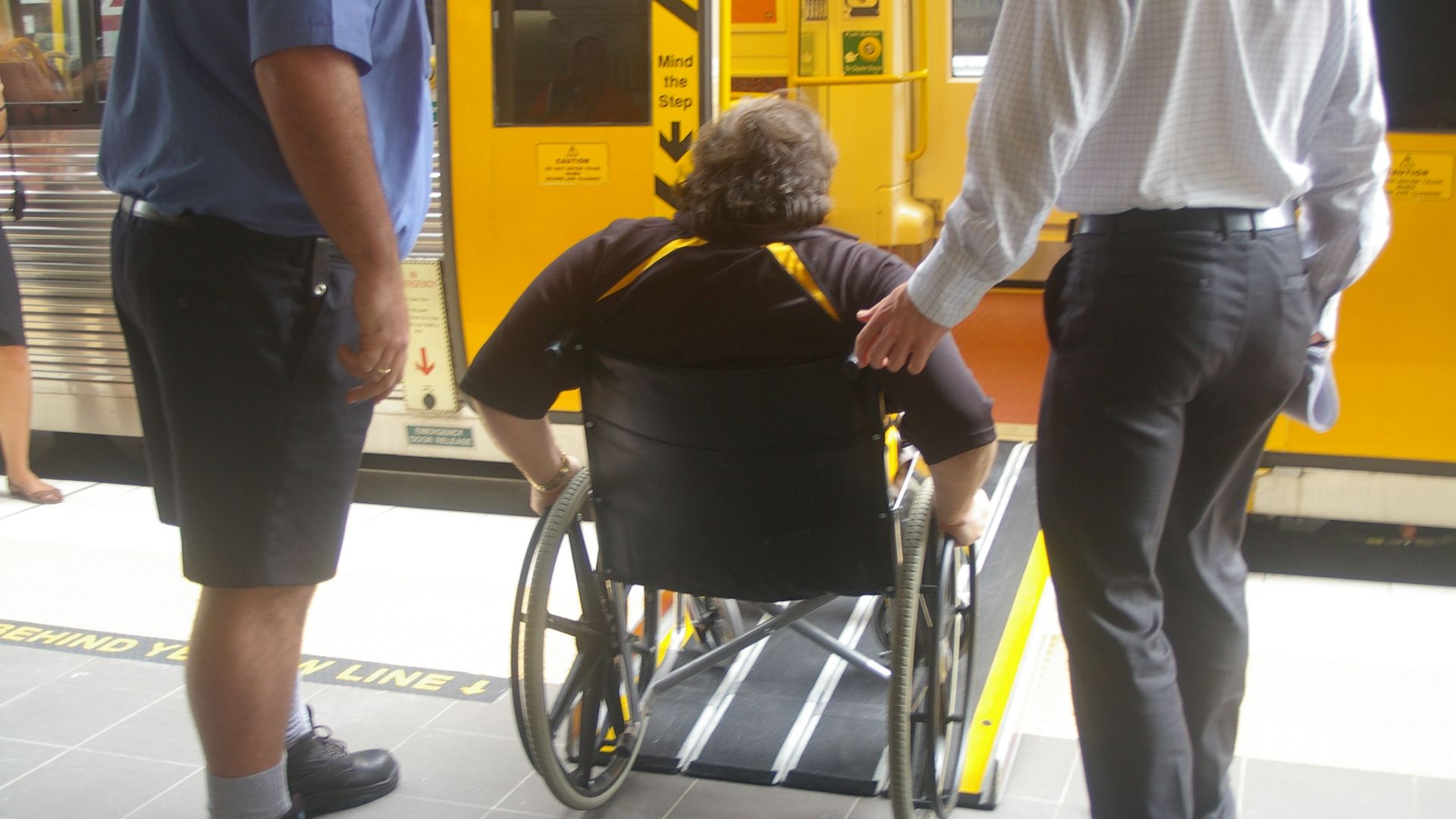
DO: Arrange Accessibility Assistance Early
Many rail operators provide accessibility services for passengers who need them. Advance notice often makes these arrangements smoother and more effective. Waiting until departure day can limit available options. Planning ahead helps ensure a comfortable experience.
 John Robert McPherson, Wikimedia Commons
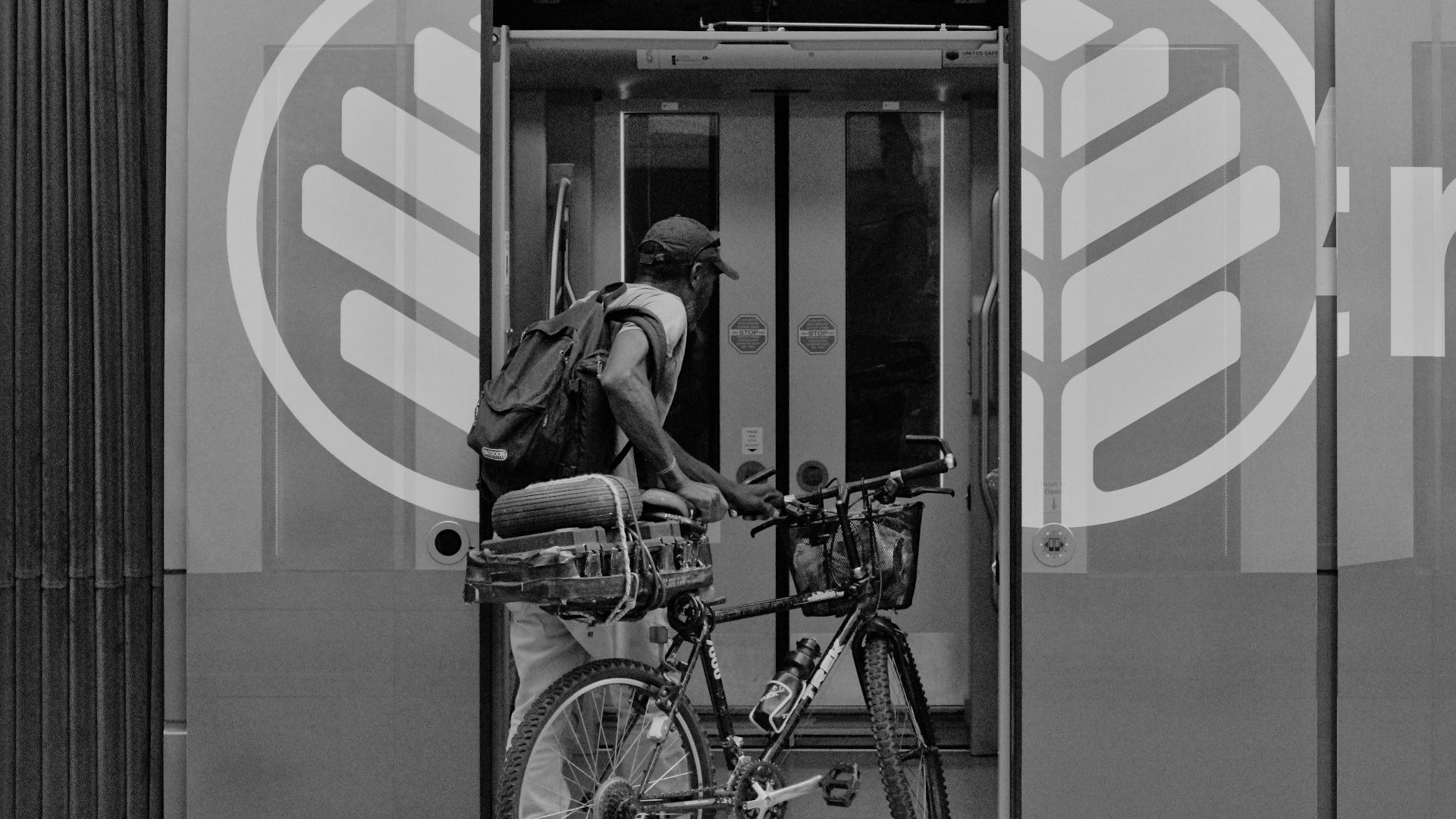
DON'T: Assume Every Train Accepts Bicycles
Bike policies differ significantly between rail operators and routes. Some trains require reservations, while others limit bicycle capacity. Showing up without checking the rules can lead to disappointment. Confirm bike requirements before booking your trip.
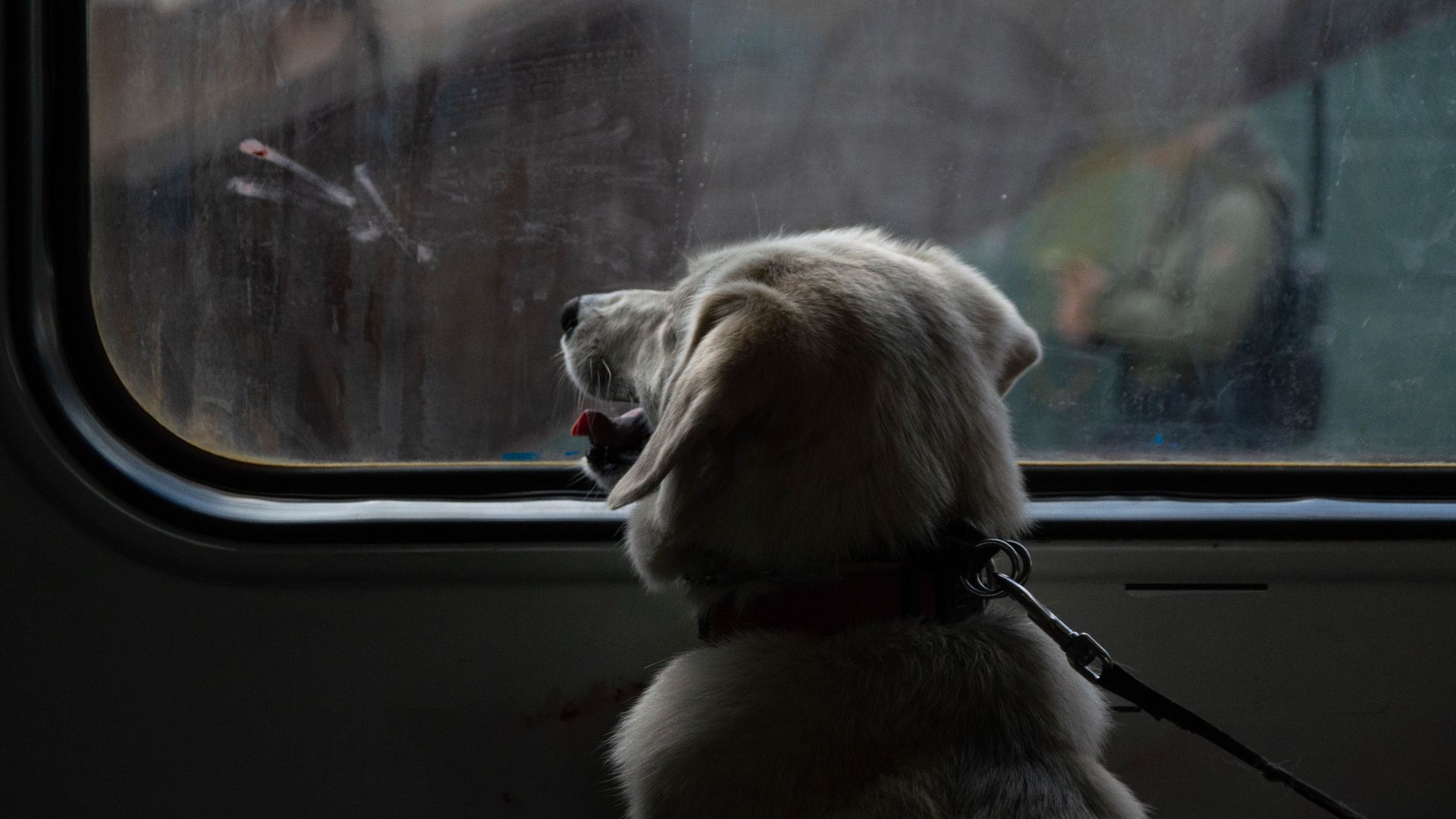
DON'T: Misunderstand Pet And Service Animal Rules
Rules for pets and service animals vary by operator. Some trains allow small pets under specific conditions, while service animals follow separate regulations. Assuming the policies are the same everywhere can cause travel issues. Review the requirements before departure.
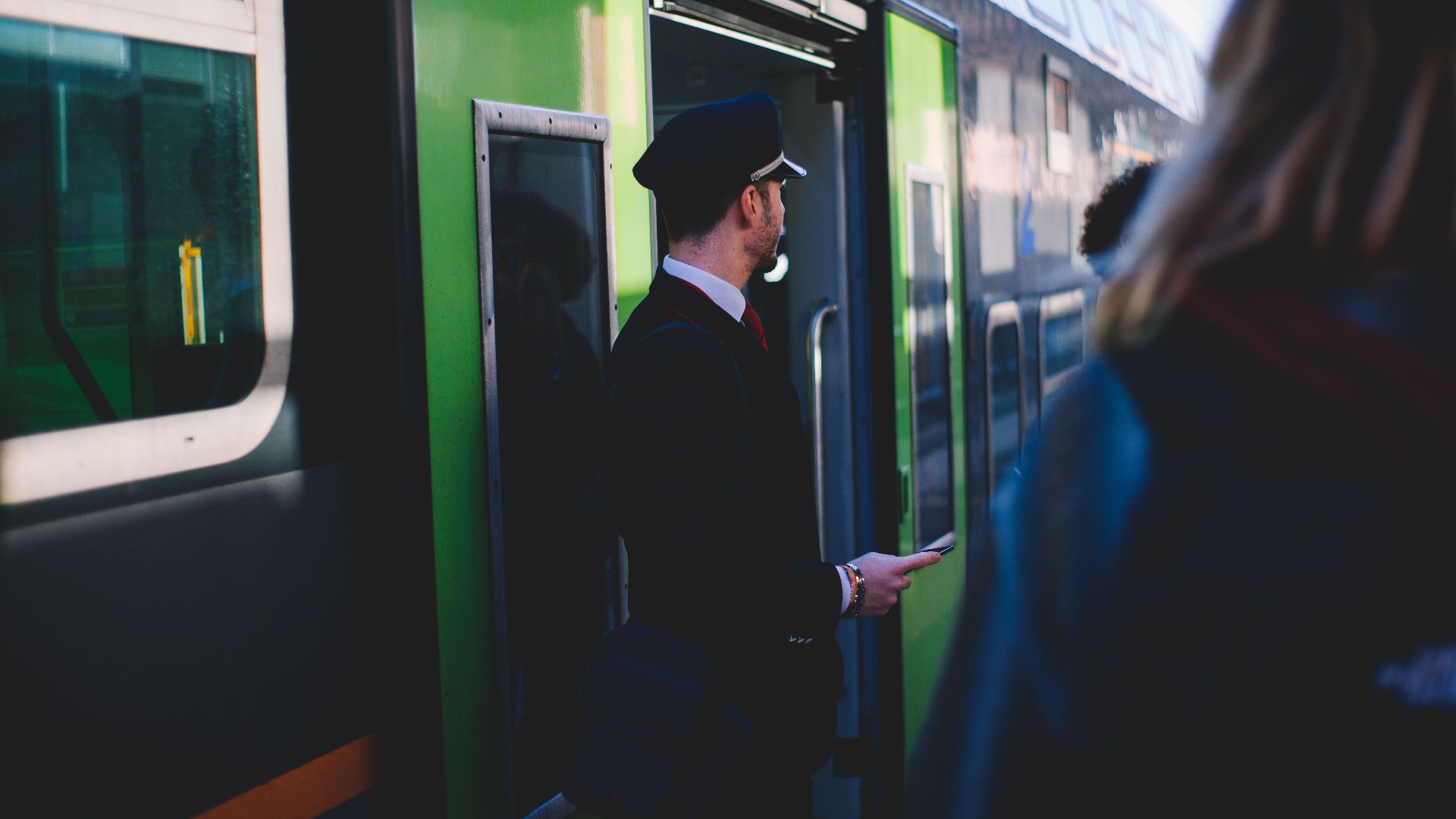
DO: Prepare For Border Checks On International Routes
International train travel often involves passport and security procedures. These checks can take additional time before boarding. Treat international rail trips more like airline travel than local commuting. Arriving early helps avoid unnecessary stress.
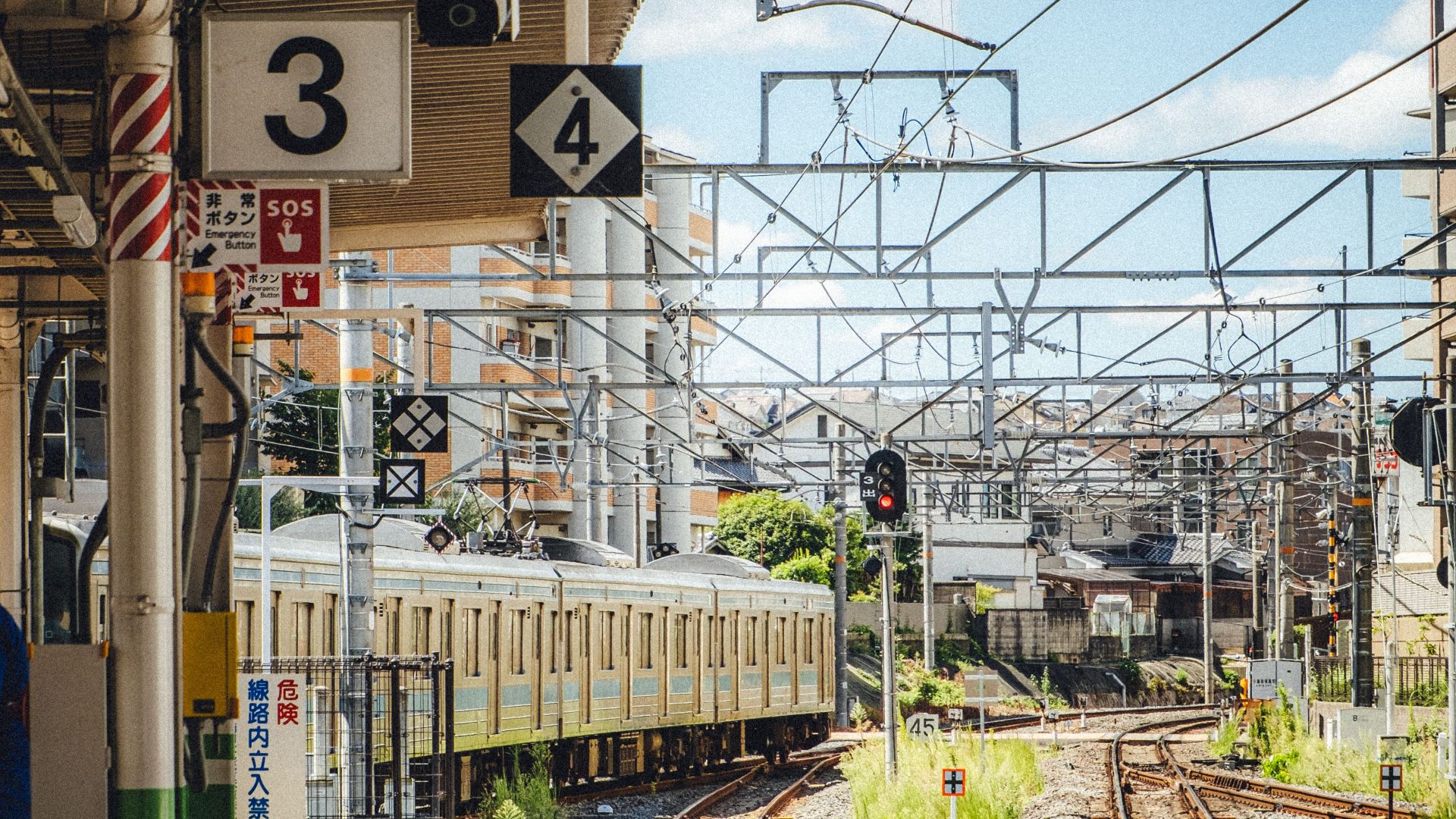
DO: Watch For Platform Changes
Platforms can change with little notice, particularly at large stations. Departure boards and announcements provide the latest information. Ignoring updates may leave you rushing across the station at the last minute. Staying alert helps you board the correct train.
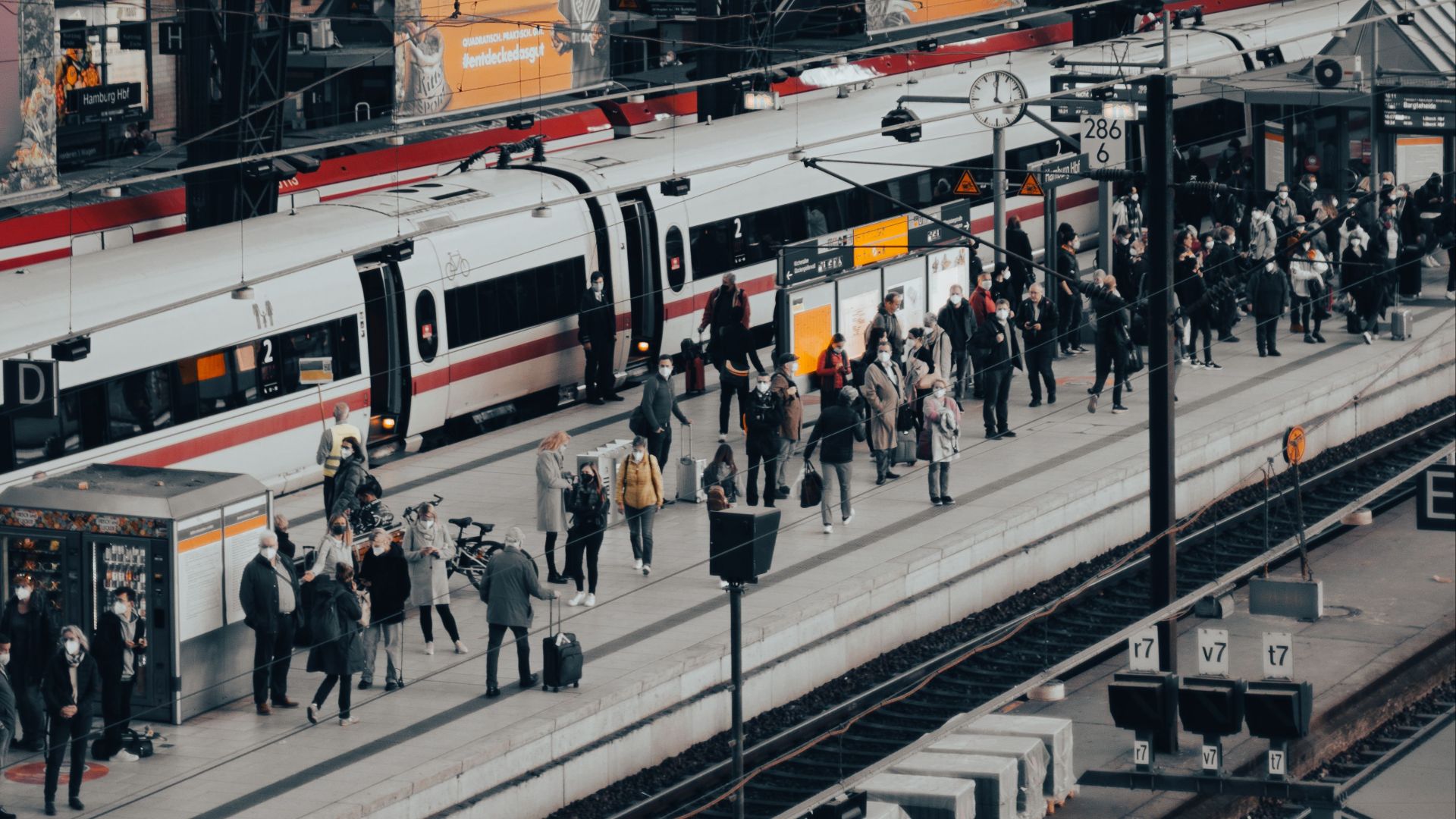
DO: Allow Extra Time At Large Stations
Major rail hubs can be surprisingly complex. Long walks between entrances, platforms, and services are common. First-time visitors often underestimate how much time they need. Arriving early allows you to navigate without rushing.
DON'T: Block Doorways And Aisles
Doorways and aisles are shared spaces that need to remain clear. Standing in these areas can slow boarding, exiting, and onboard movement. Store luggage properly and move aside when necessary. A little awareness keeps traffic flowing smoothly.
DO: Claim Compensation When You're Eligible
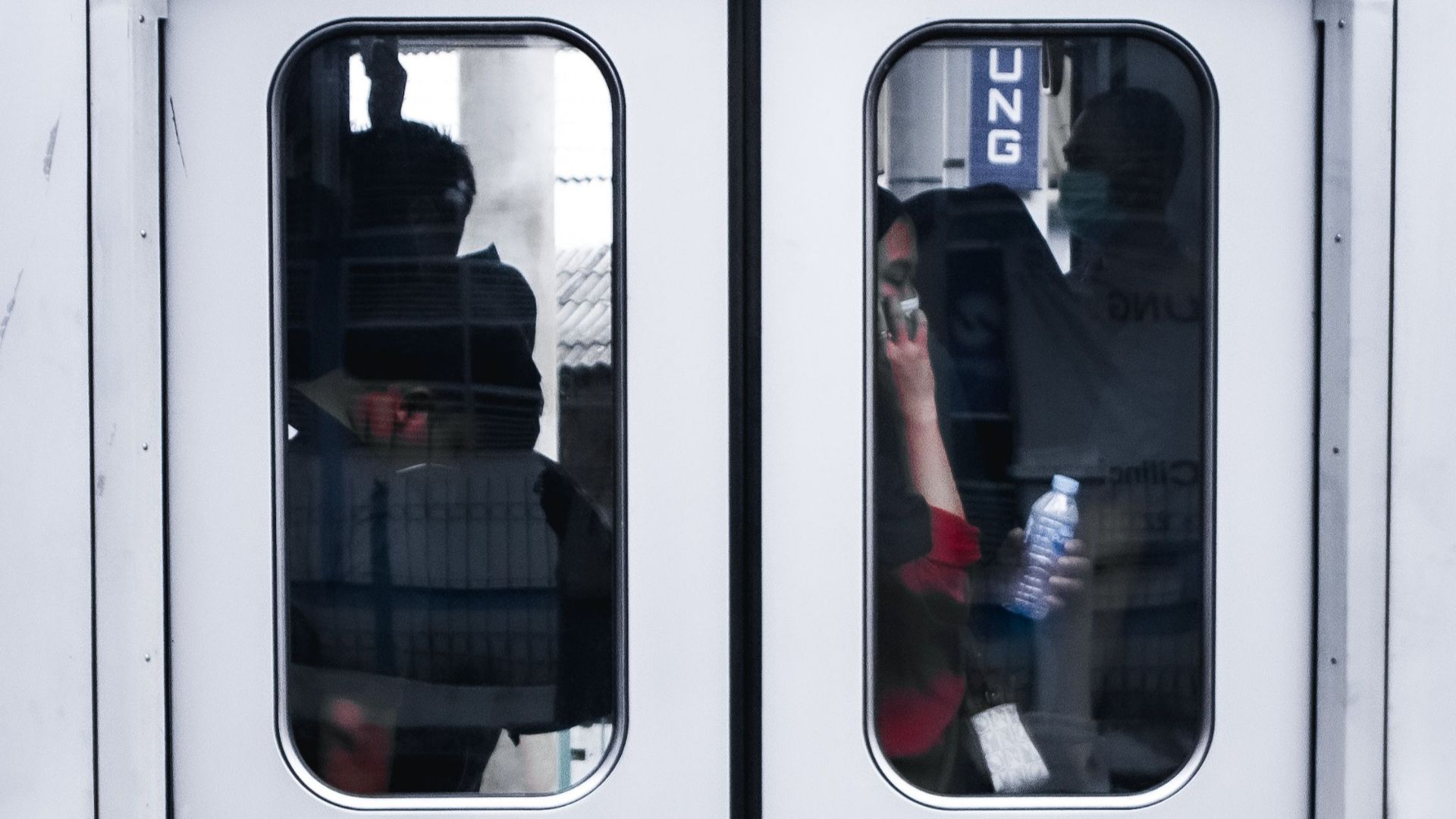
Many rail operators offer compensation programs for qualifying delays. Travelers often miss out simply because they never submit a claim. Save your ticket and review the operator's policy if your journey is disrupted. You may be entitled to money back.

DO: Make Preparation Part Of The Journey
The best train trips begin before you ever step onboard. Checking your ticket, understanding the rules, and packing thoughtfully can prevent most travel headaches. Small preparations often lead to a smoother experience from start to finish. A little planning makes train travel one of the easiest ways to explore the world.
You May Also Like:
Ranking The Most Beautiful Train Routes In The World—According To Travelers
Sources: 1, 2, 3, 4, 5, 6, 7, 8, 9, 10, 11, 12, 13, 14, 15, 16. 17