
The Dream Trip That Fell Apart
You spent months planning a rail adventure across Europe. The itinerary looked perfect on paper, complete with scenic routes, carefully timed connections, and hotel reservations waiting at each stop. Then one canceled train turned your dream journey into a stressful scramble.

Why One Missed Connection Can Cause So Much Damage
European rail networks are extensive and generally reliable. However, many international itineraries depend on multiple connections across different operators. When one train is delayed or canceled, every reservation that follows can suddenly be at risk.
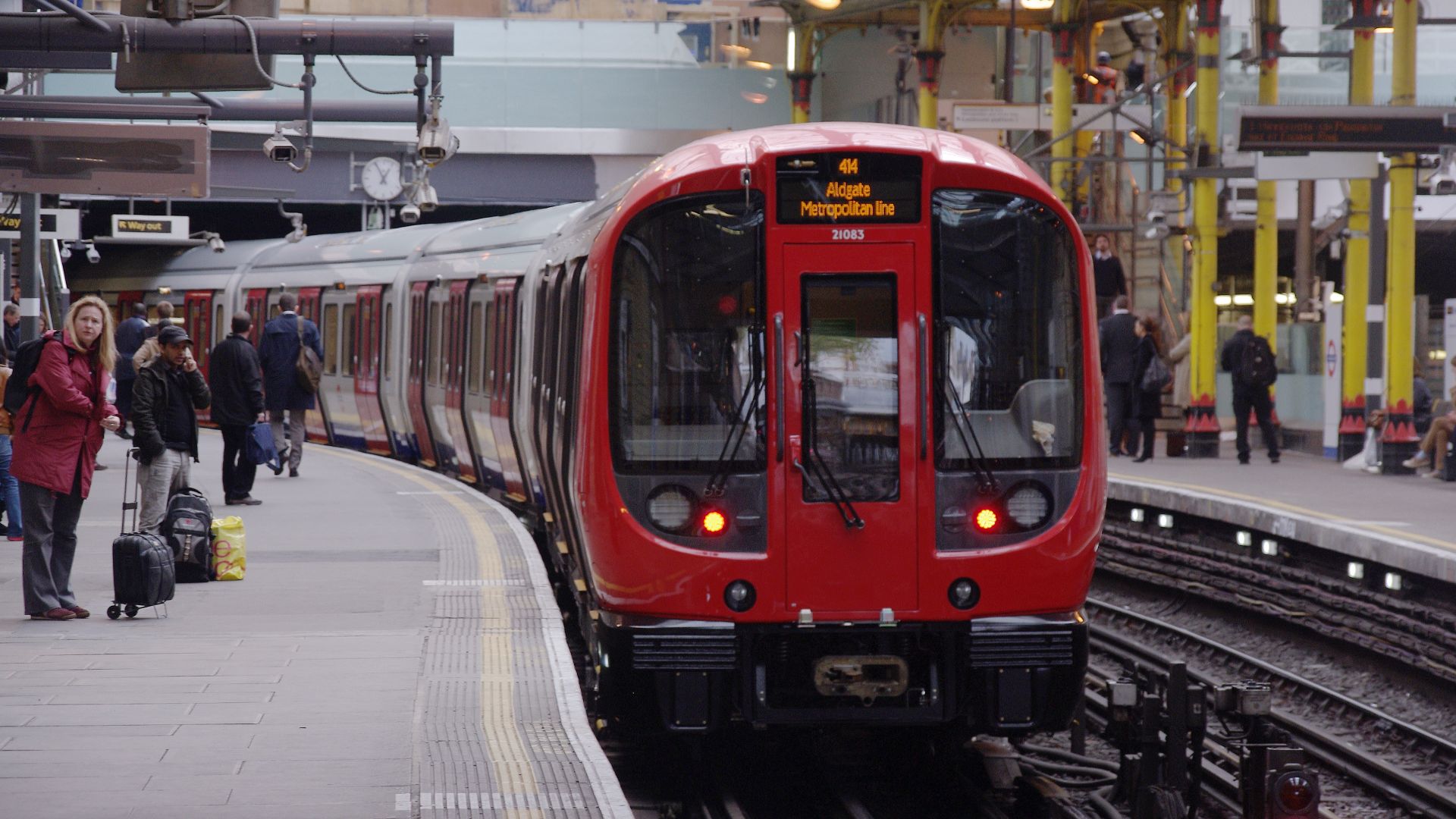 mattbuck (category), Wikimedia Commons
The Hidden Risk Of Tight Connections
Many travelers choose the fastest itinerary offered by booking platforms. These routes often leave only a short window between trains. While that saves time when everything runs smoothly, it leaves little margin for delays.
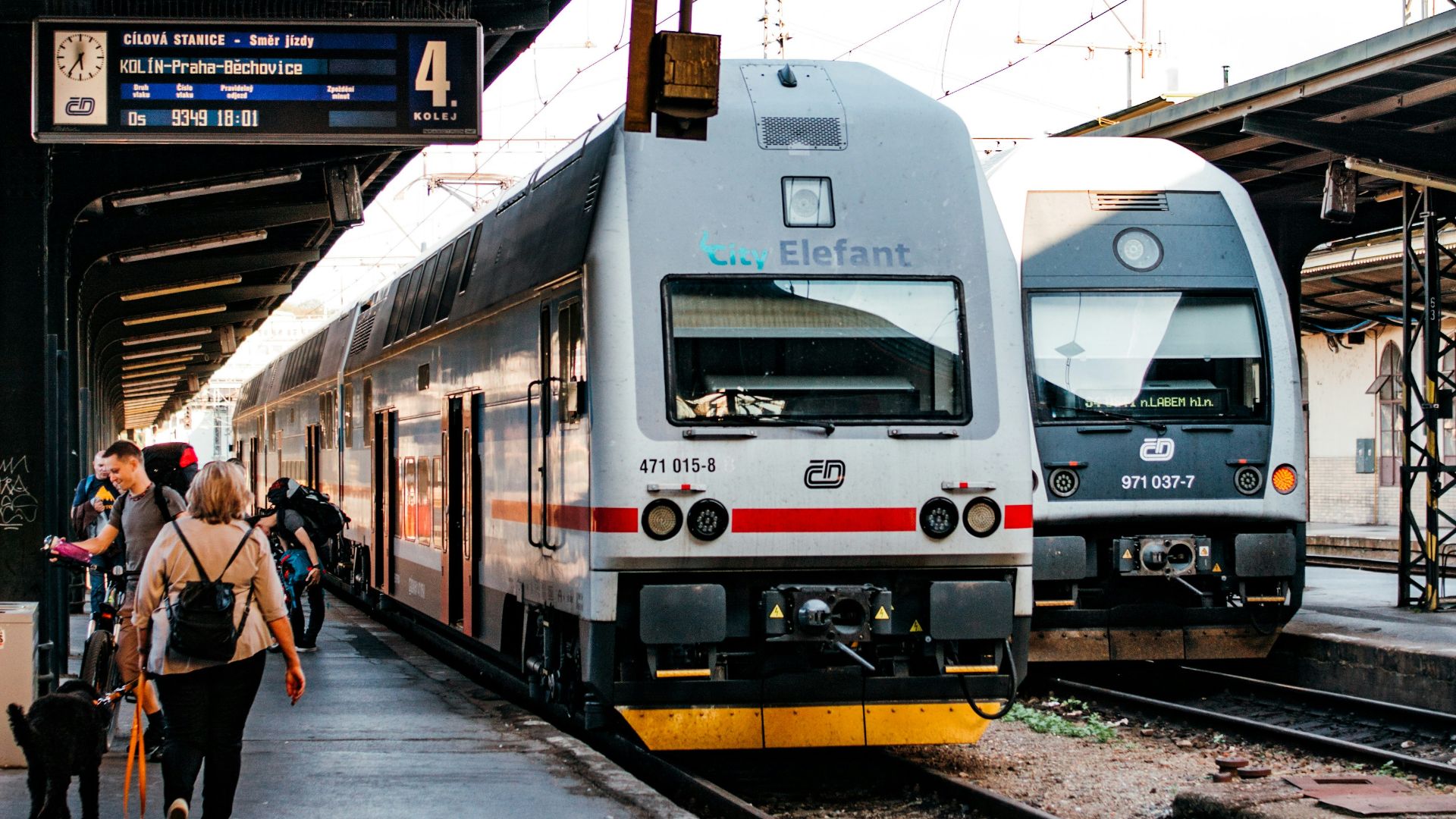
Not All Tickets Offer The Same Protection
One of the biggest surprises for travelers is that ticket structure matters almost as much as the trains themselves. Two journeys that look identical may provide very different protections if something goes wrong. Understanding this distinction can save both money and frustration.

The Importance Of Through Tickets
A through ticket covers an entire journey under a single transport contract, even when multiple trains are involved. When a disruption occurs, passengers generally receive stronger protections and assistance to reach their final destination. European rail passenger rights specifically recognize these arrangements.
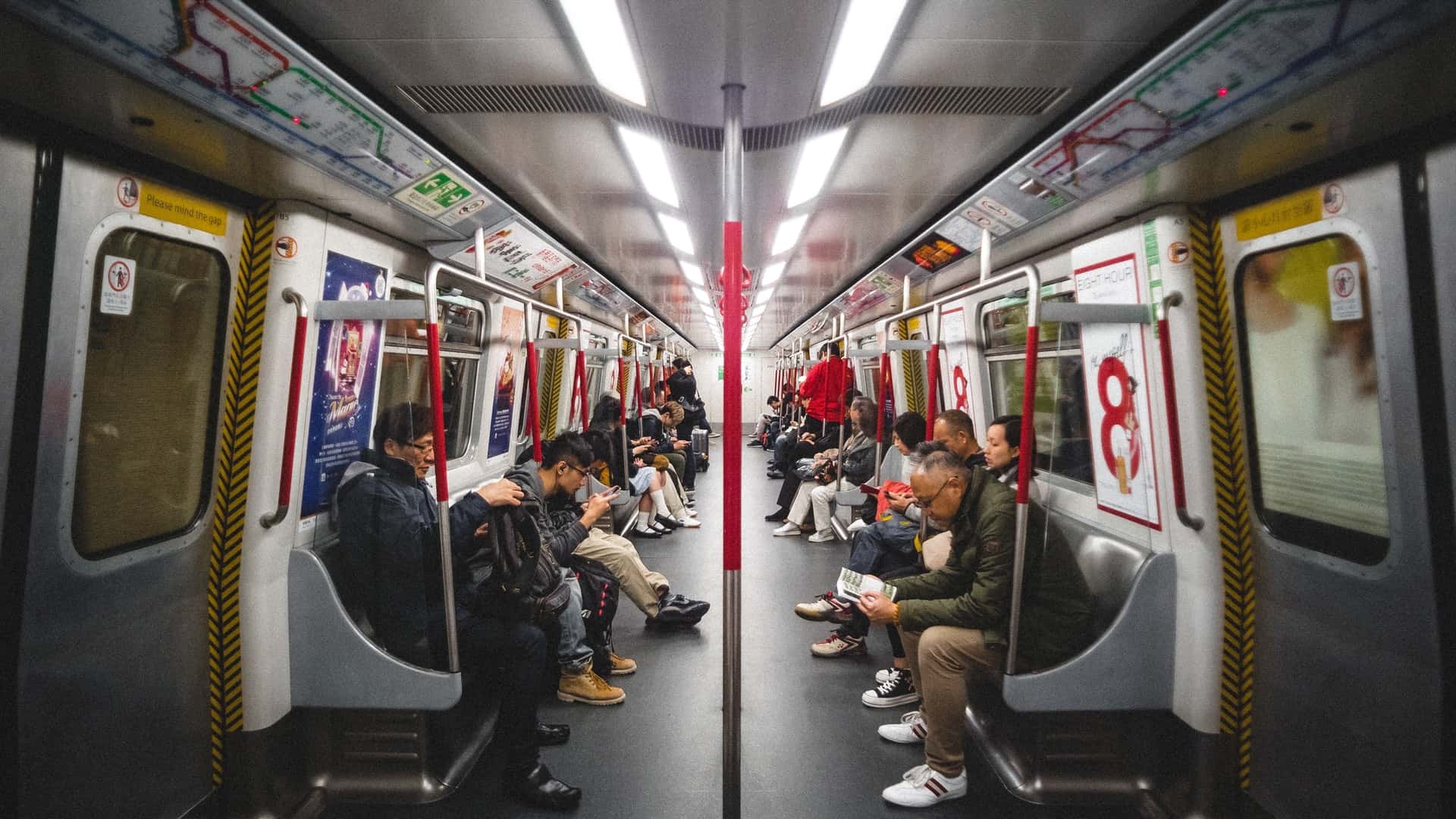
 Rawpixel.com, Wikimedia Commons
Separate Tickets Create More Vulnerability
Many travelers buy separate tickets to save money or take advantage of promotions from different operators. While this can reduce costs, it may also create gaps in protection. Missing a connection on a separately booked ticket can sometimes leave the traveler responsible for purchasing a new ticket.

Why International Trips Are Especially Complicated
A journey from Amsterdam to Milan might involve trains operated by several companies. Each operator may have its own booking system, customer service process, and policies. That complexity can become a challenge when disruptions occur.
What EU Passenger Rights Actually Cover
European rail passengers enjoy legal protections when trains are canceled or heavily delayed. Depending on the circumstances, travelers may be entitled to rerouting, refunds, assistance, meals, accommodations, or compensation. These rights are established under EU rail passenger regulations.
The 60-Minute Rule Matters
If a disruption is expected to delay arrival by more than 60 minutes, passengers may have important options available. These can include continuing the journey through rerouting or requesting a refund. The specific rights depend on the circumstances and ticket arrangement.
Rerouting Can Save The Trip
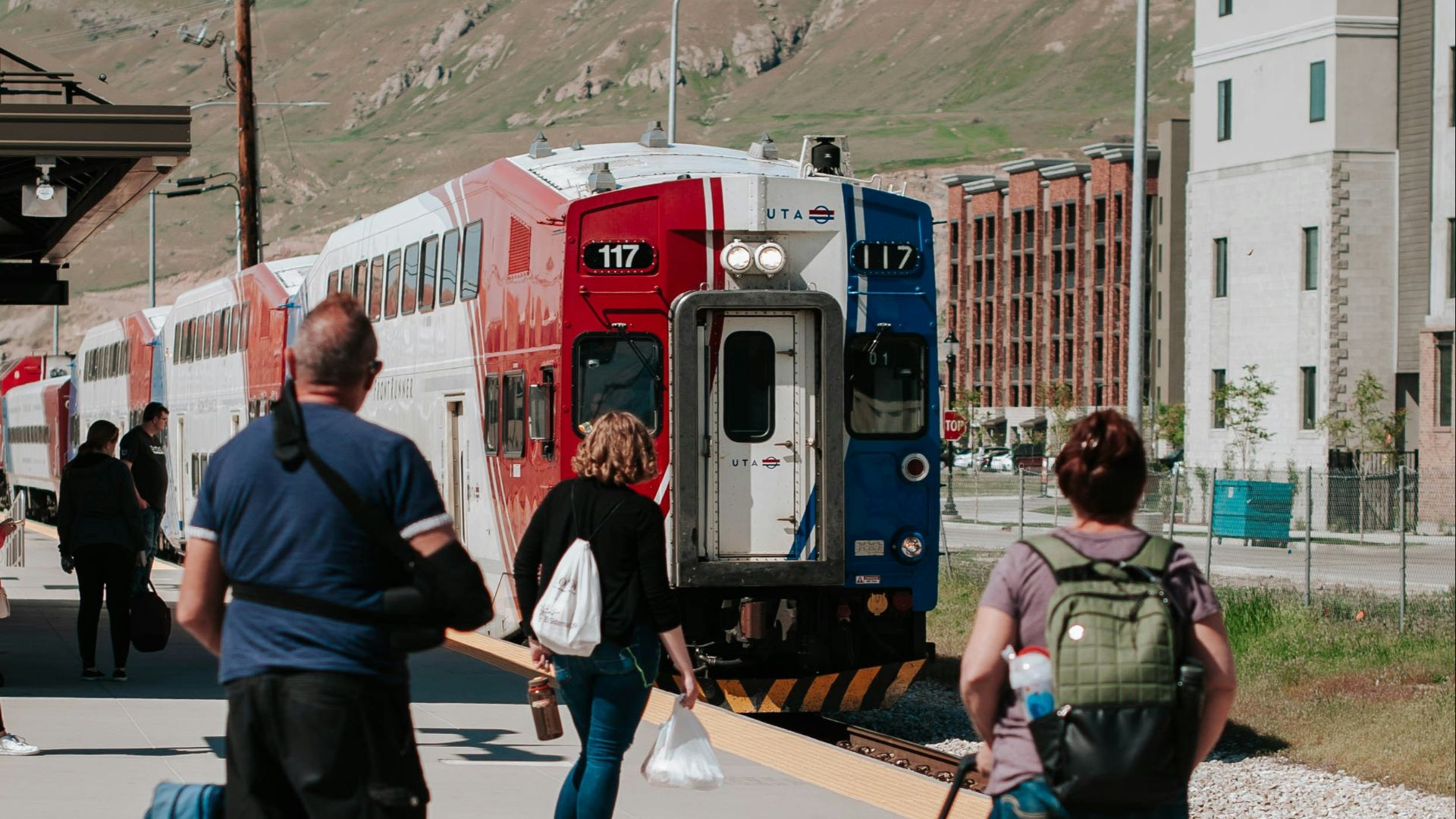
Many travelers immediately assume their journey is over after a canceled train. In reality, operators may be required to offer alternative transportation to help passengers reach their destination. That alternative may involve a different train or, in some cases, another mode of transport.

The Benefit Of A Single Contract
A through ticket often acts as a safety net. If one train arrives late and causes a missed connection, the carrier typically remains responsible for helping the passenger complete the journey. This is one reason experienced rail travelers often prioritize through-ticket bookings.
Meet The CIV Protection System
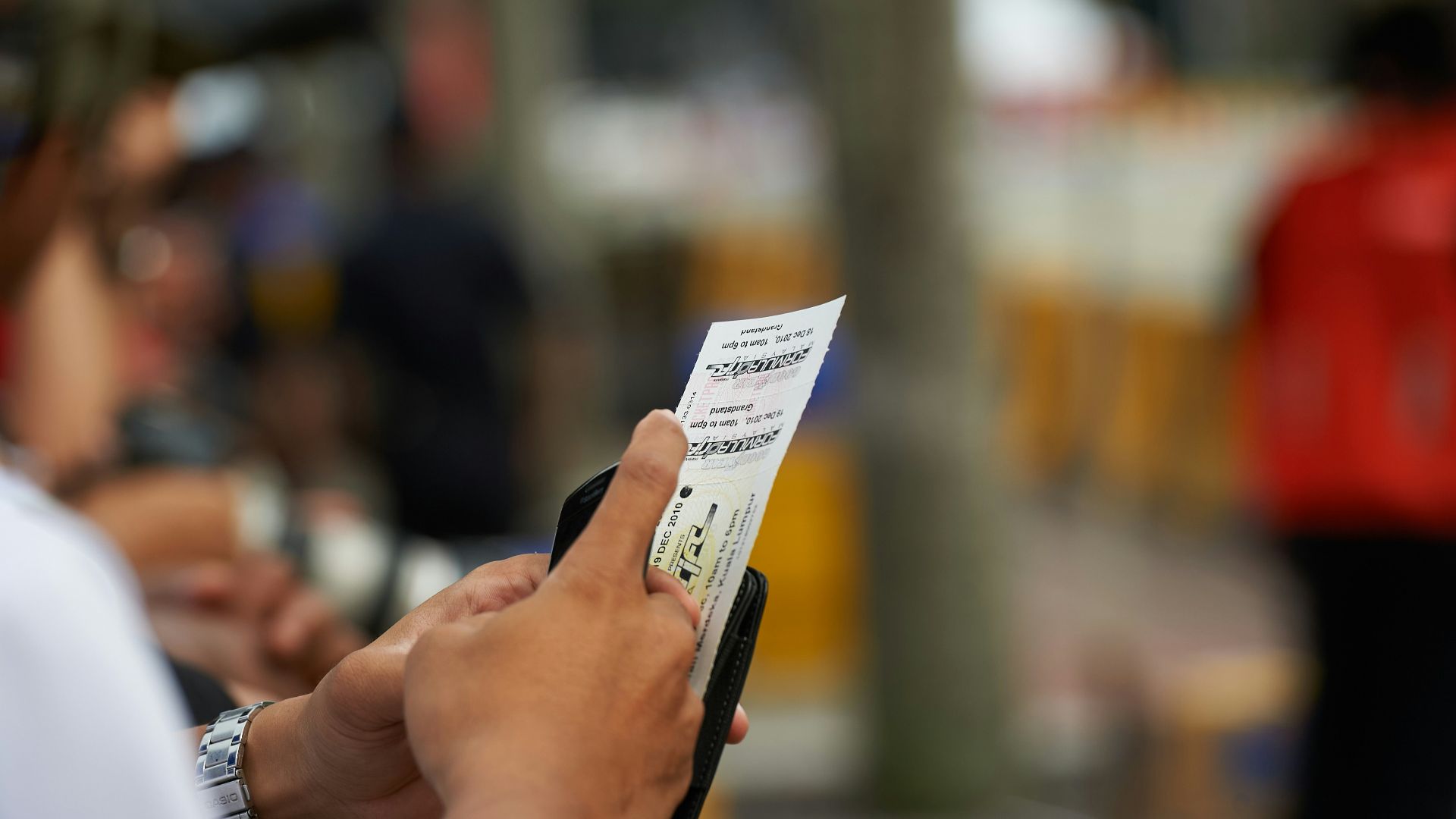
Many international rail journeys in Europe operate under rules commonly known as CIV protections. These rules are designed to help passengers reach their destination even when delays or cancellations interfere with planned connections. They are particularly valuable when the entire trip is booked under one contract.

Separate Tickets Are Not Always Hopeless
Travelers are often told that separate tickets eliminate all protection. That is not entirely true. Several agreements between European rail operators have been created specifically to help passengers continue their journeys after missed connections.

What Is The Agreement On Journey Continuation?
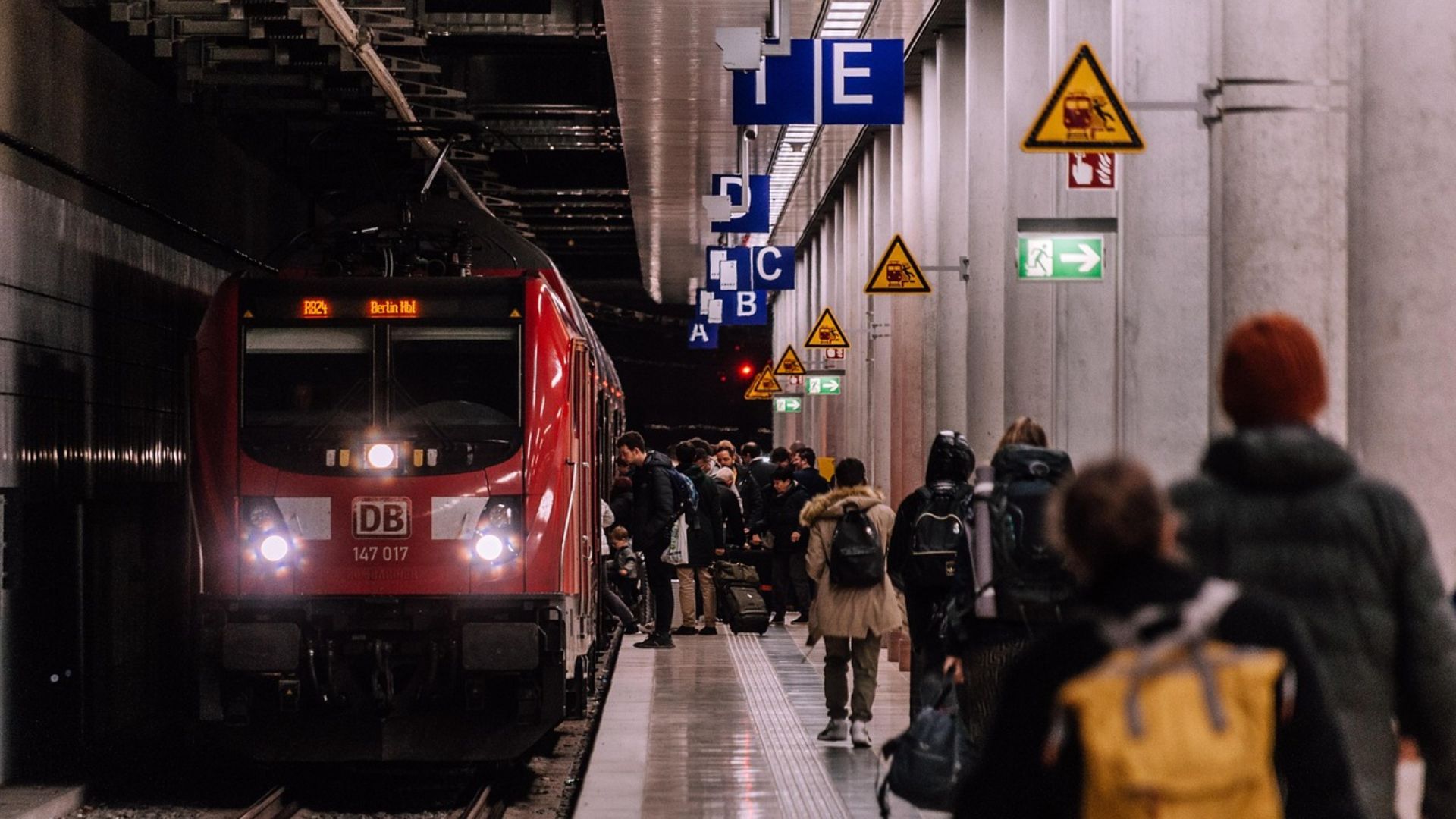
The Agreement on Journey Continuation, often called AJC, allows passengers on certain international routes to continue traveling on the next available train without additional cost when a delay causes a missed connection. Twenty three major European rail operators participate in the arrangement.
How AJC Can Rescue Your Plans
If your first train is delayed and causes you to miss the next leg of your international journey, AJC may allow you to continue without buying a completely new ticket. Conditions apply, but the agreement provides an extra layer of protection that many travelers do not realize exists.
The Little-Known HOTNAT Program
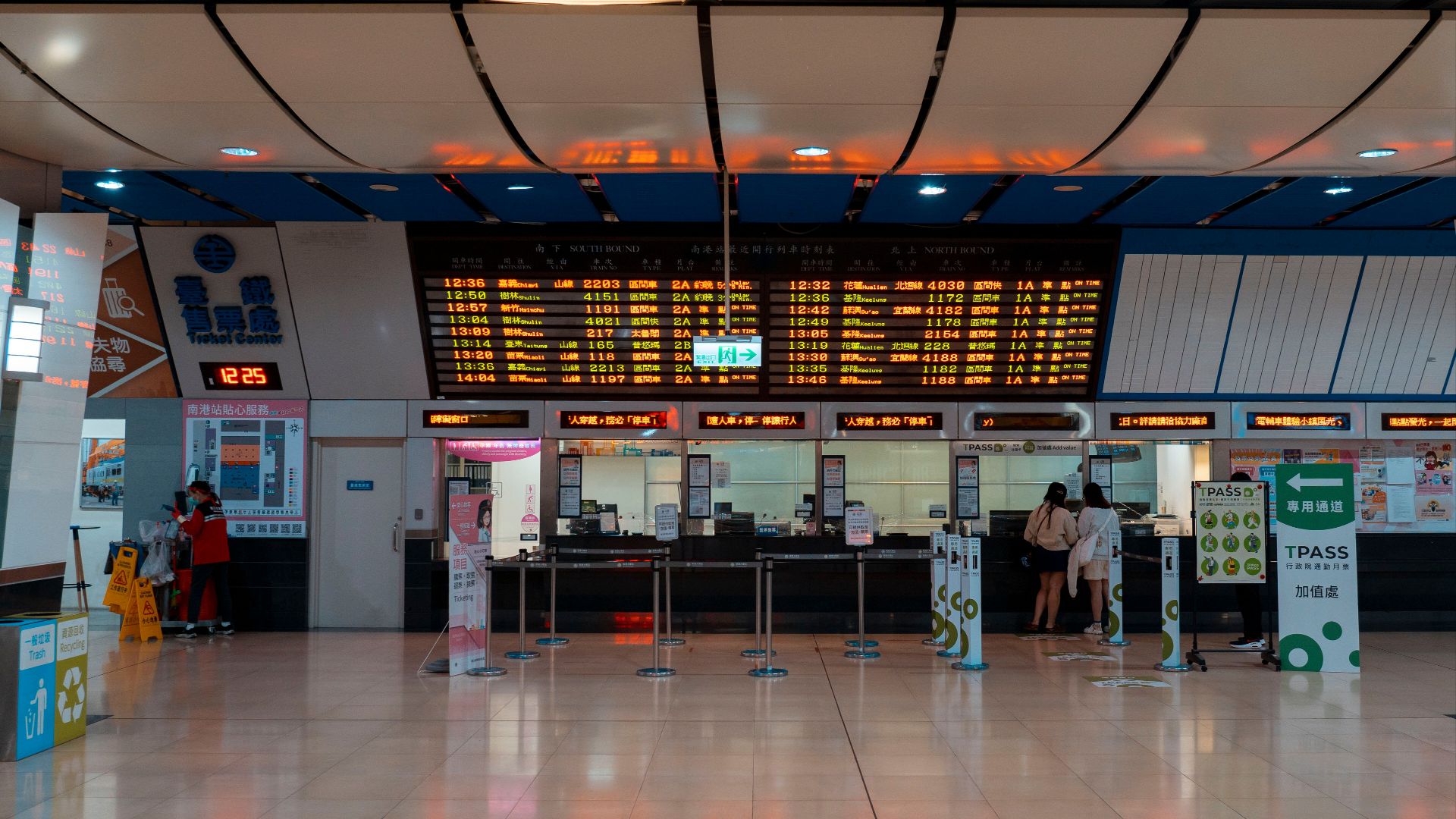
Another useful safety net is HOTNAT, which stands for "Hop On The Next Available Train." It was created by members of the Railteam alliance to help travelers who miss certain high-speed train connections.
When HOTNAT Applies
HOTNAT is generally available for connections between participating high-speed rail operators. If an eligible delay or cancellation causes a missed connection, passengers may be allowed to board the next available train without paying extra. Capacity restrictions can apply.

Leave More Time Between Trains
One of the simplest ways to avoid trouble is to build extra connection time into the itinerary. A 10-minute transfer may look efficient, but a 45-minute transfer is often far less stressful. The extra time can make the difference between a minor inconvenience and a ruined vacation.
Consider Overnight Stops
Some travelers try to cross several countries in a single day. Breaking long journeys into overnight stays can reduce the risk of cascading disruptions. It also creates opportunities to enjoy cities that might otherwise be rushed.

Avoid Booking The Last Train Of The Day
Missing the final departure to your destination can create expensive complications. Hotels, taxis, and replacement tickets can quickly add up. Whenever possible, choose earlier departures that leave room for recovery if problems occur.
Keep Proof Of Delays
Documentation can be extremely important when seeking compensation or assistance. Save tickets, reservation confirmations, and delay notifications. Taking screenshots can also help if online information disappears later.

Know Where To Get Help
Station information desks and train staff are often the fastest source of assistance during disruptions. They may be able to endorse tickets, arrange rerouting, or explain available passenger rights. Acting quickly often improves the outcome.
Travel Insurance Can Add Another Layer Of Protection
A good travel insurance policy may cover certain expenses caused by transportation disruptions. Coverage varies widely between policies. Reading the terms carefully before departure is essential.

Booking Platforms Matter
Some booking platforms make it easier to purchase through tickets across multiple operators. Others primarily sell separate tickets. Understanding the difference before purchasing can prevent unpleasant surprises later.

Europe Is Working On Better Solutions
European policymakers have recognized that fragmented ticketing creates confusion for travelers. New proposals aim to simplify cross-border rail bookings and strengthen passenger protections when journeys involve multiple operators.
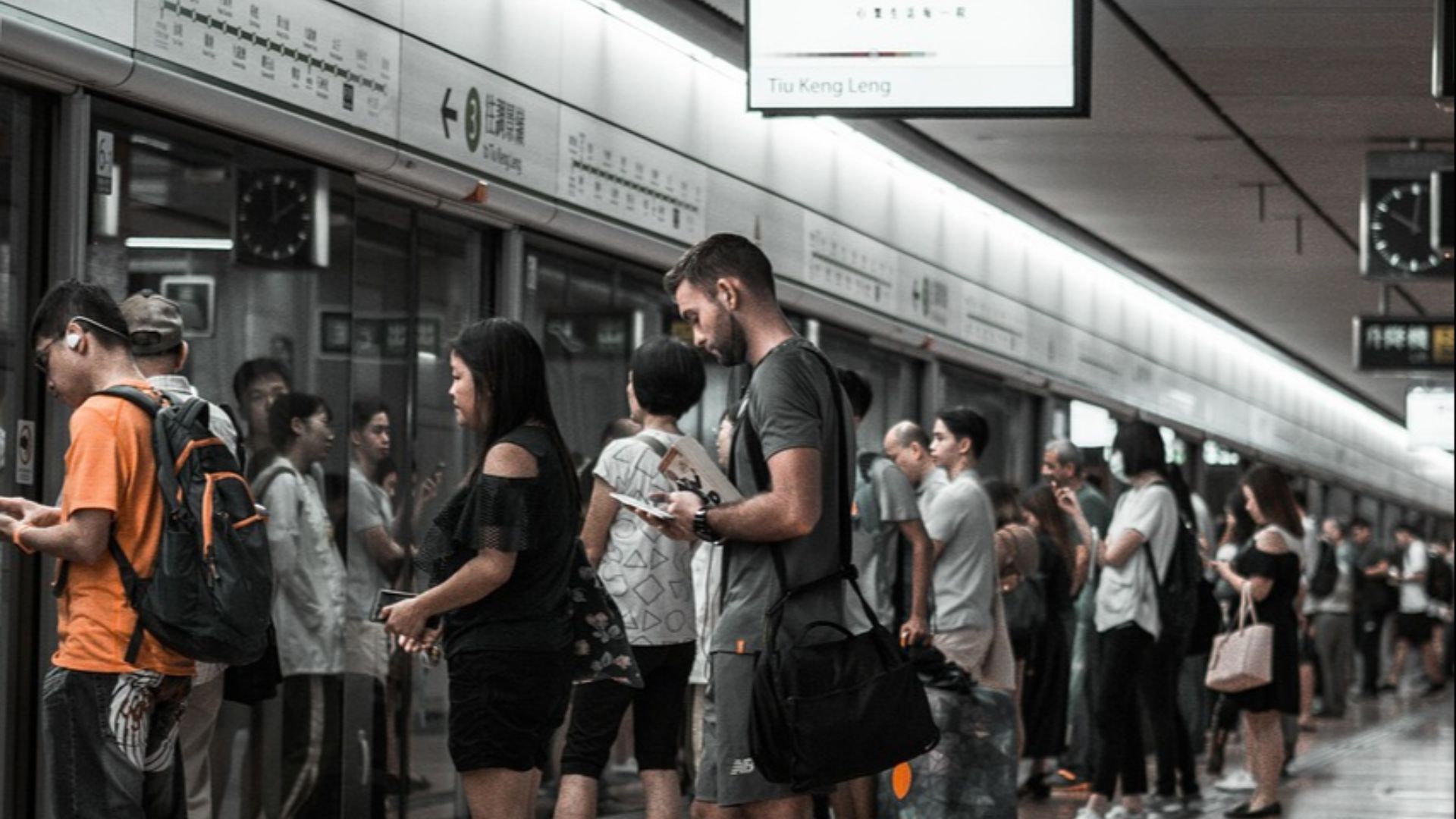
The Best Defense Is Preparation
No traveler can eliminate every possibility of disruption. Delays, cancellations, weather events, and technical issues will always occur. The goal is to build an itinerary that can absorb those problems without falling apart.

So, Can You Prevent This From Happening?
You cannot eliminate the possibility of delays or cancellations, but you can make your itinerary far more resilient. Choosing through tickets, leaving extra time between connections, and understanding your passenger rights can help you recover when disruptions occur. The key is planning not just for the trip you hope to take, but also for the unexpected problems that can arise along the way.
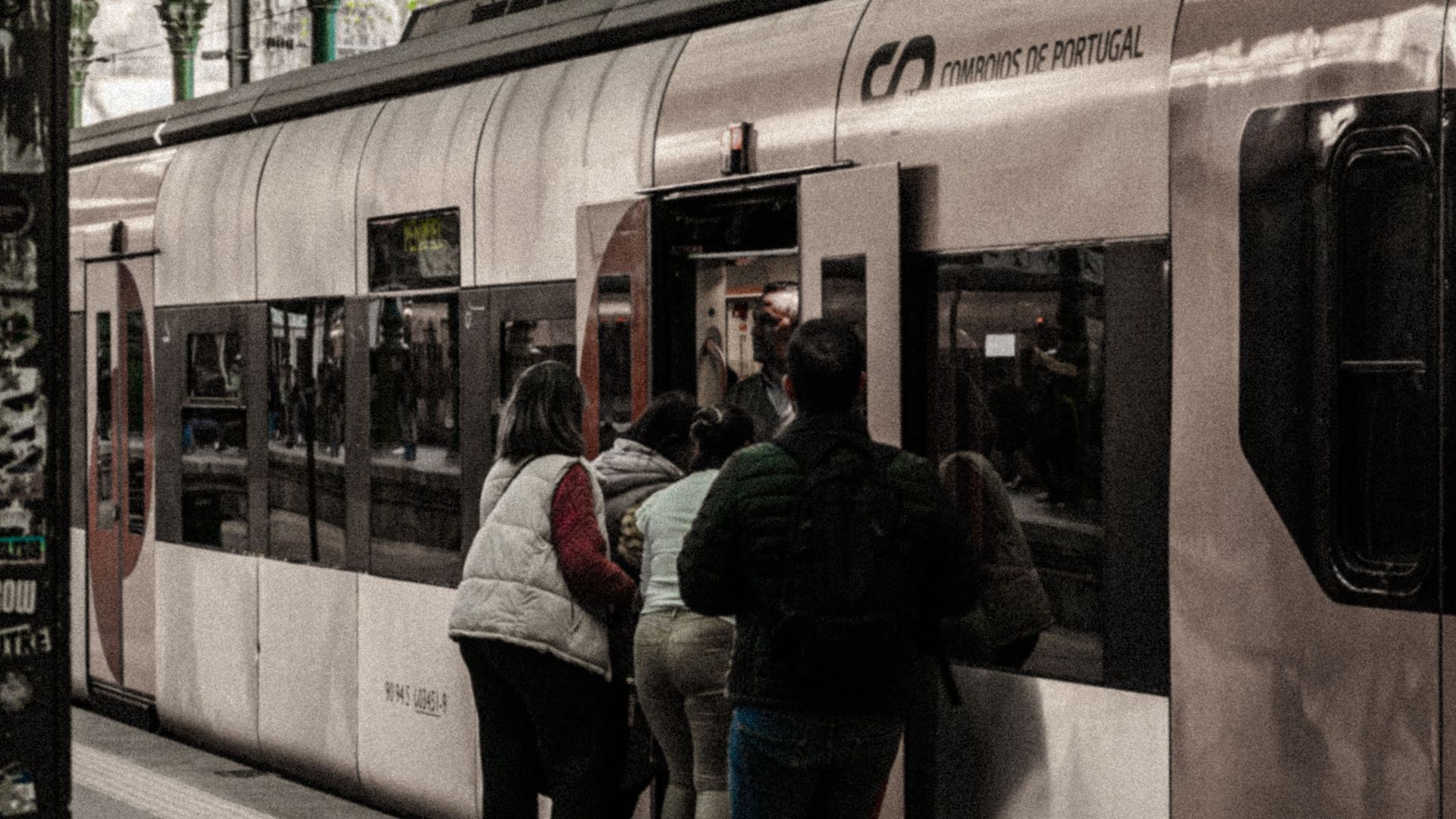
The Bottom Line
Yes, there are ways to reduce the risk of a canceled connection ruining a European rail itinerary. Through tickets, generous connection times, knowledge of passenger rights, and awareness of programs like AJC and HOTNAT can all help. The smartest travelers plan not only for the journey they expect, but also for the disruptions that may occur along the way.
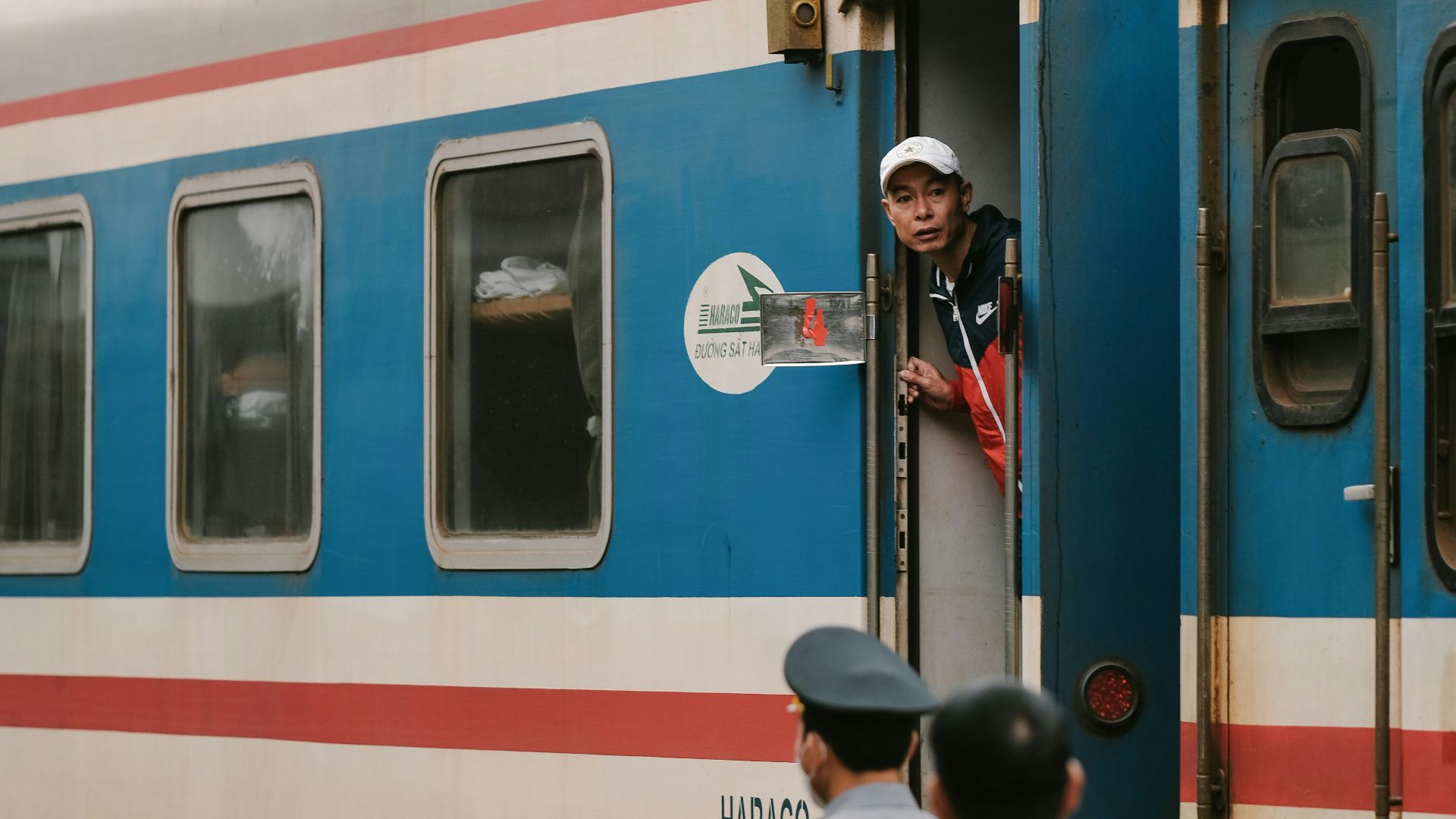
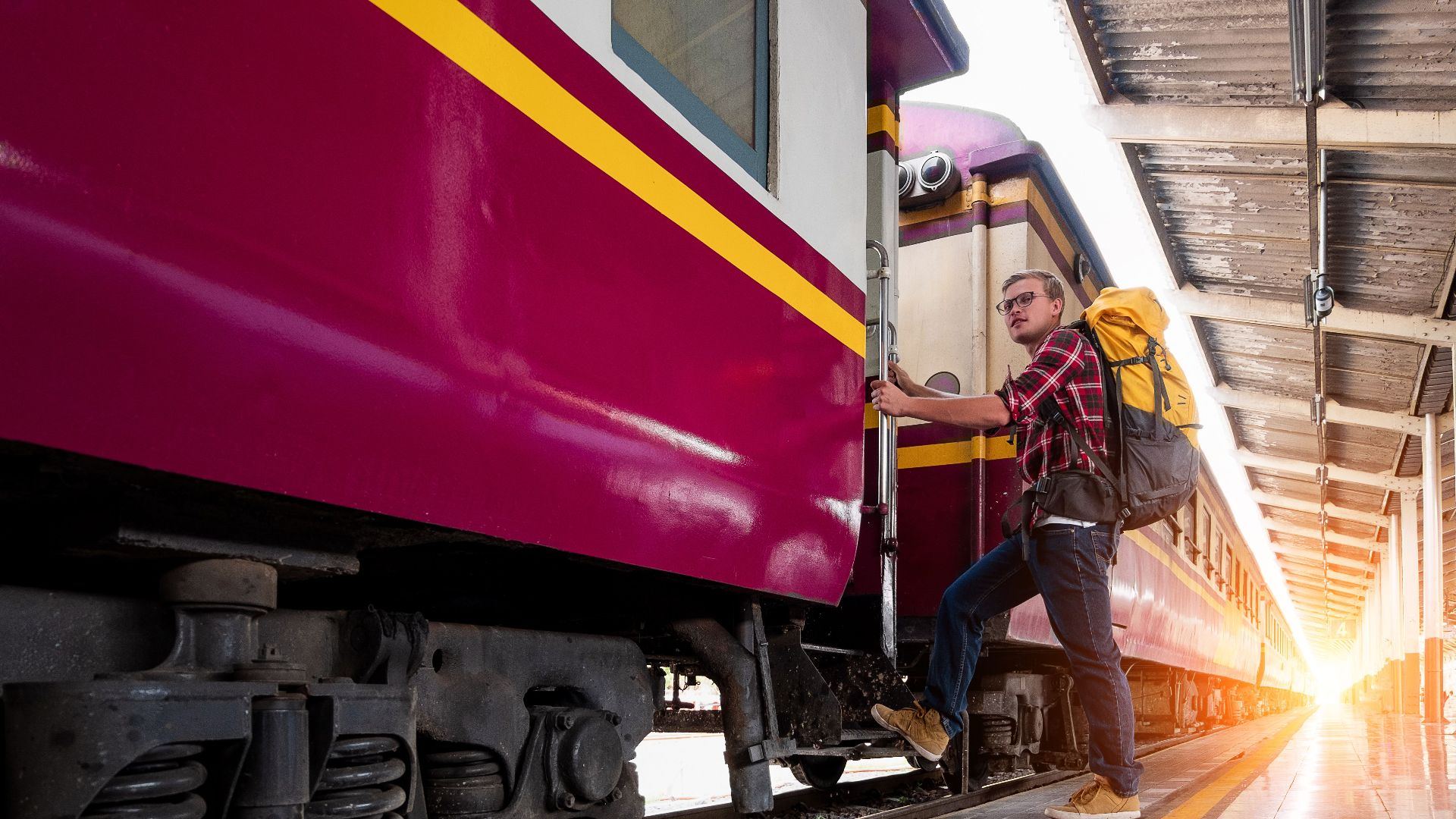 veerasak Piyawatanakul, Pexels
You May Also Like:
I got sick on vacation, and the local hospital demanded payment before treatment. Is that normal?