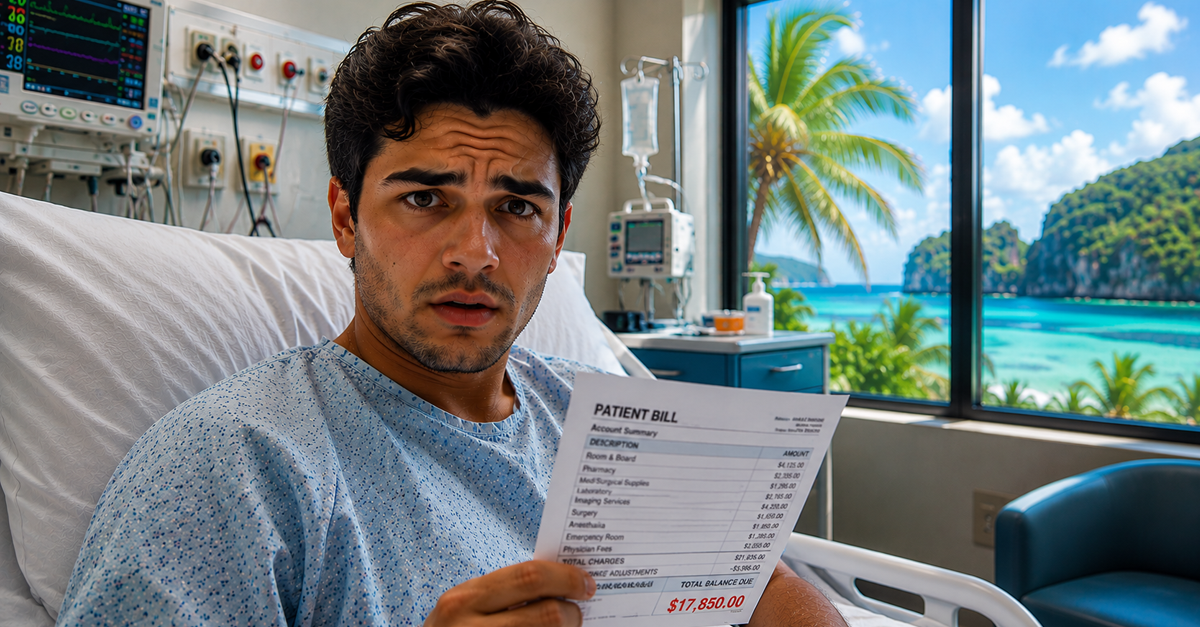
Vacation Plans Can Change Fast
Getting sick or injured on vacation is stressful enough. It becomes even more alarming when a hospital asks for money before treatment. Many travelers are surprised by this request because they assume medical care works the same way everywhere.
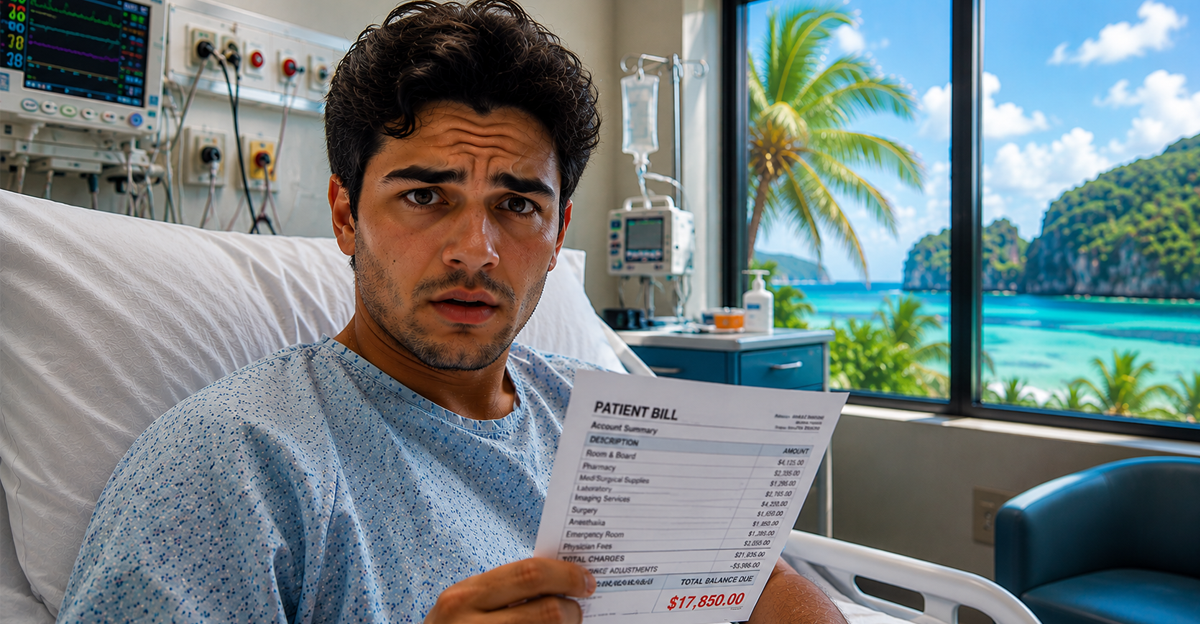
The Short Answer Is Yes
In many countries, it is completely normal for hospitals and clinics to request payment, a deposit, or proof of financial coverage before providing non-emergency treatment. Healthcare systems vary widely around the world. What seems unusual at home may be standard practice abroad.

Why Travelers Are Often Surprised
Many people come from countries where insurance handles most billing behind the scenes. Others are used to emergency rooms treating patients first and sorting out payment later. Those expectations do not always apply once you cross a border.

Healthcare Systems Differ Dramatically
Every country has its own healthcare rules, funding methods, and patient expectations. Public hospitals, private hospitals, and specialty clinics may all follow different billing procedures. Travelers are often treated under separate payment policies than local residents.

Payment Before Treatment Is Common
In many destinations, hospitals expect international visitors to pay upfront. They may ask for a credit card authorization, a cash deposit, or a guarantee from an insurance company. This is often done to reduce the risk of unpaid medical bills.

Emergency Care Can Be Different
Even in countries that request payment upfront, life-threatening emergencies are often handled differently. Medical staff may stabilize a patient before discussing finances. However, the definition of an emergency can vary from one healthcare system to another.
Your Home Insurance May Not Help
Many travelers assume their domestic health insurance works overseas. In reality, international coverage is often limited or nonexistent. Hospitals abroad may not recognize your insurance provider or have any direct billing relationship with it.

Travel Insurance Changes The Equation
A good travel medical insurance policy can make a huge difference. Some plans allow insurers to communicate directly with hospitals and arrange payment. Others reimburse travelers after treatment has been completed.

The Difference Between Direct Billing And Reimbursement
With direct billing, the insurer pays the hospital directly for covered expenses. With reimbursement coverage, the traveler pays first and submits receipts later. Many unpleasant surprises happen when travelers misunderstand which type of coverage they have.

Hospitals Want Payment Guarantees
Medical facilities want assurance that they will be paid. This is especially true when treating international visitors who may leave the country soon after receiving care. A payment guarantee from an insurer can often satisfy that requirement.

What Is A Guarantee Of Payment?
A Guarantee of Payment, often called a GOP, is a document issued by an insurer. It confirms that eligible medical costs will be covered under the policy. Hospitals frequently accept this in place of immediate cash payment.
Deposits Are Common
Even when treatment is covered by insurance, hospitals may request an initial deposit. This money may be refunded later if insurance covers the expenses. Travelers should not assume that presenting an insurance card eliminates all upfront costs.

Private Hospitals Tend To Be Stricter
Private hospitals often require financial arrangements before treatment begins. They generally operate more like businesses than public healthcare facilities. Faster service and more amenities may come with stricter payment requirements.
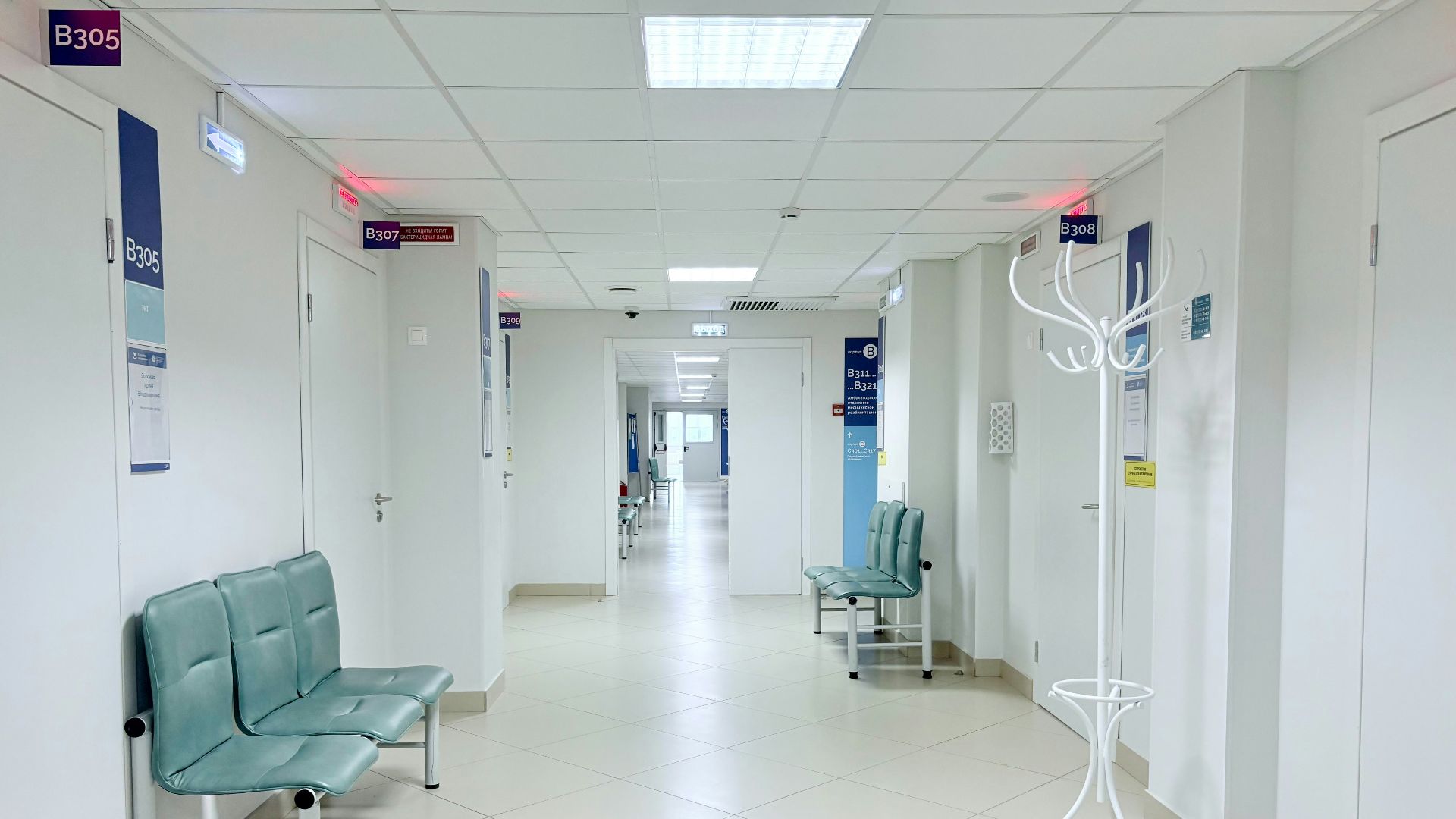
Language Barriers Can Add Stress
Medical emergencies are difficult enough without communication challenges. Payment policies can become confusing when documents are in another language. Translation services or assistance hotlines can be extremely valuable in these situations.

Credit Cards Become Essential
Many travel experts recommend carrying at least one major credit card with available credit. Hospitals frequently use card pre-authorizations or temporary holds. This can provide flexibility while insurance arrangements are being finalized.
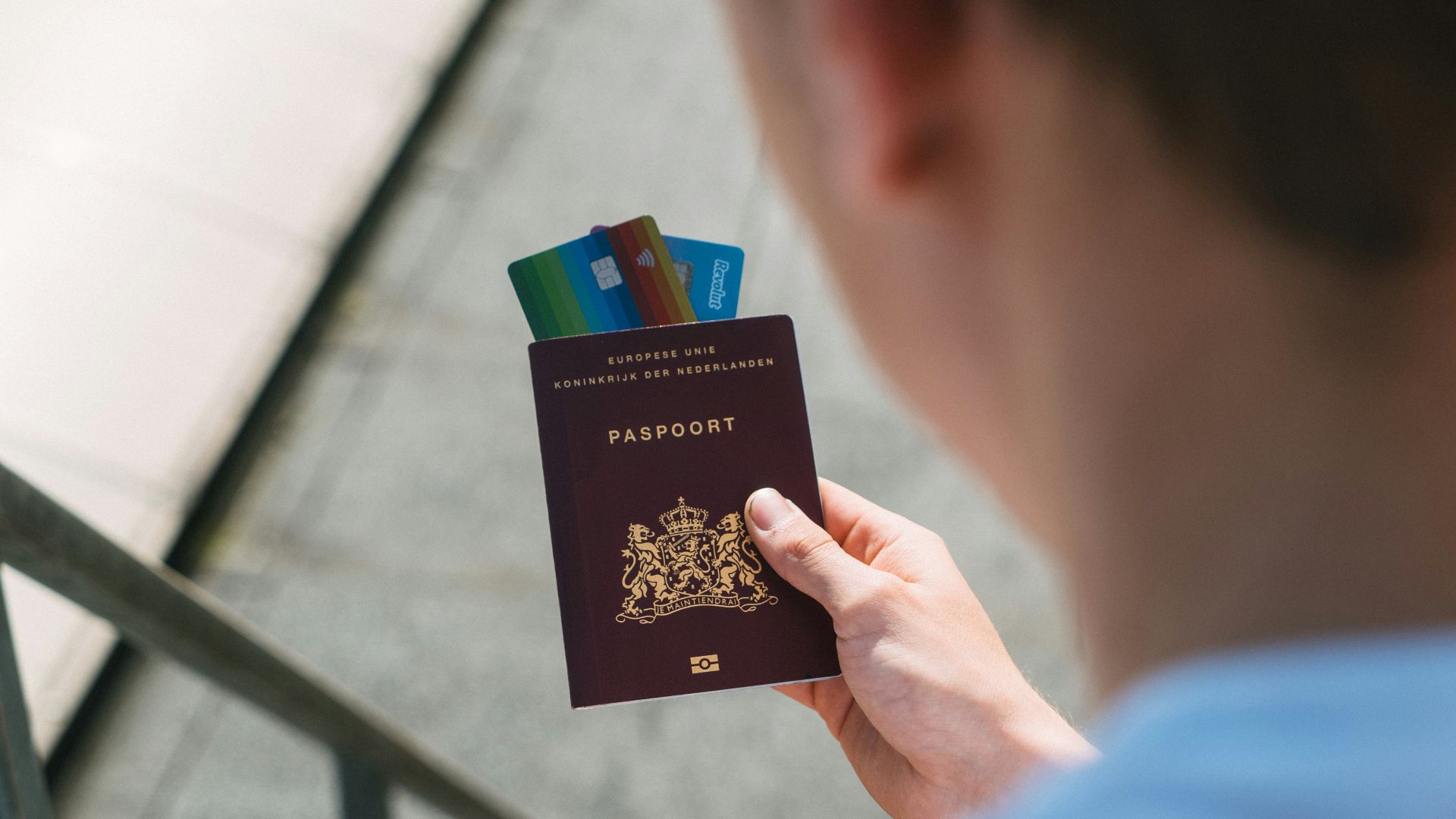
Cash Still Matters In Some Destinations
While credit cards are widely accepted in many countries, not all facilities take them. Smaller clinics and rural hospitals may prefer cash payments. Carrying a reasonable emergency fund can be helpful during international travel.

Government Assistance Is Limited
Many travelers believe their embassy will pay medical bills in an emergency. In reality, embassies generally do not cover healthcare costs. They may help locate hospitals or contact family members, but payment remains the traveler's responsibility.

Medical Costs Can Vary Widely
The price of treatment abroad can range from surprisingly affordable to shockingly expensive. Factors such as location, hospital type, and severity of illness all influence costs. Travelers should avoid making assumptions based on prices at home.

Ask For Cost Estimates
If your condition is not immediately life-threatening, request an estimate before treatment. Hospitals can often provide a breakdown of expected charges. This helps avoid misunderstandings later.

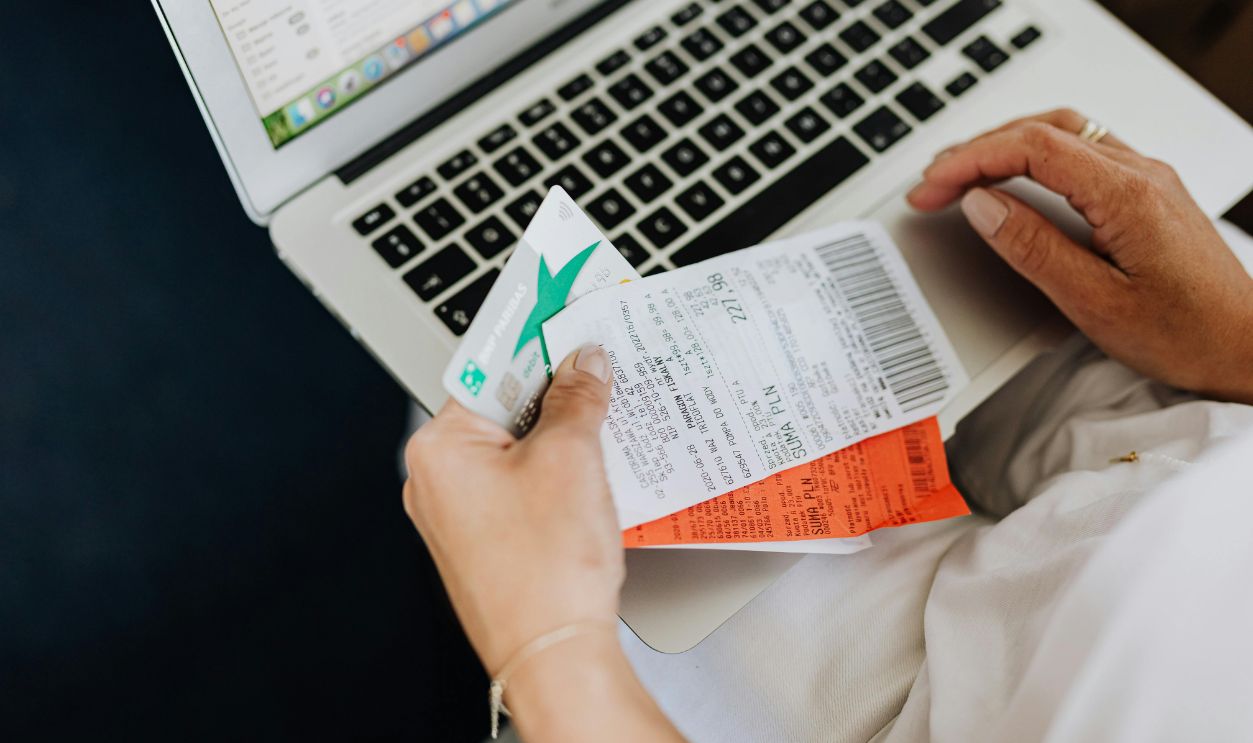
Keep Every Receipt
Documentation is critical when dealing with travel insurance claims. Save invoices, prescriptions, discharge papers, and payment receipts. Missing paperwork can delay or complicate reimbursement requests.
Contact Your Insurer Immediately
Most travel insurance providers offer 24-hour emergency assistance lines. Calling them early can speed up approvals and direct billing arrangements. Waiting until after treatment may limit available options.

Network Hospitals Can Save Money
Some insurers maintain networks of approved hospitals around the world. Visiting one of these facilities may simplify billing and reduce upfront costs. Travelers should review network options before departure whenever possible.

Know The Rules Before You Travel
Reading an insurance policy is not exciting vacation preparation. However, understanding coverage details can prevent major headaches later. Travelers should verify coverage limits, exclusions, and emergency contact procedures.

Medical Evacuation Is Another Concern
Treatment costs are only part of the equation. Serious illnesses or injuries may require transportation to another city or country. Medical evacuations can cost tens or even hundreds of thousands of dollars.
 Mathurin NAPOLY / matnapo, Unsplash
Preparation Beats Panic
A little preparation can make a difficult situation far easier to manage. Carry insurance information, emergency contact numbers, and a list of medications. Having these details readily available can save valuable time.
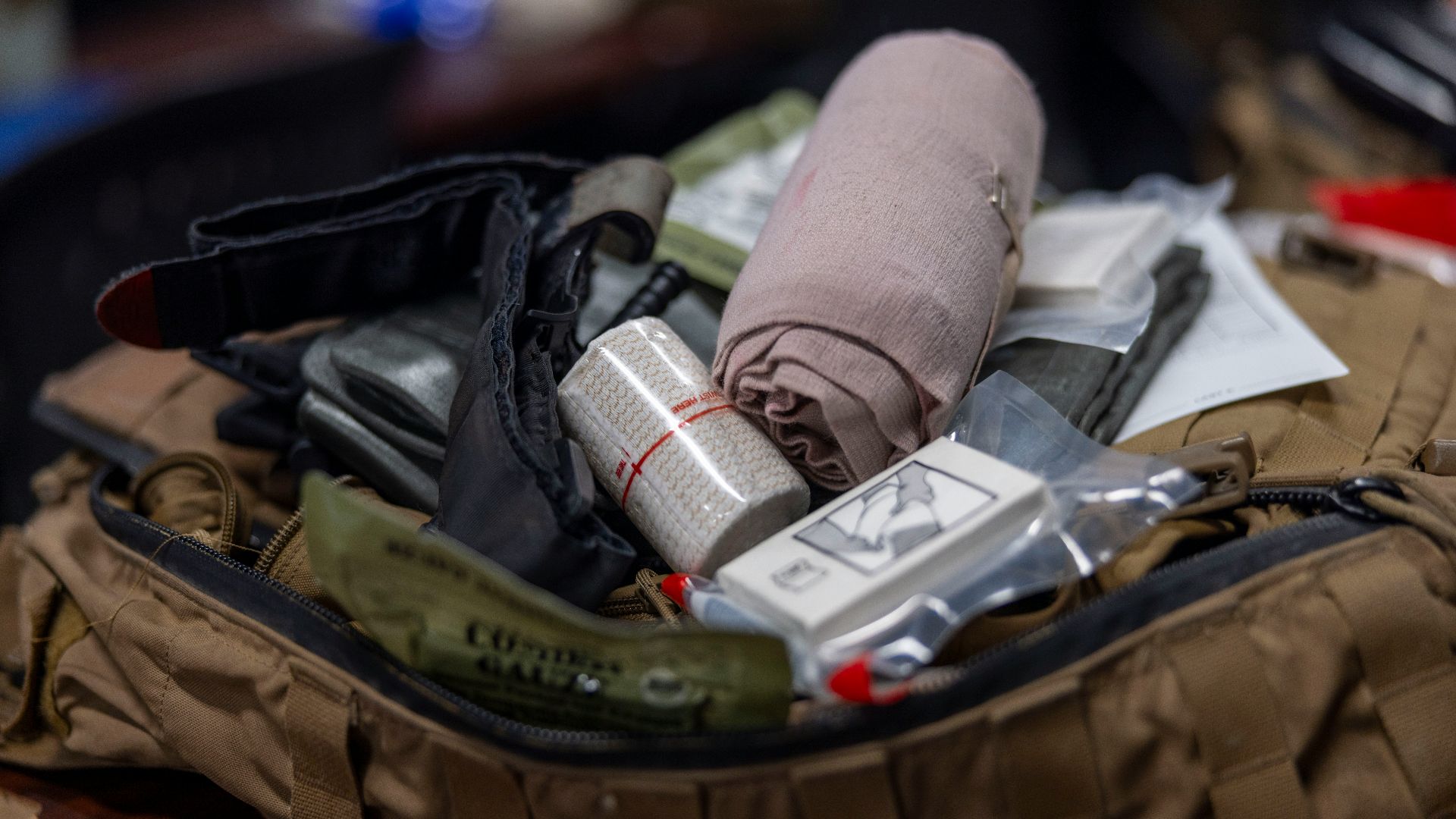
What To Do If You Cannot Pay
If a hospital requests payment you cannot immediately provide, contact your insurer right away. Ask whether a payment guarantee can be issued. You can also request information about payment plans or alternative facilities.

The Bottom Line
Being asked to pay before treatment abroad can feel alarming, but it is often a normal part of international healthcare. The best defense is preparation, including adequate travel medical insurance and access to emergency funds. Understanding how foreign hospitals handle billing can help turn a frightening experience into a manageable one.
You May Also Like: