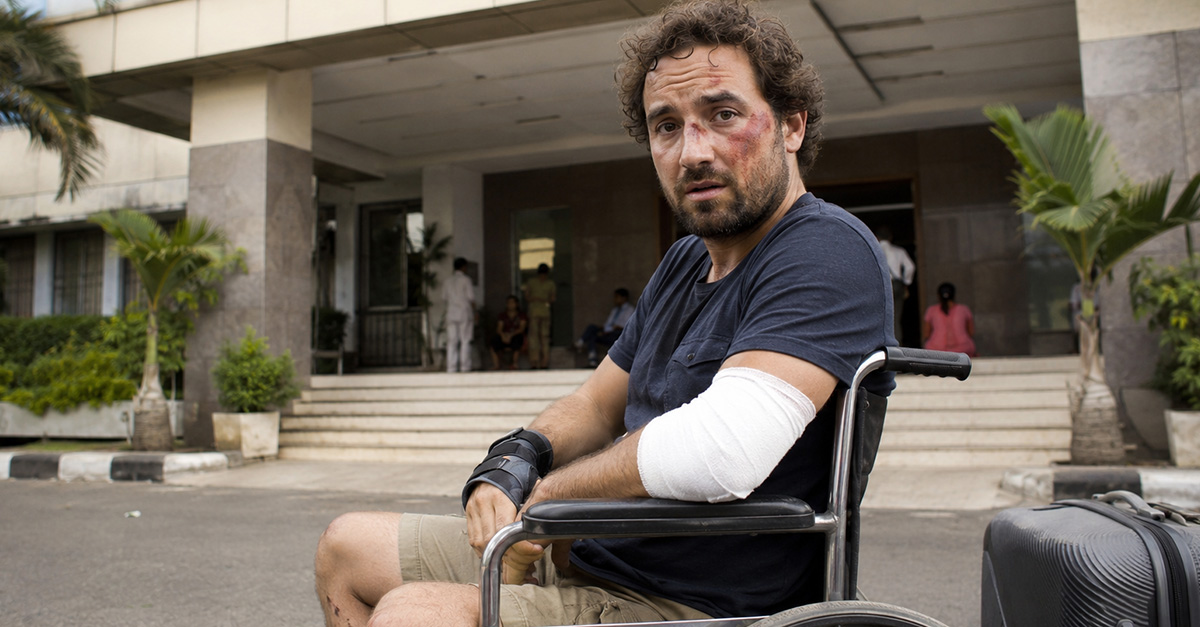
When Your Travel Insurance Says “Nope”
You did the responsible traveler thing: bought insurance, packed the policy, and assumed that if disaster struck, you were covered. Then you landed in a hospital abroad, filed your claim, and got denied. Cue the dramatic airport music. Can they really do that? Sometimes, yes—but not always fairly.
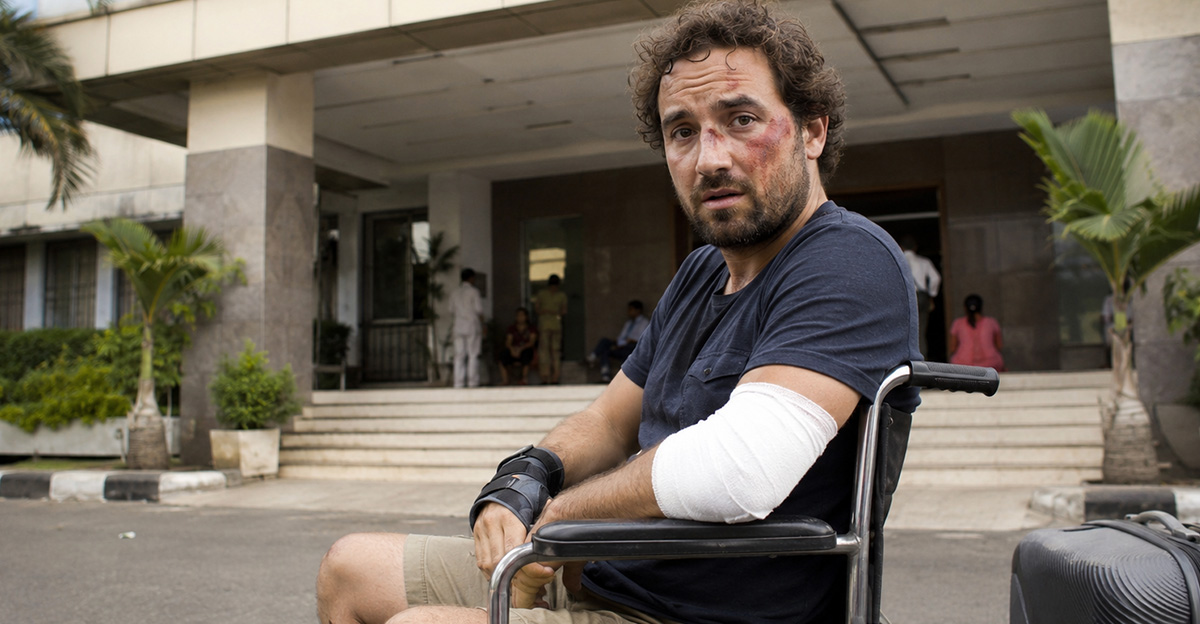
The Fine Print Has Main Character Energy
Travel insurance is less like a magic safety net and more like a contract with tiny trapdoors. The company only pays for situations listed in the policy, and only if you followed the rules. Annoying? Absolutely. Legal? Often. But that does not mean the denial is automatically correct.

Why Hospital Bills Get Denied
Medical claims abroad are denied for many reasons: pre-existing conditions, excluded activities, missing paperwork, late notification, alcohol involvement, or treatment the insurer says was “not medically necessary.” Sometimes the denial is based on a real policy exclusion. Sometimes it is based on a very creative reading of the rules.

“Covered” Does Not Always Mean Covered
A policy may say it includes “emergency medical coverage,” but the details matter. Emergency treatment for a sudden illness may be covered, while treatment connected to an old condition may not be. A broken ankle from sightseeing might qualify, while the same injury from paragliding might be excluded.

Pre-Existing Conditions Are The Big One
This is where many travelers get blindsided. If your hospital visit was linked to a condition you had before the trip, the insurer may deny it unless you had a pre-existing condition waiver. Even something that seemed minor at home can become a major insurance headache overseas.

The Waiver Window Can Be Tiny
Many pre-existing condition waivers must be purchased soon after your first trip payment, sometimes within days or weeks. Miss that window, and your “premium” plan may still leave a giant hole. It feels unfair, especially if no one explained it clearly when you bought the policy.

Adventure Activities Can Cancel The Fun
Travel insurance loves a beach chair. It is less enthusiastic about scooters, scuba diving, skiing, zip-lining, mountain trekking, or anything involving helmets and waivers. If your hospital visit followed an activity the policy excludes, the insurer may deny the claim unless you bought adventure-sports coverage.

Alcohol Can Complicate Everything
Some policies exclude injuries or illnesses connected to alcohol or drug use. That does not always mean one glass of wine ruins your claim, but if the medical report mentions intoxication, insurers may pounce. This is why hospital records matter more than your vacation photos ever will.
 Vodafone x Rankin everyone.connected, Pexels
The Hospital You Chose May Matter
Some policies require you to contact the assistance hotline before receiving non-life-threatening treatment. They may want to direct you to an approved hospital or authorize care first. In a true emergency, get help immediately. But once safe, call the insurer as soon as possible.

Direct Billing Is Not Guaranteed
Many travelers assume travel insurance means the hospital bills the insurer directly. Sometimes it does. Often, it does not. You may have to pay upfront and seek reimbursement later. That is stressful, expensive, and exactly why understanding your policy before traveling is so important.

Missing Documents Are Claim Kryptonite
Insurers love paperwork the way airports love long security lines. You may need hospital records, itemized bills, proof of payment, diagnosis notes, prescriptions, travel dates, passport stamps, and your original booking receipts. If anything is missing, the company may delay or deny the claim.

“Not Medically Necessary” Is A Favorite Phrase
Even after a doctor treats you, an insurer may argue the care was not necessary, too expensive, or not connected to an emergency. This can feel outrageous from the patient’s side. You were sick. You needed help. But the insurer reviews the claim through policy language.

Translation Problems Can Hurt Your Claim
Hospital records abroad may be written in another language, use unfamiliar medical terms, or describe your condition differently than expected. A mistranslation or vague diagnosis can make your claim look weaker. Getting clear documentation before leaving the hospital can save a world of trouble later.

Timing Can Make Or Break It
Some policies require claims to be filed within a specific period. Others require “prompt” notice after a medical event. If you waited months, the insurer may use that delay against you. Even when you are exhausted after travel chaos, start the paper trail quickly.

Your Credit Card Coverage May Not Help
Many travelers rely on credit card travel insurance, but those benefits can be narrow. Some only apply if you paid for the trip with that card. Others focus on trip cancellation, baggage, or rental cars, not major medical bills. “Included” does not always mean useful.

Cheap Policies And Expensive Lessons
Paying a lot for insurance does not guarantee broad coverage, but cheap policies are especially risky. Some plans look great on comparison sites because they highlight big dollar limits while hiding exclusions. The real value is not the headline number; it is what the company actually covers.

Read The Denial Letter Like A Detective
Do not just accept “claim denied” and sadly close your laptop. Read the denial letter closely. It should explain the reason, cite the policy section, and tell you whether you can appeal. Highlight every vague statement, missing detail, and rule they claim you broke.

Compare The Letter To Your Policy
Pull up the full policy certificate, not just the sales brochure. Find the exact section the insurer cited. Does it really say what they claim? Are there exceptions? Did they ignore emergency language? Insurance companies are not above making denials sound more final than they are.

Ask For The Claim File
You can request the information used to make the decision, including medical reviews, notes, correspondence, and documents received. This helps you see whether the insurer misunderstood your diagnosis, missed paperwork, or relied on incomplete records. Appeals are stronger when you know what you are fighting.

Get The Doctor To Clarify
If the denial is medical, ask the treating doctor or hospital for a letter explaining what happened, why care was urgent, and whether it was related to a pre-existing condition. A clear medical explanation can be more powerful than a frustrated email saying, “But I almost fainted!”

Appeal With Evidence, Not Rage
Rage is understandable. Evidence is more effective. Your appeal should include a calm timeline, copies of bills, medical records, proof of payment, travel documents, policy excerpts, and a direct explanation of why the denial is wrong. Make it easy for them to reverse course.

Escalate If They Stonewall You
If the insurer refuses to budge, you may be able to complain to a regulator, ombudsman, consumer protection agency, or insurance authority depending on where you live and where the policy was issued. You can also consider legal advice, especially if the bill is large.

Watch Out For “Cancel For Any Reason” Confusion
Cancel-for-any-reason coverage sounds powerful, but it usually applies before the trip, not to surprise hospital bills during travel. It also often reimburses only part of prepaid trip costs. It is useful coverage, but it is not a golden ticket for every travel disaster.

Buy Insurance Like You Pack Shoes
Match the policy to the trip. City break? Basic medical may work. Ski trip? Add sports coverage. Long trip? Check medical limits carefully. Existing health concerns? Look for a waiver. Cruises, remote areas, or countries with high medical costs may need stronger coverage.

Call Before You Fly
Before leaving, call the insurer and ask plain questions: Are my conditions covered? Do I need pre-authorization? What activities are excluded? Do you pay hospitals directly? What number do I call in an emergency? Take notes and save screenshots. Future-you may be deeply grateful.

So, Can They Deny You?
Yes, they can deny a claim if the policy clearly excludes it or if requirements were not met. But no, they cannot just deny it because they feel like it. A denial is not the end of the road. It is the start of the appeal trail.

The Smart Traveler’s Takeaway
Travel insurance is still worth having, but it is not a suitcase-sized miracle. The trick is buying the right policy, understanding the exclusions, and keeping every scrap of paperwork when things go wrong. If your claim was denied, challenge it calmly, document everything, and do not assume the first “no” is final.

You May Also Like:
My flight was canceled, but I couldn’t get a refund. Is that legal? How do I get my money back?
I booked a flight, but hidden fees doubled the price. Is that actually legal?