
How Did My $200 Flight Turn Into $450?
You searched for flights and found what seemed like a great deal. Then suddenly the extras start piling on. Bag fees, seat selection fees, booking fees, “priority” fees, maybe even charges just to sit next to your travel companion. By checkout, the price has doubled and you’re sitting there wondering if this is even legal. The frustrating answer is sometimes yes, sometimes no. Airlines are allowed to charge extra fees for certain services, but there are also rules about how clearly those fees must be disclosed.
Airlines Love “Unbundling” Prices
Over the last couple decades, airlines shifted heavily toward what’s called “unbundled” pricing. Instead of including everything in one ticket price, they separate things like checked bags, carry-ons, seat selection, and changes into extra charges. That’s how a low advertised fare can suddenly balloon once you actually try to travel like a normal human being.

Some Fees Are Legal And Common
Not every extra charge is shady. Airlines are generally allowed to charge separately for optional services like checked bags, premium seats, extra legroom, and onboard Wi-Fi. The idea is that passengers only pay for what they use. Whether people like that system is another story entirely.
But Mandatory Charges Are Different
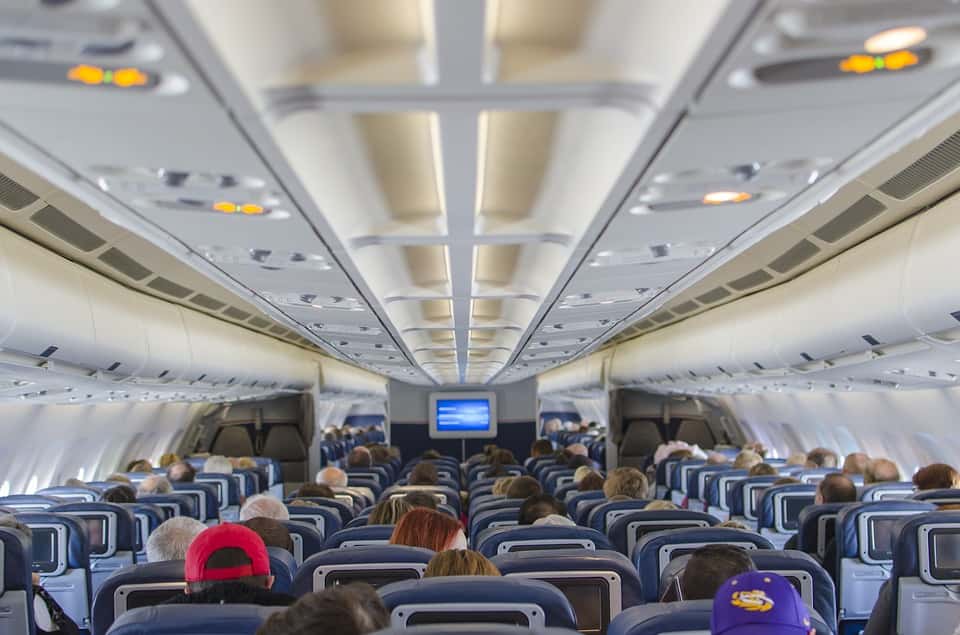
Here’s the important distinction: truly mandatory charges usually have to be included in the advertised ticket price. Under federal rules, airlines generally can’t advertise a fare that excludes required taxes and unavoidable charges. So, if the airline advertises a ticket for, say, $200, you should actually be able to buy the base airfare for that amount before optional add-ons.
The Problem Is What Counts As “Optional”
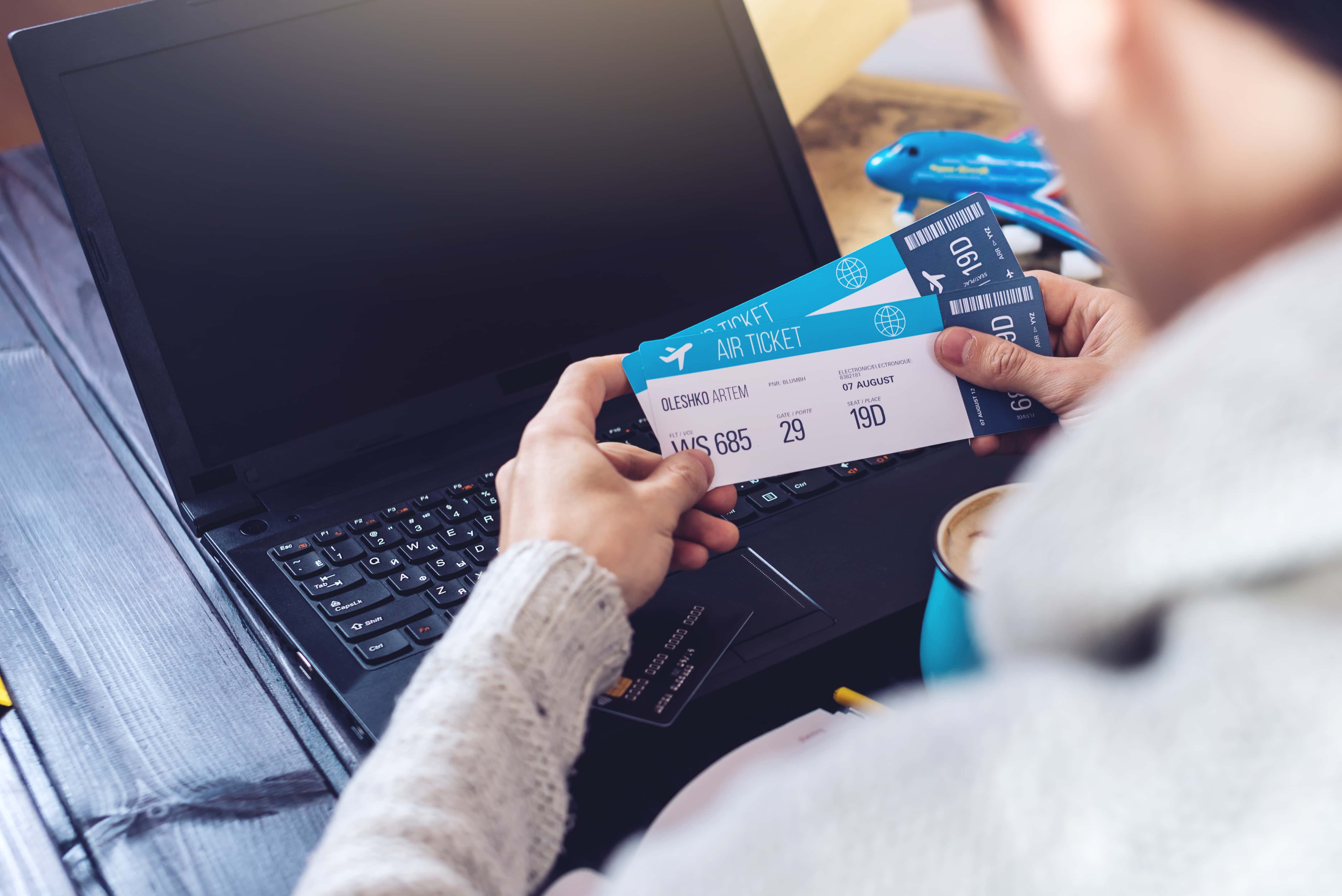
This is where things get messy. Airlines often classify services as optional even when many travelers feel they’re basically necessary. Carry-on bags, seat assignments, and family seating fees have become major points of controversy because avoiding them can be difficult or unrealistic.

“Junk Fees” Became A Huge Issue
The federal government has increasingly targeted airline “junk fees” in recent years. The U.S. Department of Transportation introduced rules aimed at forcing airlines to disclose baggage, cancellation, and change fees earlier in the booking process.
The goal was to stop travelers from getting surprised late in checkout.
 AgnosticPreachersKid, Wikimedia Commons
Airlines Have Fought Some Of These Rules
Not surprisingly, airlines haven’t exactly loved the crackdown. Several major carriers challenged new fee transparency rules in court, arguing the government overstepped its authority.
So while transparency rules exist, the legal fight over how much airlines must disclose is still evolving.

Budget Airlines Often Use The Lowest Base Fare Possible
Ultra-low-cost airlines especially rely on low advertised fares to attract customers. The business model basically assumes many passengers will end up paying additional fees later. That’s why the cheapest-looking ticket often ends up not being the cheapest overall once you add baggage and seating.

Bag Fees Add Up Fast
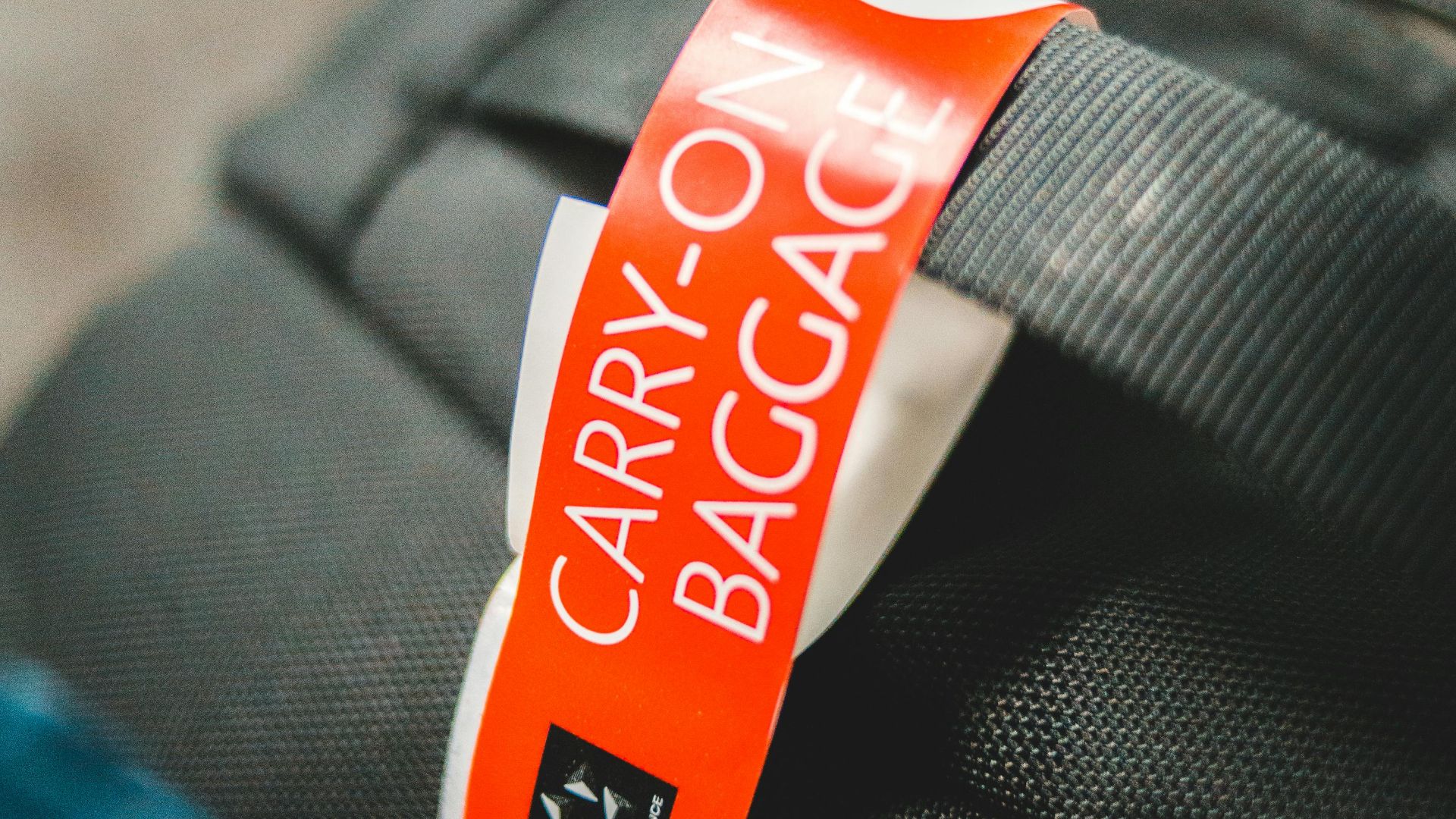
Checked bag fees can easily turn into one of the biggest hidden costs. Some airlines now charge for carry-on bags too, especially on basic economy fares. Travelers who don’t notice these fees upfront are often shocked at checkout or even at the airport.
Seat Selection Fees Catch People Off Guard
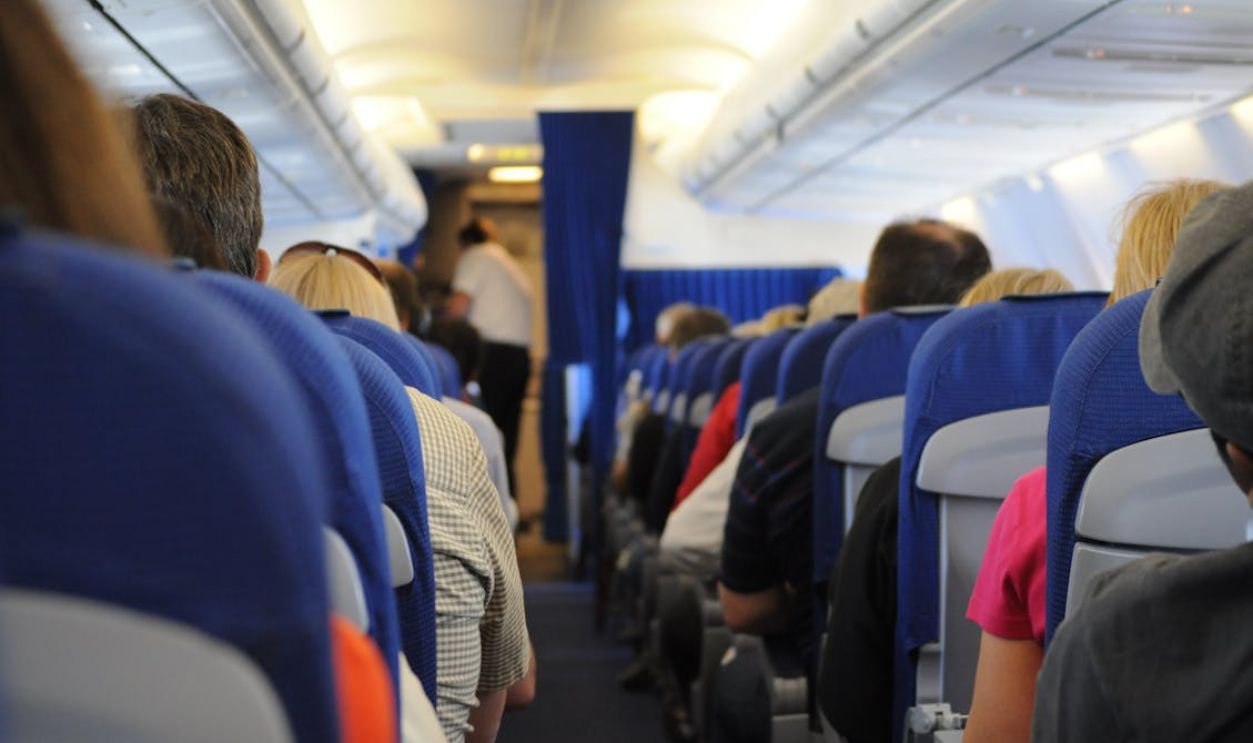
Seat fees are another major frustration. Technically, many airlines don’t require you to pay for a seat assignment because they’ll assign one automatically. But families or groups often feel pressured into paying extra just to sit together.
Third-Party Booking Sites Can Make Things Worse
If you booked through a travel website instead of directly through the airline, fee disclosures can sometimes become even more confusing. Some platforms display the cheapest possible fare first while hiding important details until later screens.

Step One: Review Exactly What You Paid For
Before assuming something illegal happened, carefully review your booking breakdown. Look at which fees were optional versus mandatory. If the airline gave you a chance to decline the extras, they’re usually on stronger legal ground.

Step Two: Look For Misleading Advertising
If the airline advertised one price but made unavoidable fees appear only at the very end, that’s where things may become questionable. Federal rules generally require mandatory charges to be included upfront.

Screenshot Everything During Booking
One of the smartest things travelers can do is take screenshots during the booking process. If prices suddenly changed or fees appeared in misleading ways, screenshots can help support complaints or disputes later.

Refunds Are Possible In Some Situations
If you believe you were genuinely misled, you can try contacting the airline and requesting a refund or fee waiver. Success varies wildly, but some customers do get refunds when pricing or disclosures were unclear.

Credit Card Disputes May Sometimes Work
If the airline charged fees that were not properly disclosed or authorized, you may be able to dispute the charge through your credit card company. This works best when there’s strong documentation showing the fee was hidden or misleading.

Complaints To The DOT Are An Option
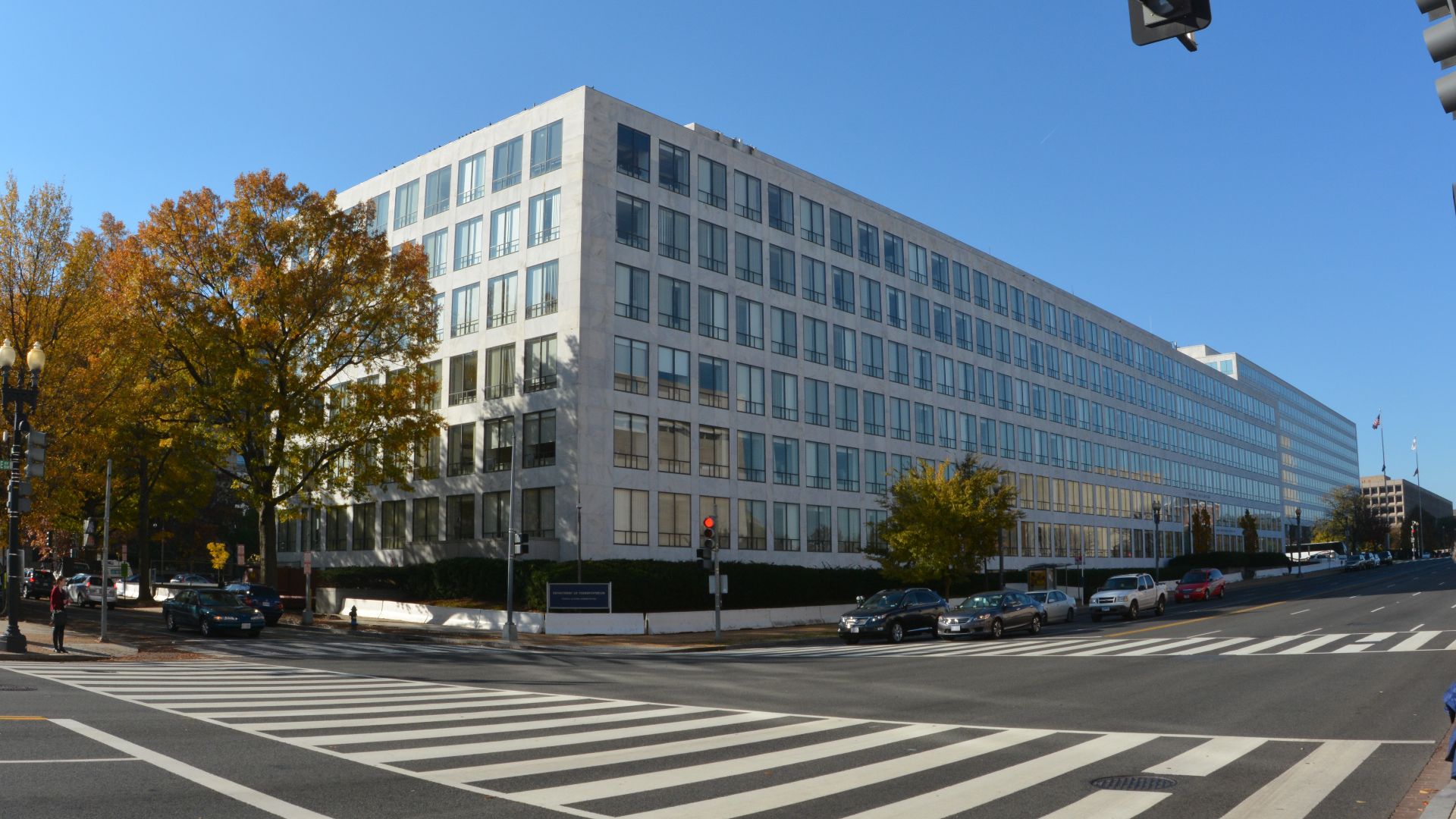
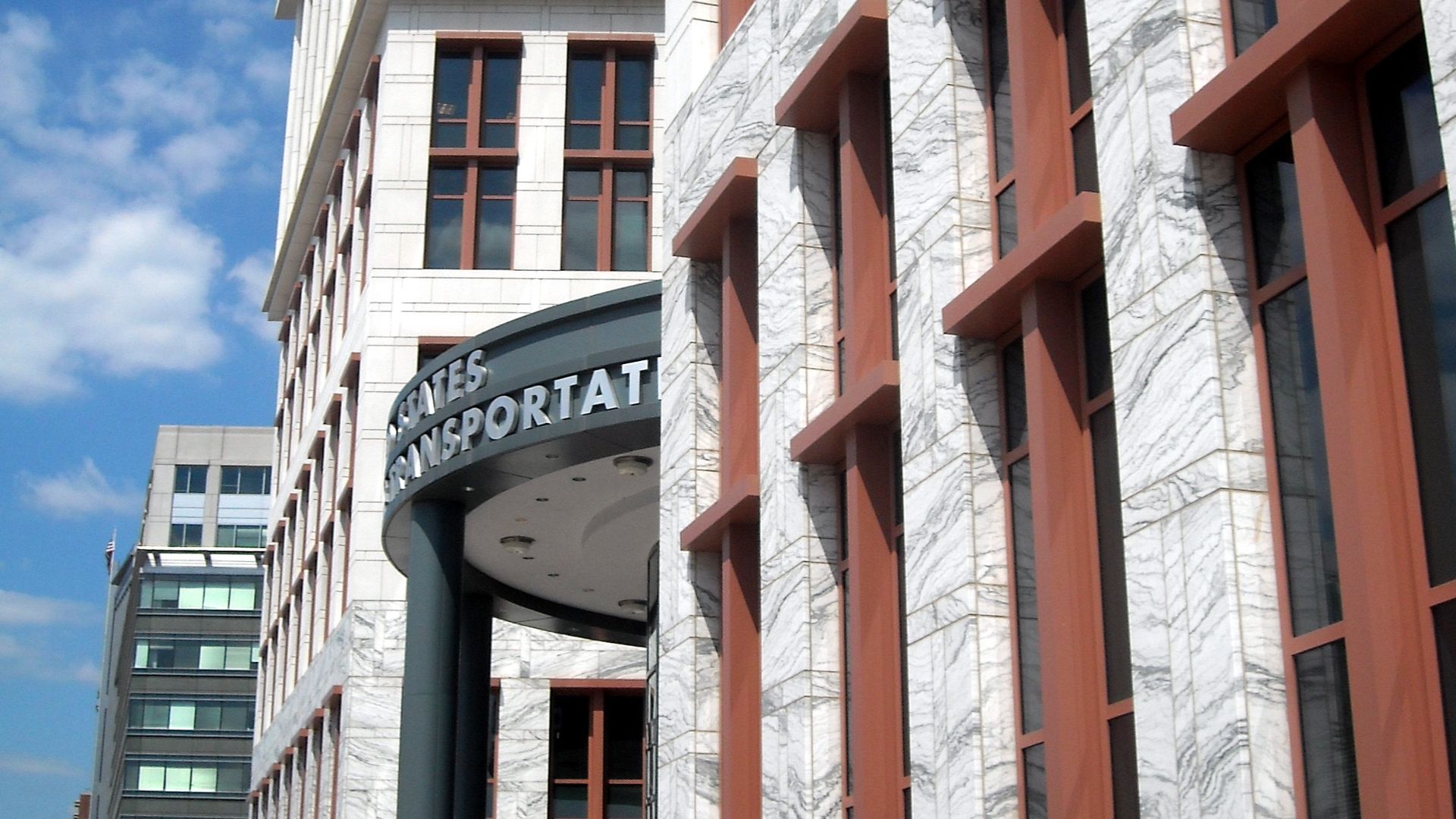
Travelers can file complaints with the U.S. Department of Transportation if they believe an airline violated pricing disclosure rules. Even if it doesn’t immediately get your money back, complaints help regulators track patterns of deceptive practices.
 Don Ramey Logan, Wikimedia Commons
Reading The Fare Rules Matters More Than Ever
Unfortunately, modern airfare shopping requires way more attention than it used to. Baggage allowances, seat policies, cancellation rules, and carry-on restrictions can vary dramatically between airlines and ticket types.

Cheap Flights Aren’t Always Actually Cheap
This is the big lesson a lot of travelers learn the hard way. The lowest advertised fare often isn’t the lowest real cost once all the extras are added. Comparing the total trip cost, not just the headline fare, usually gives a much more accurate picture.
So What Should You Do Right Now?
If this just happened to you, review your receipt carefully and identify which fees were optional versus mandatory. Then decide whether the airline clearly disclosed them during booking. If something seems misleading, document everything and consider contacting the airline, your credit card company, or the DOT.
 AgnosticPreachersKid, Wikimedia Commons
Final Thoughts
Yes, airlines can legally charge many extra fees beyond the base ticket price. But there are also rules requiring transparency around mandatory costs and important add-ons. The line between “optional” and “misleading” is where most of these fights happen. While hidden airline fees are unfortunately common, understanding your rights and carefully reviewing fare details can help you avoid getting blindsided the next time you book.
 Christian Velitchkov, Unsplash
You May Also Like: