
When The Carry-On Rules Suddenly Feel Like A Trap
You measured the bag. You weighed the bag. You even did that awkward hallway test where you roll it beside you like a proud airport parent. Then, somehow, at the gate or check-in counter, you were told to pay extra. So what gives? Aren’t carry-on bags supposed to be free?

The Short Answer Is Annoying
Carry-ons are often free, but not always. That tiny word “often” is where airlines hide a lot of frustration. Whether your carry-on is included depends on the airline, your fare type, your route, and sometimes even where you are standing when the agent notices your bag.
The Bag Can Fit And Still Cost Money
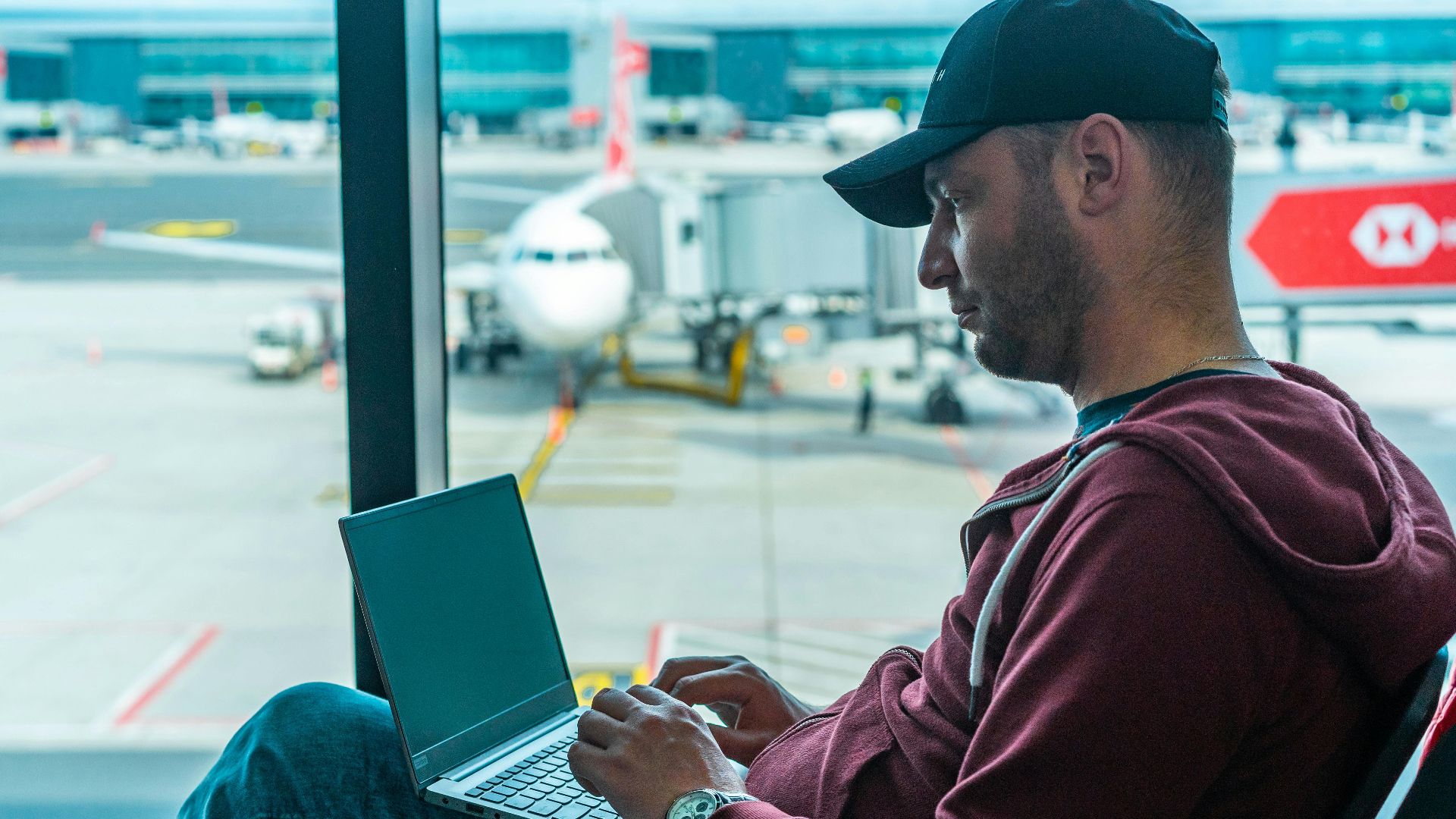
This is the part that drives travelers bananas. A bag can follow the size guidelines perfectly and still not be included in your ticket. Size rules tell you what kind of bag is allowed onboard. Fare rules tell you whether you are allowed to bring it for free.

Basic Economy Is Usually The Culprit
Many surprise carry-on charges happen because of basic economy fares. These tickets are designed to look cheap upfront, then limit what is included. Depending on the airline, you may only get a small personal item, not a full carry-on roller bag.
Personal Item And Carry-On Are Not The Same Thing
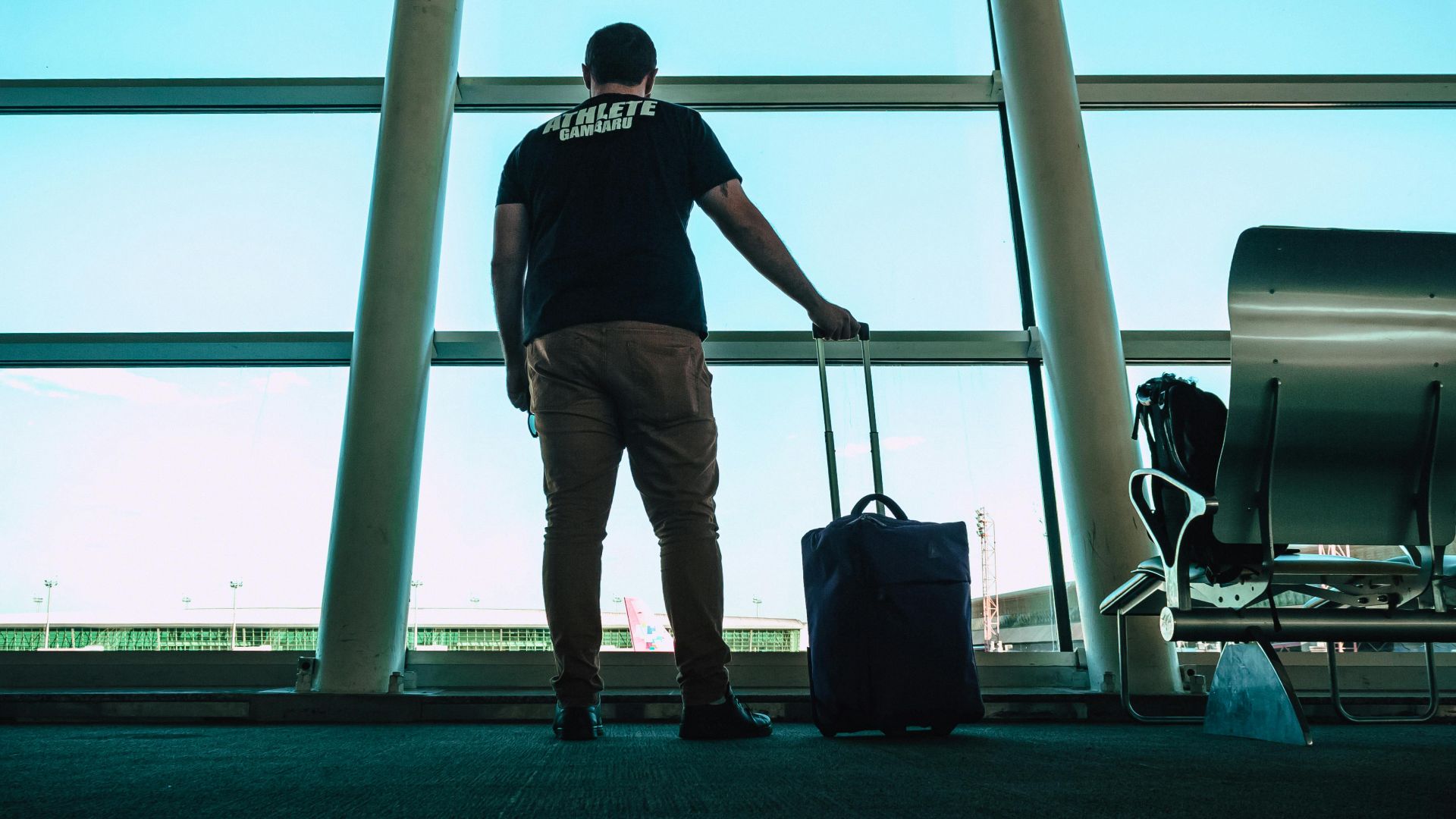
Airlines love making this distinction. A personal item usually fits under the seat, like a purse, small backpack, or laptop bag. A carry-on usually goes in the overhead bin. Your bag might meet carry-on guidelines, but your ticket may only include a personal item.
 Summit Art Creations, Shutterstock
The Overhead Bin Is Prime Real Estate
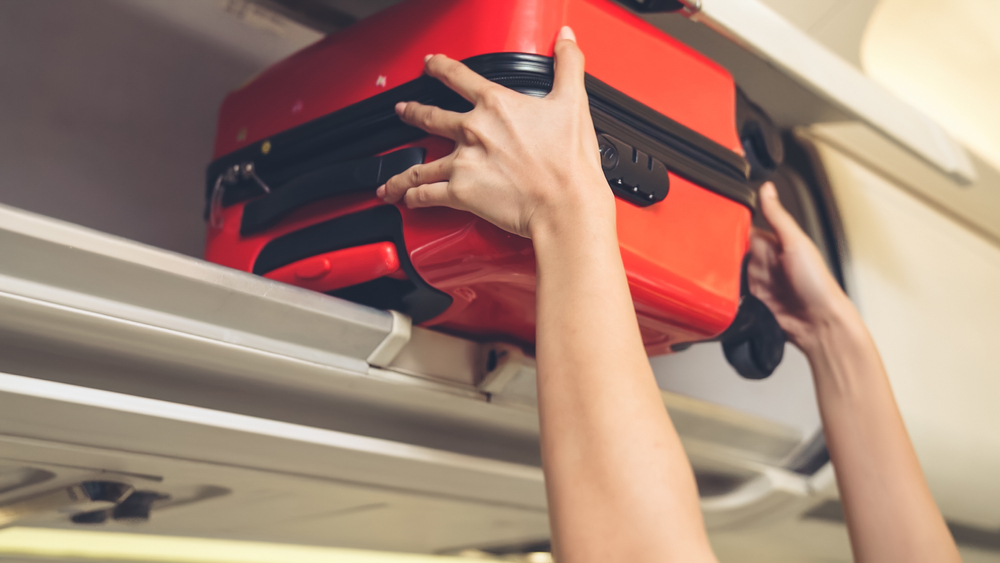
Airlines treat overhead bin space like beachfront property. There is never enough of it, everyone wants it, and someone always arrives late with a suspiciously large suitcase. Because space is limited, airlines can charge for access to that overhead-bin privilege.
Some Airlines Charge By Design
Budget airlines often make their money by unbundling everything. The seat is one price. The carry-on is another. Choosing a seat, printing a boarding pass, or boarding early may cost more too. The fare may look cheap, but the final bill can creep upward fast.

The Rules Depend On Your Airline
There is no universal carry-on law that says every airline must include one free bag. Each carrier writes its own baggage policy. Some include carry-ons with most fares. Others charge unless you buy a higher fare, add a bundle, or hold certain elite status.
Your Route Can Change The Rules
Even with the same airline, baggage rules can change by route. A domestic flight may have different rules than an international one. A short island-hop flight may have stricter limits than a long-haul journey. Always check the baggage terms for that exact booking.
Your Ticket Type Matters More Than Your Bag
It feels logical to think, “My bag fits, so it should be free.” Sadly, airlines think, “Your ticket does not include that benefit.” The physical bag is only half the story. The fare class printed quietly in your booking details is often the real decider.
Gate Agents Usually Enforce The Fine Print
By the time you reach the gate, the airline assumes you agreed to the ticket rules. If your fare does not include a carry-on, the agent may charge you there. Sometimes the gate fee is even higher than buying the bag allowance earlier online.
 Michael Ball, Wikimedia Commons
The Sizer Can Still Come Into Play
Even when your ticket includes a carry-on, the bag still has to fit the airline’s size limit. Wheels, handles, bulging pockets, and that “just one more sweater” stuffing job all count. If it does not fit the sizer, the airline may make you check it.
Soft Bags Can Be Sneaky Heroes
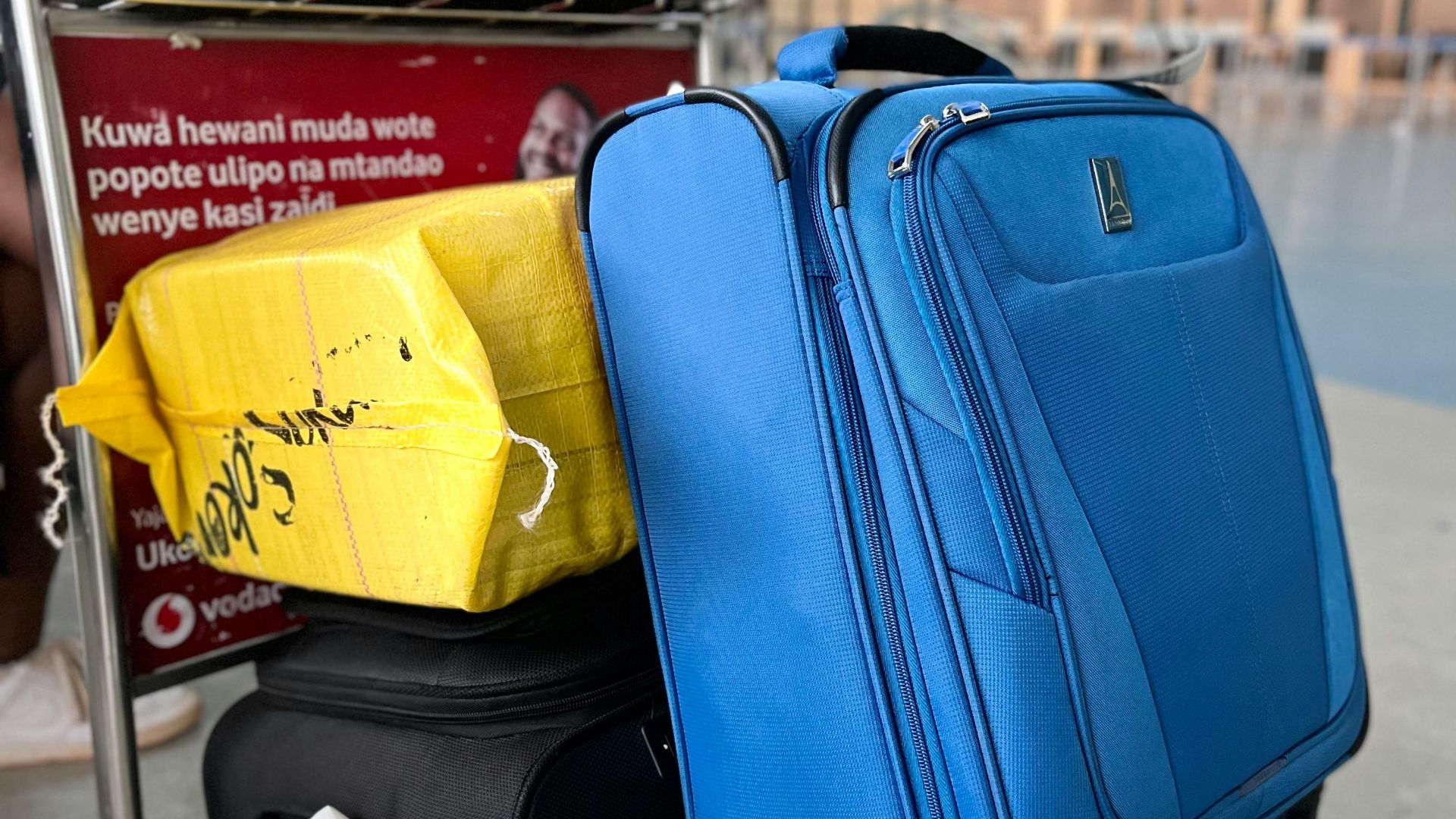
A soft backpack or duffel can be easier to squeeze under a seat or into a sizer than a hard-shell roller. That does not mean you should overpack it into a lumpy airport meatball, but flexible bags often give travelers a little more forgiveness.
Screenshots Are Your Best Friend
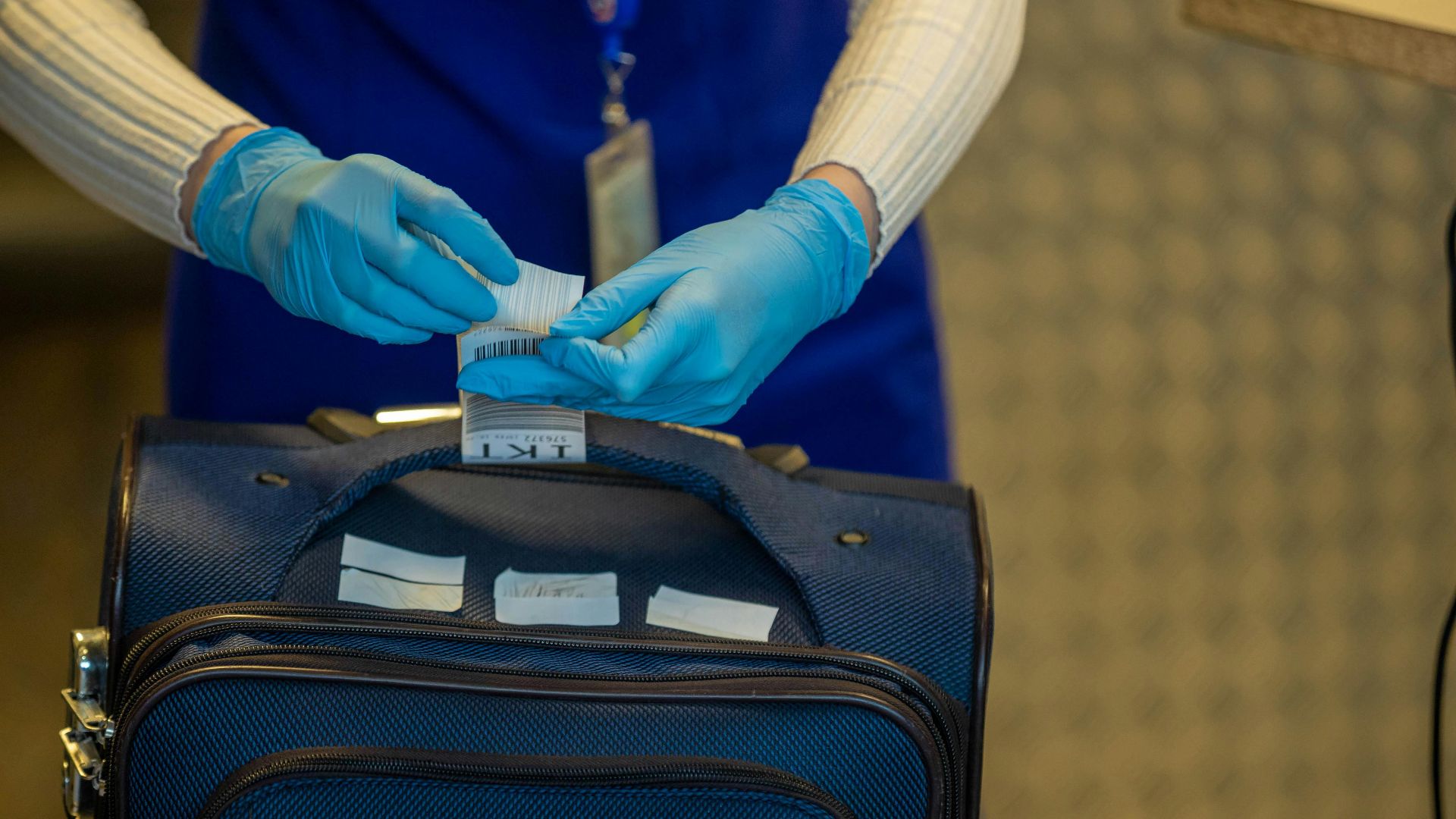
Before you fly, screenshot the baggage policy connected to your ticket. Also save your confirmation email and any page showing that a carry-on was included. If you are challenged later, you will have something more useful than “I’m pretty sure I read it somewhere.”

Check The Booking Page Carefully
The baggage information is usually shown before you buy, but it may be tucked into expandable sections, small print, or comparison charts. Look for words like “personal item only,” “carry-on not included,” or “overhead bin bag.” Those phrases are tiny red flags.

Third-Party Booking Sites Can Confuse Things
If you book through a travel site, the baggage rules may not be displayed as clearly as they are on the airline’s own website. The fare may look like a normal economy ticket, but it could actually be a stripped-down fare with fewer perks.
Codeshare Flights Add Another Twist
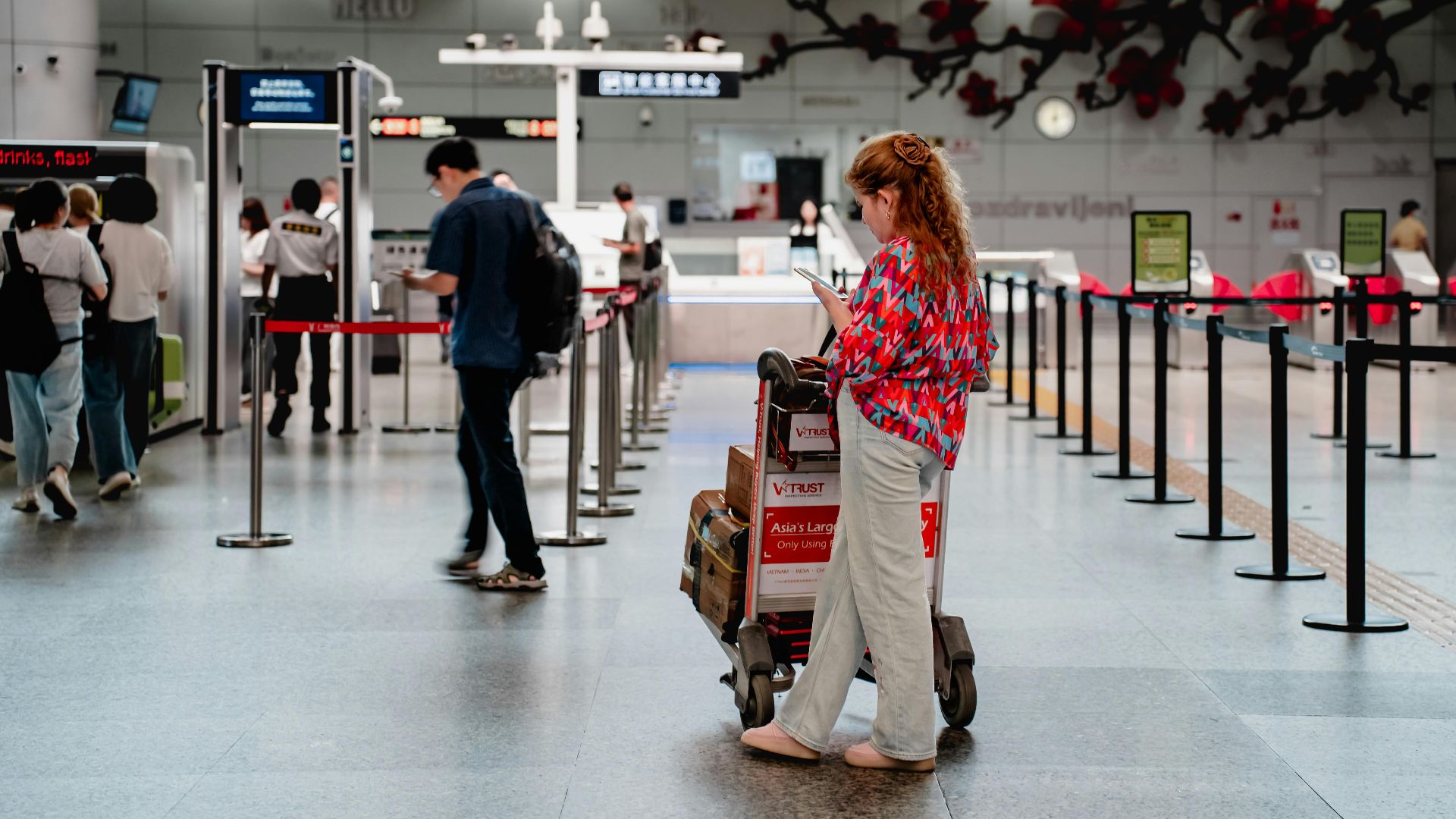
A codeshare flight is sold by one airline but operated by another. That can make baggage rules extra confusing. You might book with Airline A, but Airline B’s staff and aircraft handle the flight. The operating airline’s baggage policy often matters most at the airport.
Loyalty Status Can Save The Day
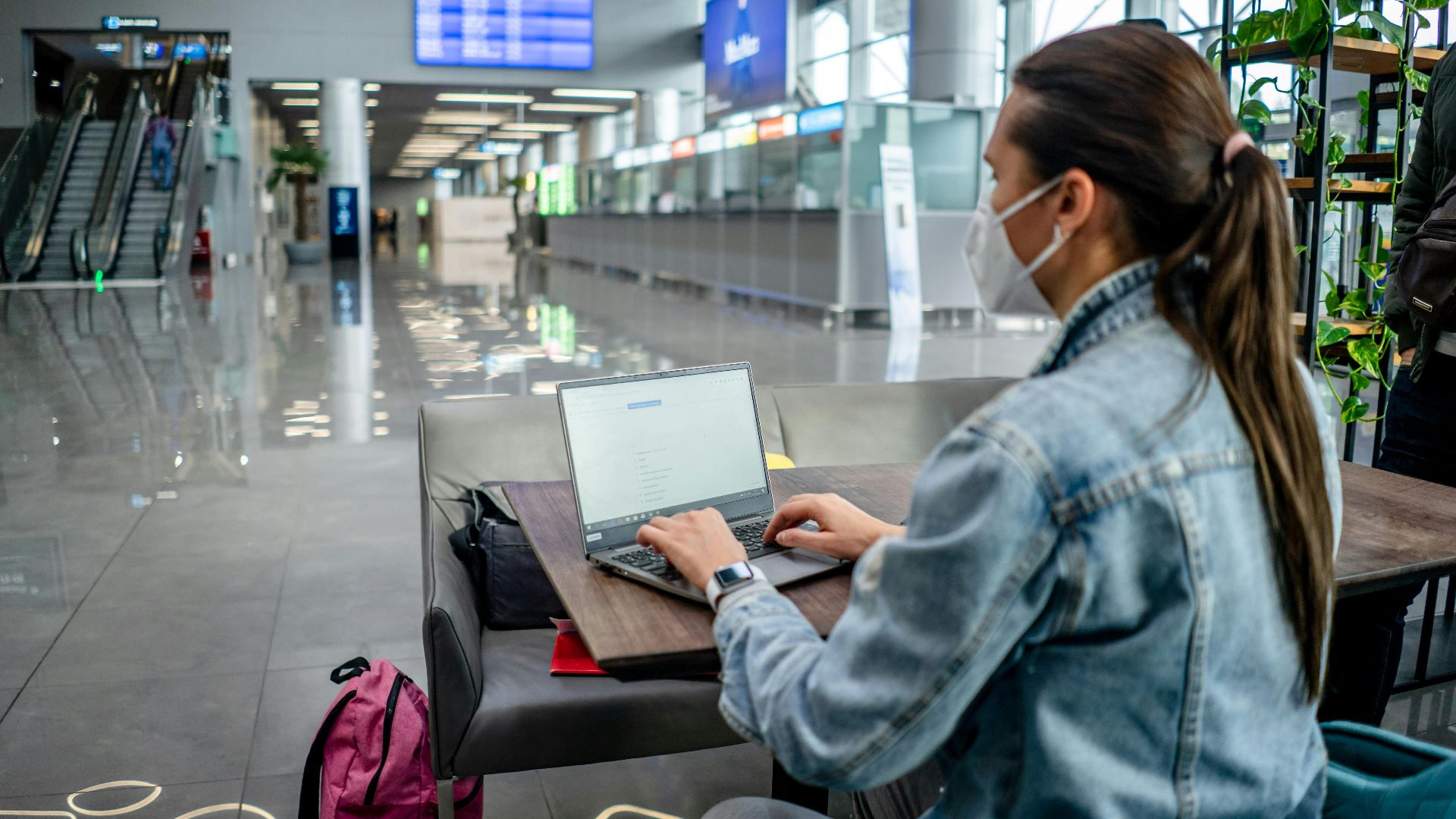
Frequent flyer status, airline credit cards, or premium fare bundles may include carry-ons, checked bags, or priority boarding. If you have any of these perks, make sure your loyalty number is attached to the booking before check-in, not after the argument starts.
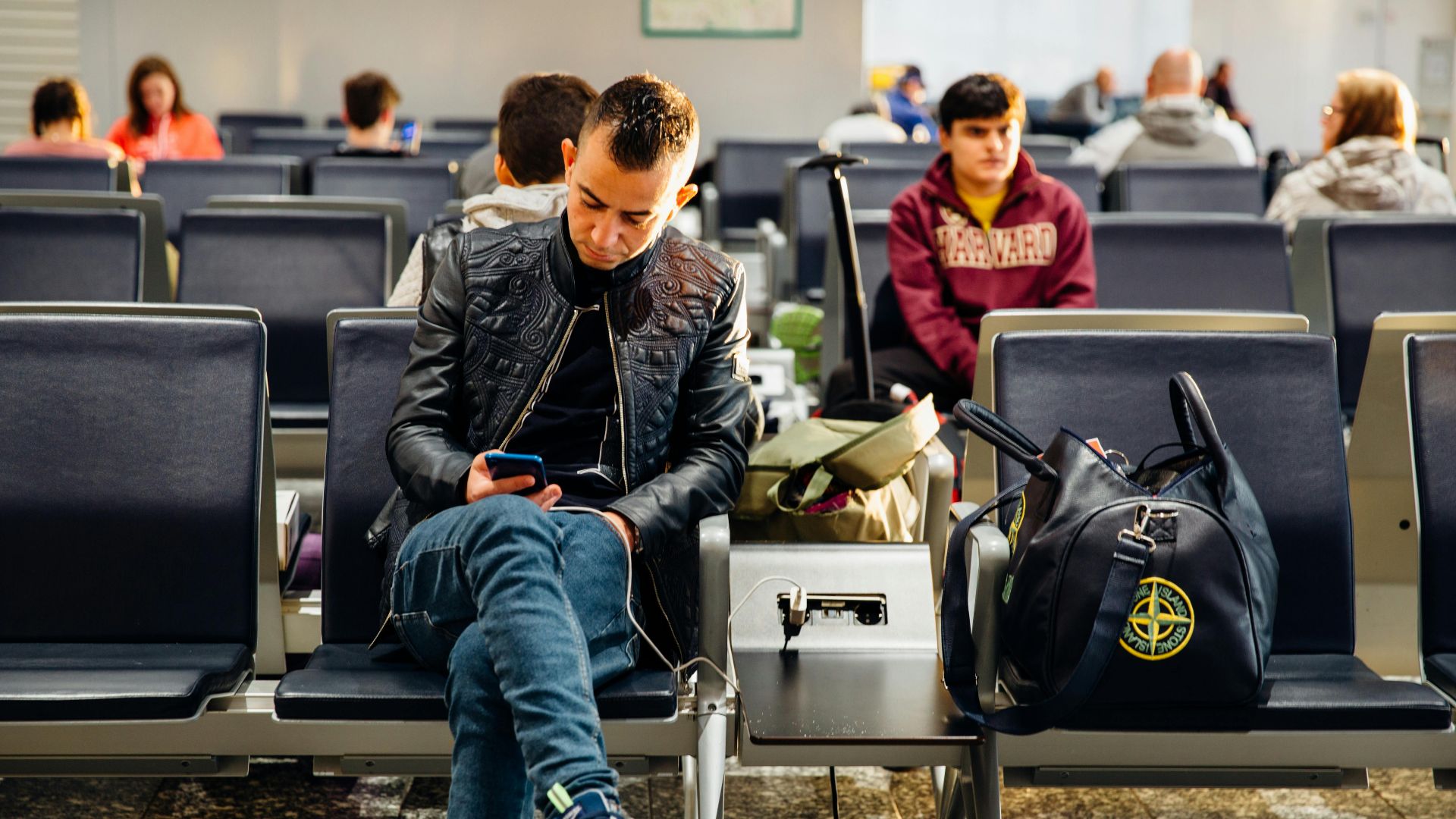
Boarding Group Can Affect Your Experience
Even if your carry-on is free, late boarding can mean full bins. In that case, airlines may gate-check bags for free, which is different from charging you because your fare excludes a carry-on. Free gate-checking is annoying, but at least it should not hit your wallet.
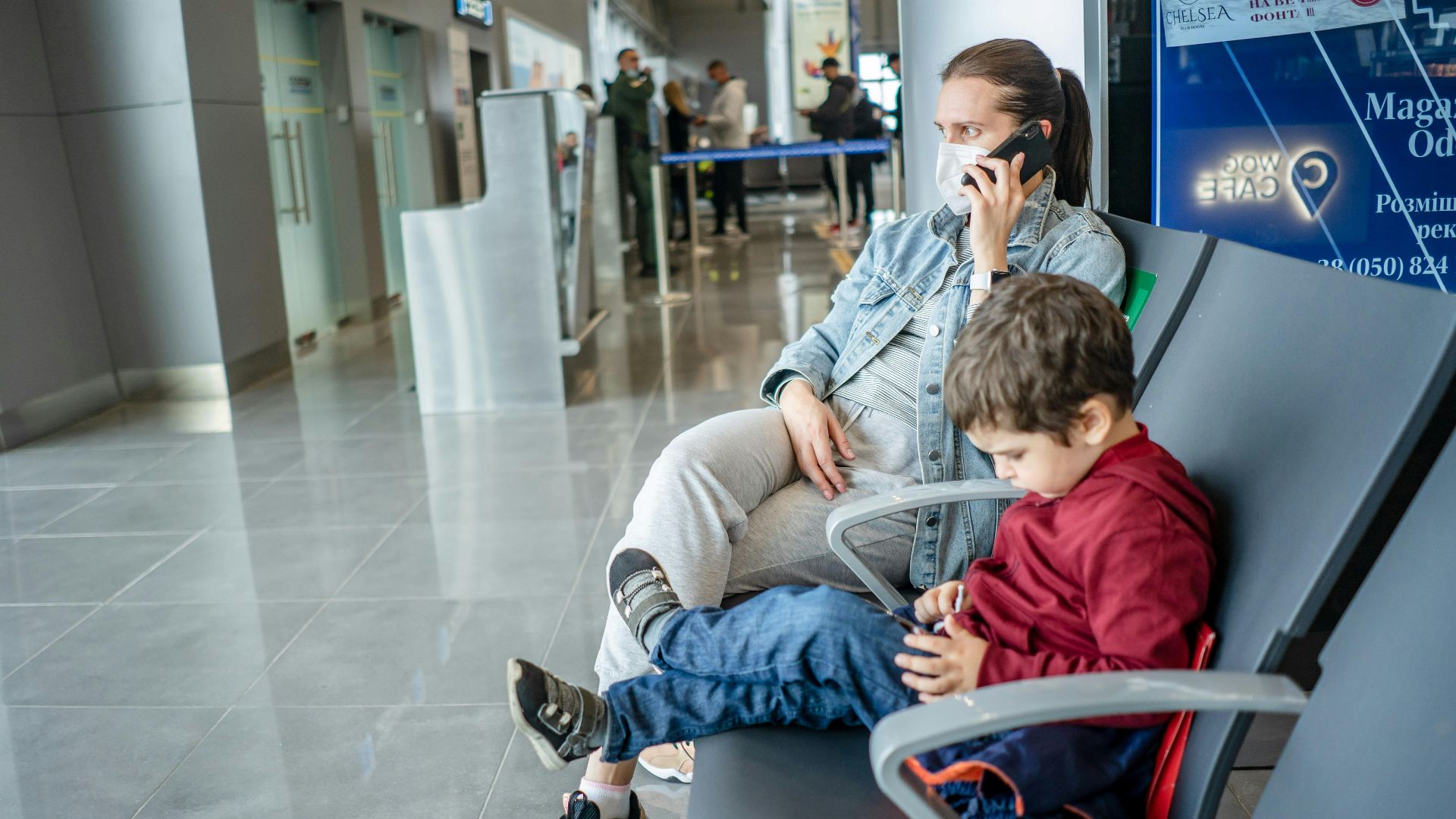
Ask What The Charge Is For
When an agent asks for payment, calmly ask, “Is this because of my fare type, the bag size, or overhead bin space?” That simple question helps you understand the issue. It also gives you a clearer path if you need to dispute the fee later.
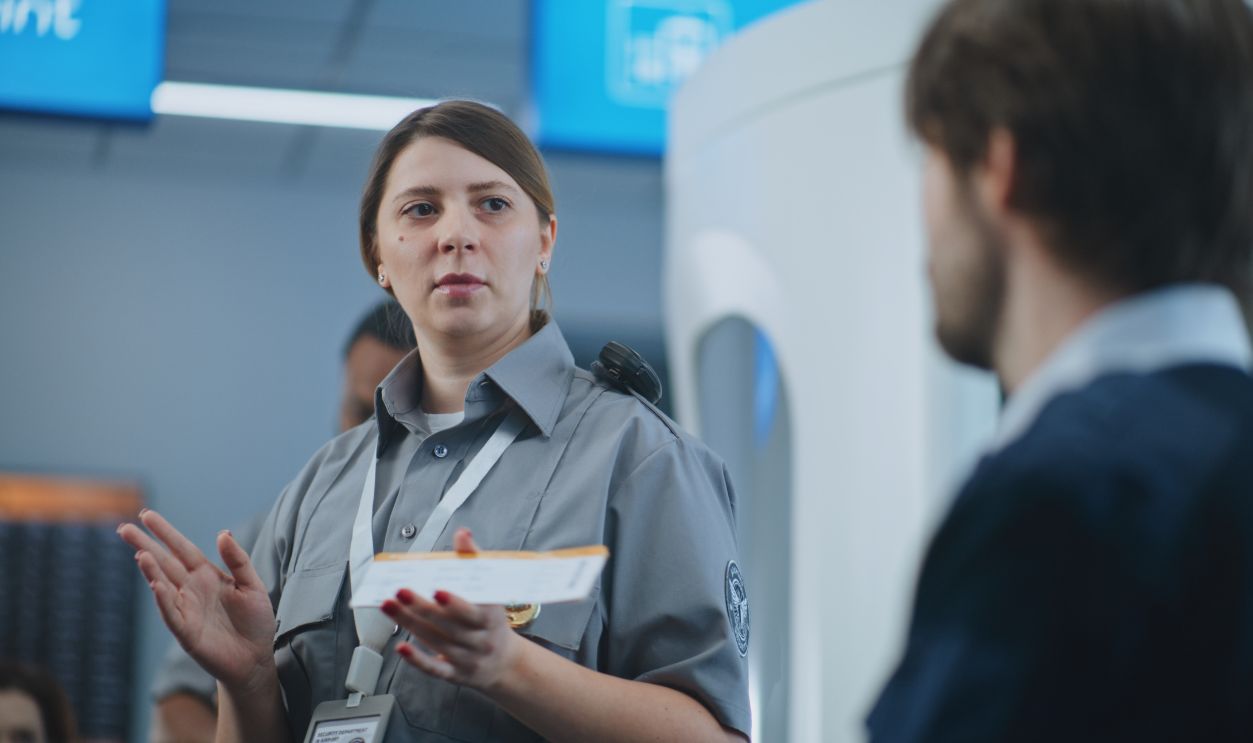 Frame Stock Footage, Shutterstock
Stay Calm But Be Specific
Airport stress turns everyone into a slightly worse version of themselves. Still, politeness helps. Show your booking, ask for the exact rule, and request a supervisor if something seems wrong. You do not need to perform a courtroom drama beside the boarding lane.

Keep Every Receipt
If you pay the fee, keep the receipt. Take a photo of the bag near the sizer if possible. Save boarding passes, booking confirmations, and screenshots. If you later file a complaint or request a refund, details matter more than a passionate memory of injustice.

Request A Refund Through The Airline
Start with the airline’s customer service form. Explain what happened, include your flight details, attach receipts, and show any proof that your fare included a carry-on or that the charge was applied incorrectly. Keep the message clear, polite, and boringly factual.
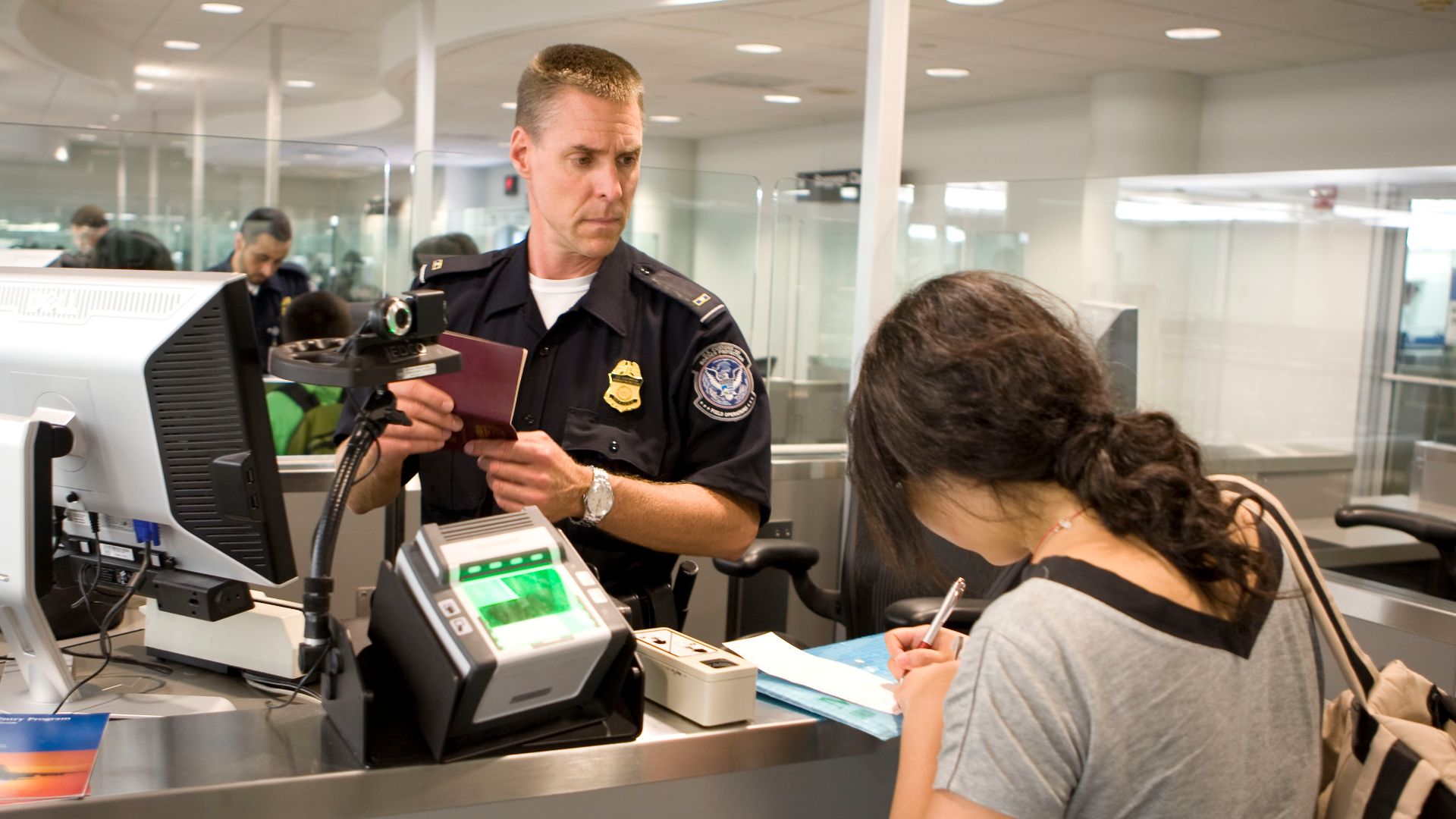 CBP Photography, Wikimedia Commons
Your Credit Card May Help
Some travel credit cards include baggage protections or airline fee credits, though rules vary widely. Others may allow a dispute if you were charged incorrectly. This is not guaranteed, but it is worth checking your card benefits before accepting the loss forever.

How To Avoid The Surprise Next Time
When booking, compare the total trip cost, not just the cheapest fare. Add the carry-on, seat, and checked bag costs before deciding. Sometimes a slightly more expensive ticket is actually cheaper once you include the bag you were always planning to bring.
 U.S. Department of Homeland Security (DHS), Wikimedia Commons
The Golden Rule Of Carry-Ons
A carry-on is only “free” if your specific ticket says it is included. The bag can be the perfect size, the perfect weight, and the perfect shade of practical black—but if your fare only includes a personal item, the airline may still charge you.

So, Are They Supposed To Be Free?
Not automatically. It depends on the airline and the ticket you bought. If your fare included a carry-on and your bag met the rules, you may have a good case for a refund. But if you booked a personal-item-only fare, that surprise fee may be frustratingly valid.

You May Also Like: