
Every Last Drop Counts
You filled the tank just before returning your rental car, drove less than 10 miles, and the gauge still showed full. Yet somehow, you were charged $20 for fuel. That feels unfair, but this kind of thing happens more often than you might think. The issue usually comes down to how rental companies measure fuel levels and how strictly they enforce their policies.

Understanding The Fuel Policy Basics
Every rental agreement includes a fuel policy that dictates how full the tank must be when you return the vehicle. The most common is full-to-full, meaning you pick up the car full and must return it full to avoid extra charges.

Why Full Isn’t Always Full
Here’s the frustrating part. The fuel gauge in your car isn’t perfectly precise. Even if it reads full, the tank might be slightly below the level required by the rental company. That small difference can trigger a charge, especially if their internal measurement system says the tank isn't completely topped off.
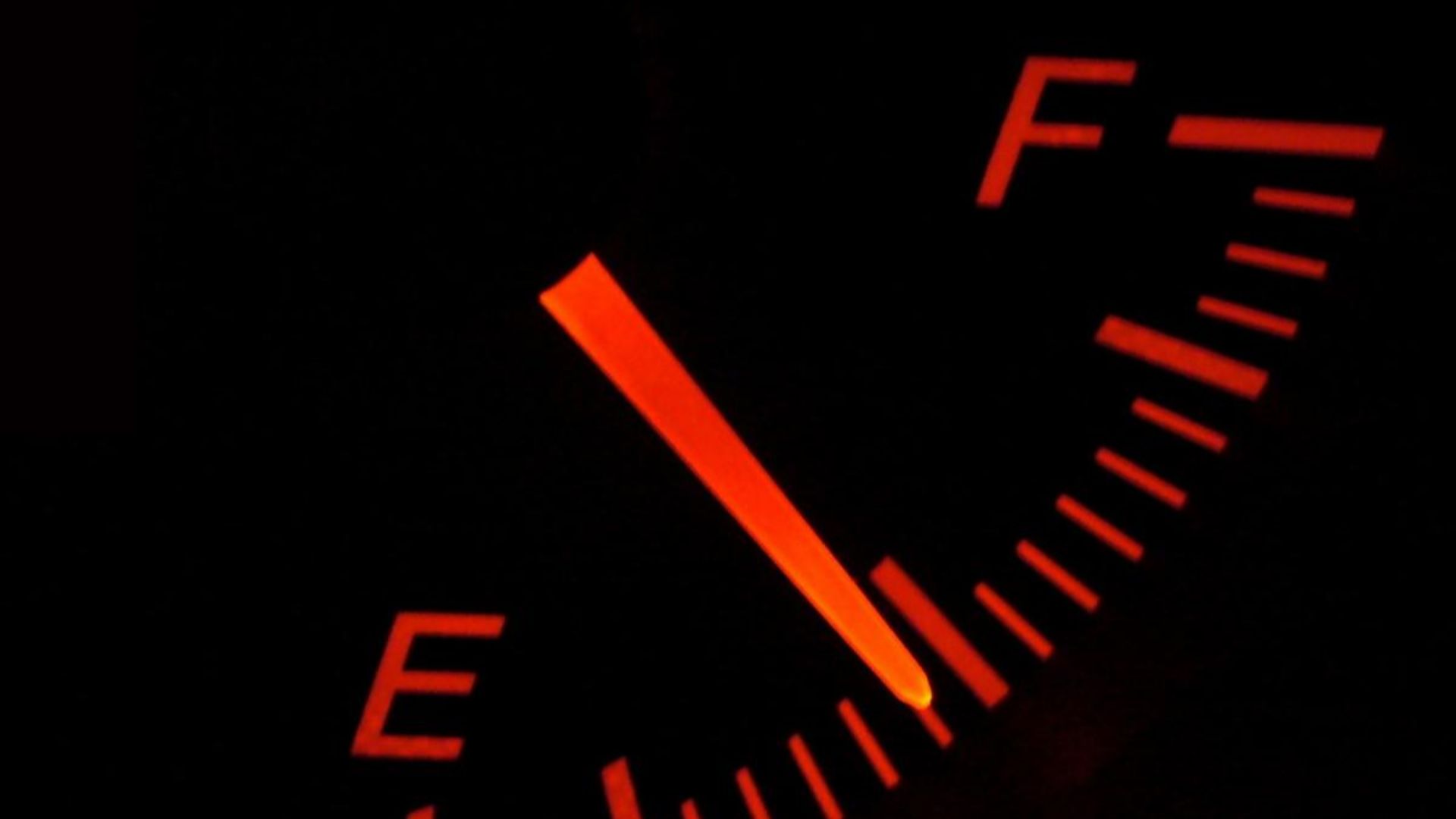 Thomas doerfer, Wikimedia Commons
How Rental Companies Measure Fuel
Rental agencies don’t rely solely on the dashboard gauge. Many use visual inspection, fuel logs, or even estimated fuel consumption since your last recorded fill. If they think the tank is below the required level, they can charge you based on their own calculation.
 Antoni Shkraba Studio, Pexels, Modifed
Why The Charge Can Be So High
If the company decides the tank isn’t full, they don’t just charge you for the missing fuel. They often add a service fee and use a higher per-gallon price than local gas stations, which is why even a small discrepancy can result in a $20 or higher charge.

The Last Mile Problem
Even driving a few miles after filling up can slightly reduce the fuel level. Depending on the vehicle and conditions, that could be enough to move the needle just below full in the rental company’s system, even if you don’t see it on the gauge.

Receipts Are Your Best Defense
Always keep your gas receipt, especially if you filled up close to the drop-off location. A timestamp showing you refueled shortly before bringing back the car is one of the strongest pieces of evidence you can use if you need to dispute a charge.

Take A Photo Of The Gauge
Before returning the car, take a clear photo of the fuel gauge showing that it’s full. This simple step can help support your case if the company claims otherwise. Some travel experts even advise photographing the odometer at the same time.
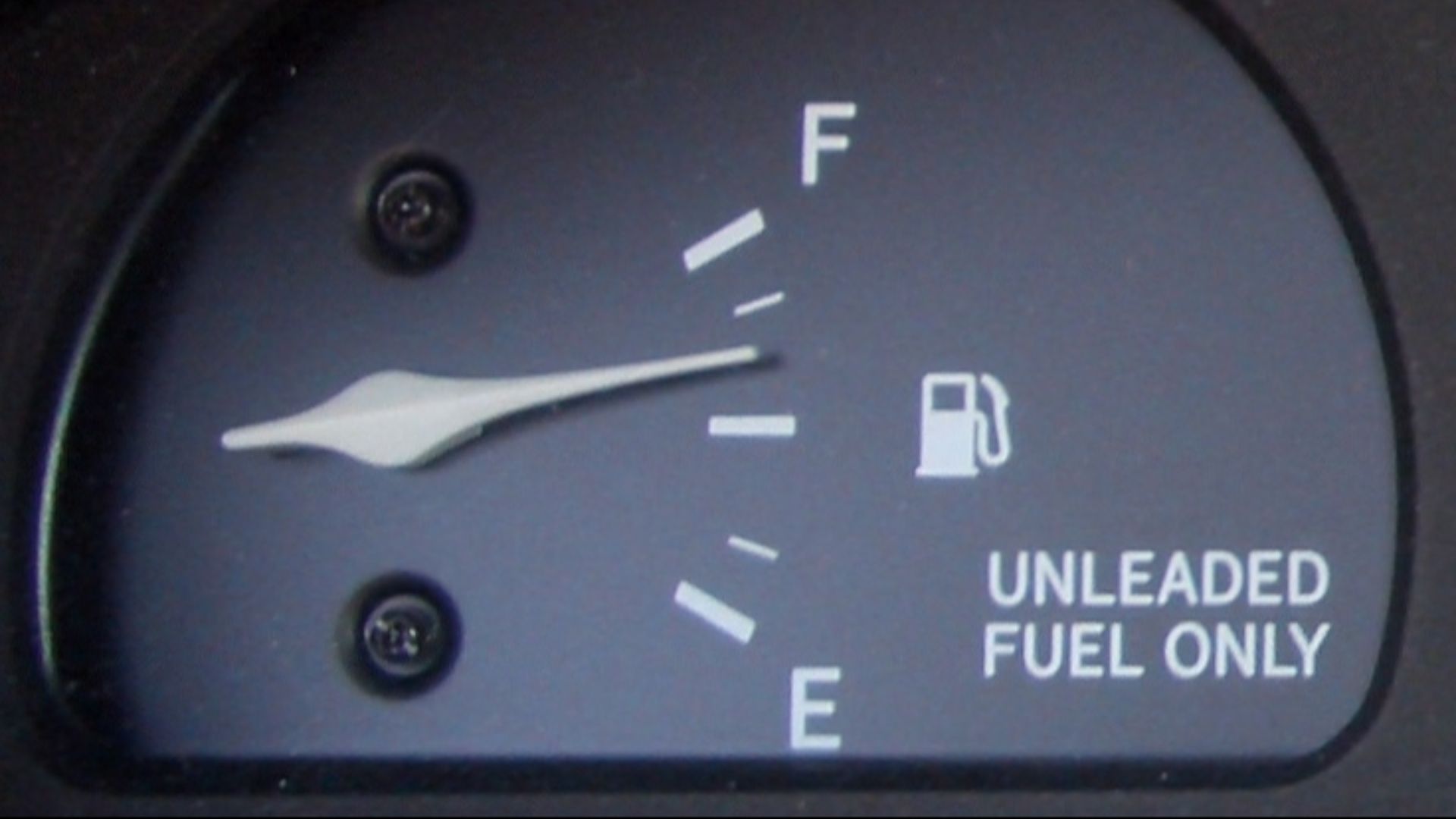 Interiot~commonswiki, Wikimedia Commons
Refuel Closer Than You Think
Filling up within 10 miles might not be close enough. Try to refuel within two to five miles of the drop-off location whenever possible. This minimizes fuel burn and reduces the chance of falling below the required level.
Choose The Right Gas Station
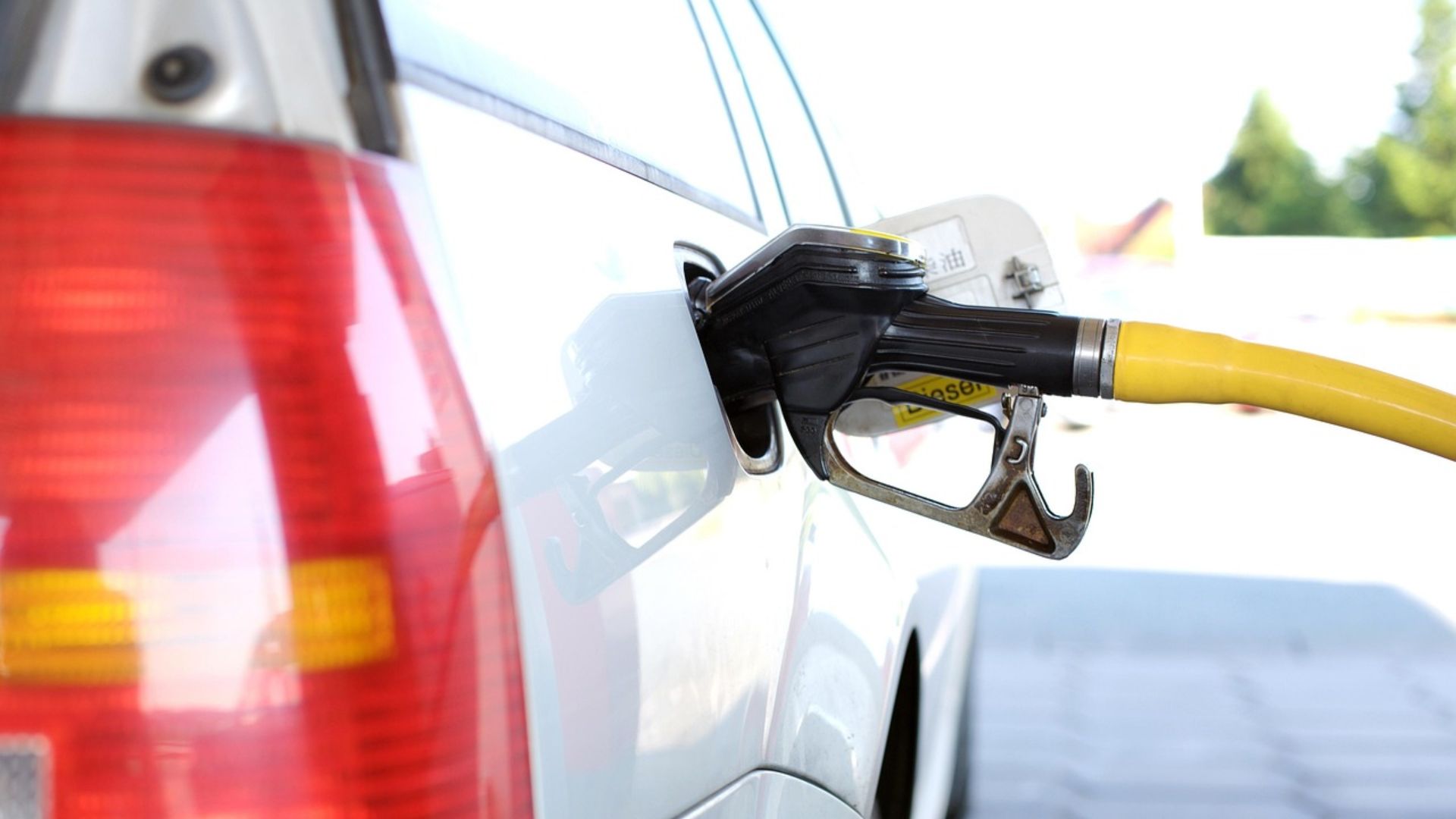
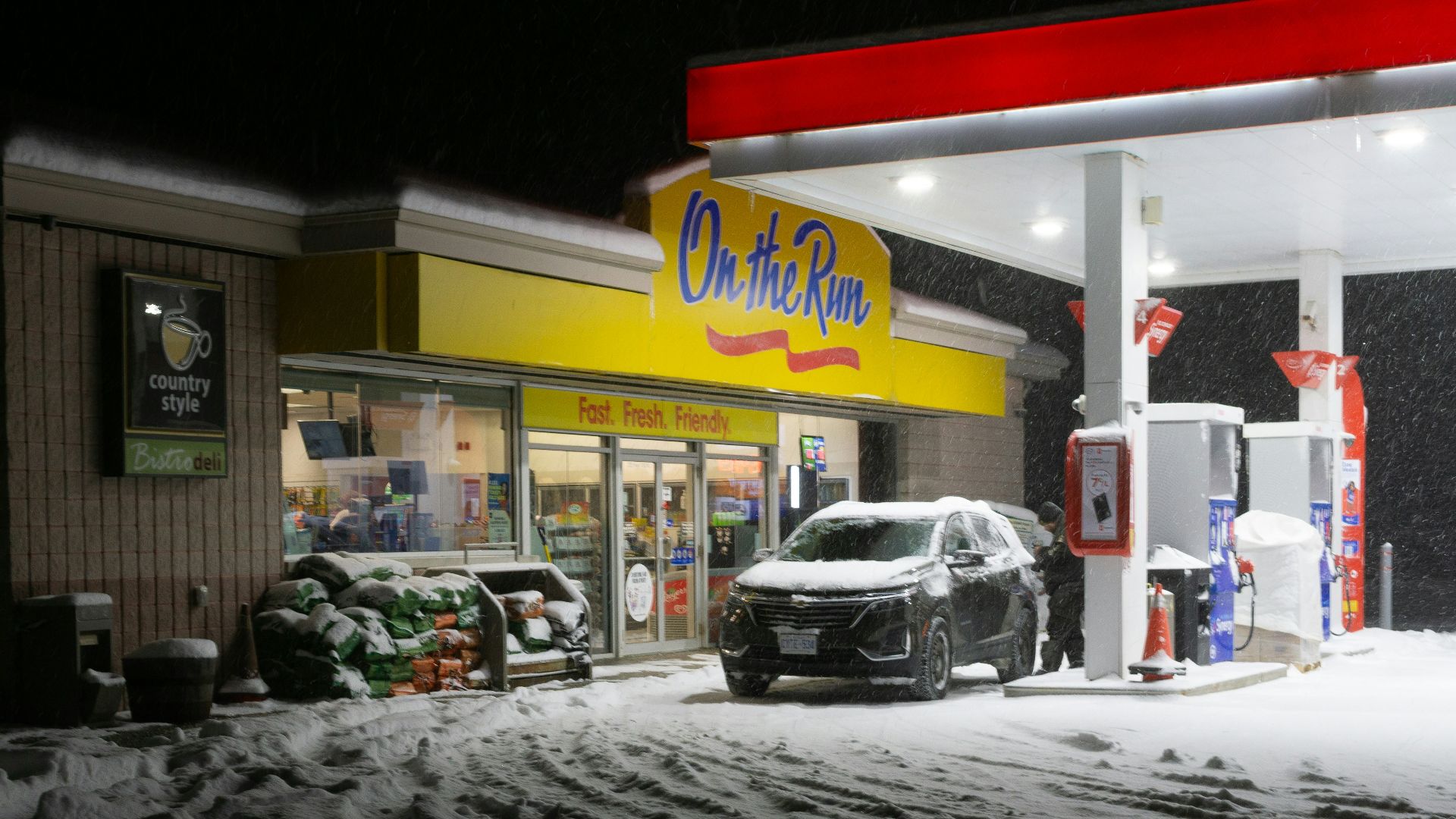
Whenever possible, use a gas station situated near the rental return location. Many travelers even search ahead of time for stations close to the airport or rental office to avoid last-minute stress and potential underfilling issues.
Understand Full-To-Full Strictly
With a full-to-full policy, you are expected to return the car at the same fuel level you received it. Even being slightly under that level can trigger a charge, because the agreement is based on matching the original fuel level exactly.

Ask About Their Tolerance Policy
Some rental companies let you get away with a small margin of error, while others are stricter. If you are unsure, ask at pickup how precise the return level needs to be. Knowing this upfront can help you avoid unpleasant surprises later.

Consider Prepaid Fuel Carefully
Some companies offer a prepaid fuel option where you pay for a full tank upfront and return the car at any level. This avoids refueling stress, but it means you have to pay more overall and you don't get refunded for unused fuel.

Why Prepaid Fuel Rarely Saves Money
Prepaid fuel can seem like a convenience, but it usually only makes sense if you plan to return the car nearly empty. Otherwise, you end up paying for fuel you never even used, which can be more expensive than refilling yourself.

Check The Contract Before You Leave
Always review the fuel policy written in your rental agreement. It specifies exactly what is required and what fees apply. Understanding those terms ahead of time can minimize confusion when you return the vehicle.

Disputing A Fuel Charge
If you think the charge is incorrect, get in touch with the rental company and provide them with your receipt and photos. Many disputes are settled quickly when you have clear documentation showing you refueled properly.
 Wedmoments.stock, Shutterstock
Credit Card Protection Can Help
If the rental company refuses to reverse the charge, you may be able to dispute it through your credit card provider. Credit card companies often side with customers when there’s strong evidence to support the claim.

Build A Simple Routine
Frequent travelers often follow a simple system: fill up very close to the return location, keep the receipt, take a photo, and return immediately. This routine keeps risk to a minimum and removes guesswork from the process.

Expect Small Disputes Occasionally
Even if you do everything right, occasional discrepancies can still happen. Fuel measurement is not perfectly precise, and human inspection can vary. The key is being ready with your documentation so you can challenge any questionable charges.

The Bottom Line
Yes, they can charge you, even if the gauge looks full. But that doesn’t mean the charge is always justified. By understanding fuel policies, refueling strategically, and documenting everything, you can avoid most of these pesky fees and successfully dispute the ones that slip through.

You May Also Like:
The Most Scenic Drives In The US, According To Travelers
Ranking The US Cities With The Worst Traffic, According To Drivers