That Hotel Wi-Fi Might Have Cost You More Than You Think
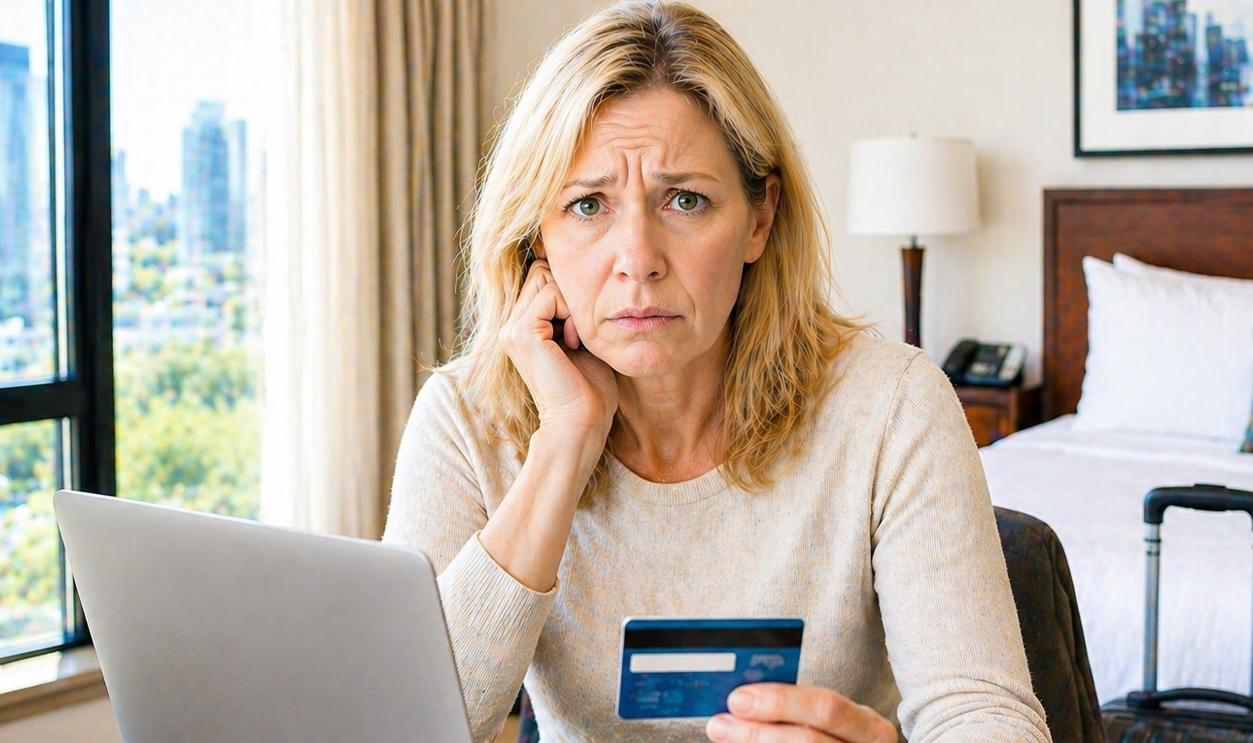
You checked into your hotel, connected to the “guest Wi-Fi,” and didn’t think twice about it. It’s pretty standard, right? Then a few days later, you notice strange charges on your card that you definitely didn’t make. Now you’re left wondering if this is just bad timing, or could that Wi-Fi network have something to do with it? The short answer is yes, it’s possible. Public Wi-Fi can be risky, especially if it’s not what it seems. But before you panic, there are clear steps you can take to protect yourself and limit the damage.
Public Wi-Fi Isn’t Always Secure
Hotel Wi-Fi is designed for convenience, not security. Unlike your home network, it’s often shared by dozens or even hundreds of people at the same time. That makes it a bigger target. Some hotel networks don’t use strong encryption, which means data traveling over them can be easier to intercept under the right conditions.
Fake Networks Are A Real Thing
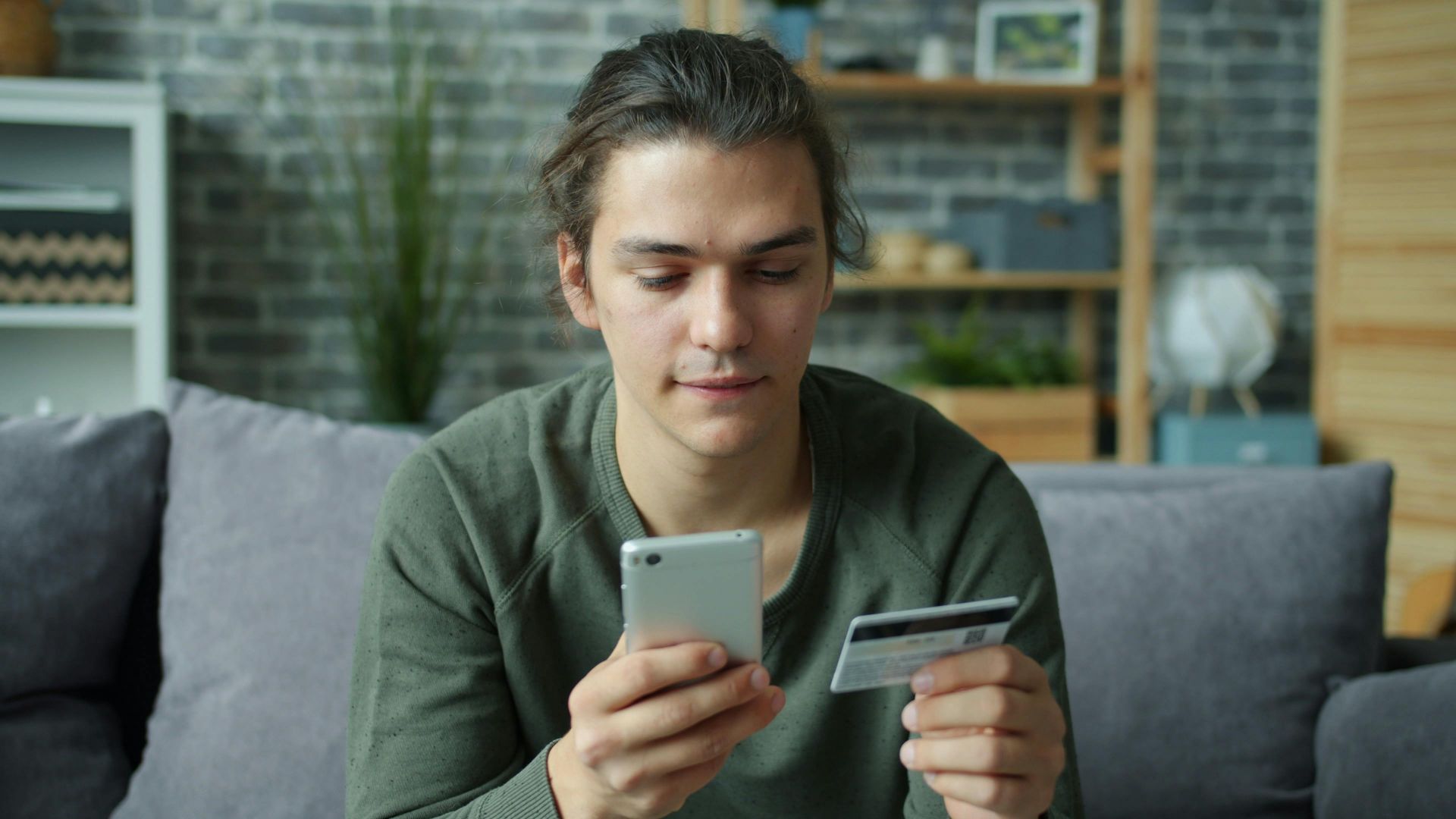
One of the most common scams is something called an “evil twin” network. A hacker sets up a Wi-Fi signal with a name that looks almost identical to the hotel’s official one. Guests connect without realizing, and suddenly all their internet traffic is passing through someone else’s system.

It Might Not Be The Hotel’s Fault
Even if the issue started during your stay, that doesn’t necessarily mean the hotel’s system was hacked. Attackers often operate nearby, sometimes even from the parking lot or a neighboring room. They rely on confusion and convenience to trick people into connecting.

What Hackers Can Actually Do
If you connect to a compromised or fake network, hackers may be able to monitor your activity. This can include capturing login credentials, intercepting unencrypted data, or redirecting you to fake websites that look real. If you entered payment details or logged into sensitive accounts, that information could be exposed.
But Not Every Case Comes From Wi-Fi
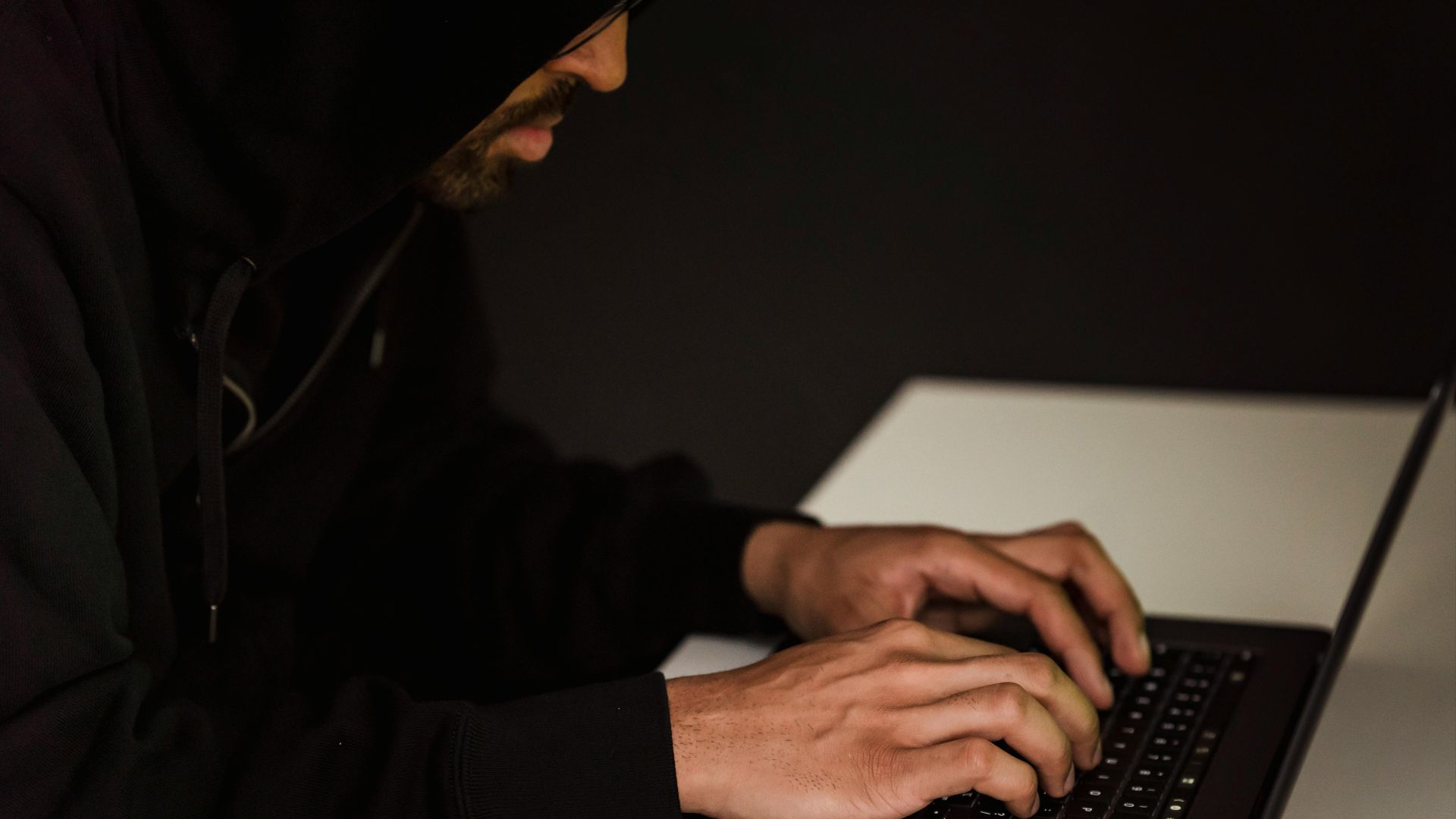
It’s important not to jump to conclusions. Unauthorized charges can come from many places, including data breaches, skimming devices, phishing emails, or even previous exposures you didn’t notice. The timing might point to the hotel stay, but it’s not always the root cause.
Look At The Timing And Type Of Charges
Take a closer look at your transactions. Did the charges appear immediately after your stay, or days later? Are they small test charges or large purchases? This can sometimes give clues about how your card information was used and whether it lines up with a potential Wi-Fi issue.
Contact Your Bank Immediately
This is the most important step. As soon as you see unauthorized charges, call your bank or credit card company. Report the transactions as fraud so they can investigate, reverse the charges, and prevent further misuse.

Freeze Or Replace Your Card Right Away
Don’t wait to see what happens next. Ask your bank to freeze your current card or issue a new one. This stops additional charges from going through and limits your exposure moving forward.

Understand Your Fraud Protection Rights
The good news is that most credit cards offer strong protection against fraud. If you report unauthorized charges promptly, you’re typically not responsible for them. Debit cards can be trickier, but reporting quickly still helps protect you.

Change Your Passwords Immediately
If you logged into any accounts while connected to that Wi-Fi, especially banking, email, or shopping sites, change your passwords right away. Focus on anything tied to financial information or personal data.

Enable Two-Factor Authentication Everywhere
Adding two-factor authentication (2FA) gives you an extra layer of protection. Even if someone gets your password, they won’t be able to access your account without a second verification step.

Check Your Devices For Security Issues
Run antivirus or security scans on your phone, tablet, or laptop. While Wi-Fi scams don’t always install malware, it’s still worth checking for anything suspicious, especially if you were redirected to unusual websites.

Log Out Of Active Sessions
If you stayed logged into accounts while using the network, go back and log out of all active sessions. Many services allow you to log out of all devices remotely, which can cut off unauthorized access.
Notify The Hotel
It might feel awkward, but let the hotel know what happened. If there’s a fake network or security issue, they should be aware. They may also be able to confirm the correct network name or alert other guests.

Watch For Follow-Up Scams
Once your information is exposed, scammers sometimes try to follow up with phishing emails or texts. These might look like messages from your bank or the hotel asking you to “verify” information. Be extremely cautious with anything unexpected.

Monitor Your Accounts Closely
Keep checking your bank and credit card statements over the next few weeks. Fraudulent activity can continue or appear later, especially if your information was shared or sold.

Consider A Fraud Alert Or Credit Freeze
If you’re worried your personal information goes beyond just your card number, consider placing a fraud alert or freezing your credit. This makes it harder for anyone to open new accounts in your name.
Use A VPN On Public Wi-Fi
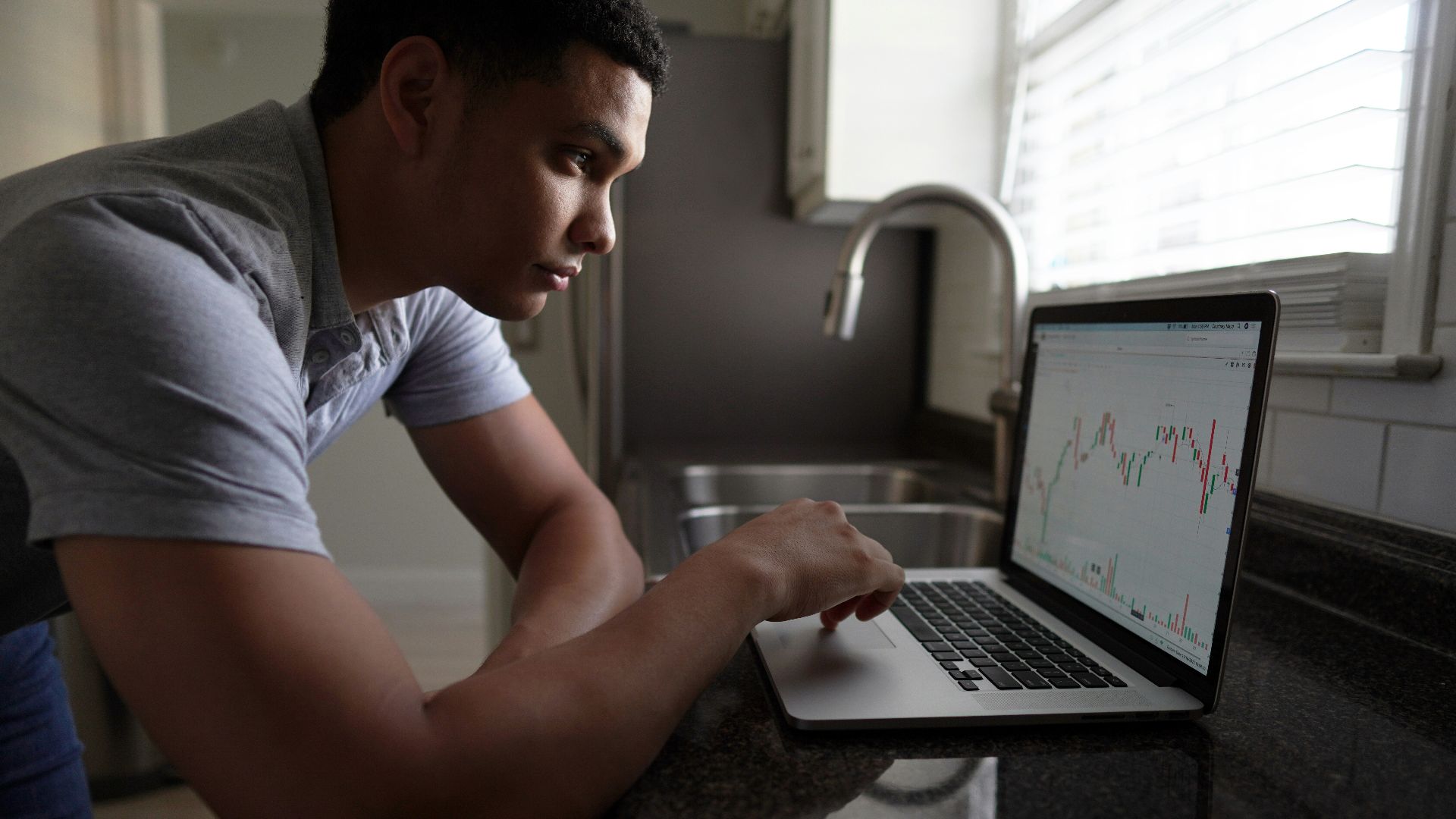
For future trips, consider using a virtual private network (VPN). A VPN encrypts your connection, making it much harder for anyone on the same network to intercept your data.
 Rodrigo Rodrigues | WOLF Λ R T, Unsplash
Stick To Secure Websites Only
When using public Wi-Fi, only enter sensitive information on websites that use HTTPS. Look for the padlock icon in your browser. It’s not foolproof, but it’s a basic layer of protection.
 Christian Velitchkov, Unsplash
Double-Check The Network Name
Always confirm the official Wi-Fi name with hotel staff before connecting. Even a small difference, like an extra letter or symbol, can indicate a fake network.

Avoid Financial Transactions On Public Wi-Fi
If possible, don’t access banking apps, make purchases, or enter payment information while on public Wi-Fi. If you need to, consider switching to your mobile data instead.

You’re Probably Not Alone In This
If this was related to a network issue, there’s a chance other guests were affected too. Reporting it helps create a record and may support your case if multiple incidents are linked.

Final Thoughts
Finding unauthorized charges after using hotel Wi-Fi is stressful, but it’s not the worst-case scenario it feels like in the moment. With fast action, most people recover their money and secure their accounts without long-term damage. Going forward, a few simple precautions can go a long way in keeping your information safe, even on public networks.

You May Also Like:
The hotel changed my room while I was out for dinner and moved my luggage without telling me. Is that allowed?
The guy behind me kept kicking my seat hard—so I yelled at him. When we landed, I was taken off in handcuffs. Was I supposed to just sit and take it?