I paid for a day pass online for the state park, but when I got there, the ranger said the park hit capacity. Doesn’t a ticket guarantee entry?

I paid for a day pass online for the state park, but when I got there, the ranger said the park hit capacity. Doesn’t a ticket guarantee entry?


April 24, 2026 | Allison Robertson

I paid for a day pass online for the state park, but when I got there, the ranger said the park hit capacity. Doesn’t a ticket guarantee entry?


You Paid for a Park Pass… Then Got Turned Away at the Gate

You bought your day pass online, showed up ready to hike, relax, and enjoy the park—and then a ranger stops you at the entrance. “We’re at capacity.” Wait… what? If you already paid, shouldn’t that guarantee you get in?
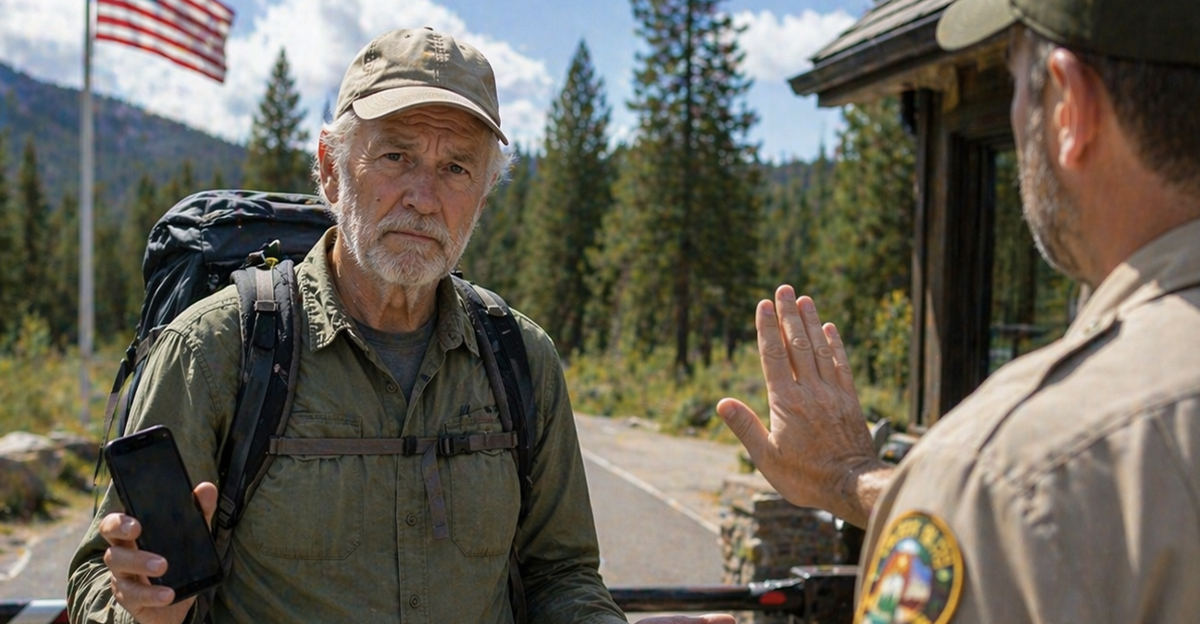
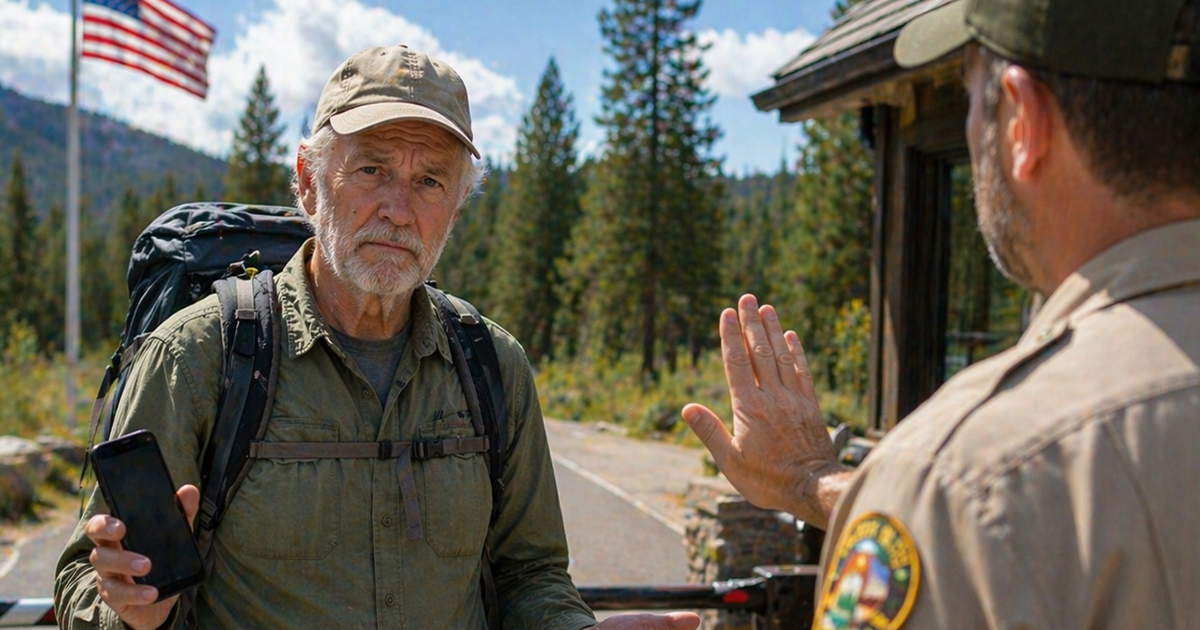
Older male hiker being turned away by a park ranger.Factinate Ltd.

Advertisement

Does a Day Pass Actually Guarantee Entry?

Not always. Many state parks treat day passes as access permits, not guaranteed reservations. That means you’re allowed to enter—but only if the park hasn’t already reached its maximum capacity for the day.

Park ranger guiding a group through a forest area, pointing with emphasis.Thomas balabaud, Pexels

Advertisement

Why Parks Have Capacity Limits

State parks aren’t just open land—they’re managed spaces. Capacity limits exist for safety, parking, environmental protection, and staffing. Once those limits are hit, they legally have to stop letting people in, even if others already paid.
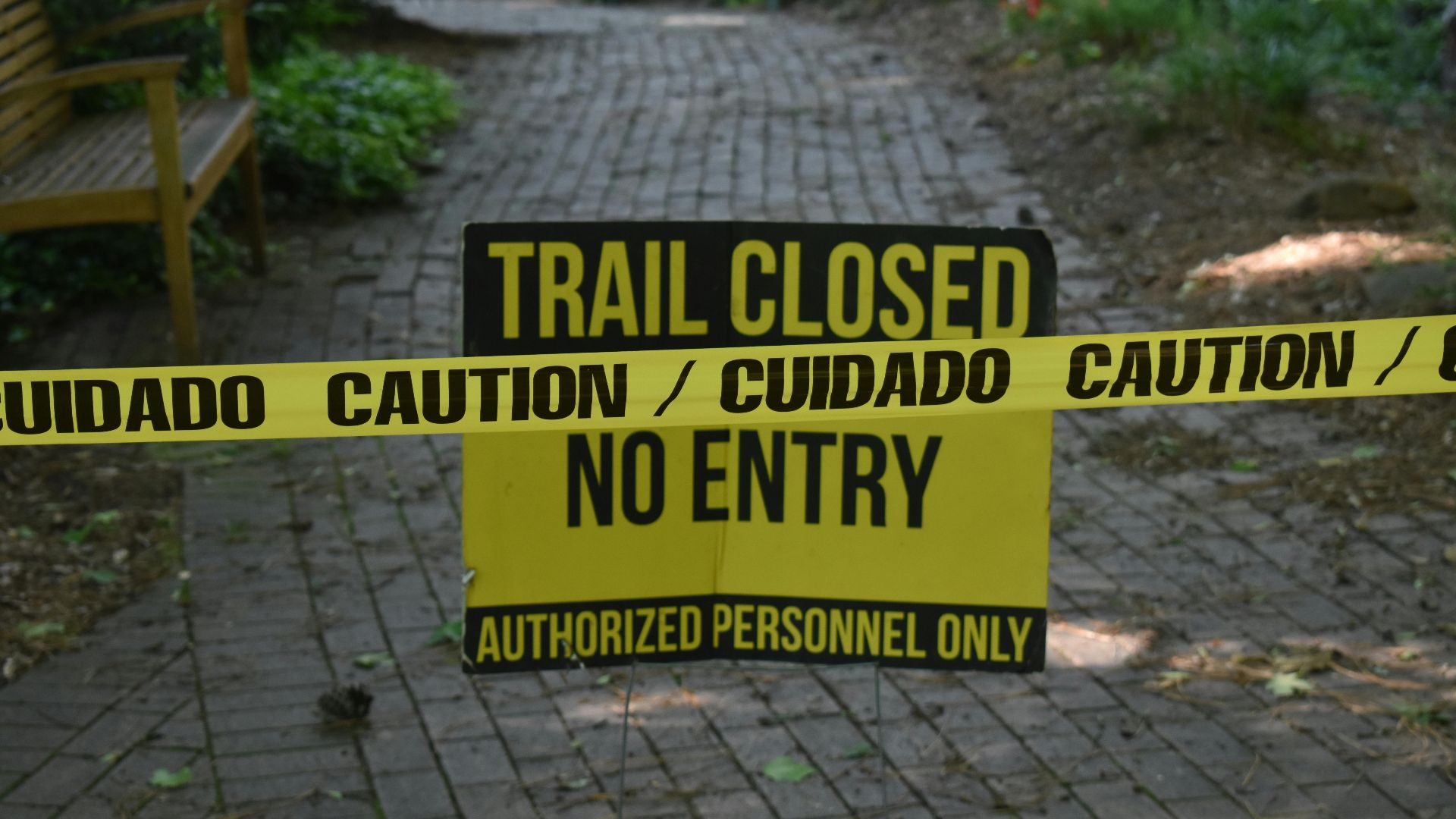
Trail closed sign with caution tape blocking pathway in a park setting.Julia Boone, Pexels

Advertisement

So What Did You Actually Pay For?

In many cases, you paid for the opportunity to visit—not a guaranteed spot. Some systems sell passes in advance but still operate on a first-come, first-served entry model once you arrive at the gate.
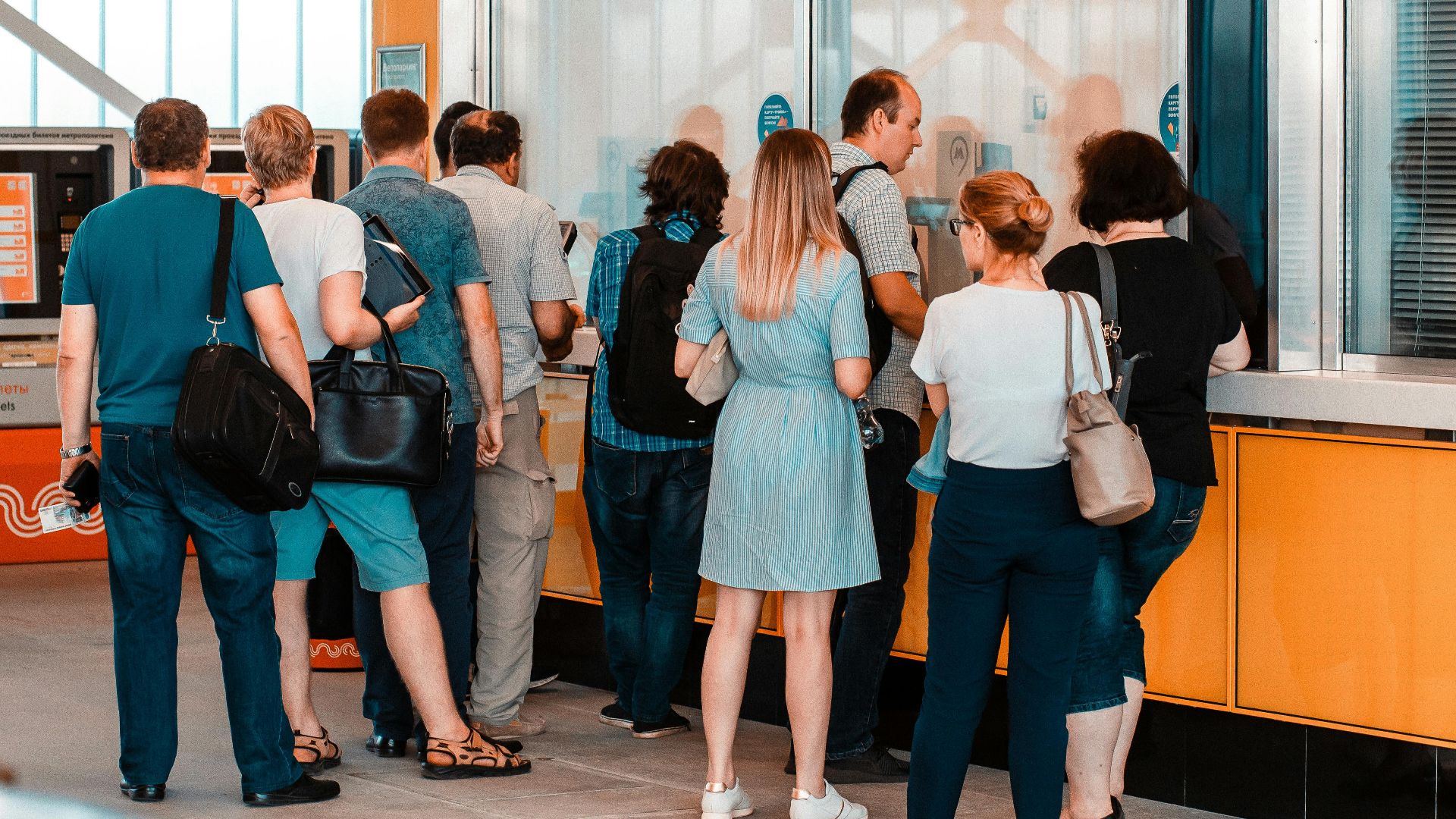
Back view of unrecognizable people in casual wear standing near ticket office in public placeMaxim Titov, Pexels

Advertisement

Why This Feels So Misleading

Because it kind of is—at least from a customer perspective. The wording on booking sites isn’t always clear, and many people assume “paid pass” equals “reserved entry,” even when the fine print says otherwise.

Senior woman in floral dress checking smartphone outdoors, symbolizing modern technology engagement.SHVETS production, Pexels

Advertisement

Are All State Parks Like This?

No. Some parks use timed entry or reservation systems that do guarantee access. Others don’t. It depends entirely on the state, the park, and how busy that location typically gets.

Close-up of a hand pinning flags on a map for trip planning and exploration.Lara Jameson, Pexels

Advertisement

What Happens When Capacity Is Reached?

Once the park fills up, rangers may close the gates temporarily or for the entire day. Even people with prepaid passes can be turned away until space opens up—if it opens at all.

Back view of a police officer in uniform controlling traffic on a busy road.Jefferson Delogo, Pexels

Advertisement

Can You Come Back Later That Day?

Sometimes. If visitors leave and space frees up, parks may allow new entries again. But there’s no guarantee, and you might end up waiting or making multiple trips to the entrance.

Traffic officer directing vehicles on a busy road intersection during daytime.Soul Winners For Christ, Pexels

Advertisement

Are You Entitled to a Refund?

Often, yes—but not always automatically. Many parks will refund unused passes if you were denied entry due to capacity, but you may need to request it through their system or customer service.

Asian businesswoman in a blazer typing on a laptop in a modern office setting.Mikhail Nilov, Pexels

Advertisement

What If the Website Didn’t Mention This Clearly?

If the rules weren’t clearly disclosed, you may have a stronger case for a refund or complaint. Consumer protection laws can apply if the purchase was misleading or lacked proper disclosure.

a woman sitting at a table with a laptopLynn Van den Broeck, Unsplash

Advertisement

Why Parks Don’t Just Limit Ticket Sales

In theory, they could—but demand can be unpredictable. Weather, events, and weekends all affect turnout. Some parks oversell slightly or rely on no-shows, which can lead to situations like this.
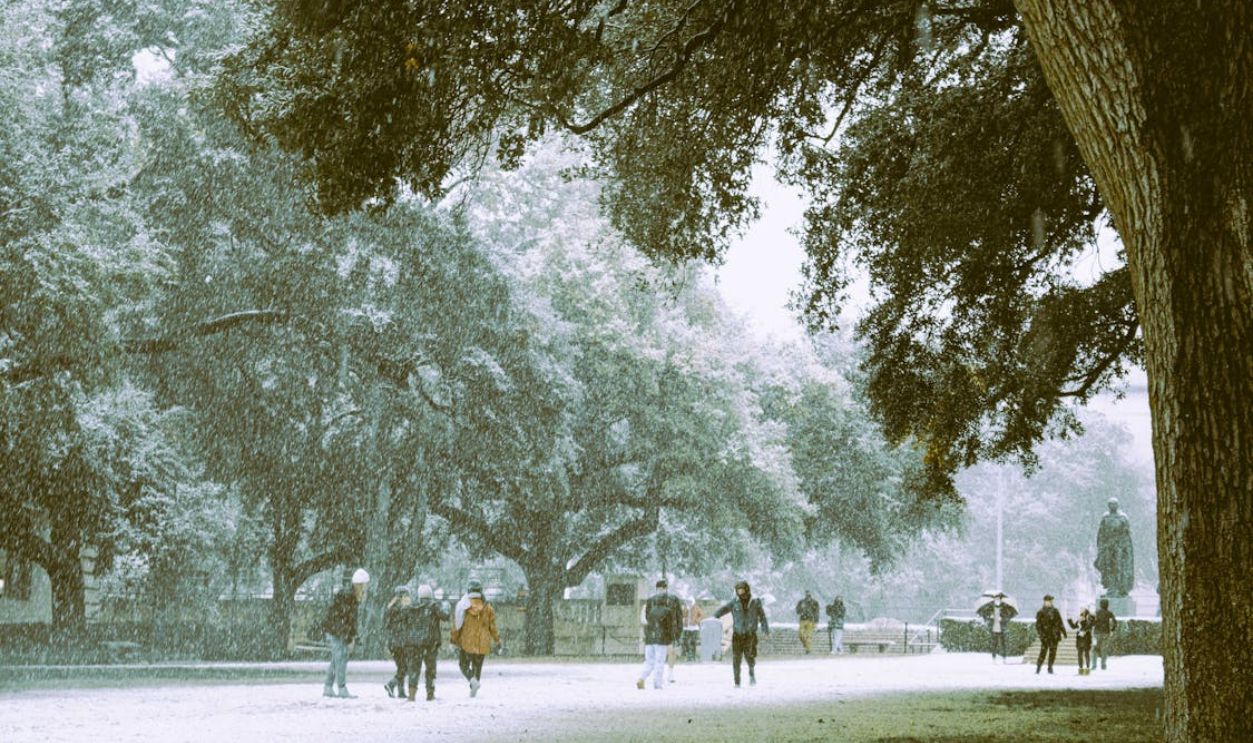
People Walking on ParkMizzu Cho, Pexels

Advertisement

Could This Be Avoided With Better Planning?

Yes. Arriving early—especially during peak seasons—can make a big difference. Many parks fill up by mid-morning on busy days, even if passes were purchased ahead of time.
Sunset over a grassy area with trees and road.Bhargav Panchal, Unsplash

Advertisement

What Should You Do Right Away?

Ask the ranger if re-entry later is possible and whether refunds are available. Take note of the time and situation in case you need to follow up with park services afterward.

Two women in conversation on an urban street with a modern building backdrop.Ali Alcantara, Pexels

Advertisement

Should You Keep Documentation?

Definitely. Keep your confirmation email, receipt, and any screenshots of the booking terms. If you need a refund or want to file a complaint, having proof makes things much easier.
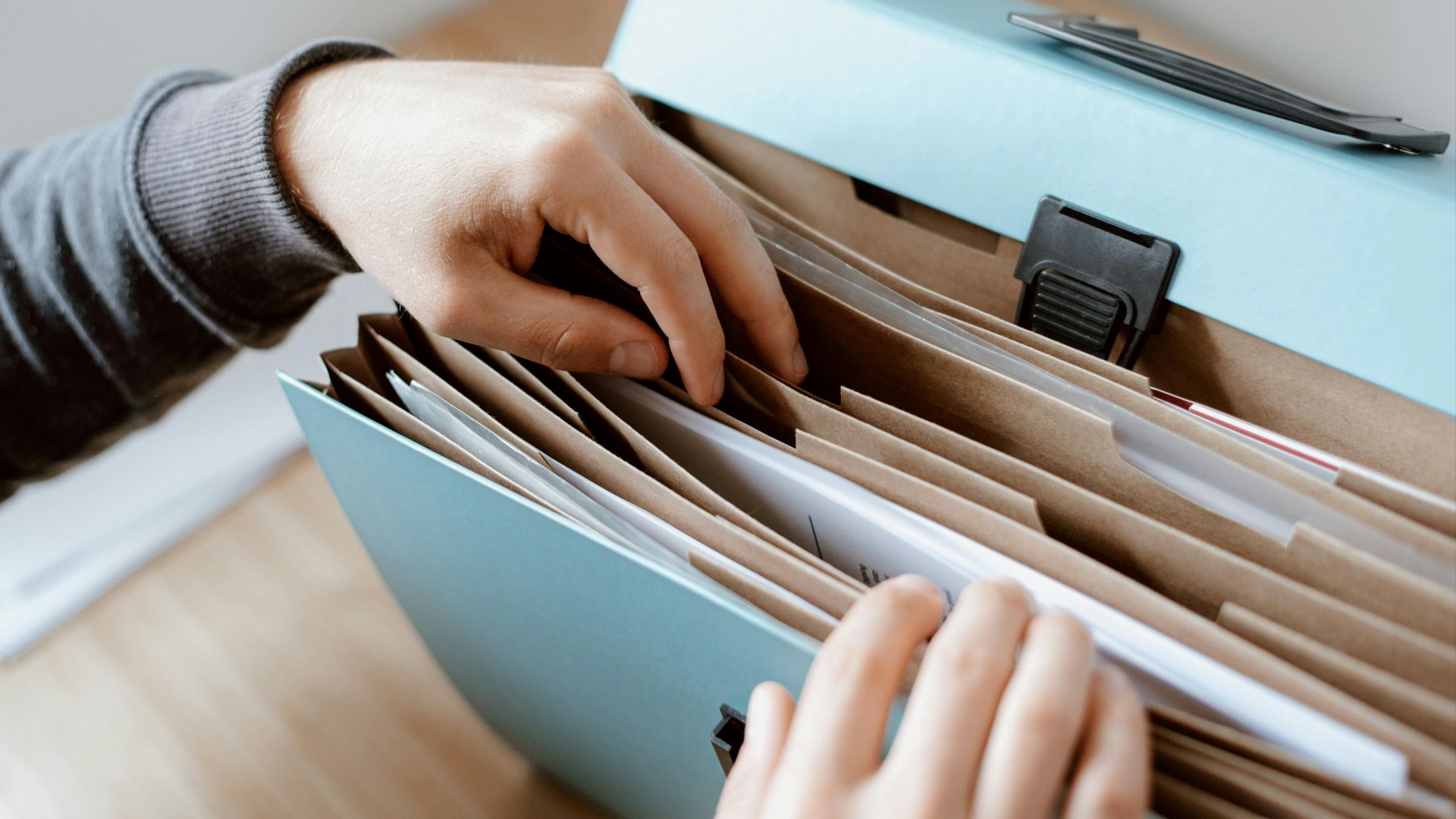
Crop unrecognizable person selecting document in opened briefcase for documents placed on wooden tableAnete Lusina, Pexels

Advertisement

What About Third-Party Bookings?

If you booked through a third-party site, the refund process may be different. You might need to go through that platform instead of the park directly, which can slow things down.

Woman in pajamas working on a laptop from a cozy home environment, focused on her task.www.kaboompics.com, Pexels

Advertisement

Is This Common at Popular Parks?

Very. High-demand parks—especially in summer or on weekends—regularly hit capacity. It’s one of the biggest complaints from visitors who assume a pass guarantees entry.
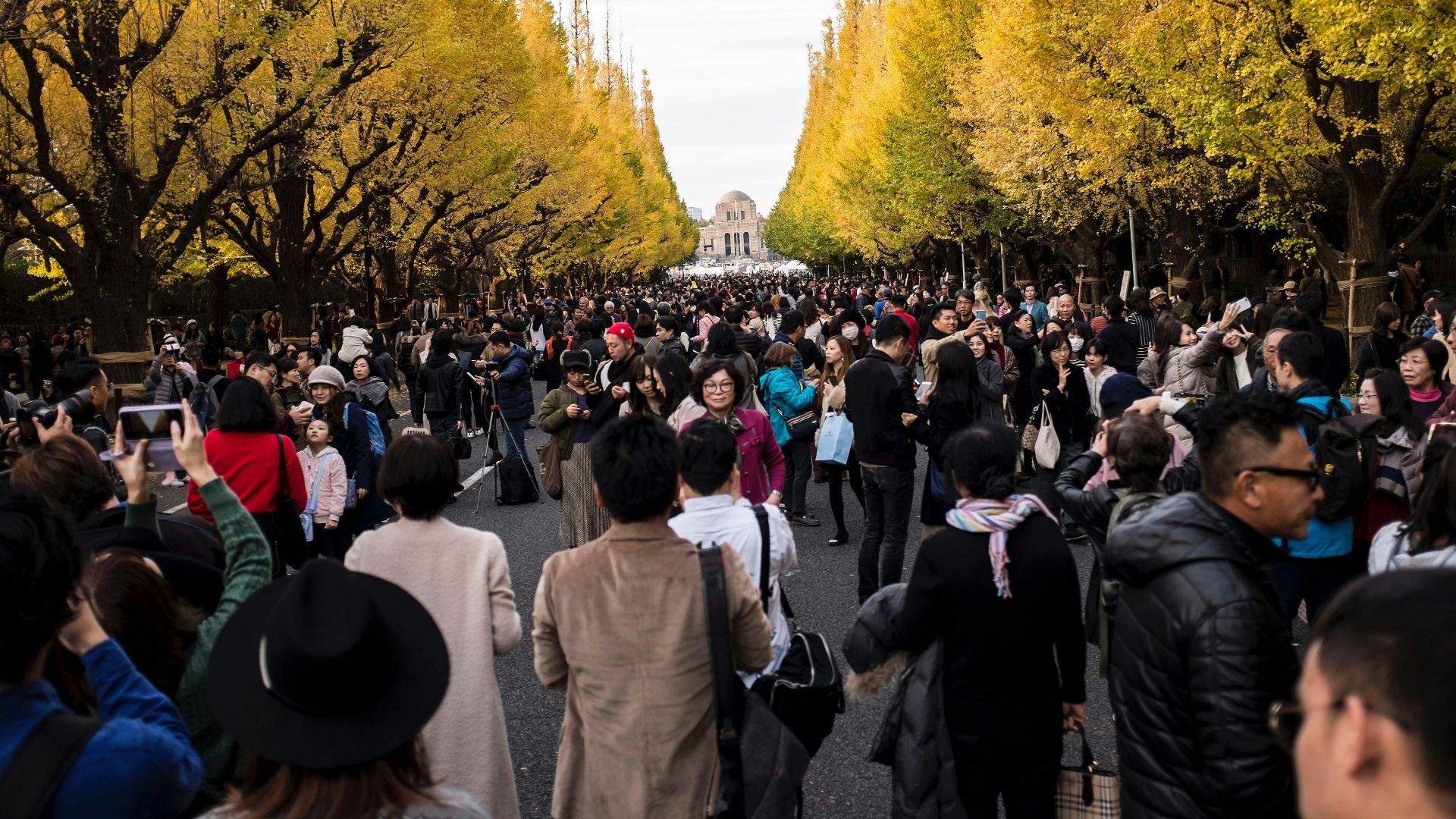
Crowds enjoy a vibrant autumn day under ginkgo trees at Meiji Jingu Gaien, Tokyo.Hakan Nural, Pexels

Advertisement

So… Was the Ranger Wrong?

Probably not. If the park truly hit capacity, the ranger is required to enforce that limit. It’s not a judgment call—it’s a safety and policy issue.
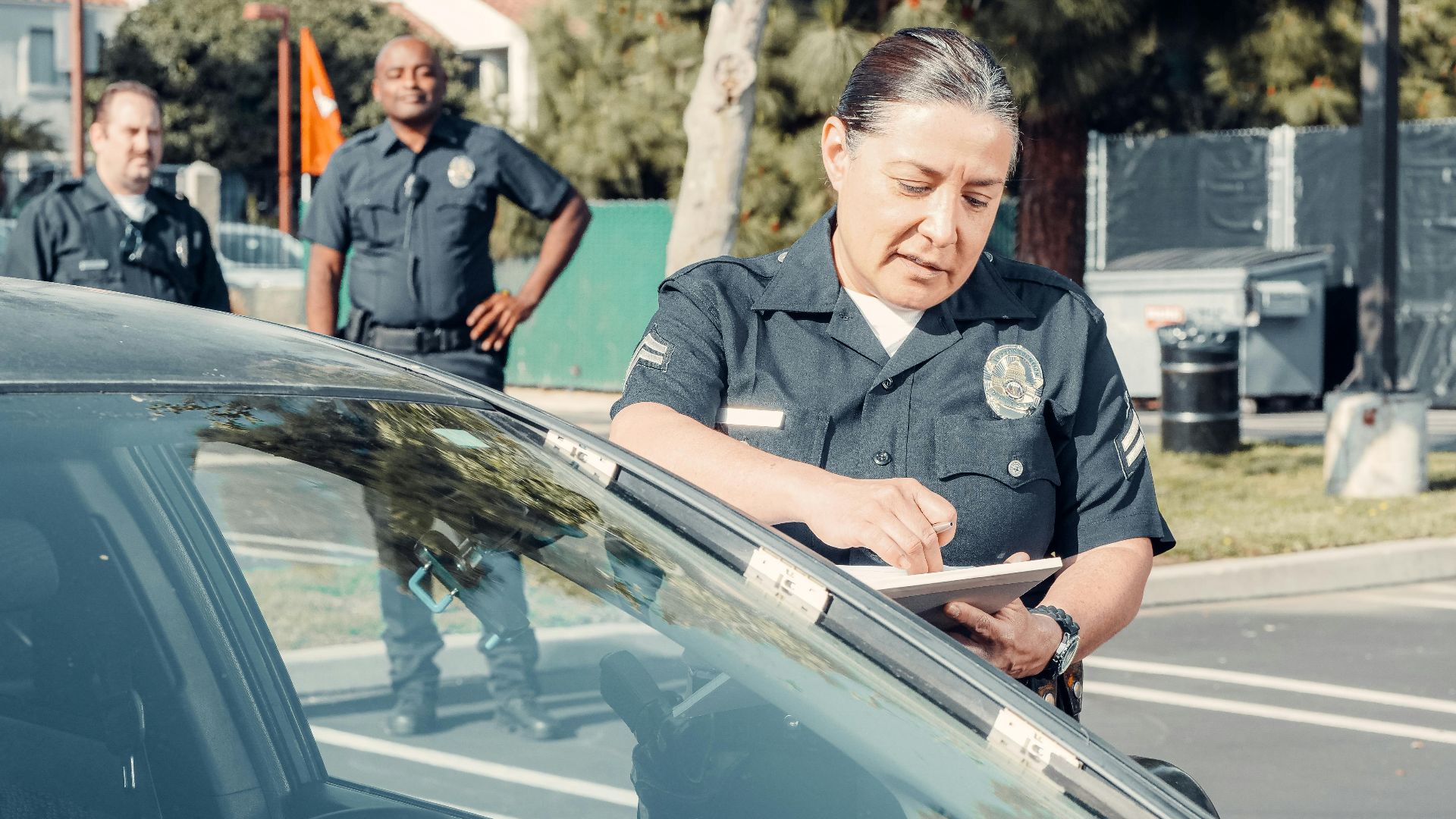
Police officers handling a traffic violation in a parking lot, focus on policewoman writing a ticket.Kindel Media, Pexels

Advertisement

So… Doesn’t a Ticket Guarantee Entry?

Not in most cases. Unless it’s specifically labeled as a reserved or timed-entry ticket, a day pass usually doesn’t guarantee access once the park is full.

Woman with curly hair using smartphone by a sunlit window, wearing a white t-shirt.Craig Adderley, Pexels

Advertisement

The Bottom Line Before Your Next Park Trip

Paying for a pass doesn’t always mean you’re getting in—it just means you can try. The real key is understanding the system and showing up early enough to beat the crowd.
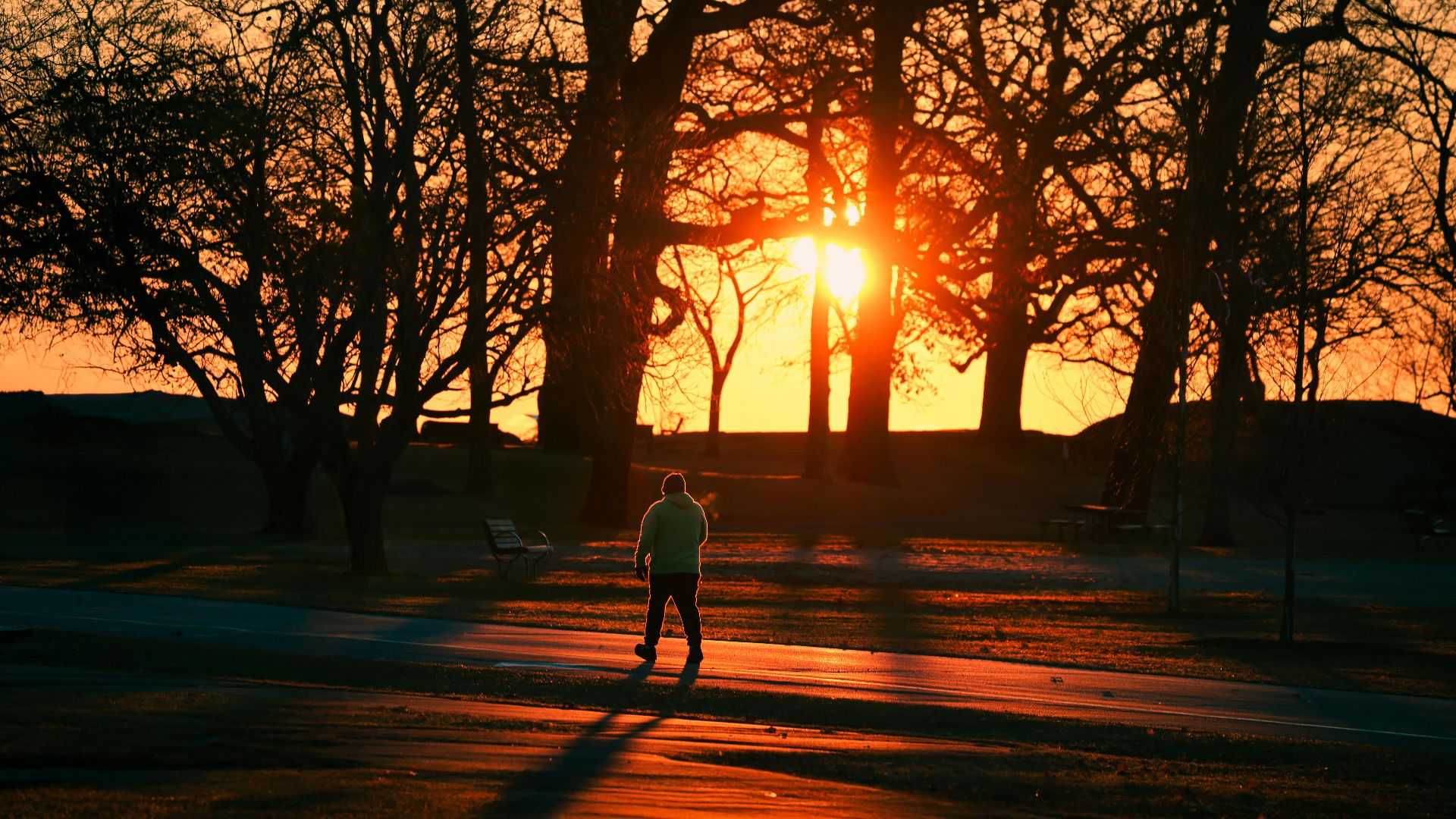
A person walks through Cove Island Park during a vivid autumn sunrise in Stamford, Connecticut.David Kanigan, Pexels

Advertisement

You May Also Like:

I booked “hidden city” flights to save money, but my dad says airlines can ban me for that—is that actually true?

My friend says TSA can’t make you unlock your phone. My cousin says they absolutely can at some airports. Who’s telling the truth?


Sources: 1, 2, 3


READ MORE

Americans waving at USA States map Map

The States Americans Are Actively Avoiding In 2026

Based on the latest domestic migration trends, housing affordability pressures, job growth data, and relocation patterns heading into 2026, these are the states Americans are most actively choosing to avoid. The results reveal where momentum is fading fastest—and some of the top states might surprise you.
January 20, 2026 Jesse Singer
American Man, European woman

Americans Should Know That These “Normal” Things They Do Are Illegal In Europe

Most Americans break European laws without realizing it—sometimes within minutes of landing. Not because they’re reckless, but because everyday U.S. habits quietly cross legal lines overseas. The fines come fast, the rules aren’t obvious, and “that’s normal back home” doesn’t help.
January 28, 2026 Jesse Singer
African landscape

In 2026, researchers uncovered the world’s oldest cremation pyre in Africa, where a hunter-gatherer woman was cremated around 9,500 years ago.

Archaeologists in Malawi uncover the world’s oldest known cremation pyre, dating back 9,500 years, revealing complex funerary rituals, pre-cremation defleshing, and early symbolic behavior among ancient hunter-gatherers.
January 20, 2026 Allison Robertson
Berkeley Mystery Walls

Explorers in California stumbled upon ancient stone walls scattered across the Berkeley hills that archaeologists struggle to explain.

Mysterious stone walls scattered across the Berkeley hills continue to puzzle archaeologists, raising unanswered questions about who built them, when they were constructed, and why they still defy explanation today.
January 28, 2026 Allison Robertson
DB Cooper

The Most Intriguing Cases Of People Who Vanished Without A Trace

What happens when someone vanishes into thin air? Throughout history, certain disappearances have captivated the public imagination because of their mysterious circumstances and the lingering questions they leave behind.
January 30, 2025 Peter Kinney
Amazon Rainforest

In 2024, archaeologists used light-detection technology to uncover a massive Amazonian city hidden in what was once believed to be untouched jungle.

Archaeologists reveal a 2,500-year-old network of ancient garden cities hidden beneath Ecuador’s Amazon rainforest, reshaping what we know about early urban life in the Amazon.
January 19, 2026 Allison Robertson