
You Came Back From Dinner… And Your Room Wasn’t Yours Anymore
You leave for a normal evening out, come back expecting to relax—and suddenly your key doesn’t work, your stuff is gone, and the front desk says you’ve been “moved.” No heads-up, no message, nothing. So now you’re wondering… can a hotel actually do that?

Can Hotels Change Your Room Without Telling You?
Surprisingly, yes—hotels generally can move guests. When you check in, you’re agreeing to their terms, which often include the right to reassign rooms if needed. But that doesn’t mean they can do it carelessly or without limits.

Why Would a Hotel Move You in the First Place?
There are a few common reasons: maintenance issues, plumbing problems, overbooking, or operational needs. Sometimes it’s unavoidable. Other times, it’s just poor planning or last-minute adjustments behind the scenes.

Are They Allowed to Move Your Belongings?
This is where things get more sensitive. Hotels can move your belongings if necessary—but they’re expected to handle everything carefully and respectfully. They’re responsible for your items while they’re in their control.

Should They Have Told You First?
In most cases, yes. Good practice is to contact the guest before moving them, unless it’s an emergency. Not telling you at all is usually a customer service failure, even if it’s technically allowed under their policies.

What If Something Goes Missing?
Now it becomes a bigger issue. If items are lost, damaged, or stolen during the move, the hotel may be liable. That depends on local laws and hotel policies, but they can’t just shrug it off if something disappears.

Is This Considered a Privacy Issue?
It can be. Your hotel room is considered your temporary private space. Staff entering and moving your belongings without notice—especially without a clear reason—can feel like a violation, even if it’s legally permitted in certain cases.
What About Luxury or High-End Hotels?
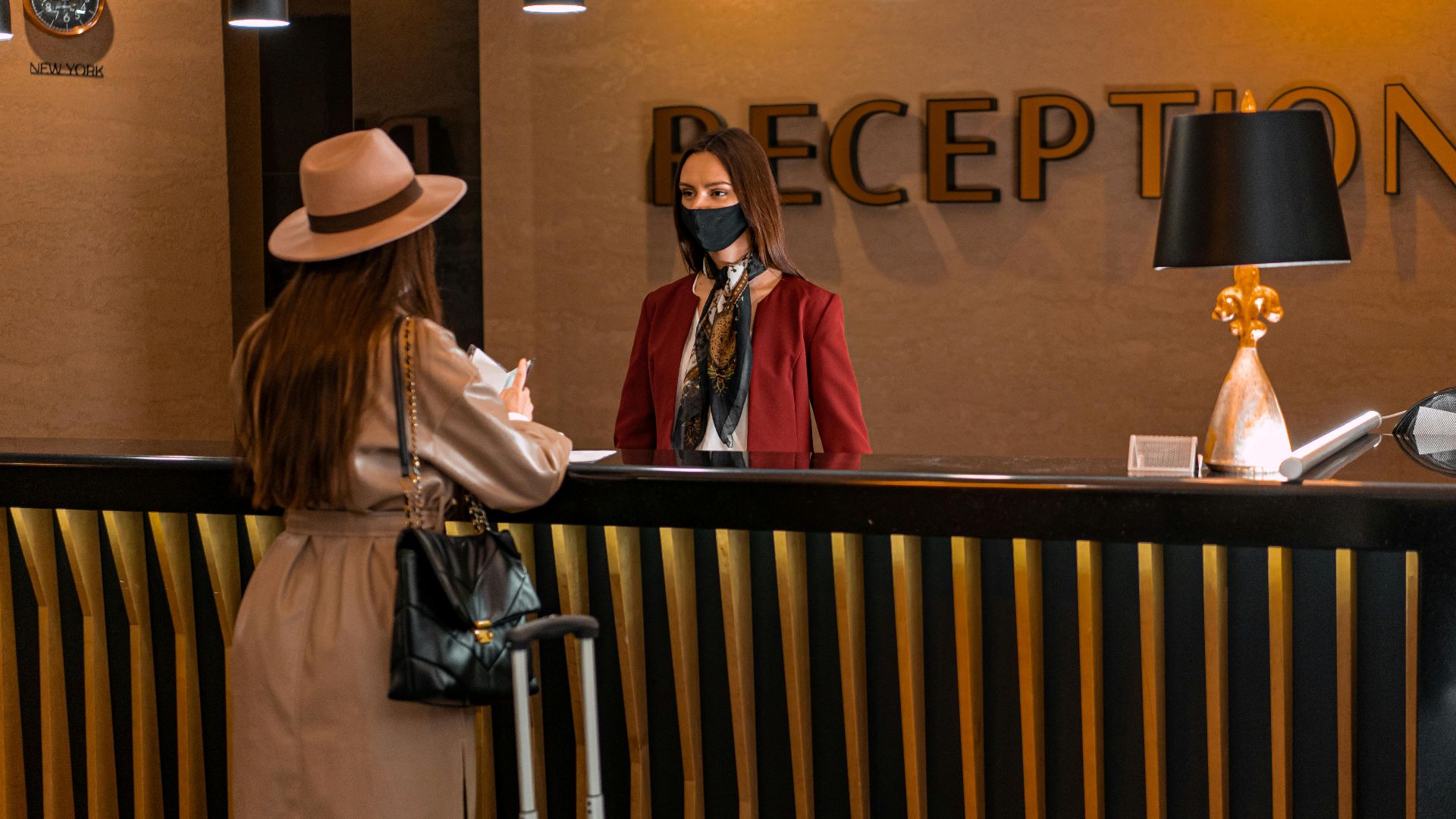
Higher-end hotels typically handle this much better. They’ll notify you, upgrade you, or compensate you for the inconvenience. Being moved without notice in those settings is far less common—and more likely to result in compensation.
Could This Be Due to Overbooking?
Yes, and it happens more than people realize. Hotels sometimes shuffle guests around to accommodate higher-paying bookings or fix earlier mistakes. You might get moved internally instead of being “walked” to another hotel.

What Is a “Walked Guest”?
That’s when a hotel sends you to a different property because they can’t accommodate you. In your case, they avoided that by moving your room—but the same underlying issue (like overbooking) might still be the cause.

Are You Entitled to Compensation?
Not automatically—but often, yes in practice. If the move caused inconvenience, confusion, or loss, many hotels will offer perks like upgrades, refunds, or credits to keep you satisfied.

What Should You Do Immediately?
First, check your belongings carefully. Make sure everything is there and undamaged. Then go to the front desk and ask for a clear explanation of why the move happened and why you weren’t informed.
Should You Document the Situation?
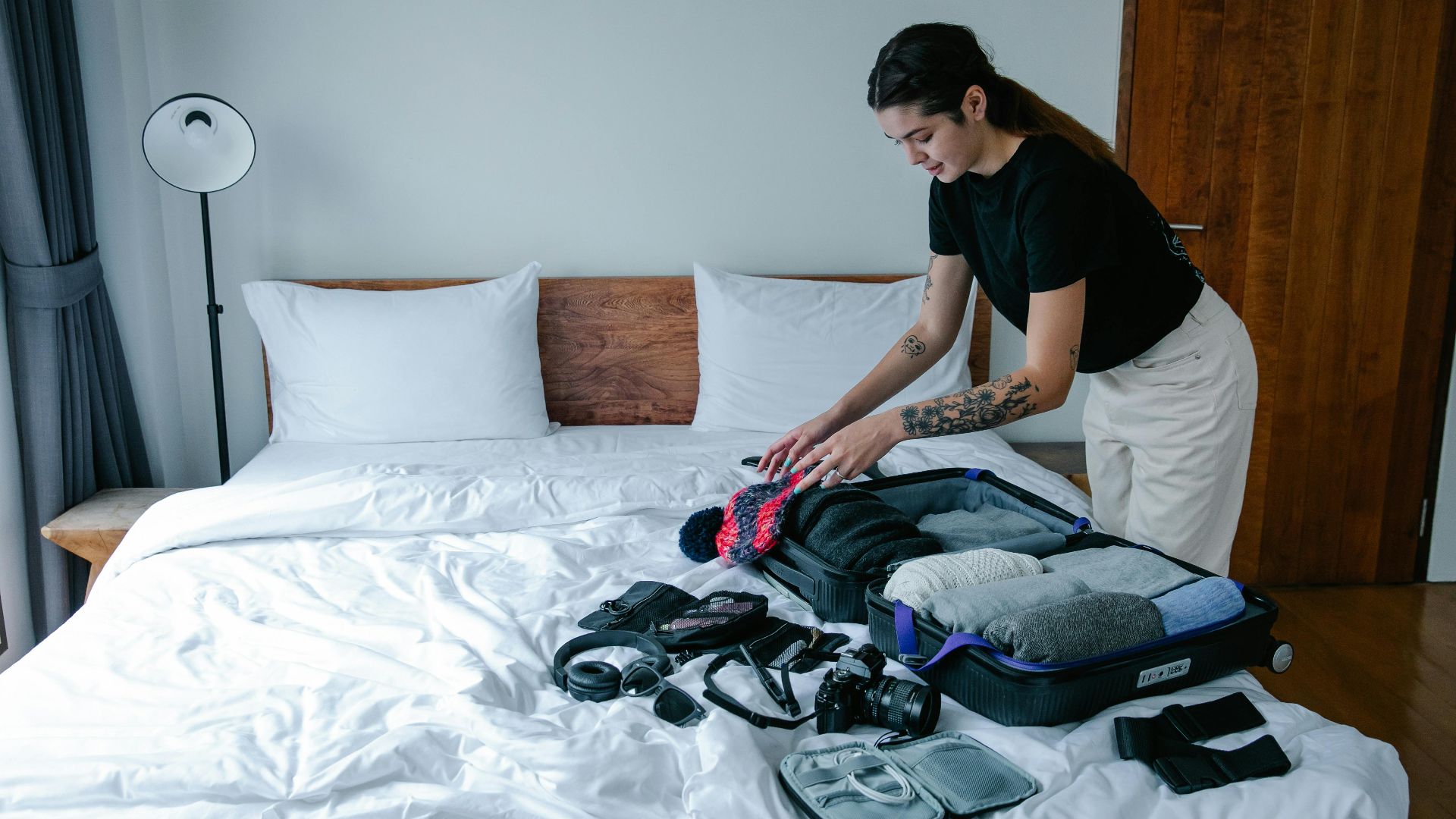
Definitely. Take photos of your new room, your belongings, and anything out of place. Keep records of conversations with staff. If something escalates, this documentation can help support your case.

Can You Refuse the New Room?
You can try—but your options may be limited. If the original room is unavailable, the hotel may not be able to move you back. At that point, your best leverage is negotiating compensation.

When Does This Cross the Line?
If your belongings were mishandled, something went missing, or the hotel acted negligently, that’s when it becomes more serious. At that point, you may have grounds for a formal complaint or even a claim.

What About Laws in the US vs. Canada?
In both countries, hotels have some flexibility to manage rooms, but they must still protect your property and follow consumer protection laws. Canada tends to lean slightly more toward consumer rights in disputes like this.

Could This Have Been Prevented?
Sometimes. Booking directly with the hotel, arriving earlier, and confirming your reservation details can reduce the chances of being moved—but it doesn’t eliminate the risk entirely.

So… Was This Actually Allowed?
Yes—but not handled well. Hotels can move you under certain conditions, but doing it without notice—especially while you’re out—is generally considered poor practice and can open the door to complaints.

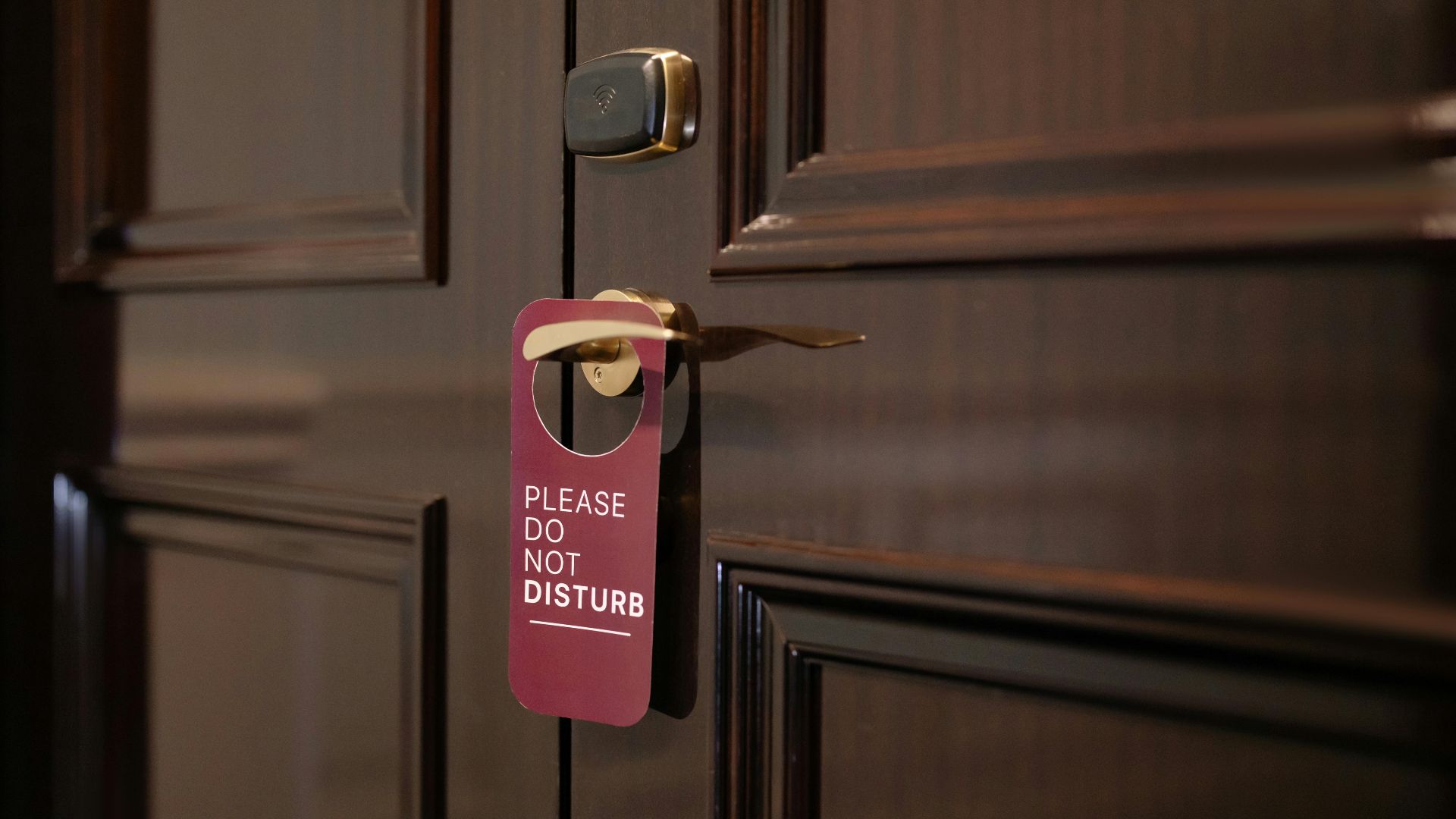
The Bottom Line Before You Trust That “Do Not Disturb” Sign
Hotels can move your room, but they’re supposed to do it responsibly. If they didn’t notify you or mishandled your belongings, you have every right to question it—and possibly push for compensation.

You May Also Like:
I booked “hidden city” flights to save money, but my dad says airlines can ban me for that—is that actually true?
My friend says TSA can’t make you unlock your phone. My cousin says they absolutely can at some airports. Who’s telling the truth?